
1. Search Result
Search Result
Results for "

blocker ATP

" in MedChemExpress (MCE) Product Catalog:

169

Inhibitors & Agonists

1

Screening Libraries

6

Fluorescent Dye

3

Biochemical Assay Reagents

2

Peptides

2

Inhibitory Antibodies

10

Natural
Products

11

Isotope-Labeled Compounds

1

Click Chemistry

Cat. No. Product Name Target Research Areas Chemical Structure
  • HY-N6782
    Oligomycin
    Maximum Cited Publications
    105 Publications Verification

    Oxidative Phosphorylation ATP Synthase Fungal Antibiotic Infection Cancer
    Oligomycin, an antifungal antibiotic, is an inhibitor of H +-ATP-synthase. Oligomycin blocks oxidative phosphorylation and the electron transport chain. Oligomycin inhibits HIF-1alpha expression in hypoxic tumor cells .
    Oligomycin
  • HY-15206
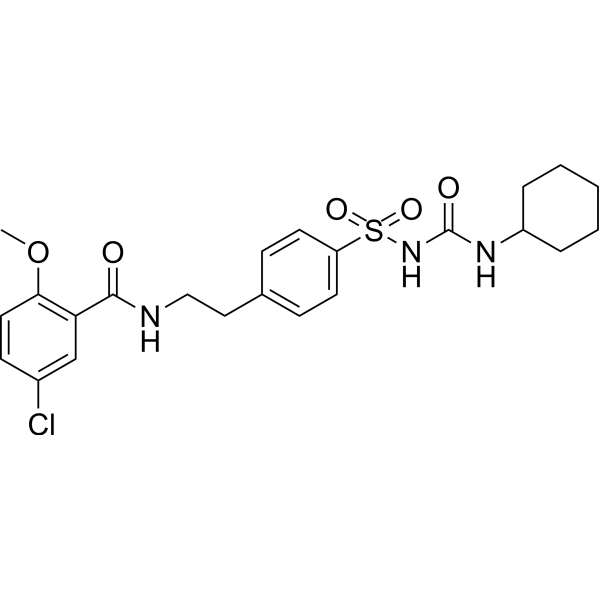
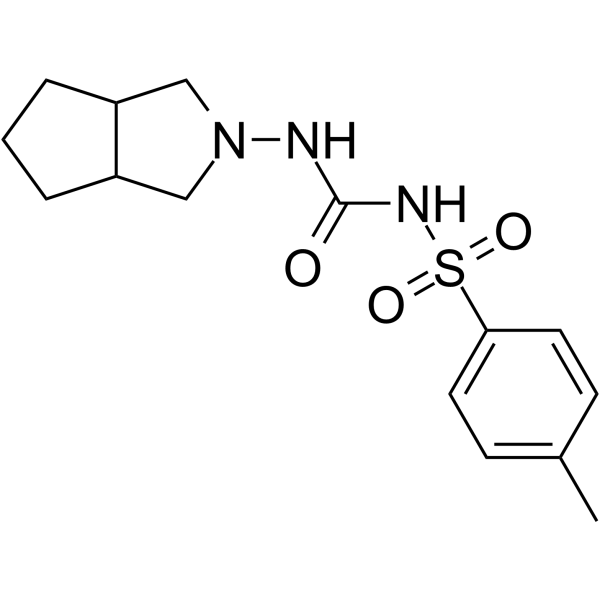
    Glibenclamide
    25+ Cited Publications

    Glyburide

    Potassium Channel Mitochondrial Metabolism Autophagy CFTR P-glycoprotein Metabolic Disease
    Glibenclamide (Glyburide) is an orally active ATP-sensitive K + channel (KATP) inhibitor and can be used for the research of diabetes and obesity . Glibenclamide inhibits P-glycoprotein. Glibenclamide directly binds and blocks the SUR1 subunits of KATP and inhibits the cystic fibrosis transmembrane conductance regulator protein (CFTR) . Glibenclamide interferes with mitochondrial bioenergetics by inducing changes on membrane ion permeability . Glibenclamide can induce autophagy .
    Glibenclamide
  • HY-W040118
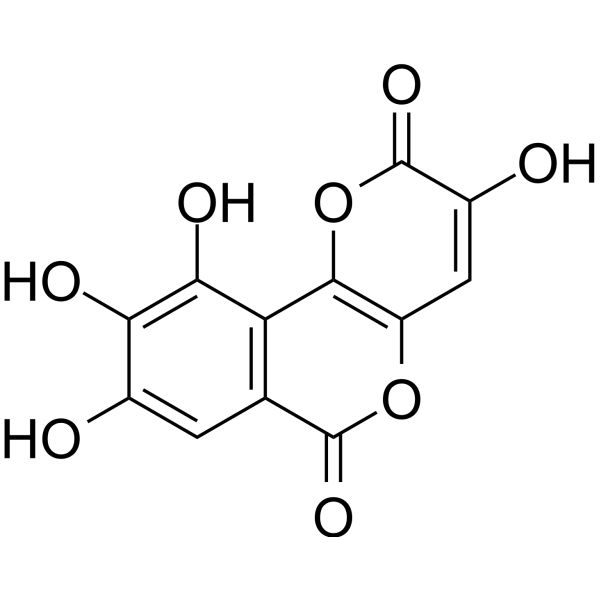
    Galloflavin
    10+ Cited Publications

    Lactate Dehydrogenase Cancer
    Galloflavin is a potent lactate dehydrogenase (LDH) inhibitor. The calculated Kis for pyruvate are 5.46 μM (LDH-A) and 15.06 μM (LDH-B). Galloflavin hinders the proliferation of cancer cells by blocking glycolysis and ATP production .
    Galloflavin
  • HY-11005
    BX-912
    5+ Cited Publications

    PDK-1 Apoptosis Cancer
    BX-912 is a direct, selective, and ATP-competitive PDK1 inhibitor (IC50=26 nM). BX-912 blocks PDK1/Akt signaling in tumor cells and inhibits the anchorage-dependent growth of a variety of tumor cell lines in culture or induces apoptosis .
    BX-912
  • HY-16929
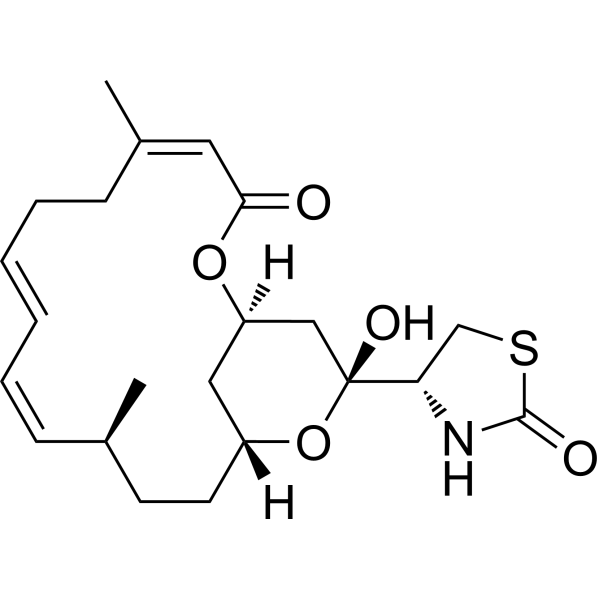
    Latrunculin A
    10+ Cited Publications

    LAT-A

    Arp2/3 Complex Cancer
    Latrunculin A (LAT-A), found in the red sea sponge Latrunculia magnifica, is a G-actin polymerization inhibitor. Latrunculin A binds to actin monomers and inhibits polymerization of actin with Kds of 0.1, 0.4, 4.7 μM and 0.19 μM for ATP-actin, ADP-Pi-actin, ADP-actin and G-actin, respectively. Latrunculin A has effective anti-metastatic properties for cancer research. Latrunculin A blocks cell migration .
    Latrunculin A
  • HY-12283
    Rostafuroxin
    2 Publications Verification

    PST 2238

    Na+/K+ ATPase RSV Cardiovascular Disease
    Rostafuroxin (PST 2238), a digitoxigenin derivative, is an orally active and potent Na +,K +-ATPase (ATP1A1) antognist. Rostafuroxin binds specifically to the ATP1A1 extracellular domain and blocks respiratory syncytial virus (RSV)-triggered EGFR Tyr845 phosphorylation. Rostafuroxin has antihypertensive and anti-RSV activity .
    Rostafuroxin
  • HY-12054
    Hesperadin
    10+ Cited Publications

    Aurora Kinase Autophagy Influenza Virus Parasite Cancer
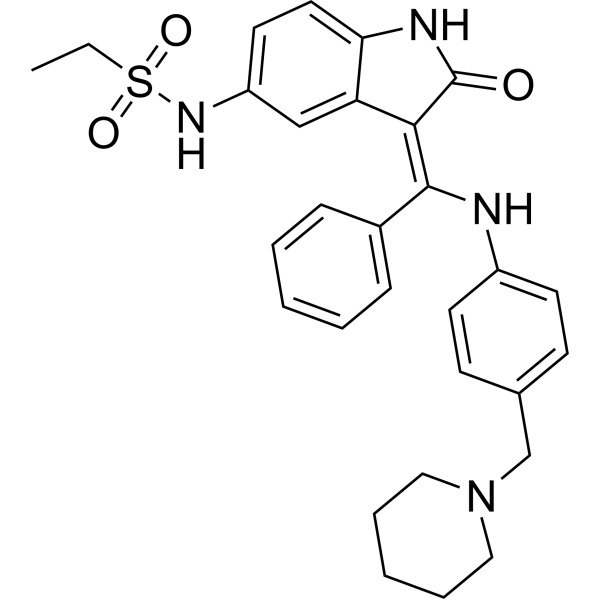
    Hesperadin is an ATP competitive indolinone inhibitor of Aurora A and B. Hesperadin inhibits Aurora B with an IC50 of 250 nM. Hesperadin inhibits the growth of Trypanosoma brucei by blocking nuclear division and cytokinesis. Hesperadin also is a broad-spectrum influenza antiviral .
    Hesperadin
  • HY-D1297
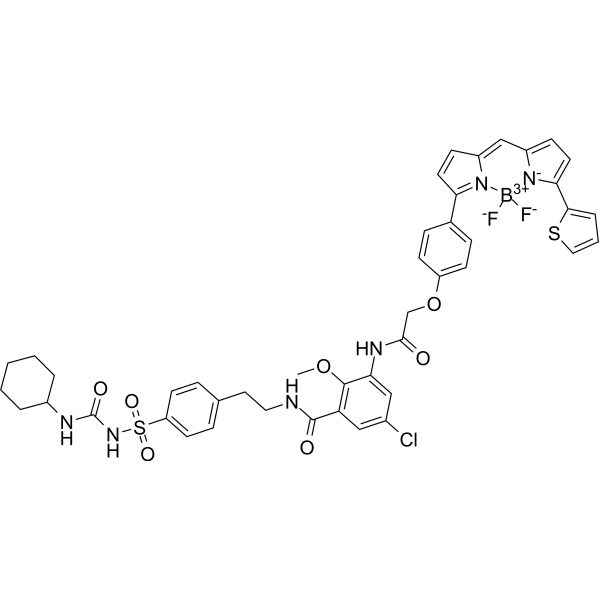
    ER-Tracker Green
    5+ Cited Publications

    Fluorescent Dye Others
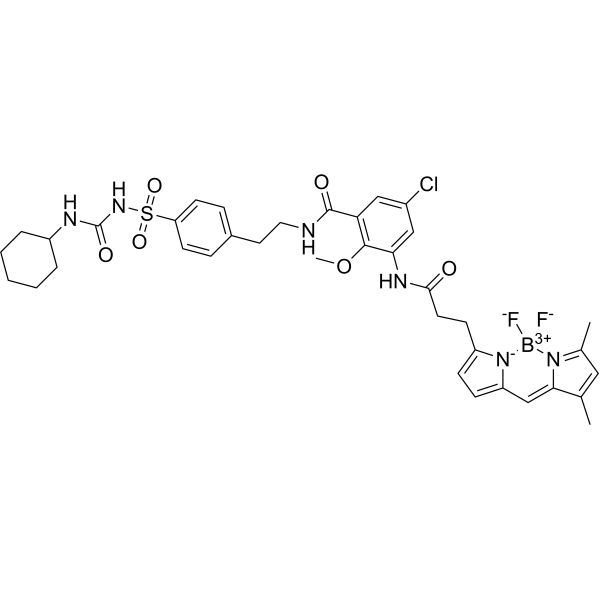
    ER-Tracker dye is a derivative of BODIPY series dyes coupled with Glibenclamide (HY-15206), highly selective binding to the endoplasmic reticulum, non-toxic to cells at low concentrations, this type of dye is an environmentally sensitive probe, and formaldehyde treatment can still retain part of the fluorescence, with high fluorescence life, good extinction coefficient and other characteristics. Glibenclamide is an atp-dependent K + channel blocker (Kir6, KATP) and CFTR Cl-channel blocker that binds in the endoplasmic reticulum. ER-Tracker is not suitable for staining cells after fixation .
    ER-Tracker Green
  • HY-103259
    Sodium metatungstate
    10+ Cited Publications

    Sodium polyoxotungstate; POM-1

    Phosphatase P2X Receptor P2Y Receptor Pyroptosis Interleukin Related Neurological Disease Inflammation/Immunology Cancer
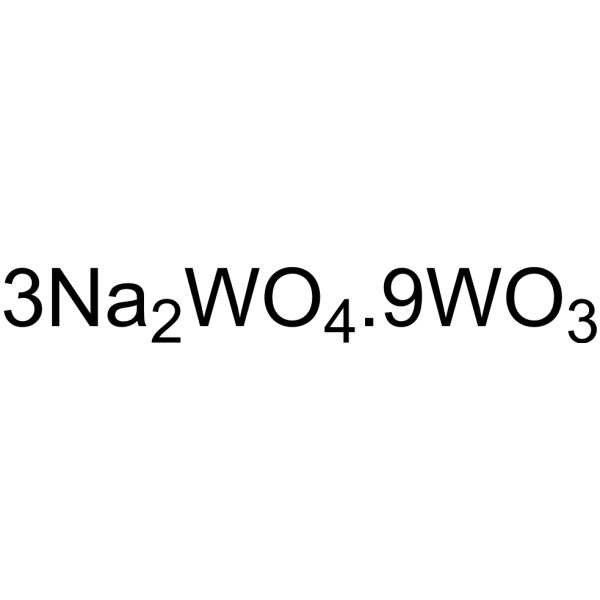
    Sodium metatungstate (Sodium polyoxotungstate) is a NTPDase inhibitor, with Ki values of 2.58 μM, 3.26 μM, and 28.8 μM for NTPDase 1 (CD39), NTPDase 3 and NTPDase 2 respectively . Sodium metatungstate has anti-inflammatory and anti-cancer effect. Sodium metatungstate inhibits ATP breakdown but also blocks central synaptic transmission .
    Sodium metatungstate
  • HY-B0753
    Gliclazide
    4 Publications Verification

    S1702; SE1702

    Potassium Channel Cardiovascular Disease
    Gliclazide (S1702) is a whole-cell beta-cell ATP-sensitive potassium currents blocker with an IC50 of 184 nM. Gliclazide is used as an antidiabetic .
    Gliclazide
  • HY-108652
    α,β-Methylene-ATP trisodium
    1 Publications Verification

    P2X Receptor Inflammation/Immunology
    α,β-Methylene-ATP trisodium is an agonist of P2X1 and P2X3 receptors and can cross the blood-brain barrier. α,β-Methylene-ATP trisodium can trigger a reflex pressor response by activating P2X receptors in peripheral muscles and the central locus coeruleus (LC); this effect can be blocked by the P2X antagonist PPADS (HY-108960). α,β-Methylene-ATP trisodium also activates noradrenergic neurons in the central locus coeruleus, mediating antinociceptive effects; this effect can be attenuated by the locus coeruleus damaging agent DSP-4 (HY-103210/HY-121602). α,β-Methylene-ATP trisodium can be used to study the pathological mechanisms of neuropathic pain, cardiovascular reflex regulation, and antinociceptive effects of the central nervous system .
    α,β-Methylene-ATP trisodium
  • HY-D1431
    ER-Tracker Red
    4 Publications Verification

    Fluorescent Dye Cancer
    ER-Tracker dye is a derivative of BODIPY series dyes coupled with Glibenclamide (HY-15206), highly selective binding to the endoplasmic reticulum, non-toxic to cells at low concentrations, this type of dye is an environmentally sensitive probe, and formaldehyde treatment can still retain part of the fluorescence, with high fluorescence life, good extinction coefficient and other characteristics. Glibenclamide is an atp-dependent K + channel blocker (Kir6, KATP) and CFTR Cl-channel blocker that binds in the endoplasmic reticulum. ER-Tracker is not suitable for staining cells after fixation. Ex/Em=587/615 nm .
    ER-Tracker Red
  • HY-11079
    A-803467
    3 Publications Verification

    Sodium Channel Neurological Disease Inflammation/Immunology Cancer
    A-803467 is a potent and selective tetrodotoxin-resistant Nav1.8 sodium channel blocker (IC50=8 nM). A-803467 has shown significant anti-nociception in neuropathic and inflammatory pain models. A-803467 enhances the chemosensitivity of conventional anticancer agents through interaction with the ATP-binding cassette subfamily G member 2 (ABCG2) transporter .
    A-803467
  • HY-127111
    NDI-091143
    2 Publications Verification

    ATP Citrate Lyase Cancer
    NDI-091143 is a potent and high-affinity human ATP-citrate lyase (ACLY) inhibitor with an IC50 of 2.1 nM (ADP-Glo assay), a Ki of 7.0 nM and a Kd of 2.2 nM. NDI-091143 inhibits ACLY catalysis allosterically, by stabilizing large conformational changes in the citrate domain that indirectly block the binding and recognition of citrate .
    NDI-091143
  • HY-B0860
    Diuron
    2 Publications Verification

    Environmental Pollutants Reactive Oxygen Species (ROS) Herbicide MDM-2/p53 Cancer
    Diuron is an orally active phenylurea herbicide. Diuron inhibits photosynthesis in plants by blocking the formation of ATP and NADH. Diuron increases the production of ROS. Diuron increases expression of p53 in certain cell lines. Diuron has herbicidal activity against annual and perennial broadleaf weeds and grass weeds. Diuron promotes DMBA/BBN-induced bladder cancer. Diuron can be used in breast cancer research .
    Diuron
  • HY-44170
    Pantothenate kinase-IN-2
    2 Publications Verification

    PANK Neurological Disease Metabolic Disease
    Pantothenate kinase-IN-2 is a pantothenate kinase inhibitor with IC50 values of 92 nM for PanK2, 70 nM for PanK1β, and 25 nM for PanK3. Pantothenate kinase-IN-2 can bind specifically to the ATP-PanK3 complex and block CoA biosynthesis. Pantothenate kinase-IN-2 can be used for the research of pank-associated neurodegeneration and type 2 diabetes .
    Pantothenate kinase-IN-2
  • HY-10261B

    (E/Z)-BIBW 2992

    EGFR Apoptosis c-Met/HGFR Akt p38 MAPK Autophagy Others Cancer
    (E/Z)-Afatinib ((E/Z)-BIBW 2992) is the mixture of (E)-Afatinib and (Z)-Afatinib. Afatinib (HY-10261) is an irreversible inhibitor of EGFR, by irreversibly binding to their ATP binding site to block activation of EGFR, HER2, HER4, and EGFRvIII. Afatinib used in co-administration with Temozolomide (HY-17364), potently targeting to EGFRvIII-cMet signaling in glioblastoma cells .
    (E/Z)-Afatinib
  • HY-136615

    Potassium Channel Neurological Disease
    5-Hydroxydecanoate sodium is a selective ATP-sensitive K + (KATP) channel blocker (IC50 of ~30 μM). 5-Hydroxydecanoate sodium is a substrate for mitochondrial outer membrane acyl-CoA synthetase and has antioxidant activity .
    5-Hydroxydecanoate sodium
  • HY-B0254
    Glipizide
    2 Publications Verification

    CP 28720; K 4024

    Potassium Channel Metabolic Disease Cancer
    Glipizide (CP 2872; K 4024)?a potent, orally active and sulfonylurea class anti-diabetic agent and can be used for type 2?diabetes mellitus research but not type 1. Glipizide acts by partially blocking ATP-sensitive potassium?(KATP) channels among β cells of pancreatic islets of Langerhans .
    Glipizide
  • HY-101511

    P-glycoprotein Cancer
    TTT-28 is a synthesized thiazole-valine peptidomimetic, a novel selective inhibitor of ABCB1 (P-gp/MDR1) with high efficacy and low toxicity, which reverses the ATP-binding cassette sub-family B member 1 (ABCB1)-mediated multidrug resistance (MDR) by selectively blocking the efflux function of ABCB1 .
    TTT-28
  • HY-125209

    DNA/RNA Synthesis Cancer
    TH5427 is a promising, targeted inhibitor that can be used to further study NUDT5 activity and ADP-ribose metabolism. TH5427, blocks progestin-dependent, PAR-derived nuclear ATP synthesis and subsequent chromatin remodeling, gene regulation and proliferation in breast cancer cells. NUDT5 is recently identified as a rheostat of hormone-dependent gene regulation and proliferation in breast cancer cells .
    TH5427
  • HY-B0347
    Lacidipine
    2 Publications Verification

    Calcium Channel Reactive Oxygen Species (ROS) Caspase Apoptosis Cardiovascular Disease
    Lacidipine is an orally active and highly selective L-type calcium channel blocker that acts on smooth muscle calcium channels, primarily dilates peripheral arteries, reduces peripheral resistance, and has long-lasting anti-hypertensive activity. Lacidipine protects HKCs from apoptosis induced by ATP depletion and recovery by modulating the caspase-3 pathway. Lacidipine can be used in studies of hypertension, atherosclerosis and acute kidney injury (AKI) .
    Lacidipine
  • HY-D1429

    Fluorescent Dye Others
    ER-Tracker dye is a derivative of BODIPY series dyes coupled with Glibenclamide (HY-15206), highly selective binding to the endoplasmic reticulum, non-toxic to cells at low concentrations, this type of dye is an environmentally sensitive probe, and formaldehyde treatment can still retain part of the fluorescence, with high fluorescence life, good extinction coefficient and other characteristics. Glibenclamide is an atp-dependent K + channel blocker (Kir6, KATP) and CFTR Cl-channel blocker that binds in the endoplasmic reticulum. ER-Tracker is not suitable for staining fixed cells. Staining followed by fixation is possible, but cells fixed with aldehydes will only retain partial fluorescence (Ex/Em = 374/ 430-640 nm) .
    ER-Tracker Blue-White DPX
  • HY-N0165

    HIV Reverse Transcriptase Cardiovascular Disease Infection Inflammation/Immunology
    Methyl-Hesperidin is a glycoside compound. Methyl-Hesperidin has hypotensive, coronary dilating, smooth muscle relaxing, capillary stabilizing, choleretic, and anti-ulcer activities. Methyl-Hesperidin act as a competitive substrate to inhibit HIV-1 reverse transcriptase activity. Methyl-Hesperidin potentiates coronary dilating actions of adenine nucleotides and 3'-AMP, enhances depressant action on isolated atria, and prolongs adenosine- and ATP-induced heart block in guinea pigs .
    Methyl-Hesperidin
  • HY-145939

    BRD5846

    Casein Kinase Cancer
    BAY-888 is a selective CK1α/CSNK1A1 (casein kinase 1α) ATP-competitive inhibitor (IC50: 4 nM@10 μM ATP; 63 nM@1 mM ATP). BAY-888 blocks the negative regulation of p53 and other signaling pathways by CK1α, induces apoptosis and inhibits proliferation of tumor cells. BAY-888 has shown inhibitory efficacy against cancers such as acute myeloid leukemia (AML) in PRISM barcoded cell line screening and can mimic the effects of shRNA-mediated CK1α knockdown. BAY-888 is primarily used for the development of anticancer drugs for p53 wild-type tumors and for the study of the mechanisms of CK1α-related signaling pathways .
    BAY-888
  • HY-148105
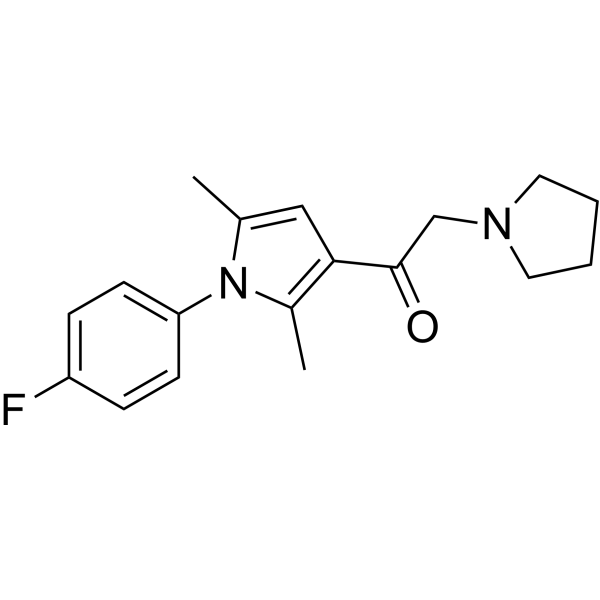
    DS12881479
    1 Publications Verification

    MNK Eukaryotic Initiation Factor (eIF) Apoptosis FLT3 DYRK Cancer
    DS12881479 is a selective non-ATP-competitive MNK1 inhibitor with an IC50 value of 387 nM. DS12881479 stabilizes MNK1 in its autoinhibited DFD-out conformation, blocks eIF4E phosphorylation, suppresses tumor cell proliferation and induces weak apoptosis. DS12881479 also inhibits FLT3 and DYRK1a kinase activity at high concentrations. DS12881479 can be used for the research of cancer, such as leukemia .
    DS12881479
  • HY-114869
    DPQ
    3 Publications Verification

    PARP Neurological Disease Cancer
    DPQ is a selective PARP-1 inhibitor that blocks PARP-1-mediated DNA damage repair and NAD +/ATP consumption, thereby inhibiting excessive inflammatory responses. DPQ inhibits NF-κB pathway activation, reduces the expression of pro-inflammatory factors (such as TNF-α, IL-6) and oxidative stress. DPQ can be used in inflammation-related studies of acute lung injury, myocardial infarction, and neurodegenerative diseases .
    DPQ
  • HY-160215

    TGF-β Receptor p38 MAPK TGF-beta/Smad Interleukin Related Cancer
    GFH018 is an orally active, selective and ATP-competitive TGF-βR1 inhibitor with an IC50 of 40 nM. GFH018 reactivates the immune system by blocking the immunosuppression mediated by regulatory T cells and M2 macrophages. GFH018 inhibits tumor angiogenesis. GFH018 suppresses tumor growth in mouse tumor models. GFH018 can be used for the research of solid tumors, hepatocellular carcinoma, colorectal cancer, breast cancer, and relapsed/metastatic nasopharyngeal carcinoma .
    GFH018
  • HY-P10856

    P-glycoprotein Cancer
    CPI1 is a multidrug resistance protein 1 (MRP1) inhibitor with a Ki value of 100 nM. CPI1 binds to the same substrate-binding site as leukotriene C4, stabilizes MRP1 in an apo-like inward-facing conformation, blocks the conformational changes required for ATP hydrolysis and substrate transport, and inhibits the ATPase activity of human and bovine MRP1. CPI1 serves as a tool for investigating the substrate transport mechanism of MRP1. CPI1 is applicable to research related to cancer multidrug resistance .
    CPI1
  • HY-108667

    P2X Receptor Interleukin Related Fluorescent Dye Neurological Disease
    TNP-ATP triethylammonium is a P2X receptor antagonist with an IC50 of 0.010 μM for P2X3 and an IC50 of 0.062 μM for P2X2/3. TNP-ATP triethylammonium acts as an inhibitor of CheA autophosphorylation, with a Ki of 0.7 µM. TNP-ATP triethylammonium blocks the functional activation of P2X1-7 receptors. TNP-ATP triethylammonium attenuates hypoxia-induced IL-1β expression and release. TNP-ATP triethylammonium alleviates visceral pain, and improves hypoxia-induced cognitive impairment, insufficient myelination and neuroinflammation. Binding of TNP-ATP triethylammonium to CheA enhances the fluorescence of the TNP group. TNP-ATP triethylammonium can be used in studies related to visceral pain. NP-ATP triethylammonium can be used in studies related to hypoxia-induced insufficient myelination and cognitive decline .
    TNP-ATP triethylammonium
  • HY-15272
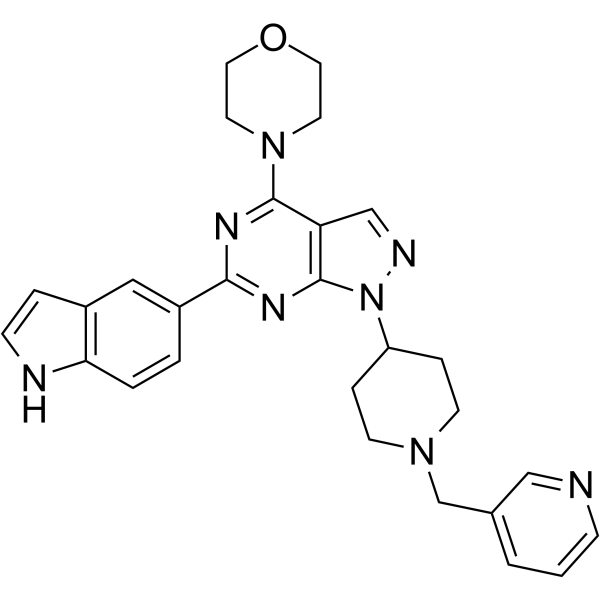
    WAY-600
    5+ Cited Publications

    mTOR Inflammation/Immunology Cancer
    WAY-600 is a potent, ATP-competitive, and selective mTOR inhibitor with an IC50 of 9 nM for recombinant mTOR enzyme. WAY-600 blocks mTOR complex 1/2 (mTORC1/2) assemble and activation.
    WAY-600
  • HY-13072
    Cenisertib
    1 Publications Verification

    AS-703569; R-763

    Aurora Kinase Bcr-Abl Akt STAT FLT3 Cancer
    Cenisertib (AS-703569) is an ATP-competitive multi-kinase inhibitor that blocks the activity of Aurora-kinase-A/B, ABL1, AKT, STAT5 and FLT3. Cenisertib induces major growth-inhibitory effects by blocking the activity of several different molecular targets in neoplastic mast cells (MC). Cenisertib inhibits tumor growth in xenograft models of pancreatic, breast, colon, ovarian, and lung tumors and leukemia .
    Cenisertib
  • HY-171616

    HSP β-catenin Cancer
    DCEM1 binds to heat shock protein 60 (HSP60) and inhibits the interaction of HSP60 with ClpP, thereby blocking the mitochondrial unfolded protein response. DCEM1 inhibits β-catenin expression and ATP production in PC-3 and TKO cells. DCEM1 can be used in prostate cancer research .
    DCEM1
  • HY-142686A

    SGK CDK P-glycoprotein Inflammation/Immunology
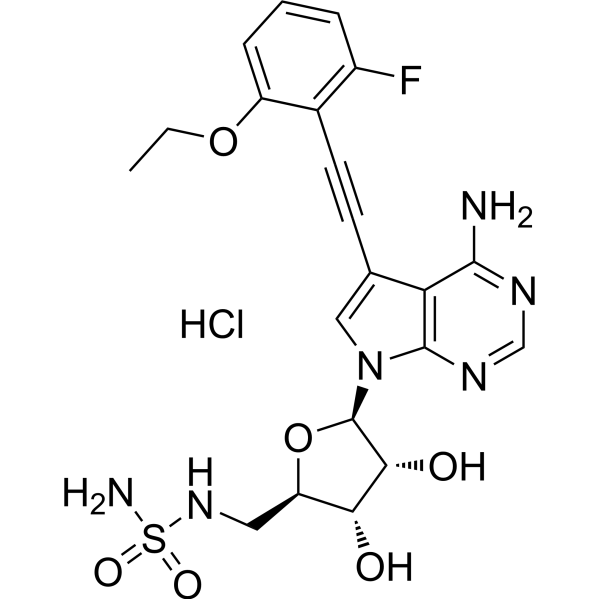
    SGK1-IN-3 hydrochloride (Compound 3a) is an ATP-competitive SGK1 inhibitor with an IC50 of <1 nM against hSGK1. SGK1-IN-3 hydrochloride blocks the activity of CDK family members. SGK1-IN-3 hydrochloride serves as a P-glycoprotein substrate. SGK1-IN-3 can be used for the research of osteoarthritis .
    SGK1-IN-3 hydrochloride
  • HY-DY1074

    Fluorescent Dye Others
    ER-Tracker dye is a derivative of BODIPY series dyes coupled with Glibenclamide (HY-15206) , highly selective binding to the endoplasmic reticulum, non-toxic to cells at low concentrations, this type of dye is an environmentally sensitive probe, and formaldehyde treatment can still retain part of the fluorescence, with high fluorescence life, good extinction coefficient and other characteristics. Glibenclamide is an atp-dependent K + channel blocker (Kir6, KATP) and CFTR Cl-channel blocker that binds in the endoplasmic reticulum. ER-Tracker is not suitable for staining fixed cells. Staining followed by fixation is possible, but cells fixed with aldehydes will only retain partial fluorescence .
    Solvent and concentration: DMSO: 1 mM
    ER-Tracker Blue-White DPX (solution)
  • HY-144310

    Oxidative Phosphorylation Mitochondrial Metabolism Cancer
    DX3-213B is a highly potent, orally active oxidative phosphorylation (OXPHOS) complex I inhibitor (IC50=3.6 nM). DX3-213B impairs ATP generation (IC50=11 nM), and blocks MIA PaCa-2 cell growth (GI50=11 nM). DX3-213B is used for the research of the pancreatic cancer .
    DX3-213B
  • HY-12700
    RO5256390
    3 Publications Verification

    Trace Amine-associated Receptor (TAAR) Neurological Disease
    RO5256390 is an orally effective trace amine associated receptor 1 (TAAR1) agonist. RO5256390 exhibits pro-cognitive and antidepressant-like properties in rodent and primate models, showing similar brain activation patterns to Olanzapine (HY-14541). RO5256390 blocks compulsive overeating behavior in rats. RO5256390 can inhibit ATP (HY-B2176)-induced TNF secretion in mouse bone marrow-derived macrophages .
    RO5256390
  • HY-12964
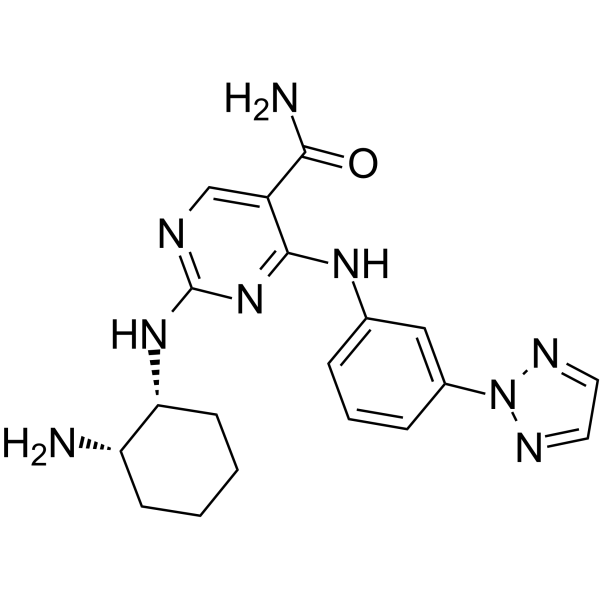
    SGI-7079
    3 Publications Verification

    TAM Receptor Cancer
    SGI-7079 is a selective, ATP-competitive, orally active inhibitor of the receptor tyrosine kinase Axl. SGI-7079 blocks Axl-mediated signaling pathways such as NF-κB activation and MMP-9 expression, thereby inhibiting tumor cell proliferation, migration and invasion. SGI-7079 is mainly used in the research of malignant tumors such as inflammatory breast cancer and bladder cancer, as well as in combination with immunization (used in combination with PD-1 therapy)[1][2][3].
    SGI-7079
  • HY-15206S1

    Glyburide-d3

    Potassium Channel Mitochondrial Metabolism Autophagy CFTR P-glycoprotein Metabolic Disease
    Glyburide-d3 is the deuterium labeled Glibenclamide. Glibenclamide (Glyburide) is an orally active ATP-sensitive K+ channel (KATP) inhibitor and can be used for the research of diabetes and obesity[1]. Glibenclamide inhibits P-glycoprotein. Glibenclamide directly binds and blocks the SUR1 subunits of KATP and inhibits the cystic fibrosis transmembrane conductance regulator protein (CFTR)[3]. Glibenclamide interferes with mitochondrial bioenergetics by inducing changes on membrane ion permeability[4]. Glibenclamide can induce autophagy[5].
    Glyburide-d3
  • HY-108589

    PNU 37883A

    Potassium Channel Neurological Disease
    PNU 37883 hydrochloride (PNU 37883A) is a selective vascular ATP-sensitive potassium (Kir6, KATP) channels blocker. PNU 37883 hydrochloride has diuretic effects with specific binding in kidney and vascular smooth muscle rather than in brain or pancreatic beta cells .
    PNU 37883 hydrochloride
  • HY-134440A

    P2X Receptor Inflammation/Immunology
    α,β-Methylene-ATP is an agonist of P2X1 and P2X3 receptors and can cross the blood-brain barrier. α,β-Methylene-ATP can trigger a reflex pressor response by activating P2X receptors in peripheral muscles and the central locus coeruleus (LC); this effect can be blocked by the P2X antagonist PPADS (HY-108960). α,β-Methylene-ATP also activates noradrenergic neurons in the central locus coeruleus, mediating antinociceptive effects; this effect can be attenuated by the locus coeruleus damaging agent DSP-4 (HY-103210/HY-121602). α,β-Methylene-ATP can be used to study the pathological mechanisms of neuropathic pain, cardiovascular reflex regulation, and antinociceptive effects of the central nervous system .
    α,β-Methylene-ATP
  • HY-125221

    ROCK Cdc42-binding kinase Cancer
    DJ4 is a ATP-competitive inhibitor of ROCK1/2 (IC50 values:5 and 50 nM) and MRCKα/β (IC50 values:10 and 100 nM). DJ4 blocks stress fiber formation and inhibits migration and invasion of cancer cells. DJ4 can be used for study of lung cancer, breast cancer, and pancreatic (PANC-1) cancer .
    DJ4
  • HY-136650A
    Fludarabine triphosphate trisodium
    1 Publications Verification

    F-ara-ATP trisodium

    Nucleoside Antimetabolite/Analog Drug Metabolite DNA/RNA Synthesis Apoptosis Cancer
    Fludarabine triphosphate (F-ara-ATP) trisodium, the active metabolite of Fludarabine (HY-B0069), is a potent, noncompetitive and specific inhibitor of DNA primase, with an IC50 of 2.3 μM and a Ki of 6.1 μM. Fludarabine triphosphate trisodium inhibits DNA synthesis by blocking DNA primase and primer RNA formation. Fludarabine triphosphate trisodium inhibits ribonucleotide reductase and DNA polymerase and ultimately leads to cellular apoptosis .
    Fludarabine triphosphate trisodium
  • HY-115570
    GW406108X
    1 Publications Verification

    GW108X

    Kinesin ULK Autophagy Cancer
    GW406108X is a specific Kif15 (Kinesin-12) inhibitor with an IC50 of 0.82 uM in ATPase assays. GW406108X, a potent autophagy inhibitor, shows ATP competitive inhibition against ULK1 with a pIC50 of 6.37 (427 nM). GW406108X inhibits ULK1 kinase activity and blocks autophagic flux, without affecting the upstream signaling kinases mTORC1 and AMPK .
    GW406108X
  • HY-15206S

    Isotope-Labeled Compounds Potassium Channel Mitochondrial Metabolism Autophagy CFTR P-glycoprotein Metabolic Disease
    Glyburide-d11 is the deuterium labeled Glibenclamide. Glibenclamide (Glyburide) is an orally active ATP-sensitive K+ channel (KATP) inhibitor and can be used for the research of diabetes and obesity . Glibenclamide inhibits P-glycoprotein. Glibenclamide directly binds and blocks the SUR1 subunits of KATP and inhibits the cystic fibrosis transmembrane conductance regulator protein (CFTR) . Glibenclamide interferes with mitochondrial bioenergetics by inducing changes on membrane ion permeability . Glibenclamide can induce autophagy .
    Glyburide-d11
  • HY-15208

    HMR 1098

    Potassium Channel Neurological Disease
    Clamikalant sodium (HMR 1098) is an ATP-sensitive potassium (KATP) channel blocker. Clamikalant sodium can be used for the research of arrhythmia .
    Clamikalant sodium
  • HY-103442
    CGP52411
    1 Publications Verification

    DAPH

    EGFR Amyloid-β Neurological Disease Cancer
    CGP52411 (DAPH) is a high selective, potent, orally active and ATP-competitive EGFR inhibitor with an IC50 of 0.3 μM. CGP52411 blocks the toxic influx of Ca 2+ ions into neuronal cells, and dramatic inhibits and reverses the formation of β-amyloid (Aβ42) fibril aggregates associated with Alzheimer's disease .
    CGP52411
  • HY-DY1043

    Fluorescent Dye Others
    ER-Tracker dye is a derivative of BODIPY series dyes coupled with Glibenclamide (HY-15206) , highly selective binding to the endoplasmic reticulum, non-toxic to cells at low concentrations, this type of dye is an environmentally sensitive probe, and formaldehyde treatment can still retain part of the fluorescence, with high fluorescence life, good extinction coefficient and other characteristics. Glibenclamide is an atp-dependent K + channel blocker (Kir6, KATP) and CFTR Cl-channel blocker that binds in the endoplasmic reticulum. ER-Tracker is not suitable for staining cells after fixation .
    Solvent and concentration: DMSO: 1 mM
    ER-Tracker Green (solution)
  • HY-B0254S

    Isotope-Labeled Compounds Potassium Channel Metabolic Disease
    Glipizide-d11 is the deuterium labeled Glipizide. Glipizide (CP 2872; K 4024)?a potent, orally active and sulfonylurea class anti-diabetic agent and can be used for type 2?diabetes mellitus research but not type 1. Glipizide acts by partially blocking ATP-sensitive potassium?(KATP) channels among β cells of pancreatic islets of Langerhans .
    Glipizide-d11
  • HY-B0254R

    CP 28720 (Standard); K 4024 (Standard)

    Reference Standards Potassium Channel Metabolic Disease
    Glipizide (Standard) is the analytical standard of Glipizide. This product is intended for research and analytical applications. Glipizide (CP 2872; K 4024) a potent, orally active and sulfonylurea class anti-diabetic agent and can be used for type 2 diabetes mellitus research but not type 1. Glipizide acts by partially blocking ATP-sensitive potassium (KATP) channels among β cells of pancreatic islets of Langerhans .
    Glipizide (Standard)

Inquiry Online

Your information is safe with us. * Required Fields.

Salutation


Country or Region *

Applicant Name *


Organization Name *

Department *


Email Address *


Product Name *

Cat. No.


Requested quantity *

Phone Number *


Remarks

Inquiry Online

Inquiry Information

Product Name:
Cat. No.:
Quantity:
MCE Japan Authorized Agent:

