Search Result
Results for "
bronchoconstriction
" in MedChemExpress (MCE) Product Catalog:
5
Isotope-Labeled Compounds
| Cat. No. |
Product Name |
Target |
Research Areas |
Chemical Structure |
-
- HY-A0083
-
|
Acetyl-β-methylcholine chloride
|
mAChR
|
Others
|
|
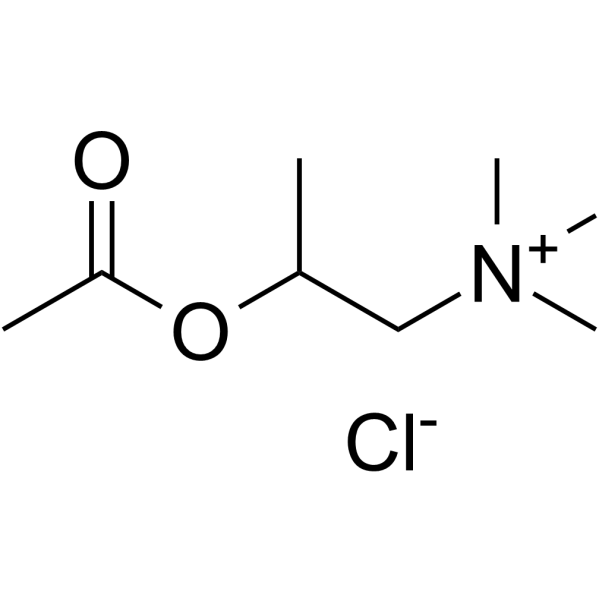
Methacholine (Acetyl-β-methylcholine) choride is a potent muscarinic-3 (M3) agonist. Methacholine choride acts directly on acetylcholine receptors on smooth muscle causing bronchoconstriction and airway narrowing. Methacholine choride shows a high sensitivity to identify bronchial hyperresponsiveness (BHR). Methacholine choride can be used to measure airway hyperresponsiveness (AHR) as a diagnostic aid in the assessment of individuals with asthma-like symptoms and normal resting expiratory flow rates .
|
-
-
- HY-19989
-
MK-571
Maximum Cited Publications
33 Publications Verification
L-660711
|
P-glycoprotein
LPL Receptor
Leukotriene Receptor
|
Inflammation/Immunology
|
|
MK-571 (L-660711) is an orally active, potent and selective competitive leukotriene D4 (LTD4) receptor antagonist, with Ki values of 0.22 and 2.1 nM in guinea pig and human lung membranes, respectively. MK-571 is also a MRP4 and ABCC1 (MRP1) inhibitor. MK-571 inhibits constitutive and antigen-stimulated S1P (sphingosine-1-phosphate) release .
|
-
-
- HY-17360
-
|
BA679 BR
|
mAChR
|
Inflammation/Immunology
|
|
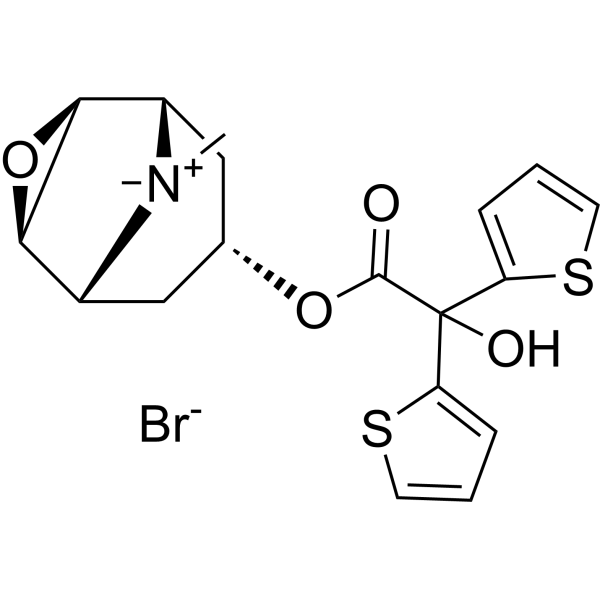
Tiotropium bromide (BA-679 BR) is a long-acting anticholinergic bronchodilator. Tiotropium bromide blocks the action of acetylcholine at muscarinic M1, M2, and M3 receptors, prevents bronchoconstriction, and dilates bronchial airways. Tiotropium bromide is applicable to research related to chronic obstructive pulmonary disease and asthma .
|
-
-
- HY-B0320A
-
|
Cromoglycate disodium; Cromoglicic acid disodium; FPL-670
|
GSK-3
NF-κB
Amyloid-β
|
Neurological Disease
Metabolic Disease
Inflammation/Immunology
Cancer
|
|
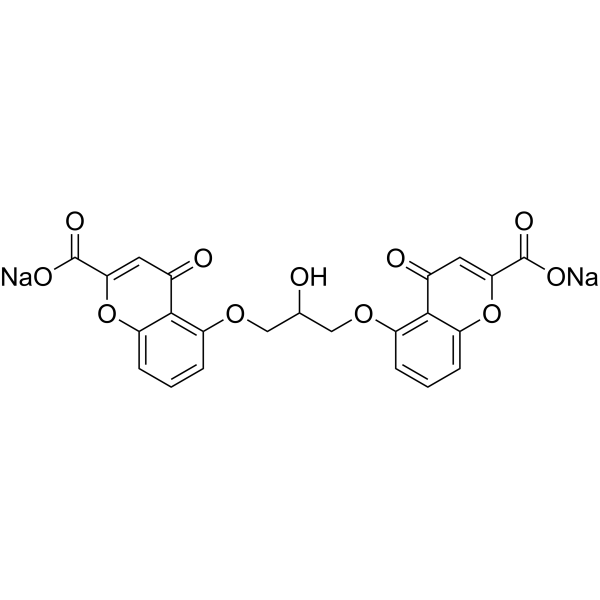
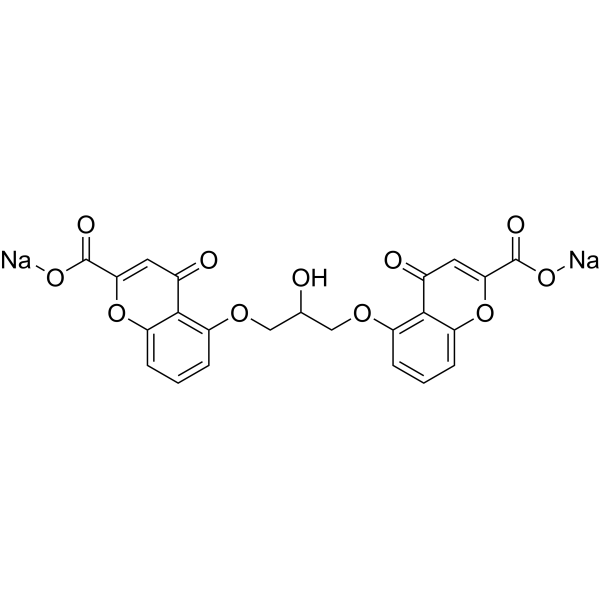
Cromolyn (Cromoglycate) disodium is an orally active GSK-3β inhibitor with an IC50 of 2.0 μM. Cromolyn disodium is also a mast cell stabilizer that can inhibit the release of mediators from mast cells, regulate reflex bronchoconstriction, and reduce non-specific bronchial hyperreactivity, and Cromolyn disodium can be used in the research of bronchial asthma. In addition, Cromolyn disodium has multiple activities such as anti-inflammatory, anti-allergic, anti-histamine, anti-cancer, and neuroprotective effects .
|
-
-
- HY-W013375
-
|
|
Neprilysin
|
Neurological Disease
|
|
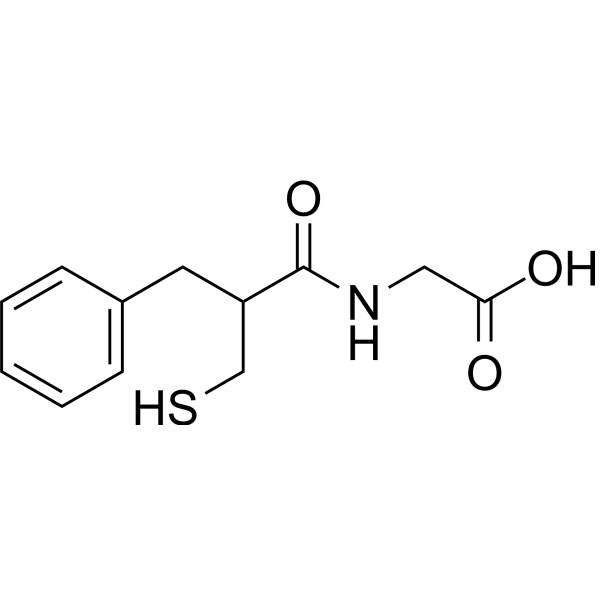
Thiorphan is a selective neprilysin (NEP) inhibitor with an IC50 of 6.9 nM. Thiorphan competitively binds to NEP and blocks its activity, preventing the degradation of neuropeptides such as substance P (SP) and neurokinin NKA. In the field of neonatal brain injury research, Thiorphan can increase the levels of SP and NKA, activate NK1 and NK2 receptors and downstream transduction pathways, and inhibit excessive activation of NMDA receptors. Thus, Thiorphan can protect neocortical neurons from excitotoxic cell death. Thiorphan may also inhibit NEP from enhancing bronchoconstriction and can be used in the study of respiratory diseases .
|
-
-
- HY-19989A
-
MK-571 sodium
Maximum Cited Publications
33 Publications Verification
L-660711 sodium
|
P-glycoprotein
LPL Receptor
Leukotriene Receptor
|
Inflammation/Immunology
|
|
MK-571 (L-660711) sodium is an orally active, potent and selective competitive leukotriene D4 (LTD4) receptor antagonist, with Ki values of 0.22 and 2.1 nM in guinea pig and human lung membranes, respectively. MK-571 sodium is also a inhibitor of multidrug resistance-associated protein MRP4 (ABCC4) and ABCC1 (MRP1). MK-571 sodium inhibits constitutive and antigen-stimulated S1P (sphingosine-1-phosphate) release .
|
-
-
- HY-Z0478
-
|
(S)-(-)-Limonene
|
Bacterial
Antibiotic
CaMK
|
Infection
Cardiovascular Disease
Metabolic Disease
|
|
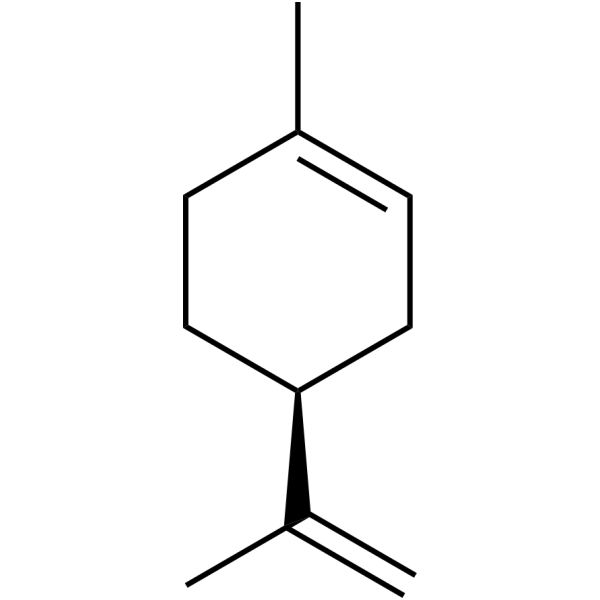
(-)-Limonene ((S)-(-)-Limonene) is orally active and can cause mild bronchoconstriction. (-)-Limonene alleviates cytosolic and mitochondrial oxidative stress by inhibiting the increase of calcium ions (Ca 2+) and Ca 2+/calmodulin-dependent protein kinase II (CaMKII). It also exerts anti-stress effects by inhibiting the activity of the hypothalamic-pituitary-adrenal (HPA) axis. Additionally, (-)-Limonene can be used as an antibacterial agent in aquaculture .
|
-
-
- HY-B0292A
-
|
BW-33A
|
nAChR
|
Neurological Disease
Inflammation/Immunology
Cancer
|
|
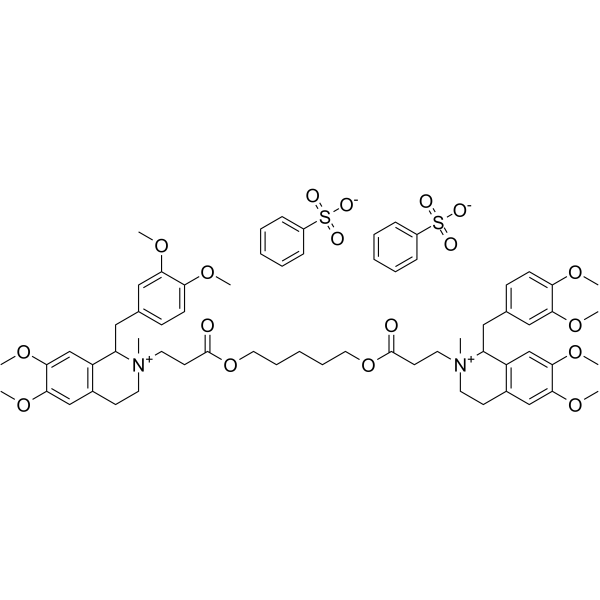
Atracurium (BW-33A) besylate is a potent, competitive and non-depolarizing neuromuscular blocking agent. Atracurium besylate also is an AChR receptor antagonist. Atracurium besylate induces bronchoconstriction and neuromuscular blockade. Atracurium besylate promotes astroglial differentiation .
|
-
-
- HY-113446
-
-
-
- HY-B1619
-
|
Cromoglycate; Cromoglicic acid; FPL-670 free acid
|
GSK-3
NF-κB
Amyloid-β
|
Neurological Disease
Metabolic Disease
Inflammation/Immunology
Cancer
|
|
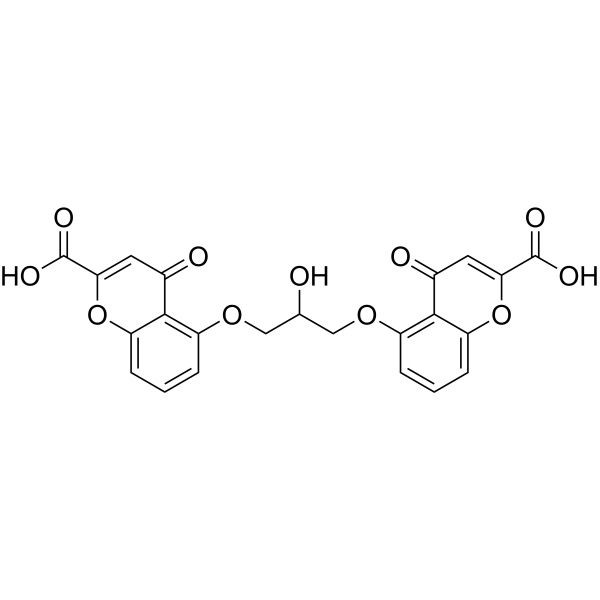
Cromolyn (Cromoglycate) is an orally active GSK-3β inhibitor with an IC50 of 2.0 μM. Cromolyn is also a mast cell stabilizer that can inhibit the release of mediators from mast cells, regulate reflex bronchoconstriction, and reduce non-specific bronchial hyperreactivity, and Cromolyn can be used in the research of bronchial asthma. In addition, Cromolyn has multiple activities such as anti-inflammatory, anti-allergic, anti-histamine, anti-cancer, and neuroprotective effects .
|
-
-
- HY-B0460
-
|
BA-679 BR monohydrate
|
mAChR
|
Inflammation/Immunology
|
|
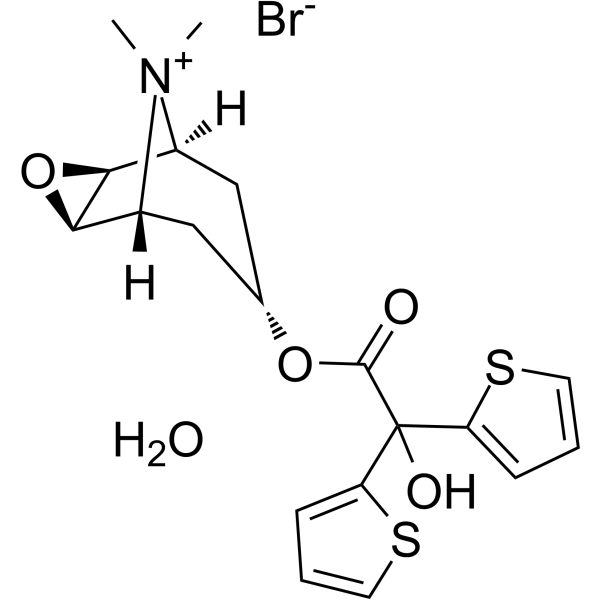
Tiotropium bromide monohydrate (BA-679 BR monohydrate) is a long-acting anticholinergic bronchodilator. Tiotropium bromide monohydrate blocks the action of acetylcholine at muscarinic M1, M2, and M3 receptors, prevents bronchoconstriction, and dilates bronchial airways. Tiotropium bromide monohydrate is applicable to research related to chronic obstructive pulmonary disease and asthma .
|
-
-
- HY-17360S1
-
|
BA679 BR-d6
|
Isotope-Labeled Compounds
mAChR
|
Neurological Disease
|
|
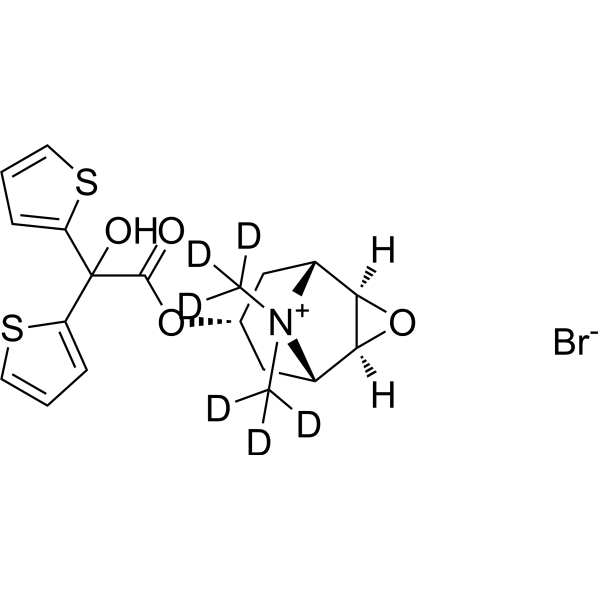
Tiotropium-d6 (bromide) is deuterium labeled Tiotropium (Bromide). Tiotropium bromide (BA-679 BR) is a long-acting anticholinergic bronchodilator. Tiotropium bromide blocks the action of acetylcholine at muscarinic M1, M2, and M3 receptors, prevents bronchoconstriction, and dilates bronchial airways. Tiotropium bromide is applicable to research related to chronic obstructive pulmonary disease and asthma .
|
-
-
- HY-17428
-
|
|
Histamine Receptor
|
Neurological Disease
Inflammation/Immunology
|
|
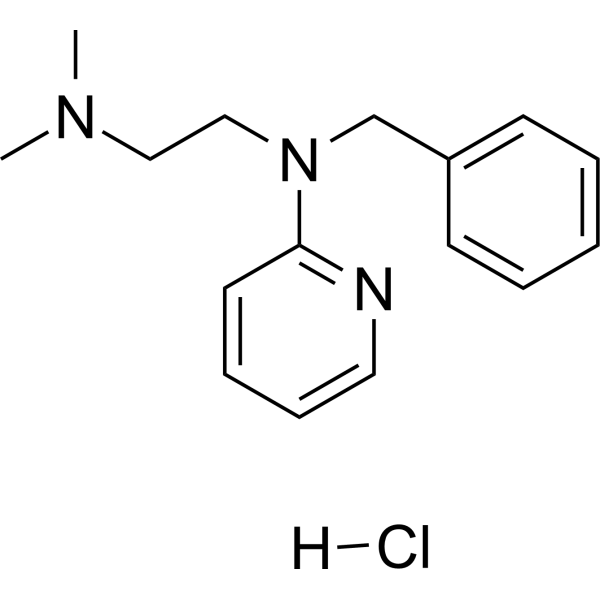
Tripelennamine hydrochloride is a histamine H1-receptor antagonist. Tripelennamine hydrochloride effectively reverses histamine-induced bronchoconstriction, increased transpulmonary pressure, elevated pulmonary vascular resistance and reduced dynamic compliance. Tripelennamine hydrochloride does not significantly affect arterial hypoxemia, hemoglobin desaturation and hypercapnia in horses undergoing short-term high-intensity exercise. Tripelennamine hydrochloride exhibits local and central analgesic activity. Tripelennamine hydrochloride can be used in studies related to emphysema, urticaria and acute laminitis .
|
-
-
- HY-107691
-
|
|
Neurokinin Receptor
|
Neurological Disease
Endocrinology
Cancer
|
|
GR 159897 is a highly potent, selective, competitive, brain-penetrated non-peptide neurokinin 2 (NK2) receptor antagonist. GR 159897 has little or no affinity for NK1 and NK3 receptors. GR 159897 inhibits binding of [ 3H]GR100679 to human NK2 (hNK2)-CHO cells and rat colon membranes with pKis of 9.51 and 10, respectively. Antagonizes bronchoconstriction. Anxiolytic-like and anti-tumor effects .
|
-
-
- HY-156978
-
|
Wy-48252
|
Leukotriene Receptor
|
Others
|
|
Ritolukast (Wy-48252) is an orally active aerosol leukotriene (LTD4/E4) receptor antagonist. Ritolukast can be used to inhibit the bronchoconstriction caused by aerosol LTD4 in guinea pigs, with an ID50 of 0.5mg/kg .
|
-
-
- HY-100967
-
|
Homodimaprit dihydrochloride
|
Histone Methyltransferase
|
Infection
Cardiovascular Disease
Inflammation/Immunology
|
|
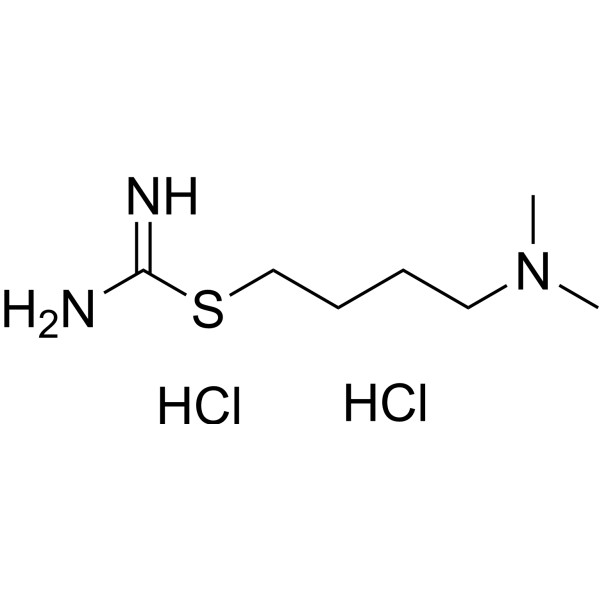
SKF 91488 (Homodimaprit) dihydrochloride is a potent and noncompetitive histamine N-methyltransferase inhibitor with a Ki value of 0.9 μM. SKF 91488 dihydrochloride can block histamine metabolism and increase histamine concentrations. SKF 91488 dihydrochloride can increase blood pressure and enhance bronchoconstriction. SKF 91488 can be used for the researches of infection, inflammation and cardiovascular disease, such as Mycoplasma pneumonia and hemorrhagic hypotension .
|
-
-
- HY-19365
-
AB-MECA
1 Publications Verification
|
Adenosine Receptor
|
Neurological Disease
|
|
AB-MECA is a high affinity A3 adenosine receptor agonist with a binding Ki of 430.5 nM for human A3 receptors in CHO cells. AB-MECA can enhance plasma histamine level .
|
-
-
- HY-12463A
-
|
|
Adrenergic Receptor
|
Inflammation/Immunology
|
|
Carmoterol is a highly potent and selective long-acting β2-adrenergic receptor agonist with a pEC50 of 10.19. Carmoterol shows 53-fold higher affinity for β2-adrenergic receptors than for β1-adrenergic receptors. Carmoterol stimulates cyclic adenosine monophosphate accumulation, induces airway smooth muscle relaxation, inhibits bronchoconstriction, reduces thromboxane B2 release, and prolongs survival time. Carmoterol can be used in research related to asthma and chronic obstructive pulmonary disease (COPD) .
|
-
-
- HY-107607
-
|
|
Leukotriene Receptor
|
Inflammation/Immunology
|
|
FPL-55712 free base is a leukotriene receptor antagonist. FPL-55712 free base is also an antagonist of slow reacting substance of anaphylaxis (SRS-A). FPL-55712 free base inhibits leukotriene-induced bronchoconstriction .
|
-
-
- HY-100164
-
|
MKS 492
|
Phosphodiesterase (PDE)
|
Inflammation/Immunology
|
|
SDZ-MKS 492 (MKS 492) is a selective inhibitor of cyclic GMP-inhibited phosphodiesterase (type III PDE). SDZ-MKS 492 inhibits antigen- or platelet activating factor (PAF)-induced bronchoconstriction and allergic reactions in guinea pigs and rats .
|
-
-
- HY-19443
-
|
|
Histamine Receptor
Lipoxygenase
|
Inflammation/Immunology
|
|
UCB-35440 is an orally active histamine H1 receptor antagonist and 5-lipoxygenase inhibitor. UCB-35440 inhibits LTB4 formation in human whole blood and reduces polymorphonuclear cell infiltration in mouse models. UCB-35440 inhibits histamine-stimulated bronchoconstriction and reduces skin inflammation in guinea pigs. UCB-35440 can be used for research on asthma and skin inflammation .
|
-
-
- HY-B0320AR
-
|
Cromoglycate disodium (Standard); Cromoglicic acid disodium (Standard); FPL-670 (Standard)
|
Reference Standards
GSK-3
NF-κB
Amyloid-β
|
Neurological Disease
Metabolic Disease
Inflammation/Immunology
Cancer
|
|
Cromolyn disodium (Standard) (Cromoglycate disodium (Standard)) is the analytical standard of Cromolyn disodium (HY-B0320A). This product is intended for research and analytical applications. Cromolyn (Cromoglycate) disodium is an orally active GSK-3β inhibitor with an IC50 of 2.0 μM. Cromolyn disodium is also a mast cell stabilizer that can inhibit the release of mediators from mast cells, regulate reflex bronchoconstriction, and reduce non-specific bronchial hyperreactivity, and Cromolyn disodium can be used in the research of bronchial asthma. In addition, Cromolyn disodium has multiple activities such as anti-inflammatory, anti-allergic, anti-histamine, anti-cancer, and neuroprotective effects .
|
-
-
- HY-130440
-
|
|
Endogenous Metabolite
Leukotriene Receptor
|
Inflammation/Immunology
|
|
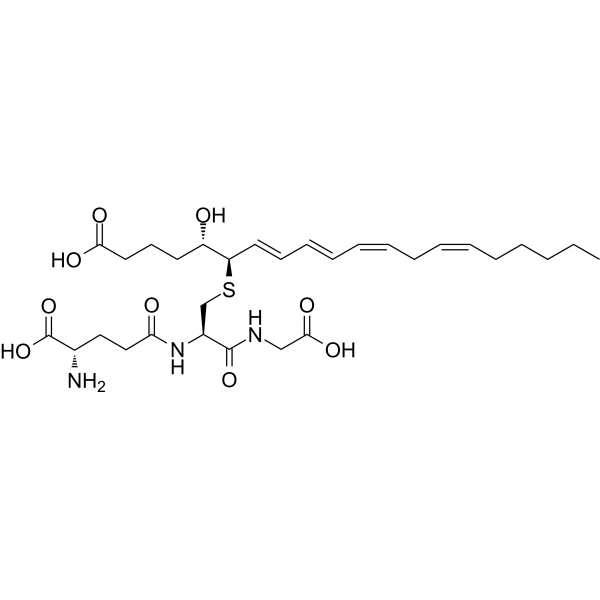
Leukotriene F4 (LTF4), is a lipid that belongs to the Cysteinyl Leukotriene (CysTL) family . Leukotriene F4 induces bronchoconstriction with an ED50 of 16 μg/kg . The precursor of LTF4 is Leukotriene E4 (LTE4), which isformed from the action of a glutamyl transferase .
|
-
-
- HY-15791
-
|
FK-3657
|
Bradykinin Receptor
|
Inflammation/Immunology
|
|
FR173657 is an orally active bradykinin B2 receptor antagonist (IC50: 0.56, 1.5, 2.9 nM for pig, rat, human B2 receptor respectively). FR173657 (p.o.) inhibits BK-induced bronchoconstriction in guinea-pigs (ED50: 0.075 mg/kg). FR173657 (p.o.) also inhibits Carrageenin-induced paw oedema in mice (ED50: 6.8 mg/kg). FR173657 can be used for research of inflammatory disease .
|
-
-
- HY-151198
-
|
|
mAChR
Adrenergic Receptor
Calcium Channel
|
Inflammation/Immunology
Endocrinology
|
|
CHF-6366 is a potent M3 muscarinic antagonist and β2-adrenergic receptors agonist with pKi values of 10.4 and 11.4, respectively. CHF-6366 is also a weak calcium channel inhibitor (IC50~50 μM). CHF-6366 inhibits bronchoconstriction in guinea pigs. CHF-6366 can be used to research chronic obstructive pulmonary disease (COPD) .
|
-
-
- HY-169138
-
|
|
Lipoxygenase
|
Others
|
|
ZD 2138 is an inhibitor of 5-lipoxygenase. ZD-2138 can alleviate bronchoconstriction induced by aspirin (HY-14654) and can be used in asthma research .
|
-
-
- HY-105712
-
|
|
Leukotriene Receptor
|
Inflammation/Immunology
|
|
CGP 57698 is an efficient CysLT receptor (Ki = 5.7 nM) antagonist. CGP 57698 can effectively counteract bronchoconstriction caused by LTD4. CGP 57698 can be used for research on asthma or allergic conditions .
|
-
-
- HY-127115
-
|
LY 170680
|
Leukotriene Receptor
|
Inflammation/Immunology
|
|
Sulukast (LY 170680) is a selective leukotriene D4 (LTD4) antagonist. Sulukast exerts an effective antagonistic effect on bronchoconstriction induced by LTD4. Sulukast can be used in the research of diseases such as asthma .
|
-
-
- HY-148525
-
|
β2AR/M-receptor agonist-2
|
mAChR
Adrenergic Receptor
|
Cardiovascular Disease
Inflammation/Immunology
|
|
β2AR/M-receptor agonist-2 (compound 15) is a muscarinic antagonist and β2 adrenoceptor agonist (MABA). β2AR/M-receptor agonist-2 shows potency to β2 adrenoceptor with an EC50 value of 3.7 nM. β2AR/M-receptor agonist-2 also has potency to human cloned M3 receptor with a Ki value of 0.73 nM. β2AR/M-receptor agonist-2 is a potent bronchodilator, it can be used for the research of chronic obstructive pulmonary disease (COPD) .
|
-
-
- HY-121007
-
|
Web2170
|
Platelet-activating Factor Receptor (PAFR)
|
Others
|
|
Bepafant (Web2170) is a platelet-activating factor (PAF) antagonist that protects against anaphylactic lethality in active and passive anaphylaxis models in mice and guinea pigs in a dose-dependent manner and attenuates bronchoconstriction and blood pressure changes in anaphylaxis.
|
-
-
- HY-113456S
-
|
|
Drug Metabolite
Endogenous Metabolite
|
Cardiovascular Disease
Inflammation/Immunology
|
|
Leukotriene D4-d5 is the deuterium labeled Leukotriene D4. Leukotriene D4 is one of the constituents of slow-reacting substance of anaphylaxis (SRS-A) produced by the metabolism of LTC4 by γ-glutamyl transpeptidase. Leukotriene D4 is the first cysteinyl-leukotriene metabolite of LTC4. Leukotriene D4-induced bronchoconstriction and enhanced vascular permeability contribute to the pathogenesis of asthma and acute hypersensitivity.
|
-
-
- HY-107653
-
|
|
mAChR
|
Neurological Disease
|
|
J 104129 fumarate is a selective and orally active muscarinic M3 antagonist with Ki values of 4.2 nM and 490 nM for M3 and M2, respectively. J 104129 fumarate antagonized ACh-induced bronchoconstriction. J 104129 fumarate has the potential for the research of obstructive airway disease .
|
-
-
- HY-128537
-
|
|
Neurokinin Receptor
|
Inflammation/Immunology
|
|
DNK-333 is a potent and balanced dual NK1 and NK2 receptor antagonist with IC50 values of 4.8 nM and 5.5 nM, respectively. DNK-333 blocks the Neurokinin A (NKA) (HY-P0197)-induced bronchoconstriction in asthma .
|
-
-
- HY-A0083B
-
|
Acetyl-β-methylcholine bromide
|
mAChR
|
Cardiovascular Disease
|
|
Methacholine (Acetyl-β-methylcholine) bromide is a potent muscarinic-3 (M3) agonist. Methacholine bromide acts directly on acetylcholine receptors on smooth muscle causing bronchoconstriction and airway narrowing. Methacholine bromide shows a high sensitivity to identify bronchial hyperresponsiveness (BHR). Methacholine bromide can be used to measure airway hyperresponsiveness (AHR) as a diagnostic aid in the assessment of individuals with asthma-like symptoms and normal resting expiratory flow rates .
|
-
-
- HY-A0083R
-
|
Acetyl-β-methylcholine chloride (Standard)
|
Reference Standards
mAChR
|
Others
|
|
Methacholine (chloride) (Standard) is the analytical standard of Methacholine (chloride). This product is intended for research and analytical applications. Methacholine (Acetyl-β-methylcholine) choride is a potent muscarinic-3 (M3) agonist. Methacholine choride acts directly on acetylcholine receptors on smooth muscle causing bronchoconstriction and airway narrowing. Methacholine choride shows a high sensitivity to identify bronchial hyperresponsiveness (BHR). Methacholine choride can be used to measure airway hyperresponsiveness (AHR) as a diagnostic aid in the assessment of individuals with asthma-like symptoms and normal resting expiratory flow rates .
|
-
-
- HY-19395
-
|
|
Leukotriene Receptor
|
Inflammation/Immunology
|
|
MEN-91507 is an orally activecysteinyl leukotriene receptor 1 (CysLTR1) receptor antagonist. MEN-91507 behaves as insurmountable antagonist of Leukotriene D4 (HY-113456)-induced calcium transients, with a pKb of 10.25. MEN-91507 can inhibit Leukotriene D4-induced bronchoconstriction and microvascular leakage in guinea-pigs. MEN-91507 can be used for the researches of inflammation, immunology .
|
-
-
- HY-167084A
-
|
|
mAChR
|
Inflammation/Immunology
|
|
ASP9133 is a long-acting muscarinic antagonist. ASP9133 inhibits bronchoconstriction. ASP9133 can be used for research of Chronic obstructive pulmonary disease (COPD) [1]/ .
|
-
-
- HY-106870
-
|
|
Histamine Receptor
|
Inflammation/Immunology
|
|
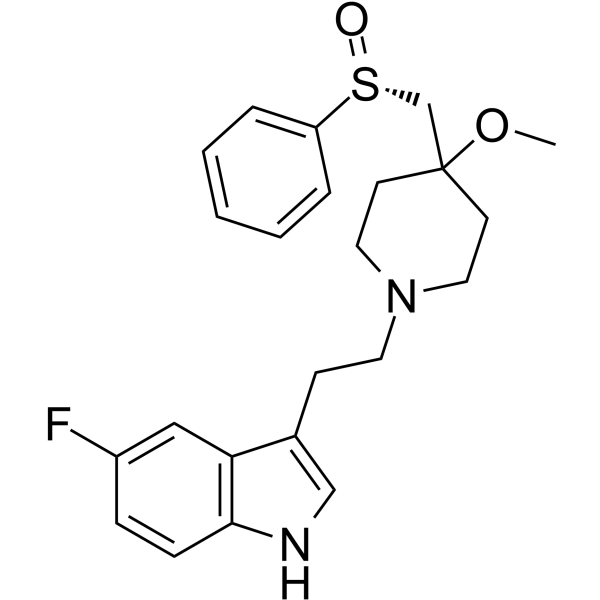
Pibaxizine is an orally active anti-inflammatory agent. Pibaxizine shows antagonist effect on the Histamine (HY-B1204) induced bronchoconstriction. Pibaxizine can be used for the researches of inflammation and immunology, such as asthma .
|
-
-
- HY-17360S
-
|
BA679 BR-d3
|
Isotope-Labeled Compounds
mAChR
|
Neurological Disease
|
|
Tiotropium-d3 (bromide) is the deuterium labeled Tiotropium (Bromide). Tiotropium bromide (BA-679 BR) is a long-acting anticholinergic bronchodilator. Tiotropium bromide blocks the action of acetylcholine at muscarinic M1, M2, and M3 receptors, prevents bronchoconstriction, and dilates bronchial airways. Tiotropium bromide is applicable to research related to chronic obstructive pulmonary disease and asthma .
|
-
-
- HY-151413A
-
|
|
Neurokinin Receptor
|
Neurological Disease
|
|
MEN 10207 (acetate) is a selective antagonist of the NK-2 tachykinin receptor. MEN 10207 (acetate) induces tachykinin-induced contractions in rat bladder and guinea pig airways in vivo. MEN 10207 (acetate) inhibits [β-Ala 8 ]-NKA (4-10)-induced enhancement of bladder motility in anesthetized rats and [β-Ala 8 ]-NKA (4-10)-induced enhancement of bronchoconstriction in anesthetized guinea pigs .
|
-
-
- HY-124852
-
|
PF 5212372
|
Phospholipase
Prostaglandin Receptor
Leukotriene Receptor
|
Inflammation/Immunology
|
|
ZPL-5212372 (PF 5212372) is a cPLA2α inhibitor (IC50 = 7 nM). ZPL-5212372 inhibits the release of prostaglandin D2 (PGD2), cysteyl leukotrienes, leukotriene B4, thromboxane A2, and PGD2 from human lung cells. ZPL-5212372 inhibits delayed bronchoconstriction and airway hyperresponsiveness in a sheep allergic inflammation model. ZPL-5212372 may be used in asthma research .
|
-
-
- HY-176524S
-
|
|
Phosphodiesterase (PDE)
|
Inflammation/Immunology
|
|
PDE3/4-IN-3 (Compound 7) is an orally active dual PDE3/4 inhibitor with IC50 s of 0.17 and ≤50 nM for PDE3A and PDE4B2, respectively. PDE3/4-IN-3 significantly inhibits methacholine-induced bronchoconstriction in guinea pigs. PDE3/4-IN-3 can be used for chronic obstructive pulmonary disease (COPD) and asthma research .
|
-
-
- HY-105505
-
|
|
Phosphodiesterase (PDE)
Histamine Receptor
|
Inflammation/Immunology
|
|
KF-17625 is an orally active bronchodilator. KF-17625 can inhibit bronchoconstriction induced by Carbachol (HY-B1208), Histamine (HY-B1204), or Leukotriene D4 (HY-113456). KF-17625 can inhibit canine tracheal phosphodiesterase (PDE) IV (IC50 = 12 μM) and Concanavalin-A (HY-P2149)-induced histamine release from rat mast cells (44% inhibition at 10 mM). KF-17625 can be used for the researches of immunology and inflammation .
|
-
-
- HY-B1619R
-
|
Cromoglycate (Standard); Cromoglicic acid (Standard); FPL-670 free acid (Standard)
|
GSK-3
NF-κB
Amyloid-β
Reference Standards
|
Neurological Disease
Metabolic Disease
Inflammation/Immunology
Cancer
|
|
Cromolyn (Standard) is the analytical standard of Cromolyn. This product is intended for research and analytical applications. Cromolyn (Cromoglycate) is an orally active GSK-3β inhibitor with an IC50 of 2.0 μM. Cromolyn is also a mast cell stabilizer that can inhibit the release of mediators from mast cells, regulate reflex bronchoconstriction, and reduce non-specific bronchial hyperreactivity, and Cromolyn can be used in the research of bronchial asthma. In addition, Cromolyn has multiple activities such as anti-inflammatory, anti-allergic, anti-histamine, anti-cancer, and neuroprotective effects .
|
-
-
- HY-U00244
-
|
P2647; BZQ; Benzoquinamide
|
Adrenergic Receptor
Dopamine Receptor
|
Metabolic Disease
|
|
Benzquinamide (P2647; BZQ; Benzoquinamide) is an orally active binder of dopamine receptors and adrenergic receptors. Benzquinamide specifically targets dopamine D2, D3, D4 receptors and α-2A, α-2B, α-2C adrenergic receptors. Benzquinamide regulates blood pressure and heart rate, attenuates the pressor effect of adrenaline, and exhibits activities such as antiemesis, anxiolysis, and reduction of histamine-induced bronchoconstriction. Benzquinamide has good safety and does not deplete serotonin or norepinephrine in the brain. Benzquinamide can be used in studies related to nausea/vomiting, mental disorders, anxiety states, neurosis, and psychosis .
|
-
-
- HY-105114
-
-
-
- HY-118958
-
|
Ro 23-3544
|
Leukotriene Receptor
|
Inflammation/Immunology
|
|
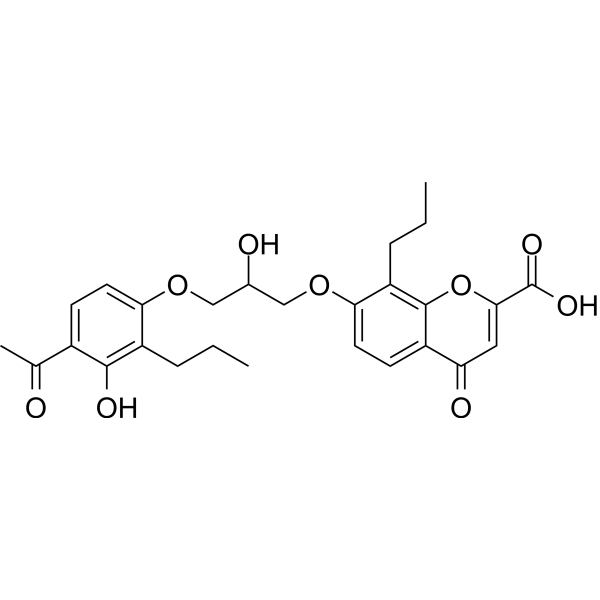
Ablukast (Ro 23-3544) is a specific and active leukotriene receptor antagonist. Ablukast effectively reduces LTC4- and antigen-induced bronchoconstriction . Ablukast is LTD4 receptor antagonist .
|
-
-
- HY-108620
-
|
GR259653X
|
Phosphodiesterase (PDE)
|
Inflammation/Immunology
|
|
CDP-840 (GR259653X) is a potent, selective and orally active phosphodiesterase IV (PDE IV) inhibitor. CDP-840 inhibits antigen-induced early and late phase bronchoconstriction in conscious squirrel monkeys .
|
-
-
- HY-108561
-
|
|
Prostaglandin Receptor
|
Others
|
|
L-670596 is an orally active and selective thrombsxane A2 receptor/prostaglandin receptor antagonist. L-670596 inhibits arachidonic acid (HY-109590) and U-44069 induced bronchoconstriction in the guinea pig. L-670596 also inhibits the aggregation of human platelet rich plasma induced by U-44069 .
|
-
-
- HY-A0083C
-
|
Acetyl-β-methylcholine iodide
|
mAChR
|
Cardiovascular Disease
|
|
Methacholine iodide is a potent muscarinic-3 (M3) agonist. Methacholine iodide acts directly on acetylcholine receptors on smooth muscle causing bronchoconstriction and airway narrowing. Methacholine iodide shows a high sensitivity to identify bronchial hyperresponsiveness (BHR). Methacholine iodide can be used to measure airway hyperresponsiveness (AHR) as a diagnostic aid in the assessment of individuals with asthma-like symptoms and normal resting expiratory flow rates .
|
-
- HY-136702
-
|
|
Adenosine Receptor
|
Inflammation/Immunology
|
|
L-97-1 is a A1 adenosine receptor (A1AR) antagonist. L-97-1 is a water-soluble small molecule compound with high affinity and high selectivity against human A1 adenosine receptors. L-97-1 works by blocking A1 adenosine receptors. In patients with asthma, adenosine is an important signaling molecule capable of causing bronchoconstriction by activating A1AR. L-97-1 reduces airway hyperreactivity (BHR) by competitively binding to A1AR, thereby alleviating or blocking adenosine-induced bronchoconstriction and inflammation .
|
-
- HY-19161
-
|
|
Leukotriene Receptor
|
Inflammation/Immunology
|
|
Bay-X-7195 is a CYS leukotriene 1 receptor (CYS LT1) antagonist. Bay-X-7195 shows an antagonistic action to LTD4-induced bronchoconstriction in vitro and in vivo. Bay-X-7195 can be used foe the study of allergic and asthmatic .
|
-
- HY-125050
-
|
|
Phosphodiesterase (PDE)
|
Inflammation/Immunology
|
|
KCA-1490 is a dual PDE3/4 inhibitor with IC50 values of 369 nM and 42 nM, respectively. KCA-1490 exhibits potent bronchodilatory and anti-inflammatory activity. KCA-1490 suppresses Histamine (HY-B1204)-induced bronchoconstriction in vivo, which is promising for research of asthma and chronic obstructive pulmonary disease (COPD) .
|
-
- HY-B0292
-
|
BW-33A free acid
|
nAChR
|
Cardiovascular Disease
Inflammation/Immunology
Cancer
|
|
tracurium (BW-33A free acid) is a potent, competitive and non-depolarizing neuromuscular blocking agent.Atracurium also is an AChR receptor antagonist. Atracurium induces bronchoconstriction and neuromuscular blockade. Atracurium promotes astroglial differentiation .
|
-
- HY-B0292AR
-
|
BW-33A (Standard)
|
Reference Standards
nAChR
|
Neurological Disease
Inflammation/Immunology
Cancer
|
|
Atracurium (besylate) (Standard) is the analytical standard of Atracurium (besylate). This product is intended for research and analytical applications. Atracurium (BW-33A) besylate is a potent, competitive and non-depolarizing neuromuscular blocking agent. Atracurium besylate also is an AChR receptor antagonist. Atracurium besylate induces bronchoconstriction and neuromuscular blockade. Atracurium besylate promotes astroglial differentiation .
|
-
- HY-122536
-
|
|
Leukotriene Receptor
Calcium Channel
Endogenous Metabolite
|
Inflammation/Immunology
|
|
Ricinelaidic acid, a 12-hydroxy fatty acid,is a leukotriene B4 (LTB4) receptor antagonist with the Ki of 2 μM in porcine neutrophil membranes. Ricinelaidic acid inhibits chemotaxis and calcium flux induced by LTB4 in isolated human neutrophils (IC50=10 and 7 μM, respectively). Ricinelaidic acid inhibits bronchoconstriction induced by LTB4 in rats .
|
-
- HY-113693
-
|
|
Leukotriene Receptor
|
Others
|
|
ONO-RS-347 is an orally active and potent antagonist of leukotriene C4 and D4. ONO-RS-347 inhibits LTD4-induced bronchoconstriction in guinea pigs. ONO-RS-347 is promising for research of allergic asthma and other immediate hypersensitivty diseases .
|
-
- HY-163101
-
|
|
Platelet-activating Factor Receptor (PAFR)
Leukotriene Receptor
|
Inflammation/Immunology
|
|
CP-96021 is an orally active dual leukotriene D4 (LTD4) and platelet activating factor (PAF) receptor antagonist, featuring a guinea pig LTD4 receptor Ki of 34 nM and a rabbit PAF receptor Ki of 37 nM. CP-96021 blocks ligand binding to its target receptors, inhibits ligand-induced bronchoconstriction, and inhibits antigen-triggered airway obstructive effects. CP-96021 can be used for the research of asthma .
|
-
- HY-159927
-
|
|
CCR
|
Inflammation/Immunology
|
|
TAK-661 is a inhibitor of eosinophil chemotaxis. TAK-661 significantly reduces the bronchoconstriction during the late phase, along with the inhibition of eosinophilia in bronchoalveolar lavage (BAL) and the eosinophil infiltration into the airway wall .
|
-
- HY-124150
-
|
|
Prostaglandin Receptor
|
Cardiovascular Disease
|
|
BM567 is a sulfonylurea compound (compound 1), which exhibits antithrombogenic efficacy as thromboxane A2 receptor (TXR) antagonists and thromboxane A2 synthase (TXS) inhibitors, with IC50s of 1.1 and 12 nM, respectively .
|
-
- HY-118895
-
|
|
Prostaglandin Receptor
|
Cardiovascular Disease
|
|
L-641953 is an orally active, selective TXA/PG-END receptor (thromboxane-prostaglandin endoperoxide receptor) antagonist. L-641953 significantly inhibits arachidonic acid-induced bronchoconstriction. L-641953 may be used in cardiovascular disease research .
|
-
- HY-128043
-
|
AY-23578; Doproston B; 11-Deoxy-PGE1
|
Prostaglandin Receptor
|
Inflammation/Immunology
|
|
11-Deoxy prostaglandin E1 (AY-23578; Doproston B) is an analog of prostaglandin E1 (PGE1) with bronchodilator activity. 11-Deoxy prostaglandin E1 inhibits histamine-induced bronchoconstriction and causes relaxation of tracheal strips in isolated guinea pigs .
|
-
- HY-113628
-
|
VML-530
|
Leukotriene Receptor
|
Inflammation/Immunology
|
|
ABT-080 is an orally active inhibitor of leukotriene biosynthesis. ABT-080 simultaneously blocks the leukotriene pathways leading to the synthesis of LTB4 and LTC4, but does not inhibit PGH2 biosynthesis. ABT-080 can block bronchoconstriction and be used in the research of asthma and related inflammations
|
-
- HY-107611
-
-
- HY-117842
-
|
|
Histamine Receptor
|
Inflammation/Immunology
|
|
KY 234 is an orally effective inhibitor that targets thromboxane A2 production, with an IC50 of 5 μM. KY 234 significantly inhibits leukotriene D4 (LTD4), histamine, and antigen-induced bronchoconstriction in guinea pigs, with IC50 values of 6.0 mg/kg, 2.5 mg/kg, and 6.3 mg/kg, respectively .
|
-
- HY-120172
-
|
|
Lipoxygenase
Leukotriene Receptor
|
Inflammation/Immunology
|
|
WAY-126299A is an orally active dual-acting 5-1ipoxygenase inhibitor (IC50: 12.2 μM) and leukotriene D4 antagonist (pKB: 6.4). WAY-126299A inhibits antigen-induced leukotriene-dependent bronchoconstriction. WAY-126299A can be used for research of asthma .
|
-
- HY-106564A
-
|
Ba 598Br; Flubron
|
mAChR
|
Inflammation/Immunology
|
|
Flutropium bromide (Ba 598Br) is a organic bromide salt of flutropium. Flutropium bromide shows an anticholinergic effect. Flutropium bromide effectively suppresses spasms and it can be used for the research of asthma and chronic obstructive pulmonary disease .
|
-
- HY-17360R
-
|
BA679 BR (Standard)
|
Reference Standards
mAChR
|
Neurological Disease
|
|
Tiotropium (Bromide) (Standard) is the analytical standard of Tiotropium (Bromide). This product is intended for research and analytical applications.
Tiotropium bromide (BA-679 BR) is a long-acting anticholinergic bronchodilator. Tiotropium bromide blocks the action of acetylcholine at muscarinic M1, M2, and M3 receptors, prevents bronchoconstriction, and dilates bronchial airways. Tiotropium bromide is applicable to research related to chronic obstructive pulmonary disease and asthma .
|
-
- HY-17428A
-
|
|
Histamine Receptor
|
Neurological Disease
Inflammation/Immunology
|
|
Tripelennamine is a histamine H1-receptor antagonist. Tripelennamine effectively reverses histamine-induced bronchoconstriction, increased transpulmonary pressure, elevated pulmonary vascular resistance and reduced dynamic compliance. Tripelennamine does not significantly affect arterial hypoxemia, hemoglobin desaturation and hypercapnia in horses undergoing short-term high-intensity exercise. Tripelennamine exhibits local and central analgesic activity. Tripelennamine can be used in studies related to emphysema, urticaria and acute laminitis .
|
-
- HY-106899A
-
|
(rel)-L-680573
|
Platelet-activating Factor Receptor (PAFR)
|
Others
|
|
(rel)-MK 287 ((rel)-L-680573) is a relative configuration of MK 287. MK 287 is a potent, selective and orally active antagonist of platelet-activating factor receptor (PAFR). MK 287 can inhibit [3H]C18-PAF binding to human platelet, polymorphonuclear leukocyte (PMN) and lung membranes with K1 values of 6.1, 3.2, and 5.49 nM, respectively. MK 287 can inhibit PAF-induced aggregation of platelets in plasma or gel-filtered platelets and elastase release from PMNs with ED50 values of 56, 1.5 and 4.4 nM. MK 287 can be used for the research of cardiovascular disease, such as thrombosis .
|
-
- HY-17428B
-
|
|
Histamine Receptor
|
Neurological Disease
Inflammation/Immunology
|
|
Tripelennamine citrate is a histamine H1-receptor antagonist. Tripelennamine citrate effectively reverses histamine-induced bronchoconstriction, increased transpulmonary pressure, elevated pulmonary vascular resistance and reduced dynamic compliance. Tripelennamine citrate does not significantly affect arterial hypoxemia, hemoglobin desaturation and hypercapnia in horses undergoing short-term high-intensity exercise. Tripelennamine citrate exhibits local and central analgesic activity. Tripelennamine citrate can be used in studies related to emphysema, urticaria and acute laminitis .
|
-
- HY-164010
-
-
- HY-103158
-
|
|
Lipoxygenase
|
Others
|
|
BW B70C is a potent, selective and orally activearachidonic acid 5-lipoxygenase inhibitor. BW B70C inhibits both acute and allergic bronchoconstriction and late-phase eosinophil accumulation subsequent to allergen inhalation in guinea-pigs. BW B70C prevents leukotriene C4 synthesis and reduces leucocyte migration to the airways lumen as well as albumin microvascular leakage. BW B70C has the potential for the research of anti-asthma agent .
|
-
- HY-118378
-
|
|
Neurokinin Receptor
|
Neurological Disease
Endocrinology
|
|
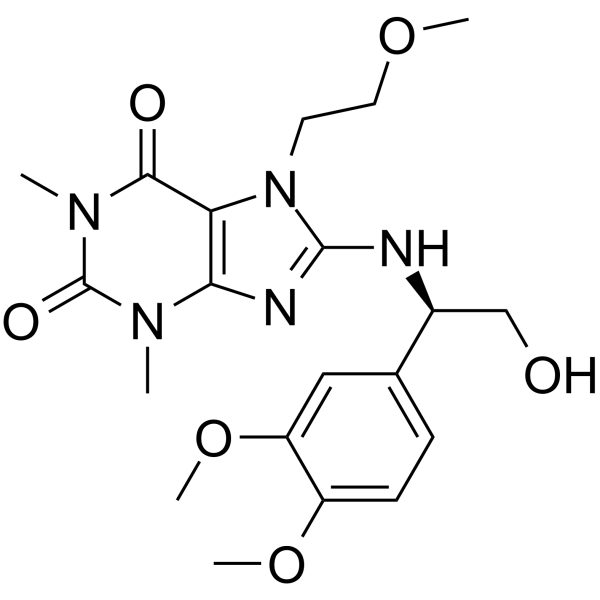
ZD6021 is an orally active Neurokinin 1 Receptor antagonist, with Ki values of 0.12 nM for NK1 and 0.62 nM for NK2. At a concentration of 100 nM, ZD6021 has a pKB value of 8.9 for human pulmonary artery NK1 receptors, and a pKB value of 7.3 for human bronchial NK2 receptors. ZD6021 effectively reduces ASMSP-induced plasma protein extravasation in guinea pigs, with an ED50 of 0.5 mg/kg, and also decreases NK2 mediated bronchoconstriction, with an ED50 of 13 mg/kg .
|
-
- HY-17428R
-
|
|
Reference Standards
Histamine Receptor
|
Neurological Disease
Inflammation/Immunology
|
|
Tripelennamine hydrochloride (Standard) is the analytical standard of Tripelennamine hydrochloride (HY-17428). This product is intended for research and analytical applications. Tripelennamine hydrochloride is a histamine H1-receptor antagonist. Tripelennamine hydrochloride effectively reverses histamine-induced bronchoconstriction, increased transpulmonary pressure, elevated pulmonary vascular resistance and reduced dynamic compliance. Tripelennamine hydrochloride does not significantly affect arterial hypoxemia, hemoglobin desaturation and hypercapnia in horses undergoing short-term high-intensity exercise. Tripelennamine hydrochloride exhibits local and central analgesic activity. Tripelennamine hydrochloride can be used in studies related to emphysema, urticaria and acute laminitis .
|
-
- HY-B1619S
-
|
Cromoglycate-d5; Cromoglicic acid-d5; FPL-670-d5 free acid
|
Isotope-Labeled Compounds
GSK-3
NF-κB
Amyloid-β
|
Neurological Disease
Metabolic Disease
Inflammation/Immunology
Cancer
|
|
Cromolyn-d5 (Cromoglycate-d5) is the deuterium labeled Cromolyn (HY-B1619). Cromolyn (Cromoglycate) is an orally active GSK-3β inhibitor with an IC50 of 2.0 μM. Cromolyn is also a mast cell stabilizer that can inhibit the release of mediators from mast cells, regulate reflex bronchoconstriction, and reduce non-specific bronchial hyperreactivity, and Cromolyn can be used in the research of bronchial asthma. In addition, Cromolyn has multiple activities such as anti-inflammatory, anti-allergic, anti-histamine, anti-cancer, and neuroprotective effects .
|
-
- HY-U00244A
-
|
P2647 hydrochloride; BZQ hydrochloride; Benzoquinamide hydrochloride
|
Adrenergic Receptor
Dopamine Receptor
|
Neurological Disease
|
|
Benzquinamide (P2647; BZQ; Benzoquinamide) hydrochloride is an orally active binder of dopamine receptors and adrenergic receptors. Benzquinamide hydrochloride specifically targets dopamine D2, D3, D4 receptors and α-2A, α-2B, α-2C adrenergic receptors. Benzquinamide hydrochloride regulates blood pressure and heart rate, attenuates the pressor effect of adrenaline, and exhibits activities such as antiemesis, anxiolysis, and reduction of histamine-induced bronchoconstriction. Benzquinamide hydrochloride has good safety and does not deplete serotonin or norepinephrine in the brain. Benzquinamide hydrochloride can be used in studies related to nausea/vomiting, mental disorders, anxiety states, neurosis, and psychosis .
|
-
- HY-136831
-
|
QMPB
|
Leukotriene Receptor
|
Inflammation/Immunology
|
|
SR2640 is a highly efficient and selective LTD4/LTE4 antagonist that can specifically inhibit the smooth muscle contractions induced by LTD4 in the guinea pig ileum and trachea in a concentration-dependent manner, without affecting the contractions caused by histamine. SR2640 can concentration-dependently prevent the binding of 0.4 nM [3H] LTD4 to membrane receptors in guinea pig lung tissue, with an IC50 of 23 nM. SR2640 can shift the dose-response curve for bronchoconstriction induced by intravenous LTD4 in guinea pigs to the right, and the extent of this shift is positively correlated with the dose of SR2640 administered. SR2640 can be used in asthma research .
|
-
- HY-105114A
-
-
- HY-126980
-
|
|
Ser/Thr Protease
|
Inflammation/Immunology
|
|
AMG-126737 is an orally active and highly selective human mast cell tryptase inhibitor with a Ki of 90 nM. AMG-126737 suppresses early/late-phase bronchoconstriction in sheep models. AMG-126737 is promising for research of asthma and allergic diseases .
|
-
- HY-113589
-
|
|
Lipoxygenase
|
Inflammation/Immunology
|
|
ICI 198615 is a lipoxygenase inhibitor. ICI 198615 inhibits the activity of lipoxygenases involved in eicosanoid metabolism. ICI 198615 attenuates the early phase of bronchoconstriction induced by ET-1 .
|
-
- HY-182557
-
|
|
Lipoxygenase
|
Cardiovascular Disease
Inflammation/Immunology
|
|
KC-11404 is an orally active antihistamine and 5-lipoxygenase inhibitor, with an IC50 of 0.9 μM against guinea pig 5-lipoxygenase. KC-11404 inhibits histamine-induced contraction of isolated guinea pig ileum with an IC50 of 0.26 μM. KC-11404 inhibits PAF-induced rabbit platelet aggregation with an IC50 of 2.0 μM. It inhibits the histamine phase of antigen-induced bronchoconstriction and PAF-induced bronchoconstriction in guinea pigs. KC-11404 can be used for the research of asthma .
|
-
- HY-100164R
-
|
MKS 492 (Standard)
|
Phosphodiesterase (PDE)
Reference Standards
|
Inflammation/Immunology
|
|
SDZ-MKS 492 (Standard) is the analytical standard of SDZ-MKS 492 (HY-100164). This product is intended for research and analytical applications. SDZ-MKS 492 (MKS 492) is a selective inhibitor of cyclic GMP-inhibited phosphodiesterase (type III PDE). SDZ-MKS 492 inhibits antigen- or platelet activating factor (PAF)-induced bronchoconstriction and allergic reactions in guinea pigs and rats .
|
-
- HY-182414
-
|
|
Ser/Thr Protease
|
Inflammation/Immunology
|
|
NCO-650 free base is an antiallergic agent that acts by inhibiting tryptase, a key trypsin-like protease in mast cells. NCO-650 free base inhibits mast cell histamine release, increases intracellular cAMP levels in mast cells, suppresses bronchoconstriction, and prevents decreases in perfusion pressure and systemic blood pressure. NCO-650 free base is applicable to the research of allergic diseases and bronchial asthma .
|
-
- HY-165441
-
|
|
Phosphodiesterase (PDE)
|
Inflammation/Immunology
|
|
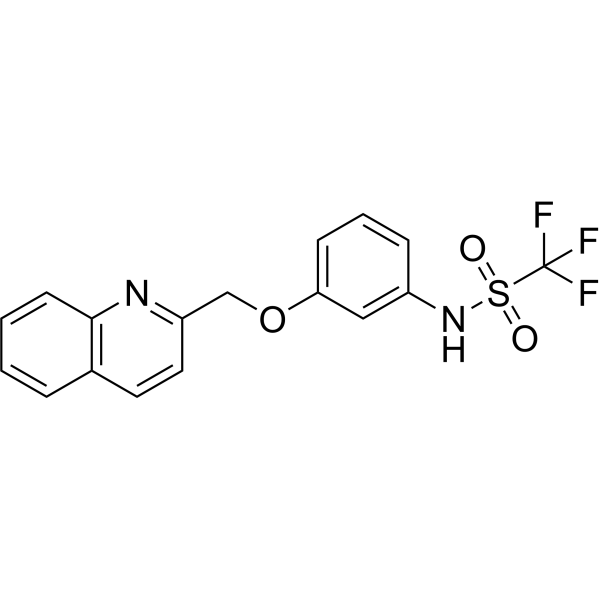
R-836 is an orally active bronchodilator. R-836 is also a weak phosphodiesterase inhibitor. R-836 can reduce bronchoconstriction caused by antigens or platelet-activating factor. R-836 prevents asphyxiation or dyspnea .
|
-
- HY-180376
-
|
|
Neurokinin Receptor
|
Inflammation/Immunology
|
|
TAC 363 is a selective tachykinin NK-2 receptor antagonist. TAC 363 shows a rightward shift in the contractile response curve induced by Neurokinin A (HY-P0197) with a pA2 of 9.82. TAC 363 has a weak antagonistic effect on NK-1 receptors. TAC 363 can inhibit Neurokinin A-induced bronchoconstriction in guinea pigs with an ED50 of 0.3 mg/kg. TAC 363 can be used for the research of bronchial asthma .
|
-
- HY-180411
-
|
|
Leukotriene Receptor
|
Inflammation/Immunology
|
|
SM-15178 is a potent, orally active and selective leukotriene B4 (LTB4) receptor antagonist with an IC50 of 0.30 μM. SM-15178 attenuates LTB4 (HY-107608)-induced neutrophil accumulation in mouse skin and bronchoconstriction in guinea pigs. SM-15178 emonstrates significant anti-inflammatory efficacy across multiple animal models of inflammation. SM-15178 can be used for the research of chronic inflammatory diseases such as inflammatory bowel disease, psoriasis, and asthma .
|
-
- HY-115314
-
|
LG 30435
|
Histamine Receptor
|
Inflammation/Immunology
|
|
Mequitamium iodide (LG 30435) is an antihistamine drug with antiallergic and bronchodilatory activity. Mequitamium iodide can effectively antagonize airway contraction and inflammatory responses induced by histamine and antigens. Mequitamium iodide has nanomolar affinity for the H1 and smooth muscle receptors of histamine and mequitin. Mequitamium iodide, when administered in aerosol form, significantly inhibits histamine- and antigen-induced increases in airway pressure in allergic mice. Mequitamium iodide reduces antigen-induced eosinophil accumulation in the airways. Mequitamium iodide also exhibits inhibitory effects on PAF-induced platelet aggregation and bronchoconstriction, and can be used in the study of allergic diseases such as rhinitis and asthma .
|
-
- HY-182625
-
|
|
Platelet-activating Factor Receptor (PAFR)
|
Others
Inflammation/Immunology
|
|
GS-1160-180 is a PAF receptor antagonist. GS-1160-180 competes with PAF for receptor binding, with no activity against collagen or adenosine diphosphate-induced platelet aggregation. GS-1160-180 can be used for research on asthma, anaphylactic shock, gastric ulceration, and transplant rejection .
|
-
| Cat. No. |
Product Name |
Target |
Research Area |
-
- HY-151413A
-
|
|
Neurokinin Receptor
|
Neurological Disease
|
|
MEN 10207 (acetate) is a selective antagonist of the NK-2 tachykinin receptor. MEN 10207 (acetate) induces tachykinin-induced contractions in rat bladder and guinea pig airways in vivo. MEN 10207 (acetate) inhibits [β-Ala 8 ]-NKA (4-10)-induced enhancement of bladder motility in anesthetized rats and [β-Ala 8 ]-NKA (4-10)-induced enhancement of bronchoconstriction in anesthetized guinea pigs .
|
| Cat. No. |
Product Name |
Category |
Target |
Chemical Structure |
| Cat. No. |
Product Name |
Chemical Structure |
-
- HY-17360S1
-
|
|
|
Tiotropium-d6 (bromide) is deuterium labeled Tiotropium (Bromide). Tiotropium bromide (BA-679 BR) is a long-acting anticholinergic bronchodilator. Tiotropium bromide blocks the action of acetylcholine at muscarinic M1, M2, and M3 receptors, prevents bronchoconstriction, and dilates bronchial airways. Tiotropium bromide is applicable to research related to chronic obstructive pulmonary disease and asthma .
|
-
-
- HY-113456S
-
|
|
|
Leukotriene D4-d5 is the deuterium labeled Leukotriene D4. Leukotriene D4 is one of the constituents of slow-reacting substance of anaphylaxis (SRS-A) produced by the metabolism of LTC4 by γ-glutamyl transpeptidase. Leukotriene D4 is the first cysteinyl-leukotriene metabolite of LTC4. Leukotriene D4-induced bronchoconstriction and enhanced vascular permeability contribute to the pathogenesis of asthma and acute hypersensitivity.
|
-
-
- HY-17360S
-
|
|
|
Tiotropium-d3 (bromide) is the deuterium labeled Tiotropium (Bromide). Tiotropium bromide (BA-679 BR) is a long-acting anticholinergic bronchodilator. Tiotropium bromide blocks the action of acetylcholine at muscarinic M1, M2, and M3 receptors, prevents bronchoconstriction, and dilates bronchial airways. Tiotropium bromide is applicable to research related to chronic obstructive pulmonary disease and asthma .
|
-
-
- HY-176524S
-
|
|
|
PDE3/4-IN-3 (Compound 7) is an orally active dual PDE3/4 inhibitor with IC50 s of 0.17 and ≤50 nM for PDE3A and PDE4B2, respectively. PDE3/4-IN-3 significantly inhibits methacholine-induced bronchoconstriction in guinea pigs. PDE3/4-IN-3 can be used for chronic obstructive pulmonary disease (COPD) and asthma research .
|
-
-
- HY-B1619S
-
|
|
|
Cromolyn-d5 (Cromoglycate-d5) is the deuterium labeled Cromolyn (HY-B1619). Cromolyn (Cromoglycate) is an orally active GSK-3β inhibitor with an IC50 of 2.0 μM. Cromolyn is also a mast cell stabilizer that can inhibit the release of mediators from mast cells, regulate reflex bronchoconstriction, and reduce non-specific bronchial hyperreactivity, and Cromolyn can be used in the research of bronchial asthma. In addition, Cromolyn has multiple activities such as anti-inflammatory, anti-allergic, anti-histamine, anti-cancer, and neuroprotective effects .
|
-
Your information is safe with us. * Required Fields.
Inquiry Information
- Product Name:
- Cat. No.:
- Quantity:
- MCE Japan Authorized Agent:

