

1. Search Result
Search Result
Results for "

c-Met receptor

" in MedChemExpress (MCE) Product Catalog:

32

Inhibitors & Agonists

1

Screening Libraries

1

Fluorescent Dyes

2

Peptides

2

Inhibitory Antibodies

2

Natural
Products

4

Recombinant Proteins

4

Isotope-Labeled Compounds

5

Antibodies

Targets Recommended:
Cat. No. Product Name Target Research Areas Chemical Structure
  • HY-12044
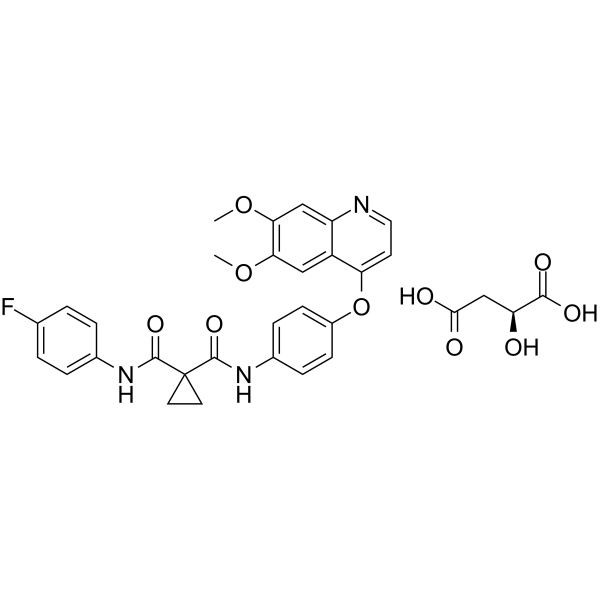
    Cabozantinib S-malate
    Maximum Cited Publications
    56 Publications Verification

    XL184 S-malate; BMS-907351 S-malate

    VEGFR Apoptosis Cancer
    Cabozantinib S-malate (XL184 S-malate) is a potent multiple receptor tyrosine kinases inhibitor that inhibits VEGFR2, c-Met, Kit, Axl and Flt3 with IC50s of 0.035, 1.3, 4.6, 7 and 11.3 nM, respectively.
    Cabozantinib S-malate
  • HY-W015309
    Decanoic acid
    4 Publications Verification

    Environmental Pollutants Endogenous Metabolite iGluR Glutaminase c-Met/HGFR Tyrosinase Neurological Disease Metabolic Disease Cancer
    Decanoic acid is a key component of the medium-chain triglyceride (MCT) found in coconut oil. Decanoic acid is a brain-penetrant and non-competitive inhibitor of AMPA receptor showing antiseizure activity in rats. Decanoic acid reduces tyrosinase activity and inhibits melanosome maturation. Decanoic acid suppresses the phosphorylation of c-Met and induced apoptosis in hepatocellular carcinoma (HCC) cells by inhibiting the expression of various oncogenic proteins, which is promising for research in the field of mTORC1 signaling, HCC and epilepsy .
    Decanoic acid
  • HY-12076
    BMS 777607
    10+ Cited Publications

    BMS 817378

    c-Met/HGFR TAM Receptor Cancer
    BMS 777607 (BMS 817378) is a Met-related inhibitor for c-Met, Axl, Ron and Tyro3 with IC50s of 3.9 nM, 1.1 nM, 1.8 nM and 4.3 nM, respectively, and 40-fold more selective for Met-related targets than Lck, VEGFR-2, and TrkA/B, with more than 500-fold greater selectivity versus all other receptor and non receptor kinases .
    BMS 777607
  • HY-12423

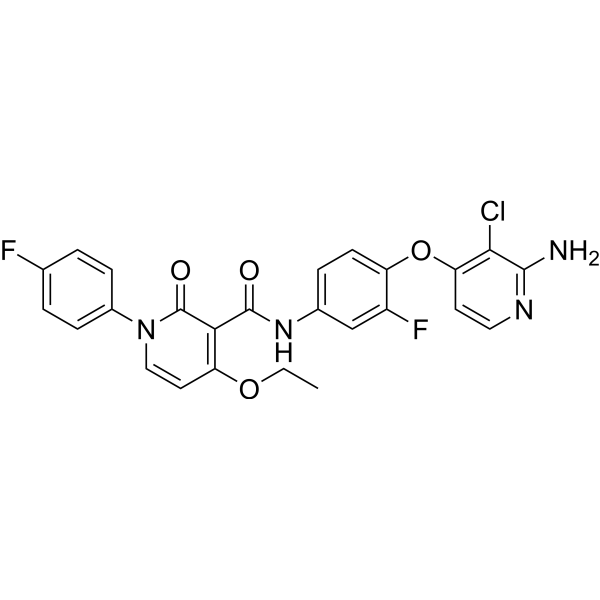
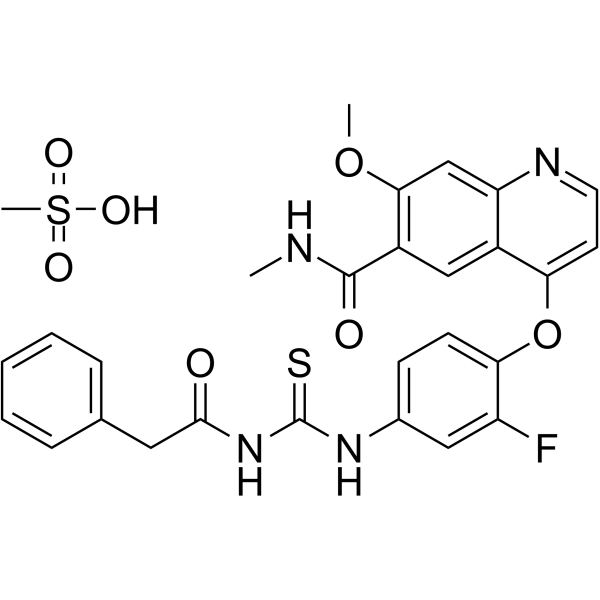
    TAS-115

    VEGFR c-Met/HGFR Cancer
    Pamufetinib (TAS-115) is a potent VEGFR and hepatocyte growth factor receptor (c-Met/HGFR)-targeted kinase inhibitor with IC50s of 30 and 32 nM for rVEGFR2 and rMET, respectively.
    Pamufetinib
  • HY-16969
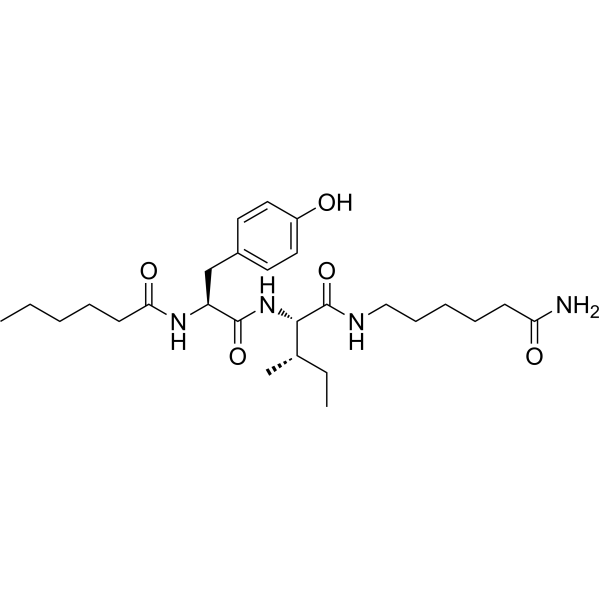
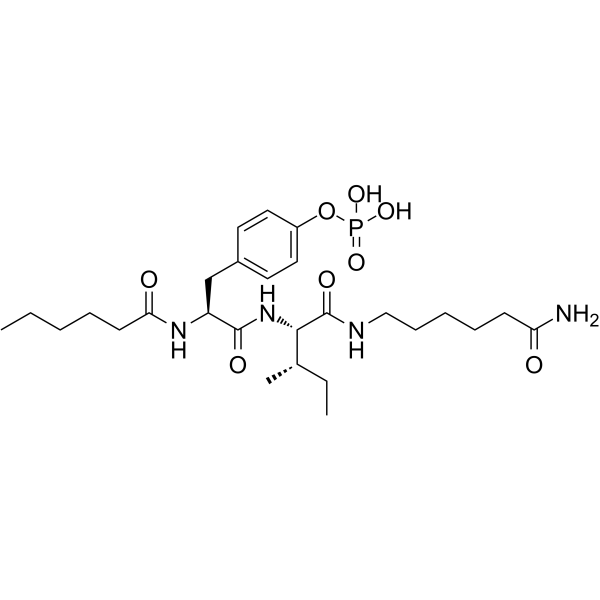
    Dihexa
    5+ Cited Publications

    PNB-0408; N-hexanoic-Try-Ile-(6)-amino hexanoic amide; Hexanoyl-Tyr-Ile-Ahx-NH2

    c-Met/HGFR Neurological Disease
    Dihexa, an oligopeptide drug, is an orally active and blood-brain barrier-permeable angiotensin IV analog. Dihexa binds to hepatocyte growth factor (HGF) with high affinity (Kd=65 pM) and potentiates its activity at its receptor, c-Met. Dihexa exhibits excellent antidementia activity and improves cognitive function in animal models. Dihexa may have therapeutic potential as a treatment Alzheimer’s disease .
    Dihexa
  • HY-137455

    ANG-3777

    c-Met/HGFR Inflammation/Immunology
    Terevalefim (ANG-3777), an hepatocyte growth factor (HGF) mimetic, selectively activates the c-Met receptor .
    Terevalefim
  • HY-13016S

    XL184-d6; BMS-907351-d6

    VEGFR c-Met/HGFR c-Kit TAM Receptor FLT3 Apoptosis Cancer
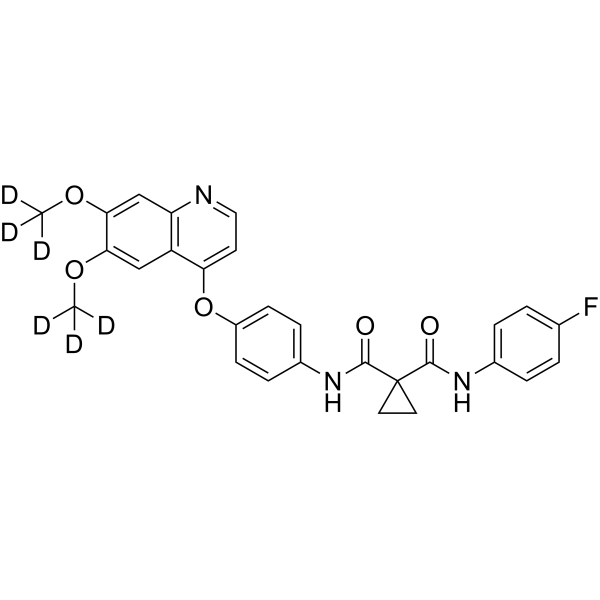
    Cabozantinib-d6 is the deuterium labeled Cabozantinib. Cabozantinib is a potent multiple receptor tyrosine kinases (RTKs) inhibitor that inhibits VEGFR2, c-Met, Kit, Axl and Flt3 with IC50s of 0.035, 1.3, 4.6, 7 and 11.3 nM, respectively .
    Cabozantinib-d6
  • HY-123856

    Phosphatase NF-κB c-Met/HGFR Anaplastic lymphoma kinase (ALK) Cardiovascular Disease Neurological Disease
    MY10 is a potent and orally active receptor protein tyrosine phosphatase (RPTPβ/ζ) inhibitor. MY10 reduces NF-κB p65 expression. MY10 activates tyrosine phosphorylation of c-Met. MY10 prevents the alcohol-induced downregulation of Ptprz1 and Alk expression. MY10 attenuates binge-like ethanol consumption and ethanol reward. MY10 can be used in the study of neurological and vascular diseases .
    MY10
  • HY-P99196

    c-Met/HGFR Cancer
    Ficlatuzumab is a monoclonal antibody (McAb) targeting human hepatocyte growth factor (HGF). Ficlatuzumab blocks the activation of the HGF/c-Met signaling pathway, and inhibits c-Met receptor-mediated cancer cell proliferation, migration, and invasion .
    Ficlatuzumab
  • HY-132814

    ATH-1017

    c-Met/HGFR Neurological Disease
    Fosgonimeton (ATH-1017) is a hepatocyte growth factor receptor (c-Met/HGFR) agonist. Fosgonimeton has neuroprotective effects in both LPS (HY-D1056) -induced neuroinflammation and Aβ-induced AD models .
    Fosgonimeton
  • HY-131865

    PROTACs EGFR Cancer
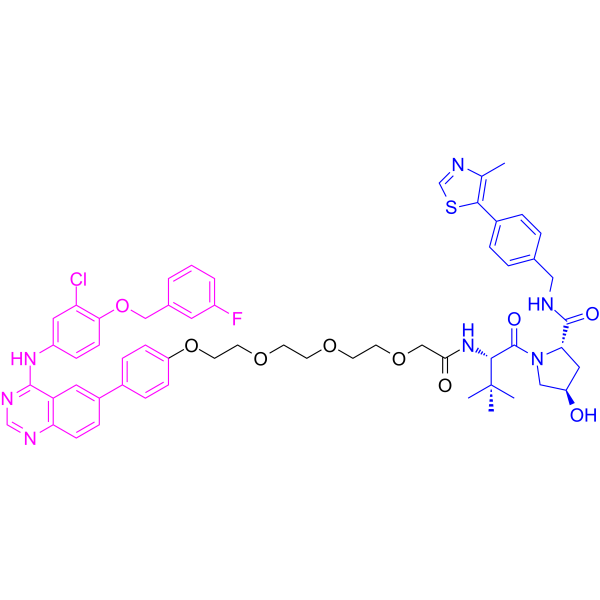
    SJF-1521 is a selective EGFR PROTAC degrader. SJF-1521 is capable of inducing EGFR degradation in OVCAR8 cells. SJF-1521 can be used for tumor research. (Pink: EGFR ligand (HY-177379); Black: Linker (HY-128804); Blue: VHL Ligand (HY-125845)) .
    SJF-1521
  • HY-12423A

    TAS-115 mesylate

    VEGFR c-Met/HGFR Cancer
    Pamufetinib (TAS-115) mesylate is a potent VEGFRand hepatocyte growth factor receptor (c-Met/HGFR)-targeted kinase inhibitor, with IC50s of 30 and 32 nM for rVEGFR2 and rMET, respectively.
    Pamufetinib mesylate
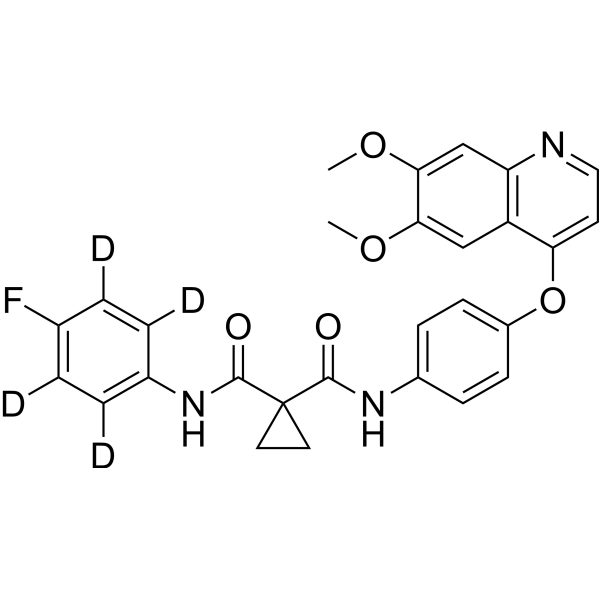
  • HY-13016S1

    XL184-d4; BMS-907351-d4

    VEGFR c-Met/HGFR c-Kit TAM Receptor FLT3 Apoptosis Cancer
    Cabozantinib-d4 is deuterium labeled Cabozantinib. Cabozantinib is a potent multiple receptor tyrosine kinases (RTKs) inhibitor that inhibits VEGFR2, c-Met, Kit, Axl and Flt3 with IC50s of 0.035, 1.3, 4.6, 7 and 11.3 nM, respectively.
    Cabozantinib-d4
  • HY-W266188

    Isotope-Labeled Compounds iGluR Tyrosinase c-Met/HGFR Glutaminase Neurological Disease Metabolic Disease Cancer
    Decanoic acid- 13C is the 13C-labeled Decanoic acid (HY-W015309). Decanoic acid is a key component of the medium-chain triglyceride (MCT) found in coconut oil. Decanoic acid is a brain-penetrant and non-competitive inhibitor of AMPA receptor showing antiseizure activity in rats. Decanoic acid reduces tyrosinase activity and inhibits melanosome maturation. Decanoic acid suppresses the phosphorylation of c-Met and induced apoptosis in hepatocellular carcinoma (HCC) cells by inhibiting the expression of various oncogenic proteins, which is promising for research in the field of mTORC1 signaling, HCC and epilepsy .
    Decanoic acid-13C
  • HY-P1415A
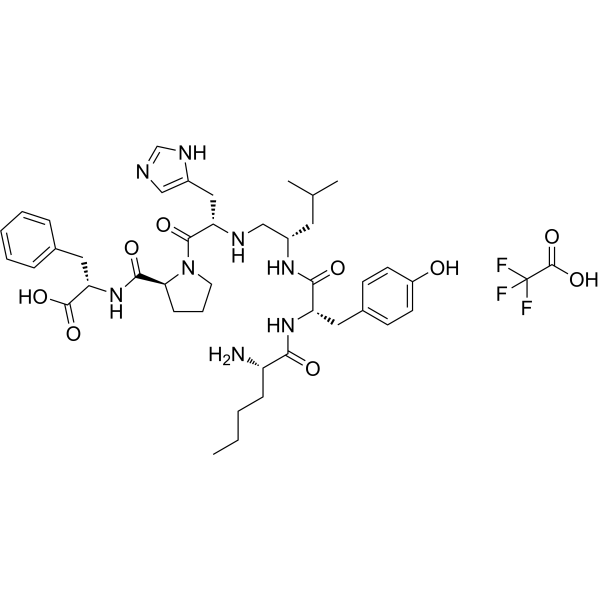
    Norleual TFA
    1 Publications Verification

    c-Met/HGFR Angiotensin Receptor Cardiovascular Disease Neurological Disease Metabolic Disease
    Norleual TFA, an angiotensin (Ang) IV analog, is a hepatocyte growth factor (HGF)/c-Met inhibitor with an IC50 of 3 pM. Norleual TFA is an AT4 receptor antagonist and exhibits potent antiangiogenic activities .
    Norleual TFA
  • HY-156897

    Drug-Linker Conjugates for ADC Cancer
    Val-Cit-amide-Ph-Maytansine is an antibody and bispecific antigen-binding mol. that bind hepatocyte growth factor receptor c-Met (MET) or antibody-drug conjugates (ADCs) .
    Val-Cit-amide-Ph-Maytansine
  • HY-18711

    Metatinib free base; c-Met inhibitor 2 free base

    c-Met/HGFR VEGFR Cancer
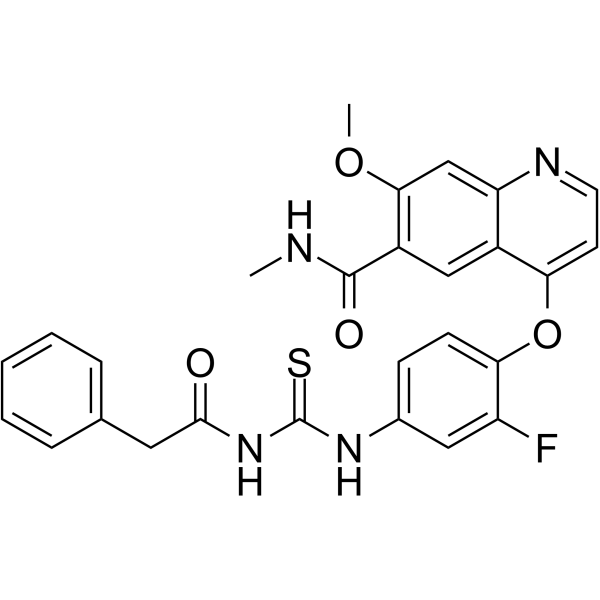
    SCR-1481B1 free base, also known as Metatinib free base, is a small molecule receptor kinase inhibitor that targets both c-MET and vascular endothelial growth factor receptor 2 (VEGFR2) .
    SCR-1481B1 free base
  • HY-177134

    VEGFR c-Met/HGFR Cancer
    Taligantinib (Compound Example 70) is an orally active and selective dual inhibitor targeting vascular endothelial growth factor receptor 2 (VEGFR-2) and hepatocyte growth factor receptor (c-Met). Taligantinib suppresses tumor angiogenesis and cell proliferation. Taligantinib is promising for research of solid tumors such as non-small cell lung cancer and hepatocellular carcinoma .
    Taligantinib
  • HY-164394

    c-Met/HGFR Cancer
    EMD 1204831 is a potent and highly selective c-Met inhibitor which selectively suppresses the c-Met receptor tyrosine kinase activity with an IC50 of 9 nM. EMD 1204831 can be utilized in cancer research .
    EMD 1204831
  • HY-10338A

    c-Met/HGFR VEGFR Cancer
    Foretinib phosphate is an orally bioavailable small molecule with potential anti-tumor activity. Foretinib phosphate can selectively inhibit hepatocyte growth factor (HGF) receptor c-MET and vascular endothelial growth factor receptor 2 (VEGFR2), thereby potentially inhibiting tumor angiogenesis, tumor cell proliferation and metastasis. Foretinib phosphate shows different anti-cancer activity from cabozantinib in lung cancer cells and has stronger inhibitory effects on targets such as MEK1/2, FER and AURKB .
    Foretinib phosphate
  • HY-P1415

    c-Met/HGFR Angiotensin Receptor Neurological Disease Metabolic Disease
    Norleual, an angiotensin (Ang) IV analog, is a hepatocyte growth factor (HGF)/c-Met inhibitor with an IC50 of 3 pM. Norleual is an AT4 receptor antagonist and exhibits potent antiangiogenic activities .
    Norleual
  • HY-156896

    Drug-Linker Conjugates for ADC Cancer
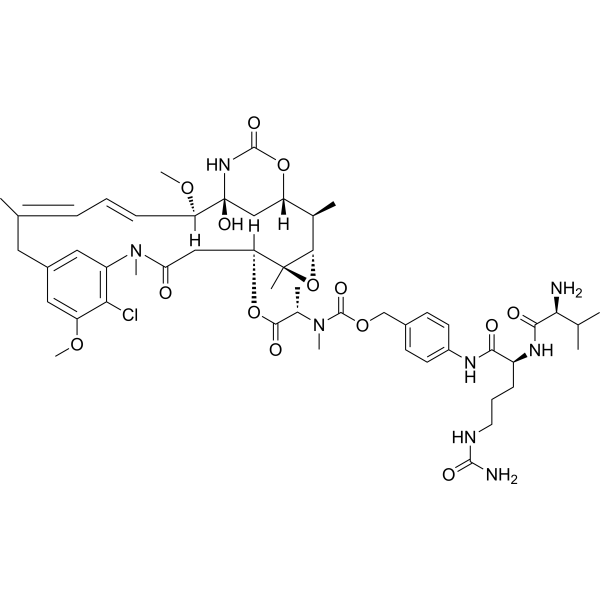
    Val-Cit-amide-Cbz-N(Me)-Maytansine is an antibody and bispecific antigen-binding mol. that bind hepatocyte growth factor receptor c-Met (MET) or antibody-drug conjugates (ADCs) .
    Val-Cit-amide-Cbz-N(Me)-Maytansine
  • HY-14510

    c-Met/HGFR Cardiovascular Disease Cancer
    PF 04254644 is an orally active c-Met inhibitor. PF 04254644 inhibits mesenchymal transfer factor/hepatocyte growth factor receptor. PF 04254644 induces myocardial degeneration in rats. PF 04254644 may be used in research on cardiovascular disease and cancer .
    PF 04254644
  • HY-77493

    (rel)-ARQ 197; (rel)-(3R,4R)-ARQ 198

    c-Met/HGFR Cancer
    (rel)-Tivantinib is a potent and highly selective inhibitor of the receptor tyrosine kinase c-MET. (rel)-Tivantinib has two novel targets, GSK3α and GSK3β, which play an important role in the cellular mechanism of non-small cell lung cancer (NSCLC) .
    (rel)-Tivantinib
  • HY-50687

    (3S,4S)-ARQ 197; ARQ 198

    c-Met/HGFR Cancer
    (3S,4S)-Tivantinib is a potent and highly selective inhibitor of the receptor tyrosine kinase c-MET. (3S,4S)-Tivantinib has two novel targets, GSK3α and GSK3β, which play an important role in the cellular mechanism of non-small cell lung cancer (NSCLC) .
    (3S,4S)-Tivantinib
  • HY-12044R

    XL184 S-malate (Standard); BMS-907351 S-malate (Standard)

    Reference Standards VEGFR Apoptosis Cancer
    Cabozantinib (S-malate) (Standard) is the analytical standard of Cabozantinib (S-malate). This product is intended for research and analytical applications. Cabozantinib S-malate (XL184 S-malate) is a potent multiple receptor tyrosine kinases inhibitor that inhibits VEGFR2, c-Met, Kit, Axl and Flt3 with IC50s of 0.035, 1.3, 4.6, 7 and 11.3 nM, respectively.
    Cabozantinib S-malate (Standard)
  • HY-100833R

    Reference Standards Bacterial Antibiotic Infection
    Cabozantinib (S-malate) (Standard) is the analytical standard of Cabozantinib (S-malate). This product is intended for research and analytical applications. Cabozantinib S-malate (XL184 S-malate) is a potent multiple receptor tyrosine kinases inhibitor that inhibits VEGFR2, c-Met, Kit, Axl and Flt3 with IC50s of 0.035, 1.3, 4.6, 7 and 11.3 nM, respectively.
    Antibiotic-5d (Standard)
  • HY-W015309R

    Reference Standards iGluR Tyrosinase c-Met/HGFR Glutaminase Neurological Disease Metabolic Disease Cancer
    Decanoic acid (Standard) is the analytical standard of Decanoic acid. This product is intended for research and analytical applications. Decanoic acid is a key component of the medium-chain triglyceride (MCT) found in coconut oil. Decanoic acid is a brain-penetrant and non-competitive inhibitor of AMPA receptor showing antiseizure activity in rats. Decanoic acid reduces tyrosinase activity and inhibits melanosome maturation. Decanoic acid suppresses the phosphorylation of c-Met and induced apoptosis in hepatocellular carcinoma (HCC) cells by inhibiting the expression of various oncogenic proteins, which is promising for research in the field of mTORC1 signaling, HCC and epilepsy .
    Decanoic acid (Standard)
  • HY-W706452

    XL184-d4 S-malate; BMS-907351-d4 S-malate

    Isotope-Labeled Compounds Apoptosis VEGFR Cancer
    Cabozantinib-d4 (S-malate) (XL184-d4 (S-malate); BMS-907351-d4 (S-malate)) is the deuterium labeled Cabozantinib (S-malate) (HY-12044). Cabozantinib S-malate (XL184 S-malate) is a potent multiple receptor tyrosine kinases inhibitor that inhibits VEGFR2, c-Met, Kit, Axl and Flt3 with IC50s of 0.035, 1.3, 4.6, 7 and 11.3 nM, respectively.
    Cabozantinib-d4 S-malate
  • HY-D3352

    AGSCYCSGPPRFECWCYETEGT-Cy5

    Fluorescent Dye c-Met/HGFR Cancer
    EMI-137 (AGSCYCSGPPRFECWCYETEGT-Cy5) is a fluorescent imaging agent targeting the c-Met receptor. EMI-137 specifically binds to the extracellular domain of the c-Met receptor and is used for fluorescent visualization of c-Met-expressing cells and tissues. EMI-137 can be applied to research related to colorectal cancer .
    EMI-137
  • HY-182458

    c-Met/HGFR Cancer
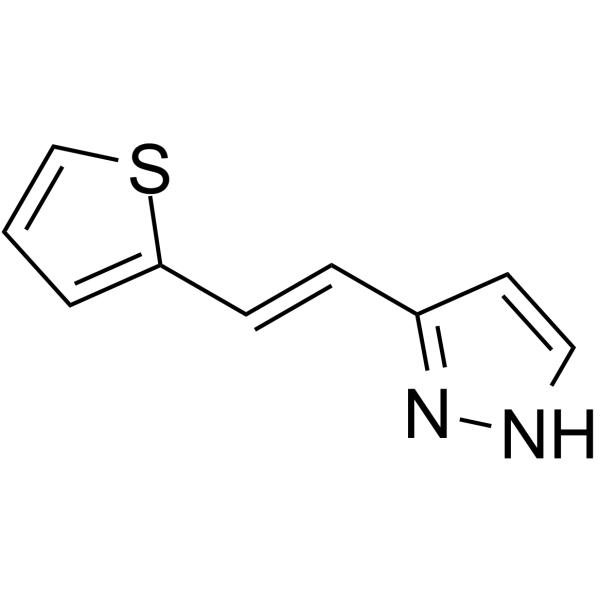
    GNE-203 is a heterobicyclic pyrazole compound and receptor tyrosine kinase inhibitor targeting c-Met.GNE-203 can be used for the research of cancer .
    GNE-203
  • HY-P992146

    MYTX-011 Antibody; Q-397

    ADC Antibody c-Met/HGFR Cancer
    Zevontabart (MYTX-011 Antibody; Q-397) is a pH-dependent anti-c-MET antibody. Zevontabart regulates the trafficking process of c-MET to reduce receptor recycling, and enhances its own endocytosis and accumulation in c-MET-expressing cells. Zevontabart induces cytotoxicity in solid tumor cells and exerts anti-tumor activity in a non-small cell lung cancer xenograft mouse model. Zevontabart can be used to synthesize ADC, such as: MYTX-011. Zevontabart can be used in studies related to non-small cell lung cancer, with its corresponding isotype control being Human IgG1 kappa, Isotype Control (HY-P99001) .
    Zevontabart

Inquiry Online

Your information is safe with us. * Required Fields.

Salutation


Country or Region *

Applicant Name *


Organization Name *

Department *


Email Address *


Product Name *

Cat. No.


Requested quantity *

Phone Number *


Remarks

Inquiry Online

Inquiry Information

Product Name:
Cat. No.:
Quantity:
MCE Japan Authorized Agent:

