1. Search Result
Search Result
Results for "

calcium response

" in MedChemExpress (MCE) Product Catalog:

50

Inhibitors & Agonists

1

Screening Libraries

1

Fluorescent Dyes

2

Biochemical Assay Reagents

8

Peptides

1

Inhibitory Antibodies

9

Natural
Products

5

Antibodies

Cat. No. Product Name Target Research Areas Chemical Structure
  • HY-109061
    Lazertinib
    3 Publications Verification

    YH25448; GNS-1480

    Apoptosis Akt TRP Channel EGFR ERK Infection Neurological Disease Metabolic Disease Cancer
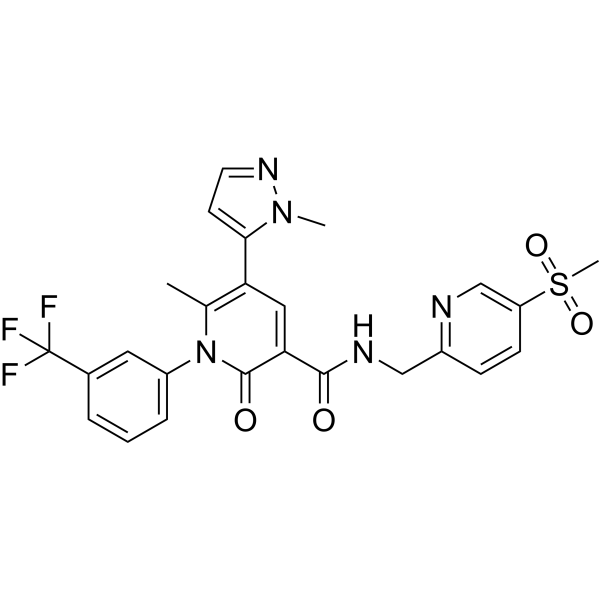
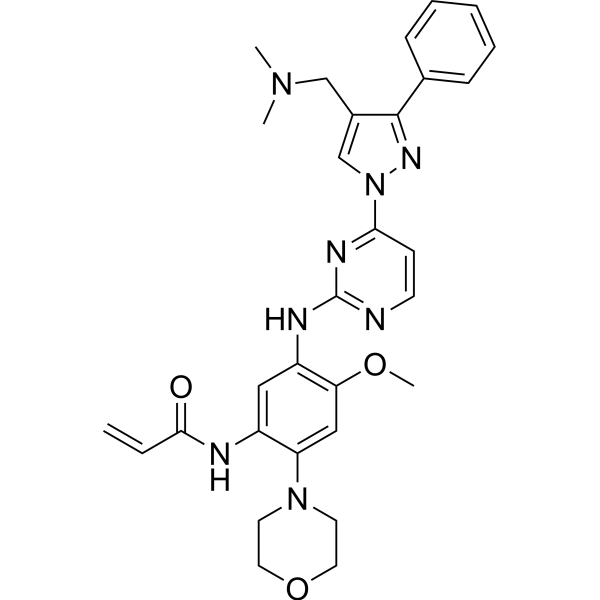
    Lazertinib (YH25448; GNS-1480) is an orally active, blood-brain barrier permeable third-generation EGFR tyrosine kinase inhibitor, as well as an ABCB1/ABCG2 inhibitor and a TRPA1 activator. Lazertinib exhibits IC50 values of 0.4 mM and 0.2 mM against human ABCB1 and ABCG2, respectively. By inhibiting mutant EGFR signaling, EGFR phosphorylation and the downstream ERK/AKT pathway, as well as upregulating surface expression of EGFR/MET, Lazertinib induces cell cycle arrest, apoptosis, spontaneous calcium responses, hyperexcitability of dorsal root ganglion (DRG) neurons, and TRPA1-dependent pain-like behaviors. Lazertinib competitively binds to the substrate-binding sites of ABCB1/ABCG2, stimulates their ATPase activity without altering their expression or plasma membrane localization, thereby enhancing ADCC activity, acting as a chemosensitizer, and reversing ABCB1-mediated multidrug resistance. It exerts antitumor activity as a single agent or in combination with other drugs. Lazertinib is applicable to research related to non-small cell lung cancer, multidrug-resistant cancers, and paresthesia .
    Lazertinib
  • HY-P10408

    EGFR MMP Calcium Channel NOD-like Receptor (NLR) ERK p38 MAPK Infection Inflammation/Immunology
    Candidalysin is a cytolytic peptide toxin secreted by the fungus Candida albicans. Candidalysin drives epithelial immune responses by activating the EGFR-MAPK signaling pathway, inducing MMP expression and calcium influx, and regulating the c-Fos transcription factor and MKP1 via p38 MAPK and ERK1/2 respectively. Candidalysin is essential for mucosal and systemic infections, activating NLRP3 to promote inflammatory responses, neutrophil recruitment, and Th17 immunity. Candidalysin activates LDH causing membrane damage and exhibiting cytotoxicity
    Candidalysin
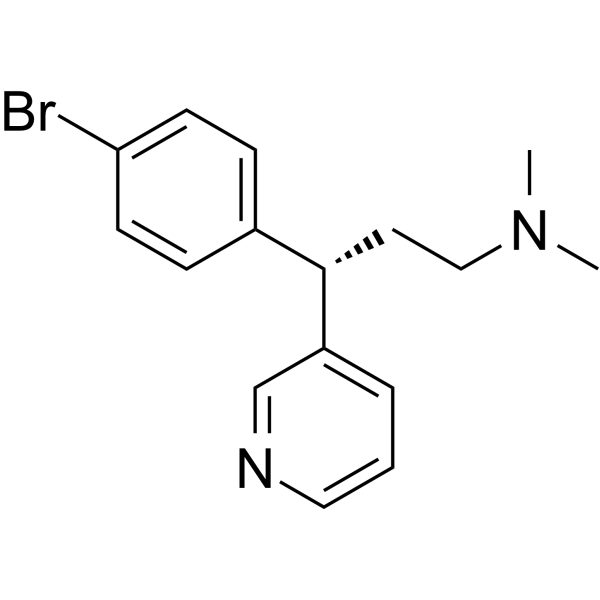
  • HY-A0191

    (+)-Brompheniramine; (S)-Brompheniramine

    Endogenous Metabolite Histamine Receptor TRP Channel Neurological Disease Metabolic Disease Inflammation/Immunology
    Dexbrompheniramine ((+)-Brompheniramine; (S)-Brompheniramine) is a dual inhibitor of histamine H1 receptor and TRPV1 receptor that can cross the blood-brain barrier. Dexbrompheniramine exerts its effects by functionally blocking H1 receptor activity and dose-dependently inhibiting TRPV1-mediated calcium responses, including Capsaicin (HY-10448)-induced responses. The combination of Dexbrompheniramine with Cimetidine (HY-14289) eliminates histamine-induced and sham-feeding-induced drinking behavior, whereas Dexbrompheniramine alone does not induce thirst or alter sham-feeding behavior in rats. Dexbrompheniramine can be used in the research of chronic cough and related pathological mechanisms .
    Dexbrompheniramine
  • HY-153468

    TEQ103; Sera2

    Sodium Channel TRP Channel Cancer
    ErSO-TFPy (TEQ103) is an ERα+ tumor cell inhibitor with low nanomolar cytotoxic activity against ERα+ breast cancer cells. ErSO-TFPy activates the sodium channel TRPM4, causes an imbalance of intracellular calcium and sodium ions. ErSO-TFPy dysregulates calcium homeostasis in ERα+ tumor cells, triggers the anticipatory unfolded protein response, and induces rapid immune cell-independent necrotic cell death. ErSO-TFPy can be used for the research of estrogen receptor alpha positive breast cancer .
    ErSO-TFPy
  • HY-N1353
    Rhamnocitrin
    2 Publications Verification

    p38 MAPK Cardiovascular Disease Inflammation/Immunology
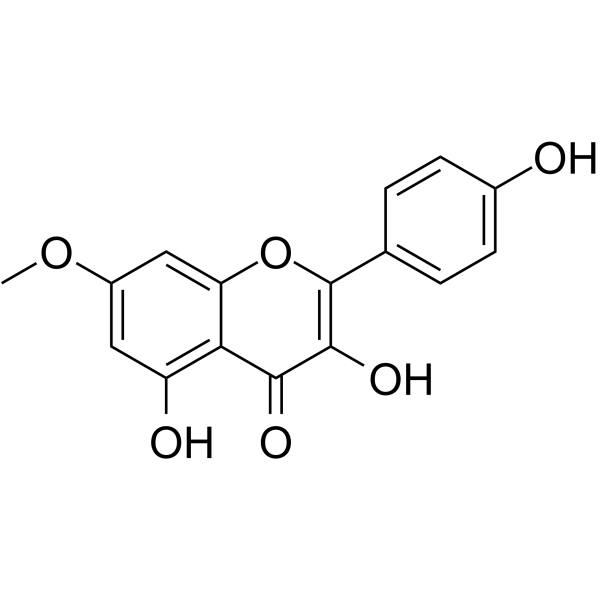
    Rhamnocitrin is an anti-inflammatory and antioxidant agent that targets STIM-1, NFATc3 and MAPK pathways and can scavenge DPPH (IC50=28.38 mM). Rhamnocitrin selectively inhibits oxidative stress and inflammatory responses in vascular endothelial cells and neurons. Rhamnocitrin up-regulates miR-185 to inhibit STIM-1-mediated store-operated calcium entry (SOCE), thereby blocking NFATc3 nuclear translocation and downstream inflammatory factor expression, while inducing heme oxygenase HO-1 expression and regulating the ERK/p38 MAPK pathway, inhibiting antioxidant and pro-inflammatory cytokines (such as IL-6, IL-8) and adhesion molecules (such as ICAM-1, VCAM-1). Rhamnocitrin can be used in the study of endothelial-related inflammatory diseases (such as sepsis, acute lung injury, atherosclerosis) and neuroprotection (such as oxidative damage of PC12 cells) .
    Rhamnocitrin
  • HY-109061B
    Lazertinib mesylate
    3 Publications Verification

    YH25448 mesylate; GNS-1480 mesylate

    TRP Channel EGFR Akt ERK Apoptosis Cancer
    Lazertinib (YH25448; GNS-1480) mesylate is an orally active, blood-brain barrier permeable third-generation EGFR tyrosine kinase inhibitor, as well as an ABCB1/ABCG2 inhibitor and a TRPA1 activator. Lazertinib mesylate exhibits IC50 values of 0.4 mM and 0.2 mM against human ABCB1 and ABCG2, respectively. By inhibiting mutant EGFR signaling, EGFR phosphorylation and the downstream ERK/AKT pathway, as well as upregulating surface expression of EGFR/MET, Lazertinib mesylate induces cell cycle arrest, apoptosis, spontaneous calcium responses, hyperexcitability of dorsal root ganglion (DRG) neurons, and TRPA1-dependent pain-like behaviors. Lazertinib mesylate competitively binds to the substrate-binding sites of ABCB1/ABCG2, stimulates their ATPase activity without altering their expression or plasma membrane localization, thereby enhancing ADCC activity, acting as a chemosensitizer, and reversing ABCB1-mediated multidrug resistance. It exerts antitumor activity as a single agent or in combination with other drugs. Lazertinib mesylate is applicable to research related to non-small cell lung cancer, multidrug-resistant cancers, and paresthesia .
    Lazertinib mesylate
  • HY-108626

    NCGC84

    Neuropeptide S Receptor Neurological Disease
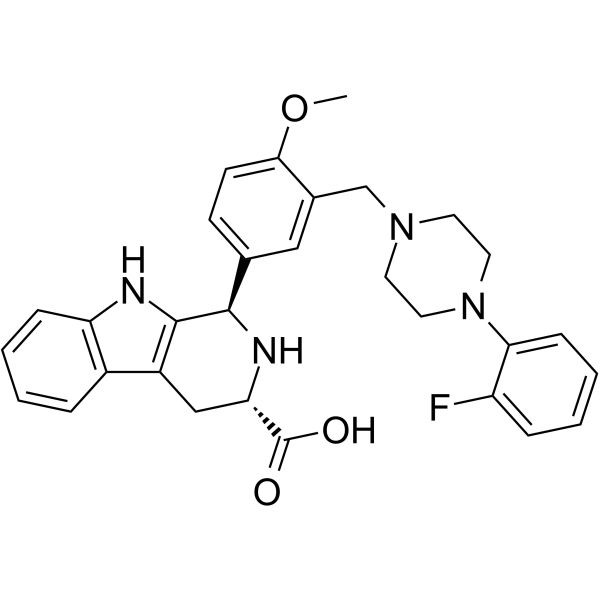
    ML154 (NCGC84) is a selective, brain-penetrant and non-peptide neuropeptide S receptor (NPSR) antagonist with a pA2 of 9.98. ML154 potently inhibits NPS-stimulated cellular calcium, cAMP, and ERK phosphorylation responses with IC50 values of 36.5 nM, 22.1 nM, and 9.3 nM, respectively .
    ML154
  • HY-P1636

    Thrombin YAP Calcium Channel Metabolic Disease
    Hirudin (54-65) is a thrombin antagonist and YAP suppressor with anticoagulatory properties.Hirudin (54-65) blocks thrombin's anion binding site, acts on soluble and thrombus-bound thrombin.Hirudin (54-65) suppresses thrombin-induced profibrotic YAP activity, reduces YAP expression, nuclear translocation, and downstream effector signaling in vascular endothelial cells.Hirudin (54-65) ameliorates obstructive cholestasis, attenuates liver fibrosis symptoms, fibrosis-associated angiogenesis, and endothelial-to-mesenchymal transition.Hirudin (54-65) reduces liver inflammation and tissue hypoxia.Hirudin (54-65) promotes extracellular calcium influx through L-type calcium channels in canine coronary artery smooth muscle, mediates contraction.Hirudin (54-65) induces endothelium-independent contraction of canine coronary arterial segments; this response is not affected by indomethacin pretreatment.Hirudin (54-65) can be used for the research of liver obstructive cholestasis, liver fibrosis .
    Hirudin (54-65)
  • HY-112825

    Platelet-activating Factor Receptor (PAFR) Inflammation/Immunology
    TSI-01 is a pro-inflammatory phospholipid mediator that is rapidly synthesized by lyso-PAF acetyltransferase (lyso-PAFAT) in response to extracellular stimuli. Two types of lyso-PAFAT have been identified: lysophosphatidylcholine acyltransferase (LPCAT)1, which is mostly expressed in the lungs, and LPCAT2, which is expressed in inflammatory cells. TSI-01 is a selective inhibitor of LPCAT2 (IC50s=0.47 versus 3.02 μM for human LPCAT2 and LPCAT1, respectively). 60 μM it is shown to suppress PAF biosynthesis in mouse peritoneal macrophages stimulated with a calcium ionophore.
    TSI-01
  • HY-D0976
    NF279
    1 Publications Verification

    P2X Receptor HIV NTPDase CXCR Infection
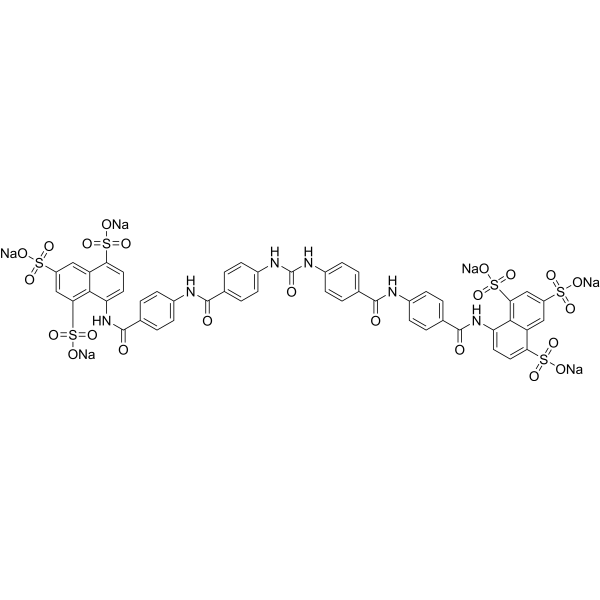
    NF279 is a selective P2X1 receptor antagonist and NTPDase inhibitor, with a P2X1 IC50 value of 19 nM. NF279 suppresses GABA-evoked currents, reduces ATP-excited respiratory activity, alters hypoglossal nerve burst parameters, and blocks CXCR4, CCR5, CXCR3, and CXCR7-mediated calcium responses. NF279 arrests HIV-1 fusion downstream of CD4 binding, inhibits R5- and X4-tropic HIV-1 strains. NF279 can be used for the research of HIV-1 infection .
    NF279
  • HY-W145486

    Environmental Pollutants Biochemical Assay Reagents Neurological Disease Metabolic Disease Inflammation/Immunology
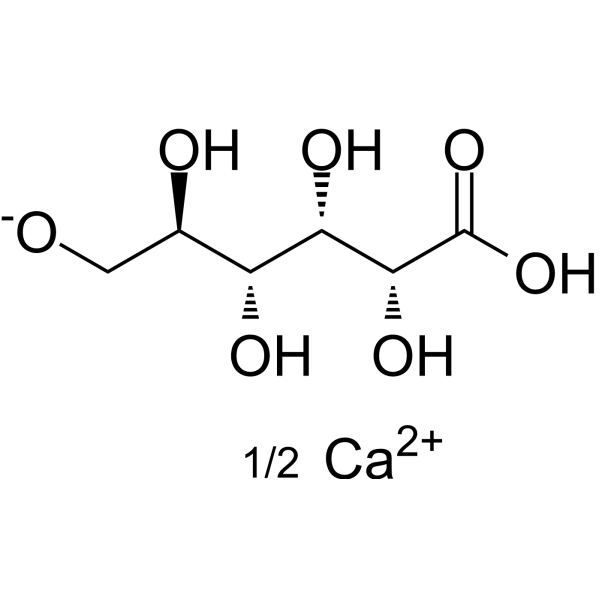
    Calcium gluconate is an orally effective calcium salt supplement . Calcium gluconate reduces elevated serum potassium, decreased serum calcium, and postoperative myalgia associated with succinylcholine administration. Calcium gluconate restores calcium homeostasis, skeletal integrity, bone mineralization and bone density, and maintains levels of parathyroid hormone, bone resorption markers and osteoclasts. Calcium gluconate reverses LPS (HY-D1056)-induced ERK phosphorylation, inflammatory cytokine release and acute lung injury, alleviates airway inflammatory damage and suppresses immune responses. Calcium gluconate can be used in research related to postoperative myalgia, osteoporosis/osteomalacia and acute lung injury .
    Calcium gluconate
  • HY-13964

    GHSR Metabolic Disease
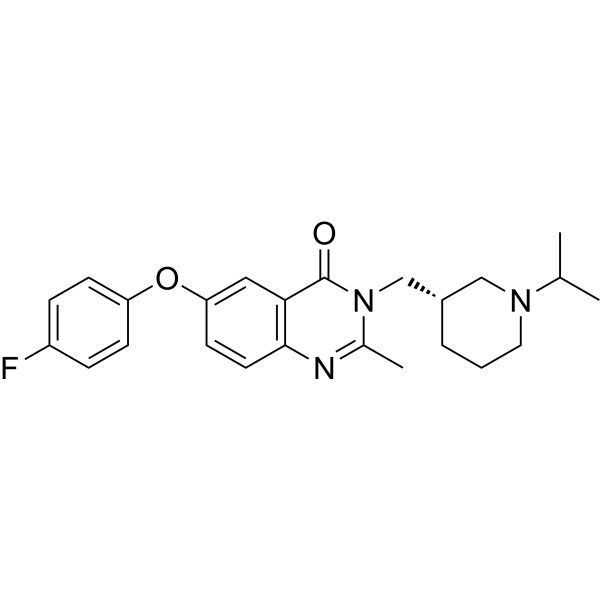
    YIL781 is a potent and orally active ghrelin receptor (GHSR) antagonist. YIL781 produces a greater improvement in glucose homeostasis in rats. YIL781 inhibits the calcium response induced by ghrelin with pIC50 values of 7.90 and 8.27, respectively .
    YIL781
  • HY-103316

    Calcium Channel Cardiovascular Disease Inflammation/Immunology
    trans-Ned 19 is a NAADP antagonist and TPC blocker. trans-Ned 19 suppresses the calcium signal and the rat aorta relaxation in response to low histamine concentrations. trans-Ned 19 increases the spontaneous acrosome reaction rate, alleviates anti-CD3 mAb-induced intestinal inflammation, and improves kidney damage in mice with nephrotoxic serum nephritis .
    trans-Ned 19
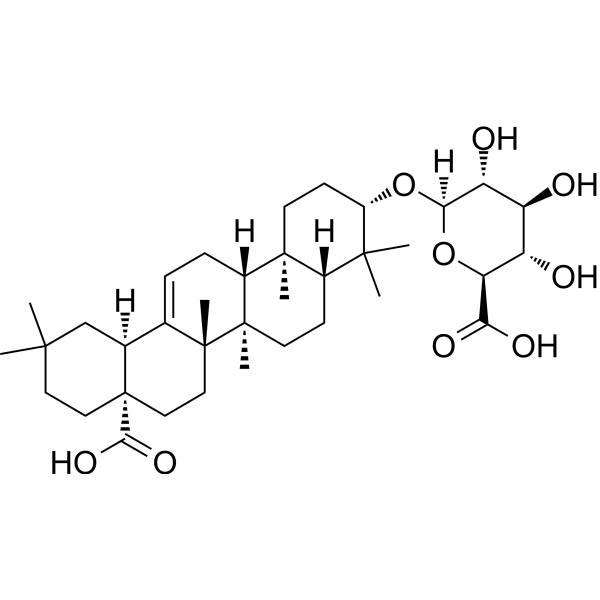
  • HY-N6850
    Calenduloside E
    1 Publications Verification

    Apoptosis Pyroptosis AMPK Bcl-2 Family JAK STAT Calcium Channel Interleukin Related TNF Receptor SOD Reactive Oxygen Species (ROS) PPAR Cardiovascular Disease Inflammation/Immunology
    Calenduloside E is a pentacyclic triterpenoid saponin that can be extracted from the bark and roots of Aralia ovata, and has anti-inflammatory and anti-apoptotic activities. Calenduloside E alleviates atherosclerosis by regulating macrophage polarization, improves mitochondrial function by regulating the AMPK-SIRT3 pathway, and alleviates acute liver injury. In addition, Calenduloside E promotes the interaction between L-type calcium channels and Bcl-2 related apoptosis genes, inhibits calcium overload, and alleviates myocardial ischemia/reperfusion injury. Calenduloside E also improves non-alcoholic fatty liver disease by regulating heat shock-dependent pathways, and inhibits ROS mediated JAK1-STAT3 pathways to reduce cellular inflammatory responses .
    Calenduloside E
  • HY-113058

    Endogenous Metabolite Metabolic Disease
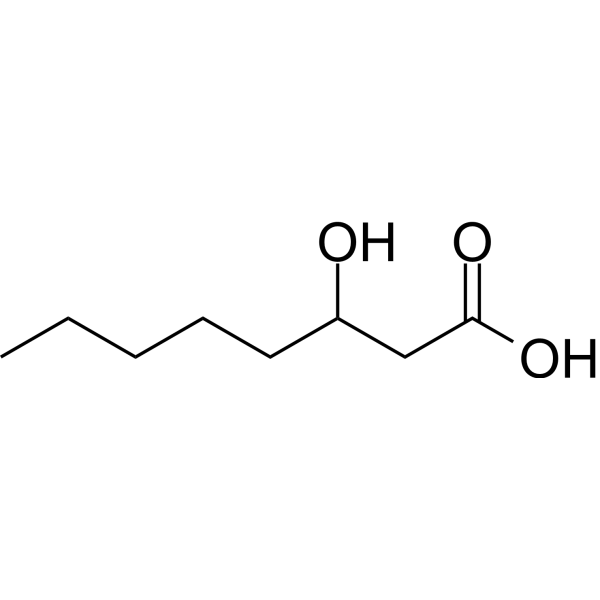
    3-Hydroxyoctanoic acid is a hydroxylated fatty acid that has been found in the LPS of Pseudomonas aeruginosa and in methyl-branched poly(3-hydroxyalkanoate) (PHA) polymers produced by Pseudomonas oleophores. It is an agonist of the orphan receptor GPR109B, increasing intracellular calcium in human neutrophils endogenously expressing GPR109B. 3-Hydroxycaprylic acid prevents lipolysis in human adipocytes and is upregulated in human plasma in response to a ketogenic diet. Plasma levels of 3-hydroxyoctanoic acid were also increased 3.41-fold in human male runners exhausted on a treadmill and in a mouse model of autism spectrum disorder (ASD) fed a high-glycemic diet.
    3-Hydroxyoctanoic acid
  • HY-N0805A
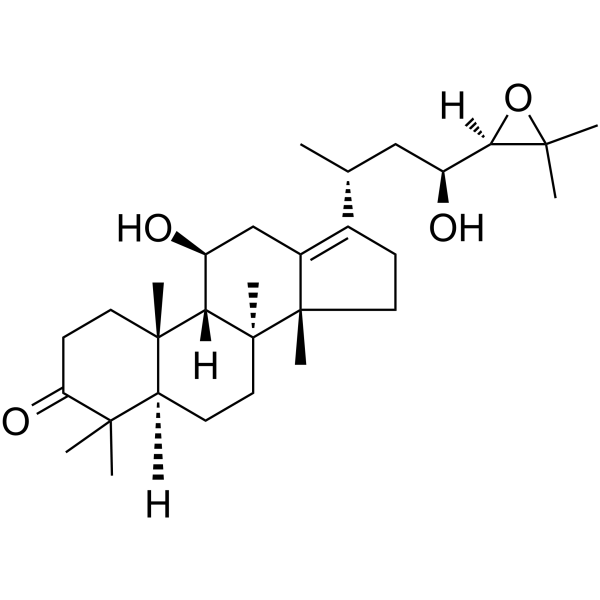
    Alisol B
    1 Publications Verification

    Epoxide Hydrolase CaMK Autophagy Apoptosis Metabolic Disease Inflammation/Immunology Cancer
    Alisol B is a triterpene with diverse biological activities. Alisol B binds human soluble epoxide hydrolase (sEH) with a Ki of 5.97 μM and reduces sEH activity. Alisol B inhibits RANKL-induced JNK phosphorylation, NFATc1 and c-Fos expression, osteoclast formation, mature osteoclast pit-forming and actin ring activity, and SERCA pump activity. Alisol B induces calcium mobilization, CaMKK-AMPK-mTOR pathway activation, autophagic flux, autophagosome formation, G1 phase cell cycle arrest, endoplasmic reticulum stress, unfolded protein responses, and cancer cell apoptosis. Alisol B can be used for the research of hypercalcemia, osteoporosis, rheumatoid arthritis, periodontitis, acute kidney injury, and breast cancer .
    Alisol B
  • HY-177873

    iGluR Neurological Disease
    AMPA receptor modulator-10 (Compound 9a) is an orally active AMPA receptor (AMPAR) positive allosteric modulator. AMPA receptor modulator-10 exhibits potent activity (pEC50 = 5.0) on the GluA2 subtype of AMPAR, significantly enhancing glutamate-induced calcium influx and current responses. AMPA receptor modulator-10 can reverse the memory impairment induced by Scopolamine (HY-N0296) and enhance cognitive function. AMPA receptor modulator-10 can be used for the research of neurological disease, such as schizophrenia .
    AMPA receptor modulator-10
  • HY-P10738

    Formyl Peptide Receptor (FPR) Infection
    N-Formyl-MMYALF is a potent mitochondrial N-formyl peptide (mtFP) that has the activity of depleting calcium ions in the endoplasmic reticulum. N-Formyl-MMYALF can inhibit the FPR-1-mediated chemotactic response of polymorphonuclear leukocytes (PMNs) to bacterial peptides .
    N-Formyl-MMYALF
  • HY-13964A

    GHSR Metabolic Disease
    YIL781 hydrochloride is a potent and orally active ghrelin receptor (GHSR) antagonist. YIL781 hydrochloride produces a greater improvement in glucose homeostasis in rats. YIL781 hydrochloride inhibits the calcium response induced by ghrelin with pIC50 values of 7.90 and 8.27, respectively .
    YIL781 hydrochloride
  • HY-117380

    Neurokinin Receptor Neurological Disease
    SB 235375 is a potent and selective antagonist of the human neurokinin-3 (hNK-3) receptor designed by optimizing the structure of 2-phenyl-4-quinolinecarboxylic acid amide. SB 235375 displays high affinity for the hNK-3 receptor, with significantly higher binding affinities than hNK-2 and hNK-1 receptors. In vitro studies demonstrated its ability to block NK-3 receptor-mediated contraction and calcium mobilization, while in vivo, SB 223412 demonstrated oral and intravenous activity against NK-3 receptor-driven responses in animal models .
    SB 235375
  • HY-111527

    Calcium Channel Neurological Disease
    PPZ2 is a diacylglycerol (DAG)-activated TRPC3/TRPC6/TRPC7 channel activator with activity in promoting neuronal development and survival. PPZ2 activates recombinant TRPC3/TRPC6/TRPC7 channels in a dose-dependent manner without affecting other TRPC channels. PPZ2 elicits cation currents and calcium ion (Ca(2+)) influx in cultured central neurons. PPZ2 is able to induce BDNF-like neurite outgrowth and neuroprotection, an effect that disappears after TRPC3/TRPC6/TRPC7 knockdown or inhibition. PPZ2 also increases the activation of the calcium-dependent transcription factor cAMP response element binding protein. The effects of PPZ2 suggest that calcium signaling mediated by activation of DAG-activated TRPC channels plays an important role in its neurotrophic effects .
    PPZ2
  • HY-101013

    S-Nitroso-N-acetylpenicillamine

    Fluorescent Dye Others
    D-SNAP (S-Nitroso-N-acetylpenicillamine) can Generate nitric oxide and form superoxides spontaneously under physiological conditions and is often used to probe the cell stress response and stimulate calcium-independent synaptic vesicle release.
    D-SNAP
  • HY-113906

    GHSR Metabolic Disease
    GSK1614343 is the potent antagonist of growth hormone secretagogues type 1a (GHS1a) receptors. GSK1614343 inhibits the calcium response induced by ghrelin with a pIC50 value of 7.90. GSK1614343 represents a useful tool to investigate the physiological relevance of the ghrelin system in rat models .
    GSK1614343
  • HY-113919

    Calcium Channel Inflammation/Immunology
    Nothofagin, a dihydrochalcone, is isolated from rooibos (Aspalathus linearis) . Nothofagin downregulates NF-κB translocation through blocking calcium influx. Nothofagin has antioxidant activity and ameliorates various inflammatory responses such as the septic response and vascular inflammation .
    Nothofagin
  • HY-173526

    Bacterial Calcium Channel Infection
    H052 is a selective Staphylococcus aureus α-hemolysin (Hla) inhibitor. H052 binds to Hla monomers, disrupts the interaction with host cell membranes to block pore formation, inhibiting calcium ion influx, cytotoxicity, and inflammatory responses. H052 exhibits potency (EC50=30 nM in U937 cells) against Hla-induced calcium influx. H052 is promising for research of lung infections caused by S. aureus .
    H052
  • HY-P991651

    Fc Receptor (FcR) Inflammation/Immunology
    MEDI4212 is a humanized IgG1λ monoclonal antibody inhibitor targeting IgE. MEDI4212 potently inhibits human IgE-mediated functional responses through its receptor FcεRI, such as calcium signaling, β-hexosaminidase release and phagocytosis. MEDI4212 prevents the binding of IgE to CD23 with an IC50 of 8 nM. MEDI4212 can be used severe asthma research .
    MEDI4212
  • HY-A0191A

    (+)-Brompheniramine maleate; (S)-Brompheniramine maleate

    TRP Channel Histamine Receptor Inflammation/Immunology
    Dexbrompheniramine ((+)-Brompheniramine; (S)-Brompheniramine) maleate is a dual inhibitor of histamine H1 receptor and TRPV1 receptor that can cross the blood-brain barrier. Dexbrompheniramine maleate exerts its effects by functionally blocking H1 receptor activity and dose-dependently inhibiting TRPV1-mediated calcium responses, including Capsaicin (HY-10448)-induced responses. The combination of Dexbrompheniramine maleate with Cimetidine (HY-14289) eliminates histamine-induced and sham-feeding-induced drinking behavior, whereas Dexbrompheniramine maleate alone does not induce thirst or alter sham-feeding behavior in rats. Dexbrompheniramine maleate can be used in the research of chronic cough and related pathological mechanisms .
    Dexbrompheniramine maleate
  • HY-113018

    Ibuprofen glucuronide

    Endogenous Metabolite TRP Channel Inflammation/Immunology
    Ibuprofen acyl-β-D-glucuronide (Ibuprofen glucuronide) is a selective TRPA1 antagonis. Ibuprofen acyl-β-D-glucuronide reduces AITC-evoked calcium response with an IC50 value of 60μM .
    Ibuprofen acyl-β-D-glucuronide
  • HY-105572

    MC-838 calcium

    Angiotensin-converting Enzyme (ACE) Cardiovascular Disease
    Moveltipril calcium (MC-838 calcium) is an orally active angiotensin converting enzyme (ACE) inhibitor with antihypertensive activity. Moveltipril calcium binds via a stable thioester bond and exhibits relative resistance to enzymatic hydrolysis in rat liver homogenate. Moveltipril calcium effectively inhibits ACE extracted from rabbit lung in a concentration-dependent manner. Moveltipril calcium is able to highly specifically inhibit the contractile response to angiotensin-I (AI) in free rat aortic rings and guinea pig ileum preparations, while enhancing the contractile response to calcitonin .
    Moveltipril calcium
  • HY-P3041

    Calcium Channel Endocrinology
    Chromostatin bovine is a chromogranin A (CGA) derivative peptide, which inhibits postassium or carbamoylcholine induced catecholamine release with an ID50 of 5 nM. Chromostatin bovine reduces calcium flux, enhances the desensitization process of the cholinergic-evoked secretory response and modulates the endocrine response associated with catecholamine .
    Chromostatin (bovine)
  • HY-167689

    Adrenergic Receptor Neurological Disease
    Parethoxycaine hydrochloride is an anesthetic with nerve conduction blocking activity. Parethoxycaine hydrochloride exhibits non-selective inhibitory effects on responses to various stimulants in rat vas deferens and guinea pig ileum muscles. Parethoxycaine hydrochloride has an enhanced effect on the action of norepinephrine, and its methyl bromide derivative also exhibits the same properties on the action of norepinephrine and potassium ions. Derivatives of parethoxycaine hydrochloride have significant effects on calcium dose-response curves, displaying different tissue and stimulant selectivities. The mechanism of action of Parethoxycaine hydrochloride involves the regulation of calcium transport processes .
    Parethoxycaine hydrochloride
  • HY-10955

    Calcium Channel Neurological Disease
    TTA-P1 is a potent state-independent compound inhibiting human T-type calcium channel. T-type calcium channels play a role in diverse physiological responses including neuronal burst firing, hormone secretion, and cell growth. TTA-P1 has the potential for the research of absence epilepsy .
    TTA-P1
  • HY-101607A

    Calcium Channel Cardiovascular Disease
    KT-362 free acid is an intracellular calcium antagonist with antiarrhythmic and vasodilatory effects. KT-362 free acid shows an antagonistic effect against norepinephrine (NE) induced vasoconstriction response, achieved by reducing inositol phospholipid hydrolysis, thereby reducing intracellular calcium mobilization. KT-362 free acid can be used to study the contraction and relaxation mechanisms of vascular smooth muscle, especially in exploring the role of intracellular calcium mobilization and inositol phospholipid hydrolysis in vascular contraction .
    KT-362 free acid
  • HY-P10738A

    Formyl Peptide Receptor (FPR) Infection
    N-Formyl-MMYALF TFA is a mitochondrial N-formyl peptide that has the activity of depleting calcium ions in the endoplasmic reticulum. N-Formyl-MMYALF TFA can inhibit the FPR-1-mediated chemotactic response of PMNs to bacterial peptides .
    N-Formyl-MMYALF TFA
  • HY-117223

    Potassium Channel Neurological Disease
    GEA 857 is a structural analog of the Serotonin (HY-B1473A) uptake blocker Alaproclate (HY-164011). GEA 857 enhances responses induced by muscarinic receptor agonists by inhibiting certain calcium-dependent potassium channels on membranes, a blockade that can enhance or prolong the muscarinic cholinergic effects. GEA 857 can be used in research on neurodegenerative diseases .
    GEA 857
  • HY-P11259

    Urotensin Receptor Cardiovascular Disease Metabolic Disease Inflammation/Immunology Cancer
    UPG-111 is a peptide compound that acts as a negative allosteric modulator of the Urotensin II receptor (UTR). UPG-111 exhibits a dual inhibitory effect on the vasoconstriction induced by UTR agonists - it reduces both the maximum response intensity and the sensitivity of the agonist. UPG-111 does not induce calcium release or cause contraction of the endothelium-deprived rat aortic rings. UPG-111 can be used for the study of various diseases related to the angiotensinergic system .
    UPG-111
  • HY-113058R

    Endogenous Metabolite Reference Standards Infection Metabolic Disease
    3-Hydroxyoctanoic acid (Standard) is the analytical standard of 3-Hydroxyoctanoic acid (HY-113058). 3-Hydroxyoctanoic acid is a hydroxylated fatty acid that has been found in the LPS of Pseudomonas aeruginosa and in methyl-branched poly(3-hydroxyalkanoate) (PHA) polymers produced by Pseudomonas oleophores. It is an agonist of the orphan receptor GPR109B, increasing intracellular calcium in human neutrophils endogenously expressing GPR109B. 3-Hydroxycaprylic acid prevents lipolysis in human adipocytes and is upregulated in human plasma in response to a ketogenic diet.
    3-Hydroxyoctanoic acid (Standard)
  • HY-P2055

    Endogenous Metabolite Endocrinology
    A-57696 is a cholecystokinin antagonist with selective activity at cortical CCK-B receptors (IC50 = 25 nM). A-57696 behaves as a competitive antagonist in reversing CCK8-stimulated pancreatic alpha-amylase secretion and phosphatidylinositol degradation. A-57696 fails to induce gallbladder contraction and inhibits CCK8-induced contraction. A-57696 behaves as a partial agonist at CCK-B/gastrin receptors on NCI-H345 cells, achieving 80% of the maximal CCK8 response. A-57696 and CCK8 inhibit each other in a calcium mobilization assay .
    A-57696
  • HY-N0805AR

    Reference Standards Epoxide Hydrolase CaMK Autophagy Apoptosis Metabolic Disease Inflammation/Immunology Cancer
    Alisol B (Standard) is the analytical standard of Alisol B (HY-N0805A). This product is intended for research and analytical applications. Alisol B is a triterpene with diverse biological activities. Alisol B binds human soluble epoxide hydrolase (sEH) with a Ki of 5.97 μM and reduces sEH activity. Alisol B inhibits RANKL-induced JNK phosphorylation, NFATc1 and c-Fos expression, osteoclast formation, mature osteoclast pit-forming and actin ring activity, and SERCA pump activity. Alisol B induces calcium mobilization, CaMKK-AMPK-mTOR pathway activation, autophagic flux, autophagosome formation, G1 phase cell cycle arrest, endoplasmic reticulum stress, unfolded protein responses, and cancer cell apoptosis. Alisol B can be used for the research of hypercalcemia, osteoporosis, rheumatoid arthritis, periodontitis, acute kidney injury, and breast cancer.
    Alisol B (Standard)
  • HY-N1353R

    Reference Standards Others p38 MAPK Cardiovascular Disease Inflammation/Immunology
    Rhamnocitrin (Standard) is the analytical standard of Rhamnocitrin. This product is intended for research and analytical applications. Rhamnocitrin is an anti-inflammatory and antioxidant agent that targets STIM-1, NFATc3 and MAPK pathways and can scavenge DPPH (IC50=28.38 mM). Rhamnocitrin selectively inhibits oxidative stress and inflammatory responses in vascular endothelial cells and neurons. Rhamnocitrin up-regulates miR-185 to inhibit STIM-1-mediated store-operated calcium entry (SOCE), thereby blocking NFATc3 nuclear translocation and downstream inflammatory factor expression, while inducing heme oxygenase HO-1 expression and regulating the ERK/p38 MAPK pathway, inhibiting antioxidant and pro-inflammatory cytokines (such as IL-6, IL-8) and adhesion molecules (such as ICAM-1, VCAM-1). Rhamnocitrin can be used in the study of endothelial-related inflammatory diseases (such as sepsis, acute lung injury, atherosclerosis) and neuroprotection (such as oxidative damage of PC12 cells) .
    Rhamnocitrin (Standard)
  • HY-W411193

    Calcium Channel Cardiovascular Disease
    Pincainide is a calcium channel inhibitor. Pincainide inhibits voltage-gated calcium channel-mediated calcium influx in smooth muscle. Pincainide inhibits norepinephrine- and high potassium-induced contractile responses. Pincainide can be used in the research of heart diseases .
    Pincainide
  • HY-120174

    Endogenous Metabolite Others
    SU200 is a TRPV1 agonist with the activity of regulating intracellular calcium ion concentration. SU200 can induce different calcium ion response modes, showing significant reaction potential and maximum reaction effect. There is obvious response delay and variability in the effects of SU200 in different cells. The use of SU200 may provide pharmacological development opportunities .
    SU200
  • HY-P11704

    Formyl Peptide Receptor (FPR) Bacterial Neurological Disease
    f-MKKFRW is a selective mouse formyl peptide receptor 3 (Fpr3) activator and bacterial MgrB-derived peptide motif. f-MKKFRW activates Fpr3 to trigger downstream signaling and calcium responses in Fpr3-expressing cells. f-MKKFRW stimulates a subset of mouse vomeronasal sensory neurons in the accessory olfactory system to evoke calcium responses. f-MKKFRW drives innate avoidance behavior in mice via nasal contact .
    f-MKKFRW
  • HY-182351

    Calcium Channel Neurological Disease
    ONO-2921 is an orally active and selective N-type calcium channel blocker. ONO-2921 functionally blocks N-type calcium channels. ONO-2921 reduces paw withdrawal responses during persistent nociception and hyperalgesia to heat in neuropathic pain models. ONO-2921 can be used for research on neuropathic pain and nociceptive pain .
    ONO-2921
  • HY-182599

    Calcium Channel mAChR Neurological Disease
    RCC-36 hydrochloride is an L-type calcium channel inhibitor and competitive muscarinic receptor antagonist. RCC-36 hydrochloride inhibits L-type calcium currents in voltage- and concentration-dependent fashion with no effect on cardiac K + currents. RCC-36 hydrochloride suppresses maximum acetylcholine-induced contractile responses, inhibits detrusor muscle contractions induced by potassium chloride, calcium chloride, and electric field stimulation, including atropine-resistant contractions. RCC-36 hydrochloride can be used for the research of urinary frequency, urinary incontinence, and bladder overactivity .
    RCC-36 hydrochloride
  • HY-149151

    Endogenous Metabolite PKC Glycosidase TNF Receptor Reactive Oxygen Species (ROS) Infection Inflammation/Immunology
    Variegatic acid is a secondary metabolite derived from basidiomycete fungi. Variegatic acid is a PKCβ1 inhibitor with an IC₅₀ of 36.2 μM. Variegatic acid inhibits antigen- or calcium ionophore-induced β-hexosaminidase release (IC₅₀ values of 10.4 μM and 22.2 μM, respectively) and TNF-α secretion (IC₅₀ values of 16.8 μM and 20.1 μM, respectively). Variegatic acid suppresses the enzymatic activity of calcium-activated PKCβ1 and reduces Fe(III) to Fe(II) in a pH-dependent manner, enabling the generation of hydroxyl radicals (·OH) through reaction with H₂O₂, which facilitates the degradation of lignocellulose. Variegatic acid is useful for studying biological degradation and allergic responses.
    Variegatic acid
  • HY-103316R

    Reference Standards Calcium Channel Cardiovascular Disease Inflammation/Immunology
    trans-Ned 19 (Standard) is the analytical standard of trans-Ned 19 (HY-103316). This product is intended for research and analytical applications. trans-Ned 19 is a NAADP antagonist and TPC blocker. trans-Ned 19 suppresses the calcium signal and the rat aorta relaxation in response to low histamine concentrations. trans-Ned 19 increases the spontaneous acrosome reaction rate, alleviates anti-CD3 mAb-induced intestinal inflammation, and improves kidney damage in mice with nephrotoxic serum nephritis .
    trans-Ned 19 (Standard)
  • HY-W714183

    Herbicide ERK p38 MAPK JNK PI3K Akt Apoptosis Microtubule/Tubulin Metabolic Disease
    Dinitramine is a herbicide. Dinitramine activates the Erk/P38/JNK/MAPK pathway and inactivates the PI3k/Akt pathway in testicular cells. Dinitramine induces endoplasmic reticulum stress, dysregulation of calcium homeostasis in the cytoplasm and mitochondria, apoptosis, and downregulated expression of cell cycle genes in testicular cells. Dinitramine reduces the viability and proliferation capacity of testicular cells, and inhibits cell division by suppressing the synthesis of tubulin. Dinitramine induces abnormal heart development, inhibited angiogenesis, inflammatory responses, apoptosis, and impaired embryonic growth in zebrafish embryos .
    Dinitramine
  • HY-182360

    PERK Eukaryotic Initiation Factor (eIF) Bcl-2 Family Apoptosis Reactive Oxygen Species (ROS) STING DNA/RNA Synthesis PD-1/PD-L1 Cancer
    Cytisine-Platinum(IV) Prodrug-1 is a Pt(IV) prodrug incorporating the natural compound Cytisine (HY-N0175) with antiproliferative activity against tumor cells. Cytisine-Platinum(IV) Prodrug-1 promotes calcium transfer across the IP3R1-GRP75-VDAC1 axis to drive mitochondrial calcium overload. Cytisine-Platinum(IV) Prodrug-1 initiates unfolded protein response via PERK, eIF2α, ATF4, and CHOP to modulate Bcl-2 and Bax, triggering apoptosis. Cytisine-Platinum(IV) Prodrug-1 induces mitochondrial dysfunction, ROS production, reduced ATP synthesis, DNA damage, and S-phase cell cycle arrest. Cytisine-Platinum(IV) Prodrug-1 activates the cGAS-STING pathway, reduces PD-L1 expression, drives immunogenic cell death. Cytisine-Platinum(IV) Prodrug-1 exhibits high physiological stability, efficient cellular accumulation, and enhanced platinum-DNA binding, and inhibits tumor growth in mouse models with reduced systemic toxicity. Cytisine-Platinum(IV) Prodrug-1 can be used for the research of lung cancer .
    Cytisine-platinum(IV) prodrug-1
  • HY-109061A

    YH25448 mesylate hydrate; GNS-1480 mesylate hydrate

    Apoptosis Akt TRP Channel EGFR ERK Cancer
    Lazertinib (YH25448; GNS-1480) mesylate hydrate is an orally active, blood-brain barrier permeable third-generation EGFR tyrosine kinase inhibitor, as well as an ABCB1/ABCG2 inhibitor and a TRPA1 activator. Lazertinib mesylate hydrate exhibits IC50 values of 0.4 mM and 0.2 mM against human ABCB1 and ABCG2, respectively. By inhibiting mutant EGFR signaling, EGFR phosphorylation and the downstream ERK/AKT pathway, as well as upregulating surface expression of EGFR/MET, Lazertinib mesylate hydrate induces cell cycle arrest, apoptosis, spontaneous calcium responses, hyperexcitability of dorsal root ganglion (DRG) neurons, and TRPA1-dependent pain-like behaviors. Lazertinib mesylate hydrate competitively binds to the substrate-binding sites of ABCB1/ABCG2, stimulates their ATPase activity without altering their expression or plasma membrane localization, thereby enhancing ADCC activity, acting as a chemosensitizer, and reversing ABCB1-mediated multidrug resistance. It exerts antitumor activity as a single agent or in combination with other drugs. Lazertinib mesylate hydrate is applicable to research related to non-small cell lung cancer, multidrug-resistant cancers, and paresthesia .
    Lazertinib mesylate hydrate

Inquiry Online

Your information is safe with us. * Required Fields.

Salutation


Country or Region *

Applicant Name *


Organization Name *

Department *


Email Address *


Product Name *

Cat. No.


Requested quantity *

Phone Number *


Remarks

Inquiry Online

Inquiry Information

Product Name:
Cat. No.:
Quantity:
MCE Japan Authorized Agent:

