
Search Result
Results for "
calcium sensitivity
" in MedChemExpress (MCE) Product Catalog:
| Cat. No. |
Product Name |
Target |
Research Areas |
Chemical Structure |
-
- HY-D0716
-
Fluo-3AM
Maximum Cited Publications
12 Publications Verification
Fluo-3-pentaacetoxymethyl ester
|
Fluorescent Dye
|
Others
|
|
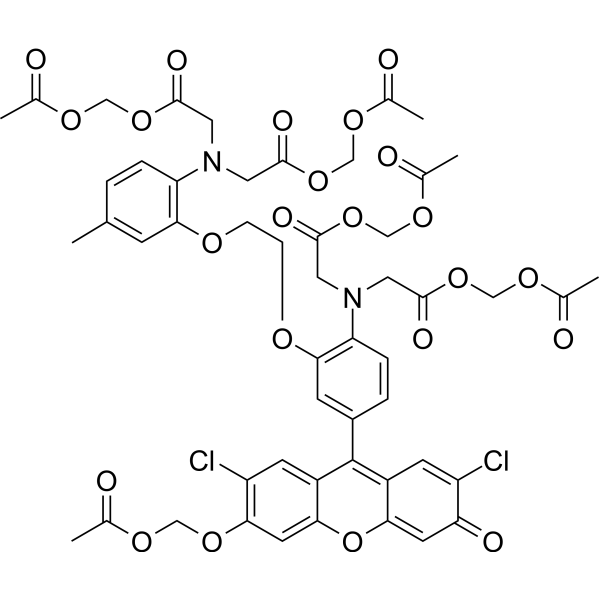
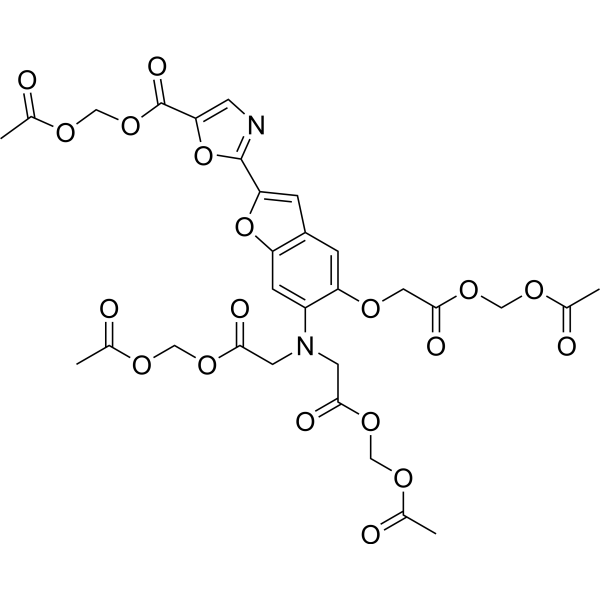
Fluo-3 AM is a fluorecent Ca 2+ chelator, with high affinity for calcium. Fluo-3 AM can specifically identify intracellular calcium ions, with high sensitivity, low cytotoxicity, increased AM acetylmethyl ester can enter the cell well, after being sheared by the intracellular esterase stay in the cell to bind to calcium ions, produce strong fluorescence .
|
-
-
- HY-P11274A
-
|
Amycretin sodium; NN 9487 sodium
|
Amylin Receptor
Insulin Receptor
GCGR
|
Metabolic Disease
|
Zenagamtide (Amycretin; NN 9487) sodium is an orally active, blood-brain barrier permeable triple agonist that targets GLP-1, amylin (Amylin Receptor) and calcitonin receptor (Calcitonin Receptor). Zenagamtide sodium is a single peptide consisting of 68 amino acids that can target brain regions regulating food intake, significantly suppress appetite and reduce energy intake. Therefore, Zenagamtide sodium improves body weight, waist circumference, glycated hemoglobin and lipid profile, and also alleviates the histological features of metabolic dysfunction-associated steatotic liver disease (MASLD) and enhances insulin sensitivity. Zenagamtide sodium may cause transient increases in heart rate and fluctuations in serum calcium levels, but it is an important compound for the study of overweight, obesity, insulin resistance and related metabolic diseases .
|
-
-
- HY-D1498
-
|
|
Fluorescent Dye
|
Others
|
|
Mag-Fluo-4 AM is a fluorecent Ca 2+ chelator, with high affinity for calcium. Mag-Fluo-4 AM can specifically identify intracellular calcium ions, with high sensitivity, low cytotoxicity, increased AM acetylmethyl ester can enter the cell well, after being sheared by the intracellular esterase stay in the cell to bind to calcium ions, produce strong fluorescence .
|
-
-
- HY-101898
-
|
Indo-1 Acetoxymethyl ester
|
Fluorescent Dye
|
Others
|
|
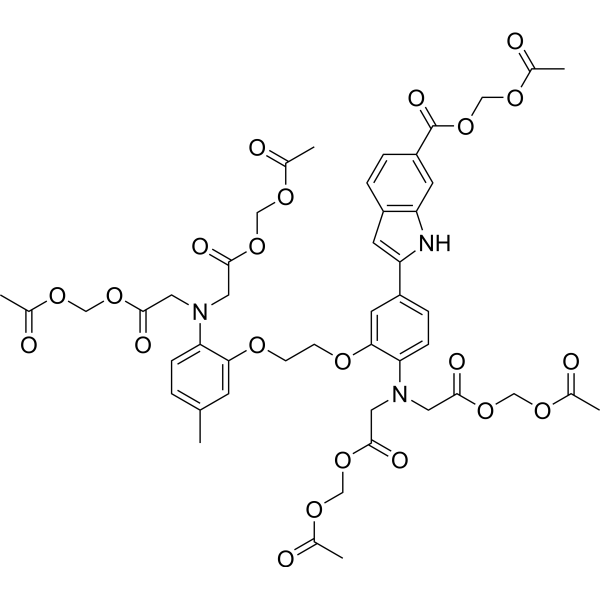
Calcium is an important part of the human body, usually in the form of calcium, a large number of bones and teeth of the human body, a small amount of blood and tissues.
MCE calcium ion detection probe can specifically identify intracellular calcium ions, with high sensitivity, low cytotoxicity, increased AM acetylmethyl ester can enter the cell well, after being sheared by the intracellular esterase stay in the cell to bind to calcium ions, produce strong fluorescence, in addition, Mag-indo-1/AM and Mag-Fluo-4 AM at a certain concentration (usually 5 mM) can effectively identify intracellular magnesium ions .
|
-
-
- HY-10167A
-
|
R-568 hydrochloride; NPS R-568
|
CaSR
|
Others
|
|
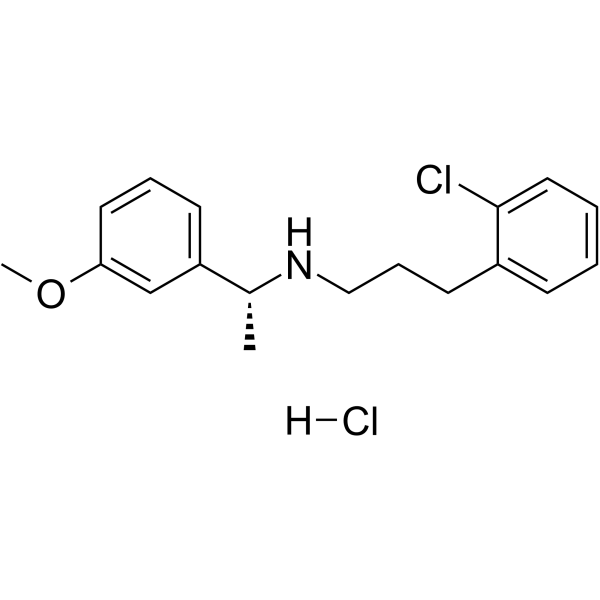
Tecalcet Hydrochloride (R 568 Hydrochloride), an orally active calcimimetic compound, allosterically and positively modulates the calcium-sensing receptor (CaSR). Tecalcet Hydrochloride (R 568 Hydrochloride) increases the sensitivity to activation by extracellular Ca 2+ .
|
-
-
- HY-P11274
-
|
Amycretin; NN 9487
|
Amylin Receptor
GCGR
Insulin Receptor
|
Metabolic Disease
|
Zenagamtide (Amycretin; NN 9487) is an orally active, blood-brain barrier permeable triple agonist that targets GLP-1, amylin (Amylin Receptor) and calcitonin receptor (Calcitonin Receptor). Zenagamtide is a single peptide consisting of 68 amino acids that can target brain regions regulating food intake, significantly suppress appetite and reduce energy intake. Therefore, Zenagamtide improves body weight, waist circumference, glycated hemoglobin and lipid profile, and also alleviates the histological features of metabolic dysfunction-associated steatotic liver disease (MASLD) and enhances insulin sensitivity. Zenagamtide may cause transient increases in heart rate and fluctuations in serum calcium levels, but it is an important compound for the study of overweight, obesity, insulin resistance and related metabolic diseases .
|
-
-
- HY-17403
-
|
CV-4093
|
Calcium Channel
NF-κB
|
Infection
Cardiovascular Disease
Metabolic Disease
Inflammation/Immunology
|
|
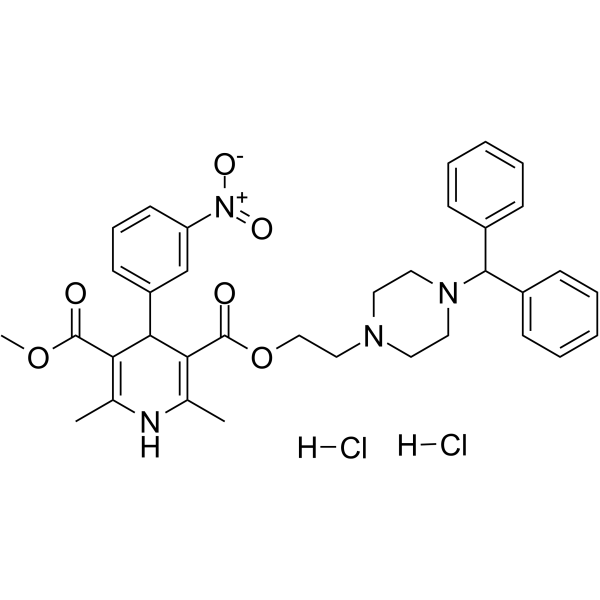
Manidipine dihydrochloride is a third-generation, lipophilic, orally active and highly vasoselective calcium channel antagonist (IC50 = 2.6 nM in guinea-pig ventricular cells) and acts as an antihypertensive agent. Manidipine effectively reduces blood pressure as well as improving insulin sensitivity, renal protection, and antiatherosclerotic activity. Manidipine also exerts anti-inflammatory activity mediated by NF-κB and antiviral activity against many flavivirus and negative-strand RNA viruses through the inhibition of calcium channel. Manidipine is widely applied to research of cardiovascular, metabolic disease and infection .
|
-
-
- HY-147292
-
|
CK-136
|
Calcium Channel
|
Cardiovascular Disease
|
|
Nelutroctiv (CK-136) is an orally active and selective cardiac troponin activator. Nelutroctiv activates cardiac sarcomeres by enhancing the sensitivity of troponin to calcium ions and promoting the interaction between actin and myosin. Nelutroctiv enhances cardiac contractility. Nelutroctiv can be used in the researches for cardiovascular diseases with impaired cardiac contractile function .
|
-
-
- HY-B1035
-
|
l-Bunolol hydrochloride
|
Adrenergic Receptor
Calcium Channel
Casein Kinase
|
Cardiovascular Disease
|
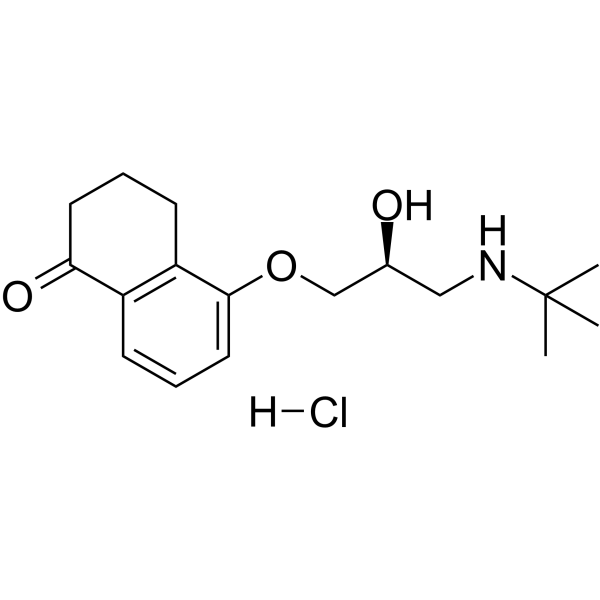
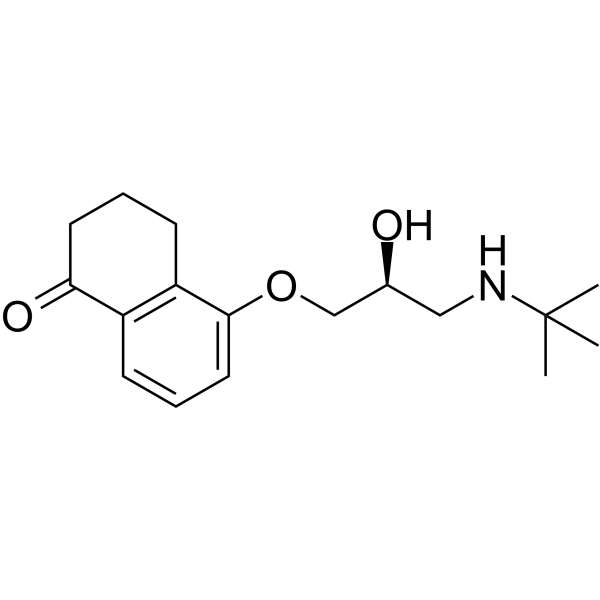
Levobunolol (l-Bunolol) hydrochloride is a non-selective β-adrenergic antagonist and vasodilator. By blocking calcium ion influx and reducing the sensitivity of vascular smooth muscle to calcium, Levobunolol hydrochloride effectively dilates the ciliary arteries and increases ocular blood flow, so it is widely used in research on glaucoma and ocular hypertension. Levobunolol hydrochloride inhibits the β-receptor signaling pathway and the expression of related proliferation markers (such as CK3, CK14, CK19, Ki67) in corneal cells. In rabbit models, Levobunolol hydrochloride not only does not inhibit corneal epithelial regeneration, but also accelerates the healing of mechanical injury without adverse effects. Levobunolol hydrochloride also inhibits histamine-induced vasoconstriction and intracellular calcium elevation, exhibiting unique vascular regulatory activity. Levobunolol hydrochloride protects ocular blood flow and promotes corneal repair .
|
-
-
- HY-117931
-
|
|
Potassium Channel
|
Neurological Disease
|
|
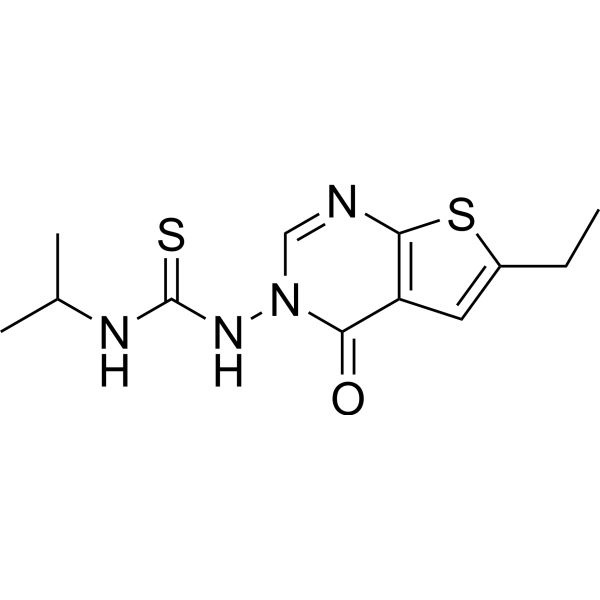
NS004 is a potassium (BK) channel activator that increases Iberiotoxin (HY-P0190) or Tetraethylammonium (HY-B1793)-sensitive whole-cell efflux currents. NS004 also significantly increased the activity of individual GH3 cell BK channels and rat brain BK channels reorganized into planar lipid bilayers, causing an increase in channel mean open time, a decrease in intermittent time, and an increase in channel voltage/calcium sensitivity .
|
-
-
- HY-10167
-
|
R-568; NPS R-568 free base
|
CaSR
|
Others
|
|
Tecalcet (R 568), an orally active calcimimetic compound, allosterically and positively modulates the calcium-sensing receptor (CaSR). Tecalcet (R 568) increases the sensitivity to activation by extracellular Ca 2+ .
|
-
-
- HY-163120
-
|
|
Myosin
|
Cardiovascular Disease
|
|
Myosin-IN-1 (compound F10) is a Myosin inhibitor that specifically targets cardiac myosin. Myosin-IN-1 stabilizes the biochemical and structural closed state of the cardiac myosin motor domain and reduces myocardial force production and calcium sensitivity in vitro. Myosin-IN-1 acts as a negative inotropic agent in isolated Langendroff-perfused rat hearts, reducing stress in isolated myofilaments and left ventricular pressure development. Myosin-IN-1 can be used in heart failure research .
|
-
-
- HY-D1701
-
|
|
Fluorescent Dye
|
Others
|
|
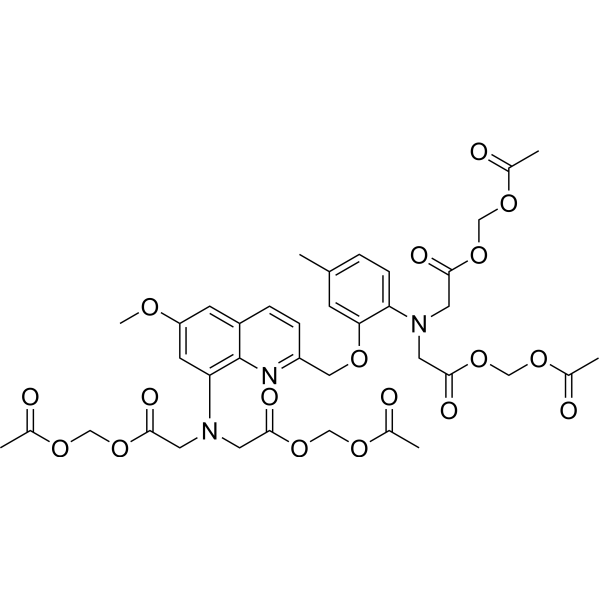
Calcium is an important part of the human body, usually in the form of calcium, a large number of bones and teeth of the human body, a small amount of blood and tissues.
MCE calcium ion detection probe can specifically identify intracellular calcium ions, with high sensitivity, low cytotoxicity, increased AM acetylmethyl ester can enter the cell well, after being sheared by the intracellular esterase stay in the cell to bind to calcium ions, produce strong fluorescence, in addition, Mag-indo-1/AM and Mag-Fluo-4 AM at a certain concentration (usually 5 mM) can effectively identify intracellular magnesium ions .
|
-
-
- HY-19003
-
-
-
- HY-19003A
-
|
323MHb hydrochloride; Isosulmazole hydrochloride
|
Phosphodiesterase (PDE)
|
Cardiovascular Disease
|
|
Isomazole (323MHb) hydrochloride is a cardiotonic agent. Isomazole hydrochloridei increases the calcium sensitivity in atrial fibers and has a direct effect on contractile proteins .
|
-
-
- HY-137128
-
|
|
Fluorescent Dye
|
Others
|
|
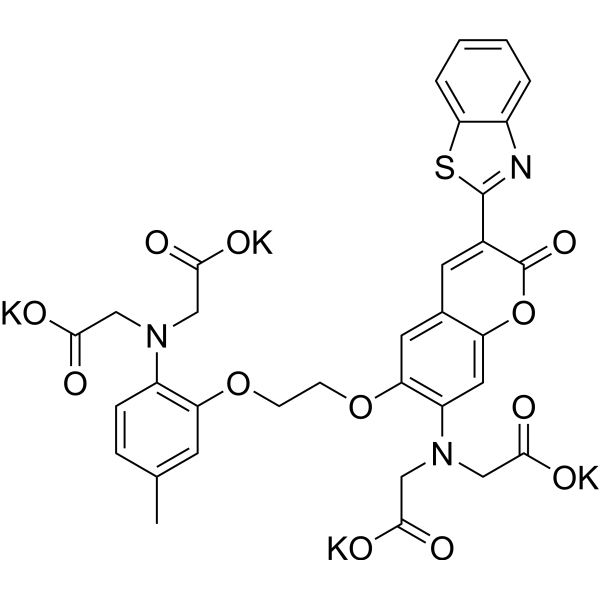
BTC tetrapotassium is a cell-impermeant calcium indicator (Kd approximately 7-26 µM) featuring many desirable properties for cellular calcium imaging, including long excitation wavelengths (400/485 nm), low sensitivity to Mg 2+, and accuracy of ratiometric measurement .
|
-
-
- HY-101902
-
|
Quin-2 acetoxymethyl ester
|
Fluorescent Dye
|
Others
|
|
Quin-2AM is a fluorecent Ca 2+ chelator, with high affinity for calcium. Quin-2AM can specifically identify intracellular calcium ions, with high sensitivity, low cytotoxicity, increased AM acetylmethyl ester can enter the cell well, after being sheared by the intracellular esterase stay in the cell to bind to calcium ions, produce strong fluorescence .
|
-
-
- HY-P5319
-
|
|
Calcium Channel
|
Others
|
|
MCaE12A is a high-affinity modulator of RyR2 and increases RyR2 sensitivity to cytoplasmic calcium concentrations promoting channel opening. MCaE12A acts as an important tool for RyR2 structure-to-function studies as well as for manipulating Ca2+ homeostasis and dynamic of cardiac cell .
|
-
-
- HY-B1035A
-
|
l-Bunolol
|
Adrenergic Receptor
Casein Kinase
Calcium Channel
|
Others
|
Levobunolol (l-Bunolol) is a non-selective β-adrenergic antagonist and vasodilator. By blocking calcium ion influx and reducing the sensitivity of vascular smooth muscle to calcium, Levobunolol effectively dilates the ciliary arteries and increases ocular blood flow, so it is widely used in research on glaucoma and ocular hypertension. Levobunolol inhibits the β-receptor signaling pathway and the expression of related proliferation markers (such as CK3, CK14, CK19, Ki67) in corneal cells. In rabbit models, Levobunolol not only does not inhibit corneal epithelial regeneration, but also accelerates the healing of mechanical injury without adverse effects. Levobunolol also inhibits histamine-induced vasoconstriction and intracellular calcium elevation, exhibiting unique vascular regulatory activity. Levobunolol protects ocular blood flow and promotes corneal repair .
|
-
-
- HY-P11259
-
|
|
Urotensin Receptor
|
Cardiovascular Disease
Metabolic Disease
Inflammation/Immunology
Cancer
|
UPG-111 is a peptide compound that acts as a negative allosteric modulator of the Urotensin II receptor (UTR). UPG-111 exhibits a dual inhibitory effect on the vasoconstriction induced by UTR agonists - it reduces both the maximum response intensity and the sensitivity of the agonist. UPG-111 does not induce calcium release or cause contraction of the endothelium-deprived rat aortic rings. UPG-111 can be used for the study of various diseases related to the angiotensinergic system .
|
-
-
- HY-120059
-
|
|
Potassium Channel
|
Neurological Disease
|
|
NS4591 is a modulator of calcium-activated potassium channels with activity that enhances small (SK) and intermediate (IK) conductivity. NS4591 doubled IK-mediated currents in whole-cell patch-clamp experiments at a concentration of 45 +/- 6 nM, and doubled SK3-mediated currents at a concentration of 530 +/- 100 nM. NS4591 inhibits the number of action potentials generated by suprathreshold depolarizing pulses in acutely isolated bladder primary afferent neurons. NS4591 also reduced carbakol-induced detrusor ring contraction in the rat bladder, demonstrating sensitivity to apamin .
|
-
-
- HY-182543
-
|
|
CaSR
|
Others
|
|
NPS-467 is a calcium-sensing receptor (CaR) activator and stereospecific agent with only its R-enantiomer active. NPS-467 increases the sensitivity of the CaR to activation by extracellular calcium. NPS-467 stimulates stanniocalcin (STC) secretion in trout and induces inhibition of gill calcium transport in trout. NPS-467 has no effect on serum calcitonin levels in trout .
|
-
-
- HY-DY1095
-
|
Fluo-3-pentaacetoxymethyl ester (solution)
|
Fluorescent Dye
|
Others
|
Fluo-3AM (solution) is a fluorecent Ca 2+ chelator, with high affinity for calcium. Fluo-3 AM can specifically identify intracellular calcium ions, with high sensitivity, low cytotoxicity, increased AM acetylmethyl ester can enter the cell well, after being sheared by the intracellular esterase stay in the cell to bind to calcium ions, produce strong fluorescence . Solvent and concentration: DMSO: 5 mM
|
-
-
- HY-17403R
-
|
CV-4093 (Standard)
|
Calcium Channel
NF-κB
Reference Standards
|
Infection
Cardiovascular Disease
Metabolic Disease
Inflammation/Immunology
|
|
Manidipine (dihydrochloride) (Standard) is the analytical standard of Manidipine (dihydrochloride). This product is intended for research and analytical applications. Manidipine dihydrochloride is a third-generation, lipophilic, orally active and highly vasoselective calcium channel antagonist (IC50 = 2.6 nM in guinea-pig ventricular cells) and acts as an antihypertensive agent. Manidipine effectively reduces blood pressure as well as improving insulin sensitivity, renal protection, and antiatherosclerotic activity. Manidipine also exerts anti-inflammatory activity mediated by NF-κB and antiviral activity against many flavivirus and negative-strand RNA viruses through the inhibition of calcium channel. Manidipine is widely applied to research of cardiovascular, metabolic disease and infection .
|
-
| Cat. No. |
Product Name |
Type |
-
- HY-D0716
-
Fluo-3AM
Maximum Cited Publications
12 Publications Verification
Fluo-3-pentaacetoxymethyl ester
|
Fluorescent Dyes
|
|
Fluo-3 AM is a fluorecent Ca 2+ chelator, with high affinity for calcium. Fluo-3 AM can specifically identify intracellular calcium ions, with high sensitivity, low cytotoxicity, increased AM acetylmethyl ester can enter the cell well, after being sheared by the intracellular esterase stay in the cell to bind to calcium ions, produce strong fluorescence .
|
-
- HY-D1498
-
|
|
Fluorescent Dyes
|
|
Mag-Fluo-4 AM is a fluorecent Ca 2+ chelator, with high affinity for calcium. Mag-Fluo-4 AM can specifically identify intracellular calcium ions, with high sensitivity, low cytotoxicity, increased AM acetylmethyl ester can enter the cell well, after being sheared by the intracellular esterase stay in the cell to bind to calcium ions, produce strong fluorescence .
|
-
- HY-101898
-
|
Indo-1 Acetoxymethyl ester
|
Fluorescent Dyes
|
|
Calcium is an important part of the human body, usually in the form of calcium, a large number of bones and teeth of the human body, a small amount of blood and tissues.
MCE calcium ion detection probe can specifically identify intracellular calcium ions, with high sensitivity, low cytotoxicity, increased AM acetylmethyl ester can enter the cell well, after being sheared by the intracellular esterase stay in the cell to bind to calcium ions, produce strong fluorescence, in addition, Mag-indo-1/AM and Mag-Fluo-4 AM at a certain concentration (usually 5 mM) can effectively identify intracellular magnesium ions .
|
-
- HY-D1701
-
|
|
Fluorescent Dyes
|
|
Calcium is an important part of the human body, usually in the form of calcium, a large number of bones and teeth of the human body, a small amount of blood and tissues.
MCE calcium ion detection probe can specifically identify intracellular calcium ions, with high sensitivity, low cytotoxicity, increased AM acetylmethyl ester can enter the cell well, after being sheared by the intracellular esterase stay in the cell to bind to calcium ions, produce strong fluorescence, in addition, Mag-indo-1/AM and Mag-Fluo-4 AM at a certain concentration (usually 5 mM) can effectively identify intracellular magnesium ions .
|
-
- HY-101902
-
|
Quin-2 acetoxymethyl ester
|
Fluorescent Dyes
|
|
Quin-2AM is a fluorecent Ca 2+ chelator, with high affinity for calcium. Quin-2AM can specifically identify intracellular calcium ions, with high sensitivity, low cytotoxicity, increased AM acetylmethyl ester can enter the cell well, after being sheared by the intracellular esterase stay in the cell to bind to calcium ions, produce strong fluorescence .
|
-
- HY-DY1095
-
|
Fluo-3-pentaacetoxymethyl ester (solution)
|
Fluorescent Dyes
|
Fluo-3AM (solution) is a fluorecent Ca 2+ chelator, with high affinity for calcium. Fluo-3 AM can specifically identify intracellular calcium ions, with high sensitivity, low cytotoxicity, increased AM acetylmethyl ester can enter the cell well, after being sheared by the intracellular esterase stay in the cell to bind to calcium ions, produce strong fluorescence . Solvent and concentration: DMSO: 5 mM
|
| Cat. No. |
Product Name |
Target |
Research Area |
-
- HY-P11274A
-
|
Amycretin sodium; NN 9487 sodium
|
Amylin Receptor
Insulin Receptor
GCGR
|
Metabolic Disease
|
Zenagamtide (Amycretin; NN 9487) sodium is an orally active, blood-brain barrier permeable triple agonist that targets GLP-1, amylin (Amylin Receptor) and calcitonin receptor (Calcitonin Receptor). Zenagamtide sodium is a single peptide consisting of 68 amino acids that can target brain regions regulating food intake, significantly suppress appetite and reduce energy intake. Therefore, Zenagamtide sodium improves body weight, waist circumference, glycated hemoglobin and lipid profile, and also alleviates the histological features of metabolic dysfunction-associated steatotic liver disease (MASLD) and enhances insulin sensitivity. Zenagamtide sodium may cause transient increases in heart rate and fluctuations in serum calcium levels, but it is an important compound for the study of overweight, obesity, insulin resistance and related metabolic diseases .
|
-
- HY-P11274
-
|
Amycretin; NN 9487
|
Amylin Receptor
GCGR
Insulin Receptor
|
Metabolic Disease
|
Zenagamtide (Amycretin; NN 9487) is an orally active, blood-brain barrier permeable triple agonist that targets GLP-1, amylin (Amylin Receptor) and calcitonin receptor (Calcitonin Receptor). Zenagamtide is a single peptide consisting of 68 amino acids that can target brain regions regulating food intake, significantly suppress appetite and reduce energy intake. Therefore, Zenagamtide improves body weight, waist circumference, glycated hemoglobin and lipid profile, and also alleviates the histological features of metabolic dysfunction-associated steatotic liver disease (MASLD) and enhances insulin sensitivity. Zenagamtide may cause transient increases in heart rate and fluctuations in serum calcium levels, but it is an important compound for the study of overweight, obesity, insulin resistance and related metabolic diseases .
|
-
- HY-P5319
-
|
|
Calcium Channel
|
Others
|
|
MCaE12A is a high-affinity modulator of RyR2 and increases RyR2 sensitivity to cytoplasmic calcium concentrations promoting channel opening. MCaE12A acts as an important tool for RyR2 structure-to-function studies as well as for manipulating Ca2+ homeostasis and dynamic of cardiac cell .
|
-
- HY-P11259
-
|
|
Urotensin Receptor
|
Cardiovascular Disease
Metabolic Disease
Inflammation/Immunology
Cancer
|
UPG-111 is a peptide compound that acts as a negative allosteric modulator of the Urotensin II receptor (UTR). UPG-111 exhibits a dual inhibitory effect on the vasoconstriction induced by UTR agonists - it reduces both the maximum response intensity and the sensitivity of the agonist. UPG-111 does not induce calcium release or cause contraction of the endothelium-deprived rat aortic rings. UPG-111 can be used for the study of various diseases related to the angiotensinergic system .
|
Your information is safe with us. * Required Fields.
Inquiry Information
- Product Name:
- Cat. No.:
- Quantity:
- MCE Japan Authorized Agent:

