



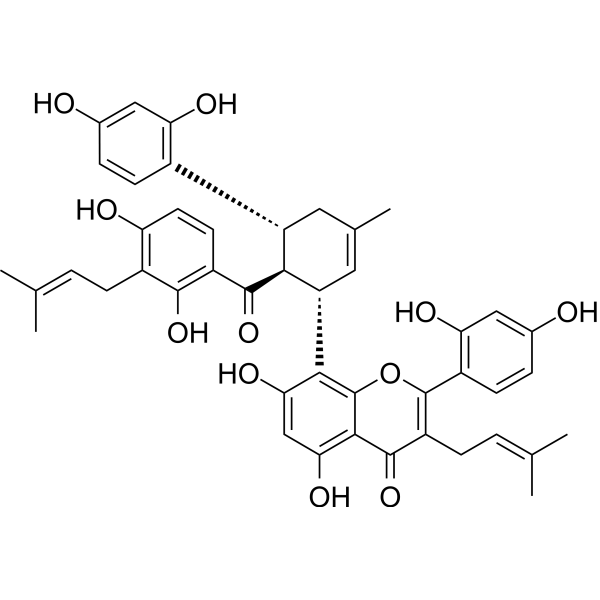
Kuwanon H

Based on 1 Customer Validation
Kuwanon H is a selective non-peptide bombesin receptor antagonist and platelet activation inhibitor. Kuwanon H also acts as a specific antagonist of GRP-preferring receptors, with a Ki value of 290 nM for mouse GRP-R and 6500 nM for rat NMB-R. Kuwanon H inhibits the phosphorylation of AKT, mTOR, ERK, cPLA2 and p38, and upregulates TRIB3. It induces endoplasmic reticulum stress, apoptosis and autophagosome formation. Kuwanon H blocks calcium mobilization, mitogenic signaling, DNA synthesis, dense granule secretion, thromboxane A2 generation and integrin αIIb/β3 activity. It inhibits collagen-induced platelet aggregation and fibronectin adhesion, and delays clot retraction. Kuwanon H inhibits melanoma cell growth in vitro and in vivo, and enhances the sensitivity of melanoma cells to CDDP. It can be used in research related to melanoma, small cell lung cancer and thrombosis.
For research use only. We do not sell to patients.
- Purity : 98.0%
- CAS No.: 76472-87-2
- Formula: C45H44O11
- Molecular Weight:760.82
-
Storage:
4°C, protect from light
* In solvent : -80°C, 6 months; -20°C, 1 month (protect from light)

To place orders, for customer services and technical support, please contact: MedChemExpress USA
Tel: 609-228-6898 E-mail: [email protected] [email protected]


-
 Biological Activity
-
Chemical Information
-
Solvent & Solubility
- Protocols
- Purity & Documentation
- References
-
 Help & FAQs


-
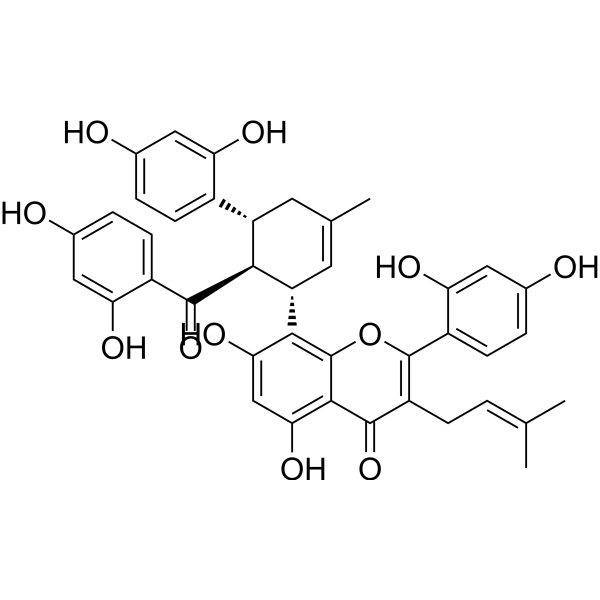
HY-N4247
Kuwanon GBombesin Receptor Antagonist -
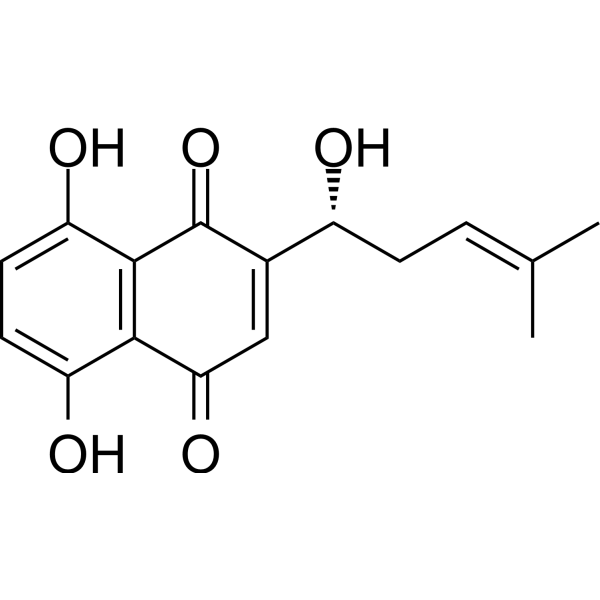
HY-N0822
ShikoninChloride Channel Inhibitor -
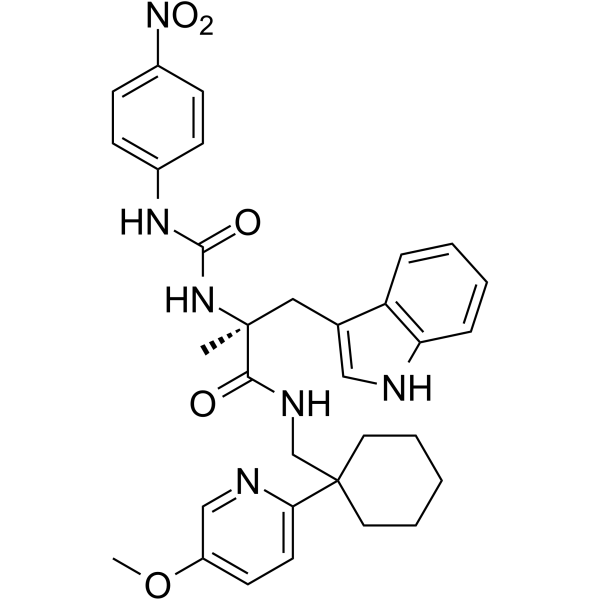
HY-103286
PD176252BB1/BB2 Antagonist -
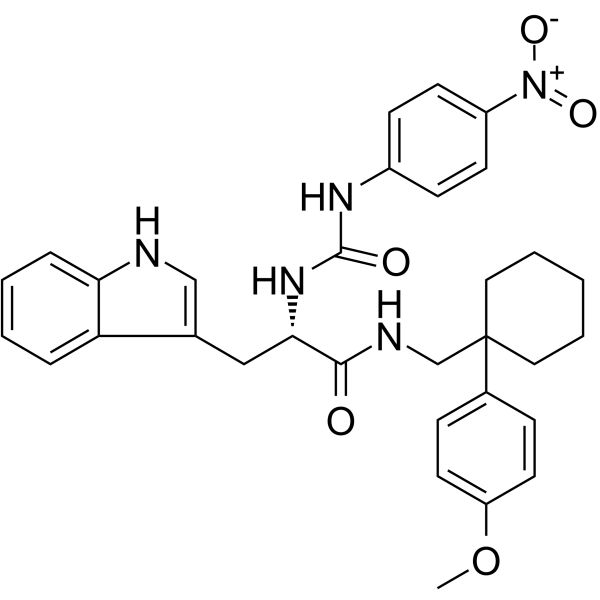
HY-101844
ML-18BRS-3 Antagonist -
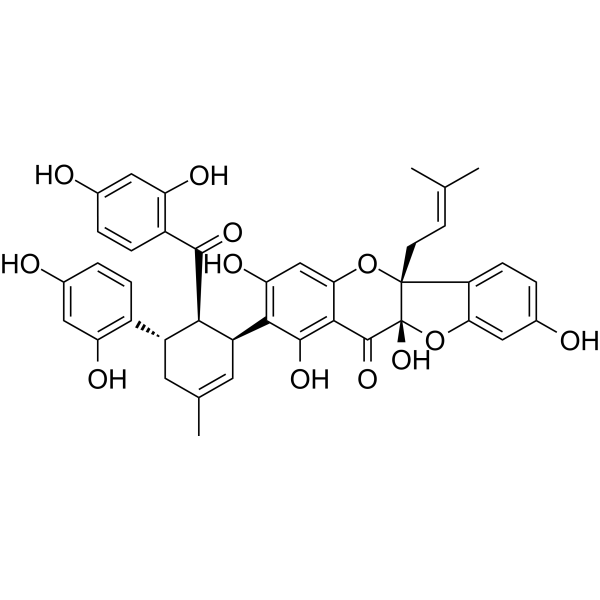
HY-N0617
Sanggenon CCalcineurin/NFAT2 Inhibitor -
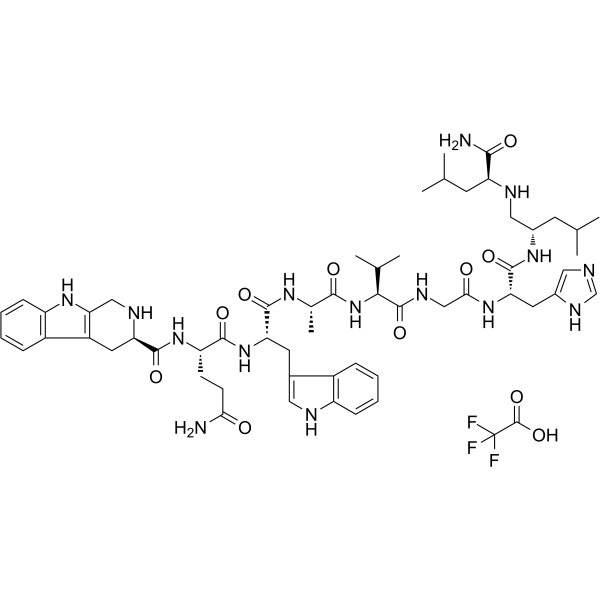
HY-P0107A
RC-3095 TFAGRPR Antagonist -
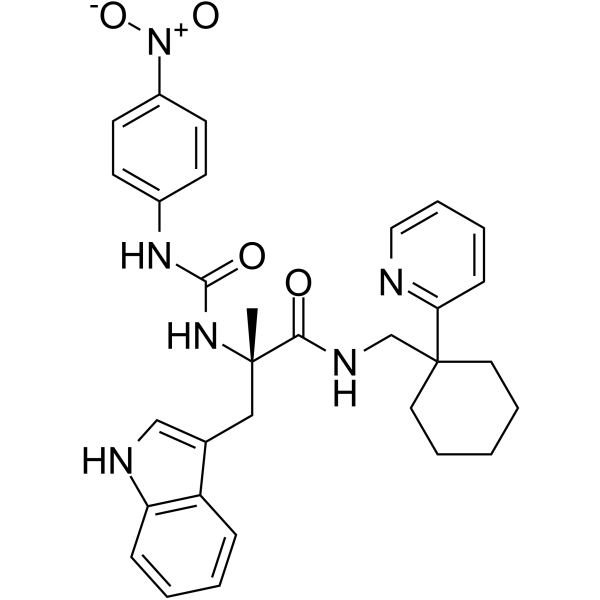
HY-116216
PD 168368NMB-R/GRPR Antagonist -
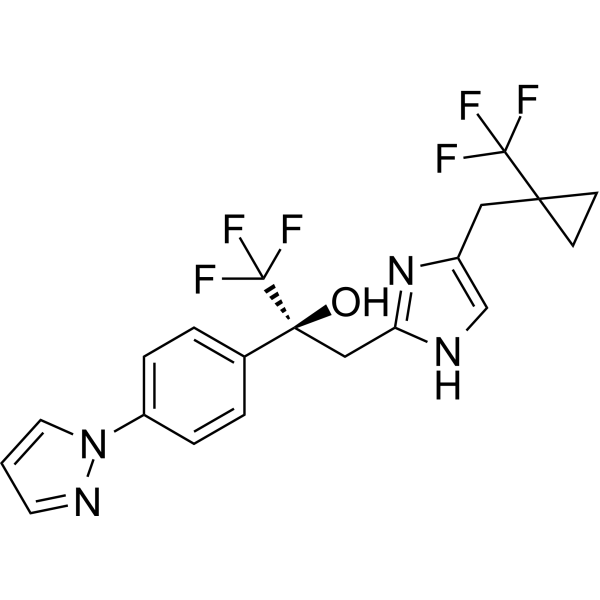
HY-14342
MK-5046BRS-3 Agonist -
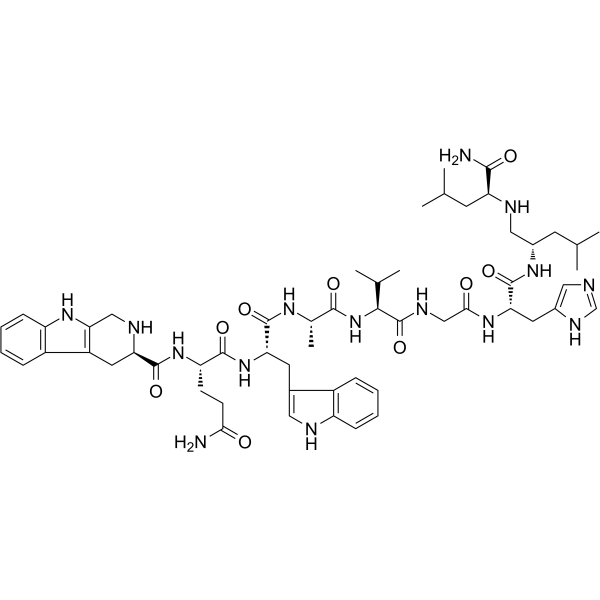
HY-P0107
RC-3095GRPR Antagonist -

HY-N2600R
Kuwanon H (Standard)Bombesin Receptor Antagonist -

HY-103286R
PD176252 (Standard)Reference Standard -
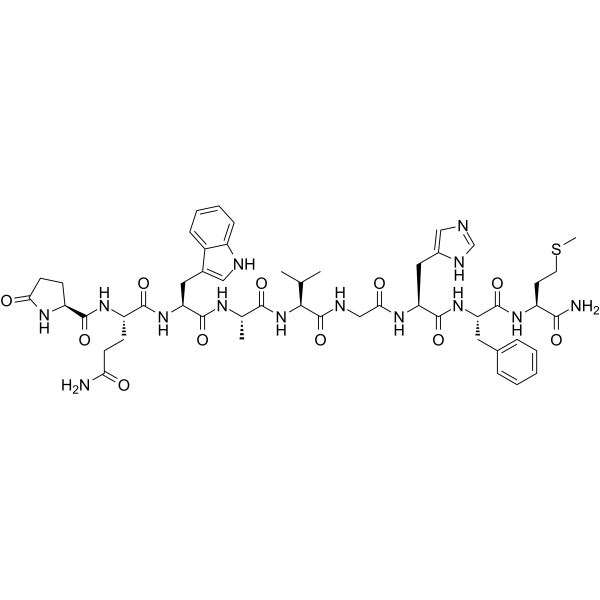
HY-103281
LitorinBombesin Receptor Agonist


Biological Activity
Description
IC50 & Target
[2]|
GRP-R 290 nM (Ki) |
NMB-R 6500 nM (Ki) |
Cellular Effect
|
Cell Line

|
Type | Value | Description | References |
|---|---|---|---|---|
| Platelet | IC50 |
2.4 x 10⁻⁵ M
Compound: kumanon H
|
Inhibition of 12-hydroxy-5,8,10-heptadecatrienoic acid formation in Wistar King platelets
Inhibition of 12-hydroxy-5,8,10-heptadecatrienoic acid formation in Wistar King platelets
|
[PMID: 3097265] |
| Platelet | IC50 |
7.57 x 10⁻⁵ M
Compound: kumanon H
|
Inhibition of thromboxane B2 formation in Wistar King platelets
Inhibition of thromboxane B2 formation in Wistar King platelets
|
[PMID: 3097265] |
In Vitro
Kuwanon H (30 μM; 48 h) induces apoptosis in A375 and MV3 melanoma cells[1].
Kuwanon H (60 min) competitively inhibits the binding of [125I]GRP to GRP-preferring receptors in mouse Swiss 3T3 fibroblasts with a Ki value of 290 nM, while showing no off-target binding to endothelin-1 or neuropeptide Y receptors at a concentration of 1 μM[2].
Kuwanon H inhibits the binding of [125I]bombesin to NMB-preferring receptors in rat esophageal membranes, with a Ki value of 6500 nM, indicating that its potency against NMB-Rs is 22.4-fold lower than that against GRP-Rs[2].
Kuwanon H (500 nM; administered 1 min prior to agonist stimulation) reduces the bradykinin-induced elevation of cytosolic free calcium by 60% in mouse Swiss 3T3 fibroblasts, without altering basal calcium levels or cellular responses to endothelin-1 and bradykinin[2].
Kuwanon H inhibits GRP-induced DNA synthesis in mouse Swiss 3T3 fibroblasts, with an IC50 of approximately 100 nM[2].
Kuwanon H (75-200 μM; 2 min pre-incubation, 7 min aggregation monitoring) inhibits Collagen (HY-NP003)-induced platelet aggregation in a concentration-dependent manner without inducing cytotoxicity[3].
Kuwanon H (75-200 μM; 5 min) inhibits collagen-induced intracellular calcium mobilization in platelets by regulating InsP3R and ERK phosphorylation[3].
Kuwanon H (75-200 μM; 2 min pre-incubation, 7 min aggregation monitoring) inhibits collagen-induced secretion of 5-hydroxytryptamine and ATP from dense granules in platelets[3].
Kuwanon H (75-200 μM; 2 min pre-incubation, 7 min aggregation monitoring) inhibits collagen-induced TXA2 production in platelets by reducing the phosphorylation levels of cPLA2 and p38[3].
Kuwanon H (75-200 μM; 2 min incubation, 20 min adhesion incubation) inhibits Collagen-induced fibronectin adhesion in human platelets[3].
Kuwanon H (75-200 μM; 1 min incubation, 25 min clot retraction monitoring) inhibits integrin αIIb/β3 activity by regulating the phosphorylation of Akt and VASP, thereby delaying thrombin-induced fibrin clot retraction in human platelet-rich plasma (PRP)[3].
MedChemExpress (MCE) has not independently confirmed the accuracy of these methods. They are for reference only.
-
Cell Line:A375, MV3 melanoma cells
-
Concentration:30 μM (Kuwanon H); 5 mM (3-MA (HY-19312), preincubation)
-
Incubation Time:48 h (Kuwanon H); 6 h (3-MA, preincubation)
-
Result:Induces apoptosis in A375 and MV3 melanoma cells.
Reduced apoptosis rates to ~12% from ~18% in A375 cells relative to Kuwanon H alone.
Reduced apoptosis rates to ~10% from ~15% in MV3 cells relative to Kuwanon H alone.
Suppressed Kuwanon H-induced upregulation of cleaved caspase-3 and cleaved PARP in both cell lines.
In Vivo
MedChemExpress (MCE) has not independently confirmed the accuracy of these methods. They are for reference only.
-
Animal Model:BALB/c null mice (4 weeks old, acclimated for 1 week prior to experimentation)[1]
-
Dosage:50 mg/kg (single-agent); 50 mg/kg (in combination with 25 mg/kg CDDP)
-
Administration:s.c.; every 2 days; 2 weeks
-
Result:Reduced tumor size, volume, and weight significantly compared to vehicle control.
Decreased Ki67-positive proliferating cells to ~30% (from ~95% in vehicle controls).
Increased TUNEL-positive apoptotic cells to ~20% (from <5% in vehicle controls).
Increased LC3B and SQSTM1 levels in tumor tissues, indicating impaired autophagy flux.
Enhanced tumor volume and weight reduction significantly when combined with CDDP compared to either single-agent treatment.
Reduced Ki67-positive proliferating cells to ~15% in combination with CDDP.
Increased TUNEL-positive apoptotic cells to ~40% in combination with CDDP.
Further accumulated LC3B and SQSTM1 levels in tumor tissues compared to CDDP alone.
- Western Blot
- Annexin V plus membrane-impermeant dye apoptosis staining
- BrdU Incorporation Assay
- Somatic Cell Culture
- CCK-8/WST-8 Cell Proliferation Assay
- Cell Counting-Based Growth Curve Assay
- Cell Viability Determination by MTT Colorimetric Assay
- Kinase activity and phosphorylation assays
- EdU Incorporation Assay (Click Chemistry-Based DNA Synthesis Measurement)
- Detection of Apoptosis
- TUNEL staining for apoptotic DNA fragmentation
- Protocol for Cell Counting and Cell Density Analysis
- Autophagy
- Apoptosis Solutions
- Protocol for Kinase activity and phosphorylation assays
- MTT Cell Proliferation Assay
- Macroautophagy Solutions


Chemical Information
-
CAS No. 76472-87-2
-
Appearance Solid
-
Molecular Weight 760.82
-
Formula C45H44O11
-
Color Yellow to orange
-
SMILES
OC1=CC(O)=C(C(C(C/C=C(C)/C)=C(C2=C(C=C(O)C=C2)O)O3)=O)C3=C1[C@@H]4[C@H]([C@H](C5=C(C=C(O)C=C5)O)CC(C)=C4)C(C6=C(C(C/C=C(C)/C)=C(O)C=C6)O)=O
-
Structure Classification
-
Initial Source
-
Shipping
Room temperature in continental US; may vary elsewhere.
-
Storage
4°C, protect from light
* In solvent : -80°C, 6 months; -20°C, 1 month (protect from light)


Solvent & Solubility
In Vitro:
DMSO : 100 mg/mL (131.44 mM; Need ultrasonic; Hygroscopic DMSO has a significant impact on the solubility of product, please use newly opened DMSO)
Please refer to the solubility information to select the appropriate solvent. Once prepared, please aliquot and store the solution to prevent product inactivation from repeated freeze-thaw cycles.
Storage method and period of stock solution: -80°C, 6 months; -20°C, 1 month (protect from light). When stored at -80°C, please use it within 6 months. When stored at -20°C, please use it within 1 month.
Please refer to the solubility information to select the appropriate solvent. Once prepared, please aliquot and store the solution to prevent product inactivation from repeated freeze-thaw cycles.
Storage method and period of stock solution: -80°C, 6 months; -20°C, 1 month (protect from light). When stored at -80°C, please use it within 6 months. When stored at -20°C, please use it within 1 month.
Concentration (start) × Volume (start) = Concentration (final) × Volume (final)
In Vivo:
Select the appropriate dissolution method based on your experimental animal and administration route.
- For the following dissolution methods, please ensure to first prepare a clear stock solution using an In Vitro approach and then sequentially add co-solvents:
- To ensure reliable experimental results, the clarified stock solution can be appropriately stored based on storage conditions. As for the working solution for In Vivo experiments, it is recommended to prepare freshly and use it on the same day.
- The percentages shown for the solvents indicate their volumetric ratio in the final prepared solution. If precipitation or phase separation occurs during preparation, heat and/or sonication can be used to aid dissolution.
Add each solvent one by one: 10% DMSO 40% PEG300 5% Tween-80 45% Saline
Solubility: ≥ 2.5 mg/mL (3.29 mM); Clear solution
This protocol yields a clear solution of ≥ 2.5 mg/mL (saturation unknown).
Taking 1 mL working solution as an example, add 100 μL DMSO stock solution (25.0 mg/mL) to 400 μL PEG300, and mix evenly; then add 50 μL Tween-80 and mix evenly; then add 450 μL Saline to adjust the volume to 1 mL.
Preparation of Saline: Dissolve 0.9 g sodium chloride in ddH₂O and dilute to 100 mL to obtain a clear Saline solution.
Add each solvent one by one: 10% DMSO 90% (20% SBE-β-CD in Saline)
Solubility: ≥ 2.5 mg/mL (3.29 mM); Suspended solution
This protocol yields a suspended solution of ≥ 2.5 mg/mL (saturation unknown). Suspended solution can be used for oral and intraperitoneal injection.
Taking 1 mL working solution as an example, add 100 μL DMSO stock solution (25.0 mg/mL) to 900 μL 20% SBE-β-CD in Saline, and mix evenly.
Preparation of 20% SBE-β-CD in Saline (4°C, storage for one week): 2 g SBE-β-CD powder is dissolved in 10 mL Saline, completely dissolve until clear.
In Vivo Dissolution Calculator
Please enter the basic information of animal experiments:
-
-
-
-
Recommended: Prepare an additional quantity of animals to account for potential losses during experiments.
Please enter your animal formula composition:
-
%DMSO +
Recommended: Keep the proportion of DMSO in working solution below 2% if your animal is weak.
-
%+
-
+%Tween-80 + +
-
%Saline +
The co-solvents required include: DMSO, . All of co-solvents are available by MedChemExpress (MCE). , Tween 80. All of co-solvents are available by MedChemExpress (MCE).
Working solution concentration: 0.22 mg/mL
Method for preparing stock solution: mg drug dissolved in μL DMSO. Stock solution concentration: mg/mL. * In solvent : -80°C, 6 months; -20°C, 1 month (protect from light)
1. Take μL DMSO stock solution;
2. Add μL .
μL , mix evenly;
3. Then add μL Tween 80, mix evenly;
4. Then add μL
Please ensure that the stock solution in the first step is dissolved to a clear state, and add co-solvents in sequence. You can use ultrasonic heating (ultrasonic cleaner, recommended frequency 20-40 kHz), vortexing, etc. to assist dissolution.


Purity & Documentation
-
Data Sheet (285 KB)
-
SDS (393 KB)
- English - EN (393 KB)
- Français - FR (393 KB)
- Deutsch - DE (393 KB)
- Norwegian - NO (393 KB)
- Español - ES (393 KB)
- Swedish - SV (393 KB)
- Italian - IT (393 KB)
- Korean - KR (393 KB)
- Portuguese - PT (393 KB)
-
Handling Instructions (2659 KB)
References
[1]. Hu X, et al. Kuwanon H Inhibits Melanoma Growth through Cytotoxic Endoplasmic Reticulum Stress and Impaired Autophagy Flux. Journal of agricultural and food chemistry. 2023 Sep 20;71(37):13768-13782. [Content Brief]
[2]. Mihara S, et al. Non-peptide bombesin receptor antagonists, kuwanon G and H, isolated from mulberry. Biochemical and biophysical research communications. 1995 Aug 15;213(2):594-9. [Content Brief]


Complete Stock Solution Preparation Table
Please refer to the solubility information to select the appropriate solvent. Once prepared, please aliquot and store the solution to prevent product inactivation from repeated freeze-thaw cycles.
Storage method and period of stock solution: -80°C, 6 months; -20°C, 1 month (protect from light). When stored at -80°C, please use it within 6 months. When stored at -20°C, please use it within 1 month.
| Optional Solvent | Concentration Solvent Mass | 1 mg | 5 mg | 10 mg | 25 mg |
|---|---|---|---|---|---|
| DMSO | 1 mM | 1.3144 mL | 6.5719 mL | 13.1437 mL | 32.8593 mL |
| 5 mM | 0.2629 mL | 1.3144 mL | 2.6287 mL | 6.5719 mL | |
| 10 mM | 0.1314 mL | 0.6572 mL | 1.3144 mL | 3.2859 mL | |
| 15 mM | 0.0876 mL | 0.4381 mL | 0.8762 mL | 2.1906 mL | |
| 20 mM | 0.0657 mL | 0.3286 mL | 0.6572 mL | 1.6430 mL | |
| 25 mM | 0.0526 mL | 0.2629 mL | 0.5257 mL | 1.3144 mL | |
| 30 mM | 0.0438 mL | 0.2191 mL | 0.4381 mL | 1.0953 mL | |
| 40 mM | 0.0329 mL | 0.1643 mL | 0.3286 mL | 0.8215 mL | |
| 50 mM | 0.0263 mL | 0.1314 mL | 0.2629 mL | 0.6572 mL | |
| 60 mM | 0.0219 mL | 0.1095 mL | 0.2191 mL | 0.5477 mL | |
| 80 mM | 0.0164 mL | 0.0821 mL | 0.1643 mL | 0.4107 mL | |
| 100 mM | 0.0131 mL | 0.0657 mL | 0.1314 mL | 0.3286 mL |


Kuwanon H Related Classifications
HY-N2600 Related Classifications
 Powered by Bioz