Search Result
Results for "
carboline
" in MedChemExpress (MCE) Product Catalog:
8
Isotope-Labeled Compounds
| Cat. No. |
Product Name |
Target |
Research Areas |
Chemical Structure |
-
- HY-W008566
-
|
Norharman; β-carboline
|
Monoamine Oxidase
Endogenous Metabolite
|
Infection
Neurological Disease
Cancer
|
|
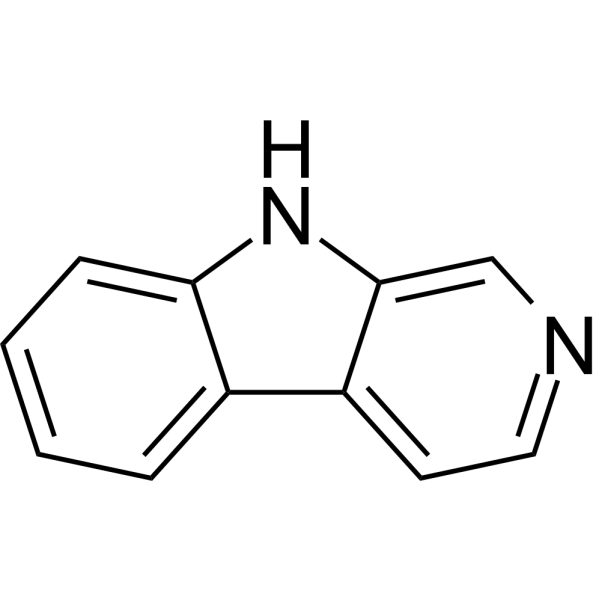
Norharmane (Norharman), a β-carboline alkaloid, is a potent and reversible monoamine oxidase inhibitor, with IC50 values of 6.5 and 4.7 μM for MAO-A and MAO-B, respectively. Norharmane causes antidepressant responses. Norharmane is also a prospective anti-cancer photosensitizer. Norharmane alters polar auxin transport (PAT) by inhibiting PIN2, PIN3 and PIN7 transport proteins, thus causing a significant inhibitory effect on the growth of Arabidopsis thaliana seedlings .
|
-
-
- HY-107811
-
Harmol
1 Publications Verification
|
Autophagy
α-synuclein
Apoptosis
Monoamine Oxidase
Mitosis
|
Neurological Disease
Cancer
|
|
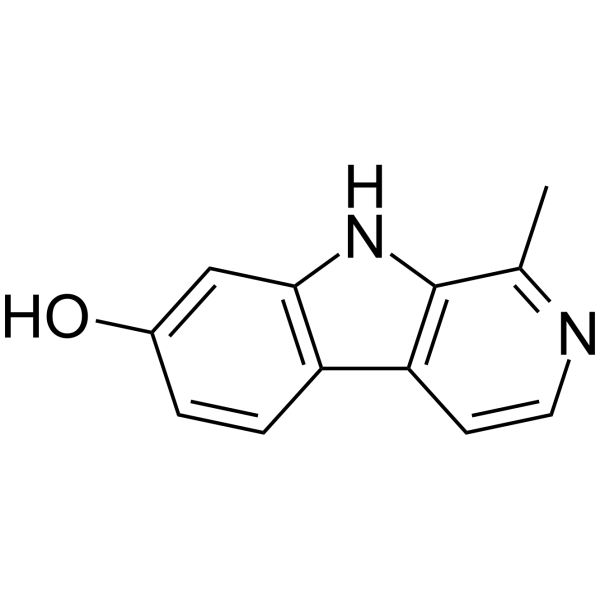
Harmol is an orally active β-carboline alkaloid. Harmol is a TFEB activator and monoamine oxidase inhibitor. Harmol can induce cell mitosis, Autophagy and Apoptosis. Harmol promotes the degradation of α-synuclein by regulating the autophagy-lysosomal pathway. Harmol has anti-tumor, anti-depressant and anti-aging activities. Harmol improves motor impairment in a mouse Parkinson's disease model .
|
-
-
- HY-N1633
-
|
|
Fungal
|
Infection
|
|
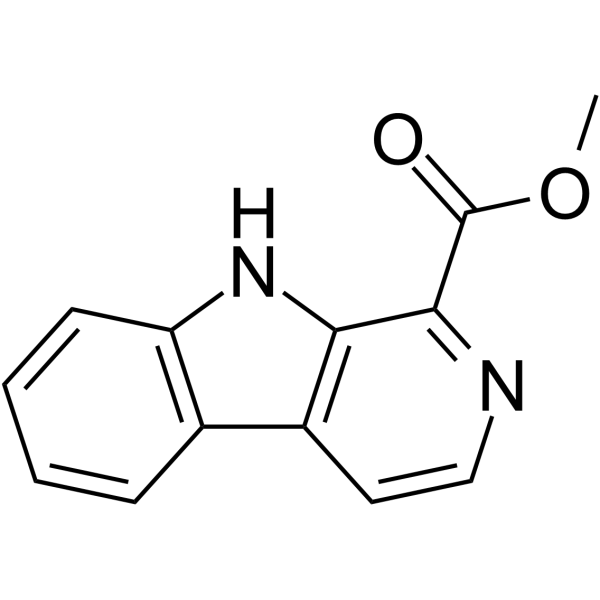
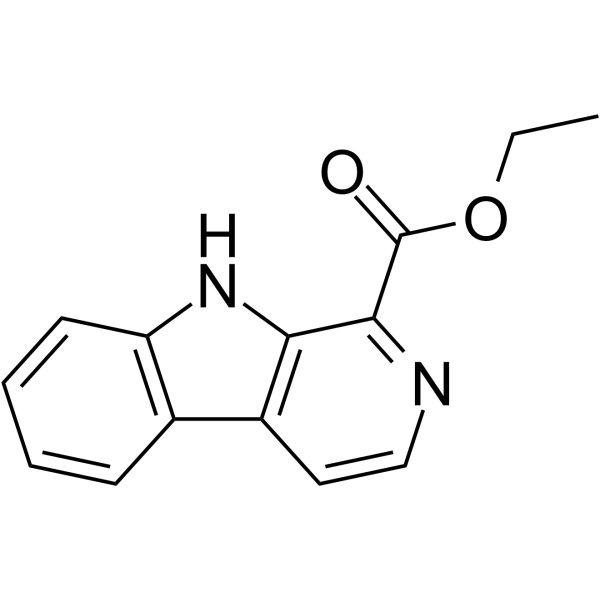
1-Methoxycarbonyl-β-carboline is a phytopathogenic fungal growth inhibitor with moderate to weak in vitro antifungal activity. 1-Methoxycarbonyl-β-carboline can be used for the research of phytopathogenic fungal infections .
|
-
-
- HY-20696
-
|
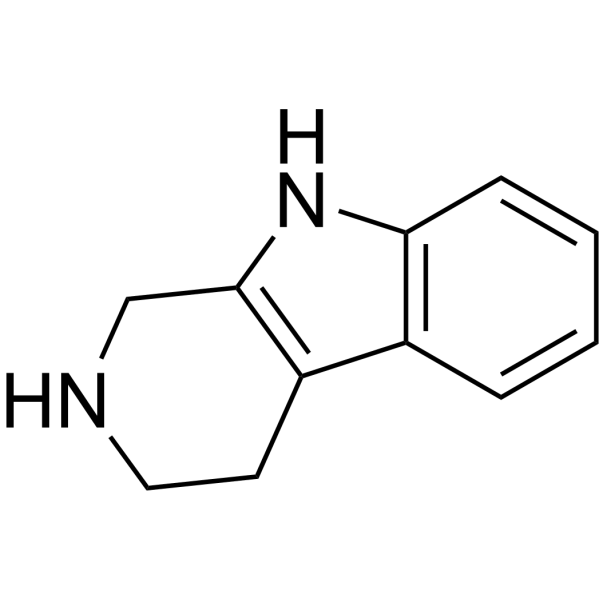
Tryptoline
|
5-HT Receptor
|
Metabolic Disease
|
|
Tetrahydro-β-carboline (Tryptoline) is a metabolite of tryptamine, also is a competitive serotonin reuptake inhibitor with an Ki value of 6.1 µM .
|
-
-
- HY-137494
-
|
|
GABA Receptor
|
Neurological Disease
|
|
Ethyl β-carboline-3-carboxylate (fl-CCE) is a ligand and short-acting antagonist of benzodiazepine receptors. Ethyl β-carboline-3-carboxylate did not affect cerebellar cGMP levels when used alone, but when taken together with Diazepam, it significantly inhibited the cGMP levels that were upregulated by Diazepam .
|
-
-
- HY-N3711
-
|
|
JNK
ERK
Apoptosis
|
Neurological Disease
|
|
Dehydrocrenatidine, a β-carboline alkaloid that can be isolated from Picrasma quassioides. Dehydrocrenatidine induces cell apoptosis by activates ERK and JNK. Dehydrocrenatidine inhibits invasion and migration of cancer cells, it also suppresses neuronal excitability to exert analgesic effects .
|
-
-
- HY-N2625A
-
|
|
Cytochrome P450
|
Cancer
|
|
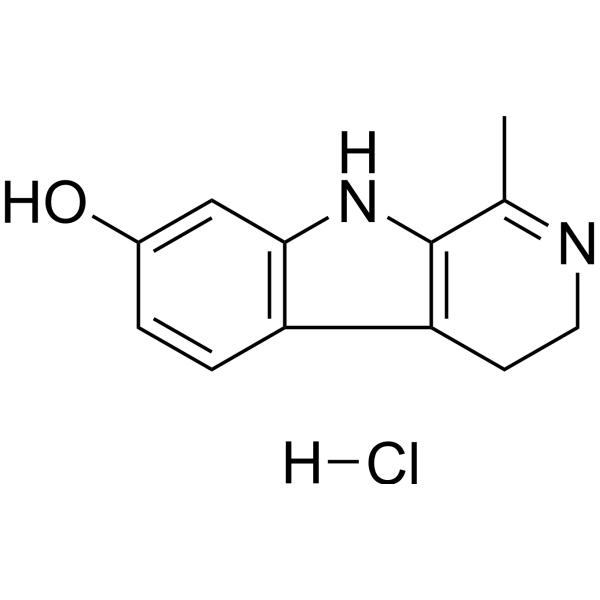
Harmalol hydrochloride, a beta carboline alkaloid, presents in several medicinal plants such as Peganum harmala. Harmalol hydrochloride, main metabolite of Harmaline, significantly inhibits the dioxin-mediated induction of CYP1A1 at the transcriptional and posttranslational levels. Harmalol hydrochloride possesses antioxidant and hydroxyl radical-scavenging properties .
|
-
-
- HY-117025A
-
|
Keramamine A hydrochloride
|
GSK-3
CDK
Parasite
Proton Pump
HSV
Autophagy
|
Infection
Neurological Disease
Cancer
|
|
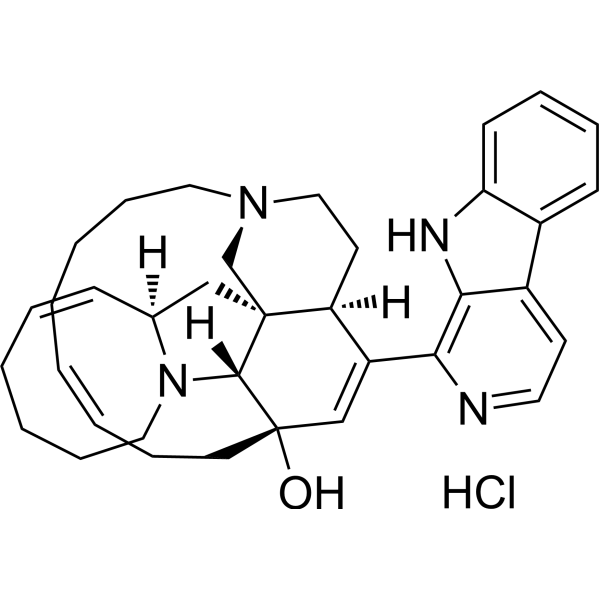
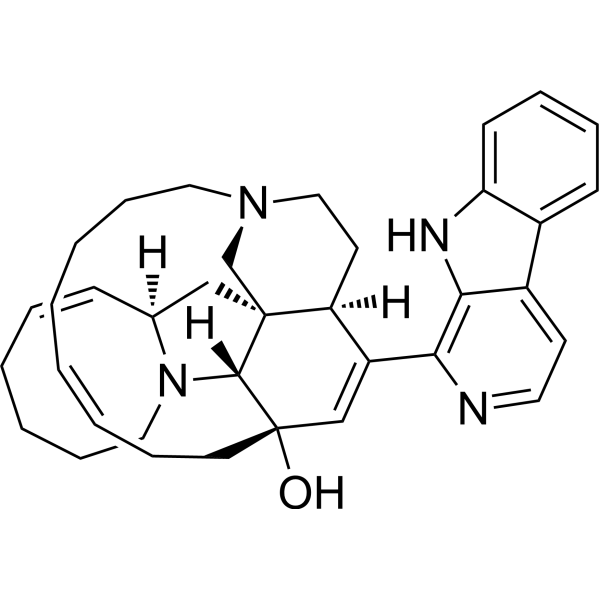
Manzamine A hydrochloride, an orally active beta-carboline alkaloid, inhibits specifically GSK-3β and CDK-5 with IC50s of 10.2 μM and 1.5 μM, respectively. Manzamine A hydrochloride targets vacuolar ATPases and inhibits autophagy in pancreatic cancer cells. Manzamine A hydrochloride has antimalarial and anticancer activities. Manzamine A hydrochloride also shows potent activity against HSV-1 .
|
-
-
- HY-117025
-
|
Keramamine A
|
GSK-3
CDK
Parasite
Proton Pump
HSV
Autophagy
|
Infection
Neurological Disease
Cancer
|
|
Manzamine A, an orally active beta-carboline alkaloid, inhibits specifically GSK-3β and CDK-5 with IC50s of 10.2 μM and 1.5 μM, respectively. Manzamine A targets vacuolar ATPases and inhibits autophagy in pancreatic cancer cells. Manzamine A has antimalarial and anticancer activities. Manzamine A also shows potent activity against HSV-1 .
|
-
-
- HY-W094994
-
|
alpha-carboline
|
Drug Intermediate
|
Others
|
|
α-carboline (alpha-Carboline) is a promising scaffold compound for medicinal chemistry. α-carboline natural products and their derivatives possess diverse bioactivities .
|
-
-
- HY-W049881
-
|
|
Dopamine Receptor
PI3K
Monoamine Oxidase
|
Neurological Disease
|
|
9-Methyl-β-carboline is a monoamine oxidase inhibitor and dopaminergic modulator, with an IC50 of 1 μM against human MAO-A and an IC50 of 15.5 μM against human MAO-B. 9-Methyl-β-carboline possesses cognitive enhancement potential and can cross the blood-brain barrier. 9-Methyl-β-carboline increases dopamine levels by inhibiting monoamine oxidase activity and microglial proliferation. 9-Methyl-β-carboline activates PKA/PKC and mitochondrial respiratory chain complex I, promotes neurotrophic factor expression and reduces α-synuclein (α-synuclein) levels, thereby reversing neurotoxin-induced dopaminergic neuron damage. 9-Methyl-β-carboline also regulates the PI3K pathway and exerts an anti-proliferative effect on astrocytes. 9-Methyl-β-carboline is widely used in Parkinson's disease-related studies .
|
-
-
- HY-W130965
-
|
|
Influenza Virus
Akt
|
Infection
|
|
1-Formyl-beta-carboline is an alkaloid with inhibitory activity against Newcastle disease virus (NDV). 1-Formyl-beta-carboline can effectively inhibit different genotypes of NDV with IC50 values within 10 μM, and its inhibition rate is more than 90% at a concentration of 20 μM. 1-Formyl-beta-carboline mainly exerts its effects by inhibiting the adsorption and entry processes in the NDV life cycle. 1-Formyl-beta-carboline has been identified as a novel HN inhibitor that can directly interact with the NDV HN protein and affect the adsorption of NDV. 1-Formyl-beta-carboline also inhibits the entry of NDV by inhibiting the PI3K/Akt signaling pathway rather than the ERK pathway .
|
-
-
- HY-N10450
-
-
-
- HY-115909
-
|
|
CDK
|
Cancer
|
|
ZDLD20, a β-carboline, is orally active and selective CDK4/CycD3 inhibitor with an IC50 value of 6.51 μM. ZDLD20 exhibits potent anti-HCT116 activity including inhibition of colony formation, inhibition of invasion and migration, inducing of apoptosis, and arresting of G1 phase in cell cycle. ZDLD20 exhibits potent anticancer activity .
|
-
-
- HY-114652
-
|
2-Amino-α-carboline; AαC
|
Endogenous Metabolite
|
Cancer
|
|
AalphaC (AαC) is a potential carcinogen with carcinogenic activity. AalphaC is an important biomarker in tobacco smoke and is associated with tobacco smoke exposure. Urinary concentrations of AalphaC are significantly higher in dedicated smokers than in non-smokers, indicating its importance in monitoring tobacco exposure. AalphaC levels increase significantly with increasing serum nicotine levels, indicating its close relationship with tobacco use. In addition, consuming high-temperature cooked beef significantly increases the amount of AalphaC in urine, while consuming vegetables is associated with a decrease in AalphaC concentrations. Smoking half a pack of cigarettes is associated with a significant increase in the amount of AalphaC, which further confirms the biological activity of AalphaC and its association with dietary habits .
|
-
-
- HY-174156
-
|
|
RANKL/RANK
TNF Receptor
|
Inflammation/Immunology
|
|
Y2641, a etrahydro-β-carboline derivative, is an orally active dual RANKL/TNF-α inhibitor with Kd values of 3.984 μM and 18.59 μM for RANKL and TNF-α, respectively. Y2641 inhibits RANKL-induced osteoclastogenic and has anti-inflammatory and cartilage destruction. Y2641 can be used for study of osteoarthritis .
|
-
-
- HY-W060074
-
|
|
Endogenous Metabolite
Bacterial
Tyrosinase
PERK
|
Infection
Endocrinology
|
|
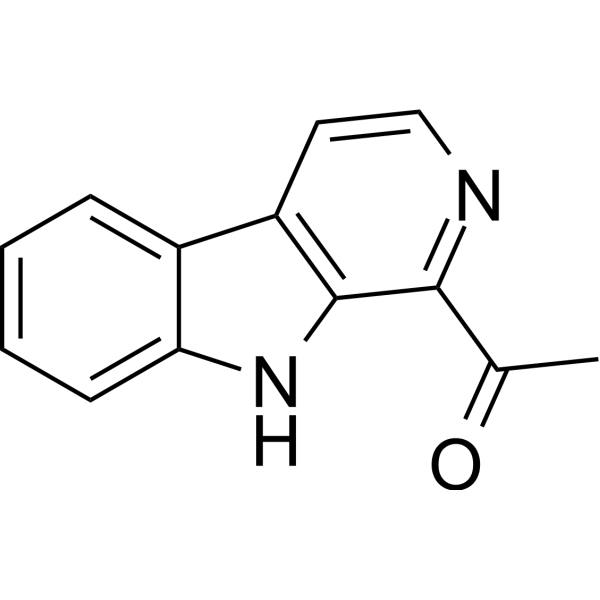
1-Acetyl-β-carboline is a metabolite of Streptomyces kasugaensis and antibacterial agent. 1-Acetyl-β-carboline increases tyrosinase activity, reduces ERK phosphorylation. 1-Acetyl-β-carboline exhibits antibacterial activity against methicillin-resistant Staphylococcus aureus (MRSA) strains with MICs ranging from 128 to 256 ug/mL. 1-Acetyl-β-carboline increases the melanin .
|
-
-
- HY-N11016
-
|
|
Others
|
Others
|
|
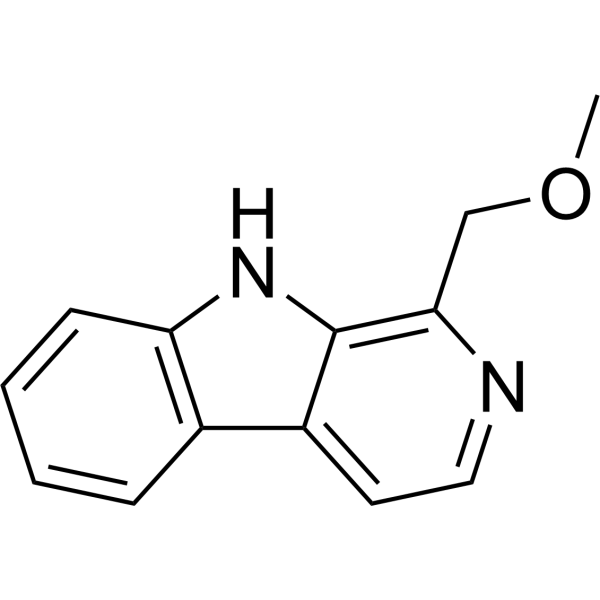
1-Methoxymethyl-β-carboline is a natural product isolated from the root of Eurycoma longifolia .
|
-
-
- HY-N9009
-
|
|
Others
|
Others
|
|
1-Hydroxymethyl-β-carboline glucoside (Compound 13) is a natural product that can be isolated from Picrasma quassioides .
|
-
-
- HY-33169
-
-
-
- HY-N10960
-
|
|
Others
|
Others
|
|
Stellarine C is a β-carboline alkaloid that can be isolated from Stellaria dichotoma var. lanceolata .
|
-
-
- HY-N10955
-
|
|
Others
|
Inflammation/Immunology
|
|
Dichotomine H is a P-carboline alkaloid that can be extracted from Stellaria dichotoma L. Dichotomine H has good antiallergic activity .
|
-
-
- HY-N7183
-
|
|
NF-κB
GSK-3
β-catenin
Wnt
|
Cancer
|
|
9-Hydroxycanthin-6-one is a β-carboline alkaloid. 9-Hydroxycanthin-6-one can be isolated from the roots of E. longifolia. 9-Hydroxycanthin-6-one inhibits TNF-α-induced activation of the NF-κB pathway. 9-Hydroxycanthin-6-one activates GSK3β independently of CK1α, drives phosphorylation and degradation of β-catenin, and inhibits the Wnt signaling pathway. 9-Hydroxycanthin-6-one exerts selective cytotoxicity against Wnt-dependent colon cancer cells. 9-Hydroxycanthin-6-one can be used in studies related to colon cancer .
|
-
-
- HY-N2926
-
|
|
Parasite
|
Infection
|
|
β-Carboline-1-propionic acid is a alkaloid which can be extracted from Ailanthus altissima. β-Carboline-1-propionic acid can be used as an antileishmanial agent .
|
-
-
- HY-59024
-
|
|
Drug Intermediate
|
Infection
Cancer
|
|
δ-Carboline is a nitrogen-containing heterocyclic compound, and its derivatives all exhibit anti-cancer and antibacterial activities .
|
-
-
- HY-N7173
-
|
|
Parasite
|
Infection
|
|
7-Methoxy-β-carboline-1-propionic acid (compound 46) is a cytotoxic and antimalarial compound. 7-Methoxy-β-carboline-1-propionic acid can be extracted from the roots of Eurycoma longifolia .
|
-
-
- HY-W006474
-
|
5H-Pyrido[4,3-b]indole
|
Flavivirus
Drug Intermediate
|
Infection
Cancer
|
|
γ-Carboline is a skeleton and antiviral agent. γ-Carboline shows anti-BVDV activity, with an EC50 of 2.0 μM. γ-Carboline derivatives show anti-BVDV, antibacterial, antifungal, antitumor activity .
|
-
-
- HY-W700867
-
-
-
- HY-150516S
-
-
-
- HY-N15689
-
|
|
NO Synthase
|
Inflammation/Immunology
|
|
Dichotomine E is a β-carboline alkaloid that can be isolated from the root of Stellaria dichotoma var. lanceolata. Dichotomine E has anti-inflammatory property for the inhibition of NO production in LPS (HY-D1056)-treated RAW264.7 cells .
|
-
-
- HY-154996
-
|
|
Fungal
γ-Glutamyl Transferase (GGT)
|
Infection
|
|
Gamma-Glutamyl Transferase-IN-2 (compound 4dq) is a β-carboline 1-hydrazide inhibitor with antifungal and antibacterial activities, targeting to glutamyltransferase. Gamma-Glutamyl Transferase-IN-2 acts function by resulting the accumulation of reactive oxygen species, destruction of cell membranes, and dysregulation of histone acetylation .
|
-
-
- HY-154993
-
|
|
Fungal
γ-Glutamyl Transferase (GGT)
|
Infection
|
|
Gamma-Glutamyl Transferase-IN-1 (compound 4de) is a β-carboline 1-hydrazide inhibitor with antifungal and antibacterial activities, targeting to glutamyltransferase. Gamma-Glutamyl Transferase-IN-1 acts function by resulting the accumulation of reactive oxygen species, destruction of cell membranes, and dysregulation of histone acetylation .
|
-
-
- HY-107811A
-
|
|
Autophagy
α-synuclein
Apoptosis
Monoamine Oxidase
Mitosis
|
Neurological Disease
Cancer
|
|
Harmol hydrochloride is an orally active β-carboline alkaloid. Harmol hydrochloride is a TFEB activator and monoamine oxidase inhibitor. Harmol hydrochloride can induce cell mitosis, Autophagy and Apoptosis. Harmol hydrochloride promotes the degradation of α-synuclein by regulating the autophagy-lysosomal pathway. Harmol hydrochloride has anti-tumor, anti-depressant and anti-aging activities. Harmol hydrochloride improves motor impairment in a mouse Parkinson's disease model .
|
-
-
- HY-N15708
-
|
(R)-(-)-Dichotomine C
|
Glycosidase
TNF Receptor
Interleukin Related
|
Inflammation/Immunology
|
|
Dichotomine C ((R)-(-)-Dichotomine C) is a β-carboline-type alkaloid with antiallergic effects. Dichotomine C inhibits the release of β-hexosaminidase in RBL-2H3 cells with an IC50 of 62 μM. Dichotomine C inhibits the releases of antigen-IgE-mediated TNF-α and IL-4 in RBL-2H3 cells with IC50s of 19 μM and 15 μM, respectively. Dichotomine C can be used for the study of type I allergic reactions .
|
-
-
- HY-101392R
-
|
|
Reference Standards
Imidazoline Receptor
Monoamine Oxidase
Adrenergic Receptor
|
Neurological Disease
Cancer
|
|
Harmane (Standard) is the analytical standard of Harmane. This product is intended for research and analytical applications. Harmane, a β-Carboline alkaloid (BCA), is a potent neurotoxin that causes severe action tremors and psychiatric manifestations. Harmane shows 1000-fold selectivity for I1-Imidazoline receptor (IC50=30 nM) over α2-adrenoceptor (IC50=18 μM). Harmane is also a potent and selective inhibitor of monoamine oxidase (MAO) (IC50s=0.5 and 5 μM for human MAO A/B, respectively). Harmane exhibits comutagenic effect .
|
-
-
- HY-20696R
-
|
Tryptoline (Standard)
|
Reference Standards
5-HT Receptor
|
Metabolic Disease
|
|
Tetrahydro-β-carboline (Standard) is the analytical standard of Tetrahydro-β-carboline. This product is intended for research and analytical applications. Tetrahydro-β-carboline (Tryptoline) is a metabolite of tryptamine, also is a competitive serotonin reuptake inhibitor with an Ki value of 6.1 μM .
|
-
-
- HY-29268
-
|
|
Bacterial
Indoleamine 2,3-Dioxygenase (IDO)
NF-κB
Phosphodiesterase (PDE)
|
Infection
Inflammation/Immunology
Cancer
|
|
β-Carboline 1-carboxylic acid is a β-carboline alkaloid with anti-inflammatory, antifibrotic, antitumor and antibacterial activities. β-Carboline 1-carboxylic acid is the cAMP phosphodiesterase (IC50: 96 µM) and indoleamine 2, 3-dioxygenase (IDO) inhibitor. β-Carboline 1-carboxylic acid is cytotoxic to tumor cells. β-Carboline 1-carboxylic acid inhibits inflammation through the NF-κb/p65 pathway and can reverse epithelial-mesenchymal transition (EMT). In addition, β-Carboline 1-carboxylic acid has strong inhibitory activity against S. aureus (IC50: 47.70 μg/mL) and E. coli (IC50: 19.17 μg/mL) .
|
-
-
- HY-150511
-
|
|
Microtubule/Tubulin
Apoptosis
|
Cancer
|
|
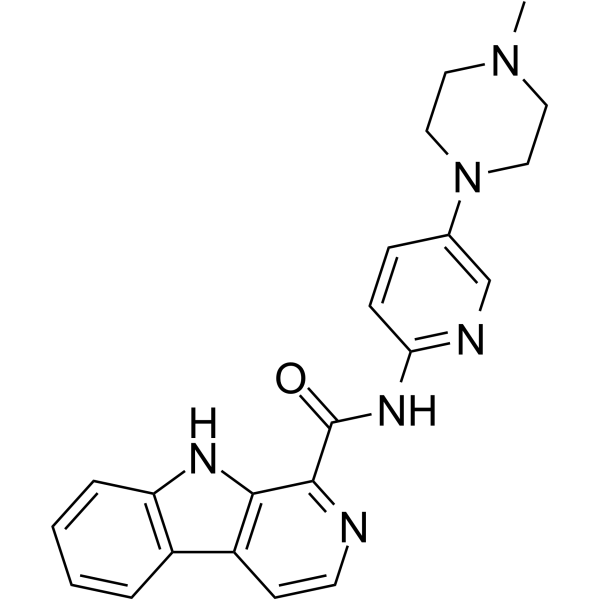
3-(3-Phenoxybenzyl)amino-β-carboline is a potent tubulin inhibitor. 3-(3-Phenoxybenzyl)amino-β-carboline promotes selective degradation of αβ-tubulin heterodimers. 3-(3-Phenoxybenzyl)amino-β-carboline induces G2/M phase cell cycle arrest and apoptosis. 3-(3-Phenoxybenzyl)amino-β-carboline exhibits anticancer activity .
|
-
-
- HY-W197533
-
|
|
GABA Receptor
|
Neurological Disease
|
|
3-Hydroxymethyl-β-carboline antagonizes the anxiolytic and anticonvulsant actions of Diazepam and reverses the sedative action of Flurazepam. 3-Hydroxymethyl-β-carboline also antagonizes the cerebrovascular and cerebral metabolic depression produced by Flurazepam .
|
-
-
- HY-N1905
-
|
|
Others
|
Others
|
|
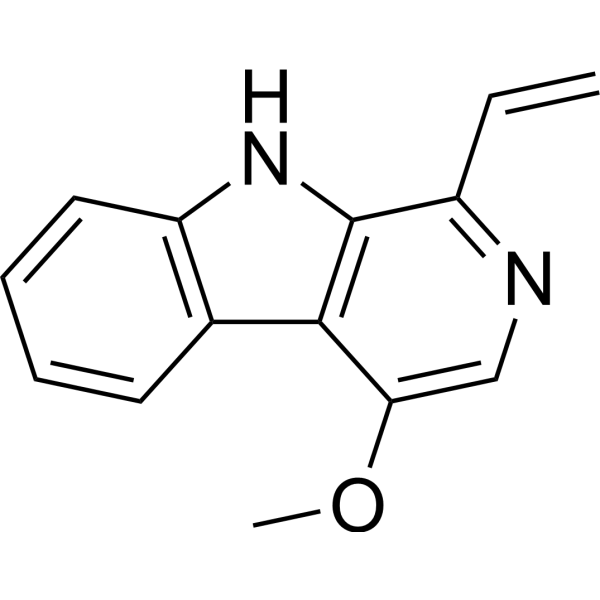
4-Methoxy-β-carboline-1-carboxylic acid methylester is an alkaloid with the structure of canthin-6-one and β-carboline .
|
-
-
- HY-N9813
-
|
|
Others
|
Others
|
|
1-(3,4,5-Trihydroxypentanoyl)-β-carboline is a natural product .
|
-
-
- HY-W031110
-
-
-
- HY-W008566R
-
|
Norharman (Standard); β-carboline (Standard)
|
Reference Standards
Monoamine Oxidase
Endogenous Metabolite
|
Infection
Neurological Disease
Cancer
|
|
Norharmane (Standard) is the analytical standard of Norharmane. This product is intended for research and analytical applications. Norharmane (Norharman), a β-carboline alkaloid, is a potent and reversible monoamine oxidase inhibitor, with IC50 values of 6.5 and 4.7 μM for MAO-A and MAO-B, respectively. Norharmane causes antidepressant responses. Norharmane is also a prospective anti-cancer photosensitizer. Norharmane alters polar auxin transport (PAT) by inhibiting PIN2, PIN3 and PIN7 transport proteins, thus causing a significant inhibitory effect on the growth of Arabidopsis thaliana seedlings .
|
-
-
- HY-123139
-
-
-
- HY-W700491
-
|
2-Amino-α-carboline-15N3; AαC-15N3
|
Isotope-Labeled Compounds
Endogenous Metabolite
|
Cancer
|
|
AalphaC- 15N3 (2-Amino-α-carboline- 15N3) is 15N labeled AalphaC. AalphaC (AαC) is a potential carcinogen with carcinogenic activity. AalphaC is an important biomarker in tobacco smoke and is associated with tobacco smoke exposure. Urinary concentrations of AalphaC are significantly higher in dedicated smokers than in non-smokers, indicating its importance in monitoring tobacco exposure. AalphaC levels increase significantly with increasing serum nicotine levels, indicating its close relationship with tobacco use. In addition, consuming high-temperature cooked beef significantly increases the amount of AalphaC in urine, while consuming vegetables is associated with a decrease in AalphaC concentrations. Smoking half a pack of cigarettes is associated with a significant increase in the amount of AalphaC, which further confirms the biological activity of AalphaC and its association with dietary habits .
|
-
-
- HY-106484
-
|
BAY-P 4495
|
5-HT Receptor
|
Neurological Disease
|
|
Tiflucarbine (BAY-P 4495) is a tetrahydrothieno-7-carboline derivative. Tiflucarbine is a potent antidepressant agent that binds at central serotonin (5-HT) binding sites. Tiflucarbine is a nonselective 5-HT (5-HT1 and 5-HT2) agonist .
|
-
-
- HY-N15702
-
|
(S)-(-)-Dichotomine A
|
Others
|
Others
|
|
Dichotomine A ((S)-(-)-Dichotomine A) is a β-carboline-type alkaloid found in the roots of Stellaria dichotoma .
|
-
-
- HY-N10386
-
-
-
- HY-N15718
-
|
|
Others
|
Inflammation/Immunology
|
|
Dichotomine D is a β-carboline alkaloid found in the roots of Stellaria dichotoma. Dichotomine D acts as an antiallergic agent. Dichotomine D is promising for research of type I allergic reactions .
|
-
-
- HY-100924
-
|
|
GABA Receptor
|
Neurological Disease
|
|
β-CCB is a ligand for benzodiazepine receptor, which inhibits the binding of [ 3H]flunitrazepam and ethyl (3-[ 3H]carboline-3-carboxylate to benzodiazepine receptors, with Ki of 3-4 nM. β-CCB exhibits proconvulsant and anxiogenic effects .
|
-
- HY-P11382
-
|
|
GABA Receptor
|
Neurological Disease
|
|
Octadecaneuropeptide is an 18-residue peptide. Octadecaneuropeptide can be derived from Diazepam binding inhibitor. Octadecaneuropeptide includes a specific ligand for the gamma-aminobutyric acid receptor regulatory site occupied by beta-carbolines. Octadecaneuropeptide elicits a dose-related facilitation of the punishment-
elicited suppression of drinking .
|
-
- HY-N2625AR
-
|
|
Reference Standards
Cytochrome P450
|
Others
|
|
Harmalol (hydrochloride) (Standard) is the analytical standard of Harmalol (hydrochloride). This product is intended for research and analytical applications. Harmalol hydrochloride, a beta carboline alkaloid, presents in several medicinal plants such as Peganum harmala. Harmalol hydrochloride, main metabolite of Harmaline, significantly inhibits the dioxin-mediated induction of CYP1A1 at the transcriptional and posttranslational levels. Harmalol hydrochloride possesses antioxidant and hydroxyl radical-scavenging properties .
|
-
- HY-170594
-
|
|
Atg7
Autophagy
|
Cancer
|
|
Antitumor agent-192 (Compound 2f) is a β-carboline antitumor agent. Antitumor agent-192 induces autophagy in HCT116 cells via the ATG5/ATG7 pathway. Antitumor agent-192 has an IC50 of less than 5 μM for human tumor cell lines and significantly inhibits tumor development and reduces tumor weight in a mouse colorectal cancer model transplanted with allografts [1].
|
-
- HY-115908
-
|
|
CDK
Apoptosis
|
Cancer
|
|
ZDLD13, a β-carboline, is an orally active and selective CDK4/CycD3 inhibitor with an IC50 value of 0.38 μM. ZDLD13 exhibits potent anti-HCT116 activity including inhibition of colony formation, inhibition of invasion and migration, inducing of apoptosis, and arresting of G1 phase in cell cycle. ZDLD13 shows significant tumor growth inhibition in HCT116 tumor xenograft model .
|
-
- HY-107811R
-
|
|
Apoptosis
Monoamine Oxidase
Autophagy
α-synuclein
Mitosis
Reference Standards
|
Neurological Disease
Cancer
|
|
Harmol (Standard) is the analytical standard of Harmol (HY-107811). This product is intended for research and analytical applications. Harmol hydrochloride is an orally active β-carboline alkaloid. Harmol hydrochloride is a TFEB activator and monoamine oxidase inhibitor. Harmol can induce cell mitosis, Autophagy and Apoptosis. Harmol promotes the degradation of α-synuclein by regulating the autophagy-lysosomal pathway. Harmol has anti-tumor, anti-depressant and anti-aging activities. Harmol improves motor impairment in a mouse Parkinson's disease model .
|
-
- HY-W700241
-
|
|
Isotope-Labeled Compounds
Monoamine Oxidase
Endogenous Metabolite
|
Infection
Neurological Disease
Cancer
|
|
Norharman-d7 is deuterium labeled Norharmane. Norharmane (Norharman), a β-carboline alkaloid, is a potent and reversible monoamine oxidase inhibitor, with IC50 values of 6.5 and 4.7 μM for MAO-A and MAO-B, respectively. Norharmane causes antidepressant responses. Norharmane is also a prospective anti-cancer photosensitizer. Norharmane alters polar auxin transport (PAT) by inhibiting PIN2, PIN3 and PIN7 transport proteins, thus causing a significant inhibitory effect on the growth of Arabidopsis thaliana seedlings .
|
-
- HY-101392S
-
|
|
Imidazoline Receptor
Monoamine Oxidase
Adrenergic Receptor
|
Neurological Disease
Cancer
|
|
Harmane-d is the deuterium labeled Harmane. Harmane, a β-Carboline alkaloid (BCA), is a potent neurotoxin that causes severe action tremors and psychiatric manifestations. Harmane shows 1000-fold selectivity for I1-Imidazoline receptor (IC50=30 nM) over α2-adrenoceptor (IC50=18 μM). Harmane is also a potent and selective inhibitor of monoamine oxidase (MAO) (IC50s=0.5 and 5 μM for human MAO A/B, respectively) .
|
-
- HY-101392S1
-
-
- HY-179399
-
|
|
Apoptosis
Mitochondrial Metabolism
|
Cancer
|
|
β-carboline-ACS81 is a β-carboline derivative with potent antitumor properties. β-carboline-ACS81 induces apoptosis through the collapse of mitochondrial membrane potential and arrests cell cycle at G2/M phase in HL-60 cells. β-carboline-ACS81 possesses potent antiproliferative activity against HL-60 cells (IC50 = 1.52 μM). β-carboline-ACS81 can be used for the research of leukemia, histiocytic lymphoma, hepatocellular carcinoma, malignant melanoma, colorectal carcinoma and lung carcinoma .
|
-
- HY-N13343
-
|
|
Others
|
Others
|
|
1-Methoxycarbonyl-beta-carboline-N-oxide is a natural product .
|
-
- HY-W700868
-
-
- HY-W008566S
-
|
Norharman-13; β-carboline-13C
|
Isotope-Labeled Compounds
|
Cancer
|
|
Norharmane- 13C (Norharman- 13C) is the 13C-labeled Norharmane (HY-W008566). Norharmane (Norharman), a β-carboline alkaloid, is a potent and reversible monoamine oxidase inhibitor, with IC50 values of 6.5 and 4.7 μM for MAO-A and MAO-B, respectively. Norharmane causes antidepressant responses. Norharmane is also a prospective anti-cancer photosensitizer. Norharmane alters polar auxin transport (PAT) by inhibiting PIN2, PIN3 and PIN7 transport proteins, thus causing a significant inhibitory effect on the growth of Arabidopsis thaliana seedlings .
|
-
- HY-N19254
-
|
|
Reactive Oxygen Species (ROS)
|
Inflammation/Immunology
|
|
Shepherdine, a harmala-type indole and tetrahydro-β-carboline alkaloid, is an antioxidant. Shepherdine scavenges free radicals via single electron transfer from its indole ring, forming an indolyl cation or neutral radical, and may convert to aromatic β-carbolines during this process. Shepherdine can be used for research on antioxidant activity .
|
-
- HY-186203
-
|
|
HSV
|
Infection
|
|
8-Bromo-harmane is a β-carboline derivative with anti-HSV-1 activity. 8-Bromo-harmane is non-cytotoxic. 8-Bromo-harmane can be used for the research of herpes simplex virus 1 (HSV-1) infection .
|
-
- HY-183601A
-
|
|
Bcl-2 Family
Apoptosis
|
Cancer
|
|
Mcl-1-IN-22 hydrochloride is a tetrahydro-β-carboline-based Mcl-1 inhibitor with a Ki of 0.015 μM. Mcl-1-IN-22 hydrochloride shows antitumor activity, induces apoptosis and produces synergistic antitumor effects in combination with Cisplatin (HY-17394) and Paclitaxel (HY-B0015). Mcl-1-IN-22 hydrochloride can be used for the research of cancer, such as ovarian cancer .
|
-
- HY-W269285
-
|
D-1,2,3,4-Tetrahydronorharman-3-carboxylic acid
|
Drug Derivative
NO Synthase
Cytochrome P450
|
Cancer
|
H-D-Tpi-OH (D-1,2,3,4-Tetrahydronorharman-3-carboxylic acid) is a tetrahydro-β-carboline derivative. H-D-Tpi-OH only slightly upregulates QR1, mildly inhibits the aromatase and NO synthesis pathways, and shows no significant in vitro anti-breast tumor proliferation activity. H-D-Tpi-OH can be used in cancer-related research .
|
-
- HY-W413619
-
|
NITD609 enantiomer; KAE609 enantiomer
|
Parasite
|
Infection
|
|
Cipargamin enantiomer (NITD609 enantiomer) is a Plasmodium falciparum inhibitor that can be characterized as a spirotetrahydro β-carboline (1S,3R stereoisomer). Cipargamin enantiomer exerts antiplasmodial activity against Plasmodium falciparum strains NF54 (IC50 of 77 nM) and K1. Cipargamin enantiomer displays low liver microsomal intrinsic clearance in mouse and human systems. Cipargamin enantiomer does not inhibit CYP2C9. Cipargamin enantiomer can be used for the research of malaria .
|
-
- HY-182022
-
|
|
Bacterial
Reactive Oxygen Species (ROS)
Drug Derivative
DNA/RNA Synthesis
|
Infection
|
|
ZLWH-67 is a β-Carboline derivative and Antibacterial agent. ZLWH-67 inhibits DNA synthesis, suppresses biofilm formation, and increases reactive oxygen species (ROS) levels. ZLWH-67 exhibits potent in vitro antibacterial activity against MRSA (MIC = 0.5-4 μg/mL), S. epidermidis (MIC = 4 μg/mL), E. faecalis (MIC = 4-8 μg/mL), and S. pneumoniae (MIC = 16 μg/mL). ZLWH-67 displays anti-MRSA effects in murine skin and pneumonia infection models .
|
-
| Cat. No. |
Product Name |
Target |
Research Area |
-
- HY-P11382
-
|
|
GABA Receptor
|
Neurological Disease
|
|
Octadecaneuropeptide is an 18-residue peptide. Octadecaneuropeptide can be derived from Diazepam binding inhibitor. Octadecaneuropeptide includes a specific ligand for the gamma-aminobutyric acid receptor regulatory site occupied by beta-carbolines. Octadecaneuropeptide elicits a dose-related facilitation of the punishment-
elicited suppression of drinking .
|
| Cat. No. |
Product Name |
Category |
Target |
Chemical Structure |
| Cat. No. |
Product Name |
Chemical Structure |
-
- HY-W700867
-
|
|
|
Alpha-Carboline N-Oxide- 15N2 is the 15N labeled 9H-Pyrido[2,3-b]indole 1-oxide (HY-W700873).
|
-
-
- HY-150516S
-
|
|
|
BET-IN-12 is an orally avtive inhibitor of bromodomain and extra-terminal (BET) with an IC50 of 0.9 nM for BRD4 .
|
-
-
- HY-W700491
-
|
|
|
AalphaC- 15N3 (2-Amino-α-carboline- 15N3) is 15N labeled AalphaC. AalphaC (AαC) is a potential carcinogen with carcinogenic activity. AalphaC is an important biomarker in tobacco smoke and is associated with tobacco smoke exposure. Urinary concentrations of AalphaC are significantly higher in dedicated smokers than in non-smokers, indicating its importance in monitoring tobacco exposure. AalphaC levels increase significantly with increasing serum nicotine levels, indicating its close relationship with tobacco use. In addition, consuming high-temperature cooked beef significantly increases the amount of AalphaC in urine, while consuming vegetables is associated with a decrease in AalphaC concentrations. Smoking half a pack of cigarettes is associated with a significant increase in the amount of AalphaC, which further confirms the biological activity of AalphaC and its association with dietary habits .
|
-
-
- HY-W700241
-
|
|
|
Norharman-d7 is deuterium labeled Norharmane. Norharmane (Norharman), a β-carboline alkaloid, is a potent and reversible monoamine oxidase inhibitor, with IC50 values of 6.5 and 4.7 μM for MAO-A and MAO-B, respectively. Norharmane causes antidepressant responses. Norharmane is also a prospective anti-cancer photosensitizer. Norharmane alters polar auxin transport (PAT) by inhibiting PIN2, PIN3 and PIN7 transport proteins, thus causing a significant inhibitory effect on the growth of Arabidopsis thaliana seedlings .
|
-
-
- HY-101392S
-
|
|
|
Harmane-d is the deuterium labeled Harmane. Harmane, a β-Carboline alkaloid (BCA), is a potent neurotoxin that causes severe action tremors and psychiatric manifestations. Harmane shows 1000-fold selectivity for I1-Imidazoline receptor (IC50=30 nM) over α2-adrenoceptor (IC50=18 μM). Harmane is also a potent and selective inhibitor of monoamine oxidase (MAO) (IC50s=0.5 and 5 μM for human MAO A/B, respectively) .
|
-
-
- HY-101392S1
-
|
|
|
Harmane-d2 is the deuterium labeled Harmane. Harmane, a β-Carboline alkaloid (BCA), is a potent neurotoxin that causes severe action tremors and psychiatric manifestations. Harmane shows 1000-fold selectivity for I1-Imidazoline receptor (IC50=30 nM) over α2-adrenoceptor (IC50=18 μM). Harmane is also a potent and selective inhibitor of monoamine oxidase (MAO) (IC50s=0.5 and 5 μM for human MAO A/B, respectively) .
|
-
-
- HY-W700868
-
|
|
|
Alpha-Carboline- 15N2 is the 15N labeled 9H-pyrido[2,3-b]indole (HY-W094994).
|
-
-
- HY-W008566S
-
|
|
|
Norharmane- 13C (Norharman- 13C) is the 13C-labeled Norharmane (HY-W008566). Norharmane (Norharman), a β-carboline alkaloid, is a potent and reversible monoamine oxidase inhibitor, with IC50 values of 6.5 and 4.7 μM for MAO-A and MAO-B, respectively. Norharmane causes antidepressant responses. Norharmane is also a prospective anti-cancer photosensitizer. Norharmane alters polar auxin transport (PAT) by inhibiting PIN2, PIN3 and PIN7 transport proteins, thus causing a significant inhibitory effect on the growth of Arabidopsis thaliana seedlings .
|
-
Your information is safe with us. * Required Fields.
Inquiry Information
- Product Name:
- Cat. No.:
- Quantity:
- MCE Japan Authorized Agent:

