1. Search Result
Search Result
Pathways Recommended: Cell Cycle/DNA Damage Stem Cell/Wnt
Results for "

cell cycle genes

" in MedChemExpress (MCE) Product Catalog:

82

Inhibitors & Agonists

3

Screening Libraries

3

Peptides

10

Natural
Products

2

Isotope-Labeled Compounds

2

Oligonucleotides

Cat. No. Product Name Target Research Areas Chemical Structure
  • HY-B0011
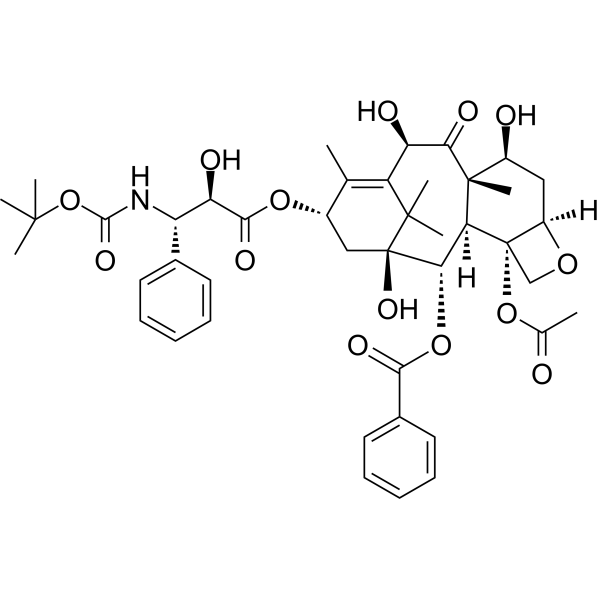
    Docetaxel
    Maximum Cited Publications
    158 Publications Verification

    RP-56976

    Microtubule/Tubulin Apoptosis Endogenous Metabolite Cancer
    Docetaxel (RP-56976) is a microtubule depolymerization inhibitor, with an IC50 of 0.2 μM. Docetaxel attenuates the effects of bcl-2 and bcl-xL gene expression. Docetaxel arrests the cell cycle at G2/M and leads to cell apoptosis. Docetaxel has anti-cancer activity .
    Docetaxel
  • HY-107738
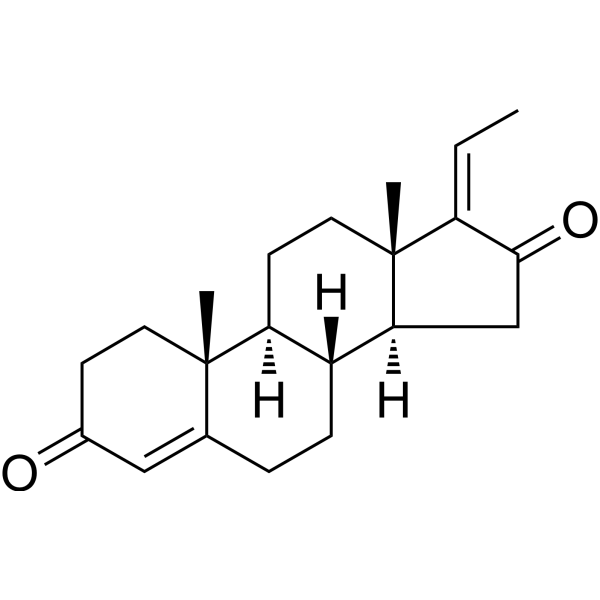
    Guggulsterone
    20+ Cited Publications

    Z/E-Guggulsterone

    Apoptosis JNK Akt Caspase FXR Autophagy Cancer
    Guggulsterone is a plant sterol derived from the gum resin of the tree Commiphora wightii. Guggulsterone inhibits the growth of a wide variety of tumor cells and induces apoptosis through down regulation of antiapoptotic gene products (IAP1, xIAP, Bfl-1/A1, Bcl-2, cFLIP and survivin), modulation of cell cycle proteins (cyclin D1 and c-Myc), activation of caspases and JNK, inhibition of Akt . Guggulsterone, a farnesoid X receptor (FXR) antagonist, with IC50s of 24.06 μM and 39.05 μM for (-)-(E)-Guggulsterone (HY-N7781) and (Z)-Guggulsterone (HY-110066), respectively .
    Guggulsterone
  • HY-B0990
    Thiostrepton
    20+ Cited Publications

    Bacterial Antibiotic YAP Infection
    Thiostrepton is a thiazole antibiotic which selectively inhibits FOXM1. FOXM1 binds to YAP/TEAD complex. YAP/TEAD/FOXM1 complex binding at regulatory regions of genes governing cell cycle may impact cell proliferation .
    Thiostrepton
  • HY-157941

    ATM/ATR Checkpoint Kinase (Chk) DNA/RNA Synthesis Cancer
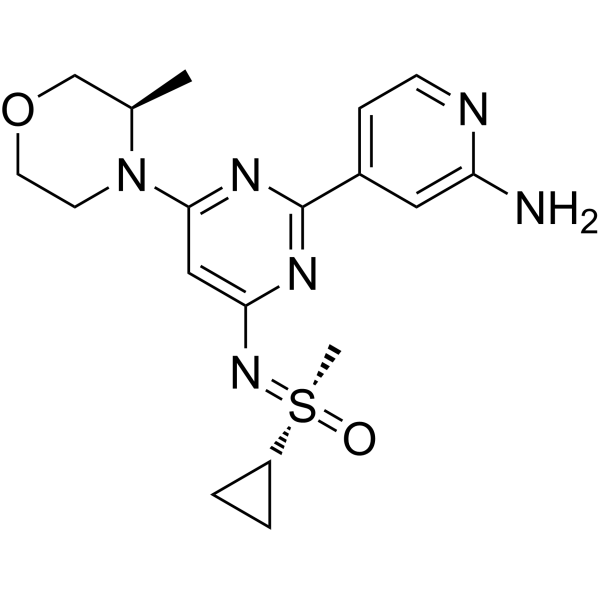
    ART0380 is a potent, selective and orally active ATR kinase inhibitor. ART0380 potently inhibits human ATR-ATRIP complex with an IC50 of 51.7 nM. ART0380 binds the ATP pocket of the ATR-ATRIP complex, blocks ATR-dependent Chk1 serine 345 phosphorylation, and induces cell cycle disorder and DNA damage. ART0380 demonstrates potent and selective antitumor activity in preclinical models with varying types of ataxia-telangiectasia mutated (ATM) gene aberrancy. ART0380 can be used for the research of cancer, such as colorectal cancer and prostate cancer .
    ART0380
  • HY-101257
    YKL-5-124
    15+ Cited Publications

    CDK Cancer
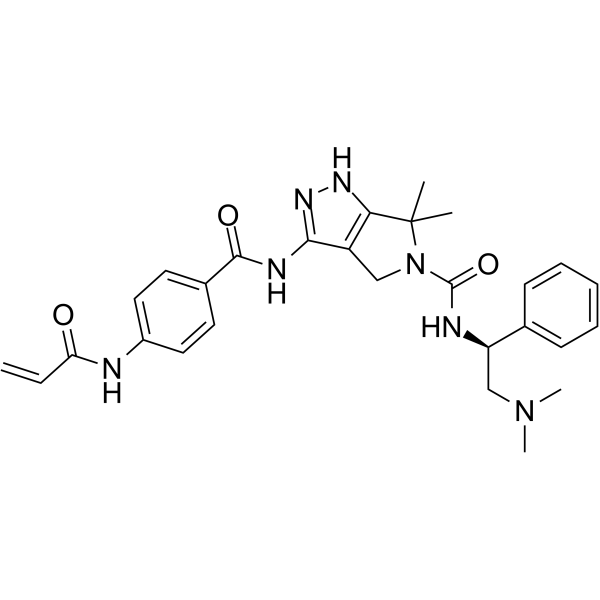
    YKL-5-124 is a potent, selective, irreversible and covalent CDK7 inhibitor with IC50s of 53.5 nM and 9.7 nM for CDK7 and CDK7/Mat1/CycH, respectively. YKL-5-124 is >100-fold greater selective for CDK7 than CDK9 and CDK2, and inactive against CDK12 and CDK13. YKL-5-124 induces a strong cell-cycle arrest, inhibits E2F-driven gene expression, and exhibits little effect on RNA polymerase II phosphorylation status .
    YKL-5-124
  • HY-B0011A
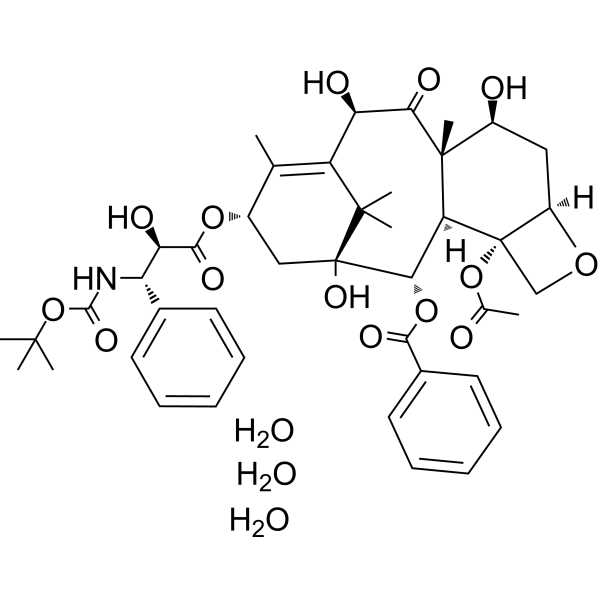
    Docetaxel Trihydrate
    Maximum Cited Publications
    158 Publications Verification

    RP-56976 Trihydrate

    Microtubule/Tubulin Apoptosis Cancer
    Docetaxel Trihydrate (RP-56976 Trihydrate) is an antineoplastic agent and inhibits microtubule depolymerization with an IC50 value of 0.2 μM . Docetaxel Trihydrate is a semisynthetic analog of taxol and attenuates the effects of bcl-2 and bcl-xL gene expression. Docetaxel Trihydrate arrests the cell cycle at G2/M and leads to cell apoptosis .
    Docetaxel Trihydrate
  • HY-174228

    Insulin Receptor Apoptosis Cancer
    I3IN-002 is a small-molecule RNA-binding protein IGF2BP3 inhibitor with an IC50 value of approximately 2 μM in SEM cells. I3IN-002 interferes with interaction with m6 A-modified mRNAs, disrupting the stabilization of target genes (such as CDK6, MYC, and BCL2) to inhibit leukemic cell growth, induce cell cycle arrest, and promote apoptosis. I3IN-002 is promising for research of B-cell acute lymphoblastic leukemia .
    I3IN-002
  • HY-172085

    IFNAR DNA/RNA Synthesis c-Myc CDK Cancer
    SH514 is an orally active IRF4 inhibitor (IC50 = 2.63 μM). SH514 binds to the IRF4-DBD domain, thereby inhibiting the interaction of IRF4 protein with DNA (KD = 1.28 μM). SH514 can inhibit the proliferation of IRF4-high-expressing NCI-H929 and MM.1R cells, and displays no cytotoxicity for normal cells. SH514 significantly downregulates the expression of IRF4 downstream target genes concentration-dependently. SH514 inhibits the expression of cell cycle-related proteins CDC2, Cyclin B1, Cyclin D1, Cyclin E1, and CMYC in Multiple Myeloma cells. SH514 can induce DNA damage and increase the expression of γH2AX. SH514 effectively inhibits the proliferation of multiple myeloma tumors .
    SH514
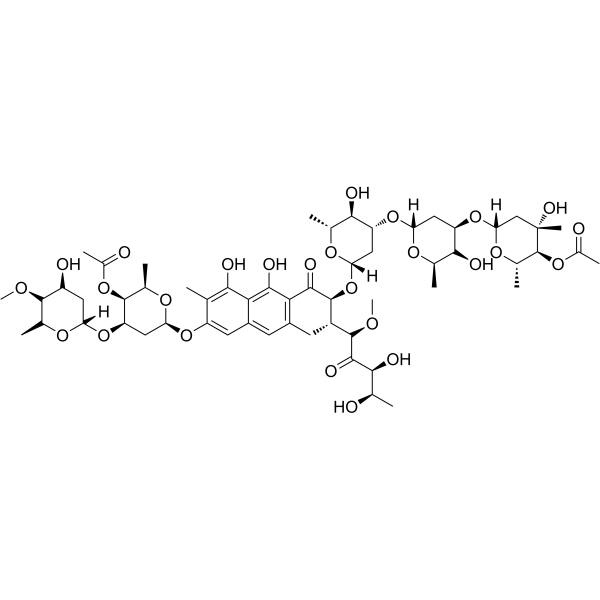
  • HY-W040129
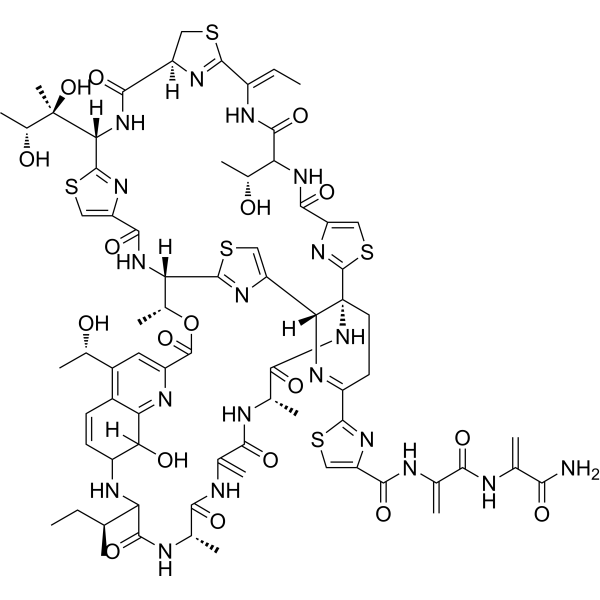
    Chromomycin A3
    1 Publications Verification

    DNA Alkylator/Crosslinker DNA/RNA Synthesis Apoptosis Caspase Infection Neurological Disease Cancer
    Chromomycin A3 is an inhibitor that selectively binds to GC-rich DNA sequences. Chromomycin A3 targets the DNA minor groove after forming a dimer with Mg 2+. Chromomycin A3 inhibits DNA replication and transcription, blocks the binding of Sp1 transcription factor to target gene promoters, downregulates the expression of anti-apoptotic proteins such as FLIP, Mcl-1, and XIAP, and induces S-phase cycle arrest and caspase-dependent apoptosis in tumor cells. Chromomycin A3 can antagonize oxidative stress induced by glutathione depletion and neuronal apoptosis induced by Camptothecin (HY-15660). Chromomycin A3 can be used in basic research on malignant tumors such as cholangiocarcinoma, and is a potential chemosensitizer and GC-rich region probe .
    Chromomycin A3
  • HY-W010128

    6-Dimethylaminopurine; 6-DMAP

    CDK DNA/RNA Synthesis Apoptosis Cancer
    6-(Dimethylamino) purine (6-Dimethylaminopurine) is a serine threonine protein kinase inhibitor. 6-(Dimethylamino) purine can inhibit prolactin induced expression of lactoprotein genes in rabbit mammary gland cells. 6-(Dimethylamino) purine can affect the maturation of mammalian oocytes. 6-(Dimethylamino) purine can lead to downregulation of genes related to cell proliferation and cell cycle progression, such as proliferating cell nuclear antigen, insulin-like gene 1, and serine protease inhibitor 2 genes, and induce apoptosis in lymphoma cells (apoptosis) .
    6-(Dimethylamino)purine
  • HY-164827

    Molecular Glues CDK Cancer
    CDK2 degrader 3 is a selective CDK2 molecular glue-like degrader. CDK2 degrader 3 induces G1 cell cycle arrest in CCNE1-amplified cancer cells. CDK2 degrader 3 is applicable to breast cancer-related research .
    CDK2 degrader 3
  • HY-W195984
    Z57346765
    1 Publications Verification

    Phosphoglycerate Kinase (PGK) Cancer
    Z57346765 is an inhibitor that targets the ADP-binding pocket of PGK1, with a Kd of 20.9 μM for human PGK1, and exhibits anticancer activity. Z57346765 reduces the activity of the metabolic enzyme PGK1 during glycolysis, regulates lipid peroxidation and cancer cell proliferation, and promotes lipid peroxidation in cervical cancer cells. Z57346765 inhibits the proliferation of cervical cancer and clear cell renal cell carcinoma cells in xenograft mouse models, and induces the expression of genes associated with cell metabolism, DNA replication and cell cycle. Z57346765 is used in research related to cervical cancer, clear cell renal cell carcinoma and breast cancer .
    Z57346765
  • HY-10447

    EM-1421

    Survivin COX TNF Receptor Apoptosis Infection Inflammation/Immunology Cancer
    Terameprocol is an inhibitor targeting the Sp1 transcription factor, which can selectively inhibit the transcription of Sp1-dependent genes. Terameprocol exerts its effects by inhibiting Sp1-mediated gene transcription, such as reducing the expression of genes like CDC2, survivin and HMGB1, thereby arresting the cell cycle, inducing apoptosis, and suppressing the inflammatory response. Terameprocol exhibits anti-proliferative, pro-apoptotic, and anti-inflammatory activities and is currently mainly used in the research of diseases such as cancer and pulmonary arterial hypertension[1][2][3].
    Terameprocol
  • HY-124500
    AC-4-130
    5+ Cited Publications

    STAT Apoptosis Cancer
    AC-4-130 is a potent STAT5 SH2 domain inhibitor. AC-4-130 directly binds to STAT5 and disrupts STAT5 activation, dimerization, nuclear translocation, and STAT5-dependent gene transcription. AC-4-130 induces cell cycle arrest and apoptosis in FLT3-ITD-driven leukemic cells. AC-4-130 has anti-cancer activity and can efficiently block pathological levels of STAT5 activity in acute myeloid leukemia (AML) .
    AC-4-130
  • HY-156483
    TT-012
    2 Publications Verification

    Microphthalmia Associated Transcription Factor (MITF) Cancer
    TT-012 is a MITF inhibitor with a human MITF IC50 of 13.1 nM and a human MITF Kd value of 15.5 nM. TT-012 reduces mRNA levels of MITF downstream genes linked to melanosome biogenesis, cell survival, and proliferation, and upregulates cell cycle-inhibiting genes. TT-012 can be used for the research of melanoma[1][2][3].
    TT-012
  • HY-117113
    JI051
    1 Publications Verification

    Notch Cancer
    JI051 is a stabilizer for the Hes1-PHB2 interaction. JI051 interacts with a cancer-associated protein chaperone prohibitin 2 (PHB2), induces cell-cycle arrest by inhibiting the Notch downstream effector gene Hes1. Anti-cancer activity .
    JI051
  • HY-160698

    MALT1 Apoptosis Cancer
    SGR-1505 is an oral small molecule MALT1 inhibitor with anti-proliferative and antitumor activity.SGR-1505 inhibits MALT1 enzymatic activity to modulate NF-κB pathway gene expression.SGR-1505 induces modulation of cell cycle, DNA damage, and apoptosis-related genes in in vivo tumor samples.SGR-1505 exerts tumorostatic and regressive activity in ABC-DLBCL xenograft models.SGR-1505 can be used for the research of activated B cell-like diffuse large B cell lymphoma, non-Hodgkin B-cell lymphomas, chronic lymphocytic leukemia, and mature B cell neoplasms .
    SGR-1505
  • HY-142076

    CDK Cancer
    CDK4/6-IN-15 is an orally active and selective CDK4/6 inhibitor. CDK4/6-IN-15 potently inhibits cancer cells growth. CDK4/6-IN-15 arrests cell cycle at G1 phase and suppresses retinoblastoma tumour suppressor protein (Rb) phosphorylation at S780 and E2 factor (E2F)-regulated gene expression .
    CDK4/6-IN-15
  • HY-153361

    PROTACs Epigenetic Reader Domain Inflammation/Immunology Cancer
    YD23 is a selective SMARCA2 PROTAC degrader with DC50 values of 64 nM and 297 nM in H1792 cells and H1975 cells. YD23 induces degradation of SMARCA2, which is synthetic lethal to SMARCA4. YD23 reduces chromatin accessibility only in SMARCA4 deficient cells, including cell cycle and cell growth regulatory genes. YD23 selectively inhibits growth of SMARCA4 mutant lung cancer cells. YD23 has potent tumor growth inhibitory activity in SMARCA4-mutant xenografts. YD23 can be used for the study of non-small cell lung cancer (NSCLC) .
    YD23
  • HY-115625

    Progesterone Receptor Apoptosis Glycosyltransferase Cancer
    AG-205 is a progesterone receptor membrane component 1 (PGRMC1) antagonist and CGT inhibitor, with an IC50 of 50 μM against rat CGT. AG-205 exhibits antimitotic, antimigratory and anti-invasive activities. AG-205 increases the expression of genes encoding cholesterol biosynthesis pathway or steroidogenic enzymes. AG-205 promotes the regulation of cell cycle by apoptosis and reduces the migratory and invasive capacities of ovarian and breast cancer cells. AG-205 can be used in research related to renal cancer and breast cancer .
    AG-205
  • HY-B0011S

    RP-56976-d9

    Microtubule/Tubulin Apoptosis Endogenous Metabolite Cancer
    Docetaxel-d9 is the deuterium labeled Docetaxel. Docetaxel (RP-56976) is a microtubule?depolymerization inhibitor, with an IC50 of 0.2 μM. Docetaxel attenuates the effects of?bcl-2 and bcl-xL gene expression. Docetaxel arrests the cell cycle at G2/M and leads to cell apoptosis. Docetaxel has anti-cancer activity .
    Docetaxel-d9
  • HY-147914

    Apoptosis Cancer
    NSD2-IN-1 (compound 38) is a potent and high selective NSD2-PWWP1 (nuclear receptor-binding SET domain 2-PWWP1) inhibitor, with an IC50 of 0.11 μM. NSD2-IN-1 can bind to NSD2-PWWP1 and then affect the expression of genes regulated by NSD2. NSD2-IN-1 induces apoptosis and cell cycle arrest .
    NSD2-IN-1
  • HY-148739

    PROTACs Epigenetic Reader Domain Apoptosis Cancer
    dBRD 9-A is a selective BRD9 PROTAC degrader. dBRD 9-A induces near complete BRD9 degradation dependent on E3 ubiquitin ligase CRBN and BRD9 bromodomain engagement, and drives loss of BRD9 chromatin binding genome-wide. dBRD 9-A downregulates oncogenic SS18-SSX-driven transcriptional programs, super enhancer-associated gene expression, and SS18-SSX1 super enhancer binding, and depletes GBAF complex members GLTSCR1/1L from SS18-SSX complexes. dBRD 9-A induces cell cycle arrest and increases apoptosis in synovial sarcoma cells. dBRD 9-A can be used for the research of synovial sarcoma .
    dBRD 9-A
  • HY-B0011R

    RP-56976 (Standard)

    Reference Standards Microtubule/Tubulin Apoptosis Endogenous Metabolite Cancer
    Docetaxel (Standard) is the analytical standard of Docetaxel. This product is intended for research and analytical applications. Docetaxel (RP-56976) is a microtubule depolymerization inhibitor, with an IC50 of 0.2 μM. Docetaxel attenuates the effects of bcl-2 and bcl-xL gene expression. Docetaxel arrests the cell cycle at G2/M and leads to cell apoptosis. Docetaxel has anti-cancer activity .
    Docetaxel (Standard)
  • HY-173177

    Apoptosis MDM-2/p53 Cancer
    PSF-IN-2 (Compound (C)-30) is a PSF inhibitor with an IC50 value of 0.005 pM. PSF-IN-2 exhibits anti-cancer activity, and its IC50 value for inhibiting the proliferation of 22Rv1 cells is 0.5 μM. PSF-IN-2 activates the p53 signaling pathway by inhibiting the binding of PSF to RNA, inducing the expression of related genes, promoting apoptosis, and inhibiting the cell cycle. PSF-IN-2 can be used in cancer research .
    PSF-IN-2
  • HY-157486

    Epigenetic Reader Domain Cancer
    KMI169 is a potent and selective inhibitor targeting lysine methyl-transferase (KMT9) (IC50 = 0.05 μM, Kd = 0.025 μM). KMI169 functions as a bi-substrate inhibitor targeting the cofactor S-5’-adenosyl-L-methionine (SAM) and substrate binding pockets of KMT9. KMI169 can downregulate target genes involved in cell cycle regulation and impair proliferation of tumor cells by inhibiting KMT9. KMI169 is a valuable tool to probe cellular KMT9 functions and can be research for combating diseases including prostate, lung, colon, and invasive bladder cancer .
    KMI169
  • HY-101257B
    YKL-5-124 TFA
    15+ Cited Publications

    CDK Cancer
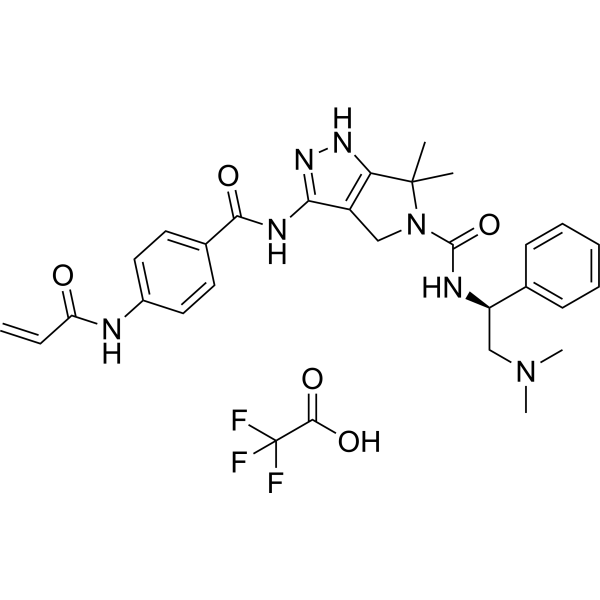
    YKL-5-124 TFA is a potent, selective, irreversible and covalent CDK7 inhibitor with IC50s of 53.5 nM and 9.7 nM for CDK7 and CDK7/Mat1/CycH, respectively. YKL-5-124 TFA is >100-fold greater selective for CDK7 than CDK9 and CDK2, and inactive against CDK12 and CDK13. YKL-5-124 TFA induces a strong cell-cycle arrest, inhibits E2F-driven gene expression, and exhibits little effect on RNA polymerase II phosphorylation status .
    YKL-5-124 TFA
  • HY-163561

    Histone Methyltransferase Estrogen Receptor/ERR IFNAR Cancer
    CARM1-IN-6 is a potent CARM1 inhibitor that inhibits CARM1 enzymatic activity with an IC50 of 12.3 μM and a Kd of 0.6785 μM. CARM1-IN-6 suppresses oncogenic estrogen/ERα-target gene expression, activates type I interferon (IFN) and IFN-induced genes (ISGs), induces cell cycle arrest, and inhibits breast cancer cell proliferation both in vitro and in vivo. CARM1-IN-6 can be used for the research of breast cancer .
    CARM1-IN-6
  • HY-162308

    Histone Methyltransferase Apoptosis Cancer
    NSD-IN-3 (compound 3) is a potent nuclear receptor binding SET domain (NSD) inhibitor. NSD-IN-3 inhibits NSD2-SET and NSD3-SET with IC50 values of 0.81 μM and 0.84 μM, respectively. NSD-IN-3 inhibits histone H3K36 dimethylation and decreases the expression of NSDs-targeted genes in non-small cell lung cancer cells. NSD-IN-3 induces s-phase cell cycle arrest and apoptosis .
    NSD-IN-3
  • HY-142076A

    CDK Cancer
    CDK4/6-IN-15 hydrochloride is an orally active and selective CDK4/6 inhibitor. CDK4/6-IN-15 hydrochloride potently inhibits cancer cells growth. CDK4/6-IN-15 hydrochloride arrests cell cycle at G1 phase and suppresses retinoblastoma tumour suppressor protein (Rb) phosphorylation at S780 and E2 factor (E2F)-regulated gene expression .
    CDK4/6-IN-15 hydrochloride
  • HY-168556

    CDK PROTACs DNA/RNA Synthesis Cancer
    YJ9069 is a selective CDK12/CDK13 PROTAC degrader with an IC50 of 22.22 nM for in VCaP cells. CDK12/13 degradation rapidly triggers gene-length-dependent transcriptional elongation defects, leading to DNA damage and cell-cycle arrest. YJ9069 effectively inhibits proliferation in subsets of prostate cancer cells and significantly suppresses prostate tumor growth. (Pink: CDK12/CDK13 degradation agent (HY-168658); Black: Linker (HY-W015967); Blue: ligand for E3 ligase (HY-103596)) .
    YJ9069
  • HY-176128

    PROTACs Androgen Receptor Apoptosis PARP Caspase Cancer
    BWA-6047 is an oral active PROTAC degrader targeting AR/AR-V7 and GSPT1 with DC50 values of 3.7, 3.0 and 1.2 nM in 22Rv1 cells. BWA-6047 suppresses the expression of AR downstream target genes and and transcriptional activity. BWA-6047 inhibits cancer cells proliferation, causes G1 phase cell cycle arrest and induces apoptosis. BWA-6047 increases cleaved-PARP-1 and cleaved-caspase-3 levels. BWA-6047 reduces growth of LNCaP xenograft tumors in mice models without obvious toxicity. BWA-6047 can be used for the research of prostate cancer .
    BWA-6047
  • HY-169093

    PROTACs Epigenetic Reader Domain Apoptosis Cancer
    MS41 is a selective eleven-nineteen leukemia (ENL) PROTAC degrader, with DC50s of 3.50 nM (MV4;11), 2.84 nM (SEMK2), 3.03 nM (Jurkat), and 26.58 nM (KASUMI1), respectively. MS41 effectively inhibits the growth of ENL-dependent leukemia cells, induces G1 cell cycle arrest and increases apoptosis. MS41 reduces the chromatin occupancy of ENL-associated transcription elongation machinery, and suppresses oncogenic gene expression and leukemia progression. Red: ENL ligand (HY-169094). Black: linker (HY-W105744). Blue: VHL ligand (HY-112078) .
    MS41
  • HY-Y0943

    Drug Metabolite Cancer
    Aldehyde Dehydrogenase Isobutyramide is an orally active liver alcohol dehydrogenase (LADH2) inhibitor. Isobutyramide inhibits ethanol metabolism and enhances differentiation-related gene expression, inducing cell cycle arrest and significantly reducing the growth rate of prostate cancer cells (LNCaP). Isobutyramide is promising for research of advanced prostate cancer .
    Isobutyramide
  • HY-W142437

    Phytohormone Others
    1,4-Dimethylnaphthalen is a non-competitive potato tuber sprouting inhibitor. 1,4-Dimethylnaphthalen blocks cell cycle progression (G1/S arrest) by inducing PP2A phosphatase and oxygen metabolism-related genes. 1,4-Dimethylnaphthalen is promising for research of fungistatic activity during potato storage and sprout control under abiotic stress .
    1,4-Dimethylnaphthalene
  • HY-155982

    STAT Cancer
    STAT3-IN-20 (Compound 40) is a selective STAT3 inhibitor (IC50: 0.65 μM). STAT3-IN-20 binds the SH2 domain to inhibit STAT3 phosphorylation, translocation, and downstream gene transcription. STAT3-IN-20 exhibits antiproliferative activities against STAT3-overactivated DU145 and MDA-MB-231 cancer cells (IC50: 2.97 μM and 3.26 μM respectively). STAT3-IN-20 induces cell cycle arrest and apoptosis .
    STAT3-IN-20
  • HY-177780

    Molecular Glues CDK Apoptosis Cancer
    Cyclin K degrader 2 is a molecular glucose degrading agent that targets the cyclin K protein. Cyclin K degrader 2 has inhibitory activity against CDK1 and CDK9. Cyclin K degrader 2 causes a decrease in RNA polymerase II Ser2 phosphorylation levels, downregulation of DNA damage response gene expression, accumulation of DNA damage, G1 phase arrest of the cell cycle, and apoptosis. Cyclin K degrader 2 can be used for cancer research .
    Cyclin K degrader 2
  • HY-P10421

    ERK Cancer
    PKCδ substrate acts as a nuclear transporter of ERK2 and is involved in ERK2 mediated gene activation. PKCδ is involved in the regulation of cell growth, proliferation, cell cycle arrest, and apoptosis by phosphorylating hBVR and other proteins. PKCδ substrate can be used to study the development of diseases, especially cancer biology .
    PKCδ substrate
  • HY-179129

    MDM-2/p53 Cancer
    AKT-100 is a p53 reactivation agent. AKT-100 significantly inhibits the proliferation of various ovarian and endometrial cancer cells at low concentrations. AKT-100 can upregulate cell cycle regulatory genes (such as p21, GADD45) and pro apoptotic genes (such as NOXA, DR5), and inhibit DNA repair pathways. AKT-100 is commonly used in cancer research .
    AKT-100
  • HY-176230

    DNA Methyltransferase Cancer
    DNMT-IN-5 is a stable and efficient DNA methyltransferase (DNMT) inhibitor with high stability and high activity with an IC50 of 0.78 nM. DNMT-IN-5 exhibits sub-micromolar DNMT3A inhibitory activity, upregulates the expression of DNMT-targeted genes, impairs cell proliferation, and triggers a critical cell cycle arrest. DNMT-IN-5 can be used for the study of p53-depleted colorectal cancer .
    DNMT-IN-5
  • HY-175265

    c-Myc Ras Apoptosis Cancer
    PQ32 is an antitumor agent that targets c-MYC Pu27 and KRAS G-quadruplexes. PQ32 inhibits tumor cell proliferation, arrests the cell cycle at the G2 phase, and induces apoptosis. PQ32 inhibits the expression of c-MYC and KRAS genes. PQ32 can inhibit tumor growth in mice and is used in the study of lymphoma, breast cancer, lung cancer, hepatocellular carcinoma, colorectal cancer, and other cancers .
    PQ32
  • HY-B0011AS

    RP-56976-d5 trihydrate

    Isotope-Labeled Compounds Microtubule/Tubulin Apoptosis Cancer
    Docetaxel-d5 (trihydrate) is the deuterium labeled Docetaxel (Trihydrate). Docetaxel Trihydrate (RP-56976 Trihydrate) is an antineoplastic agent and inhibits microtubule?depolymerization with an IC50 value of 0.2 μM . Docetaxel Trihydrate is a semisynthetic analog of taxol and attenuates the effects of?bcl-2?and?bcl-xL?gene expression. Docetaxel Trihydrate arrests the cell cycle at G2/M and leads to cell apoptosis .
    Docetaxel-d5 trihydrate
  • HY-155816

    PROTACs Cancer
    PROTAC NSD3 degrader-1 (compound 56) is a PROTAC targeting to Nuclear receptor binding SET domain protein NSD3. PROTAC NSD3 degrader-1 specifically induces NSD3 degradation with DC50 values of 1.43 and 0.94 μM in lung cancer cells NCI-H1703 and A549, respectively. PROTAC NSD3 degrader-1 suppresses the methylation of H3K36, induces apoptosis, and causes cell-cycle arrest. PROTAC NSD3 degrader-1 also downregulates the expression of NSD3-associated genes such as CDC25A, ALDH1A1, and IGFBP.
    PROTAC NSD3 degrader-1
  • HY-107738R

    Z/E-Guggulsterone (Standard)

    Apoptosis JNK Akt Caspase FXR Autophagy Reference Standards Cancer
    Guggulsterone (Standard) is the analytical standard of Guggulsterone (HY-107738). This product is intended for research and analytical applications. Guggulsterone is a plant sterol derived from the gum resin of the tree Commiphora wightii. Guggulsterone inhibits the growth of a wide variety of tumor cells and induces apoptosis through down regulation of antiapoptotic gene products (IAP1, xIAP, Bfl-1/A1, Bcl-2, cFLIP and survivin), modulation of cell cycle proteins (cyclin D1 and c-Myc), activation of caspases and JNK, inhibition of Akt. Guggulsterone, a farnesoid X receptor (FXR) antagonist, with IC50s of 24.06 μM and 39.05 μM for (-)-(E)-Guggulsterone (HY-N7781) and (Z)-Guggulsterone (HY-110066), respectively.
    Guggulsterone (Standard)
  • HY-174403

    Bcl-2 Family c-Myc Apoptosis Caspase Cancer
    c-MYC/BCL2 ligand 1 iodide is a dual-targeting c-MYC/Bcl-2 G4 ligand with Kd values of 0.90 μM (c-MYC G4) and 0.56 μM (Bcl-2 G4). c-MYC/BCL2 ligand 1 iodide inhibits c-MYC and Bcl-2 gene transcription by binding to G4-forming sequences and downregulates their protein expression. c-MYC/BCL2 ligand 1 iodide inhibits suppresses migration, induces caspase-dependent apoptosis, and triggers cell cycle G1 arrest in MCF-7 cells. c-MYC/BCL2 ligand 1 iodide significantly suppresses tumor growth in a 4T1 syngeneic model with no observable toxicity. c-MYC/BCL2 ligand 1 iodide can be used for the research of breast cancer.
    c-MYC/BCL2 ligand 1 iodide
  • HY-145909

    Epigenetic Reader Domain Cancer
    BRD4 Inhibitor-17 (Compound 5i) is a potent inhibitor of BRD4 with an IC50 of 0.33 μM. BRD4 Inhibitor-17 plays crucial role in regulating transcription of inflammatory, proliferation and cell cycle genes. BRD4 Inhibitor-17 serves as potential antidotes for arsenicals .
    BRD4 Inhibitor-17
  • HY-P10509

    CMV Infection
    IE1 peptide refers to an antigenic peptide encoded by the immediate early (IE) gene of mouse cytomegalovirus (mCMV). IE1 peptide is one of the key antigenic peptides expressed during mCMV infection, plays a role in transcriptional activation in the life cycle of mCMV, and is one of the earliest genes expressed in the viral replication cycle. IE1 peptide is an important target for CD8+ T cell response and can be used to study the host immune response to mCMV infection .
    IE1 peptide
  • HY-W010128R

    6-Dimethylaminopurine (Standard); 6-DMAP (Standard)

    Reference Standards CDK DNA/RNA Synthesis Apoptosis Cancer
    6-(Dimethylamino) purine (6-Dimethylaminopurine) is a serine threonine protein kinase inhibitor. 6-(Dimethylamino) purine can inhibit prolactin induced expression of lactoprotein genes in rabbit mammary gland cells. 6-(Dimethylamino) purine can affect the maturation of mammalian oocytes. 6-(Dimethylamino) purine can lead to downregulation of genes related to cell proliferation and cell cycle progression, such as proliferating cell nuclear antigen, insulin-like gene 1, and serine protease inhibitor 2 genes, and induce apoptosis in lymphoma cells (apoptosis) .
    6-(Dimethylamino)purine (Standard)
  • HY-10424A

    PHA-848125 maleate

    Ser/Thr Kinase Cancer
    Milciclib (PHA-848125) maleate is a cyclin-dependent kinase inhibitor that impairs melanoma cell growth and modulates gene expression involved in cell cycle regulation. Milciclib maleate has been shown to significantly affect the expression of various genes, including down-regulating PTTG1, contributing to its antiproliferative activity. Milciclib maleate enhances sensitivity to treatment in p53 mutated melanoma cells when combined with PTTG1 silencing.
    Milciclib maleate
  • HY-163698

    Sirtuin Cancer
    SIRT-IN-4 is an inhibitor of the NAD+-dependent lysine deacetylase Sirtuin2 (Sirt2) (IC50=0.35 μM). SIRT-IN-4 is a potent Sirt2 deacetylase inhibitor that reduces cell survival and inhibits the migration of prostate cancer cells. SIRT-IN-4 can be used to study Sirt2 in cell cycle regulation, gene expression regulation, etc .
    SIRT-IN-4

Inquiry Online

Your information is safe with us. * Required Fields.

Salutation


Country or Region *

Applicant Name *


Organization Name *

Department *


Email Address *


Product Name *

Cat. No.


Requested quantity *

Phone Number *


Remarks

Inquiry Online

Inquiry Information

Product Name:
Cat. No.:
Quantity:
MCE Japan Authorized Agent:

