



Prometryn
Based on 1 publication(s) in Google Scholar
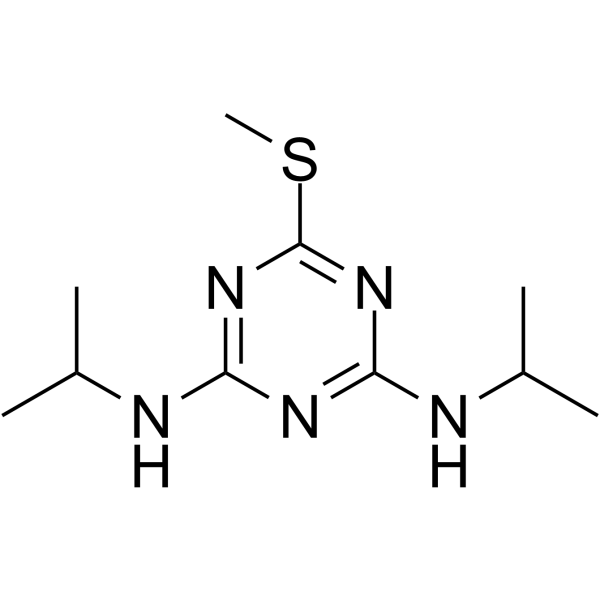
Prometryn is a triazine herbicide. Prometryn induces apoptosis and cell cycle arrest. Prometryn induces oxidative stress, DNA damage and autophagy-related gene expression, and non-specific immunity gene expression. Prometryn can be used for the research of herbicide, hepatopancreas injury, and intestinal stress and intestinal barrier dysfunction.
For research use only. We do not sell to patients.
- Purity : 99.58%
- CAS No.: 7287-19-6
- Formula: C10H19N5S
- Molecular Weight:241.36
-
Storage:
4°C, sealed storage, away from moisture and light
* In solvent : -80°C, 6 months; -20°C, 1 month (sealed storage, away from moisture and light)

To place orders, for customer services and technical support, please contact: MedChemExpress USA
Tel: 609-228-6898 E-mail: [email protected] [email protected]


-
 Biological Activity
-
Chemical Information
-
Solvent & Solubility
- Protocols
- Purity & Documentation
- References
-
 Help & FAQs


-
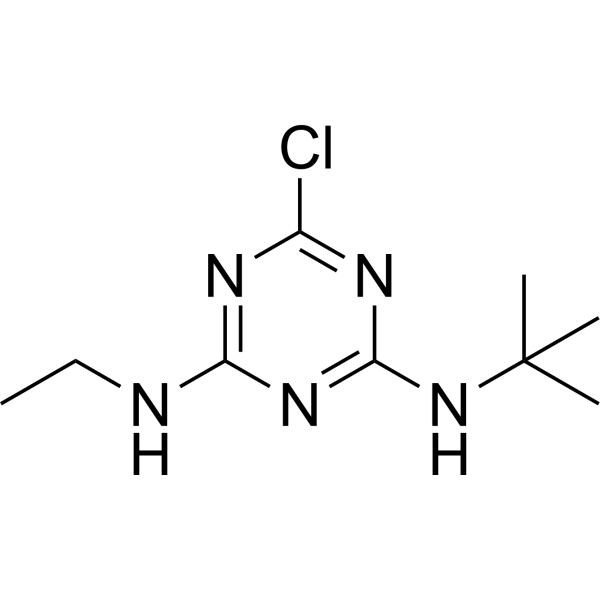
HY-B1847
TerbuthylazineHerbicide -
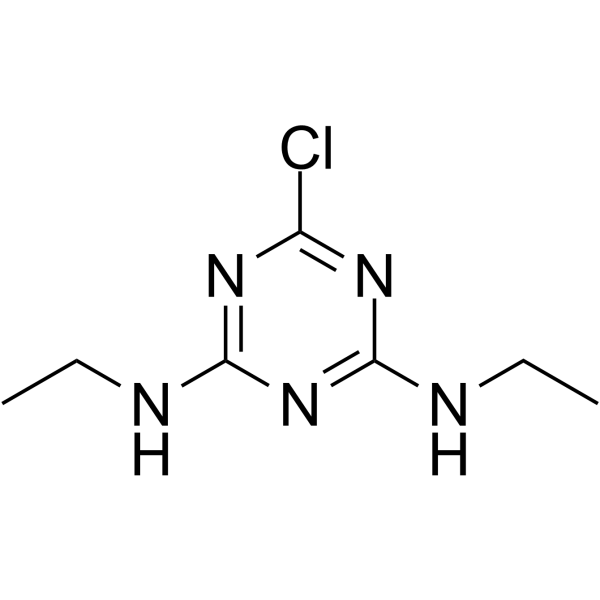
HY-B2046
SimazineHerbicide -
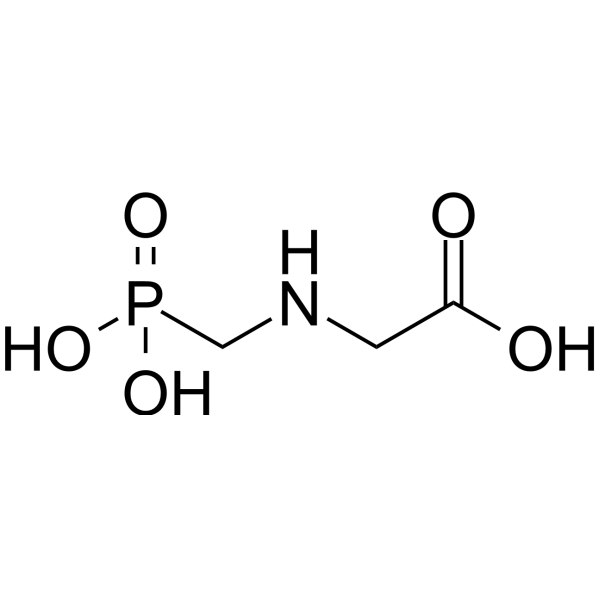
HY-B0863
GlyphosateEPSPS Inhibitor -

HY-121324R
Prometryn (Standard)Active Compound -
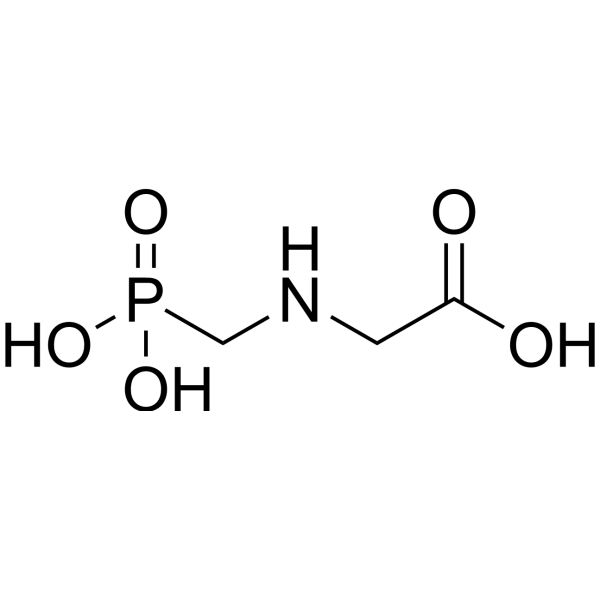
HY-B0863R
Glyphosate (Standard)Herbicide -
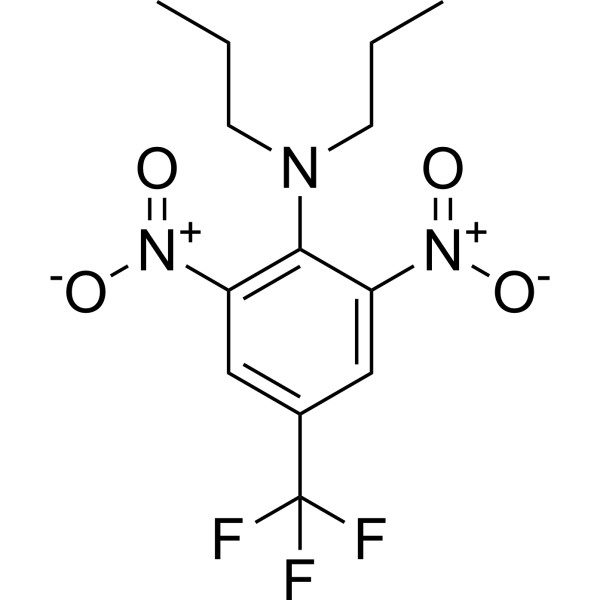
HY-B2050
TrifluralinPre-Emergence Herbicide -

HY-B2046R
Simazine (Standard)Herbicide -
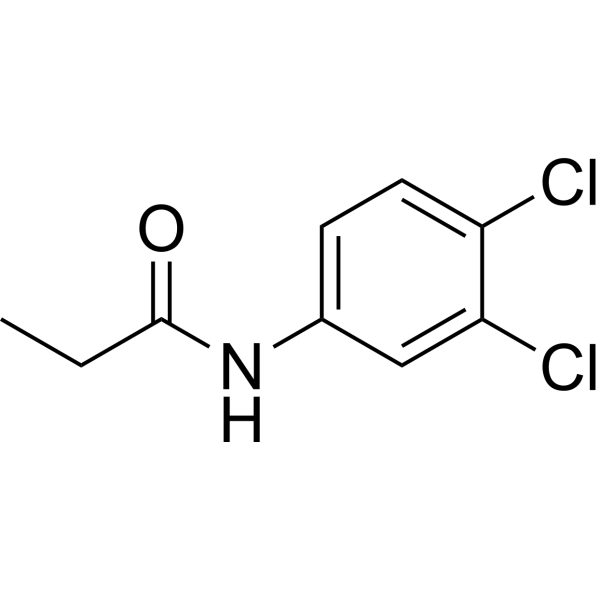
HY-B2030
PropanilHerbicide -
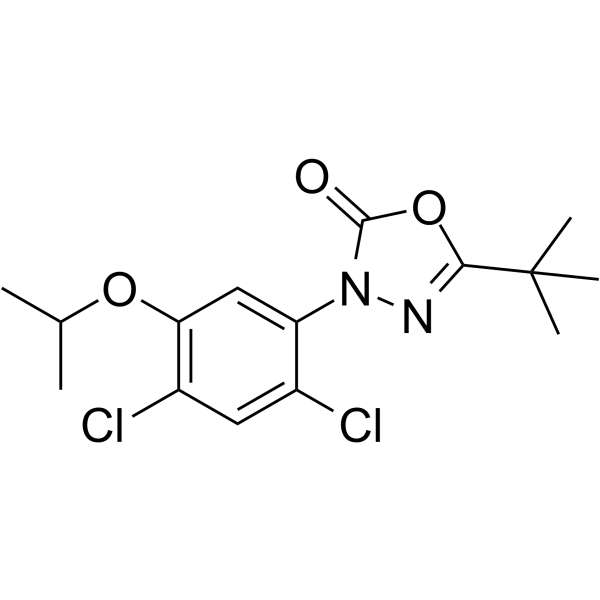
HY-B1880
OxadiazonHerbicide -
HY-B2035
PretilachlorHerbicide -

HY-B2030R
Propanil (Standard)Reference Standard -

HY-B1880R
Oxadiazon (Standard)Herbicide
Publications Citing Use of MedChemExpress (MCE) Prometryn
More

Biological Activity
Description
In Vitro
Prometryn (25-200 μM; 24-48 h) decreases the viability of BEAS-2B cells in a time- and concentration-dependent manner[1].
Prometryn (25-200 μM; 24-48 h) induces S phase cell cycle arrest in BEAS-2B cells at concentrations of 100 and 200 μM after 48 h of exposure, accompanied by reduced cyclin A and CDK2 expression and increased p53 expression[1].
Prometryn (25-200 μM; 48 h) induces apoptosis in BEAS-2B cells in a concentration-dependent manner at 100 and 200 μM after 48 h of exposure, mediated by altered expression of Bcl2, Bax, Caspase 9, Caspase 3, and PARP[1].
Prometryn (25-200 μM; 48 h) induces dose-dependent intracellular ROS generation in BEAS-2B cells, with significant increases detected at 200 μM after 48 h of exposure[1].
Prometryn (25-200 μM; 48 h) induces dose-dependent DNA damage in BEAS-2B cells[1].
Prometryn (5-20 mg/L; 96 hours) induces dose-dependent developmental toxicity in Danio rerio embryos over 96 hours, causing morphological defects, organogenesis failure, oxidative stress, apoptosis, and mitochondrial dysfunction, with an LC50 value of 23.14 mg/L[4].
MedChemExpress (MCE) has not independently confirmed the accuracy of these methods. They are for reference only. Further protocols information, click here.
-
Cell Line:human bronchial epithelial BEAS-2B cells
-
Concentration:25 μM; 50 μM; 100 μM; 200 μM
-
Incubation Time:24 h; 48 h
-
Result:Decreased BEAS-2B cell viability significantly at 100-200 μM after 48 h incubation (P < 0.01).
Showed no significant viability reduction after 24 h of treatment at any tested concentration.
Induced morphological changes including reduced cell volume, rounded cell shape, loss of intercellular connections, floating cells, and cell debris in cells treated with 50-200 μM for 48 h.
-
Cell Line:human bronchial epithelial BEAS-2B cells
-
Concentration:25 μM; 50 μM; 100 μM; 200 μM
-
Incubation Time:24 h; 48 h
-
Result:Decreased the proportion of BEAS-2B cells in the G1 phase and increased the proportion in the S phase at 100 and 200 μM after 48 h incubation (P < 0.05), indicating S phase cell cycle arrest.
Reduced cyclin A and CDK2 protein expression in a dose-dependent manner via western blotting.
Increased p53 protein expression in a dose-dependent manner via western blotting.
Showed no cell cycle effects after 24 h of treatment at any concentration.
-
Cell Line:human bronchial epithelial BEAS-2B cells
-
Concentration:25 μM; 50 μM; 100 μM; 200 μM
-
Incubation Time:48 h
-
Result:Induced apoptosis in BEAS-2B cells at 100 μM with an apoptotic rate of ~6.5% (P < 0.01).
Induced apoptosis in BEAS-2B cells at 200 μM with an apoptotic rate of ~9% (P < 0.001).
Reduced anti-apoptotic Bcl2 protein expression in a dose-dependent manner via western blotting.
Increased pro-apoptotic Bax protein expression in a dose-dependent manner via western blotting.
Reduced expression of full-length Caspase 9, Caspase 3, and PARP via western blotting.
Increased expression of cleaved, active forms of Caspase 9, Caspase 3, and PARP via western blotting.


Chemical Information
-
CAS No. 7287-19-6
-
Appearance Solid
-
Molecular Weight 241.36
-
Formula C10H19N5S
-
Color White to off-white
-
SMILES
CSC1=NC(NC(C)C)=NC(NC(C)C)=N1
-
Shipping
Room temperature in continental US; may vary elsewhere.
-
Storage
4°C, sealed storage, away from moisture and light
* In solvent : -80°C, 6 months; -20°C, 1 month (sealed storage, away from moisture and light)


Publications (1)
-
Journal Impact Factor
-
Most Recent


Solvent & Solubility
In Vitro:
DMSO : 100 mg/mL (414.32 mM; Need ultrasonic; Hygroscopic DMSO has a significant impact on the solubility of product, please use newly opened DMSO)
Please refer to the solubility information to select the appropriate solvent. Once prepared, please aliquot and store the solution to prevent product inactivation from repeated freeze-thaw cycles.
Storage method and period of stock solution: -80°C, 6 months; -20°C, 1 month (sealed storage, away from moisture and light). When stored at -80°C, please use it within 6 months. When stored at -20°C, please use it within 1 month.
Please refer to the solubility information to select the appropriate solvent. Once prepared, please aliquot and store the solution to prevent product inactivation from repeated freeze-thaw cycles.
Storage method and period of stock solution: -80°C, 6 months; -20°C, 1 month (sealed storage, away from moisture and light). When stored at -80°C, please use it within 6 months. When stored at -20°C, please use it within 1 month.
Concentration (start) × Volume (start) = Concentration (final) × Volume (final)

Protocols
-
RT-PCR
Reverse transcription technology uses RNA as a template to synthesize DNA. RT-PCR is simple, specific and sensitive, and can be used to detect gene expression levels and expression differences in cells; detect RNA virus content; clone cDNA sequences of specific genes.
-
RNA extraction experimental
By lysing cells, releasing RNA, and removing impurities such as proteins and DNA, high-purity RNA products are finally obtained. The commonly used traditional method is the guanidine isothiocyanate/phenol/chloroform method (Trizol), which is suitable for a variety of animal materials including animal tissues, microorganisms, cultured cells, etc., and most plant materials.
-
Annexin V plus membrane-impermeant dye apoptosis staining
Annexin V-based apoptosis assays rely on the detection of phosphatidylserine (PS) externalization from the inner leaflet of the plasma membrane to the outer leaflet, an early biochemical hallmark of apoptosis. Fluorescently labeled Annexin V binds PS in a calcium-dependent manner, enabling identification of early apoptotic cells by flow cytometry or fluorescence microscopy. When combined with a membrane-impermeant DNA-binding dye (e. g. , propidium iodide), this approach allows discrimination between viable (Annexin V−/dye−), early apoptotic (Annexin V+/dye−), and late apoptotic or necrotic (Annexin V+/dye+) cell populations by assessing membrane integrity and PS exposure.
-
BrdU Incorporation Assay
Bromodeoxyuridine (BrdU) incorporation assay is based on the principle that BrdU, a thymidine analog, is incorporated into newly synthesized DNA during the S phase of the cell cycle, thereby serving as a marker of DNA replication and cellular proliferation. Incorporated BrdU can be detected using anti-BrdU antibodies following DNA denaturation, enabling visualization or quantification of proliferating cells through immunochemical detection methods such as immunofluorescence or immunohistochemistry.
-
ROS/oxidative-stress fluorescent staining
ROS/oxidative-stress fluorescent staining uses cell-permeant fluorogenic probes that become fluorescent after oxidation inside cells or tissues; commonly used examples include DCFH-DA/DCFDA for broad cellular oxidant detection, DHE for superoxide-related signal detection, MitoSOX for mitochondrial superoxide-related signal detection, and CellROX probes for oxidative-stress-associated fluorescence readouts. The assay detects probe oxidation rather than a single ROS species unless the probe and analysis method have been chemically validated for that species. DCFH-DA enters cells, is deacetylated by intracellular esterases to DCFH, and produces fluorescent DCF after oxidation, so the readout is used as an operational measure of total cellular oxidative stress rather than a species-specific ROS measurement. DHE and MitoSOX can report superoxide-related oxidation, but red fluorescence alone can include non-specific ethidium-like oxidation products; HPLC or optimized spectral approaches are
-
Protocol for Cell Cycle
Cell-cycle analysis by flow cytometry measures DNA content in single cells to estimate the fraction of cells in G0/G1, S, and G2/M phases. Propidium iodide intercalates into DNA, and after RNA removal with RNase, fluorescence intensity reflects cellular DNA content: 2N cells are assigned to G0/G1, cells between 2N and 4N to S phase, and 4N cells to G2/M. DNA-content analysis alone cannot reliably separate G0 from G1 or G2 from M. Ki-67 can distinguish quiescent G0 cells from cycling cells, EdU or BrdU incorporation marks active DNA synthesis in S phase, and phospho-histone H3 staining identifies mitotic cells within the 4N population.
-
Real Time qPCR (Q-PCR)
Real-time quantitative PCR (qPCR) quantifies an amplifiable nucleic-acid target by monitoring fluorescence during PCR cycling rather than measuring product only after amplification. The increase in fluorescence tracks accumulation of PCR product, and the quantification cycle (Cq; historically also Ct/CP) is related to the initial amount of target: samples containing more starting target generally reach the defined fluorescence threshold in fewer cycles.
-
Detection of Apoptosis
Apoptosis, also called programmed cell death, is generally characterized by distinct morphological characteristics.
-
TUNEL staining for apoptotic DNA fragmentation
TUNEL staining detects DNA strand breaks by using terminal deoxynucleotidyl transferase to add labeled nucleotides to exposed 3′-OH DNA termini, generating either microscopic staining in fixed cells or tissue sections, or fluorescence/cytometric signal in cell suspensions. TUNEL positivity reflects DNA fragmentation but should not be interpreted alone as definitive apoptosis, because TUNEL can also label necrotic, autolytic, mechanically damaged, or DNA-repair-associated DNA breaks.
-
Flow cytometric DNA-content cell-cycle staining
Flow cytometric DNA-content cell-cycle staining measures the fluorescence intensity of DNA-bound fluorochromes in single cells or nuclei to estimate DNA content distributions, allowing assignment of populations to G0/G1, S, and G2/M phases by DNA histogram deconvolution. Propidium iodide (PI) intercalates into DNA, and PI fluorescence is proportional to cellular DNA content when staining is performed under conditions that make DNA accessible and minimize non-DNA signal. Cells with G2/M DNA content are expected to show approximately twice the fluorescence intensity of G0/G1 cells, while S-phase cells occupy intermediate fluorescence values. PI-based DNA-content analysis can also detect cells with fractional DNA content, often reported as sub-G1, when DNA fragmentation and extraction during staining reduce retained DNA signal in apoptotic cells. DAPI is an alternative DNA fluorochrome for univariate DNA-content analysis, while bivariate approaches combining DNA content with proliferation
-
Autophagy
Autophagy is a process in which eukaryotic cells use lysosomes to degrade their own cytoplasmic proteins and damaged organelles under the regulation of autophagy related gene (Atg). Microtubule-associated proteins light chain 3 (LC3) is recognized as autophagy marker, which transfers from cytoplasmic LC3 (LC3-I) to membrane type (LC3-II). LC3-II/I ratio could be detected by Western Blot and fluorescence microscopy.
-
Apoptosis Solutions
Apoptosis is a regulated, generally non-lytic cell-death pathway that removes unwanted, damaged, infected, or abnormal cells through coordinated morphological changes, caspase activation, DNA fragmentation, and membrane remodeling. The intrinsic apoptosis pathway is controlled mainly by mitochondrial outer membrane permeabilization, BCL-2 family proteins, cytochrome c release, apoptosome formation, caspase-9 activation, and downstream executioner caspase-3/7 activation. The extrinsic apoptosis pathway is initiated by death receptors such as Fas, TNFR, and TRAIL receptors, which recruit adaptor proteins and activate caspase-8 before engaging executioner caspases or mitochondrial amplification through BID cleavage. Apoptosis is linked to many phenotypes, including cancer cell killing, tissue homeostasis, immune regulation, neurodegeneration, infection response, and treatment-induced cytotoxicity; unresolved questions include how apoptosis interacts with necroptosis, pyroptosis, ferroptos
-
Lysosome and acidic-vesicle live-cell staining
Lysosome and acidic-vesicle live-cell staining detects acidic intracellular compartments by using membrane-permeant acidotropic probes that accumulate in low-pH vesicles, including lysosomes, late endosomes, autolysosomes, and acidic phagosomes. LysoTracker staining is commonly used as an intensity-based readout of acidic lysosomal compartment abundance or enlargement, while acridine orange produces green fluorescence in less concentrated compartments and red fluorescence after concentration-dependent accumulation in acidic vesicular organelles. Loss or reduction of acridine-orange red signal can be used as a readout of lysosomal membrane permeabilization or reduced acidic-vesicle integrity. This protocol is designed for live cultured cells and can be adapted for fluorescence microscopy, high-content imaging, plate-reader readout, or flow cytometry when the selected literature supports the readout. Because these dyes report acidotropic accumulation rather than lysosome identity alone,
-
Macroautophagy Solutions
Macroautophagy is a conserved lysosome-dependent degradation pathway in which cytoplasmic material is sequestered into double-membrane autophagosomes and delivered to lysosomes for degradation and recycling. The pathway supports cellular homeostasis during nutrient limitation, organelle stress, protein-aggregate accumulation, infection, differentiation, and tissue remodeling by coupling cargo sequestration, autophagosome maturation, lysosomal fusion, and degradation of cargo-derived macromolecules. The core molecular sequence includes initiation by nutrient- and stress-regulated autophagy machinery, autophagosome nucleation, LC3/ATG8-family conjugation to autophagosomal membranes, cargo selection through receptors such as SQSTM1/p62, autophagosome-lysosome fusion, and lysosomal degradation. LC3 was identified as a mammalian homolog of yeast Atg8 that localizes to autophagosomal membranes after processing, and p62/SQSTM1 was shown to connect ubiquitinated cargo with autophagic degradati
-
Genotoxicity/Mutagenicity Study
The bacterial reverse mutation assay detects point mutations that restore amino-acid prototrophy in auxotrophic Salmonella typhimurium or Escherichia coli tester strains; after exposure to a test article, mutagenic activity is read out as an increased number of revertant colonies on minimal agar compared with the vehicle control. The assay uses tester strains with different mutation targets so that base-substitution and frameshift mutagens can be detected, and testing is performed with and without exogenous mammalian metabolic activation because some chemicals require biotransformation to become mutagenic.


Purity & Documentation
-
Data Sheet (277 KB)
-
SDS (393 KB)
- English - EN (393 KB)
- Français - FR (393 KB)
- Deutsch - DE (393 KB)
- Norwegian - NO (393 KB)
- Español - ES (393 KB)
- Swedish - SV (393 KB)
- Italian - IT (393 KB)
- Korean - KR (393 KB)
- Portuguese - PT (393 KB)
-
Handling Instructions (2659 KB)
References
[1]. Liu Q, et al. Prometryn induces apoptotic cell death through cell cycle arrest and oxidative DNA damage. Toxicol Res (Camb). 2019;8(6):833-841. Published 2019 Jul 26. [Content Brief]
[2]. Huang P, et al. Effects of prometryn on oxidative stress, immune response and apoptosis in the hepatopancreas of Eriocheir sinensis (Crustacea: Decapoda). Ecotoxicol Environ Saf. Published online June 23, 2023. [Content Brief]
[3]. Huang P, et al. Prometryn exposure disrupts the intestinal health of Eriocheir sinensis: Physiological responses and underlying mechanism. Comp Biochem Physiol C Toxicol Pharmacol. 2024;277:109820. [Content Brief]
[4]. Min N, et al. Developmental toxicity of prometryn induces mitochondrial dysfunction, oxidative stress, and failure of organogenesis in zebrafish (Danio rerio). J Hazard Mater. 2023;443(Pt A):130202. [Content Brief]


Complete Stock Solution Preparation Table
Please refer to the solubility information to select the appropriate solvent. Once prepared, please aliquot and store the solution to prevent product inactivation from repeated freeze-thaw cycles.
Storage method and period of stock solution: -80°C, 6 months; -20°C, 1 month (sealed storage, away from moisture and light). When stored at -80°C, please use it within 6 months. When stored at -20°C, please use it within 1 month.
| Optional Solvent | Concentration Solvent Mass | 1 mg | 5 mg | 10 mg | 25 mg |
|---|---|---|---|---|---|
| DMSO | 1 mM | 4.1432 mL | 20.7159 mL | 41.4319 mL | 103.5797 mL |
| 5 mM | 0.8286 mL | 4.1432 mL | 8.2864 mL | 20.7159 mL | |
| 10 mM | 0.4143 mL | 2.0716 mL | 4.1432 mL | 10.3580 mL | |
| 15 mM | 0.2762 mL | 1.3811 mL | 2.7621 mL | 6.9053 mL | |
| 20 mM | 0.2072 mL | 1.0358 mL | 2.0716 mL | 5.1790 mL | |
| 25 mM | 0.1657 mL | 0.8286 mL | 1.6573 mL | 4.1432 mL | |
| 30 mM | 0.1381 mL | 0.6905 mL | 1.3811 mL | 3.4527 mL | |
| 40 mM | 0.1036 mL | 0.5179 mL | 1.0358 mL | 2.5895 mL | |
| 50 mM | 0.0829 mL | 0.4143 mL | 0.8286 mL | 2.0716 mL | |
| 60 mM | 0.0691 mL | 0.3453 mL | 0.6905 mL | 1.7263 mL | |
| 80 mM | 0.0518 mL | 0.2589 mL | 0.5179 mL | 1.2947 mL | |
| 100 mM | 0.0414 mL | 0.2072 mL | 0.4143 mL | 1.0358 mL |


Prometryn Related Classifications
HY-121324 Related Classifications
 Powered by Bioz