

1. Search Result
Search Result
Pathways Recommended: Cell Cycle/DNA Damage
Results for "

cleavage of DNA

" in MedChemExpress (MCE) Product Catalog:

78

阻害剤およびアゴニスト

1

蛍光色素

3

生化学アッセイ試薬

4

ペプチド

14

天然物

3

同位体標識化合物

2

オリゴヌクレオチド

製品番号 製品名 Target 研究分野 構造式
  • HY-108882
    DNase I, Bovine pancreas
    Maximum Cited Publications
    29 Publications Verification

    DNAse

    Others Inflammation/Immunology Cancer
    DNase I (EC 3.1.21.1) is an enzyme that degrade DNA, it plays a key role in the cleavage of extracellular DNA is crucial for limiting the inflammatory response and maintaining homeostasis. Exogenous deoxyribonuclease shows beneficial effects in inflammatory diseases and cancer .
    DNase I, Bovine pancreas
  • HY-N0499
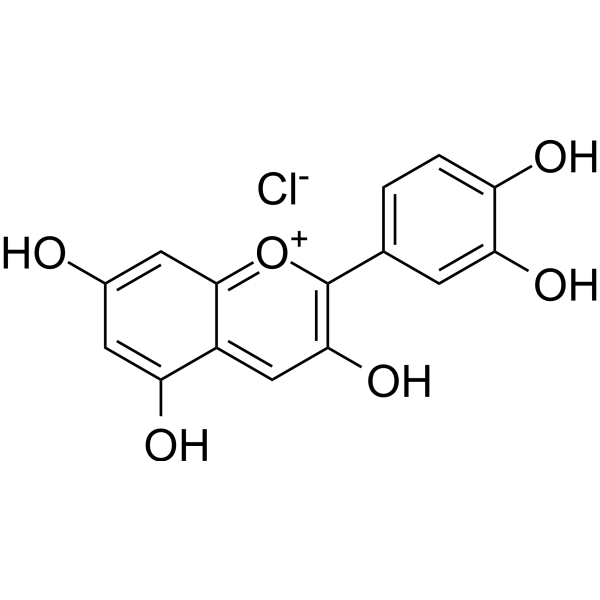
    Cyanidin Chloride
    4 Publications Verification

    IdB 1027

    Prostaglandin Receptor Inflammation/Immunology
    Cyanidin Chloride (IdB 1027) is an orally active antioxidant and enzyme inhibitor. Cyanidin Chloride has IC50 values of 90 μM and 60 μM against PGHS-1 and PGHS-2, respectively. Cyanidin Chloride exhibits excellent antioxidant and anti-inflammatory activities, scavenges free radicals, inhibits lipid peroxidation, and protects DNA from cleavage. Cyanidin Chloride can be used in the research of inflammatory diseases .
    Cyanidin Chloride
  • HY-W018781
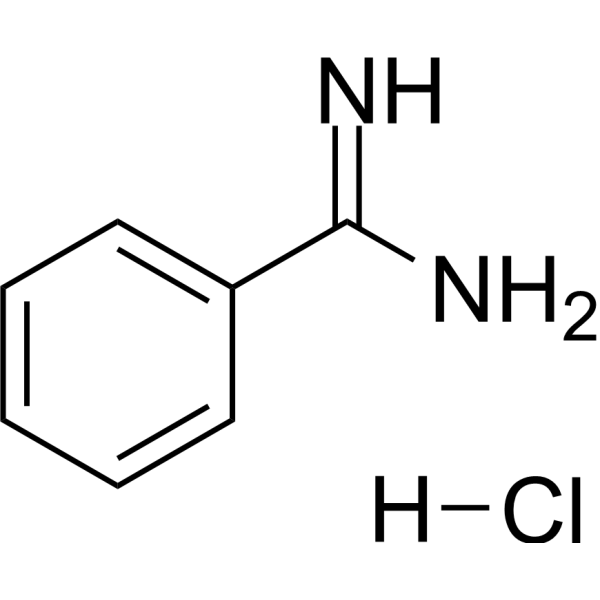
    Benzamidine hydrochloride
    3 Publications Verification

    Ser/Thr Protease Cancer
    Benzamidine hydrochloride is a competitive protease inhibitor that blocks the hydrolytic cleavage of glucagon by plasmin, trypsin and thrombin. Benzamidine hydrochloride effectively inhibits the degradation of glucagon by relevant proteases during the collection, storage and analysis of human plasma and blood samples. During in vivo metabolism, Benzamidine hydrochloride undergoes N-hydroxylation and produces multiple metabolites, exhibiting characteristics of delayed excretion or biphasic elimination. Benzamidine hydrochloride only induces slight single-strand DNA breaks at high concentrations and shows no significant genotoxic potential overall. Benzamidine hydrochloride may interfere with the detection of some glucagon antisera, but does not affect key antigen-antibody affinity at specific concentrations. Benzamidine hydrochloride can be used as a stabilizer in glucagon radioimmunoassays to ensure the accuracy and recovery rate of detection results .
    Benzamidine hydrochloride
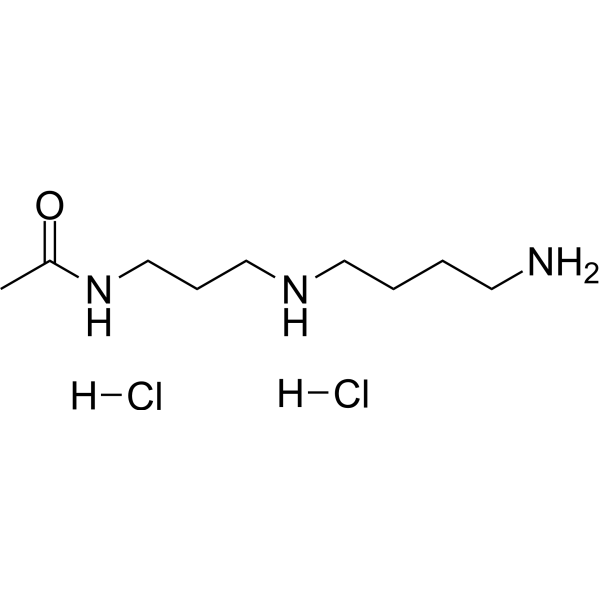
  • HY-113056A

    Endogenous Metabolite Apoptosis Cancer
    N1-Acetylspermidine hydrochloride is an acetyl derivative of polyamines and a substrate for polyamine oxidase (PAO). N1-Acetylspermidine hydrochloride can promote Apoptosis in combination with Procyanidins. N1-Acetylspermidine hydrochloride has a certain cleavage efficiency at apurinic sites of DNA. N1-Acetylspermidine hydrochloride can be used in colorectal cancer research .
    N1-Acetylspermidine hydrochloride
  • HY-164734

    R-DXd; DS-6000

    Antibody-Drug Conjugates (ADCs) Cancer
    Raludotatug Deruxtecan is an antibody-drug conjugate targeting CDH6, with an EC50 of 64.7 ng/mL in humans, 70.4 ng/mL in cynomolgus monkeys, and 228 ng/mL in mice. Raludotatug Deruxtecan specifically binds to CDH6 on the surface of cancer cells, triggers lysosomal internalization, and releases the DXd payload that inhibits TOP1. Raludotatug Deruxtecan induces DNA damage, Chk1 phosphorylation, caspase-3 cleavage, apoptosis, and bystander cell death. Raludotatug Deruxtecan is applicable to research related to serous ovarian cancer and renal cell carcinoma .
    Raludotatug Deruxtecan
  • HY-107545
    Dynole 34-2
    1 Publications Verification

    Dynamin Apoptosis Cancer
    Dynole 34-2 is a potent dynamin GTPase inhibitor (IC50s=6.9 and 14.2 µM for dynamin1 and dynamin2 GTPase activity, respectively) with antimitotic effect. Dynole 34-2 induces apoptosis, as revealed by cell blebbing, DNA fragmentation, and PARP cleavage. Dynole 34-2 also potently inhibits receptor mediated endocytosis (RME) .
    Dynole 34-2
  • HY-13945
    NVP 231
    3 Publications Verification

    Apoptosis Cancer
    NVP 231 is a potent, specific, and reversible ceramide kinase (CerK) inhibitor(IC50=12 nM) that competitively inhibits binding of ceramide to CerK . NVP 231 induces cell apoptosis by increasing DNA fragmentation and caspase-3 and caspase-9 cleavage .
    NVP 231
  • HY-164729

    Antibody-Drug Conjugates (ADCs) Topoisomerase Apoptosis Cancer
    FZ-AD005 is a DLL3-targeting antibody-drug conjugate (ADC) with high selectivity, composed of the anti-DLL3 antibody FZ-A038 (HY-P990896), a dipeptide linker (Val-Ala), and DXd (HY-13631D). The Kd value of FZ-AD005 for human DLL3 ranges from 13.29 to 58.3 pmol/L. After binding to DLL3 on the cell surface, FZ-AD005 mediates endocytosis, and the payload DXd is released via cleavage by lysosomal cathepsins. DXd inhibits topoisomerase TopI to induce double-strand DNA breaks, cell cycle arrest and apoptosis, and FZ-AD005 exhibits bystander killing activity against adjacent DLL3-negative cells. FZ-AD005 shows stable circulation in vivo, has good tolerance and acceptable pharmacokinetic profiles in rats and cynomolgus monkeys, and effectively inhibits the growth of DLL3-expressing tumor cells. FZ-AD005 serves as a promising candidate molecule for research on small cell lung cancer and human neuroendocrine prostate cancer .
    FZ-AD005
  • HY-108858
    Dornase alfa
    1 Publications Verification

    rhDNAse

    DNA/RNA Synthesis Endonuclease Inflammation/Immunology
    Dornase alfa (rhDNase) is a recombinant human deoxyribonuclease I (rhDNase) that can specifically degrade extracellular DNA. Dornase alfa catalyzes the cleavage of DNA released by neutrophils in respiratory mucus, reduces sputum viscosity, thereby improving mucus clearance efficiency, reducing airway obstruction and alleviating inflammatory responses. Dornase alfa can be used to improve lung function (such as FEV_1) in cystic fibrosis (CF), reduce the risk of acute pulmonary exacerbations, and has good in vivo tolerability. Dornase alfa acts locally on the respiratory tract through aerosol inhalation, specifically improving the high viscosity of mucus caused by DNA accumulation and related respiratory symptoms .
    Dornase alfa
  • HY-108882C

    DNA/RNA Synthesis Inflammation/Immunology
    DNase I is an enzyme that degrades DNA. DNase I is mainly produced by digestive system organs, such as the pancreas and parotid gland. Three types of DNase I are known in mammals: pancreatic type, parotid type, and pancreatico-parotid type. DNase I plays a key role in the cleavage of extracellular DNA, and is critical for limiting inflammatory responses and maintaining homeostasis. DNase I is responsible for digesting extracellular nucleoproteins, which may be essential for preventing autoimmune reactions. Decreased DNase I activity may be associated with the occurrence and development of systemic lupus erythematosus (SLE). DNase I (filtered) is filtered through a 0.22 μM membrane and is not tested for pyrogenicity .
    DNase I (filtered)
  • HY-108882B
    DNase I RNase & Protease free
    Maximum Cited Publications
    29 Publications Verification

    DNA/RNA Synthesis Inflammation/Immunology
    DNase I is an enzyme that degrades DNA. DNase I is mainly produced by digestive system organs, such as the pancreas and parotid gland. Three types of DNase I are known in mammals: pancreatic type, parotid type, and pancreatico-parotid type. DNase I plays a key role in the cleavage of extracellular DNA, and is critical for limiting inflammatory responses and maintaining homeostasis. DNase I is responsible for digesting extracellular nucleoproteins, which may be essential for preventing autoimmune responses. Decreased DNase I activity may be associated with the onset and progression of systemic lupus erythematosus (SLE). DNase I (RNase & Protease free) is a molecular biology-grade DNase I purified by chromatography to remove RNase and protease .
    DNase I RNase & Protease free
  • HY-125913
    Benzamidine
    3 Publications Verification

    Ser/Thr Protease Inflammation/Immunology
    Benzamidine is a competitive protease inhibitor that blocks the hydrolytic cleavage of glucagon by plasmin, trypsin and thrombin. Benzamidine effectively inhibits the degradation of glucagon by relevant proteases during the collection, storage and analysis of human plasma and blood samples. During in vivo metabolism, Benzamidine undergoes N-hydroxylation and produces multiple metabolites, exhibiting characteristics of delayed excretion or biphasic elimination. Benzamidine only induces slight single-strand DNA breaks at high concentrations and shows no significant genotoxic potential overall. Benzamidine may interfere with the detection of some glucagon antisera, but does not affect key antigen-antibody affinity at specific concentrations. Benzamidine can be used as a stabilizer in glucagon radioimmunoassays to ensure the accuracy and recovery rate of detection results .
    Benzamidine
  • HY-107194

    FGFR c-Myc DNA/RNA Synthesis Caspase Reactive Oxygen Species (ROS) Cancer
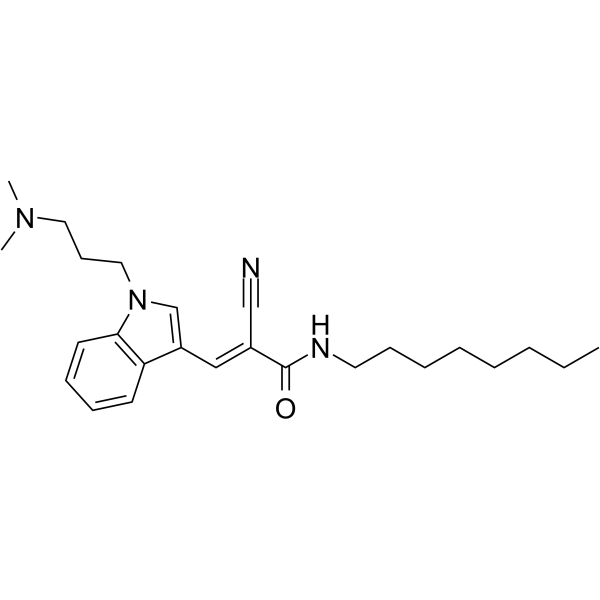
    NSC12 is an orally active pan-FGF trap. NSC12 inhibits the interaction between FGF2/FGFR. NSC12 suppresses the phosphorylation of FGFR3. NSC12 reduces c-Myc levels, induces DNA damage, triggers the cleavage of Caspase 3, and promotes ROS production. NSC12 exhibits anticancer activity against lung cancer and multiple myeloma .
    NSC12
  • HY-156513

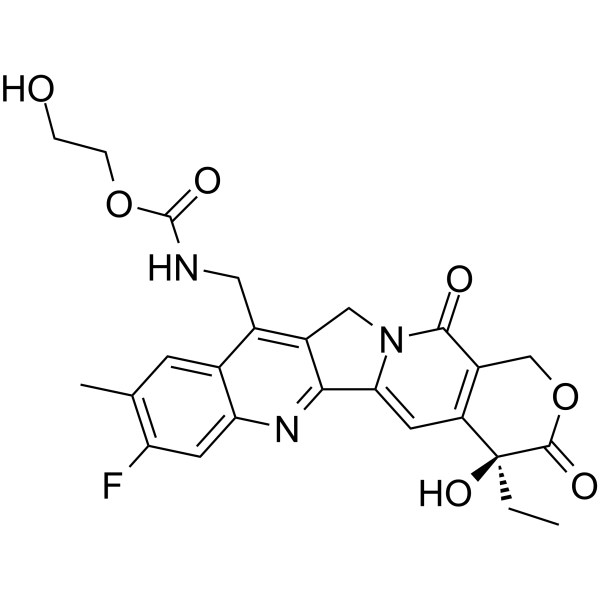
    7-Hydroxyethyl carbamate-(10Me-11F-Camptothecin)

    ADC Payload Cancer
    ZD06519 (7-Hydroxyethyl carbamate-(10Me-11F-Camptothecin)) is a camptothecin (HY-16560) analogue and a topoisomerase I inhibitor. ZD06519 is an ADC cytotoxin with a strong bystander effect, inhibiting a variety of malignancies such as HER2-positive and FRα-overexpressing tumors. ZD06519 inhibits DNA cleavage, relaxation, and reconnection processes, inducing tumor cell death. ZD06519 can be used for ADC synthesis and cancer research .
    ZD06519
  • HY-N2445
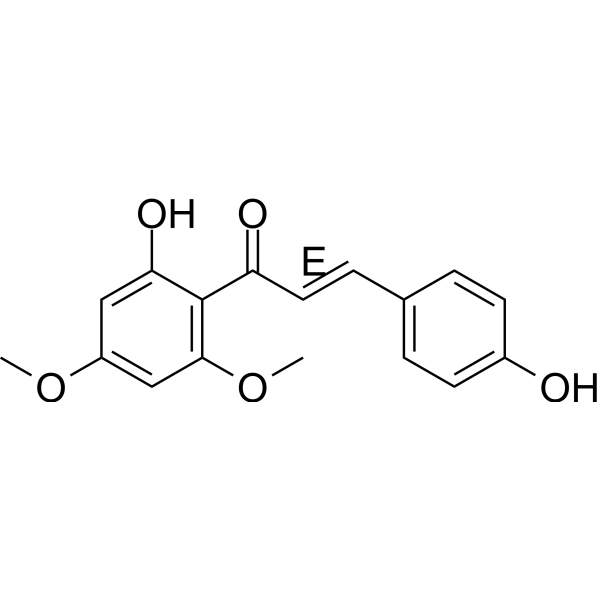
    Flavokawain C
    4 Publications Verification

    Apoptosis Akt JNK PERK Caspase PARP MDM-2/p53 IAP Reactive Oxygen Species (ROS) SOD FABP Autophagy AMPK mTOR GLUT EGFR PI3K HSP VEGFR FAK Cancer
    Flavokawain C is an orally active natural chalcone. Flavokawain C inhibits the proliferation of various cancer cells. Flavokawain C upregulates GADD153 in cancer cells, inhibits the phosphorylation of Akt and JNK, suppresses early ERK phosphorylation, activates late ERK phosphorylation, activates caspase related subtypes, induces PARP-1 cleavage, causes upregulation of p21 and p27, downregulation of mutant p53 and anti-apoptotic IAP proteins, elevates intracellular ROS levels, reduces SOD activity, and induces apoptosis. Flavokawain C downregulates FABP4, induces autophagy in cancer cells, and activates the AMPK/mTOR pathway . Flavokawain C decreases the expression of glycolysis-related proteins GLUT1 and HK2, and inhibits glycolysis in nasopharyngeal carcinoma cells. Flavokawain C inhibits the activation of the EGFR/PI3K/Akt/mTOR signaling pathway and reduces the expression of HSP90B1. Flavokawain C inhibits angiogenesis by decreasing the expression of angiogenic proteins Ang-1 and VEGF in human umbilical vein endothelial cells. Flavokawain C increases γ-H2AX levels in cells, inhibits the phosphorylation of FAK, PI3K and AKT in cells, and induces DNA damage in cells. Flavokawain C exerts anti-tumor activity in multiple tumor xenograft mouse models. Flavokawain C is applicable to research related to colorectal cancer, colon adenocarcinoma, nephroblastoma, nasopharyngeal carcinoma and liver cancer .
    Flavokawain C
  • HY-100951
    Beaucage reagent
    1 Publications Verification

    DNA/RNA Synthesis Cancer
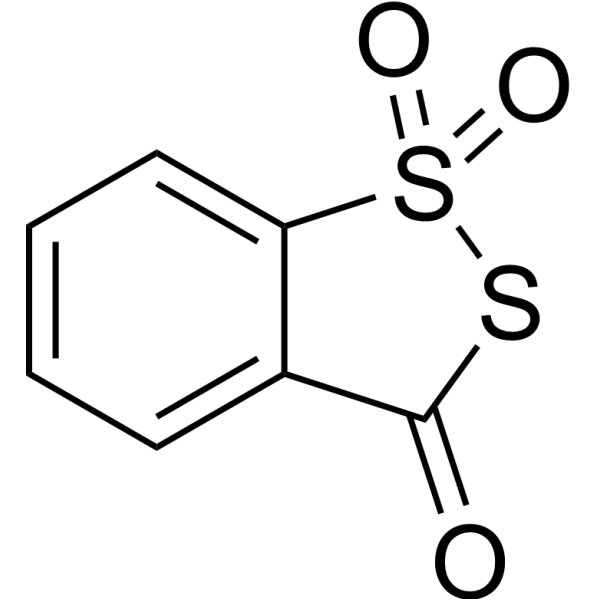
    Beaucage reagent is found to be potent in causing DNA cleavage .
    Beaucage reagent
  • HY-136251

    Bacterial Infection
    BRD0539 is a Streptococcus pyogenes Cas9 (SpCas9) inhibitor with an IC50 of 22 μM in an in vitro DNA cleavage assay .
    BRD0539
  • HY-19024

    NSC 336628

    Topoisomerase Cancer
    Merbarone (NSC 336628) is an orally active inhibitor of topoisomerase II. Merbarone acts primarily by blocking topoisomerase II-mediated DNA cleavage without stabilizing topo II-DNA covalent complexes. Merbarone is an anticancer agent .
    Merbarone
  • HY-W008598

    p-Fluorophenacyl bromide

    DNA/RNA Synthesis Cancer
    2-Bromo-4'-fluoroacetophenone (p-Fluorophenacyl bromide) is a photoinducible DNA cleavage inducer.2-Bromo-4'-fluoroacetophenone generates fluorine-substituted phenyl radicals upon excitation and irradiation to cleave DNA, converting circular supercoiled DNA to circular relaxed and linear DNA forms.2-Bromo-4'-fluoroacetophenone exhibits concentration-dependent DNA cleaving activity.2-Bromo-4'-fluoroacetophenone can be used for the research of cancer .
    2-Bromo-4'-fluoroacetophenone
  • HY-161430

    DNA/RNA Synthesis Apoptosis PARP Cancer
    RTx-161 is a DNA polymerase θ inhibitor with an IC50 of 4.1 nM. RTx-161 induces DNA damage, PARP cleavage, apoptosis, and selectively kills homologous recombination-deficient (HRD) cells. RTx-161 acts synergistically with PARP inhibitors to suppress PARP inhibitor resistance in cancer cells. RTx-161 can be used for the research of BRCA G12C mutant cancer and HR-deficient cancers .
    RTx-161
  • HY-147291

    c-Myc PARP Apoptosis Cancer
    VPC-70063 is a potent Myc-Max inhibitor with an IC50 value of 8.9 μM for Myc-Max transcriptional activity inhibition. VPC-70063 reduces UBE2C promotor activity and AR-V7 levels, and induces PARP cleavage. VPC-70063 induces apoptosis and blocks Myc-Max interactions with DNA. VPC-70063 can be used for researching anticancer .
    VPC-70063
  • HY-141867

    Z-Phe-Phe-FMK

    Cathepsin MEK Caspase DNA/RNA Synthesis Apoptosis Cardiovascular Disease Neurological Disease
    Z-FF-FMK (Z-Phe-Phe-FMK) is a cell-permeable, irreversible, and cysteine protease inhibitor targeting cathepsin-L. Z-FF-FMK inhibits angiotensin II-induced MEK activation in vascular walls, aortic medial remodeling, blood pressure elevation, and upregulation of cystatin C in aortic walls. Z-FF-FMK prevents β-amyloid-mediated caspase-3 activation, poly (ADP-ribose) polymerase cleavage, DNA fragmentation, and apoptosis of cortical neurons (apoptosis). Z-FF-FMK can be used in research related to hypertension and Alzheimer's disease .
    Z-FF-FMK
  • HY-W130236

    Cholinesterase (ChE) Cancer
    Methylene Violet 3RAX is a phenazine dye to stain the mitochondria of cells. Methylene Violet 3RAX can change the molecular structure of DNA, undermine the module of DNA, and induce the generation of the reactive singlet oxygen. Methylene Violet 3RAX shows inhibition for human erythrocyte AChE and human plasma BChE with an Kis of 1.58, 0.51 μM, respectively. Methylene Violet 3RAX has the potential for the research of potential photosensitizers for mitochondrial targeting action in PDT (photodynamic therapy) .
    Methylene Violet 3RAX
  • HY-13618

    J 107088; PF 804950

    Topoisomerase Cancer
    Edotecarin is a potent inhibitor of topoisomerase I that can induces single-strand DNA cleavage, with IC50 of 50 nM.
    Edotecarin
  • HY-118581
    Coralyne chloride
    1 Publications Verification

    Topoisomerase Cancer
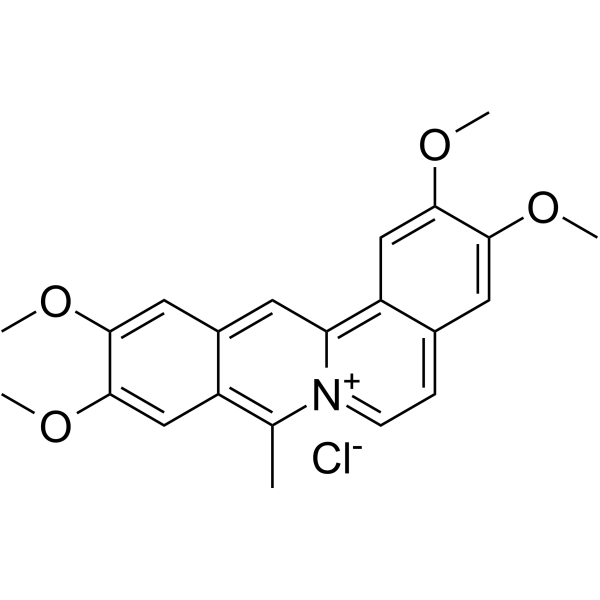
    Coralyne chloride is a protoberberine alkaloid with potent anti-cancer activities. Coralyne chloride acts as a potent topoisomerase I poison and induces Top I mediated DNA cleavage . Coralyne chloride can be used for preparing?coralyne derivatives?as DNA binding fluorescent probes .
    Coralyne chloride
  • HY-N0499A

    Prostaglandin Receptor Inflammation/Immunology
    Cyanidin is an orally active antioxidant and enzyme inhibitor. Cyanidin has IC50 values of 90 μM and 60 μM against PGHS-1 and PGHS-2, respectively. Cyanidin exhibits excellent antioxidant and anti-inflammatory activities, scavenges free radicals, inhibits lipid peroxidation, and protects DNA from cleavage. Cyanidin can be used in the research of inflammatory diseases .
    Cyanidin
  • HY-160005

    NSC 781517

    Topoisomerase DNA/RNA Synthesis Cancer
    LMP517 (NSC 781517) is a potent and non-camptothecin Topoisomerase I and II (TOP1 and TOP2) dual inhibitor. LMP517 can induce TOP1 and TOP2 cleavage complexes (TOP1ccs and TOP2ccs). LMP517 can induce cancer cells DNA damage and γH2AX production. LMP517 can be used for the research of cancer, such as small cell lung cancer .
    LMP517
  • HY-W013741

    Biochemical Assay Reagents DNA Alkylator/Crosslinker DNA/RNA Synthesis Others
    CME-carbodiimide is a nucleic acid modification reagent. CME-carbodiimide reacts specifically with uracil and guanine residues of RNA, as well as guanine and thymine residues of denatured DNA; it does not react with native DNA. Modification of DNA by CME-carbodiimide inhibits phosphodiester bond cleavage or DNA hydrolysis mediated by pancreatic ribonuclease, snake venom phosphodiesterase and deoxyribonuclease .
    CME-carbodiimide
  • HY-W010706

    5'-O-DMT-N4-Bz-dC

    Nucleoside Antimetabolite/Analog Others
    N4-Benzoyl-5'-O-(4,4'-dimethoxytrityl)-2'-deoxycytidine (5'-O-DMT-N4-Bz-dC) can be used for synthesis oligodeoxynucleotides containing a 3'-S-phosphorothiolate (3'-PS) linkage. N4-Benzoyl-5'-O-(4,4'-dimethoxytrityl)-2'-deoxycytidine is an useful tool for probing enzyme-catalyzed cleavage processes in DNA .
    N4-Benzoyl-5'-O-(4,4'-dimethoxytrityl)-2'-deoxycytidine
  • HY-W087937
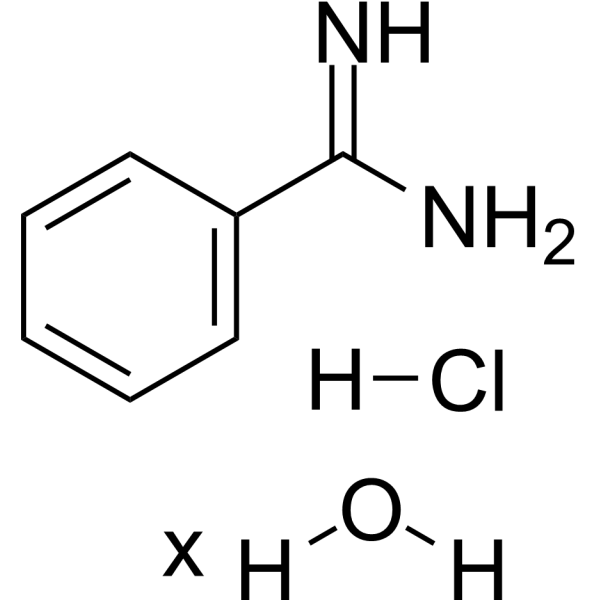
    Benzamidine hydrochloride hydrate
    3 Publications Verification

    Benzenecarboximidamide hydrochloride hydrate

    Ser/Thr Protease Cancer
    Benzamidine (Benzenecarboximidamide) hydrochloride hydrate is a competitive protease inhibitor that blocks the hydrolytic cleavage of glucagon by plasmin, trypsin and thrombin. Benzamidine hydrochloride hydrate effectively inhibits the degradation of glucagon by relevant proteases during the collection, storage and analysis of human plasma and blood samples. During in vivo metabolism, Benzamidine hydrochloride hydrate undergoes N-hydroxylation and produces multiple metabolites, exhibiting characteristics of delayed excretion or biphasic elimination. Benzamidine hydrochloride hydrate only induces slight single-strand DNA breaks at high concentrations and shows no significant genotoxic potential overall. Benzamidine hydrochloride hydrate may interfere with the detection of some glucagon antisera, but does not affect key antigen-antibody affinity at specific concentrations. Benzamidine hydrochloride hydrate can be used as a stabilizer in glucagon radioimmunoassays to ensure the accuracy and recovery rate of detection results .
    Benzamidine hydrochloride hydrate
  • HY-50936S

    Ecteinascidin 743-d3; ET-743-d3

    Isotope-Labeled Compounds Reactive Oxygen Species (ROS) Apoptosis Inflammation/Immunology Cancer
    Trabectedin D3 (Ecteinascidin 743 D3) is deuterium labeled Trabectedin. Trabectedin is a tetrahydroisoquinoline alkaloid with potent antitumor activity. Trabectedin binds to the minor groove of DNA, blocks transcription of stress-induced proteins, induces DNA backbone cleavage and cancer cells apoptosis, and increases the generation of ROS in MCF-7 and MDA-MB-453 cells. Trabectedin has tje potential for soft tissue sarcoma and ovarian cancer treatment .
    Trabectedin-d3
  • HY-103293A

    Kallidin (380-389) (human, porcine, bovine) TFA

    Bradykinin Receptor Cardiovascular Disease Neurological Disease Inflammation/Immunology
    Lys-Bradykinin TFA is the TFA salt form of Lys-Bradykinin (HY-103293). Lys-Bradykinin TFA is a ligand for kallidin and bradykinin receptor, which can be generated by kininogen protein through enzymatic cleavage by the protease kallikrein. Lys-Bradykinin TFA serves as a vasodilator, which widens blood vessels and increases blood flow. Lys-Bradykinin TFA stimulates net Na+ influx, and contributes to DNA synthesis. Lys-Bradykinin TFA involves in vascular regulation, inflammation and pain sensation .
    Lys-Bradykinin TFA
  • HY-N6576

    p38 MAPK ERK JNK IAP PARP Apoptosis Caspase Cancer
    Hellebrigenin is an inhibitor that selectively targets the MAPK signaling pathway (ERK, p38, JNK) and XIAP, and can inhibit Akt expression and phosphorylation. Hellebrigenin can activate endogenous apoptosis pathways (such as mitochondrial membrane potential disruption, Caspase family activation, PARP cleavage), downregulate anti-apoptotic proteins (Bcl-2, Bcl-xL) and upregulate pro-apoptotic proteins (Bax, Bak). Hellebrigenin can also induce DNA double-strand breaks to activate the ATM pathway. Hellebrigenin can inhibit tumor cell proliferation and clone formation, and is mainly used in the study of oral squamous cell carcinoma, liver cancer and other cancers .
    Hellebrigenin
  • HY-19296

    2-Bromo-5,6-dichloro-1-β-D-ribofuranosyl benzimidazole

    CMV Infection
    BDCRB is a selective Human cytomegalovirus (HCMV) inhibitor through blocking the maturational cleavage of high-molecular-weight DNA. BDCRB shows a mean IC50 of 0.03 μM for viral yield at 72 h postinfection .
    BDCRB
  • HY-113091

    Apoptosis Neurological Disease
    Alpha-Tocotrienol is a vitamin E analog with anti-apoptotic neuroprotective action and antioxidant properties. Alpha-Tocotrienol prevents oxidative stress-independent apoptotic cell death, DNA cleavage, and nuclear morphological changes .
    DL-α-Tocotrienol
  • HY-W001974

    DNA/RNA Synthesis Bacterial Others
    7-Nitroindole is a cleavable base analog and Antibacterial agent. 7-Nitroindole inhibits the growth of Lactobacillus arabinosus. 7-Nitroindole is used in studies of light-controlled DNA cleavage and Lactobacillus arabinosus infection .
    7-Nitroindole
  • HY-159162A

    7CPT TFA

    Drug Derivative Others
    7-(2-Aminoethyl)camptothecin TFA (7CPT TFA) is the TFA salt form of Camptothecin (HY-16560) derivative 7-(2-Aminoethyl)camptothecin (HY-159162). 7-(2-Aminoethyl)camptothecin TFA can be used for synthesis of conjugate with triple helix-forming oligonucleotides (TFOs) and camptothecin (CPT). The TFO-CPT conjugate is used for DNA cleavage .
    7-(2-Aminoethyl)camptothecin TFA
  • HY-N0499R

    IdB 1027 (Standard)

    Reference Standards Prostaglandin Receptor Inflammation/Immunology
    Cyanidin Chloride (IdB 1027) (Standard) is the analytical standard of Cyanidin Chloride (IdB 1027). This product is intended for research and analytical applications. Cyanidin Chloride (IdB 1027) is an orally active antioxidant and enzyme inhibitor. Cyanidin Chloride has IC50 values of 90 μM and 60 μM against PGHS-1 and PGHS-2, respectively. Cyanidin Chloride exhibits excellent antioxidant and anti-inflammatory activities, scavenges free radicals, inhibits lipid peroxidation, and protects DNA from cleavage. Cyanidin Chloride can be used in the research of inflammatory diseases.
    Cyanidin Chloride (Standard)
  • HY-105510

    Topoisomerase DNA/RNA Synthesis Cancer
    Hydroxyrubicin is an antitumor agent. Hydroxyrubicin can induce topoisomerase II-mediated DNA cleavage. Hydroxyrubicin induces DNA unwinding. Hydroxyrubicin has a significant inhibitory effect on tumor cells. Hydroxyrubicin can be used for the study of Multidrug-resistant (MDR) leukemia .
    Hydroxyrubicin
  • HY-117137

    CMV Infection
    GW 275175X is an inhibitor of the terminase complex involved in cleavage and packaging of the unit length DNA into the capsids. GW 275175X exhibits long plasma half-life. GW 275175X is a BDCRB derivative. GW 275175X exhibits anti-HCMV activity through inhibiting maturation of viral DNA .
    GW 275175X
  • HY-178099

    Apoptosis Caspase PARP Bcl-2 Family Cancer
    Apoptosis inducer 45 is an apoptosis inducer. Apoptosis inducer 45 is cytotoxically active against the MCF-7 cell line. Apoptosis inducer 45 elicits MCF-7 cell apoptosis via the mitochondrial pathway (increases the Bax/Bcl-2 ratio) by activating cleavage of caspase-9, thereby inducing the fragmentation of DNA repair protein PARP. Apoptosis inducer 45 also can induce caspase-8 cleavage, subsequently initiating cleavage of caspase-3 and its downstream protein PARP to culminate in the extrinsic apoptosis. Apoptosis inducer 45 can be used in the research of breast cancer .
    Apoptosis inducer 45
  • HY-103293

    Kallidin (380-389) (human, porcine, bovine)

    Bradykinin Receptor Cardiovascular Disease Neurological Disease Inflammation/Immunology
    Lys-Bradykinin, a kind of kallidin and bradykinin receptor ligand, can be generated by kininogen protein through enzymatic cleavage by the protease kallikrein. Lys-Bradykinin, also a vasodilator, can widen blood vessels and increase blood flow. ys-Bradykinin stimulates net Na+ influx, and also the DNA synthesis. Lys-Bradykinin involves in vascular regulation, inflammation and pain sensation .
    Lys-Bradykinin
  • HY-113056AS

    Endogenous Metabolite Cancer
    N1-Acetylspermidine-d6 (hydrochloride) is the deuterium labeled N1-Acetylspermidine hydrochloride. N1-Acetylspermidine hydrochloride is an acetyl derivative of polyamine. N1-acetylspermine is the substrate for the polyamine oxidase (PAO). N1-Acetylspermidine hydrochloride selectively elevates its level in human colorectal adenocarcinomas. N1-acetylspermidine shows cleavage efficiency at apurinic sites in DNA .
    N1-Acetylspermidine-d6 hydrochloride
  • HY-171184

    PARP Bcr-Abl Apoptosis Mitosis Cancer
    EAPB0503 is a quinoline compound with anti-tumor activity, showing strong cytotoxicity against melanoma cells in vitro (IC50=200 nM). EAPB0503 can induce specific cell cycle arrest in mitosis of CML cells and directly activate apoptosis, leading to an increase in the G0 cell population, disruption of mitochondrial membrane potential, PARP cleavage, and DNA fragmentation. EAPB0503 also reduces the levels of BCR-ABL protein .
    EAPB0503
  • HY-113056AR

    Endogenous Metabolite Apoptosis Reference Standards Cancer
    N1-Acetylspermidine (hydrochloride) (Standard) is the analytical standard of N1-Acetylspermidine (hydrochloride). This product is intended for research and analytical applications. N1-Acetylspermidine hydrochloride is an acetyl derivative of polyamines and a substrate for polyamine oxidase (PAO). N1-Acetylspermidine hydrochloride can promote Apoptosis in combination with Procyanidins. N1-Acetylspermidine hydrochloride has a certain cleavage efficiency at apurinic sites of DNA. N1-Acetylspermidine hydrochloride can be used in colorectal cancer research .
    N1-Acetylspermidine hydrochloride (Standard)
  • HY-178178

    PARP Reactive Oxygen Species (ROS) DNA/RNA Synthesis Apoptosis Cancer
    PARP1-IN-46 is a potent PARP-1 inhibitor with an IC50 of 2.4 nM. PARP1-IN-46 demonstrates remarkable anti-proliferative activity in both rat (C6) and human (U87MG) glioma cells. PARP1-IN-46 promotes PARP cleavage, triggers DNA damage, and increases ROS. PARP1-IN-46 effectively inhibits the migration, invasion and colony formation of glioma cells, and ultimately induces cell apoptosis. PARP1-IN-46 can be used to the study of glioma .
    PARP1-IN-46
  • HY-174499

    mRNA Others
    Cas9 Nickase D10A mRNA expresses a version of the Streptococcus pyogenes SF370 Cas9 protein (CRISPR Associated Protein 9) that contains a D10A amino acid substitution. This mRNA also contains a C-terminal nuclear localization signal followed by a HA tag.Cas9 functions as part of the CRISPR (clustered regularly interspaced short palindromic repeats) genome editing system. In the CRISPR system, an RNA guide sequence targets the site of interest and the Cas9 protein is employed to perform the DNA cleavage. While wild-type Cas9 creates a double-stranded break at the target site, Cas9 nickase creates a single-stranded break. This favors homology-directed repair and decreases the occurrence of non-homologous end joining.
    Cas9 Nickase D10A mRNA (5moU)
  • HY-120185

    UCT-1003

    Topoisomerase Infection Cancer
    Saintopin is an antitumor antibiotic. Saintopin is also an inhibitor of DNA topoisomerases I and II. Saintopin induces DNA cleavage .
    Saintopin
  • HY-171029

    Amino Acid Derivatives Others
    C902 is a cysteine residue in the RAG1 protein, that binds to Zn 2+ ion and contributes to the DNA cleavage .
    C902
  • HY-120173

    Topoisomerase Others
    Ro 47-3359 is a pyrimido[1,6-a]benzimidazole compound with the activity of enhancing eukaryotic topoisomerase II-mediated DNA cleavage and being toxic to Kc cells.
    Ro 47-3359

オンラインお問い合わせ

入力情報は安全に管理されます. 必須入力項目.

タイトル


国或いは地域 *

お名前 *


組纖名 *

デパートメント *


メールアドレス *


製品名 *

製品番号


カスタマ需要量 *

電話番号 *


必ず会社名を記載ください。個人への返信は行いません。

備考

バルクお問い合わせ

Inquiry Information

製品名:
製品番号:
数量:
MCE 日本正規代理店:

