
1. Search Result
Search Result
Results for "

depletion

" in MedChemExpress (MCE) Product Catalog:

324

Inhibitors & Agonists

4

Fluorescent Dyes

12

Biochemical Assay Reagents

15

Peptides

85

Inhibitory Antibodies

26

Natural
Products

24

Isotope-Labeled Compounds

6

Oligonucleotides

1

GMP Molecules

Cat. No. Product Name Target Research Areas Chemical Structure
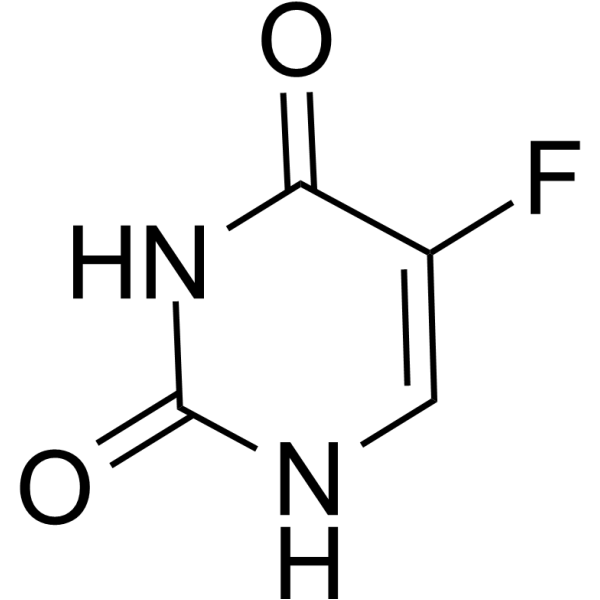
  • HY-90006
    5-Fluorouracil
    Maximum Cited Publications
    313 Publications Verification

    5-FU

    Exosomes Nucleoside Antimetabolite/Analog HIV Apoptosis Endogenous Metabolite Cancer
    5-Fluorouracil (5-FU) is an analogue of uracil and a potent antitumor agent. 5-Fluorouracil affects pyrimidine synthesis by inhibiting thymidylate synthetase thus depleting intracellular dTTP pools. 5-Fluorouracil induces apoptosis and can be used as a chemical sensitizer . 5-Fluorouracil also inhibits HIV .
    5-Fluorouracil
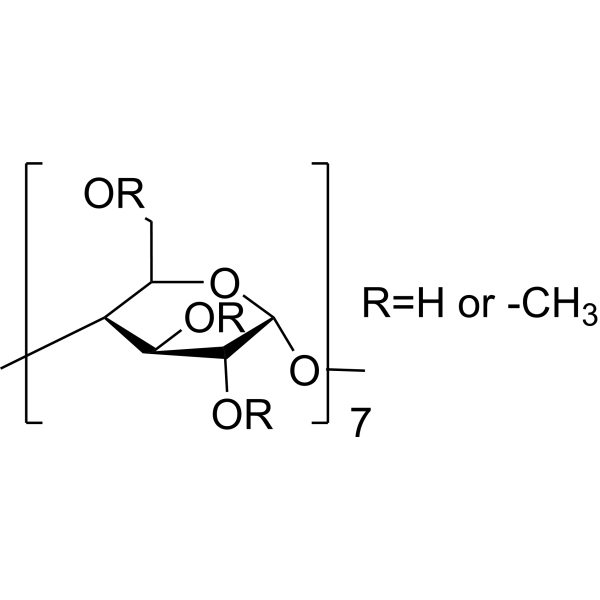
  • HY-101461
    Methyl-β-cyclodextrin
    Maximum Cited Publications
    106 Publications Verification

    Methyl-beta-cyclodextrin

    Environmental Pollutants Biochemical Assay Reagents Cancer
    Methyl-β-cyclodextrin (Methyl-beta-cyclodextrin) is a cyclic heptasaccharide used to deliver hydrophobic agents based on its property of solubilizing non-polar substances. Methyl-β-cyclodextrin is also extensively used as a cholesterol-depleting reagent . Methyl-β-cyclodextrin strongly reduces clathrin-dependent endocytosis . Methyl-β-cyclodextrin blocks cell migrasome formation .
    Methyl-β-cyclodextrin
  • HY-50876
    Daporinad
    60+ Cited Publications

    FK866; APO866

    NAMPT Autophagy Apoptosis mTOR p38 MAPK ERK Cancer
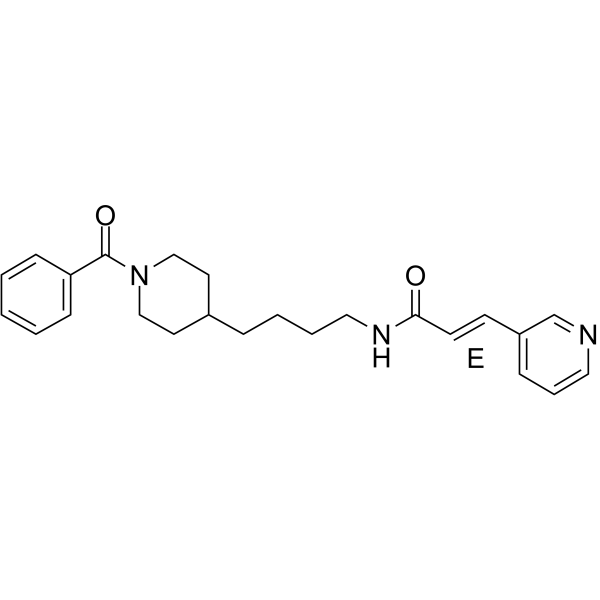
    Daporinad (FK866) is a non-competitive inhibitor of nicotinamide phosphoribosyltransferase (Nampt), with a Ki value of 0.3 nM. Daporinad depletes NAD+ and ATP levels, inhibits mTORC1 and MAPK/ERK pathways, and activates TFEB to induce autophagy. Daporinad causes the depletion of the endoplasmic reticulum Ca²⁺ pool, ultimately weakening the mitogen-induced Ca²⁺ signal and the activation and function of T cells. Daporinad induces cell cycle arrest and apoptosis, and inhibits cell proliferation. Daporinad can be used for the study of myeloma, liver cancer, and immunosuppression .
    Daporinad
  • HY-17363
    Dimethyl fumarate
    55+ Cited Publications

    Keap1-Nrf2 Reactive Oxygen Species (ROS) HIV Autophagy Endogenous Metabolite Infection Neurological Disease Inflammation/Immunology Cancer
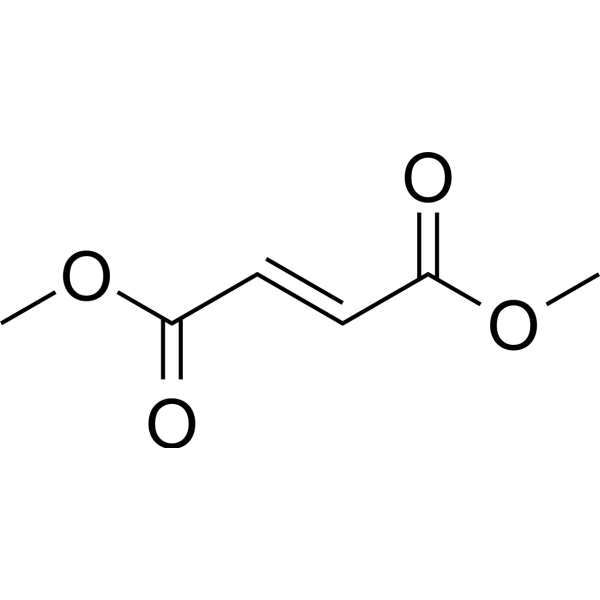
    Dimethyl fumarate (DMF) is an orally active and brain-penetrant Nrf2 activator and induces upregulation of antioxidant gene expression. Dimethyl fumarate induces necroptosis in colon cancer cells through GSH depletion/ROS increase/MAPKs activation pathway, and also induces cell autophagy. Dimethyl fumarate can be used for multiple sclerosis research .
    Dimethyl fumarate
  • HY-106376A
    L-Buthionine-(S,R)-sulfoximine
    15+ Cited Publications

    L-Buthionine sulfoximine; L-BSO

    Ferroptosis Cancer
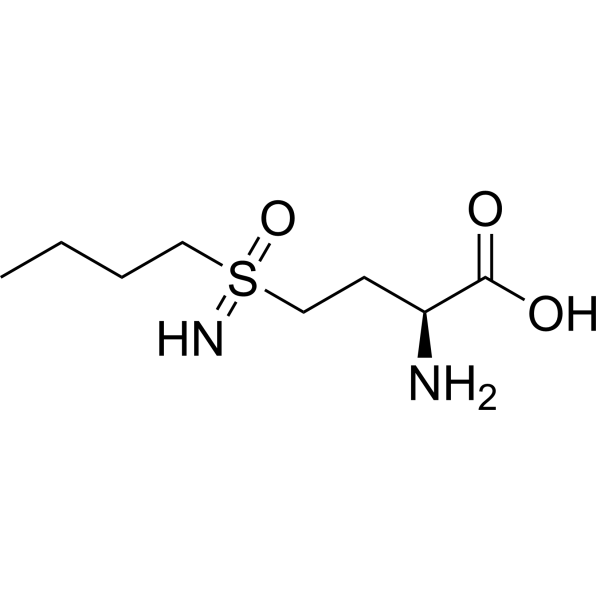
    L-Buthionine-(S,R)-sulfoximine is a cell-permeable, potent, fast acting and irreversible inhibitor of g-glutamylcysteine synthetase and depletes cellular glutathione levels. The IC50 value of L-Buthionine-(S,R)-sulfoximine on melanoma, breast and ovarian tumor specimens are 1.9 μM, 8.6 μM, and 29 μM, respectively.
    L-Buthionine-(S,R)-sulfoximine
  • HY-134653
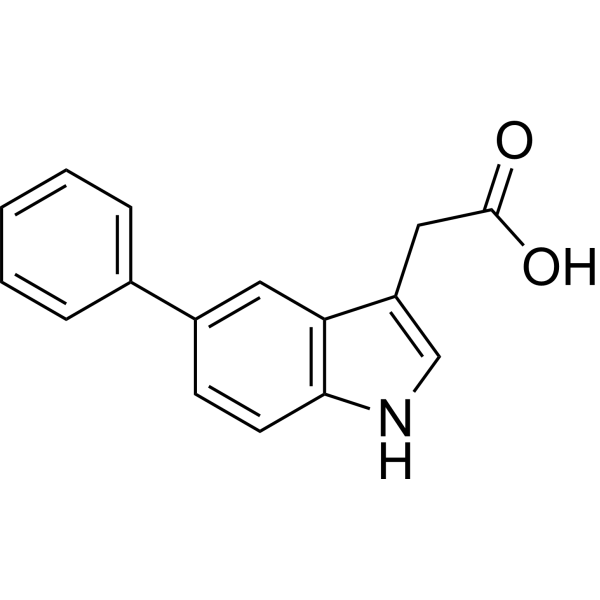
    5-Ph-IAA
    50+ Cited Publications

    Epigenetic Reader Domain Cancer
    5-Ph-IAA is a derivative of IAA. 5-Ph-IAA, a ligand, establishes the auxin-inducible degron 2 (AID2) system together with an OsTIR1 (F74G) mutant. AID2 induces rapid and efficient depletion of mAID-fused proteins to study protein function in living cells, causing tumor suppression .
    5-Ph-IAA
  • HY-P1923
    L-Asparaginase
    10+ Cited Publications

    L-​ASNase

    Apoptosis DNA/RNA Synthesis Cancer
    L-Asparaginase (L-ASNase) is a deamidating enzyme that catalyses the hydrolysis of L-asparagine and L-glutamine, and can be used for the research of acute lymphoblastic leukemia. L-Asparaginase depletes L-asparagine from plasma resulting in inhibition of RNA and DNA synthesis with the subsequent blastic cell apoptosis .
    L-Asparaginase
  • HY-N4115
    Syrosingopine
    10+ Cited Publications

    Su 3118

    Monocarboxylate Transporter Cardiovascular Disease Cancer
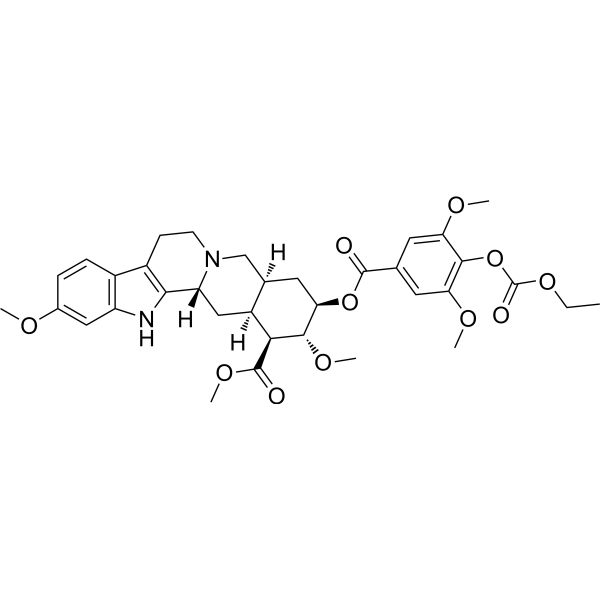
    Syrosingopine (Su 3118) is an orally active lactate transporters (MCT1/MCT4) dual inhibitor, which can reduce glycolysis and induce synthetic lethality in cancer cells when combine with metformin. Syrosingopine shows anti-hypertensive activity by depleting peripheral stores of norepinephrine .
    Syrosingopine
  • HY-W010342
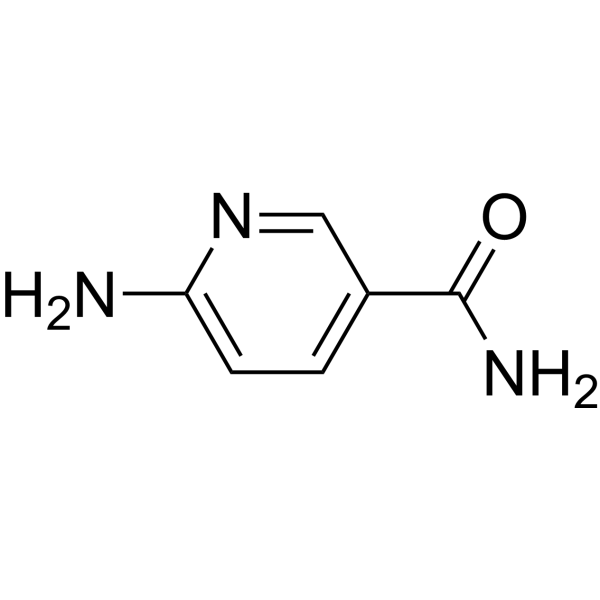
    6-Aminonicotinamide
    15+ Cited Publications

    NADPH Oxidase Cancer
    6-Aminonicotinamide, a potent antimetabolite of nicotinamide, is competitive NADP +-dependent enzyme glucose-6-phosphate dehydrogenase (G6PD) inhibitor (Ki=0.46 μM). 6-Aminonicotinamide resultis ATP depletion and synergizes with DNA-crosslinking chemotherapy agents, such as Cisplatin (HY-17394), in killing cancer cells .
    6-Aminonicotinamide
  • HY-A0119
    Nitroprusside disodium dihydrate
    15+ Cited Publications

    Sodium nitroprusside dihydrate; Sodium Nitroferricyanide(III) Dihydrate

    Autophagy Cardiovascular Disease Cancer
    Nitroprusside disodium dehydrate (Sodium nitroprusside dihydrate) is a vasodilator that available for the research of acute hypertension, heart failure. Nitroprusside disodium dehydrate induces autophagy in glutathione-depleted osteoblasts. Nitroprusside disodium dehydrate acts as a nitric oxide (NO) donor in a rat intestinal ischemia reperfusion model .
    Nitroprusside disodium dihydrate
  • HY-P9948

    Campath-IH

    Apoptosis Cancer
    Alemtuzumab (Campath-IH) is a humanized monoclonal antibody against CD52. Alemtuzumab does not cross-react with murine CD52. Alemtuzumab selectively targets the CD52 antigen to induce profound lymphocyte depletion, followed by recovery of T and B cells with regulatory phenotypes. Alemtuzumab is capable of complement-dependent cytotoxicity and antibody-dependent cell-mediated cytotoxicity (ADCC), as well as induction of apoptosis. Alemtuzumab has the potential for B-cell chronic lymphocytic leukaemia research .
    Alemtuzumab
  • HY-12768A
    Sotuletinib hydrochloride
    35+ Cited Publications

    BLZ945 hydrochloride

    c-Fms Cancer
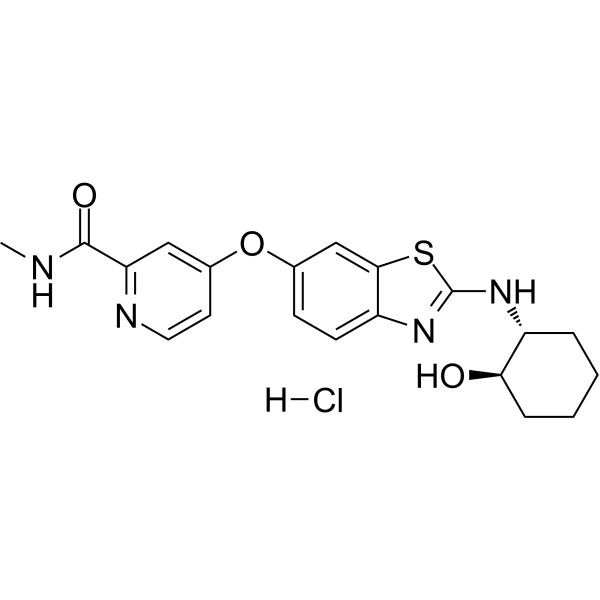
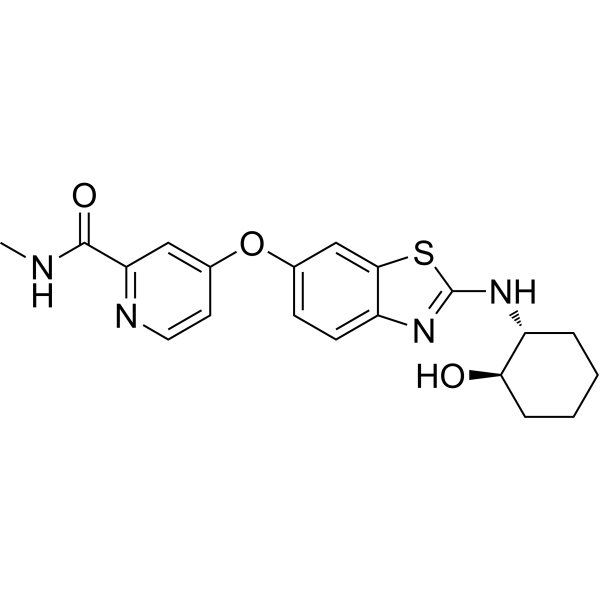
    Sotuletinib (BLZ945) hydrochloride is a potent, selective, orally active and brain-penetrant CSF-1R (c-Fms) inhibitor with an IC50 of 1 nM, showing more than 1,000-fold selectivity against its closest receptor tyrosine kinase homologs. Sotuletinib hydrochloride can be used for microglia depletion, and for tumor and CNS-related disease research. .
    Sotuletinib hydrochloride
  • HY-Y1147
    Diethyl maleate
    1 Publications Verification

    Maleic acid diethyl ester

    Biochemical Assay Reagents Others
    Diethyl maleate (DEM) is an orally available, effective glutathione (GSH) depletor that crosses the blood-brain barrier. Diethyl maleate covalently binds irreversibly to GSH via glutathione S-transferase with an in vitro IC50 of 0.1-0.5 mM. Diethyl maleate selectively depletes GSH in liver, lung, and brain tissues, exacerbating oxidative stress and enhancing hyperbaric oxygen toxicity. Diethyl maleate promotes precursor amino acid uptake and in turn promotes GSH synthesis by upregulating the activity of the cystine-glutamate transporter XO -. Diethyl maleate can be used to study redox homeostasis and GSH protection mechanisms in oxidative stress-related diseases such as hyperbaric oxygen injury and metabolic diseases[1][2][3].
    Diethyl maleate
  • HY-132588

    ALN-G01

    Small Interfering RNA (siRNA) Glycolate Oxidase Metabolic Disease
    Lumasiran (ALN-G01), a siRNA product, reduces hepatic oxalate production by targeting glycolate oxidase. By silencing the gene encoding glycolate oxidase, Lumasiran depletes glycolate oxidase and thereby inhibits the synthesis of oxalate, which is the toxic metabolite that is directly associated with the clinical manifestations of Primary hyperoxaluria type 1 (PH1) .
    Lumasiran
  • HY-NP004

    CVF

    Complement System Inflammation/Immunology
    Cobra Venom Factor (CVF) is a selective activator targeting complement components C3, C5, and factor B in the complement system. After binding to factor B, Cobra Venom Factor is cleaved by factor D, forming a stable C3/C5 convertase resistant to regulatory proteins H and I. This continuously hydrolyzes C3 and C5, depleting serum complement while inducing neutrophil migration, vascular leakage, and increased TNF-α levels. Cobra Venom Factor can be used to deplete complement and mimic complement activation-related pathological states, and is applied in animal models of complement-mediated diseases such as acute respiratory distress syndrome (ARDS), sepsis, and shock. Cobra Venom Factor can be isolated from the venom of cobras (e.g., Naja atra, Naja melanoleuca, Naja kaouthia, etc.) .
    Cobra Venom Factor
  • HY-W019599

    L-PCPA

    5-HT Receptor Tryptophan Hydroxylase Neurological Disease
    4-Chloro-L-phenylalanine (L-PCPA) is a tryptophan hydroxylase inhibitor targeting TPH1 and TPH2, with the activity of blocking serotonin biosynthesis. 4-Chloro-L-phenylalanine reduces the levels of serotonin and its metabolites in the brain without impairing the survival of serotonergic neurons. 4-Chloro-L-phenylalanine enhances anhedonic, depression-like and anxiety-like behaviors in mice with depleted noradrenergic and dopaminergic neurons. 4-Chloro-L-phenylalanine acts as a decarboxylation substrate for aromatic L-amino acid decarboxylase from Bacillus atrophaeus. 4-Chloro-L-phenylalanine can be used in studies related to Parkinson's disease .
    4-Chloro-L-phenylalanine
  • HY-P99904

    MEDI-507; TCD601

    CD2 Inflammation/Immunology Cancer
    Siplizumab (MEDI-507) is a humanized IgG1 monoclonal antibody against CD2. Siplizumab depletes T cells, decreases T cell activation, inhibites T cell proliferation and enriches naïve and bona fide regulatory T cells .
    Siplizumab
  • HY-P99670

    CFZ-533; OM11-62MF

    TNF Receptor Metabolic Disease Inflammation/Immunology
    Iscalimab (CFZ-533) is a non-depleting IGg1 monoclonal antibody targeting CD40 (KD: 0.3 nM). Iscalimab can be used for research of Graves' hyperthyroidism and autoimmune diseases .
    Iscalimab
  • HY-P990026

    ABC-008

    C-type Lectin-like Receptors (CTLRs) Inflammation/Immunology
    Ulviprubart (ABC-008) is a monoclonal antibody targeting the KLRG1 receptor that selectively depletes highly differentiated cytotoxic T cells. Ulviprubart can be used in the study of inclusion body myositis (IBM) .
    Ulviprubart
  • HY-P9960

    2H7; PRO70769; RG1594

    CD20 Inflammation/Immunology
    Ocrelizumab (Ocrevus) is a humanized anti-CD20 monoclonal antibody. Ocrelizumab can induce B cell depletion and inhibit multiple sclerosis lesions in mice through antibody dependent cytotoxicity (ADCC) .
    Ocrelizumab
  • HY-121134
    Decylubiquinone
    1 Publications Verification

    Reactive Oxygen Species (ROS) Neurological Disease Cancer
    Decylubiquinone is an analog of ubiquinone (coenzyme Q10). Decylubiquinone blocks reactive oxygen species (ROS) production in response to glutathione depletion and inhibits activation of the mitochondrial permeability transition .
    Decylubiquinone
  • HY-B1309

    AMAP

    Drug Derivative Mitochondrial Metabolism Infection Cancer
    Metacetamol (AMAP) is an analog of Acetaminophen (HY-66005). Metacetamol induces dose-dependent necrosis in primary hepatocytes via glutathione depletion, mitochondrial damage, and formation of mitochondrial protein adducts. Metacetamol derivatives act as anticancer and antibacterial agents. Metacetamol can be used in studies related to breast cancer, bacterial infections, and fungal infections (candidiasis) .
    Metacetamol
  • HY-P990042

    ONC-392; BNT 316

    CTLA-4 Inflammation/Immunology Cancer
    Gotistobart (ONC-392; BNT 316) is a humanized anti-CTLA-4 antibody with selective regulatory T cell depletion activity in the tumor microenvironment. Gotistobart can be used for the research of cancer, such as non-small cell lung cancer .
    Gotistobart
  • HY-103400
    8-Chloroadenosine
    1 Publications Verification

    8-Cl-Ado

    AMPK Autophagy Cancer
    8-Chloroadenosine (8-Cl-Ado), a unique ribonucleoside analog, depletes endogenous ATP that subsequently induces the phosphorylation and activation of AMPK. 8-Chloroadenosine induces autophagic cell death. 8-Chloroadenosine effectively inhibited in vivo tumor growth in mice .
    8-Chloroadenosine
  • HY-100712
    DPO-1
    1 Publications Verification

    Potassium Channel Calcium Channel NOD-like Receptor (NLR) Interleukin Related Cardiovascular Disease Inflammation/Immunology
    DPO-1 is a potent Kv1.5 and Kv1.3 (EC50 = 3.1 μM) channels inhibitor with potential immunomodulatory and anti-inflammatory effects. DPO-1 reduces Kv1.3 current density, blunts Ca 2+ influx in Ca 2+-depleted Jurkat cells, and inhibits IL-2 secretion in activated Jurkat cells. DPO-1 inhibits Uric acid sodium (HY-B2130A) (MSU)-induced NLRP3 inflammasome activation by blocking Kv1.5-mediated K + efflux. DPO-1 can be used for the study of immunologic disorders and atrial fibrillation .
    DPO-1
  • HY-160972

    LXR Neurological Disease Cancer
    MM0299 is a selective lanosterol synthase (LSS) inhibitor with an IC50 value of 2.22 μM. MM0299 depletes intracellular cholesterol and acts as a growth inhibitor for glioma stem-like cells. MM0299 exhibits anti-glioblastoma activity. MM0299 is applicable to research related to glioblastoma .
    MM0299
  • HY-P9923
    Benralizumab
    1 Publications Verification

    MEDI-563; BIW-8405; KHK4563

    Interleukin Related Apoptosis Inflammation/Immunology Cancer
    Benralizumab (MEDI-563) is an interleukin-5 receptor α (IL-5Rα)-directed cytolytic monoclonal antibody that induces direct, rapid and nearly complete depletion of eosinophils via enhanced antibody-dependent cell-mediated cytotoxicity. Benralizumab can be used for severe eosinophilic asthma .
    Benralizumab
  • HY-106376C

    L-Buthionine sulfoximine hydrochloride; L-BSO hydrochloride

    Ferroptosis Metabolic Disease Cancer
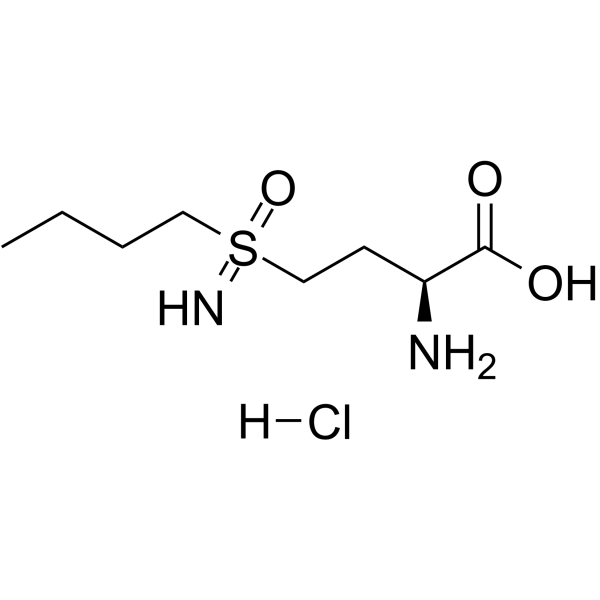
    L-Buthionine-(S,R)-sulfoximine hydrochloride is a cell-permeable, potent, fast acting, orally active and irreversible inhibitor of g-glutamylcysteine synthetase and depletes cellular glutathione levels. The IC50 value of L-Buthionine-(S,R)-sulfoximine on melanoma, breast and ovarian tumor specimens are 1.9 μM, 8.6 μM, and 29 μM, respectively .
    L-Buthionine-(S,R)-sulfoximine hydrochloride
  • HY-Z0283
    Benzamide
    1 Publications Verification

    Benzenecarboxamide; Phenylamide

    Endogenous Metabolite PARP Others
    Benzamide (Benzenecarboxamide) is a potent poly(ADP-ribose) polymerase (PARP) inhibitor. Benzamide has protective activity against both glutamate- and methamphetamine (METH)-induced neurotoxicity in vitro. Benzamide can attenuate the METH-induced dopamine depletions and exhibits neuroprotective activity in mice, also has no acute effect on striatal dopamine metabolism and does not reduce body temperature .
    Benzamide
  • HY-P99313

    Anti-Human IGHE Recombinant Antibody

    Apoptosis Inflammation/Immunology
    Quilizumab (Anti-Human IGHE Recombinant Antibody) is a humanized IgG1κ monoclonal antibody targeting immunoglobulin epsilon (also konwn as: IGHE, IgE). Quilizumab targets the M1-prime fragment of membrane-expressed IGHE/IgE, leading to IGHE/IgE switching and memory B cell depletion. Quilizumab has potential in asthma research .
    Quilizumab
  • HY-12628
    GNE-618
    2 Publications Verification

    NAMPT Cancer
    GNE-618 is a potent, orally active nicotinamide phosphoribosyl transferase (NAMPT) inhibitor with an IC50 of 6 nM. GNE-618 depletes NAD levels and induces tumor cell death. Anti-tumor activity .
    GNE-618
  • HY-P99326

    Anti-Human CD20 Recombinant Antibody; V10XA53

    CD20 Cancer
    Tositumomab (Anti-Human CD20 Recombinant Antibody) is a mouse-derived IgG2a monoclonal antibody, targeting to human CD20. Tositumomab can deplete B cells. Tositumomab can be used for the research of cancer, such as lymphoma .
    Tositumomab
  • HY-P990095

    REGN5459

    CD3 TNF Receptor Cancer
    Vonsetamig (REGN5459) is a human bispecific antibody targeting BCMA and CD3. Vonsetamig triggers T-cell activation, induces plasma cell depletion, and triggers low-level cytokine release. Vonsetamig can be used for the research of relapsed/refractory multiple myeloma .
    Vonsetamig
  • HY-P99321

    BMS 224819; Chi220; Anti-Human CD40 Recombinant Antibody

    TNF Receptor Inflammation/Immunology Cancer
    Teneliximab (BMS-224819) is a chimeric monoclonal antibody, blocks the CD40-CD40L interaction. Teneliximab (BMS-224819) has partial agonist activity resulting in some signaling through CD40 and peripheral B cell depletion .
    Teneliximab
  • HY-P99123
    Anti-Mouse CD28 Antibody (37.51)
    2 Publications Verification

    CD28 Inflammation/Immunology
    Anti-Mouse CD28 Antibody (37.51) is an agonistic agonistic CD28-specific antibody derived from the host Syrian Hamster. Anti-Mouse CD28 Antibody (37.51) partially prevents lethal graft-versus-hostdisease (GVHD) by selective depletion of alloreactive T cells in mice .
    Anti-Mouse CD28 Antibody (37.51)
  • HY-P99730
    Mezagitamab
    1 Publications Verification

    TAK-079

    CD38 Apoptosis Inflammation/Immunology Cancer
    Mezagitamab (TAK-079) is a IgG1λ anti-CD38 monoclonal antibody. Mezagitamab depletes tumor cells expressing CD38 through antibody and complement dependent cytotoxicity. Mezagitamab has potential application in relapsed/refractory multiple myeloma (RRMM) and idiopathic thrombocytopenic purpura (ITP) .
    Mezagitamab
  • HY-145282
    MS170
    1 Publications Verification

    PROTACs Akt Cancer
    MS170 is a potent and selective PROTAC AKT degrader. MS170 depletes cellular total AKT (T-AKT) with the DC50 value of 32 nM. MS170 binds to AKT1, AKT2, and AKT3 with Kds of 1.3 nM, 77 nM, and 6.5 nM, respectively .
    MS170
  • HY-P991192

    TNF Receptor Cancer
    BI-1808 is a human IgG1 monoclonal antibody that targets TNFR2by blocking interaction of TNFR2 with ligand TNF-α, confers FcγR-dependent depletion of Treg and mediates expansion of intratumoral CD8 + T cells .
    BI-1808
  • HY-19587

    NSC335153

    DNA/RNA Synthesis Cancer
    Ditercalinium chloride is an anticancer agent. Ditercalinium chloride inhibits human DNA polymerase gamma activity. Ditercalinium chloride can deplete mitochondrial DNA in both mouse and human cells. Ditercalinium chloride is a potential ligand against the COMMD10-AP3S1 fusion protein .
    Ditercalinium chloride
  • HY-122753

    MDM-2/p53 Cancer
    SLMP53-1 is a wild-type and mutant p53 reactivator with promising antitumor activity. SLMP53-1 mediates the reprograming of glucose metabolism in cancer cells. SLMP53-1 depletes angiogenesis, decreasing endothelial cell tube formation and vascular endothelial growth factor (VEGF) expression levels .
    SLMP53-1
  • HY-14374

    CAY10618

    NAMPT Autophagy Inflammation/Immunology Cancer
    GPP78 (CAY10618) is a potent Nampt inhibitor with an IC50 of 3.0 nM for nicotinamide adenine dinucleotide (NAD) depletion. GPP78 is cytotoxic to neuroblastoma cell line SH-SY5Y cells with an IC50 of 3.8 nM by inducing autophagy. GPP78 has anti-cancer and anti-inflammatory effects .
    GPP78
  • HY-121650A

    Dopamine Receptor Neurological Disease
    ADTN hydrobromide is a long-acting dopamine agonist. ADTN hydrobromide significantly decreases the behavioral visual threshold of DA-IPC-depleted zebrafish .
    ADTN hydrobromide
  • HY-P10862A

    Exosomes Virus Protease Infection Cancer
    AH-D peptide TFA is an antiviral peptide that selectively disrupts membrane structures within the size range of exosomes, inducing T-EXO depletion and enhancing cancer immunotherapy .
    AH-D peptide TFA
  • HY-P10738

    Formyl Peptide Receptor (FPR) Infection
    N-Formyl-MMYALF is a potent mitochondrial N-formyl peptide (mtFP) that has the activity of depleting calcium ions in the endoplasmic reticulum. N-Formyl-MMYALF can inhibit the FPR-1-mediated chemotactic response of polymorphonuclear leukocytes (PMNs) to bacterial peptides .
    N-Formyl-MMYALF
  • HY-P990139

    CD20 Inflammation/Immunology
    Anti-Mouse CD20 Antibody (AISB12) is an anti-mouse CD20 IgG2a monoclonal antibody. Anti-Mouse CD20 Antibody (AISB12) can deplete B cells. Anti-Mouse CD20 Antibody (AISB12) can be used for research on immunology .
    Anti-Mouse CD20 Antibody (AISB12)
  • HY-P2862

    Biochemical Assay Reagents Others
    Enolase is a glycolytic enzyme present in the cell wall of S. cerevisiae. Enolase exhibits specific affinity to imported tRNA and can facilitate formation of preMsk1p-tRNA complex. Enolase can be overproduced in tumor cells where rate of glycolysis is increased. Enolase depletion can lead to tRNA inhibition in vivo .
    Enolase, S.cerevisiae
  • HY-163480

    CXCR Inflammation/Immunology
    PF-06835375 is a selective, humanized CXCR5-targeting immunoglobulin G1 antibody. PF-06835375 depletes CXCR5-positive B cells, follicular helper T cells and circulating Tfh-like cells. PF-06835375 is applicable to research related to autoimmune diseases .
    PF-06835375
  • HY-132174

    Flavivirus Dengue Virus CHIKV Dihydroorotate Dehydrogenase Infection
    CHIKV-IN-2 is a potent inhibitor against Chikungunya virus (CHIKV), with excellent cellular antiviral activity (EC90=270 nM) and improved liver microsomal stability. CHIKV-IN-2 shows inhibitory activity against a cellular target Dihydroorotate Dehydrogenase (DHODH), which interacts with various viruses and regulate their replication via depleting intracellular pyrimidine pools .
    CHIKV-IN-2
  • HY-176568

    Mitophagy PINK1/Parkin Mitochondrial Metabolism Neurological Disease Cancer
    LCL768 is a ceramide analog. LCL768 attenuates PARKIN succination to promote PARKIN activation and mitophagy. LCL768 induces CerS1-mediated endogenous C18-ceramide accumulation in mitochondria to mediate mitophagy, which is dependent on DRP1 activation via nitrosylation at C644. LCL768 alters mitochondrial metabolism, resulting in fumarate depletion and leading to tumor suppression. LCL768 improves sensorimotor defects in neurodegenerative diseases like ALS .
    LCL768
  • HY-W587780

    SMX-NO

    Biochemical Assay Reagents Inflammation/Immunology
    Sulfamethoxazole-NO (SMX-NO) is the major immunogen in sulfonamide allergy, producing modest ascorbic acid depletion and hemoglobin adduct formation. Sulfamethoxazole-NO haptens tissue proteins and is immunogenic in rodents .
    Sulfamethoxazole-NO

Inquiry Online

Your information is safe with us. * Required Fields.

Salutation


Country or Region *

Applicant Name *


Organization Name *

Department *


Email Address *


Product Name *

Cat. No.


Requested quantity *

Phone Number *


Remarks

Inquiry Online

Inquiry Information

Product Name:
Cat. No.:
Quantity:
MCE Japan Authorized Agent:

