

1. Search Result
Search Result
Results for "

detoxifying

" in MedChemExpress (MCE) Product Catalog:

20

Inhibitors & Agonists

1

Fluorescent Dyes

3

Peptides

9

Natural
Products

Cat. No. Product Name Target Research Areas Chemical Structure
  • HY-134453A
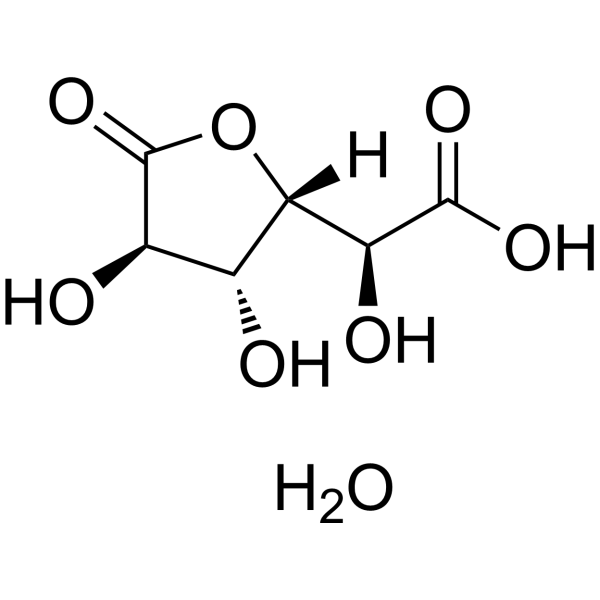
    D-Saccharic acid 1,4-lactone hydrate
    1 Publications Verification

    β-glucuronidase Apoptosis Cancer
    D-Saccharic acid 1,4-lactone hydrate is an orally active β-glucuronidase inhibitor (IC50=48.4 μM). D-Saccharic acid 1,4-lactone hydrate can be used as a standard agent compared with novel β-glucuronidase inhibitors. D-Saccharic acid 1,4-lactone hydrate possesses anticarcinogenic, detoxifying, and antioxidant properties .
    D-Saccharic acid 1,4-lactone hydrate
  • HY-N0621
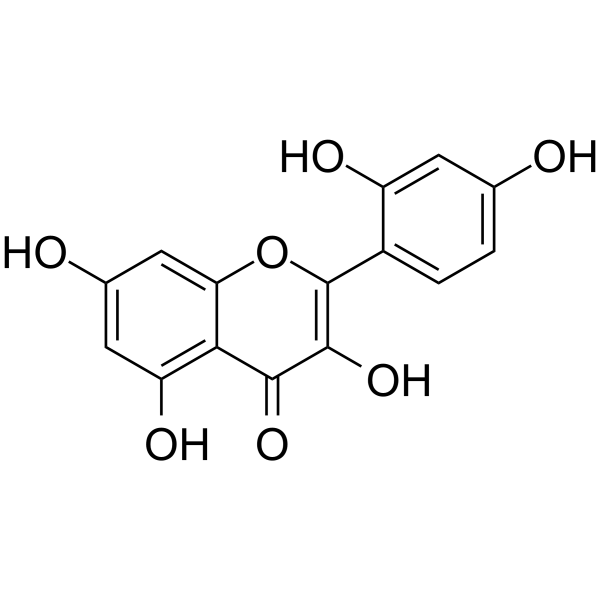
    Morin
    Maximum Cited Publications
    9 Publications Verification

    Environmental Pollutants Reactive Oxygen Species (ROS) Phosphatase Insulin Receptor Apoptosis Cardiovascular Disease Neurological Disease Metabolic Disease Cancer
    Morin is an orally active plant-derived flavonoid. Morin inhibits ROS generation. Morin induces Apoptosis. Morin inhibits PTP1B (IC50 of 15 μM) and activates the insulin receptor. Morin has a detoxifying effect. Morin can be used in diabetes, leukemia, colon cancer, cervical cancer, Parkinson's disease and hypertension research .
    Morin
  • HY-13755A
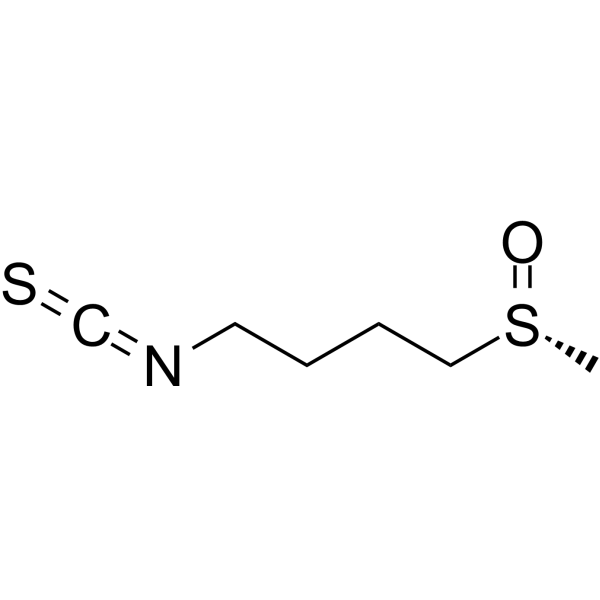
    (R)-Sulforaphane
    2 Publications Verification

    L-Sulforaphane

    Keap1-Nrf2 Bcl-2 Family Caspase Reactive Oxygen Species (ROS) NF-κB Inflammation/Immunology Cancer
    (R)-Sulforaphane (L-Sulforaphane) is a orally active, potent inducer of the Keap1/Nrf2/ARE pathway, exhibiting antioxidant and anticancer activities. (R)-Sulforaphane primarily functions by upregulating phase II detoxifying enzymes in cells, aiding in the removal of carcinogens and combating oxidative stress. (R)-Sulforaphane is capable of modulating gene expression, influencing various signaling pathways, including Nrf2, NF-κB, and AP-1. (R)-Sulforaphane can be used in studies of tumor biology, antioxidant defense mechanisms, as well as inflammation and immune responses .
    (R)-Sulforaphane
  • HY-P2986

    Endogenous Metabolite Amino Acid Oxidase Metabolic Disease
    D-Amino acid oxidase is an enzyme to metabolize exogenous D-amino acids in animals for detoxifying action. D-Amino acid oxidase also modulates the level of D-serine in brain .
    D-Amino acid oxidase (Immobilized)
  • HY-B2029
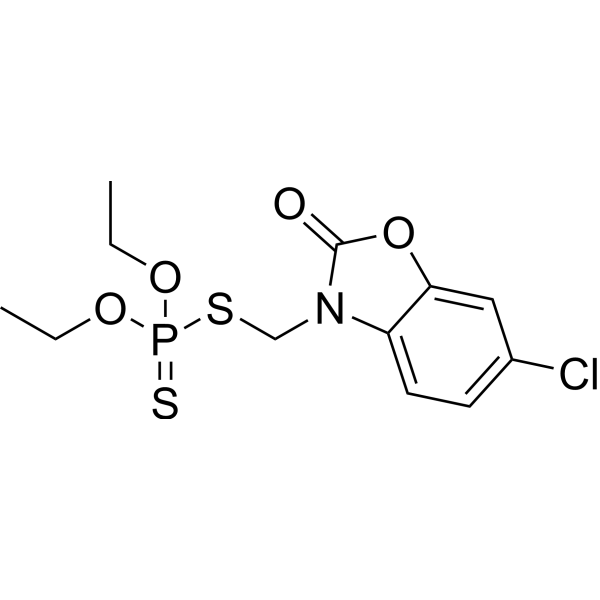
    Phosalone
    1 Publications Verification

    Insecticide Cholinesterase (ChE) Infection Inflammation/Immunology
    Phosalone is an orally active, blood-brain barrier penetrant Insecticide and acaricide. Phosalone inhibits the activity of Acetylcholinesterase. Phosalone acts as a substrate for detoxifying esterases. Phosalone induces symptoms of cholinergic hyperactivity, toxic reactions, mortality, oxidative stress, and changes in pro-inflammatory protein levels, and exerts toxic effects on colonic tissues and cells. Phosalone controls pistachio psyllids. Phosalone can be used in studies related to colitis .
    Phosalone
  • HY-P2960

    Acylase I

    Biochemical Assay Reagents Others
    Aminoacylase (Acylase I) is a specific N-acetylglutamine metabolic-degrading enzyme. Aminoacylase is a key enzyme in the intracellular amino acid recycling pathway. Aminoacylase has detoxifying properties .
    Aminoacylase
  • HY-D2170

    Fluorescent Dye Others
    AF488 streptavidin is a fluorescently labeled streptavidin. AF488 streptavidin is a streptavidin conjugated to Alexa Fluor 488, with 4 fluorophores per protein molecule, enabling stoichiometric fluorescent labeling of cell surface targets. AF488 streptavidin can form a complex with biotinylated E07 aptamer to stain cells expressing EGFR, and the staining is reversible after treatment with mA9 detoxifying oligonucleotides (Ex/Em = 470/520 nm) .
    AF488 streptavidin
  • HY-W020788

    CGA 154281

    Environmental Pollutants Glutathione S-transferase Estrogen Receptor/ERR Pregnane X Receptor (PXR) FXR Metabolic Disease Cancer
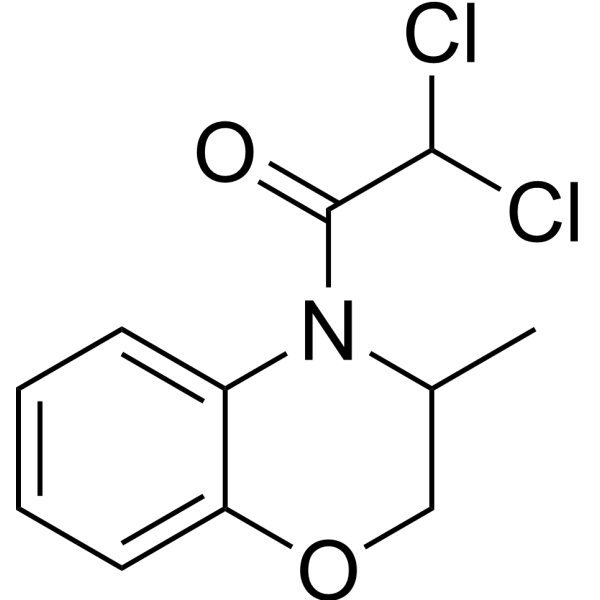
    Benoxacor (CGA 154281) is a herbicide safener and xenobiotic metabolism regulator. Benoxacor protects maize from the toxicity of metolachlor mainly by inducing detoxifying enzymes such as Glutathione S-transferase. Benoxacor also activates FXR, PXR and ERRα, and inhibits aromatase (aromatase). However, Benoxacor exhibits potential subacute oral toxicity and a high risk of hepatotoxicity in animal models. Benoxacor induces reactive oxygen species accumulation, interferes with embryonic heart development, and causes increased liver and kidney weights as well as alterations in gut microbiota in mice. Benoxacor can be used in studies related to hepatic steatosis, infertility, breast cancer and developmental toxicity .
    Benoxacor
  • HY-N9942
    Physalin A
    1 Publications Verification

    Apoptosis Autophagy NF-κB p38 MAPK PI3K Akt mTOR STAT JAK Inflammation/Immunology Cancer
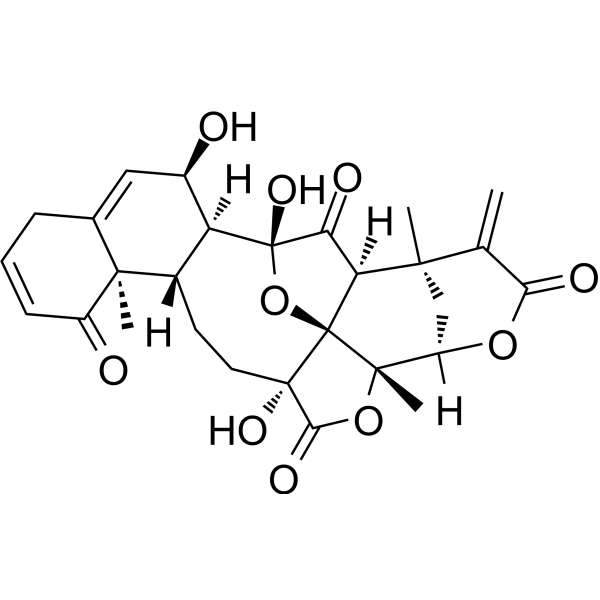
    Physalin A is a biologically active withanolide. Physalin A shows anti-inflammatory, antifibrotic and ameliorative effects on autophagy in models of disc degeneration. Physalin A has antitumor activity and can induce apoptosis, ROS production and G2/M phase cell cycle arrest. Besides. Physalin A can significantly increase the activity of quinone reductase and increase the expression of detoxifying enzymesc .
    Physalin A
  • HY-P3912A

    Interleukin Related Infection
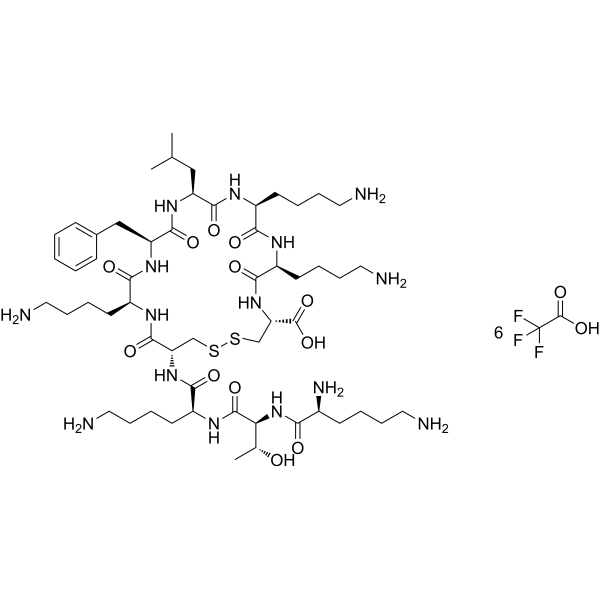
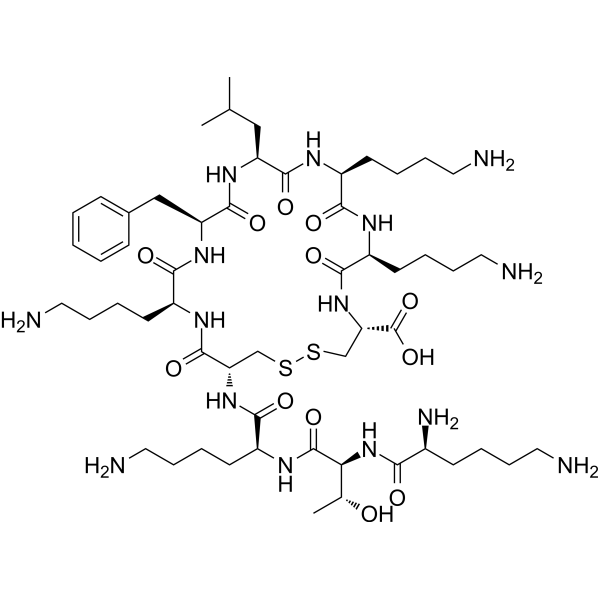
    Endotoxin inhibitor TFA is a synthetic peptide that binds lipid A with high affinity, thereby detoxifying LPS (HY-D1056) and preventing LPS-induced cytokine release in vivo. Endotoxin inhibitor TFA inhibits the febrile response to LPS with very low toxicity and lethality .
    Endotoxin inhibitor TFA
  • HY-12590

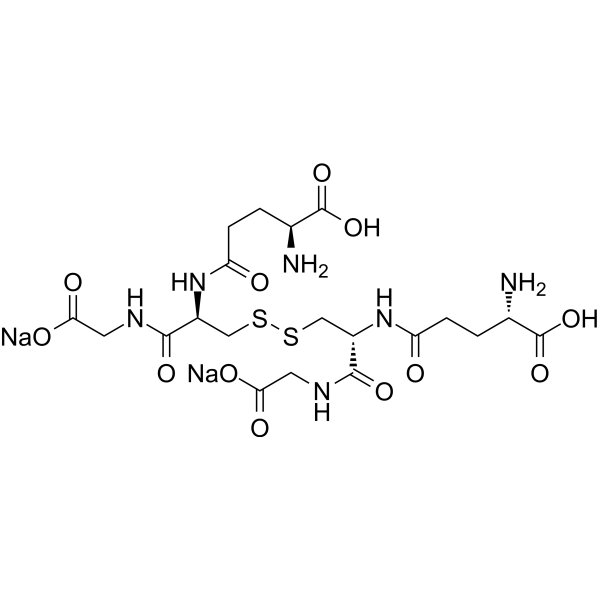
    L-Glutathione oxidized disodium; GSSG disodium; Oxiglutatione disodium

    Endogenous Metabolite Reactive Oxygen Species (ROS) Metabolic Disease
    Glutathione oxidized disodium is produced by the oxidation of glutathione which is a major intracellular antioxidant and detoxifying agent .
    Glutathione oxidized disodium
  • HY-P3912

    COX Interleukin Related Infection
    Endotoxin inhibitor a synthetic peptide that binds lipid A with high affinity, thereby detoxifying LPS (HY-D1056) and preventing LPS-induced cytokine release in vivo. Endotoxin inhibitor inhibits the febrile response to LPS with very low toxicity and lethality .
    Endotoxin inhibitor
  • HY-W020788R

    CGA 154281 (Standard)

    Reference Standards Glutathione S-transferase Estrogen Receptor/ERR Pregnane X Receptor (PXR) FXR Others
    Benoxacor (Standard) is the analytical standard of Benoxacor. This product is intended for research and analytical applications. Benoxacor (CGA 154281) is a herbicide safener and xenobiotic metabolism regulator. Benoxacor protects maize from the toxicity of metolachlor mainly by inducing detoxifying enzymes such as Glutathione S-transferase. Benoxacor also activates FXR, PXR and ERRα, and inhibits aromatase (aromatase). However, Benoxacor exhibits potential subacute oral toxicity and a high risk of hepatotoxicity in animal models. Benoxacor induces reactive oxygen species accumulation, interferes with embryonic heart development, and causes increased liver and kidney weights as well as alterations in gut microbiota in mice. Benoxacor can be used in studies related to hepatic steatosis, infertility, breast cancer and developmental toxicity .
    Benoxacor (Standard)
  • HY-133078

    Cytochrome P450 Cancer
    Thienyldecyl isothiocyanate is an analog of thienylbutyl isothiocyanate that, like many isothiocyanates, demonstrates antiproliferative activity against cancer cells presumably by modulation of xenobiotic-metabolizing enzymes, such as by inhibition of cytochrome P450, and/or by induction of phase II detoxifying enzymes.
    Thienyldecyl Isothiocyanate
  • HY-N18675

    Others Metabolic Disease
    Convolvulus scammonia extract, derived from the roots of the Convolvulus scammonia plant, has laxative and detoxifying properties. It contains active ingredients such as resins and alkaloids.
    Convolvulus scammonia extract
  • HY-N18776

    Bacterial Infection Inflammation/Immunology
    The active ingredients in Hemidesmus indicus extract include saponins, flavonoids, alkaloids, and coumarins, which possess detoxifying, anti-inflammatory, antioxidant, and antimicrobial properties.
    Hemidesmus indicus extract
  • HY-N19059

    Others Metabolic Disease
    Boerhavia diffusa extract contains a variety of bioactive compounds, including alkaloids, flavonoids, and glycosides. It can protect kidney and liver health and has diuretic and detoxifying effects.
    Boerhavia diffusa extract
  • HY-N18650

    Bacterial Infection Inflammation/Immunology
    Raphanus sativus extract, derived from the radish plant, possesses detoxifying, anti-inflammatory, antioxidant, and antibacterial properties. Its main bioactive components include glucosinolates, anthocyanins, flavonoids, and vitamin C.
    Raphanus sativus extract
  • HY-N18760

    Bacterial Infection Inflammation/Immunology
    Vitex negundo extract is rich in bioactive compounds such as alkaloids, flavonoids, glycosides, volatile oils, triterpenoids, tannins, polyphenols, flavonoids, and iridoid glycosides. Vitex negundo extract possesses anti-inflammatory, antioxidant, antibacterial, and detoxifying properties.
    Vitex negundo extract
  • HY-181407

    Herbicide Glutathione S-transferase Cytochrome P450 SOD Others
    Herbicide safener-5 is a herbicide (Herbicide) safener. Herbicide safener-5 promotes plant growth recovery, enhances the activities of detoxifying enzymes (ALS, GST, CYP450, POD), and reduces SOD activity. Herbicide safener-5 is applicable to herbicide-related research .
    Herbicide safener-5

Inquiry Online

Your information is safe with us. * Required Fields.

Salutation


Country or Region *

Applicant Name *


Organization Name *

Department *


Email Address *


Product Name *

Cat. No.


Requested quantity *

Phone Number *


Remarks

Inquiry Online

Inquiry Information

Product Name:
Cat. No.:
Quantity:
MCE Japan Authorized Agent:

