1. Search Result
Search Result
Results for "

dopamine release

" in MedChemExpress (MCE) Product Catalog:

100

Inhibitors & Agonists

7

Peptides

10

Natural
Products

3

Isotope-Labeled Compounds

Cat. No. Product Name Target Research Areas Chemical Structure
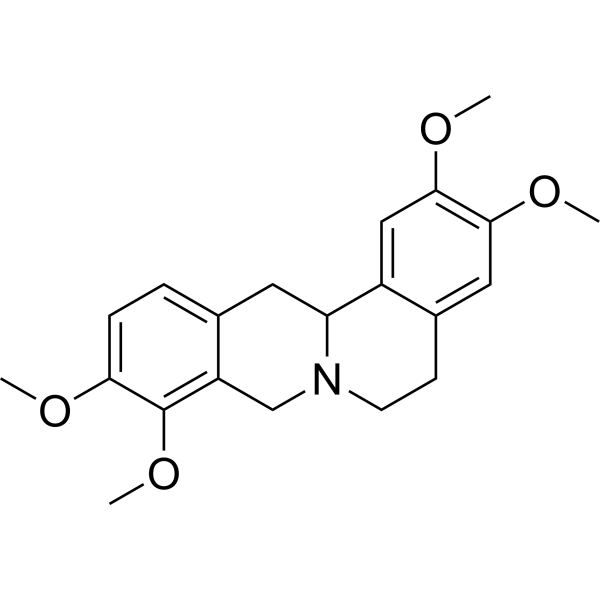
  • HY-N0300
    Tetrahydropalmatine
    3 Publications Verification

    DL-Tetrahydropalmatine

    Dopamine Receptor Apoptosis Neurological Disease
    Tetrahydropalmatine possesses analgesic effects. Tetrahydropalmatine acts through inhibition of amygdaloid release of dopamine to inhibit an epileptic attack in rats .
    Tetrahydropalmatine
  • HY-13409
    SB 242084
    5+ Cited Publications

    5-HT Receptor Neurological Disease Metabolic Disease
    SB 242084 is a selective, competitive and high-affinity (pKi=9.0) 5-HT2C receptor antagonist (crosses the blood-brain barrier). SB 242084 increases basal activity of dopaminergic neurons in the ventral tegmental area (VTA) of the midbrain and dopamine release in the vomeronasal nucleus. SB 242084 also increases mitochondrial gene expression and oxidative metabolism via 5-HT2A receptor. SB 242084 has good research potential in the negative symptoms of anxiety, depression and schizophrenia, as well as in acute organ damage .
    SB 242084
  • HY-B0979
    Lobeline hydrochloride
    1 Publications Verification

    α-Lobeline hydrochloride; L-Lobeline hydrochloride

    nAChR Dopamine Transporter Neurological Disease
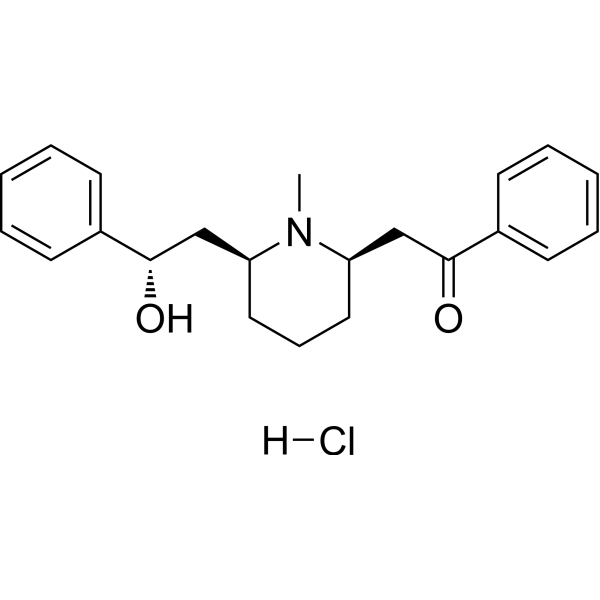
    Lobeline (α-Lobeline) hydrochloride is a brain-penetrant nicotinic receptor agonist. Lobeline hydrochloride increases dopamine (DA) release by inhibiting DA uptake into synaptic vesicles, and altering presynaptic DA storage. Lobeline hydrochloride is effective in smoking cessation .
    Lobeline hydrochloride
  • HY-18678A
    Bremelanotide Acetate
    1 Publications Verification

    PT-141 Acetate

    Melanocortin Receptor Metabolic Disease
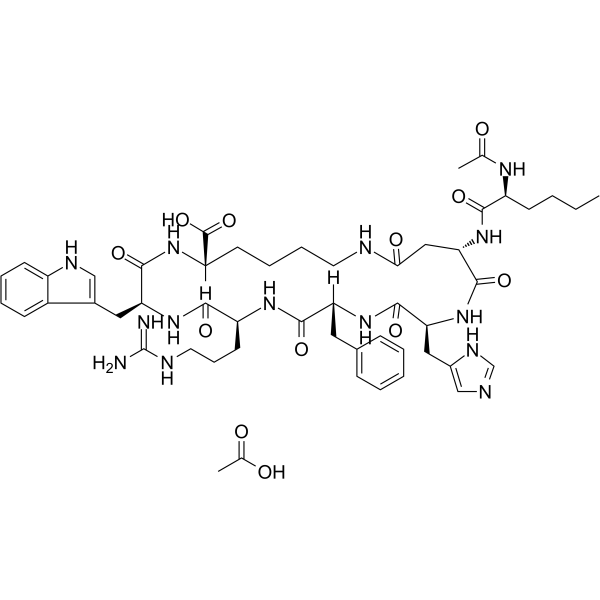
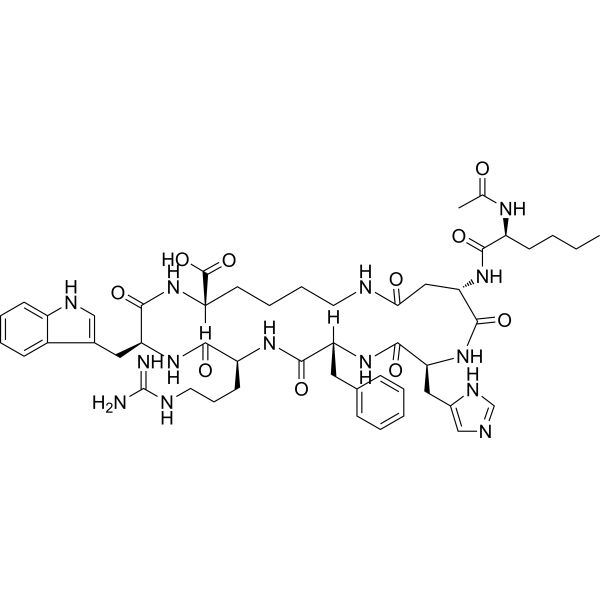
    Bremelanotide (PT-141) Acetate is a melanocortin receptor agonist. Bremelanotide Acetate can activate MC4R and increases dopamine release. Bremelanotide Acetate induces appetitive sexual behaviors, female mounting behavior, and repetitive self-grooming. Bremelanotide Acetate can be used for the research of hypoactive sexual desire disorders .
    Bremelanotide Acetate
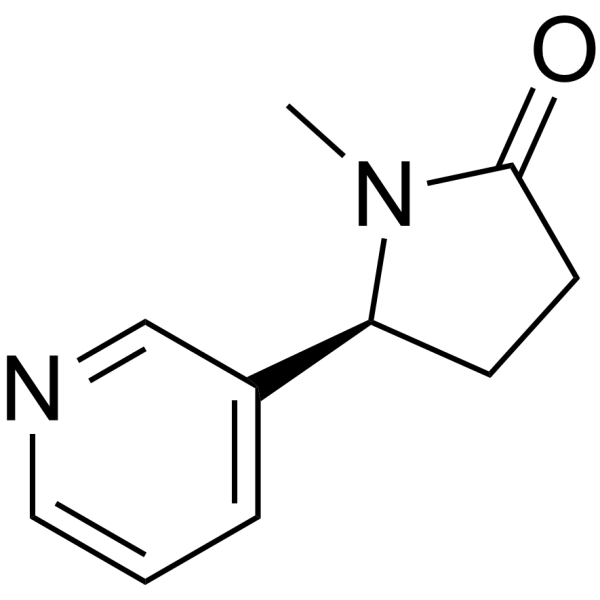
  • HY-B1178
    Cotinine
    3 Publications Verification

    (-)-Cotinine; (S)-Cotinine; NIH-10498

    Endogenous Metabolite nAChR Cardiovascular Disease Inflammation/Immunology
    Cotinine ((-)-Cotinine) is an orally active alkaloid found in tobacco and is the primary metabolite of nicotine. Cotinine is metabolized by CYP2A13 into trans-3'-hydroxycotinine. Cotinine is used as a biomarker to measure exposure to tobacco smoke components. Cotinine has vasodepressor activity. The mixture of cotinine and nicotine (Nicotine) has antiproliferative activity against pterygium. (S)-(-)-Cotinine activates nicotinic acetylcholine receptors (nAChR) in a calcium-dependent manner, leading to the release of dopamine (Dopamine, HY-B0451). Cotinine ((-)-Cotinine) is used in research related to cardiovascular and inflammatory diseases .
    Cotinine
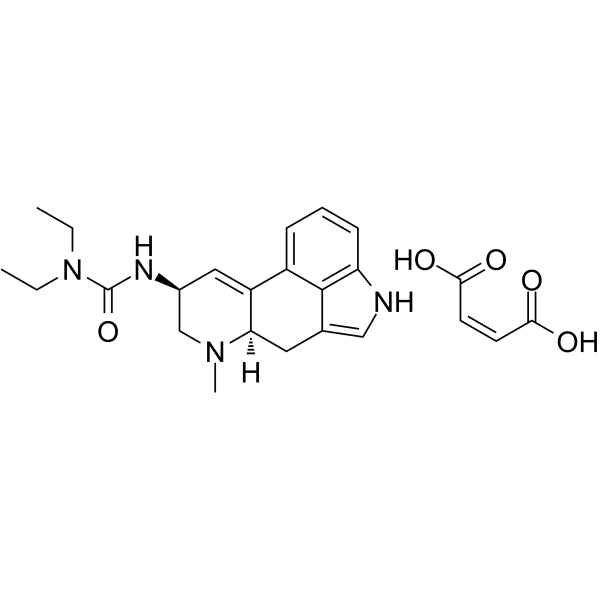
  • HY-110080

    Dopamine Receptor Neurological Disease
    Lisuride (maleate) is a potent agonist of dopamine with a probably direct action on dopaminergic receptors. Lisuride (maleate) is an ergot derivative. Lisuride (maleate) releases the premenstrual mastalgia without significant side effects .
    Lisuride maleate
  • HY-18678
    Bremelanotide
    1 Publications Verification

    PT-141

    Melanocortin Receptor Neurological Disease Metabolic Disease
    Bremelanotide (PT-141) is a melanocortin receptor agonist. Bremelanotide can activate MC4R and increases dopamine release. Bremelanotide induces appetitive sexual behaviors, female mounting behavior, and repetitive self-grooming. Bremelanotide can be used for the research of hypoactive sexual desire disorders .
    Bremelanotide
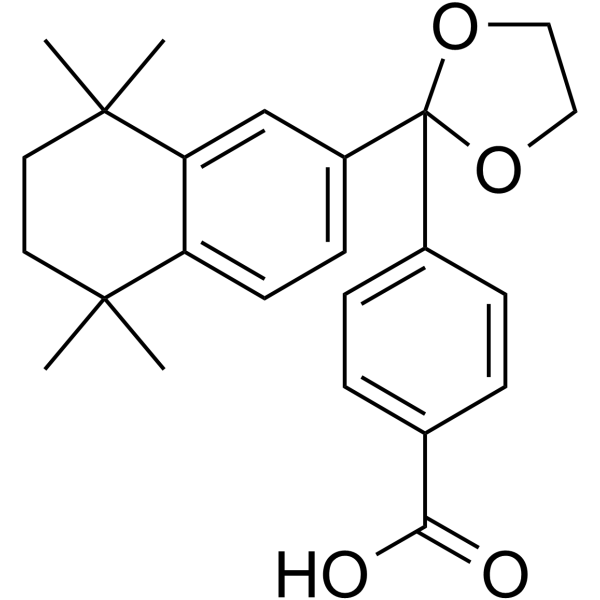
  • HY-107413

    BMS-649

    RAR/RXR Tyrosine Hydroxylase Cancer
    SR11237 (BMS-649) GMP is SR11237 (HY-107413) produced by using GMP guidelines. GMP small molecules works appropriately as an auxiliary reagent for cell therapy manufacture. SR11237 is a RXR activator and lipid metabolism regulator that promotes the differentiation of induced neural stem cells into dopaminergic (TH-positive) neurons. SR11237 induces transcriptional regulation of lipogenic genes and cholesterol transporters, increases glycosaminoglycan release, and elevates total cellular triglyceride levels. SR11237 promotes heterodimerization of RXR with Nurr1, thereby enhancing tyrosine hydroxylase expression and facilitating dopamine release. SR11237 produces a synergistic effect when used in combination with bFGF/EGF. SR11237 is mainly used in studies related to osteoarthritis and Parkinson's disease .
    SR11237
  • HY-B1693
    Levomepromazine
    1 Publications Verification

    Methotrimeprazine

    5-HT Receptor Dopamine Receptor Histamine Receptor Autophagy Enterovirus Calcium Channel Infection Neurological Disease Inflammation/Immunology
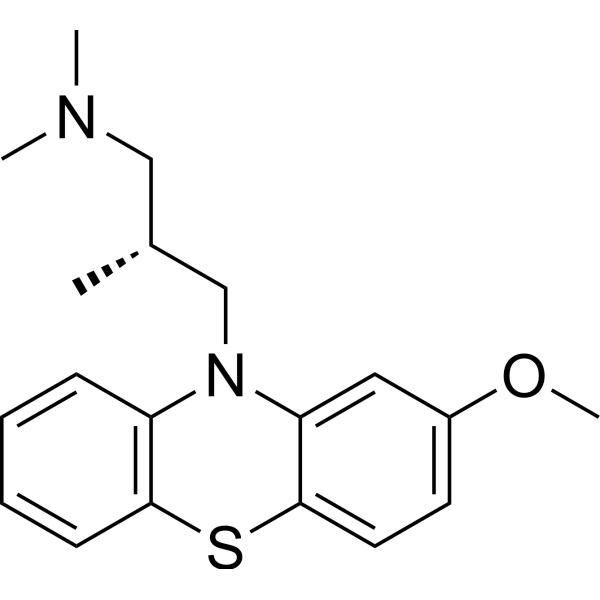
    Levomepromazine (Methotrimeprazine) is an orally active antipsychotic compound and Ca 2+ release inducer. Levomepromazine inhibits SERCA pump and induces an increase in cytoplasmic Ca 2+ levels. Levomepromazine has antagonistic effects on a variety of neurotransmitter receptors, including dopamine, cholinergic, serotonin, and histamine receptors. Levomepromazine can induce adaptive ER stress and autophagy. In addition, Levomepromazine has antiviral, anti-inflammatory, neuroprotective and analgesic, sedative and anti-injurious activities. Levomepromazine can be used in the study psychiatric disorders and relieving nausea and vomiting .
    Levomepromazine
  • HY-100656

    Dopamine Receptor 5-HT Receptor Neurological Disease
    Desmethyl cariprazine is a major active metabolite of cariprazine, with activities at human dopamine receptors and serotonin receptors, showing a pEC50 of 8.90 at human D2 receptors, a pEC50 of 8.09 at D3 receptors, and a pEC50 of 6.28 at 5-HT1A receptors. Desmethyl cariprazine inhibits forskolin-induced cAMP production at D2, D3 and 5-HT1A receptors, and suppresses serotonin-induced Ca 2+ release at 5-HT2B receptors. Desmethyl cariprazine is applicable to research related to schizophrenia, bipolar disorder type I and bipolar disorder.
    Desmethyl cariprazine
  • HY-145512

    NLT

    Dopamine Receptor Neurological Disease
    N-(α-Linolenoyl) tyrosine (NLT) is a dopaminergic agonist capable of crossing the blood-brain barrier. N-(α-Linolenoyl) tyrosine increases the level, turnover rate and release amount of dopamine in the striatum. N-(α-Linolenoyl) tyrosine modulates rotational behavior in a rat model with unilateral striatal injury and alleviates excessive blinking symptoms in models induced by dopamine-depleting agents. N-(α-Linolenoyl) tyrosine can be used for research on Parkinson's disease and idiopathic blepharospasm .
    N-(α-Linolenoyl) tyrosine
  • HY-135608

    Sigma Receptor Neurological Disease
    BD-1008 is a nonselective σ receptor antagonist with Kis against σ1 receptor and σ2 receptor of 2 nM and 8 nM. The BD-1008 has an extremely low affinity for the D2 receptor (Ki = 1112 nM) and dopamine transporter (DAT) (Ki > 10,000 nM). BD-1008 significantly antagonizes dopamine release in the shell region of the nucleus accumbens via the σ₂ receptor. BD-1008 blocks the self-administration behavior of σ agonists.BD-1008 can be used for the study of addiction therapy that target the σ receptor .
    BD-1008
  • HY-159829

    NBI-1117568; HTL-0016878

    mAChR Neurological Disease
    Direclidine (NBI-1117568, HTL-0016878) is a selective orthosteric agonist targeting the muscarinic acetylcholine M4 receptor, exhibiting very low affinity for M1, M2, M3, and M5 receptors. It binds to the orthosteric site of the M4 receptor in a non-covalent, competitive manner. Direclidine specifically activates the M4 receptor, inhibiting the release of acetylcholine from striatal cholinergic interneurons, thereby regulating the balance of the dopaminergic system and reducing psychiatric symptoms associated with excessive dopamine release. Direclidine can improve symptoms associated with neuropsychiatric disorders and is used in research on schizophrenia and other neuropsychiatric disorders .
    Direclidine
  • HY-108448

    OLDA

    TRP Channel Lipoxygenase Cardiovascular Disease Neurological Disease Metabolic Disease
    N-Oleoyldopamine (OLDA) is an orally active TRPV1 activator and 5-LOX inhibitor with blood-brain barrier permeability. N-Oleoyldopamine excites histaminergic neurons in the tuberomammillary nucleus via a dopamine receptor mechanism, a process independent of TRPV1 and cannabinoid receptors. On one hand, N-Oleoyldopamine promotes the release of insulin and glucose-dependent insulinotropic polypeptide through a GPR119-dependent pathway to improve glucose tolerance; on the other hand, N-Oleoyldopamine improves left ventricular function and reduces myocardial infarction size by triggering the release of substance P and calcitonin gene-related peptide. N-Oleoyldopamine is used in studies related to glycemic abnormalities and myocardial ischemia-reperfusion injury .
    N-Oleoyldopamine
  • HY-13409A
    SB 242084 dihydrochloride
    5+ Cited Publications

    5-HT Receptor Neurological Disease Metabolic Disease
    SB 242084 dihydrochloride is a selective, competitive and high-affinity (pKi=9.0) 5-HT2C receptor antagonist (crosses the blood-brain barrier). SB 242084 dihydrochloride increases basal activity of dopaminergic neurons in the ventral tegmental area (VTA) of the midbrain and dopamine release in the vomeronasal nucleus. SB 242084 dihydrochloride also increases mitochondrial gene expression and oxidative metabolism via 5-HT2A receptor. SB 242084 dihydrochloride has good research potential in the negative symptoms of anxiety, depression and schizophrenia, as well as in acute organ damage .
    SB 242084 dihydrochloride
  • HY-105856

    Dopamine Receptor Neurological Disease
    Thozalinone is an orally active antidepressant agent. Thozalinone induces the release of Norepinephrine (HY-13715) and dopamine .
    Thozalinone
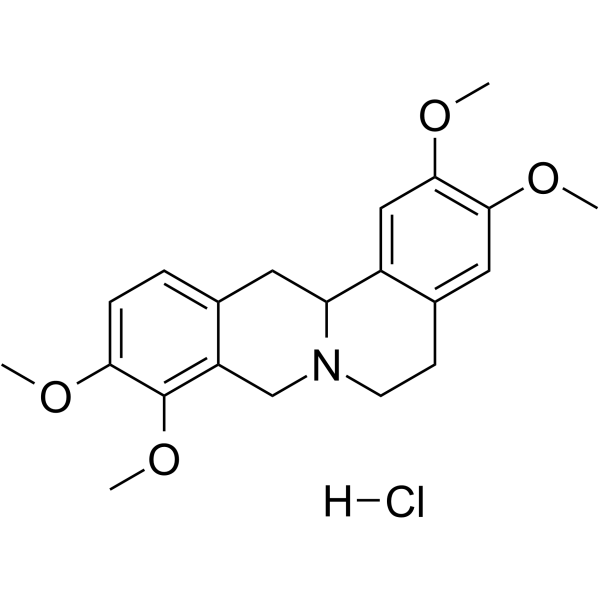
  • HY-N0300A
    Tetrahydropalmatine hydrochloride
    3 Publications Verification

    DL-Tetrahydropalmatine hydrochloride

    Dopamine Receptor Neurological Disease
    Tetrahydropalmatine (DL-Tetrahydropalmatine) hydrochloride possesses analgesic effects. Tetrahydropalmatine hydrochloride acts through inhibition of amygdaloid release of dopamine to inhibit an epileptic attack in rats .
    Tetrahydropalmatine hydrochloride
  • HY-N0300R

    DL-Tetrahydropalmatine (Standard)

    Reference Standards Dopamine Receptor Apoptosis Neurological Disease
    Tetrahydropalmatine (Standard) is the analytical standard of Tetrahydropalmatine. This product is intended for research and analytical applications. Tetrahydropalmatine possesses analgesic effects. Tetrahydropalmatine acts through inhibition of amygdaloid release of dopamine to inhibit an epileptic attack in rats .
    Tetrahydropalmatine (Standard)
  • HY-12716A

    Adrenergic Receptor ERK p38 MAPK Dopamine Receptor Cardiovascular Disease Neurological Disease
    BRL-44408 maleate is a selective, blood-brain barrier-permeable α2A-adrenergic receptor antagonist with a Ki value of 8.56 nM against human targets. BRL-44408 maleate exhibits activities such as antidepressant, analgesic effects and attenuation of sepsis-induced acute lung injury by regulating the release of neurotransmitters such as norepinephrine and dopamine, or inhibiting signaling pathways including ERK1/2, p38MAPK and p65. BRL-44408 maleate can be used in studies related to acute respiratory distress syndrome, depression and visceral pain .
    BRL-44408 maleate
  • HY-120511
    KNT-127
    1 Publications Verification

    Opioid Receptor Neurological Disease
    KNT-127 is a selective and BBB-penetrant δ-opioid receptor (DOR) agonist (Ki = 0.16 nM). KNT-127 is highly selective to the δ receptor, with Ki values of 0.16, 21.3 and 153 nM for δ, μ and κ receptors, respectively. KNT-127 acts as a biased ligand that mainly activates cyclic adenosine monophosphate (cAMP) signaling with lower beta-arrestin signaling activation. KNT-127 increases the release of dopamine and L-glutamate in the striatum, nucleus accumbens, and prefrontal cortex. KNT-127 exhibits antidepressant- and anxiolytic-like effects. KNT-127 can be studied in research on neurological diseases .
    KNT-127
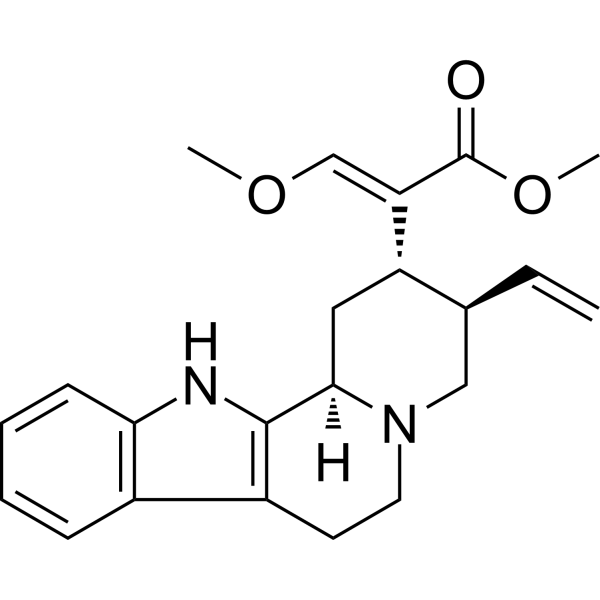
  • HY-N2197
    Hirsuteine
    2 Publications Verification

    nAChR Neurological Disease
    Hirsuteine is an indole alkaloid extracted from Uncaria rhynchophylla. Hirsuteine non-competitively antagonizes nicotine-mediated dopamine release by blocking ion permeation through nicotinic receptor channel complexes .
    Hirsuteine
  • HY-P1764

    Dopamine Receptor Neurological Disease
    Secretoneurin, rat, a 33-amino acid polypeptide, is generated by proteolytic processing of secretogranin II (SgII). Secretoneurin, rat induces dopamine release in the rat striatum in vivo and in vitro, and it exerts a very strong chemotactic effect on monocytes and eosinophils but not on granulocytes .
    Secretoneurin, rat
  • HY-160959

    nAChR Neurological Disease
    AN317 is a selective agonist for α6β2-containing nicotinic acetylcholine receptor (nAChR) with Ki of 6.2 nM and 4.1 nM, for α6/α3β2β3 receptor and α4β2 receptor, respectively. AN317 induces dopamine release in the synaptosomes of the rat striatum, enhances dopaminergic neuronal activity in substantia nigra, and exhibits protective efficacy to rat neurons against dopamine neurotoxin MPP +. AN317 exhibits good pharmacokinetic characteristics in rats. AN317 penetrates the blood-brain barrier (BB) .
    AN317
  • HY-103465

    Monoamine Transporter Others
    FFN511 is a potent fluorescent false neurotransmitters (FFNs) that targets neuronal vesicular monoamine transporter 2 (VMA T2). FFN511 inhibits serotonin binding to VMA T2-containing membranes with an IC50 of 1 µM. FFN511 directly images the dynamics of release during exocytosis, can be used to label dopamine terminals in live cortical-striatalacute slices .
    FFN511
  • HY-100968

    Dopamine Receptor Neurological Disease
    GBR 12783 dihydrochloride is a specific, potent and selective dopamine uptake inhibitor that inhibits the [ 3H]dopamine uptake by rat and mice striatal synaptosomes with IC50s of 1.8 nM and 1.2 nM, respectively. GBR 12783 dihydrochloride can improve memory performance and increase hippocampal acetylcholine release in rats .
    GBR 12783 dihydrochloride
  • HY-A0151
    Thioproperazine
    2 Publications Verification

    RP 7843; SKF 5883; Thioperazine

    Dopamine Receptor Neurological Disease
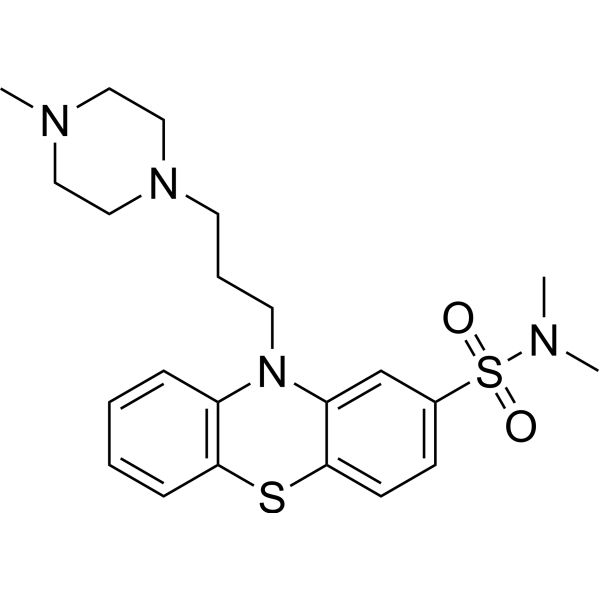
    Thioproperazine (RP 7843) is an orally active antipsychotic agent with calming, antiemetic activity. Thioproperazine is effective in promoting the release of dopamine in rat striatum. Thioproperazine can be used in studies of schizophrenia and bipolar disorder .
    Thioproperazine
  • HY-106865

    Dopamine Receptor Adrenergic Receptor Cardiovascular Disease
    Mivazerol is a selective α2-adrenoceptor agonist. Mivazerol decreases the spontaneous release of serotonin (5-HT) and significantly inhibits the immobilization stress-induced enhancement of norepinephrine (NE), dopamine (DA) and dihydroxyphenylacetic acid (DOPAC). Mivazerol inhibits intrathecal release of glutamate evoked by halothane withdrawal in rats, and exerts neuroprotective effects in forebrain ischemia rats. Mivazerol can be used for myocardial ischemia research .
    Mivazerol
  • HY-156331

    mGluR Neurological Disease
    VU6004909 is a blood-brain barrier penetrated mGlu1 positive allosteric modulator (PAM), with the EC50s of 25.7 nM and 31 nM for human mGlu1 and rat mGlu1, respectively. VU6004909 reduces dorsolateral striatal dopamine (DA) release in vivo and displays antipsychotic efficacy .
    VU6004909
  • HY-103427

    Dopamine Receptor Neurological Disease
    NPEC-caged-dopamine is a caged version of dopamine. NPEC-caged-Dopamine was used by applying focal photolysis with UV light (360 nm) to releases dopamine, which leads to D1 receptor activation .
    NPEC-caged-dopamine
  • HY-110129

    SR-46349 hemifumarate; SR 46349B

    5-HT Receptor Neurological Disease
    Eplivanserin (SR-46349) hemifumarate is a potent, selective and orally active 5-HT2A receptor antagonist, with an IC50 of 5.8 nM in rat cortical membrane, and a Kd of 1.14 nM. Eplivanserin hemifumarate displays >20-fold selectivity more selective for 5-HT2A than 5-HT2B and 5-HT2C .
    Eplivanserin hemifumarate
  • HY-B1423

    α-Lobeline; L-Lobeline

    nAChR Dopamine Transporter Neurological Disease
    Lobeline (α-Lobeline) is a brain-penetrant nicotinic receptor agonist. Lobeline increases dopamine (DA) release by inhibiting DA uptake into synaptic vesicles, and altering presynaptic DA storage. Lobeline is effective in smoking cessation .
    Lobeline
  • HY-152170
    bPiDI
    1 Publications Verification

    nAChR Neurological Disease
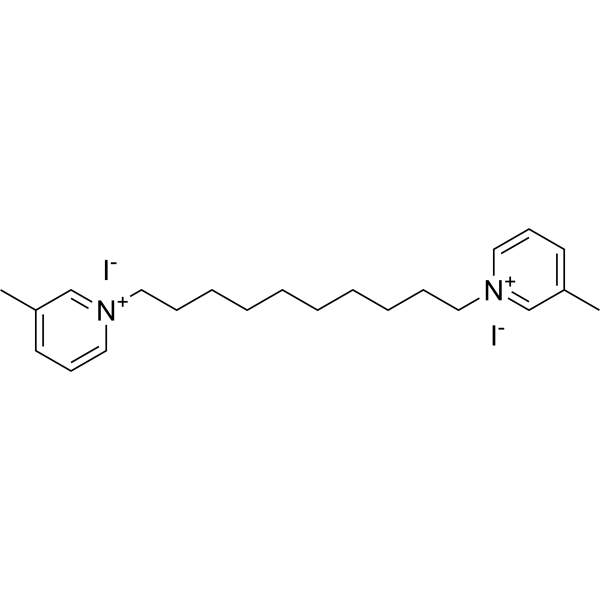
    bPiDI is a novel selective α6β2 nicotinic receptor antagonist. bPiDI inhibits nicotine-evoked striatal dopamine (DA) release through an interaction with α6β2-containing nAChRs .
    bPiDI
  • HY-P3800

    Neurokinin Receptor Neurological Disease Endocrinology
    [Glp5] Substance P (5-11) is an octapeptide. [Glp5] Substance P (5-11) is one of the main substance P fragments in rat central nervous system (CNS). [Glp5] Substance P (5-11) locally modulates dopamine release in rat striatum .
    [Glp5] Substance P (5-11)
  • HY-N2326

    nAChR Neurological Disease Metabolic Disease
    (±)-Anatoxin A fumarate is a natural alkaloid isolated from freshwater cyanobacterium.(±)-Anatoxin A fumarate is a potent nicotinic receptor agonist and exhibits Ki values of 1.25 nM and 1.84 μM for binding to α4β2- and α7-type nicotinic receptors in rat brain membranes, respectively. (±)-Anatoxin A fumarate stimulates [ 3H]-dopamine release from rat striatal synaptosomes (EC50=134 nM). (±)-Anatoxin A fumarate has toxic effect on fish .
    (±)-Anatoxin A fumarate
  • HY-169914

    JO 1784 hydrochloride

    Sigma Receptor Neurological Disease
    Igmesine hydrochloride (JO 1784) is an orally active σ-receptor ligand capable of blocking the increase in colonic electromechanical activity induced by emotional stress. Igmesine hydrochloride also eliminates the colonic motility stimulation induced by dopamine, as well as the stimulation induced by centrally injected D1 or D2 receptor agonists. Furthermore, Igmesine hydrochloride can block the colonic motility responses induced by corticotropin-releasing factor (CRF) and ES through central cholecystokinin (CCK) release and/or activation of supraspinal CCK pathways .
    Igmesine hydrochloride
  • HY-107121

    LY 2196044

    Opioid Receptor Neurological Disease
    Ondelopran (LY 2196044) is a non-selective opioid receptor antagonist. Ondelopran inhibits the release of dopamine in the nucleus accumbens induced by alcohol, reduces the rewarding effect of alcohol consumption, and lowers the craving. Ondelopran can be used for alcohol use disorder (AUD) .
    Ondelopran
  • HY-115447

    Histamine Receptor Neurological Disease
    Clobenpropit is a potent histamine H3-receptor antagonist. Clobenpropit decreases dopamine release and increases histamine levels in the hypothalamus. Clobenpropit shows antipsychotic-like activities. Clobenpropit causes a resuscitating effect in rats subjected to the hemorrhagic shock .
    Clobenpropit
  • HY-18332C

    Serotonin Transporter Dopamine Transporter Neurological Disease
    DOV-216,303 (Free Base) is a potent triple serotonin, norepinephrine, and dopamine reuptake inhibitor, with IC50 values of 14 nM, 20 nM and 78 nM for hSERT, hNET and hDAT, respectively. Has antidepressant-like effects and increases monoamine release in the prefrontal cortex of olfactory bulbectomized (OBX) rats .
    DOV-216,303 Free Base
  • HY-101377A

    (R)-8-Hydroxy-2-dipropylaminotetralin hydrobromide

    5-HT Receptor Neurological Disease
    R(+)-8-OH-DPAT ((R)-8-Hydroxy-2-dipropylaminotetralin) hydrobromide is a potent 5-HT1A agonist. R(+)-8-OH-DPAT potentiates SUL (HY-B1059)-induced dopamine (DA) release in the medial prefrontal cortex (mPFC) .
    R(+)-8-OH-DPAT hydrobromide
  • HY-W001601

    iGluR Neurological Disease
    Budipine is an anti-parkinson agent. Budipine also is a substrate of P-glycoprotein (P-gp), is mediated the uptake into the brain by P-gp. Budipine also is N-methyl-d-aspartate (NMDA) antagonist, and has indirect dopaminergic effects through an improved dopamine release, the inhibition of monoamine oxidase type B (MAO-B). Budipine can be used for the research of CNS disorders include Parkinson disease .
    Budipine
  • HY-12716

    Adrenergic Receptor p38 MAPK Dopamine Receptor ERK Cardiovascular Disease Neurological Disease
    BRL-44408 is a selective, blood-brain barrier-permeable α2A-adrenergic receptor antagonist with a Ki value of 8.56 nM against human targets. BRL-44408 exhibits activities such as antidepressant, analgesic effects and attenuation of sepsis-induced acute lung injury by regulating the release of neurotransmitters such as norepinephrine and dopamine, or inhibiting signaling pathways including ERK1/2, p38MAPK and p65. BRL-44408 can be used in studies related to acute respiratory distress syndrome, depression and visceral pain .
    BRL-44408
  • HY-124110

    nAChR Neurological Disease
    TC299423 is an orally active, brain-penetrant, selective and potent agonist for α6β2 ? and α4β2 ? nicotinic acetylcholine receptors (nAChRs) with anxiolytic and antinociceptive properties. TC299423 acts primarily through α6β2 ? nAChRs that are implicated in the anxiolytic effects of nicotine. TC299423 elicits reward-related behavior mediated through α6β2 ? nAChRs in hypersensitive α6L90’S mice. TC299423 elicits dopamine release and dose not suppress nicotine self-administration in rats. TC299423 is proming for rasearch of addiction and Parkinson’s disease .
    TC299423
  • HY-10792

    SR-46349

    5-HT Receptor Neurological Disease
    Eplivanserin (SR-46349) is a potent, selective and orally active 5-HT2A receptor antagonist, with an IC50 of 5.8 nM in rat cortical membrane, and a Kd of 1.14 nM. Eplivanserin displays >20-fold selectivity more selective for 5-HT2A than 5-HT2B and 5-HT2C .
    Eplivanserin
  • HY-158552

    Dopamine Receptor Neurological Disease
    4-EEC hydrochloride is a synthetic stimulant substance. 4-EEC hydrochloride is a releasing agent for norepinephrine-dopamine .
    4-EEC hydrochloride
  • HY-12520

    Dopamine Receptor Neurological Disease Cancer
    SKF 38393 is a selective dopamine D1 receptor agonist. SKF 38393 activates the cAMP signaling pathway and promotes dopamine release in the developing rat striatum. SKF 38393 inhibits MCF-7 breast cancer cell proliferation (IC50=0.1 μM). SKF 38393 is promising for research of neurodevelopmental disorders, dopamine-related diseases (e.g., Parkinson’s, dopamine deficiency), and cancers .
    SKF 38393
  • HY-P3958

    Somatostatin Receptor Dopamine Receptor Neurological Disease
    BIM-23027 is a selective agonist of sst2 receptor (EC50=0.32 nM), with similar effect to somatostatin (SRIF), a cyclic tetradecapeptide. BIM-23027 stimulates dopamine release, which is mediated by a Glu-dependent mechanism .
    BIM-23027
  • HY-107674

    nAChR Neurological Disease
    bPiDDB is a potent nAChR antagonist. bPiDDB potently (IC50=2 nM) inhibits nicotine-evoked striatal dopamine (DA) release through an interaction with α6β2-containing nAChRs .
    bPiDDB
  • HY-128420

    α-Lobeline sulfate; L-Lobeline sulfate

    nAChR Dopamine Transporter Neurological Disease
    Lobeline (α-Lobeline) sulfate is a brain-penetrant nicotinic receptor agonist. Lobeline sulfate increases dopamine (DA) release by inhibiting DA uptake into synaptic vesicles, and altering presynaptic DA storage. Lobeline sulfate is effective in smoking cessation .
    Lobeline sulfate
  • HY-12701A

    U-99194A; PNU-99194A maleate; JPC-211 maleate

    Dopamine Receptor Neurological Disease
    U-99194 (PNU-99194) maleate is a selective, potent dopamine D3 receptor antagonist (Ki =160 nM). U-99194 maleate inhibits the activation of D3 receptor mediated by endogenously released dopamine or exogenous D3 agonists. U-99194 maleate abrogates the IPSC-suppressive effect of the D3 agonist PD 128907 in rat hippocampal slices. U-99194 maleate significantly suppresses Nicotine (HY-127019)-induced tremor in mice. U-99194 maleate can be used for the study of dopamine D3 receptor-mediated motor disorders, particularly kinetic tremors .
    U-99194 maleate
  • HY-P1444

    Dopamine Receptor Neurological Disease
    Acein is a novel nonapeptide, H-Pro-Pro-Thr-Thr-Thr-Lys-Phe-Ala-Ala-OH. Acein can promote the release of dopamine. Acein targets angiotensin converting enzyme (ACE I). Angiotensin converting enzyme (ACE I) can be used in nervous system related research .
    Acein

Inquiry Online

Your information is safe with us. * Required Fields.

Salutation


Country or Region *

Applicant Name *


Organization Name *

Department *


Email Address *


Product Name *

Cat. No.


Requested quantity *

Phone Number *


Remarks

Inquiry Online

Inquiry Information

Product Name:
Cat. No.:
Quantity:
MCE Japan Authorized Agent:

