18 Results for "

efferocytosis

" in MedChemExpress (MCE) Product Catalog:
Products (18)

18 Results for "efferocytosis" in MCE Product Catalog:

2
2 Cited Publications
Cat. No.: HY-12017
CAS No.: 956905-27-4
Purity:  99.85%
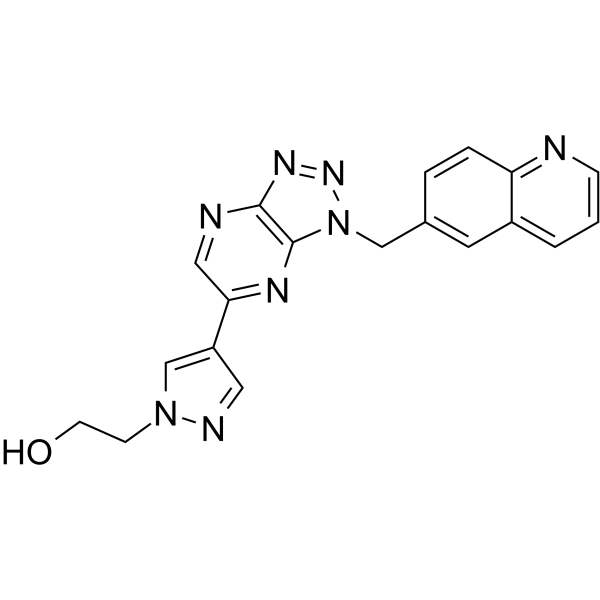
PF-04217903 is an orally active, highly selective ATP-competitive c-Met kinase inhibitor with a Ki value of 4.8 nM and a Kd value of 4.5 nM. PF-04217903 blocks c-Met and HGF signaling pathways, inhibits MET phosphorylation, and blocks downstream MAPK, PI3K/AKT and PLCγ1 pathways. PF-04217903 suppresses tumor proliferation, survival, migration, invasion, angiogenesis and metastasis, induces apoptosis, and enhances efferocytosis, Annexin A1 expression and resolution of inflammation. PF-04217903 retains activity against several c-Met mutants (M1131T, V1220I, H1094R). PF-04217903 increases the incidence of subarachnoid hemorrhage and reduces survival rate without altering aneurysm formation, and also prevents lymph node metastasis induced by VEGF inhibition. PF-04217903 is applicable to research related to tumors (pancreas, stomach, lung, brain, colon, breast, kidney, melanoma, etc.), intracranial aneurysms and inflammatory diseases (gouty arthritis, neutrophilic pleuritis) .
loading...
    loading...
2
2 Cited Publications
Cat. No.: HY-117548
CAS No.: 1350549-36-8
Purity:  98.92%
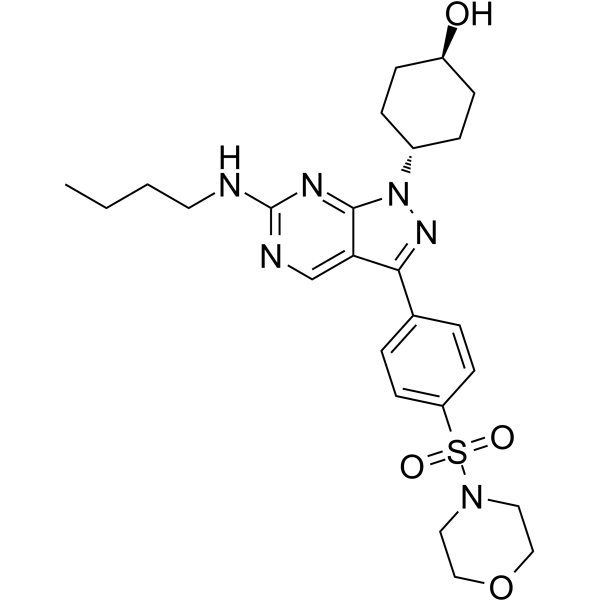
UNC1062 is a highly selective tyrosine kinase (MERTK) inhibitor with an IC50 of 1.1 nM (Morrison Ki = 0.33 nM). UNC1062 exhibits good selectivity for the TAM family (TYRO3 IC50 = 60 nM, AXL IC50 = 85 nM). UNC1062 exhibits significant anti-proliferative effects and induces apoptosis in various cancer models (such as melanoma, gastric cancer, and acute myeloid leukemia). UNC1062 inhibits multiple pathways, including MAPK/ERK, PI3K/AKT and JAK/STAT and affects the motility of head and neck squamous cell carcinoma (HNSCC) cells through the RhoA signaling pathway. UNC1062 inhibits macrophage efferocytosis, and it suitable for research on atherosclerosis .
loading...
    loading...
2
2 Cited Publications
Cat. No.: HY-12017A
CAS No.: 956906-93-7
Purity:  99.82%
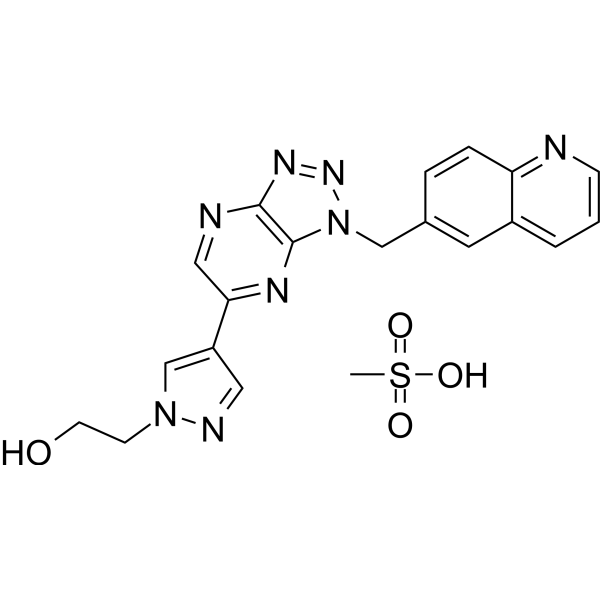
PF-04217903 mesylate is an orally active, highly selective ATP-competitive c-Met kinase inhibitor with a Ki value of 4.8 nM and a Kd value of 4.5 nM. PF-04217903 mesylate blocks c-Met and HGF signaling pathways, inhibits MET phosphorylation, and blocks downstream MAPK, PI3K/AKT and PLCγ1 pathways. PF-04217903 mesylate suppresses tumor proliferation, survival, migration, invasion, angiogenesis and metastasis, induces apoptosis, and enhances efferocytosis, Annexin A1 expression and resolution of inflammation. PF-04217903 mesylate retains activity against several c-Met mutants (M1131T, V1220I, H1094R). PF-04217903 mesylate increases the incidence of subarachnoid hemorrhage and reduces survival rate without altering aneurysm formation, and also prevents lymph node metastasis induced by VEGF inhibition. PF-04217903 mesylate is applicable to research related to tumors (pancreas, stomach, lung, brain, colon, breast, kidney, melanoma, etc.), intracranial aneurysms and inflammatory diseases (gouty arthritis, neutrophilic pleuritis) .
loading...
    loading...
1
1 Cited Publications
Cat. No.: HY-155774
CAS No.: 923417-09-8
Purity:  99.71%
Target:  

Phospholipase

Research Areas:  

Metabolic Disease

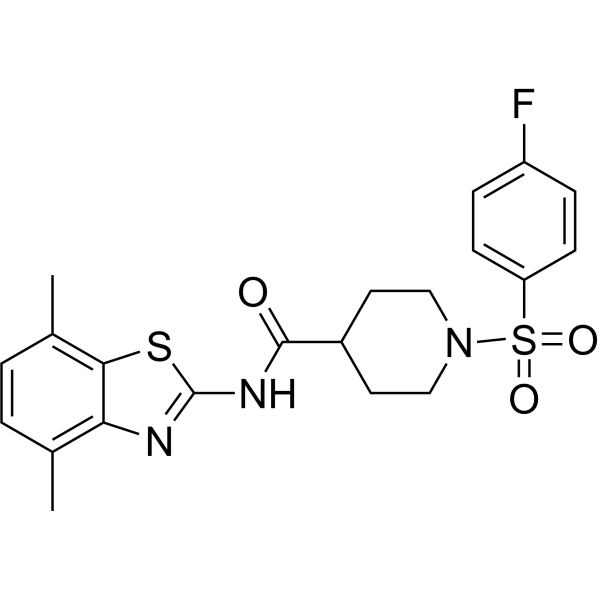
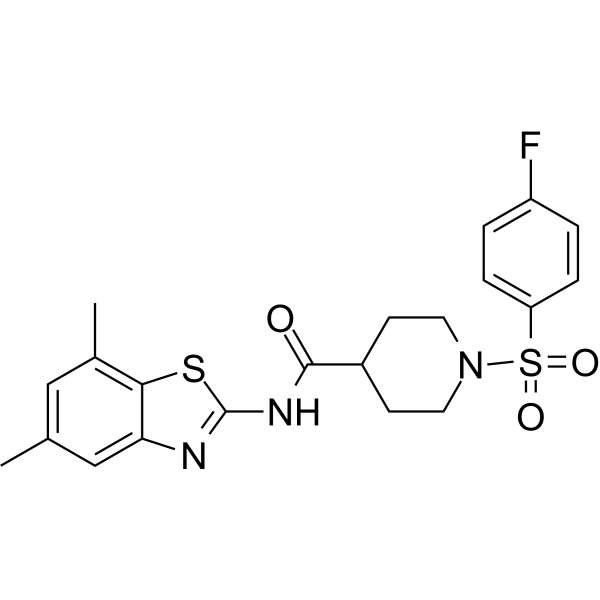
APE-PLD (VU533) activator is a potent NAPE-PLD activator with an EC50 value of 0.30 µM. NAPE-PLD activator (VU533) can enhance NAPE-PLD activity and increase efferocytosis by macrophages. NAPE-PLD activator (VU533) can be used for cardiometabolic diseases research .
loading...
    loading...
Cat. No.: HY-P991621
Synonyms: EOS-215
Target:  

TREM receptor

Research Areas:  

Cancer

EOS006215 (EOS-215) is a humanized monoclonal antibody targeting TREM-2. EOS006215 competes with TREM2 ligands, prevents TREM2 multimerization, and blocks downstream signaling. EOS006215 inhibits efferocytosis, reprograms transcriptomic profiles of monocyte-derived macrophages, alters metabolism and immune response genes, and increases pro-inflammatory marker secretion. EOS006215 reduces metastasis burden, delays tumor growth, and reprograms the tumor microenvironment to overcome anti-PD-1 resistance. EOS006215 can be used for the research of triple negative breast cancer and colorectal cancer .
loading...
    loading...
Cat. No.: HY-34350
CAS No.: 932-30-9
Synonyms: 2-Hydroxybenzylamine; o-Hydroxybenzylamine; 2-HOBA
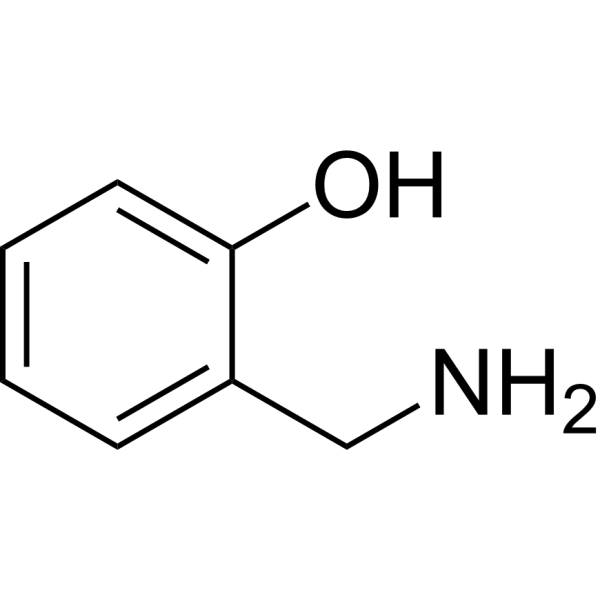
2-(Aminomethyl)phenol (2-Hydroxybenzylamine) is a selective dicarbonyl scavenger. 2-(Aminomethyl)phenol is an antioxidant and scavanger of free radicals and isolevuglandins (IsoLGs). 2-(Aminomethyl)phenol can prevent early recurrence of atrial fibrillation. 2-(Aminomethyl)phenol can reduce inflammation and plaque apoptotic cells and promote efferocytosis and features of stable plaques. 2-(Aminomethyl)phenol can reduce malondialdehyde (MDA)-LDL and MDA-HDL levels in Ldlr -/- mouse model. 2-(Aminomethyl)phenol can be studied in the research of inflammation and cardiovascular disease, such as atherosclerosis, early recurrence of atrial fibrillation (AF) and arrhythmias .
loading...
    loading...
Cat. No.: HY-155773
CAS No.: 923509-20-0
Purity:  98.53%
Target:  

FAAH Epoxide Hydrolase

Research Areas:  

Cardiovascular Disease

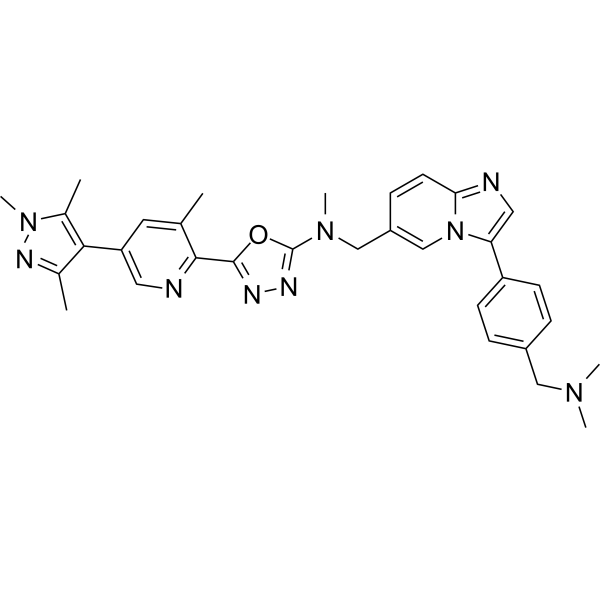
VU534 is a NAPE-PLD activator, with an EC50 of 0.30 μM. VU534 is dual inhibitors of FAAH and sEH (IC50 of 1.2 μM). VU534 increases efferocytosis in a NAPE-PLD dependent manner. VU534 has the potential for cardiometabolic diseases study [1] .
loading...
    loading...
Cat. No.: HY-132893
CAS No.: 2830555-70-7
Target:  

TAM Receptor

Research Areas:  

Neurological Disease Cancer

AZ14145845 is an orally active dual-target type 1½ kinase inhibitor of Mer/Axl, which inhibits Mer kinase (pIC50 = 9.0) and Axl kinase (pIC50 = 7.9) with high selectivity over Flt3 and Tyro3. AZ14145845 suppresses Mer- and Axl-dependent proliferation in Ba/F3 cells and inhibits efferocytosis in macrophages. AZ14145845 reduces the phagocytosis of photoreceptor outer segments by polarized human retinal epithelial cells. AZ14145845 inhibits tumor growth and induces tumor regression in vivo, and its combination with anti-PD1 antibody and ionizing radiation improves the survival rate of mice with colorectal cancer. AZ14145845 causes retinal degeneration in mice, with pathological changes similar to those in MERTK loss-of-function models. AZ14145845 can be used in studies related to retinal degeneration, lymphoma and colorectal cancer .
loading...
    loading...
Cat. No.: HY-113533
CAS No.: 1025684-60-9
Synonyms: RvD4
Target:  

Bacterial

Research Areas:  

Inflammation/Immunology

Resolvin D4 (RvD4), a specialized proresolving mediator, can be produced in bioactive levels during S. aureus infection .
loading...
    loading...
Cat. No.: HY-N9454
CAS No.: 91893-83-3
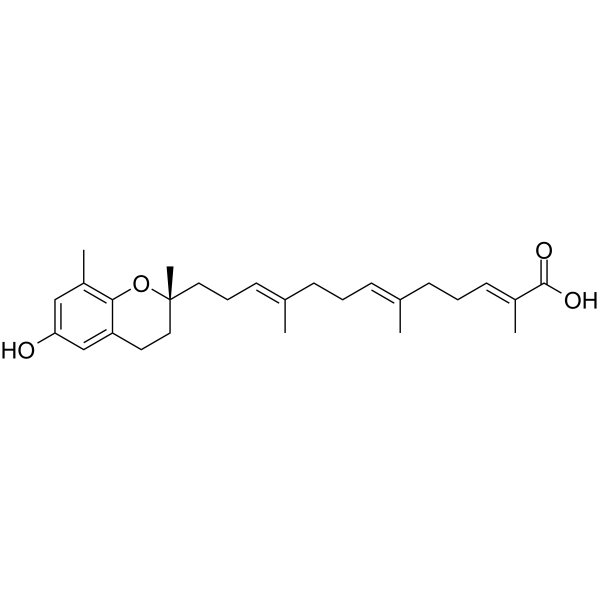
Garcinoic acid is an orally active anti-inflammatory agent that crosses the blood-brain barrier. Garcinoic acid also enhances efferocytosis and enzyme/receptor regulation, and selectively inhibits human COX-2, porcine α-amylase, Saccharomyces cerevisiae α-glucosidase and human DNA polymerase β (IC50=11 μM), as well as activates human PXR. Garcinoic acid enhances macrophage efferocytosis via receptors such as MerTK and LRP-1, and promotes the production of pro-resolving lipid mediators. Garcinoic acid inhibits NF-κB activation and pro-inflammatory cytokine secretion, interferes with aggregation, downregulates NLRP3 inflammasome activity, and binds to targets including CD44 and EGFR to inhibit leukemia cell proliferation. The pharmacological activities of Garcinoic acid, such as antioxidant, anti-inflammatory and lipid metabolism-regulating effects, are widely used in studies related to various diseases including atherosclerosis, Alzheimer's disease, type 2 diabetes, inflammatory bowel disease and viral pneumonia .
loading...
    loading...
Cat. No.: HY-131993
CAS No.: 1781227-87-9
Synonyms: RvE4
Target:  

Endogenous Metabolite

Research Areas:  

Inflammation/Immunology

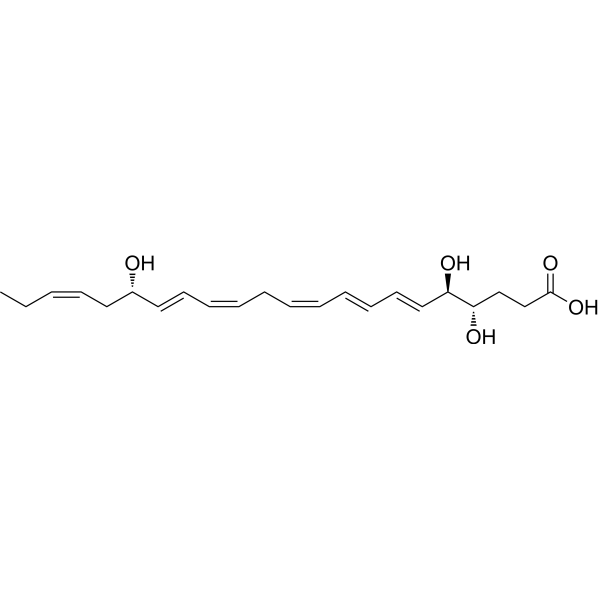
Resolvin E4 (RvE4) is an endogenous metabolite that stimulates efferocytosis of apoptotic neutrophils and senescent erythrocytes. Resolvin E4 enhances resolution of hemorrhagic exudates and inflammation in vivo .
loading...
    loading...
Cat. No.: HY-164502
CAS No.: 864516-77-8
Target:  

Akt

Research Areas:  

Cancer

NAP1051 is a biomimetic analog of lipin A4 that achieves anti-tumor effects by targeting the inflammatory tumor microenvironment. NAP1051 inhibits neutrophil chemotaxis to fMLP and stimulates macrophage efferocytosis by activating AKT. NAP1051 can be used in colorectal cancer research .
loading...
    loading...
Cat. No.: HY-E70390
Synonyms: masp-2, c1 esterase, c1-esterase
Target:  

Wnt

C1s Enzyme is a subunit of the complement C1 complex, which activates the complement as a serine protease. C1s Enzyme cleaves LRP5 and LRP6, and thus activates the Wnt/β-Catenin signaling pathway. C1s Enzyme promotes the macrophage M2 polarization and inhibits M1 polarization. C1s Enzyme enhances efferocytosis, exhibits anti-inflammatory activity .
loading...
    loading...
Cat. No.: HY-P990716
CAS No.: 2648346-74-9
Synonyms: AZD7789

Target:  

PD-1/PD-L1 Tim3

Research Areas:  

Inflammation/Immunology

Sabestomig (AZD7789) is a monovalent bispecific antibody targeting PD-1 and TIM-3. Sabestomig binds to PD-1 and an epitope in the TIM-3 IgV domain outside the phosphatidylserine-binding cleft, thereby precisely regulating immune responses. Sabestomig promotes IL-2 production, efferocytosis and cross-presentation of tumor antigens, and enhances the release of anti-tumor T cell cytokines, cytotoxicity, and secretion of IFN-γ. Sabestomig inhibits the growth of solid tumors, prolongs the duration of tumor suppression, and significantly enhances anti-tumor responses following anti-PD-1 therapy. Sabestomig has been used in studies related to non-small cell lung cancer and classical Hodgkin lymphoma .
loading...
    loading...
Cat. No.: HY-12017B
CAS No.: 1159490-85-3
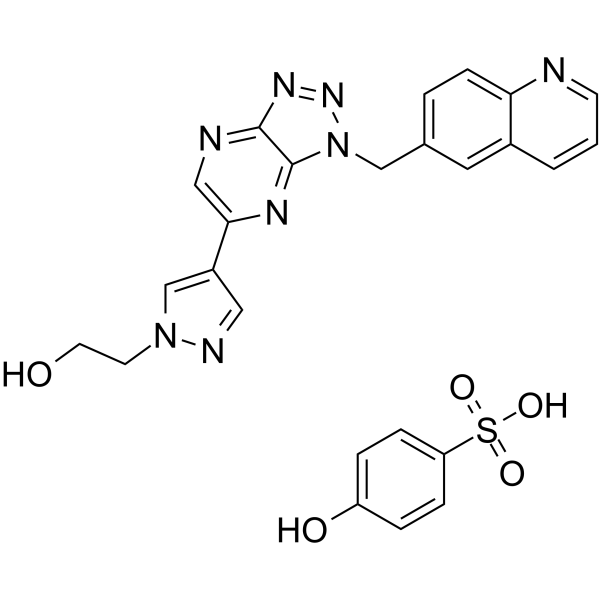
PF-04217903 phenolsulfonate is an orally active, highly selective ATP-competitive c-Met kinase inhibitor with a Ki value of 4.8 nM and a Kd value of 4.5 nM. PF-04217903 phenolsulfonate blocks c-Met and HGF signaling pathways, inhibits MET phosphorylation, and blocks downstream MAPK, PI3K/AKT and PLCγ1 pathways. PF-04217903 phenolsulfonate suppresses tumor proliferation, survival, migration, invasion, angiogenesis and metastasis, induces apoptosis, and enhances efferocytosis, Annexin A1 expression and resolution of inflammation. PF-04217903 phenolsulfonate retains activity against several c-Met mutants (M1131T, V1220I, H1094R). PF-04217903 phenolsulfonate increases the incidence of subarachnoid hemorrhage and reduces survival rate without altering aneurysm formation, and also prevents lymph node metastasis induced by VEGF inhibition. PF-04217903 phenolsulfonate is applicable to research related to tumors (pancreas, stomach, lung, brain, colon, breast, kidney, melanoma, etc.), intracranial aneurysms and inflammatory diseases (gouty arthritis, neutrophilic pleuritis) .
loading...
    loading...
Cat. No.: HY-180109
Synonyms: Benzo-17R-Resolvin D2
Benzo-17R-RvD2 (Benzo-17R-Resolvin D2) is a benzo-containing analog of RvD2 (HY-121636). Benzo-17R-RvD2 enhances human macrophage efferocytosis, limits neutrophil infiltration, reduces TNF-α, and increases IL-1 receptor antagonist in peritonitis. Benzo-17R-RvD2 promotes E. coli killing by human leukocytes and reduces neutrophil swarm area without compromising anti-Candida activity. Benzo-17R-RvD2 activates the human-RvD2 receptor with an EC50 ∼1.5 nM. Benzo-17R-RvD2 can be used in research on inflammation-associated diseases such as cardiovascular disease, cancer, neuroinflammation, pain, and muscle regeneration .
loading...
    loading...
Cat. No.: HY-183626
CAS No.: 1247823-40-0
PAI-1-IN-1 is an orally active and specific PAI-1 inhibitor with an IC50 of <6.95 μM. PAI-1-IN-1 blocks the interaction between PAI-1 and serine proteases or LRP-1, and enhances plasmin generation. PAI-1-IN-1 restores macrophage efferocytosis and promotes macrophage polarization. PAI-1-IN-1 alleviates PAI-1-mediated inhibition of Furin, promotes MT1-MMP maturation, activates the NOTCH1 signaling pathway, inhibits proliferation and induces apoptosis. PAI-1-IN-1 promotes skeletal muscle regeneration and alleviates inflammation in a mouse model of skeletal muscle injury. PAI-1-IN-1 can be used in research on skeletal muscle injury-induced inflammation and chronic myeloid leukemia .
loading...
    loading...
Cat. No.: HY-12017C
CAS No.: 1159490-83-1
PF-04217903 phosphate is an orally active, highly selective ATP-competitive c-Met kinase inhibitor with a Ki value of 4.8 nM and a Kd value of 4.5 nM. PF-04217903 phosphate blocks c-Met and HGF signaling pathways, inhibits MET phosphorylation, and blocks downstream MAPK, PI3K/AKT and PLCγ1 pathways. PF-04217903 phosphate suppresses tumor proliferation, survival, migration, invasion, angiogenesis and metastasis, induces apoptosis, and enhances efferocytosis, Annexin A1 expression and resolution of inflammation. PF-04217903 phosphate retains activity against several c-Met mutants (M1131T, V1220I, H1094R). PF-04217903 phosphate increases the incidence of subarachnoid hemorrhage and reduces survival rate without altering aneurysm formation, and also prevents lymph node metastasis induced by VEGF inhibition. PF-04217903 phosphate is applicable to research related to tumors (pancreas, stomach, lung, brain, colon, breast, kidney, melanoma, etc.), intracranial aneurysms and inflammatory diseases (gouty arthritis, neutrophilic pleuritis) .
loading...
    loading...
  • 1

