1. Search Result
Search Result
Results for "

estrogenic effect

" in MedChemExpress (MCE) Product Catalog:

42

Inhibitors & Agonists

1

Peptides

8

Natural
Products

9

Isotope-Labeled Compounds

1

Click Chemistry

Cat. No. Product Name Target Research Areas Chemical Structure
  • HY-W142080

    α-Methyltryptophan

    mTOR Autophagy Apoptosis Amino Acid Derivatives Metabolic Disease Cancer
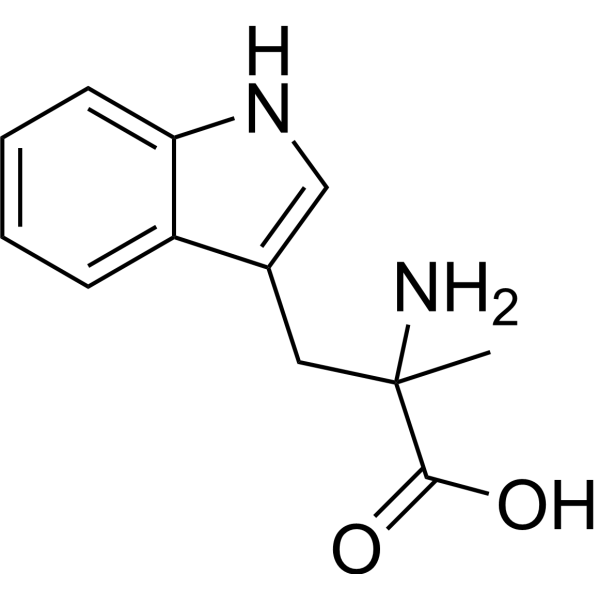
    α-Methyl-DL-tryptophan (α-Methyltryptophan), a tryptophan derivative, is a selective SLC6A14 blocker. In estrogen receptor (ER)-positive breast cancer cells, α-Methyl-DL-tryptophan inhibits mTOR and activates autophagy and apoptosis. α-Methyl-DL-tryptophan also has the effect of reducing weight .
    α-Methyl-DL-tryptophan
  • HY-B1234

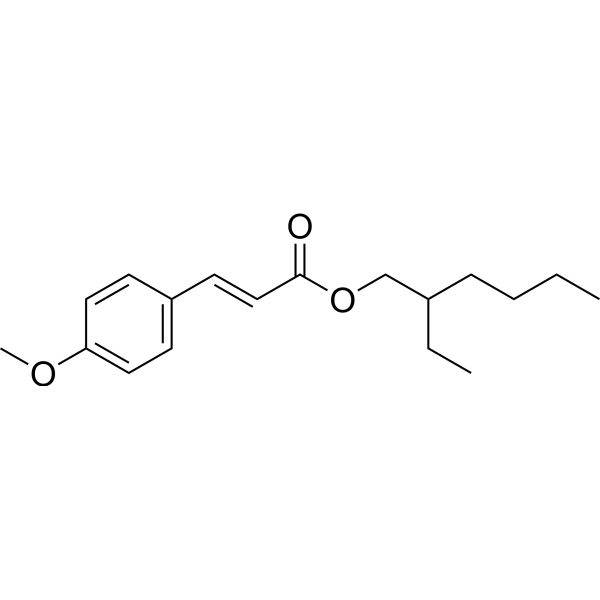
    Octyl methoxycinnamate

    Environmental Pollutants Estrogen Receptor/ERR Androgen Receptor Cytochrome P450 Thyroid Hormone Receptor Metabolic Disease Endocrinology
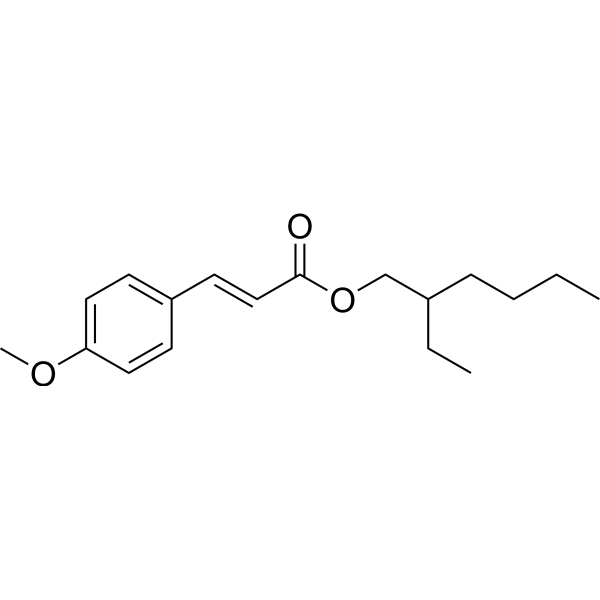
    Octinoxate (Octyl methoxycinnamate) is a thyroid hormone receptor agonist, reducing the levels of triiodothyronine (T3) and thyroxine (T4) and transcription levels of genes related to type II deiodinase (deio2) in Japanese Medaka. Octinoxate is commonly used as a safe ultraviolet (UV) filter used in the aquatic environment. Octinoxate inhibits CYP1A1 and CYP1B1 to regulate hyaluronan (HA) (HY-B0633A) metabolism in a PI3K pathway-dependent manner in human keratinocytes. Octinoxate also exhibits an anti-estrogenic and anti-androgenic effect in vitro and in vivo .
    Octinoxate
  • HY-W011100

    Dengue Virus Estrogen Receptor/ERR Flavivirus Infection Endocrinology
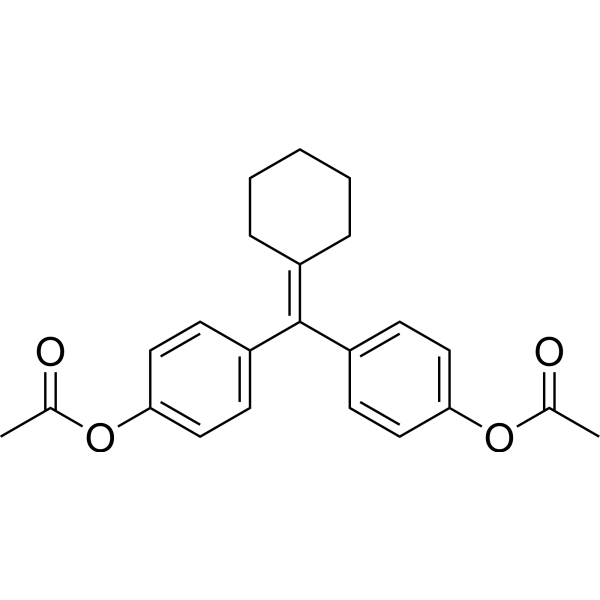
    Cyclofenil is a selective estrogen receptor modulator and an ovulation-inducing agent. Cyclofenil shows an inhibitory effect on dengue virus replication in Vero cells with an EC50 of 1.62 μM. Cyclofenil has anti-dengue-virus activity .
    Cyclofenil
  • HY-B0487

    Pregneninolone; 17α-Ethynyltestosterone

    Estrogen Receptor/ERR Metabolic Disease
    Ethisterone (Pregneninolone; 17α-Ethynyltestosterone) is a synthetic steroidal estrogen, is an orally active steroidal contraceptive agent. Ethisterone has almost no effect on the phagocytic activity of the reticuloendothelial system in male guinea pigs, while in utero exposure can induce abnormalities in the urogenital system of offspring .
    Ethisterone
  • HY-B0966

    Benzophenone-8; UV-24

    Biochemical Assay Reagents Inflammation/Immunology Cancer
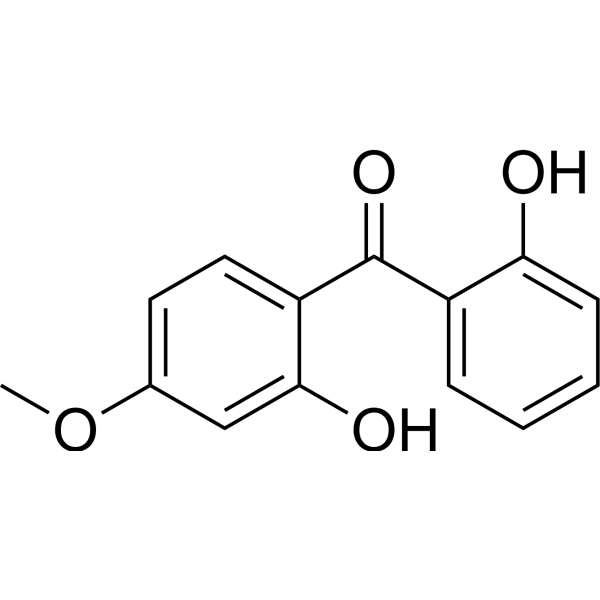
    Dioxybenzone (Benzophenone-8; UV-24) is an organic compound used to block UVB and short-wave UVA (ultraviolet) radiation. Dioxybenzone has orally activity. Dioxybenzone exhibits estrogenic disrupting effect. Dioxybenzone up-regulates inflammatory cytokines. Dioxybenzone can be used for cancer, reproductive system disease and inflammatory disease study .
    Dioxybenzone
  • HY-119437
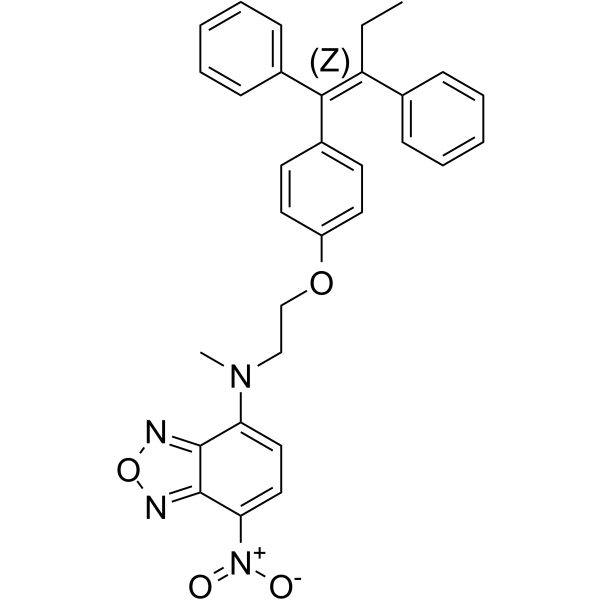
    FLTX1
    2 Publications Verification

    Estrogen Receptor/ERR Cancer
    FLTX1 is a fluorescent Tamoxifen derivative that can specifically label intracellular Tamoxifen-binding sites (estrogen receptors) under permeabilized and non-permeabilized conditions. FLTX1 exhibits the potent antiestrogenic properties of Tamoxifen in breast cancer cells. FLTX1 is devoid of the estrogenic agonistic effect on the uterus .
    FLTX1
  • HY-137004

    Ind-Cl

    Estrogen Receptor/ERR COX Inflammation/Immunology
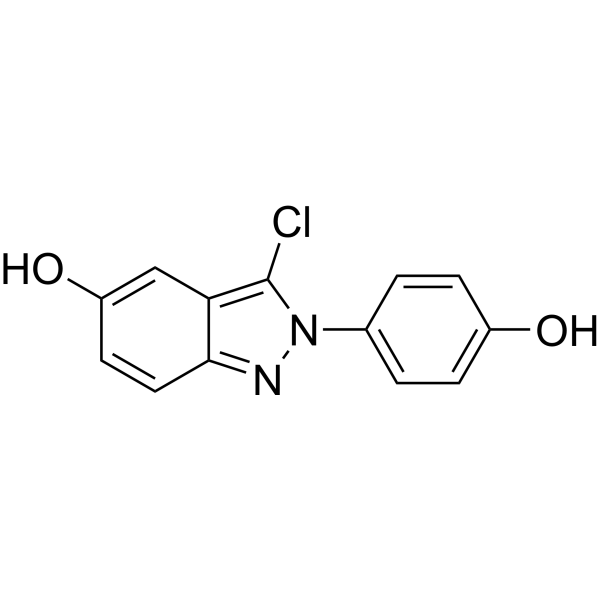
    Indazole-Cl (Ind-Cl) is an Estrogen receptor (ER)-β-specific agonist with inflammatory effect. Indazole-Cl inhibits cyclooxygenase-2 exression reduction induced by hypoxia. And Indazole-Cl inhibits ROS production. Indazole-Cl also inhibits cell migration and invasion by hypoxia increased by hypoxia. Indazole-Cl is potent inhibitor of hypoxia-induced inflammation in vascular smooth muscle cells (VSMCs) .
    Indazole-Cl
  • HY-B0708
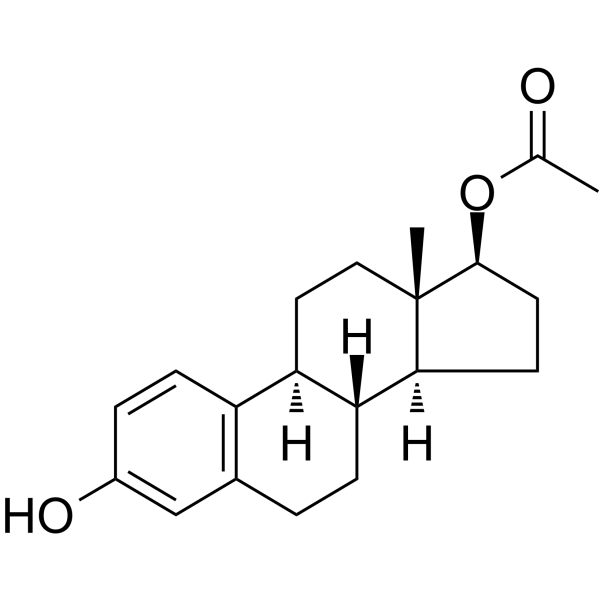
    β-Estradiol 17-acetate
    1 Publications Verification

    1,3,5(10)-Estratriene-3,17β-diol 17-acetate

    Estrogen Receptor/ERR Endocrinology
    β-Estradiol 17-acetate (1,3,5(10)-Estratriene-3,17β-diol 17-acetate) is a long-acting endogenous estrogen precursor and also a cell viability and proliferation enhancer. β-Estradiol 17-acetate promotes the adhesion and proliferation of freshly isolated and revived female-derived human brain microvascular endothelial cells, and reverses the decreased viability of revived male-derived human brain microvascular endothelial cells. β-Estradiol 17-acetate exerts the microvascular protective effect of estrogen, enabling non-tumor human brain microvascular endothelial cells to be cultured in vitro for 2 months after cryopreservation. β-Estradiol 17-acetate is biotransformed into β-estradiol via hydrolase action in the in vitro skin of humans, hairless dogs, rats and hairless mice .
    β-Estradiol 17-acetate
  • HY-N0910
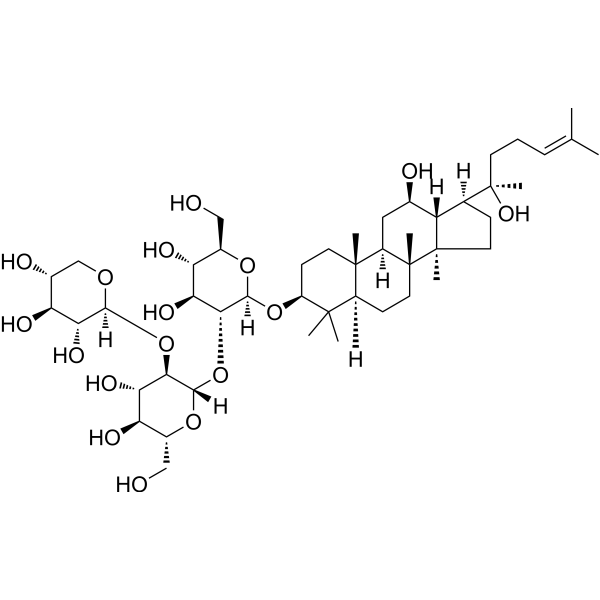
    Notoginsenoside Ft1
    1 Publications Verification

    PI3K mTOR Akt Apoptosis p38 MAPK ERK Transmembrane Glycoprotein Glutathione Reductase (GR) Estrogen Receptor/ERR Calcium Channel Ferroptosis G protein-coupled Bile Acid Receptor 1 FXR Cardiovascular Disease Neurological Disease Metabolic Disease Inflammation/Immunology Cancer
    Notoginsenoside Ft1 is an orally active bioactive saponin. Notoginsenoside Ft1 inhibits the PI3K/AKT/mTOR signaling pathway, activates the p38 MAPK and ERK1/2 signaling pathways, and increases the proportion of CD8 + T cells, thereby inducing apoptosis and lysosomal cell death in various cancer cells, and promoting angiogenesis. Notoginsenoside Ft1 causes vasodilation by activating glucocorticoid receptors (GR) and estrogen receptor beta (ERβ) in endothelial cells. Notoginsenoside Ft1 increases intracellular Ca 2+ accumulation, reduces cAMP levels by activating a signaling network mediated through P2Y12 receptors, and promotes platelet aggregation, thereby exerting a procoagulant effect. Notoginsenoside Ft1 inhibits ferroptosis (ferroptosis) in renal tubular epithelial cells by activating the TGR5 receptor, thereby demonstrating a renal protective effect. Notoginsenoside Ft1 acts as a TGR5 agonist and an FXR antagonist to combat obesity and insulin resistance .
    Notoginsenoside Ft1
  • HY-112627
    CAY 10465
    1 Publications Verification

    Aryl Hydrocarbon Receptor Cardiovascular Disease
    CAY 10465 is a selective and high-affinity AhR agonist, with a Ki of 0.2 nM, and shows no effect on estrogen receptor (Ki >100000 nM).
    CAY 10465
  • HY-W014684

    Environmental Pollutants Keap1-Nrf2 Mitochondrial Metabolism Reactive Oxygen Species (ROS) Endocrinology
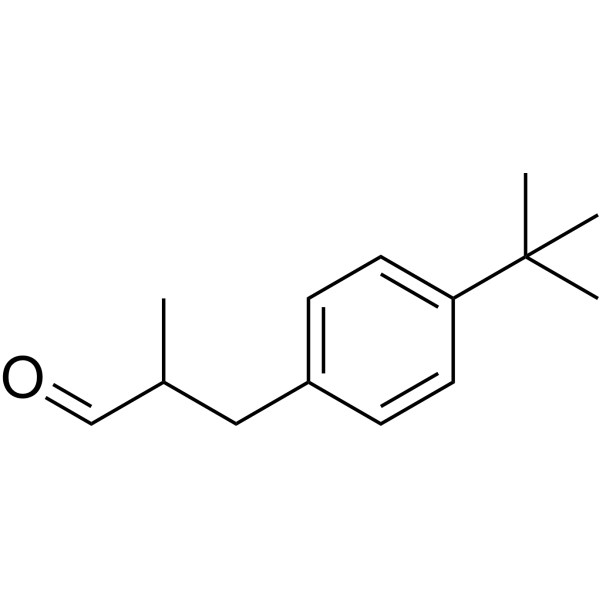
    Lilial is a widely used synthetic fragrance and ester in consumer products. Lilial possesses estrogenic activity in vitro. Lilial can induce a toxic effect on mitochondria that causes a decrease in the viability of HaCaT cells. Lilial can increase NRF2 protein level in vitro. Lilial is able to target respiratory chain complexes, inhibit complexes I and II of the electron transport chain, increase the generation of reactive oxygen species, and decrease the level of intracellular ATP. Lilial can induce systemic toxicity in vivo. Lilial induces significant DNA strand breaks .
    Lilial
  • HY-135312

    Estrogen Receptor/ERR PROTACs Cancer
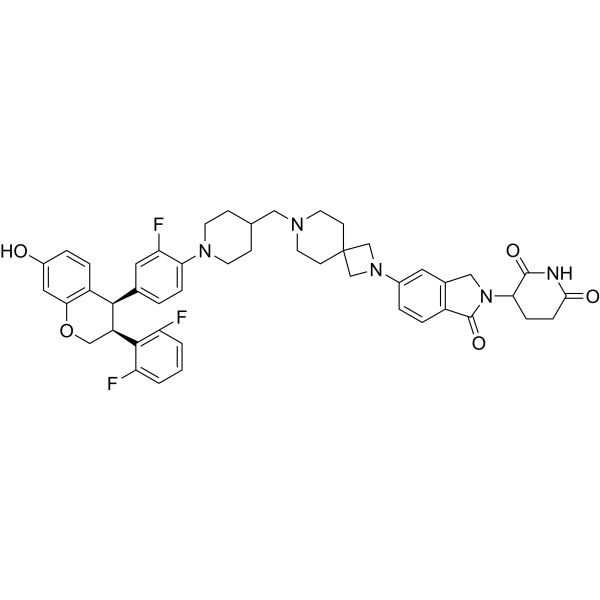
    AZ'6421 acts as Protcolysis Targeting Chimera (PROTAC) to selectively degrade estrogen receptor alpha. AZ'6421 has a potent anti-tumour effect to inhibit the uncontrolled cellular proliferation which arises from malignant disease. AZ'6421 can be used for the research of cancer such as breast cancer .
    AZ'6421
  • HY-W009300
    4-Hydroxyestrone
    1 Publications Verification

    4-OHE1

    Endogenous Metabolite Estrogen Receptor/ERR Sirtuin MDM-2/p53 PDI Ferroptosis Reactive Oxygen Species (ROS) Neurological Disease Metabolic Disease Cancer
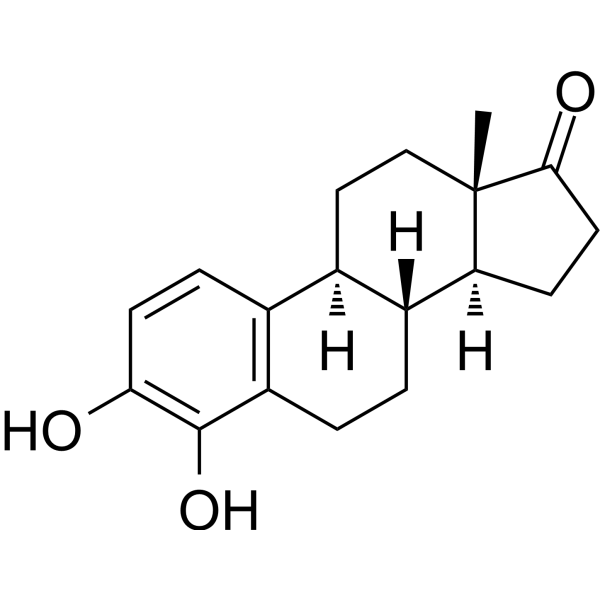
    4-Hydroxyestrone (4-OHE1) is a brain-penetrant estrogen metabolite. 4-Hydroxyestrone shows neuroprotective effects involving increased cytoplasmic localization of p53 resulting from SIRT1-mediated p53 deacetylation. 4-Hydroxyestrone relies on PDI to mediate its protective effect against chemically induced ferroptosis in estrogen receptor-negative cancer cells. 4-Hydroxyestrone inhibits lipid peroxidation and lipid-ROS accumulation. 4-Hydroxyestrone blocks preovulatory luteinizing hormone surges in Rattus norvegicus. 4-Hydroxyestrone can be used for the researches of neurodegeneration, breast cancer and endocrine disease .
    4-Hydroxyestrone
  • HY-18719S

    Isotope-Labeled Compounds Cytochrome P450 Estrogen Receptor/ERR Drug Metabolite Parasite Cancer
    Endoxifen-d5 (Z-isomer) is the deuterium labeled Endoxifen (Z-isomer) (HY-18719). Endoxifen (Z-isomer) is an oral active Tamoxifen (HY-13757A) metabolite, inducing an anti-estrogenic effect in breast cancer cells expressing ERα. Endoxifen (Z-isomer) inhibits hERG. This effect is concentration-dependent, with an IC50 value of 1.6 μM .
    Endoxifen-d5 (Z-isomer)
  • HY-B1234R

    Octyl methoxycinnamate (Standard)

    Reference Standards Androgen Receptor Estrogen Receptor/ERR Others
    Octinoxate (Standard) is the analytical standard of Octinoxate. This product is intended for research and analytical applications. Octinoxate (Octyl methoxycinnamate) is an organic compound that is an ingredient in some sunscreens and lip balms, primarily used is in sunscreens and other cosmetics to absorb UV-B rays from the sun, protecting the skin from damage and can be used to reduce the appearance of scars. Octinoxate also has a complex androgenic and estrogenic effect .
    Octinoxate (Standard)
  • HY-117726

    Estrogen Receptor/ERR NF-κB Inflammation/Immunology
    WAY-169916 is a pathway-selective ligand of ER (estrogen receptor) that acts by inhibiting NF-kB transcriptional activity. WAY-169916 has potent anti-inflammatory effect .
    WAY-169916
  • HY-B1234A

    (E)-Octyl methoxycinnamate

    Estrogen Receptor/ERR Androgen Receptor Endocrinology
    (E)-Octinoxate is the isomer of Octinoxate (HY-B1234). Octinoxate is an organic compound that is an ingredient in some sunscreens and lip balms, primarily used is in sunscreens and other cosmetics to absorb UV-B rays from the sun, protecting the skin from damage and can be used to reduce the appearance of scars. Octinoxate also has a complex androgenic and estrogenic effect .
    (E)-Octinoxate
  • HY-W014684R

    Reference Standards Keap1-Nrf2 Reactive Oxygen Species (ROS) Mitochondrial Metabolism Endocrinology
    Lilial (Standard) is the analytical standard of Lilial. This product is intended for research and analytical applications. Lilial is a widely used synthetic fragrance and ester in consumer products. Lilial possesses estrogenic activity in vitro. Lilial can induce a toxic effect on mitochondria that causes a decrease in the viability of HaCaT cells. Lilial can increase NRF2 protein level in vitro. Lilial is able to target respiratory chain complexes, inhibit complexes I and II of the electron transport chain, increase the generation of reactive oxygen species, and decrease the level of intracellular ATP. Lilial can induce systemic toxicity in vivo. Lilial induces significant DNA strand breaks .
    Lilial (Standard)
  • HY-N5103

    Others Endocrinology
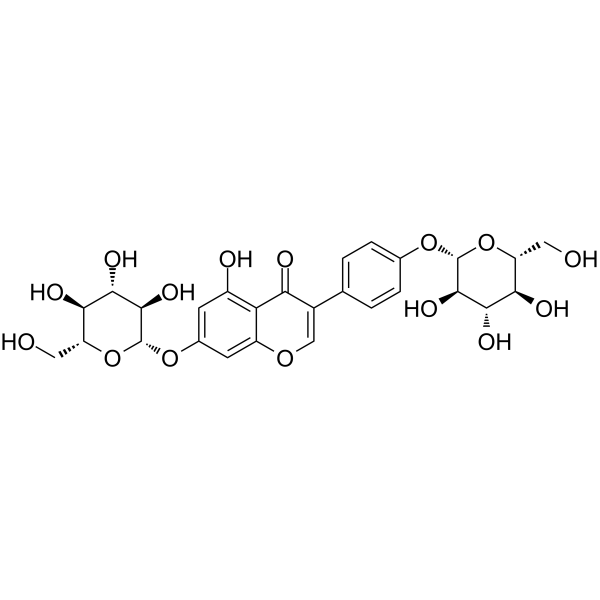
    Genistein 7,4'-di-O-β-D-glucoside is a natural product with significantly estrogenic proliferative effect in MCF-7 cells .
    Genistein 7,4'-di-O-β-D-glucoside
  • HY-W554614

    Fosfestrol

    Estrogen Receptor/ERR Cancer
    Diethylstilbestrol diphosphate (Fosfestrol) is a diphosphate of diethylstilbestrol and an agonist of estrogen receptors. Diethylstilbestrol diphosphate is a prodrug of diethylstilbestrol and has a powerful anti-gonadotropin effect. Diethylstilbestrol diphosphate can be used in the research of prostate cancer .
    Diethylstilbestrol diphosphate
  • HY-160264

    PROTACs Estrogen Receptor/ERR Cancer
    PROTAC ER Degrader-12 (Compound 70) is an estrogen receptor PROTAC degrader (DC50: <10 nM), and inhibits MCF-7 proliferation (DC50: <10 nM). PROTAC ER Degrader-12 has anticancer effect. Pink: ER ligand (HY-169978); Blue: E3 ligase ligand (HY-138793); Black: linker (HY-30756) .
    PROTAC ER Degrader-12
  • HY-125627

    Glucocorticoid Receptor Androgen Receptor Neurological Disease Metabolic Disease
    CP-394531 is an efficient and highly selective non-steroidal glucocorticoid receptor (GR) antagonist, with a Ki value of 0.1 nM. CP-394531 has a weak binding to androgen receptor (AR) (Ki = 130 nM), and has almost no effect on progesterone receptor (PR) and estrogen receptors (ERα, ERβ). CP-394531 completely blocks the half-maximal agonistic effect induced by Dexamethasone (HY-14648G), with a Kif of 4.1 nM. CP-394531 can be used to study various diseases such as diabetes, obesity, depression, neurodegenerative diseases, glaucoma and Cushing's disease .
    CP-394531
  • HY-138211

    Estrogen Receptor/ERR Metabolic Disease Endocrinology
    BE-26263, an antiosteoporotic agent that can be isolated from Scedosporium apiospermum, possesses estrogenic effect .
    BE-26263
  • HY-118242

    Estrogen Receptor/ERR Calmodulin Others
    RU 45144 is an anti-estrogen compound that has the activity of antagonizing the binding of estrogen receptors to calmodulin. RU 45144 can inhibit the binding of estrogen receptors to calmodulin, and its effect is similar to that of tamoxifen. Its anti-estrogen effect may be related to specific side chains in the molecular structure, and the steroid skeleton may be involved in its anti-proliferative activity.
    RU 45144
  • HY-117649

    Estrogen Receptor/ERR Cancer
    RU-39411 is a steroidal anti-estrogen with mixed estrogenic/antiestrogen activity. RU-39411 has shown inhibitory effects on cell growth in the MCF-7 breast cancer model, with the effect being correlated with its binding affinity to the estrogen receptor. RU-39411 was able to downregulate the estrogen binding capacity of cells, but did not reduce estrogen receptor mRNA levels, indicating that the grafting of its side chain prevents the antagonistic effects usually associated with steroidal estrogens. The administration of RU-39411 can promote the synthesis of progesterone receptors, further supporting its activity as an estrogen .
    RU-39411
  • HY-123420

    Dinordrin I

    Steroid Sulfatase Metabolic Disease
    Dinordrin (Dinordrin I) is a steroid with a luteolytic effect. Dinordrin can cause depression of both plasma estrogen and progesterone levels .
    Dinordrin
  • HY-N6678S

    Isotope-Labeled Compounds Estrogen Receptor/ERR Endocrinology
    (Rac)-Zearalanone-d6 is the racemate of Zearalanone. Zearalenone is a nonsteroidal estrogenic mycotoxin produced by Fusarium species, which colonizes several grains. Zearalenone has low acute toxicity and carcinogenicity. Due to its agonistic effect on the estrogen receptor, Zearalenone exhibits distinct estrogenic and anabolic properties in several animal species, resulting in severe effects on the reproductive system .
    (Rac)-Zearalanone-d6
  • HY-N6678R

    Reference Standards Estrogen Receptor/ERR Endocrinology
    Zearalanone (Standard) is the analytical standard of Zearalanone. This product is intended for research and analytical applications. Zearalenone is a nonsteroidal estrogenic mycotoxin produced by Fusarium species, which colonizes several grains. Zearalenone has low acute toxicity and carcinogenicity. Due to its agonistic effect on the estrogen receptor, Zearalenone exhibits distinct estrogenic and anabolic properties in several animal species, resulting in severe effects on the reproductive system .
    Zearalanone (Standard)
  • HY-N3981

    Others Cancer
    Guajadial, a caryophyllene-based meroterpenoid, has anti-estrogenic and anticancer effect. Guajadial reverses multidrug resistance in cancer. Guajadial can be isolated from Psidium guajava leaves .
    Guajadial
  • HY-146267

    Estrogen Receptor/ERR Cancer
    ERα degrader 5 (Compound 40) is a selective, orally bioavailable estrogen receptor (ER) degrader (SERD) with an EC50 of 1.1 nM against ERα. ERα degrader 5 shows antitumor effect in vivo .
    ERα degrader 5
  • HY-W011100R

    Dengue Virus Reference Standards Estrogen Receptor/ERR Flavivirus Infection Endocrinology
    Cyclofenil (Standard) is the analytical standard of Cyclofenil. This product is intended for research and analytical applications. Cyclofenil is a selective estrogen receptor modulator and an ovulation-inducing agent. Cyclofenil shows an inhibitory effect on dengue virus replication in Vero cells with an EC50 of 1.62 μM. Cyclofenil has anti-dengue-virus activity .
    Cyclofenil (Standard)
  • HY-B0966R

    Benzophenone-8 (Standard); UV-24 (Standard)

    Biochemical Assay Reagents Reference Standards Inflammation/Immunology Cancer
    Dioxybenzone (Standard) is the analytical standard of Dioxybenzone. This product is intended for research and analytical applications. Dioxybenzone (Benzophenone-8; UV-24) is an organic compound used to block UVB and short-wave UVA (ultraviolet) radiation. Dioxybenzone has orally activity. Dioxybenzone exhibits estrogenic disrupting effect. Dioxybenzone up-regulates inflammatory cytokines. Dioxybenzone can be used for cancer, reproductive system disease and inflammatory disease study.
    Dioxybenzone (Standard)
  • HY-B0487R

    Pregneninolone (Standard); 17α-Ethynyltestosterone (Standard)

    Reference Standards Estrogen Receptor/ERR Metabolic Disease
    Ethisterone (Pregneninolone; 17α-Ethynyltestosterone) (Standard) is the analytical standard of Ethisterone (HY-B0487). This product is intended for research and analytical applications. Ethisterone is a synthetic steroidal estrogen, is an orally active steroidal contraceptive agent. Ethisterone has almost no effect on the phagocytic activity of the reticuloendothelial system in male guinea pigs, while in utero exposure can induce abnormalities in the urogenital system of offspring .
    Ethisterone (Standard)
  • HY-B0966S

    Benzophenone-8-d3; UV-24-d3

    Isotope-Labeled Compounds Biochemical Assay Reagents Inflammation/Immunology Cancer
    Dioxybenzone-d3 is deuterium labeled Dioxybenzone. Dioxybenzone (Benzophenone-8; UV-24) is an organic compound used to block UVB and short-wave UVA (ultraviolet) radiation. Dioxybenzone has orally activity. Dioxybenzone exhibits estrogenic disrupting effect. Dioxybenzone up-regulates inflammatory cytokines. Dioxybenzone can be used for cancer, reproductive system disease and inflammatory disease study .
    Dioxybenzone-d3
  • HY-121372

    Estrogen Receptor/ERR Cancer
    Lactandrate is a D-high nitrogen steroid alkylating agent. It can interact with the ligand-binding domain (LBD) of estrogen receptor-alpha (ERα). Lactandrate has a growth inhibitory effect on breast cancer cells, with a GI50 value ranging from 5 to 65 μM. It shows anti-tumor activity in mouse breast tumors (MXT and CD8F1) as well as in human xenograft MX-1 .
    Lactandrate
  • HY-W009300S

    4-OHE1-d4

    Endogenous Metabolite Isotope-Labeled Compounds Estrogen Receptor/ERR Sirtuin MDM-2/p53 PDI Ferroptosis Reactive Oxygen Species (ROS) Neurological Disease Metabolic Disease Cancer
    4-Hydroxyestrone (4-OHE1)-d4 is the deuterium labeled 4-Hydroxyestrone (HY-W009300). 4-Hydroxyestrone is a brain-penetrant estrogen metabolite. 4-Hydroxyestrone shows neuroprotective effects involving increased cytoplasmic localization of p53 resulting from SIRT1-mediated p53 deacetylation. 4-Hydroxyestrone relies on PDI to mediate its protective effect against chemically induced ferroptosis in estrogen receptor-negative cancer cells. 4-Hydroxyestrone inhibits lipid peroxidation and lipid-ROS accumulation. 4-Hydroxyestrone blocks preovulatory luteinizing hormone surges in Rattus norvegicus. 4-Hydroxyestrone can be used for the researches of neurodegeneration, breast cancer and endocrine disease .
    4-Hydroxyestrone-d4
  • HY-W009300S1

    4-OHE1-13C6

    Isotope-Labeled Compounds Endogenous Metabolite Estrogen Receptor/ERR Sirtuin MDM-2/p53 PDI Ferroptosis Reactive Oxygen Species (ROS) Neurological Disease Metabolic Disease Cancer
    4-Hydroxyestrone (4-OHE1)- 13C6 is a 13C-labeled 4-Hydroxyestrone (HY-W009300). 4-Hydroxyestrone is a brain-penetrant estrogen metabolite. 4-Hydroxyestrone shows neuroprotective effects involving increased cytoplasmic localization of p53 resulting from SIRT1-mediated p53 deacetylation. 4-Hydroxyestrone relies on PDI to mediate its protective effect against chemically induced ferroptosis in estrogen receptor-negative cancer cells. 4-Hydroxyestrone inhibits lipid peroxidation and lipid-ROS accumulation. 4-Hydroxyestrone blocks preovulatory luteinizing hormone surges in Rattus norvegicus. 4-Hydroxyestrone can be used for the researches of neurodegeneration, breast cancer and endocrine disease .
    4-Hydroxyestrone-13C6
  • HY-B1234S

    Cytochrome P450 Thyroid Hormone Receptor Androgen Receptor Estrogen Receptor/ERR Isotope-Labeled Compounds Metabolic Disease Endocrinology
    Octinoxate-13C,d3 is the deuterium labeled Octinoxate (HY-W245806). Octinoxate (Octyl methoxycinnamate) is a thyroid hormone receptor agonist, reducing the levels of triiodothyronine (T3) and thyroxine (T4) and transcription levels of genes related to type II deiodinase (deio2) in Japanese Medaka. Octinoxate is commonly used as a safe ultraviolet (UV) filter used in the aquatic environment. Octinoxate inhibits CYP1A1 and CYP1B1 to regulate hyaluronan (HA) (HY-B0633A) metabolism in a PI3K pathway-dependent manner in human keratinocytes. Octinoxate also exhibits an anti-estrogenic and anti-androgenic effect in vitro and in vivo .
    Octinoxate-13C,d3
  • HY-W713284

    Isotope-Labeled Compounds Cytochrome P450 Estrogen Receptor/ERR Androgen Receptor Thyroid Hormone Receptor Endocrinology
    2-Ethylhexyl (E)-3-(4-(methoxy-d3)phenyl)acrylate is the deuterium labeled Octinoxate (HY-B1234). Octinoxate (Octyl methoxycinnamate) is a thyroid hormone receptor agonist, reducing the levels of triiodothyronine (T3) and thyroxine (T4) and transcription levels of genes related to type II deiodinase (deio2) in Japanese Medaka. Octinoxate is commonly used as a safe ultraviolet (UV) filter used in the aquatic environment. Octinoxate inhibits CYP1A1 and CYP1B1 to regulate hyaluronan (HA) (HY-B0633A) metabolism in a PI3K pathway-dependent manner in human keratinocytes. Octinoxate also exhibits an anti-estrogenic and anti-androgenic effect in vitro and in vivo .
    2-Ethylhexyl (E)-3-(4-(methoxy-d3)phenyl)acrylate
  • HY-N6678S1

    Isotope-Labeled Compounds Endocrinology
    Zearalanone- 13C18 is the 13C-labeled Zearalanone (HY-N6678). Zearalenone is a nonsteroidal estrogenic mycotoxin produced by Fusarium species, which colonizes several grains. Zearalenone has low acute toxicity and carcinogenicity. Due to its agonistic effect on the estrogen receptor, Zearalenone exhibits distinct estrogenic and anabolic properties in several animal species, resulting in severe effects on the reproductive system .
    Zearalanone-13C18
  • HY-176956

    Estrogen Receptor/ERR Cancer
    ER degrader 13 (Compound 37) is an estrogen receptor (ER) degrader. ER degrader 13 has a significant inhibitory effect on the proliferation of ER-positive breast cancer MCF-7 cells .
    ER degrader 13
  • HY-W766130

    Pregneninolone-13C2; 17α-Ethynyltestosterone-13C2

    Isotope-Labeled Compounds Estrogen Receptor/ERR Metabolic Disease
    Ethisterone- 13C2 (Pregneninolone- 13C2) is the 13C-labeled Ethisterone (HY-B0487). Ethisterone (Pregneninolone; 17α-Ethynyltestosterone) is a synthetic steroidal estrogen, is an orally active steroidal contraceptive agent. Ethisterone has almost no effect on the phagocytic activity of the reticuloendothelial system in male guinea pigs, while in utero exposure can induce abnormalities in the urogenital system of offspring.
    Ethisterone-13C2

Inquiry Online

Your information is safe with us. * Required Fields.

Salutation


Country or Region *

Applicant Name *


Organization Name *

Department *


Email Address *


Product Name *

Cat. No.


Requested quantity *

Phone Number *


Remarks

Inquiry Online

Inquiry Information

Product Name:
Cat. No.:
Quantity:
MCE Japan Authorized Agent:

