




1. Search Result
Search Result
Results for "

events

" in MedChemExpress (MCE) Product Catalog:

78

Inhibitors & Agonists

4

Screening Libraries

3

Fluorescent Dyes

4

Biochemical Assay Reagents

10

Peptides

6

Inhibitory Antibodies

13

Natural
Products

1

Isotope-Labeled Compounds

8

Oligonucleotides

Cat. No. Product Name Target Research Areas Chemical Structure
  • HY-P10798

    LY-3841136

    Amylin Receptor Metabolic Disease
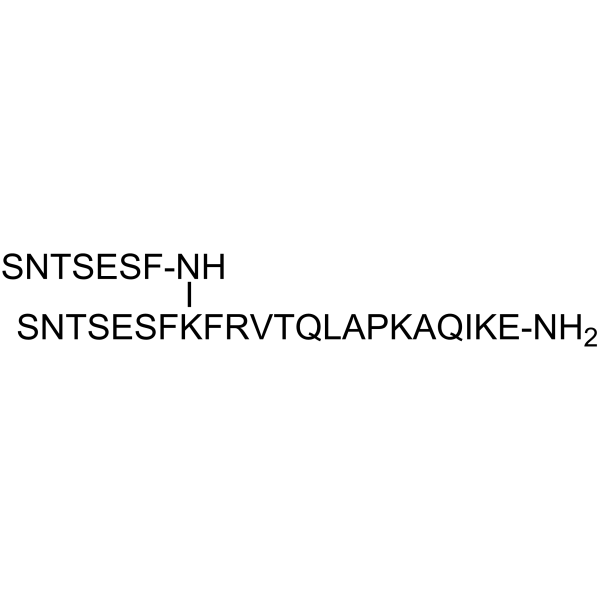
    Eloralintide is an amylin receptor (AMYR) activator and long-acting peptide. Eloralintide selectively activates amylin receptors. Eloralintide is modified with a C20 fatty diacid moiety that binds to amylin receptors while retaining selectivity from calcitonin receptors. Eloralintide induces decreased appetite.Eloralintide reduces body weight. Eloralintide can be used for the research of obesity .
    Eloralintide
  • HY-Y0698
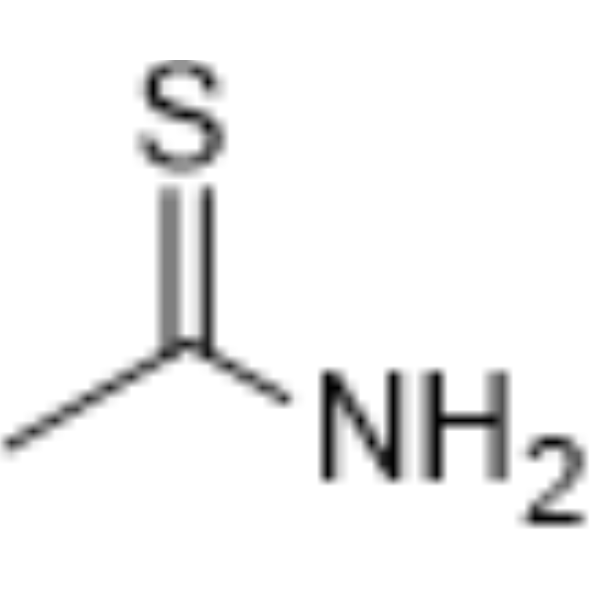
    Thioacetamide
    4 Publications Verification

    Acetothioamide; TAA; Thiacetamide

    Necroptosis Neurological Disease Inflammation/Immunology Cancer
    Thioacetamide (TAA) is an indirect hepatotoxin and causes parenchymal cell necrosis. Thioacetamide requires metabolic activation by microsomal CYP2E1 to thioacetamide-S-oxide initially and then to thioacetamide-S-dioxide, which is a highly reactive metabolite, and its reactive metabolites covalently bind to proteins and lipids thereby causing oxidative stress and centrilobular necrosis. Thioacetamide can induce chronic liver fibrosis, encephalopathy and other events model .
    Thioacetamide
  • HY-P99016B
    Enfortumab vedotin-ejfv (solution)
    1 Publications Verification

    Antibody-Drug Conjugates (ADCs) Nectin-4 Cancer
    Enfortumab vedotin-ejfv (solution) is an anti-Nectin-4 antibody-drug conjugate (ADC). Enfortumab vedotin-ejfv (solution) is a fully humanized IgG1 antibody conjugated to the microtubule disrupting agent MMAE (HY-15162) via a protease-cleavable Val-Cit linker. The antibody portion is Enfortumab (HY-P99016), and the drug-linker conjugate for ADC is VcMMAE (HY-15575). Nectin-4 is an adhesion protein involved in cellular processes and tumorigenesis, and Enfortumab vedotin-ejfv (solution) is indicated for the inhibition of locally advanced or metastatic urothelial carcinoma .
    Enfortumab vedotin-ejfv (solution)
  • HY-F0002
    NADP sodium salt
    Maximum Cited Publications
    6 Publications Verification

    Sodium NADP

    Endogenous Metabolite Metabolic Disease Inflammation/Immunology Cancer
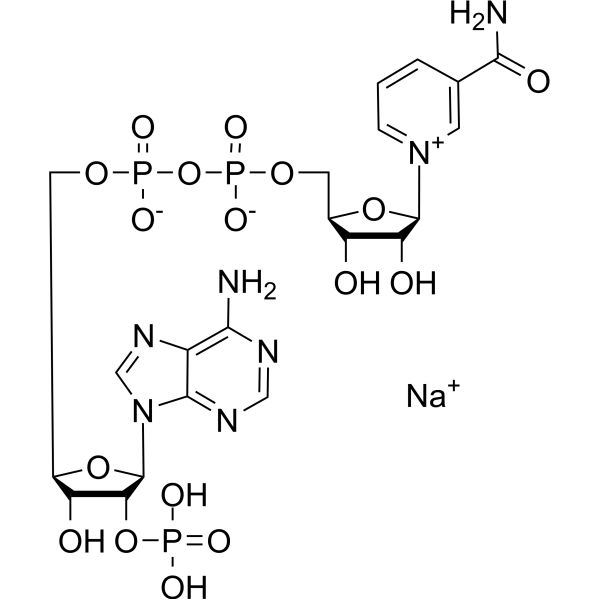
    NADP sodium salt is the sodium salt form of NADP (HY-113325). NADP is a coenzyme involved in cellular electron transfer reactions in biological metabolism, which is alternately oxidized (NADP+) and reduced (NADPH), and can maintain cellular redox homeostasis and regulate many biological events, including cellular metabolism. NADPH is a universal electron donor that provides reducing ability for synthetic metabolic reactions and redox balance. NADPH plays a multifunctional role in regulating inflammation, redox homeostasis, and synthetic metabolism processes .
    NADP sodium salt
  • HY-N1964
    Gibberellic acid
    1 Publications Verification

    Gibberellin A3

    Environmental Pollutants Drug Derivative Metabolic Disease
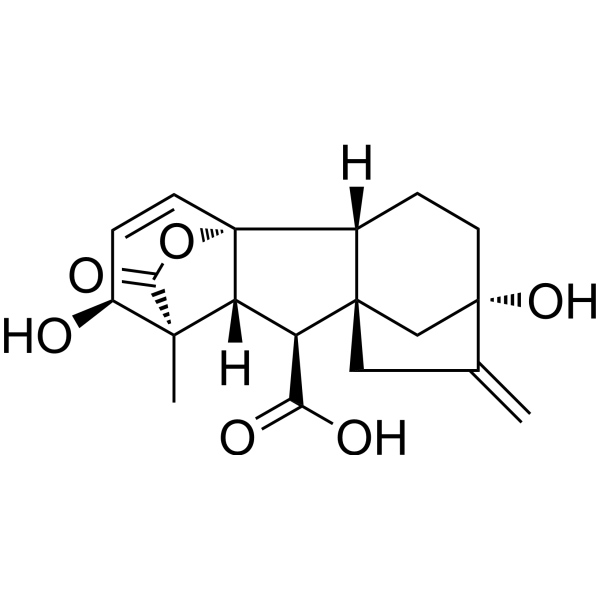
    Gibberellic acid (GA3) is a natural plant growth regulator with oral bioactivity. Gibberellic acid governs multiple plant developmental events, including seed germination, cell elongation, floral organ formation, and rice spikelet fertility. Gibberellic acid optimizes root morphology and secondary metabolite production in Echinacea purpurea hairy roots, and serves as a bioactive seed priming agent to improve chilling stress tolerance in chickpea. Gibberellic acid mediates modulation of enzyme activity and secondary metabolism in plants and exerts tissue-specific regulatory effects on antioxidant systems and lipid peroxidation in rats. Gibberellic acid can be used in studies of plant growth, metabolism, and abiotic stress responses .
    Gibberellic acid
  • HY-P9975

    TGN1412; TAB08

    CD28 Inflammation/Immunology
    Theralizumab (TGN1412) is a humanized lgG4 superagonistic anti-CD28 monoclonal antibody that directly stimulates T cells. Theralizumab can cause cytokine release syndrome (CRS). Theralizumab can be used for the research of rheumatoid arthritis .
    Theralizumab
  • HY-F0002A
    NADP disodium salt
    Maximum Cited Publications
    6 Publications Verification

    Disodium NADP

    Endogenous Metabolite Metabolic Disease Inflammation/Immunology Cancer
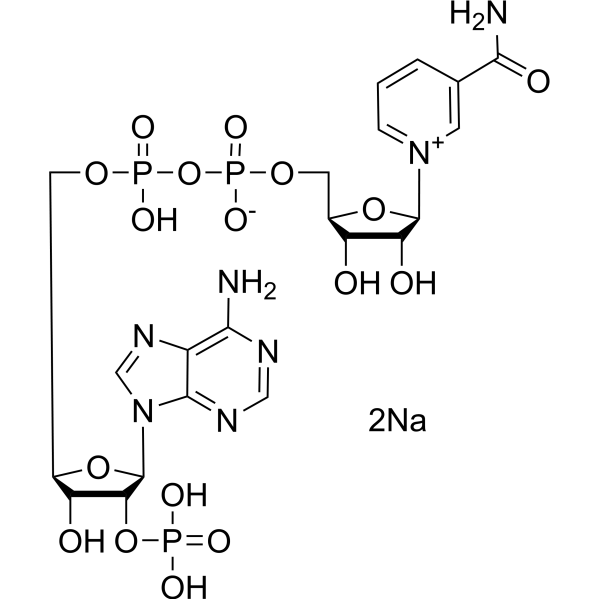
    NADP disodium salt is the disodium salt form of NADP (HY-113325). NADP is a coenzyme involved in cellular electron transfer reactions in biological metabolism, which is alternately oxidized (NADP+) and reduced (NADPH), and can maintain cellular redox homeostasis and regulate many biological events, including cellular metabolism. NADPH is a universal electron donor that provides reducing ability for synthetic metabolic reactions and redox balance. NADPH plays a multifunctional role in regulating inflammation, redox homeostasis, and synthetic metabolism processes .
    NADP disodium salt
  • HY-113325
    NADP
    Maximum Cited Publications
    6 Publications Verification

    Endogenous Metabolite Metabolic Disease Inflammation/Immunology Cancer
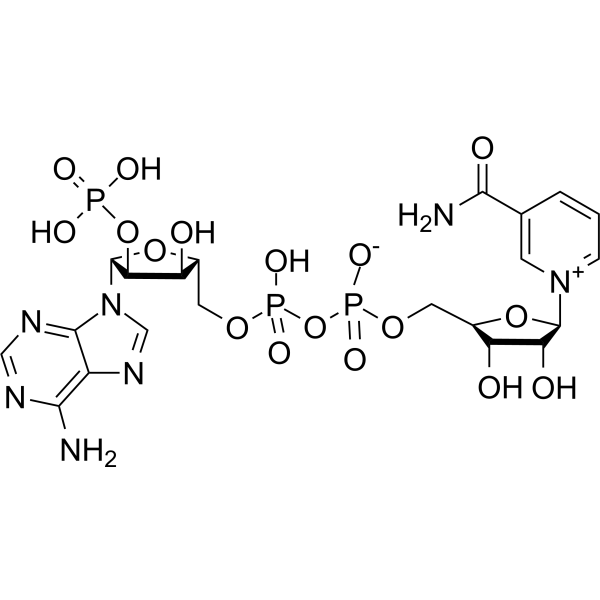
    NADP is a coenzyme involved in cellular electron transfer reactions in biological metabolism, which is alternately oxidized (NADP+) and reduced (NADPH), and can maintain cellular redox homeostasis and regulate many biological events, including cellular metabolism. NADPH is a universal electron donor that provides reducing ability for synthetic metabolic reactions and redox balance. NADPH plays a multifunctional role in regulating inflammation, redox homeostasis, and synthetic metabolism processes .
    NADP
  • HY-B0657A
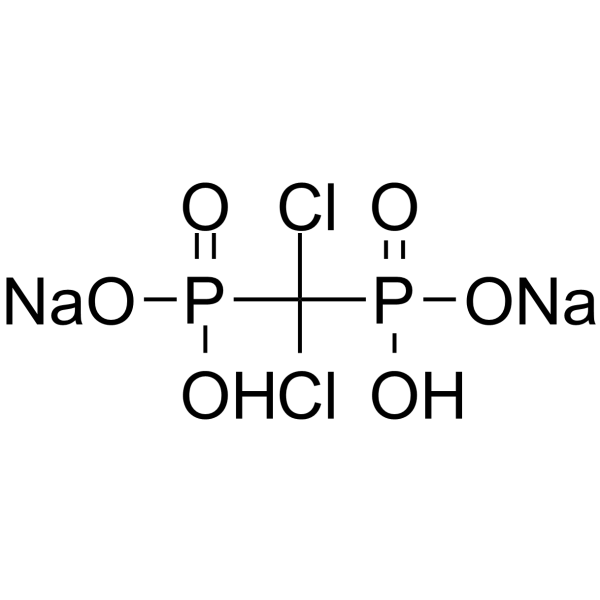
    Clodronic acid disodium salt
    4 Publications Verification

    Clodronate disodium salt

    Apoptosis Metabolic Disease Cancer
    Clodronic acid (Clodronate) disodium salt is an orally active bisphosphonate. Clodronic acid disodium salt inhibits osteoclast-mediated bone resorption. Clodronic acid disodium salt reduces skeletal event risk in malignant bone disease, impairs malignant osteolysis, blocks bone matrix growth-factor release, induces apoptosis in osteoclasts and macrophages. Clodronic acid disodium salt is effective in the maintenance or improvement of bone mineral density. Clodronic acid disodium salt can be used for the research of multiple myeloma and postmenopausal osteoporosis .
    Clodronic acid disodium salt
  • HY-P991628

    PF-08634404

    PD-1/PD-L1 VEGFR Cancer
    SSGJ-707 (PF-08634404) is a bispecific antibody targeting VEGF and PD-1. SSGJ-707 exerts dual anti-tumor effects by neutralizing VEGF and blocking the PD-1 signaling pathway. SSGJ-707 can be combined with platinum-based chemotherapy to inhibit advanced non-small cell lung cancer (NSCLC), and its inhibitory effect is not limited by PD-L1 expression levels. In the HARMONi-2 trial, the objective response rate of SSGJ-707 correlates with the PD-L1 tumor proportion score, and the incidence of grade ≥3 adverse events is comparable to that of Inetetamab (HY-P99969). SSGJ-707 is being extensively investigated for a variety of malignancies including advanced NSCLC, colorectal cancer and small cell lung cancer .
    SSGJ-707
  • HY-15507
    VGX-1027
    1 Publications Verification

    GIT 27

    Interleukin Related TNF Receptor Metabolic Disease Inflammation/Immunology
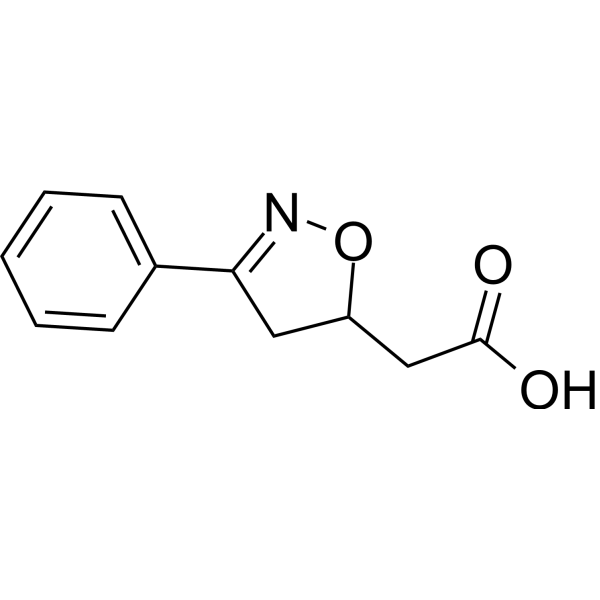
    VGX-1027 is an orally active isoxazole compound that exhibits various immunomodulatory properties. VGX-1027 targets macrophages, reducing the production of the proinflammatory mediators TNF-α, IL-1β, IL-10. VGX-1027 has antidiabetogenic effects by limiting cytokine-mediated immunoinflammatory events .
    VGX-1027
  • HY-113325A
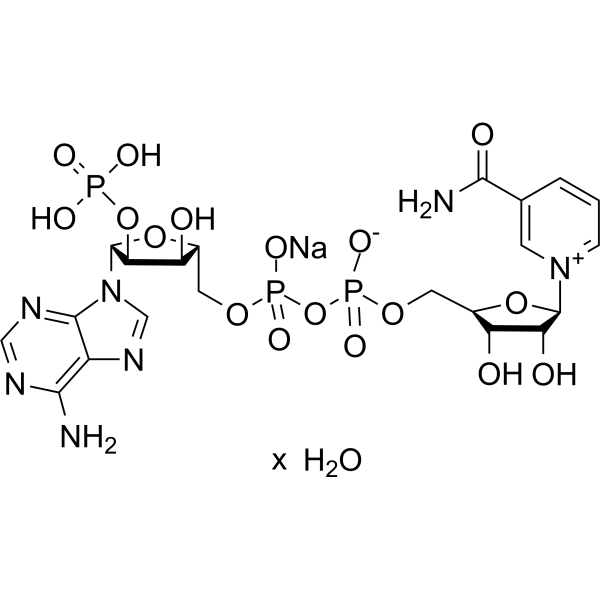
    NADP sodium hydrate
    5+ Cited Publications

    Endogenous Metabolite Metabolic Disease Inflammation/Immunology Cancer
    NADP sodium hydrate is the sodium salt hydrate form of NADP (HY-113325). NADP is a coenzyme involved in cellular electron transfer reactions in biological metabolism, which is alternately oxidized (NADP+) and reduced (NADPH), and can maintain cellular redox homeostasis and regulate many biological events, including cellular metabolism. NADPH is a universal electron donor that provides reducing ability for synthetic metabolic reactions and redox balance. NADPH plays a multifunctional role in regulating inflammation, redox homeostasis, and synthetic metabolism processes .
    NADP sodium hydrate
  • HY-N12060

    Bcl-2 Family Caspase Apoptosis Autophagy Reactive Oxygen Species (ROS) Akt JNK ERK Cardiovascular Disease Neurological Disease
    Ginkgo biloba extract is a natural product that can be isolated from Ginkgo biloba leaves . Ginkgo biloba extract alleviates oxidative stress-induced neuronal apoptosis (Apoptosis) by stabilizing mitochondrial function, regulating Bcl-2 family proteins and inhibiting caspase activation. Ginkgo biloba extract alleviates testicular injury by upregulating SKP2 and inhibiting Beclin1-independent autophagy (Autophagy) . Ginkgo biloba extract alleviates various types of neuronal damage in animal models. Ginkgo biloba extract reduces behavioral sensitization in rats. Ginkgo biloba extract counteracts Aβ-induced neurotoxicity by blocking a series of Aβ-triggered events, including glucose uptake, ROS accumulation, AKT activation, mitochondrial dysfunction, JNK and ERK 1/2 pathways, and apoptosis, and also interferes with the formation of Aβ oligomers. Ginkgo biloba extract is applicable to research related to cerebral hypoperfusion, testicular injury, Alzheimer's disease, Parkinson's disease, multi-infarct dementia, stroke, traumatic brain injury and amyotrophic lateral sclerosis .
    Ginkgo biloba extract
  • HY-172435

    AGN-232411; AG-80308; AGN-411

    Formyl Peptide Receptor (FPR) Neurological Disease
    Rezuforimod (AGN-232411; AG-80308) is an ophthalmic solution targeting the formyl peptide receptor (FPR) pathway. Rezuforimod exerts anti-inflammatory effects by targeting the formyl peptide receptor pathway. Administered topically, Rezuforimod significantly reduces the corneal conjunctival staining score and improves ocular discomfort symptoms, with no serious adverse events reported and favorable overall safety profile. Rezuforimod shows remarkable potential to serve as a novel therapeutic option for dry eye disease .
    Rezuforimod
  • HY-159078

    DNA/RNA Synthesis Cancer
    PolQi1 is a selective inhibitor targeting the Polθ domain of DNA polymerase. PolQi1 inhibits the Polθ-mediated microhomology end joining (TMEJ/alt-EJ) pathway, reducing insertion/deletion (Indels) and imprecise editing events during DNA repair. PolQi1 can enhance the efficiency and accuracy of homology-directed repair (HDR) or Prime editing, and reduce off-target effects; and in combination with DNA-PK inhibitor AZD-7648 (HY-111783), exert efficient genome editing capabilities with dual pathway regulation. PolQi1 can be mainly used in gene editing research (such as CRISPR-Cas9 or Prime editing system optimization) to improve the precision editing efficiency of difficult-to-edit cells (such as primary hepatocytes and mouse embryos) .
    PolQi1
  • HY-164236

    Endogenous Metabolite Metabolic Disease
    C22 Glucosylceramide (d18:1/22:0) is a bioactive sphingolipid composed of a d18:1 sphingoid base and a 22:0 fatty acid chain. C22 Glucosylceramide (d18:1/22:0) specifically exists in Doxorubicin (HY-15142A)-sensitive cancer cells, and its circulating concentration is positively correlated with the incidence of cardiovascular events. C22 Glucosylceramide (d18:1/22:0) has been widely used in research related to cardiovascular diseases, hypercholesterolemia, metabolic syndrome, breast adenocarcinoma and other fields .
    C22 Glucosylceramide (d18:1/22:0)
  • HY-P5960

    PTBP1 α3-helix derived peptide P6 TFA

    DNA/RNA Synthesis Others
    PTBP1-RNA-binding inhibitor P6 (PTBP1 α3-helix derived peptide P6) TFA is a stapled peptide inhibitor of the splicing factor PTBP1, which inhibits alternative splicing events regulated by PTBP1. PTBP1 binds RNA through its RNA recognition motif .
    PTBP1-RNA-binding inhibitor P6 TFA
  • HY-N7259

    JNK p38 MAPK Apoptosis Inflammation/Immunology
    (+)-Isomenthone is an enantiomer form of Menthone (HY-N2381). (+)-Isomenthone blocks TNF-α-triggered activation of the JNK and p38 MAPK pathways.(+)-Isomenthone inhibits TNF-α-mediated reductions in cell viability, increases in apoptosis, and downstream apoptotic events linked to pathway activation.(+)-Isomenthone protects human dermal fibroblasts against TNF-α-induced cell death under serum-deprived conditions .
    (+)-Isomenthone
  • HY-145725A

    ISIS 598769; IONIS 598769; BIIB 065; ISIS-DMPK-2.5Rx

    Ser/Thr Kinase Neurological Disease
    Baliforsen (ISIS 5987690) is an antisense oligonucleotide (ASO) that inhibits DMPK mRNA. Baliforsen binds within exon 9 of the human DMPK transcript to promote RNase H1-mediated degradation Baliforsen can be used for the research of myotonic dystrophy type 1 .
    Baliforsen
  • HY-108842

    PegIFN a-2b; Sch 54031; Sylatron; ViraferonPeg

    HIV HCV Infection Cancer
    Peginterferon alfa-2b (PegIFN a-2b; Sch 54031; Sylatron; ViraferonPeg) is an immunomodulator. Peginterferon alfa-2b is a recombinant alfa-2b interferon covalently linked PEG with antiviral activity against HCV. Peginterferon alfa-2b decreases viral DNA in HIV. Peginterferon alfa-2b can be used in research of melanoma and hepatitis C .
    Peginterferon alfa-2b
  • HY-111271
    L 888607
    1 Publications Verification

    Prostaglandin Receptor Inflammation/Immunology Endocrinology
    L 888607 is a potent, selective, stable and orally active CRTH2 agonist. L 888607 has high affinity for the human CRTH2 receptor with a Ki value of 4 nM. L 888607 can be used for the research of several physiological events and metabolite .
    L 888607
  • HY-P1812
    AUNP-12
    3 Publications Verification

    NP-12

    PD-1/PD-L1 Cancer
    AUNP-12 (NP-12) is a peptide antagonist of the PD-1 signaling pathway, displays equipotent antagonism toward PD-L1 and PD-L2 in rescue of lymphocyte proliferation and effector functions. AUNP-12 exhibits immune activation, excellent antitumor activity, and potential for better management of immune-related adverse events (irAEs) .
    AUNP-12
  • HY-121862

    DNA/RNA Synthesis Cancer
    CM03 is a potent DNA G-quadruplexes (G4s) ligand. CM03 can stabilise G4s, downregulating more G4-containing genes as well as increasing incidence of double-strand break events (DSBs) due to torsional strain on DNA and chromatin structure. CM03 has selective potency for pancreatic cancer cells .
    CM03
  • HY-B0657
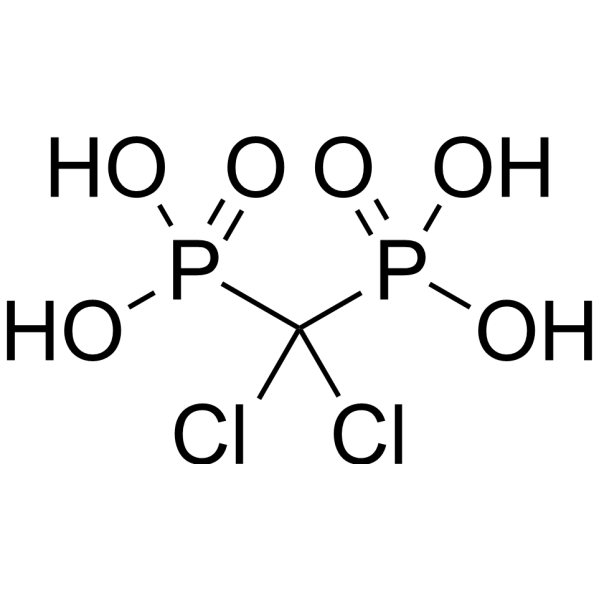
    Clodronic acid
    4 Publications Verification

    Clodronate

    Apoptosis Metabolic Disease Cancer
    Clodronic acid (Clodronate) is an orally active bisphosphonate. Clodronic acid inhibits osteoclast-mediated bone resorption. Clodronic acid reduces skeletal event risk in malignant bone disease, impairs malignant osteolysis, blocks bone matrix growth-factor release, induces apoptosis in osteoclasts and macrophages. Clodronic acid is effective in the maintenance or improvement of bone mineral density. Clodronic acid can be used for the research of multiple myeloma and postmenopausal osteoporosis .
    Clodronic acid
  • HY-126195

    ML-090

    NADPH Oxidase Neurological Disease
    Fluoflavine (ML-090) is a selective NOX1 inhibitor and reactive oxygen species inhibitor. Fluoflavine reduces reactive oxygen species production, NOX1-mediated downstream signaling events, and oxygen-glucose deprivation-induced retinal ganglion cell death. Fluoflavine inhibits NADPH oxidase activity and pathological retinal neovascularization induced by oxygen-induced retinopathy in the retinas of ischemic mice. Fluoflavine can be used in studies related to retinal ischemia-reperfusion injury and proliferative retinopathy .
    Fluoflavine
  • HY-120967

    p38 MAPK Akt Interleukin Related Cancer
    (2S)-OMPT (triethylamine), in ethanol:chloroform (1:1), 98%, Lysophosphatidic acid analogue, is a LPA3 G-protein-coupled receptor agonist. (2S)-OMPT (triethylamine), in ethanol:chloroform (1:1), 98% selectively activates LPA3 G-protein-coupled receptor to trigger downstream cellular signaling events. (2S)-OMPT (triethylamine), in ethanol:chloroform (1:1), 98% induces calcium, IL-6 release in cancer cells and activates MAPK and Akt signaling pathways. (2S)-OMPT (triethylamine), in ethanol:chloroform (1:1), 98% can be used for the research of ovarian cancer .
    (2S)-OMPT triethylamine, in ethanol:chloroform (1:1), 98%
  • HY-172242

    Cathepsin Dipeptidyl Peptidase Inflammation/Immunology
    Verducatib (BI 1291583) is an orally active inhibitor of cathepsin C (also known as DPP1). Verducatib restores the protease-inhibitor balance by inhibiting the activation of neutrophil serine proteases, thereby alleviating pulmonary inflammation and regulating infection responses. Verducatib significantly reduces the risk (including severe exacerbations) and frequency of acute exacerbations in bronchiectasis (BE). Verducatib also improves lung function and quality of life, and shortens the duration of antibiotic use. The overall incidence of adverse events of Verducatib is comparable to that of placebo, with only slightly more mild-to-moderate cutaneous adverse events observed in the high-dose group, demonstrating promising clinical application potential .
    Verducatib
  • HY-W923642

    Endogenous Metabolite Cardiovascular Disease Metabolic Disease
    Sphingomyelin (d18:1/12:0) is a metabolomic biomarker. Sphingomyelin (d18:1/12:0) exhibits favorable diagnostic properties and may facilitate the early detection and targeted prevention of dyslipidemia-related adverse cardiovascular events .
    Sphingomyelin (d18:1/12:0)
  • HY-122537A
    Arotinolol
    2 Publications Verification

    Adrenergic Receptor 5-HT Receptor Cardiovascular Disease
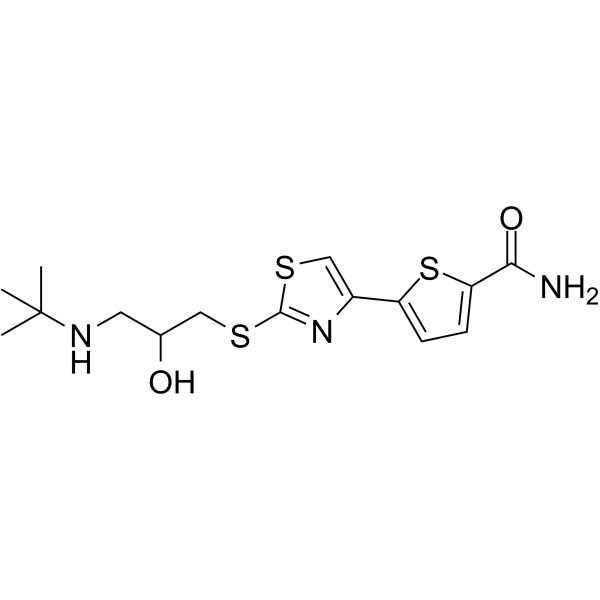
    Arotinolol is a nonselective α/β-adrenergic receptor blocker and a vasodilating β-blocker . Arotinolol also shows potency for inhibiting the binding of the radioligand 125I-ICYP to 5HT1B-serotonergic receptor sites . Arotinolol is an antihypertensive agent for the treatment of a variety of cardiovascular pathologies as well as non-cardiovascular diseases .
    Arotinolol
  • HY-177360

    DNA/RNA Synthesis Neurological Disease Cancer
    RNA splicing modulator-4 is an RNA splicing modulator. RNA splicing modulator-4 controls the inclusion or exclusion of specific exons in precursor mRNA (pre-mRNA) by regulating alternative splicing events, thereby altering the coding sequence and function of mature mRNA. RNA splicing modulator-4 shows promise for research into neurodegenerative diseases (such as Huntington's disease) and cancers .
    RNA splicing modulator-4
  • HY-120967A

    p38 MAPK Akt Interleukin Related Cancer
    (2S)-OMPT, Lysophosphatidic acid analogue, is a LPA3 G-protein-coupled receptor agonist. (2S)-OMPT selectively activates LPA3 G-protein-coupled receptor to trigger downstream cellular signaling events. (2S)-OMPT induces calcium, IL-6 release in cancer cells and activates MAPK and Akt signaling pathways. (2S)-OMPT can be used for the research of ovarian cancer .
    (2S)-OMPT
  • HY-16637D
    Folic acid disodium
    Maximum Cited Publications
    25 Publications Verification

    Vitamin B9 disodium; Vitamin M disodium

    Endogenous Metabolite DNA/RNA Synthesis Others Neurological Disease Cancer
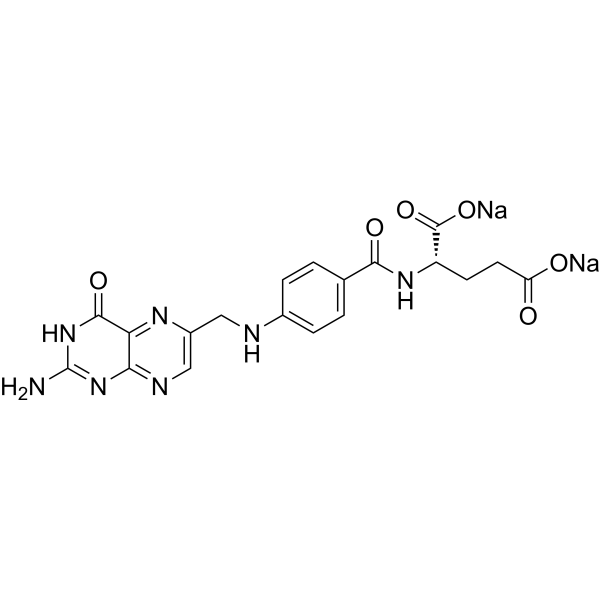
    Folic acid disodium (Vitamin B9 disodium; Vitamin M disodium) is an orally active disodium salt form of Folic acid (HY-16637) with an intrinsic dissolution rate (IDR) of 4.96·10 5 g/s . Folic acid disodium serves as cofactor in single-carbon transfer reactions and exhibits protective effects against neural tube defects, ischemic events, and cancer. Folate acid disodium overload leads to impaired brain development in embryogenesis and promotes growth of precancerous altered cells. Folic acid deficiency leads to megaloblastic anemia .
    Folic acid disodium
  • HY-113325AR

    Endogenous Metabolite Reference Standards Metabolic Disease Inflammation/Immunology Cancer
    NADP sodium hydrate (Standard) is the analytical standard of NADP sodium hydrate (HY-113325A). This product is intended for research and analytical applications. NADP sodium hydrate is the sodium salt hydrate form of NADP (HY-113325). NADP is a coenzyme involved in cellular electron transfer reactions in biological metabolism, which is alternately oxidized (NADP+) and reduced (NADPH), and can maintain cellular redox homeostasis and regulate many biological events, including cellular metabolism. NADPH is a universal electron donor that provides reducing ability for synthetic metabolic reactions and redox balance. NADPH plays a multifunctional role in regulating inflammation, redox homeostasis, and synthetic metabolism processes.
    NADP sodium hydrate (Standard)
  • HY-W747597

    Disialoganglioside GD1b; Ganglioside C1; Ganglioside G2

    Endogenous Metabolite Cancer
    Ganglioside GD1b Disodium Salt (Bovine Brain) (Disialoganglioside GD1b; Ganglioside C1) is an acidic glycosphingolipid containing two sialic acid residues linked to an internal galactose unit. Ganglioside GD1b Disodium Salt tightly packs with cholesterol to form lipid microdomains that modulate intracellular and intercellular signaling events. Concentrations of Ganglioside GD1b Disodium Salt (Bovine Brain) in the human brain increase with age and are positively correlated with pilocytic astrocytoma tumor grade. Ganglioside GD1b Disodium Salt has been detected in various other gliomas, including primitive neuroectodermal tumors, glioblastomas, and anaplastic astrocytomas.
    Ganglioside GD1b Disodium Salt (Bovine Brain)
  • HY-P4928

    Amylin Receptor Metabolic Disease
    Biotinyl-Amylin (mouse, rat) is a biotinylated Amylin (mouse, rat). Amylin (mouse, rat) is a 37-aminoacid pancreatic protein that exerts control over several metabolic events such as glycemia and lacticemia .
    Biotinyl-Amylin (mouse, rat)
  • HY-F0002R

    Sodium NADP (Standard)

    Endogenous Metabolite Reference Standards Metabolic Disease Inflammation/Immunology Cancer
    NADP (sodium salt) (Standard) is the analytical standard of NADP (sodium salt). This product is intended for research and analytical applications. NADP sodium salt is the sodium salt form of NADP (HY-113325). NADP is a coenzyme involved in cellular electron transfer reactions in biological metabolism, which is alternately oxidized (NADP+) and reduced (NADPH), and can maintain cellular redox homeostasis and regulate many biological events, including cellular metabolism. NADPH is a universal electron donor that provides reducing ability for synthetic metabolic reactions and redox balance. NADPH plays a multifunctional role in regulating inflammation, redox homeostasis, and synthetic metabolism processes[1][4].
    NADP sodium salt (Standard)
  • HY-110174

    α-synuclein Neurological Disease
    NAB2 is a neuroprotectant that targets the small GTPase Rab1a. NAB2 selectively binds to the GDP-bound form of Rab1a and protects multiple cell types from α-synuclein toxicity by increasing Rab1a expression. Rab1a regulates ER-to-Golgi trafficking and mediates endosomal trafficking events of the E3 ubiquitin ligase Rsp5/Nedd4. NAB2 stimulates ubiquitination of related proteins in a Nedd4-dependent manner and rescues α-synuclein-associated trafficking defects associated with early-onset Parkinson's disease .
    NAB2
  • HY-P0271A
    Syntide 2 TFA
    2 Publications Verification

    CaMK Neurological Disease
    Syntide 2 (TFA), a Ca 2+- and calmodulin (CaM)-dependent protein kinase II (CaMKII) substrate peptide, selectively inhibits the gibberellin (GA) response, leaving constitutive and abscisic acid-regulated events unaffected .
    Syntide 2 TFA
  • HY-B0589H

    HMG-CoA Reductase (HMGCR) Autophagy Cardiovascular Disease
    Strontium atorvastatin is a cholesterol-lowering drug with activity in ameliorating cardiovascular disease-related events. Strontium atorvastatin exerts its biological activity by inhibiting HMG-CoA reductase in liver tissue. Strontium atorvastatin is also used to suppress dyslipidemia .
    Atorvastatin strontium
  • HY-N1964A

    Drug Derivative Metabolic Disease
    Gibberellic acid, suitable for plant cell culture (GA3, suitable for plant cell culture) is a natural plant growth regulator with oral bioactivity. Gibberellic acid, suitable for plant cell culture governs multiple plant developmental events, including seed germination, cell elongation, floral organ formation, and rice spikelet fertility. Gibberellic acid, suitable for plant cell culture optimizes root morphology and secondary metabolite production in Echinacea purpurea hairy roots, and serves as a bioactive seed priming agent to improve chilling stress tolerance in chickpea. Gibberellic acid, suitable for plant cell culture mediates modulation of enzyme activity and secondary metabolism in plants and exerts tissue-specific regulatory effects on antioxidant systems and lipid peroxidation in rats. Gibberellic acid, suitable for plant cell culture can be used in studies of plant growth, metabolism, and abiotic stress responses .
    Gibberellic acid, suitable for plant cell culture
  • HY-N4267

    Calcium Channel Platelet-activating Factor Receptor (PAFR) UGT Leukotriene Receptor TNF Receptor PGE synthase Interleukin Related Cardiovascular Disease Infection Inflammation/Immunology
    Yangambin is a PAF receptor antagonist and UGT1A1/UGT1A3 inhibitor, with an IC50 of 29.7 μM and a Ki of 17.1 μM against human UGT1A1, and an IC50 of 56.5 μM and a Ki of 66.8 μM against human UGT1A3. Yangambin blocks PAF-mediated responses, inhibits LTB4-mediated neutrophil infiltration, and suppresses inflammatory events and anaphylactic contraction. Yangambin acts as a central nervous system inhibitor to reduce spontaneous activity, and also exhibits analgesic, anticonvulsant, antileishmanial, vasodilatory and hypotensive effects. Yangambin blocks voltage-gated Ca 2+ channels, reduces the production of NO, TNF-α, IL-6 and PGE2 in cells, increases the production of IL-10, and exerts a protective effect against cardiovascular injury. Yangambin can be used in research related to allergies, cutaneous leishmaniasis, central nervous system diseases and cardiovascular diseases .
    Yangambin
  • HY-W854549

    Fondaparinux free acid

    Factor Xa Cardiovascular Disease
    Heparin pentasaccharide (Fondaparinux) is a chemically synthesized selective factor Xa inhibitor with anticoagulant activity. Heparin pentasaccharide can be utilized in researches related to venous thromboembolic events .
    Heparin pentasaccharide
  • HY-158143

    Histone Methyltransferase Apoptosis Cancer
    AZD3470 is an orally active MTA-cooperative PRMT5 inhibitor, selective for MTAP-deficient tumors. AZD3470 induces cell cycle G2/M phase alterations, DNA damage, apoptosis, and symmetric dimethylarginine reduction. AZD3470 alters alternative splicing, increases skipped exon events in DNA repair and cell cycle pathways, and inhibits cancer cell proliferation and tumor growth. AZD3470 can be used for the research of non-small cell lung cancer and MTAP-deleted solid tumors .
    AZD3470
  • HY-164236S

    Isotope-Labeled Compounds Endogenous Metabolite Metabolic Disease
    C22 Glucosylceramide (d18:1/22:0)-d4 is deuterium labeled C22 Glucosylceramide (d18:1/22:0) (HY-164236). C22 Glucosylceramide (d18:1/22:0) is a bioactive sphingolipid composed of a d18:1 sphingoid base and a 22:0 fatty acid chain. C22 Glucosylceramide (d18:1/22:0) specifically exists in Doxorubicin (HY-15142A)-sensitive cancer cells, and its circulating concentration is positively correlated with the incidence of cardiovascular events. C22 Glucosylceramide (d18:1/22:0) has been widely used in research related to cardiovascular diseases, hypercholesterolemia, metabolic syndrome, breast adenocarcinoma and other fields .
    C22 Glucosylceramide (d18:1/22:0)-d4
  • HY-W016083

    β-Naphthoxyethanol

    Biochemical Assay Reagents Neurological Disease
    Anavenol (β-Naphthoxyethanol) is an anesthetic. Anavenol exerts anesthetic effects on horses. Anavenol can be used in studies on adverse events associated with equine anesthesia .
    Anavenol
  • HY-W321446

    Fluorescent Dye Others
    Dansyl ethylenediamine is a fluorescent probe. Dansyl ethylenediamine can be used for synthesis of protein-imprinted polymers which is capable of specific transduction of protein binding events into fluorescent signal change .
    Dansyl ethylenediamine
  • HY-P0271

    CaMK Autophagy Neurological Disease
    Syntide 2, a Ca 2+- and calmodulin (CaM)-dependent protein kinase II (CaMKII) substrate peptide, selectively inhibits the gibberellin (GA) response, leaving constitutive and abscisic acid-regulated events unaffected .
    Syntide 2
  • HY-136213

    Fluorescent Dye Others
    Endoplasmic reticulum dye 1 is a promising live cell imaging agent for the detection of exocytotic events at the plasma membrane. Endoplasmic reticulum dye 1 shows low cytotoxicity, resistance to photobleaching , which is ideal for imaging either short- or long-time courses .
    Endoplasmic reticulum dye 1
  • HY-122537

    Adrenergic Receptor 5-HT Receptor Cardiovascular Disease
    Arotinolol hydrochloride is a nonselective α/β-adrenergic receptor blocker and a vasodilating β-blocker . Arotinolol hydrochloride also shows potency for inhibiting the binding of the radioligand 125I-ICYP to 5HT1B-serotonergic receptor sites . Arotinolol hydrochloride is an antihypertensive agent for the treatment of a variety of cardiovascular pathologies as well as non-cardiovascular diseases .
    Arotinolol hydrochloride
  • HY-156242

    Paraptosis Cancer
    BQZ-485 is a a potent GDI2 inhibitor through the interaction with Tyr245. BQZ-485 disrupts the intrinsic GDI2-Rab1A interaction, thereby abolishing vesicular transport from the endoplasmic reticulum (ER) to the Golgi apparatus and initiating subsequent paraptosis events .
    BQZ-485

Inquiry Online

Your information is safe with us. * Required Fields.

Salutation


Country or Region *

Applicant Name *


Organization Name *

Department *


Email Address *


Product Name *

Cat. No.


Requested quantity *

Phone Number *


Remarks

Inquiry Online

Inquiry Information

Product Name:
Cat. No.:
Quantity:
MCE Japan Authorized Agent:

