1. Search Result
Search Result
Results for "

fat oxidation

" in MedChemExpress (MCE) Product Catalog:

39

Inhibitors & Agonists

2

Screening Libraries

3

Biochemical Assay Reagents

16

Natural
Products

2

Isotope-Labeled Compounds

2

Oligonucleotides

Cat. No. Product Name Target Research Areas Chemical Structure
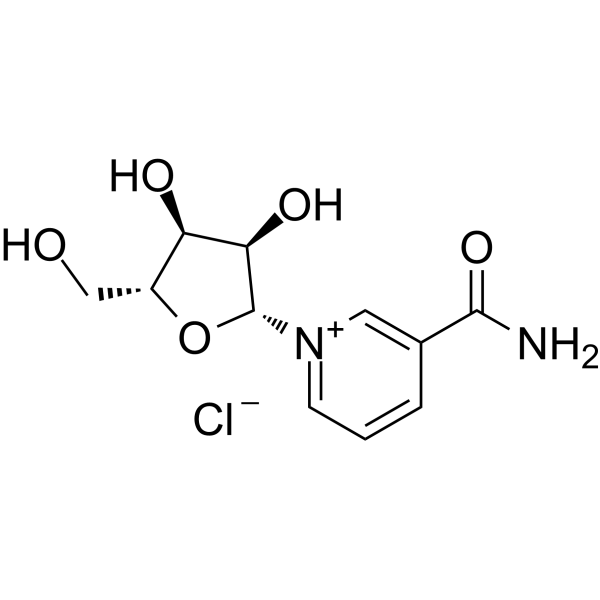
  • HY-123033A
    Nicotinamide riboside chloride
    Maximum Cited Publications
    25 Publications Verification

    Sirtuin Endogenous Metabolite Neurological Disease Metabolic Disease Cancer
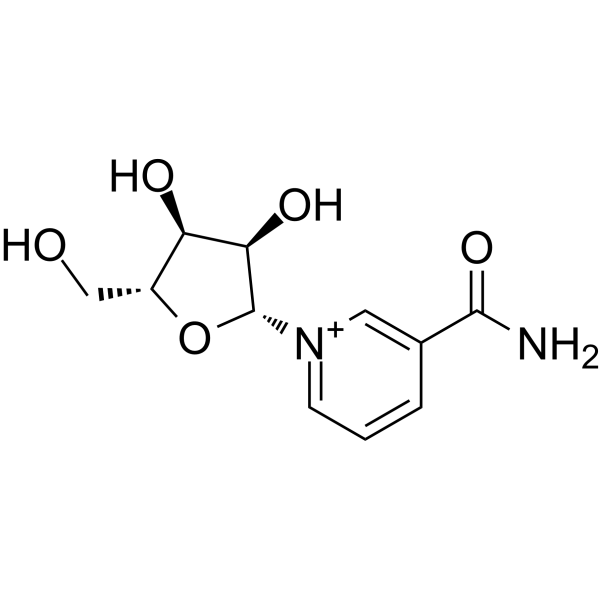
    Nicotinamide riboside Chloride, an orally active NAD + precursor, increases NAD + levels and activates SIRT1 and SIRT3. Nicotinamide riboside Chloride is a source of vitamin B3 (niacin) and enhances oxidative metabolism, protection against high fat diet-induced metabolic abnormalities . Nicotinamide riboside Chloride reduces cognitive deterioration in a transgenic mouse model of Alzheimer’s disease .
    Nicotinamide riboside chloride
  • HY-136408

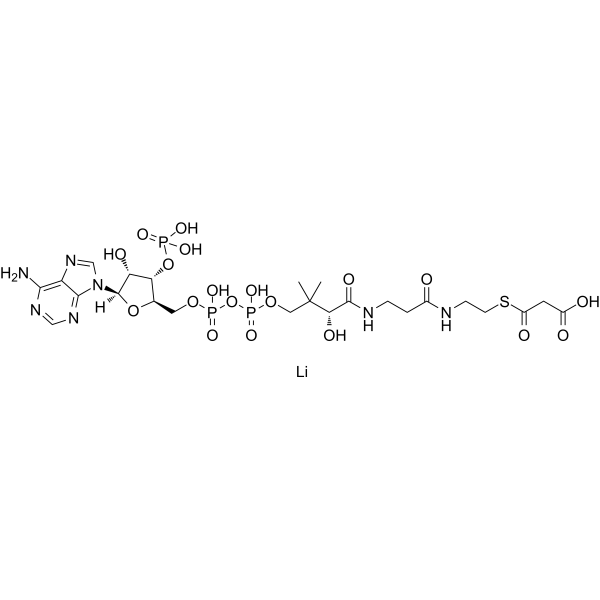
    Malonyl coenzyme A lithium

    Carnitine Palmitoyltransferase (CPT) Mitochondrial Metabolism Metabolic Disease
    Malonyl CoA (Malonyl Coenzyme A) lithium is an inhibitor of carnitine palmitoyl transferase 1 (CPT1). High Malonyl CoA lithium concentrations suppress fatty acid oxidation, while low Malonyl CoA lithium concentrations are permissive for fat oxidation .
    Malonyl CoA lithium
  • HY-I0400
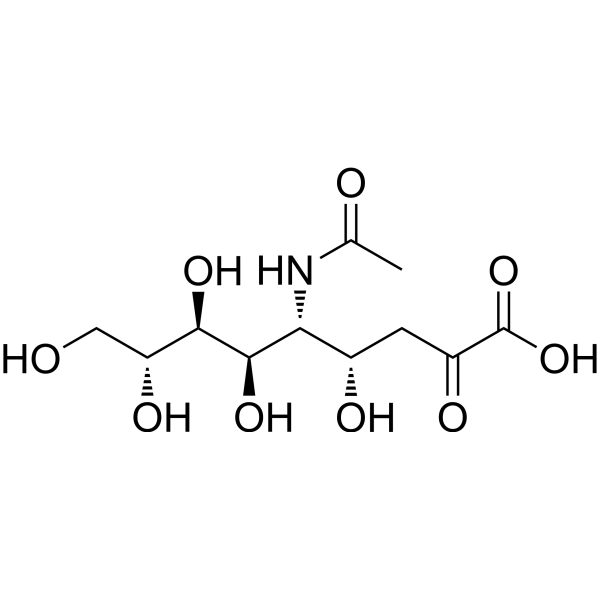
    N-Acetylneuraminic acid
    5 Publications Verification

    NANA; Lactaminic acid

    Tyrosinase Ras Influenza Virus Endogenous Metabolite Cardiovascular Disease Inflammation/Immunology Cancer
    N-Acetylneuraminic acid (NANA; Lactaminic acid), a nonphenolic structure, is the predominant form of sialic from Collocalia esculenta. N-Acetylneuraminic acid plays a biological role in myocardial injury, melanoma and viral or bacterial infection. N-Acetylneuraminic acid inhibits melanogenesis by reducing tyrosinase activity and triggers myocardial injury in vitro and in vivo by activation of the Rho/Rho-associated signaling pathway through binding to RhoA and Cdc42. N-Acetylneuraminic acid may prevent high fat diet (HFD)-induced inflammation and oxidative stress, thereby prevents hyperlipidemia-associated inflammation and oxidative stress. N-Acetylneuraminic acid is promising for research in the field of melanoma, coronary artery, obesity-related diseases and hyperlipidemia .
    N-Acetylneuraminic acid
  • HY-W018026

    L-p-Hydroxyphenylglycine; 4-Hydroxy-L-phenylglycine; UK 25842

    Acyltransferase Apoptosis Cardiovascular Disease Metabolic Disease
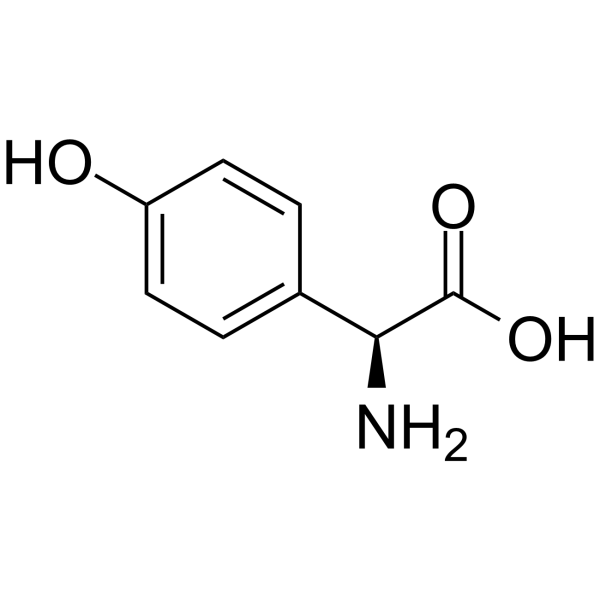
    Oxfenicine (L-p-Hydroxyphenylglycine) is an orally active carnitine palmitoyltransferase-1 inhibitor. Oxfenicine inhibits the oxidation of fatty acids in the heart, protecting cardiac tissue from necrotic damage during ischemia, and also has an inhibitory effect on cardiac tissue apoptosis. In addition, Oxfenicine promotes lipolysis in a high-fat diet rat model. Oxfenicine can be used in the study of cardiovascular and metabolic diseases .
    Oxfenicine
  • HY-W015924

    Endogenous Metabolite Metabolic Disease
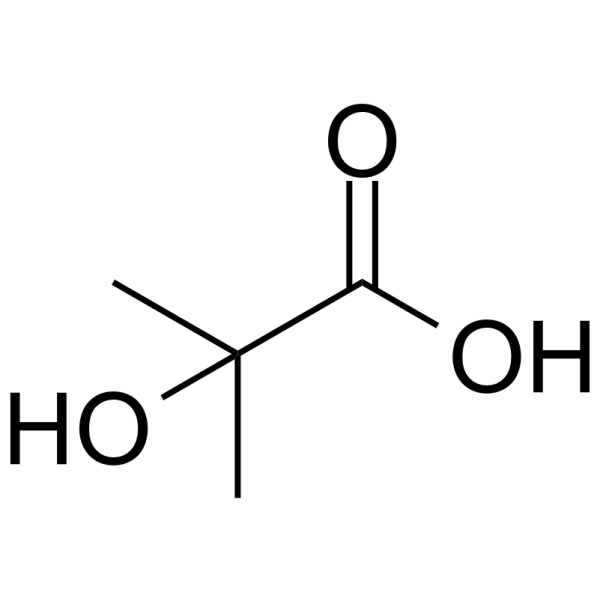
    2-Hydroxyisobutyric acid (2-HIBA) is a selective modulator of the Insulin/IGF-1 pathway and the p38 MAPK pathway, which reduces reactive oxygen species (ROS) and fat accumulation in Caenorhabditis elegans. 2-Hydroxyisobutyric acid promotes β-oxidation and inhibits fatty acid synthesis by upregulating SKN-1/NRF2 and downregulating SREBP-1c transcription factors. 2-Hydroxyisobutyric acid has anti-aging and lipid-lowering effects, and can be used to study metabolic diseases such as obesity and diabetes. 2-Hydroxyisobutyric acid is also a renewable precursor of methacrylate through 2-HIB-CoA mutase-mediated biosynthesis[1][2].
    2-Hydroxyisobutyric acid
  • HY-B0987
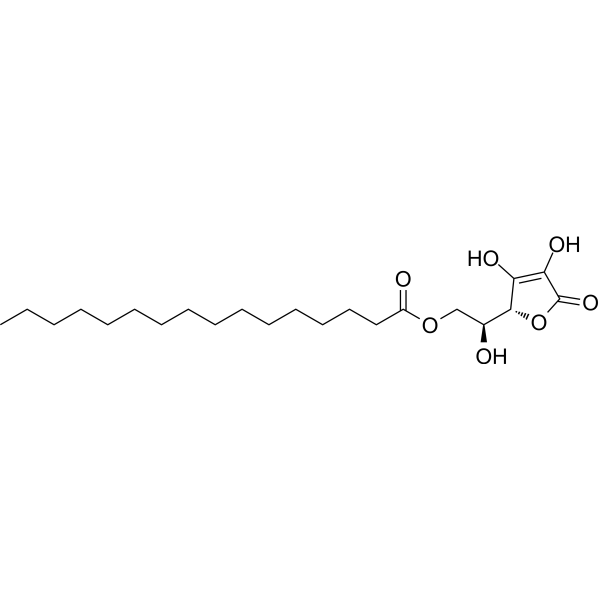
    Ascorbyl palmitate
    3 Publications Verification

    L-Ascorbic acid 6-hexadecanoate; 6-O-Palmitoyl-L-ascorbic acid

    Environmental Pollutants Reactive Oxygen Species (ROS) Endogenous Metabolite Apoptosis Bcl-2 Family Caspase Calcium Channel NOD-like Receptor (NLR) Sodium Channel Inflammation/Immunology
    Ascorbyl palmitate is an orally active ester formed from ascorbic acid and palmitic acid, used as an antioxidant and food additive. Ascorbyl palmitate in preventing fat and oil oxidation is more efficient than Butylated hydroxyanisole (HY-B1066) and Butylated hydroxytoluene (HY-Y0172). Ascorbyl palmitate mitigates inhibition of collagen synthesis by select calcium and sodium channel blockers. Ascorbyl palmitate induces Apoptosis in human umbilical vein endothelial cells (HUVECs). Ascorbyl palmitate ameliorates inflammatory diseases by inhibition of NLRP3 inflammasome .
    Ascorbyl palmitate
  • HY-123033

    Sirtuin Endogenous Metabolite Neurological Disease Metabolic Disease Cancer
    Nicotinamide riboside, an orally active NAD + precursor, increases NAD + levels and activates SIRT1 and SIRT3. Nicotinamide riboside is a source of vitamin B3 (niacin) and enhances oxidative metabolism, protection against high fat diet-induced metabolic abnormalities . Nicotinamide riboside reduces cognitive deterioration in a transgenic mouse model of Alzheimer’s disease .
    Nicotinamide riboside
  • HY-108750
    Soybean oil
    1 Publications Verification

    VT 18 (oil); Vegetoil; Wesson

    Environmental Pollutants Cardiovascular Disease
    Soybean oil (VT 18 (oil); Vegetoil; Wesson) is an edible vegetable oil. Soybean oil reduces circulating blood cholesterol levels when it replaces dietary saturated fats. Soybean oil does not affect inflammatory biomarkers or increase oxidative stress. Soybean oil contains γ-tocopherol and δ-tocopherol, which possess antioxidant properties. Soybean oil can be used in research related to coronary heart disease .
    Soybean oil
  • HY-124529

    11β-HSD Endogenous Metabolite Metabolic Disease Inflammation/Immunology Cancer
    Lunularin is an inhibitor of 11β-hydroxysteroid dehydrogenase 1, with an IC50 of 45.44 μM and a Ki of 35.8 μM against human 11β-HSD1, and an IC50 of 17.39 μM and a Ki of 10.31 μM against rat 11β-HSD1. Lunularin upregulates the transcription levels of Sirt1 and Hmox1 genes in the liver. Lunularin reduces food intake and body weight gain, and decreases blood glucose levels in mice fed a high-fat diet. Lunularin inhibits LPS-induced TLR4-mediated NF-κB pathway activation and nitric oxide production. Lunularin inhibits the proliferation and colony formation of renal cancer and colon cancer cells, and exhibits cancer cell-specific cytotoxicity. Lunularin binds to the steroid-binding site of human 11β-HSD1 and the steroid/NADPH-binding region of rat 11β-HSD1, but does not inhibit 11β-HSD2 or mouse 11β-HSD1. Lunularin can be used in research related to diet-induced obesity, renal cancer, colorectal cancer, inflammatory diseases and metabolic syndrome .
    Lunularin
  • HY-B1018A
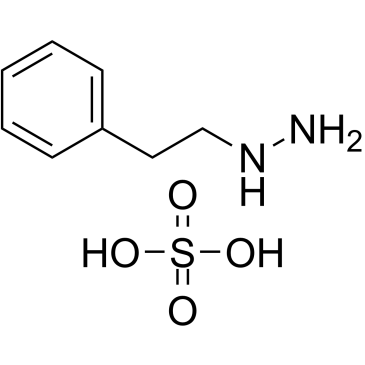
    Phenelzine sulfate
    5+ Cited Publications

    Monoamine Oxidase GABA Receptor Histone Demethylase Cardiovascular Disease Neurological Disease Metabolic Disease Inflammation/Immunology Cancer
    Phenelzine sulfate, an antidepressant agent, is an irreversible and orally active monoamine oxidase (MAO-A and MAO-B) inhibitor. Phenelzine sulfate inhibits GABA transaminase and primary amine oxidase (PrAO), and sequester reactive aldehydes. Phenelzine sulfate also inhibits LSD1 (Ki: 5.6 μM) and suppresses oxidative stress and lipogenesis. Phenelzine sulfate elevates neurotransmitters (serotonin, norepinephrine, dopamine). Phenelzine sulfate is studied in neurological, metabolic and cancer diseases for depression and anxiety disorders, stroke, spinal cord injury, traumatic brain injury, multiple sclerosis, Parkinson’s disease, Alzheimer’s disease, inflammatory pain, obesity and prostate cancer .
    Phenelzine sulfate
  • HY-W096638A

    (S)-Glycerolphosphocholine

    Endogenous Metabolite Neurological Disease Metabolic Disease Cancer
    Glycerophosphocholine ((S)-Glycerolphosphocholine) is an orally active metabolite that crosses the blood-brain barrier. Glycerophosphocholine acts as a precursor of acetylcholine, a specific marker for phosphatidylcholine breakdown, a major water-soluble storage form of choline, and an intermediate in phosphatidylcholine metabolism. Glycerophosphocholine is specifically elevated in the cerebrospinal fluid of Alzheimer's disease models, and it also promotes growth hormone secretion and fat oxidation. Glycerophosphocholine is also a potential biomarker for breast cancer .
    Glycerophosphocholine
  • HY-133971

    5α,6α-Epoxycholesterol

    Liposome Others
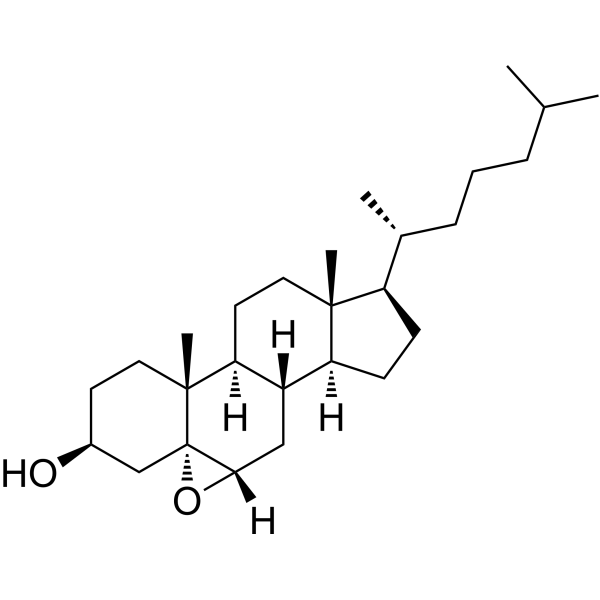
    Cholesterol-5α,6α-epoxide is an epoxide derivative of cholesterol formed by the enzymatic oxidation of cholesterol in the liver and other tissues. Cholesterol-5α,6α-epoxide has unique chemical properties that make it an important intermediate in the biosynthesis of bile acids, which play a key role in the digestion and absorption of dietary fats. It also has a potential physiological role in regulating cholesterol metabolism and transport, although its biological function is not fully understood.
    Cholesterol 5α,6α-epoxide
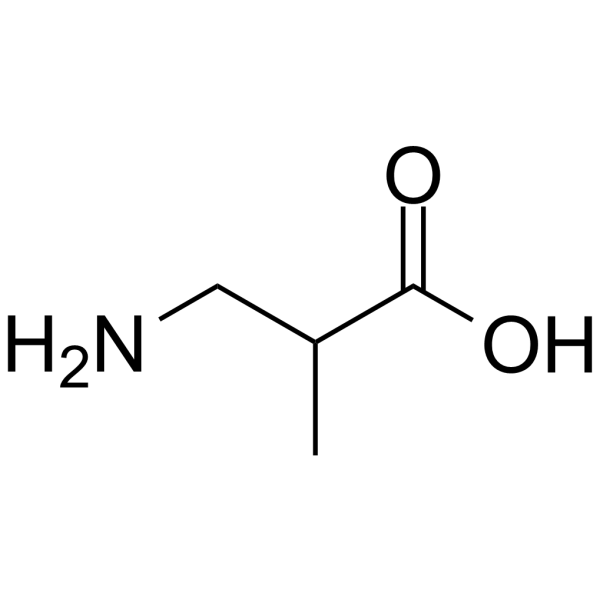
  • HY-W012974

    β-Aminoisobutyric acid; BAIBA

    Endogenous Metabolite Cardiovascular Disease Metabolic Disease
    3-Aminoisobutyric acid (β-Aminoisobutyric acid) has anti-inflammatory and antioxidant effects. 3-Aminoisobutyric acid increases the expression of brown adipocyte-specific genes in white adipose tissue and fatty acid β-oxidation in hepatocytes. 3-Aminoisobutyric acid attenuates insulin resistance and inflammation induced by palmitate or a high fat diet via an AMPK-PPARδ-dependent pathway in mice. 3-Aminoisobutyric acid is a catabolic metabolite of thymine and valine in skeletal muscle .
    3-Aminoisobutyric acid
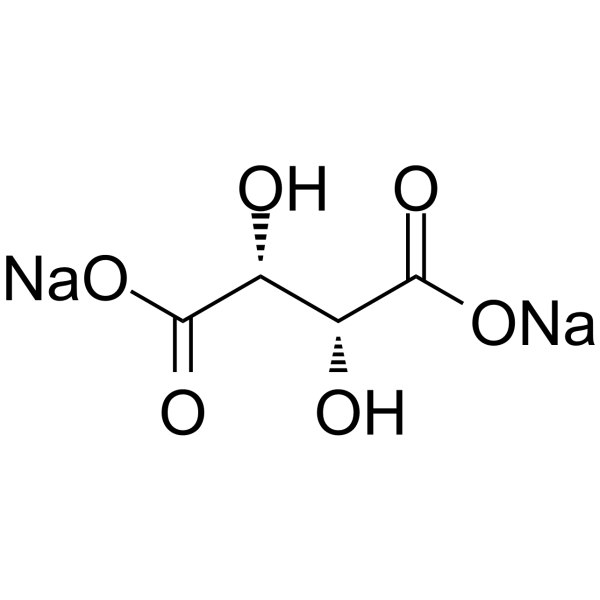
  • HY-128476

    Environmental Pollutants Biochemical Assay Reagents Others
    Sodium Tartrate (E335ii) is an approved food additive that functions as both a pH regulator and an emulsifier. Sodium Tartrate effectively inhibits hydrolysis, thermal oxidation, polymerization and coloration of vegetable oil during high-temperature heating, exhibiting significant antioxidant activity. The DL-tartaric acid component of Sodium Tartrate has an absorption rate of up to 90% in brown rats, while the absorption rate of related tartaric acid in humans is only 20% .
    Sodium Tartrate
  • HY-123033C
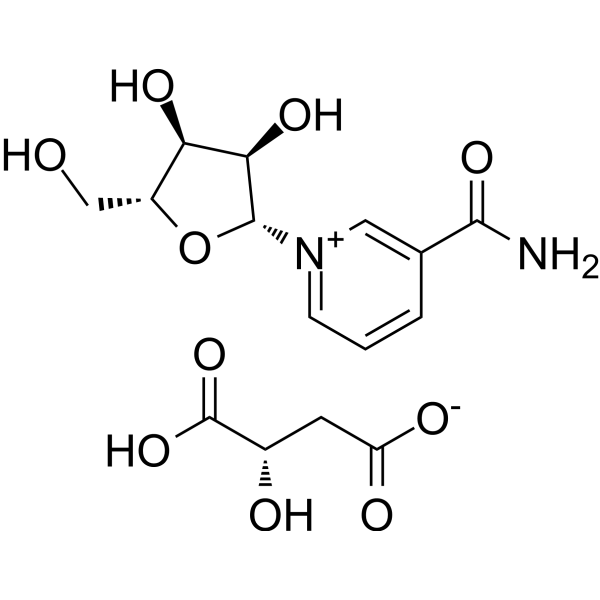
    Nicotinamide riboside malate
    Maximum Cited Publications
    25 Publications Verification

    Sirtuin Endogenous Metabolite Neurological Disease Metabolic Disease Cancer
    Nicotinamide riboside malate, an orally active NAD + precursor, increases NAD + levels and activates SIRT1 and SIRT3. Nicotinamide riboside malate is a source of vitamin B3 (niacin) and enhances oxidative metabolism, protection against high fat diet-induced metabolic abnormalities . Nicotinamide riboside malate reduces cognitive deterioration in a transgenic mouse model of Alzheimer’s disease .
    Nicotinamide riboside malate
  • HY-123033AR

    Reference Standards Sirtuin Endogenous Metabolite Neurological Disease Metabolic Disease Cancer
    Nicotinamide riboside (chloride) (Standard) is the analytical standard of Nicotinamide riboside (chloride). This product is intended for research and analytical applications. Nicotinamide riboside Chloride, an orally active NAD+ precursor, increases NAD+ levels and activates SIRT1 and SIRT3. Nicotinamide riboside Chloride is a source of vitamin B3 (niacin) and enhances oxidative metabolism, protection against high fat diet-induced metabolic abnormalities[1]. Nicotinamide riboside Chloride reduces cognitive deterioration in a transgenic mouse model of Alzheimer’s disease[2].
    Nicotinamide riboside chloride (Standard)
  • HY-21191

    PFBS

    Biochemical Assay Reagents PPAR Reactive Oxygen Species (ROS) Metabolic Disease
    Perfluorobutanesulfonic acid (PFBS) is a short-chain perfluoroalkyl substance and the main replacement for perfluorooctanesulfonic acid. Perfluorobutanesulfonic acid induces fat accumulation in human HepG2 hepatoma cells. Perfluorobutanesulfonic acid promotes lipid accumulation by activating PPARγ pathway and triggering oxidative stress, endoplasmic reticulum stress and calcium dyshomeostasis. Perfluorobutanesulfonic acid impairs reproduction and causes developmental disorders in offspring of Caenorhabditis elegans. Perfluorobutanesulfonic acid disrupts pancreatic organogenesis and lipid homeostasis in zebrafish embryos. Perfluorobutanesulfonic acid can be used in environmental toxicology, lipid metabolism and developmental toxicity studies .
    Perfluorobutanesulfonic acid
  • HY-14811

    ZGN-440; CKD-732 free base

    MetAP NF-κB Metabolic Disease
    Beloranib (ZGN-440; CKD-732 free base) is a selective, irreversible inhibitor of methionine aminopeptidase MetAP2 that suppresses appetite and increases energy expenditure. Beloranib blocks the enzymatic cleavage of N-terminal methionine from nascent proteins by forming a covalent bond with MetAP2, thereby regulating fatty acid metabolism, adrenergic signaling, and hypothalamic NF-κB expression. Beloranib significantly reduces food intake, body weight, and fat accumulation, while improving glucose tolerance, insulin sensitivity, and lipid metabolism. Beloranib also elevates energy expenditure and fat oxidation levels, without affecting body temperature, spontaneous activity, or the inflammatory cytokine IL-1β. Beloranib can be used in research on obesity and hypothalamic obesity .
    Beloranib
  • HY-158110

    TRP Channel Inflammation/Immunology
    Phenylcapsaicin is an analogue of Capsaicin (HY-10448). Phenylcapsaicin is a TRPV1 receptor activator. Phenylcapsaicin enhances fat oxidation during aerobic exercise .
    Phenylcapsaicin
  • HY-123033B
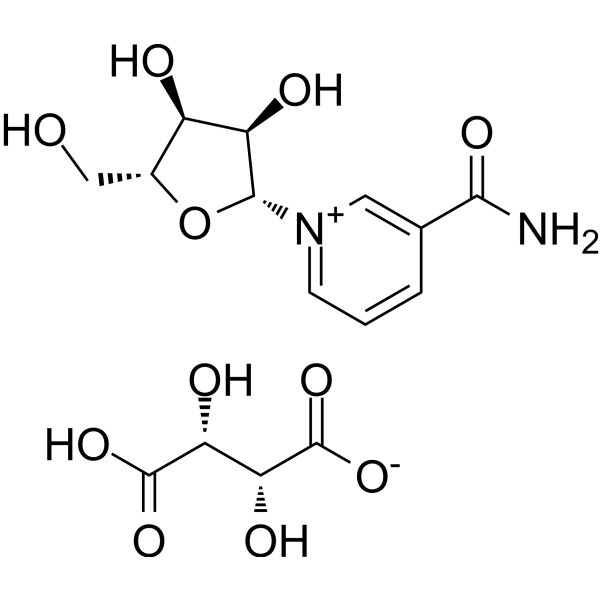
    Nicotinamide riboside tartrate
    Maximum Cited Publications
    25 Publications Verification

    Sirtuin Endogenous Metabolite Neurological Disease Metabolic Disease Cancer
    Nicotinamide riboside tartrate, an orally active NAD + precursor, increases NAD + levels and activates SIRT1 and SIRT3. Nicotinamide riboside tartrate is a source of vitamin B3 (niacin) and enhances oxidative metabolism, protection against high fat diet-induced metabolic abnormalities . Nicotinamide riboside tartrate reduces cognitive deterioration in a transgenic mouse model of Alzheimer’s disease .
    Nicotinamide riboside tartrate
  • HY-I0400R

    NANA (Standard); Lactaminic acid (Standard)

    Reference Standards Tyrosinase Ras Influenza Virus Endogenous Metabolite Cardiovascular Disease Inflammation/Immunology Cancer
    N-Acetylneuraminic acid (Standard) is the analytical standard of N-Acetylneuraminic acid. This product is intended for research and analytical applications. N-Acetylneuraminic acid (NANA; Lactaminic acid), a nonphenolic structure, is the predominant form of sialic from Collocalia esculenta. N-Acetylneuraminic acid plays a biological role in myocardial injury, melanoma and viral or bacterial infection. N-Acetylneuraminic acid inhibits melanogenesis by reducing tyrosinase activity and triggers myocardial injury in vitro and in vivo by activation of the Rho/Rho-associated signaling pathway through binding to RhoA and Cdc42. N-Acetylneuraminic acid may prevent high fat diet (HFD)-induced inflammation and oxidative stress, thereby prevents hyperlipidemia-associated inflammation and oxidative stress. N-Acetylneuraminic acid is promising for research in the field of melanoma, coronary artery, obesity-related diseases and hyperlipidemia .
    N-Acetylneuraminic acid (Standard)
  • HY-14811A

    ZGN-440 hemioxalate; ZGN-433 hemioxalate; CDK732 hemioxalate

    NF-κB MetAP Metabolic Disease
    Beloranib (ZGN-440; CKD-732 free base) hemioxalate is a selective, irreversible inhibitor of methionine aminopeptidase MetAP2 that suppresses appetite and increases energy expenditure. Beloranib hemioxalate blocks the enzymatic cleavage of N-terminal methionine from nascent proteins by forming a covalent bond with MetAP2, thereby regulating fatty acid metabolism, adrenergic signaling, and hypothalamic NF-κB expression. Beloranib hemioxalate significantly reduces food intake, body weight, and fat accumulation, while improving glucose tolerance, insulin sensitivity, and lipid metabolism. Beloranib hemioxalate also elevates energy expenditure and fat oxidation levels, without affecting body temperature, spontaneous activity, or the inflammatory cytokine IL-1β. Beloranib hemioxalate can be used in research on obesity and hypothalamic obesity .
    Beloranib hemioxalate
  • HY-W015924R

    Reference Standards Endogenous Metabolite Metabolic Disease
    2-Hydroxyisobutyric acid (Standard) is the analytical standard of 2-Hydroxyisobutyric acid. This product is intended for research and analytical applications. 2-Hydroxyisobutyric acid (2-HIBA) is a selective modulator of the Insulin/IGF-1 pathway and the p38 MAPK pathway, which reduces reactive oxygen species (ROS) and fat accumulation in Caenorhabditis elegans. 2-Hydroxyisobutyric acid promotes β-oxidation and inhibits fatty acid synthesis by upregulating SKN-1/NRF2 and downregulating SREBP-1c transcription factors. 2-Hydroxyisobutyric acid has anti-aging and lipid-lowering effects, and can be used to study metabolic diseases such as obesity and diabetes. 2-Hydroxyisobutyric acid is also a renewable precursor of methacrylate through 2-HIB-CoA mutase-mediated biosynthesis[1][2].
    2-Hydroxyisobutyric acid (Standard)
  • HY-179170S

    Malonyl coenzyme A-13C3 lithium

    Isotope-Labeled Compounds Mitochondrial Metabolism Carnitine Palmitoyltransferase (CPT) Metabolic Disease
    Malonyl CoA- 13C3 (Malonyl coenzyme A- 13C3) lithium is the 13C-labeled Malonyl CoA lithium (HY-136408). Malonyl CoA (Malonyl Coenzyme A) lithium is an inhibitor of carnitine palmitoyl transferase 1 (CPT1). High Malonyl CoA lithium concentrations suppress fatty acid oxidation, while low Malonyl CoA lithium concentrations are permissive for fat oxidation .
    Malonyl CoA-13C3 lithium
  • HY-123033D

    Endogenous Metabolite Sirtuin Neurological Disease Metabolic Disease Cancer
    Nicotinamide riboside triflate, an orally active NAD + precursor, increases NAD + levels and activates SIRT1 and SIRT3. Nicotinamide riboside triflate is a source of vitamin B3 (niacin) and enhances oxidative metabolism, protection against high fat diet-induced metabolic abnormalities . Nicotinamide riboside triflate reduces cognitive deterioration in a transgenic mouse model of Alzheimer’s disease .
    Nicotinamide riboside triflate
  • HY-123115

    5-O-α-D-Glucopyranosyl-D-fructose

    JAK STAT TNF Receptor Interleukin Related Metabolic Disease Inflammation/Immunology
    Leucrose (5-O-α-D-Glucopyranosyl-D-fructose) is an orally active Sucrose (HY-B1779) isomer naturally found in pollen and honey. Leucrose promotes phosphorylation of JAK1 and STAT6, reduces pro-inflammatory mediators and cytokinesas (TNFα, and IL-1β), increases M2 macrophage polarization and suppresses DSS (HY-116282C)-induced colitis. Leucrose suppresses hepatic triglyceride accumulation, improves fasting blood glucose levels, and regulates hepatic lipogenesis and fatty acid β-oxidation in high-fat diet-induced obese mice. Leucrose is slowly hydrolyzed into glucose and fructose by α-glucosidase and acts as as a sugar substitute in diet .
    Leucrose
  • HY-17538A

    PGC-1α Metabolic Disease
    ZLN005 (hydrochloride) is a peroxisome proliferator-activated receptor-g coactivator-1a (PGC-1α) activator. ZLN005 (hydrochloride) can stimulate the expression of PGC-1α and downstream genes in skeletal muscle cells, improve glucose utilization and fatty acid oxidation. ZLN005 (hydrochloride) can increase the transcription of PGC-1α and downstream genes in skeletal muscle of diabetic db/db mice, increase fat oxidation and improve glucose tolerance, pyruvate tolerance and insulin sensitivity .
    ZLN005 hydrochloride
  • HY-125096

    Glucocorticoid Receptor Metabolic Disease Inflammation/Immunology
    C108297 is a selective glucocorticoid receptor (GR) modulator (GR binding Ki 0.7 nM; GR reporter gene functional Ki 0.6 nM). C108297 attenuates obesity by reducing caloric intake and increasing lipolysis and fat oxidation, and in addition attenuates inflammation .
    C108297
  • HY-113204R

    Reference Standards Endogenous Metabolite Cannabinoid Receptor Akt Metabolic Disease
    Diludine (Standard) is the analytical standard of Diludine. This product is intended for research and analytical applications. Diludine has antioxidant properties, targeting oxidative stress-related pathways. By improving antioxidative status and reducing β-hydroxybutyrate levels, Diludine alleviates oxidative stress during the parturition period in dairy cows. It is primarily used during the transition period in dairy cows to increase milk yield and milk fat content, as well as to improve health during parturition .
    N-Oleoyl glycine (Standard)
  • HY-W012974S

    Endogenous Metabolite Metabolic Disease
    3-Amino-2-methylpropanoic acid-d3 is the deuterium labeled 3-Amino-2-methylpropanoic acid . 3-Amino-2-methylpropanoic acid could induce browning of white fat and hepatic β-oxidation and is inversely correlated with cardiometabolic risk factors .
    3-Amino-2-methylpropanoic acid-d3
  • HY-W012974R

    β-Aminoisobutyric acid (Standard); BAIBA (Standard)

    Reference Standards Endogenous Metabolite AMPK PPAR Cardiovascular Disease Metabolic Disease
    3-Aminoisobutyric acid (Standard) is the analytical standard of 3-Aminoisobutyric acid. This product is used for research and analytical applications. 3-Aminoisobutyric acid (β-Aminoisobutyric acid) exhibits anti-inflammatory and antioxidant effects. It increases the expression of brown fat cell-specific genes in white adipose tissue and enhances fatty acid β-oxidation in hepatocytes. 3-Aminoisobutyric acid alleviates insulin resistance and inflammation induced by palmitic acid or a high-fat diet in mice via the AMPK–PPARδ-dependent pathway. 3-Aminoisobutyric acid is a catabolite of thymine and valine in skeletal muscle .
    3-Aminoisobutyric acid (Standard)
  • HY-128135

    PPAR Inflammation/Immunology
    MHY 553 is a PPARα agonist that is effective when taken orally. MHY 553 helps alleviate liver fat accumulation by increasing fatty acid oxidation and reducing inflammation during the aging process. MHY 553 inhibits the accumulation of triglycerides induced by liver X receptor agonists in HepG2 cells. MHY 553 significantly suppresses the expression of inflammatory mRNA in aging rats .
    MHY 553
  • HY-165098

    β-Aminoisobutyric acid sodium salt; BAIBA sodium salt

    Endogenous Metabolite Cardiovascular Disease Metabolic Disease
    3-Aminoisobutyric acid (β-Aminoisobutyric acid) sodium salt has anti-inflammatory and antioxidant effects. 3-Aminoisobutyric acid sodium salt increases the expression of brown adipocyte-specific genes in white adipose tissue and fatty acid β-oxidation in hepatocytes. 3-Aminoisobutyric acid sodium salt attenuates insulin resistance and inflammation induced by palmitate or a high fat diet via an AMPK–PPARδ-dependent pathway in mice. 3-Aminoisobutyric acid sodium salt is a catabolic metabolite of thymine and valine in skeletal muscle .
    3-Aminoisobutyric acid sodium salt
  • HY-105284R

    CP-70429 (Standard)

    Beta-lactamase Reference Standards Bacterial Antibiotic Infection
    N-Acetylneuraminic acid (Standard) is the analytical standard of N-Acetylneuraminic acid. This product is intended for research and analytical applications. N-Acetylneuraminic acid (NANA; Lactaminic acid), a nonphenolic structure, is the predominant form of sialic from Collocalia esculenta. N-Acetylneuraminic acid plays a biological role in myocardial injury, melanoma and viral or bacterial infection. N-Acetylneuraminic acid inhibits melanogenesis by reducing tyrosinase activity and triggers myocardial injury in vitro and in vivo by activation of the Rho/Rho-associated signaling pathway through binding to RhoA and Cdc42. N-Acetylneuraminic acid may prevent high fat diet (HFD)-induced inflammation and oxidative stress, thereby prevents hyperlipidemia-associated inflammation and oxidative stress. N-Acetylneuraminic acid is promising for research in the field of melanoma, coronary artery, obesity-related diseases and hyperlipidemia .
    Sulopenem (Standard)
  • HY-W111403

    Environmental Pollutants Biochemical Assay Reagents Others
    Calcium oxide (CaO) acts as a heterogeneous base catalyst. Calcium oxide can be extracted not only from waste materials such as oyster shells, eggshells and crab shells, but also exhibits tolerance to low to moderate oil quality, free fatty acid and water content in raw materials. Calcium oxide can be used in biodiesel production, where it effectively catalyzes the transesterification of vegetable oils or animal fats to produce alkyl esters .
    Calcium oxide
  • HY-134998

    HIF/HIF Prolyl-Hydroxylase Mitochondrial Metabolism Drug Metabolite p38 MAPK Metabolic Disease Inflammation/Immunology
    Oltipraz metabolite M2, an active metabolite of Oltipraz (HY-12519), is an orally active HIF-1α inhibitor. Oltipraz metabolite M2 increases mitochondrial fuel oxidation and inhibits lipogenesis in the liver by dually activating AMPK in high-fat diet (HFD)-fed mice. Oltipraz metabolite M2 can be used for hepatic steatosis and steatohepatitis research .
    Oltipraz metabolite M2
  • HY-156184

    Endogenous Metabolite Neurological Disease Metabolic Disease Cancer
    Octanoylcarnitine is an orally active medium-chain acylcarnitine transport intermediate in fatty acid β-oxidation. Octanoylcarnitine is converted to octanoyl-CoA by carnitine acetyltransferase (CrAT), which then generates energy via β-oxidation in mitochondria of the heart and skeletal muscle. Octanoylcarnitine enhances grip strength and treadmill endurance, alleviates lactic acidosis, distributes in muscle and heart tissues, increases free carnitine levels, and mitigates mitochondrial stress. Octanoylcarnitine is associated with long-chain fatty acid metabolism, shows a positive correlation with subcutaneous fat area in patients with metastatic pancreatic ductal adenocarcinoma, and is closely related to central retinal artery occlusion (CRAO) .
    Octanoylcarnitine
  • HY-Z11709

    Endogenous Metabolite Cancer
    13-Hydroxy-alpha-tocopherol is a fat-soluble vitamin E derivative and anticancer agent with antioxidant and antiproliferative activities. 13-Hydroxy-alpha-tocopherol scavenges peroxyl free radicals and protects polyunsaturated fatty acids from oxidative damage. 13-Hydroxy-alpha-tocopherol not only inhibits the growth of glioma cancer cells, but its deficiency is also closely associated with recurrent miscarriage, embryonic growth retardation and death. Clinical observations show that the expression of 13-Hydroxy-alpha-tocopherol is downregulated in the follicular fluid of patients with recurrent miscarriage. 13-Hydroxy-alpha-tocopherol has important application potential in the research of recurrent miscarriage and glioma .
    13-Hydroxy-alpha-tocopherol
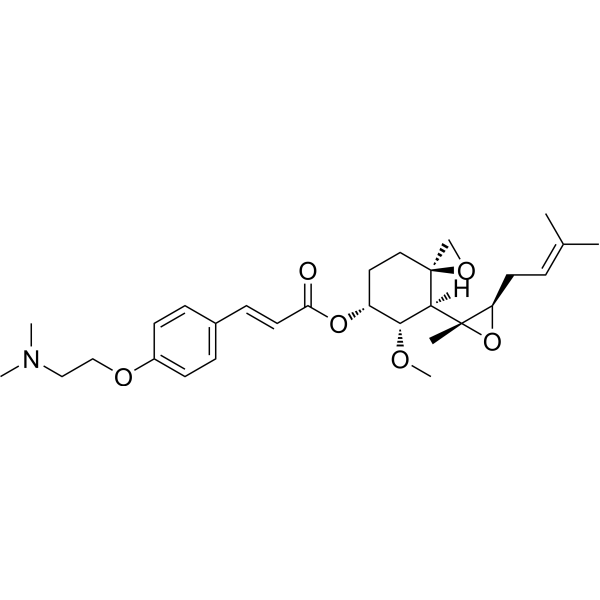
  • HY-N18066

    Drug Derivative Acyltransferase NF-κB PPAR Fatty Acid Synthase (FASN) Keap1-Nrf2 Cardiovascular Disease Metabolic Disease Inflammation/Immunology
    Esculeogenin A is the sapogenol of tomato saponin Esculeoside A (HY-N18067). Esculeogenin A is an orally active hepatoprotective, hypolipidemic, and antioxidant agent. Esculeogenin A regulates molecular targets like PPARα, SREBP1, Nrf2, NF-κB, ACAT1/ACAT2 to promote hepatic fatty acid oxidation, suppress de novo lipogenesis, enhance antioxidant defense, and inhibit inflammation. Esculeogenin A improves liver function, alleviates hyperlipidemia, and inhibits hepatic steatosis and foam cell formation, preventing nonalcoholic fatty liver disease in high-fat-diet-fed rats and reducing atherosclerotic lesions in apoE-deficient mice. Esculeogenin A can be used for the research of nonalcoholic fatty liver disease, atherosclerosis, and hyperlipidemia .
    Esculeogenin A

Inquiry Online

Your information is safe with us. * Required Fields.

Salutation


Country or Region *

Applicant Name *


Organization Name *

Department *


Email Address *


Product Name *

Cat. No.


Requested quantity *

Phone Number *


Remarks

Inquiry Online

Inquiry Information

Product Name:
Cat. No.:
Quantity:
MCE Japan Authorized Agent:

