
1. Search Result
Search Result
Results for "

fluid

" in MedChemExpress (MCE) Product Catalog:

223

Inhibitors & Agonists

1

Screening Libraries

2

Fluorescent Dye

20

Biochemical Assay Reagents

30

Peptides

5

MCE Kits

8

Inhibitory Antibodies

45

Natural
Products

1

Recombinant Proteins

14

Isotope-Labeled Compounds

1

Antibodies

9

Oligonucleotides

Cat. No. Product Name Target Research Areas Chemical Structure
  • HY-108903

    Vorhyaluronidase alfa; rHuPH 20

    Biochemical Assay Reagents Glycosidase Metabolic Disease
    Hyaluronidase (human recombinant) (Vorhyaluronidase alfa; rHuPH 20) is an enzyme that catalyzes the degradation of hyaluronic acid. Hyaluronidase (human recombinant) is used to improve the absorption and dispersal of parenteral fluids, medications, and contrast media .
    Hyaluronidase (human recombinant)
  • HY-B0588
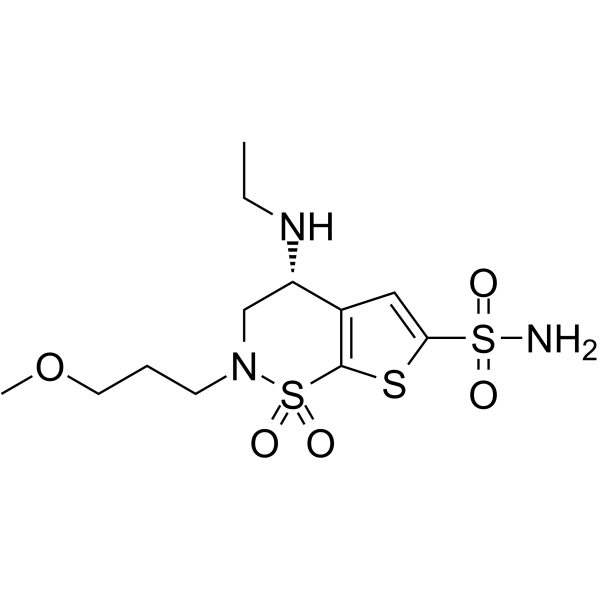
    Brinzolamide
    5+ Cited Publications

    AL-4862

    Carbonic Anhydrase Cardiovascular Disease Others Neurological Disease
    Brinzolamide (AL-4862) is a selective carbonic anhydrase II inhibitor with anIC50 value of 3.2 nM. Brinzolamide hydrochloride reduces intraocular pressure (IOP) by inhibiting ciliary CA-II and decreasing atrial fluid secretion. Brinzolamide can be used in glaucoma disease research .
    Brinzolamide
  • HY-W010505
    Hexane-1,6-diol
    1 Publications Verification

    Biochemical Assay Reagents Lipase Others
    Hexane-1,6-diol is a 6-carbon straight-chain diol with hydroxyl groups at both ends. Hexane-1,6-diol can be used as an additive for drilling fluids. Hexane-1,6-diol can also be used as a substrate in life science-related research .
    Hexane-1,6-diol
  • HY-120601
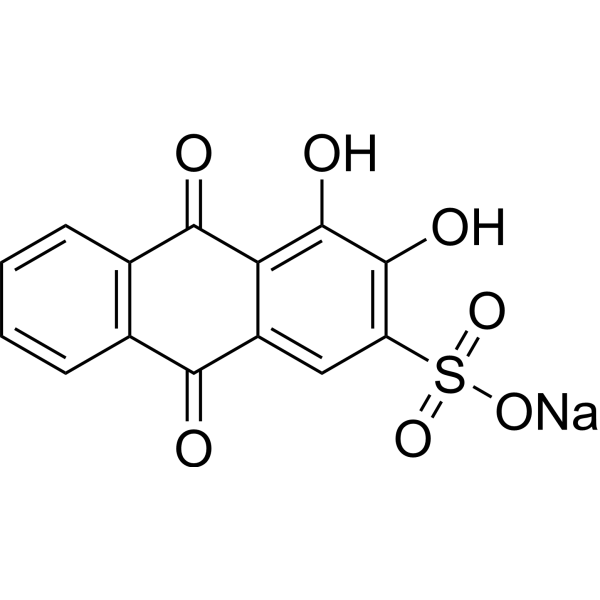
    Alizarin Red S sodium
    5+ Cited Publications

    ARS sodium

    Fluorescent Dye Others
    Alizarin Red S sodium is an anthraquinone derivative dye. When combined with cations such as calcium ions, the functional group of Alizarin Red S sodium can form a coordination bond with the cation through the oxygen atom to show orange-red fluorescence. Alizarin Red S sodium can be used for screening of calcium compounds in synovial fluid and detecting osteoblast differentiation, and can also be used for bone staining in mice. Excitation/emission wavelength: 500/570 nm .
    Alizarin Red S sodium
  • HY-132580
    Tofersen
    2 Publications Verification

    BIIB067; ISIS-SOD1Rx; ISIS 333611

    SOD Neurological Disease
    Tofersen (BIIB067) is an antisense oligonucleotide and SOD1 mRNA inhibitor with an IC50 of 320 pM. Tofersen mediates RNase H-dependent degradation of SOD1 mRNA to reduce SOD1 protein levels in cerebrospinal fluid and serum. Tofersen downregulates cerebrospinal fluid neurofilament light chain, neurofilament heavy chain, amyloid-beta 1-40, amyloid-beta 1-42, neuropeptide Y, ubiquitin C-terminal hydrolase L1, neuropentraxins 1, 2, R, corticotropin-releasing hormone, IL-15, and serum neurofilament light chain, neurofilament heavy chain. Tofersen can be used for the research of superoxide dismutase 1-associated amyotrophic lateral sclerosis .
    Tofersen
  • HY-P2803
    Beta-glucuronidase (Escherichia coli)
    1 Publications Verification

    β-glucuronidase Metabolic Disease
    Beta-glucuronidase is a glycosyl hydrolase that hydrolyzes β-glucuronic acid and sulfate esters in urine and other biological fluids, and then releases β-glucuronate .
    Beta-glucuronidase (Escherichia coli)
  • HY-B0590
    Tetrabenazine
    1 Publications Verification

    Ro 1-9569

    Monoamine Transporter Dopamine Receptor Neurological Disease
    Tetrabenazine (Ro 1-9569) is a brain-penetrant and orally active VMAT2-selective ligand with human VMAT2 Ki 100 nM. Tetrabenazine binds VMAT2 to block monoamine uptake into synaptic vesicles, potentiates cytoplasmic monoamine degradation. Tetrabenazine weakly blocks dopamine D2 receptors, and increases dopamine turnover via elevated cerebrospinal fluid homovanillic acid. Tetrabenazine can be used for the research of Huntington’s disease, tardive dyskinesia, and Tourette’s syndrome .
    Tetrabenazine
  • HY-W017982

    CMI/MI

    Environmental Pollutants Bacterial Reactive Oxygen Species (ROS) p38 MAPK Mitochondrial Metabolism Infection Neurological Disease Inflammation/Immunology
    CMIT/MIT is a CMIT and MIT mixture. CMIT and MIT are powerful synthetic biocidal substances. CMIT and MIT are used as preservatives in various cosmetics and industrial products. CMIT and MIT are present in many water-soluble consumer products, such as shampoos, toothpastes. CMIT/MIT (3:1 mixture of CMIT and MIT) produces mitochondrial ROS via inhibiting mitochondrial complex I and II. CMIT/MIT (in 3:1 ratio) induces neurotoxicity through the upregulation of the MAPKs signaling pathways. CMIT/MIT can be used in the research of respiratory diseases and neuroblastoma .
    CMIT/MIT (14.5% in water)
  • HY-B0590S

    Ro 1-9569-d6

    Monoamine Transporter Neurological Disease
    Tetrabenazine-d6 (Deutetrabenazine) is a deuterium-labled Tetrabenazine (HY-B0590). Tetrabenazine (Ro 1-9569) is a brain-penetrant and orally active VMAT2-selective ligand with human VMAT2 Ki 100 nM. Tetrabenazine binds VMAT2 to block monoamine uptake into synaptic vesicles, potentiates cytoplasmic monoamine degradation. Tetrabenazine weakly blocks dopamine D2 receptors, and increases dopamine turnover via elevated cerebrospinal fluid homovanillic acid. Tetrabenazine can be used for the research of Huntington’s disease, tardive dyskinesia, and Tourette’s syndrome .
    Tetrabenazine-d6
  • HY-P2767
    Urease, Jack bean
    1 Publications Verification

    Bacterial Others
    Urease, Jack bean is derived from jack bean and Catalyzes hydrolysis of urea to carbon dioxide and ammonia. Urease, Jack bean is useful in the determination of urea in body fluids.
    Urease, Jack bean
  • HY-P2803A
    Beta-glucuronidase (bovine liver)
    1 Publications Verification

    β-glucuronidase Metabolic Disease
    Beta-glucuronidase (bovine liver) is a glycosyl hydrolase that hydrolyzes β-glucuronic acid and sulfate esters in urine and other biological fluids, and then releases β-glucuronate .
    Beta-glucuronidase (bovine liver)
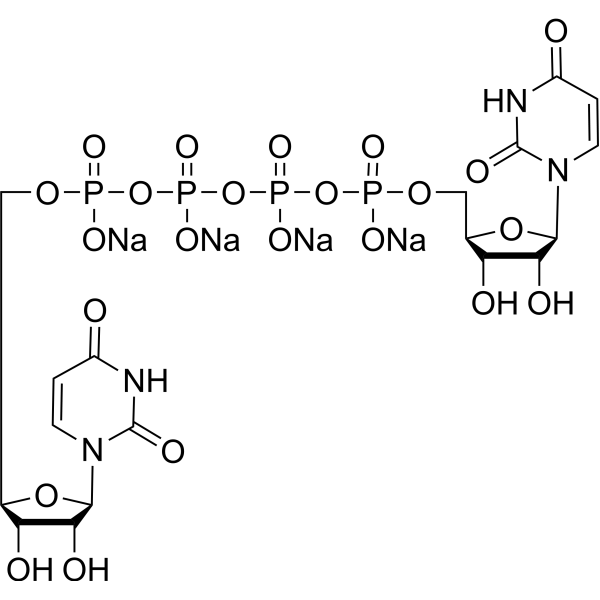
  • HY-B0606
    Diquafosol tetrasodium
    5 Publications Verification

    INS365

    P2Y Receptor Inflammation/Immunology
    Diquafosol tetrasodium is a P2Y2 receptor agonist that stimulates fluid and mucin secretion on the ocular surface, as a topical treatment of dry eye disease.
    Diquafosol tetrasodium
  • HY-P2803B
    Beta-glucuronidase (helix pomatia)
    1 Publications Verification

    β-glucuronidase Metabolic Disease
    Beta-glucuronidase (helix pomatia) is a glycosyl hydrolase that hydrolyzes β-glucuronic acid and sulfate esters in urine and other biological fluids, and then releases β-glucuronate .
    Beta-glucuronidase (helix pomatia)
  • HY-113358
    6-keto Prostaglandin F1α
    1 Publications Verification

    Endogenous Metabolite Inflammation/Immunology
    6-keto Prostaglandin F1α is an endogenous metabolite present in Cerebrospinal_Fluid, Urine and Blood that can be used for the research of Meningitis, Rheumatoid Arthritis and Cardiopulmonary Resuscitation .
    6-keto Prostaglandin F1α
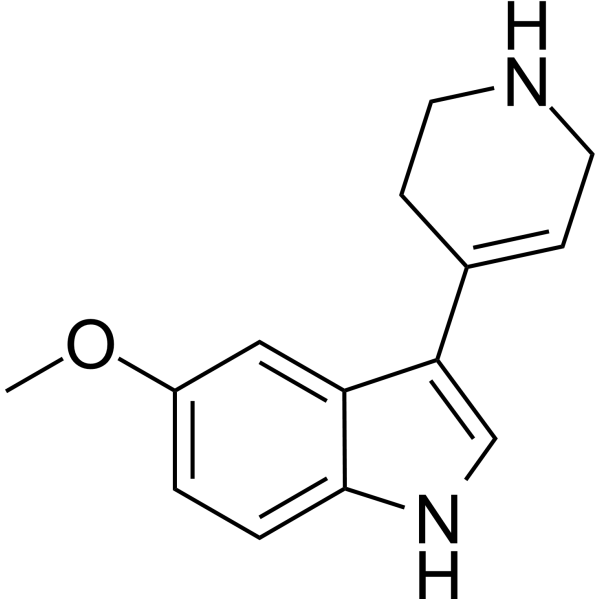
  • HY-16688
    RU 24969
    1 Publications Verification

    5-HT Receptor Neurological Disease
    RU 24969 is a preferential 5-HT1B agonist, with a Ki of 0.38 nM, but also displays appreciable affinity for the 5-HT1A receptor (Ki=2.5 nM), and has low affinity for other receptor sites in the brain. RU 24969 could decrease fluid consumption and increase forward locomotion .
    RU 24969
  • HY-120601A
    Alizarin Red S
    5+ Cited Publications

    ARS

    Fluorescent Dye Others
    Alizarin Red S (ARS) is an anthraquinone derivative dye. When combined with cations such as calcium ions, the functional group of Alizarin Red S can form a coordination bond with the cation through the oxygen atom to show orange-red fluorescence. Alizarin Red S can be used for screening of calcium compounds in synovial fluid and detecting osteoblast differentiation, and can also be used for bone staining in mice. Excitation/emission wavelength: 500/570 nm .
    Alizarin Red S
  • HY-W096638A

    (S)-Glycerolphosphocholine

    Endogenous Metabolite Neurological Disease Metabolic Disease Cancer
    Glycerophosphocholine ((S)-Glycerolphosphocholine) is an orally active metabolite that crosses the blood-brain barrier. Glycerophosphocholine acts as a precursor of acetylcholine, a specific marker for phosphatidylcholine breakdown, a major water-soluble storage form of choline, and an intermediate in phosphatidylcholine metabolism. Glycerophosphocholine is specifically elevated in the cerebrospinal fluid of Alzheimer's disease models, and it also promotes growth hormone secretion and fat oxidation. Glycerophosphocholine is also a potential biomarker for breast cancer .
    Glycerophosphocholine
  • HY-104035H

    Poly(dimethylsiloxane) (PDMS), viscosity 10 cSt (25 °C); Dimethylsilcone fluid, viscosity 10 cSt (25 °C)

    Environmental Pollutants Biochemical Assay Reagents Others
    Dimethyl silicone oil, viscosity 10 cSt (25 °C) (Poly(dimethylsiloxane) (PDMS), viscosity 10 cSt (25 °C); Dimethylsilcone fluid, viscosity 10 cSt (25 °C)) is a low-viscosity polydimethylsiloxane fluid with high thermal stability. Dimethyl silicone oil, viscosity 10 cSt (25 °C) can be used as a laboratory bath solution, calibration solution, defoamer, and also has applications in the biomedical field, such as as an intraocular solution.
    Dimethyl silicone oil, viscosity 10 cSt (25 °C)
  • HY-145645

    NI-0101

    Toll-like Receptor (TLR) Inflammation/Immunology
    Paridiprubart (NI-0101) is a humanised anti-TLR4 monoclonal antibody. Paridiprubar inhibits the production of pro-inflammatory cytokines by monocytes from rheumatoid arthritis specimen induced by rheumatoid arthritis synovial fluid (RASF). Paridiprubart can be used for the study of rheumatoid arthritis .
    Paridiprubart
  • HY-104035E

    Poly(dimethylsiloxane) (PDMS), viscosity 100 cSt (25 °C); Dimethylsilcone fluid, viscosity 100 cSt (25 °C)

    Environmental Pollutants Biochemical Assay Reagents Others
    Dimethyl silicone oil, viscosity 100 cSt (25 °C) (Poly(dimethylsiloxane) (PDMS), viscosity 100 cSt (25 °C); Dimethylsilcone fluid, viscosity 100 cSt (25 °C)) is a transparent, colorless, and inert polydimethylsiloxane liquid with stable properties. Dimethyl silicone oil, viscosity 100 cSt (25 °C) exhibits high dielectric strength and excellent lubrication, cushioning, and thermal conductivity. Dimethyl silicone oil, viscosity 100 cSt (25 °C) can be used in cosmetics, lubricants, and electronics.
    Dimethyl silicone oil, viscosity 100 cSt (25 °C)
  • HY-113468

    3-Methoxytyrosine

    Endogenous Metabolite Neurological Disease
    3-O-Methyl-DL-DOPA is an endogenous metabolite present in Cerebrospinal_Fluid that can be used for the research of Epilepsy, Purine Nucleoside Phosphorylase Deficiency and Aromatic L Amino Acid Decarboxylase Deficiency .
    3-O-Methyl-DL-DOPA
  • HY-109183

    TAK-831

    Xanthine Oxidase Others
    Luvadaxistat (TAK-831) is an orally active, highly selective, potent D-amino acid oxidase (DAAO) inhibitor. Luvadaxistat inhibits oxidative deamination of D-serine via the human recombinant DAAO enzyme with an IC50 of 14 nM. Luvadaxistat significantly increases D-serine levels in the rodent brain, plasma, and cerebrospinal fluid. Luvadaxistat has the potential for schizophrenia research .
    Luvadaxistat
  • HY-15195

    Ro 67-0565; SPP-301

    Endothelin Receptor Cardiovascular Disease Endocrinology
    Avosentan (Ro 67-0565; SPP-301) is an orally active endothelin (ETA) receptor antagonist. Avosentan can block the ETA receptor, thereby reducing vascular contraction and exerting a renal protective effect. Avosentan inhibits vascular contraction caused by ET-1 and alleviates the reduction in retinal and optic nerve head blood flow induced by it, lowering intraocular pressure in the glaucoma monkey model. Avosentan non-specifically blocks ETB receptors at high doses, inhibiting ETB-mediated diuresis and natriuresis, and may cause fluid retention. Avosentan can be used to reduce proteinuria with diabetic nephropathy, but induces significant fluid overload and congestive heart failure .
    Avosentan
  • HY-W010381

    Pyrotartaric acid

    Endogenous Metabolite Metabolic Disease
    2-Methylsuccinic acid is a normal metabolite in human fluids and the main biochemical measurable features in ethylmalonic encephalopathy.
    2-Methylsuccinic acid
  • HY-B0590A

    Ro 1-9569 Racemate

    Monoamine Transporter Dopamine Receptor Neurological Disease
    Tetrabenazine (Ro 1-9569) Racemate is a brain-penetrant and orally active VMAT2-selective ligand with human VMAT2 Ki 100 nM. Tetrabenazine Racemate binds VMAT2 to block monoamine uptake into synaptic vesicles, potentiates cytoplasmic monoamine degradation. Tetrabenazine Racemate weakly blocks dopamine D2 receptors, and increases dopamine turnover via elevated cerebrospinal fluid homovanillic acid. Tetrabenazine Racemate can be used for the research of Huntington’s disease, tardive dyskinesia, and Tourette’s syndrome .
    Tetrabenazine Racemate
  • HY-158976

    Lactated ringer's solution (LRS)

    Biochemical Assay Reagents Collagen HSP Inflammation/Immunology
    Sodium lactate ringer's solution (Lactated ringer's solution (LRS)) is an isotonic crystal intravenous injection and arthroscopic irrigation solution containing racemic sodium lactate and electrolytes such as sodium, potassium, calcium and chloride (130 mEq sodium/L, 274 mOsm/L), which can be used as a cell integrity protectant. Sodium lactate ringer's solution maintains the integrity of human meniscus cells, ensures that they retain normal cell morphology, membrane regularity, size and density, and does not alter the mRNA expression levels of α1 (I) procollagen, α1 (II) procollagen, aggrecan or HSP70. Sodium lactate ringer's solution can be applied to studies related to extracellular fluid deficiency and meniscus tears .
    Sodium lactate ringer's solution
  • HY-122381
    Kyotorphin
    1 Publications Verification

    Bacterial Endogenous Metabolite Neurological Disease
    Kyotorphin is an endogenou neuroactive dipeptide with analgesic properties. Kyotorphin possesses anti-inflammatory and antimicrobial activity. Kyotorphin levels in cerebro-spinal fluid correlate negatively with the progression of neurodegeneration in Alzheimer's Disease patients .
    Kyotorphin
  • HY-W086988

    5-Methylbenzotriazole

    Biochemical Assay Reagents Others
    5-Methyl-1H-benzotriazole (5-Methylbenzotriazole) is a benzotriazole derivative, and serves as a key building block for ultraviolet absorbers and light stabilizers. 5-Methyl-1H-benzotriazole reduces the photosensitizing ability of nitrate and dissolved organic matter (DOM), enhances the persistence of microorganic pollutants, inhibits the photodegradation of DOM and drug residues, and quenches the triplet excited states of DOM and methotrexate substructures. 5-Methyl-1H-benzotriazole acts as a corrosion inhibitor for copper and copper alloys, and is present in formulations of anti-icing fluids, dishwasher detergents, aircraft deicing fluids and automotive antifreezes .
    5-Methyl-1H-benzotriazole
  • HY-W019901B

    Gypsum ustum (97%)

    Environmental Pollutants Biochemical Assay Reagents RUNX Metabolic Disease
    Anhydrous calcium sulfate (97%) serves as an oil-based drilling fluid additive and an osteogenic material. Anhydrous calcium sulfate (97%) increases the plastic viscosity, yield point, apparent viscosity and gel strength of oil-based drilling fluids. Anhydrous calcium sulfate (97%) upregulates the expression of bone-related genes FOSL1, RUNX2 and SPP1. Anhydrous calcium sulfate (97%) significantly affects the behavior of dental pulp stem cells, enhancing their proliferation, differentiation and matrix deposition .
    Anhydrous calcium sulfate (97%)
  • HY-W391506

    Poly(methyl methacrylate), beads; PMMA

    Environmental Pollutants Endogenous Metabolite Biochemical Assay Reagents Others
    Poly(methyl methacrylate) (PMMA) serves as an effective material for the production of micro-fluidic chips.
    Poly(methyl methacrylate)
  • HY-113517
    Normetanephrine
    1 Publications Verification

    (±)-Normetanephrine; DL-Normetanephrine

    Endogenous Metabolite Cardiovascular Disease
    Normetanephrine is an endogenous metabolite present in Cerebrospinal_Fluid that can be used for the research of Hypertension .
    Normetanephrine
  • HY-105017

    ATL 313; DE 112

    Adenosine Receptor Infection Inflammation/Immunology
    Evodenoson is a selective agonist of the A2A adenosine receptor. Evodenoson’s primary actions include reducing inflammatory responses, decreasing intestinal fluid secretion, edema, tissue damage, and neutrophil infiltration induced by Clostridium difficile toxin A. Evodenoson’s protective effect is achieved by reducing myeloperoxidase (MPO) and adenosine deaminase (ADA) activities, and by lowering the production of tumor necrosis factor-alpha (TNF-α) .
    Evodenoson
  • HY-B1202
    Alrestatin
    1 Publications Verification

    AY-22284

    Aldose Reductase Metabolic Disease
    Alrestatin (AY-22284) is an aldose reductase inhibitor. Alrestatin reduces fructose levels in the uterine fluid of mice. Alrestatin interferes with sperm capacitation and impairs fertilization function in mice. Alrestatin decreases basal and tyramine-induced norepinephrine release in rat pancreatic specimens in vitro. Alrestatin enhances glucose- and arginine-stimulated insulin secretion in vivo. Alrestatin can be used in studies related to diabetes and reproductive diseases .
    Alrestatin
  • HY-P1784A

    Secretin Receptor Endocrinology
    ecretin, canine TFA is an endocrine hormone that stimulates the secretion of bicarbonate-rich pancreatic fluids. Secretin, canine TFA can regulates gastric chief cell function and paracellular permeability in canine gastric monolayers by a Src kinase-dependent pathway .
    Secretin, canine TFA
  • HY-P1815

    Angiotensin Receptor Cardiovascular Disease Endocrinology
    C-Type Natriuretic Peptide (1-53), human is the 1-53 fragment of C-Type Natriuretic Peptide. C-Type Natriuretic Peptide is natriuretic peptide family peptide that is involved in the maintenance of electrolyte-fluid balance and vascular tone .
    C-Type Natriuretic Peptide (1-53), human
  • HY-P2491

    Fluorescent Dye Cardiovascular Disease Endocrinology
    Atrial Natriuretic Peptide (1-28), human, porcine, Biotin-labeled, one of three mammalian natriuretic peptides (NPs), has endocrine effects on fluid homeostasis and blood pressure. Atrial Natriuretic Peptide has the potential for cardiovascular diseases research .
    Atrial Natriuretic Peptide (1-28), human, porcine, Biotin-labeled
  • HY-P5792

    ANP (3-28) (human)

    Endothelin Receptor Cardiovascular Disease Metabolic Disease
    Atrial natriuretic peptide (3-28) (human) (ANP (3-28) (human)) is a peptide hormone that is synthesized and secreted by the atrial myocardium. Atrial natriuretic peptide (3-28) (human) is involved in the regulation of blood pressure, fluid balance, and electrolyte homeostasis .
    Atrial natriuretic peptide (3-28) (human)
  • HY-P1815A

    Angiotensin Receptor Cardiovascular Disease Endocrinology
    C-Type Natriuretic Peptide (1-53), human TFA is the 1-53 fragment of C-Type Natriuretic Peptide. C-Type Natriuretic Peptide TFA is natriuretic peptide family peptide that is involved in the maintenance of electrolyte-fluid balance and vascular tone .
    C-Type Natriuretic Peptide (1-53), human TFA
  • HY-Y1269D

    Salmiac, for molecular biology

    TGF-beta/Smad Apoptosis Chloride Channel Neurological Disease Cancer
    Ammonium chloride (Salmiac), for molecular biology is an inhibitor of Slc26a4 and SMAD2. Ammonium chloride, for molecular biology reduces the protein expression level of Slc26a4 in lung tissue, and attenuates ozone-induced increases in proinflammatory cytokines, inflammatory cells, pulmonary resistance, goblet cell hyperplasia, peribronchial inflammation and thiocyanate levels in mouse tissues and bronchoalveolar lavage fluid. Ammonium chloride, for molecular biology decreases the level of phosphorylated SMAD2, inhibits autophagy by reducing autophagy-related proteins, and enhances Cisplatin (HY-17394)-induced cancer cell apoptosis and DNA double-strand breaks. Ammonium chloride, for molecular biology also inhibits the TCA cycle, reduces ATP production, increases glucose utilization, regulates the levels of lactic acid, glutamic acid and ATP, and induces morphological degeneration of neuroblastoma cells. Ammonium chloride, for molecular biology can be used in studies related to ozone-induced airway injury, hepatocellular carcinoma, human cervical cancer, hepatic encephalopathy, Reye syndrome, epilepsy and neurodegenerative diseases .
    Ammonium chloride, for molecular biology
  • HY-W342021

    H-Thr-Leu-OH; L-Threonyl-L-leucine

    Amino Acid Derivatives Others
    Thr-Leu is a dipeptide composed of threonine and leucine. Thr-Leu can be hydrolyzed in the peritoneal cavity to generate constituent amino acids, thereby increasing the osmotic pressure of the dialysate. Thr-Leu can be used for the kinetic study of amino acid-based peritoneal dialysis fluids .
    Thr-Leu
  • HY-N3300
    Mellein
    1 Publications Verification

    (R)-Mellein

    Antibiotic Bacterial Infection
    Mellein is an antibiotic isolated from culture fluids of this Aspergillus .
    Mellein
  • HY-29347

    Biochemical Assay Reagents Cardiovascular Disease
    Ocrylate is a tissue adhesive that contains an 8-carbon alkyl cyanoacrylate in its structure. Ocrylate can be used in research on gastric fundal varices, bone and cartilage grafting, cerebrospinal fluid leakage repair, and skin closure. Additionally, the rapid polymerization property of Ocrylate makes it suitable for inhibiting vascular embolization .
    Ocrylate
  • HY-113317

    Endogenous Metabolite Cardiovascular Disease
    L-Xylulose is an endogenous metabolite present in Blood, Cerebrospinal_Fluid and Urine that can be used for the research of Ribose 5 Phosphate Isomerase Deficiency .
    L-Xylulose
  • HY-W002450

    Drug Derivative Cardiovascular Disease
    L-Cyclohexylalanine is an amino acid derivative. L-Cyclohexylalanine modifies an atrial natriuretic peptide, regulates homeostasis of body fluid and blood pressure homeostasis and vasodilation activity .
    L-Cyclohexylalanine
  • HY-W029659

    Endogenous Metabolite Neurological Disease
    1-Benzyl-1,2,3,4-tetrahydro-isoquinoline is an endogenous metabolite present in Cerebrospinal_Fluid that can be used for the research of Parkinson's Disease .
    1-Benzyl-1,2,3,4-tetrahydro-isoquinoline
  • HY-113375
    D-Ribofuranose
    1 Publications Verification

    D-Ribose

    Endogenous Metabolite Cardiovascular Disease
    D-Ribofuranose (D-Ribose) is an endogenous metabolite present in Cerebrospinal_Fluid that can be used for the research of Ribose 5 Phosphate Isomerase Deficiency and Medium Chain Acyl Co A Dehydrogenase Deficiency .
    D-Ribofuranose
  • HY-B0588A

    AL-4862 hydrochloride

    Carbonic Anhydrase Neurological Disease
    Brinzolamide (AL-4862) hydrochloride is a selective carbonic anhydrase II inhibitor with an IC50 value of 3.2 nM. Brinzolamide hydrochloride reduces intraocular pressure (IOP) by inhibiting ciliary CA-II and decreasing atrial fluid secretion. Brinzolamide hydrochloride can be used in glaucoma disease research .
    Brinzolamide hydrochloride
  • HY-P0049A

    Arg8-vasopressin diacetate; AVP diacetate; ADH

    Apoptosis Vasopressin Receptor Neurological Disease Cancer
    Argipressin (diacetate) (AVP (diacetate), also known as antidiuretic hormone (ADH)) is a 9 amino acid neuropeptide secreted by the posterior pituitary. Argipressin (diacetate) (AVP (diacetate)) can regulate the biological effects of fluid balance, osmolality and cardiovascular through three separate G-protein coupled receptors (GPCRs), namely Avpr1a (V1a), Avpr1b (V1b) and Avpr2 (V2). Argipressin (diacetate) (AVP (diacetate)) also have potentially important effects on centrally regulated metabolic processes .
    Argipressin diacetate
  • HY-P2537
    Apelin-12
    2 Publications Verification

    HIV Apelin Receptor (APJ) Others
    Apelin-12 is one of the most potent C-terminal fragments of the polypeptide that possesses a high affinity to orphan receptor APJ receptor. Apelin-12 is involved in the regulation of body fluid homeostasis and in the central control of feeding. Apelin-12 blocks HIV-1 entry through APJ receptor. Apelin-12 exerts neuroprotective effect .
    Apelin-12
  • HY-P11380

    Neurotensin Receptor Calcium Channel NO Synthase Guanylate Cyclase Neurological Disease Metabolic Disease
    Capa-2 is a neuropeptide. Capa-2 activates calcium ion influx, stimulates the production of NO, activates soluble guanylate cyclase (sGC), increases intracellular cGMP, and drives ion and fluid secretion. Capa-2 can be used in studies of diuresis .
    Capa-2

Inquiry Online

Your information is safe with us. * Required Fields.

Salutation


Country or Region *

Applicant Name *


Organization Name *

Department *


Email Address *


Product Name *

Cat. No.


Requested quantity *

Phone Number *


Remarks

Inquiry Online

Inquiry Information

Product Name:
Cat. No.:
Quantity:
MCE Japan Authorized Agent:

