
1. Search Result
Search Result
Results for "

flux

" in MedChemExpress (MCE) Product Catalog:

182

Inhibitors & Agonists

4

Fluorescent Dye

3

Biochemical Assay Reagents

5

Peptides

3

Inhibitory Antibodies

12

Natural
Products

21

Isotope-Labeled Compounds

2

Click Chemistry

3

Oligonucleotides

Cat. No. Product Name Target Research Areas Chemical Structure
  • HY-W031727
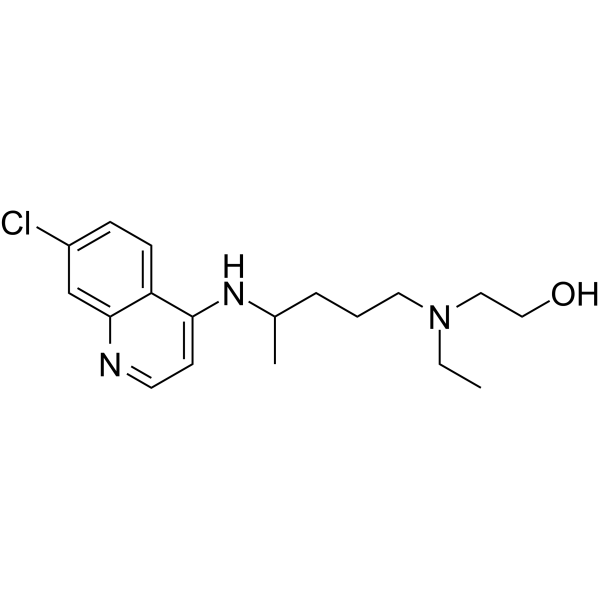
    Hydroxychloroquine
    Maximum Cited Publications
    87 Publications Verification

    Parasite Toll-like Receptor (TLR) SARS-CoV Autophagy Infection Cancer
    Hydroxychloroquine (HCQ) is a synthetic oral antimalarial drug that can be used in the study of malaria and autoimmune diseases such as systemic lupus erythematosus and rheumatoid arthritis. Hydroxychloroquine is a potent autophagic flux inhibitor with antiviral activity (such as SARS-CoV-2 virus) that inhibits Toll-like receptor 7/9 (TLR7/9) signaling .
    Hydroxychloroquine
  • HY-125746
    BODIPY-Cholesterol
    10+ Cited Publications

    Fluorescent Dye Others
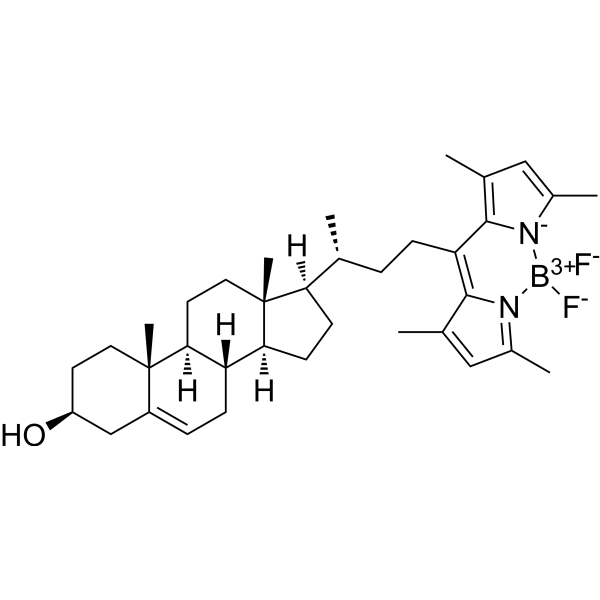
    BODIPY-cholesterol is an intrinsically lipophilic, and cell-permeable analog of cholesterol with a fluorescent BODIPY group. BODIPY-cholesterol can be used to monitor sterol uptake and inter-organelle sterol flux in cells. (Excitation/Emission: 505/515 nm) .
    BODIPY-Cholesterol
  • HY-15084B
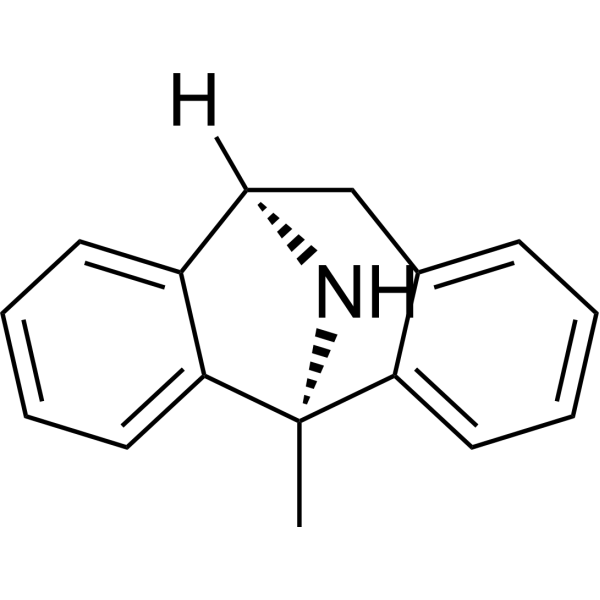
    Dizocilpine
    40+ Cited Publications

    MK-801

    iGluR Neurological Disease
    Dizocilpine (MK-801), a potent anticonvulsant, is a selective and non-competitive NMDA receptor antagonist, with a Kd of 37.2 nM in rat brain membranes. Dizocilpine acts by binding to a site located within the NMDA associated ion channel and thus prevents Ca 2+ flux .
    Dizocilpine
  • HY-17508
    Clarithromycin
    20+ Cited Publications

    Bacterial Cytochrome P450 Autophagy Antibiotic Infection Cancer
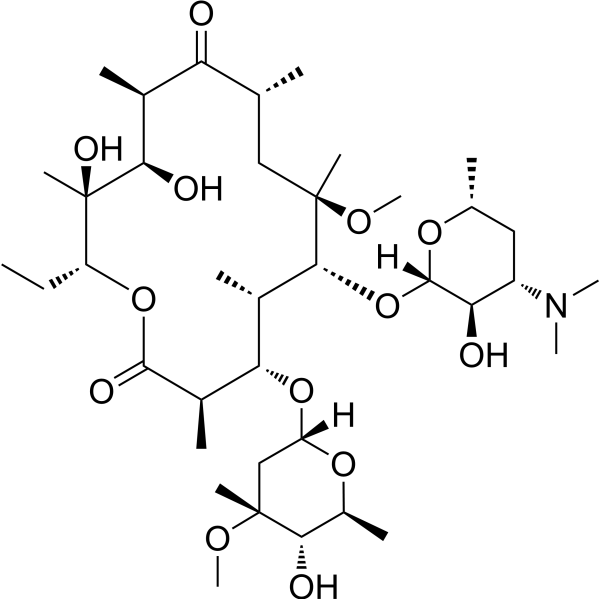
    Clarithromycin has a broad spectrum of antimicrobial activity. Clarithromycin inhibits the CYP3A4-catalyzed triazolam alpha-hydroxylation with the IC50 (Ki) value of 56 (43) μM . Clarithromycin significantly inhibits the HERG potassium current .Clarithromycin affects the autophagic flux by impairing the signaling pathway linking hERG1 and PI3K .
    Clarithromycin
  • HY-112683
    V-9302
    30+ Cited Publications

    ASCT Cancer
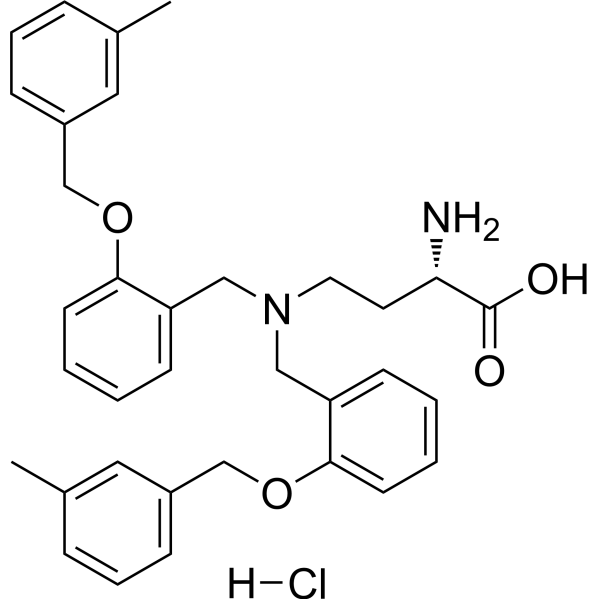
    V-9302 is a competitive antagonist of transmembrane glutamine flux. V-9302 selectively and potently targets the amino acid transporter ASCT2 (SLC1A5) not ASCT1. V-9302 inhibits ASCT2-mediated glutamine uptake (IC50=9.6 μM) in HEK-293 cells .
    V-9302
  • HY-13817
    IU1
    20+ Cited Publications

    Deubiquitinase Autophagy Apoptosis Cardiovascular Disease Neurological Disease Endocrinology Cancer
    IU1 is a selective, reversible USP14 inhibitor with an IC50 of 4-5 μM. IU1 binds USP14’s catalytic cleft to block deubiquitinase activity. IU1 induces calpain-dependent Tau cleavage, causes ATP deficits, reduces E1~Ub thioester levels and 26S proteasome assembly. IU1 enhances 26S proteasome chymotrypsin-like activity, modulates LC3B-dependent autophagy flux, reduces cancer cell proliferation and migration, and blocks G0/G1 to S phase cell cycle transition in follicular thyroid cancer cells. IU1 activates autophagy-lysosomal and ubiquitin-proteasome pathways, triggers apoptosis, and reduces cervical cancer cell growth. IU1 enhances degradation of proteasome substrates linked to neurodegenerative disease, accelerates oxidized protein degradation, and increases oxidative stress resistance. IU1 can be used for the research of Alzheimer’s disease, follicular thyroid cancer, ischemic stroke, cervical cancer, and neurodegenerative disease .
    IU1
  • HY-110282

    Oxidative Phosphorylation Mitochondrial Metabolism Metabolic Disease
    S3QEL-2, a suppressor of superoxide production from mitochondrial complex III, potently and selectively suppresses site IIIQo superoxide production (IC50=1.7 μM). S3QEL-2 does not affect oxidative phosphorylation, and normal electron flux. S3QEL-2 inhibits HIF-1α accumulation .
    S3QEL-2
  • HY-D0713
    7ACC2
    5+ Cited Publications

    Monocarboxylate Transporter Mitochondrial Metabolism Cancer
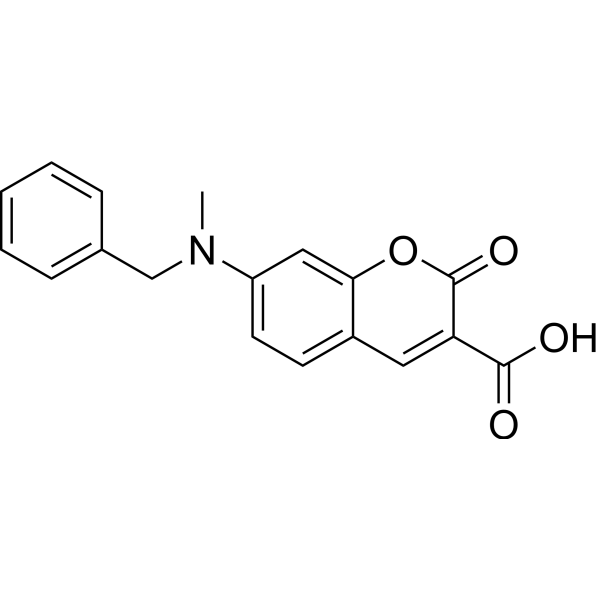
    7ACC2 is a potent monocarboxylate transporter (MCT) inhibitor with an IC50 of 11 nM for inhibition of [ 14C]-lactate influx. 7ACC2 is also a potent inhibitor of mitochondrial pyruvate transport. 7ACC2 is an anticancer agent through inhibition of lactate flux .
    7ACC2
  • HY-50694
    Senicapoc
    10+ Cited Publications

    ICA-17043

    Potassium Channel Others
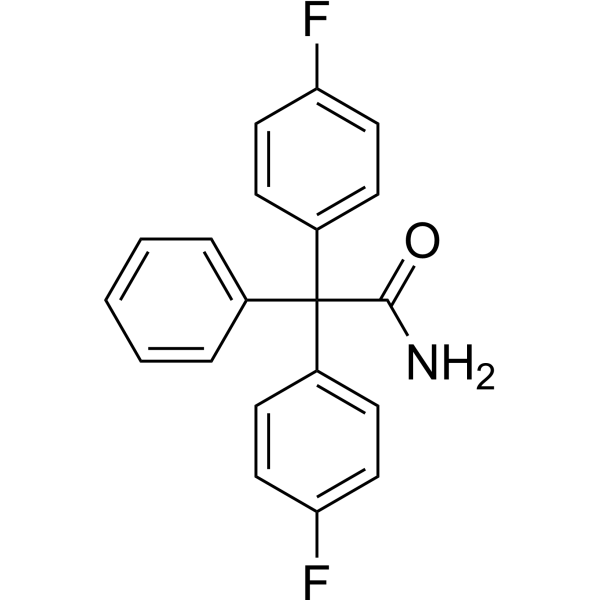
    Senicapoc (ICA-17043) is a potent and selective Gardos channel (Ca 2+-activated K + channel; KCa3.1) blocker with an IC50 of 11 nM. Senicapoc blocks Ca 2+-induced rubidium flux from human RBCs with an IC50 value of 11 nM and inhibits RBC dehydration with IC50 of 30 nM .
    Senicapoc
  • HY-134964
    CTB
    5+ Cited Publications

    Histone Acetyltransferase Apoptosis Neurological Disease Cancer
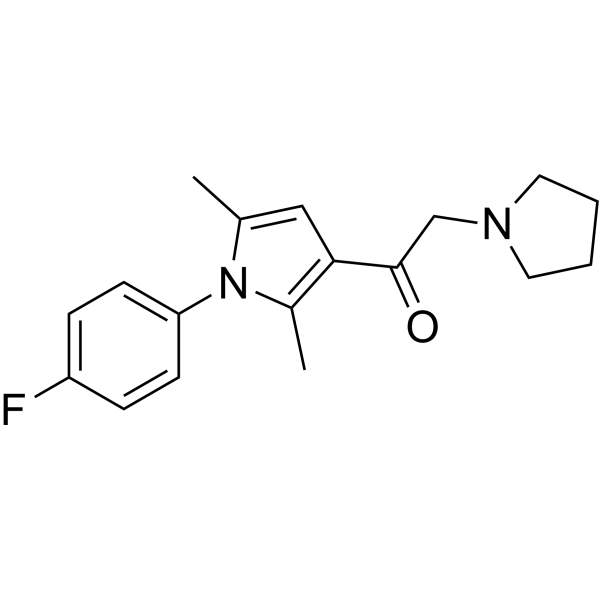
    CTB is a potent p300 histone acetyltransferase activator . CTB can effectively induce apoptosis in MCF-7 cells .
    CTB
  • HY-129555
    Surfactin
    Maximum Cited Publications
    6 Publications Verification

    Bacterial HSV Antibiotic Infection
    Surfactin is a potent cyclic lipopeptide biosurfactants consists of four isomers (Surfactin A, B, C and D), which mediates flux of mono-and divalent cations, such as calcium, across lipid bilayer membranes. Surfactin can act as an antimicrobial adjuvant with anti-bacterial, anti-fungal, antimycoplasma and hemolytic effects . Surfactin also has antiviral activity against a variety of enveloped viruses .
    Surfactin
  • HY-112683A
    V-9302 hydrochloride
    30+ Cited Publications

    ASCT Cancer
    V-9302 hydrochloride is a competitive antagonist of transmembrane glutamine flux. V-9302 hydrochloride selectively and potently targets the amino acid transporter ASCT2 (SLC1A5) not ASCT1. V-9302 hydrochloride inhibits ASCT2-mediated glutamine uptake (IC50=9.6 µM) in HEK-293 cells .
    V-9302 hydrochloride
  • HY-15991
    Tenapanor
    5+ Cited Publications

    AZD1722; RDX5791

    Na+/H+ Exchanger (NHE) Metabolic Disease
    Tenapanor (AZD1722) is a potent and orally active sodium/hydrogen exchanger isoform 3 (NHE3) inhibitor. Tenapanor reduces intestinal phosphate absorption predominantly through reduction of passive paracellular phosphate flux. Tenapanor has the potential for the research of hyperphosphatemia .
    Tenapanor
  • HY-16039
    AM095
    10+ Cited Publications

    LPL Receptor Inflammation/Immunology
    AM095 is a selective LPA1 receptor antagonist. The IC50 for AM095 antagonism of LPA-induced calcium flux of human or mouse LPA1-transfected CHO cells is 0.025 and 0.023 μM, respectively.
    AM095
  • HY-15991A
    Tenapanor hydrochloride
    5+ Cited Publications

    AZD1722 hydrochloride; RDX5791 hydrochloride

    Na+/H+ Exchanger (NHE) Metabolic Disease
    Tenapanor (AZD1722) hydrochloride is a potent and orally active sodium/hydrogen exchanger isoform 3 (NHE3) inhibitor. Tenapanor hydrochloride reduces intestinal phosphate absorption predominantly through reduction of passive paracellular phosphate flux. Tenapanor hydrochloride has the potential for the research of hyperphosphatemia .
    Tenapanor hydrochloride
  • HY-15415
    KB-R7943 mesylate
    4 Publications Verification

    Na+/Ca2+ Exchanger Autophagy Cancer
    KB-R7943 mesylate is a widely used inhibitor of the reverse Na +/Ca 2+ exchanger (NCXrev) with IC50 of 5.7±2.1 μM. KB-R7943 mesylate induces cancer cell death via activating the JNK pathway and blocking autophagic flux.
    KB-R7943 mesylate
  • HY-113167

    DL-2-phosphoglyceric acid

    ACSL Family Endogenous Metabolite Ferroptosis Glutathione Peroxidase Reactive Oxygen Species (ROS) Metabolic Disease
    2-Phosphoglyceric acid (DL-2-phosphoglyceric acid) is a glycolytic substrate that is catalyzed by enolase to form phosphoenolpyruvate ester (PEP). 2-Phosphoglyceric acid inhibits the ferroptosis pathway by down-regulating ACSL4 and up-regulating GPX4, and has significant neuroprotective effects. 2-Phosphoglyceric acid reflects the overall metabolic state and flux of the cell .
    2-Phosphoglyceric acid
  • HY-15568
    A-317491
    5 Publications Verification

    P2X Receptor Neurological Disease Inflammation/Immunology
    A-317491 is a potent, selective and non-nucleotide antagonist of P2X3 and P2X2/3 receptors, with Kis of 22, 22, 9, and 92 nM for hP2X3, rP2X3, hP2X2/3, and rP2X2/3, respectively. A-317491 is highly selective (IC50>10 μM) over other P2 receptors and other neurotransmitter receptors, ion channels, and enzymes. A-317491 reduces inflammatory and neuropathic pain by blocking P2X3 and P2X2/3 receptor-mediated calcium flux .
    A-317491
  • HY-100582
    Ribitol
    3 Publications Verification

    Adonitol; Adonite

    Endogenous Metabolite Others
    Ribitol is a crystalline pentose alcohol formed by the reduction of ribose. Enhancing the flux of D-glucose to the pentose phosphate pathway in Saccharomyces cerevisiae for the production of D-ribose and ribitol.
    Ribitol
  • HY-129111
    EACC
    4 Publications Verification

    Autophagy Infection Neurological Disease
    EACC is a reversible autophagy inhibitor, which can block autophagic flux. EACC selectively inhibits the translocation of autophagosome-specific SNARE Stx17 thereby blocking autophagosome-lysosome fusion .
    EACC
  • HY-103706
    ROC-325
    3 Publications Verification

    Autophagy Apoptosis Cancer
    ROC-325 is a potent and orally active autophagy inhibitor with a strong anticancer activity. ROC-325 induces the deacidification of lysosomes, accumulation of autophagosomes, and disrupted autophagic flux. ROC-325 also induces renal cell carcinoma apoptosis .
    ROC-325
  • HY-101908
    BMS CCR2 22
    1 Publications Verification

    CCR Inflammation/Immunology Endocrinology
    BMS CCR2 22 is a potent, specific and high affinity CC-type chemokine receptor 2 (CCR2) antagonist with excellent binding affinity (binding IC50 of 5.1 nM) and potent functional antagonism (calcium flux IC50 of 18 nM and chemotaxis IC50 of 1 nM) .
    BMS CCR2 22
  • HY-131611
    6-Azuridine
    1 Publications Verification

    6-Azauridine

    Nucleoside Antimetabolite/Analog Autophagy Apoptosis AMPK MDM-2/p53 SARS-CoV Infection Others Cancer
    6-Azuridine (6-Azauridine) is an orally active purine nucleoside analogue. 6-Azuridine activates autophagic flux, induces Apoptosis that depends on AMPK and p53. 6-Azuridine exhibit both antitumor and antiviral activities .
    6-Azuridine
  • HY-15297
    Vesnarinone
    2 Publications Verification

    OPC-8212

    Phosphodiesterase (PDE) Infection Cardiovascular Disease
    Vesnarinone (OPC-8212) is an orally active phosphodiesterase 3 (PDE3) inhibitor. Vesnarinone can increase in calcium flux and decrease in potassium flux. Vesnarinone shows dose-dependent positive inotropic activity. Vesnarinone can be used in heart failure research .
    Vesnarinone
  • HY-161619

    PIKfyve DNA/RNA Synthesis SARS-CoV Autophagy Dengue Virus Filovirus Infection
    RMC-113 is a PIP4K2C and PIKfyve inhibitor with the Ki vaules of 46 nM and 370 nM. RMC-113 reverses SARS-CoV-2-induced impairment of autophagic flux. RMC-113 shows antiviral activity .
    RMC-113
  • HY-59137

    Drug Intermediate Cancer
    1-Methylimidazole acts as a membrane performance regulator that promotes the formation of reverse osmosis membranes with a dense ultra-thin polyamide layer. Such membranes exhibit higher flux and salt rejection rate, while also conferring excellent pH stability to the membrane. 1-Methylimidazole can serve as a ligand for ruthenium (II) complexes to construct metal-based anticancer agents .
    1-Methylimidazole
  • HY-17508R
    Clarithromycin (Standard)
    20+ Cited Publications

    Reference Standards Bacterial Cytochrome P450 Autophagy Antibiotic Infection Cancer
    Clarithromycin (Standard) is the analytical standard of Clarithromycin. This product is intended for research and analytical applications. Clarithromycin has a broad spectrum of antimicrobial activity. Clarithromycin inhibits the CYP3A4-catalyzed triazolam alpha-hydroxylation with the IC50 (Ki) value of 56 (43) μM . Clarithromycin significantly inhibits the HERG potassium current .Clarithromycin affects the autophagic flux by impairing the signaling pathway linking hERG1 and PI3K .
    Clarithromycin (Standard)
  • HY-P99190

    BMS-936557; MDX-1100

    CXCR Inflammation/Immunology
    Eldelumab (BMS-936557) is a human anti-CXCL10 (IP-10) monoclonal antibody (IgG1 type). Eldelumab selectively binds to CXCL10 and blocks CXCL10-induced calcium flux and cell migration. Eldelumab can be used in studies of autoimmune and auto-inflammatory diseases such as rheumatoid arthritis, ulcerative colitis and crohn's disease .
    Eldelumab
  • HY-N0805A
    Alisol B
    1 Publications Verification

    Epoxide Hydrolase CaMK Autophagy Apoptosis Metabolic Disease Inflammation/Immunology Cancer
    Alisol B is a triterpene with diverse biological activities. Alisol B binds human soluble epoxide hydrolase (sEH) with a Ki of 5.97 μM and reduces sEH activity. Alisol B inhibits RANKL-induced JNK phosphorylation, NFATc1 and c-Fos expression, osteoclast formation, mature osteoclast pit-forming and actin ring activity, and SERCA pump activity. Alisol B induces calcium mobilization, CaMKK-AMPK-mTOR pathway activation, autophagic flux, autophagosome formation, G1 phase cell cycle arrest, endoplasmic reticulum stress, unfolded protein responses, and cancer cell apoptosis. Alisol B can be used for the research of hypercalcemia, osteoporosis, rheumatoid arthritis, periodontitis, acute kidney injury, and breast cancer .
    Alisol B
  • HY-119357

    Microtubule/Tubulin Apoptosis Autophagy Neurological Disease Cancer
    TN-16 is a Microtubule polymerization inhibitor. TN-16 induces G2/M cell cycle arrest, metaphase mitotic arrest and Apoptotic cell death in cells, and blocks late Autophagic flux by inhibiting autophagosome-lysosome fusion. TN-16 suppresses tumor growth in syngeneic mouse breast cancer models. TN-16 can be used in research related to neuroblastoma, cervical cancer, breast cancer and other tumors .
    TN-16
  • HY-120588
    BI 639667
    1 Publications Verification

    CCR1 antagonist 8

    CCR Inflammation/Immunology Endocrinology
    BI 639667 (compound 19n), a chemical probe, is a CCR1 antagonist, with an IC50 of 1.8 nM in Ca 2+ flux assay .
    BI 639667
  • HY-100582R

    Adonitol (Standard); Adonite (Standard)

    Reference Standards Endogenous Metabolite Others
    Ribitol (Standard) is the analytical standard of Ribitol. This product is intended for research and analytical applications. Ribitol is a crystalline pentose alcohol formed by the reduction of ribose. Enhancing the flux of D-glucose to the pentose phosphate pathway in Saccharomyces cerevisiae for the production of D-ribose and ribitol.
    Ribitol (Standard)
  • HY-135891

    CCR Neurological Disease
    AZD2423 is a potent, selective, orally bioavailable, and non-competitive CCR2 chemokine receptor negative allosteric modulator. AZD2423 has an IC50 of 1.2 nM for CCR2 Ca 2+ flux .
    AZD2423
  • HY-161743

    AUTOTACs Autophagy Neurological Disease Cancer
    PBA-1105 is an autophagy-targeting chimera (AUTOTAC) that induces p62 self-oligomerization. PBA-1105 selectively binds to exposed hydrophobic regions of misfolded proteins, facilitating their degradation via the autophagic pathway. PBA-1105 increases the autophagic flux of Ub-conjugated aggregates .
    PBA-1105
  • HY-15809

    Btk Calcium Channel Inflammation/Immunology
    (Rac)-Ibrutinib alkyne (Compound 8) is a Btk inhibitor with an IC50 of 0.72 nM. (Rac)-Ibrutinib alkyne can effectively inhibit functions related to the B-cell receptor signaling pathway, with an IC50 of 9 nM for inhibiting Ca flux in Ramos cells. (Rac)-Ibrutinib alkyne can be used in the research of diseases such as rheumatoid arthritis .
    (Rac)-Ibrutinib alkyne
  • HY-E70008

    Sirtuin Inflammation/Immunology
    Lumbokinase attenuates myocardial ischemia-reperfusion (I-R) injury through the activation of Sirt1 signaling, and thus enhances autophagic flux and reduces I-R-induced oxidative damage, inflammation and apoptosis .
    Lumbokinase
  • HY-115570
    GW406108X
    1 Publications Verification

    GW108X

    Kinesin ULK Autophagy Cancer
    GW406108X is a specific Kif15 (Kinesin-12) inhibitor with an IC50 of 0.82 uM in ATPase assays. GW406108X, a potent autophagy inhibitor, shows ATP competitive inhibition against ULK1 with a pIC50 of 6.37 (427 nM). GW406108X inhibits ULK1 kinase activity and blocks autophagic flux, without affecting the upstream signaling kinases mTORC1 and AMPK .
    GW406108X
  • HY-148129

    TRPC6-IN-3

    TRP Channel Cardiovascular Disease
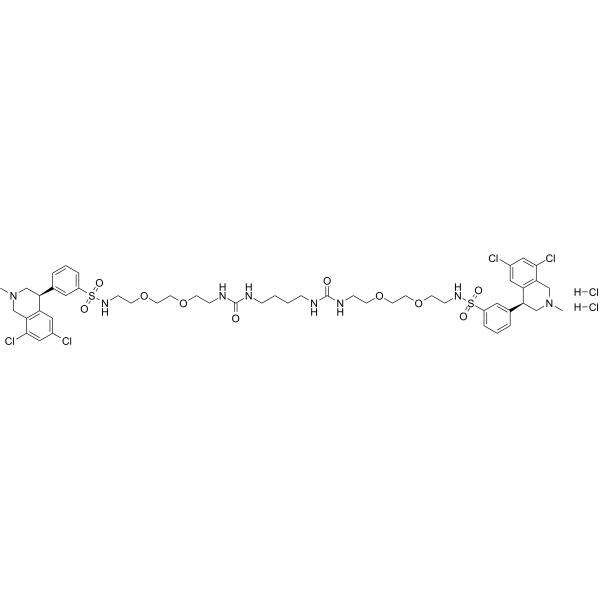
    Apecotrep (TRPC6-IN-3) (compound 17) is a potent, orally active transient receptor potential C6 ion channel (TRPC6) inhibitor. Apecotrep modulates not only intracellular calcium concentration, but also membrane potential by modulating the flux of cations including calcium and sodium ions. Apecotrep can be used in research of respiratory system .
    Apecotrep
  • HY-B1243
    Propoxycaine hydrochloride
    1 Publications Verification

    Sodium Channel Neurological Disease
    Propoxycaine hydrochloride inhibits voltage-gated sodium channels, and thereby inhibits the ionic flux required for the initiation and conduction of impulses. Propoxycaine hydrochloride application can lead to a loss of sensation.
    Propoxycaine hydrochloride
  • HY-112818

    Atg4 Cathepsin Autophagy Apoptosis Cancer
    S130 is a high affinity, selective inhibitor of ATG4B (a major cysteine protease) with an IC50 of 3.24 µM. S130 suppresses autophagy flux .
    S130
  • HY-110200
    TC AQP1 1
    2 Publications Verification

    m-Phenylenediacrylic acid; m-Benzenediacrylic acid

    Aquaporin Metabolic Disease Cancer
    TC AQP1 1 (m-Phenylenediacrylic acid) is a potent AQP1 inhibitor. TC AQP1 1 inhibits AQP1-mediated water flux in oocytes, with an IC50 of 8 μM .
    TC AQP1 1
  • HY-W083373A

    Bacterial Autophagy Cancer
    3,4-Dimethoxychalcone is a Caloric restriction mimetics (CRMs). 3,4-Dimethoxychalcone induces the deacetylation of cytoplasmic proteins and stimulates autophagy flux. 3,4-Dimethoxychalcone can be used for cardiac and cancer diseases research .
    3,4-Dimethoxychalcone
  • HY-112711

    Atg4 Autophagy Cancer
    LV-320 is a potent and uncompetitive ATG4B inhibitor with an IC50 of 24.5 μM and a Kd of 16 μM. LV-320 inhibits ATG4B enzymatic activity, blocks autophagic flux in cells, and is stable, non-toxic and active in vivo .
    LV-320
  • HY-131349

    CCR Cancer
    CCR4-351 is an orally active, potent and selective CCR4 antagonist. CCR4-351, featuring a novel piperidinyl-azetidine motif, has IC50s of 22 nM and 50 nM in the calcium flux and CTX assay. CCR4-351 has antitumor activity .
    CCR4-351
  • HY-174140

    Chemerin Receptor Metabolic Disease Inflammation/Immunology
    VU0514009 is a competitive chemokine-like receptor 1 (CMKLR1) antagonist (EC50=2 nM). VU0514009 prevents chemerin-9-induced arrestin recruitment and receptor internalization, significantly reducing Ca 2+ flux response in HEK293 cells. VU0514009 is promising for research of inflammatory diseases and metabolic syndrome .
    VU0514009
  • HY-178058A

    Potassium Channel Others
    VU6080824 (hydrochloride), a derivative of ML-133 (HY-100230), is an inward-rectifier potassium channel (Kir2.1) inhibitor with an IC50 of 0.35  μM. VU6080824 (hydrochloride) has superior thallium flux and manual patch clamp (MPC) functional potency .
    VU6080824 hydrochloride
  • HY-162100

    ULK Autophagy Cancer
    MR-2088 is a reversible, ATP-competitive, and selective ULK1/2 inhibitor with pEC50 values of 8.3 and 8.7 respectively. MR-2088 effectively inhibits autophagic flux and demonstrates a synergistic antiproliferative effect with Trametinib (HY-10999) (MEK inhibitor) in vitro. MR-2088 can be used for non-small lung cell cancer (NSCLC) research .
    MR-2088
  • HY-15568A
    A-317491 sodium salt hydrate
    5 Publications Verification

    P2X Receptor Neurological Disease Inflammation/Immunology
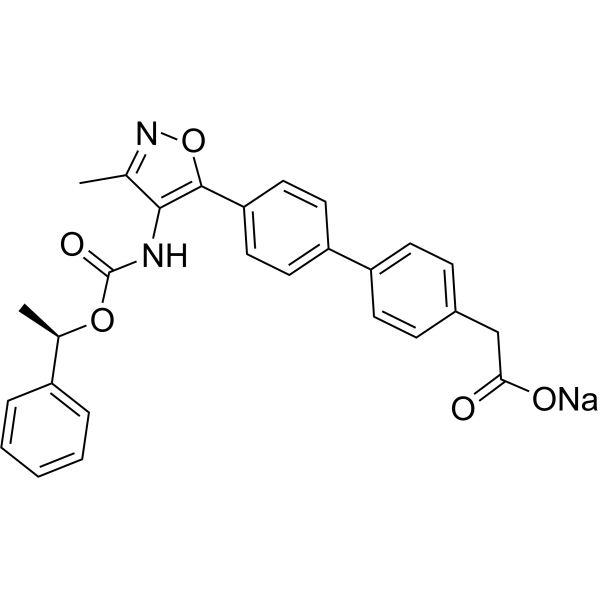
    A-317491 sodium salt hydrate is a potent, selective and non-nucleotide antagonist of P2X3 and P2X2/3 receptors, with Kis of 22, 22, 9, and 92 nM for hP2X3, rP2X3, hP2X2/3, and rP2X2/3, respectively. A-317491 sodium salt hydrate is highly selective (IC50>10 μM) over other P2 receptors and other neurotransmitter receptors, ion channels, and enzymes. A-317491 sodium salt hydrate reduces inflammatory and neuropathic pain by blocking P2X3 and P2X2/3 receptor-mediated calcium flux .
    A-317491 sodium salt hydrate
  • HY-158741

    APG-2 Acetoxymethyl ester

    Fluorescent Dye Potassium Channel Others
    IPG-2 AM (APG-2 Acetoxymethyl ester) is a membrane-permeant acetoxymethyl ester derivative and selective fluorescent potassium ion indicator. IPG-2 AM exhibits fluorescence increases proportional to extracellular potassium ion concentrations. IPG-2 AM enables real-time monitoring of cytosolic free potassium ion fluxes in human platelets and macrophages. IPG-2 AM can be used for the research of intracellular potassium concentration dynamics .
    IPG-2 AM
  • HY-124759

    CCR Inflammation/Immunology
    CCR1 antagonist 9 is a potent and selective CCR1 antagonist with an IC50 of 6.8 nM in calcium flux assay .
    CCR1 antagonist 9

Inquiry Online

Your information is safe with us. * Required Fields.

Salutation


Country or Region *

Applicant Name *


Organization Name *

Department *


Email Address *


Product Name *

Cat. No.


Requested quantity *

Phone Number *


Remarks

Inquiry Online

Inquiry Information

Product Name:
Cat. No.:
Quantity:
MCE Japan Authorized Agent:

