Search Result
Results for "
glial
" in MedChemExpress (MCE) Product Catalog:
2
Biochemical Assay Reagents
16
Isotope-Labeled Compounds
| Cat. No. |
Product Name |
Target |
Research Areas |
Chemical Structure |
-
- HY-W008574
-
TGN-020
Maximum Cited Publications
21 Publications Verification
|
PROTAC Linkers
|
Inflammation/Immunology
Cancer
|
|
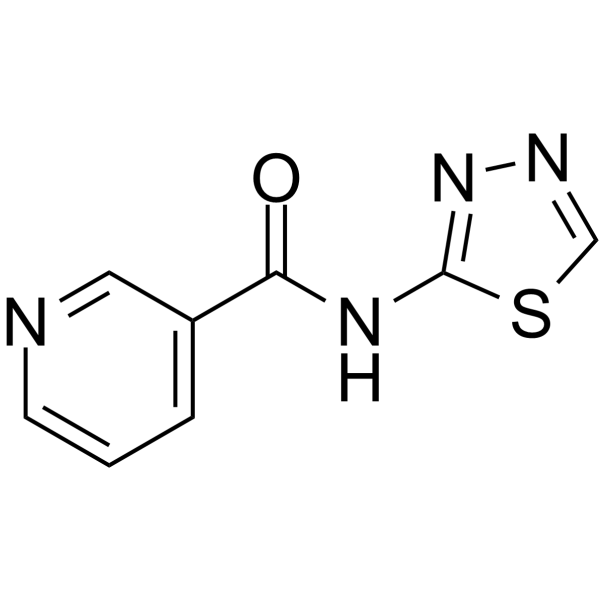
TGN-020 is a selective Aquaporin 4 (AQP4) inhibitor with an IC50 of 3.1 μM . TGN-020 is an alkyl chain-based PROTAC linker that can be used in the synthesis of PROTACs .TGN-020 alleviates edema and inhibits glial scar formation after spinal cord compression injury in rats .
|
-
-
- HY-B1411
-
|
myo-Inositol; meso-Inositol
|
Endogenous Metabolite
|
Others
|
|
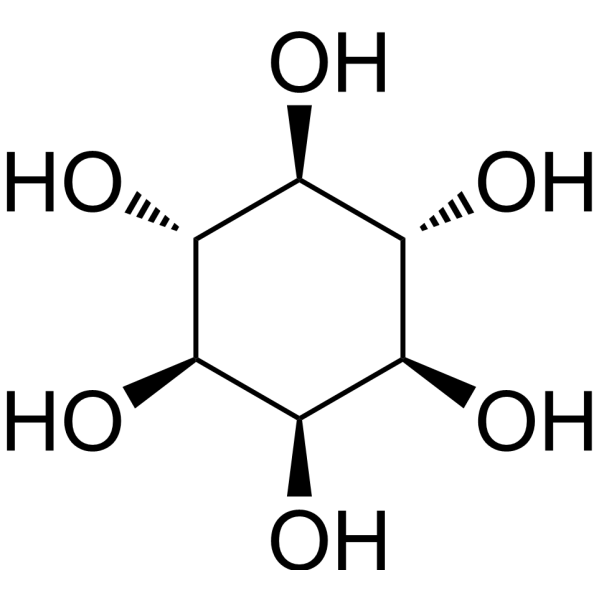
i-Inositol (myo-Inositol) is a compound of sugar alcohols. i-Inositol is involved in a series of biological processes such as insulin signal transduction and cytoskeletal transduction. i-Inositol mainly exists in glial cells and plays an osmotic role .
|
-
-
- HY-110281
-
|
|
Endogenous Metabolite
|
Cardiovascular Disease
Neurological Disease
|
|
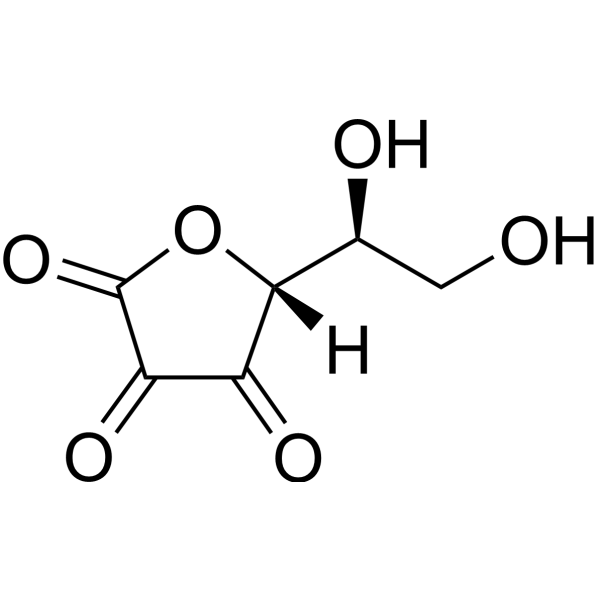
Dehydroascorbic acid is an oxidized form of vitamin C that can cross the blood-brain barrier (BBB). Dehydroascorbic acid clears cytotoxic reactive oxygen species (ROS) produced after ischemic stroke by converting to ascorbic acid (AA), thereby reducing neuronal and glial cell damage and stabilizing cerebral microvascular NO signaling to maintain perfusion in the ischemic area. Dehydroascorbic acid can be used in research on ischemic stroke .
|
-
-
- HY-B0158
-
|
Cytosine β-D-riboside; Cytosine-1-β-D-ribofuranoside
|
Nucleoside Antimetabolite/Analog
Endogenous Metabolite
|
Neurological Disease
|
|
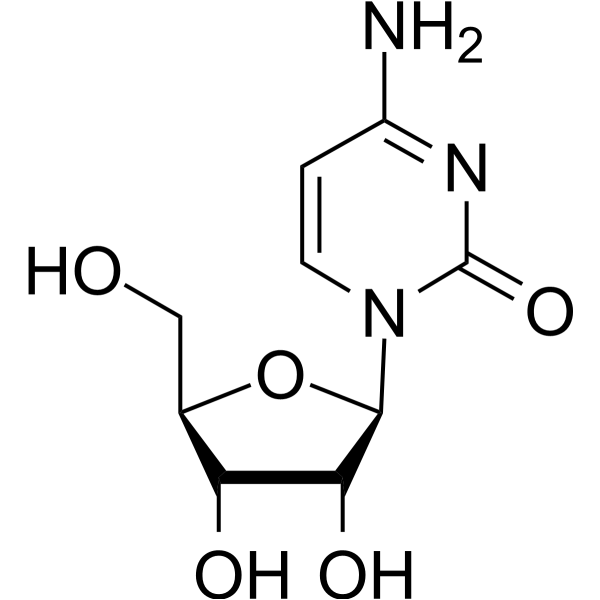
Cytidine is a pyrimidine nucleoside and acts as a component of RNA. Cytidine is a precursor of uridine. Cytidine controls neuronal-glial glutamate cycling, affecting cerebral phospholipid metabolism, catecholamine synthesis, and mitochondrial function .
|
-
-
- HY-B0130
-
-
-
- HY-B0696A
-
|
NO050328 hydrochloride; NO328 hydrochloride; TGB hydrochloride
|
GABA Receptor
|
Neurological Disease
|
|
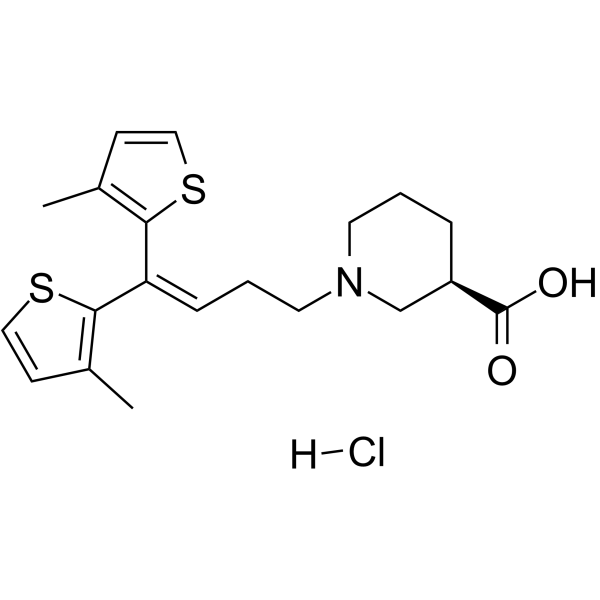
Tiagabine hydrochloride (NO050328; NO328; TGB) is an orally active, highly selective, and reversible GAT-1 inhibitor and anticonvulsant that crosses the blood-brain barrier. By blocking the reuptake of GABA in neurons and glial cells, tiagabine increases extracellular GABA levels to enhance inhibitory signal transduction, thereby exerting multiple activities such as anticonvulsant, neuroprotective, and antioxidant effects. Tiagabine hydrochloride exhibits linear pharmacokinetic properties. Although it is metabolized by CYP3A and has a high protein binding rate, it carries a low risk of cognitive impairment. Tiagabine hydrochloride is widely used in research on related diseases including epilepsy (including refractory partial seizures), alcohol withdrawal symptoms, and Huntington's disease .
|
-
-
- HY-B0696
-
|
NO050328; NO328; TGB
|
GABA Receptor
|
Neurological Disease
|
|
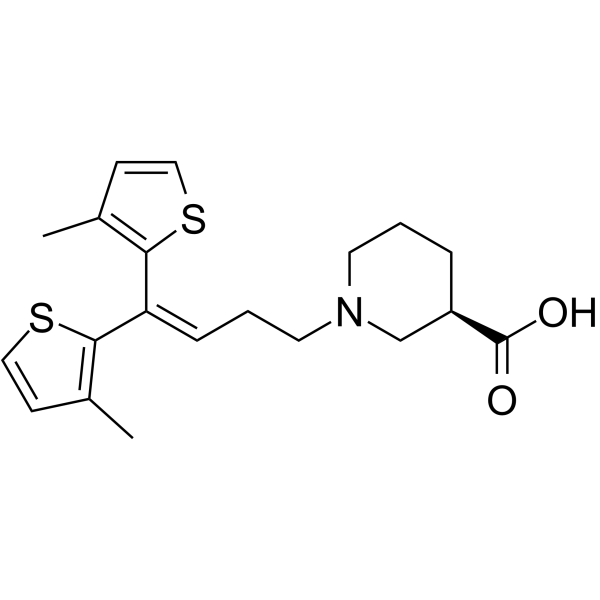
Tiagabine (NO050328; NO328; TGB) is an orally active, highly selective, and reversible GAT-1 inhibitor and anticonvulsant that crosses the blood-brain barrier. By blocking the reuptake of GABA in neurons and glial cells, tiagabine increases extracellular GABA levels to enhance inhibitory signal transduction, thereby exerting multiple activities such as anticonvulsant, neuroprotective, and antioxidant effects. Tiagabine exhibits linear pharmacokinetic properties. Although it is metabolized by CYP3A and has a high protein binding rate, it carries a low risk of cognitive impairment. Tiagabine is widely used in research on related diseases including epilepsy (including refractory partial seizures), alcohol withdrawal symptoms, and Huntington's disease .
|
-
-
- HY-W008574A
-
TGN-020 sodium
Maximum Cited Publications
21 Publications Verification
|
PROTAC Linkers
|
Inflammation/Immunology
Cancer
|
|
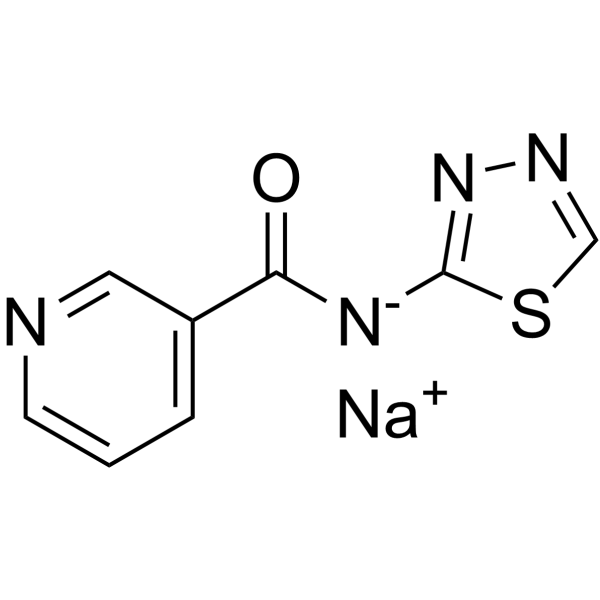
TGN-020 sodium is a selective Aquaporin 4 (AQP4) inhibitor with an IC50 of 3.1 μM . TGN-020 sodium is an alkyl chain-based PROTAC linker that can be used in the synthesis of PROTACs . TGN-020 sodium alleviates edema and inhibits glial scar formation after spinal cord compression injury in rats .
|
-
-
- HY-B0130A
-
|
Perindopril (tert-butylamine salt); S-9490 erbumine
|
Sirtuin
NF-κB
STAT
Angiotensin-converting Enzyme (ACE)
|
Cardiovascular Disease
Cancer
|
|
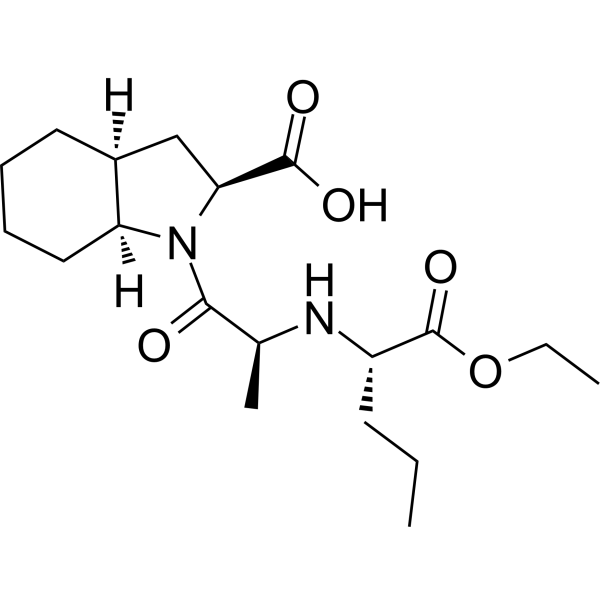
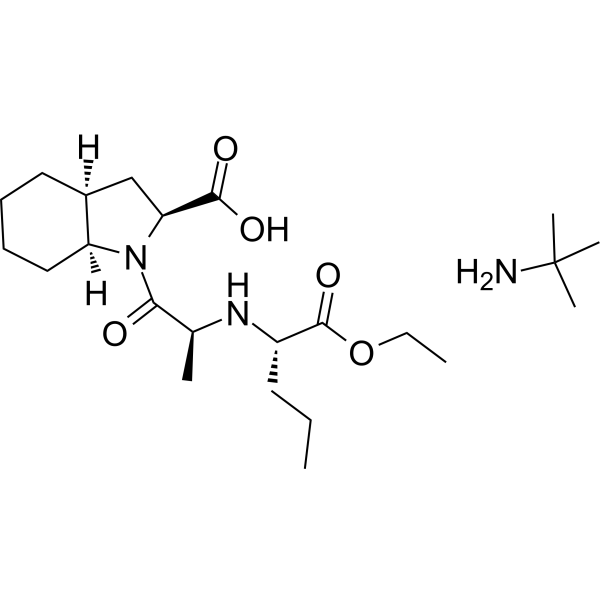
Perindopril erbumine is an angiotensin-converting enzyme inhibitor. Perindopril erbumine modulates NF-κB and STAT3 signaling and inhibits glial activation and neuroinflammation. Perindopril erbumine can be used for the research of Chronic Kidney Disease and high blood pressure .
|
-
-
- HY-148853
-
|
|
HuR
|
Others
|
|
SRI-42127 is a HuR translocation inhibitor. HuR is an RNA regulator that binds to AREs, and HuR translocations promote the production of inflammatory cytokines in glial cells. However, SRI-42127 can destroy mRNA stability and inhibit gene promoter activation. SRI-42127 also inhibits microglial cell activation and attenuates recruitment/chemotaxis of neutrophils and monocytes .
|
-
-
- HY-107521
-
|
CF3-Bza-TBOA
|
EAAT
|
Neurological Disease
|
|
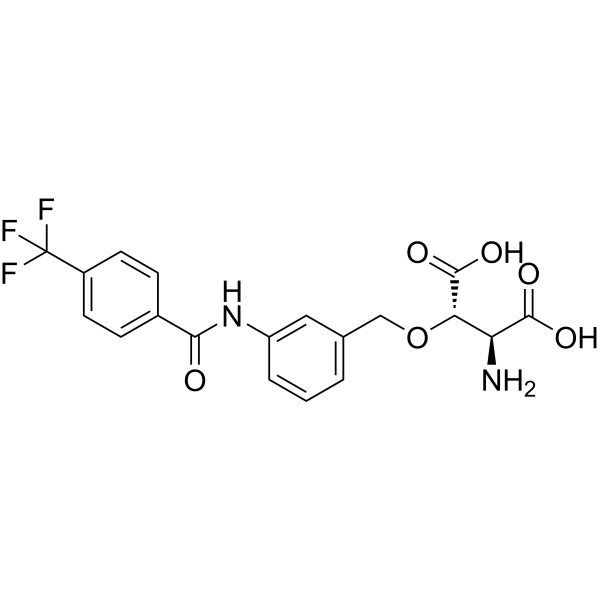
TFB-TBOA (CF3-Bza-TBOA) is a potent glutamate transporter blocker that potently suppresses the activity of glial transporters. TFB-TBOA shows IC50 values of 22, 17, and 300 nM for glutamate transporters EAAT1, EAAT2, and EAAT3 respectively in an uptake assay using cells transiently expressing EAATs .
|
-
-
- HY-W002199
-
|
6:2 FTOH; 1H,1H,2H,2H-Perfluoro-1-octanol; 2-(Perfluorohexyl)ethanol
|
Bacterial
Apoptosis
ERK
TNF Receptor
|
Infection
Neurological Disease
|
|
6:2 Fluorotelomer alcohol (6:2 FTOH) is an orally active, blood-brain barrier-permeable modulator of cyclin D1 and ETS1. 6:2 Fluorotelomer alcohol downregulates cyclin D1 expression, upregulates ETS1 via the TNF-α/ERK 1/2 pathway, impairs mitochondrial membrane potential and respiratory function, increases reactive oxygen species levels, disrupts calcium homeostasis and activates endoplasmic reticulum stress markers, and induces cell proliferation inhibition and endothelial-mesenchymal transition. Furthermore, 6:2 Fluorotelomer alcohol induces morphological abnormalities in zebrafish embryos and liver developmental damage, while disrupting the brain immune microenvironment in mice, causing systemic toxicity and delayed pup maturation in CD-1 mice. 6:2 Fluorotelomer alcohol also induces cortical neuron apoptosis, glial cell activation, synaptic abnormalities, colonic barrier damage, intestinal dysbiosis and autism spectrum disorder-like symptoms in mice. 6:2 Fluorotelomer alcohol shows no mutagenic, clastogenic, primary skin/eye irritation or skin sensitizing effects, exhibits no selective reproductive toxicity in CD-1 mice, and is classified as GHS Category 4 for acute oral toxicity. 6:2 Fluorotelomer alcohol can be used in studies of neurodevelopmental disorders and autism spectrum disorders .
|
-
-
- HY-P1777
-
|
Insulin-like Growth Factor I (24-41)
|
IGF-1R
|
Metabolic Disease
Inflammation/Immunology
|
|
IGF-I (24-41) (Insulin-like Growth Factor I (24-41)) is amino acids 24 to 41 fragment of IGF-I. IGF-I, a 70 aa polypeptide hormone, is a trophic factor for both neurons and glial cells. IGF-I is partly responsible for systemic growth hormone (GH) activities. IGF-I has anabolic, antioxidant, anti-inflammatory and cytoprotective actions. IGF-I (24-41) regulates somatic growth and behavioral development .
|
-
-
- HY-69359
-
|
(±)-β-Homoproline; Hexahydronicotinic acid; 3-Carboxypiperidine
|
GABA Receptor
|
Neurological Disease
|
|
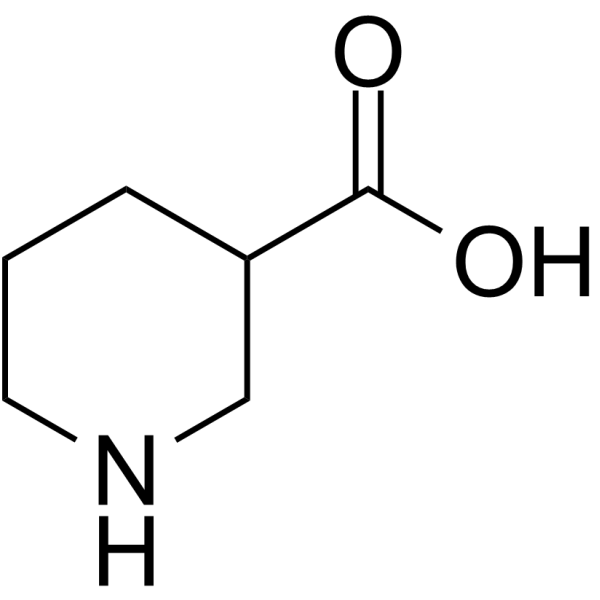
Nipecotic acid ((±)-β-Homoproline) is a potent inhibitor of neuronal and glial-aminobutyric acid (GABA) uptake in vitro. Nipecotic acid can also directly activate GABAA-like chloride channels, with an EC50 of approximately 300 μM .
|
-
-
- HY-111969
-
BT18
1 Publications Verification
|
GDNF Receptor
|
Neurological Disease
|
|
BT18 is a molecule mimic with function similar to glial cell line-derived neurotrophic factor (GDNF) . BT18 shows an effect on GDNF family receptor GFRα1 and RET receptor tyrosine kinase RetA function .
|
-
-
- HY-148165
-
|
|
Nucleoside Antimetabolite/Analog
|
Neurological Disease
|
|
L-Cytidine is an L-configurational form of Cytidine (HY-B0158). L-Cytidine is a pyrimidine nucleoside, a component of RNA. Cytidine can control the glial glutamate cycle, affect brain phospholipid metabolism, catecholamine synthesis and mitochondrial function .
|
-
-
- HY-B1197
-
|
CL-34699
|
Glucocorticoid Receptor
NO Synthase
Interleukin Related
TNF Receptor
|
Inflammation/Immunology
Endocrinology
|
|
Amcinonide is an inhibitor of NO release (IC50 = 3.38 nM). Amcinonide inhibits NNC-induced expression of the proinflammatory genes iNOS, TNF-α, and IL-1β in glial cells. Amcinonide reduces the numbers of T6+/Ia+ cells with a concomitant increase in T6+/Ia- cells. Amcinonide induces a selective reduction in expression of Ia antigens. Amcinonide can also be studied in research for eczematous dermatitis .
|
-
-
- HY-W019710
-
|
|
HDAC
|
Neurological Disease
|
|
(E,E)-RGFP966 is a selective and CNS permeable HDAC3 inhibitor that can be used for the research of Huntington’s disease .
|
-
-
- HY-P3392
-
|
ION373
|
FAP
|
Neurological Disease
|
|
Zilganersen (ION373) is a gapmer antisense oligonucleotide targeting glial fibrillary acidic protein (GFAP). Zilganersen reduces excess glial fibrillary acidic protein produced by disease-causing variants in the GFAP gene and inhibits synthesis of GFAP. Zilganersen can be used for the research of Alexander disease .
|
-
-
- HY-139201H
-
|
PDLHB (MW ≥300000)
|
CaSR
|
Others
|
|
Poly-D-lysine hydrobromide (MW ≥300000) (PDLHB (MW ≥300000)) is a cationic polymer and cell adhesion promoter. Poly-D-lysine hydrobromide (MW ≥300000) serves as a substrate coating to support the adhesion and proliferation of rat dorsal root ganglion satellite glial cells in vitro. Poly-D-lysine hydrobromide (MW ≥300000) promotes the adhesion and immobilization of cells on plastic culture dishes. Poly-D-lysine hydrobromide is also known as a calcium-sensing receptor (CaSR) agonist peptide .
|
-
-
- HY-P3392A
-
|
ION373 sodium
|
FAP
|
Neurological Disease
|
|
Zilganersen (ION373) sodium is a gapmer antisense oligonucleotide targeting glial fibrillary acidic protein (GFAP). Zilganersen sodium reduces excess glial fibrillary acidic protein produced by disease-causing variants in the GFAP gene and inhibits synthesis of GFAP. Zilganersen sodium can be used for the research of Alexander disease .
|
-
-
- HY-B1411R
-
|
myo-Inositol (Standard); meso-Inositol (Standard)
|
Reference Standards
Endogenous Metabolite
|
Others
|
|
i-Inositol (Standard) is the analytical standard of i-Inositol. This product is intended for research and analytical applications. i-Inositol (myo-Inositol) is a compound of sugar alcohols. i-Inositol is involved in a series of biological processes such as insulin signal transduction and cytoskeletal transduction. i-Inositol mainly exists in glial cells and plays an osmotic role .
|
-
-
- HY-B0158S7
-
|
Cytosine β-D-riboside-13C9; Cytosine-1-β-D-ribofuranoside-13C9
|
Nucleoside Antimetabolite/Analog
Endogenous Metabolite
Isotope-Labeled Compounds
|
Neurological Disease
|
|
Cytidine- 13C9 (Cytosine β-D-riboside- 13C9) is 13C labeled Cytidine (HY-B0158). Cytidine is a pyrimidine nucleoside and acts as a component of RNA. Cytidine is a precursor of uridine. Cytidine controls neuronal-glial glutamate cycling, affecting cerebral phospholipid metabolism, catecholamine synthesis, and mitochondrial function .
|
-
-
- HY-N1391
-
|
10-Deacetylpaclitaxel
|
Microtubule/Tubulin
|
Cancer
|
|
10-Deacetyltaxol (10-Deacetylpaclitaxel) is a taxane derivative isolated from Taxus wallichiana Zucc . 10-Deacetyltaxol (10-Deacetylpaclitaxel) promotes the polymerization of tubulin and to inhibit the depolymerization of microtubules induced by cold or by calcium ions in vitro . 10-Deacetyltaxol (10-Deacetylpaclitaxel) exhibits cytotoxicity in human glial and neuroblastoma cell-lines .
|
-
-
- HY-155386
-
-
-
- HY-W021450A
-
|
|
Biochemical Assay Reagents
|
Neurological Disease
|
|
DL-Fluorocitric acid barium is a glial cell metabolic inhibitor. DL-Fluorocitric acid barium inhibits mechanical hyperalgesia induced by subcutaneous injection of complete Freund's adjuvant in rats. DL-Fluorocitric acid barium inhibits nociceptive behaviors induced by Histamine (HY-B1204) in mice and blocks the phosphorylation of the NMDA receptor NR1 subunit in the lumbar spinal cord of mice. DL-Fluorocitric acid (barium) can be used in the research of mechanical hyperalgesia and nociceptive pain .
|
-
-
- HY-B0158S6
-
|
Cytosine β-D-riboside-15N3; Cytosine-1-β-D-ribofuranoside-15N3
|
Nucleoside Antimetabolite/Analog
Endogenous Metabolite
|
Neurological Disease
|
|
Cytidine- 15N3 is the 15N labeled Cytidine . Cytidine is a pyrimidine nucleoside and acts as a component of RNA. Cytidine is a precursor of uridine. Cytidine controls neuronal-glial glutamate cycling, affecting cerebral phospholipid metabolism, catecholamine synthesis, and mitochondrial function .
|
-
-
- HY-B0158R
-
|
Cytosine β-D-riboside (Standard); Cytosine-1-β-D-ribofuranoside (Standard)
|
Reference Standards
Nucleoside Antimetabolite/Analog
Endogenous Metabolite
|
Neurological Disease
|
|
Cytidine (Standard) is the analytical standard of Cytidine. This product is intended for research and analytical applications. Cytidine is a pyrimidine nucleoside and acts as a component of RNA. Cytidine is a precursor of uridine. Cytidine controls neuronal-glial glutamate cycling, affecting cerebral phospholipid metabolism, catecholamine synthesis, and mitochondrial function .
In Vivo:Cytidine decreases glutamate/glutamine levels and induces earlier improvement of depressive symptoms .
|
-
-
- HY-116116
-
|
SIM010603
|
c-Kit
RET
VEGFR
|
Cancer
|
|
Tafetinib (SIM010603) is an oral multi-targets receptor tyrosine kinases inhibitor. Tafetinib inhibitsstem cell factor receptor (Kit),vascular endothelial growth factor receptor-2 (VEGFR-2),platelet-derived growth factor receptor-β (PDGFR-β),glial cell line-derived neurotrophic factor receptor (Rearranged during Transfection; RET), andFms-like tyrosine kinase-3 (FLT3)withIC50values between 5.0 and 68.1 nmol/l. Tafetinib inhibits the phosphorylation ofPDGFR-βandVEGFR-2. Tafetinib inhibits endothelial cell proliferation, endothelial cells chemotaxis, and corneal angiogenesis .
|
-
-
- HY-B0158S1
-
-
-
- HY-P990122
-
|
|
Interleukin Related
|
Inflammation/Immunology
|
|
Anti-Rat IL-4 Antibody (OX-81) is an antibody inhibitor against rat IL-4. Anti-Rat IL-4 Antibody (OX-81) can specifically block the anti-inflammatory effect of IL-4. Anti-Rat IL-4 Antibody (OX-81) can be used for research on inflammation conditions such as experimental allergic encephalomyelitis (EAE) .
|
-
-
- HY-B0158S
-
|
Cytosine β-D-riboside-d2; Cytosine-1-β-D-ribofuranoside-d2
|
Nucleoside Antimetabolite/Analog
Endogenous Metabolite
|
Neurological Disease
|
|
Cytidine-d2 is the deuterium labeled Cytidine. Cytidine is a pyrimidine nucleoside and acts as a component of RNA. Cytidine is a precursor of uridine. Cytidine controls neuronal-glial glutamate cycling, affecting cerebral phospholipid metabolism, catecholamine synthesis, and mitochondrial function .
|
-
-
- HY-P11299
-
|
|
EBV
|
Infection
Neurological Disease
Inflammation/Immunology
|
|
EBNA-1 (386-405 aa) is a cross-reactive viral antigen peptide. EBNA-1 (386-405 aa) has a high molecular similarity to GlialCAM (370-389 aa) and it induces the production of cross-reactive antibodies that recognize both EBV antigens and glial cells in the central nervous system, thereby triggering autoimmune responses. EBNA-1 (386-405 aa) can used for Epstein-Barr virus (EBV) infection and multiple sclerosis (MS) research .
|
-
-
- HY-B0158S2
-
-
-
- HY-P2475
-
-
-
- HY-B0158S5
-
|
Cytosine β-D-riboside-13C9,15N3; Cytosine-1-β-D-ribofuranoside-13C9,15N3
|
Nucleoside Antimetabolite/Analog
Endogenous Metabolite
|
Neurological Disease
|
|
Cytidine- 13C9, 15N3 is the 13C and 15N labeled Cytidine . Cytidine is a pyrimidine nucleoside and acts as a component of RNA. Cytidine is a precursor of uridine. Cytidine controls neuronal-glial glutamate cycling, affecting cerebral phospholipid metabolism, catecholamine synthesis, and mitochondrial function .
|
-
-
- HY-W768207
-
-
-
- HY-163840
-
|
|
GDNF Receptor
|
Neurological Disease
|
|
GFRα2/3-IN-1 (Compound 16) is a selective GFRα2/3 inhibitor with IC50 values of 0.1 and 0.2 μM for GFRα2 and GFRα3, respectively. GFRα2 is a glial cell line-derived neurotrophic factor (GDNF) receptor related to GFRα1, GFRα2/3-IN-1 can be used for pain and itch research .
|
-
-
- HY-153905
-
|
|
Casein Kinase
|
Neurological Disease
|
|
Casein kinase 1δ-IN-6 is a potent and selective protein kinase CK-1δ inhibitor with an IC50 of 23 nM. Casein kinase 1δ-IN-6 shows neuroprotective and anti-inflammatory properties both in vitro and in vivo. Casein kinase 1δ-IN-6 is a promising drug candidate and can be used for neurodegenerative diseases research.
|
-
-
- HY-153904
-
|
|
Casein Kinase
|
Neurological Disease
|
|
Casein kinase 1δ-IN-5 is a potent and selective protein kinase CK-1δ inhibitor with an IC50 of 47 nM. Casein kinase 1δ-IN-5 shows neuroprotective and anti-inflammatory properties both in vitro. Casein kinase 1δ-IN-5 has the potential for neurodegenerative diseases research.
|
-
-
- HY-B0696B
-
|
NO050328 hydrochloride hydrate; NO328 hydrochloride hydrate; TGB hydrochloride hydrate
|
GABA Receptor
|
Neurological Disease
|
|
Tiagabine (NO050328; NO328; TGB) hydrochloride hydrate is an orally active, highly selective, and reversible GAT-1 inhibitor and anticonvulsant that crosses the blood-brain barrier. By blocking the reuptake of GABA in neurons and glial cells, tiagabine increases extracellular GABA levels to enhance inhibitory signal transduction, thereby exerting multiple activities such as anticonvulsant, neuroprotective, and antioxidant effects. Tiagabine hydrochloride hydrate exhibits linear pharmacokinetic properties. Although it is metabolized by CYP3A and has a high protein binding rate, it carries a low risk of cognitive impairment. Tiagabine hydrochloride hydrate is widely used in research on related diseases including epilepsy (including refractory partial seizures), alcohol withdrawal symptoms, and Huntington's disease .
|
-
-
- HY-P1777A
-
|
Insulin-like Growth Factor I (24-41) TFA
|
IGF-1R
|
Metabolic Disease
Inflammation/Immunology
|
|
IGF-I (24-41) (Insulin-like Growth Factor I (24-41)) TFA is amino acids 24 to 41 fragment of IGF-I. IGF-I TFA, a 70 aa polypeptide hormone, is a trophic factor for both neurons and glial cells. IGF-I TFA is partly responsible for systemic growth hormone (GH) activities. IGF-I TFA has anabolic, antioxidant, anti-inflammatory and cytoprotective actions. IGF-I (24-41) TFA regulates somatic growth and behavioral development .
|
-
-
- HY-170231
-
|
OPN
|
Biochemical Assay Reagents
|
Others
|
|
Bovine Osteopontin (OPN) is a secreted highly acidic calcium-binding phosphorylated glycoprotein that is chemotactic for macrophages, smooth muscle cells, endothelial cells, and glial cells .
|
-
-
- HY-179142
-
|
|
COX
TNF Receptor
Interleukin Related
|
Neurological Disease
Inflammation/Immunology
|
|
COX-2-IN-60 is a potent, orally active, and selective COX-2 inhibitor with an IC50 of 0.06 μM. COX-2-IN-60 exhibits ~100-fold selectivity over COX-1 (IC50 = 5.93 ). COX-2-IN-60 reduces oxidative stress and neuroinflammatory cytokines, and effectively counteracts epileptogenesis. COX-2-IN-60 exhibits significant anticonvulsant effects and protects against hippocampal injury by suppressing oxidative stress (reducing MDA and NO), pro-inflammatory signaling (reducing TNF-α and IL-6), and glial activationin in the Pilocarpine (HY-B0726A)-induced seizure mouse model. COX-2-IN-60 can be used for the research on neuroinflammatory and epilepsy .
|
-
-
- HY-149498
-
-
-
- HY-P99748
-
|
|
TGF-β Receptor
|
Inflammation/Immunology
|
|
Nadecnemab is an IgG4κ antibody targeting to GFRA3, glial cell derived neurotrophic factor family receptor alpha 3. Nadecnemab can be used for research of osteoarthritis of the knee/pain .
|
-
-
- HY-105279
-
|
PP 56
|
FGFR
|
Others
|
|
α-Trinositol (PP 56) is an isomer of the intracellular messenger IP3. α-Trinositol can be used in the study of in vitro cytotoxicity and glutamate-induced glial cytotoxic swelling and injury .
|
-
-
- HY-B0158S4
-
-
-
- HY-B0158S3
-
-
-
- HY-114040
-
|
NNC-711 free acid
|
GABA Receptor
|
Neurological Disease
|
|
NO-711 (NNC-711) free acid is a novel potent and selective inhibitor of γ-aminobutyric acid uptake. NO-711 inhibits synaptosomal (IC50 = 47 nM), neuronal (IC50 = 1238 nM) and glial (IC50 = 636 nM) GABA uptake in vitro .
|
-
- HY-69359R
-
|
(±)-β-Homoproline (Standard); Hexahydronicotinic acid (Standard); 3-Carboxypiperidine (Standard)
|
GABA Receptor
Reference Standards
|
Neurological Disease
|
|
Nipecotic acid (Standard) is the analytical standard of Nipecotic acid. This product is intended for research and analytical applications. Nipecotic acid ((±)-β-Homoproline) is a potent inhibitor of neuronal and glial-aminobutyric acid (GABA) uptake in vitro. Nipecotic acid can also directly activate GABAA-like chloride channels, with an EC50 of approximately 300 μM .
|
-
- HY-147574
-
|
|
TAM Receptor
|
Cardiovascular Disease
Inflammation/Immunology
Cancer
|
|
Axl-IN-7 (Chemie 22) is a potent AXL inhibitor. Axl-IN-7 can be used for Axl-related diseases research, for example cancers (such as acute myeloid leukemia, melanoma, breast cancer, pancreatic cancer, and glial tumors), renal disease, immune system disorders, and cardiovascular disease .
|
-
- HY-B0130AR
-
|
Perindopril (tert-butylamine salt) (Standard); S-9490 erbumine (Standard)
|
Reference Standards
Sirtuin
NF-κB
STAT
Angiotensin-converting Enzyme (ACE)
|
Cardiovascular Disease
Cancer
|
|
Perindopril (erbumine) (Standard) is the analytical standard of Perindopril (erbumine). This product is intended for research and analytical applications. Perindopril erbumine is an angiotensin-converting enzyme inhibitor. Perindopril erbumine modulates NF-κB and STAT3 signaling and inhibits glial activation and neuroinflammation. Perindopril erbumine can be used for the research of Chronic Kidney Disease and high blood pressure .
|
-
- HY-B0158S8
-
|
Cytosine β-D-riboside-d13; Cytosine-1-β-D-ribofuranoside-d13
|
Nucleoside Antimetabolite/Analog
Endogenous Metabolite
Isotope-Labeled Compounds
|
Neurological Disease
|
|
Cytidine-d13 (Cytosine β-D-riboside-d13) is deuterium labeled Cytidine (HY-B0158). Cytidine is a pyrimidine nucleoside and acts as a component of RNA. Cytidine is a precursor of uridine. Cytidine controls neuronal-glial glutamate cycling, affecting cerebral phospholipid metabolism, catecholamine synthesis, and mitochondrial function .
|
-
- HY-B0130AS
-
|
Perindopril-d3 (tert-butylamine salt); S-9490-d3 erbumine
|
NF-κB
STAT
Sirtuin
Angiotensin-converting Enzyme (ACE)
Isotope-Labeled Compounds
|
Cardiovascular Disease
Cancer
|
|
Perindopril-d3 (erbumine) is deuterated labeled Perindopril (erbumine) (HY-B0130A). Perindopril erbumine is an angiotensin-converting enzyme inhibitor. Perindopril erbumine modulates NF-κB and STAT3 signaling and inhibits glial activation and neuroinflammation. Perindopril erbumine can be used for the research of Chronic Kidney Disease and high blood pressure .
|
-
- HY-100838
-
|
L-CCG III
|
EAAT
|
Neurological Disease
|
|
cis-α-(Carboxycyclopropyl)glycine (L-CCG III) is a potent, competitive glutamate uptake inhibitor. cis-α-(Carboxycyclopropyl)glycine is a substrate of glutamate transporters (GluT) (EC50: 13 μM, 2 μM for EAAT 1 and EAAT 2, respectively). cis-α-(Carboxycyclopropyl)glycine inhibits a Na +-dependent high-affinity L-glutamate uptake in glial plasmalemmal vesicles (GPV) and synaptosomes .
|
-
- HY-W101298S
-
|
L-Leucyl-13C6,15N-L-isoleucine TFA
|
Isotope-Labeled Compounds
|
Neurological Disease
|
|
(Leu-13C6,15N)-Ile-OH (L-Leucyl-13C6,15N-L-isoleucine) TFA is the deuterium labeled Leu-Ile-OH. Leu-Ile-OH protects against neuronal death by inducing brain-derived neurotrophic factor (BDNF) and glial cell line-derived neurotrophic factor (GDNF) synthesis .
|
-
- HY-134110
-
|
|
Endogenous Metabolite
|
Metabolic Disease
|
|
Anandamide (AEA) is an endogenous cannabinoid that binds to both central cannabinoid (CB1) and peripheral cannabinoid (CB2) receptors. The biological actions of AEA are terminated by cellular uptake and hydrolysis of the amide bond by the enzyme fatty acid amide hydrolase. Arachidonoyl-N-methyl amide is an analog of anandamide that binds to the human central cannabinoid (CB1) receptor with a Ki of 60 nM. It inhibits rat glial gap junction cell-cell communication 100% at a concentration of 50 μM.
|
-
- HY-134055
-
|
Arachidonic acid-N,N-dimethyl amide
|
Cannabinoid Receptor
|
Metabolic Disease
|
|
Anandamide (AEA) is an endogenous cannabinoid that binds to both central cannabinoid (CB1) and peripheral cannabinoid (CB2) receptors. The biological actions of AEA are terminated by cellular uptake and hydrolysis of the amide bond by the enzyme fatty acid amide hydrolase. Arachidonoyl-N,N-dimethyl amide is an analog of anandamide that exhibits weak or no binding to the human central cannabinoid (CB1) receptor (Ki >1 μM). It inhibits rat glial gap junction cell-cell communication 100% at a concentration of 50 μM.
|
-
- HY-N0060AR
-
|
Coniferic acid sodium (Standard)
|
Reference Standards
FGFR
Endogenous Metabolite
Reactive Oxygen Species (ROS)
|
Cardiovascular Disease
Cancer
|
|
10-Deacetyltaxol (Standard) is the analytical standard of 10-Deacetyltaxol. This product is intended for research and analytical applications. 10-Deacetyltaxol (10-Deacetylpaclitaxel) is a taxane derivative isolated from Taxus wallichiana Zucc . 10-Deacetyltaxol (10-Deacetylpaclitaxel) promotes the polymerization of tubulin and to inhibit the depolymerization of microtubules induced by cold or by calcium ions in vitro . 10-Deacetyltaxol (10-Deacetylpaclitaxel) exhibits cytotoxicity in human glial and neuroblastoma cell-lines .
|
-
- HY-N1391R
-
|
10-Deacetylpaclitaxel (Standard)
|
Reference Standards
Microtubule/Tubulin
|
Cancer
|
|
10-Deacetyltaxol (Standard) is the analytical standard of 10-Deacetyltaxol. This product is intended for research and analytical applications. 10-Deacetyltaxol (10-Deacetylpaclitaxel) is a taxane derivative isolated from Taxus wallichiana Zucc . 10-Deacetyltaxol (10-Deacetylpaclitaxel) promotes the polymerization of tubulin and to inhibit the depolymerization of microtubules induced by cold or by calcium ions in vitro . 10-Deacetyltaxol (10-Deacetylpaclitaxel) exhibits cytotoxicity in human glial and neuroblastoma cell-lines .
|
-
- HY-B1197R
-
|
CL-34699 (Standard)
|
Reference Standards
Glucocorticoid Receptor
NO Synthase
TNF Receptor
Interleukin Related
|
Inflammation/Immunology
Endocrinology
|
|
Amcinonide (Standard) is the analytical standard of Amcinonide. This product is intended for research and analytical applications. Amcinonide is an inhibitor of NO release (IC50 = 3.38 nM). Amcinonide inhibits NNC-induced expression of the proinflammatory genes iNOS, TNF-α, and IL-1β in glial cells. Amcinonide reduces the numbers of T6+/Ia+ cells with a concomitant increase in T6+/Ia- cells. Amcinonide induces a selective reduction in expression of Ia antigens. Amcinonide can also be studied in research for eczematous dermatitis .
|
-
- HY-123439
-
|
|
α-synuclein
|
Neurological Disease
|
|
FTY720-C2 is a derivative of FTY72 (HY-12005). FTY720-C2 promotes the expression of brain-derived neurotrophic factor (BDNF) and glial cell-derived neurotrophic factor (GDNF) in multiple system atrophy (MSA) models, without causing immunosuppression. FTY720-C2 improves motor dysfunction and reduces the levels of insoluble alpha-synuclein (αSyn) in MSA mouse models. FTY720-C2 is blood-brain barrier penetrate .
|
-
- HY-B0696S
-
|
NO050328-d6; NO328-d6; TGB-d6
|
Isotope-Labeled Compounds
GABA Receptor
|
Neurological Disease
|
|
Tiagabine-d6 (NO050328-d6) is deuterium labeled Tiagabine. Tiagabine (NO050328; NO328; TGB) is an orally active, highly selective, and reversible GAT-1 inhibitor and anticonvulsant that crosses the blood-brain barrier. By blocking the reuptake of GABA in neurons and glial cells, tiagabine increases extracellular GABA levels to enhance inhibitory signal transduction, thereby exerting multiple activities such as anticonvulsant, neuroprotective, and antioxidant effects. Tiagabine exhibits linear pharmacokinetic properties. Although it is metabolized by CYP3A and has a high protein binding rate, it carries a low risk of cognitive impairment. Tiagabine is widely used in research on related diseases including epilepsy (including refractory partial seizures), alcohol withdrawal symptoms, and Huntington's disease .
|
-
- HY-B0696AS
-
|
NO050328-d4 hydrochloride; NO328-d4 hydrochloride; TGB-d4 hydrochloride
|
Isotope-Labeled Compounds
GABA Receptor
|
Neurological Disease
|
|
Tiagabine-d4 hydrochloride is deuterated labeled Tiagabine hydrochloride (HY-B0696A). Tiagabine hydrochloride (NO050328; NO328; TGB) is an orally active, highly selective, and reversible GAT-1 inhibitor and anticonvulsant that crosses the blood-brain barrier. By blocking the reuptake of GABA in neurons and glial cells, tiagabine increases extracellular GABA levels to enhance inhibitory signal transduction, thereby exerting multiple activities such as anticonvulsant, neuroprotective, and antioxidant effects. Tiagabine hydrochloride exhibits linear pharmacokinetic properties. Although it is metabolized by CYP3A and has a high protein binding rate, it carries a low risk of cognitive impairment. Tiagabine hydrochloride is widely used in research on related diseases including epilepsy (including refractory partial seizures), alcohol withdrawal symptoms, and Huntington's disease .
|
-
- HY-B0696AR
-
|
NO050328 hydrochloride (Standard); NO328 hydrochloride (Standard); TGB hydrochloride (Standard)
|
Reference Standards
GABA Receptor
|
Neurological Disease
|
|
Tiagabine (hydrochloride) (Standard) is the analytical standard of Tiagabine (hydrochloride). This product is intended for research and analytical applications. Tiagabine hydrochloride (NO050328; NO328; TGB) is an orally active, highly selective, and reversible GAT-1 inhibitor and anticonvulsant that crosses the blood-brain barrier. By blocking the reuptake of GABA in neurons and glial cells, tiagabine increases extracellular GABA levels to enhance inhibitory signal transduction, thereby exerting multiple activities such as anticonvulsant, neuroprotective, and antioxidant effects. Tiagabine hydrochloride exhibits linear pharmacokinetic properties. Although it is metabolized by CYP3A and has a high protein binding rate, it carries a low risk of cognitive impairment. Tiagabine hydrochloride is widely used in research on related diseases including epilepsy (including refractory partial seizures), alcohol withdrawal symptoms, and Huntington's disease .
|
-
- HY-183352
-
|
|
Cholinesterase (ChE)
Toll-like Receptor (TLR)
p38 MAPK
Interleukin Related
Complement System
|
Neurological Disease
|
BuChE-IN-23 is an orally active, blood-brain barrier permeable butyrylcholinesterase (eqBuChE) inhibitor with an IC50 of 15.59 μM and a Ki of 29.33 μM. BuChE-IN-23 exhibits an IC50 of 38.65 μM against hBuChE and shows selectivity for butyrylcholinesterase over acetylcholinesterase. BuChE-IN-23 inhibits LPS (HY-D1056)-induced nitric oxide production, attenuates hippocampal glial cell activation and neuroinflammation, suppresses the TLR4/p38 MAPK signaling pathway, and regulates the IL-1β/C3-mediated microglia-astrocyte inflammatory axis. BuChE-IN-23 can be used for the research of Alzheimer's disease .
|
-
- HY-174566
-
|
|
mRNA
|
Neurological Disease
|
|
Human NRG2 mRNA encodes the human neuregulin 2 (NRG2) protein, a novel member of the neuregulin family of growth and differentiation factors. Through interaction with the ERBB family of receptors, NRG2 can induce the growth and differentiation of epithelial, neuronal, glial, and other types of cells.
|
-
- HY-182648
-
|
|
|
Neurological Disease
|
|
K811 is an orally active ASK1 inhibitor with an IC50 of 6 nM. K811 inhibits glial cell activation in the lumbar spinal cord of SOD1 G93A transgenic mice. K811 extends the survival of SOD1 G93A transgenic mice, a mouse model of amyotrophic lateral sclerosis. K811 can be used in studies related to amyotrophic lateral sclerosis .
|
-
- HY-167983
-
|
|
Gap Junction Protein
|
Neurological Disease
|
|
Cx43 HC-IN-1 (Compound D4) is a selective and orally active inhibitor of connexin hemichannels (Cx43 HC). Cx43 HC-IN-1 effectively inhibits the hemichannel activity mediated by Cx43/Cx45 in denervated skeletal muscle fibers, significantly increasing the reinnervation rate of muscle fibers by neurons. Cx43 HC-IN-1 reduces neuroinflammation and neuronal overexcitation by inhibiting hemichannels in glial cells in the brain, and alleviates epilepsy in mice. Cx43 HC-IN-1 can be used for research on epilepsy and muscle diseases .
|
-
- HY-158252S
-
|
NO050328-d5 hydrochloride; NO328-d5 hydrochloride; TGB-d5 hydrochloride
|
Isotope-Labeled Compounds
GABA Receptor
|
Neurological Disease
|
|
Tiagabine-d5 (hydrochloride) is deuterium labeled Tiagabine (hydrochloride). Tiagabine hydrochloride (NO050328; NO328; TGB) is an orally active, highly selective, and reversible GAT-1 inhibitor and anticonvulsant that crosses the blood-brain barrier. By blocking the reuptake of GABA in neurons and glial cells, tiagabine increases extracellular GABA levels to enhance inhibitory signal transduction, thereby exerting multiple activities such as anticonvulsant, neuroprotective, and antioxidant effects. Tiagabine hydrochloride exhibits linear pharmacokinetic properties. Although it is metabolized by CYP3A and has a high protein binding rate, it carries a low risk of cognitive impairment. Tiagabine hydrochloride is widely used in research on related diseases including epilepsy (including refractory partial seizures), alcohol withdrawal symptoms, and Huntington's disease .
|
-
- HY-B0696S1
-
|
NO050328-d4; NO328-d4; TGB-d4
|
Isotope-Labeled Compounds
GABA Receptor
|
Neurological Disease
|
|
Tiagabine-d4 (NO050328-d4) is deuterium labeled Tiagabine. Tiagabine (NO050328; NO328; TGB) is an orally active, highly selective, and reversible GAT-1 inhibitor and anticonvulsant that crosses the blood-brain barrier. By blocking the reuptake of GABA in neurons and glial cells, tiagabine increases extracellular GABA levels to enhance inhibitory signal transduction, thereby exerting multiple activities such as anticonvulsant, neuroprotective, and antioxidant effects. Tiagabine exhibits linear pharmacokinetic properties. Although it is metabolized by CYP3A and has a high protein binding rate, it carries a low risk of cognitive impairment. Tiagabine is widely used in research on related diseases including epilepsy (including refractory partial seizures), alcohol withdrawal symptoms, and Huntington's disease .
|
-
| Cat. No. |
Product Name |
Type |
-
- HY-139201H
-
|
PDLHB (MW ≥300000)
|
Biochemical Assay Reagents
|
|
Poly-D-lysine hydrobromide (MW ≥300000) (PDLHB (MW ≥300000)) is a cationic polymer and cell adhesion promoter. Poly-D-lysine hydrobromide (MW ≥300000) serves as a substrate coating to support the adhesion and proliferation of rat dorsal root ganglion satellite glial cells in vitro. Poly-D-lysine hydrobromide (MW ≥300000) promotes the adhesion and immobilization of cells on plastic culture dishes. Poly-D-lysine hydrobromide is also known as a calcium-sensing receptor (CaSR) agonist peptide .
|
-
- HY-170231
-
|
OPN
|
Biochemical Assay Reagents
|
|
Bovine Osteopontin (OPN) is a secreted highly acidic calcium-binding phosphorylated glycoprotein that is chemotactic for macrophages, smooth muscle cells, endothelial cells, and glial cells .
|
| Cat. No. |
Product Name |
Target |
Research Area |
-
- HY-P1777
-
|
Insulin-like Growth Factor I (24-41)
|
IGF-1R
|
Metabolic Disease
Inflammation/Immunology
|
|
IGF-I (24-41) (Insulin-like Growth Factor I (24-41)) is amino acids 24 to 41 fragment of IGF-I. IGF-I, a 70 aa polypeptide hormone, is a trophic factor for both neurons and glial cells. IGF-I is partly responsible for systemic growth hormone (GH) activities. IGF-I has anabolic, antioxidant, anti-inflammatory and cytoprotective actions. IGF-I (24-41) regulates somatic growth and behavioral development .
|
-
- HY-P11299
-
|
|
EBV
|
Infection
Neurological Disease
Inflammation/Immunology
|
|
EBNA-1 (386-405 aa) is a cross-reactive viral antigen peptide. EBNA-1 (386-405 aa) has a high molecular similarity to GlialCAM (370-389 aa) and it induces the production of cross-reactive antibodies that recognize both EBV antigens and glial cells in the central nervous system, thereby triggering autoimmune responses. EBNA-1 (386-405 aa) can used for Epstein-Barr virus (EBV) infection and multiple sclerosis (MS) research .
|
-
- HY-P2475
-
-
- HY-P1777A
-
|
Insulin-like Growth Factor I (24-41) TFA
|
IGF-1R
|
Metabolic Disease
Inflammation/Immunology
|
|
IGF-I (24-41) (Insulin-like Growth Factor I (24-41)) TFA is amino acids 24 to 41 fragment of IGF-I. IGF-I TFA, a 70 aa polypeptide hormone, is a trophic factor for both neurons and glial cells. IGF-I TFA is partly responsible for systemic growth hormone (GH) activities. IGF-I TFA has anabolic, antioxidant, anti-inflammatory and cytoprotective actions. IGF-I (24-41) TFA regulates somatic growth and behavioral development .
|
-
- HY-100838
-
|
L-CCG III
|
EAAT
|
Neurological Disease
|
|
cis-α-(Carboxycyclopropyl)glycine (L-CCG III) is a potent, competitive glutamate uptake inhibitor. cis-α-(Carboxycyclopropyl)glycine is a substrate of glutamate transporters (GluT) (EC50: 13 μM, 2 μM for EAAT 1 and EAAT 2, respectively). cis-α-(Carboxycyclopropyl)glycine inhibits a Na +-dependent high-affinity L-glutamate uptake in glial plasmalemmal vesicles (GPV) and synaptosomes .
|
-
- HY-K3001
-
|
|
|
DMEM (Dulbecco's Modified Eagle Medium) is a widely used basal medium for supporting the growth of many different mammalian cells. Cell lines successfully cultured in DMEM include Hela, 293, Cos-7, and PC-12, as well as primary fibroblasts, neurons, glial cells, HUVECs, and smooth muscle cells. The 500 mL is defined as the base specification. All larger sizes correspond to incremental volumes of this base.
|
-
- HY-K3002
-
|
|
|
DMEM/F-12 (Dulbecco's Modified Eagle Medium/Nutrient Mixture F-12) is a widely used basal medium for supporting the growth of many different mammalian cells. Cell successfully cultured in DMEM/F-12 include MDCK, glial cells, fibroblasts, human endothelial cells, etc. The 500 mL is defined as the base specification. All larger sizes correspond to incremental volumes of this base.
|
-
- HY-K3003
-
|
|
|
DMEM (Dulbecco's Modified Eagle Medium) is a widely used basal medium for supporting the growth of many different mammalian cells. Cell lines successfully cultured in DMEM include Hela, 293, Cos-7, and PC-12, as well as primary fibroblasts, neurons, glial cells, HUVECs, and smooth muscle cells, etc. The 500 mL is defined as the base specification. All larger sizes correspond to incremental volumes of this base.
|
-
- HY-K6301
-
|
|
|
MCE Human iPSC/ESC Cortical Brain Organoid Induction Differentiation Kit is a standardized culture system specifically designed to recapitulate the developmental processes and functional features of the human cerebral cortex through forebrain ventralization-based signaling regulation. By sequentially activating the Wnt/β-catenin pathway and gradually inhibiting BMP/Smad signaling, this system efficiently drives human pluripotent stem cells (PSC) to differentiate into high-purity glutamatergic neurons (VGLUT1/2+ > 85%), while simultaneously promoting the formation of Pax6+/BLBP+ radial glial cells that establish a biomimetic ventricular-zone–like structure.
|
| Cat. No. |
Product Name |
Target |
Research Area |
Image |
-
- HY-P990122
-
|
|
Interleukin Related
|
Inflammation/Immunology
|
|
Anti-Rat IL-4 Antibody (OX-81) is an antibody inhibitor against rat IL-4. Anti-Rat IL-4 Antibody (OX-81) can specifically block the anti-inflammatory effect of IL-4. Anti-Rat IL-4 Antibody (OX-81) can be used for research on inflammation conditions such as experimental allergic encephalomyelitis (EAE) .
|
-
(5)
-
- HY-P99748
-
|
|
TGF-β Receptor
|
Inflammation/Immunology
|
|
Nadecnemab is an IgG4κ antibody targeting to GFRA3, glial cell derived neurotrophic factor family receptor alpha 3. Nadecnemab can be used for research of osteoarthritis of the knee/pain .
|
-
(5)
| Cat. No. |
Product Name |
Category |
Target |
Chemical Structure |
| Cat. No. |
Product Name |
Chemical Structure |
-
- HY-B0158S7
-
|
|
|
Cytidine- 13C9 (Cytosine β-D-riboside- 13C9) is 13C labeled Cytidine (HY-B0158). Cytidine is a pyrimidine nucleoside and acts as a component of RNA. Cytidine is a precursor of uridine. Cytidine controls neuronal-glial glutamate cycling, affecting cerebral phospholipid metabolism, catecholamine synthesis, and mitochondrial function .
|
-
-
- HY-B0158S6
-
|
|
|
Cytidine- 15N3 is the 15N labeled Cytidine . Cytidine is a pyrimidine nucleoside and acts as a component of RNA. Cytidine is a precursor of uridine. Cytidine controls neuronal-glial glutamate cycling, affecting cerebral phospholipid metabolism, catecholamine synthesis, and mitochondrial function .
|
-
-
- HY-B0158S1
-
|
|
|
Cytidine- 13C is the 13C labeled Cytidine. Cytidine is a pyrimidine nucleoside and acts as a component of RNA. Cytidine is a precursor of uridine. Cytidine controls neuronal-glial glutamate cycling, affecting cerebral phospholipid metabolism, catecholamine
|
-
-
- HY-B0158S
-
|
|
|
Cytidine-d2 is the deuterium labeled Cytidine. Cytidine is a pyrimidine nucleoside and acts as a component of RNA. Cytidine is a precursor of uridine. Cytidine controls neuronal-glial glutamate cycling, affecting cerebral phospholipid metabolism, catecholamine synthesis, and mitochondrial function .
|
-
-
- HY-B0158S2
-
|
|
|
Cytidine- 13C-1 is the 13C labeled Cytidine. Cytidine is a pyrimidine nucleoside and acts as a component of RNA. Cytidine is a precursor of uridine. Cytidine controls neuronal-glial glutamate cycling, affecting cerebral phospholipid metabolism, catecholami
|
-
-
- HY-B0158S5
-
|
|
|
Cytidine- 13C9, 15N3 is the 13C and 15N labeled Cytidine . Cytidine is a pyrimidine nucleoside and acts as a component of RNA. Cytidine is a precursor of uridine. Cytidine controls neuronal-glial glutamate cycling, affecting cerebral phospholipid metabolism, catecholamine synthesis, and mitochondrial function .
|
-
-
- HY-W768207
-
|
|
|
Cytidine-1',2',3',4',5'- 13C5 is the 13C-labeled Cytidine (HY-B0158). Cytidine is a pyrimidine nucleoside and acts as a component of RNA. Cytidine is a precursor of uridine. Cytidine controls neuronal-glial glutamate cycling, affecting cerebral phospholipid metabolism, catecholamine synthesis, and mitochondrial function .
|
-
-
- HY-B0158S4
-
|
|
|
Cytidine-d is the deuterium labeled Cytidine. Cytidine is a pyrimidine nucleoside and acts as a component of RNA. Cytidine is a precursor of uridine. Cytidine controls neuronal-glial glutamate cycling, affecting cerebral phospholipid metabolism, catechol
|
-
-
- HY-B0158S3
-
|
|
|
Cytidine-d2-1 is the deuterium labeled Cytidine. Cytidine is a pyrimidine nucleoside and acts as a component of RNA. Cytidine is a precursor of uridine. Cytidine controls neuronal-glial glutamate cycling, affecting cerebral phospholipid metabolism, catech
|
-
-
- HY-B0158S8
-
|
|
|
Cytidine-d13 (Cytosine β-D-riboside-d13) is deuterium labeled Cytidine (HY-B0158). Cytidine is a pyrimidine nucleoside and acts as a component of RNA. Cytidine is a precursor of uridine. Cytidine controls neuronal-glial glutamate cycling, affecting cerebral phospholipid metabolism, catecholamine synthesis, and mitochondrial function .
|
-
-
- HY-B0130AS
-
|
|
|
Perindopril-d3 (erbumine) is deuterated labeled Perindopril (erbumine) (HY-B0130A). Perindopril erbumine is an angiotensin-converting enzyme inhibitor. Perindopril erbumine modulates NF-κB and STAT3 signaling and inhibits glial activation and neuroinflammation. Perindopril erbumine can be used for the research of Chronic Kidney Disease and high blood pressure .
|
-
-
- HY-W101298S
-
|
|
|
(Leu-13C6,15N)-Ile-OH (L-Leucyl-13C6,15N-L-isoleucine) TFA is the deuterium labeled Leu-Ile-OH. Leu-Ile-OH protects against neuronal death by inducing brain-derived neurotrophic factor (BDNF) and glial cell line-derived neurotrophic factor (GDNF) synthesis .
|
-
-
- HY-B0696S
-
|
|
|
Tiagabine-d6 (NO050328-d6) is deuterium labeled Tiagabine. Tiagabine (NO050328; NO328; TGB) is an orally active, highly selective, and reversible GAT-1 inhibitor and anticonvulsant that crosses the blood-brain barrier. By blocking the reuptake of GABA in neurons and glial cells, tiagabine increases extracellular GABA levels to enhance inhibitory signal transduction, thereby exerting multiple activities such as anticonvulsant, neuroprotective, and antioxidant effects. Tiagabine exhibits linear pharmacokinetic properties. Although it is metabolized by CYP3A and has a high protein binding rate, it carries a low risk of cognitive impairment. Tiagabine is widely used in research on related diseases including epilepsy (including refractory partial seizures), alcohol withdrawal symptoms, and Huntington's disease .
|
-
-
- HY-B0696AS
-
|
|
|
Tiagabine-d4 hydrochloride is deuterated labeled Tiagabine hydrochloride (HY-B0696A). Tiagabine hydrochloride (NO050328; NO328; TGB) is an orally active, highly selective, and reversible GAT-1 inhibitor and anticonvulsant that crosses the blood-brain barrier. By blocking the reuptake of GABA in neurons and glial cells, tiagabine increases extracellular GABA levels to enhance inhibitory signal transduction, thereby exerting multiple activities such as anticonvulsant, neuroprotective, and antioxidant effects. Tiagabine hydrochloride exhibits linear pharmacokinetic properties. Although it is metabolized by CYP3A and has a high protein binding rate, it carries a low risk of cognitive impairment. Tiagabine hydrochloride is widely used in research on related diseases including epilepsy (including refractory partial seizures), alcohol withdrawal symptoms, and Huntington's disease .
|
-
-
- HY-158252S
-
|
|
|
Tiagabine-d5 (hydrochloride) is deuterium labeled Tiagabine (hydrochloride). Tiagabine hydrochloride (NO050328; NO328; TGB) is an orally active, highly selective, and reversible GAT-1 inhibitor and anticonvulsant that crosses the blood-brain barrier. By blocking the reuptake of GABA in neurons and glial cells, tiagabine increases extracellular GABA levels to enhance inhibitory signal transduction, thereby exerting multiple activities such as anticonvulsant, neuroprotective, and antioxidant effects. Tiagabine hydrochloride exhibits linear pharmacokinetic properties. Although it is metabolized by CYP3A and has a high protein binding rate, it carries a low risk of cognitive impairment. Tiagabine hydrochloride is widely used in research on related diseases including epilepsy (including refractory partial seizures), alcohol withdrawal symptoms, and Huntington's disease .
|
-
-
- HY-B0696S1
-
|
|
|
Tiagabine-d4 (NO050328-d4) is deuterium labeled Tiagabine. Tiagabine (NO050328; NO328; TGB) is an orally active, highly selective, and reversible GAT-1 inhibitor and anticonvulsant that crosses the blood-brain barrier. By blocking the reuptake of GABA in neurons and glial cells, tiagabine increases extracellular GABA levels to enhance inhibitory signal transduction, thereby exerting multiple activities such as anticonvulsant, neuroprotective, and antioxidant effects. Tiagabine exhibits linear pharmacokinetic properties. Although it is metabolized by CYP3A and has a high protein binding rate, it carries a low risk of cognitive impairment. Tiagabine is widely used in research on related diseases including epilepsy (including refractory partial seizures), alcohol withdrawal symptoms, and Huntington's disease .
|
-
| Cat. No. |
Product Name |
|
Classification |
-
- HY-B0158
-
|
Cytosine β-D-riboside; Cytosine-1-β-D-ribofuranoside
|
|
Nucleoside Analogs
Cytidine
|
|
Cytidine is a pyrimidine nucleoside and acts as a component of RNA. Cytidine is a precursor of uridine. Cytidine controls neuronal-glial glutamate cycling, affecting cerebral phospholipid metabolism, catecholamine synthesis, and mitochondrial function .
|
-
- HY-148165
-
|
|
|
Nucleoside Analogs
Cytidine
|
|
L-Cytidine is an L-configurational form of Cytidine (HY-B0158). L-Cytidine is a pyrimidine nucleoside, a component of RNA. Cytidine can control the glial glutamate cycle, affect brain phospholipid metabolism, catecholamine synthesis and mitochondrial function .
|
-
- HY-P3392
-
|
ION373
|
|
Antisense Oligonucleotides
|
|
Zilganersen (ION373) is a gapmer antisense oligonucleotide targeting glial fibrillary acidic protein (GFAP). Zilganersen reduces excess glial fibrillary acidic protein produced by disease-causing variants in the GFAP gene and inhibits synthesis of GFAP. Zilganersen can be used for the research of Alexander disease .
|
-
- HY-P3392A
-
|
ION373 sodium
|
|
Antisense Oligonucleotides
|
|
Zilganersen (ION373) sodium is a gapmer antisense oligonucleotide targeting glial fibrillary acidic protein (GFAP). Zilganersen sodium reduces excess glial fibrillary acidic protein produced by disease-causing variants in the GFAP gene and inhibits synthesis of GFAP. Zilganersen sodium can be used for the research of Alexander disease .
|
-
- HY-174566
-
|
|
|
mRNA
|
|
Human NRG2 mRNA encodes the human neuregulin 2 (NRG2) protein, a novel member of the neuregulin family of growth and differentiation factors. Through interaction with the ERBB family of receptors, NRG2 can induce the growth and differentiation of epithelial, neuronal, glial, and other types of cells.
|
Your information is safe with us. * Required Fields.
Inquiry Information
- Product Name:
- Cat. No.:
- Quantity:
- MCE Japan Authorized Agent:

