
Search Result
Results for "
gout
" in MedChemExpress (MCE) Product Catalog:
2
Biochemical Assay Reagents
7
Isotope-Labeled Compounds
| Cat. No. |
Product Name |
Target |
Research Areas |
Chemical Structure |
-
- HY-14268
-
-
-
- HY-B0219
-
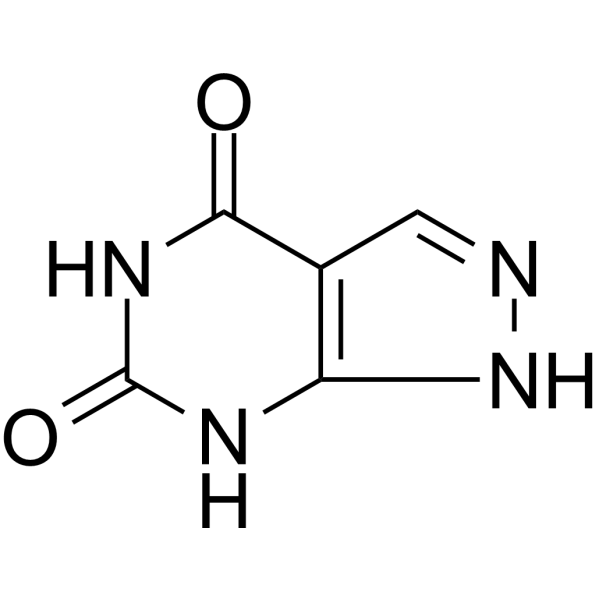
Allopurinol
Maximum Cited Publications
12 Publications Verification
|
Xanthine Oxidase
|
Infection
Neurological Disease
Inflammation/Immunology
Cancer
|
|
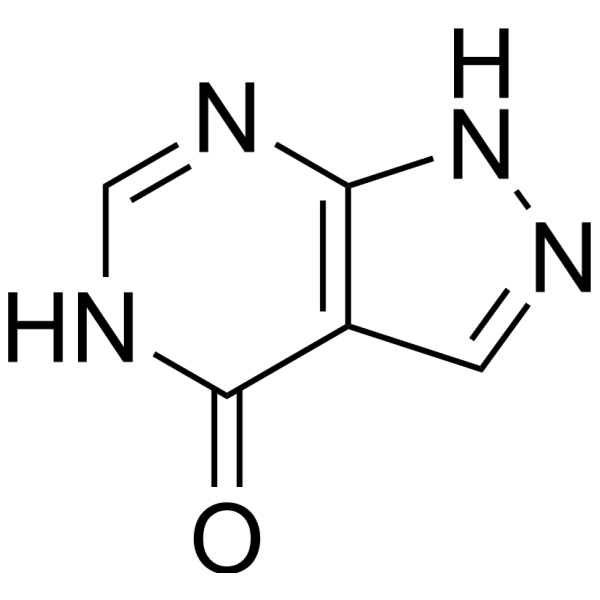
Allopurinol is a potent and orally active xanthine oxidase inhibitor with an IC50 value of 0.2-50 μM. Allopurinol can be used in the research of hyperuricemia and gout. Allopurinol decreases the expression of HIF-1α and HIF-2α protein. Allopurinol shows anti-depressant and anti-nociception activity. Anti-leishmanial effect .
|
-
-
- HY-D0837
-
|
Glyoxaline; 1,3-Diaza-2,4-cyclopentadiene
|
MOFs
Ser/Thr Protease
Thrombopoietin Receptor
|
Neurological Disease
Inflammation/Immunology
|
|
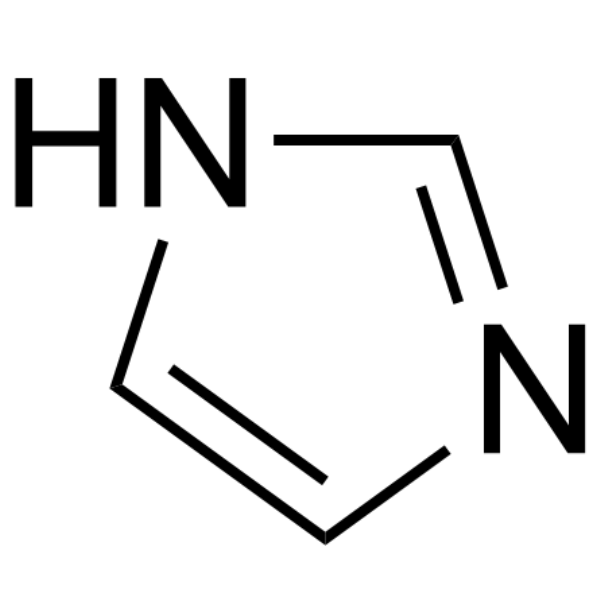
Imidazole (Glyoxaline; 1,3-Diaza-2,4-cyclopentadiene) is a heterocyclic aromatic compound. Imidazole bearing molecules have been used as corrosion, acetylcholinesterase (AChEI) and xanthine oxidase (XO) inhibitors, performing biological activities such as antifungal, antituberculosis, anti-inflammatory, antioxidant, and analgesic, amongst many others. Imidazole inhibits the enzymatic conversion of the endoperoxides (PGG2 and PGH2) to thromboxane A2 by platelet microsomes. Imidazole derivatives exhibits inhibition on SARS-CoV-2 3CL Pro enzyme, which is promising for research in the field of Alzheimer’s disease, gout, COVID-19 and thrombo-embolic disease .
|
-
-
- HY-B1135
-
-
-
- HY-W016814
-
-
-
- HY-D0835A
-
|
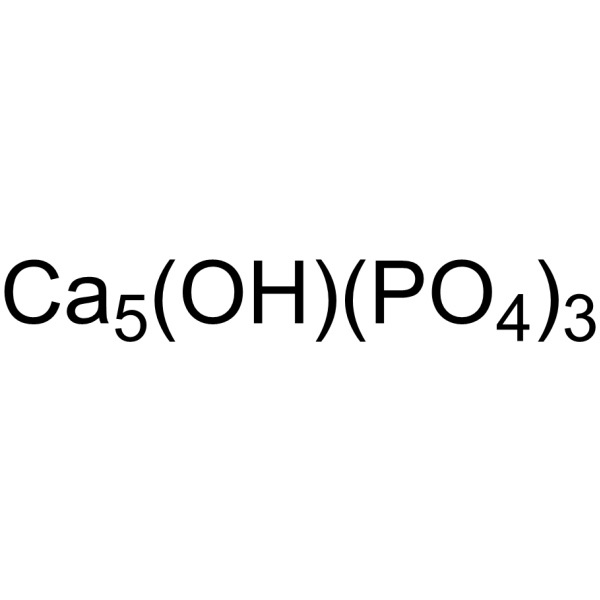
Hydroxyapatite (<50 nm)
|
Biochemical Assay Reagents
|
Cardiovascular Disease
Inflammation/Immunology
|
|
Hydroxylapatite (Hydroxyapatite) (<50 nm) is a natural form of calcium phosphate and is the main mineral component of bones and teeth. Hydroxylapatite (<50 nm) can stimulate the expression and secretion of collagen in primary human dermal fibroblasts. Hydroxylapatite (<50 nm) has good biocompatibility, bioactivity, and bone conductivity, making it suitable for targeted drug or nucleic acid delivery. Hydroxylapatite (<50 nm) can be used in research on osteoarthritis, gout, and atherosclerosis .
|
-
-
- HY-B0219A
-
|
|
Xanthine Oxidase
|
Infection
Neurological Disease
Inflammation/Immunology
Cancer
|
|
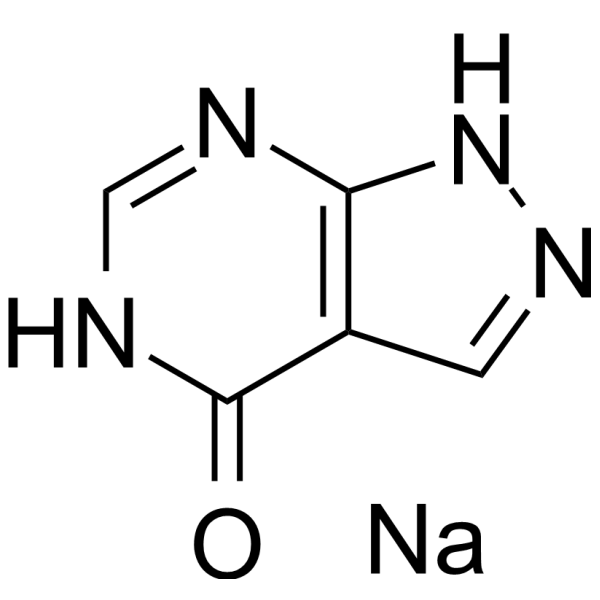
Allopurinol sodium is a potent and orally active xanthine oxidase inhibitor with an IC50 value of 0.2-50 μM. Allopurinol sodium can be used in the research of hyperuricemia and gout. Allopurinol sodium decreases the expression of HIF-1α and HIF-2α protein. Allopurinol sodium shows anti-depressant and anti-nociception activity. Anti-leishmanial effect .
|
-
-
- HY-126382
-
|
|
NF-κB
|
Inflammation/Immunology
|
|
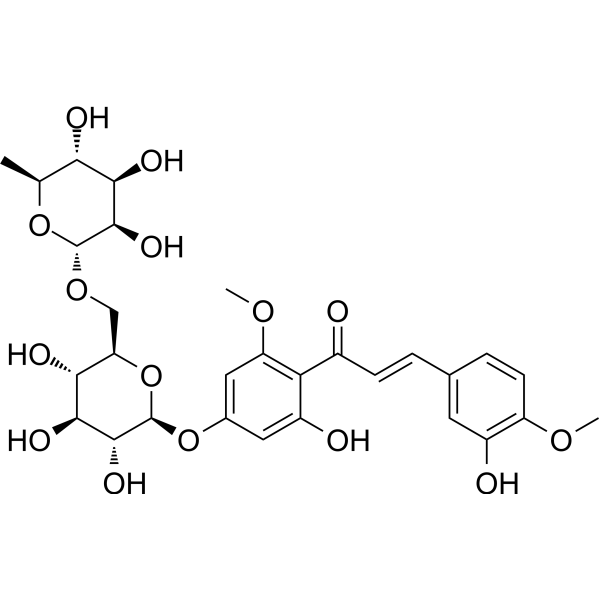
Hesperidin methylchalcone (Hesperidin methyl chalcone) is an orally active flavonoid that has analgesic, anti-inflammatory and antioxidant properties. Hesperidin methylchalcone exhibits vasoprotective activity. Hesperidin methylchalcone inhibits oxidative stress, cytokine production and NF-κB activation. Hesperidin methylchalcone can be used for the research of gout disease .
|
-
-
- HY-19657
-
-
-
- HY-106373
-
|
ACTH; Adrenocorticotrophic hormone
|
Androgen Receptor
Reactive Oxygen Species (ROS)
Mitochondrial Metabolism
Interleukin Related
TNF Receptor
|
Metabolic Disease
Inflammation/Immunology
|
|
Adrenocorticotropic hormone (ACTH; Adrenocorticotrophic hormone) is a polypeptide tropic hormone produced by the anterior pituitary gland. Adrenocorticotropic hormone stimulates cortisol secretion from the adrenal cortex via the hypothalamic-pituitary-adrenal (HPA) axis. Adrenocorticotropic hormone regulates cortisol and androgen production. Adrenocorticotropic hormone can promote the development of spermatogenesis. Adrenocorticotropic hormone can relieve acute inflammation in gout models by inhibiting the polarization of macrophages to M1 type, inhibiting ROS and proinflammatory factor production and protecting mitochondrial function. Adrenocorticotropic hormone can be used for the researches of inflammation, endocrinology, metabolic disease, such as gout and nephrotic syndrome .
|
-
-
- HY-D0835
-
|
Hydroxyapatite (25-45 μm)
|
Others
|
Cardiovascular Disease
Inflammation/Immunology
|
|
Hydroxylapatite (Hydroxyapatite) (25-45 μm) is a natural form of calcium phosphate and is the main mineral component of bones and teeth. Hydroxylapatite (25-45 μm) can stimulate the expression and secretion of collagen in primary human dermal fibroblasts. Hydroxylapatite (25-45 μm) has good biocompatibility, bioactivity, and bone conductivity, making it suitable for targeted drug or nucleic acid delivery. Hydroxylapatite (25-45 μm) can be used in research on osteoarthritis, gout, and atherosclerosis .
|
-
-
- HY-P2921
-
|
Uox, Microorganism
|
Endogenous Metabolite
|
Metabolic Disease
Inflammation/Immunology
|
|
Uricase, Microorganism (Uox, Microorganism) is a uricase (urate oxidase) derived from Microorganism. Uricase, Microorganism converts uric acid into allantoin. The absence of Uricase in mammals causes kidney diseases resulting from uric acid accumulation. Uricase, Microorganism can be used for research on chronic refractory gout and hyperuricemia .
|
-
-
- HY-108844
-
|
|
Xanthine Oxidase
|
Metabolic Disease
Cancer
|
|
Rasburicase is a recombinant form of urate oxidase that works by catalyzing the oxidation of uric acid to allantoin, which has a higher solubility. Rasburicase specifically degrades uric acid, rapidly lowers blood uric acid levels, and improves inflammation and kidney damage caused by uric acid crystal deposition. Rasburicase can effectively lower uric acid and prevent uric acid nephropathy, and is used in the study of severe hyperuricemia associated with tumor lysis syndrome (TLS) and refractory gout .
|
-
-
- HY-14268R
-
|
TEI 6720 (Standard); TMX 67 (Standard)
|
Reference Standards
Xanthine Oxidase
|
Cardiovascular Disease
Metabolic Disease
|
|
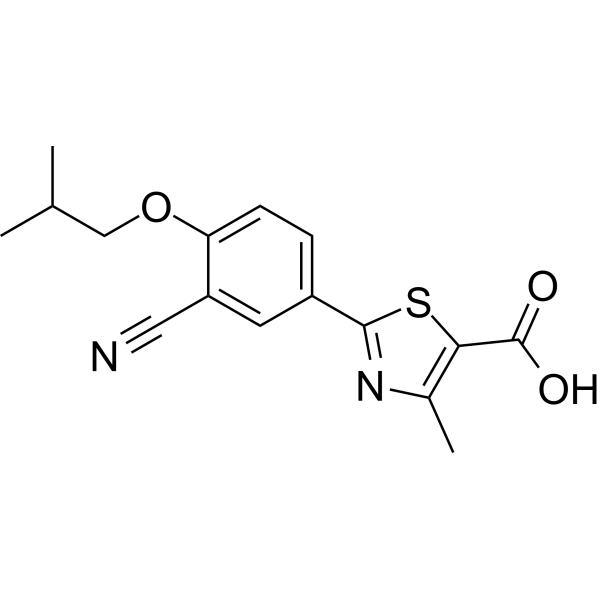
Febuxostat (Standard) is the analytical standard of Febuxostat. This product is intended for research and analytical applications. Febuxostat (TEI 6720) is a potent, selective and non-purine xanthine oxidase (XO) inhibitor with a Ki value of 0.6 nM. Febuxostat has the potential for the research of hyperuricemia and gout .
|
-
-
- HY-147422
-
|
XNW3009
|
URAT1
|
Metabolic Disease
Inflammation/Immunology
|
|
Xininurad is a potent orally active URAT1 inhibitor with an IC50 of 7.17 nM. Xininurad inhibits URAT1 activity to reduce serum uric acid levels and increase urinary uric acid excretion. Xininurad can be used for the research of hyperuricemia and gout .
|
-
-
- HY-P2921C
-
|
Uox (Recombinant)
|
Endogenous Metabolite
|
Metabolic Disease
Inflammation/Immunology
|
|
Uricase (Recombinant) (Uox (Recombinant)) is a uricase (urate oxidase). Uricase (Recombinant) converts uric acid into allantoin. The deficiency of Uricase in mammals causes kidney diseases resulting from uric acid accumulation. Uricase (Recombinant) can be used for research on chronic refractory gout and hyperuricemia .
|
-
-
- HY-139585
-
|
LC350189
|
Xanthine Oxidase
|
Metabolic Disease
|
|
Tigulixostat (LC350189) is an orally active non-purine selective xanthine oxidase inhibitor. Tigulixostat has IC50 values of 0.003 µM and 0.073 µM in bovine milk and rat plasma, respectively. Tigulixostat can effectively reduce serum uric acid levels and can be used in the research of gout and hyperuricemia .
|
-
-
- HY-163358
-
-
-
- HY-148187
-
|
|
NOD-like Receptor (NLR)
|
Infection
Cardiovascular Disease
Neurological Disease
Inflammation/Immunology
|
|
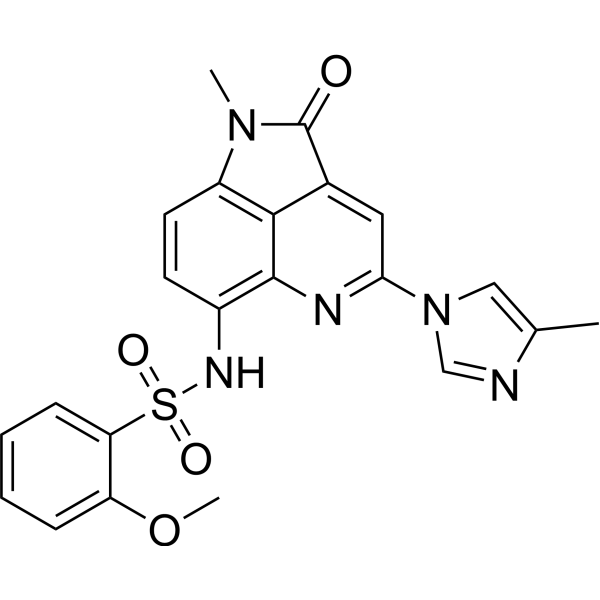
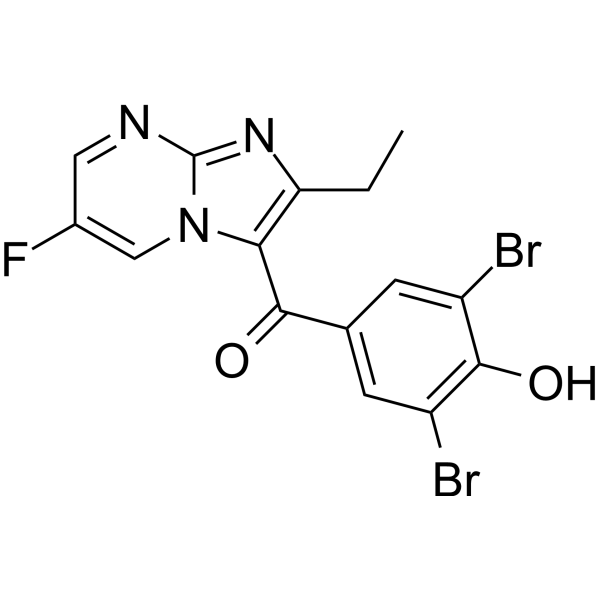
NLRP3-IN-11 is a NLR family pyrin domain containing 3 (NLRP3) proteins inhibitor. NLRP3-IN-11 has biological activity for NLRP3 with an IC50 value of <0.3 μM. NLRP3-IN-11 can be used for the researh of inflammatory and degenerative diseases including NASH, atherosclerosis and other cardiovascular diseases, Alzheimer's disease, Parkinson's disease, diabetes, gout, and numerous other autoinflammatory diseases .
|
-
-
- HY-130622
-
LT052
1 Publications Verification
|
Epigenetic Reader Domain
|
Inflammation/Immunology
|
|
LT052 is a highly selective BET BD1 inhibitor with an IC50 of 87.7 nM. LT052 exhibits nanomolar BRD4 BD1 potency and 138-fold selectivity over BRD4 BD2 (IC50=12.130 μM). LT052 has anti-inflammatory?activity and can be used for acute gout arthritis research .
|
-
-
- HY-P2921D
-
|
Uox, candida utilis
|
Endogenous Metabolite
|
Metabolic Disease
Inflammation/Immunology
|
|
Uricase, candida utilis (Uox, candida utilis) is a uricase (urate oxidase) derived from Candida utilis. Uricase, candida utilis converts uric acid into allantoin. The absence of Uricase in mammals causes kidney diseases resulting from uric acid accumulation. Uricase, candida utilis can be used for research on chronic refractory gout and hyperuricemia .
|
-
-
- HY-B0219R
-
|
|
Reference Standards
Xanthine Oxidase
|
Infection
Neurological Disease
Inflammation/Immunology
Cancer
|
|
Allopurinol (Standard) is the analytical standard of Allopurinol. This product is intended for research and analytical applications. Allopurinol is a potent and orally active xanthine oxidase inhibitor with an IC50 value of 0.2-50 μM. Allopurinol can be used in the research of hyperuricemia and gout. Allopurinol decreases the expression of HIF-1α and HIF-2α protein. Allopurinol shows anti-depressant and anti-nociception activity. Anti-leishmanial effect .
|
-
-
- HY-161727
-
|
|
P2Y Receptor
NOD-like Receptor (NLR)
|
Inflammation/Immunology
|
P2Y14R antagonist 1 (compound I-17) is a selective P2Y14R antagonist with an IC50 of 0.6 nM. It exhibits potent P2Y14R antagonistic activity, both in vitro and in vivo efficacy, and favorable pharmacokinetic profiles. P2Y14R antagonist 1 reduces the release of inflammatory factors and cell pyroptosis through the NOD-like receptor family pyrin domain-containing 3 (NLRP3)/gasdermin D (GSDMD) signaling pathway. P2Y14R antagonist 1 holds promise for research in the field of acute gouty arthritis .
|
-
-
- HY-106373A
-
|
ACTH TFA; Adrenocorticotrophic hormone TFA
|
Androgen Receptor
Reactive Oxygen Species (ROS)
Mitochondrial Metabolism
Interleukin Related
TNF Receptor
|
Metabolic Disease
Inflammation/Immunology
|
|
Adrenocorticotropic hormone (ACTH; Adrenocorticotrophic hormone) TFA is a polypeptide tropic hormone produced by the anterior pituitary gland. Adrenocorticotropic hormone TFA stimulates cortisol secretion from the adrenal cortex via the hypothalamic-pituitary-adrenal (HPA) axis. Adrenocorticotropic hormone TFA regulates cortisol and androgen production. Adrenocorticotropic hormone TFA can promote the development of spermatogenesis. Adrenocorticotropic hormone TFA can relieve acute inflammation in gout models by inhibiting the polarization of macrophages to M1 type, inhibiting ROS and proinflammatory factor production and protecting mitochondrial function. Adrenocorticotropic hormone TFA can be used for the researches of inflammation, endocrinology, metabolic disease, such as gout and nephrotic syndrome .
|
-
-
- HY-124857
-
|
7-Desacetoxy-6,7-dehydrogedunin
|
PERK
Prokineticin Receptor
P2X Receptor
Caspase
NOD-like Receptor (NLR)
Pyroptosis
Tyrosinase
|
Neurological Disease
Metabolic Disease
Inflammation/Immunology
|
|
7DG (7-Desacetoxy-6,7-dehydrogedunin) is a PKR inhibitor, P2X7 purinergic receptor inhibitor, and skin-lightening agent. 7DG binds outside the ATP-catalytic domain of PKR, blocks the kinase activity-independent protein-protein interactions of PKR, inhibits the phosphorylation and activity of PKR, disrupts ASC assembly and caspase-1 activation, and suppresses the activation of the NLRP1 inflammasome. 7DG inhibits pyroptosis, suppresses the ATP-P2X7 signaling pathway, and abolishes ATP-induced increases in the expression levels of MITF, tyrosinase, PMEL/gp100, and melanin content. 7DG exerts skin-lightening effects in cultured skin in vitro. 7DG can be used in research related to chronic obstructive pulmonary disease, gout, type 2 diabetes, Alzheimer's disease, and hyperpigmentary skin disorders .
|
-
-
- HY-146273
-
|
|
Xanthine Oxidase
|
Metabolic Disease
|
|
Xanthine oxidase-IN-7 (compound1h) is a potent andorally active XO (xanthine oxidase) inhibitor with an IC50 of 0.36 µM. Xanthine oxidase-IN-7 effectively reduces serum uric acid levels. Xanthine oxidase-IN-7 has the potential for the research of hyperuricemia and gout .
|
-
-
- HY-111345
-
|
UR-1102; URC-102
|
OAT
URAT1
|
Metabolic Disease
Inflammation/Immunology
|
|
Epaminurad (UR-1102) is an orally active, potent and selective URAT1 (urate transporter 1) inhibitor, with a Ki of 0.057 μM. Epaminurad quite modestly inhibits OAT1 and OAT3 (organic anion transporter). Epaminurad is a uricosuric agent. Epaminurad can be used for gout and hyperuricemia research .
|
-
-
- HY-N9783
-
|
B2-3′-G; Epicatechin-(4β,8)-epicatechin gallate
|
Xanthine Oxidase
|
Metabolic Disease
Inflammation/Immunology
|
|
Procyanidin B2 3′-O-gallate (B2-3′-G), isolated from Rhodiola crenulata extracts, is a potent xanthine oxidase (XO) inhibitor (IC50 = 24.24 μM, Ki = 6.16 μM). Procyanidin B2 3′-O-gallate has antioxidant activity and reduces the formation of UV-induced α-tocopheroxyl. Procyanidin B2 3′-O-gallate can be used for hyperuricemia and gout research .
|
-
-
- HY-W016814R
-
|
cis-Aconitic acid (Standard)
|
Reference Standards
Endogenous Metabolite
|
Others
|
|
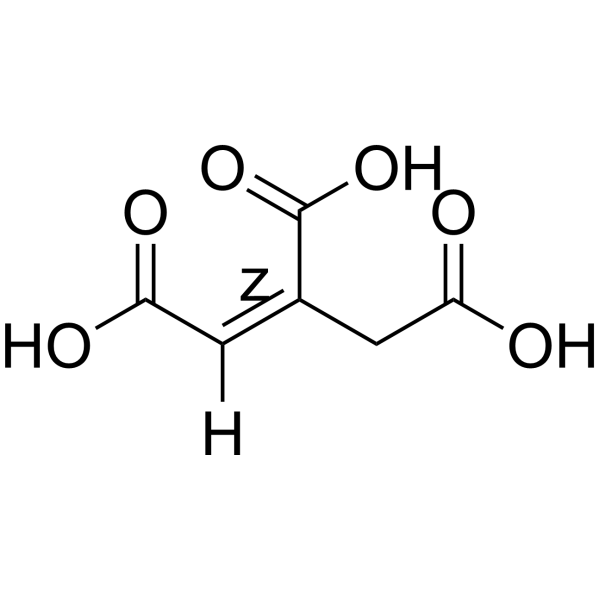
(Z)-Aconitic acid (Standard) is the analytical standard of (Z)-Aconitic acid. This product is intended for research and analytical applications. (Z)-Aconitic acid is a glutamate decarboxylase inhibitor. (Z)-Aconitic acid reduces IκB-α phosphorylation. (Z)-Aconitic acid inhibits Antigen-induced arthritis and Monosodium urate (HY-B2130A)-induced gout .
|
-
-
- HY-N9959
-
|
|
Others
|
Metabolic Disease
Inflammation/Immunology
|
|
Isoengeletin is a flavonoid that can be isolated from the roots of Smilax bockii warb. Isoengeletin can be used as an active compound for the research of psoriasis, hyperuricemia and gout .
|
-
-
- HY-B1135R
-
-
-
- HY-N1162
-
|
Amentoflavanone
|
Xanthine Oxidase
|
Infection
Inflammation/Immunology
|
|
Tetrahydroamentoflavone (Amentoflavanone) is a potent xanthine oxidase (XO) inhibitor. Tetrahydroamentoflavone has inhibitory activity for XO with IC50 and Ki values of 92 nM and 0.982 μM, respectively. Tetrahydroamentoflavone can be used for the research of inflammatory disorders and gout .
|
-
-
- HY-P2921A
-
|
Uox, Bacillus fastidious
|
Endogenous Metabolite
|
Metabolic Disease
Inflammation/Immunology
|
|
Uricase, Bacillus fastidious (Uox, Bacillus fastidious) is a uricase (urate oxidase) derived from Bacillus fastidious. Uricase, Bacillus fastidious converts uric acid into allantoin. The absence of Uricase in mammals causes kidney diseases resulting from uric acid accumulation. Uricase, Bacillus fastidious can be used for research on chronic refractory gout and hyperuricemia .
|
-
-
- HY-P2921B
-
|
Uox, Arthrobacter globiformis
|
Endogenous Metabolite
|
Metabolic Disease
Inflammation/Immunology
|
|
Uricase, Arthrobacter globiformis (Uox, Arthrobacter globiformis) is a uricase (urate oxidase) derived from Arthrobacter globiformis. Uricase, Arthrobacter globiformis converts uric acid into allantoin. The absence of Uricase in mammals causes kidney diseases resulting from uric acid accumulation. Uricase, Arthrobacter globiformis can be used for research on chronic refractory gout and hyperuricemia .
|
-
-
- HY-153971
-
|
|
URAT1
|
Metabolic Disease
|
|
URAT1 inhibitor 8 (example 247) is a potent URAT1 inhibitor, with an IC50 of 0.001 μM. URAT1 inhibitor 8 can be used for gout research .
|
-
-
- HY-179024
-
-
-
- HY-B0219S1
-
|
|
Isotope-Labeled Compounds
Xanthine Oxidase
|
Infection
Neurological Disease
Inflammation/Immunology
Cancer
|
|
Allopurinol- 13C, 15N2 is the 13C- and 15N-labeled labeled Allopurinol (HY-B0219). Allopurinol is a potent and orally active xanthine oxidase inhibitor with an IC50 value of 0.2-50 μM. Allopurinol can be used in the research of hyperuricemia and gout. Allopurinol decreases the expression of HIF-1α and HIF-2α protein. Allopurinol shows anti-depressant and anti-nociception activity. Anti-leishmanial effect .
|
-
-
- HY-175645
-
|
|
NOD-like Receptor (NLR)
URAT1
Interleukin Related
OAT
GLUT
|
Metabolic Disease
Inflammation/Immunology
|
|
NLRP3/URAT1-IN-1 is an orally active double inhibitor of NLRP3 and URAT1 (IC50 = 3.81 μM). NLRP3/URAT1-IN-1 inhibits IL-1β release in LPS (HY-D1056) and ATP-stimulated mouse bone marrow-derived macrophages (BMDMs), with an IC50 of 2.61 μM. NLRP3/URAT1-IN-1 reduces serum uric acid (SUA) and alleviates liver/kidney damage in mice with acute hyperuricemia (HUA). NLRP3/URAT1-IN-1can be used for the study of gout and hyperuricemia .
|
-
-
- HY-147300
-
-
-
- HY-146802
-
|
|
NOD-like Receptor (NLR)
|
Inflammation/Immunology
|
|
NLRP3-IN-9 is a potent NLRP3 inhibitor. NLRP3-IN-9 inhibits IL-1β release. NLRP3-IN-9 reduces inflammation and mechanical hyperalgesia. NLRP3-IN-9 has the potential for the research of gout .
|
-
-
- HY-111345A
-
|
UR-1102 hydrochloride; URC-102 hydrochloride
|
OAT
URAT1
|
Metabolic Disease
Inflammation/Immunology
|
|
Epaminurad (UR-1102) hydrochloride is an orally active, potent and selective URAT1 (urate transporter 1) inhibitor, with a Ki of 0.057 μM. Epaminurad hydrochloride quite modestly inhibits OAT1 and OAT3 (organic anion transporter). Epaminurad hydrochloride is a uricosuric agent. Epaminurad hydrochloride can be used for gout and hyperuricemia research .
|
-
-
- HY-158056
-
|
|
GLUT
URAT1
|
Metabolic Disease
|
|
URAT1/GLUT9-IN-1 (compound 29) can inhibit both uric acid transporter 1 (URAT1) (IC50=2.01 μM) and glucose transporter 9 (GLUT9) (IC50=18.21 μM). URAT1/GLUT9-IN-1 exhibits favorable pharmacokinetic properties and oral bioavailability. URAT1/GLUT9-IN-1 can be uesd for gout and hyperuricemia research .
|
-
-
- HY-B0219S
-
-
-
- HY-127166
-
|
O10-Demethylcolchicine
|
Microtubule/Tubulin
|
Inflammation/Immunology
|
|
Colchiceine is one of several metabolites of the anti-gout medication Colchicine (HY-16569). Colchicine is a tubulin inhibitor and a microtubule disrupting agent, and may protect rats from developing liver injury and fibrosis .
|
-
-
- HY-19657R
-
-
-
- HY-177070
-
|
|
Xanthine Oxidase
|
Inflammation/Immunology
|
|
Angexostat (Compound 2) is an inhibitor of xanthine oxidase. Angexostat exhibits high permeability. Angexostat inhibits CYP2C9 with an IC50 of 18.1 μM. Angexostat can be studied in research for xanthine oxidase-related diseases such as hyperuricemia and gout .
|
-
-
- HY-19657S
-
-
-
- HY-144305
-
|
|
URAT1
GLUT
|
Infection
|
|
KPH2f is a safe, orally active, and effective dual URAT1/GLUT9 inhibitor with IC50s of 0.24 μM and 9.37 μM for URAT1 and GLUT9, respectively. KPH2f shows little effects on OAT1 and ABCG2 (IC50=32.14 and 26.74 μM) .
|
-
-
- HY-120041
-
|
|
IRAK
|
Cancer
|
|
ND-2158 is a competitive IRAK4 inhibitor, with the Ki of 1.3 nM. ND-2158 suppresses LPS-induced TNF production in human white blood cells, alleviated collagen-induced arthritis, and blocked gout formation in mouse models. ND-2158 has antitumor activity in vivo .
|
-
-
- HY-175303
-
|
|
Xanthine Oxidase
|
Metabolic Disease
|
|
Xanthine oxidase-IN-17 is a potent xanthine oxidase (XOD) inhibitor with an IC50 of 298 nM and a Ki of 167 nM. Xanthine oxidase-IN-17 decreases the formation of O₂ ⁻ radical by inhibiting the catalytic activity of XOD to diminish the production of uric acid. Xanthine oxidase-IN-17 shows no cytotoxicity in AML-12 hepatocytes, while suppressing uric acid production. Xanthine oxidase-IN-17 can be used for the studies of hyperuricemia and subsequently to gout .
|
-
- HY-117622
-
|
|
IRAK
|
Inflammation/Immunology
Cancer
|
|
ND-2110 is a selective IRAK4 inhibitor (Ki: 7.5 nM). ND-2110 binds to the ATP pocket of IRAK4. ND-2110 targets
the subset of activated B cell-like (ABC) subtype of diffuse large B cell lymphoma (DLBCL) cell lines with MYD88 L265P mutations,. ND-2110 inhibits LPS-induced TNF production, alleviates collagen-induced arthritis, and blocks gout formation in mouse models .
|
-
- HY-163497
-
-
- HY-D0837R
-
|
Glyoxaline (Standard); 1,3-Diaza-2,4-cyclopentadiene (Standard)
|
Xanthine Oxidase
Reference Standards
Ser/Thr Protease
Thrombopoietin Receptor
|
Neurological Disease
Inflammation/Immunology
|
|
Imidazole (Standard) is the analytical standard of Imidazole. This product is intended for research and analytical applications. Imidazole (Glyoxaline; 1,3-Diaza-2,4-cyclopentadiene) is a heterocyclic aromatic compound. Imidazole bearing molecules have been used as corrosion, acetylcholinesterase (AChEI) and xanthine oxidase (XO) inhibitors, performing biological activities such as antifungal, antituberculosis, anti-inflammatory, antioxidant, and analgesic, amongst many others. Imidazole inhibits the enzymatic conversion of the endoperoxides (PGG2 and PGH2) to thromboxane A2 by platelet microsomes. Imidazole derivatives exhibits inhibition on SARS-CoV-2 3CLPro enzyme, which is promising for research in the field of Alzheimer’s disease, gout, COVID-19 and thrombo-embolic disease .
|
-
- HY-160265
-
|
|
URAT1
|
Inflammation/Immunology
|
|
URAT1 inhibitor 9 (Compound 24) is an URAT1 inhibitor that can be used in the study of gout or hyperuricemia .
|
-
- HY-N12648
-
|
|
Others
|
Inflammation/Immunology
|
|
Anemarsaponin E1 can be isolated from Guizhi-Shaoyao-Zhimu decoction (GSZD), and can be used for research of rheumatoid arthritis (RA), gout, osteoarthritis, etc .
|
-
- HY-176139
-
|
|
URAT1
|
Inflammation/Immunology
|
|
URAT1 inhibitor 13 (compound 22k) is a potent URAT1 inhibitor. URAT1 inhibitor 13 can be used in the study of gout .
|
-
- HY-14268A
-
-
- HY-144303
-
|
|
Xanthine Oxidase
|
Metabolic Disease
|
|
Xanthine oxidase-IN-4 (compound 19a) is an orally active and potent xanthine oxidase (XO) inhibitor, with an IC50 of 0.039 μM. Xanthine oxidase-IN-4 exhibits hypouricemic potency in potassium oxonate induced hyperuricemia rats. Xanthine oxidase-IN-4 can be used for hyperuricemia and gout research .
|
-
- HY-161514
-
|
|
Xanthine Oxidase
|
Metabolic Disease
|
|
Xanthine oxidase-IN-15 (Compound 6c) is a selective inhibitor of Xanthine oxidase (XO) (IC50=0.13 μM). Xanthine oxidase-IN-15 inhibits XO catalysis by forming a stable interaction with the active site of XO. Xanthine oxidase-IN-15 is mainly used in the study of hyperuricemia and gout .
|
-
- HY-151432
-
|
|
URAT1
|
Inflammation/Immunology
|
|
URAT1 inhibitor 3 is a potent, orally active, selective URAT1 inhibitor with an IC50 value of 0.8 nM. URAT1 inhibitor 3 has urate-lowering efficacy. URAT1 inhibitor 3 can be used in research of gout and hyperuricemi .
|
-
- HY-161072
-
|
|
NOD-like Receptor (NLR)
|
Inflammation/Immunology
|
|
CSC-6 is a NLRP3 inhibitor. CSC-6 can significantly inhibit IL-1β secreted by PMATHP-1 cells with an IC50 value of 2.3 μM. CSC-6 specifically binds NLRP3 and inhibits NLRP3 activation by blocking ASC oligomerization during NLRP3 assembly. CSC-6 effectively reduces the symptoms of NLRP3 overactivation-mediated sepsis and gout in mouse models .
|
-
- HY-143906
-
|
|
URAT1
|
Inflammation/Immunology
|
|
URAT1 inhibitor 2 is an orally active and potent URAT1 and CYP isozyme inhibitor, with IC50 values of 1.36 μM, 16.97 μM, 5.22 μM for URAT1-mediated 14C-UA uptake, CYP1A2 and CYP2C9, respectively. URAT1 inhibitor 2 is a promising agent candidate in the study of hyperuricemia and gout .
|
-
- HY-163498
-
|
|
NOD-like Receptor (NLR)
|
Neurological Disease
Inflammation/Immunology
|
|
NLRP3-IN-37 (Compound 23) is a NLRP3 inhibitor (EC50: 5 nM). NLRP3-IN-37 can be used for NLRP3 related research, such as gout, pseudogout, CAPS, NASH fibrosis, heart failure, idiophathic pericarditis, atopic dermatitis, inflammatory bowel disease, Alzheimer's Disease, Parkinson's Disease and traumatic brain injury .
|
-
- HY-101439
-
|
|
URAT1
|
Others
|
|
JTT-552 is a compound targeting URAT1 with activity in inhibiting hyperuricemia and gout.
|
-
- HY-157306
-
|
|
URAT1
|
Metabolic Disease
|
|
HC-1310 URAT1 Inhibitor (Compound 83) is a potent URAT1 inhibitor and can be used for research on hyperuricemia and gout .
|
-
- HY-W104467
-
|
(+/-)-Epicatechol; (+/-)-epi-Catechin
|
Xanthine Oxidase
|
Metabolic Disease
|
|
(+/-)-Epicatechin is a xanthine oxidase inhibitor with an IC50 of 982.14 μM, and can be found in Semen Plantaginis (Plantago seed). (+/-)-Epicatechin can be used in research on diseases such as hyperuricemia and gout .
|
-
- HY-114309
-
|
|
URAT1
|
Inflammation/Immunology
|
|
URAT1 inhibitor 1 (1g) is a uric acid transporter 1 (URAT1) inhibitor, with an IC50 of 32 nM. URAT1 inhibitor 1 has potential to treat hyperuricemia associated with gout .
|
-
- HY-119453
-
-
- HY-14268S2
-
-
- HY-14268S3
-
-
- HY-168740
-
|
|
URAT1
|
Metabolic Disease
|
|
URAT1 inhibitor 11 (Compound 7) is a URAT1 inhibitor with an IC50 value of 0.18 μM. URAT1 inhibitor 11 exhibits potent hypouricemic effects in hyperuricemic zebrafish induced by Potassium oxonate (HY-17511) and Xanthine sodium salt (HY-W017389) .
|
-
- HY-N1098R
-
|
|
Reference Standards
HIF/HIF Prolyl-Hydroxylase
|
Inflammation/Immunology
|
|
Colchiceine (Standard) is the analytical standard of Colchiceine. This product is intended for research and analytical applications. Colchiceine is one of several metabolites of the anti-gout medication Colchicine (HY-16569). Colchicine is a tubulin inhibitor and a microtubule disrupting agent, and may protect rats from developing liver injury and fibrosis .
|
-
- HY-127166R
-
|
O10-Demethylcolchicine (Standard)
|
Microtubule/Tubulin
Reference Standards
|
Inflammation/Immunology
|
|
Colchiceine (Standard) is the analytical standard of Colchiceine. This product is intended for research and analytical applications. Colchiceine is one of several metabolites of the anti-gout medication Colchicine (HY-16569). Colchicine is a tubulin inhibitor and a microtubule disrupting agent, and may protect rats from developing liver injury and fibrosis .
|
-
- HY-159581
-
|
|
URAT1
|
Others
|
|
URAT1&XO inhibitor 3 (compound 27) is an orally active anti-gout agent targeting XO (IC50: 35 nM) and URAT1 (IC50: 31 nM). URAT1&XO inhibitor 3 has good pharmacological and pharmacokinetic (PK) characteristics and in vivo safety .
|
-
- HY-105526
-
|
Desacetylcolchiceine; N-Deacetylcolchiceine
|
Microtubule/Tubulin
|
Metabolic Disease
Cancer
|
|
Trimethylcolchicinic acid (Desacetylcolchiceine; N-Deacetylcolchiceine) is a colchicine analogue. Trimethylcolchicinic acid promotes the production of chondroitin sulfate in L cells and inhibits the production of dermatan sulfate. Trimethylcolchicinic acid reduces liver fibrosis and cholestasis induced by long-term biliary obstruction in rats. Trimethylcolchicinic acid has potential for use in research on diseases such as liver fibrosis, gout, and cancer .
|
-
- HY-153969
-
|
|
URAT1
|
Inflammation/Immunology
|
|
URAT1 inhibitor 6 (Compound 1h) is a potent URAT1 inhibitor (IC50: 35 nM for hURAT1). URAT1 inhibitor 6 is 200- and 8-fold more potent than parent Lesinurad (HY-15258) and Benzbromarone (HY-B1135). URAT1 inhibitor 6 can be used for research of inflammation .
|
-
- HY-153970
-
|
|
URAT1
|
Inflammation/Immunology
|
|
URAT1 inhibitor 7 (compound 10f) is a potent URAT1 inhibitor, with an IC50 of 12 nM. URAT1 inhibitor 7 exhibits microsomal stability (HLM <13 µL/min/mg). URAT1 inhibitor 7 also inhibits CYP2C9, with an IC50 of 4.2 μM. URAT1 inhibitor 7 can be used for gout research .
|
-
- HY-W777649
-
-
- HY-173231
-
|
|
URAT1
|
Metabolic Disease
|
|
hURAT1 inhibitor 2 (Compound 5) is an inhibitor of hURAT1 (uric acid transporter 1, SLC22A12) with an IC50 of 18 nM. hURAT1 inhibitor 2 also has a certain inhibitory effect on OATP1B1, with an IC50 value of 0.73 μM. hURAT1 inhibitor 2 can be used in the research of diseases related to abnormal uric acid metabolism, such as hyperuricemia and gout .
|
-
- HY-179030
-
|
|
Xanthine Oxidase
|
Metabolic Disease
|
|
Xanthine oxidase-IN-19 (Compound 13i) is an orally effective inhibitor of xanthine oxidase (XO), with an IC50 of 0.2 μM. Xanthine oxidase-IN-19 can significantly reduce serum uric acid levels in acute hyperuricemia rat models. Xanthine oxidase-IN-19 can be used for the study of acute hyperuricemia .
|
-
- HY-144456
-
|
|
Xanthine Oxidase
|
Metabolic Disease
|
|
Xanthine oxidase-IN-5 is an effective and orally active xanthine oxidase (XO) inhibitor with IC50 value of 0.70 μM. Xanthine oxidase-IN-5 displays favorable agent-like properties with ligand efficiency (LE) and lipophilic ligand efficiency (LLE) values of 0.33 and 3.41, respectively. Xanthine oxidase-IN-5 shows potent hypouricemic effects in hyperuricemic rat model .
|
-
- HY-W699983
-
|
Glyoxaline-15N2; 1,3-Diaza-2,4-cyclopentadiene-15N2
|
Isotope-Labeled Compounds
Thrombopoietin Receptor
Ser/Thr Protease
Xanthine Oxidase
|
Neurological Disease
Inflammation/Immunology
|
|
Imidazole- 15N2 (Glyoxaline- 15N2) is 15N labeled Imidazole. Imidazole (Glyoxaline; 1,3-Diaza-2,4-cyclopentadiene) is a heterocyclic aromatic compound. Imidazole bearing molecules have been used as corrosion, acetylcholinesterase (AChEI) and xanthine oxidase (XO) inhibitors, performing biological activities such as antifungal, antituberculosis, anti-inflammatory, antioxidant, and analgesic, amongst many others. Imidazole inhibits the enzymatic conversion of the endoperoxides (PGG2 and PGH2) to thromboxane A2 by platelet microsomes. Imidazole derivatives exhibits inhibition on SARS-CoV-2 3CL Pro enzyme, which is promising for research in the field of Alzheimer’s disease, gout, COVID-19 and thrombo-embolic disease .
|
-
- HY-181571
-
-
- HY-181488
-
|
|
NOD-like Receptor (NLR)
Caspase
Interleukin Related
|
Metabolic Disease
Inflammation/Immunology
|
|
NLRP3-IN-87 is a selective and orally active NLRP3 inhibitor with a Kd of 0.23 μM. NLRP3-IN-87 binds directly to the NLRP3 NACHT domain, disrupts NLRP3-NEK7 and NLRP3-ASC interactions, inhibits ASC oligomerization, and blocks inflammasome assembly. NLRP3-IN-87 suppresses caspase-1 activation and IL-1β secretion. NLRP3-IN-87 exhibits anti-inflammatory and analgesic activity, reducing joint swelling, inflammation, and pain in an MSU (HY-B2130A)-induced acute gout mouse model. NLRP3-IN-87 can be used for the research of gout .
|
-
- HY-180186
-
|
|
Xanthine Oxidase
|
Metabolic Disease
Inflammation/Immunology
|
|
Xanthine oxidase-IN-20 is a potent and orally active xanthine oxidase (XO) inhibitor with an IC50 of 1.7 nM. Xanthine oxidase-IN-20 exhibits outstanding serum uric acid (SUA)-lowering efficacy in both mouse and rat acute hyperuricemia models. Xanthine oxidase-IN-20 shows favorable safety profile. Xanthine oxidase-IN-20 can be used for hyperuricemia and gout research .
|
-
- HY-175309
-
|
|
URAT1
|
Metabolic Disease
|
|
URAT1-IN-14 is a potent and orally active Urate transporter 1 (URAT1) inhibitor. URAT1-IN-14 inhibits the human URAT1 in HEK293 cells with an IC50 of 0.72 μM. URAT1-IN-14 exhibits low cytotoxic in Hep-G2 cells. URAT1-IN-14 shows urate-lowering effect in hyperuricemia mouse models. URAT1-IN-14 can be used for the study of hyperuricemia and gout .
|
-
- HY-182294
-
|
|
URAT1
|
Metabolic Disease
Inflammation/Immunology
|
|
HYJ-2 is a URAT1 inhibitor and urate-lowering agent. HYJ-2 inhibits URAT1-mediated urate transport and interacts with key residues within the URAT1 binding pocket. HYJ-2 reduces serum urate levels in hyperuricemic mice without inducing liver or kidney injury. HYJ-2 shows low cytotoxicity to hepatocytes and renal cells. HYJ-2 does not significantly induce hepatocyte apoptosis or mitochondrial dysfunction. HYJ-2 can be used in studies related to hyperuricemia and gout .
|
-
- HY-182849
-
|
|
GLP Receptor
|
Cardiovascular Disease
Metabolic Disease
Inflammation/Immunology
|
|
GLP-1R agonist 44 is a glucagon-like peptide-1 receptor (GLP-1R) agonist. GLP-1R agonist 44 can be used for the research of diseases related to GLP-1R, such as type 2 diabetes, obesity, non-alcoholic fatty liver disease, non-alcoholic steatohepatitis, nephropathy, gout, hematuria, cardiovascular disease .
|
-
- HY-P992023
-
|
|
Interleukin Related
|
Inflammation/Immunology
|
|
APX002 is an anti-IL-1β humanized monoclonal antibody that binds to IL-1β with an affinity of 1.99×10 −10M. APX002 blocks IL-1β receptor binding, inhibits IL-1β-induced downstream cell signaling and biological effects.APX002 can be used for the research of rheumatoid arthritis, diabetes, gout, cryopyrin-associated periodic syndrome, chronic obstructive pulmonary disorder, atherosclerosis, vasculitis .
|
-
- HY-183658
-
|
|
URAT1
GLUT
|
Metabolic Disease
Inflammation/Immunology
|
|
URAT1/GLUT9-IN-3 is an orally active URAT1/GLUT9 dual inhibitor with IC50 values of 4.01 and 1.60 μM. URAT1/GLUT9-IN-3 inhibits URAT1-mediated uric acid uptake and GLUT9-mediated uric acid transport, reducing renal urate reabsorption. URAT1/GLUT9-IN-3 reduces serum uric acid levels in hyperuricemic mice. URAT1/GLUT9-IN-3 can be used for the researches of gout and hyperuricemia .
|
-
- HY-P2921E
-
|
Uox, Candida sp.
|
Endogenous Metabolite
|
Metabolic Disease
Inflammation/Immunology
|
|
Uricase, Candida sp. (Uox, Candida sp.) is a uricase (urate oxidase) derived from Candida sp.. Uricase, Candida sp. converts uric acid into allantoin. The absence of Uricase in mammals causes kidney diseases resulting from uric acid accumulation. Uricase, Candida sp. can be used for research on chronic refractory gout and hyperuricemia .
|
-
- HY-181095
-
|
|
Xanthine Oxidase
|
Metabolic Disease
Inflammation/Immunology
|
|
Xanthine oxidase-IN-22 is an orally active inhibitor of xanthine oxidase (XO) (IC50: 0.0034 μM). Xanthine oxidase-IN-22 exhibits a mixed-type inhibition mode against XO. Xanthine oxidase-IN-22 reduces serum uric acid levels in mice. Xanthine oxidase-IN-22 can be used in research related to hyperuricemia and gout .
|
-
- HY-186072
-
|
|
NOD-like Receptor (NLR)
Interleukin Related
Cytochrome P450
|
Neurological Disease
Metabolic Disease
Inflammation/Immunology
|
|
NT-0527 is a selective, orally active, and brain-permeable NLRP3 inflammasome inhibitor. NT-0527 can specifically block the formation of the NLRP3 inflammasome, resulting in the reduction in the maturation and release of IL-1β, exhibit inhibition on CYP2C19. NT-0527 displays anti-inflammatory activity in the mouse LPS (HY-D1056) /ATP (HY-B2176)-induced peritonitis model. NT-0527 can be used for the research of neuroinflammatory disorders (Parkinson's disease, Alzheimer's disease, amyotrophic lateral sclerosis) and peripheral inflammatory disorders (type II diabetes, atherosclerosis, gout, etc.) associated with NLRP3 inflammasome .
|
-
- HY-183889
-
-
| Cat. No. |
Product Name |
Type |
-
- HY-D0837
-
|
Glyoxaline; 1,3-Diaza-2,4-cyclopentadiene
|
Biochemical Assay Reagents
|
|
Imidazole (Glyoxaline; 1,3-Diaza-2,4-cyclopentadiene) is a heterocyclic aromatic compound. Imidazole bearing molecules have been used as corrosion, acetylcholinesterase (AChEI) and xanthine oxidase (XO) inhibitors, performing biological activities such as antifungal, antituberculosis, anti-inflammatory, antioxidant, and analgesic, amongst many others. Imidazole inhibits the enzymatic conversion of the endoperoxides (PGG2 and PGH2) to thromboxane A2 by platelet microsomes. Imidazole derivatives exhibits inhibition on SARS-CoV-2 3CL Pro enzyme, which is promising for research in the field of Alzheimer’s disease, gout, COVID-19 and thrombo-embolic disease .
|
-
- HY-D0837R
-
|
Glyoxaline (Standard); 1,3-Diaza-2,4-cyclopentadiene (Standard)
|
Biochemical Assay Reagents
|
|
Imidazole (Standard) is the analytical standard of Imidazole. This product is intended for research and analytical applications. Imidazole (Glyoxaline; 1,3-Diaza-2,4-cyclopentadiene) is a heterocyclic aromatic compound. Imidazole bearing molecules have been used as corrosion, acetylcholinesterase (AChEI) and xanthine oxidase (XO) inhibitors, performing biological activities such as antifungal, antituberculosis, anti-inflammatory, antioxidant, and analgesic, amongst many others. Imidazole inhibits the enzymatic conversion of the endoperoxides (PGG2 and PGH2) to thromboxane A2 by platelet microsomes. Imidazole derivatives exhibits inhibition on SARS-CoV-2 3CLPro enzyme, which is promising for research in the field of Alzheimer’s disease, gout, COVID-19 and thrombo-embolic disease .
|
| Cat. No. |
Product Name |
Target |
Research Area |
-
- HY-106373
-
|
ACTH; Adrenocorticotrophic hormone
|
Androgen Receptor
Reactive Oxygen Species (ROS)
Mitochondrial Metabolism
Interleukin Related
TNF Receptor
|
Metabolic Disease
Inflammation/Immunology
|
|
Adrenocorticotropic hormone (ACTH; Adrenocorticotrophic hormone) is a polypeptide tropic hormone produced by the anterior pituitary gland. Adrenocorticotropic hormone stimulates cortisol secretion from the adrenal cortex via the hypothalamic-pituitary-adrenal (HPA) axis. Adrenocorticotropic hormone regulates cortisol and androgen production. Adrenocorticotropic hormone can promote the development of spermatogenesis. Adrenocorticotropic hormone can relieve acute inflammation in gout models by inhibiting the polarization of macrophages to M1 type, inhibiting ROS and proinflammatory factor production and protecting mitochondrial function. Adrenocorticotropic hormone can be used for the researches of inflammation, endocrinology, metabolic disease, such as gout and nephrotic syndrome .
|
-
- HY-106373A
-
|
ACTH TFA; Adrenocorticotrophic hormone TFA
|
Androgen Receptor
Reactive Oxygen Species (ROS)
Mitochondrial Metabolism
Interleukin Related
TNF Receptor
|
Metabolic Disease
Inflammation/Immunology
|
|
Adrenocorticotropic hormone (ACTH; Adrenocorticotrophic hormone) TFA is a polypeptide tropic hormone produced by the anterior pituitary gland. Adrenocorticotropic hormone TFA stimulates cortisol secretion from the adrenal cortex via the hypothalamic-pituitary-adrenal (HPA) axis. Adrenocorticotropic hormone TFA regulates cortisol and androgen production. Adrenocorticotropic hormone TFA can promote the development of spermatogenesis. Adrenocorticotropic hormone TFA can relieve acute inflammation in gout models by inhibiting the polarization of macrophages to M1 type, inhibiting ROS and proinflammatory factor production and protecting mitochondrial function. Adrenocorticotropic hormone TFA can be used for the researches of inflammation, endocrinology, metabolic disease, such as gout and nephrotic syndrome .
|
| Cat. No. |
Product Name |
Target |
Research Area |
Image |
-
- HY-P992023
-
|
|
Interleukin Related
|
Inflammation/Immunology
|
|
APX002 is an anti-IL-1β humanized monoclonal antibody that binds to IL-1β with an affinity of 1.99×10 −10M. APX002 blocks IL-1β receptor binding, inhibits IL-1β-induced downstream cell signaling and biological effects.APX002 can be used for the research of rheumatoid arthritis, diabetes, gout, cryopyrin-associated periodic syndrome, chronic obstructive pulmonary disorder, atherosclerosis, vasculitis .
|
-
(5)
| Cat. No. |
Product Name |
Category |
Target |
Chemical Structure |
| Cat. No. |
Product Name |
Chemical Structure |
-
- HY-B0219S1
-
|
|
|
Allopurinol- 13C, 15N2 is the 13C- and 15N-labeled labeled Allopurinol (HY-B0219). Allopurinol is a potent and orally active xanthine oxidase inhibitor with an IC50 value of 0.2-50 μM. Allopurinol can be used in the research of hyperuricemia and gout. Allopurinol decreases the expression of HIF-1α and HIF-2α protein. Allopurinol shows anti-depressant and anti-nociception activity. Anti-leishmanial effect .
|
-
-
- HY-B0219S
-
|
|
|
Allopurinol-d2 is deuterium labeled Allopurinol. Allopurinol is a potent xanthine oxidase inhibitor (IC50 values of 0.2 to 50 μM). Allopurinol can be used for the research of hyperuricemia and gout. Antileishmanial effect .
|
-
-
- HY-19657S
-
|
|
|
Oxypurinol- 13C, 15N2 is 15N and 13C labeled Oxypurinol (HY-19657). Oxipurinol (Oxipurinol), the major active metabolite of Allopurinol, is an inhibitor of xanthine oxidase. Oxipurinol can be used to regulate blood urate levels and treat gout .
|
-
-
- HY-14268S2
-
|
|
|
Febuxostat-d3 (TEI 6720-d3) is deuterium labeled Febuxostat. Febuxostat (TEI 6720) is a potent, selective and non-purine xanthine oxidase (XO) inhibitor with a Ki value of 0.6 nM. Febuxostat has the potential for the research of hyperuricemia and gout .
|
-
-
- HY-14268S3
-
|
|
|
Febuxostat-d5 (TEI 6720-d5) is deuterium labeled Febuxostat. Febuxostat (TEI 6720) is a potent, selective and non-purine xanthine oxidase (XO) inhibitor with a Ki value of 0.6 nM. Febuxostat has the potential for the research of hyperuricemia and gout .
|
-
-
- HY-W777649
-
|
|
|
Oxypurinol- 13C, 15N2-1 (Oxipurinol- 13C, 15N2-1) is 15N and 13C labeled Oxypurinol (HY-19657). Oxipurinol, the major active metabolite of Allopurinoll (HY-B0219), is an inhibitor of xanthine oxidase. Oxipurinol can be used to regulate blood urate levels and treat gout .
|
-
-
- HY-W699983
-
|
|
|
Imidazole- 15N2 (Glyoxaline- 15N2) is 15N labeled Imidazole. Imidazole (Glyoxaline; 1,3-Diaza-2,4-cyclopentadiene) is a heterocyclic aromatic compound. Imidazole bearing molecules have been used as corrosion, acetylcholinesterase (AChEI) and xanthine oxidase (XO) inhibitors, performing biological activities such as antifungal, antituberculosis, anti-inflammatory, antioxidant, and analgesic, amongst many others. Imidazole inhibits the enzymatic conversion of the endoperoxides (PGG2 and PGH2) to thromboxane A2 by platelet microsomes. Imidazole derivatives exhibits inhibition on SARS-CoV-2 3CL Pro enzyme, which is promising for research in the field of Alzheimer’s disease, gout, COVID-19 and thrombo-embolic disease .
|
-
Your information is safe with us. * Required Fields.
Inquiry Information
- Product Name:
- Cat. No.:
- Quantity:
- MCE Japan Authorized Agent:

