
1. Search Result
Search Result
Results for "

honey

" in MedChemExpress (MCE) Product Catalog:

41

Inhibitors & Agonists

3

Biochemical Assay Reagents

22

Natural
Products

4

Isotope-Labeled Compounds

1

Oligonucleotides

Cat. No. Product Name Target Research Areas Chemical Structure
  • HY-N7092
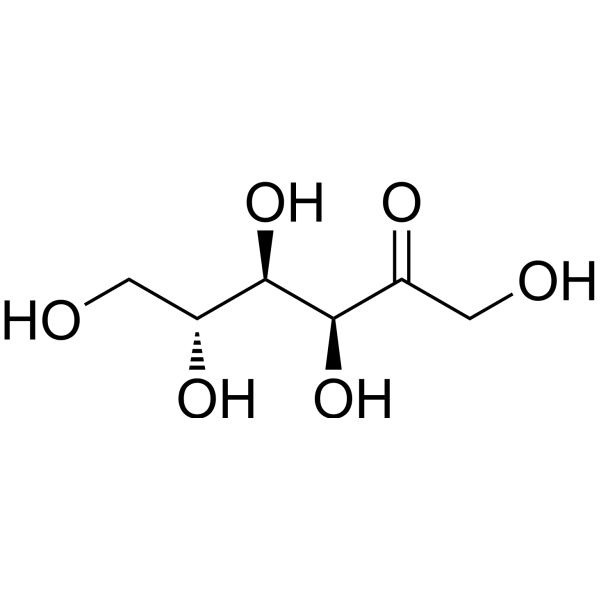
    D-Fructose
    1 Publications Verification

    D(-​)​-​Fructose

    Environmental Pollutants Endogenous Metabolite Metabolic Disease
    D-Fructose (D(-)-Fructose) is a monosaccharide found in honey, fruits, and other plants. Two D-Fructose molecules can combine to form a disaccharide, sucrose .
    D-Fructose
  • HY-Y0262
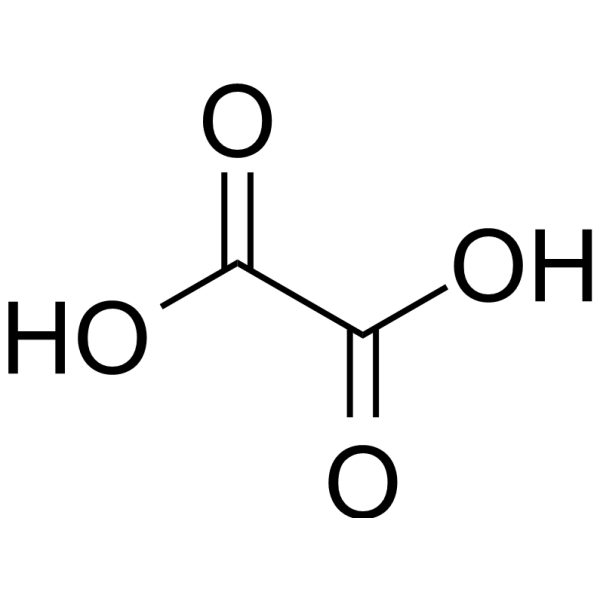
    Oxalic acid, 99%
    1 Publications Verification

    Ethanedioic acid

    Environmental Pollutants Endogenous Metabolite Infection Inflammation/Immunology
    Oxalic acid, 99% (Ethanedioic acid) is a dicarboxylic acid found in a wide variety of plants. Oxalic acid, 99% shows antioxidant acyivity and suppresses lipid peroxidation. Oxalic acid, 99% is a pathogenicity factor for sclerotinia sclerotiorum, and suppresses the oxidative burst of the host plant. Oxalic acid, 99% exerts acaricidal activity. Oxalic acid can be used for the researches of sclerotinia disease, varroatosis and inflammatory diseases .
    Oxalic acid, 99%
  • HY-133968
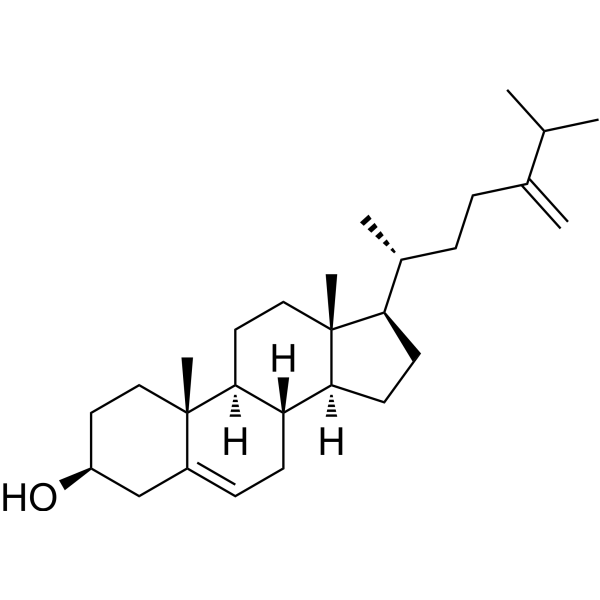
    24-Methylenecholesterol
    2 Publications Verification

    Ostreasterol

    Acyltransferase Reactive Oxygen Species (ROS) Inflammation/Immunology
    24-Methylenecholesterol (Ostreasterol) is a regulator targeting acyl-CoA cholesterol acyltransferase (ACAT) with anti-aging and neuroprotective effects. 24-Methylenecholesterol mimics the effects of nerve growth factor (NGF), can extend yeast lifespan through an anti-oxidative stress mechanism, and exhibits neuroprotective activity in PC12 cells. 24-Methylenecholesterol can reduce intracellular reactive oxygen species (ROS) and malondialdehyde (MDA) levels, activate anti-oxidative stress pathways (such as UTH1, SOD-related genes), and promote synaptic growth .
    24-Methylenecholesterol
  • HY-139338
    Erlose
    1 Publications Verification

    Glycosidase Others
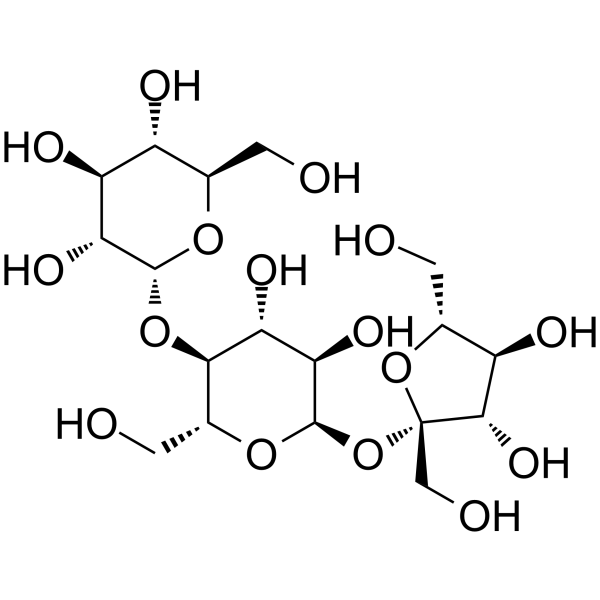
    Erlose is a trisaccharide sucrose derivative and low-calorie sweetener synthesized from glucose and sucrose via an α-glucosidase-mediated transglycosylation reaction. Erlose is often used as a marker to identify whether honey is adulterated with artificial sucrose. Erlose has approximately half the sweetness of sucrose but a similar taste, and it effectively inhibits crystal formation and browning reactions during food heat treatment .
    Erlose
  • HY-N7948

    Endogenous Metabolite Others
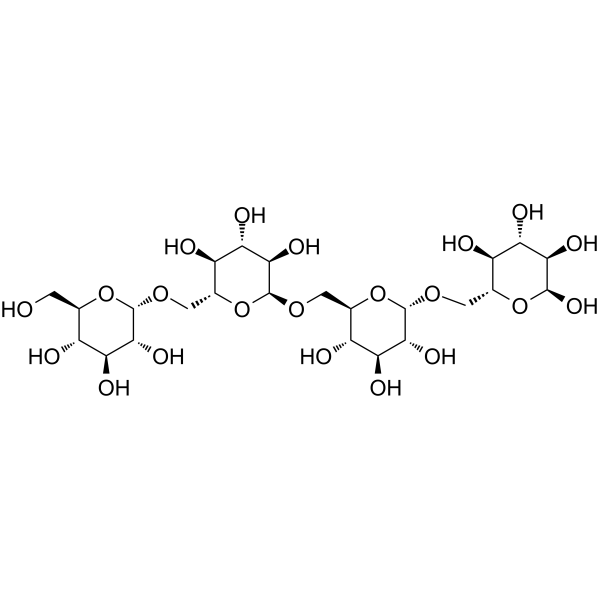
    Isomaltotetraose is an orally active branched isomaltooligosaccharide with α-(1,6) glycosidic linkages. Isomaltotetraose is a prebiotic oligosaccharide present in honey and also a component of isomaltooligosaccharide mixtures. Isomaltotetraose maintains the growth of Prevotella or sustains the *Prevotella* enterotype in both in vitro systems and mouse models .
    Isomaltotetraose
  • HY-107863

    Oligolevulose

    Biochemical Assay Reagents Bacterial Infection Metabolic Disease
    Fructooligosaccharides (Oligolevulose) are a class of orally active dietary fibers and prebiotics. Fructooligosaccharides exist in foods such as breast milk, wheat, honey, onions, garlic and bananas. Fructooligosaccharides resist hydrolysis by the body's digestive enzymes and stimulate the growth of beneficial intestinal bacteria through colonic fermentation. Fructooligosaccharides significantly prevent bone loss in the femur and lumbar spine .
    Fructooligosaccharides
  • HY-113334

    Endogenous Metabolite Metabolic Disease Inflammation/Immunology
    Turanose is an isomer of Sucrose that naturally exists in honey. Turanose has anti-inflammatory and regulates adipogenesis effect. Turanose has potential for obesity and related chronic diseases research .
    Turanose
  • HY-W002116

    TRP Channel COX Phosphatase Bacterial Infection Metabolic Disease Inflammation/Immunology Cancer
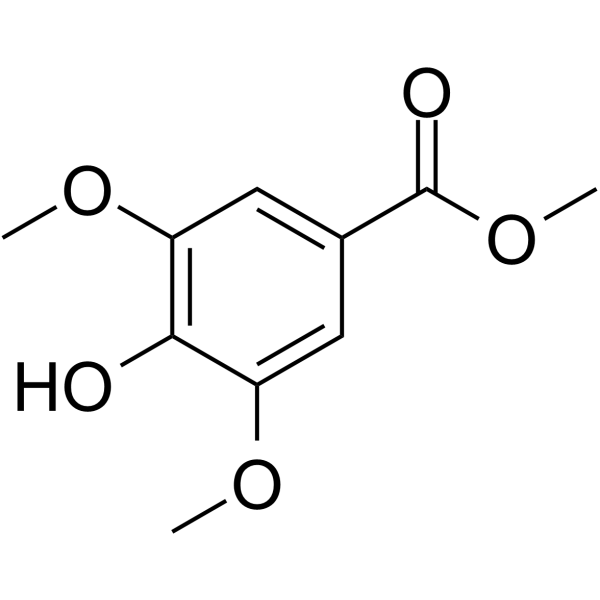
    Methyl syringate is a selective TRPA1 agonist. Methyl syringate regulates food intake and gastric emptying through a TRPA1-mediated pathway. Methyl syringate is an efficient phenolic mediator for bacterial and fungal laccases. Methyl syringate is a chemical marker of Asphodel monofloral honey. Methyl syringate contributes to the antibacterial activity of honey. Methyl syringate inhibits aflatoxin production. Methyl syringate can contribute to weight suppression. Methyl syringate can be studies for cancer prevention (e.g. lung cancer), suppression of hypoxia-induced inflammatory response and tumorigenesis .
    Methyl syringate
  • HY-13211

    trans-2-Decenoic acid

    Endogenous Metabolite Cancer
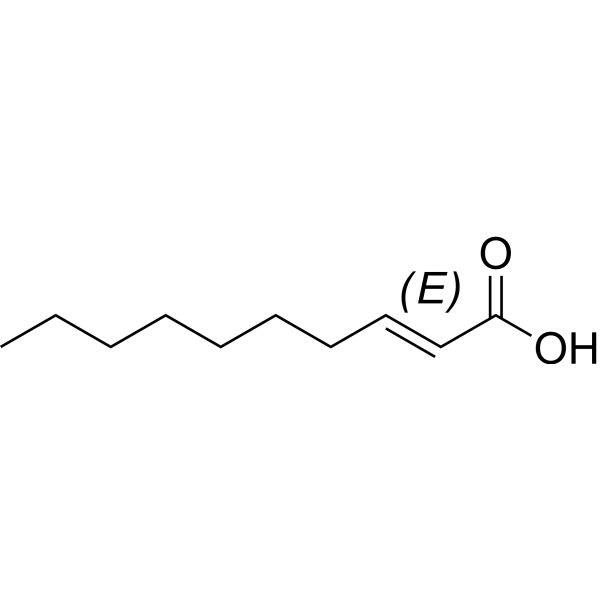
    (E)-2-Decenoic acid is an interesting fatty acid isolated from royal jelly secretions of honey bees.
    (E)-2-Decenoic acid
  • HY-N1854

    Drug Derivative Apoptosis Wnt Cancer
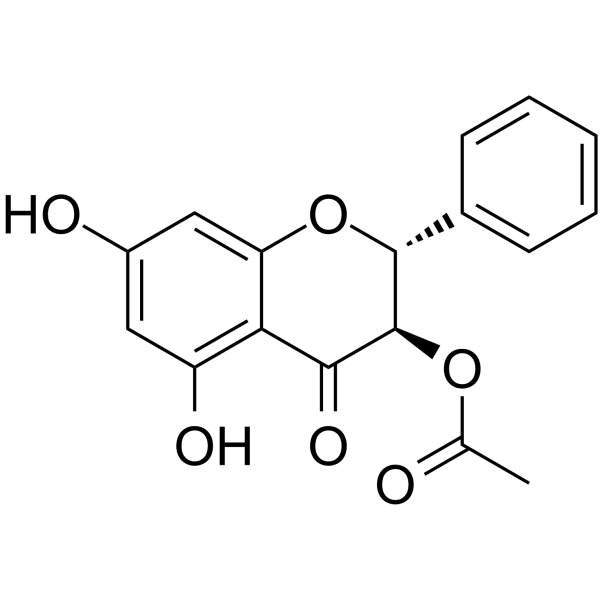
    Pinobanksin 3-acetate is a flavanone and flavonoid ester with antioxidant activity. Pinobanksin 3-acetate is naturally present in Sonoran propolis, honey, medicinal plants, and forestry coproducts of Pinus caribaea. Pinobanksin 3-acetate exerts anti-colorectal cancer activity by modulating proliferation, apoptosis, cell cycle, and Wnt signaling pathways. Pinobanksin 3-acetate can be used for the research of colon cancer .
    Pinobanksin 3-acetate
  • HY-145295
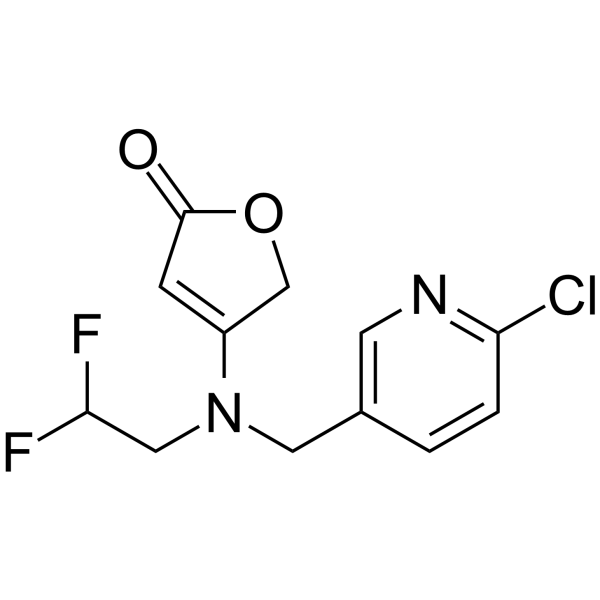
    Flupyradifurone
    2 Publications Verification

    Environmental Pollutants nAChR Infection
    Flupyradifurone is a systemic nAChR agonist that interferes with signal transduction in the central nervous system of sucking pests. Flupyradifurone can be used as a butenolide insecticide .
    Flupyradifurone
  • HY-W587960

    Histidine-betaine

    Drug Metabolite Drug Intermediate Metabolic Disease
    Hercynine (Histidine-betaine) is an intermediate (precursor) and a redox metabolite of Ergothioneine (HY-N1914), which is found in the fine leaf algae, Schizosaccharomyces cerevisiae and honey bees. Hercynine has no effect on scavenging •OH radicals .
    Hercynine
  • HY-W015664

    Fungal Others
    2-Methylheptanoic acid is a flavouring ingredient, isolated from honey.
    2-Methylheptanoic acid
  • HY-107835

    FCR 2769

    Environmental Pollutants Apoptosis Bcl-2 Family Parasite Insecticide Infection Cancer
    Flumethrin (FCR 2769) is a pyrethroid insecticide and acaricide . Flumethrin targets voltage-gated sodium channels and estrogen receptor α (ERα). Flumethrin induces cytotoxicity, apoptosis, genotoxicity and DNA damage in breast cancer cells by regulating the expression of BCL2, BAX, TP53 and P21 genes. Flumethrin is applicable to relevant studies on ectoparasite infections (tick and flea burdens) in dogs and cats, as well as breast cancer .
    Flumethrin
  • HY-128030

    Others Endocrinology
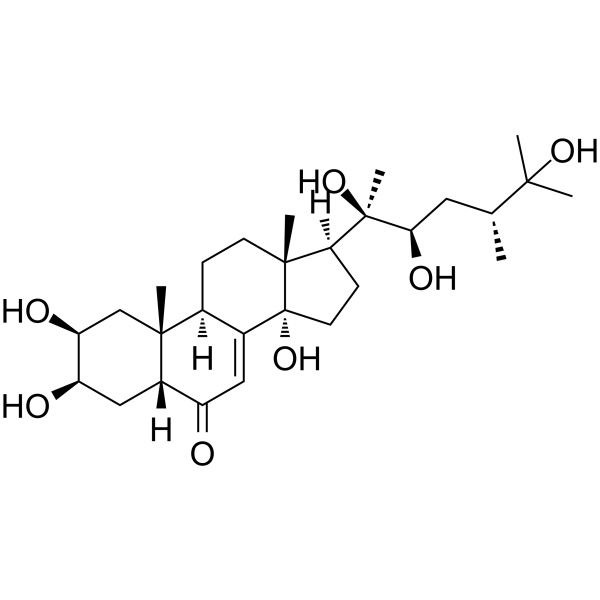
    Makisterone A, a 28-carbon moulting hormone, has been identified as the major free pupal ecdysteroid in the honey bee, Apis mellifera .
    Makisterone A
  • HY-N7092R

    D(-​)​-​Fructose (Standard)

    Reference Standards Endogenous Metabolite Others
    D-Fructose (Standard) is the analytical standard of D-Fructose. This product is intended for research and analytical applications. D-Fructose (D(-)-Fructose) is a monosaccharide found in honey, fruits, and other plants. Two D-Fructose molecules can combine to form a disaccharide, sucrose .
    D-Fructose (Standard)
  • HY-N0073A

    Insecticide Others
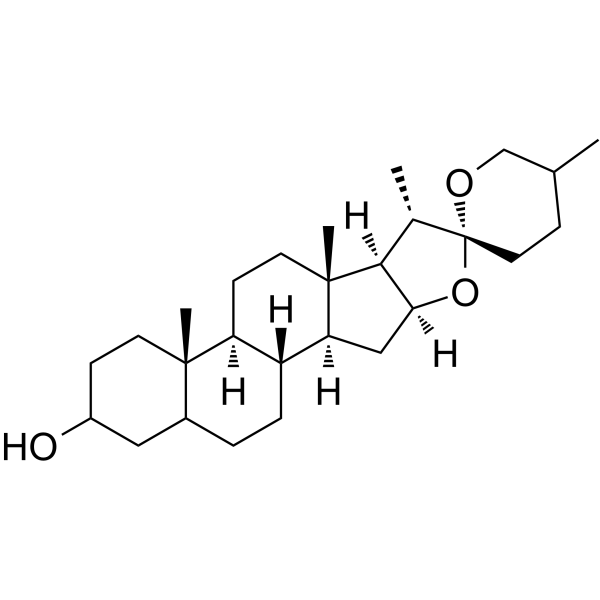
    Spirostan-3-ol is a useful tool to keep bees away from areas recently treated with toxic insecticides .
    Spirostan-3-ol
  • HY-Y0262A
    Oxalic acid diammonium monohydrate
    1 Publications Verification

    Ethanedioic acid diammonium monohydrate

    Environmental Pollutants Endogenous Metabolite Infection Inflammation/Immunology
    Oxalic acid (Ethanedioic acid) diammonium monohydrate is a dicarboxylic acid found in a wide variety of plants.
    Oxalic acid diammonium monohydrate shows antioxidant acyivity and suppresses lipid peroxidation.
    Oxalic acid diammonium monohydrate is a pathogenicity factor for sclerotinia sclerotiorum, and suppresses the oxidative burst of the host plant. Oxalic acid diammonium monohydrate exerts acaricidal activity. Oxalic acid can be used for the researches of sclerotinia disease varroatosis and inflammatory diseases .
    Oxalic acid diammonium monohydrate
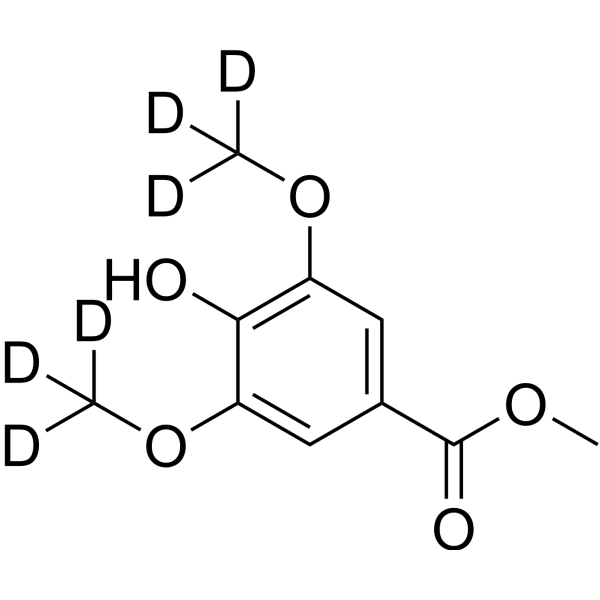
  • HY-W002116S

    TRP Channel COX Phosphatase Bacterial Infection Metabolic Disease Inflammation/Immunology Cancer
    Methyl syringate-d6 is the deuterium labeled Methyl syringate. Methyl syringate is a selective TRPA1 agonist. Methyl syringate regulates food intake and gastric emptying through a TRPA1-mediated pathway. Methyl syringate is an efficient phenolic mediator for bacterial and fungal laccases. Methyl syringate is a chemical marker of Asphodel monofloral honey. Methyl syringate contributes to the antibacterial activity of honey. Methyl syringate inhibits aflatoxin production. Methyl syringate can contribute to weight suppression. Methyl syringate can be studies for cancer prevention (e.g. lung cancer), suppression of hypoxia-induced inflammatory response and tumorigenesis .
    Methyl syringate-d6
  • HY-N12532

    Others Others
    8-Methoxykaempferol is a natural flavonol glycoside found in unifloral honeys .
    8-Methoxykaempferol
  • HY-N2549A

    (±)-trans-ABA

    Others Others
    (±)-trans-Abscisic acid ((±)-trans-ABA) is an acid. (±)-trans-Abscisic acid can be isolated from strawberry tree (Arbutus unedo L.) honeys .
    (±)-trans-Abscisic acid
  • HY-N2927

    β-Costic acid

    Parasite Infection
    Costic acid (β-Costic acid) is a natural product, that can be isolated from Dittrichia viscosa. Costic acid exhibits potent in vivo acaricidal activity against the parasite. Costic acid is not toxic for human umbilical vein endothelial cells (HUVEC) at concentrations of up to 230 μM. Costic acid can be used for the research of varroosis in honey bee colonies .
    Costic acid
  • HY-123115

    5-O-α-D-Glucopyranosyl-D-fructose

    JAK STAT TNF Receptor Interleukin Related Metabolic Disease Inflammation/Immunology
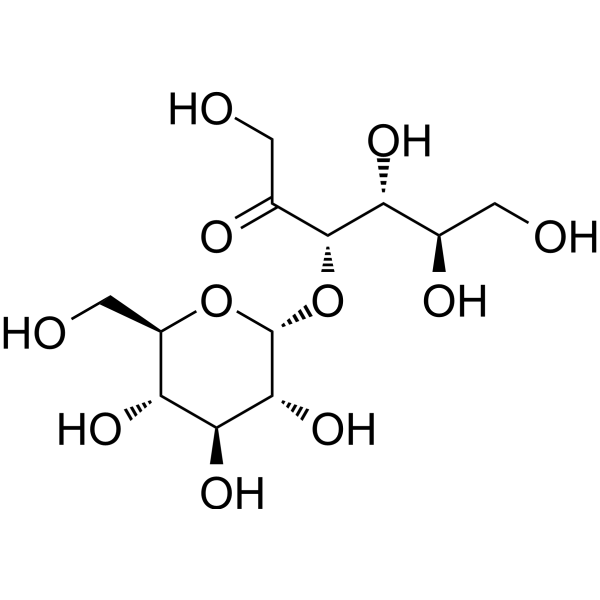
    Leucrose (5-O-α-D-Glucopyranosyl-D-fructose) is an orally active Sucrose (HY-B1779) isomer naturally found in pollen and honey. Leucrose promotes phosphorylation of JAK1 and STAT6, reduces pro-inflammatory mediators and cytokinesas (TNFα, and IL-1β), increases M2 macrophage polarization and suppresses DSS (HY-116282C)-induced colitis. Leucrose suppresses hepatic triglyceride accumulation, improves fasting blood glucose levels, and regulates hepatic lipogenesis and fatty acid β-oxidation in high-fat diet-induced obese mice. Leucrose is slowly hydrolyzed into glucose and fructose by α-glucosidase and acts as as a sugar substitute in diet .
    Leucrose
  • HY-N16470

    Endogenous Metabolite Others
    Echiumine, a pyrrolizidine alkaloid, is a major dehydropyrrolizidine metabolite of Echium plantagineum. Echiumine has significant hepatotoxic activity and can persist intact from honey through to the resulting mead .
    Echiumine
  • HY-W075032

    Insecticide Others
    Acrinathrin is a synthetic pyrethroid active ingredient. After experimental treatment for the prevention and control of bee mites, its residues in honey and beeswax are below a certain value, which is more favorable from the perspective of food hygiene.
    Acrinathrin
  • HY-145295R

    Reference Standards nAChR Infection
    Flupyradifurone (Standard) is the analytical standard of Flupyradifurone. This product is intended for research and analytical applications. Flupyradifurone is a systemic nAChR agonist that interferes with signal transduction in the central nervous system of sucking pests. Flupyradifurone can be used as a butenolide insecticide .
    Flupyradifurone (Standard)
  • HY-113334R

    Reference Standards Endogenous Metabolite Metabolic Disease Inflammation/Immunology
    Turanose (Standard) is the analytical standard of Turanose. This product is intended for research and analytical applications. Turanose is an isomer of Sucrose that naturally exists in honey. Turanose has anti-inflammatory and regulates adipogenesis effect. Turanose has potential for obesity and related chronic diseases research[1][2].
    Turanose (Standard)
  • HY-N16497

    Bacterial Infection
    Leptosperin is a glycoside of methyl syringate found in manuka honey derived from the Leptospermum species Leptospermum scoparium. Leptosperin exhibits antibacterial activity. Leptosperin can be used for the research of infection .
    Leptosperin
  • HY-W002116R

    Reference Standards TRP Channel COX Phosphatase Bacterial Infection Metabolic Disease Inflammation/Immunology Cancer
    Methyl syringate is a selective TRPA1 agonist. Methyl syringate regulates food intake and gastric emptying through a TRPA1-mediated pathway. Methyl syringate is an efficient phenolic mediator for bacterial and fungal laccases. Methyl syringate is a chemical marker of Asphodel monofloral honey. Methyl syringate contributes to the antibacterial activity of honey. Methyl syringate inhibits aflatoxin production. Methyl syringate can contribute to weight suppression. Methyl syringate can be studies for cancer prevention (e.g. lung cancer), suppression of hypoxia-induced inflammatory response and tumorigenesis .
    Methyl syringate (Standard)
  • HY-124050

    (+)-Echimidine

    Others Others
    Echimidine ((+)-Echimidine) is the major alkaloid detected in the honey used to produce the mead .
    Echimidine
  • HY-124154

    Others Others
    Jaconine is a natural product that can be isolated from honey of the Ragwort (Senecio jacobaea) .
    Jaconine
  • HY-N9512

    Others Others
    Lycopsamine N-oxide, an N-oxide of Lycopsamine which is a pyrrolizidine alkaloid, can be found in honey and bee pollen .
    Lycopsamine N-oxide
  • HY-N9512S

    Isotope-Labeled Compounds Others
    Lycopsamine N-oxide-d3 is the deuterium labeled Lycopsamine N-oxide. Lycopsamine N-oxide, an N-oxide of Lycopsamine which is a pyrrolizidine alkaloid, can be found in honey and bee pollen .
    Lycopsamine N-oxide-d3
  • HY-13211R

    trans-2-Decenoic acid (Standard)

    Endogenous Metabolite Reference Standards Cancer
    (E)-2-Decenoic acid (Standard) is the analytical standard of (E)-2-Decenoic acid. This product is intended for research and analytical applications. (E)-2-Decenoic acid is an interesting fatty acid isolated from royal jelly secretions of honey bees.
    (E)-2-Decenoic acid (Standard)
  • HY-W768220

    Isotope-Labeled Compounds Endogenous Metabolite Metabolic Disease
    D-Fructose-1,2- 13C2 is the 13C-labeled D-Fructose. D-Fructose (D(-)-Fructose) is a monosaccharide found in honey, fruits, and?other?plants. Two D-Fructose molecules can combine to form a disaccharide, sucrose .
    D-Fructose-1,2-13C2
  • HY-W779355

    Isotope-Labeled Compounds Metabolic Disease
    cis-3,4-Di-p-anisyl-3-hexene-d6 is the deuterium labeled D-Fructose (HY-N7092). D-Fructose (D(-)-Fructose) is a monosaccharide found in honey, fruits, and?other?plants. Two D-Fructose molecules can combine to form a disaccharide, sucrose .
    cis-3,4-Di-p-anisyl-3-hexene-d6
  • HY-W710697

    Triclopyr 2-butoxyethylester

    Herbicide Others
    Triclopyr ester (Triclopyr 2-butoxyethylester) is a bioactive substance with activity in controlling harmful woody plants. Triclopyr ester showed toxicity to honeybees (Apis mellifera) in greenhouse trials. Triclopyr ester in combination with other herbicides is effective in removing the canopy of plants such as honey trees and whitebrush. Triclopyr ester can quickly assess its weeding effectiveness when treating trees in greenhouses, providing potential treatment options for field experiments .
    Triclopyr ester
  • HY-133968R

    Ostreasterol (Standard)

    Reference Standards Acyltransferase Reactive Oxygen Species (ROS) Inflammation/Immunology
    24-Methylenecholesterol (Ostreasterol) (Standard) is the analytical standard of 24-Methylenecholesterol (HY-133968). This product is intended for research and analytical applications. 24-Methylenecholesterol (Ostreasterol) is a regulator targeting acyl-CoA cholesterol acyltransferase (ACAT) with anti-aging and neuroprotective effects. 24-Methylenecholesterol mimics the effects of nerve growth factor (NGF), can extend yeast lifespan through an anti-oxidative stress mechanism, and exhibits neuroprotective activity in PC12 cells. 24-Methylenecholesterol can reduce intracellular reactive oxygen species (ROS) and malondialdehyde (MDA) levels, activate anti-oxidative stress pathways (such as UTH1, SOD-related genes), and promote synaptic growth .
    24-Methylenecholesterol (Standard)
  • HY-P3029D

    Biochemical Assay Reagents Metabolic Disease
    Phospholipase A2, Honey bee venom (Apis mellifera) (EC 3.1.1.4) hydrolyzes the β-ester bond of zwitterionic glycerophospholipids. Preferred substrates are phosphatidylcholine, phosphatidylethanolamine, and their plasmalogen analogues.
    Phospholipase A2, Honey bee venom (Apis mellifera)
  • HY-124154A

    Endogenous Metabolite Others
    Jaconine hydrochloride is a natural product that can be isolated from honey of the Ragwort (Senecio jacobaea) .
    Jaconine hydrochloride
  • HY-W015664R

    Others Reference Standards Others
    2-Methylheptanoic acid (Standard) is the analytical standard of 2-Methylheptanoic acid (HY-W015664). This product is intended for research and analytical applications. 2-Methylheptanoic acid is a flavouring ingredient, isolated from honey.
    2-Methylheptanoic acid (Standard)

Inquiry Online

Your information is safe with us. * Required Fields.

Salutation


Country or Region *

Applicant Name *


Organization Name *

Department *


Email Address *


Product Name *

Cat. No.


Requested quantity *

Phone Number *


Remarks

Inquiry Online

Inquiry Information

Product Name:
Cat. No.:
Quantity:
MCE Japan Authorized Agent:

