1. Search Result
Search Result
Results for "

human fibroblast

" in MedChemExpress (MCE) Product Catalog:

271

Inhibitors & Agonists

5

Fluorescent Dye

4

Biochemical Assay Reagents

34

Peptides

1

MCE Kits

17

Inhibitory Antibodies

61

Natural
Products

113

Recombinant Proteins

6

Isotope-Labeled Compounds

12

Antibodies

1

Click Chemistry

28

Oligonucleotides

1

GMP Molecules

Targets Recommended:
Cat. No. Product Name Target Research Areas Chemical Structure
  • HY-W020044
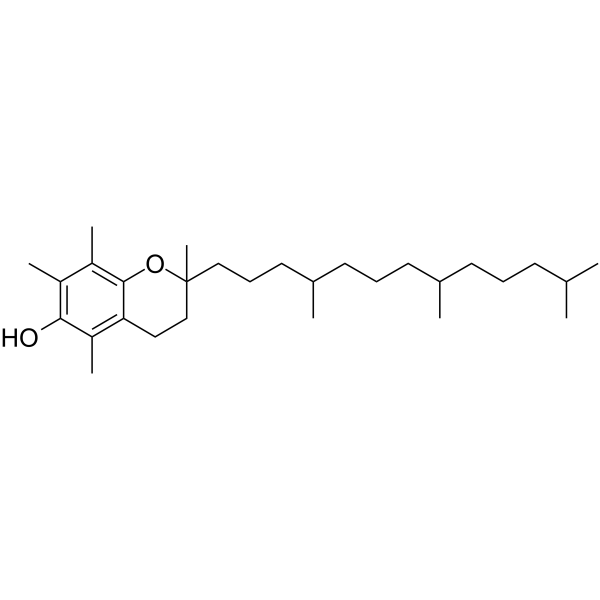
    DL-alpha-Tocopherol
    5+ Cited Publications

    DL-α-Tocopherol

    Environmental Pollutants Ferroptosis Apoptosis DNA/RNA Synthesis Cancer
    DL-alpha-Tocopherol is a synthetic vitamin E, with antioxidation effect. DL-alpha-Tocopherol protects human skin fibroblasts against the cytotoxic effect of UVB .
    DL-alpha-Tocopherol
  • HY-B0607
    Nitisinone
    2 Publications Verification

    NTBC; Nitisone; SC0735

    HPPD Metabolic Disease
    Nitisinone is an orally active, competitive and reversible 4-hydroxyphenylpyruvate dioxygenase (4-HPPD) inhibitor with an IC50 of 173 nM. Nitisinone promotes tyrosine accumulation in a dose-dependent manner. nitisinone can be used in studies of hereditary tyrosinemia type 1 (HT-1) (a rare genetic disorder) and albinism .
    Nitisinone
  • HY-113365

    4-Cholesten-3-one

    Endogenous Metabolite Infection Metabolic Disease
    Cholestenone (4-cholesten-3-one) is an orally available antimicrobial agent that is metabolized primarily in the liver as an intermediate oxidation product of cholesterol. Cholestenone inhibits human dermal fibroblast migration and fights Helicobacter pylori infection in vitro and in mouse models by inhibiting cholesterol-α-D-glucopyranoside (CGL). Cholestenone also alleviates metabolic disorders caused by obesity in db/db mice .
    Cholestenone
  • HY-108036

    Hydroxypropyl tetrahydropyrantriol (30% in water)

    Biochemical Assay Reagents Metabolic Disease
    Pro-xylane (30% in water) (Hydroxypropyl tetrahydropyrantriol) is a bioactive C-glycoside that targets the biosynthesis pathway of glycosaminoglycans/mucopolysaccharides (GAGs) in the skin matrix and can be absorbed transdermally. Pro-xylane (30% in water) stimulates the biosynthesis of GAGs in fibroblasts, enhances the structural stability of the skin extracellular matrix, improves skin elasticity and moisturizing ability, and delays wrinkle formation. Pro-xylane (30% in water) can effectively promote the synthesis of collagen fibers and hyaluronic acid in the dermis. Pro-xylane (30% in water) is used in the field of anti-aging cosmetics to improve skin hydration and elasticity. Pro-xylane (30% in water) is eco-friendly and biodegradable .
    Pro-xylane (30% in water)
  • HY-107830

    Endogenous Metabolite Collagen Infection Metabolic Disease
    Methyl cholate is a bile acid analog and a specific inhibitor of TcdB toxin from Clostridioides difficile. Methyl cholate exerts a stronger selective inhibitory effect on TcdB than on TcdA. Methyl cholate induces conformational stabilization by binding to a unique site of TcdB, thereby blocking the binding of the toxin to host receptors and its self-processing process. Methyl cholate effectively protects human fibroblasts from TcdB-induced cytopathic effects. Methyl cholate exhibits dose-dependent anti-hepatic fibrosis activity in both cellular and zebrafish models, and significantly reduces the expression levels of α-SMA and COL-I. Methyl cholate is suitable for in-depth research in the fields of Clostridioides difficile infection and hepatic fibrosis .
    Methyl cholate
  • HY-114297
    Zymosterol
    2 Publications Verification

    Endogenous Metabolite Others
    Zymosterol is a Cholesterol (HY-N0322) biosynthesis metabolite. Zymosterol, a precursor of Cholesterol, is found mostly in the plasma membrane. Zymosterol circulates within the cell .
    Zymosterol
  • HY-152086

    Dynamin Cardiovascular Disease
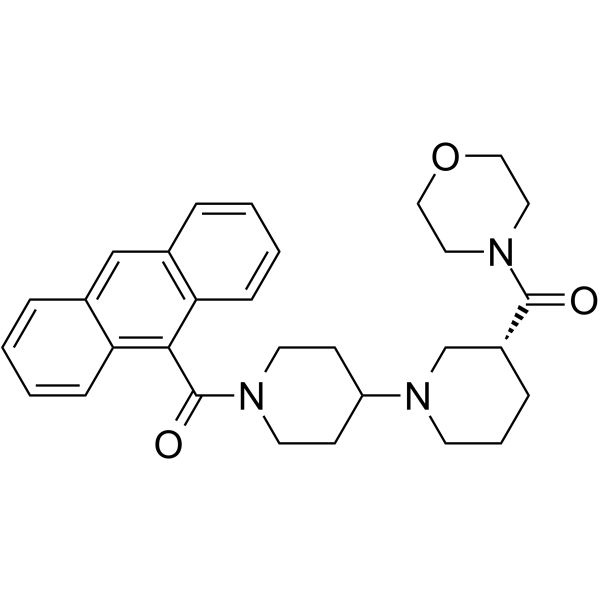
    DRP1i27 is a potent inhibitor of human Drp1 (dynamin-related protein 1). DRP1i27 binds to the GTPase site of Drp1, with hydrogen bonds to Gln34 and Asp218. DRP1i27 targets Drp1-mediated mitochondrial fission in cell line models and protects against simulated ischemia-reperfusion injury .
    DRP1i27
  • HY-P991267

    Interleukin Related Inflammation/Immunology
    CAN10 is is a humanized monoclonal antibody inhibitor targeting interleukin 1RAP (IL1RAP). CAN10 blocks IL-1, IL-33, and IL-36 signalling by targeting IL1RAP, preventing downstream proinflammatory and profibrotic responses. CAN10 reduces dermal and pulmonary fibrosis. CAN10 can be used for the research of immune system diseases, such as systemic sclerosis .
    CAN10
  • HY-Y0030

    3-hydroxypyridine-2-carboxylic acid

    Biochemical Assay Reagents Drug Intermediate Infection Cancer
    3-Hydroxypicolinic acid is a heterocyclic carboxylic acid ligand and cytotoxin, with a MIC90 of >25 μg/mL against Mycobacterium tuberculosis H37Rv. 3-Hydroxypicolinic acid inhibits the growth of cancer cells and normal fibroblasts. 3-Hydroxypicolinic acid is applicable to research related to chronic myeloid leukemia, human lung adenocarcinoma, and tuberculosis .
    3-Hydroxypicolinic acid
  • HY-N7259

    JNK p38 MAPK Apoptosis Inflammation/Immunology
    (+)-Isomenthone is an enantiomer form of Menthone (HY-N2381). (+)-Isomenthone blocks TNF-α-triggered activation of the JNK and p38 MAPK pathways.(+)-Isomenthone inhibits TNF-α-mediated reductions in cell viability, increases in apoptosis, and downstream apoptotic events linked to pathway activation.(+)-Isomenthone protects human dermal fibroblasts against TNF-α-induced cell death under serum-deprived conditions .
    (+)-Isomenthone
  • HY-164159

    Reactive Oxygen Species (ROS) MMP Inflammation/Immunology
    α-Glucosylrutin, a flavonoid, is a potent antioxidant with free radical scavenging activity. α-Glucosylrutin reduces MMP-1 gene expression, protein expression, and enzyme activity, and reduces MMP-2 protein expression and enzyme activity in UVA-irradiated human dermal fibroblasts. α-Glucosylrutin prevents oxidative stress-induced intracellular tyrosine residue phosphorylation and counteracts intracellular thiol level depletion in human skin cells. α-Glucosylrutin is effective in the prevention of dermatologic diseases in which oxidative stress is of pathogenetic relevance, e.g. in polymorphous light eruption (PLE). α-Glucosylrutin can be used for the research of UV-induced skin photodamage/photoaging .
    α-Glucosylrutin
  • HY-108036B

    Hydroxypropyl tetrahydropyrantriol

    Biochemical Assay Reagents Metabolic Disease
    Pro-xylane (Hydroxypropyl tetrahydropyrantriol) is a bioactive C-glycoside that targets the biosynthesis pathway of glycosaminoglycans/mucopolysaccharides (GAGs) in the skin matrix and can be absorbed transdermally. Pro-xylane stimulates the biosynthesis of GAGs in fibroblasts, enhances the structural stability of the skin extracellular matrix, improves skin elasticity and moisturizing ability, and delays wrinkle formation. Pro-xylane can effectively promote the synthesis of collagen fibers and hyaluronic acid in the dermis. Pro-xylane is used in the field of anti-aging cosmetics to improve skin hydration and elasticity. Pro-xylane is eco-friendly and biodegradable .
    Pro-xylane
  • HY-N0642

    Drug Derivative Calcium Channel Metabolic Disease
    α-L-Rhamnose monohydrate is a neutral sugar present in plants, animals, viruses and bacteria. α-L-Rhamnose monohydrate is a ligand for α-L-rhamnose-recognizing lectin sites, trigger intracellular signaling pathways. α-L-Rhamnose monohydrate induces rhaE and rhaA expression as a specific carbon source in Aspergillus nidulans, while glucose inhibits its cellular uptake. α-L-Rhamnose monohydrate induces rapid and transient increases in intracellular free Ca 2+ concentration in normal human dermal fibroblasts .
    α-L-Rhamnose monohydrate
  • HY-15039

    Bradykinin Receptor Metabolic Disease Inflammation/Immunology Endocrinology
    SSR240612 is a potent, and orally active specific non-peptide bradykinin B1 receptor antagonist, with Kis of 0.48 nM and 0.73 nM for B1 kinin receptors of human fibroblast MRC5 and HEK cells expressing human B1 receptors, 481 nM and 358 nM for B2 receptors of guinea pig ileum membranes and CHO cells expressing human B1 receptor, respectively.
    SSR240612
  • HY-P99902

    FAP-IL2v; RO6874281; RG7461

    Interleukin Related Cancer
    Simlukafusp alfa (FAP-IL2v) is an immunocytokine comprising an antibody against fibroblast activation protein α (FAPα) and an IL-2 variant that only binds IL-2Rβγ. Isotype: human IgG1 .
    Simlukafusp alfa
  • HY-125366

    FAP Metabolic Disease
    ARI-3099 is an oral fibroblast activation protein (FAP) inhibitor. ARI-3099 specifically inhibits the proteolytic activity of FAP and blocks the cleavage of human FGF-21 between residues P171 and S172. ARI-3099 extends the half-life of circulating human FGF-21 in mice. ARI-3099 can be used in the research of type 2 diabetes and metabolic disorders .
    ARI-3099
  • HY-174311

    Glycosidase Neurological Disease Metabolic Disease
    GT-02216 can bind to GCase allosterically and enhance its activity. GT-02216 enhances the activity of GCase in primary human fibroblasts dose-dependently reduces the accumulation of its substrate, hexosylsphingosine (HexCer). GT-02216 reduces the Tau accumulation in mutant GBA1 fibroblasts. GT-02216 can be used for the study of Parkinson’s disease .
    GT-02216
  • HY-P0308

    Drug Intermediate Cardiovascular Disease
    [Glu1]-Fibrinopeptide B is derived from fibrinopeptide B amino acid residues 1-14. Human fibrinopeptide B (hFpB), a thrombin-derived proteolytic cleavage product of the fibrinogen B beta-chain, to stimulate neutrophils (PMN), monocytes, and fibroblasts.
    [Glu1]-Fibrinopeptide B
  • HY-152086A

    Dynamin Cardiovascular Disease
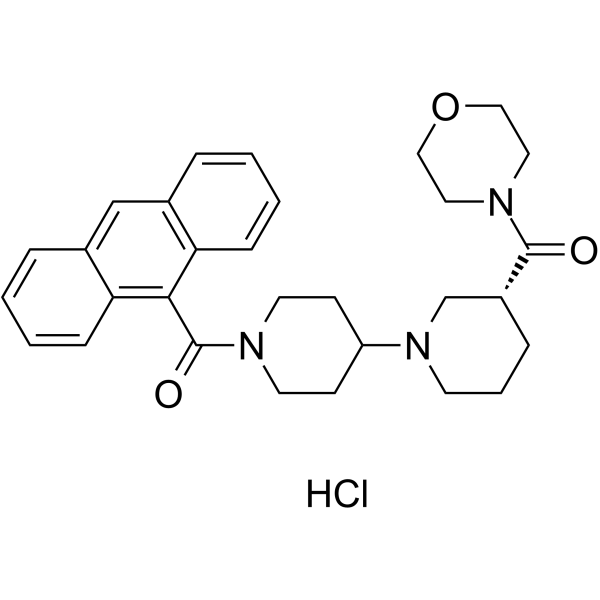
    DRP1i27 dihydrochloride is a potent inhibitor of human Drp1 (dynamin-related protein 1). DRP1i27 dihydrochloride binds to the GTPase site of Drp1, with hydrogen bonds to Gln34 and Asp218. DRP1i27 dihydrochloride targets Drp1-mediated mitochondrial fission in cell line models and protects against simulated ischemia-reperfusion injury .
    DRP1i27 dihydrochloride
  • HY-108659

    P2Y Receptor Inflammation/Immunology
    NF340 is a P2Y11 receptor inhibitor with a pIC50 of 7.3-7.7 against human P2Y11 receptor, and it exhibits high selectivity over other P2Y family receptors. NF340 binds to the ATP-binding amino acid residues of the P2Y11 receptor to inhibit its activity, block nociceptive activity, and reduce spinal dorsal horn P2Y11 receptor upregulation induced by spinal cord injury. NF340 attenuates the NFκB signaling pathway activated by IL-1β by decreasing IκBα phosphorylation, nuclear p65 accumulation and NFκB promoter activity. NF340 inhibits IL-1β-induced pro-inflammatory cytokine expression, reduces intracellular ROS and 4-HNE levels, and suppresses IL-1β-induced matrix metalloproteinase expression in primary fibroblast-like synoviocytes. NF340 inhibits ATP-induced elevation of intracellular calcium 2+ concentration and cell migration in human hepatocellular carcinoma cells. NF340 is applicable to the research of neuropathic pain, myocardial ischemia/reperfusion injury, inflammatory pain, rheumatoid arthritis and hepatocellular carcinoma .
    NF340
  • HY-136093B
    Lixumistat
    1 Publications Verification

    IM156 free base; HL156A free base; HL271 free base

    Mitochondrial Metabolism AMPK Neurological Disease Inflammation/Immunology
    Lixumistat (IM156 free base) is a potent and orally active AMPK activator and OXPHOS inhibitor. Lixumistat strongly activates AMPK, while it lacks the systemic metabolic regulatory effects of classic metformin, such as hypoglycemic and weight-lowering activities. Lixumistat exhibits significant therapeutic effects on cognitive decline associated with brain aging and pulmonary fibrosis .
    Lixumistat
  • HY-P5237

    Collagen Others
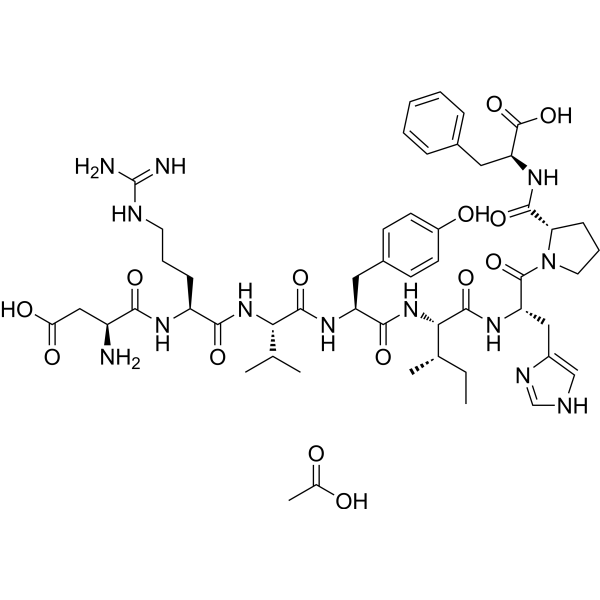
    Tetrapeptide-4 is a synthetic tetrapeptide. Tetrapeptide-4 upregulates hyaluronic acid synthetase, and collagen production in human dermal fibroblasts. Tetrapeptide-4 reduces skin aging, improves skin firmness, elasticity, and appearance, and benefits hair .
    Tetrapeptide-4
  • HY-125987

    Ras Cancer
    RBC6 is an inhibitor of GTPases RalA. RBC6 inhibits binding of Ral to its effector RALBP1. RBC6 also inhibits Ral-mediated cell spreading of murine embryonic fibroblasts, as well as anchorage-independent growth of human cancer celllines .
    RBC6
  • HY-W020044R
    DL-alpha-Tocopherol (Standard)
    5+ Cited Publications

    DL-α-Tocopherol (Standard)

    Reference Standards Ferroptosis DNA/RNA Synthesis Apoptosis Cancer
    DL-alpha-Tocopherol (Standard) is the analytical standard of DL-alpha-Tocopherol. This product is intended for research and analytical applications. DL-alpha-Tocopherol is a synthetic vitamin E, with antioxidation effect. DL-alpha-Tocopherol protects human skin fibroblasts against the cytotoxic effect of UVB .
    DL-alpha-Tocopherol (Standard)
  • HY-N11072

    Lipoxygenase Leukotriene Receptor Reactive Oxygen Species (ROS) MMP Inflammation/Immunology
    Tremulacin is a 5-LOX inhibitor. Tremulacin reduces the biosynthesis of LTB4 and slow-reacting substances of anaphylaxis. Tremulacin alleviates carrageenan-induced paw edema in rats, croton oil-induced ear edema in mice, and acetic acid-induced writhing response in mice. Tremulacin inhibits TNF-α-stimulated ROS production and MMP-1 expression, and promotes collagen secretion in human dermal fibroblasts. Tremulacin is investigated for studies on inflammation-related diseases .
    Tremulacin
  • HY-P4836A

    Parasite Infection
    LL-37 FK-13 TFA is the TFA salt form of LL-37 FK-13 (HY-P4836). LL-37 FK-13 TFA is an antimicrobial agent, that inhibits Trichomonas vaginalis. LL-37 FK-13 TFA exhibits minimal hemolytic effects on human erythrocytes and low cytotoxicity to human fibroblasts .
    LL-37 FK-13 TFA
  • HY-B0607R
    Nitisinone (Standard)
    2 Publications Verification

    NTBC (Standard); Nitisone (Standard); SC0735 (Standard)

    HPPD Reference Standards Metabolic Disease
    Nitisinone (Standard) is the analytical standard of Nitisinone. This product is intended for research and analytical applications. Nitisinone is an orally active, competitive and reversible 4-hydroxyphenylpyruvate dioxygenase (4-HPPD) inhibitor with an IC50 of 173 nM. Nitisinone promotes tyrosine accumulation in a dose-dependent manner. nitisinone can be used in studies of hereditary tyrosinemia type 1 (HT-1) (a rare genetic disorder) and albinism .
    Nitisinone (Standard)
  • HY-108999A
    Crisnatol
    1 Publications Verification

    BWA770U

    DNA/RNA Synthesis Cancer
    Crisnatol (BWA770U) is an orally active and anticancer agent, and a member of the arylmethylaminopropanediol class of DNA intercalators. Crisnatol shows in vitro cytotoxicity against human breast cancer cells, but not normal human skin fibroblasts .
    Crisnatol
  • HY-W745164

    MMP Inflammation/Immunology
    3,3′-Bisdemethylpinoresinol, lignin, is a nature product and has MMP-1 inhibitory activity in UVA-irradiated human dermal fibroblasts. 3,3′-Bisdemethylpinoresinol can be isolated from the seeds of Morinda citrifolia .
    3,3′-Bisdemethylpinoresinol
  • HY-113365R

    4-Cholesten-3-one (Standard)

    Reference Standards Endogenous Metabolite Infection Metabolic Disease
    Clebopride (malate) (Standard) is the analytical standard of Clebopride (malate). This product is intended for research and analytical applications. Clebopride malate is a dopamine antagonist used in the study of functional gastrointestinal disorders.
    Cholestenone (Standard)
  • HY-145358

    PI3K Cancer
    FAP-PI3KI1 is a fibroblast-activated protein (FAP)-targeted PI3K inhibitor that selectively targets FAP-expressing human idiopathic pulmonary fibrosis (IPF) cells and effectively inhibits collagen synthesis and reduces collagen deposition .
    FAP-PI3KI1
  • HY-P11170

    Fungal Infection
    D-Cateslytin is an antimicrobial peptide that exhibits potent inhibition activity against Candida albicans (MIC = 2.9 μM). D-Cateslytin can rapidly enter C. albicans, and shows no cytotoxicity to human gingival fibroblasts, and is stable in saliva. D-Cateslytin can be used for research on Candida albicans related diseases, such as oral candidosis .
    D-Cateslytin
  • HY-N4298

    MMP Metabolic Disease Inflammation/Immunology
    Epitheaflagallin 3-O-gallate is a minor polyphenol in black tea. Epitheaflagallin 3-O-gallate exhibits versatile physiological functions in vivo and in vitro, including antioxidative activity, pancreatic lipase inhibition, Streptococcus sorbinusglycosyltransferase inhibition, and an inhibiting effect on the activity of matrix metalloprotease-1 and -3 and their synthesis by human gingival fibroblasts .
    Epitheaflagallin 3-O-gallate
  • HY-W207699

    Monoamine Oxidase Amylases Neurological Disease Metabolic Disease Inflammation/Immunology
    MAO-B-IN-46 (Compound 16) is a selective hMAO-B inhibitor (IC50: 26.8 nM), with weak activity against hMAO-A (IC50: 7.2054 μM). MAO-B-IN-46 (Compound 8) also acts as an α-amylase inhibitor (IC50: 19.46 μM). MAO-B-IN-46 exhibits certain neuroprotective effects and shows no significant toxicity to human gingival fibroblasts and SH-SY5Y cells. Additionally, MAO-B-IN-46 can scavenge DPPH and ABTS free radicals, with IC50 values of 17.86 μM and 17.71 μM, respectively. MAO-B-IN-46 can be used in the research of neurodegenerative diseases such as Parkinson's disease, diabetes, and diseases related to oxidative stress resistance .
    MAO-B-IN-46
  • HY-174702

    mRNA Neurological Disease
    Human FGF2 mRNA encodes the human fibroblast growth factor 2 (FGF2) protein, a member of the fibroblast growth factor (FGF) family. FGF2 has been implicated in diverse biological processes, such as limb and nervous system development, wound healing, and tumor growth.
    Human FGF2 mRNA
  • HY-P4836

    Parasite Infection
    LL-37 FK-13 is an antimicrobial agent, that inhibits Trichomonas vaginalis. LL-37 FK-13 exhibits slight hemolytic effects on human erythrocytes and low cytotoxicity to human fibroblasts .
    LL-37 FK-13
  • HY-122274

    Parasite Infection
    MMV666693 is a translation inhibitor specific for Plasmodium falciparum. MMV666693 has low cytotoxicity in human fibroblasts (IC50>32 µM) and can be used in the development of antimalarial drugs .
    MMV666693
  • HY-117000A

    DNA/RNA Synthesis Dihydrofolate reductase (DHFR) Neurological Disease
    D156844 (Compound 11a) hydrochloride is a SMN2 promoter activator with an EC50 of 4 nM. D156844 hydrochloride increases the mRNA expression of the mouse SMN in NSC-34 cells and human SMN2 promoter in severe type I spinal muscular atrophy (SMA) fibroblasts as well as full-length human SMN protein. D156844 hydrochloride overcomes DHFR inhibition. D156844 hydrochloride can be used for SMA research .
    D156844 hydrochloride
  • HY-119983

    DBC

    Environmental Pollutants Cytochrome P450 Cancer
    7H-Dibenzo[c,g]carbazole (DBC) is an azaarene with high lipophilicity. 7H-Dibenzo[c,g]carbazole has carcinogenic activity and induce DNA adducts in fish, DNA adducts, mutations in diploid human fibroblasts and micronuclei in human blood lymphocytes. 7H-Dibenzo[c,g]carbazole is activated by cytochrome P450 enzymes resulting mainly in the generation of phenolic metabolites .
    7H-Dibenzo[c,g]carbazole
  • HY-108999

    BWA770U mesylate

    DNA/RNA Synthesis Cancer
    Crisnatol (BWA770U) mesylate is an orally active and anticancer agent, and a member of the arylmethylaminopropanediol class of DNA intercalators. Crisnatol mesylate shows in vitro cytotoxicity against human breast cancer cells, but not normal human skin fibroblasts .
    Crisnatol mesylate
  • HY-108999AR

    BWA770U (Standard)

    DNA/RNA Synthesis Reference Standards Cancer
    Crisnatol (Standard) is the analytical standard of Crisnatol. This product is intended for research and analytical applications. Crisnatol (BWA770U) is an orally active and anticancer agent, and a member of the arylmethylaminopropanediol class of DNA intercalators. Crisnatol shows in vitro cytotoxicity against human breast cancer cells, but not normal human skin fibroblasts .
    Crisnatol (Standard)
  • HY-162721

    Biochemical Assay Reagents Cancer
    Anticancer agent 242 (7) possesses anticancer activity in A2780 (IC50 = 0.24 μM, ovarian adenocarcinoma), A2780cis (IC50 = 0.45 μM, resistant derivative of A2780), CCD18Co (IC50 = 0.59 μM, non-malignant human fibroblasts), A549 (IC50 = 0.32 μM, lung carcinoma), HT29 (IC50 = 0.26 μM, colorectal adenocarcinoma), and MCF7 (IC50 = 0.55 μM, breast adenocarcinoma) .
    Anticancer agent 242
  • HY-174711

    mRNA Cancer
    Human FGF10 mRNA encodes the human fibroblast growth factor 10 (FGF10) protein, a member of the fibroblast growth factor (FGF) family. FGF10 exhibits mitogenic activity for keratinizing epidermal cells, but essentially no activity for fibroblasts, which is similar to the biological activity of FGF7.
    Human FGF10 mRNA
  • HY-174698

    mRNA Cancer
    Human FGF23 mRNA encodes the human fibroblast growth factor 23 (FGF23) protein, a member of the fibroblast growth factor (FGF) family. FGF23 regulates phosphate homeostasis and transport in the kidney.
    Human FGF23 mRNA
  • HY-174686

    mRNA Cancer
    Human FGFRL1 mRNA encodes the human fibroblast growth factor receptor like 1 (FGFRL1) protein, a member of the fibroblast growth factor receptor (FGFR) family. The extracellular portion of FGFRL1 protein can interact with fibroblast growth factors, setting in motion a cascade of downstream signals, ultimately influencing mitogenesis and differentiation.
    Human FGFRL1 mRNA
  • HY-174689

    mRNA Cancer
    Human FGFR2 mRNA encodes the human fibroblast growth factor receptor 2 (FGFR2) protein, a member of the fibroblast growth factor receptor (FGFR) family. The extracellular portion of FGFR2 protein can interact with fibroblast growth factors, setting in motion a cascade of downstream signals, ultimately influencing mitogenesis and differentiation.
    Human FGFR2 mRNA
  • HY-174690

    mRNA Cancer
    Human FGFR1 mRNA encodes the human fibroblast growth factor receptor 1 (FGFR1) protein, a member of the fibroblast growth factor receptor (FGFR) family. The extracellular portion of FGFR1 protein can interact with fibroblast growth factors, setting in motion a cascade of downstream signals, ultimately influencing mitogenesis and differentiation.
    Human FGFR1 mRNA
  • HY-174710

    mRNA Neurological Disease
    Human FGF11 mRNA encodes the human fibroblast growth factor 11 (FGF11) protein, a member of the fibroblast growth factor (FGF) family. FGF11 probably involves in nervous system development and function.
    Human FGF11 mRNA
  • HY-174695

    mRNA Cancer
    Human FGF5 mRNA encodes the human fibroblast growth factor 5 (FGF5) protein, a member of the fibroblast growth factor (FGF) family. FGF5 may play an important role in the regulation of cell proliferation and cell differentiation.
    Human FGF5 mRNA
  • HY-174708

    mRNA Neurological Disease
    Human FGF13 mRNA encodes the human fibroblast growth factor 13 (FGF13) protein, a member of the fibroblast growth factor (FGF) family. FGF13 plays a crucial role in neuron polarization and migration in the cerebral cortex and the hippocampus.
    Human FGF13 mRNA

Inquiry Online

Your information is safe with us. * Required Fields.

Salutation


Country or Region *

Applicant Name *


Organization Name *

Department *


Email Address *


Product Name *

Cat. No.


Requested quantity *

Phone Number *


Remarks

Inquiry Online

Inquiry Information

Product Name:
Cat. No.:
Quantity:
MCE Japan Authorized Agent:

