1. Search Result
Search Result
Results for "

hyperalgesia

" in MedChemExpress (MCE) Product Catalog:

141

Inhibitors & Agonists

2

Biochemical Assay Reagents

22

Peptides

2

Inhibitory Antibodies

16

Natural
Products

4

Isotope-Labeled Compounds

Cat. No. Product Name Target Research Areas Chemical Structure
  • HY-B1496
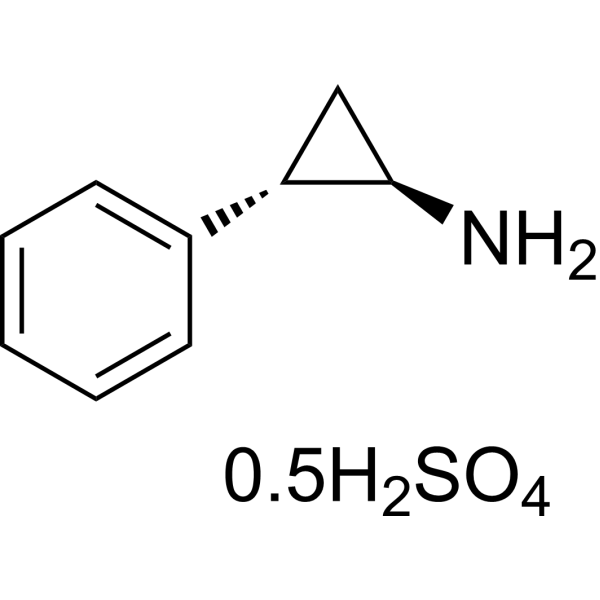
    Tranylcypromine hemisulfate
    5+ Cited Publications

    SKF 385 hemisulfate

    Monoamine Oxidase Histone Demethylase Neurological Disease Cancer
    Tranylcypromine (SKF 385) hemisulfate is an irreversible, nonselective monoamine oxidase (MAO) inhibitor used in the treatment of depression. Tranylcypromine hemisulfate is also a lysine-specific demethylase 1 (LSD1) inhibitor, suppresses lesion growth and improves generalized hyperalgesia in mouse with induced endometriosis. Tranylcypromine has antidepressant effects .
    Tranylcypromine hemisulfate
  • HY-111615A

    Somatostatin Receptor Neurological Disease Inflammation/Immunology
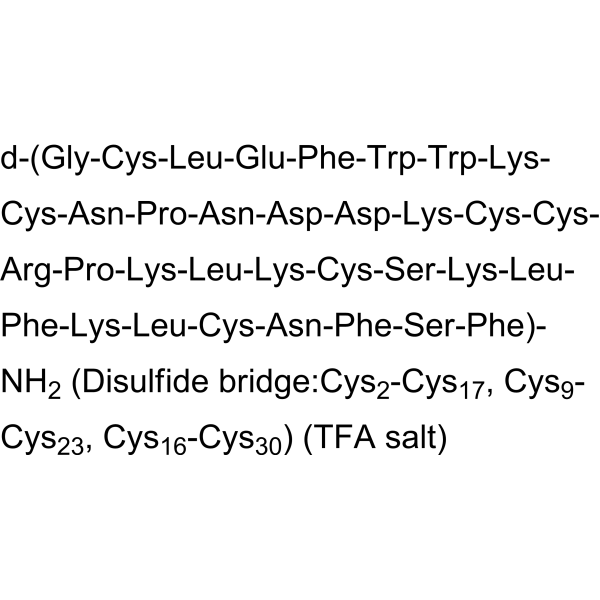
    J-2156 TFA is a high potent, selective somatostatin receptor type 4 (SST4 receptor) agonist with IC50s of 0.05 nM and 0.07 nM for human and rat SST4 receptors, respectively. J-2156 TFA has anti-inflammatory activity and it is used for the relief of mechanical allodynia and mechanical hyperalgesia in the ipsilateral hindpaws in rats .
    J-2156 TFA
  • HY-18732A
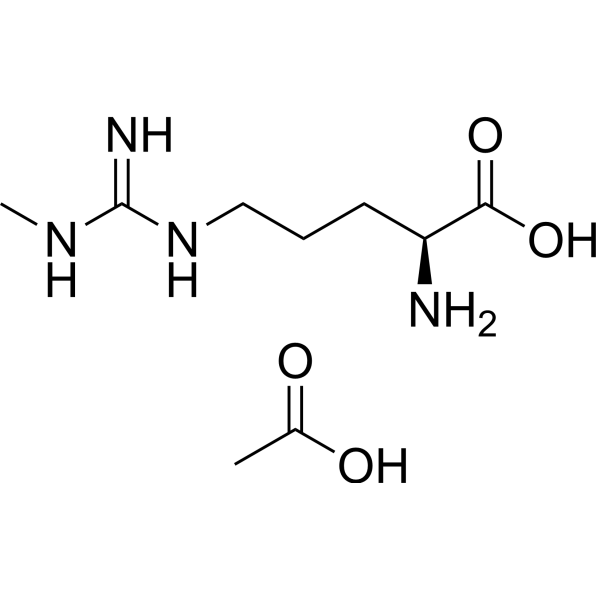
    L-NMMA acetate
    10+ Cited Publications

    Tilarginine acetate; Methylarginine acetate

    NO Synthase Neurological Disease Inflammation/Immunology Cancer
    L-NMMA (Tilarginine) acetate is a non-selective and competitive inhibitor of nitric oxide synthase. L-NMMA acetate inhibits three subtypes, namely nNOS, eNOS, and iNOS, and reduces NO production . L-NMMA acetate alleviates mechanical allodynia, thermal hyperalgesia, and choroidal fibrosis. L-NMMA acetate is applicable to research related to nociception, bone cancer pain, and myopia .
    L-NMMA acetate
  • HY-101911
    5-BDBD
    4 Publications Verification

    P2X Receptor Neurological Disease
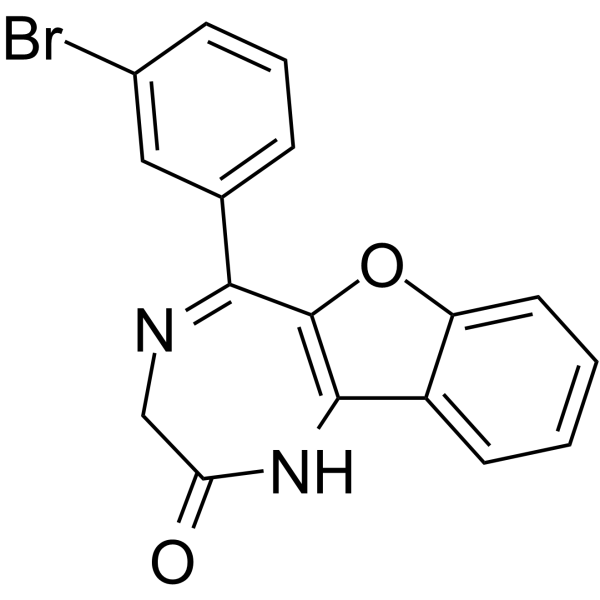
    5-BDBD, a potent and selective P2X4 receptor antagonist, inhibits rP2X4R-mediated currents, with an IC50 of 0.75 μM. 5-BDBD completely blocks the basal and acute hyperalgesia induced by nitroglycerin (NTG) .
    5-BDBD
  • HY-107922
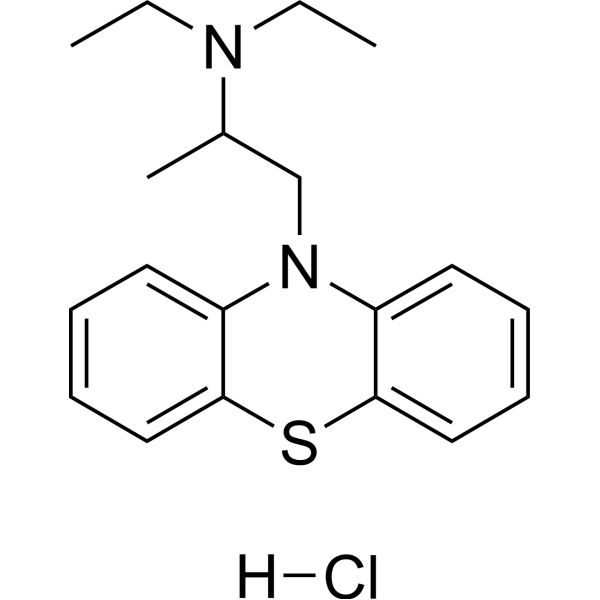
    Ethopropazine hydrochloride
    1 Publications Verification

    Isothazine

    Cholinesterase (ChE) iGluR mAChR Neurological Disease
    Ethopropazine (Isothazine) hydrochloride is a potent and selective BChE inhibitor, a poor AChE inhibitor and a non-selective mAChR and NMDA antagonist. Ethopropazine hydrochloride has anticholinergic, antihistamine, antiadrenergic actions and properties. Ethopropazine hydrochloride alleviates thermal hyperalgesia in a dose dependent manner. Ethopropazine hydrochloride can be used for the research of Parkinson’s disease .
    Ethopropazine hydrochloride
  • HY-N7108
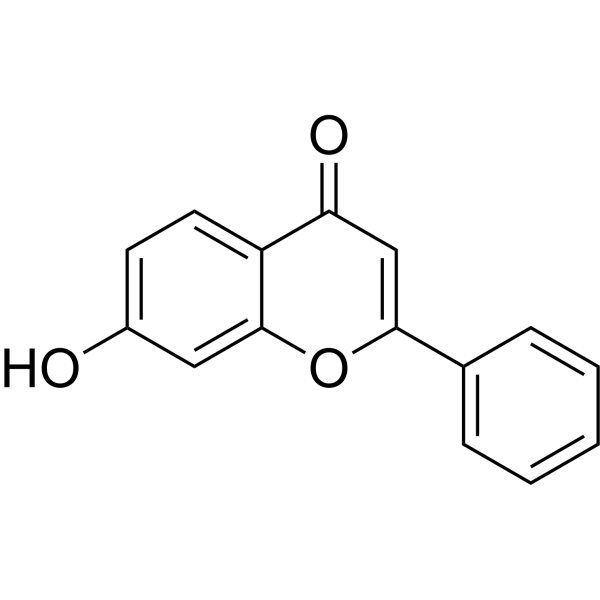
    7-Hydroxyflavone
    1 Publications Verification

    ERK Keap1-Nrf2 Apoptosis COX Pyruvate Kinase Lipoxygenase Enterovirus Virus Protease Infection Cardiovascular Disease Neurological Disease Metabolic Disease Inflammation/Immunology
    7-Hydroxyflavone is a flavonoid isolated from Clerodendrum phlomidis, with anti-inflammatory activity. 7-Hydroxyflavone protects renal cells from nicotine (NIC)-associated cytotoxicity via the ERK/Nrf2/HO-1 pathway. 7-Hydroxyflavone inhibits PKM2 with an IC50 of 2.12 μM. 7-Hydroxyflavone inhibits COX-2 and 5-LOX with IC50 of 27 µg/mL and 33 µg/mL. 7-Hydroxyflavone is orally active .
    7-Hydroxyflavone
  • HY-103175
    PSB36
    1 Publications Verification

    Adenosine Receptor Cardiovascular Disease Neurological Disease Inflammation/Immunology
    PSB36 is a highly selective A1 adenosine receptor antagonist, with a Ki of 0.12 nM and a Kd of 0.7 nM. Systemic administration of PSB36 reduces formalin- and Carrageenan (HY-125474)-induced edema in mice and decreases pain-related behaviors, with no local paw activity. PSB36 prolongs the APD90 of rat and human atria, produces a frequency-dependent prolongation of rat atrial ERP, increases the diastolic threshold of rat atria, and shortens the duration of atrial fibrillation episodes. PSB36 can be used in research related to inflammatory pain, inflammatory hyperalgesia, edema and atrial fibrillation .
    PSB36
  • HY-120546
    Ulixacaltamide
    1 Publications Verification

    Z944; PRAX-944

    Calcium Channel Neurological Disease Inflammation/Immunology
    Ulixacaltamide (Z944) is an orally available T-type calcium channel antagonist that can slow the progression of epilepsy. Ulixacaltamide effectively reduces tremor in a normal alkaline tremor animal model. Ulixacaltamide reverses thermal hyperalgesia and mediates pain relief .
    Ulixacaltamide
  • HY-P3206

    Thymulin; Thymic factor

    ERK Neurological Disease Inflammation/Immunology Endocrinology
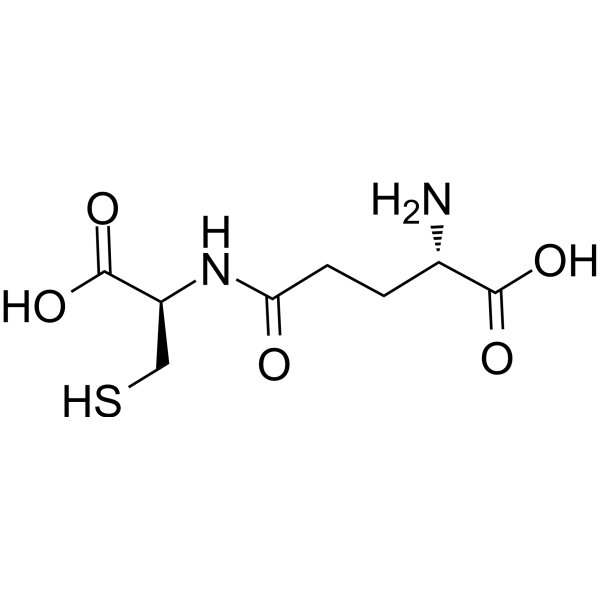
    Serum thymic factor (Thymulin) is a zinc-dependent immunomodulatory peptide hormone, which can be produced by the thymic epithelial cells. Serum thymic factor stimulates the release of hormones from the pituitary gland, exhibits hypophysiotropic activity. Serum thymic factor protects rats from Cephaloridine (HY-B2072)-induced nephrotoxicity by inhibiting ERK activation. Serum thymic factor exhibits anti-diabetic, anti-inflammatory and analgesic effects. Serum thymic factor can be used in research about endocrine, reproductive, neurodegenerative and inflammatory diseases .
    Serum thymic factor
  • HY-110150
    UNC3230
    5+ Cited Publications

    PI4P5K Neurological Disease Inflammation/Immunology Cancer
    UNC3230 is a potent, selective and ATP-competitive PIP5K1C inhibitor with an IC50 of ~41 nM. UNC3230 also inhibits PIP4K2C and does not inhibit any of the other lipid kinases that regulate phosphoinositide levels. UNC3230 has antinociceptive and anticancer effects .
    UNC3230
  • HY-W250122
    Glutamic acid sodium salt
    1 Publications Verification

    Monosodium glutamate

    Biochemical Assay Reagents Reactive Oxygen Species (ROS) Mitochondrial Metabolism Apoptosis HSP Bcl-2 Family Neurological Disease Metabolic Disease Inflammation/Immunology
    Glutamic acid sodium salt (Monosodium glutamate) is an orally active food flavor enhancer. Glutamic acid sodium salt causes ROS generation, mitochondrial dysfunction, and Apoptosis. Glutamic acid sodium salt upregulates CHOP, Grp78, and Bcl-2. Glutamic acid sodium salt impairs cognition, induces depressive-like behavior, induces hyperalgesia, and induces obesity and insulin resistance. Glutamic acid sodium salt can be used to study neurotoxicity (e.g., brain damage, cognitive impairment), metabolic disorders (e.g., obesity, insulin resistance), hepatotoxicity, and renal toxicity, as well as pain-related disorders .
    Glutamic acid sodium salt
  • HY-N2258
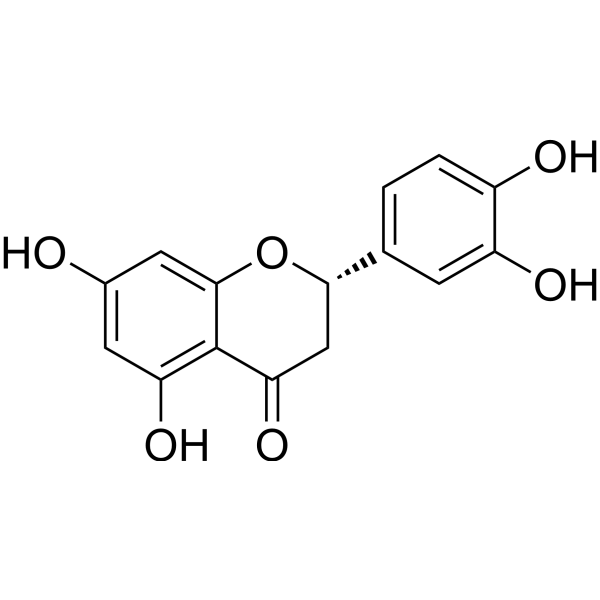
    Poncirin
    4 Publications Verification

    Apoptosis Inflammation/Immunology
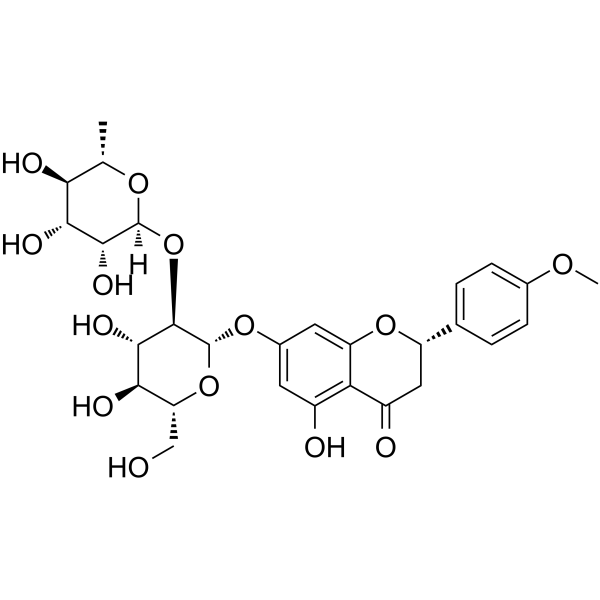
    Poncirin is isolated from Poncirus trifoliata with anti-inflammory activites. Poncirin significantly reduces mechanical hyperalgesia and allodynia in Complete Freund’s Adjuvant (CFA)-induced inflammatory pain models .
    Poncirin
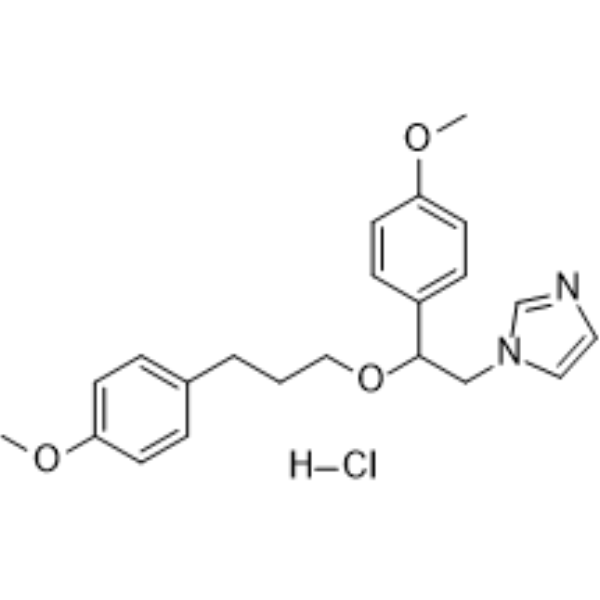
  • HY-113093

    Endogenous Metabolite Toll-like Receptor (TLR) Neurological Disease
    Ethyl glucuronide is an endogenous metabolite. Ethyl glucuronide is the metabolite of ethanol. Ethyl glucuronide is a biomarker for ethanol exposure that accumulates in hair and reflects the alcohol intake over a time period. Ethyl glucuronide is the agonist for TLR4 .
    Ethyl glucuronide
  • HY-P1137
    10Panx
    1 Publications Verification

    Gap Junction Protein Others
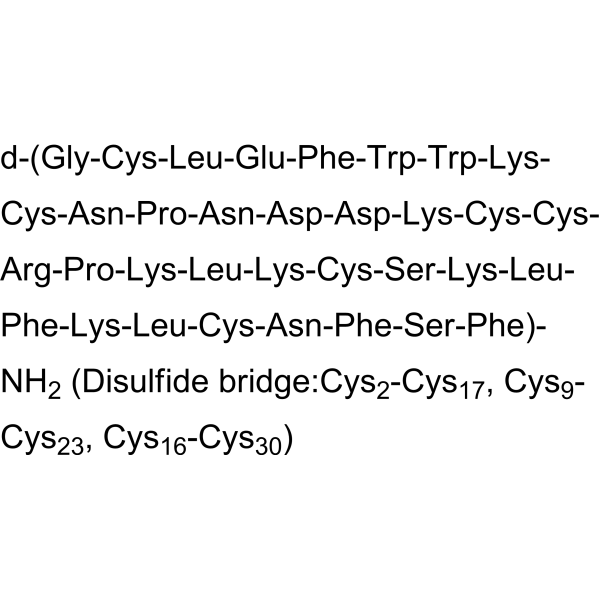
    10Panx is a competitive inhibitor of selective Pannexin 1 (PANX1) channels. 10Panx blocks the opening of PANX1 channels, inhibits ATP release and downstream P2X7 receptor-mediated signaling pathways, thereby reducing cell death and inflammatory responses. 10Panx can be used in the study of diseases such as neuropathic pain, inflammatory bowel disease, and Clostridioides difficile infection. 10Panx can effectively reduce mechanical hyperalgesia and enhanced C-reflexes, and inhibit the expression of pro-inflammatory factors such as IL-6[1][2][3].
    10Panx
  • HY-120751

    Calcium Channel Neurological Disease
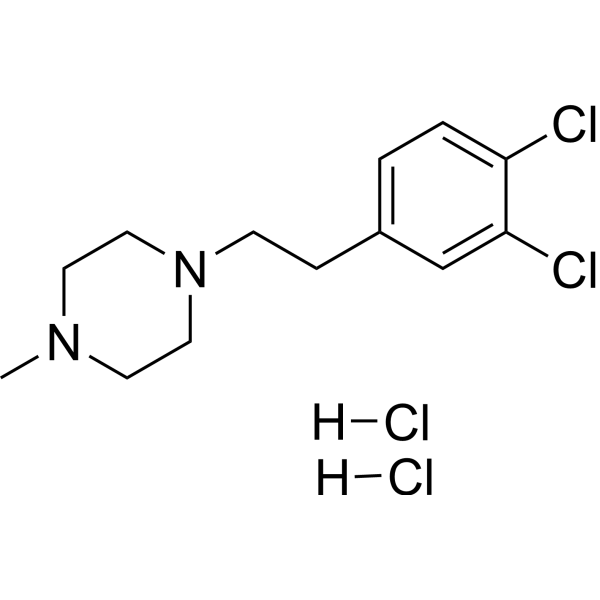
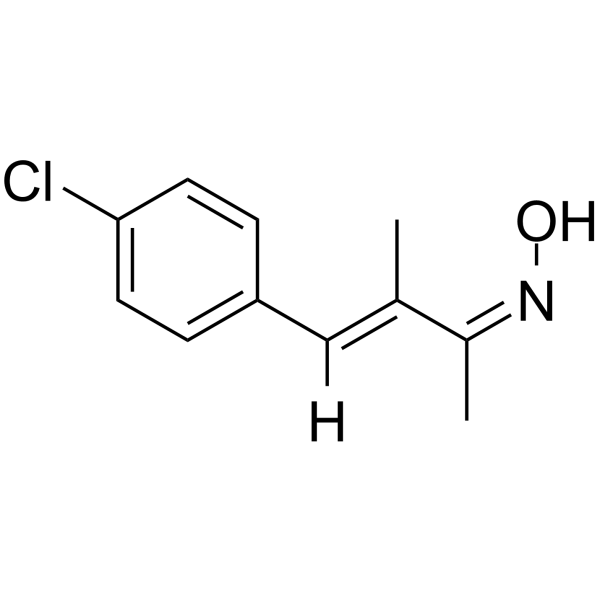
    TROX-1 is a selective, orally active and brain-penetrant N-type calcium channel (Cav2.2) inhibitor with an IC50 value of 0.11 μM. TROX-1 exerts state-dependent and use-dependent inhibition, preferentially targets open/inactivated channels, blocks depolarization-associated calcium influx, and fully blocks calcium influx in rat dorsal root ganglion neurons. TROX-1 reverses inflammatory-induced hyperalgesia, nerve injury-induced allodynia. TROX-1 can be used for the research of pain .
    TROX-1
  • HY-111615

    Somatostatin Receptor Neurological Disease
    J-2156 is a high potent, selective somatostatin receptor type 4 (SST4 receptor) agonist with IC50s of 0.05 nM and 0.07 nM for human and rat SST4 receptors, respectively. J-2156 is used for the relief of mechanical allodynia and mechanical hyperalgesia in the ipsilateral hindpaws in rats .
    J-2156
  • HY-18732
    L-NMMA
    10+ Cited Publications

    Tilarginine; Methylarginine

    NO Synthase Neurological Disease Inflammation/Immunology Cancer
    L-NMMA (Tilarginine) is a non-selective and competitive inhibitor of nitric oxide synthase. L-NMMA inhibits three subtypes, namely nNOS, eNOS, and iNOS, and reduces NO production . L-NMMA alleviates mechanical allodynia, thermal hyperalgesia, and choroidal fibrosis. L-NMMA is applicable to research related to nociception, bone cancer pain, and myopia .
    L-NMMA
  • HY-101249

    Neurokinin Receptor Neurological Disease Cancer
    L-732138 is a selective, potent and competitive neurokinin-1 (NK-1) receptor antagonist with an IC50 of 2.3 nM. L-732138 has 200-fold more potent in cloned human NK-1 receptors than cloned rat NK-1 receptors, and has > 1000-fold more potent than human NK-2 and NK-3 receptors. L-732138 can reduce hyperalgesia and has antitumor action .
    L-732138
  • HY-10499
    PH-064
    2 Publications Verification

    BIM-46187

    Serotonin Transporter Akt Neurological Disease Inflammation/Immunology Cancer
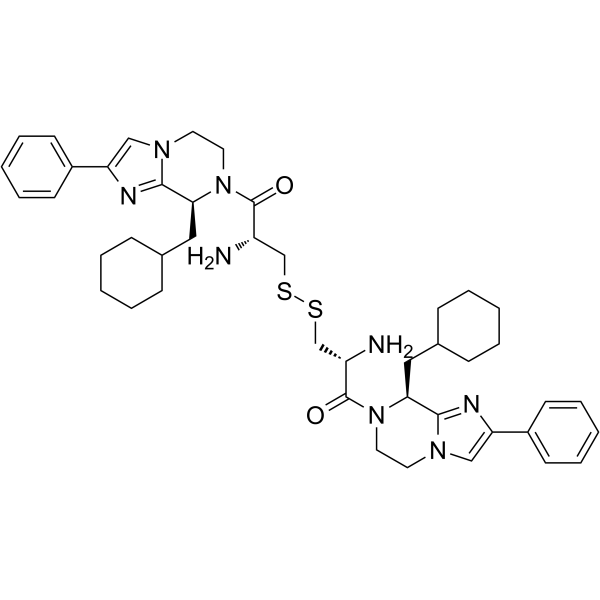
    PH-064 (BIM-46187) is an orally active inhibitor of the heterotrimeric G-protein complex. PH-064 inhibits SERT activity and attenuates shear stress-induced Akt phosphorylation. PH-064 has potent anti-hyperalgesia activity. PH-064 inhibits G protein-coupled receptor-dependent tumorigenesis. PH-064 can be used in the study of pain (e.g., inflammatory pain, neuropathic pain), GPCR-dependent tumors, and inflammatory lung injury .
    PH-064
  • HY-121615

    alpha-Phellandrene

    Environmental Pollutants Insecticide NO Synthase Apoptosis Autophagy Infection Neurological Disease Inflammation/Immunology Cancer
    α-Phellandrene (alpha-Phellandrene) is an orally active monoterpenoid and insecticide. α-Phellandrene can be isolated from plant essential oils. α-Phellandrene induces Apoptosis and Autophagy. α-Phellandrene promotes cAMP signaling pathway and increases NO production. α-Phellandrene has anti-inflammatory and anticancer (sarcoma) activities. α-Phellandrene shows insecticidal activity against Lucilia cuprina L3. α-Phellandrene reduces mechanical hyperalgesia .
    α-Phellandrene
  • HY-W044764
    2-Benzylsuccinic acid
    1 Publications Verification

    DL-Benzylsuccinic acid

    Carboxypeptidase Neurological Disease Metabolic Disease
    2-Benzylsuccinic acid (DL-Benzylsuccinic acid) is an orally active carboxypeptidase A and Nna1 inhibitor. 2-Benzylsuccinic acid reduces cold hyperalgesia. 2-Benzylsuccinic acid can be used for the researches of neuropathic pain, non-alcoholic steatohepatitis .
    2-Benzylsuccinic acid
  • HY-W014421
    AP-18
    2 Publications Verification

    TRP Channel Neurological Disease
    AP-18, a potent and selective TRPA1 inhibitor, blocks activation of TRPA1 by 50 μM Cinnamaldehyde with an IC50 of 3.1 μM and 4.5 μM for human and mouse TRPA1, respectively. AP-18 reverses complete Freund's adjuvant (CFA)-induced mechanical hyperalgesia in mice. AP-18 attenuated 30 μM AITC-induced Yo-Pro uptake in a concentration-dependent manner, with an IC50 of 10.3 μM .
    AP-18
  • HY-106841
    Draflazine
    1 Publications Verification

    R-75231; R88021

    Adenosine Receptor Nucleoside Transporters Inflammation/Immunology
    Draflazine (R-75231) is a ENT1 inhibitor. Draflazine (R-75231) completely reverses the hypersensitivity in the complete Freund’s adjuvant (CFA) model of mechanical hyperalgesia and the carrageenan inflammation model of thermal and mechanical hyperalgesia .
    Draflazine
  • HY-102095

    mGluR Neurological Disease
    SIB-1757 is a highly selective and noncompetitive antagonist of mGlu5 receptor with an IC50 of 0.4 μM .
    SIB-1757
  • HY-13283
    MF63
    1 Publications Verification

    PGE synthase Inflammation/Immunology
    MF63 is a selective and orally active inhibitor of mPGES-1. MF63 reduces the accumulation of PGE2, relieves pyresis, hyperalgesia, and inflammatory pain by inhibiting mPGES-1 .
    MF63
  • HY-131182
    DS-1971a
    1 Publications Verification

    Sodium Channel Neurological Disease
    DS-1971a is a potent, selective, and orally active NaV1.7 inhibitor, with IC50s of 22.8 and 59.4 nM for hNaV1.7 and mNaV1.7, respectively. DS-1971a exerts analgesic effects .
    DS-1971a
  • HY-13044
    ADL-5859 hydrochloride
    1 Publications Verification

    Opioid Receptor Potassium Channel Cytochrome P450 Neurological Disease Inflammation/Immunology
    ADL-5859 hydrochloride (compound 20) is a selective and orally active δ opioid receptor (DOR) agonist with an Ki and an EC50 value of 0.84 and 20 nM, respectively. ADL-5859 hydrochloride also shows inhibitory activity to hERG channel with an IC50 value of 78 μM. ADL-5859 hydrochloride can be used for the research of pain .
    ADL-5859 hydrochloride
  • HY-P3206A

    Thymulin acetate; Thymic factor acetate

    ERK Neurological Disease Inflammation/Immunology Endocrinology
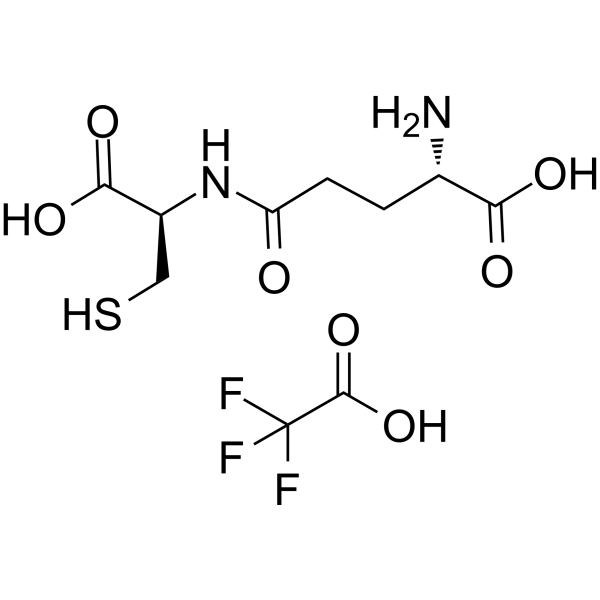
    Serum thymic factor acetate (Thymulin acetate) is the acetate salt form of Serum thymic factor (HY-P3206). Serum thymic factor acetate is a zinc-dependent immunomodulatory peptide hormone, which can be produced by the thymic epithelial cells. Serum thymic factor acetate stimulates the release of hormones from the pituitary gland, exhibits hypophysiotropic activity. Serum thymic factor acetate protects rats from Cephaloridine (HY-B2072)-induced nephrotoxicity by inhibiting ERK activation. Serum thymic factor acetate exhibits anti-diabetic, anti-inflammatory and analgesic effects. Serum thymic factor acetate can be used in research about endocrine, reproductive, neurodegenerative and inflammatory diseases .
    Serum thymic factor acetate
  • HY-114072

    Opioid Receptor Neurological Disease
    J-113397 is the first potent and selective nonpeptidyl ORL1 receptor antagonist (Ki: cloned human ORL1=1.8 nM) without any agonistic effects on other opioid receptors .
    J-113397
  • HY-W021450A

    Biochemical Assay Reagents Neurological Disease
    DL-Fluorocitric acid barium is a glial cell metabolic inhibitor. DL-Fluorocitric acid barium inhibits mechanical hyperalgesia induced by subcutaneous injection of complete Freund's adjuvant in rats. DL-Fluorocitric acid barium inhibits nociceptive behaviors induced by Histamine (HY-B1204) in mice and blocks the phosphorylation of the NMDA receptor NR1 subunit in the lumbar spinal cord of mice. DL-Fluorocitric acid (barium) can be used in the research of mechanical hyperalgesia and nociceptive pain .
    DL-Fluorocitric acid barium
  • HY-111996

    Potassium Channel Neurological Disease Inflammation/Immunology
    Kv3 activator-1 is a Kv3 family voltage-gated potassium channel activator. Kv3 activator-1 reverses mechanical hyperalgesia in rat models of neuropathic and inflammatory pain, with rapid onset and long-lasting, dose-related effects. Kv3 activator-1 can be used for the research of pain .
    Kv3 activator-1
  • HY-163733

    FAAH MAGL Neurological Disease Inflammation/Immunology
    AKU-005 is a FAAH and MAGL dual inhibitor with IC50 values of 63, 389 nM for rat and human FAAH, respectively. AKU-005 has the potential for the research of trigeminal hyperalgesia .
    AKU-005
  • HY-159972

    Prokineticin Receptor Neurological Disease
    PKR1 antagonist 1 (PC1) is a potent PKR1 antagonist. PKR1 antagonist 1 reduces hyperalgesia and allodynia in SNI mice .
    PKR1 antagonist 1
  • HY-110221
    Rp-8-pCPT-cGMPS sodium
    1 Publications Verification

    PKG Neurological Disease
    Rp-8-pCPT-cGMPS sodium is the sodium salt form of Rp-8-pCPT-cGMPS. Rp-8-pCPT-cGMPS is an inhibitor for cGMP-dependent protein kinase (cGK). Rp-8-pCPT-cGMPS sodium is an agonist for cyclic nucleotide-gated (CNG) channels in a voltage-dependent manner .
    Rp-8-pCPT-cGMPS sodium
  • HY-132268

    Calcium Channel Neurological Disease
    Cav 2.2 blocker 2 is a Cav2.2 calcium channel blocker extracted from patent WO2017046581A1, compound 1. Cav 2.2 blocker 2 can reverses hyperalgesia associated with an injury or inflammation in conjunction with the opioid .
    Cav 2.2 blocker 2
  • HY-124277

    TRP Channel Neurological Disease
    ADM 12 is a highly selective transient receptor potential ankyrin 1 (TRPA1) channel antagonist. ADM 12 blocks nitroglycerin (NTG)-induced trigeminal hyperalgesia in animal models, reducing expression of pain-related genes (c-Fos, TRPA1) and neuropeptides (CGRP, SP). ADM_12 is promising for research of migraine and neuropathic pain .
    ADM 12
  • HY-119121

    TRP Channel Neurological Disease
    JNJ-38893777 is an orally active and highly selective transient receptor potential vanilloid type 1 (TRPV1) channel antagonist. JNJ-38893777 inhibits neuronal hyperactivation and reduces inflammatory hyperalgesia. JNJ-38893777 is promising for research of migraine headaches, neuropathic and inflammatory pain .
    JNJ-38893777
  • HY-P1319

    Opioid Receptor Inflammation/Immunology
    Nociceptin (1-7) is the N-terminal bioactive fragment of nociceptin (HY-P0183). Nociceptin (1-7) is a potent ORL1 (NOP) receptor agonist with antinociceptive activity. Nociceptin (1-7) combines with nociceptin reduces hyperalgesia in vivo .
    Nociceptin(1-7)
  • HY-103177

    Adenosine Receptor Inflammation/Immunology
    PSB-10 hydrochloride is a potent and selective antagonist of human adenosine A3 receptor (A3AR), with a Ki of 0.44 nM. PSB-10 hydrochloride shows more than 800-fold selectivity for hA3 over rA1, rA2A, hA1, hA2A and hA2B receptors (Ki=805, 6040, 1700, 2700, 30000 nM, respectively). PSB-10 hydrochloride produces thermal hyperalgesia in mice .
    PSB-10 hydrochloride
  • HY-P3839

    Opioid Receptor Neurological Disease
    Nocistatin, a neuropeptide, is an endogenous ligand for the orphan opioid receptor-like receptor. Nocistatin is also a functional antagonist of neuropeptide nociceptin or orphanin FQ (Noc/OFQ). Nocistatin inhibits 5-HT release via a Gi/o proteinmediated pathway. Nocistatin blocks Nociceptin (Nociceptin)-induced allodynia and hyperalgesia .
    Nocistatin
  • HY-14406

    Neurokinin Receptor Neurological Disease Cancer
    L-733060 is a selective neurokinin-1 (NK-1) receptor antagonist. L-733060 mainly regulates pain transmission and neural plasticity by blocking the binding of Substance P (P substance) to the NK-1 receptor. L-733060 blocks the promoting effect of Substance P on long-term potentiation (LTP) in the hippocampus. L-733060 reverses the orofacial hyperalgesia induced by experimental occlusal interference (EOI) in rats. L-733060 hydrochloride inhibits neurogenic plasma extravasation at a dose that does not cause adverse cardiovascular effects in rodents, and also acts as an anti-tumor agent. L-733060 can be used for the study of chronic orofacial pain .
    L-733060
  • HY-172147

    Somatostatin Receptor Neurological Disease
    SSTR4 agonist 5 (Compound 5) is the orally active agonist for somatostatin receptor 4 (SSTR4) with an EC50 of 0.228 nM. SSTR4 agonist 5 exhibits good stability in human/rat liver microsomes. SSTR4 agonist 5 inhibits mechanical hyperalgesia in rat models .
    SSTR4 agonist 5
  • HY-146802

    NOD-like Receptor (NLR) Inflammation/Immunology
    NLRP3-IN-9 is a potent NLRP3 inhibitor. NLRP3-IN-9 inhibits IL-1β release. NLRP3-IN-9 reduces inflammation and mechanical hyperalgesia. NLRP3-IN-9 has the potential for the research of gout .
    NLRP3-IN-9
  • HY-116099

    Prostaglandin Receptor Inflammation/Immunology
    ER-819762 is an orally active, highly selective prostaglandin E2 (PGE2) EP4 receptor antagonist with an EC50 of 70 nM against human EP4 receptor. ER-819762 can be used for rheumatoid arthritis research .
    ER-819762
  • HY-18617

    Opioid Receptor Neurological Disease Inflammation/Immunology
    rel-SB-612111 hydrochloride is a novel and potent human opiate receptor-like orphan receptor (ORL-1) antagonist with a high affinity for hORL-1 (Ki=0.33 nM). rel-SB-612111 hydrochloride exhibits selectivity for μ-, κ- and δ-receptors with Ki values of 57.6 nM, 160.5 nM and 2109 nM, respecticely. rel-SB-612111 hydrochloride effectively antagonizes the pronociceptive action of Nociceptin (HY-P0183) in an acute pain model .
    rel-SB-612111 hydrochloride
  • HY-110198

    Prostaglandin Receptor PERK Inflammation/Immunology
    ONO-8130 is an orally active and selective prostanoid EP1 receptor antagonist. ONO-8130 blocks phosphorylation of ERK in the L6 spinal cord. ONO-8130 relieves bladder pain in mice with cyclophosphamide-induced cystitis. ONO-8130 can be used for interstitial cystitis research .
    ONO-8130
  • HY-14343

    NO Synthase Neurological Disease
    KLYP961 is a selective and orally active dual inhibitor of inducible and neuronal NO synthase (IC50 = 50-400 nM). KLYP961 can inhibit endotoxin-evoked plasma nitrates increases and attenuate pain behaviors in a mouse formalin model. KLYP961 can attenuate carrageenin-induced edema and inflammatory hyperalgesia and writhing response elicited by Phenylbenzoquinone (HY-W275039). KLYP961 can be used for the research of neurological disease .
    KLYP961
  • HY-12914

    TRP Channel Neurological Disease Inflammation/Immunology
    V116517 is a potent, orally active transient receptor potential vanilloid (TRPV1) antagonist. V116517 shows potent activity in inhibiting both capsaicin (CAP)- and acid (pH 5)-induced currents in rat DRG neurons expressing native TRPV (IC50=423.2 nM for CAP; IC50=180.3 nM for acid). V116517 can be used for the research of pain .
    V116517
  • HY-19403

    Neurokinin Receptor Neurological Disease
    TKA-731 is an NK1 receptor antagonist. TKA-731 can reverse mechanical hyperalgesia and has shown analgesic effects in a neuropathic pain model in guinea pigs. TKA-731 can be used in the research of neuropathic pain .
    TKA-731
  • HY-P10619

    Neurokinin Receptor Inflammation/Immunology
    [Tyr6,D-Phe7,D-His9]-Substance P (6-11) is a tachykinin NK1 receptor antagonist that antagonizes Histamine (HY-B1204) induced hyperalgesia .
    [Tyr6,D-Phe7,D-His9]-Substance P (6-11)

Inquiry Online

Your information is safe with us. * Required Fields.

Salutation


Country or Region *

Applicant Name *


Organization Name *

Department *


Email Address *


Product Name *

Cat. No.


Requested quantity *

Phone Number *


Remarks

Inquiry Online

Inquiry Information

Product Name:
Cat. No.:
Quantity:
MCE Japan Authorized Agent:

