
1. Search Result
Search Result
Results for "

inflammatory reactions

" in MedChemExpress (MCE) Product Catalog:

56

Inhibitors & Agonists

3

Screening Libraries

7

Biochemical Assay Reagents

1

Peptides

2

Inhibitory Antibodies

10

Natural
Products

1

Isotope-Labeled Compounds

1

Click Chemistry

1

Oligonucleotides

Cat. No. Product Name Target Research Areas Chemical Structure
  • HY-116282
    Dextran sulfate sodium salt (MW 5000)
    5 Publications Verification

    DSS (MW 5000); DXS (MW 5000)

    HIV Complement System Apoptosis Infection Inflammation/Immunology
    Dextran sulfate sodium salt (DSS) (MW 5000) is a polymer of dehydrated glucose with a molecular weight of approximately 5000. Dextran sulfate sodium salt (DSS) with different molecular weights exhibits different biological activities. Dextran sulfate sodium salt (MW 5000) is an inhibitor of complement and coagulation pathways, and belongs to the glycosaminoglycans (GAG) family. Dextran sulfate sodium salt (MW 5000) acts as an anticoagulant, antiviral, and anti-lipemic agent. Dextran sulfate sodium salt (DSS) stops HIV-1 virus adsorption to host cells. Dextran sulfate sodium salt (MW 5000) prevents NK cell-mediated cytotoxicity. Dextran sulfate sodium salt (MW 5000) inhibits instant blood-mediated inflammatory reaction (IBMIR) .
    Dextran sulfate sodium salt (MW 5000)
  • HY-116282A

    DSS (MW 4500-5500); DXS (MW 4500-5500)

    HIV Apoptosis Complement System Infection Inflammation/Immunology
    Dextran sulfate sodium salt (DSS) (MW 4500-5500) is a polymer of dehydrated glucose with a molecular weight of approximately 4500-5500. Dextran sulfate sodium salt with different molecular weights exhibits different biological activities. Dextran sulfate sodium salt (MW 4500-5500) is an inhibitor of complement and coagulation pathways, and belongs to the glycosaminoglycans (GAG) family. Dextran sulfate sodium salt (MW 4500-5500) acts as an anticoagulant, antiviral, and anti-lipemic agent. Dextran sulfate sodium salt (MW 4500-5500) stops HIV-1 virus adsorption to host cells. Dextran sulfate sodium salt (MW 4500-5500) prevents NK cell-mediated cytotoxicity. Dextran sulfate sodium salt (MW 4500-5500) inhibits instant blood-mediated inflammatory reaction (IBMIR) .
    Dextran sulfate sodium salt (MW 4500-5500)
  • HY-A0059
    Nifuratel
    3 Publications Verification

    NF 113; SAP 113; Methylmercadone

    Bacterial Parasite Antibiotic Fungal Apoptosis STAT Interleukin Related TNF Receptor Infection Inflammation/Immunology Cancer
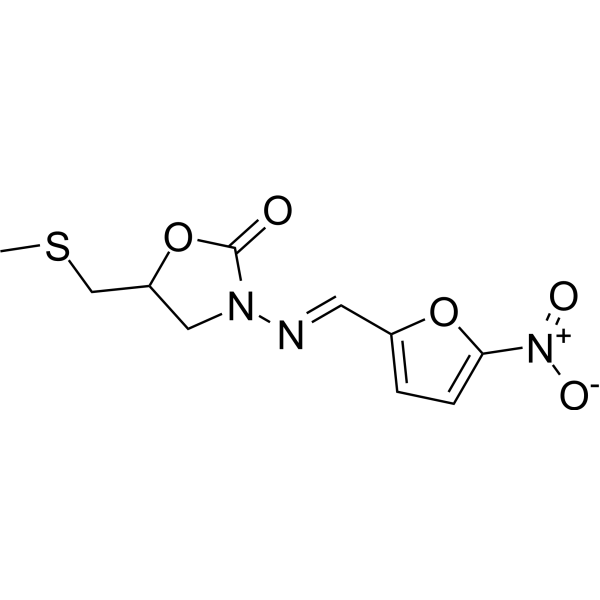
    Nifuratel (NF 113) is an orally active broad-spectrum antibiotic with antiprotozoal, antibacterial, anticancer and anti-inflammatory activities, and has good inhibitory effects on Candida and Trichomonas. Nifuratel is also a STAT3 inhibitor, which significantly inhibits the growth and proliferation of human gastric cancer cells and induces apoptosis. In addition, Nifuratel also inhibits mast cell-mediated antigen hypersensitivity reactions and can be used in the study of IgE-mediated allergic diseases .
    Nifuratel
  • HY-P990774

    ASP-7266; TRAB-1; UPB-101

    Interleukin Related Inflammation/Immunology
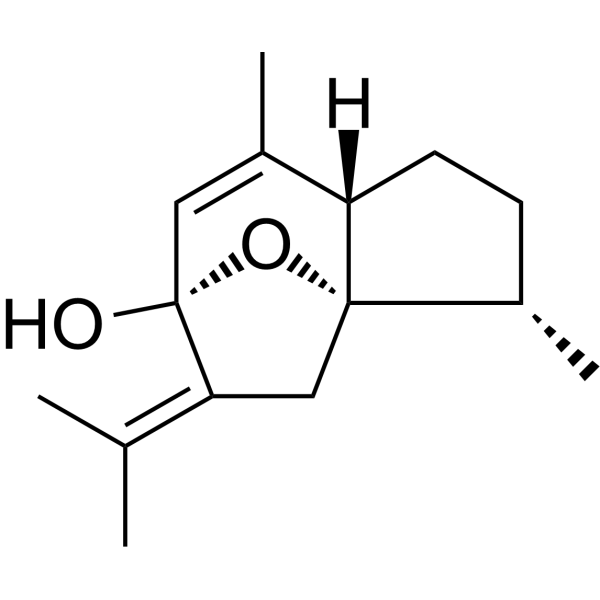
    Verekitug (ASP-7266; TRAB-1; UPB-101) is a human monoclonal antibody targeting the thymic stromal lymphopoietin receptor (TSLPR), with a mean half-life of approximately 20 days. At doses of Verekitug ≥100 mg, complete and sustained TSLPR-specific occupancy is achieved, and the antibody does not bind to IL-7Rα. By inhibiting TSLP-driven inflammatory responses, Verekitug blocks TSLP-induced cell proliferation and TARC expression, while reducing fractional exhaled NO levels, blood eosinophil counts, and levels of IL-5 and IgE. Verekitug significantly improves scores for nasal polyps, nasal congestion and olfactory dysfunction, with favorable safety and good tolerability; potential adverse reactions include headache, upper respiratory tract infection, sinusitis and nasopharyngitis. Verekitug is used in relevant studies on asthma, chronic rhinosinusitis with nasal polyps and chronic obstructive pulmonary disease .
    Verekitug
  • HY-141570

    Phospholipase Others
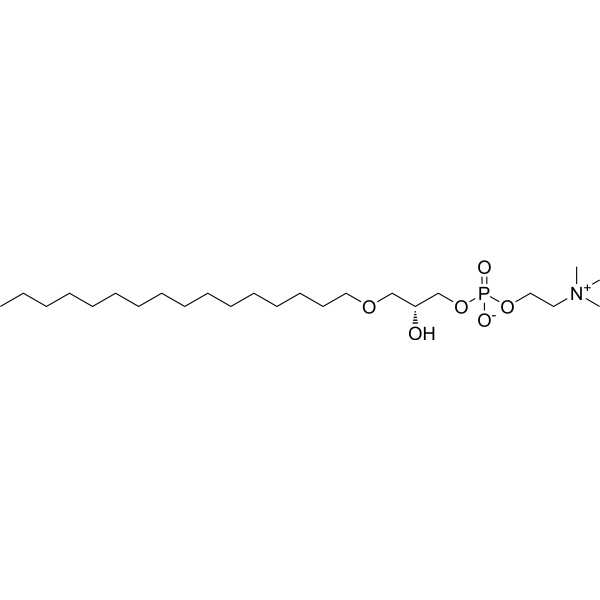
    Lyso-PAF C-16 is a precursor and metabolite of 1-O-hexadecyl-2-acetyl-sn-glycero-3-phosphocholine (PAF C-16). Lyso-PAF C-16 is a substrate for either PAF C-16 formation by the remodeling pathway or selective acylation with arachidonic acid by a CoA-independent transacylase .
    Lyso-PAF C-16
  • HY-D1005A10

    PEG-PPG-PEG, 2900 (Average)

    Environmental Pollutants Biochemical Assay Reagents Bacterial P-glycoprotein Infection Inflammation/Immunology
    Poloxamer 184 L64 is a block copolymer of polyethylene oxide and polypropylene oxide with an average molecular weight of 2900. Poloxamer has the ability to inhibit P-gp. Poloxamer 184 exhibits short-term skin toxicity, characterized by mild erythema and intradermal inflammatory reactions. Poloxamer 184 has antimicrobial activity, inhibiting 60% of Mycobacterium avium at a concentration of 1 mg/mL. Poloxamer 184 forms a thermoreversible hydrogel and is used as a food additive and as a drug delivery carrier in cosmetics and tissue engineering .
    Poloxamer 184 (L64)
  • HY-W116336D

    Biochemical Assay Reagents Fungal Bacterial Infection Cancer
    Zinc oxide, <100 nm particle size is a nitrate reductase modulator and growth promoter with plant stress resistance activity and oral toxicity. Zinc oxide, <100 nm particle size acts as a nutrient source for maize plants. By enhancing nitrate reductase activity and reducing free proline levels, it significantly improves plant height, root length and dry matter weight of maize, and its growth-promoting effect is comparable to that of traditional zinc sulfate fertilizer. Zinc oxide, <100 nm particle size induces anemia-related and persistent tissue inflammatory damage, leading to obvious histopathological adverse reactions in the stomach, pancreas, eyes and prostate of rats. Zinc oxide, <100 nm particle size acts as a non-toxic antibacterial agent and selective cytotoxin against multiple bacteria, fungi and spores .
    Zinc oxide, <100 nm particle size
  • HY-W004761

    Hypodiboric acid

    Bacterial Reactive Oxygen Species (ROS) Infection Inflammation/Immunology
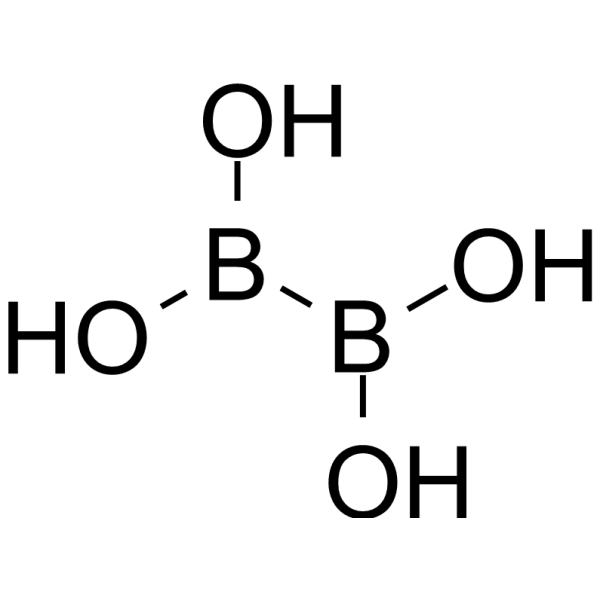
    Tetrahydroxydiboron (Hypodiboric acid) acts as a hydrogel initiator and bioadhesion promoter, with broad-spectrum antibacterial activity, ROS scavenging capacity, and osteogenic induction properties. Tetrahydroxydiboron initiates rapid gelation by generating free radicals through reactions with vinyl monomers and dissolved oxygen, overcoming oxygen inhibition without deoxygenation or external triggers. Tetrahydroxydiboron achieves strong bioadhesion via interaction with carboxymethyl chitosan. Tetrahydroxydiboron can be used in the research of periodontitis and related inflammatory diseases .
    Tetrahydroxydiboron
  • HY-108882C

    DNA/RNA Synthesis Inflammation/Immunology
    DNase I is an enzyme that degrades DNA. DNase I is mainly produced by digestive system organs, such as the pancreas and parotid gland. Three types of DNase I are known in mammals: pancreatic type, parotid type, and pancreatico-parotid type. DNase I plays a key role in the cleavage of extracellular DNA, and is critical for limiting inflammatory responses and maintaining homeostasis. DNase I is responsible for digesting extracellular nucleoproteins, which may be essential for preventing autoimmune reactions. Decreased DNase I activity may be associated with the occurrence and development of systemic lupus erythematosus (SLE). DNase I (filtered) is filtered through a 0.22 μM membrane and is not tested for pyrogenicity .
    DNase I (filtered)
  • HY-141466

    Endogenous Metabolite Histone Acetyltransferase Infection Metabolic Disease Inflammation/Immunology
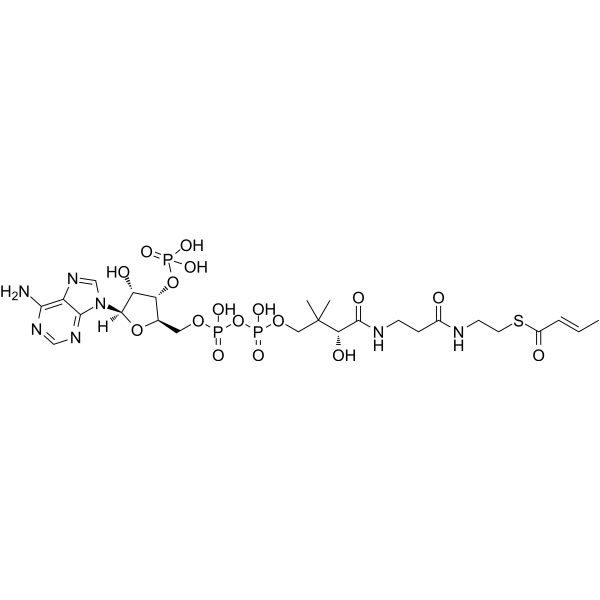
    Crotonyl-CoA, a high-energy acyl donor, is an intermediate in the fermentation of butyric acid, and in the metabolism of lysine and tryptophan. Crotonyl-CoA is important in the metabolism of fatty acids and amino acids. Crotonyl-CoA acts as a substrate for p300’s histone crotonyltransferase activity, competing with acetyl-CoA for p300-mediated histone acylation reactions. Crotonyl-CoA regulates global and gene-specific histone crotonylation levels in cells, with cellular concentration changes altering histone crotonylation at regulatory elements of activated genes. Crotonyl-CoA serves as the substrate for crotonyl-CoA reductase/carboxylase (CCRC)-catalyzed NADPH-mediated reduction and carbon dioxide trapping to form unusual alkylmalonyl-CoA polyketide synthase extender units. Crotonyl-CoA can be used for the research of LPS-induced inflammatory response .
    Crotonyl-CoA
  • HY-141466A

    Endogenous Metabolite Histone Acetyltransferase Infection Metabolic Disease Inflammation/Immunology
    Crotonyl-CoA tetrasodium, a high-energy acyl donor, is an intermediate in the fermentation of butyric acid, and in the metabolism of lysine and tryptophan. Crotonyl-CoA tetrasodium is important in the metabolism of fatty acids and amino acids. Crotonyl-CoA tetrasodium acts as a substrate for p300’s histone crotonyltransferase activity, competing with acetyl-CoA for p300-mediated histone acylation reactions. Crotonyl-CoA tetrasodium regulates global and gene-specific histone crotonylation levels in cells, with cellular concentration changes altering histone crotonylation at regulatory elements of activated genes. Crotonyl-CoA tetrasodium serves as the substrate for crotonyl-CoA reductase/carboxylase (CCRC)-catalyzed NADPH-mediated reduction and carbon dioxide trapping to form unusual alkylmalonyl-CoA polyketide synthase extender units. Crotonyl-CoA tetrasodium can be used for the research of LPS-induced inflammatory response .
    Crotonyl-CoA tetrasodium
  • HY-W324435

    Sodium 2,4-dinitrobenzenesulfonate; DNBS sodium salt; DNBSO sodium salt

    NF-κB p38 MAPK COX Inflammation/Immunology
    2,4-Dinitrobenzenesulfonic acid (DNBS; DNBSO) sodium salt (Sodium 2,4-dinitrobenzenesulfonate) is a classic colitis inducer that relies on activation of the NF-κB p65/COX-2/p38 pathway. As a hapten, 2,4-Dinitrobenzenesulfonic acid sodium salt stimulates the production of immune responses in colonic tissues, triggers oxidative stress and inflammatory reactions, and thereby leads to colonic injury. 2,4-Dinitrobenzenesulfonic acid sodium salt successfully induces models of colitis and ulcerative colitis in rats, causing pathological changes such as ulcers, edema, stenosis, shortening and organ adhesion in the distal colon, along with significant increases in the levels of inflammatory indicators and endoplasmic reticulum stress marker proteins. 2,4-Dinitrobenzenesulfonic acid sodium salt is widely used in studies on the mechanisms related to colitis and ulcerative colitis .
    2,4-Dinitrobenzenesulfonic acid sodium salt
  • HY-N0608
    Myrislignan
    1 Publications Verification

    NF-κB Inflammation/Immunology
    Myrislignan, a lignan isolated from Myristica fragrans Houtt, possesses anti-inflammatory activities. Myrislignan attenuates LPS-induced inflammation reaction in murine macrophage cells through inhibition of NF-kB signalling pathway activation .
    Myrislignan
  • HY-124686

    STAT Interleukin Related TNF Receptor Inflammation/Immunology
    ER-464195-01 is an orally active calreticulin (CRT) and integrin α subunits (ITGAs) binding inhibitor. ER-464195-01 inhibits leukocyte infiltration and subsequent inflammatory cascade reactions by dissociating the binding between CRT and ITGA. ER-464195-01 down-regulates the expression of pro-inflammatory genes (such as TNF-α, IL-1β, IL-6, IL-17f) induced by DSS (HY-116282C), and inhibit the phosphorylation of STAT3 and the production of serum amyloid A (SAA). ER-464195-01 can be used for the study of inflammatory bowel disease (IBD) .
    ER-464195-01
  • HY-106592A

    PNU74389G (meleate)

    Reactive Oxygen Species (ROS) Cardiovascular Disease Others
    U-74389G (PNU74389G meleate) is an antioxidant, can inhibit lipid peroxidation reactions. U-74389G can protect against ischemia-reperfusion injury and be widely used in animal models of ischemic injury and hypertension. U-74389G shows anti-inflammatory activity .
    U-74389G
  • HY-W013636C
    2-Ketoglutaric acid potassium
    5+ Cited Publications

    Alpha-Ketoglutaric acid potassium

    Tyrosinase Endogenous Metabolite TNF Receptor Neurological Disease Metabolic Disease
    2-Ketoglutaric acid (Alpha-Ketoglutaric acid) (potassium) is an intermediate in the production of ATP or GTP in the Krebs cycle. 2-Ketoglutaric acid potassium is a reversible and orally active inhibitor of tyrosinase with an IC50 value of 15 mM. 2-Ketoglutaric acid potassium also acts as the major carbon skeleton for nitrogen-assimilatory reactions. 2-Ketoglutaric acid potassium significantly suppresses abnormal intestinal permeability, delocalization of tight junction proteins from the intestinal cells, expression of TNFα in vitro and in vivo. 2-Ketoglutaric acid potassium directly binds to TAK1, and inhibits the TRAF6-TAK1 interaction. 2-Ketoglutaric acid potassium also alleviates inflammatory bowel disease (IBD) symptoms and gut microbiota dysbiosis, evident by the improvements in the intestine length .
    2-Ketoglutaric acid potassium
  • HY-160851

    AK3287; AKEX0011

    ASK1 p38 MAPK Inflammation/Immunology
    GDC-3280 (AK3287; AKEX0011) is an orally active compound based on Pirfenidone (HY-B0673)'s phenyl pyridone scaffold. GDC-3280 alleviates the inflammatory and fibrotic reaction of silicosis by inhibiting the ASK1-p38 MAPK pathway and regulating macrophage polarization. GDC-3280 exhibits anti-inflammatory and anti-fibrotic effects .
    GDC-3280
  • HY-B2029
    Phosalone
    1 Publications Verification

    Insecticide Cholinesterase (ChE) Infection Inflammation/Immunology
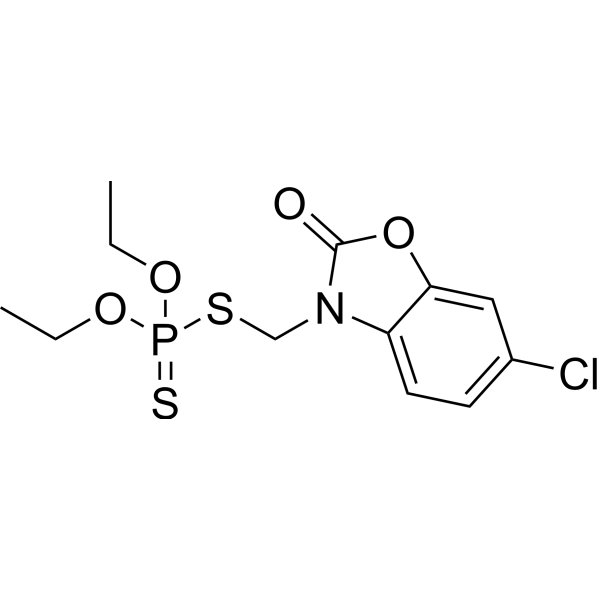
    Phosalone is an orally active, blood-brain barrier penetrant Insecticide and acaricide. Phosalone inhibits the activity of Acetylcholinesterase. Phosalone acts as a substrate for detoxifying esterases. Phosalone induces symptoms of cholinergic hyperactivity, toxic reactions, mortality, oxidative stress, and changes in pro-inflammatory protein levels, and exerts toxic effects on colonic tissues and cells. Phosalone controls pistachio psyllids. Phosalone can be used in studies related to colitis .
    Phosalone
  • HY-124670

    Interleukin Related NF-κB Inflammation/Immunology
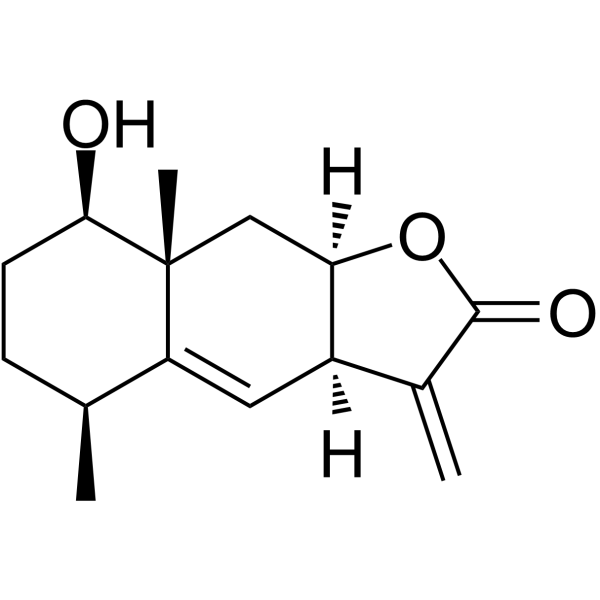
    1beta-Hydroxyalantolactone modulate many processes that influence inflammatory reactions .
    1beta-Hydroxyalantolactone
  • HY-109547

    Diclofenac hydroxyethylpyrrolidine

    COX Inflammation/Immunology Cancer
    Flector Patch (Diclofenac epolamine) is a non-steroidal anti-inflammatory drug (NSAID) . Flector Patch is used for relieving arthritis Pain, acute Pain, osteoarthritis, and actinic Keratosis. Flector Patch has good skin absorption characteristics without local adverse reactions and allergies .
    Diclofenac epolamine
  • HY-17484
    Ampiroxicam
    2 Publications Verification

    CP 65703

    Drug Derivative Inflammation/Immunology
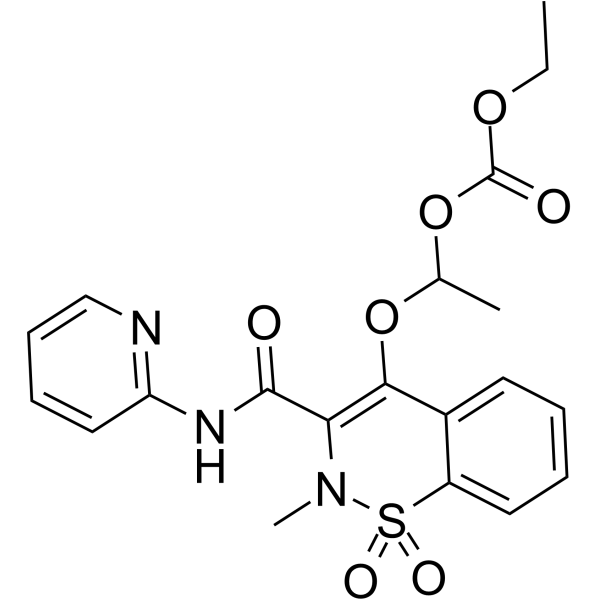
    Ampiroxicam is an orally active prodrug of non-steroidal anti-inflammatory drug (NSAID). Ampiroxicam inhibits paw swelling in adjuvant-induced arthritis and acute inflammation models, and suppresses phenylbenzoquinone-induced stretching responses in mice. Ampiroxicam is rapidly and completely converted to Piroxicam (HY-B0253) via non-specific esterases and first-pass metabolism. Ampiroxicam induces contact hypersensitivity and photosensitivity reactions through photoproducts generated by UVA. Ampiroxicam can be used in research related to photosensitivity, adjuvant-induced arthritis, rheumatism, osteoarthritis and other inflammatory diseases .
    Ampiroxicam
  • HY-Y0038

    Trk Receptor Cancer
    2-Bromo-6-methoxynaphthalene is an active intermediate in the production of anti-inflammatory agents like Naproxen and Nabumetone by Heck reaction. 2-Bromo-6-methoxynaphthalene has potential anti-inflammatory properties and Tyrosine-protein inhibitor properties. 2-Bromo-6-methoxynaphthalene can be used for the research of cancer .
    2-Bromo-6-methoxynaphthalene
  • HY-148908

    TNF Receptor Cardiovascular Disease Inflammation/Immunology Cancer
    TNF-α-IN-8 (compound I-42) is a TNF-α inhibitor. TNF-α-IN-8 is an isoindole-imide compound. TNF-α-IN-8 can be used for the research of cancer, heart disease, osteoporosis, inflammatory, allergic and autoimmune diseases . TNF-α-IN-8 is a click chemistry reagent, it contains an Azide group and can undergo copper-catalyzed azide-alkyne cycloaddition reaction (CuAAc) with molecules containing Alkyne groups. It can also undergo strain-promoted alkyne-azide cycloaddition (SPAAC) reactions with molecules containing DBCO or BCN groups.
    TNF-α-IN-8
  • HY-P990208

    Interleukin Related NF-κB Parasite Infection Inflammation/Immunology Cancer
    Anti-Mouse IL-9 Antibody (9C1) is an anti-mouse IL-9 IgG2a monoclonal antibody. Anti-Mouse IL-9 Antibody (9C1) can reduce the activation of NF-κB signaling pathway and decrease the infiltration of inflammatory cells. Anti-Mouse IL-9 Antibody (9C1) effectively reduces Th9 cell-mediated allergic reactions and anti-tumor effects. Anti-Mouse IL-9 Antibody (9C1) can be used for researches on inflammation, infection conditions and cancer such as parasitic infections, allergic reactions, breast cancer and osteosarcoma .
    Anti-Mouse IL-9 Antibody (9C1)
  • HY-130046

    16-epi-Estriol; 16β,17β-Estriol

    UGT Bacterial Infection Inflammation/Immunology
    16-Epiestriol (16-epi-Estriol; 16β,17β-Estriol) is a natural stereoisomer of estriol and an anti-inflammatory agent that targets UGT. The Ki values of 16-Epiestriol against human UGT1A10 and UGT2B7 are 98.1 μM and 162 μM, respectively. As a glucuronidation substrate, 16-Epiestriol can be modified at the 3-OH, 16-OH and 17-OH sites by various UGT enzymes; in liver microsomes, the modification mainly occurs at the 16-OH and 17-OH sites, while reactions take place at all three sites in intestinal microsomes. 16-Epiestriol acts on the phase II inflammatory process by blocking edema mediated by prostaglandins and leukocyte infiltration. It lacks glycogenic activity or any effect on blood glucose levels, and serves as an important candidate molecule in the research of inflammatory diseases .
    16-Epiestriol
  • HY-117616

    (+)-Laurotetanine

    NF-κB Cancer
    Laurotetanine ((+)-Laurotetanine) is an potent and orally active isoquinoline alkaloid and could be extracted from the roots of Litsea cubeba (Lour.) Pers. Laurotetanine exerts an anti-asthmatic effect by inhibition of IgE, histamine, and inflammatory reactions via down-regulating MUC5AC and NF-κB signaling pathways .
    Laurotetanine
  • HY-164216A

    STAT Inflammation/Immunology Cancer
    (trans)-STAT6-IN-13 (Compound 95) is a STAT6 inhibitor with IC50 values of ≤300 nM. (trans)-STAT6-IN-13 has weak inhibitory for STAT3. (trans)-STAT6-IN-13 can be used for the researches of cancer, inflammation and immunology .
    (trans)-STAT6-IN-13
  • HY-120529

    Biochemical Assay Reagents Others
    Aciculatin is a compound with cytotoxic, anti-inflammatory and anti-arthritic activities, and its synthetic route including specific chemical reaction steps was determined through the first total synthesis.
    Aciculatin
  • HY-166309

    Endogenous Metabolite Histone Acetyltransferase Infection Metabolic Disease Inflammation/Immunology
    Crotonyl-CoA tetralithium, a high-energy acyl donor, is an intermediate in the fermentation of butyric acid, and in the metabolism of lysine and tryptophan. Crotonyl-CoA tetralithium is important in the metabolism of fatty acids and amino acids. Crotonyl-CoA tetralithium acts as a substrate for p300’s histone crotonyltransferase activity, competing with acetyl-CoA for p300-mediated histone acylation reactions. Crotonyl-CoA tetralithium regulates global and gene-specific histone crotonylation levels in cells, with cellular concentration changes altering histone crotonylation at regulatory elements of activated genes. Crotonyl-CoA tetralithium serves as the substrate for crotonyl-CoA reductase/carboxylase (CCRC)-catalyzed NADPH-mediated reduction and carbon dioxide trapping to form unusual alkylmalonyl-CoA polyketide synthase extender units. Crotonyl-CoA tetralithium can be used for the research of LPS-induced inflammatory response .
    Crotonyl-CoA tetralithium
  • HY-176767

    Mas-related G-protein-coupled Receptor (MRGPR) Inflammation/Immunology
    MrgprX2-IN-1 (Compound 2-10) is a selective Mas-related G-protein coupled receptor X2 (MRGPRX2) antagonist. MrgprX2-IN-1 blocks IgE-independent immune responses by inhibiting MRGPRX2-mediated mast cell degranulation and release of inflammatory mediators. MrgprX2-IN-1 is promising for research of pseudo-allergic reactions, chronic pruritus, and inflammatory diseases .
    MrgprX2-IN-1
  • HY-176768

    Mas-related G-protein-coupled Receptor (MRGPR) Inflammation/Immunology
    MrgprX2-IN-2 (Compound example 12) is a selective Mas-related G-protein coupled receptor X2 (MRGPRX2) antagonist. MrgprX2-IN-2 blocks IgE-independent immune responses by inhibiting MRGPRX2-mediated mast cell degranulation and release of inflammatory mediators. MrgprX2-IN-2 is promising for research of pseudo-allergic reactions, chronic pruritus, and inflammatory diseases .
    MrgprX2-IN-2
  • HY-139171

    PGE synthase Inflammation/Immunology
    F092 is an inhibitor of hematopoietic prostaglandin D synthase (H-PGDS) with a KD value of 0.14 nM. F092 can be used in the study of allergic and inflammatory responses .
    F092
  • HY-177691

    Prostaglandin Receptor Neurological Disease Inflammation/Immunology
    CCI17464 is a selective, orally active EP4 partial agonist with a pKi of 7.1. CCI17464 can be used in a Freund's complete adjuvant (FCA) acute rat inflammatory pain model and shows complete reversal of allergic reactions .
    CCI17464
  • HY-N0608A

    NF-κB Inflammation/Immunology
    (Rac)-Myrislignan is the racemate of Myrislignan. Myrislignan, a lignan isolated from Myristica fragrans Houtt, possesses anti-inflammatory activities. Myrislignan attenuates LPS-induced inflammation reaction in murine macrophage cells through inhibition of NF-kB signalling pathway activation .
    (Rac)-Myrislignan
  • HY-178470

    Indoleamine 2,3-Dioxygenase (IDO) Inflammation/Immunology Cancer
    IDO1/TDO-IN-10 (Compound G-14) is a dual IDO1 (EC50=3.07 μM) and TDO (EC50=9.7 μM) inhibitor. IDO1/TDO-IN-10 inhibits the conversion of tryptophan to kynurenine and modulates immune responses while reducing inflammatory reactions. IDO1/TDO-IN-10 is promising for research of cancers and inflammatory diseases .
    IDO1/TDO-IN-10
  • HY-E70619

    Biochemical Assay Reagents Inflammation/Immunology
    2'-5' Oligoadenylate Synthetase 1, Human is an enzyme induced by IFNs that is activated by the presence of double-stranded RNA and stimulates the oligomerisation of ATP into 2′,5′-linked oligoadenylates (2-5A). 2'-5' Oligoadenylate Synthetase 1, Human plays an important role in inflammatory immune reactions .
    2'-5' Oligoadenylate Synthetase 1, Human
  • HY-178916

    IKK IFNAR STAT Inflammation/Immunology
    ITA-9 is a TBK1 inhibitor based on the structure of itaconic acid. ITA-9 can inhibit the IFN-I signaling pathway. ITA-9 can inhibit the phosphorylation of TBK1, IRF3, and STAT1. ITA-9 can be used for research on inflammatory reactions and tissue damage .
    ITA-9
  • HY-185048

    Drug Intermediate Neurological Disease
    PCB-OAA is a biocompatible multivinyl polycarboxybetaine macromonomer and that exhibits anti-fouling activity. PCB-OAA can form a hydrogel in vitreous cavity and shows an appealing ability to prevent significantly inflammatory response, fibrosis and complications such as raised intraocular pressure, and cataract formation. PCB-OAA can be used for the research of vitreous substitution .
    PCB-OAA
  • HY-106200A

    Lipoxygenase Cardiovascular Disease Inflammation/Immunology Cancer
    CJ-13,610 (hydrochloride) is an orally active and potent nonredox-type 5-lipoxygenase inhibitor with an IC50 value of 0.07 μM. CJ-13,610 (hydrochloride) competes with activating LOOH at a regulatory LOOH-binding site with high affinity, thereby preventing 5-lipoxygenase catalysis. CJ-13,610 (hydrochloride) is promising for research of diseases related to elevated levels of 5-lipoxygenase such as inflammatory reactions, allergic asthma, various types of cancer and atherosclerosis .
    CJ-13,610 hydrochloride
  • HY-B2096

    9-cis-Octadecenoic acid ethanolamine; 9Z-Octadecenoic acid ethanolamine

    Biochemical Assay Reagents Cardiovascular Disease Inflammation/Immunology
    Oleic (9-cis-Octadecenoic) acid ethanolamine consists of oleic acid and ethanolamine. Oleic acid ethanolamine has sclerotherapeutic activity. Oleic acid ethanolamine can cause inflammatory reaction in the intimal endothelium of the vein .
    Oleic acid ethanolamine
  • HY-19646

    480156-S

    Bradykinin Receptor Prostaglandin Receptor Neurological Disease
    Zoliprofen (480156-S), a new non-steroidal anti-inflammatory agent, has potent pain suppressing effect. Zoliprofen has strong antagonistic action against bradykinin, markedly inhibiting all bradykinin-induced edema and pain reactions. Zoliprofen weakly inhibits Arachidonic acid (HY-109590)-induced edema and pain reactions but also inhibits PGE2 synthesis of bovine vesicular gland microsomes .
    Zoliprofen
  • HY-W339645

    (S)-Naproxen ethyl ester

    COX Inflammation/Immunology
    Naproxen ethyl ester ((S)-Naproxen ethyl ester) is a nonsteroidal anti-inflammatory drug with activity in relieving pain, fever, swelling and stiffness. Naproxen ethyl ester exerts its effects by inhibiting non-selective cyclooxygenase (COX). The R-(-)-isomer of Naproxen ethyl ester shows stronger immunogenicity, and the Michaelis-Menten parameter of its catalytic reaction is K(M)=6.67 mM, and the catalytic efficiency is 5.8 x 10^4 times higher than that of the non-catalytic reaction .
    Naproxen ethyl ester
  • HY-130429

    Eoxin C4

    Endogenous Metabolite Inflammation/Immunology
    14,15-Leukotriene C4 (Eoxin C4) is a Leukotriene compound produced by the enzymatic reaction of arachidonic acid. 14,15-Leukotriene C4 has the activity of promoting inflammatory response. 14,15-Leukotriene C4 can increase the permeability of blood vessels, causing fluid and white blood cells to leak out of the blood vessels, which increases the number of inflammatory cells in the tissue. 14,15-Leukotriene C4 can be used in studies of asthma and other inflammatory diseases .
    14,15-Leukotriene C4
  • HY-W699926

    (R)-Naproxen-β-D-glucuronide

    Biochemical Assay Reagents
    (R)-Naproxen acyl-β-D-glucuronide ((R)-Naproxen-β-D-glucuronide) is a compound metabolite with anti-inflammatory activity. (R)-Naproxen acyl-β-D-glucuronide can serve as a sensitive fluorescent substrate for proglutamyl peptidase 1, which produces a blue reaction after cleavage.
    (R)-Naproxen acyl-β-D-glucuronide
  • HY-107607A

    Endogenous Metabolite Inflammation/Immunology
    FPL-55712 is a cysteine leukotriene type 1 receptor antagonist with anti-inflammatory activity. FPL-55712 can effectively block the biological response caused by leukotrienes, reduce allergic reactions and airway inflammation. FPL-55712 shows potential in suppressing asthma and allergic rhinitis .
    FPL-55712
  • HY-N0608S

    Isotope-Labeled Compounds NF-κB Inflammation/Immunology
    Myrislignan- 13C,d2 is the 13C-labeled and deuterium labeled Myrislignan (HY-N0608). Myrislignan, a lignan, possesses anti-inflammatory activities. Myrislignan attenuates LPS-induced inflammation reaction in murine macrophage cells through inhibition of NF-kB signalling pathway activation .
    Myrislignan-13C,d2
  • HY-163179

    NOD-like Receptor (NLR) Pyroptosis Inflammation/Immunology
    NLRP3-IN-28 (compound N77) is a potent inhibitor of NLRP3. NLRP3-IN-28 inhibits Nigericin (HY-127019)-induced pyroptosis with an EC50 of 0.07μM. NLRP3-IN-28 alleviates the inflammatory reaction in vivo .
    NLRP3-IN-28
  • HY-Y0038R

    Reference Standards Trk Receptor Cancer
    2-Bromo-6-methoxynaphthalene (Standard) is the analytical standard of 2-Bromo-6-methoxynaphthalene. This product is intended for research and analytical applications. 2-Bromo-6-methoxynaphthalene is an active intermediate in the production of anti-inflammatory agents like Naproxen and Nabumetone by Heck reaction. 2-Bromo-6-methoxynaphthalene has potential anti-inflammatory properties and Tyrosine-protein inhibitor properties. 2-Bromo-6-methoxynaphthalene can be used for the research of cancer .
    2-Bromo-6-methoxynaphthalene (Standard)
  • HY-17484R

    CP 65703 (Standard)

    Reference Standards Inflammation/Immunology
    Ampiroxicam (Standard) is the analytical standard of Ampiroxicam. This product is intended for research and analytical applications. Ampiroxicam is an orally active prodrug of non-steroidal anti-inflammatory drug (NSAID). Ampiroxicam inhibits paw swelling in adjuvant-induced arthritis and acute inflammation models, and suppresses phenylbenzoquinone-induced stretching responses in mice. Ampiroxicam is rapidly and completely converted to Piroxicam (HY-B0253) via non-specific esterases and first-pass metabolism. Ampiroxicam induces contact hypersensitivity and photosensitivity reactions through photoproducts generated by UVA. Ampiroxicam can be used in research related to photosensitivity, adjuvant-induced arthritis, rheumatism, osteoarthritis and other inflammatory diseases.
    Ampiroxicam (Standard)
  • HY-167715

    Histamine Receptor Phosphodiesterase (PDE) Inflammation/Immunology
    Traxanox is an orally available diuretic that enhances phagocytosis of yeast granules by mouse peritoneal macrophages and rat peritoneal polymorphonuclear leukocytes in vitro. Traxanox inhibits IgE-mediated histamine release and cyclic AMP phosphodiesterase activity.Traxanox exhibits anti-inflammatory activity, as it inhibits the anaphylactoid reaction and reduces pleural fluid accumulation in experimental models of inflammation. Traxanox also demonstrates a synergistic effect when combined with hydrocortisone or indomethacin in suppressing adjuvant arthritis in rats.
    Traxanox

Inquiry Online

Your information is safe with us. * Required Fields.

Salutation


Country or Region *

Applicant Name *


Organization Name *

Department *


Email Address *


Product Name *

Cat. No.


Requested quantity *

Phone Number *


Remarks

Inquiry Online

Inquiry Information

Product Name:
Cat. No.:
Quantity:
MCE Japan Authorized Agent:

