1. Search Result
Search Result
Results for "

influenzae

" in MedChemExpress (MCE) Product Catalog:

59

Inhibitors & Agonists

1

Biochemical Assay Reagents

1

Peptides

5

Natural
Products

3

Isotope-Labeled Compounds

2

Oligonucleotides

Cat. No. Product Name Target Research Areas Chemical Structure
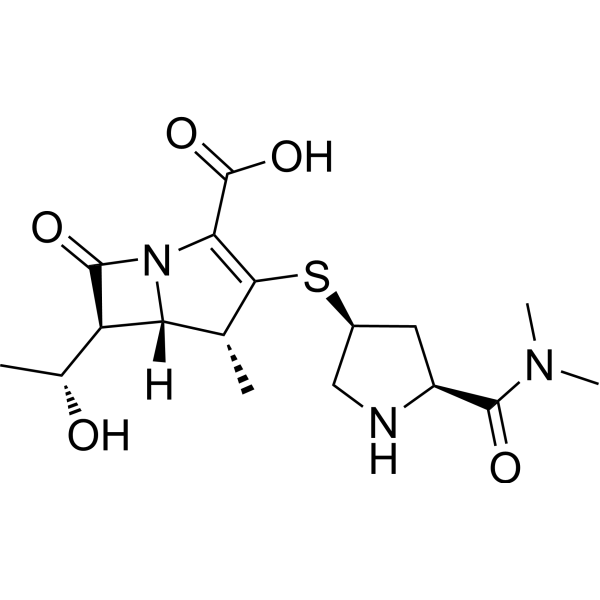
  • HY-13678
    Meropenem
    30+ Cited Publications

    SM 7338

    Penicillin-binding protein (PBP) Bacterial Antibiotic Infection Cancer
    Meropenem (SM 7338) is a carbapenem antibiotic with broad-spectrum antibacterial activity. Meropenem has activity against susceptible and resistant N. gonorrhoeae (MIC value of 0.02-0.06 mg/mL), H. influenzae (MIC value of 0.03-0.12 mg/mL), and H. ducreyi (MIC value of 0.015-0.12 mg/mL) .
    Meropenem
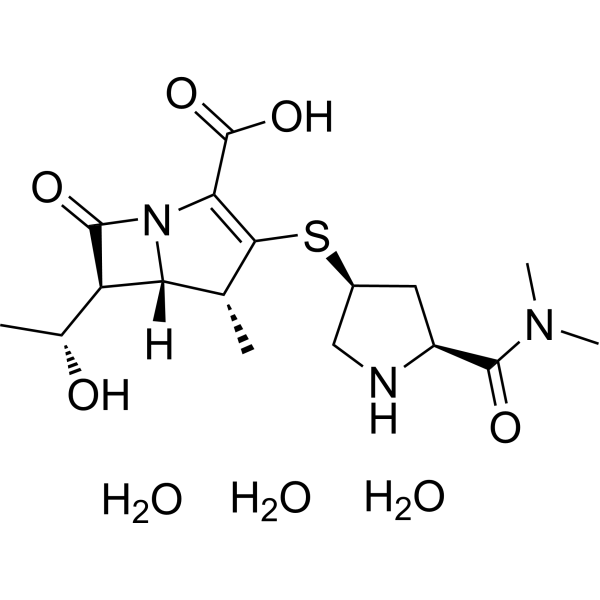
  • HY-13678A
    Meropenem trihydrate
    Maximum Cited Publications
    32 Publications Verification

    SM 7338 trihydrate

    Penicillin-binding protein (PBP) Bacterial Antibiotic Infection Cancer
    Meropenem trihydrate (SM 7338 trihydrate) is a carbapenem antibiotic with broad-spectrum antibacterial activity. Meropenem trihydrate has activity against susceptible and resistant N. gonorrhoeae (MIC value of 0.02-0.06 mg/mL), H. influenzae (MIC value of 0.03-0.12 mg/mL), and H. ducreyi (MIC value of 0.015-0.12 mg/mL) .
    Meropenem trihydrate
  • HY-B0958
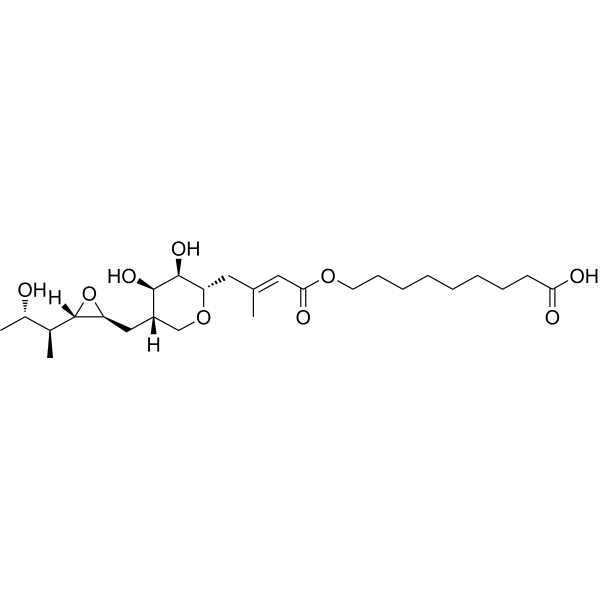
    Mupirocin
    1 Publications Verification

    BRL-4910A; Pseudomonic acid

    Bacterial Antibiotic Aminoacyl-tRNA Synthetase Infection Endocrinology
    Mupirocin is an antibiotic. Mupirocin inhibits bacterial isoleucyl-tRNA synthetase, blocking protein synthesis. Mupirocin has high activity against Gram-positive bacteria such as Staphylococcus and Streptococcus, as well as some Gram-negative bacteria (such as Haemophilus influenzae). Mupirocin can be used in the research of diseases such as skin infections (such as MRSA infections) and chronic sinusitis .
    Mupirocin
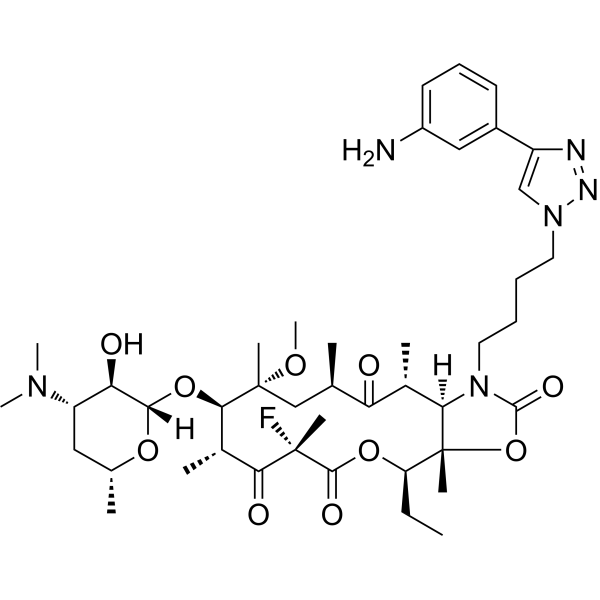
  • HY-17593
    Solithromycin
    3 Publications Verification

    CEM-101; OP-1068

    Bacterial Antibiotic Infection
    Solithromycin (CEM-101) is an orally bioavailable, effective antimicrobial agent, with IC50s for inhibition of cell viability, protein synthesis, and growth rate are 7.5 ng/mL, 40 ng/mL, and 125 ng/mL for Streptococcus pneumonia, Staphylococcus aureus, and Haemophilus influenzae, respectively. Solithromycin binds to the large 50S subunit of the ribosome and inhibits protein biosynthesis .
    Solithromycin
  • HY-13678S

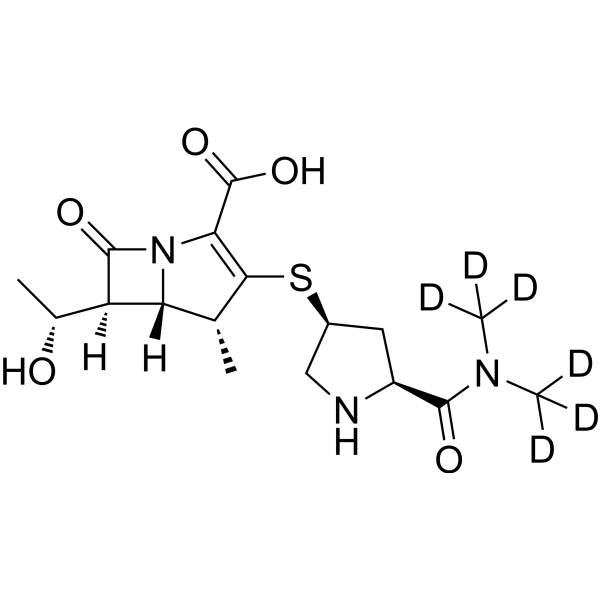
    SM 7338-d6

    Bacterial Antibiotic Infection
    Meropenem-d6 is the deuterium labeled Meropenem. Meropenem (SM 7338) is a carbapenem antibiotic with broad-spectrum antibacterial activity. Meropenem has activity against susceptible and resistant N. gonorrhoeae (MIC value of 0.02-0.06 mg/mL), H. influenzae (MIC value of 0.03-0.12 mg/mL), and H. ducreyi (MIC value of 0.015-0.12 mg/mL) .
    Meropenem-d6
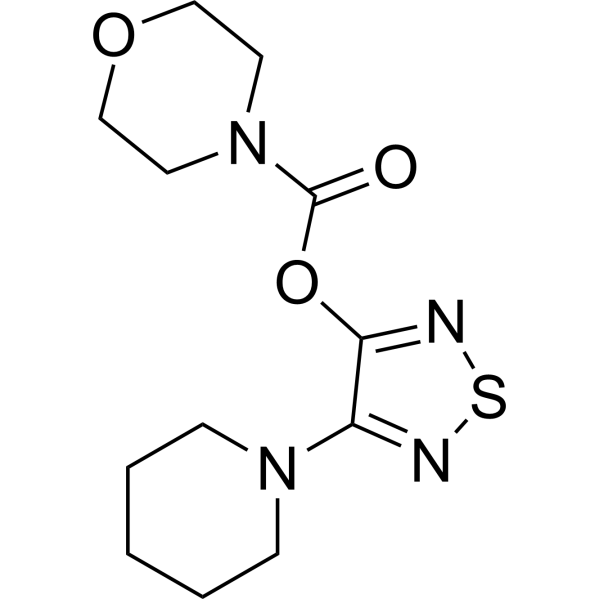
  • HY-116815
    Lalistat 1
    2 Publications Verification

    Beta-lactamase Bacterial Infection Neurological Disease
    Lalistat 1 is a potent, selective, and competitive inhibitor of lysosomal acid lipase (LAL) and against purified human LAL (phLAL) with an IC50 of 68 nM. Lalistat 1 is a inhibitor of immunoglobulin A1 protease (IgA1P) proteases for H. influenzae, has less effects on other serine hydrolases (trypsin or β-lactamase, etc.). Lalistat 1 can be used for the research of niemann-pick type C (NPC) disease .
    Lalistat 1
  • HY-B1325

    Bacterial Antibiotic Infection Inflammation/Immunology
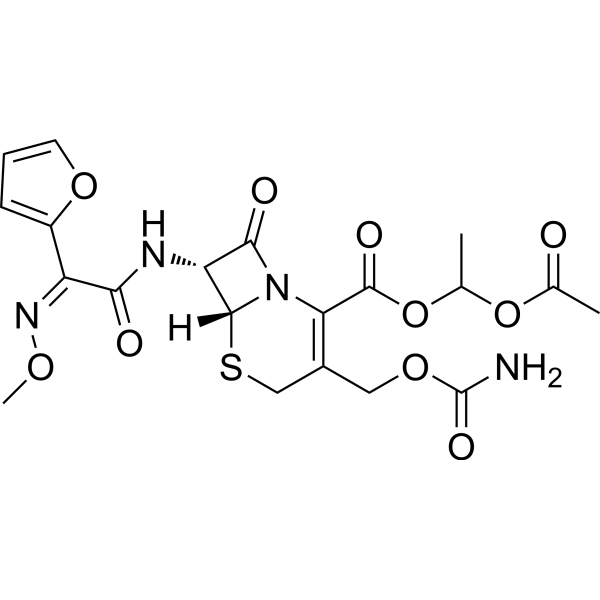
    Cefuroxime axetil is an orally effective broad-spectrum β-lactam antibiotic that targets bacterial penicillin-binding proteins (PBPs, such as PBP3 and PBP1). Cefuroxime axetil inhibits cell wall synthesis, leading to bacterial lysis and death, with a minimum inhibitory concentration (MIC) of 0.12-4 mg/L for non-typeable Haemophilus influenzae (NTHi). Cefuroxime axetil is hydrolyzed by esterase to the active ingredient Cefuroxime (HY-B1256A) after oral absorption. Topical administration of Cefuroxime via bioadhesive nanoparticles (BNPs) can prolong the drug's retention time in the middle ear (≥7 days). Cefuroxime axetil can be used in the study of otitis media (especially NTHi infection). Cefuroxime axetil can achieve precise antibacterial effects through oral or topical nano-delivery systems, reducing systemic exposure and the risk of antibiotic resistance .
    Cefuroxime axetil
  • HY-121329

    AMA-1080; Ro 17-2301

    Penicillin-binding protein (PBP) Antibiotic Bacterial Infection
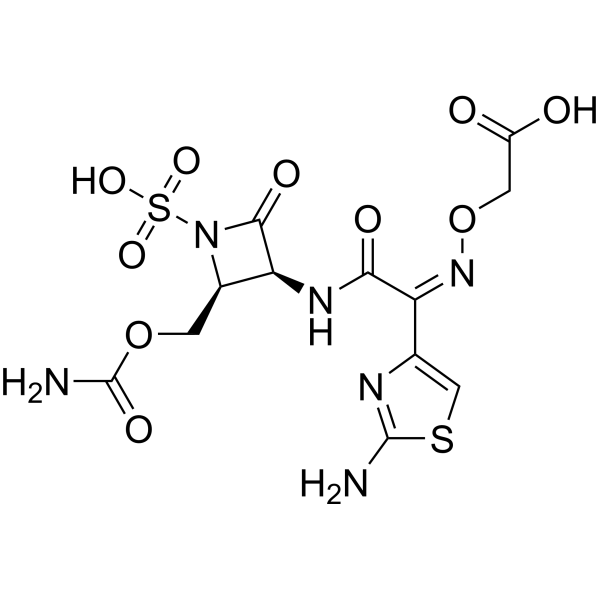
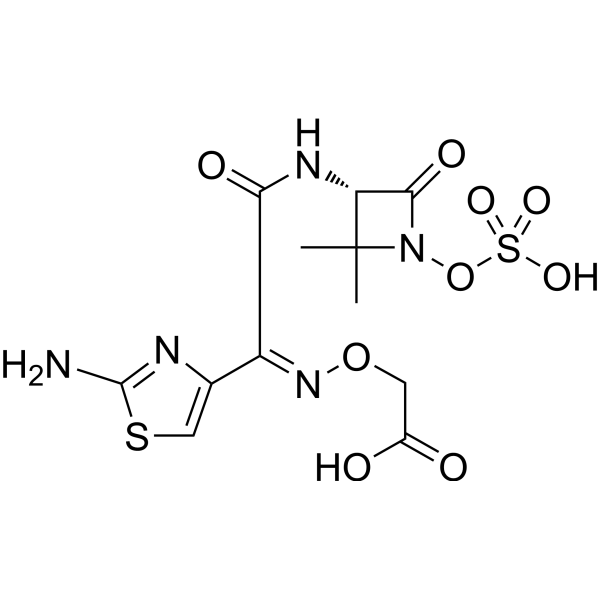
    Carumonam (AMA-1080; Ro 17-2301) is a sulfonated monocyclic β-Lactam Antibiotic, targeting to penicillin-binding protein (PBP). Carumonam exerts highly activity against Enterobacteriaceae, Pseudomonas aeruginosa, and Haemophilus influenzae, while it weakly and even inactively inhibits Streptococcus pneumoniae and Staphylococcus aureus. Carumonam is resistant to beta-lactamase-mediated hydrolysis .
    Carumonam
  • HY-A0111
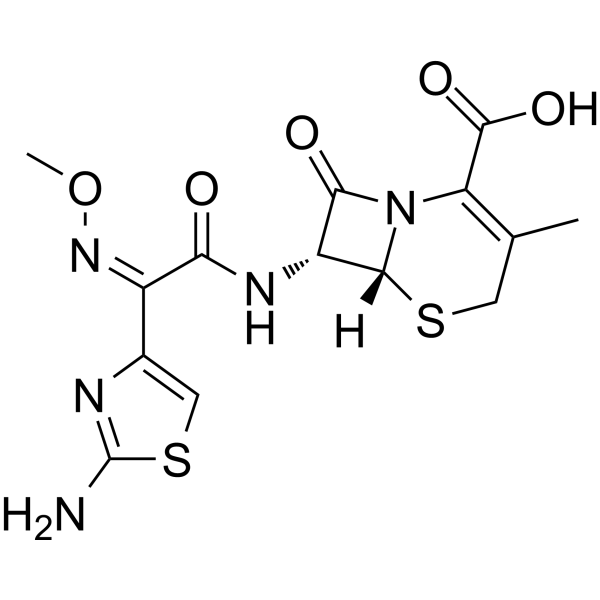
    Cefetamet
    1 Publications Verification

    Ro 15-8074; Deacetoxycefotaxime

    Antibiotic Bacterial Penicillin-binding protein (PBP) Drug Metabolite Infection
    Cefetamet (Ro 15-8074) is a cephalosporin antibiotic and the active metabolite of Cefetamet pivoxil (HY-B1894A). Cefetamet binds to bacterial penicillin-binding protein (PBP) (IC50 for PBP3 in Escherichia coli W3110 is 2.5 μg/mL). Cefetamet has significant activity against Gram-negative bacteria such as Enterobacteriaceae, Neisseria species, and Haemophilus influenzae, as well as Gram-positive bacteria such as Streptococcus. Cefetamet kills and lyses Treponema pallidum. Cefetamet can be used in the research of respiratory tract, urinary tract, ear, nose and throat infections, and syphilis .
    Cefetamet
  • HY-W108875
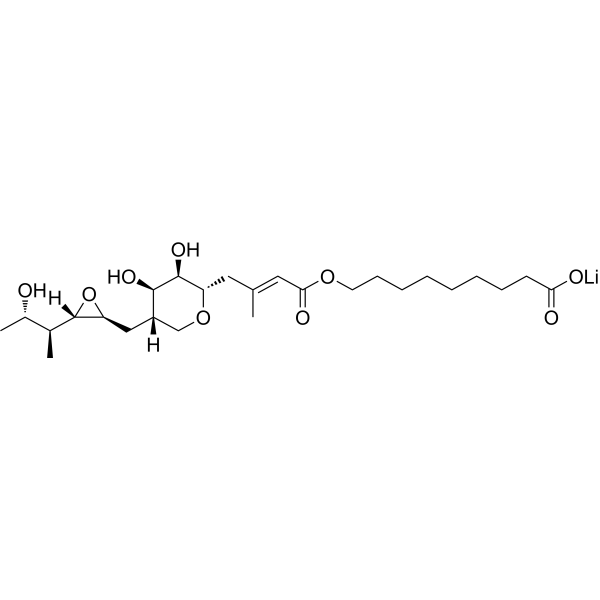
    Mupirocin lithium
    1 Publications Verification

    BRL-4910A lithium; Pseudomonic acid lithium

    Antibiotic Bacterial Aminoacyl-tRNA Synthetase Infection Endocrinology
    Mupirocin lithium is an antibiotic. Mupirocin lithium inhibits bacterial isoleucyl-tRNA synthetase, blocking protein synthesis. Mupirocin lithium has high activity against Gram-positive bacteria such as Staphylococcus and Streptococcus, as well as some Gram-negative bacteria (such as Haemophilus influenzae). Mupirocin lithium can be used in the research of diseases such as skin infections (such as MRSA infections) and chronic sinusitis .
    Mupirocin lithium
  • HY-N7101

    U-76,252; CS-807

    Bacterial Antibiotic Penicillin-binding protein (PBP) Infection
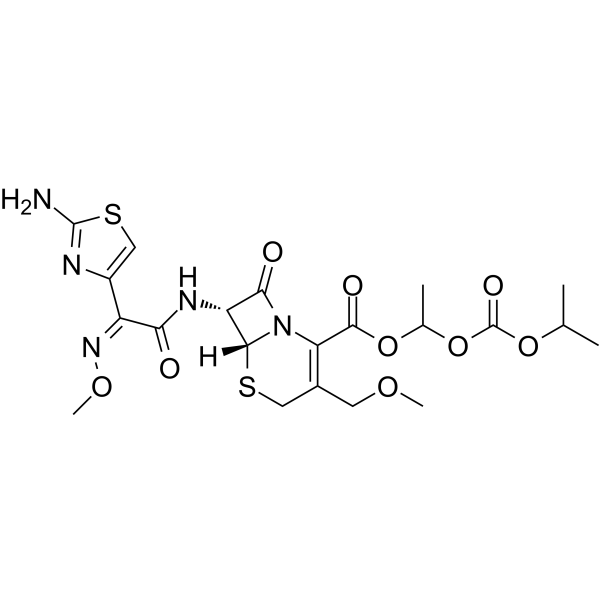
    Cefpodoxime Proxetil is an orally active broad spectrum third-generation cephalosporin with potent antibacterial activity against both Gram-positive and Gram-negative bacteria including staphylococci, streptococci, Haemophilus influenzae, Neisseria gonorrhoeae, Escherichia coli, Klebsiella pnuemoniae, Citrobacter spp, and Proteus spp. Cefpodoxime Proxetil binds to penicillin binding proteins (PBPs), which inhibits peptidoglycan synthesis, finally results in interfering bacterial cell wall biosynthesis. Cefpodoxime Proxetil can be used against skin structure infections, acute otitis media, pharyngitis, tonsillitis, upper respiratory tract infection, urinary tract infections and sexually transmitted diseases .
    Cefpodoxime Proxetil
  • HY-159688
    Cefditoren
    1 Publications Verification

    Antibiotic Bacterial Penicillin-binding protein (PBP) Interleukin Related Infection
    Cefditoren is a broad-spectrum oral active cephalosporin that acts as a penicillin-binding protein (PBP) inhibitor. Cefditoren binds to specific PBPs in Gram-positive and Gram-negative bacteria, thereby inhibiting cell wall synthesis. Cefditoren also reduces serum levels of the inflammatory biomarkers IL-6 and KL-6. Cefditoren can be used in research related to acute exacerbation of chronic bronchitis, pharyngitis-tonsillitis, uncomplicated skin and skin structure infections, respiratory tract infections, acute pyelonephritis, and enterococcal endocarditis .
    Cefditoren
  • HY-135221

    Bacterial Antibiotic Infection
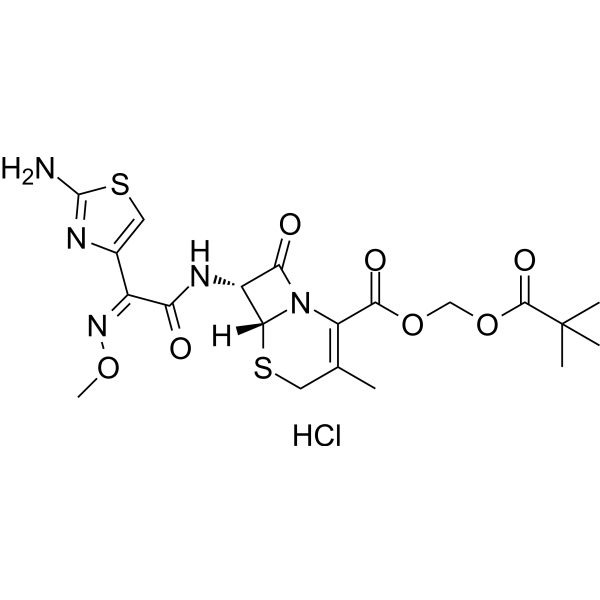
    Cefcapene pivoxil hydrochloride, the pivalate ester prodrug form of Cefcapene, is an orally active third-generation cephalosporin with a wide spectrum of anti-bacterial activity. Cefcapene pivoxil hydrochloride has the potential for the palmoplantar pustulosis (PPP) research .
    Cefcapene pivoxil hydrochloride
  • HY-13678AR

    SM 7338 trihydrate (Standard)

    Penicillin-binding protein (PBP) Reference Standards Bacterial Antibiotic Infection Cancer
    Meropenem (trihydrate) (Standard) is the analytical standard of Meropenem (trihydrate). This product is intended for research and analytical applications. Meropenem trihydrate (SM 7338 trihydrate) is a carbapenem antibiotic with broad-spectrum antibacterial activity. Meropenem trihydrate has activity against susceptible and resistant N. gonorrhoeae (MIC value of 0.02-0.06 mg/mL), H. influenzae (MIC value of 0.03-0.12 mg/mL), and H. ducreyi (MIC value of 0.015-0.12 mg/mL) .
    Meropenem trihydrate (Standard)
  • HY-126463

    Bacterial Infection
    LolCDE-IN-4 (Compound 1) is exhibits antibacterial efficacy against gram negative bacteria Escherichia coli (MIC of 0.25-32 µg/ml) and Haemophilus influenzae, through inhibition LolCDE complex and disruption of lipoproteins release from the inner membrane .
    LolCDE-IN-4
  • HY-159687

    WCK 4873

    Antibiotic Bacterial Infection
    Nafithromycin (WCK 4873) is an orally available antibiotic that inhibits community-acquired pneumonia caused by Streptococcus pneumoniae, Haemophilus influenzae, Moraxella catarrhalis, and Methicillin (HY-121544)-susceptible Staphylococcus aureus. The MIC90 of nafithromycin against macrolide-resistant and telithromycin (HY-A0062)-insensitive Streptococcus pneumoniae is 0.12 mg/liter .
    Nafithromycin
  • HY-U00380

    Antibiotic Beta-lactamase Bacterial Infection
    Tigemonam is an orally active monobactam antibiotic with a Ki of 0.86 μM against Enterobacter cloacae P99 β-lactamase and 50.8 μM against Escherichia coli TEM-1 β-lactamase. Tigemonam binds to penicillin-binding proteins 1a, 3, and 4, inhibits bacterial cell wall synthesis, and exhibits bactericidal activity against aerobic gram-negative bacteria including Enterobacteriaceae, Haemophilus influenzae, and Neisseria gonorrhoeae. Tigemonam resists hydrolysis by multiple β-lactamase enzymes, reduces bacterial load in systemic, pyelonephritic, lung, and thigh muscle infections in rodents, and shows minimal difference between minimum inhibitory and bactericidal concentrations. Tigemonam can be used for the research of gram-negative bacterial infections, acute pyelonephritis, lung infection, and thigh muscle infection .
    Tigemonam
  • HY-145158

    Bacterial Antibiotic Drug Derivative Beta-lactamase Infection
    Temocillin is a derivative of Ticarcillin (HY-100577) and a β-lactamase-resistant Antibiotic. Temocillin blocks water molecules from entering the active sites of Ambler class A and class C serine-dependent β-lactamases, resisting hydrolysis by these enzymes. Temocillin exhibits antibacterial activity against Enterobacteriaceae and Neisseria gonorrhoeae. Temocillin shows antagonistic effects against some isolated strains when used in combination with Ticarcillin (HY-100577) or Cefazolin (HY-B1892). Temocillin can be used in research related to sepsis, urinary tract infections, and lower respiratory tract infections .
    Temocillin
  • HY-126046

    ClpP Bacterial Infection
    ACP1b is an activator for ClpP protease with Kd of 3.2 μM, and exhibits antibacterial activity. ACP1b inhibits N. meningitidis and H. influenzae with MBC of 16 and 8 μg/mL .
    ACP1b
  • HY-W023253

    Bacterial Fungal Infection Inflammation/Immunology
    Biclotymol is an antimicrobial agent against gram-positive cocci. Biclotymol inhibits Streptococcus pneumoniae and Haemophilus influenzae, with MIC of 150 and 150 μM. Biclotymol exhibits anti-inflammatory and analgesic activity and ameliorates the otolaryngology infection and throat sore .
    Biclotymol
  • HY-19428A

    RBx-7644

    Antibiotic Bacterial Infection Cardiovascular Disease
    Ranbezolid (RBx7644 free base) is an orally active, oxazolidinone antibiotic against Gram-positive and Gram-negative anaerobes including Staphylococcus aureus, Staphylococcus epidermidis and Bacteroides fragilis. Ranbezolid can inhibit the 50s ribosomal subunit with an IC50 of 17 μM for bacterial ribosomes. Ranbezolid interferes cell wall and lipid synthesis. Ranbezolid can rapidly kill bacteria, significantly reduce bacterial load, and has better cardiovascular safety. Ranbezolid can be used for the study of antibiotics for anaerobic bacteria .
    Ranbezolid hydrochloride
  • HY-19428

    RBx7644 free base

    Antibiotic Bacterial Infection Cardiovascular Disease
    Ranbezolid (RBx7644 free base) is an orally active, oxazolidinone antibiotic against Gram-positive and Gram-negative anaerobes including Staphylococcus aureus, Staphylococcus epidermidis and Bacteroides fragilis. Ranbezolid can inhibit the 50s ribosomal subunit with an IC50 of 17 μM for bacterial ribosomes. Ranbezolid interferes cell wall and lipid synthesis. Ranbezolid can rapidly kill bacteria, significantly reduce bacterial load, and has better cardiovascular safety. Ranbezolid can be used for the study of antibiotics for anaerobic bacteria .
    Ranbezolid
  • HY-W743473

    Ro 15-8074-d3; Deacetoxycefotaxime-d3

    Isotope-Labeled Compounds Bacterial Antibiotic Penicillin-binding protein (PBP) Drug Metabolite Infection
    Cefetamet-d3 (Ro 15-8074-d3; Deacetoxycefotaxime-d3) is the deuterium labeled Cefetamet (HY-A0111). Cefetamet (Ro 15-8074) is a cephalosporin antibiotic and the active metabolite of Cefetamet pivoxil (HY-B1894A). Cefetamet binds to bacterial penicillin-binding protein (PBP) (IC50 for PBP3 in Escherichia coli W3110 is 2.5 μg/mL). Cefetamet has significant activity against Gram-negative bacteria such as Enterobacteriaceae, Neisseria species, and Haemophilus influenzae, as well as Gram-positive bacteria such as Streptococcus. Cefetamet kills and lyses Treponema pallidum. Cefetamet can be used in the research of respiratory tract, urinary tract, ear, nose and throat infections, and syphilis .
    Cefetamet-d3
  • HY-121195

    PC-904

    Bacterial Infection
    Apalcillin (PC-904) in combination with Ro 48-1220, a penam sulfone β-lactamase inhibitor, demonstrated broad-spectrum activity against gram-negative aerobic and anaerobic bacteria, excluding Klebsiella oxytoca. It exhibited potent activity against β-lactamase-producing Moraxella catarrhalis, Haemophilus influenzae, and Neisseria gonorrhoeae, with effective MICs (11 μg/mL). The combination also inhibited Pseudomonas aeruginosa, Stenotrophomonas maltophilia, and Acinetobacter species at low MICs (0.25 to 4 μg/mL). However, its efficacy against oxacillin-resistant staphylococci and certain gram-positive organisms was limited. Apalcillin/Ro 48-1220 showed comparable efficacy to piperacillin/tazobactam against some extended-spectrum β-lactamase-producing Escherichia coli but was less effective against SHV-type β-lactamases .
    Apalcillin
  • HY-105213

    MC-352

    Antibiotic Bacterial Infection
    YM-17K (MC-352) is a macrolide antibiotic. YM-17K exhibits antimicrobial activity against Gram-positive bacteria, Gram-negative bacteria, and anaerobic bacteria. YM-17K exhibits stable activity in serum and is less affected by pH values .
    YM-17K
  • HY-111127

    Antibiotic Bacterial Infection
    LY164846 is an orally active cephalosporin. LY164846 is highly sensitive to Haemophilus influenzae (including Ampicillin (HY-B0522)-resistant strains) and Moraxella catarrhalis (with MIC90 ≤ 4 μg/mL). LY164846 is generally sensitive to Methicillin (HY-121544)-resistant Staphylococcus aureus and Streptococcus (except Enterococcus) (with MIC90: 0.25 - 8 μg/mL), and moderately sensitive to anaerobic bacteria. LY164846 has MBC/MIC ratio to Haemophilus influenzae of ≤ 2, showing bactericidal activity. LY164846 can be used for research on respiratory and skin infections .
    LY164846
  • HY-161788

    DNA/RNA Synthesis Bacterial Infection
    DNA Gyrase-IN-11 (Compound 23Be) is an inhibitor for protein synthesis (IC50 is 0.74 μM) and DNA replication. DNA Gyrase-IN-11 inhibits DNA gyrase, that inhibits E. coli DNA supercoiling with IC50 of 11.9 μM. DNA Gyrase-IN-11 exhibits antibacterial efficacy, that inhibits Streptococcus pneumoniae, Streptococcus pyogenes, Haemophilus influenzae and Staphylococcus aureus, with MICs of 0.008-0.25 μg/mL .
    DNA Gyrase-IN-11
  • HY-111047

    Topoisomerase Bacterial Infection
    GSK945237 is a potent and orally active bacterial type IIA topoisomerases inhibitor. GSK945237 shows broad-spectrum activity against Gram-positive and Gram-negative bacteria (IC50 of 0.034 μg/mL against H. influenzae DNA gyrase). GSK945237 demonstrates good in vivo efficacy in a rat respiratory tract infection model. GSK945237 can be used for anti-infection research .
    GSK945237
  • HY-W747311

    Antibiotic Bacterial Penicillin-binding protein (PBP) Infection
    Ritipenem is a penicillin antibiotic, that targets penicillin-binding protein with good affinity (IC50 in levels of ng/mL), and exhibits antibacterial properties. Ritipenem exhibits antiviral activity against Haemophilus influenzae .
    Ritipenem
  • HY-W744633

    Drug Metabolite Bacterial Infection
    Cefdaloxime is an orally active cephalosporin and HR-916 ester metabolite. Cefdaloxime has a broad spectrum of activity against pathogens such as the majority of members of the family Enterobacteriaceae, staphylococci, Streptococcus spp., Neisseria gonorrhoeae, Moraxella catarrhalis, Haemophilus influenzae .
    Cefdaloxime
  • HY-138023

    Antibiotic Bacterial Infection
    Leucomycin A4 is a macrolide antibiotic that can be extracted from S. kitasatoensis. Leucomycin A4 inhibits a variety of bacteria, including S. aureus, B. subtilis, C. diphtheriae, N. gonorrhoeae, and H. influenzae (MICs = 0.15, 1.25, 0.15, 0.6, and 0.15 µg/ml, respectively) .
    Leucomycin A4
  • HY-W740053

    Penicillin-binding protein (PBP) Bacterial Antibiotic Infection Cancer
    Meropenem sodium is a carbapenem antibiotic with broad-spectrum antibacterial activity. Meropenem sodium has activity against susceptible and resistant N. gonorrhoeae (MIC value of 0.02-0.06 mg/mL), H. influenzae (MIC value of 0.03-0.12 mg/mL), and H. ducreyi (MIC value of 0.015-0.12 mg/mL) .
    Meropenem sodium
  • HY-174756

    mRNA Inflammation/Immunology
    Human CCL26 mRNA encodes the human C-C motif chemokine ligand 26 (CCL26) protein, a cytokine that displays chemotactic activity for normal peripheral blood eosinophils and basophils. CCL26 also has antimicrobial activity, displaying an antibacterial effect on S. pneumoniae, S. aureus, Non-typeable H. influenzae, and P. aeruginosa.
    Human CCL26 mRNA
  • HY-174758

    mRNA Inflammation/Immunology
    Human CCL24 mRNA encodes the human C-C motif chemokine ligand 24 (CCL24) protein, a cytokine that displays chemotactic activity on resting T lymphocytes, a minimal activity on neutrophils, and is negative on monocytes and activated T lymphocytes. CCL24 also has antimicrobial activity, displaying an antibacterial effect on S. pneumoniae, S. aureus, Non-typeable H. influenzae, and P. aeruginosa.
    Human CCL24 mRNA
  • HY-135221R

    Reference Standards Bacterial Antibiotic Infection
    Chenodeoxycholic Acid (Standard) is the analytical standard of Chenodeoxycholic Acid. This product is intended for research and analytical applications. Chenodeoxycholic Acid is a hydrophobic primary bile acid that activates nuclear receptors (FXR) involved in cholesterol metabolism.
    Cefcapene pivoxil hydrochloride (Standard)
  • HY-123508

    Drug Metabolite Bacterial Infection
    PD 131628 is an antimicrobial agent and active PD 131112 metabolite. PD 131628 is two- to four-fold more active than Ciprofloxacin (HY-B0356), inhibiting all strains of Staphylococcus aureus and Streptococcus pneumoniae. PD 131628 is very active against Neisseria spp., Haemophilus influenzae and Moraxella catarrhalis, with MIC90s ranging from 0.004 to 0.008 mg/L .
    PD 131628
  • HY-17593R

    CEM-101 (Standard); OP-1068 (Standard)

    Reference Standards Bacterial Antibiotic Infection
    Solithromycin (Standard) is the analytical standard of Solithromycin. This product is intended for research and analytical applications. Solithromycin (CEM-101) is an orally bioavailable, effective antimicrobial agent, with IC50s for inhibition of cell viability, protein synthesis, and growth rate are 7.5 ng/mL, 40 ng/mL, and 125 ng/mL for Streptococcus pneumonia, Staphylococcus aureus, and Haemophilus influenzae, respectively. Solithromycin binds to the large 50S subunit of the ribosome and inhibits protein biosynthesis .
    Solithromycin (Standard)
  • HY-B0958R

    BRL-4910A (Standard); Pseudomonic acid (Standard)

    Reference Standards Bacterial Antibiotic Aminoacyl-tRNA Synthetase Infection Endocrinology
    Mupirocin (Standard) is the analytical standard of Mupirocin (HY-B0958). This product is intended for research and analytical applications. Mupirocin is an antibiotic. Mupirocin inhibits bacterial isoleucyl-tRNA synthetase, blocking protein synthesis. Mupirocin has high activity against Gram-positive bacteria such as Staphylococcus and Streptococcus, as well as some Gram-negative bacteria (such as Haemophilus influenzae). Mupirocin can be used in the research of diseases such as skin infections (such as MRSA infections) and chronic sinusitis .
    Mupirocin (Standard)
  • HY-125579

    Bacterial Infection
    Ro 25-0534 is an antimicrobial compound against Pseudomonas. Ro 25-0534 is active against Enterobacteriaceae (MIC90: 0.06-2 μg/mL), Oxacillin (HY-B0465)-susceptible staphylococci, β-hemolytic streptococci, and penicillin-susceptible pneumococci (MIC90: 1-2 μg/mL), Haemophilus influenzae (MIC90: 0.25-0.5 μg/mL), Moraxella catarrhalis (MIC90: 0.5 μg/mL), and most nonenteric Gram-negative bacilli (MIC90: 2-4 μg/mL) .
    Ro 25-0534
  • HY-W108875R

    BRL-4910A lithium (Standard); Pseudomonic acid lithium (Standard)

    Antibiotic Bacterial Reference Standards Aminoacyl-tRNA Synthetase Infection Endocrinology
    Mupirocin (lithium) (Standard) is the analytical standard of Mupirocin lithium (HY-W108875). This product is intended for research and analytical applications. Mupirocin lithium is an antibiotic. Mupirocin lithium inhibits bacterial isoleucyl-tRNA synthetase, blocking protein synthesis. Mupirocin lithium has high activity against Gram-positive bacteria such as Staphylococcus and Streptococcus, as well as some Gram-negative bacteria (such as Haemophilus influenzae). Mupirocin lithium can be used in the research of diseases such as skin infections (such as MRSA infections) and chronic sinusitis .
    Mupirocin lithium (Standard)
  • HY-A0111A

    Ro15-8074/001; Deacetoxycefotaxime sodium

    Antibiotic Bacterial Penicillin-binding protein (PBP) Drug Metabolite Infection
    Cefetamet (Ro 15-8074) sodium is a cephalosporin antibiotic and the active metabolite of Cefetamet pivoxil (HY-B1894A). Cefetamet sodium binds to bacterial penicillin-binding protein (PBP) (IC50 for PBP3 in Escherichia coli W3110 is 2.5 μg/mL). Cefetamet sodium has significant activity against Gram-negative bacteria such as Enterobacteriaceae, Neisseria species, and Haemophilus influenzae, as well as Gram-positive bacteria such as Streptococcus. Cefetamet sodium kills and lyses Treponema pallidum. Cefetamet sodium can be used in the research of respiratory tract, urinary tract, ear, nose and throat infections, and syphilis .
    Cefetamet sodium
  • HY-A0111B

    Ro 15-8074 hydrochloride; Deacetoxycefotaxime hydrochloride

    Antibiotic Bacterial Penicillin-binding protein (PBP) Drug Metabolite Infection
    Cefetamet (Ro 15-8074) hydrochloride is a cephalosporin antibiotic and the active metabolite of Cefetamet pivoxil (HY-B1894A). Cefetamet hydrochloride binds to bacterial penicillin-binding protein (PBP) (IC50 for PBP3 in Escherichia coli W3110 is 2.5 μg/mL). Cefetamet hydrochloride has significant activity against Gram-negative bacteria such as Enterobacteriaceae, Neisseria species, and Haemophilus influenzae, as well as Gram-positive bacteria such as Streptococcus. Cefetamet hydrochloride kills and lyses Treponema pallidum. Cefetamet hydrochloride can be used in the research of respiratory tract, urinary tract, ear, nose and throat infections, and syphilis .
    Cefetamet hydrochloride
  • HY-B1894

    Ro 15-8075 free base

    Antibiotic Bacterial Infection
    Cefetamet pivoxyl (Ro 15-8075 free base) is an orally active cephalosporin Antibiotic and a prodrug of Cefetamet (HY-A0111). After ingestion, Cefetamet pivoxyl is hydrolyzed by gastrointestinal esterases to form Cefetamet. Cefetamet pivoxyl is primarily active against aerobic Gram-negative bacteria (such as Enterobacteriaceae, *Neisseria*, *Haemophilus*) and some Gram-positive bacteria (such as non-enterococcal streptococci). Cefetamet pivoxyl exhibits potent in vivo antibacterial activity against strains of Gram-positive bacteria (S. pyogenes) and Gram-negative bacteria (E. coli, K. pneumoniae, S. marcescens, P. vulgaris, P. mirabilis, H. influenzae) .
    Cefetamet pivoxyl
  • HY-A0111R

    Ro 15-8074 (Standard); Deacetoxycefotaxime (Standard)

    Reference Standards Antibiotic Bacterial Penicillin-binding protein (PBP) Drug Metabolite Infection
    Cefetamet (Standard) is the analytical standard of Cefetamet (HY-A0111). This product is intended for research and analytical applications. Cefetamet (Ro 15-8074) is a cephalosporin antibiotic and the active metabolite of Cefetamet pivoxil (HY-B1894A). Cefetamet binds to bacterial penicillin-binding protein (PBP) (IC50 for PBP3 in Escherichia coli W3110 is 2.5 μg/mL). Cefetamet has significant activity against Gram-negative bacteria such as Enterobacteriaceae, Neisseria species, and Haemophilus influenzae, as well as Gram-positive bacteria such as Streptococcus. Cefetamet kills and lyses Treponema pallidum. Cefetamet can be used in the research of respiratory tract, urinary tract, ear, nose and throat infections, and syphilis .
    Cefetamet (Standard)
  • HY-N7101R

    U-76,252 (Standard); CS-807 (Standard)

    Reference Standards Bacterial Antibiotic Penicillin-binding protein (PBP) Infection
    Cefpodoxime Proxetil (Standard) is the analytical standard of Cefpodoxime Proxetil. This product is intended for research and analytical applications. Cefpodoxime Proxetil is an orally active broad spectrum third-generation cephalosporin with potent antibacterial activity against both Gram-positive and Gram-negative bacteria including staphylococci, streptococci, Haemophilus influenzae, Neisseria gonorrhoeae, Escherichia coli, Klebsiella pnuemoniae, Citrobacter spp, and Proteus spp. Cefpodoxime Proxetil binds to penicillin binding proteins (PBPs), which inhibits peptidoglycan synthesis, finally results in interfering bacterial cell wall biosynthesis. Cefpodoxime Proxetil can be used against skin structure infections, acute otitis media, pharyngitis, tonsillitis, upper respiratory tract infection, urinary tract infections and sexually transmitted diseases .
    Cefpodoxime Proxetil (Standard)
  • HY-N7101S

    U-76-d7,252-d7; CS-807-d7

    Isotope-Labeled Compounds Bacterial Antibiotic Penicillin-binding protein (PBP) Infection
    Cefpodoxime proxetil-d7 (U-76-d7,252-d7; CS-807-d7) is the deuterium labeled Cefpodoxime Proxetil (HY-N7101). Cefpodoxime Proxetil is an orally active broad spectrum third-generation cephalosporin with potent antibacterial activity against both Gram-positive and Gram-negative bacteria including staphylococci, streptococci, Haemophilus influenzae, Neisseria gonorrhoeae, Escherichia coli, Klebsiella pnuemoniae, Citrobacter spp, and Proteus spp. Cefpodoxime Proxetil binds to penicillin binding proteins (PBPs), which inhibits peptidoglycan synthesis, finally results in interfering bacterial cell wall biosynthesis. Cefpodoxime Proxetil can be used against skin structure infections, acute otitis media, pharyngitis, tonsillitis, upper respiratory tract infection, urinary tract infections and sexually transmitted diseases .
    Cefpodoxime proxetil-d7
  • HY-N15427

    Drug Metabolite Bacterial Infection
    14-Hydroxyclarithromycin is a major human metabolite of Clarithromycin (HY-17508). 14-Hydroxyclarithromycin is orally active. 14-Hydroxyclarithromycin enhances activities of Clarithromycin against Haemophilus influenzae both in vitro and in vivo. 14-Hydroxyclarithromycin can be used for infection research .
    14-Hydroxyclarithromycin
  • HY-180544

    RNA MTase Infection
    TrmD-IN-1 (compound 8h) is a selective Staphylococcus aureus tRNA m1 G37 methyltransferase (TrmD) inhibitor with a KD of 2.48 μM and an IC50 of 1.16 μM. TrmD-IN-1 exhibits selectivity over E. coli (KD > 30 μM) and H. influenzae TrmD (KD > 30 μM) and Trm5 (IC50 > 30 μM) .
    TrmD-IN-1
  • HY-105560

    Bacterial Beta-lactamase Infection
    Cefcanel is an orally active cephalosporin and antibacterial agent. Cefcanel inhibits growth of methicillin-susceptible Staphylococcus aureus, methicillin-susceptible Staphylococcus epidermidis, Haemophilus influenzae, Moraxella catarrhalis. Cefcanel acts as a substrate hydrolyzed by TEM-1, TEM-3, and Moraxella Bro-1 beta-lactamases .
    Cefcanel
  • HY-19293

    Bacterial Infection
    HMR-3787 is a 2-fluoroketolide and bactericide. HMR 3787 is bactericidal against 12 H. influenzae strains .
    HMR-3787

Inquiry Online

Your information is safe with us. * Required Fields.

Salutation


Country or Region *

Applicant Name *


Organization Name *

Department *


Email Address *


Product Name *

Cat. No.


Requested quantity *

Phone Number *


Remarks

Inquiry Online

Inquiry Information

Product Name:
Cat. No.:
Quantity:
MCE Japan Authorized Agent:

