
1. Search Result
Search Result
Results for "

intermediate metabolite

" in MedChemExpress (MCE) Product Catalog:

136

Inhibitors & Agonists

3

Screening Libraries

2

Biochemical Assay Reagents

4

Peptides

72

Natural
Products

22

Isotope-Labeled Compounds

1

Oligonucleotides

Cat. No. Product Name Target Research Areas Chemical Structure
  • HY-Y0781
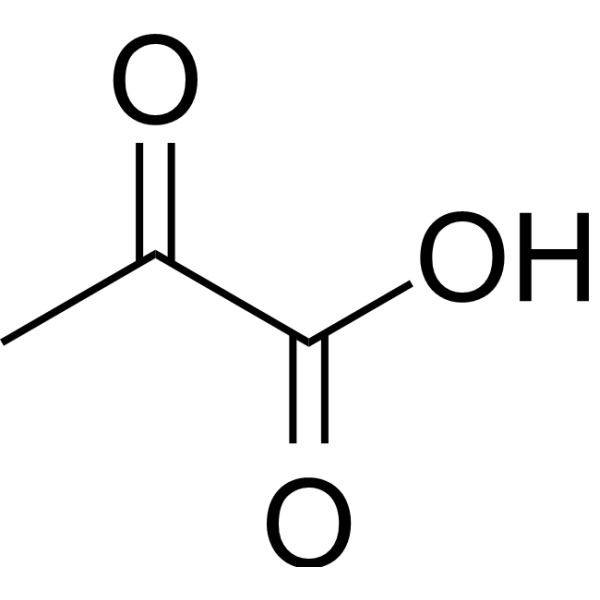
    Pyruvic acid
    Maximum Cited Publications
    16 Publications Verification

    Acetylformic acid

    Environmental Pollutants Endogenous Metabolite Others
    Pyruvic acid is an intermediate metabolite in the metabolism of carbohydrates, proteins, and fats.
    Pyruvic acid
  • HY-W009362
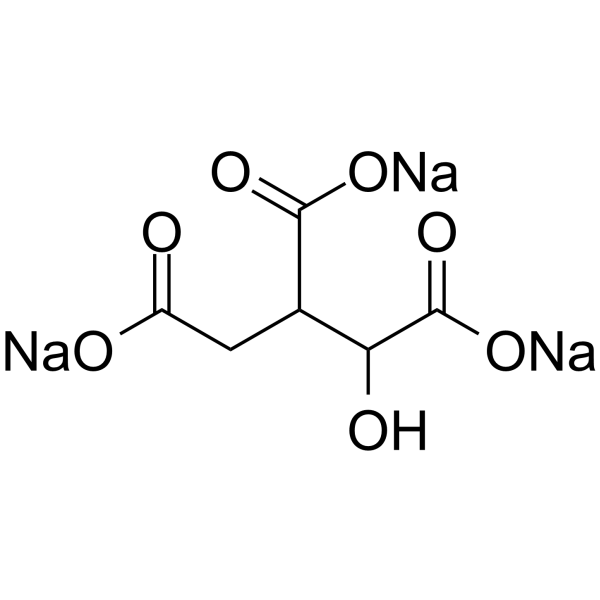
    DL-Isocitric acid trisodium salt
    2 Publications Verification

    Endogenous Metabolite Cardiovascular Disease
    DL-Isocitric acid trisodium salt is an endogenous metabolite. DL-Isocitric acid trisodium salt is an intermediate product in the citric acid cycle. DL-Isocitric acid trisodium salt can be used as a marker for determining the composition of isocitrates in fruit products .
    DL-Isocitric acid trisodium salt
  • HY-113381
    2-Hydroxybutyric acid
    1 Publications Verification

    α-Hydroxybutyric acid

    Endogenous Metabolite Metabolic Disease Inflammation/Immunology
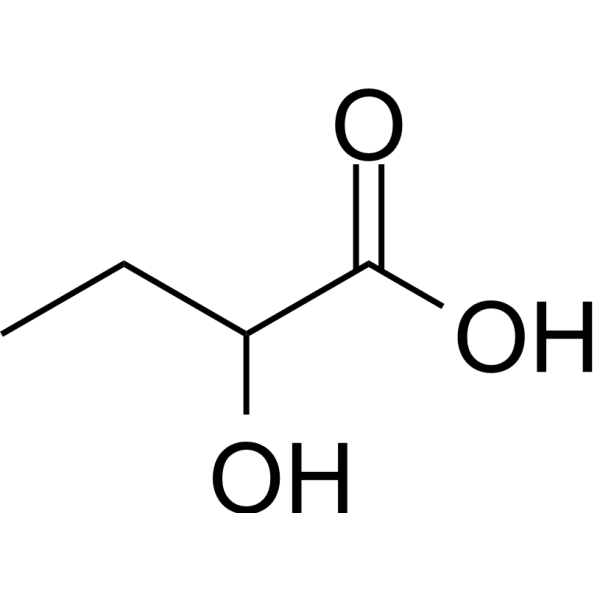
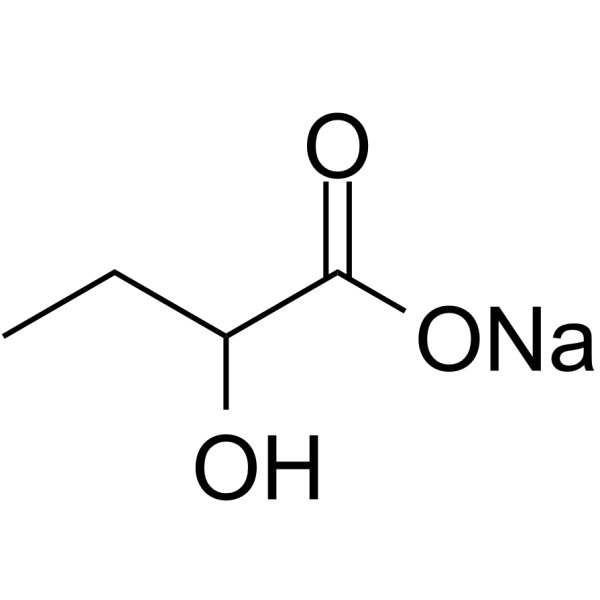
    2-Hydroxybutyric acid (α-Hydroxybutyric acid ) is converted from 2-Aminobutyric acid, with 2-oxobutyric acid as an intermediate metabolite . 2-Hydroxybutyric acid is a potential biomarker for type 2 diabetes and preeclampsia . 2-Hydroxybutyric acid prevents the acetaminophen (AP)-induced liver injury .
    2-Hydroxybutyric acid
  • HY-137808
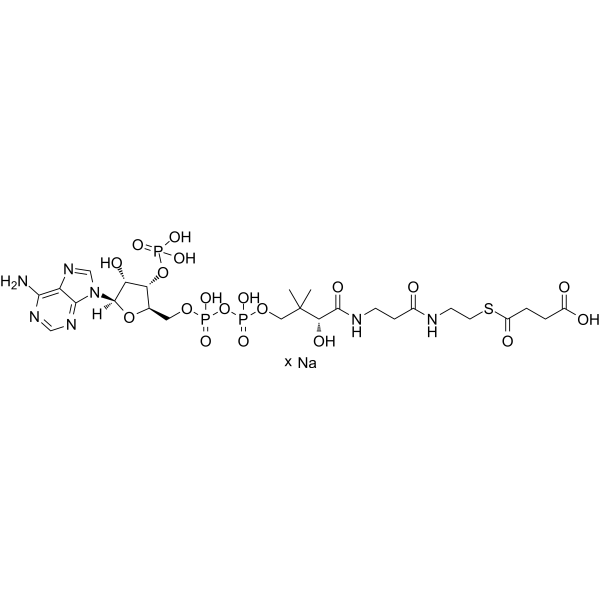
    Succinyl-Coenzyme A sodium
    3 Publications Verification

    Succinyl-CoA sodium

    Endogenous Metabolite Neurological Disease Metabolic Disease
    Succinyl CoA (Succinyl-coenzyme A) sodium is a pivotal intermediate metabolite in the tricarboxylic acid cycle and a key coenzyme A metabolite. Succinyl CoA sodium is biosynthesized from α-ketoglutarate or propionyl-CoA. Succinyl CoA sodium acts as a critical precursor and substrate for heme biosynthesis and gluconeogenesis. Succinyl CoA sodium insufficiency caused by cobalamin deficiency is directly linked to growth retardation, impaired heme synthesis, tissue glycine accumulation and neurological abnormalities. Succinyl CoA sodium can be used in research on metabolic, neurological, and hematological abnormalities (such as porphyria) caused by nutritional vitamin B12 deficiency (leading to a lack of Succinyl-Coenzyme A synthesis) .
    Succinyl-Coenzyme A sodium
  • HY-W712327

    Biochemical Assay Reagents Others
    D-Xylulose 5-phosphate sodium is a pentose phosphate ester and an essential intermediate metabolite in the pentose phosphate pathway (PPP) and the non-oxidative phase of the pentose phosphate pathway. D-xylulose-5-phosphate sodium can be efficiently synthesized through the phosphorylation of D-xylulose catalyzed by D-xylulokinase (XKS1 from Saccharomyces cerevisiae), with ATP regeneration facilitated by the phosphoenolpyruvate (PEP)/pyruvate kinase (PK) system .
    D-Xylulose 5-phosphate sodium
  • HY-113227
    Oxoadipic acid
    1 Publications Verification

    Endogenous Metabolite Inflammation/Immunology
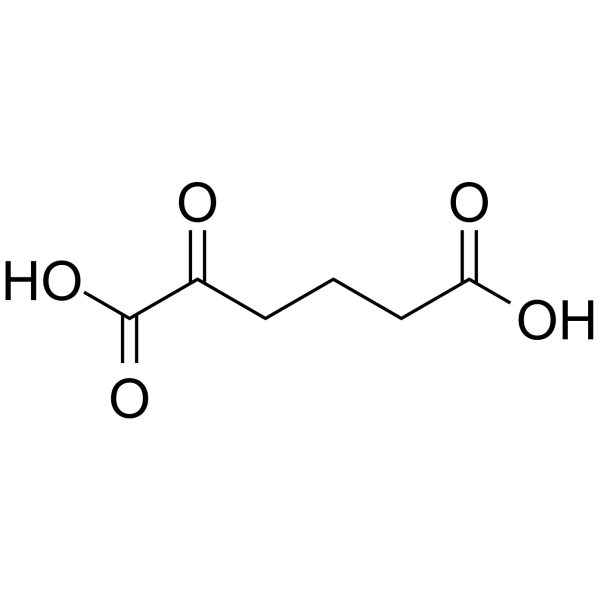
    Oxoadipic acid is a key intermediate metabolite in the lysine degradation pathway. The level of Oxoadipic acid is significantly negatively correlated with the abundance of Staphylococcus. That is, the higher the abundance of Staphylococcus-a potential pathogenic bacterium that usually increases in ulcerative colitis-the lower the level of Oxoadipic acid. Oxoadipic acid can be used in the research of ulcerative colitis .
    Oxoadipic acid
  • HY-W012997

    δ-valerolactone

    Endogenous Metabolite Others
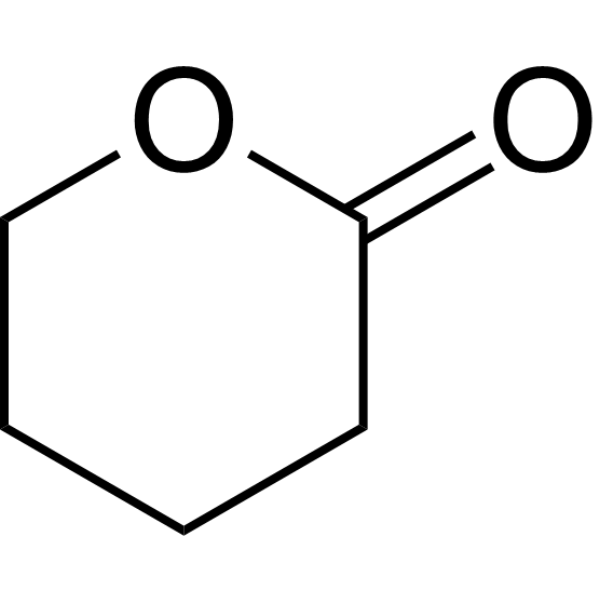
    Tetrahydro-2H-pyran-2-one (δ-valerolactone) is an endogenous metabolite with antioxidant capacity. Tetrahydro-2H-pyran-2-one is the small active molecule and can be used as drug intermediate .
    Tetrahydro-2H-pyran-2-one
  • HY-126126

    Drug Derivative Others
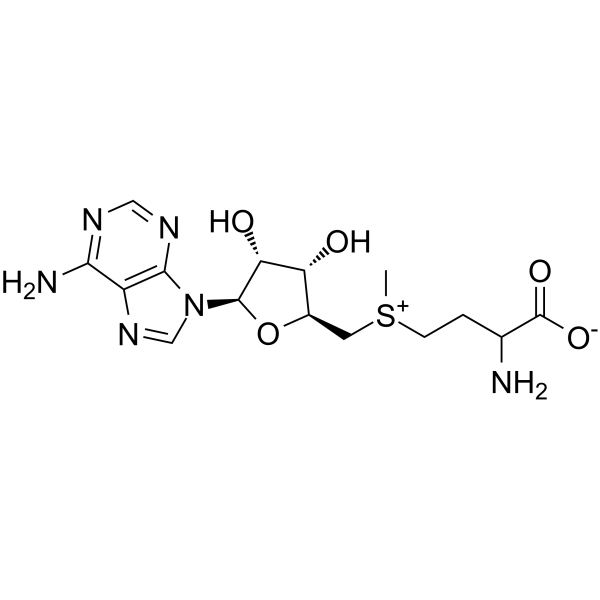
    S-Adenosyl-DL-methionine is a derivative of Ademetionine (HY-B0617). Ademetionine is an intermediate metabolite of Methionine (HY-13694) .
    S-Adenosyl-DL-methionine
  • HY-113511A

    Endogenous Metabolite Amylases Metabolic Disease
    Glycogen, Oysters is a polysaccharide extracted from oysters and serves as the storage form of glucose in oysters. Glycogen, Oysters belongs to the intermediate products of glycolysis and high-energy phosphates, and is also an endogenous metabolite .
    Glycogen, Oysters
  • HY-W040971

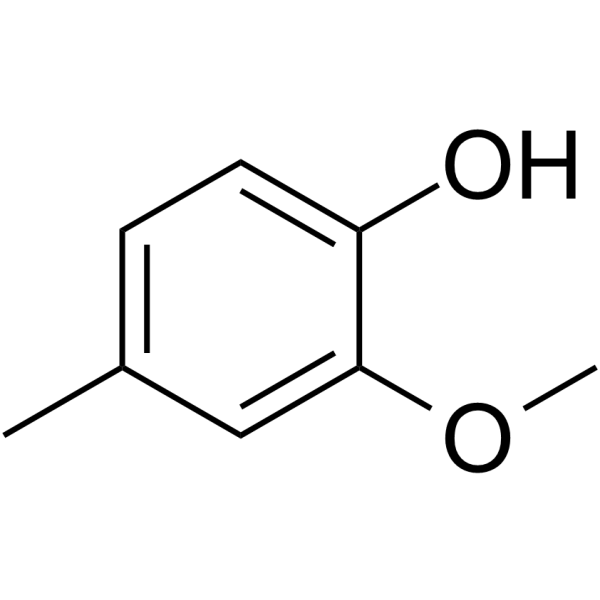
    2-Methoxy-4-methylphenol

    Environmental Pollutants ERK Endogenous Metabolite p38 MAPK Akt Reactive Oxygen Species (ROS) FAK Cardiovascular Disease Neurological Disease Metabolic Disease
    Creosol (2-Methoxy-4-methylphenol) is an endogenous metabolite that acts as an important chemical intermediate and potential biofuel mainly derived from lignocellulosic biomass. Creosol is blood brain barrier penetrable .
    Creosol
  • HY-W008452
    H-Tyr(3-I)-OH
    1 Publications Verification

    Endogenous Metabolite Metabolic Disease
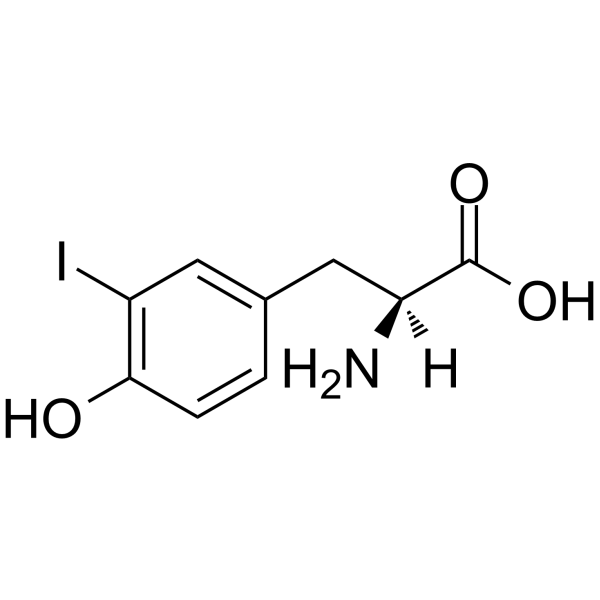
    H-Tyr(3-I)-OH is a potent and effective tyrosine hydroxylase inhibitor. H-Tyr(3-I)-OH is an intermediate in the production of thyroid hormones and has a role as a human or mouse metabolite .
    H-Tyr(3-I)-OH
  • HY-113381A

    (R)-α-Hydroxybutyric acid

    Drug Isomer Metabolic Disease
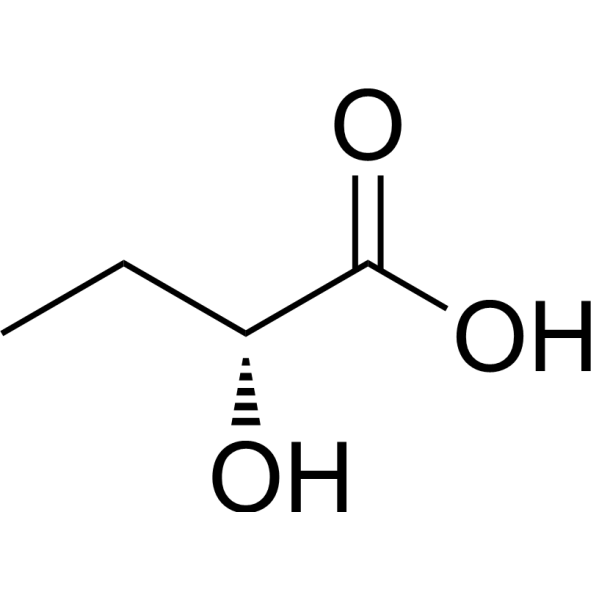
    (R)-2-Hydroxybutanoic acid is the isomer of 2-Hydroxybutyric acid (HY-113381), and can be used as an experimental control. 2-Hydroxybutyric acid (α-Hydroxybutyric acid ) is converted from 2-Aminobutyric acid, with 2-oxobutyric acid as an intermediate metabolite .
    (R)-2-Hydroxybutanoic acid
  • HY-W096638A

    (S)-Glycerolphosphocholine

    Endogenous Metabolite Neurological Disease Metabolic Disease Cancer
    Glycerophosphocholine ((S)-Glycerolphosphocholine) is an orally active metabolite that crosses the blood-brain barrier. Glycerophosphocholine acts as a precursor of acetylcholine, a specific marker for phosphatidylcholine breakdown, a major water-soluble storage form of choline, and an intermediate in phosphatidylcholine metabolism. Glycerophosphocholine is specifically elevated in the cerebrospinal fluid of Alzheimer's disease models, and it also promotes growth hormone secretion and fat oxidation. Glycerophosphocholine is also a potential biomarker for breast cancer .
    Glycerophosphocholine
  • HY-W010255

    Benzoylformic acid

    Endogenous Metabolite Drug Intermediate Metabolic Disease Inflammation/Immunology
    Phenylglyoxylic acid (Benzoylformic acid) is a metabolite of ethylbenzene and styrene (EB/S) and can be used as a biomarker of exposure to EB/S in human. Phenylglyoxylic acid can be used as drug intermediate for synthesis of antineoplastic compounds .
    Phenylglyoxylic acid
  • HY-112253

    Endogenous Metabolite Metabolic Disease
    D-Fructose 1-phosphate is a key intermediate metabolite in the fructose metabolic pathway. As a key signaling molecule linking fructose metabolism and glucose metabolic regulation, D-Fructose 1-phosphate acts as an allosteric modulator to counteract the inhibitory effect of the glucokinase-regulatory protein complex, thereby finely regulating the direction of hepatic glucose metabolism at the substrate level .
    D-Fructose 1-phosphate
  • HY-W587960

    Histidine-betaine

    Drug Metabolite Drug Intermediate Metabolic Disease
    Hercynine (Histidine-betaine) is an intermediate (precursor) and a redox metabolite of Ergothioneine (HY-N1914), which is found in the fine leaf algae, Schizosaccharomyces cerevisiae and honey bees. Hercynine has no effect on scavenging •OH radicals .
    Hercynine
  • HY-128753

    Endogenous Metabolite Drug Intermediate Metabolic Disease
    D-Lyxose is an endogenous metabolite. D-Lyxose is a rare pentose with significant potential for pharmaceutical synthesis. D-Lyxose serves as a starting material for antitumor agents (such as α-galactosylceramide-based immunostimulants). D-Lyxose acts as a precursor for L-nucleoside analogs used in the development of antiviral drugs. D-Lyxose can be used as a synthetic intermediate for other rare sugars (such as L-ribose) .
    D-Lyxose
  • HY-N7061

    Drug Intermediate Neurological Disease
    Tropine is a tropane alkaloid. Tropine serves as an important intermediate for the synthesis of anticholinergics and bronchodilators such as Atropine (HY-B1205) and Scopolamine (HY-N0296) .
    Tropine
  • HY-135700

    Calcineurin Ras HMG-CoA Reductase (HMGCR) Metabolic Disease Inflammation/Immunology
    Mevalonolactone is an intermediate metabolite in the eukaryotic mevalonate pathway, serving as the stable δ-lactone form of mevalonate with oral activity. Mevalonolactone exhibits binding affinity for ZNF384 (Ka = 12.6 μM) and inhibitory activity against aconitase (aconitase). Mevalonolactone promotes the nuclear localization of ZNF384 and enhances its binding to the GGPPS promoter. Mevalonolactone induces insulin resistance, disrupts glucose and lipid metabolism, enhances the isoprenylation of K-Ras, and inhibits the activation of the insulin signaling pathway. Mevalonolactone inhibits polypeptide synthesis of HMG-CoA reductase in isolated rat hepatocytes, promotes its degradation, and reduces its enzymatic activity. Mevalonolactone impairs mitochondrial function in rat brains. Mevalonolactone promotes the development of metabolically unhealthy obesity. Mevalonolactone can be used in research related to metabolically abnormal obesity, mevalonic aciduria, HMGCR-related limb-girdle myopathy, and statin-induced myopathy .
    Mevalonolactone
  • HY-112253A
    D-Fructose 1-phosphate disodium
    1 Publications Verification

    Endogenous Metabolite Metabolic Disease
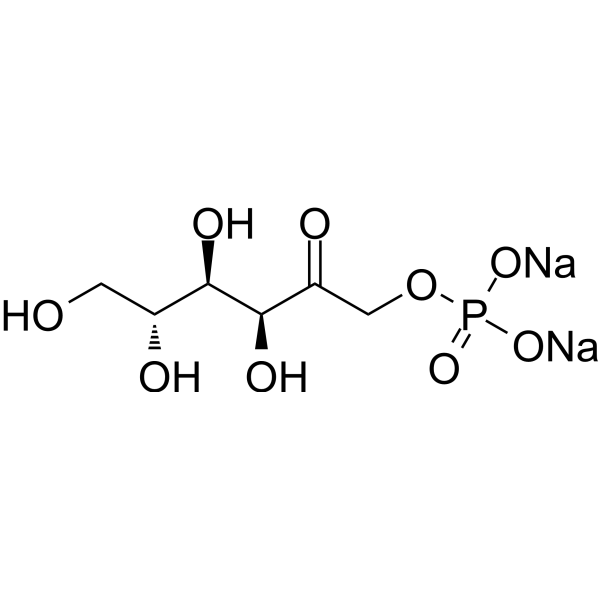
    D-Fructose 1-phosphate disodium is a key intermediate metabolite in the fructose metabolic pathway. As a key signaling molecule linking fructose metabolism and glucose metabolic regulation, D-Fructose 1-phosphate disodium acts as an allosteric modulator to counteract the inhibitory effect of the glucokinase-regulatory protein complex, thereby finely regulating the direction of hepatic glucose metabolism at the substrate level .
    D-Fructose 1-phosphate disodium
  • HY-126061

    Biochemical Assay Reagents Drug Metabolite Others
    1,7-Dimethyluric acid is an N-methylated uric acid and purine derivative, as well as a caffeine metabolite. When 1,7-Dimethyluric acid is acted upon by peroxidase in the presence of H2O2, it follows the same oxidation pathway to generate a UV-absorbing intermediate, which decays via first-order kinetics. 1,7-Dimethyluric acid can adsorb onto pyrolytic graphite electrodes, but not onto glassy carbon electrodes or platinum electrodes. The N-methylation modification of its pyrimidine ring prevents ring contraction of the diol intermediate, and no NMR evidence of O-alkylation is observed during propylation under the test conditions .
    1,7-Dimethyluric acid
  • HY-114950

    Losartan Carboxaldehyde; DuP 167

    COX Cardiovascular Disease Inflammation/Immunology
    EXP3179 is an important intermediate aldehyde metabolite of Losartan. EXP3179 has no AT1-R–blocking activity, but potently inhibits the expression of endothelial cyclooxygenase (COX)-2. EXP3179 exerts potent anti-inflammatory actions .
    EXP3179
  • HY-W004360

    Desethyl Dabigatran Etexilate

    Drug Intermediate Metabolic Disease Inflammation/Immunology
    BIBR 1087 SE is an intermediate metabolite of dabigatran etexilate.
    BIBR 1087 SE
  • HY-W017524
    2-Methylpentanedioic acid
    1 Publications Verification

    Endogenous Metabolite Others
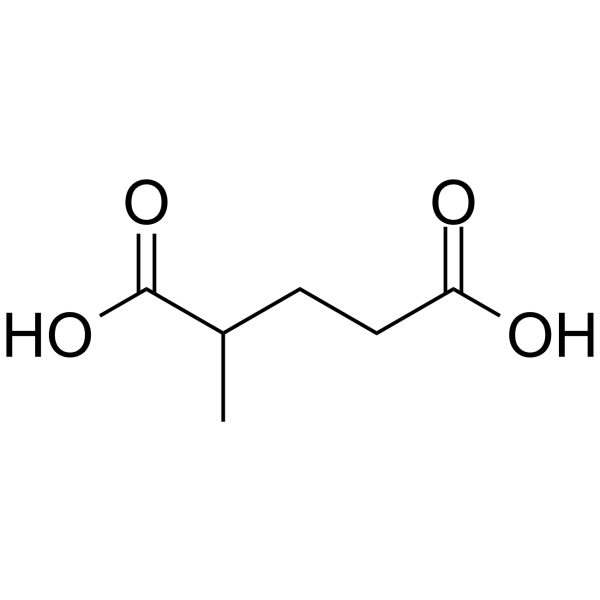
    2-Methylpentanedioic acid is a metabolite of succinic acid, a citric acid cycle intermediate.
    2-Methylpentanedioic acid
  • HY-W017511

    Endogenous Metabolite Drug Intermediate Others
    5,6-Dimethyl-1H-benzo[d]imidazole is an endogenous metabolite. 5,6-Dimethyl-1H-benzo[d]imidazole is also a benzimidazole derivative and can be used in the synthesis of other active compounds .
    5,6-Dimethyl-1H-benzo[d]imidazole
  • HY-Y0781S

    Acetylformic acid-13C sodium

    Endogenous Metabolite Others
    Pyruvic acid- 13C (sodium) is the 13C-labeled Pyruvic acid. Pyruvic acid is an intermediate metabolite in the metabolism of carbohydrates, proteins, and fats.
    Pyruvic acid-13C sodium
  • HY-Y0781S1

    Acetylformic acid-13C

    Endogenous Metabolite Others
    Pyruvic acid- 13C is the 13C labeled Pyruvic acid . Pyruvic acid is an intermediate metabolite in the metabolism of carbohydrates, proteins, and fats .
    Pyruvic acid-13C
  • HY-Y0781R

    Acetylformic acid (Standard)

    Reference Standards Endogenous Metabolite Others
    Pyruvic acid (Standard) is the analytical standard of Pyruvic acid. This product is intended for research and analytical applications. Pyruvic acid is an intermediate metabolite in the metabolism of carbohydrates, proteins, and fats.
    Pyruvic acid (Standard)
  • HY-W053507

    3-Methylbenzeneacetic acid

    Drug Metabolite Drug Intermediate Others
    m-Tolylacetic acid (3-Methylbenzeneacetic acid) is a hydroaromatic dicarboxylic acids excreted in the urine as metabolite of tolueneacetic acid. m-Tolylacetic acid can be used for drug intermediate for synthesising more complex molecules .
    m-Tolylacetic acid
  • HY-W001996

    Endogenous Metabolite Drug Intermediate Bacterial Infection
    6-Hydroxynicotinic acid is an intermediate in the oxidation of Nicotinic acid (HY-B0143) by Pseudomonas fluorescens and metabolite. 6-Hydroxynicotinic acid can be isolated from root exudates of Cucumis melo. 6-Hydroxynicotinic acid disrupts the Auxin signaling pathway. 6-Hydroxynicotinic acid inhibits haustoria precursor formation in Phlipanche aegyptiaca .
    6-Hydroxynicotinic acid
  • HY-148285

    Succinyl-coenzyme A; S-(Hydrogen succinyl)coenzyme A

    Endogenous Metabolite Metabolic Disease
    Succinyl CoA (Succinyl-coenzyme A) is a pivotal intermediate metabolite in the tricarboxylic acid cycle and a key coenzyme A metabolite. Succinyl CoA is biosynthesized from α-ketoglutarate or propionyl-CoA. Succinyl CoA acts as a critical precursor and substrate for heme biosynthesis and gluconeogenesis. Succinyl CoA insufficiency caused by cobalamin deficiency is directly linked to growth retardation, impaired heme synthesis, tissue glycine accumulation and neurological abnormalities. Succinyl CoA can be used in research on metabolic, neurological, and hematological abnormalities (such as porphyria) caused by nutritional vitamin B12 deficiency (leading to a lack of Succinyl-Coenzyme A synthesis) .
    Succinyl CoA
  • HY-164804

    Endogenous Metabolite Metabolic Disease
    N-Lactylvaline is an endogenous metabolite that can be identified in patients with the intermediate type of maple syrup urine disease .
    N-Lactylvaline
  • HY-W010396

    Endogenous Metabolite Biochemical Assay Reagents Drug Intermediate Others
    D-(-)-Pantolactone is an important intermediate that can be used in the synthesis of other active compounds, such as the molluscicide Cyanolide A. D-(-)-Pantolactone is also a calibrant for circular dichroism (CD) .
    D-(-)-Pantolactone
  • HY-W354479

    Thioinosinic acid

    Drug Metabolite Inflammation/Immunology
    6-Thioinosine Phosphate (Thioinosinic acid) is an intermediate metabolite of azathioprine (HY-B0256). Azathioprine is a purine analog immunosuppressive drug .
    6-Thioinosine Phosphate
  • HY-N11189

    Endogenous Metabolite Metabolic Disease
    α-D-Ribose-5-phosphate is an important intermediate metabolite in the pentose phosphate pathway and in the purine metabolism pathway .
    α-D-Ribose-5-phosphate
  • HY-W587841

    Drug Intermediate Metabolic Disease
    D-Xylulose 5-phosphate is a sugar phosphate ester intermediate and also a core metabolite of the pentose phosphate pathway. D-Xylulose 5-phosphate can be used in the research of metabolic diseases .
    D-Xylulose 5-phosphate
  • HY-W750263

    Acetylformic acid-13C2

    Isotope-Labeled Compounds Endogenous Metabolite Others
    Pyruvic acid- 13C2 (Acetylformic acid- 13C2) is the 13C-labeled Pyruvic acid (HY-Y0781). Pyruvic acid is an intermediate metabolite in the metabolism of carbohydrates, proteins, and fats.
    Pyruvic acid-13C2
  • HY-79334

    Endogenous Metabolite Others
    (S)-(+)-1,2-Propanediol is an endogenous metabolite. (S)-(+)-1,2-Propanediol can be used as an organic solvent and diluent in drug preparations. (S)-(+)-1,2-Propanediol can also be used as a chiral synthetic intermediate and a substrate for enzyme research .
    (S)-(+)-1,2-Propanediol
  • HY-W016103

    Bacterial Drug Intermediate Infection
    1-Hydroxy-2-naphthoic acid is a ubiquitous bicyclic intermediate metabolite in the microbial degradation process of polycyclic aromatic hydrocarbons (PAHs). 1-Hydroxy-2-naphthoic acid can be converted into 1,2-naphthalenediol, which enters the naphthalene degradation pathway and participates in the tricarboxylic acid (TCA) cycle to achieve complete mineralization .
    1-Hydroxy-2-naphthoic acid
  • HY-164805

    Endogenous Metabolite Others
    N-Lactylleucine is an endogenous metabolite that can be identified in patients with the intermediate type of maple syrup urine disease .
    N-Lactylleucine
  • HY-W007501

    Drug Intermediate Others
    2-Bromo-3-methoxypyridine is a drug intermediate that can be used for the synthesis of the metabolite of Piroxicam (HY-B0253) .
    2-Bromo-3-methoxypyridine
  • HY-Y1117S

    Isotope-Labeled Compounds Others
    Melamine- 15N3 is a 15N-labeled Melamine. Melamine is a metabolite?of?cyromazine. Melamine is a intermediate for the synthesis of melamine resin and plastic materials .
    Melamine-15N3
  • HY-114658

    NSC-109351

    Drug Intermediate Drug Metabolite Cancer
    Daunomycinone (NSC-109351) is a metabolite of Daunomycin (HY-13062A) and anticancer intermediate. Daunomycinone binds to nucleic acids synergistically with metal ions. Daunomycinone can be used in the research of leukemia .
    Daunomycinone
  • HY-W717548

    Drug Metabolite Others
    Safinamide acid (Compound Imp-E) is the metabolite of Safinamide (HY-70057). Safinamide acid can be formed by hydrolysis of Safinamide intermediate under alkaline or acidic conditions. Safinamide acid is utilized to monitor process-related impurities and degradation products in safinamide samples .
    Safinamide acid
  • HY-W009362R

    Reference Standards Endogenous Metabolite Others
    DL-Isocitric acid (trisodium salt) (Standard) is the analytical standard of DL-Isocitric acid (trisodium salt). This product is intended for research and analytical applications. DL-Isocitric acid trisodium salt is an endogenous metabolite. DL-Isocitric acid trisodium salt is an intermediate product in the citric acid cycle. DL-Isocitric acid trisodium salt can be used as a marker for determining the composition of isocitrates in fruit products.
    DL-Isocitric acid trisodium salt (Standard)
  • HY-W010255R

    Benzoylformic acid (Standard)

    Reference Standards Endogenous Metabolite Drug Intermediate Metabolic Disease Inflammation/Immunology
    Phenylglyoxylic acid (Standard) (Benzoylformic acid (Standard)) is the analytical standard of Phenylglyoxylic acid (HY-W010255). This product is intended for research and analytical applications. Phenylglyoxylic acid (Benzoylformic acid) is a metabolite of ethylbenzene and styrene (EB/S) and can be used as a biomarker of exposure to EB/S in human. Phenylglyoxylic acid can be used as drug intermediate for synthesis of antineoplastic compounds .
    Phenylglyoxylic acid (Standard)
  • HY-W010255S

    Benzoylformic acid-d5

    Isotope-Labeled Compounds Endogenous Metabolite Drug Intermediate Metabolic Disease Inflammation/Immunology
    Phenylglyoxylic acid-d5 (Benzoylformic acid-d5) is a deuterium labeled Phenylglyoxylic acid (HY-W010255). Phenylglyoxylic acid (Benzoylformic acid) is a metabolite of ethylbenzene and styrene (EB/S) and can be used as a biomarker of exposure to EB/S in human. Phenylglyoxylic acid can be used as drug intermediate for synthesis of antineoplastic compounds .
    Phenylglyoxylic acid-d5
  • HY-113227R

    Reference Standards Endogenous Metabolite Inflammation/Immunology
    Oxoadipic acid (Standard) is the analytical standard of Oxoadipic acid. This product is intended for research and analytical applications. Oxoadipic acid is a key intermediate metabolite in the lysine degradation pathway. The level of Oxoadipic acid is significantly negatively correlated with the abundance of Staphylococcus. That is, the higher the abundance of Staphylococcus-a potential pathogenic bacterium that usually increases in ulcerative colitis-the lower the level of Oxoadipic acid. Oxoadipic acid can be used in the research of ulcerative colitis .
    Oxoadipic acid (Standard)
  • HY-141465

    Endogenous Metabolite Metabolic Disease
    3-Hydroxybutyryl-CoA is a metabolite which can be found in mouse or E.coli, et al. 3-Hydroxybutyryl-CoA has a 3-hydroxybutanoyl as the S-acyl component, and is an intermediate in the fermentation of butyric acid, and in the metabolism of lysine and tryptophan .
    3-Hydroxybutyryl-CoA
  • HY-W010594

    Endogenous Metabolite Drug Intermediate Metabolic Disease
    Tetrahydrothiophen-3-one is an endogenous metabolite. Tetrahydrothiophen-3-one is a pharmaceutical intermediate that can be used to synthesize thiazole compounds. Tetrahydrothiophen-3-one exists in natural food and has good safety .
    Tetrahydrothiophen-3-one

Inquiry Online

Your information is safe with us. * Required Fields.

Salutation


Country or Region *

Applicant Name *


Organization Name *

Department *


Email Address *


Product Name *

Cat. No.


Requested quantity *

Phone Number *


Remarks

Inquiry Online

Inquiry Information

Product Name:
Cat. No.:
Quantity:
MCE Japan Authorized Agent:

