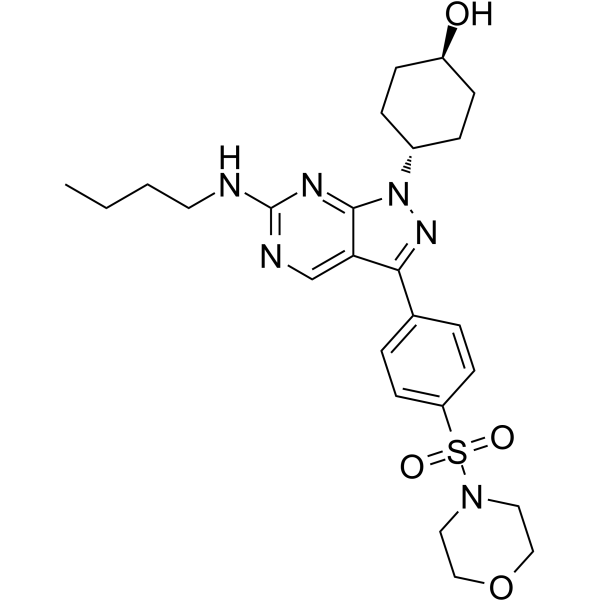
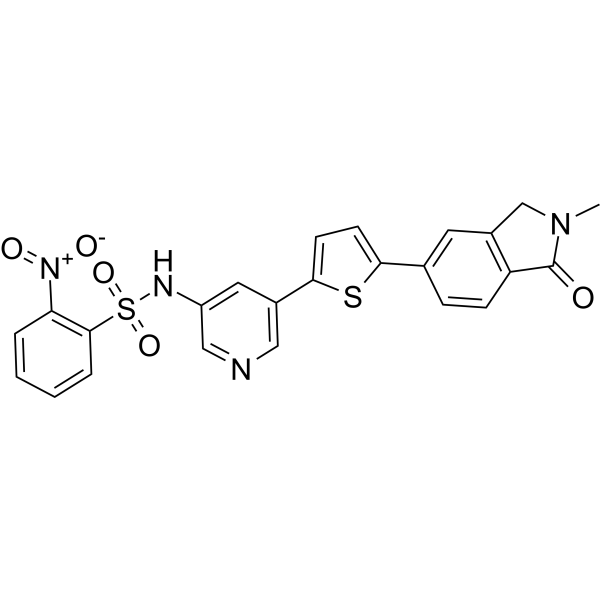
1. Search Result
Search Result
Results for "

leukaemia

" in MedChemExpress (MCE) Product Catalog:

119

Inhibitors & Agonists

1

Biochemical Assay Reagents

4

Peptides

10

Inhibitory Antibodies

28

Natural
Products

4

Isotope-Labeled Compounds

1

Oligonucleotides

Cat. No. Product Name Target Research Areas Chemical Structure
  • HY-134836
    STM2457
    Maximum Cited Publications
    104 Publications Verification

    Apoptosis METTL3 Cancer
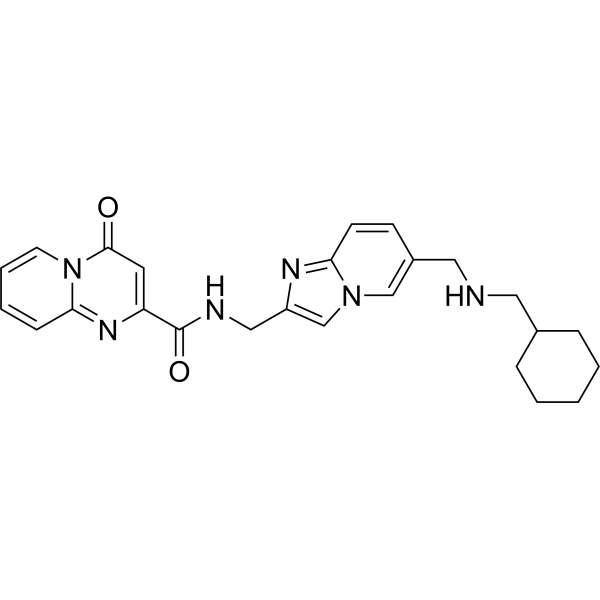
    STM2457 is a first-in-class, highly potent, selective and orally active METTL3 inhibitor with an IC50 of 16.9 nM. STM2457 can be used for the research of acute myeloid leukaemia (AML) .
    STM2457
  • HY-13502
    Mitoxantrone
    Maximum Cited Publications
    46 Publications Verification

    Mitozantrone; NSC 301739

    Topoisomerase PKC Orthopoxvirus Apoptosis Endogenous Metabolite Infection Cancer
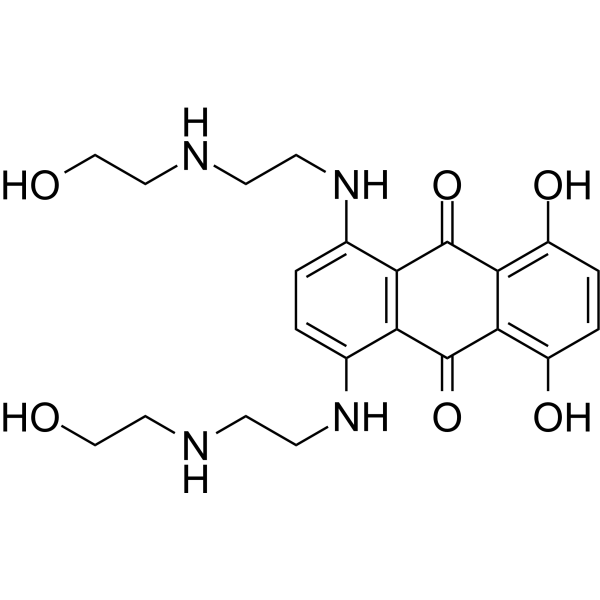
    Mitoxantrone is a potent topoisomerase II inhibitor. Mitoxantrone also inhibits protein kinase C (PKC) activity with an IC50 of 8.5 μM. Mitoxantrone induces apoptosis of B-CLL (B-chronic lymphocytic leukaemia) cells. Mitoxantrone shows antitumor activity . Mitoxantrone also has anti-orthopoxvirus activity with EC50s of 0.25 μM and and 0.8 μM for cowpox and monkeypox, respectively .
    Mitoxantrone
  • HY-17422
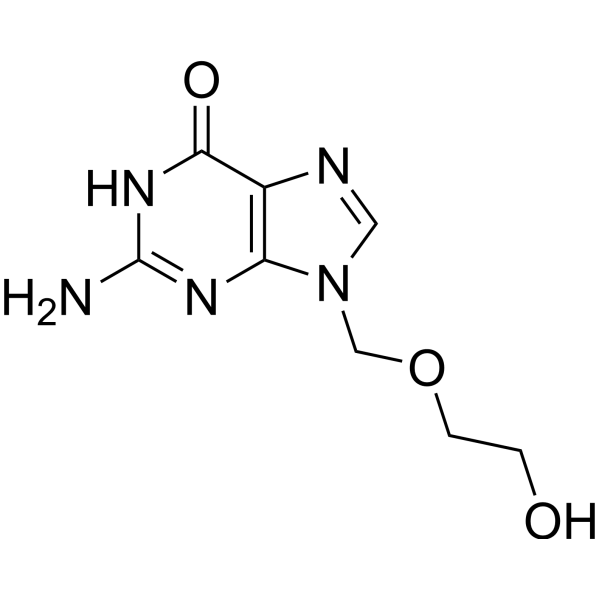
    Acyclovir
    20+ Cited Publications

    Aciclovir; Acycloguanosine

    HSV Apoptosis Antibiotic Bacterial Infection Cancer
    Acyclovir (Aciclovir) is a potent, orally active antiviral agent. Acyclovir has antiherpetic activity with IC50 values of 0.85 μM and 0.86 μM for HSV-1 and HSV-2, respectively. Acyclovir induces cell cycle perturbation and apoptosis. Acyclovir prevents bacterial infections during induction therapy for acute leukaemia .
    Acyclovir
  • HY-16993
    OICR-9429
    10+ Cited Publications

    Apoptosis WDR5 Cancer
    OICR-9429, a chemical probe, is high affinity WD repeat domain 5 (WDR5) inhibitor, competitively blocks WDR5 interaction with MLL protein via binding the central peptide-binding pocket of WDR5. OICR-9429 can suppress histone H3K4 trimethylation and can be used for the research of various cancers including non-MLL-rearranged leukaemia, colon, pancreatic, prostate cancer and bladder cancer (BCa) .
    OICR-9429
  • HY-13502A
    Mitoxantrone dihydrochloride
    Maximum Cited Publications
    46 Publications Verification

    Mitozantrone dihydrochloride; NSC 301739 dihydrochloride

    Topoisomerase PKC Orthopoxvirus Apoptosis Endogenous Metabolite Infection Cancer
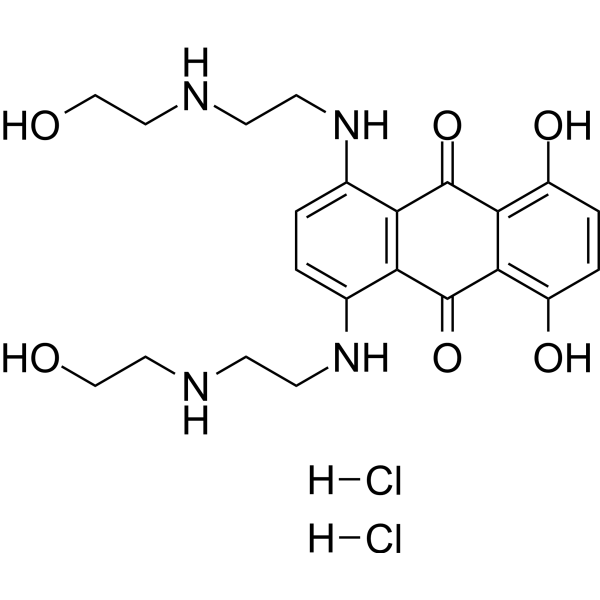
    Mitoxantrone dihydrochloride is a potent topoisomerase II inhibitor. Mitoxantrone dihydrochloride also inhibits protein kinase C (PKC) activity with an IC50 of 8.5 μM. Mitoxantrone dihydrochloride induces apoptosis of B-CLL (B-chronic lymphocytic leukaemia) cells. Mitoxantrone dihydrochloride shows antitumor activity . Mitoxantrone dihydrochloride also has anti-orthopoxvirus activity with EC50s of 0.25 μM and and 0.8 μM for cowpox and monkeypox, respectively .
    Mitoxantrone dihydrochloride
  • HY-17381
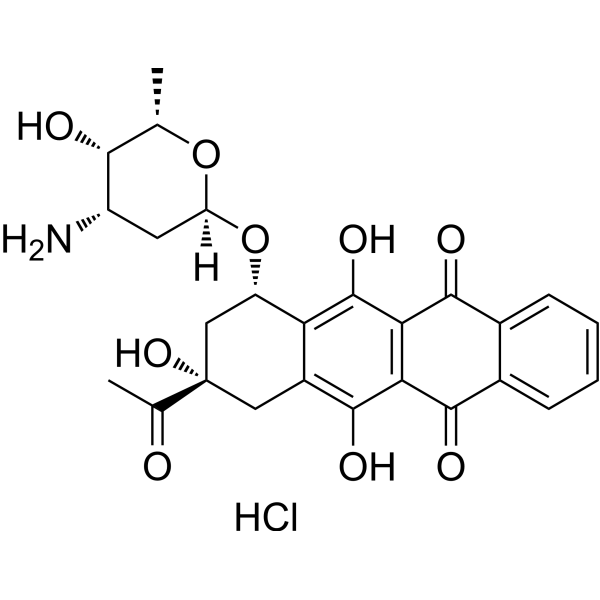
    Idarubicin hydrochloride
    15+ Cited Publications

    4-Demethoxydaunorubicin hydrochloride

    Topoisomerase Bacterial Fungal Autophagy Antibiotic DNA/RNA Synthesis c-Myc Infection Cancer
    Idarubicin hydrochloride is an anthracycline antileukemic agent. It inhibits the topoisomerase II interfering with the replication of DNA and RNA transcription. Idarubicin hydrochloride inhibits the growth of bacteria and yeasts.
    Idarubicin hydrochloride
  • HY-17381A
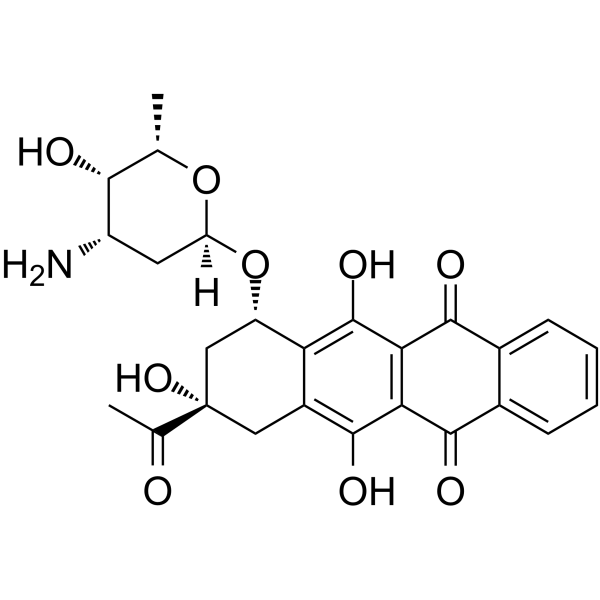
    Idarubicin
    15+ Cited Publications

    4-Demethoxydaunorubicin

    Topoisomerase Bacterial Fungal Autophagy c-Myc DNA/RNA Synthesis Antibiotic Infection Cancer
    Idarubicin is an orally active and potent anthracycline antileukemic agent. Idarubicin inhibits the topoisomerase II interfering with the replication of DNA and RNA transcription. Idarubicin shows induction of DNA damage. Idarubicin inhibits DNA synthesis and of c-myc expression. Idarubicin inhibits the growth of bacteria and yeasts .
    Idarubicin
  • HY-P9948

    Campath-IH

    Apoptosis Cancer
    Alemtuzumab (Campath-IH) is a humanized monoclonal antibody against CD52. Alemtuzumab does not cross-react with murine CD52. Alemtuzumab selectively targets the CD52 antigen to induce profound lymphocyte depletion, followed by recovery of T and B cells with regulatory phenotypes. Alemtuzumab is capable of complement-dependent cytotoxicity and antibody-dependent cell-mediated cytotoxicity (ADCC), as well as induction of apoptosis. Alemtuzumab has the potential for B-cell chronic lymphocytic leukaemia research .
    Alemtuzumab
  • HY-160214
    Perforin-IN-2
    1 Publications Verification

    Complement System Inflammation/Immunology Cancer
    Perforin-IN-2 (Compound 1) is the inhibitor for perforin that inhibits perforin-mediated cell lysis, thereby reducing graft rejection during allogeneic bone marrow/stem cell transplantation .
    Perforin-IN-2
  • HY-148333
    MS177
    3 Publications Verification

    PROTACs Histone Methyltransferase Apoptosis Cancer
    MS177 is an effective and fast-acting EZH2 degrader. MS177 is a PROTAC that consists of a CRBN ligand, linker, and a potent enzymatic EZH2 inhibitor C24 (C24 IC50): 12 nM). MS177 effectively depletes both canonical EZH2-PRC2 and noncanonical EZH2-cMyc complexes. MS177 induces leukaemia cell growth inhibition, apoptosis and cell cycle progression arrest .
    MS177
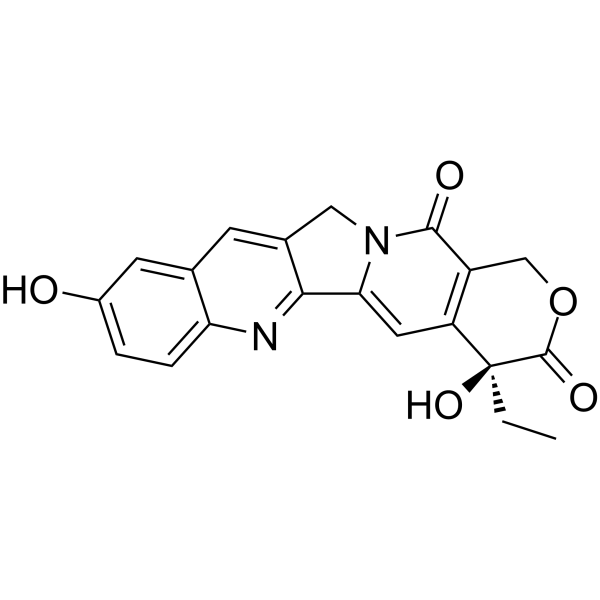
  • HY-N0095
    (S)-10-Hydroxycamptothecin
    1 Publications Verification

    10-HCPT; 10-Hydroxycamptothecin

    Topoisomerase Apoptosis Cancer
    (S)-10-Hydroxycamptothecin (10-HCPT;10-Hydroxycamptothecin) is a DNA topoisomerase I inhibitor of isolated from the Chinese plant Camptotheca accuminata. (S)-10-Hydroxycamptothecin exhibits a remarkable apoptosis-inducing effect. (S)-10-Hydroxycamptothecin has the potential for hepatoma, gastric carcinoma, colon cancer and leukaemia treatment .
    (S)-10-Hydroxycamptothecin
  • HY-104010A
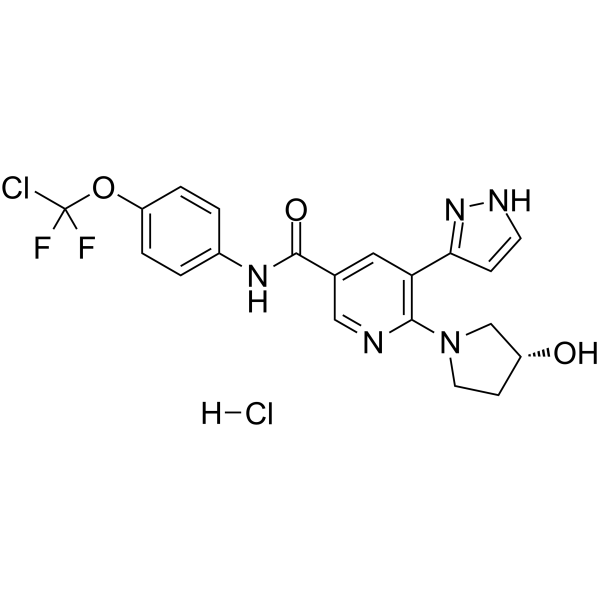
    Asciminib hydrochloride
    10+ Cited Publications

    ABL001 hydrochloride

    Bcr-Abl Cancer
    Asciminib (ABL001) hydrochloride is a potent and selective allosteric BCR-ABL1 inhibitor, which inhibits Ba/F3 cells grown with an IC50 of 0.25 nM .
    Asciminib hydrochloride
  • HY-P99521

    XmAb14045

    CD3 Inflammation/Immunology Cancer
    Vibecotamab (XmAb14045) is a potent bispecific antibody targeting both CD123 and CD3. Vibecotamab targets T cell-mediated killing of CD123-expressing cells, regardless of T cell antigen specificity. Vibecotamab is a full length immunoglobulin molecule. Vibecotamab can be studied in research for diseases such as Myelodysplastic syndrome and acute myeloid leukemia. Recommend Isotype Control: half-IG G1-kappa/(scFv-heavy-lambda)-h-CH2-CH3 .
    Vibecotamab
  • HY-13701
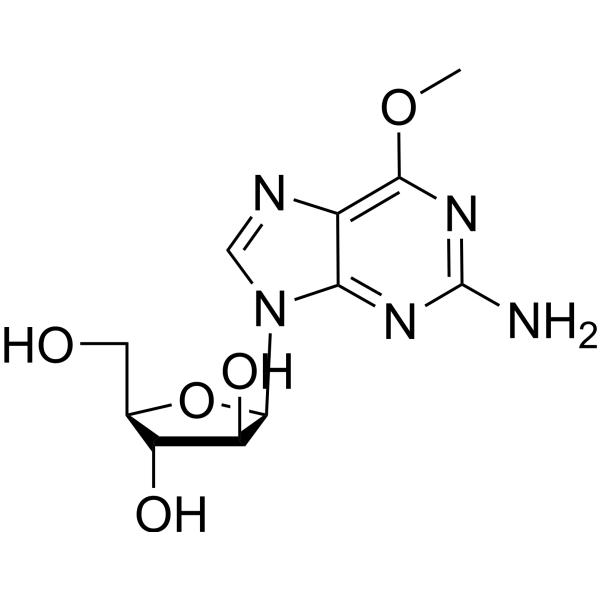
    Nelarabine
    3 Publications Verification

    506U78; GW 506U78; Nelzarabine

    Nucleoside Antimetabolite/Analog Apoptosis Cancer
    Nelarabine (506U78) is a nucleoside analogue and can be used for the research of T cell acute lymphoblastic leukemia (T-ALL) .
    Nelarabine
  • HY-P9961

    GSK1841157; OMB-157

    CD20 Cancer
    Ofatumumab is a fully human anti-CD20 monoclonal antibody that induces antibody-dependent cell-mediated cytotoxicity (ADCC) and complement-dependent cytotoxicity (CDC) in CD20-expressing B lymphocytes. Ofatumumab has strong lytic activity against CD20-positive B lymphocytes and eliminates CD20-positive tumor cells through ADCC and CDC. Ofatumumab is particularly effective against drug-resistant cells with low CD20 expression and can be applied to the research of chronic lymphocytic leukemia (CLL) .
    Ofatumumab
  • HY-P99189

    IMC-A12; NSC742460

    IGF-1R Cancer
    Cixutumumab (IMC-A12) is a human anti-IGF-1R monoclonal antibody with high affinity that inhibits ligand-dependent receptor activation and downstream signaling. Cixutumumab also mediates the internalization and degradation of IGF-IR. Cixutumumab shows broad-spectrum anti-tumour activity and can be used in studies of cancers such as lung cancer, malignancies, leukaemia, non-small cell lung cancer and prostate cancer .
    Cixutumumab
  • HY-174864

    PROTACs NF-κB Apoptosis Cancer
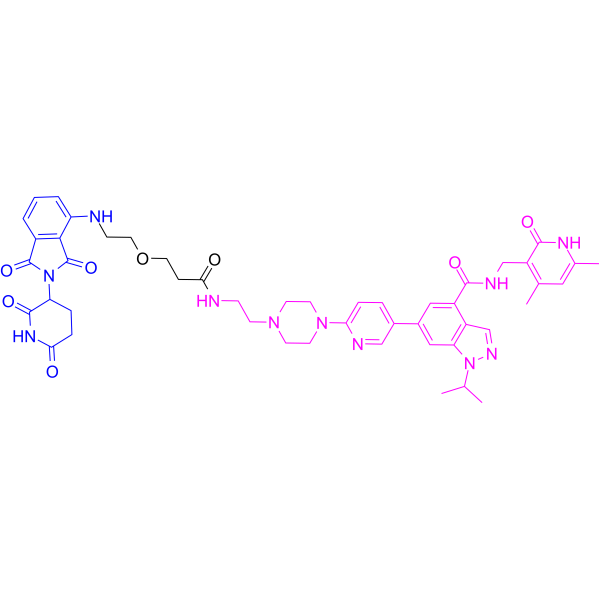
    JP-163-16 is a RelA/p65 PROTAC degrader. JP-163-16 selectively reduces the expression of RelA/p65 in a proteasome-dependent manner in cells. JP-163-16 can induce cell apoptosis by inhibiting the NF-κB signaling pathway. JP-163-16 can be used for research on RelA/p65-dependent tumours, such as chronic lymphocytic leukaemia (CLL). (Pink: RelA/p65 Ligand (HY-174865); Blue: CRBN Ligand (HY-A0003); Black: Linker; CRBN Ligand+Linker (HY-160241)) .
    JP-163-16
  • HY-17422A
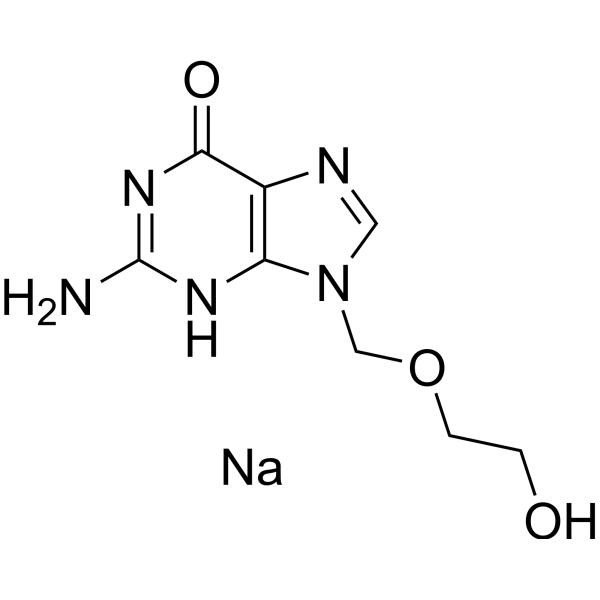
    Acyclovir sodium
    20+ Cited Publications

    Aciclovir sodium; Acycloguanosine sodium

    HSV Apoptosis Antibiotic Bacterial Infection Cancer
    Acyclovir (Aciclovir) sodium is a potent, orally active antiviral agent. Acyclovir sodium has antiherpetic activity with IC50 values of 0.85 μM and 0.86 μM for HSV-1 and HSV-2, respectively. Acyclovir sodium induces cell cycle perturbation and apoptosis. Acyclovir sodium prevents bacterial infections during induction therapy for acute leukaemia .
    Acyclovir sodium
  • HY-108894

    Ferroptosis Reactive Oxygen Species (ROS) Cardiovascular Disease Inflammation/Immunology Cancer
    Ferumoxytol is an FDA-approved ultrasmall superparamagnetic iron oxide preparation and iron replacement agent that exerts selective activity against leukemia cells with low ferroportin expression. Ferumoxytol increases intracellular iron levels, induces reactive oxygen species (ROS) production via the Fenton reaction, and triggers oxidative stress and cell death. Ferumoxytol reduces disease burden in mouse models and patient-derived leukemia models. As an MRI contrast agent, Ferumoxytol enables imaging of vascular lesions, tumors and lymph nodes. Ferumoxytol can be used in research related to acute myeloid leukemia and blast-phase chronic myeloid leukemia .
    Ferumoxytol
  • HY-14174
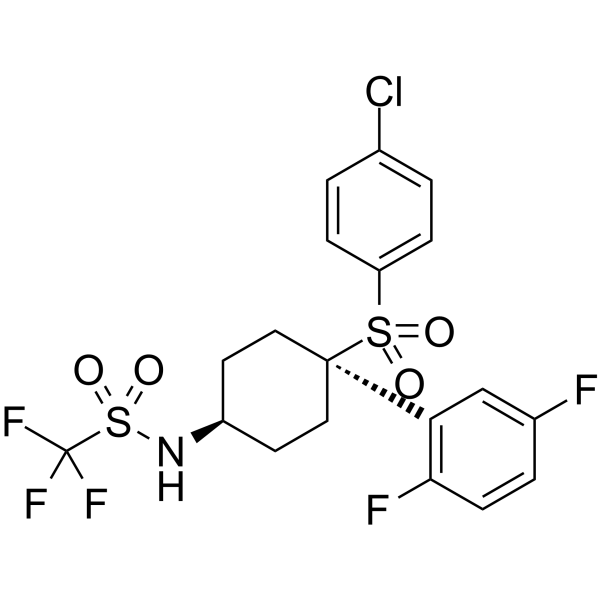
    MRK-560
    4 Publications Verification

    γ-secretase Neurological Disease Cancer
    MRK-560, a chemical probe, is an orally active, brain barrier-penetrated γ-Secretase inhibitor, reducing Aβ peptide in rat brain and cerebrospinal fluid. MRK-560 decreases mutant NOTCH1 processing by selectively inhibiting PSEN1. MRK-560 can be used in studies of Alzheimer's disease and T-cell acute lymphoblastic leukaemia (T-ALL) .
    MRK-560
  • HY-16126
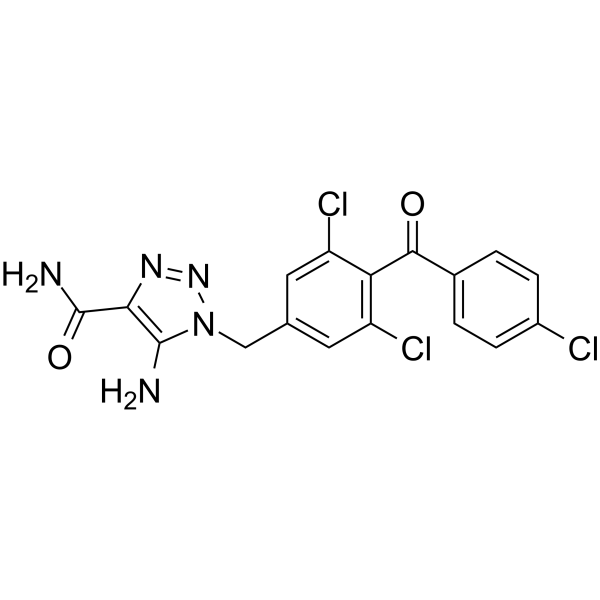
    Carboxyamidotriazole
    4 Publications Verification

    L-651582; CAI

    Calcium Channel NF-κB p38 MAPK NO Synthase Cardiovascular Disease Inflammation/Immunology Cancer
    Carboxyamidotriazole (L-651582) is an orally active cytostatic inhibitor of nonvoltage-operated calcium channels and calcium channel-mediated signaling pathways. Carboxyamidotriazole inhibits NF-κB, MAPK activation and NO production. Carboxyamidotriazole has anti-angiogenic and anti-inflammatory activities. Carboxyamidotriazole has anticancer activity against liver cancer, lung cancer and leukemia .
    Carboxyamidotriazole
  • HY-N1365
    Isoscopoletin
    1 Publications Verification

    6-Hydroxy-7-methoxycoumarin

    HBV p38 MAPK NF-κB STAT Akt ERK JNK Infection Inflammation/Immunology Cancer
    Isoscopoletin (6-Hydroxy-7-methoxycoumarin) is an active constituent in Artemisia argyi leaves. Isoscopoletin shows substantial inhibition against cell proliferation, with IC50s of 4.0 μM and 1.6 μM for human CCRF-CEM leukaemia cells and multidrug resistant subline CEM/ADR5000, respectively . Isoscopoletin (6-Hydroxy-7-methoxycoumarin) possesses inhibitory activity against HBV replication . Isoscopoletin exhibits anti-inflammatory activity through inhibition of MAPK/NF-κB/STAT/AKT signaling pathway .
    Isoscopoletin
  • HY-P99390

    MCLA 117

    CD3 Interleukin Related IFNAR TNF Receptor Inflammation/Immunology Cancer
    Tepoditamab (MCLA-117) is a full-length human IgG1 bispecific monoclonal antibody that binds to CLEC12A of myeloid cells and CD3 of cytotoxic T cells. Among others, CLEC12A is a myeloid differentiation antigen. Tepoditamab kills AML leukaemia mother cells and AML leukaemia stem cells, induces T cell-mediated proliferative lysis of AML cells. Tepoditamab induces upto 30-fold T-cell expansion. Tepoditamab results in moderate to strong cytokine (IFNγ, IL-6, IL-8, IL-10, and TNFα) and IFNγ release in human whole blood and PBMC, respectively. Tepoditamab can be used in acute myeloid leukaemia (AML) research .
    Tepoditamab
  • HY-17422R

    Aciclovir (Standard); Acycloguanosine (Standard)

    Reference Standards HSV Apoptosis Antibiotic Bacterial Infection Cancer
    Acyclovir (Standard) is the analytical standard of Acyclovir. This product is intended for research and analytical applications. Acyclovir (Aciclovir) is a potent, orally active antiviral agent. Acyclovir has antiherpetic activity with IC50 values of 0.85 μM and 0.86 μM for HSV-1 and HSV-2, respectively. Acyclovir induces cell cycle perturbation and apoptosis. Acyclovir prevents bacterial infections during induction therapy for acute leukaemia .
    Acyclovir (Standard)
  • HY-17422S1

    Aciclovir-d4; Acycloguanosine-d4

    Isotope-Labeled Compounds HSV Bacterial Apoptosis Antibiotic Infection Cancer
    Acyclovir-d4 is the deuterium labeled Acyclovir. Acyclovir (Aciclovir) is a guanosine analogue and an orally active antiviral agent. Acyclovir inhibits HSV-1 (IC50 of 0.85 μM), HSV-2 (IC50 of 0.86 μM) and varicella-zoster virus. Acyclovir can be phosphorylated by viral thymidine kinase (TK), and Acyclovir triphosphate interferes with viral DNA polymerization through competitive inhibition with guanosine triphosphate and obligatory chain termination . Acyclovir prevents bacterial infections during induction therapy for acute leukaemia .
    Acyclovir-d4
  • HY-117664

    Reverse Transcriptase Inflammation/Immunology Cancer
    PNR-7-02 inhibits Pol η function with an IC50 value of near 8 μM, which binds to the little finger domain. PNR-7-02 is also an inhibitor against hRev1 and hpol lambda (λ). PNR-7-02 acts synergistically with Cisplatin (HY-17394) to kill chronic myeloid leukaemia and ovarian cancer cell lines. PNR-7-02 is an indole thio-barbituric acid (ITBA) derivative with both N-napthoyl moiety and 5-chloro substituent on the indole ring .
    PNR-7-02
  • HY-N2060

    Apoptosis Bacterial Infection Inflammation/Immunology Cancer
    Evocarpine, a quinolone alkaloid that could be isolated from Evodiae fructus, inhibitss Ca 2+ influx through voltage-dependent calcium channels. Antimycobacterial activity .
    Evocarpine
  • HY-16125
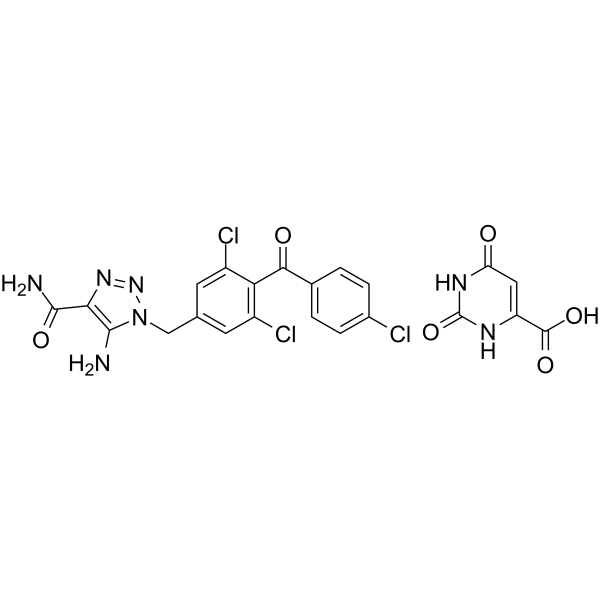
    Carboxyamidotriazole Orotate
    4 Publications Verification

    L-651582 Orotate; CAI Orotate

    Calcium Channel Cardiovascular Disease Inflammation/Immunology Cancer
    Carboxyamidotriazole Orotate (L-651582 Orotate) is the orotate salt form of Carboxyamidotriazole (CAI), an orally bioavailable signal transduction inhibitor. Carboxyamidotriazole Orotate is a cytostatic inhibitor of nonvoltage-operated calcium channels and calcium channel-mediated signaling pathways. Carboxyamidotriazole Orotate shows anti-tumor, anti-inflammatory and antiangiogenic effects .
    Carboxyamidotriazole Orotate
  • HY-106784

    Fungal Apoptosis Infection Cancer
    Ajoene, a garlic-derived compound, is an antithrombotic and antifungal agent. Ajoene inhibits proliferation and induces apoptosis of human leukaemia CD34-negative cells including HL-60, U937, HEL and OCIM-I. Anticancer activities .
    Ajoene
  • HY-120234

    Z-Leu-Leu-Nle-CHO; GSII

    γ-secretase Proteasome Apoptosis Cancer
    Z-LLNle-CHO (Z-Leu-Leu-Nle-CHO) is a γ-secretase inhibitor I. Z-LLNle-CHO induces caspase and ROS-dependent apoptosis by blocking the Akt-mediated pro-survival pathway. Z-LLNle-CHO can be used in cancer research, such as breast cancer and leukaemia .
    Z-LLNle-CHO
  • HY-123523

    Nucleoside Antimetabolite/Analog DNA/RNA Synthesis CMV Infection Cancer
    Enocitabine is a nucleoside analog, and is a potent DNA replication inhibitor, and a DNA chain terminator. Enocitabine inhibits the replication of human cytomegalovirus. Enocitabine has antileukemic and antiviral activities .
    Enocitabine
  • HY-122623A

    Apoptosis Cancer
    DB818 dihydrochloride is the dihydrochloride salt form of DB818 (HY-122623). DB818 dihydrochloride is an inhibitor for Homeobox A9 (HOXA9). DB818 dihydrochloride reduces the formation of HOXA9-DNA complexes, inhibits the growth and induces apoptosis in AML cell lines OCI/AML3, MV4-11, and THP-1 .
    DB818 dihydrochloride
  • HY-50733A

    Casein Kinase Ras Apoptosis Cancer
    CX-5011 is a CK2 inhibitor. CX-5011 also induces Rac1 activation. CX-5011 induces apoptosis and induces cancer cell death .
    CX-5011
  • HY-100777

    Topoisomerase Neurological Disease Cancer
    DACA (XR 5000) is a potential and blood-brain barrier-penetrating topoisomerase I and II inhibitor. DACA can be used in the research of colorectal cancer, leukemia and lung cancer .
    DACA
  • HY-10159C

    AMN107 hydrochloride dihydrate

    Autophagy Bcr-Abl Cancer
    Nilotinib (AMN107) hydrochloride dihydrate is an orally active Bcr-Abl tyrosine kinase inhibitor with antineoplastic activity and can be used in studies of chronic myelogenous leukaemia .
    Nilotinib hydrochloride dihydrate
  • HY-D0216

    Biochemical Assay Reagents Cancer
    Salicylaldoxime is an organic compound, that has been used as a reagent for the gravimetric determination and separation of Cooper, Nickel, Palladium, Lead, Bismuth and Zine. The copper complex of Salicylaldoxime has anticancer activity .
    Salicylaldoxime
  • HY-N1365R

    6-Hydroxy-7-methoxycoumarin (Standard)

    Reference Standards HBV p38 MAPK NF-κB STAT Akt ERK JNK Infection Inflammation/Immunology Cancer
    Isoscopoletin (Standard) is the analytical standard of Isoscopoletin. This product is intended for research and analytical applications. Isoscopoletin (6-Hydroxy-7-methoxycoumarin) is an active constituent in Artemisia argyi leaves. Isoscopoletin shows substantial inhibition against cell proliferation, with IC50s of 4.0 μM and 1.6 μM for human CCRF-CEM leukaemia cells and multidrug resistant subline CEM/ADR5000, respectively . Isoscopoletin (6-Hydroxy-7-methoxycoumarin) possesses inhibitory activity against HBV replication . Isoscopoletin exhibits anti-inflammatory activity through inhibition of MAPK/NF-κB/STAT/AKT signaling pathway .
    Isoscopoletin (Standard)
  • HY-10159B
    Nilotinib hydrochloride
    45+ Cited Publications

    AMN107 hydrochloride

    Bcr-Abl Autophagy Cancer
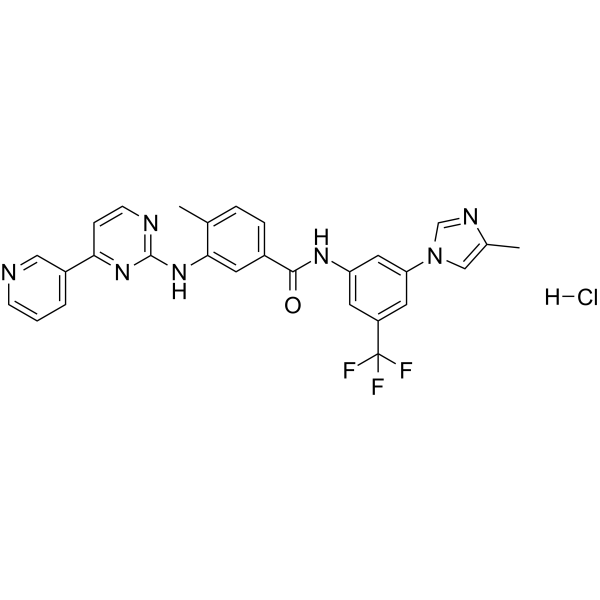
    Nilotinib (AMN107) hydrochloride is an orally active Bcr-Abl tyrosine kinase inhibitor with antineoplastic activity and can be used in studies of chronic myelogenous leukaemia .
    Nilotinib hydrochloride
  • HY-106409
    Tefinostat
    1 Publications Verification

    CHR-2845

    HDAC Apoptosis Cancer
    Tefinostat (CHR-2845) is a monocyte/macrophage targeted histone deacetylase (HDAC) inhibitor. Tefinostat can be cleaved into active acid CHR-2847 by the intracellular esterase human carboxylesterase-1 (hCE-1). Tefinostat can be used for the research of leukaemias .
    Tefinostat
  • HY-157327

    Bcr-Abl Cancer
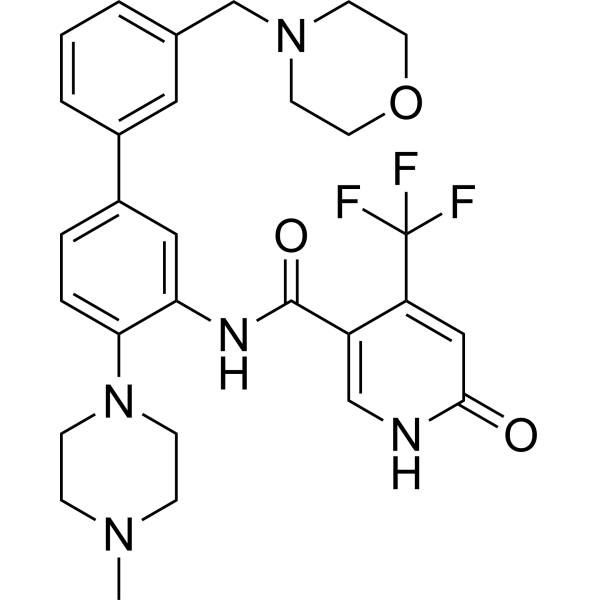
    AKE-72 (compound 5) is a potent inhibitor of Pan-BCR-ABL. AKE-72 inhibits BCR-ABL WT, BCR-ABL T315, BCR-ABL E255K, BCR-ABL F3171, BCR-ABL H396P and BCR-ABL Q252H with IC50s of < 0.5, 9, 8.98, 3.12, < 1.0 and 3.88 nM, respectively. AKE-72 has anti-leukemic activity against K-562 cell line .
    AKE-72
  • HY-23120

    Antibiotic Virus Protease Infection Cancer
    1-Hydroxyguanidine sulfate is an antitumor agent that inhibits mast cell P815, leukaemia P388, leukaemia L1210 and carcinosarcoma Walker 256 cells growth. 1-Hydroxyguanidine sulfate also has antiviral activity .
    1-Hydroxyguanidine sulfate
  • HY-N16567

    Apoptosis Caspase PARP Survivin Cancer
    Acrofolione A is an acetophenone dimer isolated from Acronychia pendunculata with anticancer effects. Acrofolione A induces G0/G1 phase cell cycle arrest and apoptosis in human NALM-6 pre-B cell leukaemia cells. Acrofolione A can be used for leukaemia research .
    Acrofolione A
  • HY-N3506

    HIV Infection Inflammation/Immunology Cancer
    Wilfortrine is a bioactive sesquiterpene alkaloid. Wilfortrine exhibits immunosuppresive effects. Wilfortrine also can inhibit leukaemia cell growth in mice and shows anti-HIV activity .
    Wilfortrine
  • HY-116894

    Apoptosis Cancer
    Rotundifuran, a labdane type diterpene, is isolated from Vitex rotundifolia. Rotundifuran can inhibit the cell cycle progression and induce apoptosis in human myeloid leukaemia cells .
    Rotundifuran
  • HY-175003

    Proton Pump Cancer
    HV1-IN-2 (Compound 14c) is a human voltage-gated proton channel (HV1) inhibitor with an IC50 of 2.14 μM. HV1-IN-2 has a potent anticancer activity with significant antiproliferative effects against THP-1 and MCF-7 cells. HV1-IN-2 can be used for cancers research, such as colorectal tumours, leukaemia, and breast cancer .
    HV1-IN-2
  • HY-13249
    1alpha-Hydroxy VD4
    1 Publications Verification

    1α-Hydroxy vitamin D4

    VD/VDR Cancer
    1alpha-Hydroxy VD4, a 1alpha(OH)D derivative, can effectively induce the differentiation of monoblastic leukaemia U937, P39/TSU and P31/FUJ cells.
    1alpha-Hydroxy VD4
  • HY-10226

    R306465

    Apoptosis HDAC Cancer
    JNJ-16241199 (R306465) is an orally active, selectivehydroxamate-based histone deacetylase (HDAC) inhibitor, with theIC50of 3.3 nM and 23 nM for HDAC1and HDAC8, respectively.JNJ-16241199induces histone 3 acetylation and strongly increases the expression of p21 waf1, cip1 in A2780 ovarian carcinoma cells.JNJ-16241199 inducescell apoptosisand shows anticancer activityin a broad spectrum of human malignancies. JNJ-16241199 can be used for cancer study .
    JNJ-16241199
  • HY-W705140A

    Hydroxymelphalan hydrochloride

    Drug Metabolite Cancer
    Monohydroxy melphalan hydrochloride (Hydroxymelphalan hydrochloride) is a degradation product of Melphalan (HY-17575), obtained through the hydrolysis of Melphalan in aqueous solutions (including cell culture media and human plasma) .
    Monohydroxy melphalan hydrochloride
  • HY-17381R

    4-Demethoxydaunorubicin hydrochloride (Standard)

    Reference Standards Topoisomerase Bacterial Fungal Autophagy Antibiotic DNA/RNA Synthesis c-Myc Infection Cancer
    Idarubicin (hydrochloride) (Standard) is the analytical standard of Idarubicin (hydrochloride). This product is intended for research and analytical applications. Idarubicin hydrochloride is an anthracycline antileukemic agent. It inhibits the topoisomerase II interfering with the replication of DNA and RNA transcription. Idarubicin hydrochloride inhibits the growth of bacteria and yeasts.
    Idarubicin hydrochloride (Standard)
  • HY-E70634

    Bcr-Abl Cancer
    The emergence of mutations in the BCR::ABL1 kinase domain (KD) impairs Imatinib Mesylate (HY-50946) binding capacity, thus contributing to Imatinib Mesylate resistance. Identification of these mutations is important for treatment decisions and precision medicine in chronic myeloid leukaemia (CML). ABL1 E255K Recombinant Human Active Protein Kinase is a recombinant ABL1 E255K protein that can be used to study ABL1 E255K-related functions .
    ABL1 E255K Recombinant Human Active Protein Kinase

Inquiry Online

Your information is safe with us. * Required Fields.

Salutation


Country or Region *

Applicant Name *


Organization Name *

Department *


Email Address *


Product Name *

Cat. No.


Requested quantity *

Phone Number *


Remarks

Inquiry Online

Inquiry Information

Product Name:
Cat. No.:
Quantity:
MCE Japan Authorized Agent:

