1. Search Result
Search Result
Results for "

mechanical hyperalgesia

" in MedChemExpress (MCE) Product Catalog:

48

Inhibitors & Agonists

7

Peptides

1

Inhibitory Antibodies

10

Natural
Products

1

Isotope-Labeled Compounds

Cat. No. Product Name Target Research Areas Chemical Structure
  • HY-113402
    Gamma-glutamylcysteine
    4 Publications Verification

    γ-Glu-Cys

    Endogenous Metabolite Interleukin Related TNF Receptor AMPK Sirtuin STAT PI3K NF-κB JAK p38 MAPK JNK Akt Apoptosis Ferroptosis Cardiovascular Disease Neurological Disease Inflammation/Immunology
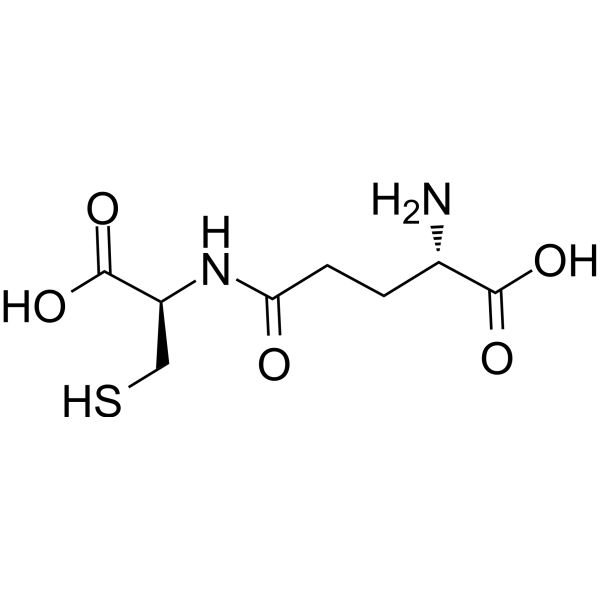
    Gamma-glutamylcysteine (γ-Glu-Cys) is an orally active, blood-brain barrier permeable dipeptide . Gamma-glutamylcysteine activates AMPK, SIRT1, IL-4/STAT6, AC/cAMP/PI3K, IGF-1R/IRS1/PI3K, and Nrf2 signaling pathways; it inhibits NF-κB, JAK1/STAT1/3, MAPKs, cadmium-induced p38 MAPK, JNK, and PI3K/Akt signaling pathways. Gamma-glutamylcysteine regulates macrophage polarization, modulates the trafficking of CD36 and GLUT4, induces glutathione synthesis, improves metabolic dysfunction, reduces lipid deposition, ameliorates glucose homeostasis, inhibits apoptosis (Apoptosis), stabilizes mitochondria, suppresses lipid peroxidation, iron accumulation and ferroptosis (Ferroptosis), reduces ds-HMGB1 levels, reverses mechanical hyperalgesia, and alleviates hepatic lipid droplet formation. Gamma-glutamylcysteine is applicable to research related to inflammatory bowel disease, type 2 diabetes, cadmium-induced neurotoxicity, Alzheimer's disease, cerebral ischemia/reperfusion injury, neuropathy, and alcoholic liver disease .
    Gamma-glutamylcysteine
  • HY-P1410B
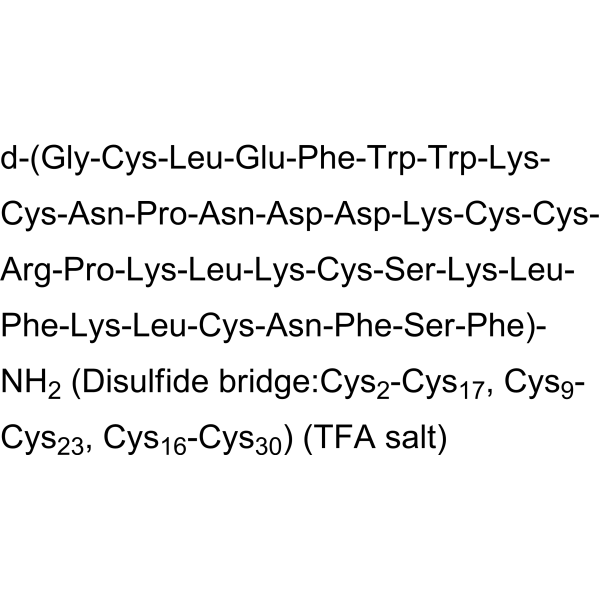
    D-GsMTx4
    3 Publications Verification

    Piezo Channel Calcium Channel mTOR PI3K Akt Cardiovascular Disease Neurological Disease Inflammation/Immunology
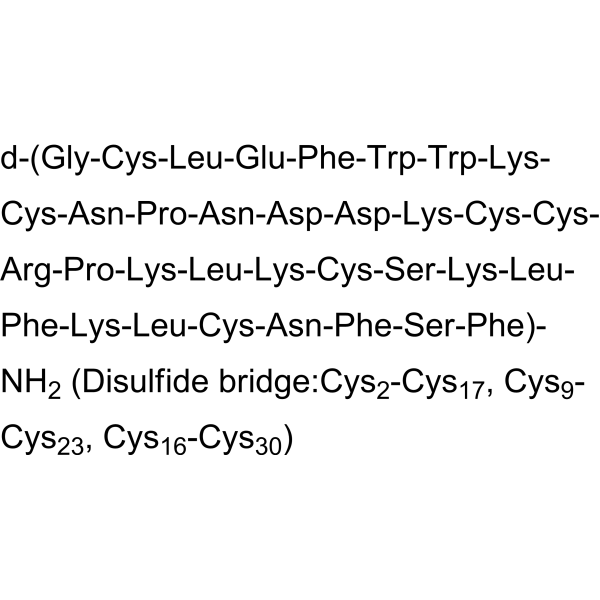
    D-GsMTx4 is a spider peptide and the D enantiomer of GsMTx4 (HY-P1410). D-GsMTx4 inhibits the mechanosensitive ion channel Piezo2. D-GsMTx4 inhibits [Ca 2+]i elevation. D-GsMTx4 inhibits mTOR and PI3K-Akt signaling pathways. D-GsMTx4 inhibits mechanical allodynia and thermal hyperalgesia. D-GsMTx4 can be used in researches of mechanical stress, chronic pain and idiopathic pulmonary fibrosis .
    D-GsMTx4
  • HY-111615A

    Somatostatin Receptor Neurological Disease Inflammation/Immunology
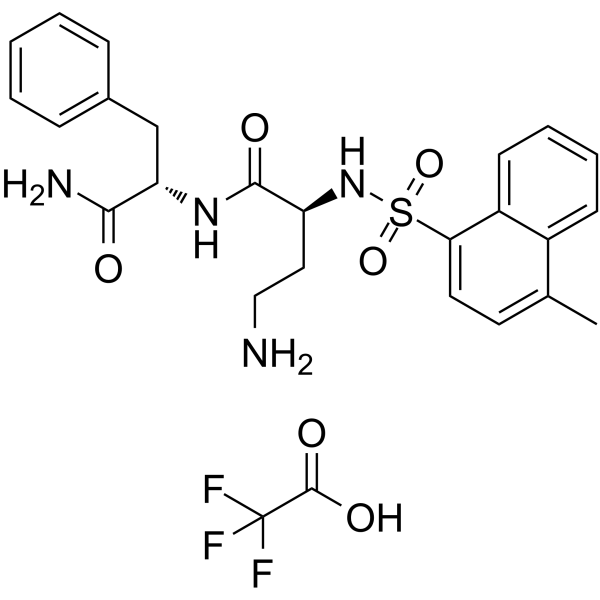
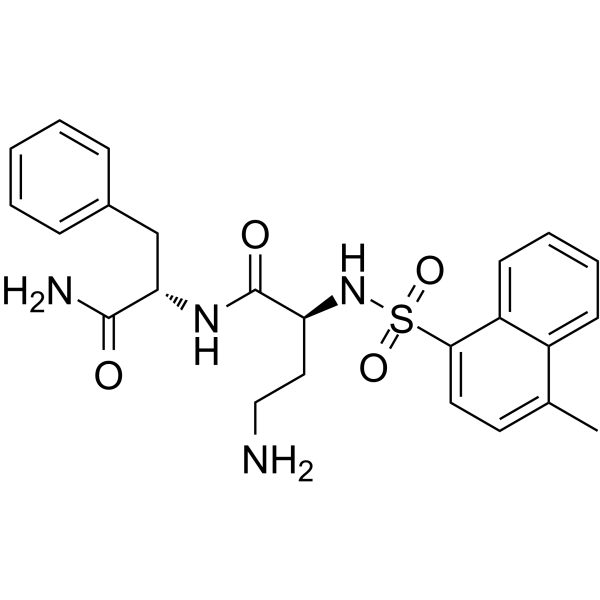
    J-2156 TFA is a high potent, selective somatostatin receptor type 4 (SST4 receptor) agonist with IC50s of 0.05 nM and 0.07 nM for human and rat SST4 receptors, respectively. J-2156 TFA has anti-inflammatory activity and it is used for the relief of mechanical allodynia and mechanical hyperalgesia in the ipsilateral hindpaws in rats .
    J-2156 TFA
  • HY-18732A
    L-NMMA acetate
    Maximum Cited Publications
    11 Publications Verification

    Tilarginine acetate; Methylarginine acetate

    NO Synthase Neurological Disease Inflammation/Immunology Cancer
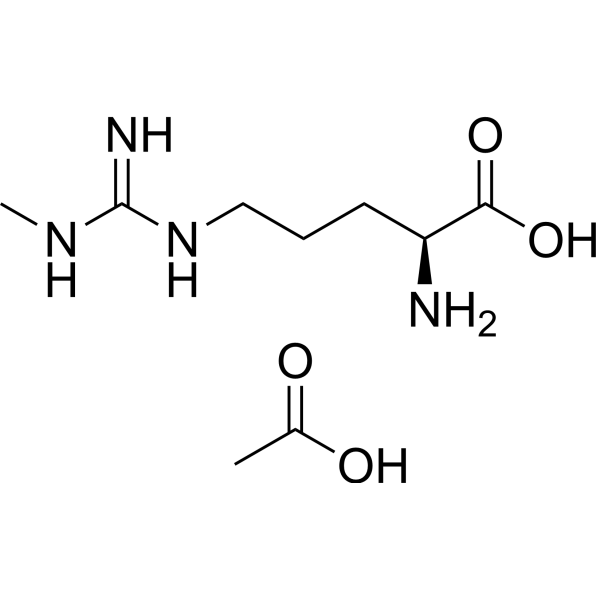
    L-NMMA (Tilarginine) acetate is a non-selective and competitive inhibitor of nitric oxide synthase. L-NMMA acetate inhibits three subtypes, namely nNOS, eNOS, and iNOS, and reduces NO production . L-NMMA acetate alleviates mechanical allodynia, thermal hyperalgesia, and choroidal fibrosis. L-NMMA acetate is applicable to research related to nociception, bone cancer pain, and myopia .
    L-NMMA acetate
  • HY-113402A
    Gamma-glutamylcysteine TFA
    4 Publications Verification

    γ-Glu-Cys TFA

    Interleukin Related TNF Receptor Endogenous Metabolite AMPK Sirtuin STAT PI3K NF-κB JAK p38 MAPK JNK Akt Apoptosis Ferroptosis Cardiovascular Disease Neurological Disease Inflammation/Immunology
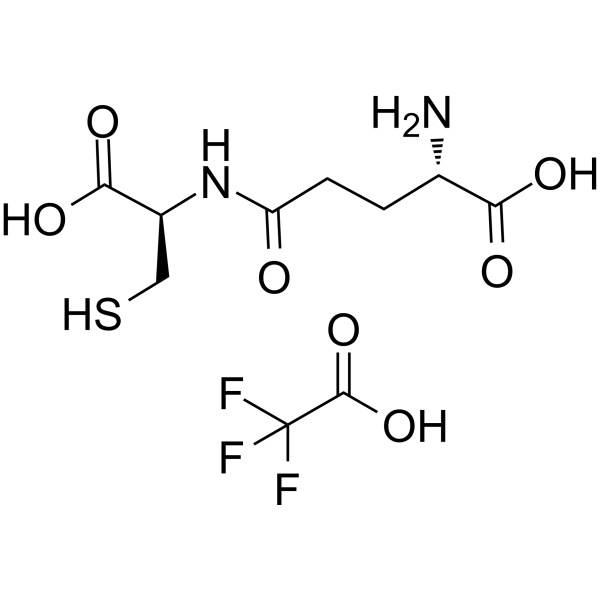
    Gamma-glutamylcysteine TFA (γ-Glu-Cys TFA) is an orally active, blood-brain barrier permeable dipeptide . Gamma-glutamylcysteine TFA activates AMPK, SIRT1, IL-4/STAT6, AC/cAMP/PI3K, IGF-1R/IRS1/PI3K, and Nrf2 signaling pathways; it inhibits NF-κB, JAK1/STAT1/3, MAPKs, cadmium-induced p38 MAPK, JNK, and PI3K/Akt signaling pathways. Gamma-glutamylcysteine TFA regulates macrophage polarization, modulates the trafficking of CD36 and GLUT4, induces glutathione synthesis, improves metabolic dysfunction, reduces lipid deposition, ameliorates glucose homeostasis, inhibits apoptosis (Apoptosis), stabilizes mitochondria, suppresses lipid peroxidation, iron accumulation and ferroptosis (Ferroptosis), reduces ds-HMGB1 levels, reverses mechanical hyperalgesia, and alleviates hepatic lipid droplet formation. Gamma-glutamylcysteine TFA is applicable to research related to inflammatory bowel disease, type 2 diabetes, cadmium-induced neurotoxicity, Alzheimer's disease, cerebral ischemia/reperfusion injury, neuropathy, and alcoholic liver disease .
    Gamma-glutamylcysteine TFA
  • HY-N2258
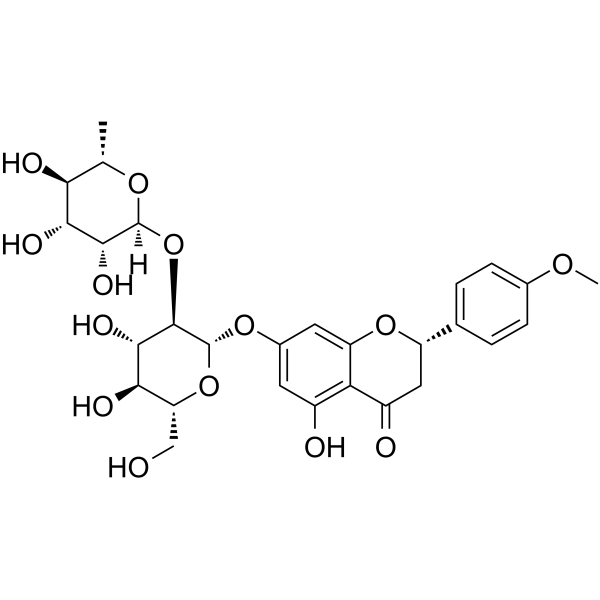
    Poncirin
    4 Publications Verification

    Apoptosis Inflammation/Immunology
    Poncirin is isolated from Poncirus trifoliata with anti-inflammory activites. Poncirin significantly reduces mechanical hyperalgesia and allodynia in Complete Freund’s Adjuvant (CFA)-induced inflammatory pain models .
    Poncirin
  • HY-P1137
    10Panx
    1 Publications Verification

    Gap Junction Protein Others
    10Panx is a competitive inhibitor of selective Pannexin 1 (PANX1) channels. 10Panx blocks the opening of PANX1 channels, inhibits ATP release and downstream P2X7 receptor-mediated signaling pathways, thereby reducing cell death and inflammatory responses. 10Panx can be used in the study of diseases such as neuropathic pain, inflammatory bowel disease, and Clostridioides difficile infection. 10Panx can effectively reduce mechanical hyperalgesia and enhanced C-reflexes, and inhibit the expression of pro-inflammatory factors such as IL-6[1][2][3].
    10Panx
  • HY-P10638

    CaMK Cardiovascular Disease Neurological Disease
    TAT-CN21 is a potent CaMKII inhibitor with an IC50 of 77.2 nM. TAT-CN21 inhibits both calcium/calmodulin-dependent and autonomously activated CaMKII, blocks glutamate-induced translocation of CaMK IIα, and reverses the enhanced phosphorylation of CaMKII at Thr286 following excitotoxic injury. TAT-CN21 shows application potential in studies related to ischemic stroke by reducing neuronal excitotoxicity and exacerbating pre-existing long-term neuronal death prior to injury. TAT-CN21 improves definitive behaviors in rats with residual nerve injury without altering indicators such as mechanical/thermal hyperalgesia or spatial memory. TAT-CN21 can also be used in studies related to neuropathic pain .
    TAT-CN21
  • HY-111615

    Somatostatin Receptor Neurological Disease
    J-2156 is a high potent, selective somatostatin receptor type 4 (SST4 receptor) agonist with IC50s of 0.05 nM and 0.07 nM for human and rat SST4 receptors, respectively. J-2156 is used for the relief of mechanical allodynia and mechanical hyperalgesia in the ipsilateral hindpaws in rats .
    J-2156
  • HY-18732
    L-NMMA
    Maximum Cited Publications
    11 Publications Verification

    Tilarginine; Methylarginine

    NO Synthase Neurological Disease Inflammation/Immunology Cancer
    L-NMMA (Tilarginine) is a non-selective and competitive inhibitor of nitric oxide synthase. L-NMMA inhibits three subtypes, namely nNOS, eNOS, and iNOS, and reduces NO production . L-NMMA alleviates mechanical allodynia, thermal hyperalgesia, and choroidal fibrosis. L-NMMA is applicable to research related to nociception, bone cancer pain, and myopia .
    L-NMMA
  • HY-121615

    alpha-Phellandrene

    Environmental Pollutants Insecticide NO Synthase Apoptosis Autophagy Infection Neurological Disease Inflammation/Immunology Cancer
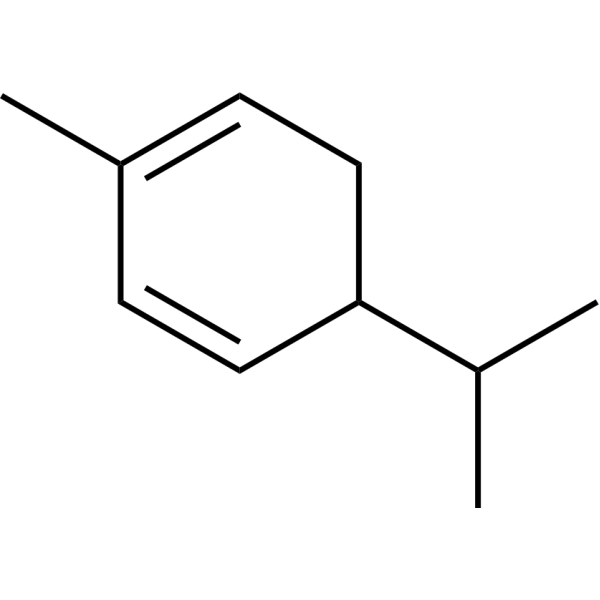
    α-Phellandrene (alpha-Phellandrene) is an orally active monoterpenoid and insecticide. α-Phellandrene can be isolated from plant essential oils. α-Phellandrene induces Apoptosis and Autophagy. α-Phellandrene promotes cAMP signaling pathway and increases NO production. α-Phellandrene has anti-inflammatory and anticancer (sarcoma) activities. α-Phellandrene shows insecticidal activity against Lucilia cuprina L3. α-Phellandrene reduces mechanical hyperalgesia .
    α-Phellandrene
  • HY-N0412

    PERK JNK TNF Receptor Interleukin Related Neurological Disease Inflammation/Immunology
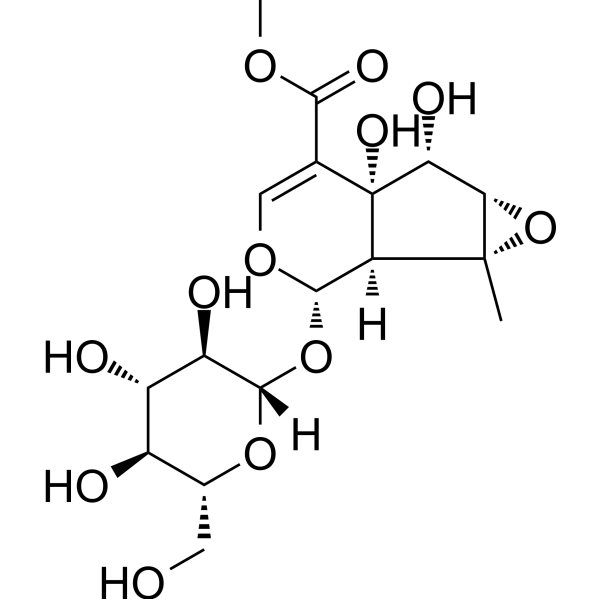
    Sesamoside is an orally active anti-inflammatory, anti-hypoxic and analgesic agent. Sesamoside inhibits the phosphorylation of ERK and JNK, downregulates NLRP3 expression, restricts the nuclear localization of P65, regulates AKR1B1 expression, and reduces the expression of TRPV1 gene in the spinal cord. Sesamoside reduces the production of TNF-α, IL-6, IL-1β, iNOS and NO, restores cellular metabolism and organ function, and alleviates cold and mechanical hyperalgesia. Sesamoside can be used in research related to septic shock, high-altitude pulmonary edema and neuropathic pain .
    Sesamoside
  • HY-106841
    Draflazine
    1 Publications Verification

    R-75231; R88021

    Adenosine Receptor Nucleoside Transporters Inflammation/Immunology
    Draflazine (R-75231) is a ENT1 inhibitor. Draflazine (R-75231) completely reverses the hypersensitivity in the complete Freund’s adjuvant (CFA) model of mechanical hyperalgesia and the carrageenan inflammation model of thermal and mechanical hyperalgesia .
    Draflazine
  • HY-131182
    DS-1971a
    1 Publications Verification

    Sodium Channel Neurological Disease
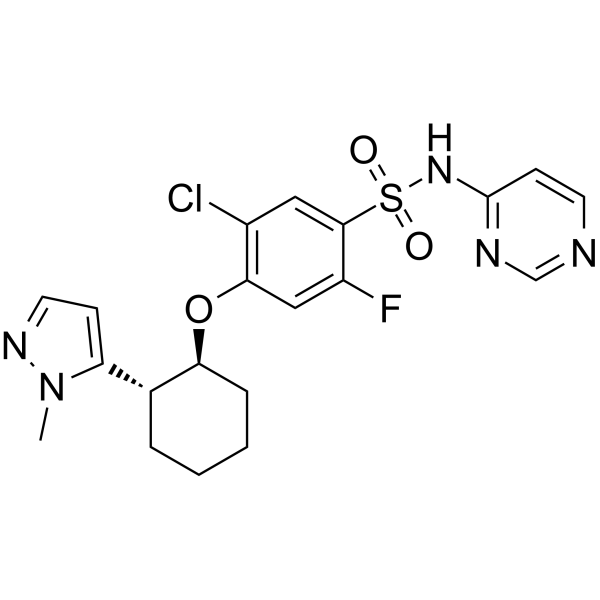
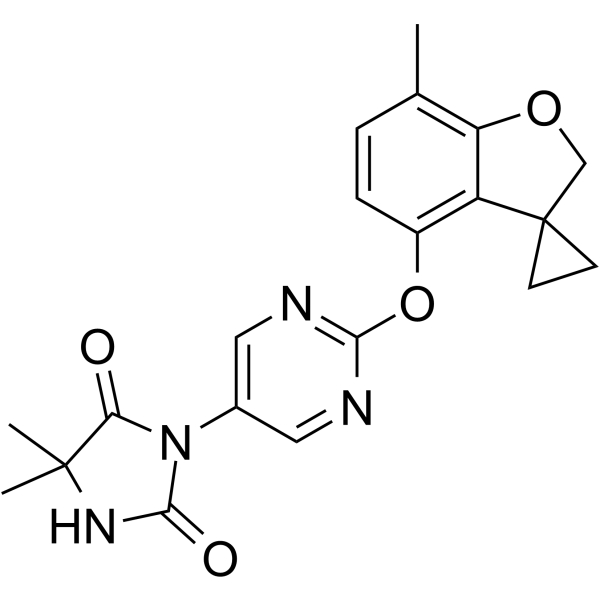
    DS-1971a is a potent, selective, and orally active NaV1.7 inhibitor, with IC50s of 22.8 and 59.4 nM for hNaV1.7 and mNaV1.7, respectively. DS-1971a exerts analgesic effects .
    DS-1971a
  • HY-W044764
    2-Benzylsuccinic acid
    1 Publications Verification

    DL-Benzylsuccinic acid

    Carboxypeptidase Neurological Disease Metabolic Disease
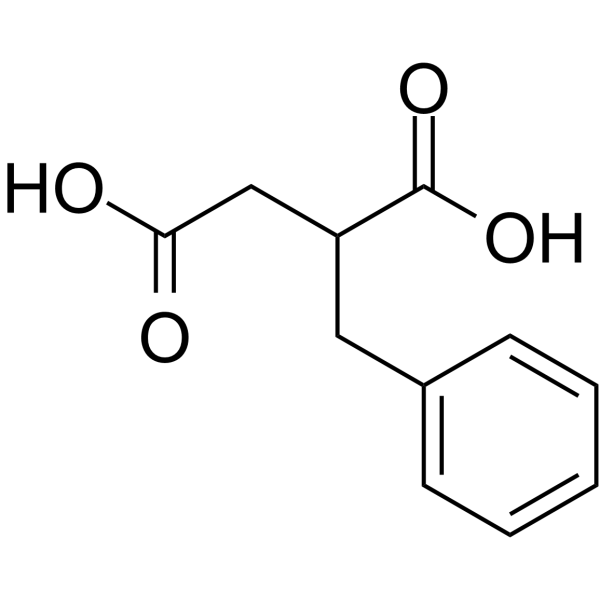
    2-Benzylsuccinic acid (DL-Benzylsuccinic acid) is an orally active carboxypeptidase A and Nna1 inhibitor. 2-Benzylsuccinic acid reduces cold hyperalgesia. 2-Benzylsuccinic acid can be used for the researches of neuropathic pain, non-alcoholic steatohepatitis .
    2-Benzylsuccinic acid
  • HY-P1410C
    D-GsMTx4 TFA
    3 Publications Verification

    Piezo Channel Calcium Channel mTOR PI3K Akt Cardiovascular Disease Neurological Disease Inflammation/Immunology
    D-GsMTx4 TFA is a spider peptide and the D enantiomer of GsMTx4 (HY-P1410). D-GsMTx4 TFA inhibits the mechanosensitive ion channel Piezo2. D-GsMTx4 TFA inhibits [Ca 2+]i elevation. D-GsMTx4 TFA inhibits mTOR and PI3K-Akt signaling pathways. D-GsMTx4 TFA inhibits mechanical allodynia and thermal hyperalgesia. D-GsMTx4 TFA can be used in researches of mechanical stress, chronic pain and idiopathic pulmonary fibrosis .
    D-GsMTx4 TFA
  • HY-168906

    Bradykinin Receptor PI3K Akt TNF Receptor ERK Neurological Disease Inflammation/Immunology
    BI-113823 is an orally active, blood-brain barrier-permeable bradykinin B1 receptor antagonist, with a Ki value of 5.3 nM for human receptors and 13.3 nM for rat receptors. BI-113823 reduces inflammation-induced mechanical hyperalgesia, as well as the mechanical sensitivity of peripheral afferent nerves and spinal nociceptive-specific neurons. BI-113823 alleviates liver fibrosis and portal hypertension, and improves survival in chronic liver disease models. BI-113823 inhibits the activities of monocytes, neutrophils and hepatic stellate cells, as well as the PI3K/Akt signaling pathway. BI-113823 can be used in research related to inflammatory pain, liver fibrosis and portal hypertension .
    BI-113823
  • HY-W014421
    AP-18
    2 Publications Verification

    TRP Channel Neurological Disease
    AP-18, a potent and selective TRPA1 inhibitor, blocks activation of TRPA1 by 50 μM Cinnamaldehyde with an IC50 of 3.1 μM and 4.5 μM for human and mouse TRPA1, respectively. AP-18 reverses complete Freund's adjuvant (CFA)-induced mechanical hyperalgesia in mice. AP-18 attenuated 30 μM AITC-induced Yo-Pro uptake in a concentration-dependent manner, with an IC50 of 10.3 μM .
    AP-18
  • HY-W021450A

    Biochemical Assay Reagents Neurological Disease
    DL-Fluorocitric acid barium is a glial cell metabolic inhibitor. DL-Fluorocitric acid barium inhibits mechanical hyperalgesia induced by subcutaneous injection of complete Freund's adjuvant in rats. DL-Fluorocitric acid barium inhibits nociceptive behaviors induced by Histamine (HY-B1204) in mice and blocks the phosphorylation of the NMDA receptor NR1 subunit in the lumbar spinal cord of mice. DL-Fluorocitric acid (barium) can be used in the research of mechanical hyperalgesia and nociceptive pain .
    DL-Fluorocitric acid barium
  • HY-111996

    Potassium Channel Neurological Disease Inflammation/Immunology
    Kv3 activator-1 is a Kv3 family voltage-gated potassium channel activator. Kv3 activator-1 reverses mechanical hyperalgesia in rat models of neuropathic and inflammatory pain, with rapid onset and long-lasting, dose-related effects. Kv3 activator-1 can be used for the research of pain .
    Kv3 activator-1
  • HY-113402R

    γ-Glu-Cys (Standard)

    Reference Standards Endogenous Metabolite Interleukin Related TNF Receptor AMPK Sirtuin STAT PI3K NF-κB JAK p38 MAPK JNK Akt Apoptosis Ferroptosis Inflammation/Immunology
    Gamma-glutamylcysteine (Standard) is the analytical standard of Gamma-glutamylcysteine. This product is intended for research and analytical applications. Gamma-glutamylcysteine (γ-Glu-Cys) is an orally active, blood-brain barrier permeable dipeptide . Gamma-glutamylcysteine activates AMPK, SIRT1, IL-4/STAT6, AC/cAMP/PI3K, IGF-1R/IRS1/PI3K, and Nrf2 signaling pathways; it inhibits NF-κB, JAK1/STAT1/3, MAPKs, cadmium-induced p38 MAPK, JNK, and PI3K/Akt signaling pathways. Gamma-glutamylcysteine regulates macrophage polarization, modulates the trafficking of CD36 and GLUT4, induces glutathione synthesis, improves metabolic dysfunction, reduces lipid deposition, ameliorates glucose homeostasis, inhibits apoptosis (Apoptosis), stabilizes mitochondria, suppresses lipid peroxidation, iron accumulation and ferroptosis (Ferroptosis), reduces ds-HMGB1 levels, reverses mechanical hyperalgesia, and alleviates hepatic lipid droplet formation. Gamma-glutamylcysteine is applicable to research related to inflammatory bowel disease, type 2 diabetes, cadmium-induced neurotoxicity, Alzheimer's disease, cerebral ischemia/reperfusion injury, neuropathy, and alcoholic liver disease.
    Gamma-glutamylcysteine (Standard)
  • HY-172147

    Somatostatin Receptor Neurological Disease
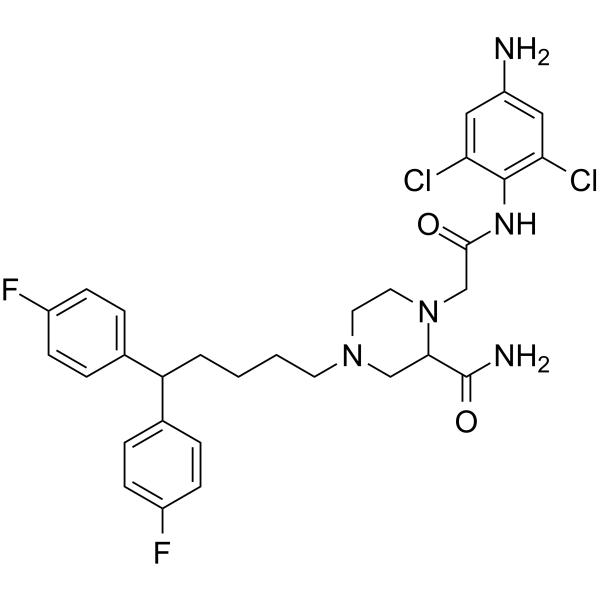
    SSTR4 agonist 5 (Compound 5) is the orally active agonist for somatostatin receptor 4 (SSTR4) with an EC50 of 0.228 nM. SSTR4 agonist 5 exhibits good stability in human/rat liver microsomes. SSTR4 agonist 5 inhibits mechanical hyperalgesia in rat models .
    SSTR4 agonist 5
  • HY-146802

    NOD-like Receptor (NLR) Inflammation/Immunology
    NLRP3-IN-9 is a potent NLRP3 inhibitor. NLRP3-IN-9 inhibits IL-1β release. NLRP3-IN-9 reduces inflammation and mechanical hyperalgesia. NLRP3-IN-9 has the potential for the research of gout .
    NLRP3-IN-9
  • HY-159997

    Sigma Receptor Neurological Disease
    AD353 is a selective sigma-1 receptor ligand with antiallodynic activity. AD353 exhibits high potency both in a model of Capsaicin (HY-10448)-induced allodynia and in PGE2-induced mechanical hyperalgesia. AD353 exhibits a favorable pharmacokinetic profile .
    AD353
  • HY-113402AR

    γ-Glu-Cys TFA (Standard)

    Interleukin Related TNF Receptor Endogenous Metabolite Reference Standards AMPK Sirtuin STAT PI3K NF-κB JAK p38 MAPK JNK Akt Apoptosis Ferroptosis Cardiovascular Disease Neurological Disease Inflammation/Immunology
    Gamma-glutamylcysteine (TFA) (Standard) is the analytical standard of Gamma-glutamylcysteine (TFA). This product is intended for research and analytical applications. Gamma-glutamylcysteine TFA (γ-Glu-Cys TFA) is an orally active, blood-brain barrier permeable dipeptide . Gamma-glutamylcysteine TFA activates AMPK, SIRT1, IL-4/STAT6, AC/cAMP/PI3K, IGF-1R/IRS1/PI3K, and Nrf2 signaling pathways; it inhibits NF-κB, JAK1/STAT1/3, MAPKs, cadmium-induced p38 MAPK, JNK, and PI3K/Akt signaling pathways. Gamma-glutamylcysteine TFA regulates macrophage polarization, modulates the trafficking of CD36 and GLUT4, induces glutathione synthesis, improves metabolic dysfunction, reduces lipid deposition, ameliorates glucose homeostasis, inhibits apoptosis (Apoptosis), stabilizes mitochondria, suppresses lipid peroxidation, iron accumulation and ferroptosis (Ferroptosis), reduces ds-HMGB1 levels, reverses mechanical hyperalgesia, and alleviates hepatic lipid droplet formation. Gamma-glutamylcysteine TFA is applicable to research related to inflammatory bowel disease, type 2 diabetes, cadmium-induced neurotoxicity, Alzheimer's disease, cerebral ischemia/reperfusion injury, neuropathy, and alcoholic liver disease.
    Gamma-glutamylcysteine TFA (Standard)
  • HY-P5873

    JZTX-X

    Potassium Channel Neurological Disease
    Jingzhaotoxin-X (JZTX-X) is a selective Kv4.2 and Kv4.3 potassium channels inhibitor. Jingzhaotoxin-X causes long-lasting mechanical hyperalgesia .
    Jingzhaotoxin-X
  • HY-15041

    Bradykinin Receptor Inflammation/Immunology
    NVP-SAA164 is an orally active nonpeptide kinin B1 receptor antagonist. NVP-SAA164 reverses CFA (Complete Freund's adjuvant) (HY-153808)-induced mechanical hyperalgesia and desArg10KD-induced hyperalgesia in hB1-KI mice, and is inactive in a model of inflammatory pain in wild-type mice .
    NVP-SAA164
  • HY-135228

    Calcium Channel Neurological Disease
    GZ4 is a calcium current inhibitor with direct inhibitory activity on cell surface channels. GZ4 inhibition reverses mechanical hyperalgesia/hyperalgesia in a spinal nerve ligation-induced neuropathic pain model. The mechanism of action of GZ4 is similar to that of gabapentin, but the time course of its biological effects is more rapid, indicating that GZ4 can directly inhibit calcium channel currents .
    GZ4
  • HY-19403

    Neurokinin Receptor Neurological Disease
    TKA-731 is an NK1 receptor antagonist. TKA-731 can reverse mechanical hyperalgesia and has shown analgesic effects in a neuropathic pain model in guinea pigs. TKA-731 can be used in the research of neuropathic pain .
    TKA-731
  • HY-N2258R

    Reference Standards Apoptosis Inflammation/Immunology
    Poncirin (Standard) is the analytical standard of Poncirin. This product is intended for research and analytical applications. Poncirin is isolated from Poncirus trifoliata with anti-inflammory activites. Poncirin significantly reduces mechanical hyperalgesia and allodynia in Complete Freund’s Adjuvant (CFA)-induced inflammatory pain models .
    Poncirin (Standard)
  • HY-W044764R

    Reference Standards Carboxypeptidase Neurological Disease Metabolic Disease
    2-Benzylsuccinic acid (DL-Benzylsuccinic acid) is an orally active carboxypeptidase A and Nna1 inhibitor. 2-Benzylsuccinic acid reduces cold hyperalgesia. 2-Benzylsuccinic acid can be used for the researches of neuropathic pain, non-alcoholic steatohepatitis .
    2-Benzylsuccinic acid (Standard)
  • HY-18732C

    Tilarginine hydrochloride; Methylarginine hydrochloride

    NO Synthase Endogenous Metabolite Cardiovascular Disease Cancer
    L-NMMA (Tilarginine) hydrochloride is a non-selective and competitive inhibitor of nitric oxide synthase. L-NMMA hydrochloride inhibits three subtypes, namely nNOS, eNOS, and iNOS, and reduces NO production . L-NMMA hydrochloride alleviates mechanical allodynia, thermal hyperalgesia, and choroidal fibrosis. L-NMMA hydrochloride is applicable to research related to nociception, bone cancer pain, and myopia .
    L-NMMA hydrochloride
  • HY-18732B

    Methylarginine citrate; Tilarginine citrate

    NO Synthase Endogenous Metabolite Cardiovascular Disease Cancer
    L-NMMA (Tilarginine) citrate is a non-selective and competitive inhibitor of nitric oxide synthase. L-NMMA citrate inhibits three subtypes, namely nNOS, eNOS, and iNOS, and reduces NO production . L-NMMA citrate alleviates mechanical allodynia, thermal hyperalgesia, and choroidal fibrosis. L-NMMA citrate is applicable to research related to nociception, bone cancer pain, and myopia .
    L-NMMA citrate
  • HY-18732AR

    Tilarginine acetate (Standard); Methylarginine acetate (Standard)

    Reference Standards NO Synthase Cardiovascular Disease Cancer
    L-NMMA (Tilarginine) acetate (Standard) is the analytical standard of L-NMMA acetate (HY-18732A). This product is intended for research and analytical applications. L-NMMA (Tilarginine) acetate is a non-selective and competitive inhibitor of nitric oxide synthase. L-NMMA acetate inhibits three subtypes, namely nNOS, eNOS, and iNOS, and reduces NO production . L-NMMA acetate alleviates mechanical allodynia, thermal hyperalgesia, and choroidal fibrosis. L-NMMA acetate is applicable to research related to nociception, bone cancer pain, and myopia .
    L-NMMA acetate (Standard)
  • HY-14485

    P2X Receptor Neurological Disease
    Ro-51 is a potent and selective dual P2X3/P2X2/3 antagonist, with IC50 of 2 nM and 5 nM for P2X3 and P2X2/3, respectively. Ro-51 can be used for the research for pain .
    Ro-51
  • HY-132184S

    5,6-EET-d11; (±)5,6-EpETrE-d11

    Isotope-Labeled Compounds Adrenergic Receptor Cardiovascular Disease Neurological Disease
    5,6-Epoxyeicosatrienoic acid-d11 (5,6-EET-d11) is deuterium labeled 5,6-Epoxyeicosatrienoic acid. 5,6-Epoxyeicosatrienoic acid is one of the four major epoxyeicosatrienoic acid (EET) isomers metabolized from Arachidonic acid (HY-109590). 5,6-Epoxyeicosatrienoic acid induces peripheral vasodilation and lowers blood pressure by inhibiting T-type calcium channels (Cav3.2: IC50 = 0.54 μM). 5,6-Epoxyeicosatrienoic acid causes vasoconstriction in hypoxic pulmonary blood vessels via activating Rho kinase in a membrane depolarization-dependent manner. 5,6-Epoxyeicosatrienoic acid induces mechanical pain by activating TRPA1. 5,6-Epoxyeicosatrienoic acid can be used in studies related to hypoxic pulmonary vasoconstriction, mechanical hyperalgesia and hypertension.
    5,6-Epoxyeicosatrienoic acid-d11
  • HY-168166

    Endogenous Metabolite Neurological Disease
    CHET3 is a sex-selective activator with potent analgesic activity. CHET3 was discovered to be a highly selective omnidirectional modulator of TASK-3-containing K2P channels, including TASK-3 homologues and TASK-3/TASK-1 heterologues. CHET3 exhibited significant analgesic effects in multiple acute and chronic pain models in mice, which could be abolished by pharmacological means or genetic knockout of TASK-3. CHET3 is able to functionally modulate the membrane excitability of specific small sensory neurons, which supports its analgesic effects on thermal hypersensitivity and mechanical hyperalgesia in chronic pain .
    CHET3
  • HY-113402B

    γ-Glu-Cys ammonium

    Interleukin Related TNF Receptor Endogenous Metabolite AMPK Sirtuin STAT PI3K NF-κB JAK p38 MAPK JNK Akt Apoptosis Ferroptosis Cardiovascular Disease Neurological Disease Inflammation/Immunology
    Gamma-glutamylcysteine ammonium (γ-Glu-Cys ammonium) is an orally active, blood-brain barrier permeable dipeptide . Gamma-glutamylcysteine ammonium activates AMPK, SIRT1, IL-4/STAT6, AC/cAMP/PI3K, IGF-1R/IRS1/PI3K, and Nrf2 signaling pathways; it inhibits NF-κB, JAK1/STAT1/3, MAPKs, cadmium-induced p38 MAPK, JNK, and PI3K/Akt signaling pathways. Gamma-glutamylcysteine ammonium regulates macrophage polarization, modulates the trafficking of CD36 and GLUT4, induces glutathione synthesis, improves metabolic dysfunction, reduces lipid deposition, ameliorates glucose homeostasis, inhibits apoptosis (Apoptosis), stabilizes mitochondria, suppresses lipid peroxidation, iron accumulation and ferroptosis (Ferroptosis), reduces ds-HMGB1 levels, reverses mechanical hyperalgesia, and alleviates hepatic lipid droplet formation. Gamma-glutamylcysteine ammonium is applicable to research related to inflammatory bowel disease, type 2 diabetes, cadmium-induced neurotoxicity, Alzheimer's disease, cerebral ischemia/reperfusion injury, neuropathy, and alcoholic liver disease .
    Gamma-glutamylcysteine ammonium
  • HY-P992012

    Opioid Receptor Neurological Disease Cancer
    CA1001 is a small-molecule ZNF74 inhibitor and a peripherally restricted κ/δ dual opioid receptor agonist. CA1001 exhibits potent antitumor activity both in vitro and in vivo. CA1001, in combination with immune checkpoint inhibitors, significantly enhances tumor regression. CA1001 activates peripherally restricted κ/δ dual opioid receptors and exerts analgesic effects under conditions of inflammatory pain, neuropathic pain, and mechanical hyperalgesia. CA1001 can be used in research related to melanoma, mechanical hyperalgesia, neuropathic pain, and inflammatory arthritis pain.
    CA1001
  • HY-12962A

    iGluR Neurological Disease
    NMDA-IN-1 dihydrochloride is a selective NMDA NR2B antagonist with a Ki of 0.85 nM; NR2B Ca2+ influx IC50 is 9.7 nM. NMDA-IN-1 dihydrochloride inhibits Glu/Gly stimulated Ca2+ flux in Ltk- cells expressing the hNR1a/NR2B with a IC50 of 9.7 nM. NMDA-IN-1 dihydrochloride has no activities on NR2A, NR2C, NR2D, hERG-channel and α1-adrenergic receptor. NMDA-IN-1 dihydrochloride shows excellent activity in the mechanical hyperalgesia assay in rats. NMDA-IN-1 dihydrochloride can be used for the studies of stroke, parkinson, and neuropathic pain .
    NMDA-IN-1 dihydrochloride
  • HY-120925

    Opioid Receptor Arrestin Neurological Disease
    TRV0109101 is a μ-opioid peptide receptor (MOPR) selective agonist (KD = 70 nM) with blood-brain barrier permeability. TRV0109101 selectively promotes G protein signaling pathway coupling while reducing the recruitment of β-arrestin. TRV0109101 inhibits opioid-induced mechanical hyperalgesia and induces antinociceptive tolerance. TRV0109101 is applicable for pain-related research .
    TRV0109101
  • HY-U00069

    Monoamine Transporter Neurological Disease Inflammation/Immunology
    Thionisoxetine is a norepinephrine transporter inhibitor with a Ki value of 0.2 nM in rats, and exhibits anti-hyperalgesic and analgesic activities. Thionisoxetine reverses thermal hyperalgesia and mechanical allodynia in rats. Thionisoxetine can be used in studies related to persistent inflammatory pain .
    Thionisoxetine
  • HY-180582

    nAChR Neurological Disease Inflammation/Immunology
    QND8 is a selective and potent α7 nicotinic acetylcholine receptor (nAChR) agonist. QND8 can alleviate thermal hyperalgesia and mechanical hyperalgesia in carrageenan-induced inflammatory pain mouse model. QND8 can reduce the swelling of the mice feet, inhibit the release of pro-inflammatory factors at the inflammatory site, and prevent the infiltration of white blood cells. QND8 can be used for the research of inflammation and neurological disease, such as arthritis .
    QND8
  • HY-155949

    Neurological Disease Cancer
    Bt354 is an orally active STAT3 inhibitor with IC50 values of 4.6 μM (DU145), 6.5 μM (MDA-MB-435) and 7.2 μM (MDA-MB-231), respectively. Bt354 induces cell cycle arrest and apoptosis, and downregulates epithelial-mesenchymal transition-related genes. Bt354 exhibits anti-angiogenic and anti-inflammatory activities, attenuates the polarization of M1 microglia and A1 astrocytes, suppresses inflammasome-related signaling pathways, and alleviates mechanical hyperalgesia and thermal hyperalgesia. Bt354 can be used in research related to glioblastoma multiforme, triple-negative breast cancer, prostate cancer and neuropathic pain .
    Bt354
  • HY-182710

    Sodium Channel Neurological Disease
    DA-0218 is a Nav1.7 inhibitor. DA-0218 exerts state-dependent inhibitory effects. DA-0218 alleviates formalin-induced inflammatory pain behavior and Paclitaxel-induced mechanical hyperalgesia in mice. DA-0218 inhibits Histamine-induced acute pruritus and lymphoma-induced chronic pruritus in mice. DA-0218 can be used in research related to inflammatory pain, neuropathic pain, acute pruritus and chronic pruritus .
    DA-0218
  • HY-182597

    Imidazoline Receptor 5-HT Receptor Adrenergic Receptor Neurological Disease
    Tracizoline is an orally active I2-imidazoline receptor agonist. Tracizoline functionally modulates I2-imidazoline receptors, regulates hippocampal FADD cell fate adaptor, attenuates mechanical and thermal hyperalgesia, activates α2A-adrenergic receptors with very weak partial agonism, and induces antidepressant-like activity via 5-HT1A receptor activation. Tracizoline can be used for the research of inflammatory pain, neuropathic pain, and depression .
    Tracizoline
  • HY-115596

    Calcium Channel Neurological Disease
    BTT-369 is a CaVα1·CaVβ3 protein-protein complex antagonist with a Ki of 2.0 μM. BTT-369 inhibits CaV2.2 currents, with an apparent IC50 value of 31 μM. BTT-369 disrupts the interaction between CaVα1 and CaVβ3 subunits. BTT-369 reduces the current density of CaV2.2, and shifts the voltage dependence of steady-state inactivation and activation of CaV2.2 to more positive potentials. BTT-369 alleviates mechanical hyperalgesia in a rat model of tibial nerve injury. BTT-369 can be used for the study of neuropathic pain .
    BTT-369
  • HY-183144

    mAChR Neurological Disease Inflammation/Immunology
    Vedaclidine is an orally active muscarinic acetylcholine receptor (mAChR) modulator with mixed receptor activity, which activates muscarinic M2 and M4 receptors and blocks muscarinic M1, M3 and M5 receptors. Vedaclidine exerts its activity through interaction with spinal M4 muscarinic receptors, and does not induce hypothermia or excessive salivation. Vedaclidine can be used in research related to pain, neuropathic pain and inflammatory pain states .
    Vedaclidine

Inquiry Online

Your information is safe with us. * Required Fields.

Salutation


Country or Region *

Applicant Name *


Organization Name *

Department *


Email Address *


Product Name *

Cat. No.


Requested quantity *

Phone Number *


Remarks

Inquiry Online

Inquiry Information

Product Name:
Cat. No.:
Quantity:
MCE Japan Authorized Agent:

