1. Search Result
Search Result
Pathways Recommended: Metabolic Enzyme/Protease
Results for "

metabolic profiles

" in MedChemExpress (MCE) Product Catalog:

32

Inhibitors & Agonists

1

Screening Libraries

1

Fluorescent Dyes

2

Peptides

6

Natural
Products

1

Click Chemistry

Cat. No. Product Name Target Research Areas Chemical Structure
  • HY-156654
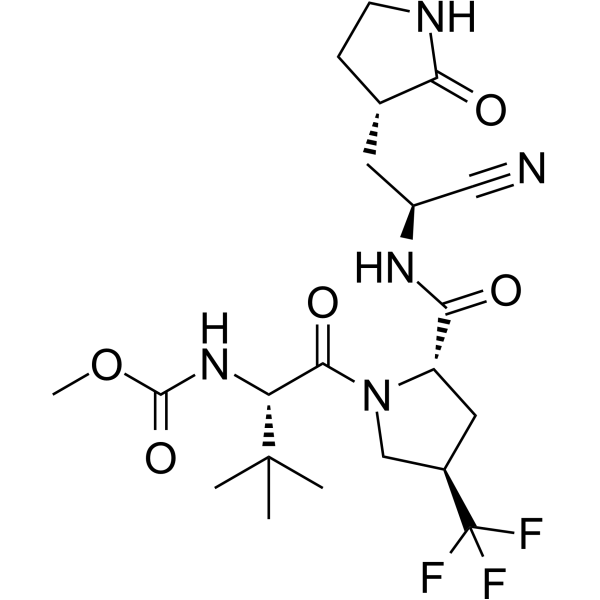
    Ibuzatrelvir
    1 Publications Verification

    PF-07817883

    SARS-CoV Virus Protease Infection
    Ibuzatrelvir (PF-07817883), a second-generation, orally bioavailable, is SARS-CoV-2 main protease (M pro and 3CL pro) inhibitor with improved metabolic stability. Ibuzatrelvir has demonstrated pan-human coronavirus antiviral activity and off-target selectivity profile in vitro and in preclinical animal studies. Ibuzatrelvir is well tolerated with a safety profile similar to placebo and prevents viral infection and transmission. Ibuzatrelvir can be used to inhibit COVID-19 .
    Ibuzatrelvir
  • HY-B2209
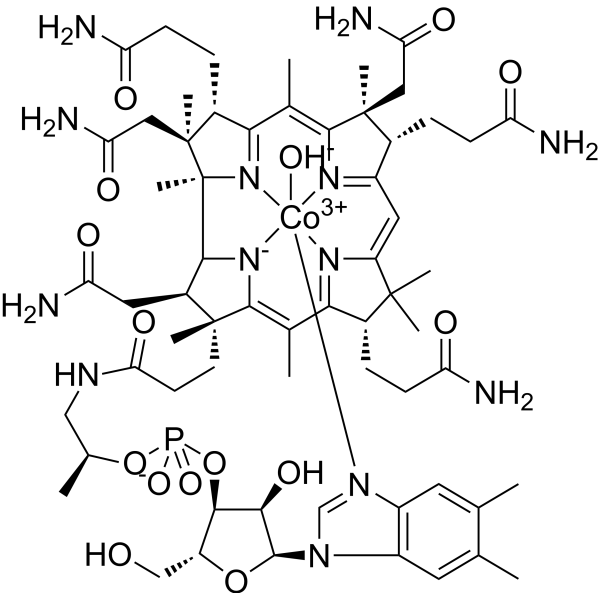
    Hydroxocobalamin
    3 Publications Verification

    Vitamin B12a

    Endogenous Metabolite Neurological Disease Metabolic Disease
    Hydroxocobalamin (Vitamin B12a) is a cyanide antidote. Hydroxocobalamin can decrease the cell and plasma cyanide concentrations and increase survival rate in acute cyanide poisoning. Hydroxocobalamin can improve newborn Cbl-C defect-induced metabolic profile and neurocognitive outcome. Hydroxocobalamin can normalize Vitamin B12 deficiency. Hydroxocobalamin can induce acute kidney injury. Hydroxocobalamin can be used for the researches of metabolic and neurological disease .
    Hydroxocobalamin
  • HY-P11274A

    Amycretin sodium; NN 9487 sodium

    Amylin Receptor Insulin Receptor GCGR Metabolic Disease
    Zenagamtide (Amycretin; NN 9487) sodium is an orally active, blood-brain barrier permeable triple agonist that targets GLP-1, amylin (Amylin Receptor) and calcitonin receptor (Calcitonin Receptor). Zenagamtide sodium is a single peptide consisting of 68 amino acids that can target brain regions regulating food intake, significantly suppress appetite and reduce energy intake. Therefore, Zenagamtide sodium improves body weight, waist circumference, glycated hemoglobin and lipid profile, and also alleviates the histological features of metabolic dysfunction-associated steatotic liver disease (MASLD) and enhances insulin sensitivity. Zenagamtide sodium may cause transient increases in heart rate and fluctuations in serum calcium levels, but it is an important compound for the study of overweight, obesity, insulin resistance and related metabolic diseases .
    Zenagamtide sodium
  • HY-138657
    NCGC00378430
    2 Publications Verification

    Phosphatase Cancer
    NCGC00378430 is a potent SIX1/EYA2 interaction inhibitor. NCGC00378430 partially reverses transcriptional and metabolic profiles mediated by SIX1 overexpression and reverses SIX1-induced TGF-β signaling and epithelial-mesenchymal transition (EMT). NCGC00378430 inhibits SIX1-mediated breast cancer metastasis in a mouse model .
    NCGC00378430
  • HY-P11274

    Amycretin; NN 9487

    Amylin Receptor GCGR Insulin Receptor Metabolic Disease
    Zenagamtide (Amycretin; NN 9487) is an orally active, blood-brain barrier permeable triple agonist that targets GLP-1, amylin (Amylin Receptor) and calcitonin receptor (Calcitonin Receptor). Zenagamtide is a single peptide consisting of 68 amino acids that can target brain regions regulating food intake, significantly suppress appetite and reduce energy intake. Therefore, Zenagamtide improves body weight, waist circumference, glycated hemoglobin and lipid profile, and also alleviates the histological features of metabolic dysfunction-associated steatotic liver disease (MASLD) and enhances insulin sensitivity. Zenagamtide may cause transient increases in heart rate and fluctuations in serum calcium levels, but it is an important compound for the study of overweight, obesity, insulin resistance and related metabolic diseases .
    Zenagamtide
  • HY-112613
    UCB9608
    1 Publications Verification

    PI4K Inflammation/Immunology
    UCB9608 is a potent, selective and orally active PI4KIIIβ inhibitor, with an IC50 of 11 nM, selective over PI3KC2 α, β, and γ lipid kinases. UCB9608 improves metabolic stability and exhibits excellent pharmacokinetic profile, acts as a potent immunosuppressive agent .
    UCB9608
  • HY-W011215
    Dihexyl phthalate
    1 Publications Verification

    Apoptosis Reactive Oxygen Species (ROS) Inflammation/Immunology
    Dihexyl phthalate is one of the commonly used phthalate esters in various plastics and consumer products. Dihexyl phthalate is classified as a priority pollutant and an endocrine disruptor. Dihexyl phthalate can induce reactive oxygen species (ROS) accumulation, promote inflammation, and lead to significant increases in apoptosis and inflammation-related gene expression levels. Dihexyl phthalate can cause testicular atrophy and is a reproductive toxicant .
    Dihexyl phthalate
  • HY-15286

    Biochemical Assay Reagents Others
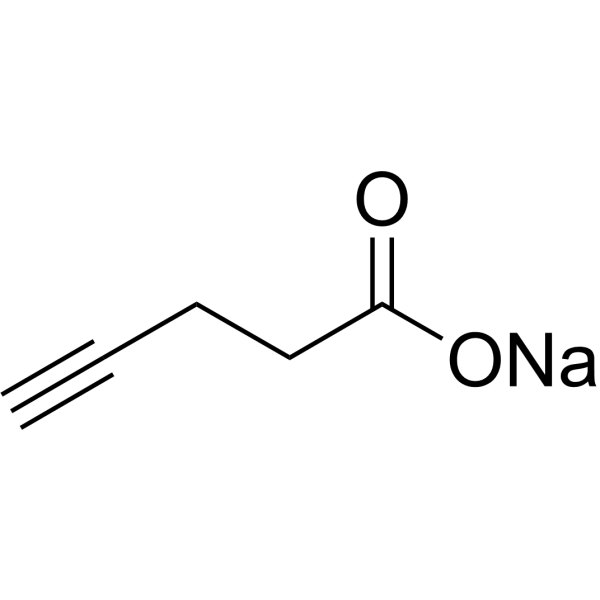
    Sodium 4-pentynoate is a alkynylacetate analogue, can be metabolically incorporated onto cellular proteins through biosynthetic mechanisms for profiling of acetylated proteins in diverse cell types . Sodium 4-pentynoate is a click chemistry reagent, it contains an Alkyne group and can undergo copper-catalyzed azide-alkyne cycloaddition (CuAAc) with molecules containing Azide groups.
    Sodium 4-pentynoate
  • HY-147319

    Trace Amine-associated Receptor (TAAR) Neurological Disease
    RTI-7470-44 is a potent, selective and blood-brain barrier (BBB) penetrant human trace amine-associated receptor subtype 1 (hTAAR1) antagonist with an IC50 value of 8.4 nM and a Ki value of 0.3 nM. RTI-7470-44 has moderate metabolic stability, and a favorable preliminary off-target profile. RTI-7470-44 can increase the spontaneous firing rate of mouse ventral tegmental area (VTA) dopaminergic neurons. RTI-7470-44 can be used for researching schizophrenia, agent addiction, and Parkinson’s disease (PD) .
    RTI-7470-44
  • HY-161316

    Amine N-methyltransferase Neurological Disease Metabolic Disease Cancer
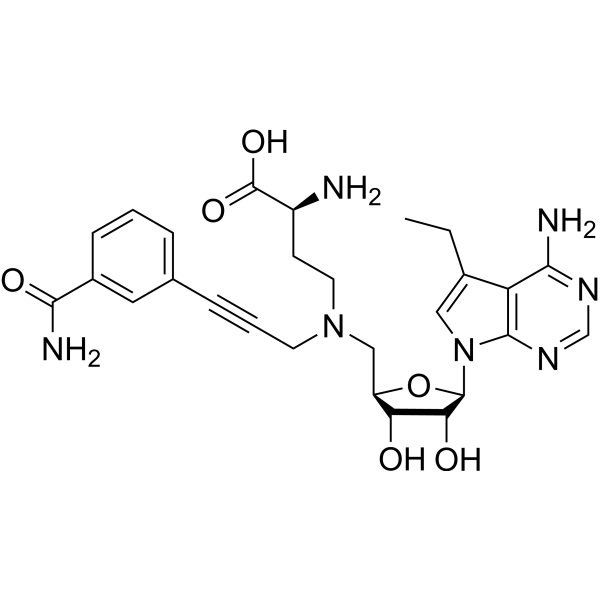
    NNMT-IN-5 (Compound 3-12) is a potent nicotinamide N-methyltransferase (NNMT) inhibitor (IC50 = 47.9 ± 0.6 nM). NNMT-IN-5 also has an excellent selectivity profile over a panel of human methyltransferases. NNMT-IN-5 can be used for the research of cancer, diabetes, metabolic disorders, and neurodegenerative diseases .
    NNMT-IN-5
  • HY-N7921

    Bacterial Others
    Urolithin M6 is a polyhydroxy-rich metabolite with potential antioxidant activity. Urolithin M6 is produced by intestinal microbial metabolism and may act as an analog of tannic acid compounds. The production of Urolithin M6 in humans requires specific bacterial 3-dehydroxylase activity, which provides a new mechanism for its biotransformation. The metabolic profile of Urolithin M6 helps to stratify volunteers and further explore its potential role in health and disease .
    Urolithin M6
  • HY-W052051

    N-Acetylbenzylamine

    Endogenous Metabolite Others
    N-Benzylacetamide (N-Acetylbenzylamine), as an endogenous metabolite, is the major component of the plasma metabolic profile of Benznidazole (HY-B1548) .
    N-Benzylacetamide
  • HY-178767

    GLP Receptor Metabolic Disease
    ECC-5004 (Compound 1) is a GLP-1 receptor agonist with an EC50 of 0-20 nM. ECC-5004 exhibits strong inhibitory effects on OATP1B1, with an IC50 < 1 μM. ECC-5004 can be used to study diseases such as diabetes, obesity, and non-alcoholic fatty liver disease .
    ECC-5004
  • HY-178341

    Reverse Transcriptase HIV Infection
    NNRT-IN-13 is a potent non-nucleoside reverse transcriptase (NNRT) inhibitor that directly inhibiting HIV-1 reverse transcriptase (IC₅₀ = 0.25 μM). NNRT-IN-13 exhibits excellent antiviral activity against wild-type HIV-1 (EC₅₀ = 0.0046 μM) and a broad spectrum of drug-resistant mutants. NNRT-IN-13 exhibits favorable in vivo metabolic and safety profiles. NNRT-IN-13 can be used for human immunodeficiency virus (HIV) research .
    NNRT-IN-13
  • HY-175984

    LPL Receptor Inflammation/Immunology
    S1P1 agonist 7 is a potent, orally active, and β-arrestin-biased S1P1 agonist (EC50(G‑protein) = 12.7 nM and EC50(β‑arrestin) = 3.23 nM). S1P1 agonist 7 demonstrates potent immunomodulatory activity and a favorable safety profile. S1P1 agonist 7 exhibits excellent metabolic stability, minimal to moderate CYP inhibition, and S1P3-sparing selectivity. S1P1 agonist 7 shows pharmacokinetics, effectively reduces circulating lymphocytes, and significantly alleviates disease severity in experimental autoimmune encephalomyelitis (EAE) mouse models under both prophylactic and therapeutic regimens. S1P1 agonist 7 can be used for multiple sclerosis (MS) research .
    S1P1 agonist 7
  • HY-13550A

    NSC 196473 acetate; NSC 290813 acetate

    DNA/RNA Synthesis Cancer
    Ametantrone acetate (NSC 196473 acetate) is an antineoplastic drug with topoisomerase II inhibitory activity. Ametantrone acetate causes covalent cross-linking of DNA. The pharmacokinetic profile of Ametantrone acetate has been confirmed in clinical trials, and its elimination pathway in the body indicates the existence of a major metabolic pathway .
    Ametantrone acetate
  • HY-126321

    ROR Cancer
    RORγt agonist 1 (compound 14) is a potent, orally bioavailable RORγt agonist with an EC50 of 20.8 nM. RORγt agonist 1 showes high metabolic stability, improved aqueous solubility and excellent mouse PK profile. RORγt agonist 1 is a potential candidate of RORγt agonist for cancer immunotherapy .
    RORγt agonist 1
  • HY-W800840

    Biochemical Assay Reagents Others
    Alkyne Sphinganine a metabolic labeling reagent that contains a terminal alkyne moiety that allows for the subsequent tagging of protein?lipid complexes by click chemistry. The terminal alkyne group can be used in a highly specific linking reaction with azide-containing reagents, known as ‘click chemistry’, in the presence of a copper (Cu)-containing catalyst allowing for the visualization and proteomic profiling of protein?sphingolipid complexes in living cells.
    Alkyne sphinganine
  • HY-131914B

    Sigma Receptor Inflammation/Immunology
    EST64454 maleate is a highly soluble σ1 receptor antagonist, demonstrating potent antinociceptive properties for pain treatment. EST64454 maleate exhibits excellent metabolic stability across various species and possesses an adequate pharmacokinetic profile in rodents. EST64454 maleate has been identified as a promising clinical candidate due to its favorable aqueous solubility and high permeability in Caco-2 cells.
    EST64454 maleate
  • HY-122229

    HIV Infection
    GS-9822 is a potent antivira agent with nanomolar activity against wild-type HIV-1 viruses. GS-9822 potently inhibits the LEDGF/p75-integrase interaction with an IC50 of 0.07 μM. GS-9822 has high in vitro metabolic stability and favorable oral pharmacokinetic profiles with low systemic clearance in rats, dogs, and monkeys .
    GS-9822
  • HY-155992

    Sigma Receptor Neurological Disease
    WLB-89462 (Compound 20c) is a selective σ2 receptor ligand (Ki: 13 nM). WLB-89462 has neuroprotective activity. WLB-89462 improves short-term memory impairment induced by Aβ peptide in rats. WLB-89462 has good ADMET profile (good solubility, no CYP inhibition, good metabolic stability, high permeability, brain penetration, and high oral exposure in rodents) .
    WLB-89462
  • HY-16469

    Akt Cancer
    SR13668 is a potent indole analog derived from indole-3-carbinol (I3C), known for its natural anticancer properties but limited by poor metabolic characteristics. Developed to enhance I3C's anticancer efficacy, SR13668 effectively inhibits growth factor-stimulated Akt activation. It demonstrates strong oral anticancer activity across different cancer types in preclinical studies, showing promise in clinical development due to its favorable safety profile and potent therapeutic effects .
    SR 13668
  • HY-W052051R

    N-Acetylbenzylamine (Standard)

    Endogenous Metabolite Reference Standards Others
    N-Benzylacetamide (Standard) is the analytical standard of N-Benzylacetamide (HY-W052051). This product is intended for research and analytical applications. N-Benzylacetamide (N-Acetylbenzylamine), as an endogenous metabolite, is the major component of the plasma metabolic profile of Benznidazole (HY-B1548) .
    N-Benzylacetamide (Standard)
  • HY-W011215R

    Apoptosis Reactive Oxygen Species (ROS) Reference Standards Inflammation/Immunology
    Dihexyl phthalate (Standard) is the analytical standard of Dihexyl phthalate (HY-W011215). This product is intended for research and analytical applications. Dihexyl phthalate is one of the commonly used phthalate esters in various plastics and consumer products. Dihexyl phthalate is classified as a priority pollutant and an endocrine disruptor. Dihexyl phthalate can induce reactive oxygen species (ROS) accumulation, promote inflammation, and lead to significant increases in apoptosis and inflammation-related gene expression levels. Dihexyl phthalate can cause testicular atrophy and is a reproductive toxicant .
    Dihexyl phthalate (Standard)
  • HY-143330

    Monoamine Oxidase Neurological Disease
    MAO-B-IN-4 (Compound 26) is an orally active and reversible MAO-B inhibitor with an IC50 of 9 nM. MAO-B-IN-4 has good metabolic stability, safety profile and brain permeability. MAO-B-IN-4 shows antidepressant activity in rats and mice. MAO-B-IN-4 can be used in studies related to Alzheimer's disease .
    MAO-B-IN-4
  • HY-D3198

    Fluorescent Dye Endogenous Metabolite Cancer
    NIR-fluorescent ceramide is a neutral near-infrared (NIF) fluorescent probe (λem=650 nm) based on the C-bridged nitrobenzoxadiazole SCOTfluor core, which enables visualization of lipid metabolic processes such as sphingolipid trafficking. The emission signal of NIR-fluorescent ceramide increases significantly in liposomal environments. NIR-fluorescent ceramide acts as an intracellular trafficking tracer, localizing to regions surrounding the endoplasmic reticulum and Golgi apparatus within a short period, and then translocating to recycling lysosomes over a longer period, thus enabling real-time visualization of sphingolipid trafficking and biological lipid functions in living cells. NIR-fluorescent ceramide also generates metabolic uptake profiles and provides multiple metabolic readouts in human cancer cell lines .
    NIR‐fluorescent ceramide
  • HY-139792

    SHR117887

    Endogenous Metabolite Metabolic Disease
    Besigliptin tosylate (SHR117887) is a DPP-4 inhibitor with activity to improve metabolic control and β-cell function. Besigliptin tosylate can effectively reduce serum DPP-4 activity and improve oral glucose tolerance. Besigliptin tosylate significantly reduces fasting blood glucose levels and improves lipid profiles in a diabetic mouse model. The effect of besigliptin tosylate is comparable to that of the known compound vildagliptin (HY-14291) at the same concentration. Besigliptin tosylate increases insulin staining of pancreatic islet cells in chronic administration, indicating improved β-cell function .
    Besigliptin tosylate
  • HY-180919

    Potassium Channel Drug Metabolite Cancer
    ERG-IN-5 (Compound M1) is a metabolite of ERG-IN-4 (HY-180918), and it is a hERG potassium channel inhibitor with an IC50 of 1.5 μM. ERG-IN-5 is cytotoxic to MTAP del HCT116 and its CC50 is 28 nM. ERG-IN-5 can be used for the study of colon cancer .
    ERG-IN-5
  • HY-182244

    Serotonin Transporter 5-HT Receptor Endocrinology
    SERT/NET-IN-1 is a blood-brain barrier-permeable SERT and NET inhibitor, with an IC50 of 11.2 nM against human SERT and an IC50 of 32.0 nM against human NET. SERT/NET-IN-1 blocks 5-HT reuptake to enhance serotonergic signaling. SERT/NET-IN-1 also blocks norepinephrine reuptake to enhance central noradrenergic transmission and inhibits the ejaculatory reflex. SERT/NET-IN-1 prolongs ejaculatory latency, reduces ejaculation frequency and preserves sexual function. SERT/NET-IN-1 exhibits cross-species microsomal metabolic stability, shows acceptable oral brain exposure in rats, and has favorable safety profiles. SERT/NET-IN-1 can be used in studies related to premature ejaculation .
    SERT/NET-IN-1
  • HY-180452

    Paraptosis Infection
    HAT-IN-10 (Compound 12a) is an anti-human African trypanosomiasis (HAT) agent, with an EC50 value of 0.23 μM for T. brucei. HAT-IN-10 can be used for research on HAT .
    HAT-IN-10
  • HY-183335

    Smo Hedgehog Gli Apoptosis Caspase Cancer
    Anticancer agent 321 is a Smoothened (SMO) inhibitor with a human IC50 of 0.12 μM, enhanced aqueous solubility, good plasma and metabolic stability, moderate therapeutic index, preliminary safety profile, and moderate oral bioavailability in rats.Anticancer agent 321 binds to SMO’s 7-transmembrane helical channel, forming hydrogen bonds with Asp384 and hydrophobic/π-π interactions with His470, Phe391, Tyr394, stabilizing SMO’s inactive conformation to inhibit Hedgehog/GLI signaling.Anticancer agent 321 inhibits proliferation, suppresses colony formation, induces apoptosis, and downregulates Hedgehog/GLI pathway target genes GLI1, GLI2, Ptch1, HHip in cancer cells.Anticancer agent 321 inhibits tumor growth, downregulates Ki67 and SOX2, and upregulates cleaved-caspase 3 in tumor tissues.Anticancer agent 321 can be used for the research of cutaneous squamous cell carcinoma .
    SMO-IN-6
  • HY-180525

    Influenza Virus Infection
    PB2-IN-2 is an orally active PB2 inhibitor with RNA-dependent RNA Polymerase (RNP) IC50 = 0.2 nM, LRA (Ligand Receptor Assay) EC50 = 0.8 nM, Cytopathic Effect (CPE) EC50 = 0.1 nM. PB2-IN-2 exhibits broad-spectrum, nanomolar antiviral potency against a panel of influenza A strains (including H1N1pdm09, Lyon/1337/2007/H1N1, Tex12-Like/H3N2, PR/8/34/H1N1, WSN/1933/H1N1, rPR8(H1N1)/H7N9 with EC50 = 1.5, 3.6, 3.7, 13.8, 2.9 and 9.8 nM and all the CC50 values > 2 μM. PB2-IN-2 possesses an excellent pharmacokinetic profile and metabolic stability. PB2-IN-2 can be used for anti-influenza research .
    PB2-IN-2

Inquiry Online

Your information is safe with us. * Required Fields.

Salutation


Country or Region *

Applicant Name *


Organization Name *

Department *


Email Address *


Product Name *

Cat. No.


Requested quantity *

Phone Number *


Remarks

Inquiry Online

Inquiry Information

Product Name:
Cat. No.:
Quantity:
MCE Japan Authorized Agent:

