Search Result
Results for "
mild
" in MedChemExpress (MCE) Product Catalog:
26
Biochemical Assay Reagents
22
Isotope-Labeled Compounds
| Cat. No. |
Product Name |
Target |
Research Areas |
Chemical Structure |
-
- HY-N4000
-
Digitonin
Maximum Cited Publications
21 Publications Verification
|
Others
|
Cancer
|
|
Digitonin, a glycoside obtained from Digitalis purpurea, could increase cell permeability by binding to cholesterol molecules and reduce tumor growth . Digitonin is an natural detergent .
|
-
-
- HY-W017389
-
-
-
- HY-E70452
-
|
MTG; MTGase; Protein-glutamine-γ-glutamyltransferase
|
Biochemical Assay Reagents
|
Others
|
|
Microbial Transglutaminase (MTG) is a transglutaminase. Enzymes have high catalytic efficiency, high specificity, and mild operating conditions. It can be applied in industries such as pharmaceuticals, industrial production, food manufacturing, and aquaculture .
|
-
-
- HY-B0575
-
-
-
- HY-P990964
-
|
BOS-580; LLF580
|
FGFR
|
Metabolic Disease
Inflammation/Immunology
|
|
Efimosfermin alfa is a genetically engineered FGF21 variant. Efimosfermin alfa exerts its function by activating the FGFR1c/β-Klotho complex. Efimosfermin alfa is applicable to researches on metabolic dysfunction-associated steatohepatitis, obesity and mild hypertriglyceridemia .
|
-
-
- HY-13005
-
|
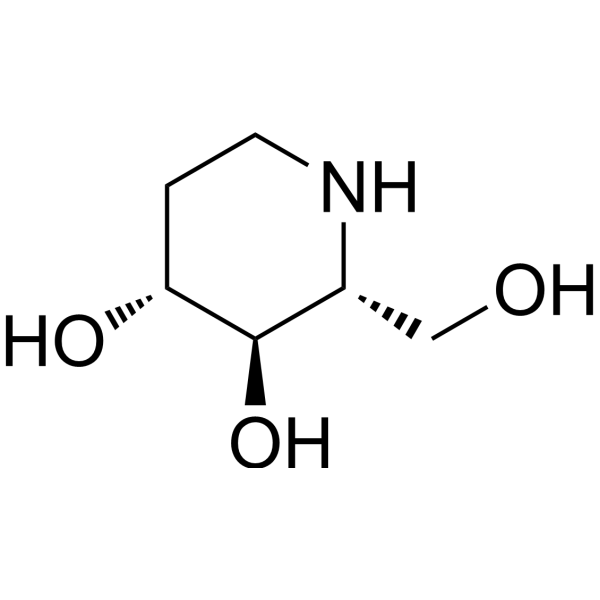
D-Fagomine
|
Glycosidase
|
Metabolic Disease
|
|
Fagomine is a mild glycosidase inhibitor. The Ki of the iminosugar Fagomine is 4.8 μM, 39 μM, and 70 μM for Amyloglucosidase (A.niger), β-Glucosidase (bovine), and Isomaltase (yeast), respectively.
|
-
-
- HY-10933
-
CX516
2 Publications Verification
BDP 12
|
iGluR
|
Neurological Disease
|
|
CX516 (BDP 12) is an ampakine and acts as an AMPA receptor positive allosteric modulator for the research of Alzheimer's disease, schizophrenia and mild cognitive impairment (MCI) .
|
-
-
- HY-128901
-
|
F 14679 fumarate
|
5-HT Receptor
|
Neurological Disease
|
|
F13714 fumarate, a selective 5-HT1A receptor biased agonist, shows antidepressant-like properties after a single administration in the mouse model of chronic mild stress .
|
-
-
- HY-D0947
-
|
|
DNA Stain
|
Others
|
|
Azure A chloride is a phenothiazine dye. Azure A chloride is an alternative DNA dye used for the separation of DNA and protein fragments in agarose gel electrophoresis and PAGE. Azure A chloride can be chemisorbed on the surface of mild steel according to the Langmuir adsorption isotherm to form a protective film. Azure A chloride binds to double-stranded DNA in a non-cooperative manner via weak intercalation, triggering molecular conformational disturbance, restricted rotational motion, and changes in optical activity .
|
-
-
- HY-108249
-
-
-
- HY-129524
-
|
|
Apoptosis
|
Inflammation/Immunology
|
|
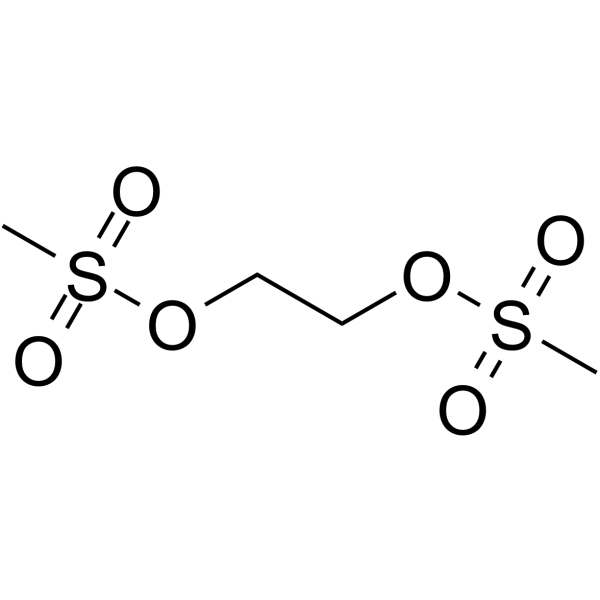
Ethylene dimethane sulfonate is a mild alkylating, non-volatile methanesulfonic diester of ethylene glycol. Ethylene dimethanesulfonate has selective pro-apoptotic effects on LCs .
|
-
-
- HY-106000
-
|
|
Histamine Receptor
|
Neurological Disease
|
|
GSK239512 is a potent and brain penetrated H3 receptor antagonist. GSK239512 can be used for the research of mild-to-moderate Alzheimer's disease (AD) .
|
-
-
- HY-B1147
-
|
|
Parasite
|
Infection
|
|
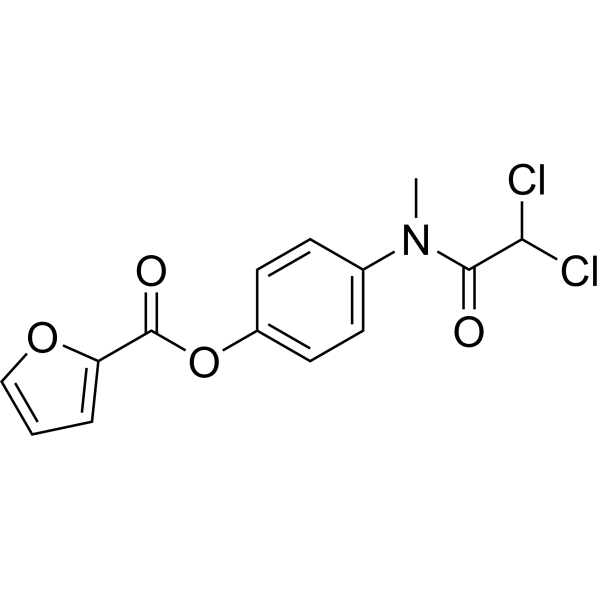
Diloxanide furoate is the proagent of Diloxanide. Diloxanide furoate is a potent and orally active anti-protozoal agent and can be used for the research of amebiasis, mild intestinal amebiasis or asymptomatic cyst carriers .
|
-
-
- HY-B0629
-
|
|
Glucocorticoid Receptor
|
Metabolic Disease
Cancer
|
|
Mometasone is an inhaled glucocorticoid. Mometasone can be used in mild asthma with a low sputum eosinophil level. Mometasone has the potential for the research of chronic hand eczema and rhinosinusitis .
|
-
-
- HY-B1530
-
|
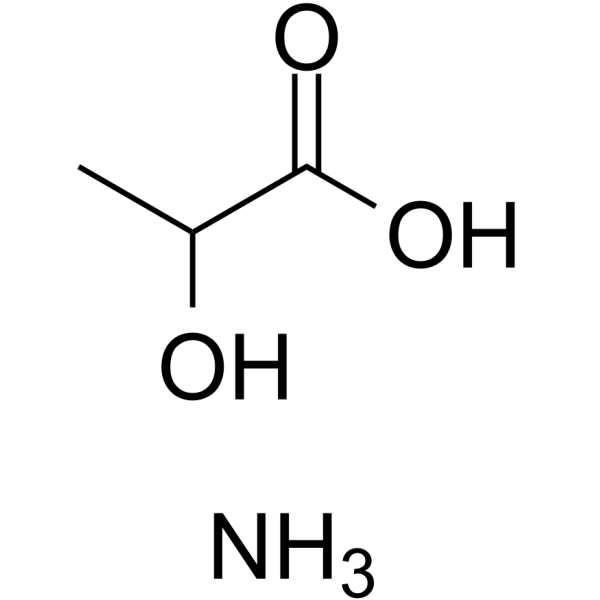
(±)-Ammonium lactate
|
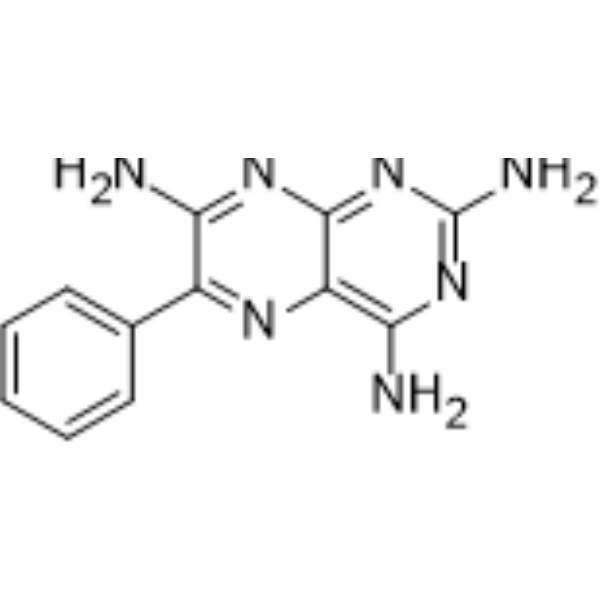
Environmental Pollutants
Bacterial
|
Infection
|
|
Ammonium lactate is the ammonium salt of lactic acid, with mild anti-bacterial properties. Ammonium lactate can be used for the research of xerosis .
|
-
-
- HY-B1191
-
|
2,6-Lupetidine
|
nAChR
|
Cardiovascular Disease
|
|
Nanofin (2,6-Lupetidine) is a neuro-blocking agent with antihypertensive effects, which can be used for the study of mild to moderate hypertension.
|
-
-
- HY-108243
-
-
-
- HY-100046
-
|
Desmethyldoxepin hydrochloride
|
Drug Metabolite
|
Neurological Disease
|
|
Nordoxepin hydrochloride is the major metabolite of Doxepin. Doxepin is a tricyclic antidepressant that is widely prescribed for the research of mild depression .
|
-
-
- HY-P5220
-
|
Melitane
|
Melanocortin Receptor
|
Others
|
|
Acetyl hexapeptide-1 (Melitane) is a biomimetic peptide that mimics the activity of α-melanocyte-stimulating hormone (α-MSH). Acetyl hexapeptide-1 regulates muscle contraction, thereby reducing facial expression lines. Acetyl hexapeptide-1 is one of the components of anti-aging skincare serums targeting dynamic wrinkles. Acetyl hexapeptide-1 can be used in research related to mild photoaged facial skin and premature gray hair .
|
-
-
- HY-W274569
-
-
-
- HY-145535
-
|
C24 3'-sulfo Galactosylceramide (d18:1/24:0)
|
Endogenous Metabolite
|
Metabolic Disease
|
|
Tetracosanoyl-sulfatide is an endogenous metabolite present in Urine that can be used for the research of Mild Metachromatic Leukodystrophy .
|
-
-
- HY-I0020
-
|
(-)-Narwedine; Narwedin
|
Cholinesterase (ChE)
|
Neurological Disease
|
|
Galanthaminone (Narwedin) is a competitive and reversible cholinesterase (AChE) inhibitor; is used for the treatment of mild to moderate Alzheimer's disease and various other memory impairments.
|
-
-
- HY-B0892R
-
-
-
- HY-E70445
-
|
|
Biochemical Assay Reagents
|
Others
|
|
Chondroitinase AC II is a hydrolase. Enzymes have high catalytic efficiency, high specificity, and mild operating conditions. It can be applied in industries such as pharmaceuticals, industrial production, food manufacturing, and aquaculture .
|
-
-
- HY-Z0478R
-
|
(S)-(-)-Limonene (Standard)
|
Reference Standards
Others
|
Cardiovascular Disease
|
|
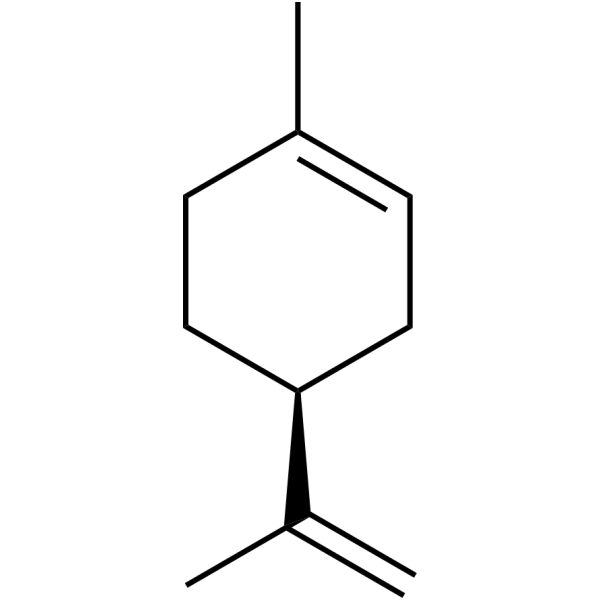
(-)-Limonene (Standard) is the analytical standard of (-)-Limonene. This product is intended for research and analytical applications. (-)-Limonene ((S)-(-)-Limonene) is a monoterpene found in citrus plants like lemon, orange, and grape. (-)-Limonene can induce a mild bronchoconstrictive effect .
|
-
-
- HY-B0892S1
-
-
-
- HY-B0892S2
-
-
-
- HY-123179
-
|
|
Carbonic Anhydrase
|
Cardiovascular Disease
|
|
Mefruside is an orally active diuretic and has a mild hypotensive effect. Mefruside inhibits the synthesis of urea in an isolated rat liver perfusion model. Mefruside can be used in studies of oedema and hypertension .
|
-
-
- HY-B0575R
-
-
-
- HY-N10928
-
|
|
Parasite
|
Infection
|
|
Lettowienolide, a geranylbenzoquinonoid, exhibits mild in vitro activity against the Plasmodium falciparum malaria parasite (IC50~20 μg/mL) .
|
-
-
- HY-126460A
-
|
|
Bacterial
|
Others
|
|
Myristoyl glutamic acid sodium is a common ingredient in cosmetics/creams. Myristoyl glutamic acid sodium, a surfactant belonging to the amino acid, has mild cleaning properties and is also foamy and mildly bacteriostatic .
|
-
-
- HY-110014
-
|
|
Cannabinoid Receptor
|
Neurological Disease
|
|
Noladin ether is a potent and selective agonist of cannabinoid CB1 receptor, with a Ki of 21.2 nM. Noladin ether can cause hypothermia, intestinal immobility, and mild antinociception .
|
-
-
- HY-E70428
-
|
|
Biochemical Assay Reagents
|
Others
|
|
D-Xylose dehydrogenase is a peptidase. Enzymes have high catalytic efficiency, high specificity, and mild operating conditions. It can be applied in industries such as pharmaceuticals, industrial production, food manufacturing, and aquaculture .
|
-
-
- HY-145649
-
|
AD-85481; ALN-AGT
|
Angiotensin Receptor
|
Cardiovascular Disease
|
|
Zilebesiran is a siRNA that reduce hepatic angiotensinogen levels through RNA interference. it is used for the study of mild to moderate Hypertension. Angiotensinogen is the predominant precursor of angiotensin peptides and a key regulator of systemic blood pressure.
|
-
-
- HY-W749852
-
|
|
Biochemical Assay Reagents
|
Neurological Disease
|
|
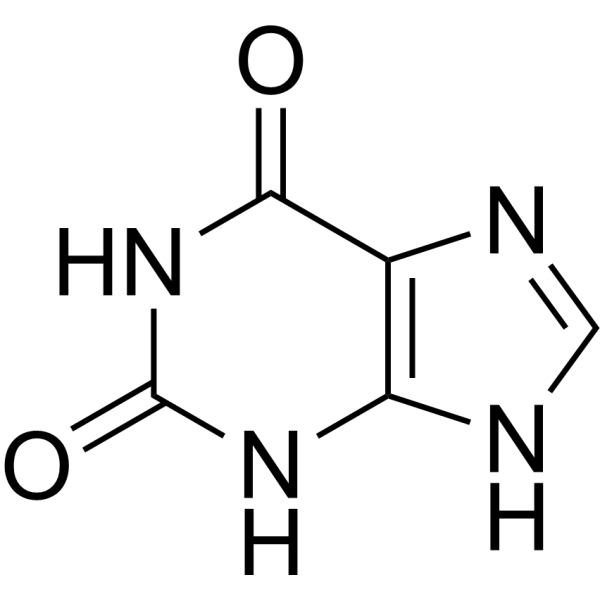
Xanthine sodium, 98%, a plant alkaloid found in tea, coffee, and cocoa, is a mild stimulant of the central nervous system. Xanthine sodium, 98% also acts as an intermediate product on the pathway of purine degradation .
|
-
-
- HY-E70438
-
|
|
Biochemical Assay Reagents
|
Others
|
|
Endoproteinase Pro-C is a hydrolase. Enzymes have high catalytic efficiency, high specificity, and mild operating conditions. It can be applied in industries such as pharmaceuticals, industrial production, food manufacturing, and aquaculture .
|
-
-
- HY-E70426
-
|
|
Biochemical Assay Reagents
|
Others
|
|
Polyphosphate kinase (RsPPK) is a kinase. Enzymes have high catalytic efficiency, high specificity, and mild operating conditions. It can be applied in industries such as pharmaceuticals, industrial production, food manufacturing, and aquaculture .
|
-
-
- HY-E70454
-
|
Neuronal Transglutaminase; TGy; TG6
|
Biochemical Assay Reagents
|
Others
|
|
Human epidermal transglutaminase (Neuronal Transglutaminase) is a transglutaminase. Enzymes have high catalytic efficiency, high specificity, and mild operating conditions. It can be applied in industries such as pharmaceuticals, industrial production, food manufacturing, and aquaculture .
|
-
-
- HY-E70436
-
|
TG1; TGase 1
|
Biochemical Assay Reagents
|
Others
|
|
Human keratinocyte transglutaminase (TG1) is a transglutaminase. Enzymes have high catalytic efficiency, high specificity, and mild operating conditions. It can be applied in industries such as pharmaceuticals, industrial production, food manufacturing, and aquaculture .
|
-
-
- HY-E70439
-
|
TG3; TGase 3
|
Biochemical Assay Reagents
|
Others
|
|
Human epidermal transglutaminase (TG3) is a transferase. Enzymes have high catalytic efficiency, high specificity, and mild operating conditions. It can be applied in industries such as pharmaceuticals, industrial production, food manufacturing, and aquaculture .
|
-
-
- HY-P2728A
-
|
|
Biochemical Assay Reagents
|
Cardiovascular Disease
|
|
Murine Antithrombin III is a blood coagulation inhibitory enzyme with high catalytic efficiency, high specificity, mild action conditions, etc., and can be used in the pharmaceutical industry, industrial production, food manufacturing, aquaculture and other industries .
|
-
-
- HY-E70437
-
|
Tissue-type transglutaminase; TG2; TGase 2
|
Biochemical Assay Reagents
|
Others
|
|
Guinea pig liver transglutaminase (Tissue-type transglutaminase) is an exoenzyme. Enzymes have high catalytic efficiency, high specificity, and mild operating conditions. It can be applied in industries such as pharmaceuticals, industrial production, food manufacturing, and aquaculture .
|
-
-
- HY-156634
-
|
NYX-783
|
iGluR
|
Neurological Disease
|
|
Risevistinel (NYX-783) is a positive allosteric modulator of N-methyl-D-aspartate (NMDA) receptor. Nevadistinel can be used to inhibit cognitive impairment associated with neurodegenerative diseases, such as mild cognitive impairment, mild Alzheimer's disease, Parkinson's disease, Lewy body disease .
|
-
-
- HY-156626
-
|
NYX-458; NYX-3054
|
iGluR
|
Neurological Disease
|
|
Nevadistinel (NYX-458; NYX-3054) is a positive allosteric modulator of N-methyl-D-aspartate (NMDA) receptor. Nevadistinel can be used to inhibit cognitive impairment associated with neurodegenerative diseases, such as mild cognitive impairment, mild Alzheimer's disease, Parkinson's disease, Lewy body disease .
|
-
-
- HY-D0235
-
|
|
Fluorescent Dye
|
Others
|
|
Alizarin yellow GG is a dye that exhibits corrosion inhibition effects on mild steel against concentrated H2SO4.
|
-
-
- HY-W133897
-
|
|
Biochemical Assay Reagents
|
Others
|
|
tert-Butylamine borane is a mild reducing agent. tert-Butylamine borane involves in the selective reduction of aldehydes and ketones to the corresponding alcohols .
|
-
-
- HY-N2622
-
|
(+)-Oxypeucedanin hydrate; (+)-Prangol
|
Others
|
Cancer
|
|
Oxypeucedanin hydrate ((+)-Oxypeucedanin hydrate) is a natural product isolated from D. anethifolia. Prangol exhibits mild toxicity on fibroblasts and parental lymphoma cells .
|
-
-
- HY-W012896
-
|
|
Biochemical Assay Reagents
|
Others
|
|
2-Thiohydantoin acts as an inhibitor for the corrosion of mild steel in 0.1 M HCl and its inhibition efficiency is both concentration and immersion time dependent .
|
-
-
- HY-W660701
-
-
-
- HY-173096
-
|
|
NADPH Oxidase
|
Neurological Disease
|
|
NCATS-SM7270 is a highly specific NOX2 inhibitor, with an IC50 of 4.09 μM. NCATS-SM7270 protects mice from mild traumatic brain injury .
|
-
- HY-W092110
-
-
- HY-100046R
-
|
Desmethyldoxepin hydrochloride (Standard)
|
Reference Standards
Drug Metabolite
|
Neurological Disease
|
|
Nordoxepin (hydrochloride) (Standard) is the analytical standard of Nordoxepin (hydrochloride). This product is intended for research and analytical applications. Nordoxepin hydrochloride is the major metabolite of Doxepin. Doxepin is a tricyclic antidepressant that is widely prescribed for the research of mild depression .
|
-
- HY-B0629R
-
|
|
Reference Standards
Glucocorticoid Receptor
|
Metabolic Disease
|
|
Mometasone (Standard) is the analytical standard of Mometasone. This product is intended for research and analytical applications. Mometasone is an inhaled glucocorticoid. Mometasone can be used in mild asthma with a low sputum eosinophil level. Mometasone has the potential for the research of chronic hand eczema and rhinosinusitis .
|
-
- HY-122916
-
-
- HY-N5107
-
|
(+)-epi-Magnolin
|
Parasite
|
Infection
|
|
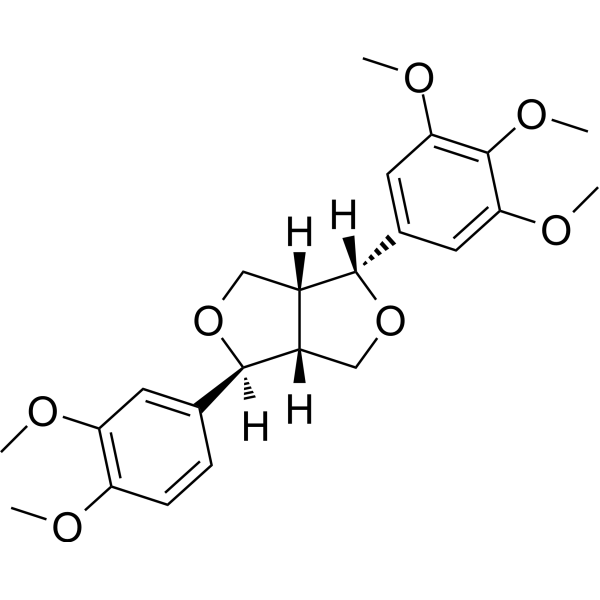
Epimagnolin A, a furfuran lignan, shows mild antiplasmodial activities (IC50=5.7 μg/mL) without noticeable toxicity on mammalian normal cells .
|
-
- HY-N3654
-
|
|
Tyrosinase
|
Others
|
|
Cyclo(l-Pro-d-Leu) (compound 11) is a collagenase inhibitor that can be extracted from R. atalantica and also exhibits a mild tyrosinase inhibitory effect .
|
-
- HY-113797
-
|
|
Adrenergic Receptor
|
Others
|
|
RS-52367 is a potent syntex β-adrenergic antagonist. RS-52367 decreases intraocular pressure with a mild systemic effect in dogs .
|
-
- HY-N12426
-
|
|
Endogenous Metabolite
|
Metabolic Disease
|
|
Heilaohuguosu F (compound 6) is a tetrahydrofuranolignan with weak hepatoprotective effects. Heilaohuguosu F has a mild protective effect against APAP-induced hepatotoxicity in HepG2 cells.
|
-
- HY-E70422
-
|
|
Biochemical Assay Reagents
|
Others
|
|
Cyclomaltodextrinase is a hydrolase. Enzymes have high catalytic efficiency, high specificity, and mild operating conditions. It can be applied in industries such as pharmaceuticals, industrial production, food manufacturing, and aquaculture .
|
-
- HY-E70448
-
|
|
Biochemical Assay Reagents
|
Others
|
|
Oligopeptidase is a peptidase. Enzymes have high catalytic efficiency, high specificity, and mild operating conditions. It can be applied in industries such as pharmaceuticals, industrial production, food manufacturing, and aquaculture .
|
-
- HY-E70451
-
|
|
Biochemical Assay Reagents
|
Others
|
|
Phosphopentomutase is an oxidase. Enzymes have high catalytic efficiency, high specificity, and mild operating conditions. It can be applied in industries such as pharmaceuticals, industrial production, food manufacturing, and aquaculture .
|
-
- HY-E70446
-
|
|
Biochemical Assay Reagents
|
Others
|
|
Exolytic heparinase is a dehydrogenase. Enzymes have high catalytic efficiency, high specificity, and mild operating conditions. It can be applied in industries such as pharmaceuticals, industrial production, food manufacturing, and aquaculture .
|
-
- HY-B0892S5
-
-
- HY-E70433
-
|
|
Biochemical Assay Reagents
|
Others
|
|
SaCas9 is a nuclease. Enzymes have high catalytic efficiency, high specificity, and mild operating conditions. It can be applied in industries such as pharmaceuticals, industrial production, food manufacturing, and aquaculture .
|
-
- HY-W716321
-
|
|
Drug Metabolite
|
Inflammation/Immunology
|
|
AN7602 is a metabolite of the anti-inflammatory agent/PDE4 inhibitor Crisaborole (HY-10978) and can be used for the study of mild to moderate atopic dermatitis (AD) .
|
-
- HY-110296
-
-
- HY-E70440
-
|
|
Biochemical Assay Reagents
|
Others
|
|
L-Arabinose isomerase is a transglutaminase. Enzymes have high catalytic efficiency, high specificity, and mild operating conditions. It can be applied in industries such as pharmaceuticals, industrial production, food manufacturing, and aquaculture .
|
-
- HY-146686
-
|
|
Cholinesterase (ChE)
|
Neurological Disease
|
|
BuChE-IN-3 (Compound C4) is a potent inhibitor of BuChE with an IC50 of 8.3 nM. BuChE-IN-3 exhibits mild antioxidant capacity, nontoxicity, lipophilicity and neuroprotective activity .
|
-
- HY-E70442
-
|
|
Biochemical Assay Reagents
|
Others
|
|
Methionine aminopeptidase is a kinase. Enzymes have high catalytic efficiency, high specificity, and mild operating conditions. It can be applied in industries such as pharmaceuticals, industrial production, food manufacturing, and aquaculture .
|
-
- HY-E70423
-
|
|
Biochemical Assay Reagents
|
Others
|
|
UDP-glucuronic acid decarboxylase is a decarboxylase. Enzymes have high catalytic efficiency, high specificity, and mild operating conditions. It can be applied in industries such as pharmaceuticals, industrial production, food manufacturing, and aquaculture .
|
-
- HY-E70431
-
|
|
Biochemical Assay Reagents
|
Others
|
|
D-Xylonolactone lactonase is a peptidase. Enzymes have high catalytic efficiency, high specificity, and mild operating conditions. It can be applied in industries such as pharmaceuticals, industrial production, food manufacturing, and aquaculture .
|
-
- HY-146687
-
|
|
Cholinesterase (ChE)
|
Neurological Disease
|
|
BuChE-IN-4 (Compound C6) is a potent inhibitor of BuChE with an IC50 of 7.7 nM. BuChE-IN-4 exhibits mild antioxidant capacity, nontoxicity, lipophilicity and neuroprotective activity .
|
-
- HY-E70444
-
|
|
Biochemical Assay Reagents
|
Others
|
|
Chondroitinase ABC II is a hydrolase. Enzymes have high catalytic efficiency, high specificity, and mild operating conditions. It can be applied in industries such as pharmaceuticals, industrial production, food manufacturing, and aquaculture .
|
-
- HY-E70443
-
|
|
Biochemical Assay Reagents
|
Others
|
|
Chondroitinase ABC I is a hydrolase with high catalytic efficiency, high specificity, mild action conditions, etc., and can be used in the pharmaceutical industry, industrial production, food manufacturing, aquaculture and other industries .
|
-
- HY-W749852A
-
|
|
Biochemical Assay Reagents
|
Neurological Disease
|
|
Xanthine sodium, for cell culture, a plant alkaloid found in tea, coffee, and cocoa, is a mild stimulant of the central nervous system. Xanthine sodium, for cell culture also acts as an intermediate product on the pathway of purine degradation .
|
-
- HY-E70424
-
|
|
Biochemical Assay Reagents
|
Others
|
|
Glucose-1-phosphate thymidyltransferase is an endoprotease. Enzymes have high catalytic efficiency, high specificity, and mild operating conditions. It can be applied in industries such as pharmaceuticals, industrial production, food manufacturing, and aquaculture .
|
-
- HY-118751
-
|
Bancol
|
nAChR
|
Others
Neurological Disease
|
|
Bensultap (Bancol) is an insecticide, which can control Colorado beetle and some other insect pests. Bensultap is a modulator for nicotinic acetylcholine receptor (nAChR), and exhibits mild and temporary neuromodulatory efficacy on rat nervous system .
|
-
- HY-N0377R
-
-
- HY-B0892S
-
-
- HY-108249R
-
|
|
Histamine Receptor
Reference Standards
|
Inflammation/Immunology
Cancer
|
|
Tribenoside (Standard) is the analytical standard of Tribenoside. This product is intended for research and analytical applications. Tribenoside is a vasoprotective agent, can be used for the research of hemorrhoids. Tribenoside has mild anti-inflammatory, analgesic, and wound healing properties .
|
-
- HY-I0020R
-
|
(-)-Narwedine (Standard); Narwedin (Standard)
|
Cholinesterase (ChE)
Reference Standards
|
Neurological Disease
|
|
Galanthaminone (Standard) is the analytical standard of Galanthaminone. This product is intended for research and analytical applications. Galanthaminone (Narwedin) is a competitive and reversible cholinesterase (AChE) inhibitor; is used for the treatment of mild to moderate Alzheimer's disease and various other memory impairments.
|
-
- HY-143390
-
|
|
iGluR
|
Neurological Disease
|
|
NMDA receptor modulator 2 (Compound 1) is a potent NMDA receptor modulator. NMDA receptor modulator 2 can be used for neurological disorder research .
|
-
- HY-143393
-
|
|
iGluR
|
Neurological Disease
|
|
NMDA receptor modulator 4 (Compound 169) is a potent NMDA receptor modulator. NMDA receptor modulator 4 can be used for neurological disorder research .
|
-
- HY-143391
-
|
|
iGluR
|
Neurological Disease
|
|
NMDA receptor modulator 3 (Compound 99) is a potent NMDA receptor modulator. NMDA receptor modulator 3 can be used for neurological disorder research .
|
-
- HY-143397
-
|
|
iGluR
|
Neurological Disease
|
|
NMDA receptor modulator 6 (Compound 183) is a potent NMDA receptor modulator. NMDA receptor modulator 6 can be used for neurological disorder research .
|
-
- HY-143396
-
|
|
iGluR
|
Neurological Disease
|
|
NMDA receptor modulator 5 (Compound 195) is a potent NMDA receptor modulator. NMDA receptor modulator 5 can be used for neurological disorder research .
|
-
- HY-N0285S
-
-
- HY-N19253
-
|
|
Endogenous Metabolite
|
Metabolic Disease
|
|
9,12-Hexadecadienoylcarnitine is an acylcarnitine. The level of 9,12-Hexadecadienoylcarnitine increases during mild weight loss induced by a 12-week low-calorie diet. The serum level of 9,12-Hexadecadienoylcarnitine is upregulated in models of reduced intrinsic capacity. 9,12-Hexadecadienoylcarnitine can be used in studies related to overweight and reduced intrinsic capacity .
|
-
- HY-180463
-
|
|
Drug Metabolite
|
Others
|
|
Rubradirin aglycone (Compound 7) is an aglycone of Rubradirin and can be obtained by mild acid hydrolysis of Rubradirin .
|
-
- HY-E70612
-
|
|
Biochemical Assay Reagents
|
Others
|
|
Nitril hydratase can convert nitriles to the corresponding higher-value amides under mild conditions. Nitril hydratase is an important catalyst .
|
-
- HY-W012896R
-
-
- HY-N18031
-
|
|
NO Synthase
|
Inflammation/Immunology
|
|
Idesin is a compound found in the fruits of Idesia polycarpa. Idesin inhibits LPS (HY-D1056)-induced nitric oxide production with mild cytotoxicity .
|
-
- HY-W800830
-
|
|
Biochemical Assay Reagents
|
Others
|
|
DMG-Nitrophenyl Carbonate is a short reagent featuring a DMG lipid headgroup and a nitrophenyl carbonate, which is readily displaced by amine nucleophiles to form carbamate bonds under mild conditions.
|
-
- HY-E70429
-
|
|
Biochemical Assay Reagents
|
Others
|
|
Ketohexokinases is a transglutaminase. Enzymes have high catalytic efficiency, high specificity, and mild operating conditions. It can be applied in industries such as pharmaceuticals, industrial production, food manufacturing, and aquaculture .
|
-
- HY-E70430
-
|
|
Biochemical Assay Reagents
|
Others
|
|
N-Acylhexosamine oxidase is an isomerase. Enzymes have high catalytic efficiency, high specificity, and mild operating conditions. It can be applied in industries such as pharmaceuticals, industrial production, food manufacturing, and aquaculture .
|
-
- HY-E70427
-
|
|
Biochemical Assay Reagents
|
Others
|
|
Dipeptidyl peptidase IX (human) is a hydrolase. Enzymes have high catalytic efficiency, high specificity, and mild operating conditions. It can be applied in industries such as pharmaceuticals, industrial production, food manufacturing, and aquaculture .
|
-
- HY-E70432
-
|
|
Biochemical Assay Reagents
|
Others
|
|
Dipeptidyl peptidase VII (human) is a peptidase. Enzymes have high catalytic efficiency, high specificity, and mild operating conditions. It can be applied in industries such as pharmaceuticals, industrial production, food manufacturing, and aquaculture .
|
-
- HY-E70434
-
|
|
Biochemical Assay Reagents
|
Others
|
|
Dipeptidyl peptidase III (human) is a hydrolase. Enzymes have high catalytic efficiency, high specificity, and mild operating conditions. It can be applied in industries such as pharmaceuticals, industrial production, food manufacturing, and aquaculture .
|
-
- HY-E70435
-
|
PEP-Mx
|
Biochemical Assay Reagents
|
Others
|
|
Prolylendopeptidase, myxococcus xanthus (PEP-Mx) is an endopeptidase. Enzymes have high catalytic efficiency, high specificity, and mild operating conditions. It can be applied in industries such as pharmaceuticals, industrial production, food manufacturing, and aquaculture .
|
-
- HY-185061
-
|
|
Biochemical Assay Reagents
|
Others
|
|
HEGA-10 is a mild detergent with a high critical micelle concentration (CMC), which can be used to dissolve and extract proteins (HIV-1 spike protein) from the membranes of virus-like particles (VLPs) .
|
-
- HY-117526
-
|
|
Serotonin Transporter
|
Neurological Disease
|
|
(-)-Mesembrine is a serotonin transporter (SERT) inhibitor. (-)-Mesembrine inhibits serotonin reuptake. (-)-Mesembrine exerts anxiolytic, mood-enhancing and anti-addictive effects. (-)-Mesembrine is applicable to research on mild-to-moderate depression, anxiety disorders and stress-related conditions .
|
-
- HY-W092176
-
|
|
Biochemical Assay Reagents
|
Others
|
|
1,9-Bis-Boc-1,5,9-triazanonane is a linker containing two Boc-protected amino groups. The Boc groups can be deprotected under mild acidic conditions to form the free amines.
|
-
- HY-13708
-
|
|
5-HT Receptor
|
Cardiovascular Disease
|
|
SUN C5174 is an antagonist for 5-HT2 receptor with a mild sympathomimetic efficacy. SUN C5174 attenuates disorders in various experimental models of peripheral circulatory disturbance, and exhibits good pharmacokinetic properties .
|
-
- HY-B0575S
-
|
|
Sodium Channel
|
Metabolic Disease
|
|
Triamterene-d5 is deuterium labeled Triamterene (HY-B0575). Triamterene blocks epithelial Na + channel (ENaC) in a voltage-dependent manner, which used as a mild diuretic. Triamterene is an inhibitor of the TGR5 receptor.
|
-
- HY-155500
-
|
|
Fluorescent Dye
|
Others
|
|
Digoxigenin NHS ester is an activated ester which readily reacts with amino groups under mild conditions, attaching the Digoxigenin (HY-B1025) moiety to proteins or amino-. Digoxigenin NHS ester can be used to label proteins and oligonucleotides .
|
-
- HY-149883
-
|
|
Others
|
Others
|
|
IZS-L is a amino acid-derived corrosion inhibitor. IZS-L exhibits corrosion inhibition performance for metal at longer immersion. IZSs, the series of corrosion inhibitors, inhibit mild steel corrosion through the formation of an inhibitor film on the metal surface .
|
-
- HY-W019829
-
|
|
Tyrosinase
Parasite
|
Infection
|
|
Polyphyllin C (compound 2) is a spirostanol saponin. Polyphyllin C exhibits mild (IC50=36.87 µM) activities against the tyrosinase and moderate (IC50=1.59 µg/mL) antileishmanial activities .
|
-
- HY-W053842
-
|
|
Biochemical Assay Reagents
|
Others
|
|
tert-Butyl 3-iodopropylcarbamate is a compound with a t-butyl and a terminal iodine. The iodine (I) is a very good leaving group for nucleophilic substitution reactions. The Boc group can be deprotected under mild acidic conditions to form the free amine.
|
-
- HY-W250170
-
|
Octyldecyl glucoside
|
Environmental Pollutants
Biochemical Assay Reagents
|
Others
|
|
Decyl glucoside is a mild nonionic surfactant. Decyl glucoside can be derived from renewable raw materials such as glucose and fatty alcohols from coconut oil or palm kernel oil. Decyl glucoside is known for its excellent foaming and cleaning properties.
|
-
- HY-P2950B
-
|
|
Biochemical Assay Reagents
|
Others
|
|
α-(1-2,3,6) Mannosidase is a glycosidase. Enzymes have high catalytic efficiency, high specificity, and mild operating conditions. It can be applied in industries such as pharmaceuticals, industrial production, food manufacturing, and aquaculture .
|
-
- HY-44370
-
|
|
ADC Linker
|
Cancer
|
|
(tert-Butoxycarbonyl)glycyl-glycyl-glycyl-glycyl-glycine is an ADC linker with a Boc group on the N terminus, and it is used for the development of antibody-drug conjugates (ADCs). The Boc group can be deprotected under mild acidic conditions to form the free amine.
|
-
- HY-W052066
-
|
|
Biochemical Assay Reagents
|
Others
|
|
tert-Butyl (3-chloropropyl)carbamate is a compound with a t-butyl and a terminal choloride. The cholorine (Cl) is a good leaving group for nucleophilic substitution reactions. The Boc group can be deprotected under mild acidic conditions to form the free amine.
|
-
- HY-134106
-
|
|
Biochemical Assay Reagents
|
Others
|
|
N-Boc-erythro-sphingosine is composed of t-butyl ester protected N-acetylsphingosine with a fatty acid tail. The hydroxy group enables further derivatization or replacement with other reactive functional groups. The t-butyl group can be deprotected under mild acidic conditions.
|
-
- HY-10933S
-
|
BDP 12-d10
|
Isotope-Labeled Compounds
iGluR
|
Neurological Disease
|
|
CX516-d10 is the deuterium labeled CX516. CX516 (BDP 12) is an ampakine and acts as an AMPA receptor positive allosteric modulator for the research of Alzheimer's disease, schizophrenia and mild cognitive impairment (MCI) .
|
-
- HY-B0892
-
-
- HY-W800660
-
|
|
Biochemical Assay Reagents
|
Others
|
|
endo-BCN-PEG4-Boc-amine is a PEG linker containing a BCN group and a Boc-protected amine. The protected amine can be deprotected under mild acidic conditions. The BCN group can react with azide-tagged biomolecules.
|
-
- HY-W598191
-
|
|
Biochemical Assay Reagents
|
Others
|
|
tert-Butyl (3-azidopropyl)carbamate is a reagent containing an azide group and Boc-protected amino group. It is reactive with alkyne, BCN, DBCO via Click Chemistry. The Boc group can be deprotected under mild acidic conditions to form the free amine.
|
-
- HY-151682
-
|
|
Amino Acid Derivatives
|
Others
|
|
H-L-Lys(Norbornene-methoxycarbonyl)-OH is a Norbornene (HY-W013021)-derivatized lysine that can be click-functionalized. H-L-Lys(Norbornene-methoxycarbonyl)-OH can be used for the mild and selective modification of proteins in a copper-free click reaction .
|
-
- HY-172511
-
|
|
Biochemical Assay Reagents
|
Others
|
|
m-PEG9-4-nitrophenyl carbonate serves as a PEG linker containing a nitrophenyl carbonate, which is readily displaced by amine nucleophiles to form carbamate bonds under mild conditions. The PEG9 chain bolsters the water solublity of the compound.
|
-
- HY-129524R
-
|
|
Apoptosis
Reference Standards
|
Inflammation/Immunology
|
|
Ethylene dimethanesulfonate (Standard) is the analytical standard of Ethylene dimethanesulfonate. This product is intended for research and analytical applications. Ethylene dimethane sulfonate is a mild alkylating, non-volatile methanesulfonic diester of ethylene glycol. Ethylene dimethanesulfonate has selective pro-apoptotic effects on LCs .
|
-
- HY-117059
-
|
|
Dopamine Receptor
|
Neurological Disease
|
|
SK609 hydrochloride is a dopamine D3 receptor (D3R) selective agonist with an EC50 of 1109 nM. SK609 hydrochloride has the potential for parkinson research .
|
-
- HY-144011
-
|
|
Liposome
|
Others
|
|
DSPE-PEG-Cyanur ammonium is a PEG derivative containing cyanur functional group. DSPE-PEG-Cyanur ammonium can be used for PEGylation of protein under mild basic conditions. DSPE-PEG-Cyanur ammonium can be used for nanostructured lipid carrier .
|
-
- HY-50682A
-
|
TTP488 dihydrochloride; PF-04494700 dihydrochloride
|
Amyloid-β
|
Neurological Disease
Cancer
|
|
Azeliragon dihydrochloride (TTP488) is an orally bioavailable inhibitor of the receptor for advanced glycation end products (RAGE) in development as a potential treatment to slow disease progression with mild Alzheimer’s disease (AD) . Azeliragon dihydrochloride also can cross the blood-brain barrier (BBB) .
|
-
- HY-158012
-
|
|
γ-secretase
|
Others
|
|
LY3056480 is a gamma-secretase inhibitor (GSI) that inhibits Notch signaling. LY3056480 improves mild to moderate sensorineural hearing loss and is safe and tolerable. Intratympanic administration of LY3056480 induces hair cell regeneration and partial hearing recovery in mammals .
|
-
- HY-50682
-
|
TTP488; PF-04494700
|
Amyloid-β
|
Neurological Disease
Cancer
|
|
Azeliragon (TTP488) is an orally bioavailable inhibitor of the receptor for advanced glycation end products (RAGE) in development as a potential treatment to slow disease progression with mild Alzheimer’s disease (AD) . Azeliragon also can cross the blood-brain barrier (BBB) .
|
-
- HY-W154175
-
|
|
Biochemical Assay Reagents
|
Others
|
|
Boc-DODA is a linker containing a Boc-protected amino group and a terminal amine. The Boc group can be deprotected under mild acidic conditions to form the free amine. The terminal amine is reactive with carboxylic acids, activated NHS esters, carbonyls (ketone, aldehyde) etc.
|
-
- HY-135531
-
|
|
Antibiotic
Bacterial
|
Infection
|
|
Cefuzonam is an antibiotic, which exhibits antibacterial activity against gram positive bacteria, such as Staphylococcus, Streptococcus and Neisseria gonorrhoeae, with MIC ranginf from 0.63 to 2 μg/mL. Cefuzonam is an inhibitor for mild steel corrosion by increasing hydrophobicity of the metal surface to the acid solution .
|
-
- HY-111081
-
|
|
Sigma Receptor
|
Neurological Disease
|
|
(±)-PPCC is a sigma-1 agonist that mainly interacts with sigma-1 receptors with Ki of 1.5 nM. (±)-PPCC has effective anti-amnesia effects in rats with mild or severe cognitive impairment, and can improve the cognitive abilities of rats .
|
-
- HY-N18530
-
|
|
Endogenous Metabolite
Bacterial
|
Infection
|
|
N-Myristoyl-D-asparagine is a key metabolic marker in the biosynthesis and maturation of colibactin. N-Myristoyl-D-asparagine acts as a biomarker for detecting colibactin. N-Myristoyl-D-asparagine exhibits mild growth inhibitory activity against Bacillus subtilis NCIB 3610 .
|
-
- HY-W591971
-
|
|
Biochemical Assay Reagents
|
Others
|
|
5-((tert-Butoxycarbonyl)amino)pentyl 4-methylbenzenesulfonate is a PEG linker containing a Boc protected amine and a tosyl group. The protected amine can be deprotected under mild acidic conditions. The tosyl group is a very good leaving group for nucleophilic substitution reactions.
|
-
- HY-P11222
-
-
- HY-109085
-
-
- HY-B1191S
-
|
2,6-Lupetidine-d2
|
Isotope-Labeled Compounds
nAChR
|
Cardiovascular Disease
|
|
Nanofin-d2 (2,6-Lupetidine-d2) is the deuterium labeled Nanofin (HY-B1191). Nanofin (2,6-Lupetidine) is a neuro-blocking agent with antihypertensive effects, which can be used for the study of mild to moderate hypertension.
|
-
- HY-B1192S
-
|
β-Estradiol 3-benzoate-d3; 17β-Estradiol 3-benzoate-d3
|
Estrogen Receptor/ERR
|
Neurological Disease
|
|
Estradiol benzoate-d3 is the deuterium labeled Estradiol benzoate. Estradiol Benzoate (β-Estradiol 3-benzoate), a proagent of estradiol, acts as a steroid sex hormone. It exhibits mild anabolic and metabolic properties, and increases blood coagulability .
|
-
- HY-B1191S1
-
|
2,6-Lupetidine-d5
|
Isotope-Labeled Compounds
nAChR
|
Cardiovascular Disease
|
|
Nanofin-d5 (2,6-Lupetidine-d5) is the deuterium labeled Nanofin (HY-B1191). Nanofin (2,6-Lupetidine) is a neuro-blocking agent with antihypertensive effects, which can be used for the study of mild to moderate hypertension.
|
-
- HY-B1147R
-
|
|
Reference Standards
Parasite
|
Infection
|
|
Diloxanide furoate (Standard) is the analytical standard of Diloxanide furoate. This product is intended for research and analytical applications. Diloxanide furoate is the proagent of Diloxanide. Diloxanide furoate is a potent and orally active anti-protozoal agent and can be used for the research of amebiasis, mild intestinal amebiasis or asymptomatic cyst carriers .
|
-
- HY-145576
-
|
|
Fluorescent Dye
|
Others
|
|
2-Amino-8-oxononanoic acid is an amino acid, incorporation into proteins in E.coli in genetic. 2-Amino-8-oxononanoic acid is efficient in labeling of proteins with different probes with a site-specific manner under a mild condition close to the physiological pH .
|
-
- HY-B1191SA
-
|
2,6-Lupetidine-d2 hydrochloride
|
Isotope-Labeled Compounds
nAChR
|
Cardiovascular Disease
|
|
Nanofin-d2 (2,6-Lupetidine-d2) hydrochloride is the deuterium labeled Nanofin (HY-B1191). Nanofin (2,6-Lupetidine) is a neuro-blocking agent with antihypertensive effects, which can be used for the study of mild to moderate hypertension.
|
-
- HY-W071967
-
|
|
ADC Linker
|
Cancer
|
|
Alloc-Val-Ala-PAB is a peptide cleavable linker used in the synthesis of antibody-drug conjugates (ADCs). The Val-Ala will specifically be cleaved by Cathepsin B. The Alloc group is stable to treatment with piperidine and TFA, but can be easily removed under mild conditions by palladium catalyzed allyl transfer.
|
-
- HY-W591973
-
|
|
Biochemical Assay Reagents
|
Others
|
|
OTs-C6-NHBoc is a six carbon linker containing a tosyl group and Boc-protected amine group. The tosyl group is a very good leaving group for nucleophilic substitution reactions. The Boc group can be deprotected under mild acidic conditions to form a free amine.
|
-
- HY-W092078
-
|
|
Biochemical Assay Reagents
|
Others
|
|
tert-Butyl (4-iodobutyl)carbamate is a four carbon linker containing a Boc-protected amino group and an iodine group. The Boc group can be deprotected under mild acidic conditions to form the free amine. Iodine (I) is a very good leaving group for nucleophilic substitution reactions.
|
-
- HY-P99776
-
|
XmAb-13676
|
CD20
CD3
|
Cancer
|
|
Plamotamab (XmAb-13676) is a human bispecific antibody (bsAb) that binds CD3 and CD20. Plamotamab recruits cytotoxic T cells to kill CD20 + expressing tumor cells. Plamotamab induces a mild hematologic reaction (MR), and results in tumor regression in vivo .
|
-
- HY-111081C
-
|
|
Sigma Receptor
|
Neurological Disease
|
|
(±)-PPCC oxalate is a sigma-1 agonist that mainly interacts with sigma-1 receptors with Ki of 1.5 nM. (±)-PPCC oxalate has effective anti-amnesia effects in rats with mild or severe cognitive impairment, and can improve the cognitive abilities of rats .
|
-
- HY-W800828
-
|
|
Biochemical Assay Reagents
|
Others
|
|
Iodoacetamido-PEG3-NHS ester is a PEG reagent containing an Iodoacetamide group and a Boc-protected amino group. The iodoacetamide group is an alkylating agent that can be used to bind covalently with the thiol group. The Boc group can be deprotected under mild acidic conditions to form the free amine.
|
-
- HY-18715
-
|
(S)-Ornidazole; Levornidazole
|
Bacterial
Parasite
GABA Receptor
Drug Isomer
|
Infection
Neurological Disease
|
|
Levo-ornidazole ((S)-Ornidazole) is the L-isomer of Ornidazole. Ornidazole (Levo-) increases GAD 65/67 expression and decreases brain Glu/GABA ratio. Ornidazole (Levo-) has a mild sedative effect. Levo-ornidazole can be used in the research of anti-anaerobic and anti-parasitic agents .
|
-
- HY-141436
-
|
Sucrose octasulfate potassium
|
MMP
Biochemical Assay Reagents
|
Cardiovascular Disease
Metabolic Disease
|
|
Sucrosofate potassium (Sucrose octasulfate potassium) is a wound healing promoter. Sucrosofate potassium inhibits MMP, promotes angiogenesis and improves microcirculation. Sucrosofate potassium causes mild skin irritation. Sucrosofate potassium can be used to prepare p (MMA-co-AM)/PVA@PSO hydrogels. Sucrosofate potassium is applicable to research related to diabetic wounds .
|
-
- HY-W017389S1
-
|
|
Endogenous Metabolite
|
Neurological Disease
|
|
Xanthine- 15N2 is a 15N-labeled Xanthine (HY-W017389) . Xanthine, a plant alkaloid found in tea, coffee, and cocoa, is a mild stimulant of the central nervous system. Xanthine also acts as an intermediate product on the pathway of purine degradation .
|
-
- HY-32865
-
|
|
Bacterial
Drug Intermediate
|
Infection
|
|
tert-Butyl 2,2,2-trichloroacetimidate is a tert-butylation reagent. tert-Butyl 2,2,2-trichloroacetimidate achieves mild, nonreversible tert-butylation of alcohols and phenols. tert-Butyl 2,2,2-trichloroacetimidate is used in the synthesis of antimicrobial agents .
|
-
- HY-W259542
-
|
|
Biochemical Assay Reagents
|
Others
|
|
O-Proparagyl-N-Boc-ethanolamine is crosslinker consisting of a propargyl group and a t-Boc protected amine group. The propargyl group reacts with azide-bearing compounds or biomolecules via copper catalyzed Click Chemistry reactions. The t-Boc protected amine can be deprotected under mild acidic conditions.
|
-
- HY-W039729
-
|
|
Biochemical Assay Reagents
|
Others
|
|
5-(Boc-amino)-1-pentanol is a linker containing a hydroxyl group and Boc-protected amino group. The hydroxyl group enables further derivatization or replacement with other reactive functional groups. The Boc group can be deprotected under mild acidic conditions to form the free amine.
|
-
- HY-156976A
-
|
|
Calcium Channel
Sodium Channel
|
Cardiovascular Disease
|
|
Sulcardine hydrochloride is a multi-ion channel blocker that can reduce INa and ICa with IC50 values of 26.9 µM and 69.2 µM, respectively. Sulcardine hydrochloride is a potent hNav1.5 channel blocker with a mild inhibitory effect on hERG channels. Sulcardine hydrochloride has anti-arrhythmic effects .
|
-
- HY-W127377
-
|
|
Biochemical Assay Reagents
|
Others
|
|
Butyl oleateIt is an organic compound belonging to esters. It is formed from the reaction of butanol and oleic acid and has a mild fruity smell. Butyl oleateIt has a variety of applications in the cosmetic and personal care industries, especially as an emollient and conditioning agent in skin and hair care products. Additionally, it is used as a lubricant and solvent in industrial settings.
|
-
- HY-W008864
-
|
β-Octaacetyllactose
|
Fungal
|
Infection
|
|
Lactose octaacetate shows mild to moderate antifungal activity against some fungi, but it has low or no activity against bacteria and yeast. Lactose octaacetate shows low cytotoxicity to MDBK cells, Hep-2 and MDCK cells. Lactose octaacetate has antiviral activity against PV-1 .
|
-
- HY-W127534
-
|
Trihexanoin
|
Biochemical Assay Reagents
|
Others
|
|
TricaproinIt is an organic compound belonging to the class of triacylglycerols. It consists of three molecules of caproic acid esterified to the glycerin backbone, with a mild fatty smell. TricaproinIt has a variety of applications in the cosmetic and personal care industries, especially as an emollient and conditioning agent in skin and hair care products. Additionally, it is used as a lubricant and surfactant in industrial settings.
|
-
- HY-156976
-
|
|
Calcium Channel
Sodium Channel
|
Cardiovascular Disease
|
|
Sulcardine is a multi-ion channel blocker that can reduce INa and ICa with IC50 values of 26.9 µM and 69.2 µM, respectively. Sulcardine is a potent hNav1.5 channel blocker with a mild inhibitory effect on hERG channels. Sulcardine has anti-arrhythmic effects .
|
-
- HY-W591964
-
|
|
Biochemical Assay Reagents
|
Others
|
|
t-Boc-Aminooxy-pentane-azide is a linker containing an azide group and Boc-protected amino group. The azide group can react with alkyne, BCN, DBCO via Click Chemistry to yield a stable triazole linkage. The Boc group can be deprotected under mild acidic conditions to form the free amine.
|
-
- HY-W017389S
-
|
|
Isotope-Labeled Compounds
|
Cancer
|
|
Xanthine- 13C, 15N2 is a 15N-labeled and 13C-labled Xanthine (HY-W017389). Xanthine is a plant alkaloid with mild stimulant activity of the central nervous system. Xanthine also acts as an intermediate product on the pathway of purine degradation .
|
-
- HY-W1048542A
-
|
|
Biochemical Assay Reagents
|
Others
|
|
Fmoc-NH-PEG2000-COOH is a linear hetero-bifunctional PEG product with two Fmoc-protected amines and a carboxylic acid at both ends. Fmoc-NH-PEG2000-COOH is an important cross-linking agent with PEG chains. The protected amine can be regenerated by mild alkaline conditions .
|
-
- HY-W1048542D
-
|
|
Biochemical Assay Reagents
|
Others
|
|
Fmoc-NH-PEG5000-COOH is a linear hetero-bifunctional PEG product with two Fmoc-protected amines and a carboxylic acid at both ends. Fmoc-NH-PEG5000-COOH is an important cross-linking agent with PEG chains. The protected amine can be regenerated by mild alkaline conditions .
|
-
- HY-W127465
-
|
|
Biochemical Assay Reagents
|
Others
|
|
Oleyl RicinoleateIt is an organic compound belonging to esters. It is formed from the reaction between oleyl alcohol and ricinoleic acid and has a mild fatty odor. Oleyl RicinoleateIt has a variety of applications in the cosmetic and personal care industries, especially as an emollient and conditioning agent in skin and hair care products. Additionally, it is used as a lubricant and plasticizer in industrial settings.
|
-
- HY-W012837
-
|
|
Drug Derivative
Cytochrome P450
Toll-like Receptor (TLR)
|
Others
|
|
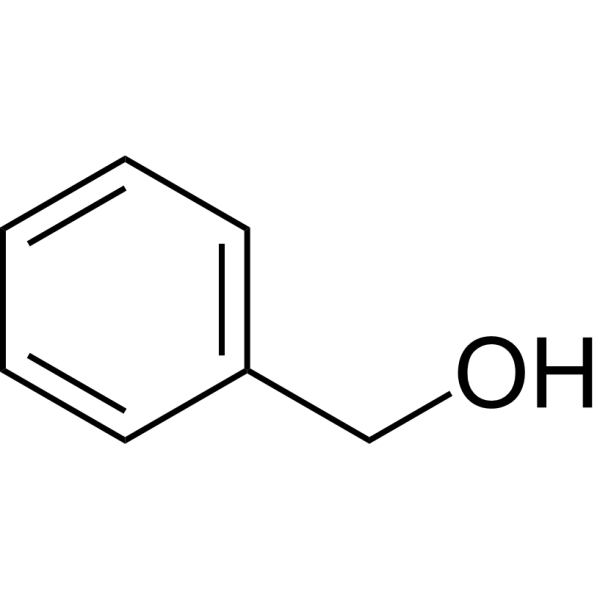
Benzylmethyl ether is a derivative of HY-B0892 (Benzyl alcohol). Benzylmethyl ether is an aromatic alcohol, a colorless liquid with a mild aromatic odor. Benzylmethyl ether is an inhibitor of P450 enzyme. Benzylmethyl ether mediated Toll-Like Receptor 4 to reduce the inflammatory response of liver injury in mice .
|
-
- HY-W578278
-
|
|
Biochemical Assay Reagents
|
Others
|
|
tert-Butyl (2-(pyridin-2-yldisulfanyl)ethyl)carbamate consists of a tert-butyl group, where the protected amine can be deprotected under mild acidic conditions, and the other part of the molecule may act as a thiol-specific labeling reagent, commonly used in reversibly binding cysteine residues on proteins.
|
-
- HY-W1048542C
-
|
|
Biochemical Assay Reagents
|
Others
|
|
Fmoc-NH-PEG3400-COOH is a linear hetero-bifunctional PEG product with two Fmoc-protected amines and a carboxylic acid at both ends. Fmoc-NH-PEG3400-COOH is an important cross-linking agent with PEG chains. The protected amine can be regenerated by mild alkaline conditions .
|
-
- HY-W1048542H
-
|
|
Biochemical Assay Reagents
|
Others
|
|
Fmoc-NH-PEG20000-COOH is a linear hetero-bifunctional PEG product with two Fmoc-protected amines and a carboxylic acid at both ends. Fmoc-NH-PEG20000-COOH is an important cross-linking agent with PEG chains. The protected amine can be regenerated by mild alkaline conditions .
|
-
- HY-108243R
-
|
|
Reference Standards
Glucocorticoid Receptor
|
Inflammation/Immunology
Endocrinology
|
|
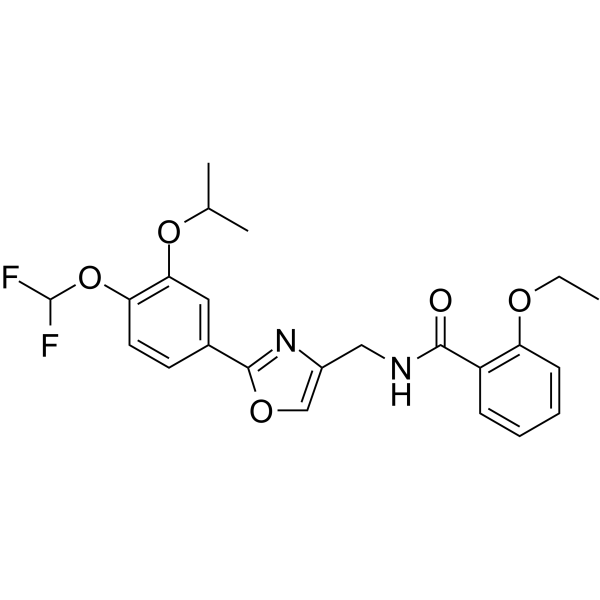
AZD5423 (Standard) is the analytical standard of AZD5423 (HY-108243). This product is intended for research and analytical applications. AZD5423 is an inhaled, potent, selective, and non-steroidal glucocorticoid receptor (GR) modulator (SGRM) . AZD5423 effectively reduces allergen-induced responses in subjects with mild allergic asthma .
|
-
- HY-34619
-
|
|
Biochemical Assay Reagents
|
Others
|
|
[Hydroxy(tosyloxy)iodo]benzene is a versatile reagent for the mild oxidation of aryl iodides at the iodine atom by ligand transfer. [Hydroxy(tosyloxy)iodo]benzene is an effective reagent for the one-step conversion of ketones to the corresponding α-tosyloxy ketones. [Hydroxy(tosyloxy)iodo]benzene is also a Bronsted acid and is expected to catalyze the enolization of ketones .
|
-
- HY-E70310
-
|
Lipase for biodiesel production
|
Endogenous Metabolite
|
Others
|
|
Lipase (Immobilized,Used for biodiesel production) is a methanol-resistant lipase with high catalytic activity and can be used for the production of biodiesel. The reaction conditions of Lipase (Immobilized,Used for biodiesel production) are mild, which can avoid the oxidation of hydroxyl groups and the opening of double bonds, and prevent the production of by-products other than glycerol .
|
-
- HY-W039454
-
|
|
Environmental Pollutants
Bacterial
SARS-CoV
|
Infection
|
|
2,4-Dichlorobenzyl alcohol is an orally active mild antiseptic, with a broad spectrum for bacterial and virus associated with mouth and throat infections. 2,4-Dichlorobenzyl alcohol exhibits prenatal developmental toxicity.2,4-Dichlorobenzyl alcohol can be used in the study of SARS-CoV .
|
-
- HY-W1048542I
-
|
|
Biochemical Assay Reagents
|
Others
|
|
Fmoc-NH-PEG40000-COOH is a linear hetero-bifunctional PEG product with two Fmoc-protected amines and a carboxylic acid at both ends. Fmoc-NH-PEG40000-COOH is an important cross-linking agent with PEG chains. The protected amine can be regenerated by mild alkaline conditions .
|
-
- HY-W1048542E
-
|
|
Biochemical Assay Reagents
|
Others
|
|
Fmoc-NH-PEG10000-COOH is a linear hetero-bifunctional PEG product with two Fmoc-protected amines and a carboxylic acid at both ends. Fmoc-NH-PEG10000-COOH is an important cross-linking agent with PEG chains. The protected amine can be regenerated by mild alkaline conditions .
|
-
- HY-164076
-
|
|
Biochemical Assay Reagents
|
Others
|
|
mPEG-Epoxide is an activated polyethylene glycol (mPEG) derivative, which is achieved by converting the hydroxyl groups of mPEG into reactive epoxy groups. mPEG-Epoxide is a mild PEGylation reagent that reacts with amino groups in peptides and proteins to form stable secondary amine bonds. mPEG-Epoxide can be used in protein engineering and biomaterials research .
|
-
- HY-168639
-
|
|
Mitochondrial Metabolism
AMPK
|
Metabolic Disease
|
|
AP39 prodrug 1 (Compound M1) is a mitochondria-targeted H2S prodrug. AP39 prodrug 1 induces ROS-dependent mild mitochondrial uncoupling, activating mitochondria-associated AMPK to suppress Palmitic acid (PA) (HY-N0830)-induced lipid deposition in hepatocytes .
|
-
- HY-E70447
-
|
|
Biochemical Assay Reagents
|
Others
|
|
UDP-4-Keto-6-deoxy-D-glucose 3,5-epimerase/4-reductase (ApmUGER) is an epimerase/reductase. Enzymes have high catalytic efficiency, high specificity, and mild operating conditions. It can be applied in industries such as pharmaceuticals, industrial production, food manufacturing, and aquaculture .
|
-
- HY-W127437
-
|
Octadecanoic acid, octadecyl ester
|
Biochemical Assay Reagents
|
Others
|
|
Stearyl StearateIt is an organic compound belonging to esters. It is formed from the reaction between stearyl alcohol and stearic acid and has a mild fatty odor. Stearyl stearate has several applications in the cosmetic and personal care industries, especially as an emollient and conditioning agent in skin and hair care products. Additionally, it is used as a lubricant and surfactant in industrial settings.
|
-
- HY-W076556
-
|
((Allyloxy)carbonyl)-L-valyl-L-alanine
|
Biochemical Assay Reagents
|
Others
|
|
Alloc-Val-Ala-OH (((Allyloxy)carbonyl)-L-valyl-L-alanine) is a building block in the synthesis of Tesirine, a clinical antibody-drug conjugate (ADC) pyrrolobenzodiazepine (PBD) dimer payload. The Val-Ala will specifically be cleaved by Cathepsin B. The Alloc group is stable to treatment with piperidine and TFA, but can be easily removed under mild conditions by palladium catalyzed allyl transfer.
|
-
- HY-149885
-
|
|
Amino Acid Derivatives
|
Others
|
|
IZS-M is an amino acid-derived corrosion inhibitor, based on the green chemistry principles. IZS-M inhibits mild steel corrosion via forming an inhibitor film on the metal surface. IZS series inhibitors following a corrosion inhibition performance as: IZS-P (82.46%) > IZS-M (67.19%) > IZS-L (24.77%) .
|
-
- HY-50682R
-
|
TTP488 (Standard); PF-04494700 (Standard)
|
Amyloid-β
Reference Standards
|
Neurological Disease
Cancer
|
|
Azeliragon (Standard) is the analytical standard of Azeliragon. This product is intended for research and analytical applications. Azeliragon (TTP488) is an orally bioavailable inhibitor of the receptor for advanced glycation end products (RAGE) in development as a potential treatment to slow disease progression with mild Alzheimer’s disease (AD) . Azeliragon also can cross the blood-brain barrier (BBB) .
|
-
- HY-176936
-
|
|
Tau Protein
|
Neurological Disease
|
|
Tau-aggregation-IN-5 is a Tau-aggregation inhibitor (EC50 = 0.31 μM). Tau-aggregation-IN-5 targets P4HB covalently and activates mild ER stress. Tau-aggregation-IN-4 can be used for the study of neurodegenerative disorders such as Alzheimer’s and Pick’s diseases .
|
-
- HY-W092344
-
|
|
Biochemical Assay Reagents
|
Others
|
|
1,5-Bis-Boc-1,5,9-triazanonane is a linker containing two Boc-protected amino groups and a terminal amine. The Boc groups can be deprotected under mild acidic conditions to form the free amines. The terminal amine is reactive with carboxylic acids, activated NHS esters, carbonyls (ketone, aldehyde) etc.
|
-
- HY-119912
-
|
Stakane dihydrochloride
|
COX
|
Neurological Disease
Inflammation/Immunology
|
|
Antrafenine (Stakane) dihydrochloride is a non-narcotic analgesic. Antrafenine dihydrochloride demonstrates central analgesic effects in acetic acid writhing test and mouse hot plate test experiments. Antrafenine dihydrochloride significantly alleviates osteoarthritis pain. Antrafenine dihydrochloride exhibits mild anti-inflammatory activity in a rat toe edema model. Antrafenine dihydrochloride can be used for pain and anti-inflammatory research .
|
-
- HY-W457953
-
|
|
Biochemical Assay Reagents
|
Others
|
|
tert-Butyl N-(4-azidobutyl)carbamate is N-Boc protected crosslinker. tert-Butyl N-(4-azidobutyl)carbamate can react with alkyne, BCN, DBCO via Click Chemistry to yield a stable triazole linkage. The Boc group can be deprotected under mild acidic conditions to form the free amine.
|
-
- HY-W190953
-
|
|
Biochemical Assay Reagents
|
Others
|
|
N1,N12-Di-boc-spermine is a spermine linker containing two a Boc-protected amino groups. The Boc groups can be deprotected under mild acidic conditions to form the free amine. Spermidine is a polyamine that modulates various cellular activities like cellular development and differentiation, stability of DNA, and apoptosis.
|
-
- HY-42213
-
|
|
Biochemical Assay Reagents
|
Others
|
|
N1,N4-Bis-Boc-spermidine is a linker containing an amino group with two Boc-protected amino groups. The amino group is reactive with carboxylic acids, activated NHS esters, carbonyls (ketone, aldehyde) etc. The Boc group can be deprotected under mild acidic conditions to form the free amine.
|
-
- HY-42222
-
|
|
Biochemical Assay Reagents
|
Others
|
|
N1,N5-Bis-Boc-spermidine is a linker containing an amino group with two Boc-protected amino groups. The amino group is reactive with carboxylic acids, activated NHS esters, carbonyls (ketone, aldehyde) etc. The Boc group can be deprotected under mild acidic conditions to form the free amine.
|
-
- HY-W094510
-
|
|
Biochemical Assay Reagents
|
Inflammation/Immunology
|
|
Sodium pyrophosphate decahydrate is a phosphate donor and mild chelating agent. Sodium pyrophosphate decahydrate serves as a phosphate source for Pseudomonas aeruginosa acid phosphatase and its Q6 variant, enabling phosphorylation of L‑ascorbic acid to L‑ascorbate‑2‑phosphate. Sodium pyrophosphate decahydrate facilitates 99mTc labeling of human polyclonal IgG. Sodium pyrophosphate decahydrate can be used in research on musculoskeletal infections .
|
-
- HY-149884
-
|
|
Biochemical Assay Reagents
|
Others
|
|
IZS-P is an amino acid-derived corrosion inhibitor, based on the green chemistry principles. IZS-P inhibits mild steel corrosion via forming an inhibitor film on the metal surface. IZS series inhibitors following a corrosion inhibition performance as: IZS-P (82.46%) > IZS-M (67.19%) > IZS-L (24.77%) .
|
-
- HY-W591977
-
|
|
Biochemical Assay Reagents
|
Others
|
|
Boc-5-aminopentanoic NHS ester is a linker containing an NHS ester and a t-Boc protected amine group. The t-Boc group can be deprotected under mild acidic conditions to form a free amine. The NHS ester can be used to label the primary amines (-NH2) of proteins, amine-modified oligonucleotides, and other amine-containing molecules.
|
-
- HY-128784
-
|
|
MDM-2/p53
Reactive Oxygen Species (ROS)
|
Cancer
|
|
PK11007 is a mild thiol alkylator with anticancer activity. PK11007 stabilizes p53 via selective alkylation of two surface-exposed cysteines without compromising its DNA binding activity. PK11007 induces mutant p53 cancer cell death by increasing reactive oxygen species (ROS) levels .
|
-
- HY-A0235
-
|
Stakane
|
COX
|
Neurological Disease
|
|
Antrafenine (Stakane) is a non-narcotic analgesic. Antrafenine demonstrates central analgesic effects in acetic acid writhing test and mouse hot plate test experiments. Antrafenine significantly alleviates the pain of osteoarthritis. Antrafenine exhibits mild anti-inflammatory activity in a rat toe edema model. Antrafenine can be used in pain and anti-inflammatory research .
|
-
- HY-W460133
-
|
|
Biochemical Assay Reagents
|
Others
|
|
tert-Butyl (2-(2-(2-iodoethoxy)ethoxy)ethyl)carbamate is a PEG linker containing a Boc protected amine and an iodine group. The protected amine can be deprotected under mild acidic conditions. Iodine (I) is a very good leaving group for nucleophilic substitution reactions. The hydrophilic PEG spacer increases solubility in aqueous media.
|
-
- HY-WAA0302
-
|
|
Biochemical Assay Reagents
|
Others
|
|
1,4-Bis-Boc-1,4,7-triazaheptane is a PEG derivative containing an amino group with two Boc-protected amino groups. The amino group is reactive with carboxylic acids, activated NHS esters, carbonyls (ketone, aldehyde) etc. The Boc group can be deprotected under mild acidic conditions to form the free amine.
|
-
- HY-155466
-
|
|
Dopamine Receptor
|
Neurological Disease
|
|
Boc-MIF-1-Am (compound 2) is a human dopamine D2 receptor enhancer (EC50=17.82 nM) and is a bioconjugate of melanostatin (MIF-1) and amantadine. Boc-MIF-1-Am (200 μM) exhibited mild neurotoxicity in SH-SY5Y cells .
|
-
- HY-W190908
-
|
|
Biochemical Assay Reagents
|
Others
|
|
Desthiobiotin-PEG3-NHS ester is a single-ring, sulfur-free analog of biotin that binds to streptavidin with nearly equal specificity but less affinity than biotin (Kd = 1011 vs. 1015 M, respectively). Consequently, desthiobiotinylated proteins can be eluted readily and specifically from streptavidin affinity resin using mild conditions based on competitive displacement with free biotin.
|
-
- HY-109085R
-
|
OPA-15406 (Standard)
|
Reference Standards
Phosphodiesterase (PDE)
|
Inflammation/Immunology
|
|
Difamilast (Standard) is the analytical standard of Difamilast. This product is intended for research and analytical applications. Difamilast (OPA-15406) is a topical, selective and nonsteroidal phosphodiesterase-4 (PDE4) inhibitor with particularly efficient inhibition of subtype B (IC50=11.2 nM). Difamilast can be used for the research of mild to moderate atopic dermatitis (AD) .
|
-
- HY-W190958
-
|
|
Biochemical Assay Reagents
|
Others
|
|
Boc-NH-Tri-(carbonylethoxymethyl)-methane is a branched PEG linker with a Boc-protected amino and three terminal carboxilic acid groups. The Boc group can be deprotected under mild acidic conditions to form the free amine. The terminal carboxylic acid groups can react with primary amine groups in the presence of activators (e.g. EDC, or HATU) to form a stable amide bond.
|
-
- HY-N19810
-
|
Libanotine; Cnidimine
|
Bacterial
|
Infection
Cancer
|
|
Edultin (Libanotine; Cnidimine) is an angular furanocoumarin. Edultin potently inhibits TPA (HY-18739)-induced early signals associated with tumor promotion (phospholipid metabolism). Edultin exerts mild inhibitory effects on some clinically isolated strains of Pseudomonas aeruginosa and Staphylococcus aureus. Edultin can be used in studies related to tumor promotion and bacterial infections .
|
-
- HY-W099479
-
|
Ethyl butylacetylaminopropionate; IR-3535
|
Environmental Pollutants
Apoptosis
Reactive Oxygen Species (ROS)
Parasite
SOD
|
Infection
Inflammation/Immunology
|
|
Insect repellent M 3535 (Ethyl butylacetylaminopropionate) is a broad-spectrum, mild insect repellent based on the structure of β-alanine. Insect repellent M 3535 exerts repellent effects by interfering with the olfaction of mosquitoes, but it poses risks of developmental and cardiac toxicity to aquatic organisms such as zebrafish embryos in aquatic environments, and can activate oxidative stress responses .
|
-
- HY-N7423A
-
|
(E)-Isoferulic acid methyl ester
|
Drug Derivative
NO Synthase
Endogenous Metabolite
|
Infection
Cancer
|
|
(E)-Methyl isoferulate ((E)-Isoferulic acid methyl ester) (Compound 8) is a derivative of Cinnamic acid (HY-N0610A) and NO inhibitor, with an IC50 > 100 μM against nitric oxide production. (E)-Methyl isoferulate is isolable from the solid cultures of the edible mushroom Neolentinus lepideus. (E)-Methyl isoferulate exerts mild anticancer effects against liver cancer and leukemia .
|
-
- HY-180382
-
|
|
Cholinesterase (ChE)
|
Cardiovascular Disease
|
|
Trimethidinium methosulfate is an orally active ganglionic blocker with central antihypertensive activity. Trimethidinium methosulfate inhibits the conduction of sympathetic ganglia and reduces vascular contraction. Trimethidinium methosulfate acts on the cerebrovascular motor center and lowers peripheral vascular resistance. Trimethidinium methosulfate has cholinergic nerve inhibitory side effects, but they are relatively mild. Trimethidinium methosulfate can be used in hypertension research .
|
-
- HY-151474
-
|
|
SARS-CoV
|
Cancer
|
|
SARS-CoV-2-IN-31 is an effective COVID-19 inhibitor. SARS-CoV-2-IN-31 exhibits excellent to mild activity against various cancer cell lines with IC50 values range from 28.84 to 38.36 μM. SARS-CoV-2-IN-31 can be used for the research of cancer .
|
-
- HY-19742A
-
|
SRA-333 hydrochloride
|
5-HT Receptor
|
Neurological Disease
|
|
Lecozotan (SRA-333) hydrochloride is an orally active and selective antagonist of 5-HT1A with a Ki of 4.5 nM for cloned human 5-HT1A receptor. Lecozotan hydrochloride enhances the stimulated release of glutamate and acetylcholine in the hippocampus and possesses cognitive-enhancing properties. Lecozotan hydrochloride has the potential for mild-to-moderate Alzheimer's disease (AD) research .
|
-
- HY-W101722
-
|
|
PROTAC Linkers
|
Cancer
|
|
tert-Butyl (9-aminononyl)carbamate is an alkane chain with terminal amine and Boc-protected amino groups. The compound can be used as a PROTAC linker in the synthesis of PROTACs and other conjugation applications. Amine group is reactive with carboxylic acids, activated NHS esters, carbonyls (ketone, aldehyde) etc. The Boc group can be deprotected under mild acidic conditions to form the free amine.
|
-
- HY-W800712
-
|
|
Biochemical Assay Reagents
|
Others
|
|
t-Boc-N-Amido-PEG11-Tos is a PEG linker containing a tosyl group and Boc-protected amine group. The hydrophilic PEG spacer increases the water solubility of a compound in aqueous media. The tosyl group is a very good leaving group for nucleophilic substitution reactions. The Boc group can be deprotected under mild acidic conditions to form a free amine.
|
-
- HY-W460275
-
|
|
Biochemical Assay Reagents
|
Others
|
|
t-Boc-N-Amido-PEG5-Tos is a PEG linker containing a tosyl group and Boc-protected amine group. The hydrophilic PEG spacer increases the water solubility of a compound in aqueous media. The tosyl group is a very good leaving group for nucleophilic substitution reactions. The Boc group can be deprotected under mild acidic conditions to form a free amine.
|
-
- HY-174760
-
|
|
mRNA
|
Inflammation/Immunology
|
|
Human CCL22 mRNA encodes the human C-C motif chemokine ligand 22 (CCL22) protein, a cytokine that displays chemotactic activity for monocytes, dendritic cells, natural killer cells and for chronically activated T lymphocytes. CCL22 also displays a mild activity for primary activated T lymphocytes and has no chemoattractant activity for neutrophils, eosinophils and resting T lymphocytes.
|
-
- HY-B1849
-
|
|
Environmental Pollutants
Herbicide
|
Others
|
|
Hexazinone is a triazinone herbicide with high mobility and persistence in soil. Hexazinone is mainly degraded by soil microorganisms, and its degradation and mineralization processes are significantly affected by soil texture (faster in clay loam) and application method (mixed application can improve its bioavailability and mineralization rate). Hexazinone exhibits mild to moderate acute oral toxicity and has significant eye irritation .
|
-
- HY-180305
-
-
- HY-N7576
-
|
|
Others
|
Cardiovascular Disease
|
|
Anemarrhenasaponin Ia is a steroidal saponin that can be isolated from the rhizomes of Anemarrhena asphodeloides Bunge. Anemarrhenasaponin Ia inhibits platelet aggregation. Anemarrhenasaponin Ia induces mild concentration-dependent hemolysis. Anemarrhenasaponin Ia inhibits fMLP- and AA-induced superoxide anion production, while enhancing PMA-induced superoxide anion production. Anemarrhenasaponin Ia can be used in studies related to thrombosis .
|
-
- HY-W127491
-
|
Elaidyl alcohol
|
Biochemical Assay Reagents
|
Others
|
|
Trans-9-Octadecenol is an organic compound belonging to the group of alcohols. It has a mild fatty smell and is commonly found in a variety of foods, such as meat and dairy products. Trans-9-Octadecenol has several applications in the flavor and fragrance industry, especially as a fragrance agent in products such as perfumes, colognes and air fresheners. In addition, it has potential utility in inhibiting inflammation-related diseases and cancer.
|
-
- HY-W127534R
-
|
Trihexanoin (Standard)
|
Biochemical Assay Reagents
Reference Standards
|
Others
|
|
Tricaproin (Standard) is the analytical standard of Tricaproin. This product is intended for research and analytical applications. TricaproinIt is an organic compound belonging to the class of triacylglycerols. It consists of three molecules of caproic acid esterified to the glycerin backbone, with a mild fatty smell. TricaproinIt has a variety of applications in the cosmetic and personal care industries, especially as an emollient and conditioning agent in skin and hair care products. Additionally, it is used as a lubricant and surfactant in industrial settings.
|
-
- HY-126377
-
|
|
Biochemical Assay Reagents
|
Others
|
|
Sulfobetaine 10, is a zwitterionic surfactant commonly used in biochemistry and biophysics. It is commonly used to dissolve membrane proteins and other hydrophobic molecules in aqueous solutions. Sulfobetaine 10 has both positively and negatively charged groups in its structure, which allows it to maintain a neutral charge in solution and reduces its tendency to denature proteins. It is considered a mild, non-denaturing surfactant and is widely used in protein research.
|
-
- HY-50682S
-
|
TTP488-d9; PF-04494700-d9
|
Isotope-Labeled Compounds
Amyloid-β
|
Neurological Disease
Endocrinology
|
|
Azeliragon-d9 (TTP488-d9) is the deuterium labeled Azeliragon (HY-50682). Azeliragon (TTP488) is an orally bioavailable inhibitor of the receptor for advanced glycation end products (RAGE) in development as a potential treatment to slow disease progression with mild Alzheimer’s disease (AD) . Azeliragon also can cross the blood-brain barrier (BBB) .
|
-
- HY-145576B
-
|
|
Fluorescent Dye
|
Others
|
|
2-Amino-8-oxononanoic acid (hydrochloride) is the hydrochloride form of 2-Amino-8-oxononanoic acid. 2-Amino-8-oxononanoic acid is an amino acid, incorporation into proteins in E.coli in genetic. 2-Amino-8-oxononanoic acid is efficient in labeling of proteins with different probes with a site-specific manner under a mild condition close to the physiological pH .
|
-
- HY-N19782
-
|
|
Bacterial
Apoptosis
Reactive Oxygen Species (ROS)
|
Infection
Neurological Disease
|
|
Striatisporolide A is an antibacterial agent. Striatisporolide A exhibits antibacterial activity against Escherichia coli in vitro. Striatisporolide A damages the cell wall and cell membrane of Escherichia coli, and induces changes in protein levels and morphology. Striatisporolide A reduces the level of apoptosis (apoptosis) in HUVECs, inhibits excessive production of ROS, and possesses pro-proliferative and mild cytoprotective effects. Striatisporolide A can be used in studies related to bacterial infections and degenerative diseases .
|
-
- HY-17550
-
|
DM-235
|
iGluR
|
Neurological Disease
|
|
Sunifiram (DM-235) is an ampakine-like compound and an agonist of AMPA receptor with oral activity. Sunifiram can increase the release of acetylcholine in the rat cerebral cortex and exhibits potent cognitive enhancement effects with better nootropic activity compared to piracetam (HY-B0585). Sunifiram is promising for research in neurodegenerative diseases such as mild cognitive impairment (MCI) and Alzheimer's disease (AD) .
|
-
- HY-17368
-
|
ENA 713 free base; SDZ-ENA 713 free base
|
Cholinesterase (ChE)
|
Neurological Disease
|
|
Rivastigmine (ENA 713 free base) is an orally active and potent cholinesterase (ChE) inhibitor and inhibits butyrylcholinesterase (BChE) and acetylcholinesteras (AChE) with IC50s of 0.037 μM , 4.15 μM, respectively. Rivastigmine can pass the blood brain barrier (BBB). Rivastigmine is a parasympathomimetic or cholinergic agent used for the research of mild to moderate dementia of the Alzheimer's type and dementia due to Parkinson's disease .
|
-
- HY-W127621
-
|
|
Biochemical Assay Reagents
|
Others
|
|
Sulfobetaine-8is a zwitterionic surfactant, which means it has both positive and negative charges in its molecules. It is used as a detergent in various industries, including pharmaceuticals, cosmetics, and personal care products. Sulfobetaine-8Often used as a mild surfactant because of its non-irritating and ability to stabilize emulsions. Plus, it has antistatic properties that can be used to clean electronics and other static-prone surfaces.
|
-
- HY-167681
-
|
Ro 12-4713
|
Endogenous Metabolite
|
Cardiovascular Disease
|
|
Carprazidil (Ro 12-4713) is a potent vasodilator with activity in suppressing severe hypertension and mild heart failure. The use of carprazidil may lead to sodium retention and increased heart rate, requiring increased doses of diuretics or beta-blockers in some cases. Carprazidil and mecycline may both cause hirsutism, limiting their long-term use in women. Carprazidil did not cause adverse side effects on hematological parameters, liver, or kidney function .
|
-
- HY-W020958
-
|
Tris(acetylacetonato)ruthenium (III)
|
Caspase
Apoptosis
|
Cancer
|
|
Ru (acac) 3 (Tris (acetylacetonato) ruthenium (III)) is a caspase-3 activator and Apoptosis inducer. Ru (acac) 3 exerts growth inhibitory effects on various cell lines in vitro by inhibiting DNA/RNA synthesis and inducing mild reversible S-phase cell cycle arrest. Ru (acac) 3 is commonly used in research related to ovarian cancer, osteosarcoma, cervical cancer, melanoma, and other fields .
|
-
- HY-180152
-
|
|
Ligands for Target Protein for PROTAC
Epigenetic Reader Domain
|
Cancer
|
|
BRD4 ligand 14 (Compound Y47) is a BRD4 inhibitor. BRD4 ligand 14 exhibits mild anticancer properties against acute myeloid leukemia by inhibiting BRD4. BRD4 ligand 14 can also be used as a ligand for target protein for PROTAC in the development and design of PROTAC BRD4 degraders, such as PROTAC BRD4 Degrader-42 (HY-180150) .
|
-
- HY-W342261
-
|
Isodurene
|
Drug Isomer
Drug Intermediate
|
Others
|
|
1,2,3,5-Tetramethylbenzene (Isodurene) is an aromatic hydrocarbon isomer of tetramethylbenzene. 1,2,3,5-Tetramethylbenzene serves as an important component of industrial organic solvents. 1,2,3,5-Tetramethylbenzene can be used in the organic synthesis of plastics and resins. 1,2,3,5-Tetramethylbenzene exhibits potential neurotoxicity, acute oral toxicity and mild skin irritation activity .
|
-
- HY-P99103
-
|
LY-3853113; LY-COV1404
|
SARS-CoV
|
Infection
|
|
Bebtelovimab a human IgG1-λ2 antibody targeting to SARS-CoV-2, especially COVID-19 ((the IC50 value for SARS-CoV-2/MT020880.1 virus is 9-22.1 ng/mL)). Bebtelovimab potently neutralizes SARS-CoV-2 variants, and inhibits COVID-19 with mild-to-moderate efficacy .
|
-
- HY-W005828
-
|
|
PROTAC Linkers
|
Cancer
|
|
9-(Boc-amino)nonanoic Acid is an alkane chain with terminal carboxlic acid and Boc-protected amino groups. 9-(Boc-amino)nonanoic acid can be used as a PROTAC linker in the synthesis of PROTACs. The terminal carboxylic acid can react with primary amine groups in the presence of activators (e.g. EDC, or HATU) to form a stable amide bond. The Boc group can be deprotected under mild acidic conditions to form the free amine.
|
-
- HY-B1849S
-
|
|
Isotope-Labeled Compounds
Environmental Pollutants
Herbicide
|
Others
|
|
Hexazinone-d6 is the deuterium labeled Hexazinone. Hexazinone is a triazinone herbicide with high mobility and persistence in soil. Hexazinone is mainly degraded by soil microorganisms, and its degradation and mineralization processes are significantly affected by soil texture (faster in clay loam) and application method (mixed application can improve its bioavailability and mineralization rate). Hexazinone exhibits mild to moderate acute oral toxicity and has significant eye irritation .
|
-
- HY-W800813
-
|
|
Biochemical Assay Reagents
|
Others
|
|
Carboxy-Amido-PEG5-N-Boc is a PEG linker containing a terminal carboxylic acid and Boc-protected amino group. The hydrophilic PEG spacer increases solubility in aqueous media. The terminal carboxylic acid can react with primary amine groups in the presence of activators (e.g. EDC, HATU) to form a stable amide bond. The Boc group can be deprotected under mild acidic conditions to form the free amine.
|
-
- HY-Z0478
-
|
(S)-(-)-Limonene
|
Bacterial
Antibiotic
CaMK
|
Infection
Cardiovascular Disease
Metabolic Disease
|
|
(-)-Limonene ((S)-(-)-Limonene) is orally active and can cause mild bronchoconstriction. (-)-Limonene alleviates cytosolic and mitochondrial oxidative stress by inhibiting the increase of calcium ions (Ca 2+) and Ca 2+/calmodulin-dependent protein kinase II (CaMKII). It also exerts anti-stress effects by inhibiting the activity of the hypothalamic-pituitary-adrenal (HPA) axis. Additionally, (-)-Limonene can be used as an antibacterial agent in aquaculture .
|
-
- HY-W127620
-
|
|
Biochemical Assay Reagents
|
Others
|
|
Sulfobetaine-12is a zwitterionic surfactant, which means it has both positive and negative charges in its molecules. It is used as a detergent in various industries, including pharmaceuticals, cosmetics, and personal care products. Sulfobetaine-12Often used as a mild surfactant due to its non-irritating properties and ability to stabilize emulsions. Plus, it has antistatic properties that can be used to clean electronics and other static-prone surfaces.
|
-
- HY-W591982
-
|
|
Biochemical Assay Reagents
|
Others
|
|
t-Boc-N-amido-PEG12-acid is a PEG linker containing a terminal carboxylic acid and Boc-protected amino group. The hydrophilic PEG spacer increases solubility in aqueous media. The terminal carboxylic acid can react with primary amine groups in the presence of activators (e.g. EDC, or HATU) to form a stable amide bond. The Boc group can be deprotected under mild acidic conditions to form the free amine.
|
-
- HY-W131541
-
|
|
PROTAC Linkers
|
Cancer
|
|
tert-Butyl (11-aminoundecyl)carbamate is an alkane chain with terminal amine and Boc-protected amino groups. tert-Butyl (11-aminoundecyl)carbamate can be used as a PROTAC linker in the synthesis of PROTACs and other conjugation applications. Amine group is reactive with carboxylic acids, activated NHS esters, carbonyls (ketone, aldehyde) etc. The Boc group can be deprotected under mild acidic conditions to form the free amine.
|
-
- HY-W591967
-
|
|
PROTAC Linkers
|
Cancer
|
|
N-Boc-15-aminopentadecanoic acid is an alkane chain with terminal carboxlic acid and Boc-protected amino groups. N-Boc-15-aminopentadecanoic acid can be used as a PROTAC linker in the synthesis of PROTACs. The terminal carboxylic acid can react with primary amine groups in the presence of activators (e.g. EDC, or HATU) to form a stable amide bond. The Boc group can be deprotected under mild acidic conditions to form the free amine.
|
-
- HY-W017389R
-
|
|
Reference Standards
Endogenous Metabolite
|
Inflammation/Immunology
|
|
Xanthine (Standard) is the analytical standard of Xanthine. This product is intended for research and analytical applications. Xanthine, a plant alkaloid found in tea, coffee, and cocoa, is a mild stimulant of the central nervous system. Xanthine also acts as an intermediate product on the pathway of purine degradation .
In Vitro: A number of stimulants are derived from Xanthine including caffeine and theobromine. Xanthine is a product on the pathway of purine degradation. Xanthine is subsequently converted to uric acid by the action of the Xanthine oxidase enzyme.
|
-
- HY-N19297
-
|
Prieurianin
|
Elastase
|
Inflammation/Immunology
Cancer
|
|
Endosidin1 (Prieurianin) is a Prieurianin with cleaved A and B rings. Endosidin1 is isolated from the roots of Aphanamixis polystachya. Endosidin1 inhibits superoxide anion production and Elastase release in neutrophils, with an IC50 >10 μg/mL. Endosidin1 exhibits mild cytotoxic activity against laryngeal cancer cells in vitro. Endosidin1 shows anti-inflammatory activity. Endosidin1 can be used in studies related to laryngeal cancer .\n
|
-
- HY-116161A
-
|
|
Prostaglandin Receptor
|
Metabolic Disease
|
|
17-Phenyl trinor PGF2α isopropyl ester is a FP receptor agonist and intraocular pressure-lowering agent. 17-Phenyl trinor PGF2α isopropyl ester induces iris sphincter contraction, reduces intraocular pressure and pupil diameter, causes no ocular irritation, and only leads to mild conjunctival hyperemia. 17-Phenyl trinor PGF2α isopropyl ester is applicable to relevant research on glaucoma .
|
-
- HY-11017
-
|
ENA 713; SDZ-ENA 713
|
Cholinesterase (ChE)
|
Neurological Disease
|
|
Rivastigmine tartrate (ENA 713; SDZ-ENA 713) is an orally active and potent cholinesterase (ChE) inhibitor and inhibits butyrylcholinesterase (BChE) and acetylcholinesteras (AChE) with IC50s of 0.037 μM, 4.15 μM, respectively. Rivastigmine tartrate can pass the blood brain barrier (BBB). Rivastigmine tartrate is a parasympathomimetic or cholinergic agent used for the research of mild to moderate dementia of the Alzheimer's type and dementia due to Parkinson's disease .
|
-
- HY-W089232
-
|
|
PROTAC Linkers
|
Cancer
|
|
Boc-10-Aminodecanoic acid can be used as a PROTAC linker in the synthesis of PROTACs and other conjugation applications. Boc-10-Aminodecanoic acid is an alkane chain with terminal carboxlic acid and Boc-protected amino groups. The terminal carboxylic acid can react with primary amine groups in the presence of activators (e.g. EDC, or HATU) to form a stable amide bond. The Boc group can be deprotected under mild acidic conditions to form the free amine.
|
-
- HY-W190720
-
|
|
Biochemical Assay Reagents
|
Others
|
|
Fmoc-NH-PEG4-HZ-BOC is a PEG reagent containing an Fmoc-protected amine and a Boc-protected hydrazide. The Fmoc group can be deprotected under basic condition to obtain the free amine which can be used for further conjugations. The hydrophilic PEG spacer increases solubility in aqueous media. The Boc can be deprotected under mild acidic conditions to form a reactive hydrazide, which can then be coupled with various carbonyl groups.
|
-
- HY-W101723
-
|
|
PROTAC Linkers
|
Cancer
|
|
Boc-12-Ado-OH can be used as a PROTAC linker in the synthesis of PROTACs. Boc-12-Ado-OH is an alkane chain with terminal carboxlic acid and Boc-protected amino groups. The terminal carboxylic acid can react with primary amine groups in the presence of activators (e.g. EDC, or HATU) to form a stable amide bond. The Boc group can be deprotected under mild acidic conditions to form the free amine.
|
-
- HY-W012001
-
|
|
PROTAC Linkers
|
Cancer
|
|
Boc-7-Aminoheptanoic acid can be used as a PROTAC linker in the synthesis of PROTACs and other conjugation applications. Boc-7-Aminoheptanoic acid is an alkane chain with terminal carboxlic acid and Boc-protected amino groups. The terminal carboxylic acid can react with primary amine groups in the presence of activators (e.g. EDC, or HATU) to form a stable amide bond. The Boc group can be deprotected under mild acidic conditions to form the free amine.
|
-
- HY-W575291
-
|
N-Boc-oct-7-yn-1-amine
|
Biochemical Assay Reagents
|
Others
|
|
tert-Butyl oct-7-yn-1-ylcarbamate (N-Boc-oct-7-yn-1-amine) is crosslinker consisting of a propargyl group and a t-Boc protected amine group. The propargyl group reacts with azide-bearing compounds or biomolecules via copper catalyzed Click Chemistry reactions. The t-Boc protected amine can be deprotected under mild acidic conditions.
|
-
- HY-119200
-
|
|
Endogenous Metabolite
|
Cancer
|
|
LY-195448 hydrochloride is a phenethanolamine that exhibits anti-tumour activity across various murine tumour models. LY-195448 hydrochloride acts by blocking cells at metaphase. LY-195448 hydrochloride has demonstrated a lack of "standard" side effects commonly associated with cancer treatments, such as myelosuppression and gastrointestinal toxicity. LY-195448 hydrochloride was evaluated in a phase I trial, where it showed only mild and reversible side effects like hypotension, tachycardia, and tremor.
|
-
- HY-400361
-
|
|
Biochemical Assay Reagents
|
Others
|
|
BocNH-PEG2-CH2COONHS ester is a PEG linker containing a terminal carboxylic acid and Boc-protected amino group. The hydrophilic PEG spacer increases solubility in aqueous media. The terminal carboxylic acid can react with primary amine groups in the presence of activators (e.g. EDC, HATU) to form a stable amide bond. The Boc group can be deprotected under mild acidic conditions to form the free amine.
|
-
- HY-N18676
-
|
|
Others
|
Metabolic Disease
|
|
Dolichos Biflorus Extract, derived from the seeds of the Dolichos biflorus plant (commonly known as horse gram), is a nutrient-dense herb widely used in Ayurvedic and traditional medicine for its numerous health benefits. Dolichos biflorus extract contains alkaloids, saponins, flavonoids, carbohydrates, proteins, and tannins. It is known for its digestive support, as it promotes healthy digestion, alleviates bloating, and helps with constipation, along with mild diuretic effects that aid detoxification by eliminating excess fluids and waste products from the body.
|
-
- HY-111259
-
|
|
Endogenous Metabolite
|
Cardiovascular Disease
|
|
Ro 31-1118 Free base is a compound exhibiting weak antihypertensive activity in patients with mild hypertension. Ro 31-1118 Free base demonstrated a reduction in heart rates and blood pressure post-exercise at varying doses. Ro 31-1118 Free base exhibited linear pharmacokinetics within the 10-80 mg dose range. Ro 31-1118 Free base showed no significant impact on diastolic blood pressure or adverse effects during the study.
|
-
- HY-148642
-
|
12-hydroxy-NVP; 12-OH-NVP
|
Drug Metabolite
|
Infection
|
|
12-Hydroxynevirapine (12-hydroxy-NVP; 12-OH-NVP) is a major oxidative metabolite of Nevirapine (HY-10570). Nevirapine is a non-nucleoside reverse transcriptase inhibitor indicated for the HIV-1 infections. Nevirapine causes idiosyncratic hepatotoxicity and mild-to-severe skin rashes. 12-Hydroxynevirapine, a non-reactive metabolite, can be bioactivated by sulphotransferases (SULTs) in the liver and skin, yielding the reactive species 12-Sulphoxy-nevirapine .
|
-
- HY-P0102
-
|
|
nAChR
|
Neurological Disease
Metabolic Disease
|
|
Dipeptide diaminobutyroyl benzylamide diacetate, a Wagerlin-1-mimicking peptide, is a nAChR antagonist. Dipeptide diaminobutyroyl benzylamide diacetate mimics Waglerin-1 to block neuromuscular junction nicotinic acetylcholine receptors, partially inhibits neuronal signal transduction, and relaxes muscles. Dipeptide diaminobutyroyl benzylamide diacetate reduces appearance of facial wrinkles linked to repeated muscle movement.Dipeptide diaminobutyroyl benzylamide diacetate can be used for the research of mild-to-moderate fine and coarse periocular and perioral wrinkles and periorbital ageing .
|
-
- HY-W190753
-
|
|
Biochemical Assay Reagents
|
Others
|
|
BocNH-PEG8-CH2CH2COONHS is a PEG linker containing an NHS ester and a Boc-protected amino group. The hydrophilic PEG spacer increases the water solubility of a compound in aqueous media. The Boc group can be deprotected under mild acidic conditions to form a free amine. The NHS ester can be used to label the primary amines (-NH2) of proteins, amine-modified oligonucleotides, and other amine-containing molecules.
|
-
- HY-162904
-
|
|
Mitochondrial Metabolism
|
Cardiovascular Disease
|
|
BPU17 binds to PHB1 and causes mild defects in mitochondrial function by defects in the PHB1-PHB2 interaction. This impairment inhibits the SRF/CArG-box-dependent transcription, resulting in the suppression of epithelial-mesenchymal transition (EMT) of retinal pigment epithelial cells (RPEs). BPU17 exhibits antifibrotic activity in vivo. BPU17 is promising for research of anti-neovascular age-related macular degeneration (nAMD) agent .
|
-
- HY-145414
-
|
|
Reactive Oxygen Species (ROS)
|
Cancer
|
|
DYSP-C34 is a potent, biocompatible, and ultrasound (US)-triggered multifunctional molecular machine. DYSP-C34 has multiple favorable properties, such as improved lipophilic/hydrophilic balance, intensified US-induced ROS production capacity, and better cellular permeability, resulting in the excellent tumor target efficiency and notable sonodynamic therapy (SDT)-mediated tumor regression. DYSP-C34 exhibits mild immunogenicity by stimulating APCs directly .
|
-
- HY-178154
-
|
|
PINK1/Parkin
Mitochondrial Metabolism
|
Neurological Disease
|
|
FB231 is a Parkin activator. FB231 can induce mild mitochondrial stress, resulting in impaired mitochondrial function and activation of the integrated stress response. FB231 can lower the threshold for mitochondrial toxins to induce PINK1/Parkin-mediated mitophagy. FB231 can cause activation of the integrated stress response (ISR) and perturbation to iron-dependent pathways. FB231 can be used for the research of neurological disease, such as Parkinson’s disease .
|
-
- HY-W654336
-
|
|
Isotope-Labeled Compounds
Cholinesterase (ChE)
|
Neurological Disease
|
|
(S)-Rivastigmine-d4 is deuterium labeled Rivastigmine. Rivastigmine (ENA 713 free base) is an orally active and potent cholinesterase (ChE) inhibitor and inhibits butyrylcholinesterase (BChE) and acetylcholinesteras (AChE) with IC50s of 0.037 μM , 4.15 μM, respectively. Rivastigmine can pass the blood brain barrier (BBB). Rivastigmine is a parasympathomimetic or cholinergic agent used for the research of mild to moderate dementia of the Alzheimer's type and dementia due to Parkinson's disease .
|
-
- HY-B1796
-
|
|
Fungal
|
Infection
|
|
Thymol iodide is an iodine derivative of thymol, serving as a mild preservative and fungicide. Thymol iodide is commonly used as an iodine source in the intensive culture of rotifers. Thymol iodide effectively enables Brachionus "Cayman" rotifers to reach iodine levels similar to those of copepods, and maintains a high iodine content during storage. After 28 days of intrapleural injection of Thymol iodide, it does not enhance the efficacy of inducing pleurodesis in rabbits, nor does it improve the efficacy of talc slurry pleurodesis .
|
-
- HY-119511
-
|
|
Parasite
|
Cardiovascular Disease
Infection
|
|
Isopentaquine is an orally active antimalarial agent. Isopentaquine induces mild morphological changes in the exoerythrocytic stage of Plasmodium fallax, with a ED50 of 6.7 mg/L. Isopentaquine causes degenerative changes in the development of Plasmodium oocysts in infected mosquitoes. Isopentaquine reduces the infectivity of Plasmodium falciparum gametocytes. Isopentaquine impairs sympathetic cardiovascular reflexes. Isopentaquine decreases the recurrence rate and total disease duration of Plasmodium vivax infection. Isopentaquine can be used in malaria-related research .
|
-
- HY-19106
-
|
|
Secretin Receptor
|
Inflammation/Immunology
Endocrinology
|
|
MCI-727 free base is an orally active anti-ulcer agent. MCI-727 free base can increase the plasma secretin concentration in rats and dogs. MCI-727 free base can also stimulate the exocrine function of the pancreas in rats by promoting the release of endogenous secretin, and exert preventive and therapeutic effects on mild acute pancreatitis. MCI-727 free base can be used in the research of ulcer-related diseases .
|
-
- HY-17368S1
-
|
(Rac)-ENA 713-d6 free base; (Rac)-SDZ-ENA 713-d6 free base
|
Isotope-Labeled Compounds
Cholinesterase (ChE)
|
Neurological Disease
|
|
(Rac)-Rivastigmine-d6 is a labelled racemic Rivastigmine. Rivastigmine (ENA 713 free base) is an orally active and potent cholinesterase (ChE) inhibitor and inhibits butyrylcholinesterase (BChE) and acetylcholinesteras (AChE) with IC50s of 0.037 μM , 4.15 μM, respectively. Rivastigmine can pass the blood brain barrier (BBB). Rivastigmine is a parasympathomimetic or cholinergic agent used for the research of mild to moderate dementia of the Alzheimer's type and dementia due to Parkinson's disease .
|
-
- HY-P10540
-
|
|
Bacterial
|
Infection
|
|
Pantinin-2 is a cysteine-free toxic peptide found in the emperor scorpion (paninus imperator). Pantinin-2 has high activity against Gram-positive bacteria but weak activity against Gram-negative bacteria. Pantinin-2 also exhibits activity against Candida tropicalis and has relatively mild hemolytic activity against human erythrocytes. Pantinin-2 can be used in the development of antimicrobial drugs for drug-resistant pathogens .
|
-
- HY-W190905
-
|
|
Biochemical Assay Reagents
|
Others
|
|
N4, N9-di-Boc-spermine is a spermine linker containing two a Boc-protected amino groups and two amine groups. The Boc groups can be deprotected under mild acidic conditions to form the free amine. The amino groups are reactive with carboxylic acids, activated NHS esters, carbonyls (ketone, aldehyde) etc. Spermidine is a polyamine that modulates various cellular activities like cellular development and differentiation, stability of DNA, and apoptosis.
|
-
- HY-B1849R
-
|
|
Reference Standards
Environmental Pollutants
Herbicide
|
Others
|
|
Hexazinone (Standard) is the analytical standard of Hexazinone. This product is intended for research and analytical applications. Hexazinone is a triazinone herbicide with high mobility and persistence in soil. Hexazinone is mainly degraded by soil microorganisms, and its degradation and mineralization processes are significantly affected by soil texture (faster in clay loam) and application method (mixed application can improve its bioavailability and mineralization rate). Hexazinone exhibits mild to moderate acute oral toxicity and has significant eye irritation .
|
-
- HY-42773
-
|
1-Boc-1,8-diaminooctane
|
PROTAC Linkers
|
Cancer
|
|
tert-Butyl (8-aminooctyl)carbamate (1-Boc-1,8-diaminooctane) can be used as a PROTAC linker in the synthesis of PROTACs. tert-butyl (8-aminooctyl)carbamate is an alkane chain with terminal amine and Boc-protected amino groups. Amine group is reactive with carboxylic acids, activated NHS esters, carbonyls (ketone, aldehyde) etc. The Boc group can be deprotected under mild acidic conditions to form the free amine.
|
-
- HY-107831
-
|
|
Drug Derivative
|
Inflammation/Immunology
Cancer
|
|
5-Acetylsalicylic acid is the derivate of Aspirin (HY-14654), with anti-inflammatory property. 5-Acetylsalicylic acid is the active metabolite of Sulfasalazine (HY-14655) and its production is regulated by beneficial bacteria in the gut but is confined to the intestinal tract. 5-Acetylsalicylic acid exhibits a mild cytotoxicity effect on B16F10 cells. 5-Acetylsalicylic acid can be used for the study of inflammatory bowel disease (IBD) such as ulcerative colitis (UC) .
|
-
- HY-W014394
-
|
|
TRP Channel
Parasite
|
Infection
Cardiovascular Disease
|
|
Vanillyl butyl ether is a major contributor to the characteristic flavor and fragrance of vanilla. Vanillyl butyl ether is one of the eco-friendly and nontoxic substances. Vanillyl butyl ether exhibits mutually inhibitory effects on mammalian TRPV1 and TRPM8 channels. Vanillyl butyl ether shows repellency activity against Tribolium castaneum, T. confusum and L. bostrychophila. Vanillyl butyl ether acts as a mild warming agent, providing a warming sensation and enhancing blood circulation .
|
-
- HY-N0265
-
-
- HY-17368S2
-
|
ENA 713-d3 hydrochloride; SDZ-ENA 713-d3 hydrochloride
|
Cholinesterase (ChE)
Isotope-Labeled Compounds
|
Neurological Disease
|
|
Rivastigmine-d3 hydrochloride is deuterated labeled Rivastigmine (HY-17368). Rivastigmine (ENA 713 free base) is an orally active and potent cholinesterase (ChE) inhibitor and inhibits butyrylcholinesterase (BChE) and acetylcholinesteras (AChE) with IC50s of 0.037 μM , 4.15 μM, respectively. Rivastigmine can pass the blood brain barrier (BBB). Rivastigmine is a parasympathomimetic or cholinergic agent used for the research of mild to moderate dementia of the Alzheimer's type and dementia due to Parkinson's disease .
|
-
- HY-182633
-
|
|
P-glycoprotein
|
Cancer
|
|
Hapalosin is a multidrug resistance reversal agent and chemosensitizer with mild cytotoxicity against cancer cells. Hapalosin inhibits the ATP-dependent drug efflux pump function of P-glycoprotein and antagonizes multidrug resistance-associated proteins. Hapalosin reverses multidrug resistance mediated by P-glycoprotein and multidrug resistance-associated proteins, increases the intracellular accumulation of drugs transported by P-glycoprotein, and enhances the cytotoxicity of these drugs against cancer cells overexpressing P-glycoprotein. Hapalosin can be used in the research of multidrug-resistant cancers .
|
-
- HY-17550R
-
|
DM-235 (Standard)
|
Reference Standards
iGluR
|
Neurological Disease
|
|
Sunifiram (Standard) is the analytical standard of Sunifiram. This product is intended for research and analytical applications. Sunifiram (DM-235) is an ampakine-like compound and an agonist of AMPA receptor with oral activity. Sunifiram can increase the release of acetylcholine in the rat cerebral cortex and exhibits potent cognitive enhancement effects with better nootropic activity compared to piracetam (HY-B0585). Sunifiram is promising for research in neurodegenerative diseases such as mild cognitive impairment (MCI) and Alzheimer's disease (AD) .
|
-
- HY-D1005A10
-
|
PEG-PPG-PEG, 2900 (Average)
|
Environmental Pollutants
Biochemical Assay Reagents
Bacterial
P-glycoprotein
|
Infection
Inflammation/Immunology
|
|
Poloxamer 184 L64 is a block copolymer of polyethylene oxide and polypropylene oxide with an average molecular weight of 2900. Poloxamer has the ability to inhibit P-gp. Poloxamer 184 exhibits short-term skin toxicity, characterized by mild erythema and intradermal inflammatory reactions. Poloxamer 184 has antimicrobial activity, inhibiting 60% of Mycobacterium avium at a concentration of 1 mg/mL. Poloxamer 184 forms a thermoreversible hydrogel and is used as a food additive and as a drug delivery carrier in cosmetics and tissue engineering .
|
-
- HY-131030
-
|
JF669, SE; JF669, NHS
|
Fluorescent Dye
|
Others
|
|
Janelia Fluor 669, SE (JF669, SE), a red fluorescent dye, can be directly reacted with the available thiol-containing HaloTag ligand under mild conditions (DIEA, DMF) to afford a JF669HaloTag ligand in a single step (Ex = 669 nm; Em = 682 nm) . Janelia Fluor products are licensed under U.S. Pat. Nos. 9,933,417, 10,018,624 and 10,161,932 and other patents from Howard Hughes Medical Institute.
|
-
- HY-17368R
-
|
ENA 713 free base(Standard); SDZ-ENA 713 free base(Standard)
|
Reference Standards
Cholinesterase (ChE)
|
Neurological Disease
|
|
Rivastigmine (Standard) is the analytical standard of Rivastigmine. This product is intended for research and analytical applications. Rivastigmine (ENA 713 free base) is an orally active and potent cholinesterase (ChE) inhibitor and inhibits butyrylcholinesterase (BChE) and acetylcholinesteras (AChE) with IC50s of 0.037 μM , 4.15 μM, respectively. Rivastigmine can pass the blood brain barrier (BBB). Rivastigmine is a parasympathomimetic or cholinergic agent used for the research of mild to moderate dementia of the Alzheimer's type and dementia due to Parkinson's disease .
|
-
- HY-P5220A
-
|
Melitane acetate
|
Melanocortin Receptor
|
Others
|
|
Acetyl hexapeptide-1 (Melitane) acetate is a biomimetic peptide that mimics the activity of α-melanocyte-stimulating hormone (α-MSH). Acetyl hexapeptide-1 acetate can regulate muscle contraction, thereby reducing facial expression lines. Acetyl hexapeptide-1 acetate is one of the components of anti-aging skin care essences targeting dynamic wrinkles. Acetyl hexapeptide-1 acetate can be used in studies related to mild photo-aged facial skin and premature graying of hair .
|
-
- HY-W039454R
-
|
|
Reference Standards
Bacterial
SARS-CoV
|
Infection
|
|
2,4-Dichlorobenzyl alcohol (Standard) is the analytical standard of 2,4-Dichlorobenzyl alcohol (HY-W039454). This product is intended for research and analytical applications. 2,4-Dichlorobenzyl alcohol is an orally active mild antiseptic, with a broad spectrum for bacterial and virus associated with mouth and throat infections. 2,4-Dichlorobenzyl alcohol exhibits prenatal developmental toxicity.2,4-Dichlorobenzyl alcohol can be used in the study of SARS-CoV .
|
-
- HY-W041856
-
|
Boc-8-aminooctanoic acid
|
PROTAC Linkers
|
Cancer
|
|
N-Boc-8-amino-octanoic acid (Boc-8-aminooctanoic acid) can be used as a PROTAC linker in the synthesis of PROTACs. N-Boc-8-amino-octanoic acid is an alkane chain with terminal carboxlic acid and Boc-protected amino groups. The terminal carboxylic acid can react with primary amine groups in the presence of activators (e.g. EDC, or HATU) to form a stable amide bond. The Boc group can be deprotected under mild acidic conditions to form the free amine.
|
-
- HY-18698
-
|
|
iGluR
|
Neurological Disease
|
|
L-701324 is a potent, orally active NMDA receptor antagonist that antagonizes the activity of the NMDA receptor by blocking its glycine B binding site. L-701324 binds with high affinity to rat brain membranes (IC50=2 nM). L-701324 has antidepressant activity .
|
-
- HY-W047688
-
|
1-Boc-1,10-diaminodecane
|
PROTAC Linkers
|
Cancer
|
|
tert-Butyl (10-aminodecyl) carbamate (1-Boc-1,10-diaminodecane) is a synthetic intermediate that serves as a PROTAC linker in PROTAC synthesis and other conjugation applications. tert-Butyl (10-aminodecyl) carbamate is an alkane chain with a terminal amine and a Boc-protected amino group. The amine group can react with carboxylic acids, active NHS esters, carbonyl groups (ketones, aldehydes), etc. The Boc group can be deprotected under mild acidic conditions to form a free amine .
|
-
- HY-W099479R
-
|
Ethyl butylacetylaminopropionate (Standard); IR-3535 (Standard)
|
Reference Standards
Reactive Oxygen Species (ROS)
Apoptosis
|
Infection
Inflammation/Immunology
|
|
Insect repellent M 3535 (Ethyl butylacetylaminopropionate) Standard is the analytical standard of Insect repellent M 3535 (HY-W099479). This product is intended for research and analytical applications. Insect repellent M 3535 (Ethyl butylacetylaminopropionate) is a broad-spectrum, mild insect repellent based on the structure of β-alanine. Insect repellent M 3535 exerts repellent effects by interfering with the olfaction of mosquitoes, but it poses risks of developmental and cardiac toxicity to aquatic organisms such as zebrafish embryos in aquatic environments, and can activate oxidative stress responses.
|
-
- HY-11017R
-
|
ENA 713 (Standard); SDZ-ENA 713 (Standard)
|
Reference Standards
Cholinesterase (ChE)
|
Neurological Disease
|
|
Rivastigmine (tartrate) (Standard) is the analytical standard of Rivastigmine (tartrate). This product is intended for research and analytical applications. Rivastigmine tartrate (ENA 713; SDZ-ENA 713) is an orally active and potent cholinesterase (ChE) inhibitor and inhibits butyrylcholinesterase (BChE) and acetylcholinesteras (AChE) with IC50s of 0.037 μM, 4.15 μM, respectively. Rivastigmine tartrate can pass the blood brain barrier (BBB). Rivastigmine tartrate is a parasympathomimetic or cholinergic agent used for the research of mild to moderate dementia of the Alzheimer's type and dementia due to Parkinson's disease .
|
-
- HY-137312
-
|
SKF 40383-A
|
Adrenergic Receptor
|
Inflammation/Immunology
|
|
Carbuterol (SKF 40383-A) is a selective β2-adrenergic receptor agonist that primarily targets bronchial smooth muscle, exhibiting significant bronchodilatory and anti-allergic activity. Carbuterol can directly inhibit the immunologically induced release of histamine and slow-reacting substance of anaphylaxis (SRS-A), thereby alleviating allergic responses. Carbuterol exerts mild β1-mediated cardiac stimulation and is applicable to studies related to respiratory and immune-related diseases such as asthma and allergic disorders .
|
-
- HY-137312A
-
|
SKF 40383-A hydrochloride
|
Adrenergic Receptor
|
Inflammation/Immunology
|
|
Carbuterol (SKF 40383-A) hydrochloride is a selective β2-adrenergic receptor agonist that primarily targets bronchial smooth muscle, exhibiting significant bronchodilatory and anti-allergic activity. Carbuterol hydrochloride can directly inhibit the immunologically induced release of histamine and slow-reacting substance of anaphylaxis (SRS-A), thereby alleviating allergic responses. In addition, it exerts mild β1-mediated cardiac stimulation and is applicable to studies related to respiratory and immune-related diseases such as asthma and allergic disorders .
|
-
- HY-W654335
-
|
|
Isotope-Labeled Compounds
Cholinesterase (ChE)
|
Neurological Disease
|
|
Rivastigmine-d4 (tartrate) is deuterium labeled Rivastigmine (tartrate). Rivastigmine tartrate (ENA 713; SDZ-ENA 713) is an orally active and potent cholinesterase (ChE) inhibitor and inhibits butyrylcholinesterase (BChE) and acetylcholinesteras (AChE) with IC50s of 0.037 μM, 4.15 μM, respectively. Rivastigmine tartrate can pass the blood brain barrier (BBB). Rivastigmine tartrate is a parasympathomimetic or cholinergic agent used for the research of mild to moderate dementia of the Alzheimer's type and dementia due to Parkinson's disease .
|
-
- HY-175553
-
|
|
VEGFR
Apoptosis
|
Cancer
|
|
VEGFR-2-IN-72 is a selective VEGFR-2 inhibitor with an IC50 of 22.2 nM. VEGFR-2-IN-72 exhibits anticancer activity against HepG2 and Hep3B human HCC cell lines with IC50s of 15.7 and 2.4 μM. VEGFR-2-IN-72 can cause a mild blockage of the cell cycle and induce cell aopoptosis. VEGFR-2-IN-72 can used for the study of hepatocellular carcinoma (HCC) .
|
-
- HY-W003467
-
-
- HY-117387
-
|
|
Endogenous Metabolite
|
Infection
|
|
BFE-37 is a yeast introduction with heat resistance activity. The survival rate change of BFE-37 after heating at 55 °C for 5 minutes was 6.53 log CFU/mL, showing its strong heat resistance in acidic orange juice. The dynamic behavior of BFE-37 at different temperatures showed a first-order logarithmic linear inactivation characteristic, which indicates its stability in heat treatment. The study of BFE-37 helps to understand the effect of mild heat treatment on juice and provide guidance for microbial control in the food industry .
|
-
- HY-120380
-
|
|
MOFs
PARP
|
Neurological Disease
|
|
FeTMPyP is an orally active poly (ADP-ribose) polymerase (PARP) inhibitor. FeTMPyP inhibits cell death, nitrotyrosine formation, and depolarization of mitochondrial transmembrane potential. FeTMPyP reduces homocysteine-induced nitrosative stress and partially restores TFEB protein and mRNA levels. FeTMPyP improves functional and behavioral deficits caused by chronic constriction injury in rats. FeTMPyP alleviates acute cerebral infarction in a rat model of middle cerebral artery occlusion with mild hyperglycemia. FeTMPyP can be used in studies related to neuropathic pain, renal aging, ischemic penumbra, and hyperglycemic stroke .
|
-
- HY-B1032
-
|
(±)-Dropropizine; UCB-196
|
Histamine Receptor
|
Neurological Disease
|
|
Dropropizine ((±)-Dropropizine; UCB-196) is an orally effective, peripherally selective antitussive that inhibits the activity of peripheral receptors and afferent nerves in the respiratory tract. Dropropizine acts on the cough reflex pathway, does not pass the blood-brain barrier, and has no central nervous system side effects. Dropropizine mainly regulates the level of sensory neuropeptides and inhibits the afferent signal transmission of the cough reflex, thereby alleviating the symptoms of dry cough, and has both mild local anesthetic and antihistamine activity. Dropropizine is mainly used for symptomatic research on dry cough caused by respiratory diseases .
|
-
- HY-137967
-
|
Genistein 7-O-glucuronide
|
Drug Metabolite
|
Metabolic Disease
|
|
Genistein 7-β-D-Glucuronide (Genistein 7-O-glucuronide) is the primary phase II metabolite of Genistein (HY-14596) in human and rat hepatocytes. Genistein 7-β-D-Glucuronide undergoes distinct deconjugation in different functional assays. Genistein 7-β-D-Glucuronide is produced via hepatic microsomal glucuronidation and shows a mild age-related increase in intrinsic clearance in male F344 rats. Genistein 7-β-D-Glucuronide can be used for research on metabolism .
|
-
- HY-W700634
-
|
|
Isotope-Labeled Compounds
Biochemical Assay Reagents
|
Others
|
|
Sulfobetaine-12-d25 is the deuterium labeled Sulfobetaine-12 (HY-W127620). Sulfobetaine-12is a zwitterionic surfactant, which means it has both positive and negative charges in its molecules. It is used as a detergent in various industries, including pharmaceuticals, cosmetics, and personal care products. Sulfobetaine-12Often used as a mild surfactant due to its non-irritating properties and ability to stabilize emulsions. Plus, it has antistatic properties that can be used to clean electronics and other static-prone surfaces.
|
-
- HY-120144
-
|
|
Opioid Receptor
|
Neurological Disease
|
|
SR-8993 is a highly selective nociceptin receptor agonist that can penetrate the blood-brain barrier and has the activity of reducing alcohol intake and relieving withdrawal anxiety. SR-8993 has shown mild anxiolytic effects in animal models and can effectively reverse anxiety caused by acute alcohol withdrawal. SR-8993 further reduces restricted drinking, operant responses for alcohol, and increased drinking induced by long-term intermittent exposure to alcohol. SR-8993 also reduces stress- and cue-related alcohol-seeking relapse .
|
-
- HY-E70843
-
|
|
MEK
|
Cancer
|
|
MAP2K1 encodes mitogen-activated protein kinase 1 (MEK1), which is a key component in the RAS-mitogen-activated protein kinase kinase (RAS/MAPK) signal transduction pathway. MAP2K1 P124L mutation is a mild mutation. MAP2K1 P124L Recombinant Human Active Protein Kinase is a recombinant MAP2K1 P124L protein that can be used to study MAP2K1 P124L-related functions .
|
-
- HY-126367
-
|
Acid Green 5
|
Fluorescent Dye
|
Cancer
|
|
Light green SF yellowish (Acid Green 5) is a water-soluble triarylmethane dye. Light green SF yellowish serves as a histological stain that selectively labels mitochondria, collagen, and cartilage, while being an essential component of Papanicolaou staining. Light green SF yellowish is commonly used as a cytoplasmic counterstain for nuclear stains, and is applied in Masson's trichrome staining for collagen fibers, Pap staining, and cytological polychromatic staining in histopathology. Light green SF yellowish also induces growth inhibition and local fibrosarcomas in rats and exerts mild pulmonary tumorigenicity in mice .
|
-
- HY-118990
-
|
|
Histone Methyltransferase
|
Neurological Disease
|
|
Lobelane hydrochloride is a biologically active compound that has the activity of inhibiting vesicular monoamine transporter-2 (VMAT2). Lobelane hydrochloride has a low affinity for nicotinic acetylcholine receptors (nAChR), thereby enhancing its selectivity for VMAT2. Synthetic structural changes of lobelane hydrochloride have led to some related analogs that show mild changes in affinity for VMAT2. The most potent synthetic lobelane hydrochloride obtained after structural modification has a K(i) value of 630 nM, showing significant VMAT2 selectivity. The biological activity of lobelane hydrochloride suggests that it has the potential to be used in the development of compounds to inhibit methamphetamine abuse .
|
-
- HY-111167
-
|
|
Phosphodiesterase (PDE)
Interleukin Related
TNF Receptor
IFNAR
|
Inflammation/Immunology
|
|
AN-2898 is a selective PDE4 inhibitor with IC50 of 0.027 μM over other phosphodiesterase enzymes, such as PDE1A, PDE2A and PDE3A. AN-2898 also potently inhibits PDE4 subtypes (PDE4B1, PDE4A1A and PDE4D2). AN-2898 significantly inhibits the production of TNF-α, IL-2, IFN-γ, IL-5 and IL-10. AN-2898 can be used for mild to moderate atopic dermatitis (AD) and psoriasis research .
|
-
- HY-157936
-
|
|
iGluR
|
Neurological Disease
|
|
GluN2B-NMDAR antagonist-2 (compound S-58) is a potent, selective and cross the blood-brain barrier NMDAR-GluN2B antagonist with an IC50 value of 74.01, nM. GluN2B-NMDAR antagonist-2 shows mild cytotoxicity. GluN2B-NMDAR antagonist-2 decreases the cerebral infarction rates and neurologic deficit scores. GluN2B-NMDAR antagonist-2 has the potential for the research of stroke .
|
-
- HY-107831R
-
|
|
Reference Standards
Others
|
Inflammation/Immunology
Cancer
|
|
5-Acetylsalicylic acid (Standard) is the analytical standard of 5-Acetylsalicylic acid (HY-107831). This product is intended for research and analytical applications. 5-Acetylsalicylic acid is the derivate of Aspirin (HY-14654), with anti-inflammatory property. 5-Acetylsalicylic acid is the active metabolite of Sulfasalazine (HY-14655) and its production is regulated by beneficial bacteria in the gut but is confined to the intestinal tract. 5-Acetylsalicylic acid exhibits a mild cytotoxicity effect on B16F10 cells. 5-Acetylsalicylic acid can be used for the study of inflammatory bowel disease (IBD) such as ulcerative colitis (UC) .
|
-
- HY-136952
-
|
|
Biochemical Assay Reagents
Radionuclide-Drug Conjugates (RDCs)
|
Cancer
|
|
p-SCN-Bn-HOPO is a bifunctional chelator that forms stable octadentate complexes with Zr (IV) and 89Zr 4+ via four 1,2-hydroxypyridone groups. p-SCN-Bn-HOPO conjugates with antibodies through the formation of thiourea bonds with lysine residues, and enables efficient 89Zr radiolabeling under mild conditions. p-SCN-Bn-HOPO inhibits bone uptake of free radiometals, stabilizes radiometal-antibody conjugates, and achieves PET imaging with low background and enhanced tumor-to-organ contrast. p-SCN-Bn-HOPO can be used in breast cancer-related research .
|
-
- HY-173217
-
|
|
PPAR
Phosphatase
|
Cardiovascular Disease
Metabolic Disease
|
|
PPARα agonist 5 is an orally available, selective partial agonist of PPARα (EC50: 3 nM). PPARα agonist 5 reduces lipid accumulation and upregulates key PPARα target genes, exerting anti-fatty liver effects. PPARα agonist 5 also exhibits significant hypolipidemic and hypoglycemic effects through partial PPARγ agonist activity and mild inhibition of protein tyrosine phosphatase 1B (PTP1B) (IC50: 79.1 μM). PPARα agonist 5 has a good safety profile and can be used in the study of type 2 diabetes with dyslipidemia .
|
-
- HY-138110
-
|
4-Methyldiphenhydramine
|
Endogenous Metabolite
iGluR
Histamine Receptor
|
Neurological Disease
Inflammation/Immunology
|
|
Toladryl is a derivative of Diphenhydramine (HY-B0303), capable of penetrating the blood-brain barrier and possessing oral activity, as well as antihistamine and anticholinergic activities. The anticholinergic activity of Toladryl is approximately one-tenth that of Diphenhydramine (HY-B0303), and its protective effect against lethal doses of histamine in guinea pigs is 2 to 4 times that of Diphenhydramine (HY-B0303). The side effects of Toladryl are fewer and milder than those of Diphenhydramine (HY-B0303), but at higher doses, it may cause central nervous system symptoms such as insomnia, agitation, and disorientation. Toladryl can be used for research in allergic diseases .
|
-
- HY-172242
-
|
|
Cathepsin
Dipeptidyl Peptidase
|
Inflammation/Immunology
|
|
Verducatib (BI 1291583) is an orally active inhibitor of cathepsin C (also known as DPP1). Verducatib restores the protease-inhibitor balance by inhibiting the activation of neutrophil serine proteases, thereby alleviating pulmonary inflammation and regulating infection responses. Verducatib significantly reduces the risk (including severe exacerbations) and frequency of acute exacerbations in bronchiectasis (BE). Verducatib also improves lung function and quality of life, and shortens the duration of antibiotic use. The overall incidence of adverse events of Verducatib is comparable to that of placebo, with only slightly more mild-to-moderate cutaneous adverse events observed in the high-dose group, demonstrating promising clinical application potential .
|
-
- HY-W777920
-
|
|
Endogenous Metabolite
|
Neurological Disease
Inflammation/Immunology
|
|
C26-Dihydro ceramide is a dihydroceramide containing a C26 very-long-chain fatty acid. C26-Dihydro ceramide can be used for research on various neurological disorders including Alzheimer's disease, Parkinson's disease, multiple sclerosis, depression, and anxiety disorders .
|
-
- HY-183098
-
|
|
PROTACs
IKK
Apoptosis
|
Cancer
|
|
UNC8209 is a selective PROTAC-based TANK-binding kinase 1 (TBK1) degrader. UNC8209 recruits cereblon (CRBN) to mediate ubiquitin-proteasome pathway-dependent TBK1 degradation and reduces AAK1, GAK, and AURKA abundance. UNC8209 suppresses tumor cell proliferation, impairs in vivo tumor growth, inhibits colony and clonogenic growth and enhances tumor cell sensitivity to TNFα or IFN-γ. UNC8209 modulates cell cycle and induces mild apoptosis. UNC8209 can be used for the research of clear cell renal cell carcinoma, non-small cell lung cancer, pancreatic ductal adenocarcinoma .
|
-
- HY-124940
-
|
|
Calcium Channel
Potassium Channel
|
Cardiovascular Disease
|
|
CPU-228 is a complex class III antiarrhythmic agent. CPU-228 concentration-dependently blocks the activities of the rapid component 50 of the delayed rectifier potassium channel (IKr) and the L-type calcium channel (ICa,L), with an IC50 value of 0.909 μM for ICa,L current. CPU-228 produces negative inotropic effects and induces mild, non-frequency-dependent prolongation of the effective refractory period (ERP) in isolated left atria. CPU-228 reduces the incidence of torsades de pointes (TDP) in anesthetized rabbits and inhibits ischemia/reperfusion-induced arrhythmias in rats. CPU-228 can be used in studies related to torsades de pointes .
|
-
- HY-P9995
-
|
JNJ-63733657
|
Tau Protein
|
Neurological Disease
|
|
Posdinemab (JNJ-63733657) is a humanized IgG1/κ monoclonal antibody that selectively targets phosphorylated tau (pT217). Posdinemab specifically binds to the pT217+tau epitope rich in the proline domain, blocks tau protein aggregation and seed propagation, and promotes the clearance of extracellular tau species. Posdinemab reduces the levels of free and total p217+tau in cerebrospinal fluid, thereby inhibiting the pathological propagation of tau protein and the formation of neurofibrillary tangles. Posdinemab can be used for the study of progressive supranuclear palsy syndrome and Alzheimer's disease (AD), especially for prodromal or mild AD disease .
|
-
- HY-130423
-
|
|
Insecticide
|
Infection
|
|
Milbemycin A3 is a 16-membered macrocyclic lactone compound found in the soil bacterium Saccharopolyspora hygroscopicus subsp. aureolacrimosus. Milbemycin A3 enhances the opening of glutamate- and GABA-gated chloride channels and exhibits insecticidal activity. Milbemycin A3 can be used in insect resistance-related research .
|
-
- HY-117247
-
|
|
DNA/RNA Synthesis
|
Infection
|
|
5,6,7,8-Tetrahydro-8-deazahomofolic acid is a potential thymidylate synthase (TS) inhibitor with inhibitory activity against other folate-related enzymes. 5,6,7,8-Tetrahydro-8-deazahomofolic acid showed mild growth inhibition against enterococci, lactic acid bacteria, and L1210 cells in culture. 5,6,7,8-Tetrahydro-8-deazahomofolic acid also showed weak inhibition against thymidylate synthase, dihydrofolate reductase, glycyl-ribonucleoside aminotransferase, and aminoimidazole-carboxyacyl-ribonucleoside aminotransferase. 5,6,7,8-Tetrahydro-8-deazahomofolic acid showed low substrate activity for thymidylate synthase .
|
-
- HY-138110R
-
|
4-Methyldiphenhydramine (Standard)
|
Reference Standards
Endogenous Metabolite
iGluR
Histamine Receptor
|
Neurological Disease
Inflammation/Immunology
|
|
Toladryl (Standard) is the analytical standard of Toladryl. This product is intended for research and analytical applications. Toladryl is a derivative of Diphenhydramine (HY-B0303), capable of penetrating the blood-brain barrier and possessing oral activity, as well as antihistamine and anticholinergic activities. The anticholinergic activity of Toladryl is approximately one-tenth that of Diphenhydramine (HY-B0303), and its protective effect against lethal doses of histamine in guinea pigs is 2 to 4 times that of Diphenhydramine (HY-B0303). The side effects of Toladryl are fewer and milder than those of Diphenhydramine (HY-B0303), but at higher doses, it may cause central nervous system symptoms such as insomnia, agitation, and disorientation. Toladryl can be used for research in allergic diseases .
|
-
- HY-G0017
-
|
Norimatinib; Imatinib metabolite N-Desmethyl imatinib; CGP 74588
|
Drug Metabolite
P-glycoprotein
Apoptosis
|
Neurological Disease
Cancer
|
|
N‑Desmethyl imatinib (Norimatinib) is an active metabolite of Imatinib (HY-15463), a selective c‑Abl inhibitor, and a substrate of P‑glycoprotein. N-Desmethyl imatinib binds to the c-Abl catalytic domain to prevent substrate phosphorylation, inhibits c-Abl-mediated α-synuclein activation and downstream inflammatory signaling pathways. N-Desmethyl imatinib induces apoptosis in K562 human leukemia cells. N-Desmethyl imatinib shows significantly elevated plasma levels in gastrointestinal stromal tumor (GIST) models with mild SARS-CoV-2 infection. N-Desmethyl imatinib can be used for the research of Parkinson’s disease, gastrointestinal stromal tumor, and chronic myeloid leukemia .
|
-
- HY-101481
-
|
|
COX
Apoptosis
MEK
ERK
PPAR
AMPK
NF-κB
Interleukin Related
TNF Receptor
STAT
Wnt
|
Neurological Disease
Inflammation/Immunology
Cancer
|
|
Flurbiprofen axetil is a non-selective COX inhibitor and a nonsteroidal anti-inflammatory agent with anti-inflammatory and analgesic effects. Flurbiprofen axetil inhibits basal-like breast cancer metastasis by inhibiting the MEK/ERK signaling pathway. Flurbiprofen axetil can promote neuroprotection after focal cerebral ischemia in rats by partially activating PPAR-γ. Flurbiprofen axetil alleviates cerebral ischemia/reperfusion injury by reducing inflammation in a transient global cerebral ischemia/reperfusion rat model. Flurbiprofen axetil can alleviate inflammatory responses and cognitive function in a mild cognitive impairment (MCI) SD rat model through the AMPKα/NF-κB signaling pathway .
|
-
- HY-P11582
-
|
|
Bacterial
|
Infection
|
|
CyLip-20 is a cyclic lipopeptide antimicrobial peptide that targets Gram-positive and Gram-negative bacteria. CyLip-20 exhibits low hemolytic activity and mild in vivo toxicity. CyLip-20 disrupts the integrity of bacterial outer membrane, inner membrane and cytoplasmic membrane by binding to bacterial lipopolysaccharide (LPS), triggering membrane permeabilization, depolarization and leakage of intracellular contents, and inhibits bacterial biofilm formation. In animal models, CyLip-20 reduces the bacterial load in skin wounds of mice infected with MRSA, promotes wound healing, decreases the levels of inflammatory cytokines and reduces inflammatory cell infiltration. CyLip-20 can be used in research related to MRSA skin wound infections .
|
-
- HY-G0017A
-
|
Norimatinib mesylate; Imatinib metabolite N-Desmethyl imatinib mesylate; CGP 74588 mesylate
|
Drug Metabolite
P-glycoprotein
Apoptosis
|
Neurological Disease
Cancer
|
|
N-Desmethyl imatinib mesylate (Norimatinib mesylate) is an active metabolite of Imatinib (HY-15463), a selective c‑Abl inhibitor, and a substrate of P‑glycoprotein. N-Desmethyl imatinib mesylate binds to the c-Abl catalytic domain to prevent substrate phosphorylation, inhibits c-Abl-mediated α-synuclein activation and downstream inflammatory signaling pathways. N-Desmethyl imatinib mesylate induces apoptosis in K562 human leukemia cells. N-Desmethyl imatinib mesylate exhibits significantly elevated plasma levels in gastrointestinal stromal tumor (GIST) settings following mild SARS CoV 2 infection. N-Desmethyl imatinib mesylate can be used for the research of Parkinson’s disease, gastrointestinal stromal tumor, and chronic myeloid leukemia .
|
-
- HY-174395
-
|
|
Keap1-Nrf2
Interleukin Related
Heme Oxygenase (HO)
|
Neurological Disease
|
|
CD-10 is an orally active and BBB-penatrable Keap1-Nrf2 protein-protein interaction (PPI) inhibitor. CD-10 binds to Keap1 with a KD value of 193 nM. CD-10 exhibits potent anti-oxidative and anti-inflammatory effects through Keap1-Nrf2 pathway activation, evidenced by reduced levels of MDA, IL-4, IL-10 and increased expression of HO-1. CD-10 effectively alleviated anxiety and depressive behaviors and restored serum neurotransmitter levels by promoting Nrf2 nuclear translocation in the chronic unpredictable mild stress (CUMS) mouse model. CD-10 can be used for the study of depression.
|
-
- HY-153385
-
|
|
Molecular Glues
Epigenetic Reader Domain
|
Cancer
|
|
TMX1 is a covalent, selective BRD4 molecular glue degrader. TMX1 binds to the JQ1-binding site of BRD4BD2, forms covalent bonds with Cys58 of DCAF16 and Cys87 of GAK in a BRD4BD2-dependent template-assisted manner, stabilizes the BRD4-TMX1-DCAF16 ternary complex, and promotes the ubiquitination of BRD4 via the CRL4DCAF16 ubiquitin ligase complex. TMX1 induces selective degradation of BRD4, mild degradation of BRD2 and BRD3, as well as DCAF16-dependent cytotoxicity .
|
-
- HY-159821
-
|
CK-4021586; CK-586
|
Myosin
|
Cardiovascular Disease
|
|
Ulacamten (CK-4021586; CK-586) is an orally active cardiac myosin inhibitor and an inhibitor of the double-headed cardiac heavy meromyosin (HMM)ATPase (excluding single-headed myosin subfragment-1), with an EC50 of 2.9 μM. Ulacamten regulates cardiac myosin, reduces excessive myocardial contractility, and alleviates left ventricular outflow tract obstruction. Ulacamten increases the left ventricular short-axis systolic internal diameter, inhibits dobutamine-induced exacerbation of obstruction, and exerts only a mild reducing effect on left ventricular systolic function. Ulacamten also inhibits the fractional shortening of the short axis without altering calcium transients. Ulacamten shows good safety and tolerability in purpose-bred cats with naturally occurring obstructive hypertrophic cardiomyopathy .
|
-
- HY-115857
-
|
|
GABA Receptor
|
Neurological Disease
|
|
SH-053-S-CH3-2'F is a selective positive allosteric modulator that produces mild to partial agonistic activity at α(1) GABA(A) receptors. SH-053-S-CH3-2'F showed anxiety-relieving effects at a dose of 30 mg/kg. SH-053-S-CH3-2'F completely avoids the memory impairment commonly caused by benzodiazepine site agonists. SH-053-S-CH3-2'F shows strong selectivity at GABA(A) receptors, which could potentially be used to develop more selective anti-anxiety drugs .
|
-
- HY-120974
-
|
|
GLUT
|
Metabolic Disease
|
|
α-Lipoic Acid Derivative 1 (Compound AN-7) is an α-lipoic acid derivative that enhances glucose transport in skeletal muscle by releasing active α-lipoic acid (LA), significantly improving glucose metabolism. In L6 skeletal muscle cells, α-Lipoic Acid Derivative 1 significantly increases glucose transport rates, approximately 12 times more potent than the parent compound α-lipoic acid (HY-N0492). In a mild diabetic mouse model, 10 mg/kg of α-Lipoic Acid Derivative 1 administered for two weeks significantly reduced blood glucose levels by 39%. α-Lipoic Acid Derivative 1 shows significant potential in research related to glucose metabolism in diabetes .
|
-
- HY-W736861
-
|
|
iGluR
|
Neurological Disease
|
|
N-Phthaloylglutamic acid is a partial agonist NMDA receptor with a Ki of 13 μM targeting Glu binding-site .
|
-
- HY-182503
-
|
|
Adenosine Kinase
|
Others
Inflammation/Immunology
|
|
GP515 is a potent and selective adenosine kinase inhibitor with a human IC50 of 4 nM. GP515 exerts tissue protective effects, produces long-lasting hepatic microcirculation effects after hemorrhagic shock, and induces dose- and time-related VEGF mRNA and protein expression in normoxic rat myocardial myoblasts, with additive VEGF increases during mild hypoxia and no effect during severe hypoxia. GP515 suppresses IFNγ synthesis and CD69 expression in DSS-induced colitis. GP515 also shows a dose-dependent suppression of TNF-α production with an IC50 of 80 μM and can be reversed in the presence of the cAMP antagonist (Rp)-cAMPS. Combinations of GP515 with either adenosine or rolipram led to an additive inhibition of TNF-α synthesis. GP515 can be used for the research of hemorrhagic shock .
|
-
- HY-130581
-
|
|
Bacterial
|
Cardiovascular Disease
Inflammation/Immunology
|
Lipid X is a 2,3-diacylglucosamine-1-phosphate that serves as the monosaccharide precursor of lipid A, possessing both LPS antagonist and weak agonist activities. Lipid X exerts protective effects by inhibiting tumor necrosis factor production, monocyte procoagulant activity, and neutrophil priming. Lipid X may induce transient pulmonary hypertension, neutropenia, and mild pyrogenic effects in laboratory animals. Lipid X has low toxicity and no in vitro antibacterial activity, but it significantly reduces mortality following Gram-negative bacterial infection and endotoxin exposure. Lipid X tends to accumulate in liver tissue, binds to circulating cellular components, and can be converted to lipid Y through transesterification. Lipid X can be used in research on Gram-negative bacterial sepsis, endotoxemia, and associated pulmonary hypertension .
|
-
- HY-101481R
-
|
|
Reference Standards
COX
Apoptosis
MEK
ERK
PPAR
AMPK
NF-κB
Interleukin Related
TNF Receptor
STAT
Wnt
|
Neurological Disease
Inflammation/Immunology
Cancer
|
|
Flurbiprofen axetil (Standard) is the analytical standard of Flurbiprofen axetil. This product is intended for research and analytical applications. Flurbiprofen axetil is a non-selective COX inhibitor and a nonsteroidal anti-inflammatory agent with anti-inflammatory and analgesic effects. Flurbiprofen axetil inhibits basal-like breast cancer metastasis by inhibiting the MEK/ERK signaling pathway. Flurbiprofen axetil can promote neuroprotection after focal cerebral ischemia in rats by partially activating PPAR-γ. Flurbiprofen axetil alleviates cerebral ischemia/reperfusion injury by reducing inflammation in a transient global cerebral ischemia/reperfusion rat model. Flurbiprofen axetil can alleviate inflammatory responses and cognitive function in a mild cognitive impairment (MCI) SD rat model through the AMPKα/NF-κB signaling pathway .
|
-
- HY-G0017S1
-
|
Norimatinib-d4; Imatinib metabolite N-Desmethyl imatinib-d4; CGP 74588-d4
|
Isotope-Labeled Compounds
Drug Metabolite
P-glycoprotein
Apoptosis
|
Neurological Disease
Cancer
|
|
N-Desmethyl imatinib-d4 is the deuterium-labeled N-Desmethyl imatinib (HY-G0017). N‑Desmethyl imatinib (Norimatinib) is an active metabolite of Imatinib (HY-15463), a selective c‑Abl inhibitor, and a substrate of P‑glycoprotein. N-Desmethyl imatinib binds to the c-Abl catalytic domain to prevent substrate phosphorylation, inhibits c-Abl-mediated α-synuclein activation and downstream inflammatory signaling pathways. N-Desmethyl imatinib induces apoptosis in K562 human leukemia cells. N-Desmethyl imatinib exhibits significantly elevated plasma levels in gastrointestinal stromal tumor (GIST) settings following mild SARS CoV 2 infection. N-Desmethyl imatinib can be used for the research of Parkinson’s disease, gastrointestinal stromal tumor, and chronic myeloid leukemia .
|
-
- HY-G0017S
-
|
Norimatinib-d8; Imatinib metabolite N-Desmethyl imatinib-d8; CGP 74588-d8
|
Isotope-Labeled Compounds
Drug Metabolite
P-glycoprotein
Apoptosis
|
Neurological Disease
Cancer
|
|
N-Desmethyl imatinib-d8 is a deuterium labeled Imatinib metabolite N-Desmethyl Imatinib (HY-G0017). N‑Desmethyl imatinib (Norimatinib) is an active metabolite of Imatinib (HY-15463), a selective c‑Abl inhibitor, and a substrate of P‑glycoprotein. N-Desmethyl imatinib binds to the c-Abl catalytic domain to prevent substrate phosphorylation, inhibits c-Abl-mediated α-synuclein activation and downstream inflammatory signaling pathways. N-Desmethyl imatinib induces apoptosis in K562 human leukemia cells. N-Desmethyl imatinib exhibits significantly elevated plasma levels in gastrointestinal stromal tumor (GIST) settings following mild SARS CoV 2 infection. N-Desmethyl imatinib can be used for the research of Parkinson’s disease, gastrointestinal stromal tumor, and chronic myeloid leukemia .
|
-
- HY-G0017R
-
|
Norimatinib (Standard); Imatinib metabolite N-Desmethyl imatinib (Standard); CGP 74588 (Standard)
|
Reference Standards
Drug Metabolite
P-glycoprotein
Apoptosis
|
Others
|
|
N‑Desmethyl imatinib (Standard) is the analytical standard of N‑Desmethyl imatinib (Norimatinib) (HY-G0017R). This product is intended for research and analytical applications. N‑Desmethyl imatinib (Norimatinib) is an active metabolite of Imatinib (HY-15463), a selective c‑Abl inhibitor, and a substrate of P‑glycoprotein. N-Desmethyl imatinib binds to the c-Abl catalytic domain to prevent substrate phosphorylation, inhibits c-Abl-mediated α-synuclein activation and downstream inflammatory signaling pathways. N-Desmethyl imatinib induces apoptosis in K562 human leukemia cells. N-Desmethyl imatinib exhibits significantly elevated plasma levels in gastrointestinal stromal tumor (GIST) settings following mild SARS CoV 2 infection. N-Desmethyl imatinib can be used for the research of Parkinson’s disease, gastrointestinal stromal tumor, and chronic myeloid leukemia .
|
-
- HY-178020
-
|
|
FLT3
ERK
Akt
Apoptosis
|
Cancer
|
|
FLT3-IN-34 is a FLT3 inhibitor, with an IC50 value of 1.4 nM. FLT3-IN-34 blocks the phosphorylation of FLT3 and its downstream signaling molecules AKT and ERK1/2. FLT3-IN-34 induces concentration-dependent G0/G1 phase arrest and mild apoptosis in FLT3-ITD-positive MV4-11 cells. FLT3-IN-34 shows potent anti-proliferative activity against FLT3-ITD-positive MV4-11 cells (IC50 = 14.95 nM) and MOLM-13 (IC50 = 18.5 nM). FLT3-IN-34 can be used for the study of FLT3-positive acute myeloid leukemia (AML) .
|
-
- HY-132806
-
|
RG-7816; RO-7017773
|
GABA Receptor
|
Neurological Disease
|
|
Alogabat is a positive allosteric modulator (PAM) and agonist (Ki <100 nM) of the GABAA α5 receptor, targeting the α5β3γ2 subunit with a Ki of 8.7 nM. Alogabat increases the expression level of α5β3γ2 in oocytes (1.97-fold). GABAA has been implicated in cognitive impairment associated with central nervous system (CNS) disorders, brain cancer (including brain tumors such as medulloblastoma), and can be used in the study of mild cognitive impairment (MCI), amnestic MCI (aMCI), age-associated memory impairment (AAMI), age-related cognitive decline (ARCD), dementia, Alzheimer's disease (AD), prodromal AD, post-traumatic stress disorder (PTSD), schizophrenia, bipolar disorder, amyotrophic lateral sclerosis (ALS), cognitive impairment associated with cancer treatment, mental retardation, Parkinson's disease (PD), autism spectrum disorder, fragile X, Rett syndrome, obsessive-compulsive behavior, and substance addiction .
|
-
- HY-10199A
-
|
MK-677 free base; MK-0677 free base
|
GHSR
Insulin Receptor
|
Neurological Disease
Metabolic Disease
|
|
Ibutamoren (MK-677 free base; MK-0677 free base) is an orally active non-peptide growth hormone secretagogue receptor agonist. Ibutamoren activates signal cascades by mimicking endogenous ligands, triggers pulsatile release of growth hormone from the pituitary gland, and increases serum levels of IGF-1 and insulin-like growth factor-binding protein 3. Ibutamoren not only increases the frequency of growth hormone pulses in male individuals, but also promotes elevated bone formation markers in female individuals with postmenopausal osteoporosis. The combination of Ibutamoren with Alendronate sodium hydrate (HY-11101) significantly increases bone mineral density at the femoral neck. However, Ibutamoren may cause mild, reversible adverse reactions such as increased appetite, fluid retention, and elevated fasting blood glucose. Ibutamoren has been widely used in studies related to idiopathic growth hormone deficiency, sarcopenia, Alzheimer's disease, and osteoporosis .
|
-
- HY-16265A
-
|
|
Ephrin Receptor
PDGFR
VEGFR
|
Cancer
|
|
JI-101 hydrochloride is an orally active angiogenesis inhibitor and anticancer agent with 55% oral bioavailability in Sprague Dawley rats, high permeability, and no P-gp substrate activity .JI-101 hydrochloride modulates angiogenesis signaling pathways in tumor vessel beds, downregulates EphB4, targets EphB4, VEGFR-2, and PDGFR-β, and inhibits multiple stages of tumor angiogenesis .JI-101 hydrochloride exerts activity against cancer cells and xenografts, exhibits mild to moderate inhibition of CYP3A4, and shows stability in pre-clinical and human liver microsomes .JI-101 hydrochloride undergoes rapid oral absorption in Sprague Dawley rats, has extensive tissue distribution with preferred lung uptake, and is excreted via bile with mono- and di-hydroxy metabolites, with feces as the primary elimination route .JI-101 hydrochloride can be used for the research of ovarian cancer and solid tumors .
|
-
- HY-N0660R
-
|
|
Reference Standards
ERK
p38 MAPK
Akt
PI3K
11β-HSD
STING
VEGFR
Ferroptosis
Autophagy
Apoptosis
Keap1-Nrf2
Caspase
PARP
AMPK
|
Neurological Disease
Metabolic Disease
Inflammation/Immunology
Cancer
|
|
Jujuboside B (Standard) is the analytical standard of Jujuboside B. This product is intended for research and analytical applications. Jujuboside B is a bioactive saponin component isolated from Ziziphi Spinosae Semen (sour jujube seed), with oral efficacy and blood-brain barrier permeability. Jujuboside B induces acute leukemia cell death and drives necroptosis apoptosis by activating the RIPK1/RIPK3/MLKL pathway. Jujuboside B upregulates the expression of NOXA, PARP and caspase-3, activates AMPK, inhibits the proliferation of breast cancer cells, and induces cell apoptosis and autophagy. Jujuboside B inhibits angiogenesis and tumor growth by blocking the VEGFR-2 signaling pathway. Jujuboside B alleviates liver injury in mice by regulating the Nrf2-STING signaling pathway . Jujuboside B alleviates liver injury by regulating anti-inflammatory responses and downregulating the expression of 11β-HSD2. Jujuboside B induces ferroptosis and overcomes radioresistance in non-small cell lung cancer via the PPARγ-ATF3-Gpx4 signaling pathway. Jujuboside B exerts inhibitory effects on platelet aggregation. Jujuboside B inhibits febrile seizures by suppressing the activity of AMPA receptors. Jujuboside B reverses chronic unpredictable mild stress-promoted tumor progression by blocking the PI3K/Akt and MAPK/ERK pathways and dephosphorylating CREB signaling. Jujuboside B is applicable to related studies on acute leukemia, breast cancer, PM2.5-induced lung injury, hepatotoxicity, liver injury, colorectal cancer, non-small cell lung cancer, thromboembolic diseases, cardiovascular diseases associated with high platelet aggregation, febrile seizures, and depressive-like phenotypes.
|
-
- HY-N0660
-
|
|
Apoptosis
PARP
Caspase
AMPK
Autophagy
VEGFR
Keap1-Nrf2
STING
11β-HSD
Ferroptosis
PI3K
Akt
p38 MAPK
ERK
|
Neurological Disease
Metabolic Disease
Inflammation/Immunology
Cancer
|
|
Jujuboside B is a bioactive saponin component isolated from Ziziphi Spinosae Semen (sour jujube seed), with oral efficacy and blood-brain barrier permeability. Jujuboside B induces acute leukemia cell death and drives necroptosis apoptosis by activating the RIPK1/RIPK3/MLKL pathway. Jujuboside B upregulates the expression of NOXA, PARP and caspase-3, activates AMPK, inhibits the proliferation of breast cancer cells, and induces cell apoptosis and autophagy. Jujuboside B inhibits angiogenesis and tumor growth by blocking the VEGFR-2 signaling pathway. Jujuboside B alleviates liver injury in mice by regulating the Nrf2-STING signaling pathway . Jujuboside B alleviates liver injury by regulating anti-inflammatory responses and downregulating the expression of 11β-HSD2. Jujuboside B induces ferroptosis and overcomes radioresistance in non-small cell lung cancer via the PPARγ-ATF3-Gpx4 signaling pathway. Jujuboside B exerts inhibitory effects on platelet aggregation. Jujuboside B inhibits febrile seizures by suppressing the activity of AMPA receptors. Jujuboside B reverses chronic unpredictable mild stress-promoted tumor progression by blocking the PI3K/Akt and MAPK/ERK pathways and dephosphorylating CREB signaling. Jujuboside B is applicable to related studies on acute leukemia, breast cancer, PM2.5-induced lung injury, hepatotoxicity, liver injury, colorectal cancer, non-small cell lung cancer, thromboembolic diseases, cardiovascular diseases associated with high platelet aggregation, febrile seizures, and depressive-like phenotypes .
|
-
-
-
HY-L0118V
-
|
|
942 compounds
|
|
A unique set of molecules containing mild electrophilic moieties that covalently interact with amino acid residues in the target protein. The diversity of our compounds for covalent drug discovery ranges from natural product-like scaffolds to macrocycles, creating multiple opportunities in hit generation for a selected target.
|
| Cat. No. |
Product Name |
Type |
-
- HY-D0947
-
|
|
Fluorescent Dyes
|
|
Azure A chloride is a phenothiazine dye. Azure A chloride is an alternative DNA dye used for the separation of DNA and protein fragments in agarose gel electrophoresis and PAGE. Azure A chloride can be chemisorbed on the surface of mild steel according to the Langmuir adsorption isotherm to form a protective film. Azure A chloride binds to double-stranded DNA in a non-cooperative manner via weak intercalation, triggering molecular conformational disturbance, restricted rotational motion, and changes in optical activity .
|
-
- HY-126367
-
|
Acid Green 5
|
Fluorescent Dyes
|
|
Light green SF yellowish (Acid Green 5) is a water-soluble triarylmethane dye. Light green SF yellowish serves as a histological stain that selectively labels mitochondria, collagen, and cartilage, while being an essential component of Papanicolaou staining. Light green SF yellowish is commonly used as a cytoplasmic counterstain for nuclear stains, and is applied in Masson's trichrome staining for collagen fibers, Pap staining, and cytological polychromatic staining in histopathology. Light green SF yellowish also induces growth inhibition and local fibrosarcomas in rats and exerts mild pulmonary tumorigenicity in mice .
|
-
- HY-131030
-
|
JF669, SE; JF669, NHS
|
Fluorescent Dyes
|
|
Janelia Fluor 669, SE (JF669, SE), a red fluorescent dye, can be directly reacted with the available thiol-containing HaloTag ligand under mild conditions (DIEA, DMF) to afford a JF669HaloTag ligand in a single step (Ex = 669 nm; Em = 682 nm) . Janelia Fluor products are licensed under U.S. Pat. Nos. 9,933,417, 10,018,624 and 10,161,932 and other patents from Howard Hughes Medical Institute.
|
-
- HY-D0235
-
|
|
Fluorescent Dyes
|
|
Alizarin yellow GG is a dye that exhibits corrosion inhibition effects on mild steel against concentrated H2SO4.
|
| Cat. No. |
Product Name |
Type |
-
- HY-D1005A10
-
|
PEG-PPG-PEG, 2900 (Average)
|
Biochemical Assay Reagents
|
|
Poloxamer 184 L64 is a block copolymer of polyethylene oxide and polypropylene oxide with an average molecular weight of 2900. Poloxamer has the ability to inhibit P-gp. Poloxamer 184 exhibits short-term skin toxicity, characterized by mild erythema and intradermal inflammatory reactions. Poloxamer 184 has antimicrobial activity, inhibiting 60% of Mycobacterium avium at a concentration of 1 mg/mL. Poloxamer 184 forms a thermoreversible hydrogel and is used as a food additive and as a drug delivery carrier in cosmetics and tissue engineering .
|
-
- HY-W094510
-
|
|
Biochemical Assay Reagents
|
|
Sodium pyrophosphate decahydrate is a phosphate donor and mild chelating agent. Sodium pyrophosphate decahydrate serves as a phosphate source for Pseudomonas aeruginosa acid phosphatase and its Q6 variant, enabling phosphorylation of L‑ascorbic acid to L‑ascorbate‑2‑phosphate. Sodium pyrophosphate decahydrate facilitates 99mTc labeling of human polyclonal IgG. Sodium pyrophosphate decahydrate can be used in research on musculoskeletal infections .
|
-
- HY-126377
-
|
|
Biochemical Assay Reagents
|
|
Sulfobetaine 10, is a zwitterionic surfactant commonly used in biochemistry and biophysics. It is commonly used to dissolve membrane proteins and other hydrophobic molecules in aqueous solutions. Sulfobetaine 10 has both positively and negatively charged groups in its structure, which allows it to maintain a neutral charge in solution and reduces its tendency to denature proteins. It is considered a mild, non-denaturing surfactant and is widely used in protein research.
|
-
- HY-W127534
-
|
Trihexanoin
|
Biochemical Assay Reagents
|
|
TricaproinIt is an organic compound belonging to the class of triacylglycerols. It consists of three molecules of caproic acid esterified to the glycerin backbone, with a mild fatty smell. TricaproinIt has a variety of applications in the cosmetic and personal care industries, especially as an emollient and conditioning agent in skin and hair care products. Additionally, it is used as a lubricant and surfactant in industrial settings.
|
-
- HY-W782399
-
|
Sodium boranocarbonate
|
Biochemical Assay Reagents
|
|
CORM-A1 (Sodium boranocarbonate) is a water-soluble carbon monoxide (CO) releasing molecule that facilitates the investigation of CO's impact on cellular systems. As CO is generated from heme degradation by the enzyme heme oxygenase, it serves as a crucial gaseous signaling mediator in mammalian cells. CORM-A1 not only exhibits anti-oxidant and anti-inflammatory properties but also regulates CO release in a manner dependent on pH and temperature, promoting mild vasorelaxation and hypotension. Furthermore, CORM-A1 has been shown to provide cytoprotection in primary cultures of astrocytes under oxidative stress while also enhancing autophagy due to its boron-containing composition.
|
-
- HY-W127620
-
|
|
Biochemical Assay Reagents
|
|
Sulfobetaine-12is a zwitterionic surfactant, which means it has both positive and negative charges in its molecules. It is used as a detergent in various industries, including pharmaceuticals, cosmetics, and personal care products. Sulfobetaine-12Often used as a mild surfactant due to its non-irritating properties and ability to stabilize emulsions. Plus, it has antistatic properties that can be used to clean electronics and other static-prone surfaces.
|
-
- HY-W274569
-
-
- HY-W250170
-
|
Octyldecyl glucoside
|
Biochemical Assay Reagents
|
|
Decyl glucoside is a mild nonionic surfactant. Decyl glucoside can be derived from renewable raw materials such as glucose and fatty alcohols from coconut oil or palm kernel oil. Decyl glucoside is known for its excellent foaming and cleaning properties.
|
-
- HY-W020958
-
|
Tris(acetylacetonato)ruthenium (III)
|
Biochemical Assay Reagents
|
|
Ru (acac) 3 (Tris (acetylacetonato) ruthenium (III)) is a caspase-3 activator and Apoptosis inducer. Ru (acac) 3 exerts growth inhibitory effects on various cell lines in vitro by inhibiting DNA/RNA synthesis and inducing mild reversible S-phase cell cycle arrest. Ru (acac) 3 is commonly used in research related to ovarian cancer, osteosarcoma, cervical cancer, melanoma, and other fields .
|
-
- HY-W127621
-
|
|
Biochemical Assay Reagents
|
|
Sulfobetaine-8is a zwitterionic surfactant, which means it has both positive and negative charges in its molecules. It is used as a detergent in various industries, including pharmaceuticals, cosmetics, and personal care products. Sulfobetaine-8Often used as a mild surfactant because of its non-irritating and ability to stabilize emulsions. Plus, it has antistatic properties that can be used to clean electronics and other static-prone surfaces.
|
-
- HY-W749852
-
|
|
Biochemical Assay Reagents
|
|
Xanthine sodium, 98%, a plant alkaloid found in tea, coffee, and cocoa, is a mild stimulant of the central nervous system. Xanthine sodium, 98% also acts as an intermediate product on the pathway of purine degradation .
|
-
- HY-W008864
-
|
β-Octaacetyllactose
|
Biochemical Assay Reagents
|
|
Lactose octaacetate shows mild to moderate antifungal activity against some fungi, but it has low or no activity against bacteria and yeast. Lactose octaacetate shows low cytotoxicity to MDBK cells, Hep-2 and MDCK cells. Lactose octaacetate has antiviral activity against PV-1 .
|
-
- HY-W127465
-
|
|
Biochemical Assay Reagents
|
|
Oleyl RicinoleateIt is an organic compound belonging to esters. It is formed from the reaction between oleyl alcohol and ricinoleic acid and has a mild fatty odor. Oleyl RicinoleateIt has a variety of applications in the cosmetic and personal care industries, especially as an emollient and conditioning agent in skin and hair care products. Additionally, it is used as a lubricant and plasticizer in industrial settings.
|
-
- HY-W127377
-
|
|
Biochemical Assay Reagents
|
|
Butyl oleateIt is an organic compound belonging to esters. It is formed from the reaction of butanol and oleic acid and has a mild fruity smell. Butyl oleateIt has a variety of applications in the cosmetic and personal care industries, especially as an emollient and conditioning agent in skin and hair care products. Additionally, it is used as a lubricant and solvent in industrial settings.
|
-
- HY-34619
-
|
|
Biochemical Assay Reagents
|
|
[Hydroxy(tosyloxy)iodo]benzene is a versatile reagent for the mild oxidation of aryl iodides at the iodine atom by ligand transfer. [Hydroxy(tosyloxy)iodo]benzene is an effective reagent for the one-step conversion of ketones to the corresponding α-tosyloxy ketones. [Hydroxy(tosyloxy)iodo]benzene is also a Bronsted acid and is expected to catalyze the enolization of ketones .
|
-
- HY-W127437
-
|
Octadecanoic acid, octadecyl ester
|
Biochemical Assay Reagents
|
|
Stearyl StearateIt is an organic compound belonging to esters. It is formed from the reaction between stearyl alcohol and stearic acid and has a mild fatty odor. Stearyl stearate has several applications in the cosmetic and personal care industries, especially as an emollient and conditioning agent in skin and hair care products. Additionally, it is used as a lubricant and surfactant in industrial settings.
|
-
- HY-W127491
-
|
Elaidyl alcohol
|
Biochemical Assay Reagents
|
|
Trans-9-Octadecenol is an organic compound belonging to the group of alcohols. It has a mild fatty smell and is commonly found in a variety of foods, such as meat and dairy products. Trans-9-Octadecenol has several applications in the flavor and fragrance industry, especially as a fragrance agent in products such as perfumes, colognes and air fresheners. In addition, it has potential utility in inhibiting inflammation-related diseases and cancer.
|
-
- HY-W749852A
-
|
|
Biochemical Assay Reagents
|
|
Xanthine sodium, for cell culture, a plant alkaloid found in tea, coffee, and cocoa, is a mild stimulant of the central nervous system. Xanthine sodium, for cell culture also acts as an intermediate product on the pathway of purine degradation .
|
-
- HY-144011
-
|
|
Biochemical Assay Reagents
|
|
DSPE-PEG-Cyanur ammonium is a PEG derivative containing cyanur functional group. DSPE-PEG-Cyanur ammonium can be used for PEGylation of protein under mild basic conditions. DSPE-PEG-Cyanur ammonium can be used for nanostructured lipid carrier .
|
-
- HY-W1048542A
-
|
|
Biochemical Assay Reagents
|
|
Fmoc-NH-PEG2000-COOH is a linear hetero-bifunctional PEG product with two Fmoc-protected amines and a carboxylic acid at both ends. Fmoc-NH-PEG2000-COOH is an important cross-linking agent with PEG chains. The protected amine can be regenerated by mild alkaline conditions .
|
-
- HY-W1048542D
-
|
|
Biochemical Assay Reagents
|
|
Fmoc-NH-PEG5000-COOH is a linear hetero-bifunctional PEG product with two Fmoc-protected amines and a carboxylic acid at both ends. Fmoc-NH-PEG5000-COOH is an important cross-linking agent with PEG chains. The protected amine can be regenerated by mild alkaline conditions .
|
-
- HY-W1048542C
-
|
|
Biochemical Assay Reagents
|
|
Fmoc-NH-PEG3400-COOH is a linear hetero-bifunctional PEG product with two Fmoc-protected amines and a carboxylic acid at both ends. Fmoc-NH-PEG3400-COOH is an important cross-linking agent with PEG chains. The protected amine can be regenerated by mild alkaline conditions .
|
-
- HY-W1048542H
-
|
|
Biochemical Assay Reagents
|
|
Fmoc-NH-PEG20000-COOH is a linear hetero-bifunctional PEG product with two Fmoc-protected amines and a carboxylic acid at both ends. Fmoc-NH-PEG20000-COOH is an important cross-linking agent with PEG chains. The protected amine can be regenerated by mild alkaline conditions .
|
-
- HY-W1048542I
-
|
|
Biochemical Assay Reagents
|
|
Fmoc-NH-PEG40000-COOH is a linear hetero-bifunctional PEG product with two Fmoc-protected amines and a carboxylic acid at both ends. Fmoc-NH-PEG40000-COOH is an important cross-linking agent with PEG chains. The protected amine can be regenerated by mild alkaline conditions .
|
-
- HY-W1048542E
-
|
|
Biochemical Assay Reagents
|
|
Fmoc-NH-PEG10000-COOH is a linear hetero-bifunctional PEG product with two Fmoc-protected amines and a carboxylic acid at both ends. Fmoc-NH-PEG10000-COOH is an important cross-linking agent with PEG chains. The protected amine can be regenerated by mild alkaline conditions .
|
-
- HY-W127534R
-
|
Trihexanoin (Standard)
|
Biochemical Assay Reagents
|
|
Tricaproin (Standard) is the analytical standard of Tricaproin. This product is intended for research and analytical applications. TricaproinIt is an organic compound belonging to the class of triacylglycerols. It consists of three molecules of caproic acid esterified to the glycerin backbone, with a mild fatty smell. TricaproinIt has a variety of applications in the cosmetic and personal care industries, especially as an emollient and conditioning agent in skin and hair care products. Additionally, it is used as a lubricant and surfactant in industrial settings.
|
| Cat. No. |
Product Name |
Target |
Research Area |
-
- HY-P0102
-
|
|
nAChR
|
Neurological Disease
Metabolic Disease
|
|
Dipeptide diaminobutyroyl benzylamide diacetate, a Wagerlin-1-mimicking peptide, is a nAChR antagonist. Dipeptide diaminobutyroyl benzylamide diacetate mimics Waglerin-1 to block neuromuscular junction nicotinic acetylcholine receptors, partially inhibits neuronal signal transduction, and relaxes muscles. Dipeptide diaminobutyroyl benzylamide diacetate reduces appearance of facial wrinkles linked to repeated muscle movement.Dipeptide diaminobutyroyl benzylamide diacetate can be used for the research of mild-to-moderate fine and coarse periocular and perioral wrinkles and periorbital ageing .
|
-
- HY-P5220
-
|
Melitane
|
Melanocortin Receptor
|
Others
|
|
Acetyl hexapeptide-1 (Melitane) is a biomimetic peptide that mimics the activity of α-melanocyte-stimulating hormone (α-MSH). Acetyl hexapeptide-1 regulates muscle contraction, thereby reducing facial expression lines. Acetyl hexapeptide-1 is one of the components of anti-aging skincare serums targeting dynamic wrinkles. Acetyl hexapeptide-1 can be used in research related to mild photoaged facial skin and premature gray hair .
|
-
- HY-P5220A
-
|
Melitane acetate
|
Melanocortin Receptor
|
Others
|
|
Acetyl hexapeptide-1 (Melitane) acetate is a biomimetic peptide that mimics the activity of α-melanocyte-stimulating hormone (α-MSH). Acetyl hexapeptide-1 acetate can regulate muscle contraction, thereby reducing facial expression lines. Acetyl hexapeptide-1 acetate is one of the components of anti-aging skin care essences targeting dynamic wrinkles. Acetyl hexapeptide-1 acetate can be used in studies related to mild photo-aged facial skin and premature graying of hair .
|
-
- HY-W092110
-
-
- HY-P11222
-
-
- HY-P10540
-
|
|
Bacterial
|
Infection
|
|
Pantinin-2 is a cysteine-free toxic peptide found in the emperor scorpion (paninus imperator). Pantinin-2 has high activity against Gram-positive bacteria but weak activity against Gram-negative bacteria. Pantinin-2 also exhibits activity against Candida tropicalis and has relatively mild hemolytic activity against human erythrocytes. Pantinin-2 can be used in the development of antimicrobial drugs for drug-resistant pathogens .
|
-
- HY-P11582
-
|
|
Bacterial
|
Infection
|
|
CyLip-20 is a cyclic lipopeptide antimicrobial peptide that targets Gram-positive and Gram-negative bacteria. CyLip-20 exhibits low hemolytic activity and mild in vivo toxicity. CyLip-20 disrupts the integrity of bacterial outer membrane, inner membrane and cytoplasmic membrane by binding to bacterial lipopolysaccharide (LPS), triggering membrane permeabilization, depolarization and leakage of intracellular contents, and inhibits bacterial biofilm formation. In animal models, CyLip-20 reduces the bacterial load in skin wounds of mice infected with MRSA, promotes wound healing, decreases the levels of inflammatory cytokines and reduces inflammatory cell infiltration. CyLip-20 can be used in research related to MRSA skin wound infections .
|
-
- HY-K1002
-
|
|
|
MCE NP-40 Lysis Buffer is a relatively mild reliable buffers used to lyse cells from animal, plant tissue and fungi, bacteria etc.
|
-
- HY-K0002
-
|
|
|
MCE Bacterial Protein Extraction Reagent integrates both lysozyme and nuclease activities and is specifically formulated for E. coli lysis. It efficiently disrupts the peptidoglycan layer under mild conditions to rapidly release intracellular proteins. Simultaneously, the incorporated nucleases degrade genomic DNA/RNA, significantly reducing lysate viscosity and minimizing nucleic-acid interference, thereby preserving the native conformation and functional integrity of target proteins to the greatest extent.
|
| Cat. No. |
Product Name |
Target |
Research Area |
Image |
-
- HY-P990964
-
|
BOS-580; LLF580
|
FGFR
|
Metabolic Disease
Inflammation/Immunology
|
|
Efimosfermin alfa is a genetically engineered FGF21 variant. Efimosfermin alfa exerts its function by activating the FGFR1c/β-Klotho complex. Efimosfermin alfa is applicable to researches on metabolic dysfunction-associated steatohepatitis, obesity and mild hypertriglyceridemia .
|
-
(5)
-
- HY-P99776
-
|
XmAb-13676
|
CD20
CD3
|
Cancer
|
|
Plamotamab (XmAb-13676) is a human bispecific antibody (bsAb) that binds CD3 and CD20. Plamotamab recruits cytotoxic T cells to kill CD20 + expressing tumor cells. Plamotamab induces a mild hematologic reaction (MR), and results in tumor regression in vivo .
|
-
(5)
-
- HY-P9995
-
|
JNJ-63733657
|
Tau Protein
|
Neurological Disease
|
|
Posdinemab (JNJ-63733657) is a humanized IgG1/κ monoclonal antibody that selectively targets phosphorylated tau (pT217). Posdinemab specifically binds to the pT217+tau epitope rich in the proline domain, blocks tau protein aggregation and seed propagation, and promotes the clearance of extracellular tau species. Posdinemab reduces the levels of free and total p217+tau in cerebrospinal fluid, thereby inhibiting the pathological propagation of tau protein and the formation of neurofibrillary tangles. Posdinemab can be used for the study of progressive supranuclear palsy syndrome and Alzheimer's disease (AD), especially for prodromal or mild AD disease .
|
-
(5)
-
- HY-P99103
-
|
LY-3853113; LY-COV1404
|
SARS-CoV
|
Infection
|
|
Bebtelovimab a human IgG1-λ2 antibody targeting to SARS-CoV-2, especially COVID-19 ((the IC50 value for SARS-CoV-2/MT020880.1 virus is 9-22.1 ng/mL)). Bebtelovimab potently neutralizes SARS-CoV-2 variants, and inhibits COVID-19 with mild-to-moderate efficacy .
|
-
(5)
| Cat. No. |
Product Name |
Category |
Target |
Chemical Structure |
-
- HY-N4000
-
-
-
- HY-W017389
-
-
-
- HY-B0892
-
-
-
- HY-N0265
-
-
-
- HY-Z0478
-
-
-
- HY-13005
-
-
-
- HY-N0660
-
|
|
Cardiovascular Disease
Triterpenes
Structural Classification
other families
Classification of Application Fields
Terpenoids
Plants
Disease Research Fields
Source Classification
|
Apoptosis
PARP
Caspase
AMPK
Autophagy
VEGFR
Keap1-Nrf2
STING
11β-HSD
Ferroptosis
PI3K
Akt
p38 MAPK
ERK
|
|
Jujuboside B is a bioactive saponin component isolated from Ziziphi Spinosae Semen (sour jujube seed), with oral efficacy and blood-brain barrier permeability. Jujuboside B induces acute leukemia cell death and drives necroptosis apoptosis by activating the RIPK1/RIPK3/MLKL pathway. Jujuboside B upregulates the expression of NOXA, PARP and caspase-3, activates AMPK, inhibits the proliferation of breast cancer cells, and induces cell apoptosis and autophagy. Jujuboside B inhibits angiogenesis and tumor growth by blocking the VEGFR-2 signaling pathway. Jujuboside B alleviates liver injury in mice by regulating the Nrf2-STING signaling pathway . Jujuboside B alleviates liver injury by regulating anti-inflammatory responses and downregulating the expression of 11β-HSD2. Jujuboside B induces ferroptosis and overcomes radioresistance in non-small cell lung cancer via the PPARγ-ATF3-Gpx4 signaling pathway. Jujuboside B exerts inhibitory effects on platelet aggregation. Jujuboside B inhibits febrile seizures by suppressing the activity of AMPA receptors. Jujuboside B reverses chronic unpredictable mild stress-promoted tumor progression by blocking the PI3K/Akt and MAPK/ERK pathways and dephosphorylating CREB signaling. Jujuboside B is applicable to related studies on acute leukemia, breast cancer, PM2.5-induced lung injury, hepatotoxicity, liver injury, colorectal cancer, non-small cell lung cancer, thromboembolic diseases, cardiovascular diseases associated with high platelet aggregation, febrile seizures, and depressive-like phenotypes .
|
-
-
- HY-145535
-
-
-
- HY-B0892R
-
-
-
- HY-Z0478R
-
-
-
- HY-W017389R
-
-
-
- HY-W014394
-
-
-
- HY-117526
-
-
-
- HY-N10928
-
-
-
- HY-W012837
-
-
-
- HY-N2622
-
-
-
- HY-W019829
-
-
-
- HY-122916
-
-
-
- HY-N5107
-
-
-
- HY-N3654
-
-
-
- HY-N12426
-
-
-
- HY-N0377R
-
-
-
- HY-N7576
-
-
-
- HY-N19253
-
|
|
Structural Classification
Endogenous metabolite
Lipid
Source Classification
|
Endogenous Metabolite
|
|
9,12-Hexadecadienoylcarnitine is an acylcarnitine. The level of 9,12-Hexadecadienoylcarnitine increases during mild weight loss induced by a 12-week low-calorie diet. The serum level of 9,12-Hexadecadienoylcarnitine is upregulated in models of reduced intrinsic capacity. 9,12-Hexadecadienoylcarnitine can be used in studies related to overweight and reduced intrinsic capacity .
|
-
-
- HY-N18031
-
-
-
- HY-N18530
-
-
-
- HY-N19810
-
-
-
- HY-N7423A
-
-
-
- HY-N19782
-
-
-
- HY-N19297
-
-
-
- HY-N18676
-
|
|
Structural Classification
Extract
|
Others
|
|
Dolichos Biflorus Extract, derived from the seeds of the Dolichos biflorus plant (commonly known as horse gram), is a nutrient-dense herb widely used in Ayurvedic and traditional medicine for its numerous health benefits. Dolichos biflorus extract contains alkaloids, saponins, flavonoids, carbohydrates, proteins, and tannins. It is known for its digestive support, as it promotes healthy digestion, alleviates bloating, and helps with constipation, along with mild diuretic effects that aid detoxification by eliminating excess fluids and waste products from the body.
|
-
-
- HY-N0660R
-
|
|
Triterpenes
Structural Classification
other families
Terpenoids
Plants
Source Classification
|
Reference Standards
ERK
p38 MAPK
Akt
PI3K
11β-HSD
STING
VEGFR
Ferroptosis
Autophagy
Apoptosis
Keap1-Nrf2
Caspase
PARP
AMPK
|
|
Jujuboside B (Standard) is the analytical standard of Jujuboside B. This product is intended for research and analytical applications. Jujuboside B is a bioactive saponin component isolated from Ziziphi Spinosae Semen (sour jujube seed), with oral efficacy and blood-brain barrier permeability. Jujuboside B induces acute leukemia cell death and drives necroptosis apoptosis by activating the RIPK1/RIPK3/MLKL pathway. Jujuboside B upregulates the expression of NOXA, PARP and caspase-3, activates AMPK, inhibits the proliferation of breast cancer cells, and induces cell apoptosis and autophagy. Jujuboside B inhibits angiogenesis and tumor growth by blocking the VEGFR-2 signaling pathway. Jujuboside B alleviates liver injury in mice by regulating the Nrf2-STING signaling pathway . Jujuboside B alleviates liver injury by regulating anti-inflammatory responses and downregulating the expression of 11β-HSD2. Jujuboside B induces ferroptosis and overcomes radioresistance in non-small cell lung cancer via the PPARγ-ATF3-Gpx4 signaling pathway. Jujuboside B exerts inhibitory effects on platelet aggregation. Jujuboside B inhibits febrile seizures by suppressing the activity of AMPA receptors. Jujuboside B reverses chronic unpredictable mild stress-promoted tumor progression by blocking the PI3K/Akt and MAPK/ERK pathways and dephosphorylating CREB signaling. Jujuboside B is applicable to related studies on acute leukemia, breast cancer, PM2.5-induced lung injury, hepatotoxicity, liver injury, colorectal cancer, non-small cell lung cancer, thromboembolic diseases, cardiovascular diseases associated with high platelet aggregation, febrile seizures, and depressive-like phenotypes.
|
-
| Cat. No. |
Product Name |
Chemical Structure |
-
- HY-W017389S
-
|
|
|
Xanthine- 13C, 15N2 is a 15N-labeled and 13C-labled Xanthine (HY-W017389). Xanthine is a plant alkaloid with mild stimulant activity of the central nervous system. Xanthine also acts as an intermediate product on the pathway of purine degradation .
|
-
-
- HY-G0017S
-
|
|
|
N-Desmethyl imatinib-d8 is a deuterium labeled Imatinib metabolite N-Desmethyl Imatinib (HY-G0017). N‑Desmethyl imatinib (Norimatinib) is an active metabolite of Imatinib (HY-15463), a selective c‑Abl inhibitor, and a substrate of P‑glycoprotein. N-Desmethyl imatinib binds to the c-Abl catalytic domain to prevent substrate phosphorylation, inhibits c-Abl-mediated α-synuclein activation and downstream inflammatory signaling pathways. N-Desmethyl imatinib induces apoptosis in K562 human leukemia cells. N-Desmethyl imatinib exhibits significantly elevated plasma levels in gastrointestinal stromal tumor (GIST) settings following mild SARS CoV 2 infection. N-Desmethyl imatinib can be used for the research of Parkinson’s disease, gastrointestinal stromal tumor, and chronic myeloid leukemia .
|
-
-
- HY-B0892S1
-
|
|
|
Benzyl alcohol-d7 is the deuterium labeled Benzyl alcohol. Benzyl alcohol is an aromatic alcohol; a colorless liquid with a mild pleasant aromatic odor.
|
-
-
- HY-B0892S2
-
|
|
|
Benzyl alcohol-d5 is the deuterium labeled Benzyl alcohol. Benzyl alcohol is an aromatic alcohol; a colorless liquid with a mild pleasant aromatic odor.
|
-
-
- HY-B0575S
-
|
|
|
Triamterene-d5 is deuterium labeled Triamterene (HY-B0575). Triamterene blocks epithelial Na + channel (ENaC) in a voltage-dependent manner, which used as a mild diuretic. Triamterene is an inhibitor of the TGR5 receptor.
|
-
-
- HY-W017389S1
-
|
|
|
Xanthine- 15N2 is a 15N-labeled Xanthine (HY-W017389) . Xanthine, a plant alkaloid found in tea, coffee, and cocoa, is a mild stimulant of the central nervous system. Xanthine also acts as an intermediate product on the pathway of purine degradation .
|
-
-
- HY-50682S
-
|
|
|
Azeliragon-d9 (TTP488-d9) is the deuterium labeled Azeliragon (HY-50682). Azeliragon (TTP488) is an orally bioavailable inhibitor of the receptor for advanced glycation end products (RAGE) in development as a potential treatment to slow disease progression with mild Alzheimer’s disease (AD) . Azeliragon also can cross the blood-brain barrier (BBB) .
|
-
-
- HY-B0892S5
-
|
|
|
Benzyl alcohol- 13C is the 13C labeled Benzyl alcohol (HY-B0892). Benzyl alcohol is an aromatic alcohol, a colorless liquid with a mild aromatic odor .
|
-
-
- HY-B0892S
-
|
|
|
Benzyl alcohol-α- 13C-α,α-d2 is the 13C-labeled Benzyl alcohol. Benzyl alcohol is an aromatic alcohol; a colorless liquid with a mild pleasant aromatic odor.
|
-
-
- HY-N0285S
-
|
|
|
Imperatorin-d6 (Ammidin-d6) is the deuterium labeled Imperatorin. Imperatorin is a BChE inhibitor and HIV-1 replication inhibitor. Imperatorin shows mild activity against Gram-negative bacteria .
|
-
-
- HY-10933S
-
|
|
|
CX516-d10 is the deuterium labeled CX516. CX516 (BDP 12) is an ampakine and acts as an AMPA receptor positive allosteric modulator for the research of Alzheimer's disease, schizophrenia and mild cognitive impairment (MCI) .
|
-
-
- HY-B1192S
-
|
|
|
Estradiol benzoate-d3 is the deuterium labeled Estradiol benzoate. Estradiol Benzoate (β-Estradiol 3-benzoate), a proagent of estradiol, acts as a steroid sex hormone. It exhibits mild anabolic and metabolic properties, and increases blood coagulability .
|
-
-
- HY-B1191S
-
|
|
|
Nanofin-d2 (2,6-Lupetidine-d2) is the deuterium labeled Nanofin (HY-B1191). Nanofin (2,6-Lupetidine) is a neuro-blocking agent with antihypertensive effects, which can be used for the study of mild to moderate hypertension.
|
-
-
- HY-B1849S
-
|
|
|
Hexazinone-d6 is the deuterium labeled Hexazinone. Hexazinone is a triazinone herbicide with high mobility and persistence in soil. Hexazinone is mainly degraded by soil microorganisms, and its degradation and mineralization processes are significantly affected by soil texture (faster in clay loam) and application method (mixed application can improve its bioavailability and mineralization rate). Hexazinone exhibits mild to moderate acute oral toxicity and has significant eye irritation .
|
-
-
- HY-17368S1
-
|
|
|
(Rac)-Rivastigmine-d6 is a labelled racemic Rivastigmine. Rivastigmine (ENA 713 free base) is an orally active and potent cholinesterase (ChE) inhibitor and inhibits butyrylcholinesterase (BChE) and acetylcholinesteras (AChE) with IC50s of 0.037 μM , 4.15 μM, respectively. Rivastigmine can pass the blood brain barrier (BBB). Rivastigmine is a parasympathomimetic or cholinergic agent used for the research of mild to moderate dementia of the Alzheimer's type and dementia due to Parkinson's disease .
|
-
-
- HY-17368S2
-
|
|
|
Rivastigmine-d3 hydrochloride is deuterated labeled Rivastigmine (HY-17368). Rivastigmine (ENA 713 free base) is an orally active and potent cholinesterase (ChE) inhibitor and inhibits butyrylcholinesterase (BChE) and acetylcholinesteras (AChE) with IC50s of 0.037 μM , 4.15 μM, respectively. Rivastigmine can pass the blood brain barrier (BBB). Rivastigmine is a parasympathomimetic or cholinergic agent used for the research of mild to moderate dementia of the Alzheimer's type and dementia due to Parkinson's disease .
|
-
-
- HY-W654335
-
|
|
|
Rivastigmine-d4 (tartrate) is deuterium labeled Rivastigmine (tartrate). Rivastigmine tartrate (ENA 713; SDZ-ENA 713) is an orally active and potent cholinesterase (ChE) inhibitor and inhibits butyrylcholinesterase (BChE) and acetylcholinesteras (AChE) with IC50s of 0.037 μM, 4.15 μM, respectively. Rivastigmine tartrate can pass the blood brain barrier (BBB). Rivastigmine tartrate is a parasympathomimetic or cholinergic agent used for the research of mild to moderate dementia of the Alzheimer's type and dementia due to Parkinson's disease .
|
-
-
- HY-G0017S1
-
|
|
|
N-Desmethyl imatinib-d4 is the deuterium-labeled N-Desmethyl imatinib (HY-G0017). N‑Desmethyl imatinib (Norimatinib) is an active metabolite of Imatinib (HY-15463), a selective c‑Abl inhibitor, and a substrate of P‑glycoprotein. N-Desmethyl imatinib binds to the c-Abl catalytic domain to prevent substrate phosphorylation, inhibits c-Abl-mediated α-synuclein activation and downstream inflammatory signaling pathways. N-Desmethyl imatinib induces apoptosis in K562 human leukemia cells. N-Desmethyl imatinib exhibits significantly elevated plasma levels in gastrointestinal stromal tumor (GIST) settings following mild SARS CoV 2 infection. N-Desmethyl imatinib can be used for the research of Parkinson’s disease, gastrointestinal stromal tumor, and chronic myeloid leukemia .
|
-
-
- HY-B1191S1
-
|
|
|
Nanofin-d5 (2,6-Lupetidine-d5) is the deuterium labeled Nanofin (HY-B1191). Nanofin (2,6-Lupetidine) is a neuro-blocking agent with antihypertensive effects, which can be used for the study of mild to moderate hypertension.
|
-
-
- HY-B1191SA
-
|
|
|
Nanofin-d2 (2,6-Lupetidine-d2) hydrochloride is the deuterium labeled Nanofin (HY-B1191). Nanofin (2,6-Lupetidine) is a neuro-blocking agent with antihypertensive effects, which can be used for the study of mild to moderate hypertension.
|
-
-
- HY-W654336
-
|
|
|
(S)-Rivastigmine-d4 is deuterium labeled Rivastigmine. Rivastigmine (ENA 713 free base) is an orally active and potent cholinesterase (ChE) inhibitor and inhibits butyrylcholinesterase (BChE) and acetylcholinesteras (AChE) with IC50s of 0.037 μM , 4.15 μM, respectively. Rivastigmine can pass the blood brain barrier (BBB). Rivastigmine is a parasympathomimetic or cholinergic agent used for the research of mild to moderate dementia of the Alzheimer's type and dementia due to Parkinson's disease .
|
-
-
- HY-W700634
-
|
|
|
Sulfobetaine-12-d25 is the deuterium labeled Sulfobetaine-12 (HY-W127620). Sulfobetaine-12is a zwitterionic surfactant, which means it has both positive and negative charges in its molecules. It is used as a detergent in various industries, including pharmaceuticals, cosmetics, and personal care products. Sulfobetaine-12Often used as a mild surfactant due to its non-irritating properties and ability to stabilize emulsions. Plus, it has antistatic properties that can be used to clean electronics and other static-prone surfaces.
|
-
| Cat. No. |
Product Name |
|
Classification |
-
- HY-151682
-
|
|
|
TCO
Labeling and Fluorescence Imaging
|
|
H-L-Lys(Norbornene-methoxycarbonyl)-OH is a Norbornene (HY-W013021)-derivatized lysine that can be click-functionalized. H-L-Lys(Norbornene-methoxycarbonyl)-OH can be used for the mild and selective modification of proteins in a copper-free click reaction .
|
-
- HY-151682A
-
|
|
|
TCO
Labeling and Fluorescence Imaging
|
|
H-L-Lys(Norbornene-methoxycarbonyl)-OH hydrochloride is a Norbornene (HY-W013021)-derivatized lysine that can be click-functionalized. H-L-Lys(Norbornene-methoxycarbonyl)-OH hydrochloride can be used for the mild and selective modification of proteins in a copper-free click reaction .
|
-
- HY-W457953
-
|
|
|
Azide
|
|
tert-Butyl N-(4-azidobutyl)carbamate is N-Boc protected crosslinker. tert-Butyl N-(4-azidobutyl)carbamate can react with alkyne, BCN, DBCO via Click Chemistry to yield a stable triazole linkage. The Boc group can be deprotected under mild acidic conditions to form the free amine.
|
| Cat. No. |
Product Name |
|
Classification |
-
- HY-B0892
-
|
Benzenemethanol
|
|
Preservatives
Solvents
|
|
Benzyl alcohol is an aromatic alcohol, a colorless liquid with a mild aromatic odor. Benzyl alcohol is an inhibitor of P450 enzyme. Benzyl alcohol mediated Toll-Like Receptor 4 to reduce the inflammatory response of liver injury in mice .
|
-
- HY-145649
-
|
AD-85481; ALN-AGT
|
|
siRNAs
siRNA drugs
|
|
Zilebesiran is a siRNA that reduce hepatic angiotensinogen levels through RNA interference. it is used for the study of mild to moderate Hypertension. Angiotensinogen is the predominant precursor of angiotensin peptides and a key regulator of systemic blood pressure.
|
-
- HY-144011
-
|
|
|
Pegylated Lipids
|
|
DSPE-PEG-Cyanur ammonium is a PEG derivative containing cyanur functional group. DSPE-PEG-Cyanur ammonium can be used for PEGylation of protein under mild basic conditions. DSPE-PEG-Cyanur ammonium can be used for nanostructured lipid carrier .
|
-
- HY-174760
-
|
|
|
mRNA
Chemokine & Receptors
|
|
Human CCL22 mRNA encodes the human C-C motif chemokine ligand 22 (CCL22) protein, a cytokine that displays chemotactic activity for monocytes, dendritic cells, natural killer cells and for chronically activated T lymphocytes. CCL22 also displays a mild activity for primary activated T lymphocytes and has no chemoattractant activity for neutrophils, eosinophils and resting T lymphocytes.
|
Your information is safe with us. * Required Fields.
Inquiry Information
- Product Name:
- Cat. No.:
- Quantity:
- MCE Japan Authorized Agent: