

Search Result
Results for "
milk
" in MedChemExpress (MCE) Product Catalog:
15
Biochemical Assay Reagents
11
Isotope-Labeled Compounds
| Cat. No. |
Product Name |
Target |
Research Areas |
Chemical Structure |
-
- HY-B2167
-
-
-
- HY-N0779A
-
|
Silibinin
|
Apoptosis
|
Inflammation/Immunology
Cancer
|
|
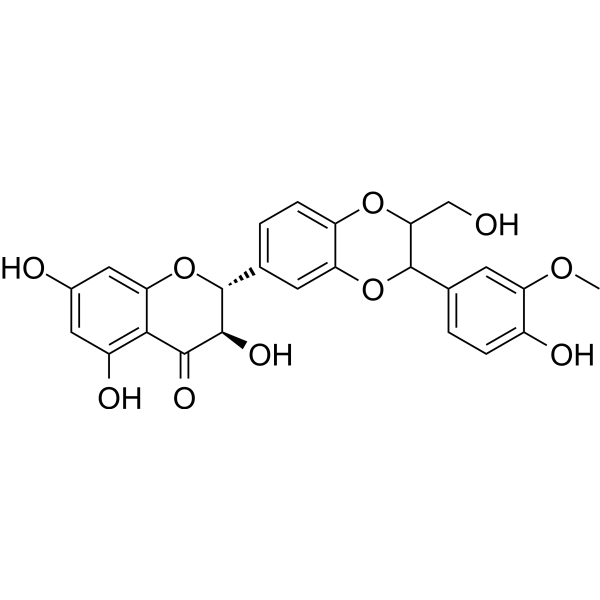
Silybin is a flavonolignan isolated from milk thistle (Silybum marianum) seeds. Silybin induces apoptosis and exhibits hepatoprotective, antioxidant, anti-inflammatory, anti-cancer activity .
|
-
-
- HY-N7073
-
|
|
SARS-CoV
|
Infection
Neurological Disease
Inflammation/Immunology
Cancer
|
|
Silymarin is an extract of the milk thistle (Silybum marianum). Silymarin is an effective SARS-CoV-2 main protease (M pro) inhibitor. Silymarin can significantly reduce tumor cell proliferation, angiogenesis as well as insulin resistance. Silymarin has the chemopreventive effect on hepatocellular carcinoma (HCC). Silymarin has the potential for COVID-19 research .
|
-
-
- HY-B0777
-
|
CL301423
|
Antibiotic
BCRP
P-glycoprotein
Parasite
|
Infection
Neurological Disease
|
|
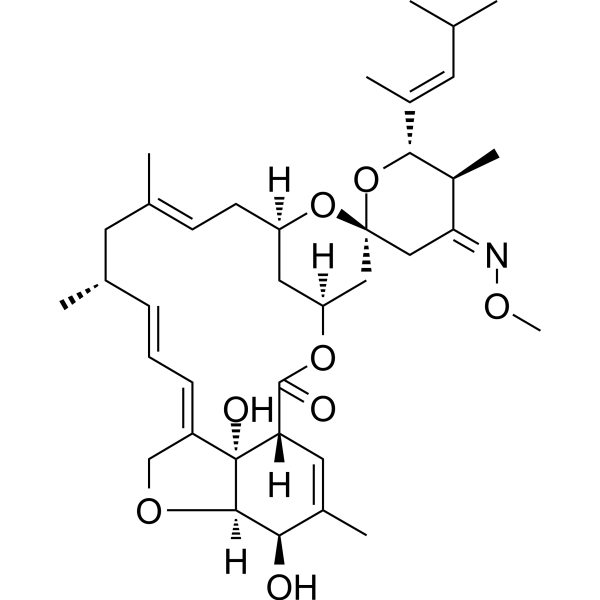
Moxidectin (CL301423) is an orally active and brain-penetrant macrolide (ML) anthelmintic for the prevention and control of heartworms and roundworms. Moxidectin is also a substrate of BCRP and P-glycoprotein (P-gp) in vivo, and is secreted into breast milk and effluxed from the host and parasite mediated by Bcrp1 and P-gp. This may be related to the presence of chemical residues in milk .
|
-
-
- HY-B2123
-
-
-
- HY-P3161
-
|
|
HSV
|
Infection
Inflammation/Immunology
Cancer
|
|
Lactoferrin from Bovine milk is a substance released by neutrophils. Lactoferrin from Bovine milk is an orally active multifunctional iron binding glycoprotein. Lactoferrin from Bovine milk prevents cell adhesion, growth and spreading of cell colonies. Lactoferrin from Bovine milk also has antiviral activity and inhibits microbial and viral adhesion and entry into host cells. Besides, Lactoferrin from Bovine milk has anti-inflammatory, immunomodulatory, and anti-cancer activities .
|
-
-
- HY-N9448
-
|
|
Bacterial
|
Infection
Inflammation/Immunology
|
|
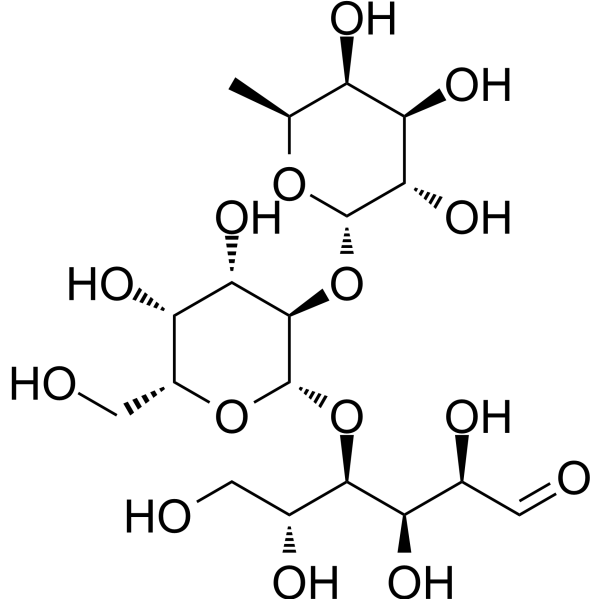
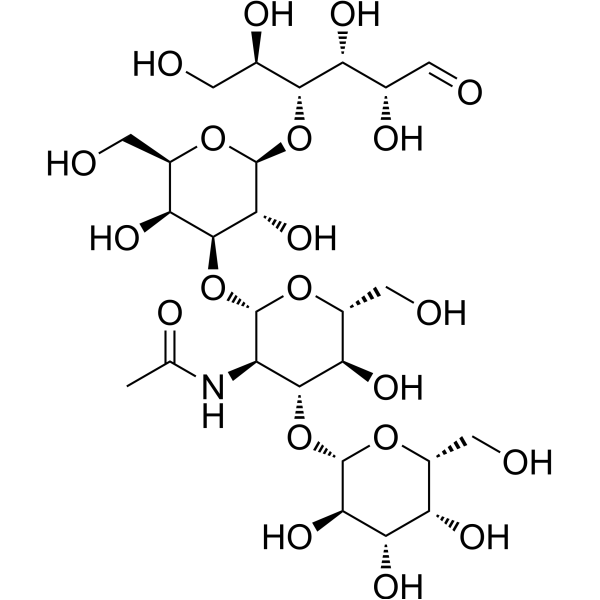
Lacto-N-tetraose is the significant core structure of human milk oligosaccharides (HMOs) naturally existing in human milk. Lacto-N-tetraose is consist of galactose, N-acetylglucosamine, and glucose moieties. Lacto-N-tetraose has prebiotic effect, immune regulatory effect, anti-inflammatory effects, intestinal cell responses regulatory effect, antibacterial activity and antiviral activity. Lacto-N-tetraose has been widely added to infant formula .
|
-
-
- HY-N9965
-
|
2'-FL
|
TNF Receptor
Interleukin Related
|
Infection
Inflammation/Immunology
|
|
2'-Fucosyllactose (2'-FL) is an oligosaccharide that could be derived from human milk. 2'-Fucosyllactose regulates the expression of CD14, alleviates colitis and regulates the gut microbiome. 2'-Fucosyllactose stimulates T cells to increase IFN-γ production and decreases IL-6, IL-17, and TNF-α production of cytokines .
|
-
-
- HY-P2755A
-
-
-
- HY-17383
-
|
|
Antifolate
|
Cardiovascular Disease
Neurological Disease
|
|
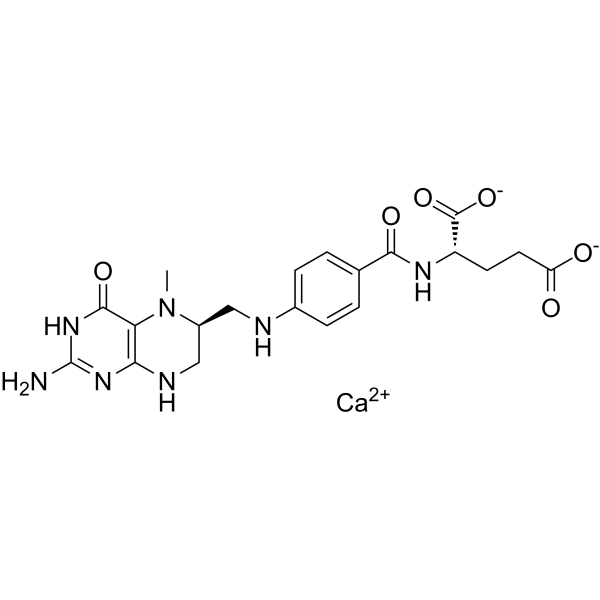
Levomefolate calcium is a synthetic calcium salt of L-5-methyltetrahydrofolate and an orally active and brain-penetrant folate supplement. Levomefolate calcium incorporates into body folate pools to increase plasma and red blood cell folate levels over time. Levomefolate calcium does not significantly increase folate concentrations in breast milk. Levomefolate calcium can be used for the research of neural tube defects and megaloblastic anemia .
|
-
-
- HY-137335
-
|
|
Bacterial
VEGFR
Akt
ERK
|
Infection
Inflammation/Immunology
|
|
6'-Sialyllactose sodium promotes the growth of beneficial bacteria (such as Bifidobacterium and lactobacillus) and inhibits the proliferation of harmful bacteria. 6'-Sialyllactose sodium exhibits anti-inflammatory and anti-angiogenic activities. 6'-Sialyllactose sodium promotes the muscle health .
|
-
-
- HY-N10528
-
-
-
- HY-Y1220J
-
|
|
Environmental Pollutants
Biochemical Assay Reagents
|
Others
|
|
Potassium carbonate, with a purity of 99%, is an inorganic compound. At low concentrations, potassium carbonate can be used as an alkaline treatment agent and feed buffer in pork processing, as well as to inhibit the synthesis of milk fat in dairy cows .
|
-
-
- HY-125859B
-
|
|
Bacterial
|
Infection
|
|
Lactoperoxidase, bovine milk is an antimicrobial protein that belongs to the mammalian heme peroxidase family. Lactoperoxidase, bovine milk uses H2O2 to catalyze the oxidation of its preferred halide substrates including I −, Br −, F −, or the pseudohalide SCN − .
|
-
-
- HY-N2514
-
|
α-D-Lactose
|
Others
|
Others
|
|
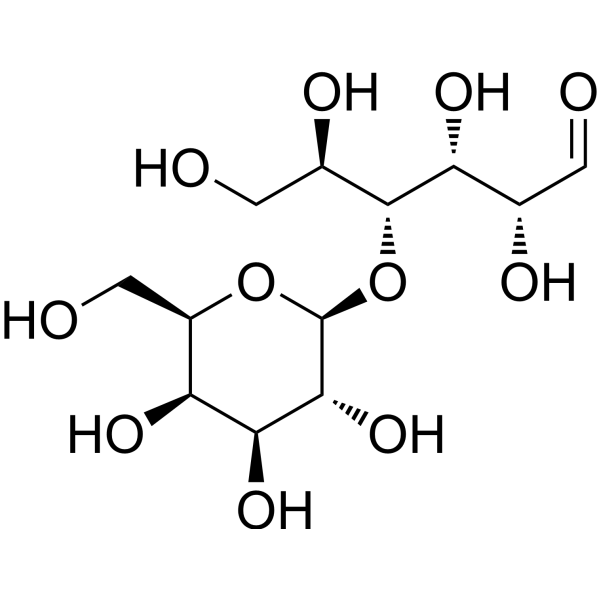
α-Lactose (α-D-Lactose) is the major sugar present in milk. Lactose exists in the form of two anomers, α and β. The α form normally crystallizes as a monohydrate .
|
-
-
- HY-121447
-
|
|
Endogenous Metabolite
|
Metabolic Disease
|
|
Heneicosanoic acid is an odd-chain saturated fatty acid widely present in human milk, fish, seeds, and cerebrosides in the cell membranes of the nervous system. Heneicosanoic acid can form Langmuir monolayers and is often used as a model to study lipid self-assembly and disassembly processes in biological membranes and drug delivery systems. In the low-temperature L'2 and CS crystalline phases, Heneicosanoic acid undergoes local oscillations, which in turn drive the spontaneous formation and expulsion of micelles and vesicles .
|
-
-
- HY-W017960
-
|
Et-HE; 1,4-DHP
|
SOD
|
Endocrinology
|
|
Diludine (BNP-7787) is an orally effective feed additive. Diludine reduces the activity of G6PD and increases the level of superoxide dismutase (SOD). Diludine reduces the mutagenic effect of environmental pollutants, protects parental reproductive systems and improves offspring quality. Diludine is mainly applied during the transition period of dairy cows to increase milk yield and milk fat content, and improve health status during parturition. Diludine can be used in animal feeding research .
|
-
-
- HY-N10514
-
|
|
Others
|
Others
|
|
Lacto-N-triose II is a core structural unit of human milk oligosaccharides (HMOs). Lacto-N-triose II owns nutraceutical potentials and can be used in the production of complex HMOs .
|
-
-
- HY-B2167S
-
|
DHA-d5; Cervonic acid-d5
|
Endogenous Metabolite
|
Neurological Disease
|
|
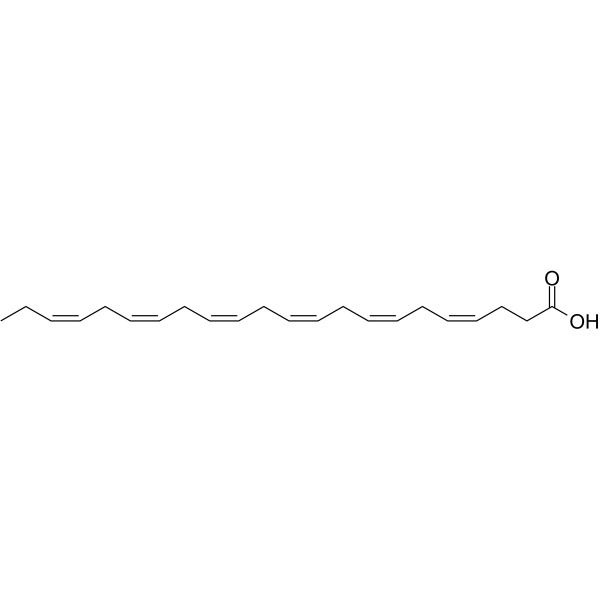
Docosahexaenoic acid-d5 is the deuterium labeled Docosahexaenoic Acid. Docosahexaenoic Acid (DHA) is an omega-3 fatty acid abundantly present brain and retina. It can be obtained directly from fish oil and maternal milk.
|
-
-
- HY-N10530
-
|
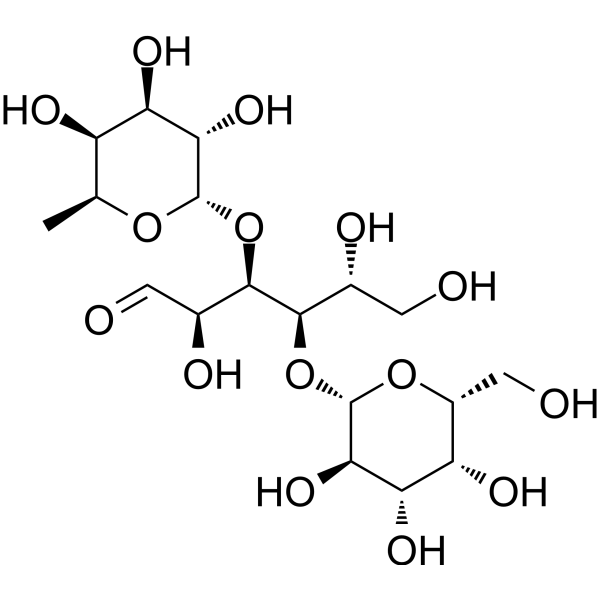
Difucosyllactose ; 2′,3-Difucosyllactose
|
Endogenous Metabolite
|
Inflammation/Immunology
|
|
Lactodifucotetraose is a difucosylated human milk oligosaccharide. Lactodifucotetraose inhibits platelet function and the release of inflammatory factors. Lactodifucotetraose can be used for the research of *Campylobacter jejuni*-associated diarrhea and platelet-induced inflammatory processes .
|
-
-
- HY-W010178
-
|
|
Endogenous Metabolite
|
Others
|
|
4-Methyloctanoic acid is a natural compound mainly responsible for the characteristic goaty sheepy flavour of sheep and goat milk .
|
-
-
- HY-P1701
-
|
|
Opioid Receptor
|
Cardiovascular Disease
Neurological Disease
|
|
Morphiceptin is a potent and specific agonist for morphine (μ) receptors. Morphiceptin, as a synthetic peptide, is the amide of a fragment of the milk protein β-casein. Morphiceptin has morphinelike activities and is highly specific for morphine (μ) receptors but not for Enkephalin receptors .
|
-
-
- HY-N11503
-
-
-
- HY-114161
-
-
-
- HY-B2123R
-
|
|
Reference Standards
Endogenous Metabolite
Interleukin Related
ERK
NF-κB
|
Inflammation/Immunology
|
|
Lactose (Standard) is the analytical standard of Lactose. This product is intended for research and analytical applications. Lactose is a β-galactoside consisting of galactose and glucose residues, the main carbohydrate in mammalian breast milk. Lactose, a macronutrient and an inducer of host innate immune responses, possesses immune modulatory functions .
|
-
-
- HY-139585
-
|
LC350189
|
Xanthine Oxidase
|
Metabolic Disease
|
|
Tigulixostat (LC350189) is an orally active non-purine selective xanthine oxidase inhibitor. Tigulixostat has IC50 values of 0.003 µM and 0.073 µM in bovine milk and rat plasma, respectively. Tigulixostat can effectively reduce serum uric acid levels and can be used in the research of gout and hyperuricemia .
|
-
-
- HY-P3021
-
|
|
Bacterial
Biochemical Assay Reagents
|
Infection
|
|
Human milk lysozyme is the lysozyme found in human milk. Human milk lysozyme is thought to be a key defense factor in protecting the gastrointestinal tract of newborns against bacterial infection .
|
-
-
- HY-165136
-
|
SMs (buttermilk)
|
Endogenous Metabolite
|
Others
|
|
Sphingomyelins, milk (SMs (buttermilk)) are compounds studied in sphingolipids, which play important roles in various biological processes.
|
-
-
- HY-W010248
-
-
-
- HY-N12323
-
|
|
Others
|
Inflammation/Immunology
|
|
6′-Galactosyllactose is the main oligosaccharide that makes up galactose, a component of human milk. 6′-Galactosyllactose can synthesize human milk oligosaccharides and synthetic galactosyllactose with 3′-Galactosyllactose and 4′-Galactosyllactose, and reduce inflammation in human T84, NCM-460 and H4 cells and intestinal tissues .
|
-
-
- HY-B0777S
-
|
CL-301423-d3
|
Isotope-Labeled Compounds
BCRP
Parasite
Antibiotic
P-glycoprotein
|
Infection
|
|
Moxidectin-d3 (CL-301423-d3) is deuterium labeled Moxidectin. Moxidectin (CL301423) is an orally active macrolide (ML) anthelmintic for the prevention and control of heartworms and roundworms. Moxidectin is also a substrate of BCRP and P-glycoprotein (P-gp) in vivo, and is secreted into breast milk and effluxed from the host and parasite mediated by Bcrp1 and P-gp. This may be related to the presence of chemical residues in milk .
|
-
-
- HY-129770
-
|
|
Endogenous Metabolite
|
Metabolic Disease
|
|
D-methionine sulfoxide is the D-isomer of Methionine sulfoxide. Methionine sulfoxide is an oxidation product of methionine. Methionine is the limiting amino acid in milk or leguminous proteins , which is easily oxidized during the course of storage or processing .
|
-
-
- HY-W004154
-
|
|
Environmental Pollutants
Biochemical Assay Reagents
|
Others
|
|
2-Ethylbutyric acid is a volatile fatty acid. 2-Ethylbutyric acid exhibits phytotoxicity. 2-Ethylbutyric acid is used as an internal standard in milk and dairy products and as an internal standard (IS) in the calibration of fecal VFA standards. 2-Ethylbutyric acid can be used in the research of embryonic development .
|
-
-
- HY-B1580
-
-
-
- HY-N10510
-
|
A-Tetrasaccharide
|
Others
|
Others
|
|
Blood group A antigen tetraose type 5 (A-Tetrasaccharide) is a tetrasaccharide and a blood group specific oligosaccharide, inhibits the binding of anti-A antibody to blood group A substance. Blood group A antigen tetraose type 5 can be isolated from polar bear milk samples .
|
-
-
- HY-114424A
-
-
-
- HY-B2167S2
-
-
-
- HY-N12073
-
|
MFLNH I
|
Others
|
Others
|
|
Monofucosyllacto-N-hexaose I (MFLNH I) is a composition of human milk oligosaccharide .
|
-
-
- HY-W016979
-
-
-
- HY-N12074
-
|
MFLNH III
|
Others
|
Others
|
|
Monofucosyllacto-N-hexaose III (MFLNH III) is a kind of neutral human milk oligosaccharides (HMO) .
|
-
-
- HY-W016979R
-
|
|
Reference Standards
Others
|
Others
|
|
δ-Decalactone (Standard) is the analytical standard of δ-Decalactone. This product is intended for research and analytical applications. δ-Decalactone is a lactone compound found in nonfat dry milks and fruit. δ-Decalactone has a sweet taste .
|
-
-
- HY-W342979
-
|
trans-Petroselinic acid; trans-6-Octadecenoic acid
|
Drug Isomer
|
Others
|
|
Petroselaidic acid is a trans fatty acid and the trans isomer of Petroselinic acid (HY-113362). Petroselaidic acid can be found in dairy products such as cow's milk and goat's milk .
|
-
-
- HY-W009708
-
|
|
Mucin
|
Others
|
|
Bis(2-methyl-3-furyl)disulfide, compound (2), is intended to provide a flavoring compound to enhance a natural feeling, a fresh feeling and a milk-rich feeling of a milk-related product .
|
-
-
- HY-165041
-
|
1,3-Olein-2-stearin; TG(18:1/18:0/18:1)
|
Others
|
Others
|
|
1,3-Dioleoyl-2-stearoyl glycerol (1,3-Olein-2-stearin) is a compound mentioned in the study of triglyceride composition in bovine milk fat. It has been identified and quantified by various methods, and its proportion and type in bovine milk fat have been determined.
|
-
-
- HY-W160407
-
|
Δ9-Decenoic acid
|
Drug Intermediate
|
Others
|
|
9-Decenoic acid (Δ9-Decenoic acid) is a lactone formation precursor and unsaturated glyceride component. 9-Decenoic acid can be identified in milk fat .
|
-
-
- HY-114456AS
-
-
-
- HY-B1580A
-
|
Bioban-C, meets analytical specification of E282
|
Biochemical Assay Reagents
|
Metabolic Disease
|
|
Calcium propionate, meets analytical specification of E282 is an orally active auxiliary agent for preventing milk fever and improving the health of dairy cows. Calcium propionate can be used for research on dairy cow milk fever and subclinical hypocalcemia .
|
-
-
- HY-W087904R
-
|
α-D-Lactose hydrate (Standard)
|
Endogenous Metabolite
Reference Standards
|
Others
|
|
α-Lactose (hydrate) (Standard) is the analytical standard of α-Lactose (hydrate). This product is intended for research and analytical applications. α-Lactose (hydrate) (α-D-Lactose (hydrate)) is the principal carbohydrate in the milk of most mammals. α-Lactose (hydrate) consists of glucose and galactose and exists in the form of two anomers, α and β. α-Lactose (hydrate) has many uses in the food and pharmaceutical industries, such as a free-flowing or agglomerating agent, a diluent for pigments, flavors, or enzymes .
|
-
-
- HY-N0779AR
-
|
Silibinin (Standard)
|
Reference Standards
Apoptosis
|
Inflammation/Immunology
Cancer
|
|
Silybin (Standard) is the analytical standard of Silybin. This product is intended for research and analytical applications. Silybin is a flavonolignan isolated from milk thistle (Silybum marianum) seeds. Silybin induces apoptosis and exhibits hepatoprotective, antioxidant, anti-inflammatory, anti-cancer activity .
|
-
-
- HY-W749927
-
|
C17:1(9Z); Margaroleic acid
|
Endogenous Metabolite
|
Metabolic Disease
|
|
cis-9-Heptadecenoic acid is a monounsaturated fatty acid that is a major constituent of ruminant fat and milk. The levels of cis-9-heptadecenoic acid in milk are negatively correlated with methane production in cows fed a high-lipid diet.
|
-
- HY-114424
-
-
- HY-W017960R
-
|
Et-HE (Standard); 1,4-DHP (Standard)
|
SOD
Reference Standards
|
Metabolic Disease
|
|
Diludine (Standard) is the analytical standard of Diludine (HY-W017960). This product is intended for research and analytical applications. Diludine (BNP-7787) is an orally effective feed additive. Diludine reduces the activity of G6PD and increases the level of superoxide dismutase (SOD). Diludine reduces the mutagenic effect of environmental pollutants, protects parental reproductive systems and improves offspring quality. Diludine is mainly applied during the transition period of dairy cows to increase milk yield and milk fat content, and improve health status during parturition. Diludine can be used in animal feeding research .
|
-
- HY-N13245
-
|
|
SARS-CoV
|
Others
|
|
Milk Thistle Extract is the extract of Milk Thistle, with content of 80% Silymarin.
|
-
- HY-N10632
-
-
- HY-N10532
-
|
LNDFH II ; Lacto-N-fucohexaose
|
Others
|
Others
|
|
Lacto-N-difucohexaose II (LNDFH II) is one of the oligosaccharides in human milk, it is important for infant health .
|
-
- HY-N10529
-
|
LNFP V
|
Others
|
Others
|
|
Lacto-N-fucopentaose V (LNFP V), a new pentasaccharide, is an oligosaccharide found in human milk and other biofluids .
|
-
- HY-B1580B
-
|
Bioban-C (Pharmaceutical primary standard, USP)
|
Biochemical Assay Reagents
|
Metabolic Disease
|
|
Calcium propionate, United States Pharmacopeia (USP) Reference Standard is an orally active auxiliary agent for preventing milk fever and improving the health of dairy cows. Calcium propionate can be used for research on dairy cow milk fever and subclinical hypocalcemia. Calcium propionate is a reference standard grade of the United States Pharmacopeia (USP) and a primary pharmaceutical standard .
|
-
- HY-B1580AR
-
|
Bioban-C, meets analytical specification of E282 (Standard)
|
Reference Standards
Biochemical Assay Reagents
|
Metabolic Disease
|
|
Calcium propionate, meets analytical specification of E282 (Standard) is the analytical standard of Calcium propionate, meets analytical specification of E282. This product is intended for research and analytical applications. Calcium propionate, meets analytical specification of E282 is an orally active auxiliary agent for preventing milk fever and improving the health of dairy cows. Calcium propionate can be used for research on dairy cow milk fever and subclinical hypocalcemia .
|
-
- HY-161547
-
|
|
Antibiotic
Biochemical Assay Reagents
|
Others
|
Tetracycline/BSA is a tetracycline-carrier protein conjugate of Tetracycline (HY-A0107) and bovine serum albumin (BSA). Tetracycline/BSA can be used as an immobilized capture antigen for the detection of tetracycline residues in milk .
|
-
- HY-N11504
-
|
|
Others
|
Others
|
|
Difucosyllacto-N-neohexaose is an oligosaccharide that can be isolated from human milk .
|
-
- HY-165051
-
|
1,3-Butyrin-2-olein; TG(4:0/18:1/4:0)
|
Biochemical Assay Reagents
|
Others
|
|
1,3-Dibutyryl-2-oleoyl glycerol (1,3-Butyrin-2-olein) is a short-chain triglyceride compound in bovine milk fat. It was analyzed by specific chromatography-mass spectrometry techniques to determine its distribution and composition in bovine milk fat.
|
-
- HY-127017
-
|
HMeAL
|
Biochemical Assay Reagents
|
Others
|
|
Histidinomethylalanine (HMeAL) is a cross-link amino acid. Histidinomethylalanine can be detected in acid hydrolysates of milk products .
|
-
- HY-W683479
-
-
- HY-W725954
-
|
|
Biochemical Assay Reagents
|
Others
|
|
Triheneicosanoin is a triacylglycerol containing heneicosanoic acid groups. Triheneicosanoin can be used as internal standard for the quantification of fatty acids in the milk samples .
|
-
- HY-W041195S
-
|
|
Isotope-Labeled Compounds
|
Others
|
|
3-Hydroxy-3-methylhexanoic acid-d5 is the deuterium labeled 3-Hydroxy-3-methylhexanoic acid (HY-W041195). 3-Hydroxy-3-methylhexanoic acid is a fatty acid that is one of the metabolic products of leukocytes .
|
-
- HY-B0777R
-
|
CL301423 (Standard)
|
Antibiotic
BCRP
P-glycoprotein
Parasite
Reference Standards
|
Infection
|
|
Moxidectin (Standard) is the analytical standard of Moxidectin. This product is intended for research and analytical applications. Moxidectin (CL301423) is an orally active macrolide (ML) anthelmintic for the prevention and control of heartworms and roundworms. Moxidectin is also a substrate of BCRP and P-glycoprotein (P-gp) in vivo, and is secreted into breast milk and effluxed from the host and parasite mediated by Bcrp1 and P-gp. This may be related to the presence of chemical residues in milk .
|
-
- HY-113204R
-
|
|
Reference Standards
Endogenous Metabolite
Cannabinoid Receptor
Akt
|
Metabolic Disease
|
|
Diludine (Standard) is the analytical standard of Diludine. This product is intended for research and analytical applications. Diludine has antioxidant properties, targeting oxidative stress-related pathways. By improving antioxidative status and reducing β-hydroxybutyrate levels, Diludine alleviates oxidative stress during the parturition period in dairy cows. It is primarily used during the transition period in dairy cows to increase milk yield and milk fat content, as well as to improve health during parturition .
|
-
- HY-114161A
-
-
- HY-151997S
-
|
1,2-Olein-3-laurin-13C3; TG(18:1/18:1/12:0)-13C3
|
Isotope-Labeled Compounds
|
Others
|
|
1,2-Dioleoyl-3-lauroyl-rac-glycerol- 13C3 is the 13C-labeled 1,2-Dioleoyl-3-lauroyl-rac-glycerol (HY-165089), 1,2-Dioleoyl-3-lauroyl-rac-glycerol (1,2-Olein-3-laurin) is a triglyceride identified by specific analytical methods in human milk, infant formula, other mammalian milk, and vegetable oils, with specific structural and distribution characteristics.
|
-
- HY-131420
-
|
Aseanostatin P1; Isotetradecanoic acid
|
Biochemical Assay Reagents
|
Others
|
|
12-Methyltridecanoic acid is a methylated fatty acid that has been found in milk. 12-Methyltridecanoic acid (200 μM) reduces angiogenesis and corneal opacity in alkaline or Pseudomonas aeruginosa-induced ocular mouse models.
|
-
- HY-129770A
-
|
|
Drug Isomer
|
Metabolic Disease
|
|
D-methionine sulfoxide hydrochloride is the D-isomer of Methionine sulfoxide hydrochloride. Methionine sulfoxide is an oxidation product of methionine. Methionine is the limiting amino acid in milk or leguminous proteins, which is easily oxidized during the course of storage or processing .
|
-
- HY-W010248S
-
-
- HY-W718351
-
|
C18:1(8Z); cis-8-Octadecenoate; Δ8-cis-Octadecenoic acid
|
Endogenous Metabolite
|
Metabolic Disease
|
|
cis-8-Octadecenoic acid is a monounsaturated fatty acid and an isomer of oleic acid (HY-N1446), trans-vaccenic acid (HY-113427), trans-petroselinic acid, and cis-petroselinic acid. It has been found in partially hydrogenated vegetable oil and milk fat.
|
-
- HY-165109
-
|
1,3-Olein-2-laurin; TG(18:1/12:0/18:1)
|
Endogenous Metabolite
|
Others
|
|
1,3-Dioleoyl-2-lauroyl glycerol (1,3-Olein-2-laurin), a compound in the triglyceride composition of human milk, was identified and quantified by liquid chromatography-mass spectrometry, and a targeted analytical approach was developed.
|
-
- HY-A0267
-
|
|
Adrenergic Receptor
|
Endocrinology
|
|
Bitolterol is a β2-adrenergic agonist with bronchodilator activity. Bitolterol is classified as a prodrug and is primarily used for the suppression of respiratory diseases. Bitolterol is considered safe for use during breastfeeding, as the amount that can enter breast milk is very limited .
|
-
- HY-N0471B
-
|
Hyoscyamine hydrobromide
|
mAChR
|
Neurological Disease
|
|
L-Hyoscyamine (Hyoscyamine) hydrobromide is an anticholinergic agent that may potentially affect breastfeeding and milk production. L-Hyoscyamine hydrobromide is not likely to interfere with breastfeeding when used in single doses. L-Hyoscyamine hydrobromide should be monitored for signs of decreased lactation during long-term use.
|
-
- HY-139251
-
|
1-Myristin-2-palmitin-3-butyrin
|
Endogenous Metabolite
|
Others
|
|
1-Myristoyl-2-palmitoyl-3-butyryl-rac-glycerol is a triacylglycerol, which is composed of a myristic acid, a palmitic acid and a butyric acid. 1-Myristoyl-2-palmitoyl-3-butyryl-rac-glycerol is the component of human milk .
|
-
- HY-142974
-
|
1,2-Olein-3-Docosohexaenoin; 18:1/18:1/22:6-TG; C1OO
|
Endogenous Metabolite
|
Metabolic Disease
|
|
1,2-Dioleoyl-3-docosohexaenoyl-rac-glycerol is a triacylglycerol that contains oleic acid (HY-N1446) at the sn-1 and sn-2 positions and docosahexaenoic acid (HY-B2167) at the sn-3 position. It has been detected in human breast milk.
|
-
- HY-168386
-
|
|
Endogenous Metabolite
|
Others
|
|
1,2-Dipalmitoyl-3-Myristoyl-rac-glycerol is a triacylglycerol in which palmitic acid (HY-N0830) is located at the sn-1 and sn-2 positions, and myristic acid (HY-N2041) is at the sn-3 position. It can be found in bovine milk fat .
|
-
- HY-182832
-
|
Dry skim milk; Non-fat milk solids; Skimmed milk powder
|
Biochemical Assay Reagents
|
Others
|
|
Skim milk powder (dry skim milk) is a nutrient source for microbial culture media. It provides a variety of nutrients, including protein, lactose, and minerals, supporting the growth of various microorganisms. Skim milk powder can also be used in the sealing process of Western blotting experiments.
|
-
- HY-N8873
-
|
|
Others
|
Cancer
|
|
Silychristin B is an antitumor promoter. Silychristin B inhibits TPA induced Epstein-Barr virus early antigen (EBV-EA) induction. Silychristin B can be isolated from milk thistle .
|
-
- HY-W010248R
-
|
DL-α-Phenylglycine (Standard)
|
Endogenous Metabolite
Reference Standards
|
Metabolic Disease
|
|
2-Phenylglycine (Standard) is the analytical standard of 2-Phenylglycine (HY-W010248). This product is intended for research and analytical applications. 2-Phenylglycine (DL-α-Phenylglycine) is a metabolite in breast milk during the W2 to W4 lactation period .
|
-
- HY-W012969
-
|
3-Ethoxypropanol
|
Drug Derivative
|
Others
|
|
3-Ethoxy-1-propanol (3-Ethoxypropanol) is a saturated aliphatic alcohol that can be found in Chinese Sinkiang fermented camel milk as a volatile component .
|
-
- HY-P11570
-
|
|
Biochemical Assay Reagents
|
Others
|
|
HQGLPQEVLNENLLR is a peptide that can be isolated from milk proteins. HQGLPQEVLNENLLR can be used as a marker peptide for the detection of milk allergens using UHPLC-MS/MS .
|
-
- HY-P11575
-
|
|
Biochemical Assay Reagents
|
Others
|
|
LSFNPTQLEEQCHI is a signature peptide that can be isolated from β-lactoglobulin in cow milk. LSFNPTQLEEQCHI can be used as a maker peptide in a proteomics-based method for quantifying the percentage of cow milk in raw materials for dairy products .
|
-
- HY-165047
-
|
1-Palmitin-2-linolein-3-stearin; 16:0/18:2/18:0-TG; TG(16:0/18:2/18:0)
|
Others
|
Others
|
|
1-Palmitoyl-2-linoleoyl-3-stearoyl-rac-glycerol (1-Palmitin-2-linolein-3-stearin) is a compound that is being studied for lipid properties in human milk and infant formula. Although human milk has larger fat globules, it has a higher rate of gastrointestinal lipolysis, which may be related to the milk fat globule membrane (MFGM).
|
-
- HY-W010178R
-
|
|
Endogenous Metabolite
Reference Standards
|
Others
|
|
4-Methyloctanoic acid (Standard) is the analytical standard of 4-Methyloctanoic acid. This product is intended for research and analytical applications. 4-Methyloctanoic acid is a natural compound mainly responsible for the characteristic goaty sheepy flavour of sheep and goat milk[1].
|
-
- HY-179190
-
-
- HY-165089
-
|
1,2-Olein-3-laurin; TG(18:1/18:1/12:0)
|
Endogenous Metabolite
|
Others
|
|
1,2-Dioleoyl-3-lauroyl-rac-glycerol (1,2-Olein-3-laurin) is a triglyceride identified by specific analytical methods in human milk, infant formula, other mammalian milk, and vegetable oils, with specific structural and distribution characteristics.
|
-
- HY-165106
-
|
1,2-Butyrin-3-palmitin; TG(4:0/4:0/16:0)
|
Endogenous Metabolite
|
Others
|
|
1,2-Dibutyryl-3-palmitoyl-rac-glycerol (1,2-Butyrin-3-palmitin) is a compound mentioned in the study of triglyceride composition in bovine milk fat. It was identified and quantified by various methods, and its proportion and type in bovine milk fat were determined.
|
-
- HY-165115
-
|
1,2-Palmitin-3-pentadecanoin; TG(16:0/16:0/15:0)
|
Others
|
Others
|
|
1,2-Dipalmitoyl-3-pentadecanoyl-rac-glycerol (1,2-Palmitin-3-pentadecanoin) is a compound mentioned in the study of triglyceride composition in bovine milk fat. It was identified and quantified by various methods, and its proportion and type in bovine milk fat were determined.
|
-
- HY-165113
-
|
1,2-Stearin-3-arachidin; TG(18:0/18:0/20:0)
|
Endogenous Metabolite
|
Others
|
|
1,2-Distearoyl-3-arachidoyl-rac-glycerol (1,2-Stearin-3-arachidin) is a compound mentioned in the study of triglyceride composition in bovine milk fat. It has been identified and quantified by various methods, and its proportion and type in bovine milk fat have been determined.
|
-
- HY-165092
-
|
1-Arachidin-2-palmitin-3-olein; TG(20:0/16:0/18:1)
|
Others
|
Others
|
|
1-Arachidoyl-2-palmitoyl-3-oleoyl-rac-glycerol (1-Arachidin-2-palmitin-3-olein) is a triglyceride with specific structural and distribution characteristics identified by specific analytical methods in human milk, infant formula, other mammalian milk, and vegetable oils.
|
-
- HY-165094
-
|
1-Myristin-2-linolein-3-palmitin; TG(14:0/18:2/16:0)
|
Endogenous Metabolite
|
Others
|
|
1-Myristoyl-2-linoleoyl-3-palmitoyl-rac-glycerol (1-Myristin-2-linolein-3-palmitin) is a triglyceride with specific structural and distribution characteristics identified by specific analytical methods in human milk, infant formula, other mammalian milk, and vegetable oils.
|
-
- HY-165105
-
|
TG(18:1/10:0/18:1); 1,3-Dioleoyl-2-caproyl glycerol; 1,3-Olein-2-caprin
|
Others
|
Others
|
|
1,3-Dioleoyl-2-decanoyl glycerol (TG(18:1/10:0/18:1)) is a compound that was investigated in the study of triglyceride composition in human milk and infant formula. The analysis and comparison of the compound using a specific chromatography-mass spectrometry technique revealed differences in triglyceride content between human milk and infant formula.
|
-
- HY-171039
-
|
Tri-BBPA; 2,2',6-Tribromobisphenol A
|
Endogenous Metabolite
|
Metabolic Disease
|
|
Tribromobisphenol A (Tri-BBPA; 2,2',6-Tribromobisphenol A) is a phenolic compound isolated from human breast milk .
|
-
- HY-165053
-
|
1,3-Stearin-2-palmitin; TG(18:0/16:0/18:0)
|
Endogenous Metabolite
|
Others
|
|
1,3-Distearoyl-2-palmitoyl glycerol (1,3-Stearin-2-palmitin) is a compound mentioned in the study of the triglyceride composition of bovine milk fat. It was analyzed and identified by multiple chromatographic techniques, and a total of 120 triglycerides were identified.
|
-
- HY-165042
-
|
1,2-Palmitin-3-caprin; 1,2-Palmitin-3-decanoin; TG(16:0/16:0/10:0)
|
Others
|
Others
|
|
1,2-Dipalmitoyl-3-decanoyl-rac-glycerol (1,2-Palmitin-3-caprin), a compound mentioned in the chemical analysis of triglycerides and diacylglycerols in bovine milk fat, was identified by a specific chromatography-mass spectrometry technique, which is environmentally friendly and efficient.
|
-
- HY-165056
-
|
1,2-Palmitin-3-linolein; TG(16:0/16:0/18:2)
|
Others
|
Others
|
|
1,2-Dipalmitoyl-3-linoleoyl-rac-glycerol (1,2-Palmitin-3-linolein), a compound mentioned in the chemical analysis of triglycerides and diacylglycerols in bovine milk fat, was identified by a specific chromatography-mass spectrometry technique, which is environmentally friendly and efficient.
|
-
- HY-P2810A
-
|
|
Biochemical Assay Reagents
|
Metabolic Disease
|
|
Rennin, Mucor miehei (EC 3.4.23.23) hydrolyzes proteins, preferentially hydrolyzing hydrophobic residues at the P1 and P1' positions. Rennin, Mucor miehei (EC 3.4.23.23) can coagulate milk. Because the P1 position cannot accept lysine, it cannot activate trypsinogen.
|
-
- HY-W087904
-
|
α-D-Lactose hydrate
|
Endogenous Metabolite
Biochemical Assay Reagents
|
Others
|
|
α-Lactose hydrate (α-D-Lactose (hydrate)) is the primary carbohydrate in the milk of most mammals. α-Lactose hydrate consists of glucose and galactose and exists in two isomeric forms, α and β. α-Lactose hydrate has numerous applications in the food and pharmaceutical industries, such as serving as a bulking or agglomerating agent, and a diluent for pigments, flavors or enzymes .
|
-
- HY-165055
-
|
1-Olein-2-palmitin-3-linolein; TG(18:1/16:0/18:2); 18:1/16:0/18:2-TG
|
Others
|
Others
|
|
1-Oleoyl-2-palmitoyl-3-linoleoyl-rac-glycerol (1-Olein-2-palmitin-3-linolein) is a compound mentioned in the chemical analysis of triglycerides and diacylglycerols in bovine milk fat. It was identified by a specific chromatography-mass spectrometry technique, which is environmentally friendly and efficient.
|
-
- HY-107863
-
|
Oligolevulose
|
Biochemical Assay Reagents
Bacterial
|
Infection
Metabolic Disease
|
|
Fructooligosaccharides (Oligolevulose) are a class of orally active dietary fibers and prebiotics. Fructooligosaccharides exist in foods such as breast milk, wheat, honey, onions, garlic and bananas. Fructooligosaccharides resist hydrolysis by the body's digestive enzymes and stimulate the growth of beneficial intestinal bacteria through colonic fermentation. Fructooligosaccharides significantly prevent bone loss in the femur and lumbar spine .
|
-
- HY-N18965
-
|
|
Biochemical Assay Reagents
|
Others
|
|
Formyline (Compound 8) is a Maillard reaction product (glycated compound). Formyline is an advanced glycation end product formed by the reaction of lysine with 3-deoxypentosone, pentose, disaccharide degradation products or glucuronic acid. Formyline is commonly found in heat-processed foods such as milk, baked goods and beer, and can serve as a characteristic marker for food processing .
|
-
- HY-N2041
-
-
- HY-165110
-
|
1-Stearin-2-palmitin-3-olein; TG(18:0/16:0/18:1)
|
Endogenous Metabolite
|
Others
|
|
1-Stearoyl-2-palmitoyl-3-oleoyl-rac-glycerol (1-Stearin-2-palmitin-3-olein) is a compound mentioned in the study of the triglyceride composition of bovine milk fat. It was analyzed and identified by multiple chromatographic techniques, and a total of 120 triglycerides were identified.
|
-
- HY-N10521
-
|
|
Bacterial
VEGFR
Akt
ERK
|
Infection
Inflammation/Immunology
|
|
6'-Sialyllactose promotes the growth of beneficial bacteria (such as Bifidobacterium and lactobacillus) and inhibits the proliferation of harmful bacteria. 6'-Sialyllactose exhibits anti-inflammatory and anti-angiogenic activities. 6'-Sialyllactose promotes the muscle health .
|
-
- HY-P2810
-
|
EC 3.4.23.4
|
Endogenous Metabolite
Ser/Thr Protease
|
Metabolic Disease
|
|
Rennin, also known as Chymosin, is a pepsin-related proteolytic enzyme synthesized by cells in the stomach of certain animals that efficiently converts liquid milk into a semi-solid, allowing it to remain in the stomach for longer. The natural substrate of Rennin is K-casein, which is specifically cleaved at the peptide bond between amino acid residues 105 and 106, phenylalanine and methionine, and is widely used in cheese production .
|
-
- HY-Y0469
-
|
|
Drug Metabolite
|
Others
|
|
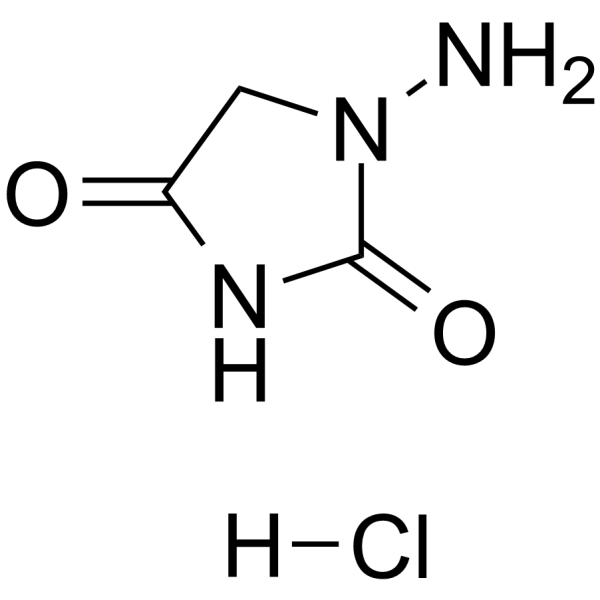
1-Aminohydantoin hydrochloride is a major metabolite of nitrofurantoin in animal tissues and can be used as a standard for the determination of residues of veterinary agents in meat, milk et.al. 1-Aminohydantoin hydrochloride covalently binds to tissue proteins and is released from the tissues under slightly acidic conditions and derivatized with 2-nitrobenzaldehyde to form nitrophenyl derivatives of AHD before detection .
|
-
- HY-W150340
-
|
|
Galectin
Biochemical Assay Reagents
|
Cancer
|
|
β-Lactose is a disaccharide commonly found in milk and dairy products. It consists of two monosaccharides, glucose and galactose, linked by β-glycosidic bonds. β-Lactose has various applications in the food industry, especially as a sweetener and bulking agent. Furthermore, it can be used as a substrate for enzymes involved in lactose metabolism and as a model compound for studying carbohydrate-protein interactions.
|
-
- HY-W009544
-
|
3-Hydroxymyristic acid
|
Biochemical Assay Reagents
|
Others
|
|
3-Hydroxytetradecanoic acidis a saturated fatty acid. 3-Hydroxytetradecanoic acidOccurs naturally in various animal and plant sources such as butter and milk fat. 3-Hydroxytetradecanoic acidIt has various uses in industry, especially in the production of soaps, detergents and other surfactants. 3-Hydroxytetradecanoic acidIt is also used as a precursor for the synthesis of other bioactive compounds such as antibiotics and anticancer drugs.
|
-
- HY-107850
-
|
NSC 1612; NSC 47462
|
Drug Metabolite
UGT
|
Cardiovascular Disease
Metabolic Disease
|
|
Pregnanediol (NSC 1612) is a Progesterone (HY-N0437) metabolite. Pregnanediol does not affect the transcriptional activity of UGT1A1 enhancer-promoter complex of WT and variant type. pregnanediol inhibits glucuronidation activity of G71R-UGT1A1. Pregnanediol is a cause of breast milk jaundice in carriers of G71R .
|
-
- HY-139637
-
|
Silibinin (mixture of Silybin A and Silybin B)
|
Apoptosis
|
Cancer
|
|
(±)-Silybin is the racemate of Silybin (HY-N0779A). Silybin induces apoptosis and exhibits hepatoprotective, antioxidant, anti-inflammatory, anti-cancer activity .
|
-
- HY-N9448R
-
|
|
Reference Standards
Bacterial
|
Infection
Inflammation/Immunology
|
|
Ethyl 2-chloronicotinate (Standard) is the analytical standard of Ethyl 2-chloronicotinate. This product is intended for research and analytical applications. Ethyl 2-chloronicotinate is a biochemical reagent that can be used as a biological material or organic compound for life science related research.
|
-
- HY-142971
-
|
1-Myristin-2-Linolein-3-Olein; TG(14:0/18:2/18:1)
|
Endogenous Metabolite
|
Metabolic Disease
|
|
1-Myristoyl-2-linoleoyl-3-oleoyl-rac-glycerol is a triacylglycerol that contains myristic acid (HY-N2041), linoleic acid (HY-N0729), and oleic acid (HY-N1446) at the sn-1, sn-2, and sn-3 positions, respectively. It has been found in mature human milk, infant formula fats, and butterfat.
|
-
- HY-17383A
-
|
|
Antifolate
|
Neurological Disease
|
|
Levomefolate disodium is a synthetic disodium salt of L-5-methyltetrahydrofolate and an orally active and brain-penetrant folate supplement. Levomefolate disodium incorporates into body folate pools to increase plasma and red blood cell folate levels over time. Levomefolate disodium does not significantly increase folate concentrations in breast milk. Levomefolate disodium can be used for the research of neural tube defects and megaloblastic anemia .
|
-
- HY-W011527
-
|
|
Endogenous Metabolite
Akt
AMPK
FOXO
|
Metabolic Disease
|
|
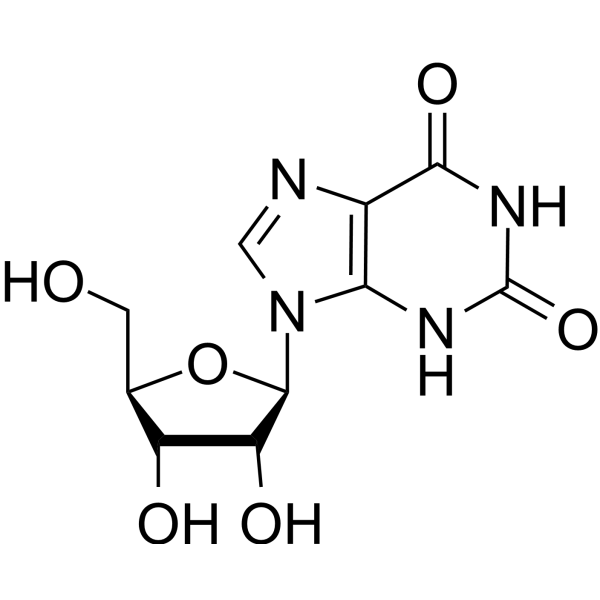
Xanthosine is a nucleoside derived from xanthine and ribose. Xanthosine activates the AMPK/FoxO1/AKT/GSK3β signaling cascade. Xanthosine promotes cell proliferation and regulates blood glucose metabolism. Xanthosine increases milk production in cows and goats. Xanthosine is used in mammary stem cell and type 2 diabetes research .
|
-
- HY-N2041R
-
|
|
Reference Standards
Endogenous Metabolite
NF-κB
Bacterial
|
Infection
Inflammation/Immunology
|
|
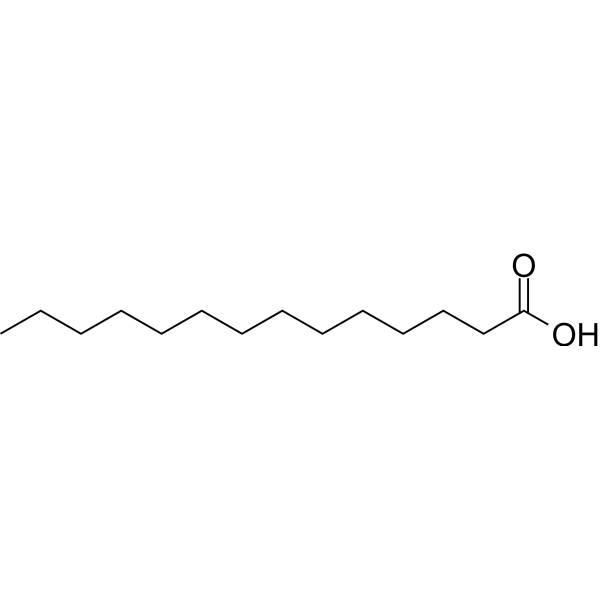
Myristic acid (Standard) is the analytical standard of Myristic acid. This product is intended for research and analytical applications. Myristic acid is an orally active saturated 14-carbon fatty acid found in most animal and plant fats, especially milk fat coconut oil, palm oil and nutmeg oil. Myristic acid exerts anti-inflammatory activity through the NF-κB pathway. Myristic acid has antibacterial, anti-inflammatory and analgesic properties .
|
-
- HY-121389
-
|
Palmitamide
|
Bacterial
NF-κB
PPAR
|
Infection
Inflammation/Immunology
|
|
Hexadecanamide (Palmitamide) is a fatty acid amide that has orally active anti-allergic, antioxidant, and neuroprotective effects. Hexadecanamide exerts protective effects in Staphylococcus aureus- and SARA-induced mastitis. Hexadecanamide suppresses S. aureus-induced activation of the NF-κB pathway and improves blood-milk barrier integrity. Hexadecanamide activates PPARα. Hexadecanamide enhances sperm motility in vitro. Hexadecanamide can be studied in research for mastitis and asthenozoospermia .
|
-
- HY-128371
-
|
|
Biochemical Assay Reagents
|
Others
|
|
2-Methylhexanoic acid is a saturated branched-chain carboxylic acid with a strong "fatty" or "oily" odor. At high concentrations, it is often described as having the smell of lard, chicken fat or sweat; when diluted, it exhibits a dairy, cream or cheese aroma. Therefore, it is commonly used in the formulation of milk, meat (pork/chicken) and baked food flavors. 2-Methylhexanoic acid occurs naturally in fresh apples, cheese, grape brandy, lamb, potatoes and tea .
|
-
- HY-N2041S8
-
-
- HY-W013803
-
|
|
Endogenous Metabolite
Akt
AMPK
FOXO
|
Metabolic Disease
|
|
Xanthosine dihydrate is a nucleoside derived from xanthine and ribose. Xanthosine dihydrate activates the AMPK/FoxO1/AKT/GSK3β signaling cascade. Xanthosine dihydrate promotes cell proliferation and regulates blood glucose metabolism. Xanthosine dihydrate increases milk production in cows and goats. Xanthosine dihydrate is used in mammary stem cell and type 2 diabetes research .
|
-
- HY-W004154R
-
|
|
Biochemical Assay Reagents
Reference Standards
|
Others
|
|
2-Ethylbutyric acid (Standard) is an analytical standard of 2-Ethylbutyric acid (HY-W004154). This product is intended for research and analytical applications. 2-Ethylbutyric acid is a volatile fatty acid. 2-Ethylbutyric acid exhibits phytotoxicity. 2-Ethylbutyric acid is used as an internal standard in milk and dairy products and as an internal standard (IS) in the calibration of fecal VFA standards. 2-Ethylbutyric acid can be used in the research of embryonic development .
|
-
- HY-138959
-
|
p-Nitrophenyl caprylate
|
Lipase
|
Others
|
|
4-Nitrophenyl octanoate (p-Nitrophenyl caprylate) is an aromatic ester compound which can be used as a substrate for pancreatic lipase.
4-Nitrophenyl octanoate contains an ester bond that can be hydrolyzed under the action of lipase, releasing p-nitrophenol as a yellow product.
4-Nitrophenyl octanoate can be used to assay the activities of lipases and esterases .
|
-
- HY-133823
-
|
C16:1 (cis-11/trans-11) Fatty acid
|
Endogenous Metabolite
|
Metabolic Disease
|
|
11-Hexadecenoic acid is a monounsaturated fatty acid. 11-cis-Hexadecenoic acid and 11-trans-hexadecenoic acid have been found in ewe milk fat, and levels of each increase with dietary lipid supplementation of linseed, sunflower, olive, or fish oils. 11-trans-Hexadecenoic acid has also been found in intramuscular fat samples isolated from male and female foals. This product is a mixture of 11-cis- and 11-trans-hexadecenoic acids.
|
-
- HY-P3185
-
|
|
Biochemical Assay Reagents
|
Metabolic Disease
|
|
Beta-galactose dehydrogenase is a selective catalyst for β-galactose. Under pH 8.6 conditions, beta-galactose dehydrogenase catalyzes the oxidation of β-galactose, produced by the hydrolysis of lactose by β-galactosidase, with nicotinamide adenine dinucleotide (NAD) to produce reduced nicotinamide adenine dinucleotide (NADH). Beta-galactose dehydrogenase specifically mediates this oxidation reaction for the quantitative detection of the substrate, used in the analysis of lactose concentration in samples such as breast milk .
|
-
- HY-113162R
-
|
|
Reference Standards
Endogenous Metabolite
|
Metabolic Disease
Cancer
|
|
α-Lactose (hydrate) (Standard) is the analytical standard of α-Lactose (hydrate). This product is intended for research and analytical applications. α-Lactose (hydrate) (α-D-Lactose (hydrate)) is the principal carbohydrate in the milk of most mammals. α-Lactose (hydrate) consists of glucose and galactose and exists in the form of two anomers, α and β. α-Lactose (hydrate) has many uses in the food and pharmaceutical industries, such as a free-flowing or agglomerating agent, a diluent for pigments, flavors, or enzymes .
|
-
- HY-123138
-
|
|
5-HT Receptor
|
Neurological Disease
|
|
LY206130 free base is a 5-HT1A receptor antagonist with the activity of enhancing exogenous serotonin levels. LY206130 free base, when used concomitantly with fluoxetine, may enhance the appetite-suppressing effects of fluoxetine. LY206130 free base was shown to significantly reduce sweetened milk concentrate consumption in a dietary model. Clinical application of LY206130 free base may be beneficial in curbing eating disorders and obesity .
|
-
- HY-116688
-
|
|
Amino Acid Derivatives
|
Others
|
|
2-Hydroxy-4-(methylthio)butyric acid (2-Hydroxy-4-(Methylthio)-Butanoic Acid) is an orally active source of methionine. 2-Hydroxy-4-(methylthio)butyric acid reduces the expression of multiple mRNAs (BHMT, MTR, MAT1A, SAHH, and PCK1). 2-Hydroxy-4-(methylthio)butyric acid increases milk production in periparturient cows .
|
-
- HY-W753927
-
|
C18:2(9E,12Z); C18:2 n-6
|
Endogenous Metabolite
|
Metabolic Disease
|
|
9(E),12(Z)-Octadecadienoic acid is an ω-6 polyunsaturated fatty acid and an isomer of linoleic acid (HY-N0729) that contains a trans double bond at the C9 position. It has been found as a minor component of bovine milk fat and in partially hydrogenated vegetable oils. 9(E),12(Z)-Octadecadienoic acid levels increase in rabbit meat following supplementation with heated sunflower oil, α-tocopheryl acetate, and zinc.
|
-
- HY-W019806
-
|
LNFP I
|
Endogenous Metabolite
CDK
Reactive Oxygen Species (ROS)
Apoptosis
Enterovirus
Bacterial
|
Infection
Inflammation/Immunology
|
|
Lacto-N-fucopentaose I (LNFPI) is a human milk oligosaccharide (HMO), possessing antiviral and antibacterial activity. Lacto-N-fucopentaose I can reduce capsid protein VP1 to block virus adsorption, promote CDK2 and reduce cyclin E to recover cell cycle S phase block. Lacto-N-fucopentaose I inhibits ROS production and apoptosis in virus-infected cells. Lacto-N-fucopentaose I can also regulate intestinal microbiota to affect immune system development .
|
-
- HY-P2866A
-
|
NAG, Porcine kidney
|
Others
|
Others
|
|
β-N-Acetylhexosaminidase, Porcine kidney is a glycosidase with transglycosylation activity, used to generate health-beneficial human milk oligosaccharides, and it effectively interacts with low molecular weight sugar alcohols (such as glycerol, erythritol, and xylitol). The enzyme exhibits optimal activity at pH 5 and 40 °C, and shows high thermal stability (up to 55°C) when bound to the cell wall. β-N-Acetylhexosaminidase holds promise for applications in the biotransformation of Chitin (HY-126389) and research in the food health sector .
|
-
- HY-138889
-
|
|
Endogenous Metabolite
|
Metabolic Disease
|
|
8(Z),14(Z)-Eicosadienoic Acid is an ω-8 C20:2 fatty acid. The presence of 8(Z),14(Z)-eicosadienoic acid has been detected in human milk at a level of 0.19% (weight % total fatty acids).1 Eicosadienoic acids are converted by desaturases, in vivo, to eicosatrienoic acids, which are potent vasodilators. The physiological effects of 8(Z),14(Z)-eicosadienoic acid are unstudied.
|
-
- HY-W011527R
-
|
|
Reference Standards
Endogenous Metabolite
|
Others
|
|
Xanthosine (Standard) is the analytical standard of Xanthosine. This product is intended for research and analytical applications. Xanthosine is a nucleoside derived from xanthine and ribose. Xanthosine activates the AMPK/FoxO1/AKT/GSK3β signaling cascade. Xanthosine promotes cell proliferation and regulates blood glucose metabolism. Xanthosine increases milk production in cows and goats. Xanthosine is used in mammary stem cell and type 2 diabetes research .
|
-
- HY-121389R
-
|
Palmitamide (Standard)
|
Bacterial
NF-κB
PPAR
Reference Standards
|
Infection
Inflammation/Immunology
|
|
Hexadecanamide (Standard) is the analytical standard of Hexadecanamide. This product is intended for research and analytical applications. Hexadecanamide (Palmitamide) is a fatty acid amide that has orally active anti-allergic, antioxidant, and neuroprotective effects. Hexadecanamide exerts protective effects in Staphylococcus aureus- and SARA-induced mastitis. Hexadecanamide suppresses S. aureus-induced activation of the NF-κB pathway and improves blood-milk barrier integrity. Hexadecanamide activates PPARα. Hexadecanamide enhances sperm motility in vitro. Hexadecanamide can be studied in research for mastitis and asthenozoospermia .
|
-
- HY-168394
-
|
1,2-Palmitin-3-stearin
|
Endogenous Metabolite
|
Others
|
|
1,2-Dipalmitoyl-3-stearoyl-rac-glycerol (1,2-Palmitin-3-stearin) is a triacylglycerol found in ostrich and emu oils as well as cow milk fat. The sn-1 and sn-2 positions of 1,2-Dipalmitoyl-3-stearoyl-rac-glycerol contain palmitic acid (HY-N0830), and the sn-3 position contains stearic acid (HY-B2219) .
|
-
- HY-17383R
-
|
|
Reference Standards
Antifolate
|
Cardiovascular Disease
Neurological Disease
|
|
Levomefolate calcium (Standard) is the analytical standard of Levomefolate calcium. This product is intended for research and analytical applications. Levomefolate calcium is a synthetic calcium salt of L-5-methyltetrahydrofolate and an orally active and brain-penetrant folate supplement. Levomefolate calcium incorporates into body folate pools to increase plasma and red blood cell folate levels over time. Levomefolate calcium does not significantly increase folate concentrations in breast milk. Levomefolate calcium can be used for the research of neural tube defects and megaloblastic anemia .
|
-
- HY-17383S
-
|
|
Isotope-Labeled Compounds
Antifolate
|
Cardiovascular Disease
Neurological Disease
|
|
Levomefolate- 13C5 calcium)is the 13C-labeled Levomefolate calcium (HY-17383). Levomefolate calcium is a synthetic calcium salt of L-5-methyltetrahydrofolate and an orally active and brain-penetrant folate supplement. Levomefolate calcium incorporates into body folate pools to increase plasma and red blood cell folate levels over time. Levomefolate calcium does not significantly increase folate concentrations in breast milk. Levomefolate calcium can be used for the research of neural tube defects and megaloblastic anemia .
|
-
- HY-NP008
-
|
|
Lipocalin Family
|
Inflammation/Immunology
|
|
β-Lactoglobulin, a major whey protein, is a small globular protein from the lipocalin family. β-Lactoglobulin is an important source of the essential and branched-chain amino acids (leucine, isoleucine, and valine). β-Lactoglobulin shows antioxidant properties, because it contains two disulfide bonds and one free thiol group. β-Lactoglobulin is a ligand transport agent. β-Lactoglobulin is one of the major allergens in milk and can be utilized in the research for developing safe hypoallergenic dairy products .
|
-
- HY-Y0469R
-
|
|
Reference Standards
Drug Metabolite
|
Cancer
|
|
1-Aminohydantoin hydrochloride (Standard) is the analytical standard of 1-Aminohydantoin hydrochloride (HY-Y0469). This product is intended for research and analytical applications. 1-Aminohydantoin hydrochloride is a major metabolite of Nitrofurantoin (HY-A0090) in animal tissues and can be used as a standard for the determination of residues of veterinary agents in meat, milk et.al. 1-Aminohydantoin hydrochloride covalently binds to tissue proteins and is released from the tissues under slightly acidic conditions and derivatized with 2-nitrobenzaldehyde to form nitrophenyl derivatives of 1-Aminohydantoin hydrochloride before detection .
|
-
- HY-NP009
-
|
|
Bacterial
|
Infection
Neurological Disease
|
|
α-Lactalbumin is a globular whey protein that exists in milk. α-Lactalbumin binds Ca 2+, Mg 2+, Mn 2+, Na +, K + and Zn 2+ ions; among these, Ca 2+ binding enhances protein stability, while Zn 2+ binding reduces stability and induces aggregation. α-Lactalbumin forms amyloid fibrils, amorphous aggregates, nanoparticles and nanotubes depending on external conditions. α-Lactalbumin exhibits bactericidal and antiviral activities. α-Lactalbumin has anxiolytic and antidepressant activities, and its effects are enhanced under stress conditions .
|
-
- HY-136450
-
|
TCBZ-SO
|
Parasite
BCRP
|
Infection
Cancer
|
|
Triclabendazole sulfoxide (TCBZ-SO) is an orally active ABCG2 inhibitor with antiparasitic activity. Triclabendazole sulfoxide inhibits ABCG2-mediated active efflux and ATPase activity. Triclabendazole sulfoxide increases the intracellular accumulation of Mitoxantrone (HY-13502). Triclabendazole sulfoxide reduces the apical-directed transepithelial transport of Nitrofurantoin and Danofloxacin, while increasing their basolateral-directed transepithelial transport. Triclabendazole sulfoxide elevates the plasma levels of sulfasalazine in wild-type mice. Triclabendazole sulfoxide decreases ABCG2-mediated secretion of Nitrofurantoin into milk in wild-type lactating mice. Triclabendazole sulfoxide can be used in the research of insecticidal agents and cancers such as breast cancer .
|
-
- HY-136450R
-
|
TCBZ-SO (Standard)
|
Reference Standards
Parasite
BCRP
|
Infection
|
|
Triclabendazole sulfoxide (Standard) is the analytical standard of Triclabendazole sulfoxide. This product is intended for research and analytical applications. Triclabendazole sulfoxide (TCBZ-SO) is an orally active ABCG2 inhibitor with antiparasitic activity. Triclabendazole sulfoxide inhibits ABCG2-mediated active efflux and ATPase activity. Triclabendazole sulfoxide increases the intracellular accumulation of Mitoxantrone (HY-13502). Triclabendazole sulfoxide reduces the apical-directed transepithelial transport of Nitrofurantoin and Danofloxacin, while increasing their basolateral-directed transepithelial transport. Triclabendazole sulfoxide elevates the plasma levels of sulfasalazine in wild-type mice. Triclabendazole sulfoxide decreases ABCG2-mediated secretion of Nitrofurantoin into milk in wild-type lactating mice. Triclabendazole sulfoxide can be used in the research of insecticidal agents and cancers such as breast cancer .
|
-
- HY-136450S
-
|
TCBZ-SO-d3
|
Isotope-Labeled Compounds
Parasite
BCRP
|
Infection
|
|
Triclabendazole sulfoxide-d3 is the deuterium labeled Triclabendazole sulfoxide. Triclabendazole sulfoxide (TCBZ-SO) is an orally active ABCG2 inhibitor with antiparasitic activity. Triclabendazole sulfoxide inhibits ABCG2-mediated active efflux and ATPase activity. Triclabendazole sulfoxide increases the intracellular accumulation of Mitoxantrone (HY-13502). Triclabendazole sulfoxide reduces the apical-directed transepithelial transport of Nitrofurantoin and Danofloxacin, while increasing their basolateral-directed transepithelial transport. Triclabendazole sulfoxide elevates the plasma levels of sulfasalazine in wild-type mice. Triclabendazole sulfoxide decreases ABCG2-mediated secretion of Nitrofurantoin into milk in wild-type lactating mice. Triclabendazole sulfoxide can be used in the research of insecticidal agents and cancers such as breast cancer .
|
-
- HY-139410
-
|
|
c-Fms
|
Inflammation/Immunology
|
|
Sodium caseinates is a kind of sodium salts of major milk proteins, which act as protein-based biopolymers and innate immune system activators. Sodium caseinates induce granulopoiesis, activation and differentiation, promote the production of M-CSF, and increase serum levels of G-CSF and GM-CSF. Sodium caseinates inhibit the proliferation and reduce the viability of leukemia macrophage-like cells, thereby significantly improving the survival rate of mice inoculated with leukemia cells. Sodium caseinates can serve as carriers for probiotics in edible films and exhibit anti-Listeria activity. Sodium caseinates effectively protect vitamin A from degradation, enhance its stability, bioaccessibility and bioavailability, and regulate protein digestibility when complexed with vitamin A. Sodium caseinates can be applied to research related to acute monocytic leukemia and vitamin A deficiency .
|
-
- HY-136450S1
-
|
TCBZ-SO-13C,d3
|
Isotope-Labeled Compounds
Parasite
BCRP
|
Infection
|
|
Triclabendazole sulfoxide- 13C,d3 is the 13C- and deuterium labeled Triclabendazole sulfoxide. Triclabendazole sulfoxide (TCBZ-SO) is an orally active ABCG2 inhibitor with antiparasitic activity. Triclabendazole sulfoxide inhibits ABCG2-mediated active efflux and ATPase activity. Triclabendazole sulfoxide increases the intracellular accumulation of Mitoxantrone (HY-13502). Triclabendazole sulfoxide reduces the apical-directed transepithelial transport of Nitrofurantoin and Danofloxacin, while increasing their basolateral-directed transepithelial transport. Triclabendazole sulfoxide elevates the plasma levels of sulfasalazine in wild-type mice. Triclabendazole sulfoxide decreases ABCG2-mediated secretion of Nitrofurantoin into milk in wild-type lactating mice. Triclabendazole sulfoxide can be used in the research of insecticidal agents and cancers such as breast cancer .
|
-
- HY-N7120
-
|
PGP hydrate
|
Bacterial
Antibiotic
|
Infection
|
|
Penicillin G Procaine hydrate (PGP hydrate) is a β-lactam antibiotic and sustained-release formulation. Penicillin G procaine (hydrate) hydrolyzes in vivo to release penicillin G and Procaine (HY-B0546), thereby delaying the absorption of penicillin G .
|
-
- HY-B2167R
-
|
DHA (Standard); Cervonic acid (Standard)
|
Reference Standards
Endogenous Metabolite
|
Neurological Disease
Cancer
|
|
Docosahexaenoic acid (Standard) is the analytical standard of Docosahexaenoic acid. This product is intended for research and analytical applications. Docosahexaenoic Acid (DHA) is an omega-3 fatty acid abundantly present brain and retina. It can be obtained directly from fish oil and maternal milk.
In Vitro: Docosahexaenoic acid (DHA) is essential for the growth and functional development of the brain in infants. DHA is also required for maintenance of normal brain function in adults. The inclusion of plentiful DHA in the diet improves learning ability and memory . DHA is an essential requirement in every step of brain development like neural cell proliferation, migration, differentiation, synaptogenesis. The multiple double bonds and unique structure allow DHA to impart special membrane characteristics for effective cell signaling. Many development disorders like dyslexia, autism spectrum disorder, attention deficit hyperactivity disorder, schizophrenia etc. are causally related to decreased level of DHA . DHA is a potent RXR ligand inducing robust RXR activation already at low micro molar concentrations. The EC50 for RXRα activation by DHA is about 5-10 μM fatty acid .
In Vivo: Docosahexaenoic acid administration over 10 weeks significantly reduces the number of reference memory errors, without affecting the number of working memory errors, and significantly increases the docosahexaenoic acid content and the docosahexaenoic acid/arachidonic acid ratio in both the hippocampus and the cerebral cortex . DHA treatment exerts neuroprotective actions on an experimental mouse model of PD. There is a decrease tendency in brain lipid oxidation of MPTP mice but it does not significantly .
|
-
- HY-116538
-
|
trans-10,cis-12 CLA2
|
Endogenous Metabolite
PPAR
NF-κB
Stearoyl-CoA Desaturase (SCD)
Lipase
|
Metabolic Disease
Inflammation/Immunology
Cancer
|
|
(10E,12Z)-Octadeca-10,12-dienoic acid (trans-10,cis-12 CLA2) is an orally active PPARα activator and inhibits adipocyte differentiation. (10E,12Z)-Octadeca-10,12-dienoic acid and its downstream metabolites have various antioxidant and antitumor activities. (10E,12Z)-Octadeca-10,12-dienoic acid can induce proinflammatory cytokines and chemokines, which would lead to decreased adipogenesis and insulin resistance in adipose tissue. (10E,12Z)-Octadeca-10,12-dienoic acid can affect many aspects of milk fat synthesis. (10E,12Z)-Octadeca-10,12-dienoic acid reduces expression of lipogenic enzymes and inhibits the desaturation of fatty acids. (10E,12Z)-Octadeca-10,12-dienoic acid can reduce lipoprotein lipase (LPL) activity in cultured 3T3-L1 adipocytes and enhance triacylglycerol release from these cells. (10E,12Z)-Octadeca-10,12-dienoic acid decreases the expression of hepatic stearoyl-CoA desatyrase mRNA in mice. (10E,12Z)-Octadeca-10,12-dienoic acid is associated with changes in mucosal NF-κB and Cyclin D1 protein levels in mice .
|
-
| Cat. No. |
Product Name |
Type |
-
- HY-NP008
-
|
|
Biochemical Assay Reagents
|
|
β-Lactoglobulin, a major whey protein, is a small globular protein from the lipocalin family. β-Lactoglobulin is an important source of the essential and branched-chain amino acids (leucine, isoleucine, and valine). β-Lactoglobulin shows antioxidant properties, because it contains two disulfide bonds and one free thiol group. β-Lactoglobulin is a ligand transport agent. β-Lactoglobulin is one of the major allergens in milk and can be utilized in the research for developing safe hypoallergenic dairy products .
|
-
- HY-P3161
-
|
|
Biochemical Assay Reagents
|
|
Lactoferrin from Bovine milk is a substance released by neutrophils. Lactoferrin from Bovine milk is an orally active multifunctional iron binding glycoprotein. Lactoferrin from Bovine milk prevents cell adhesion, growth and spreading of cell colonies. Lactoferrin from Bovine milk also has antiviral activity and inhibits microbial and viral adhesion and entry into host cells. Besides, Lactoferrin from Bovine milk has anti-inflammatory, immunomodulatory, and anti-cancer activities .
|
-
- HY-Y1220J
-
|
|
Biochemical Assay Reagents
|
|
Potassium carbonate, with a purity of 99%, is an inorganic compound. At low concentrations, potassium carbonate can be used as an alkaline treatment agent and feed buffer in pork processing, as well as to inhibit the synthesis of milk fat in dairy cows .
|
-
- HY-107863
-
|
Oligolevulose
|
Biochemical Assay Reagents
|
|
Fructooligosaccharides (Oligolevulose) are a class of orally active dietary fibers and prebiotics. Fructooligosaccharides exist in foods such as breast milk, wheat, honey, onions, garlic and bananas. Fructooligosaccharides resist hydrolysis by the body's digestive enzymes and stimulate the growth of beneficial intestinal bacteria through colonic fermentation. Fructooligosaccharides significantly prevent bone loss in the femur and lumbar spine .
|
-
- HY-NP009
-
|
|
Biochemical Assay Reagents
|
|
α-Lactalbumin is a globular whey protein that exists in milk. α-Lactalbumin binds Ca 2+, Mg 2+, Mn 2+, Na +, K + and Zn 2+ ions; among these, Ca 2+ binding enhances protein stability, while Zn 2+ binding reduces stability and induces aggregation. α-Lactalbumin forms amyloid fibrils, amorphous aggregates, nanoparticles and nanotubes depending on external conditions. α-Lactalbumin exhibits bactericidal and antiviral activities. α-Lactalbumin has anxiolytic and antidepressant activities, and its effects are enhanced under stress conditions .
|
-
- HY-139410
-
|
|
Biochemical Assay Reagents
|
|
Sodium caseinates is a kind of sodium salts of major milk proteins, which act as protein-based biopolymers and innate immune system activators. Sodium caseinates induce granulopoiesis, activation and differentiation, promote the production of M-CSF, and increase serum levels of G-CSF and GM-CSF. Sodium caseinates inhibit the proliferation and reduce the viability of leukemia macrophage-like cells, thereby significantly improving the survival rate of mice inoculated with leukemia cells. Sodium caseinates can serve as carriers for probiotics in edible films and exhibit anti-Listeria activity. Sodium caseinates effectively protect vitamin A from degradation, enhance its stability, bioaccessibility and bioavailability, and regulate protein digestibility when complexed with vitamin A. Sodium caseinates can be applied to research related to acute monocytic leukemia and vitamin A deficiency .
|
-
- HY-W009544
-
|
3-Hydroxymyristic acid
|
Biochemical Assay Reagents
|
|
3-Hydroxytetradecanoic acidis a saturated fatty acid. 3-Hydroxytetradecanoic acidOccurs naturally in various animal and plant sources such as butter and milk fat. 3-Hydroxytetradecanoic acidIt has various uses in industry, especially in the production of soaps, detergents and other surfactants. 3-Hydroxytetradecanoic acidIt is also used as a precursor for the synthesis of other bioactive compounds such as antibiotics and anticancer drugs.
|
-
- HY-B1580
-
|
Propionic acid calcium
|
Biochemical Assay Reagents
|
|
Calcium propionate is an orally active auxiliary agent for preventing milk fever and improving the health of dairy cows. Calcium propionate can be used for research on dairy cow milk fever and subclinical hypocalcemia .
|
-
- HY-B1580A
-
|
Bioban-C, meets analytical specification of E282
|
Biochemical Assay Reagents
|
|
Calcium propionate, meets analytical specification of E282 is an orally active auxiliary agent for preventing milk fever and improving the health of dairy cows. Calcium propionate can be used for research on dairy cow milk fever and subclinical hypocalcemia .
|
-
- HY-B1580B
-
|
Bioban-C (Pharmaceutical primary standard, USP)
|
Biochemical Assay Reagents
|
|
Calcium propionate, United States Pharmacopeia (USP) Reference Standard is an orally active auxiliary agent for preventing milk fever and improving the health of dairy cows. Calcium propionate can be used for research on dairy cow milk fever and subclinical hypocalcemia. Calcium propionate is a reference standard grade of the United States Pharmacopeia (USP) and a primary pharmaceutical standard .
|
-
- HY-B1580AR
-
|
Bioban-C, meets analytical specification of E282 (Standard)
|
Biochemical Assay Reagents
|
|
Calcium propionate, meets analytical specification of E282 (Standard) is the analytical standard of Calcium propionate, meets analytical specification of E282. This product is intended for research and analytical applications. Calcium propionate, meets analytical specification of E282 is an orally active auxiliary agent for preventing milk fever and improving the health of dairy cows. Calcium propionate can be used for research on dairy cow milk fever and subclinical hypocalcemia .
|
-
- HY-161547
-
|
|
Biochemical Assay Reagents
|
Tetracycline/BSA is a tetracycline-carrier protein conjugate of Tetracycline (HY-A0107) and bovine serum albumin (BSA). Tetracycline/BSA can be used as an immobilized capture antigen for the detection of tetracycline residues in milk .
|
-
- HY-131420
-
|
Aseanostatin P1; Isotetradecanoic acid
|
Biochemical Assay Reagents
|
|
12-Methyltridecanoic acid is a methylated fatty acid that has been found in milk. 12-Methyltridecanoic acid (200 μM) reduces angiogenesis and corneal opacity in alkaline or Pseudomonas aeruginosa-induced ocular mouse models.
|
-
- HY-182832
-
|
Dry skim milk; Non-fat milk solids; Skimmed milk powder
|
Biochemical Assay Reagents
|
|
Skim milk powder (dry skim milk) is a nutrient source for microbial culture media. It provides a variety of nutrients, including protein, lactose, and minerals, supporting the growth of various microorganisms. Skim milk powder can also be used in the sealing process of Western blotting experiments.
|
-
- HY-179190
-
| Cat. No. |
Product Name |
Target |
Research Area |
-
- HY-P1701
-
|
|
Opioid Receptor
|
Cardiovascular Disease
Neurological Disease
|
|
Morphiceptin is a potent and specific agonist for morphine (μ) receptors. Morphiceptin, as a synthetic peptide, is the amide of a fragment of the milk protein β-casein. Morphiceptin has morphinelike activities and is highly specific for morphine (μ) receptors but not for Enkephalin receptors .
|
-
- HY-114161
-
-
- HY-114424A
-
-
- HY-114424
-
-
- HY-114161A
-
-
- HY-P11570
-
|
|
Biochemical Assay Reagents
|
Others
|
|
HQGLPQEVLNENLLR is a peptide that can be isolated from milk proteins. HQGLPQEVLNENLLR can be used as a marker peptide for the detection of milk allergens using UHPLC-MS/MS .
|
-
- HY-P11575
-
|
|
Biochemical Assay Reagents
|
Others
|
|
LSFNPTQLEEQCHI is a signature peptide that can be isolated from β-lactoglobulin in cow milk. LSFNPTQLEEQCHI can be used as a maker peptide in a proteomics-based method for quantifying the percentage of cow milk in raw materials for dairy products .
|
-
- HY-P3872
-
|
|
Peptides
|
Inflammation/Immunology
|
|
Peptide B, bovine is an immunoregulatory peptide in bovine milk. Peptide B, bovine comes from αs1-casein B-8P (f1-13), is the major peptide produced during the ripening process with antihypertensive effects .
|
-
- HY-K1098
-
|
|
|
MCE Exosome Isolation and Purification Kit (From Milk) provides a simple and effective method to isolate and purify intact exosomes from milk.
|
-
- HY-K3118
-
|
|
|
MCE Milk-derived exosomes are high-purity extracellular vesicles isolated and purified from fresh milk, with diameters ranging from approximately 30 to 200 nm.
|
-
- HY-K1065
-
|
|
|
MCE Exosome Isolation and Purification Kit provides a simple and effective method to isolate and purify intact exosomes from cerebro-spinal fluid, amniotic fluid, milk, saliva, etc, which can be used for electron microscope analysis, NTA analysis, WB, qPCR, etc.
|
| Cat. No. |
Product Name |
Category |
Target |
Chemical Structure |
-
- HY-B2167
-
-
-
- HY-N2041
-
-
-
- HY-N0779A
-
-
-
- HY-N7073
-
-
-
- HY-B2123
-
-
-
- HY-W011527
-
-
-
- HY-N9448
-
-
-
- HY-N9965
-
-
-
- HY-107850
-
-
-
- HY-121389
-
-
-
- HY-N10528
-
-
-
- HY-W087904
-
-
-
- HY-B2167R
-
|
DHA (Standard); Cervonic acid (Standard)
|
Structural Classification
Human Gut Microbiota Metabolites
Microorganisms
Ketones, Aldehydes, Acids
Disease markers
Endogenous metabolite
Cardiovascular System Disorder
Source Classification
|
Reference Standards
Endogenous Metabolite
|
|
Docosahexaenoic acid (Standard) is the analytical standard of Docosahexaenoic acid. This product is intended for research and analytical applications. Docosahexaenoic Acid (DHA) is an omega-3 fatty acid abundantly present brain and retina. It can be obtained directly from fish oil and maternal milk.
In Vitro: Docosahexaenoic acid (DHA) is essential for the growth and functional development of the brain in infants. DHA is also required for maintenance of normal brain function in adults. The inclusion of plentiful DHA in the diet improves learning ability and memory . DHA is an essential requirement in every step of brain development like neural cell proliferation, migration, differentiation, synaptogenesis. The multiple double bonds and unique structure allow DHA to impart special membrane characteristics for effective cell signaling. Many development disorders like dyslexia, autism spectrum disorder, attention deficit hyperactivity disorder, schizophrenia etc. are causally related to decreased level of DHA . DHA is a potent RXR ligand inducing robust RXR activation already at low micro molar concentrations. The EC50 for RXRα activation by DHA is about 5-10 μM fatty acid .
In Vivo: Docosahexaenoic acid administration over 10 weeks significantly reduces the number of reference memory errors, without affecting the number of working memory errors, and significantly increases the docosahexaenoic acid content and the docosahexaenoic acid/arachidonic acid ratio in both the hippocampus and the cerebral cortex . DHA treatment exerts neuroprotective actions on an experimental mouse model of PD. There is a decrease tendency in brain lipid oxidation of MPTP mice but it does not significantly .
|
-
-
- HY-N10521
-
|
|
Polysaccharides
Endogenous metabolite
Saccharides
|
Bacterial
VEGFR
Akt
ERK
|
|
6'-Sialyllactose promotes the growth of beneficial bacteria (such as Bifidobacterium and lactobacillus) and inhibits the proliferation of harmful bacteria. 6'-Sialyllactose exhibits anti-inflammatory and anti-angiogenic activities. 6'-Sialyllactose promotes the muscle health .
|
-
-
- HY-116688
-
-
-
- HY-W019806
-
-
-
- HY-N2514
-
-
-
- HY-121447
-
-
-
- HY-N10514
-
-
-
- HY-N10530
-
-
-
- HY-W010178
-
-
-
- HY-N11503
-
-
-
- HY-B2123R
-
-
-
- HY-W010248
-
-
-
- HY-N12323
-
-
-
- HY-129770
-
-
-
- HY-W004154
-
-
-
- HY-139637
-
-
-
- HY-N2041R
-
-
-
- HY-N10510
-
-
-
- HY-N9448R
-
-
-
- HY-W013803
-
-
-
- HY-133823
-
|
C16:1 (cis-11/trans-11) Fatty acid
|
Microorganisms
Source Classification
|
Endogenous Metabolite
|
|
11-Hexadecenoic acid is a monounsaturated fatty acid. 11-cis-Hexadecenoic acid and 11-trans-hexadecenoic acid have been found in ewe milk fat, and levels of each increase with dietary lipid supplementation of linseed, sunflower, olive, or fish oils. 11-trans-Hexadecenoic acid has also been found in intramuscular fat samples isolated from male and female foals. This product is a mixture of 11-cis- and 11-trans-hexadecenoic acids.
|
-
-
- HY-N12073
-
-
-
- HY-W016979
-
-
-
- HY-N12074
-
-
-
- HY-W016979R
-
-
-
- HY-W009708
-
-
-
- HY-W160407
-
-
-
- HY-N11454
-
|
LNnDFH II
|
Polysaccharides
Microorganisms
Saccharides
Source Classification
|
Others
|
|
Lacto-N-neodifucohexaose II (Compd 9) is a derivative of key human milk tetrasaccharide . Lacto-N-neodifucohexaose II is a click chemistry reagent, it contains an Azide group and can undergo copper-catalyzed azide-alkyne cycloaddition reaction (CuAAc) with molecules containing Alkyne groups. It can also undergo strain-promoted alkyne-azide cycloaddition (SPAAC) reactions with molecules containing DBCO or BCN groups.
|
-
-
- HY-W087904R
-
|
α-D-Lactose hydrate (Standard)
|
Structural Classification
Polysaccharides
Animals
Saccharides
Source Classification
|
Endogenous Metabolite
Reference Standards
|
|
α-Lactose (hydrate) (Standard) is the analytical standard of α-Lactose (hydrate). This product is intended for research and analytical applications. α-Lactose (hydrate) (α-D-Lactose (hydrate)) is the principal carbohydrate in the milk of most mammals. α-Lactose (hydrate) consists of glucose and galactose and exists in the form of two anomers, α and β. α-Lactose (hydrate) has many uses in the food and pharmaceutical industries, such as a free-flowing or agglomerating agent, a diluent for pigments, flavors, or enzymes .
|
-
-
- HY-N0779AR
-
-
-
- HY-N10532
-
-
-
- HY-N10529
-
-
-
- HY-N11504
-
-
-
- HY-113204R
-
|
|
Ketones, Aldehydes, Acids
Endogenous metabolite
Source Classification
|
Reference Standards
Endogenous Metabolite
Cannabinoid Receptor
Akt
|
|
Diludine (Standard) is the analytical standard of Diludine. This product is intended for research and analytical applications. Diludine has antioxidant properties, targeting oxidative stress-related pathways. By improving antioxidative status and reducing β-hydroxybutyrate levels, Diludine alleviates oxidative stress during the parturition period in dairy cows. It is primarily used during the transition period in dairy cows to increase milk yield and milk fat content, as well as to improve health during parturition .
|
-
-
- HY-W004154R
-
-
-
- HY-113162R
-
|
|
Structural Classification
Ketones, Aldehydes, Acids
Endogenous metabolite
Source Classification
|
Reference Standards
Endogenous Metabolite
|
|
α-Lactose (hydrate) (Standard) is the analytical standard of α-Lactose (hydrate). This product is intended for research and analytical applications. α-Lactose (hydrate) (α-D-Lactose (hydrate)) is the principal carbohydrate in the milk of most mammals. α-Lactose (hydrate) consists of glucose and galactose and exists in the form of two anomers, α and β. α-Lactose (hydrate) has many uses in the food and pharmaceutical industries, such as a free-flowing or agglomerating agent, a diluent for pigments, flavors, or enzymes .
|
-
-
- HY-W011527R
-
-
-
- HY-121389R
-
|
Palmitamide (Standard)
|
Structural Classification
Alkaloids
Cannabis sativa L
Other Alkaloids
Plants
Moraceae
Source Classification
|
Bacterial
NF-κB
PPAR
Reference Standards
|
|
Hexadecanamide (Standard) is the analytical standard of Hexadecanamide. This product is intended for research and analytical applications. Hexadecanamide (Palmitamide) is a fatty acid amide that has orally active anti-allergic, antioxidant, and neuroprotective effects. Hexadecanamide exerts protective effects in Staphylococcus aureus- and SARA-induced mastitis. Hexadecanamide suppresses S. aureus-induced activation of the NF-κB pathway and improves blood-milk barrier integrity. Hexadecanamide activates PPARα. Hexadecanamide enhances sperm motility in vitro. Hexadecanamide can be studied in research for mastitis and asthenozoospermia .
|
-
- HY-N8873
-
-
- HY-W010248R
-
-
- HY-W012969
-
-
- HY-W010178R
-
-
- HY-N18965
-
-
| Cat. No. |
Compare |
Product Name |
Species |
Source |
Image |
Compare Products
|
| Products |
|
| Cat. No. |
|
| Species |
|
| Source |
|
| Tag |
|
| Accession |
|
| Gene ID |
|
| Molecular Weight |
|
| Purity |
|
| Endotoxin Level |
|
| Biological Activity |
|
| Appearance |
|
| Formulation |
|
| Storage & Stability |
|
| Shipping |
|
| Free Sample |
Yes
No
|
| Size |
* This product has been "discontinued".
Optimized version of product available:
|
| Cat. No. |
Product Name |
Chemical Structure |
-
- HY-B2167S
-
|
|
|
Docosahexaenoic acid-d5 is the deuterium labeled Docosahexaenoic Acid. Docosahexaenoic Acid (DHA) is an omega-3 fatty acid abundantly present brain and retina. It can be obtained directly from fish oil and maternal milk.
|
-
-
- HY-B0777S
-
|
|
|
Moxidectin-d3 (CL-301423-d3) is deuterium labeled Moxidectin. Moxidectin (CL301423) is an orally active macrolide (ML) anthelmintic for the prevention and control of heartworms and roundworms. Moxidectin is also a substrate of BCRP and P-glycoprotein (P-gp) in vivo, and is secreted into breast milk and effluxed from the host and parasite mediated by Bcrp1 and P-gp. This may be related to the presence of chemical residues in milk .
|
-
-
- HY-B2167S2
-
|
|
|
Docosahexaenoic acid- 13C4 is 13C labeled Docosahexaenoic acid. Docosahexaenoic Acid (DHA) is an omega-3 fatty acid abundantly present brain and retina. It can be obtained directly from fish oil and maternal milk .
|
-
-
- HY-114456AS
-
|
|
|
Ganglioside GM3-d5 (Bovine Milk ammonium salt) is deuterium labeled Ganglioside GM3 (Bovine Milk ammonium salt).
|
-
-
- HY-N2041S8
-
|
|
|
Myristic acid- 13C2 is the 13C-labeled Myristic acid (HY-N2041). Myristic acid is an orally active saturated 14-carbon fatty acid found in most animal and plant fats, especially milk fat coconut oil, palm oil and nutmeg oil. Myristic acid exerts anti-inflammatory activity through the NF-κB pathway. Myristic acid has antibacterial, anti-inflammatory and analgesic properties .
|
-
-
- HY-W041195S
-
|
|
|
3-Hydroxy-3-methylhexanoic acid-d5 is the deuterium labeled 3-Hydroxy-3-methylhexanoic acid (HY-W041195). 3-Hydroxy-3-methylhexanoic acid is a fatty acid that is one of the metabolic products of leukocytes .
|
-
-
- HY-151997S
-
|
|
|
1,2-Dioleoyl-3-lauroyl-rac-glycerol- 13C3 is the 13C-labeled 1,2-Dioleoyl-3-lauroyl-rac-glycerol (HY-165089), 1,2-Dioleoyl-3-lauroyl-rac-glycerol (1,2-Olein-3-laurin) is a triglyceride identified by specific analytical methods in human milk, infant formula, other mammalian milk, and vegetable oils, with specific structural and distribution characteristics.
|
-
-
- HY-W010248S
-
|
|
|
2-Phenylglycine-d5 is the deuterium labeled 2-Phenylglycine. 2-Phenylglycine (DL-α-Phenylglycine) is a metabolite in breast milk during the W2 to W4 lactation period .
|
-
-
- HY-17383S
-
|
|
|
Levomefolate- 13C5 calcium)is the 13C-labeled Levomefolate calcium (HY-17383). Levomefolate calcium is a synthetic calcium salt of L-5-methyltetrahydrofolate and an orally active and brain-penetrant folate supplement. Levomefolate calcium incorporates into body folate pools to increase plasma and red blood cell folate levels over time. Levomefolate calcium does not significantly increase folate concentrations in breast milk. Levomefolate calcium can be used for the research of neural tube defects and megaloblastic anemia .
|
-
-
- HY-136450S
-
|
|
|
Triclabendazole sulfoxide-d3 is the deuterium labeled Triclabendazole sulfoxide. Triclabendazole sulfoxide (TCBZ-SO) is an orally active ABCG2 inhibitor with antiparasitic activity. Triclabendazole sulfoxide inhibits ABCG2-mediated active efflux and ATPase activity. Triclabendazole sulfoxide increases the intracellular accumulation of Mitoxantrone (HY-13502). Triclabendazole sulfoxide reduces the apical-directed transepithelial transport of Nitrofurantoin and Danofloxacin, while increasing their basolateral-directed transepithelial transport. Triclabendazole sulfoxide elevates the plasma levels of sulfasalazine in wild-type mice. Triclabendazole sulfoxide decreases ABCG2-mediated secretion of Nitrofurantoin into milk in wild-type lactating mice. Triclabendazole sulfoxide can be used in the research of insecticidal agents and cancers such as breast cancer .
|
-
-
- HY-136450S1
-
|
|
|
Triclabendazole sulfoxide- 13C,d3 is the 13C- and deuterium labeled Triclabendazole sulfoxide. Triclabendazole sulfoxide (TCBZ-SO) is an orally active ABCG2 inhibitor with antiparasitic activity. Triclabendazole sulfoxide inhibits ABCG2-mediated active efflux and ATPase activity. Triclabendazole sulfoxide increases the intracellular accumulation of Mitoxantrone (HY-13502). Triclabendazole sulfoxide reduces the apical-directed transepithelial transport of Nitrofurantoin and Danofloxacin, while increasing their basolateral-directed transepithelial transport. Triclabendazole sulfoxide elevates the plasma levels of sulfasalazine in wild-type mice. Triclabendazole sulfoxide decreases ABCG2-mediated secretion of Nitrofurantoin into milk in wild-type lactating mice. Triclabendazole sulfoxide can be used in the research of insecticidal agents and cancers such as breast cancer .
|
-
| Cat. No. |
Product Name |
|
Classification |
-
- HY-N11454
-
|
LNnDFH II
|
|
Azide
|
|
Lacto-N-neodifucohexaose II (Compd 9) is a derivative of key human milk tetrasaccharide . Lacto-N-neodifucohexaose II is a click chemistry reagent, it contains an Azide group and can undergo copper-catalyzed azide-alkyne cycloaddition reaction (CuAAc) with molecules containing Alkyne groups. It can also undergo strain-promoted alkyne-azide cycloaddition (SPAAC) reactions with molecules containing DBCO or BCN groups.
|
| Cat. No. |
Product Name |
|
Classification |
-
- HY-N2041
-
|
|
|
Emulsifiers
|
|
Myristic acid is an orally active saturated 14-carbon fatty acid found in most animal and plant fats, especially milk fat coconut oil, palm oil and nutmeg oil. Myristic acid exerts anti-inflammatory activity through the NF-κB pathway. Myristic acid has antibacterial, anti-inflammatory and analgesic properties .
|
-
- HY-W011527
-
|
|
|
Nucleoside Analogs
|
|
Xanthosine is a nucleoside derived from xanthine and ribose. Xanthosine activates the AMPK/FoxO1/AKT/GSK3β signaling cascade. Xanthosine promotes cell proliferation and regulates blood glucose metabolism. Xanthosine increases milk production in cows and goats. Xanthosine is used in mammary stem cell and type 2 diabetes research .
|
-
- HY-W013803
-
|
|
|
Nucleoside Analogs
|
|
Xanthosine dihydrate is a nucleoside derived from xanthine and ribose. Xanthosine dihydrate activates the AMPK/FoxO1/AKT/GSK3β signaling cascade. Xanthosine dihydrate promotes cell proliferation and regulates blood glucose metabolism. Xanthosine dihydrate increases milk production in cows and goats. Xanthosine dihydrate is used in mammary stem cell and type 2 diabetes research .
|
Your information is safe with us. * Required Fields.
Inquiry Information
- Product Name:
- Cat. No.:
- Quantity:
- MCE Japan Authorized Agent:

