
1. Search Result
Search Result
Results for "

nerves

" in MedChemExpress (MCE) Product Catalog:

37

Inhibitors & Agonists

1

Fluorescent Dyes

2

Biochemical Assay Reagents

7

Peptides

9

Natural
Products

1

Isotope-Labeled Compounds

2

Oligonucleotides

Cat. No. Product Name Target Research Areas Chemical Structure
  • HY-P4154

    ALM-488

    Fluorescent Dye Neurological Disease Cancer
    Bevonescein (ALM-488) is a fluorescein-conjugated peptide that facilitates the targeted delivery of a fluorescent moiety (5-FAM (HY-66022)) to nerves after intravenous (IV) administration. Bevonescein binds nerve-associated connective tissue, labels peripheral nerves under real-time fluorescence imaging (FL) in living mice and human ex vivo nerve tissue. Bevonescein is a peptide-linked tracer which fluorescently labeled both intact and degenerated nerves (Ex/Em = 480/530 nm) .
    Bevonescein
  • HY-148089
    Eplontersen
    1 Publications Verification

    Transthyretin (TTR) Neurological Disease
    Eplontersen is a triantennary N-acetyl galactosamine (GalNAc3-7a)-conjugated antisense oligonucleotide targeting transthyretin (TTR) mRNA to inhibit production of both variant and wild-type TTR protein. Misfolded TTR induces amyloid fibrils formation in the heart and peripheral nerves, leads to amyloid TTR (ATTR) amyloidosis diseases .
    Eplontersen
  • HY-D0887
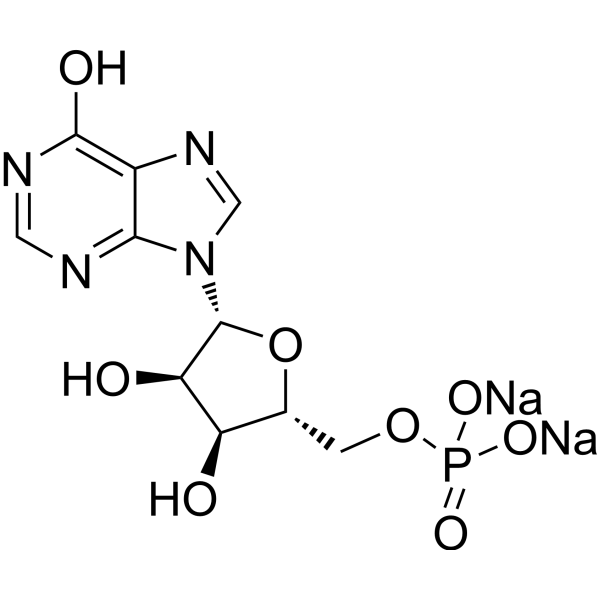
    Disodium 5'-inosinate
    1 Publications Verification

    IMP disodium salt; Disodium inosinate

    Others Metabolic Disease
    Disodium 5'-inosinate (IMP disodium salt) is a nucleotide-based umami agent. Disodium 5'-inosinate can bind to umami receptors and stimulate taste nerves, allowing the brain to perceive umami. In addition, Disodium 5'-inosinate produces a transient behavioral excitement in mice .
    Disodium 5'-inosinate
  • HY-D1122

    Fluorescent Dye Others
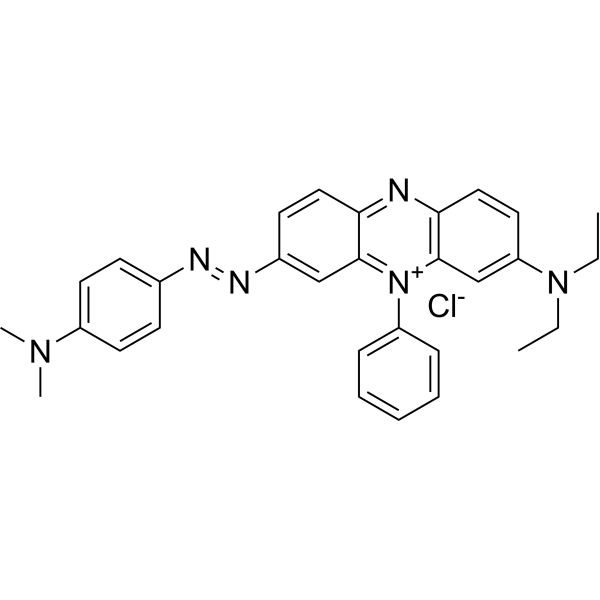
    Janus green B is a supravital stain. Janus green B staining reaction is oxygen dependent, and is reversibly inhibited by cyanide. Janus green B has been used for staining peripheral nerves in live insects, lymphatic vessels of rabbits and mitochondria .
    Janus green B
  • HY-113357

    Endogenous Metabolite Neurological Disease Metabolic Disease Inflammation/Immunology
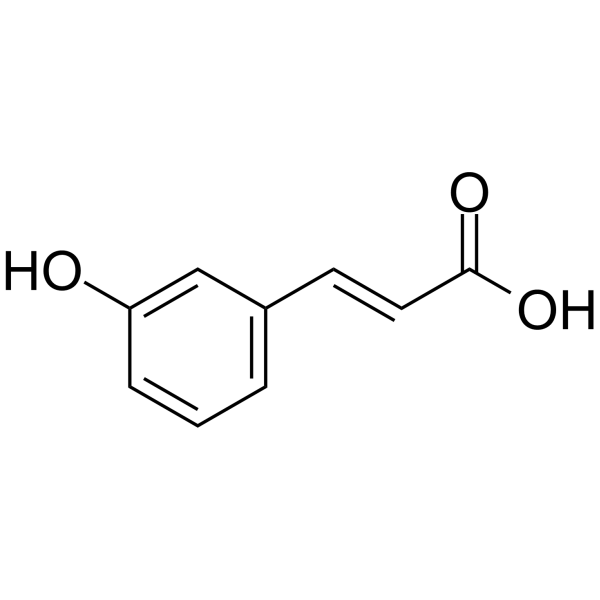
    m-Coumaric acid is a polyphenol metabolite from caffeic acid, formed by the gut microflora and the amount in human biofluids is diet-dependant. m-Coumaric acid is a BBB-penetrant metabolite of chlorogenic acid. m-Coumaric acid stimulates the cerebral nerves in vitro. m-Coumaric acid can evoke neurite outgrowth in hippocampal neuronal cells. m-Coumaric acid can promote neuronal differentiation. m-Coumaric acid increases spontaneous locomotor activity in mice by acting on the central nervous system. m-Coumaric acid inhibits the oxidation of L-dopa by epidermis tyrosinase. m-Coumaric acid attenuates non-catalytic protein glycosylation in retinas of diabetic rats .
    m-Coumaric acid
  • HY-148089A
    Eplontersen sodium
    1 Publications Verification

    Transthyretin (TTR) Neurological Disease
    Eplontersen sodium the sodium salt form of Eplontersen (HY-148089). Eplontersen sodium is a triantennary N-acetyl galactosamine (GalNAc3-7a)-conjugated antisense oligonucleotide targeting transthyretin (TTR) mRNA to inhibit production of both variant and wild-type TTR protein. Misfolded TTR induces amyloid fibrils formation in the heart and peripheral nerves, leads to amyloid TTR (ATTR) amyloidosis diseases .
    Eplontersen sodium
  • HY-W014421
    AP-18
    2 Publications Verification

    TRP Channel Neurological Disease
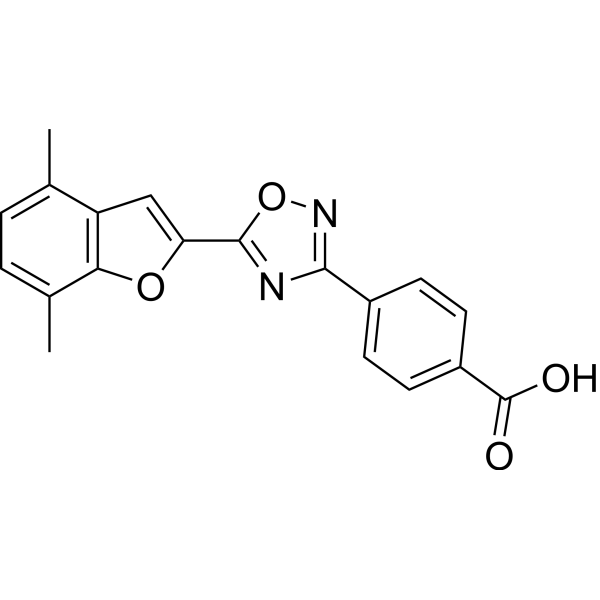
    AP-18, a potent and selective TRPA1 inhibitor, blocks activation of TRPA1 by 50 μM Cinnamaldehyde with an IC50 of 3.1 μM and 4.5 μM for human and mouse TRPA1, respectively. AP-18 reverses complete Freund's adjuvant (CFA)-induced mechanical hyperalgesia in mice. AP-18 attenuated 30 μM AITC-induced Yo-Pro uptake in a concentration-dependent manner, with an IC50 of 10.3 μM .
    AP-18
  • HY-B1032

    (±)-Dropropizine; UCB-196

    Histamine Receptor Neurological Disease
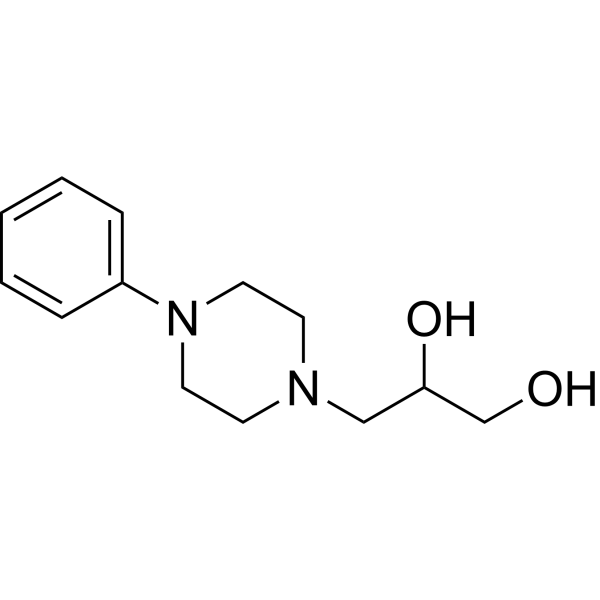
    Dropropizine ((±)-Dropropizine; UCB-196) is an orally effective, peripherally selective antitussive that inhibits the activity of peripheral receptors and afferent nerves in the respiratory tract. Dropropizine acts on the cough reflex pathway, does not pass the blood-brain barrier, and has no central nervous system side effects. Dropropizine mainly regulates the level of sensory neuropeptides and inhibits the afferent signal transmission of the cough reflex, thereby alleviating the symptoms of dry cough, and has both mild local anesthetic and antihistamine activity. Dropropizine is mainly used for symptomatic research on dry cough caused by respiratory diseases .
    Dropropizine
  • HY-168906

    Bradykinin Receptor PI3K Akt TNF Receptor ERK Neurological Disease Inflammation/Immunology
    BI-113823 is an orally active, blood-brain barrier-permeable bradykinin B1 receptor antagonist, with a Ki value of 5.3 nM for human receptors and 13.3 nM for rat receptors. BI-113823 reduces inflammation-induced mechanical hyperalgesia, as well as the mechanical sensitivity of peripheral afferent nerves and spinal nociceptive-specific neurons. BI-113823 alleviates liver fibrosis and portal hypertension, and improves survival in chronic liver disease models. BI-113823 inhibits the activities of monocytes, neutrophils and hepatic stellate cells, as well as the PI3K/Akt signaling pathway. BI-113823 can be used in research related to inflammatory pain, liver fibrosis and portal hypertension .
    BI-113823
  • HY-111573

    C286

    RAR/RXR Others Neurological Disease Inflammation/Immunology
    KCL-286 (C286) is an orally active and brain-penetrant retinoic acid receptor (RAR) β2 agonist (EC50 = 1.9 nM). KCL-286 targets RARβ2 with good selectivity over RAR α (EC50 = 26 nM) and RAR γ (EC50 = 11 nM). KCL-286 activates RARβ2 in the injured neurons. KCL-286 induces axonal regeneration of both spinal and sensory nerves through the inhibitory environment of the CNS, modulates neuroinflammation and extracellular matrix molecules. KCL-286 can modulate the expression of CSPGs by neuronal secretion of decorin which promotes myelination and aids axonal growth. KCL-286 can be studied in research for area such as spinal cord injury and traumatic nerve injury .
    KCL-286
  • HY-P0099

    nAChR Others
    Pentapeptide-3 is a pentapeptide fragment of neurotoxin waglerin-1, it can be extracted from the venom of Temple Viper. Pentapeptide-3 is a competitive antagonist of nicotinic acetylcholine receptors (nAChRs), it can blocks nerves at the post-synaptic membrane. Pentapeptide-3 has anti-aging effects and it can be used together with other cosmetic peptides .
    Pentapeptide-3
  • HY-45509

    RAD150

    Androgen Receptor Neurological Disease
    TLB 150 Benzoate (RAD150) is a nonsteroidal androgen receptor modulator with an IC50 value of 0.13 μM. TLB 150 Benzoate spontaneously cyclizes under physiological conditions to form RAD 179, resulting in a persistent, reversible, and slow neuronal conduction blockade. TLB 150 Benzoate can be used for research on neurological diseases .
    TLB 150 Benzoate
  • HY-W014700

    H-Gly-Glu-OH; Gly-Glu

    Cholinesterase (ChE) Neurological Disease
    Glycyl-L-glutamic acid is a neurotrophic factor (NF) in vivo, and exerts function of maintenance of AChE content and activity. Glycyl-L-glutamic acid doesn’t act directly on AChE synthesis, and may prevent preganglionic neuronal degeneration .
    Glycyl-L-glutamic acid
  • HY-W276164

    Sodium stearyl sulfate

    Biochemical Assay Reagents Others
    Sodium octadecyl sulfate (Sodium stearyl sulfate) is a long-chain alkyl sodium sulfate that functions as an emulsifier, crosslinking agent, and regulator. Sodium octadecyl sulfate has high safety, with a LD50 greater than 3.00 Gm./Kg for both intraperitoneal injection in mice and oral administration in rats. Sodium octadecyl sulfate enhances continuous contraction of the gastrocnemius muscle in frogs and boosts intestinal smooth muscle activity in albino rats. However, Sodium octadecyl sulfate exerts no significant effect on isolated tortoise myocardium and does not alter the conduction function of frog sciatic nerves. Sodium octadecyl sulfate can also be used to coat the surface of starch aggregates, promote crosslinking and increase aggregate size through hydrophobic and electrostatic interactions, and further form a coexistent B-V type crystalline structure with acid-hydrolyzed gelatinized starch, thereby effectively modifying the structure and surface properties of high-starch systems .
    Sodium octadecyl sulfate
  • HY-N3198A
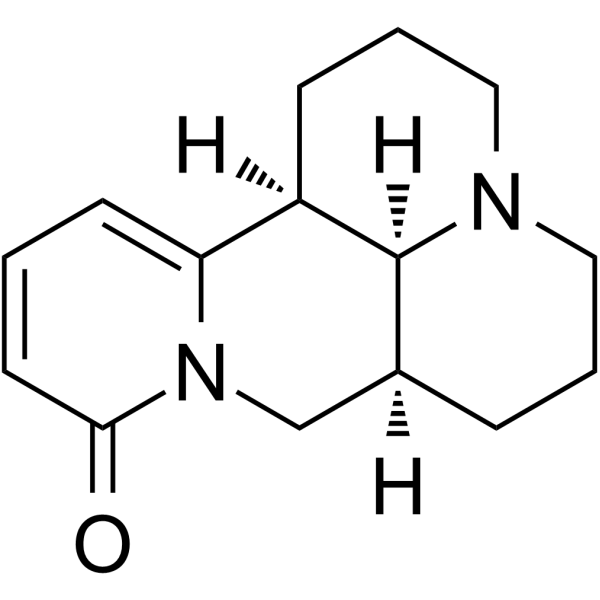
    Sophoramine
    1 Publications Verification

    (-)-Sophoramine

    Adrenergic Receptor Cardiovascular Disease
    Sophoramine ((-)-Sophoramine) is a prejunctional α2-adrenoceptor inhibitor that can be found in the seeds of Sophora alopecuroides. Sophoramine inhibits prejunctional α2-adrenoceptors to facilitate norepinephrine release from adrenergic nerves. Sophoramine shows cytotoxic activity against human cancer cells, positive inotropic activity, and activity in rodent arrhythmia models. Sophoramine can be used for the research of arrhythmias .
    Sophoramine
  • HY-P3828

    Fluorescent Dye Neurological Disease
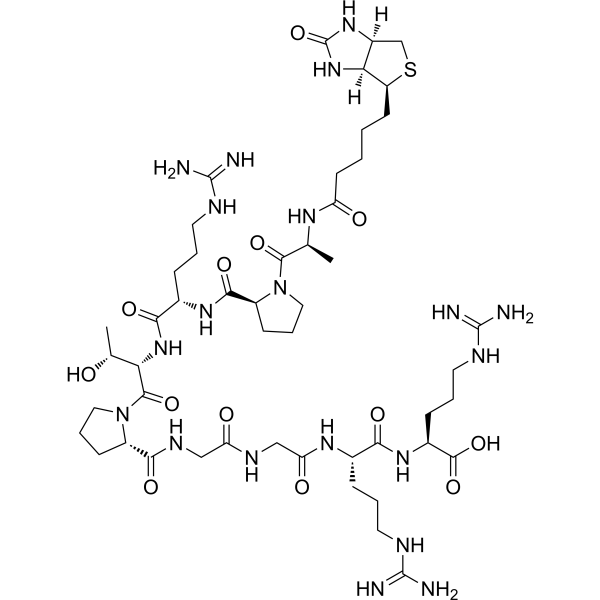
    Biotin-myelin basic protein (94-102) is a peptide fragemt. Myelin basic protein is responsible for adhesion of the cytosolic surfaces of multilayered compact myelin, it plays an important role in the process of myelination of nerves in the nervous system. Myelin basic protein also acts as a membrane actin-binding protein, which might allow it to participate in transmission of extracellular signals to the cytoskeleton in oligodendrocytes and tight junctions in myelin .
    Biotin-myelin basic protein (94-102)
  • HY-135000

    DcSTX; DecarbamoylSTX

    Endogenous Metabolite Drug Metabolite Neurological Disease
    Decarbamoylsaxitoxin is a sodium channel inhibitor that blocks the influx of sodium ions through the membranes of excitable nerves and skeletal muscle cells, thereby preventing the formation of action potentials. Decarbamoylsaxitoxin is an acidic hydrolysis product of saxitoxin, and its toxic effects on mice are identical to those of saxitoxin. Decarbamoylsaxitoxin inhibits veratridine- and ouabain-induced swelling and lysis of mouse neuroblastoma cells by blocking Na + channels. Decarbamoylsaxitoxin can be used in studies related to paralytic shellfish poisoning .
    Decarbamoylsaxitoxin
  • HY-W127391

    (Rac)-1,2-Didodecanoylglycerol

    Biochemical Assay Reagents Others
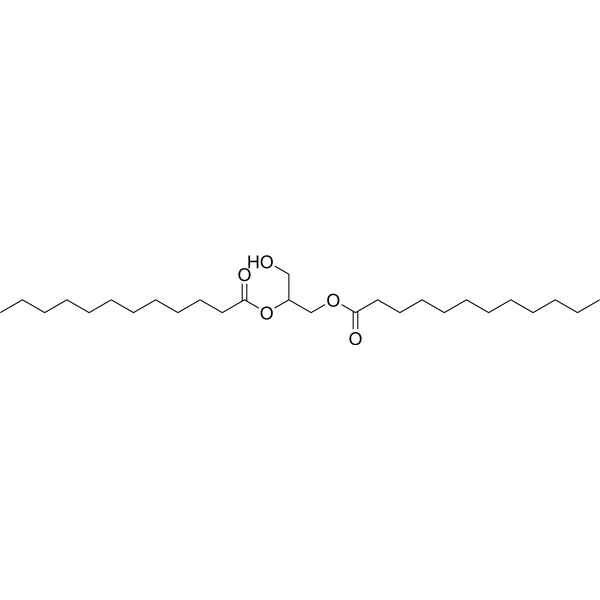
    1,2-Dilaurin is a diacylglycerol containing lauric acid at the sn-1 and sn-2 positions. It has been used as an internal standard for the quantification of diglycerides in rat desheathed sciatic nerves. [1] Monomolecular films containing 1,2-dilauroyl-rac-glycerol have been used as substrates to measure surface pressure and the effect of pancreatic procolipase and colipase on porcine pancreatic lipase activity. [2] References: [1]. Zhu, X. and Eichberg, J. 1,2-Diacylglycerol content and its arachidonyl-containing molecular species are reduced in the sciatic nerve of streptozotocin-induced diabetic rats. J. Neurochemistry. 55(3), 1087-1090 (1990).[2]. Wieloch, T., Borgstr m, B., Piéroni, G. et al. Porcine trypsinogen and its trypsin-activated form: lipid binding and lipase activation on monomolecular membranes. FEBS Express. 128(2), 217-220 (1981).
    1,2-Dilaurin
  • HY-119304

    COX Neurological Disease Inflammation/Immunology
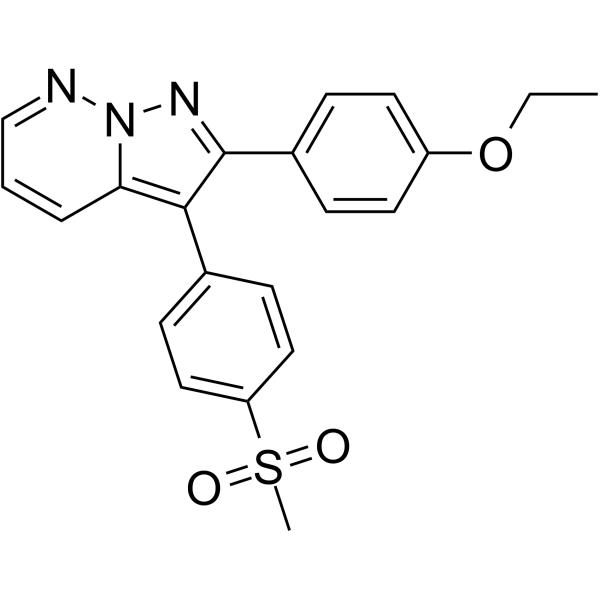
    GW406381, a highly selective cyclooxygenase-2 (COX-2) inhibitor, attenuates spontaneous ectopic discharge in sural nerves of rats following chronic constriction injury .
    GW-406381
  • HY-N2043

    Cholinesterase (ChE) Neurological Disease
    Huperzine B is a Lycopodium alkaloid isolated from Huperzia serrata and a highly selective acetylcholinesterase (AChE) inhibitor. Huperzine B can be uesd to can be used to improve Alzheimer's disease .
    Huperzine B
  • HY-113357R

    Reference Standards Endogenous Metabolite Neurological Disease Inflammation/Immunology
    m-Coumaric acid (Standard) is the analytical standard of m-Coumaric acid. This product is intended for research and analytical applications. m-Coumaric acid is a polyphenol metabolite from caffeic acid, formed by the gut microflora and the amount in human biofluids is diet-dependant. m-Coumaric acid is a BBB-penetrant metabolite of chlorogenic acid. m-Coumaric acid stimulates the cerebral nerves in vitro. m-Coumaric acid can evoke neurite outgrowth in hippocampal neuronal cells. m-Coumaric acid can promote neuronal differentiation. m-Coumaric acid increases spontaneous locomotor activity in mice by acting on the central nervous system. m-Coumaric acid inhibits the oxidation of L-dopa by epidermis tyrosinase. m-Coumaric acid attenuates non-catalytic protein glycosylation in retinas of diabetic rats .
    m-Coumaric acid (Standard)
  • HY-113738

    Aldose Reductase Na+/K+ ATPase Endogenous Metabolite Neurological Disease Metabolic Disease
    ADN-138 is an aldose reductase inhibitor. ADN-138 reduces sorbitol levels in diabetic nerves and results in significant increases in MNCV and Na +, K +-ATPase in the nerves. ADN-138 can be used in the research of diabetic nerve complications .
    ADN 138
  • HY-B1032A

    (R)-Dropropizine

    Histamine Receptor Neurological Disease
    (+)-Dropropizine ((R)-Dropropizine), an isomer of Dropropizine (HY-B1032), is an orally active histamine receptor inhibitor with anti-allergic effects. (+)-Dropropizine reduces a cough by modulation of neuropeptides involved in the cough reflex and by interfering with stimulus activation of peripheral endings of sensory nerves. (+)-Dropropizine is promising for research of dry cough caused by respiratory diseases .
    (+)-Dropropizine
  • HY-N2043R

    Reference Standards Cholinesterase (ChE) Neurological Disease
    Huperzine B (Standard) is the analytical standard of Huperzine B. This product is intended for research and analytical applications. Huperzine B is a Lycopodium alkaloid isolated from Huperzia serrata and a highly selective acetylcholinesterase (AChE) inhibitor. Huperzine B can be uesd to can be used to improve Alzheimer's disease .
    Huperzine B (Standard)
  • HY-116680

    5-HT Receptor Cardiovascular Disease Neurological Disease
    LY53857 is a potent antagonist of vasoconstriction and serotonin-mediated 5-HT2 receptors. LY53857 did not reduce mean arterial blood pressure in spontaneously hypertensive rats (SHR) at doses that blocked the depressor response to serotonin and blocked central serotonin receptors. In addition, LY53857 was able to enhance neurotransmitter release in rat vas deferens and guinea pig ileal nerves .
    LY53857
  • HY-Y1876

    Drug Derivative Others
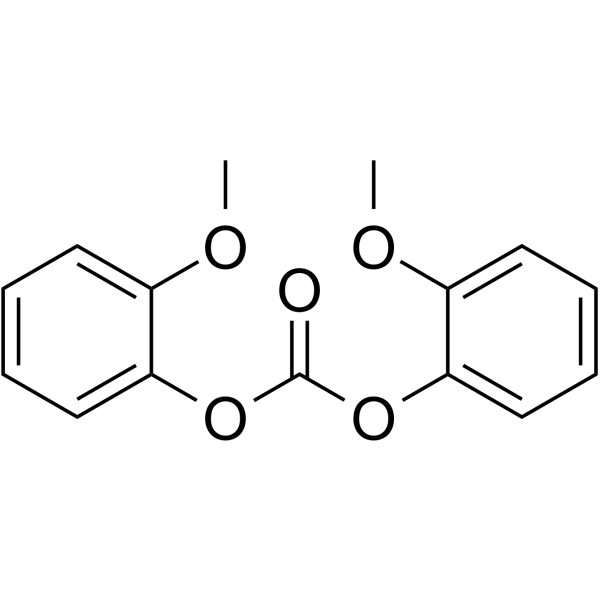
    Guaiacol Carbonate acts as an expectorant by virtue of a reflex from the stomach by way of the afferent gastric nerves to the medullary centres and thenperipherally again to the respiratory tract .
    Guaiacol Carbonate
  • HY-P1128

    Neuropeptide Y Receptor Metabolic Disease
    Galanin (swine), a neuropeptide, consists of 29 amino acids and contains a C-terminal amidated glycine. Galanin (swine) inhibits basal and stimulated insulin secretion both in vivo and in vitro under a variety of experimental conditions. Galanin (swine) is a galanin receptor agonist with pKis of 9.63, 9.49, 9.02, 8.98, 8.01 and 8.14 at human GAL1, rat GAL1, human GAL2, rat GAL2, human GAL3 and rat GAL3 respectively .
    Galanin (swine)
  • HY-P1128A

    Neuropeptide Y Receptor Metabolic Disease
    Galanin (swine) TFA, a neuropeptide, consists of 29 amino acids and contains a C-terminal amidated glycine. Galanin (swine) inhibits basal and stimulated insulin secretion both in vivo and in vitro under a variety of experimental conditions. Galanin (swine) TFA is a galanin receptor agonist with pKis of 9.63, 9.49, 9.02, 8.98, 8.01 and 8.14 at human GAL1, rat GAL1, human GAL2, rat GAL2, human GAL3 and rat GAL3 respectively .
    Galanin (swine) TFA
  • HY-N0766R

    SOD Reference Standards Others
    Isorhynchophylline (Standard) is the analytical standard of Isorhynchophylline. This product is intended for research and analytical applications. Isorhynchophylline is an alkaloid compound isolated from Uncaria. It can lower blood pressure, relax blood vessels, and protect nerves from damage caused by local ischemia.
    Isorhynchophylline (Standard)
  • HY-19136

    5-HT Receptor Neurological Disease
    WAY-100289 is an orally active antagonist for 5-HT3 receptor, that exhibits high affinity to the isolated rat vagus nerves with pA2 of 8.9. WAY-100289 inhibits the Bezold-Jarisch reflex in anesthetized and awake rats .
    WAY-100289
  • HY-P10549

    Endogenous Metabolite Neurological Disease
    NGFFFamide is a muscle-active neuropeptide found in sea urchins. NGFFFamide regulates muscle activity by directly interacting with receptor proteins on muscle cells, or indirectly by stimulating nerves or other cell types to release muscle-active factors. NGFFFamide can be used to study muscle contraction and relaxation .
    NGFFFamide
  • HY-111011

    JNJ 38488502 acetate; FE 200665 acetate

    Opioid Receptor Neurological Disease
    CR 665 (JNJ 38488502) acetate is a kappa-opioid agonist that may effectively treat visceral pain by activating receptors on afferent nerves within the gut. CR 665 acetate exhibits peripheral selectivity, differentiating its pharmacokinetic profile from that of non-selective opioids like oxycodone. CR 665 acetate has demonstrated a beneficial effect on visceral pain tolerance thresholds without the delayed analgesic response characteristic of opioids that penetrate the brain. CR 665 acetate is proposed for use in managing postoperative pain due to its pain-relieving properties.
    CR 665 acetate
  • HY-106909A

    KAE-393

    5-HT Receptor Cardiovascular Disease
    YM114 (KAE-393) is a highly potent and selective (5-HT)3-receptor antagonist that does not affect Veratridine (HY-N6691)- or electrical stimulation-induced bradycardia in anesthetized rats. YM114 inhibits 2-methyl-5-HT (HY-19358)-induced Bezold-Jarisch reflex, which originates from (5-HT)3-receptor located on the endings of vagal afferent nerves in the heart .
    YM114
  • HY-148605

    ATP Synthase Drug Derivative Cardiovascular Disease Neurological Disease Inflammation/Immunology
    Aloracetam is a γ-aminobutyric acid cyclic derivative that can pass through the blood-brain barrier and has a significant enhancing cognitive function effect. Aloracetam improves the blood perfusion of brain tissue, increases the synthesis of proteins, ATP and acetylcholine in the brain, enhances the excitatory conduction effect of cholinergic nerves, and reduces the damage to brain tissue caused by cerebral vascular diseases. Aloracetam also has certain anti-epileptic, anti-inflammatory, analgesic and anti-depressant effects .
    Aloracetam
  • HY-181482

    DAGL Neurological Disease
    A1480LS is a peripherally restricted, orally active covalent and irreversible inhibitor of DAGLα and DAGLβ, with IC50 values of 6 nM and 4 nM against human targets, respectively, and IC50 values ≤15 nM across mouse, rat, dog, monkey and human systems. A1480LS reduces the levels of 2-arachidonoylglycerol, arachidonic acid, and cyclooxygenase- and lipoxygenase-derived eicosanoids. A1480LS inhibits injury-induced production of 2-arachidonoylglycerol and arachidonic acid in the peripheral sciatic nerve, and suppresses the responses of high-threshold and wide-dynamic-range-like dorsal horn neurons to mechanical stimulation. A1480LS alleviates pain behaviors in rat models of inflammatory pain, neuropathic pain and chemotherapy-induced peripheral neuropathy .
    A1480LS
  • HY-N19801

    Toll-like Receptor (TLR) NF-κB Interleukin Related TNF Receptor Neurological Disease Inflammation/Immunology
    N-Palmitoyl-D-glucosamine is an orally active TLR4 antagonist. N-Palmitoyl-D-glucosamine stably binds MD-2 with, preventing LPS-induced NF-κB signaling, decreases pro-inflammatory cytokines (IL-1β, TNF-α, and IL-6), increases anti-inflammatory IL-10 and IL-1rα, and normalizes miR-20a-5p, miR-106a-5p, and miR-27a-3p levels. N-Palmitoyl-D-glucosamine decreases allodynia and prevents myelino-axonal degeneration of peripheral nerves. N-Palmitoyl-D-glucosamine can be used for the researches of keratitis and peripheral neuropathy .
    N-Palmitoyl-D-glucosamine
  • HY-175991S

    Sodium stearyl sulfate sulfate-d37

    Isotope-Labeled Compounds Biochemical Assay Reagents Others
    Sodium octadecyl sulfate-d37 (Sodium stearyl sulfate-d37) is the deuterium labeled Sodium octadecyl sulfate (HY-W276164). Sodium octadecyl sulfate (Sodium stearyl sulfate) is a long-chain alkyl sodium sulfate that functions as an emulsifier, crosslinking agent, and regulator. Sodium octadecyl sulfate has high safety, with a LD50 greater than 3.00 Gm./Kg for both intraperitoneal injection in mice and oral administration in rats. Sodium octadecyl sulfate enhances continuous contraction of the gastrocnemius muscle in frogs and boosts intestinal smooth muscle activity in albino rats. However, Sodium octadecyl sulfate exerts no significant effect on isolated tortoise myocardium and does not alter the conduction function of frog sciatic nerves. Sodium octadecyl sulfate can also be used to coat the surface of starch aggregates, promote crosslinking and increase aggregate size through hydrophobic and electrostatic interactions, and further form a coexistent B-V type crystalline structure with acid-hydrolyzed gelatinized starch, thereby effectively modifying the structure and surface properties of high-starch systems .
    Sodium octadecyl sulfate-d37

Inquiry Online

Your information is safe with us. * Required Fields.

Salutation


Country or Region *

Applicant Name *


Organization Name *

Department *


Email Address *


Product Name *

Cat. No.


Requested quantity *

Phone Number *


Remarks

Inquiry Online

Inquiry Information

Product Name:
Cat. No.:
Quantity:
MCE Japan Authorized Agent:

