
1. Search Result
Search Result
Results for "

neurological function

" in MedChemExpress (MCE) Product Catalog:

57

Inhibitors & Agonists

4

Screening Libraries

1

Biochemical Assay Reagents

2

Peptides

1

Inhibitory Antibodies

8

Natural
Products

1

Isotope-Labeled Compounds

Cat. No. Product Name Target Research Areas Chemical Structure
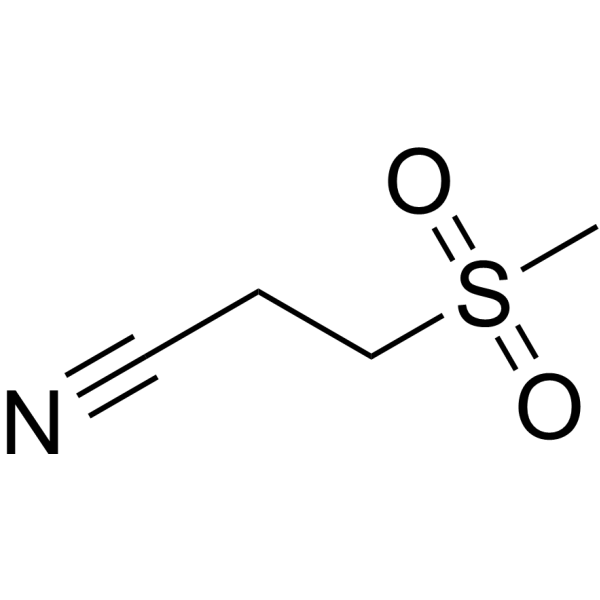
  • HY-17629
    Dapansutrile
    5 Publications Verification

    NOD-like Receptor (NLR) Inflammation/Immunology Cancer
    Dapansutrile is a potent, orally active and selective NLRP3 inflammasome inhibitor. Dapansutrile has anti-inflammatory activity and decreases immune factor levels. Dapansutrile can be used for research of inflammatory diseases .
    Dapansutrile
  • HY-134238
    Cardiolipin (Heart, Bovine) sodium
    1 Publications Verification

    Endogenous Metabolite Mitochondrial Metabolism Apoptosis Autophagy Cardiovascular Disease Neurological Disease Inflammation/Immunology
    Cardiolipin (Heart, Bovine) sodium is a mitochondria-exclusive phospholipid that can be extracted from Bovine hear. Cardiolipin (Heart, Bovine) sodium can maintain mitochondrial function, regulate cellular metabolism and signaling and induce apoptosis and autophagy. Cardiolipin (Heart, Bovine) sodium can be coated on microtitre plates for ELISA assay. Cardiolipin (Heart, Bovine) sodium can be used for the researches of inflammation, immunology, cardiovascular and neurological disease .
    Cardiolipin (Heart, Bovine) sodium
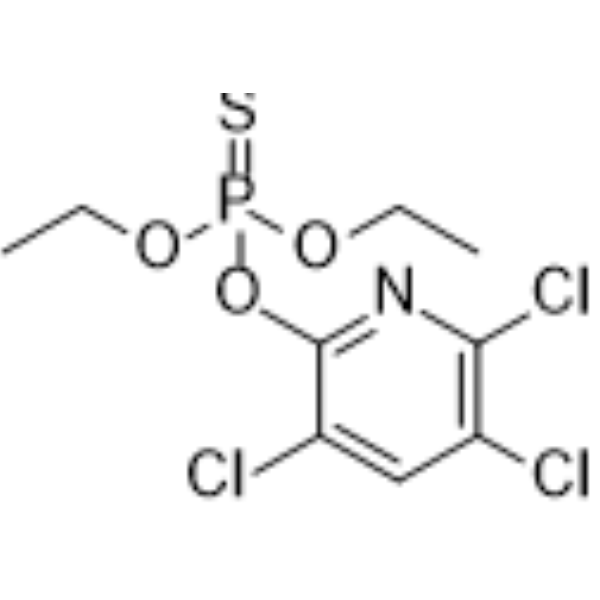
  • HY-B0815
    Chlorpyrifos
    2 Publications Verification

    Environmental Pollutants Cholinesterase (ChE) Neurological Disease
    Chlorpyrifos is a neurotoxic insecticide that belongs to the class of thionite esters. Chlorpyrifos is also a AChE inhibitor that affects neurological function in insects, humans and other animals. Chlorpyrifos interferes with cell replication and differentiation, ultimately altering synaptic transmission in neurons .
    Chlorpyrifos
  • HY-N10546

    iGluR Trk Receptor ERK Apoptosis Autophagy Neurological Disease
    Ganglioside GM1 is a type of glycosphingolipid, mainly found on the cell membranes of the central nervous system of vertebrates. Ganglioside GM1 exerts neuroprotective effects by reducing excessive activation of NMDAR, activating TrkA and ERK1/2, and inhibiting oxidative stress and cell apoptosis and autophagy. Ganglioside GM1 can be used in the research of diseases such as traumatic brain injury, Parkinson's disease, Alzheimer's disease, and Huntington's disease .
    Ganglioside GM1
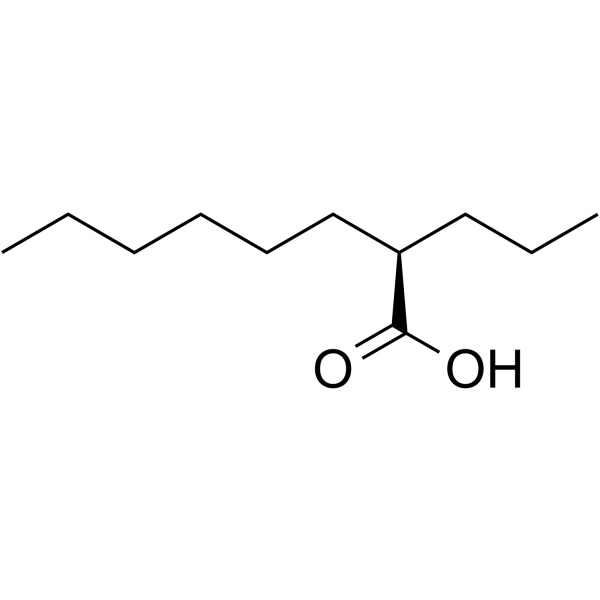
  • HY-107661
    Arundic Acid
    2 Publications Verification

    ONO-2506; (R)-2-Propyloctanoic acid

    ERK Akt NF-κB EAAT Cardiovascular Disease Neurological Disease
    Arundic Acid is an orally effective astrocyte function modulator and neuroprotective agent. Arundic Acid increases the expression and function of the astrocytic glutamate transporter EAAT1 by activating the ERK, Akt and NF-κB pathways. Arundic Acid attenuates retinal ganglion cell death in a normal-tension glaucoma model. Arundic Acid exerts neuroprotective effects in a mouse model of Parkinson's disease. Arundic Acid is a S100β protein synthesis inhibitor that prevents neurological deficits and brain tissue damage after intracerebral hemorrhage in rats. Arundic Acid downregulates neuroinflammation and astrocytic dysfunction after status epilepticus in immature rats. Arundic Acid is applicable to research related to Parkinson's disease, cerebral ischemia, glaucoma, intracerebral hemorrhage and epilepsy .
    Arundic Acid
  • HY-169996

    Molecular Glues NOD-like Receptor (NLR) Interleukin Related Neurological Disease Inflammation/Immunology
    NP3-253 is an orally active and brain-penetranted NLRP3 inflammasome inhibitor. NP3-253 functions as a molecular glue that prevents NACHT-subdomain rearrangements, locking NLRP3 in an inactive conformation. NP3-253 inhibits production of pro-inflammatory cytokines IL-1β and IL-18. NP3-253 can be used for the research of inflammation and neurological disease, suah as peritonitis .
    NP3-253
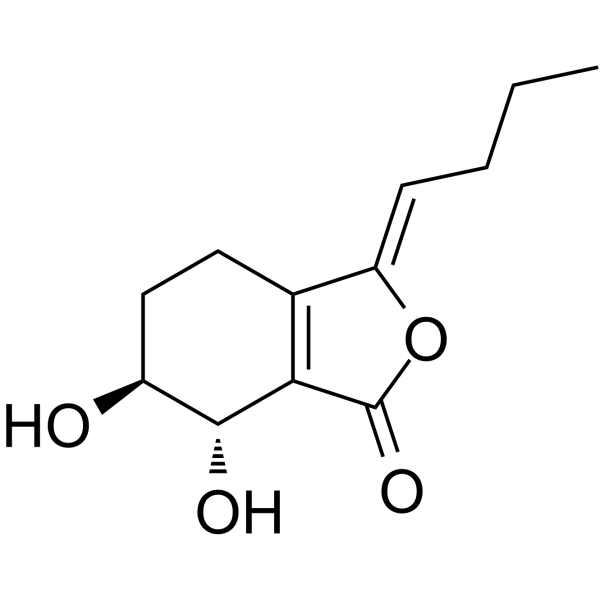
  • HY-N0745

    Caspase ERK Keap1-Nrf2 Heme Oxygenase (HO) Apoptosis Neurological Disease Inflammation/Immunology
    Senkyunolide I is an orally active, blood-brain barrier-permeable metabolite of Z-ligustilide (HY-N0401A) . Senkyunolide I is isolated from Ligusticum chuanxiong. Senkyunolide I upregulates p-Erk1/2 and Nrf2/HO-1, and inhibits Caspase 3. Senkyunolide I alleviates Apoptosis. Senkyunolide I increases the pain threshold in mice and reduces acetic acid-induced writhing responses in mice. Senkyunolide I improves neurological deficits, reduces infarct volume and alleviates cerebral edema in rats with focal cerebral ischemia-reperfusion injury. Senkyunolide I protects renal function and structural integrity in a mouse model of renal ischemia-reperfusion injury. Senkyunolide I is applicable to research related to focal cerebral ischemia-reperfusion injury, migraine, and renal ischemia-reperfusion injury .
    Senkyunolide I
  • HY-P10368

    Dynamin Reactive Oxygen Species (ROS) Infection Cardiovascular Disease Neurological Disease Inflammation/Immunology
    P110 heptapeptide is a peptide inhibitor of the Drp1-Fis1 interaction. P110 heptapeptide has anti-inflammatory, immunomodulatory, mitochondrial protective, and neuroprotective activities. Without blocking the physiological functions of Drp1, P110 heptapeptide reduces pathological functions in many models of neurodegeneration, ischemia, and sepsis. P110 heptapeptide can be used for research on neurological and inflammatory diseases .
    P110 heptapeptide
  • HY-B0815S

    Cholinesterase (ChE) Neurological Disease
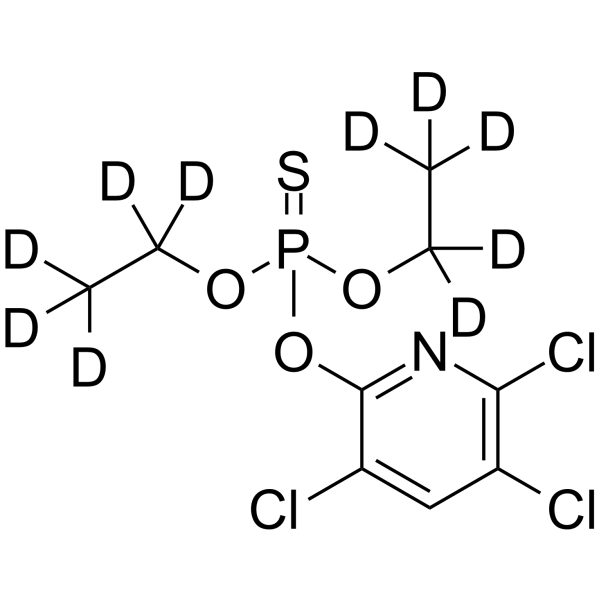
    Chlorpyrifos-d10 is the deuterium labeled Chlorpyrifos. Chlorpyrifos is an organophosphate insecticide that is classified as a phosphorothionate. The oxon metabolite of Chlorpyrifos is an inhibitor of acetylcholinesterase (AChE), affecting neurological function in insects, humans, and other animals. The Chlorpyrifos oxon (CPO) metabolite is hydrolyzed by the plasma enzyme paraoxonase 1 (PON1), and susceptibility to neurotoxicity associated with CPO exposure is mitigated by PON1 overexpression.
    Chlorpyrifos-d10
  • HY-134356

    AICAR-5'-MP

    Endogenous Metabolite Others
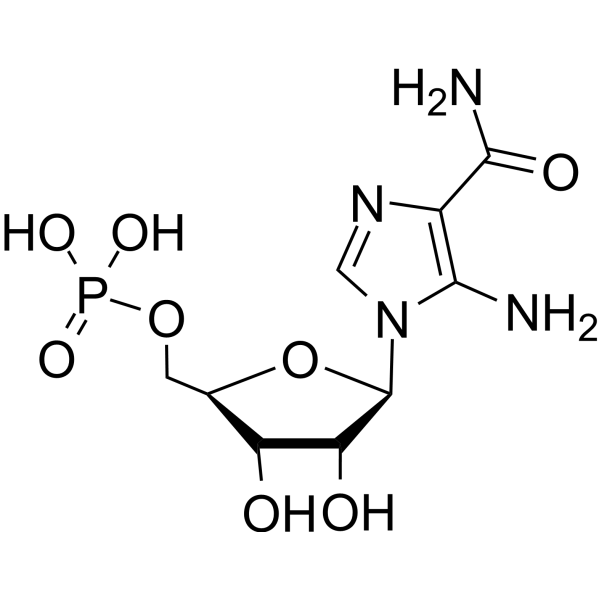
    AICA-riboside, 5′-phosphate is AICA riboside with a phosphate group. The functions of AICA riboside include: 1) conversion into AMP mimetic to selectively activate AMPK; 2) competition with adenosine for the uptake of nucleoside transporters, reversible blocking of adenosine reuptake, increasing extracellular adenosine concentration, and indirectly activating adenosine A1 receptors. AICA riboside is involved in metabolic regulation (promoting catabolism and inhibiting anabolism) and adenosine-dependent neuroprotection (inhibiting excitatory synaptic transmission). AICA riboside can be used in the study of metabolic diseases (such as diabetes and obesity) and neurological diseases (such as ischemia and epilepsy), and has central nervous system protective activity .
    AICA-riboside, 5′-phosphate
  • HY-N10424
    Brazilein
    2 Publications Verification

    Na+/K+ ATPase Apoptosis Interleukin Related NO Synthase Cardiovascular Disease Neurological Disease Inflammation/Immunology
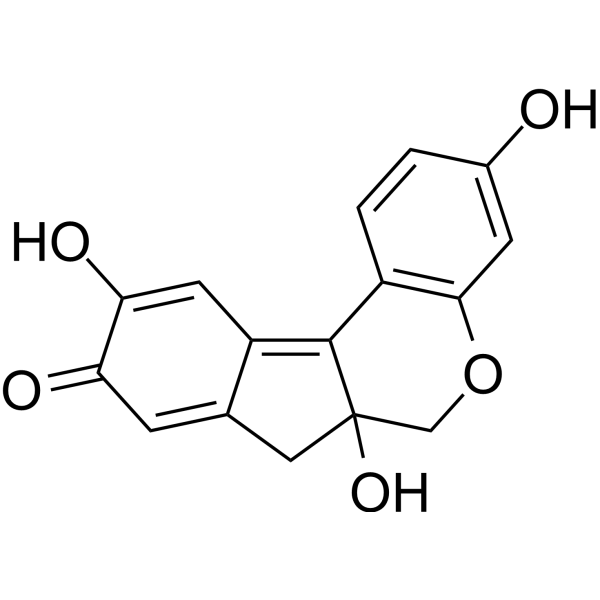
    Brazilein is a compound with anti-inflammatory and neuroprotective activities, with an IC50 of 500 μM against guinea pig Na +,K +-ATPase. Brazilein reduces iNOS mRNA expression, thereby inhibiting nitric oxide production in immune cells. Brazilein suppresses inflammatory responses by reducing the mRNA expression of TNF-α and IL-6, but has no effect on IL-1β expression. Brazilein reduces the cerebral infarction volume and improves the neurological function scores of rats with cerebral ischemia-reperfusion injury. Brazilein induces apoptosis of splenic lymphocytes in mice. Brazilein inhibits humoral immune responses in mice, and causes thymus and spleen atrophy as well as body weight loss in mice. Brazilein can be used in studies related to the nervous system, cardiovascular system and inflammatory diseases .
    Brazilein
  • HY-118355
    ALLM
    1 Publications Verification

    Calpain inhibitor II

    Proteasome Cathepsin Neurological Disease
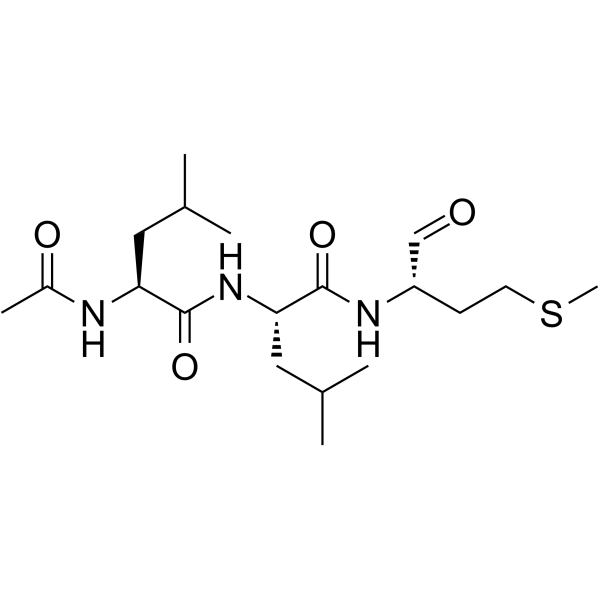
    ALLM (Calpain inhibitor II) is a potent inhibitor of calpain and cathepsin proteases. ALLM inhibits neuronal cell death and improves chronic neurological function after spinal cord injury (SCI) .
    ALLM
  • HY-11095

    mGluR CaSR PI3K Akt mTOR Autophagy Apoptosis Bcl-2 Family Caspase Cardiovascular Disease Neurological Disease
    NPS 2390 is an allosteric antagonist of calcium-sensing receptor (CaSR) and mGluR1/5. NPS 2390 inhibits the PI3K/Akt/mTOR signaling pathway, reduces hypoxia-induced intracellular calcium elevation, decreases the expression of autophagy (autophagy) proteins, regulates the expression of phenotypic marker proteins, and inhibits the proliferation of pulmonary artery smooth muscle cells. NPS 2390 attenuates the endogenous apoptosis (apoptosis) pathway, increases the expression level of Bcl-2, downregulates the expression levels of Bax, cytochrome c and caspase-3, alleviates cerebral edema and improves neurological function in rat models. NPS 2390 can be used in studies related to hypoxic pulmonary hypertension, traumatic brain injury, stroke and pain .
    NPS 2390
  • HY-W391596

    Parasite Infection Neurological Disease
    Pamaquine is an 8-aminoquinoline antimalarial agent. Pamaquine has neurotoxicity and can damage specific neuro-anatomical structures, leading to deficits of neurologic function in Rhesus monkeys models .
    Pamaquine
  • HY-137572

    5-HT Receptor Neurological Disease Inflammation/Immunology
    (R)-DOI hydrochloride is a selective 5HT2A receptor agonist. (R)-DOI hydrochloride has anti-inflammatory, anti-oxidative stress, and lysosomal function-improving effects. (R)-DOI hydrochloride can be used for the researches of inflammation and neurological disease, such as Alzheimer's disease .
    (R)-DOI hydrochloride
  • HY-133712

    Tunodafil

    Phosphodiesterase (PDE) Neurological Disease
    Yonkenafil (Tunodafil), a novel phosphodiesterase 5 (PDE5) inhibitor, is effective in reducing cerebral infarction, neurological deficits, edema, and neuronal damage in the infarcted area. Yonkenafil may improve cognitive function by modulating neurogenesis and has a potential therapeutic effect on Alzheimer's disease .
    Yonkenafil
  • HY-125039
    N-Acetyl lysyltyrosylcysteine amide
    2 Publications Verification

    Glutathione Peroxidase Cardiovascular Disease Neurological Disease
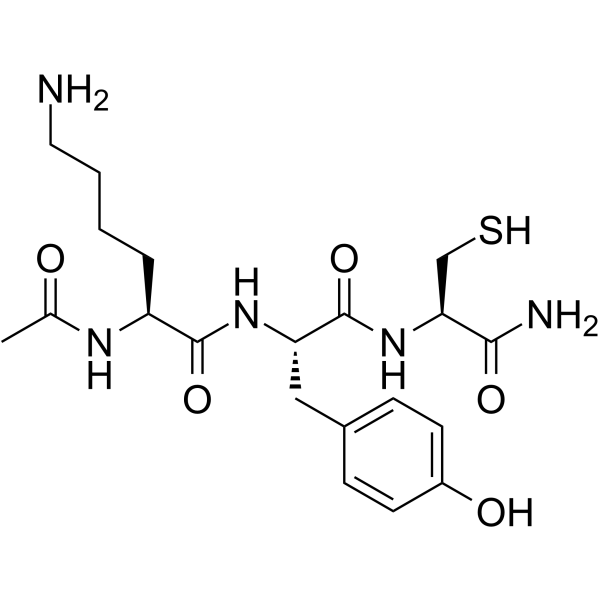
    N-Acetyl lysyltyrosylcysteine amide is a potent, reversible, specific, and non-toxic tripeptide inhibitor of myeloperoxidase (MPO). N-Acetyl lysyltyrosylcysteine amide effectively inhibits MPO generation of toxic oxidants in vivo. N-Acetyl lysyltyrosylcysteine amide reduces neuronal damage and preserves brain tissue and neurological function in the stroked brain. N-Acetyl lysyltyrosylcysteine amide inhibits MPO-dependent hypochlorous acid (HOCl) generation, protein nitration, and LDL oxidation .
    N-Acetyl lysyltyrosylcysteine amide
  • HY-114520

    Monoamine Oxidase Mitochondrial Metabolism Apoptosis Reactive Oxygen Species (ROS) Neurological Disease Metabolic Disease
    TT01001 is a selective and orally active mitoNEET agonist and a monoamine oxidase B (MAO-B) inhibitor (IC50 = 8.84 μM). TT01001 does not activate PPARγ but interacts with MitoNEET. TT01001 attenuates oxidative stress and neuronal apoptosis by preventing mitoNEET-mediated mitochondrial dysfunction. TT01001 improves type II diabetes and ameliorates mitochondrial function of mice. TT01001 can used for the studies of type II diabetes and neurological disorders .
    TT01001
  • HY-P99959

    MT-3921; rH116A3

    TGF-β Receptor Neurological Disease
    Unasnemab (MT-3921) is a humanised IgG1 monoclonal antibody that binds to repulsive guidance molecule A (RGMa). Unasnemab improves locomotor function and promotes neuroregeneration. Unasnemab exerts ameliorative effects on hippocampal neurogenesis impairment and cognitive decline in db/db mice, Streptozotocin (STZ) (HY-13753)-induced type 1 diabetic and bilateral common carotid artery stenosis (BCAS)-induced mice. Unasnemab can be used for the research of spinal cord injury, diabetes-induced neurological impairments .
    Unasnemab
  • HY-177873

    iGluR Neurological Disease
    AMPA receptor modulator-10 (Compound 9a) is an orally active AMPA receptor (AMPAR) positive allosteric modulator. AMPA receptor modulator-10 exhibits potent activity (pEC50 = 5.0) on the GluA2 subtype of AMPAR, significantly enhancing glutamate-induced calcium influx and current responses. AMPA receptor modulator-10 can reverse the memory impairment induced by Scopolamine (HY-N0296) and enhance cognitive function. AMPA receptor modulator-10 can be used for the research of neurological disease, such as schizophrenia .
    AMPA receptor modulator-10
  • HY-B0815R

    Reference Standards Cholinesterase (ChE) Neurological Disease
    Chlorpyrifos (Standard) is the analytical standard of Chlorpyrifos. This product is intended for research and analytical applications. Chlorpyrifos is a neurotoxic insecticide that belongs to the class of thionite esters. Chlorpyrifos is also a AChE inhibitor that affects neurological function in insects, humans and other animals. Chlorpyrifos interferes with cell replication and differentiation, ultimately altering synaptic transmission in neurons .
    Chlorpyrifos (Standard)
  • HY-N9785

    Others Neurological Disease
    1-O-trans-p-Coumaroylglycerol is a compound found in certain plants that has neuroprotective activity. 1-O-trans-p-Coumaroylglycerol has shown potential in protecting against neurodegenerative diseases. 1-O-trans-p-Coumaroylglycerol is also believed to act as a natural antioxidant, and its applications may include improving cognitive function and supporting neurological health .
    1-O-trans-p-Coumaroylglycerol
  • HY-178154

    PINK1/Parkin Mitochondrial Metabolism Neurological Disease
    FB231 is a Parkin activator. FB231 can induce mild mitochondrial stress, resulting in impaired mitochondrial function and activation of the integrated stress response. FB231 can lower the threshold for mitochondrial toxins to induce PINK1/Parkin-mediated mitophagy. FB231 can cause activation of the integrated stress response (ISR) and perturbation to iron-dependent pathways. FB231 can be used for the research of neurological disease, such as Parkinson’s disease .
    FB231
  • HY-W414548

    Others Neurological Disease Metabolic Disease
    7α,27-Dihydroxycholesterol is an oxysterol characterized by its oxidized side chains and is produced through the hydroxylation of 27-Hydroxycholesterol (27-OHC); it serves as a metabolite of interest in lipidomic analyses of various pathological conditions, including neurological diseases, Smith-Lemli-Opitz syndrome, obesity metabolic syndrome, and diabetes. Notably, levels of 7α,27-di-OHC decrease following lipopolysaccharide activation, and it also functions as a ligand for Epstein-Barr virus-induced gene 2 (EBI2). Additionally, 7α,27-di-OHC exists as a structural isomer of 7α,25-dihydroxycholesterol (7α25-OHC).
    7α,27-Dihydroxycholesterol
  • HY-N11286

    TG-DHA; Meganol D

    Others Neurological Disease Metabolic Disease Inflammation/Immunology
    Tridocosahexaenoylglycerol (TG-DHA) is an orally active dietary supplement that improves autoimmune encephalomyelitis in mice. Tridocosahexaenoylglycerol shows beneficial effects on neurodegenerative diseases and also improves macular function in diabetic retinopathy. Tridocosahexaenoylglycerol can be used for research on neurological diseases, inflammatory immune diseases, and metabolic diseases .
    Tridocosahexaenoylglycerol
  • HY-106969A

    Glycine Receptor (GlyR) iGluR Cardiovascular Disease Neurological Disease
    ZD 9379 sodium is a competitive glycine/NMDA receptor antagonist, with an IC50 value of 75 nM (glutamate site). ZD 9379 sodium selectively antagonizes the glycine binding site (GlyB site) on the NMDA receptor, inhibiting the binding of glycine to the NMDA receptor and alleviating excitotoxicity. ZD 9379 sodium reduces the frequency of cortical spreading depression (SDs), alleviates energy depletion in the ischemic penumbra, and delays the expansion of infarction. ZD 9379 sodium reduces the infarct volume and improves neurological function in mouse models. ZD 9379 sodium can be used in studies of acute ischemic stroke, etc .
    ZD 9379 sodium
  • HY-175548

    Keap1-Nrf2 Apoptosis Caspase Neurological Disease
    Nrf2 activator-21 is a Nrf2 activator with dual antioxidant and neuroprotective properties. Nrf2 activator-21 binds to Keap1 Kelch domain and disrupts Keap1-Nrf2 interactions and activate antioxidant defense mechanisms. Nrf2 activator-21 reduces apoptosis and decreases caspase-3 activity in the hippocampal neurons. Nrf2 activator-21 targets cerebral ischemia/reperfusion injury (CIRI) via Nrf2 pathway activation. Nrf2 activator-21 improves neurological function, alleviates anxiety-like behavior, enhances memory in rats with 2-vessel occlusion (2VO)-induced CIRI. Nrf2 activator-21 can be used for the study of cerebral ischemia/reperfusion injury .
    Nrf2 activator-21
  • HY-W025830

    Biochemical Assay Reagents Neurological Disease
    2-(1-(2-Amino-2-oxoethyl)cyclohexyl)acetic acid has neurological properties and can be used to study the structure and function of proteins and enzymes, as well as protein-protein interactions. 2-(1-(2-Amino-2-oxoethyl)cyclohexyl)acetic acid can also be used to study the structure and function of compounds .
    2-(1-(2-Amino-2-oxoethyl)cyclohexyl)acetic acid
  • HY-N2720

    Robustaside B

    PI3K Reactive Oxygen Species (ROS) Metabolic Disease
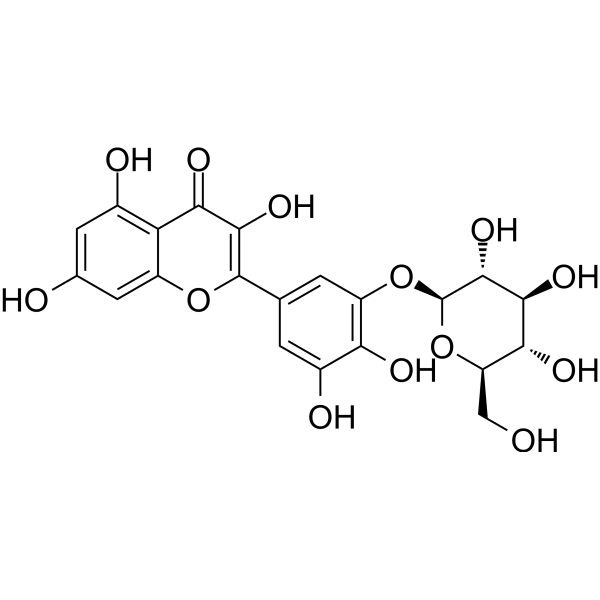
    6-O-Caffeoylarbutin (Robustaside B) possesses antioxidant activity . 6-O-Caffeoylarbutin ameliorates neurological functions and deficits in ischemic mice.
    6-O-Caffeoylarbutin
  • HY-179214

    Glycosidase Amyloid-β NF-κB Interleukin Related Neurological Disease
    DEL-C1 is a CHI3L1 inhibitor. DEL-C1 can restore the ability to clear Amyloid-β and repair lysosomal function of astrocytes. DEL-C1 can inhibit NF-κB signaling and IL-6 secretion. DEL-C1 can be used for the researches of inflammation and neurological disease, such as Alzheimer's disease .
    DEL-C1
  • HY-103405A

    Dopamine Receptor Neurological Disease
    NGD 94-1 (dimaleate) is a potent and selective dopamine D4 receptor antagonist. NGD 94-1 (dimaleate) shows high affinity for the cloned human D4.2 receptor (Ki = 3.6 nM). NGD 94-1 (dimaleate) modulates the cognitive functions of the frontostriatal system and regulates dopaminergic transmission in Phencyclidine (PCP)-induced monkeys. NGD 94-1 (dimaleate) can be used for neurological disease research [1][2].
    NGD 94-1 dimaleate
  • HY-160548

    mTOR Infection Neurological Disease Metabolic Disease Inflammation/Immunology Cancer
    mTOR inhibitor-18 (Example 106) is a mTOR inhibitor. mTOR inhibitor-18 can be used for mTOR related research, such as cancer, immune disorders, cardiovascular disease, viral infection, inflammation, metabolism/endocrine function disorders and neurological disorders .
    mTOR inhibitor-18
  • HY-P5947

    HIV Neurological Disease
    Tat-HA-NR2B9 contains a fragment of the cellmembrane transduction domain of HIV-1 Tat, a influenza virus hemagglutinin (HA) epitope-tag, and the C-terminal 9 amino acids of NR2B (NR2B9c). Tat-HA-NR2B9 reduces infarct size and improves neurological functions in ischemia-induced cerebral injury in the rats
    Tat-HA-NR2B9c
  • HY-167934

    Endogenous Metabolite Neurological Disease
    Isomer-CM 352 is a new antifibrinolytic agent with inhibitory activity against matrix metalloproteinases. Isomer-CM 352 effectively reduced hematoma expansion and promoted functional and neurological recovery in a model of intracerebral hemorrhage. Isomer-CM 352 improved neurological function by preventing hematoma growth and showed potential in the suppression of acute neurological diseases .
    Isomer-CM 352
  • HY-17629R

    NOD-like Receptor (NLR) Inflammation/Immunology Cancer
    Dapansutrile (Standard) is the analytical standard of Dapansutrile. This product is intended for research and analytical applications. Dapansutrile is a potent, orally active and selective NLRP3 inflammasome inhibitor. Dapansutrile has anti-inflammatory activity and decreases immune factor levels. Dapansutrile can be used for research of inflammatory diseases .
    Dapansutrile (Standard)
  • HY-134458A

    Lysyltyrosine TFA

    P2X Receptor Neurological Disease
    H-Lys-Tyr-OH TFA (Lysyltyrosine TFA) is a dipeptide composed of lysine and tyrosine. H-Lys-Tyr-OH TFA prevents neurological diseases or improves brain function by promoting the release of noradrenaline and tyrosine into the brain .
    H-Lys-Tyr-OH TFA
  • HY-125095

    Tunodafil hydrochloride

    Phosphodiesterase (PDE) Cardiovascular Disease Neurological Disease
    Yonkenafil (Tunodafil) hydrochloride, a novel phosphodiesterase 5 (PDE5) inhibitor, is effective in reducing cerebral infarction, neurological deficits, edema, and neuronal damage in the infarcted area. Yonkenafil (Tunodafil) hydrochloride may improve cognitive function by modulating neurogenesis and has a potential therapeutic effect on Alzheimer's disease .
    Yonkenafil hydrochloride
  • HY-114270

    GSK-3 Neurological Disease
    JGK-263 is an orally active Glycogen synthase kinase-3β (GSK-3β) inhibitor. JGK-263 exhibits neuroprotective effect and can improve motor function. JGK-263 can be used for the research of neurological disease, such as amyotrophic lateral sclerosis (ALS) .
    JGK-263
  • HY-114555

    GlyT Neurological Disease
    TASP0315003 is a glycine transporter 1 (GlyT1) inhibitor. TASP0315003 potentiates NMDA receptor function by increasing synaptic glycine levels. TASP0315003 can improve cognitive dysfunction and the negative symptoms of schizophrenia without having undesirable central nervous system side effects. TASP0315003 can be used for the research of neurological disease .
    TASP0315003
  • HY-168028

    mGluR Neurological Disease
    mGluR2 modulator 5 (Compound 11) is an orally active, selective mGluR2 negative allosteric modulator with an IC50 of 8.9 nM. Pharmacokinetic studies in rats show that mGluR2 modulator 5 can effectively cross the blood-brain barrier. It can modulate cognitive and neurological functions in mood disorders and is suitable for research in the field of neurodegenerative diseases .
    mGluR2 modulator 5
  • HY-177557

    Indoleamine 2,3-Dioxygenase (IDO) Infection Neurological Disease Inflammation/Immunology Cancer
    IDO-IN-19 (Compound I) is a free base of an imidazole-isoindole derivative. IDO-IN-19 can inhibit the activity of Indoleamine 2,3-Dioxygenase (IDO). IDO-IN-19 can block the decomposition of tryptophan and restore the function of T cells. IDO-IN-19 can be used for the researches of cancer, immunology, infection and neurological disease, such as breast cancer and Alzheimer's disease .
    IDO-IN-19
  • HY-108157

    mAChR Neurological Disease
    A-72055 is a partial agonist of muscarinic receptors. A-72055 has binding activity to both M1 and M2 receptors, with Ki values of 32 nM and 30 nM, respectively. A-72055 can enhance cognitive function and improve learning and memory deficits. A-72055 has better security. A-72055 can be used for research on neurological disorders such as cognitive impairment .
    A-72055
  • HY-W550739

    PD-1/PD-L1 ERK mTOR Autophagy Neurological Disease
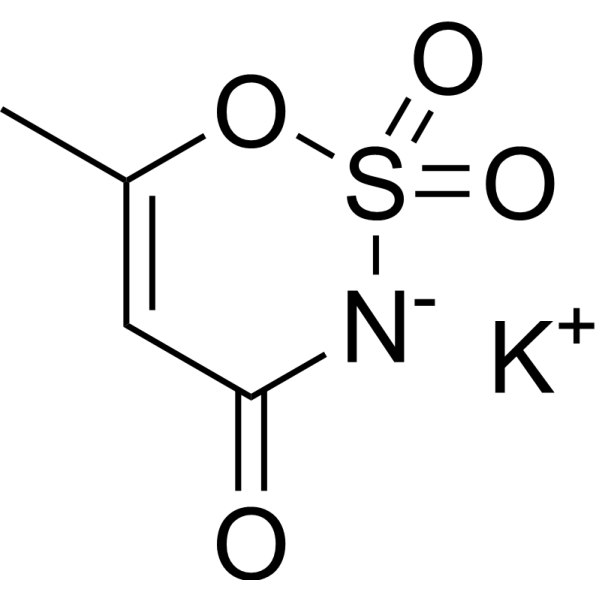
    Acesulfame is a synthetic sweetener. Long-term use of Acesulfame can affect cognitive function, possibly by altering the neurometabolic functions in mice. Acesulfame potassium can suppress autophagic degradation of PD-L1 in RIL-175 and SK-Hep1 cells through the ERK1/2-mTORC1-ULK1 pathway, which may be related to immune evasion in cancer cells. Acesulfame can be used in research on neurological diseases, metabolic disorders, cancer, and immune evasion .
    Acesulfame
  • HY-103405

    Dopamine Receptor Neurological Disease
    NGD94-1 is a potent and selective dopamine D4 receptor antagonist. NGD94-1 shows high affinity for the cloned human D4.2 receptor (Ki = 3.6 nM). NGD94-1 modulates the cognitive functions of the frontostriatal system and regulates dopaminergic transmission in Phencyclidine (PCP)-induced monkeys. NGD94-1 can be used for neurological disease research [1][2].
    NGD94-1
  • HY-142932

    Btk Neurological Disease Inflammation/Immunology Cancer
    BTK-IN-6 is a potent inhibitor of Bruton's Tyrosine Kinase (BTK). BTK is a member of the Tec family of tyrosine kinases and plays an important role in the regulation of early B-cell development and mature B-cell activation and survival. BTK-IN-6 has the potential for the research of immune disorders, cancer, cardiovascular diseases, viral infections, inflammation, metabolism/endocrine function disorders, and neurological disorders (extracted from patent WO2021136219A1, compound 8) .
    BTK-IN-6
  • HY-173307

    Keap1-Nrf2 Apoptosis Reactive Oxygen Species (ROS) Cardiovascular Disease
    Nrf2 activator 19 is a BBB-penetrable NRF2/HO-1 activator. Nrf2 activator 19 exerts potent antioxidant and neuroprotective effects. Nrf2 activator 19 can also effectively reduce brain damage, reduce Reactive Oxygen Species (ROS) accumulation. Nrf2 activator 19 inhibits neuronal apoptosis. Nrf2 activator 19 promotes the recovery of neurological function and motor ability. Nrf2 activator 19 shows significant potential in ischemic stroke research .
    Nrf2 activator 19
  • HY-176712

    GSNOR Apoptosis Neurological Disease
    GSNOR-IN-1, a prodrug of GSNOR-IN-2 (HY-176275), is a BBB-penetrable S-nitrosoglutathione reductase (GSNOR) inhibitor. GSNOR-IN-1 has significant protective activity against OGD/R-induced injury. GSNOR-IN-1 regulates calcium signaling and synaptic function via Clstn1 S-nitrosation and inhibits neuronal apoptosis. GSNOR-IN-1 significantly reduces infarct volume while improving neurological deficits in ischemic stroke rat models. GSNOR-IN-1 has neuroprotective activity, promising for ischemic stroke research .
    GSNOR-IN-1
  • HY-106769B

    (3aR,9aR)-GR50360

    Adrenergic Receptor Neurological Disease
    (3aR,9aR)-Fluparoxan ((3aR,9aR)-GR50360) is a highly selective and potent α2B adrenaline receptor antagonist with the activity of preventing, improving or inhibiting neurodevelopmental disorders and neurodegenerative diseases. As an α2B receptor antagonist, (3aR,9aR)-Fluparoxan can promote the recovery of neurological function. The mechanism of action of (3aR,9aR)-Fluparoxan makes it have important application potential in neuroscience research .
    (3aR,9aR)-Fluparoxan
  • HY-175027

    RIP kinase Ferroptosis Neurological Disease
    RIPK1-IN-33 is a blood-brain barrier-permeable and orally active RIPK1 inhibitor, with an IC50 of 0.115 μM. RIPK1-IN-33 demonstrates remarkable anti-ferroptosis activity, radical scavenging capacity (IC50 = 123.3 μM), and anti-lipid peroxidation effects (IC50 = 9.72 μM). RIPK1-IN-33 markedly reduces cerebral infarction volume and improves neurological function scores in transient middle cerebral artery occlusion (tMCAO) model. RIPK1-IN-33 can be used for the study of ischemic stroke .
    RIPK1-IN-33
  • HY-171472

    Dopamine Receptor Neurological Disease
    A-86929 is a highly potent and selective dopamine D1 receptor agonist with a pKi value of 7.3. In the 6-OHDA (HY-B1081)-induced unilateral nigrostriatal lesion rat model, A-86929 significantly induces rotational behavior. It also improves motor function in the MPTP (HY-15608)-induced Parkinson's disease marmoset model. Additionally, A-86929 demonstrates potential therapeutic value in reducing cocaine-seeking behavior in rats and reversing Haloperidol (HY-14538)-induced cognitive deficits in rhesus monkeys. A-86929 can be used for research in neurological disorders .
    A-86929

Inquiry Online

Your information is safe with us. * Required Fields.

Salutation


Country or Region *

Applicant Name *


Organization Name *

Department *


Email Address *


Product Name *

Cat. No.


Requested quantity *

Phone Number *


Remarks

Inquiry Online

Inquiry Information

Product Name:
Cat. No.:
Quantity:
MCE Japan Authorized Agent:

