
Search Result
Results for "
organic polymer
" in MedChemExpress (MCE) Product Catalog:
26
Biochemical Assay Reagents
1
Isotope-Labeled Compounds
| Cat. No. |
Product Name |
Target |
Research Areas |
Chemical Structure |
-
- HY-W250110
-
|
|
Environmental Pollutants
Biochemical Assay Reagents
|
Infection
Others
|
|
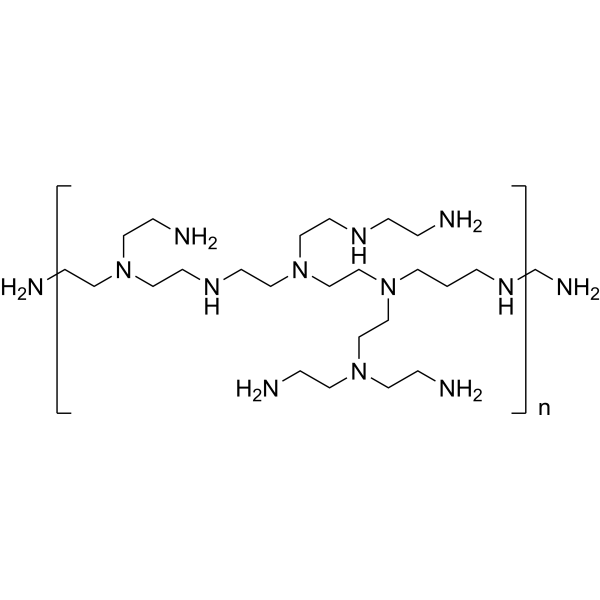
Polyethylenimine (branched) (30% in water) is a organic macromolecule with high cationic-charge-density potential. Polyethylenimine (branched) (30% in water) can ensnare DNA as well as attach to cell membrane. Polyethylenimine (branched) (30% in water) also retains a substantial buffering capacity at virtually any pH. Polyethylenimine (branched) (30% in water) is widely used as transfection reagent .
|
-
-
- HY-Y0338
-
|
|
Environmental Pollutants
|
Others
|
|
Ethylene glycol is an organic compound that is often used as an antifreeze agent and coolant. Ethylene glycol lowers the freezing point by forming hydrogen bonds with water molecules, exerting antifreeze activity. Ethylene glycol is also used as a raw material in the synthesis of polymers such as polyester fibers and polyurethanes .
|
-
-
- HY-B2221C
-
|
Carboxymethyl cellulose CM-32; CM-32
|
Environmental Pollutants
Biochemical Assay Reagents
|
Others
|
|
CM Cellulose CM-32 (Carboxymethyl cellulose) is a cellulose derivative. CM Cellulose CM-32 has a wide range of applications in the biomedical field, including tissue engineering, wound dressing, absorbent nonwovens, fabrication of 3D-scaffolds for biocompatible implants, artificial organs or mimics of extracellular polymeric matrix and diagnosis of various diseases. CM Cellulose CM-32 can decrease osteoclasts formation. CM Cellulose CM-32 can be used as a biological material or organic compound for life science related research .
|
-
-
- HY-W027592
-
|
|
Environmental Pollutants
MOFs
|
Others
|
|
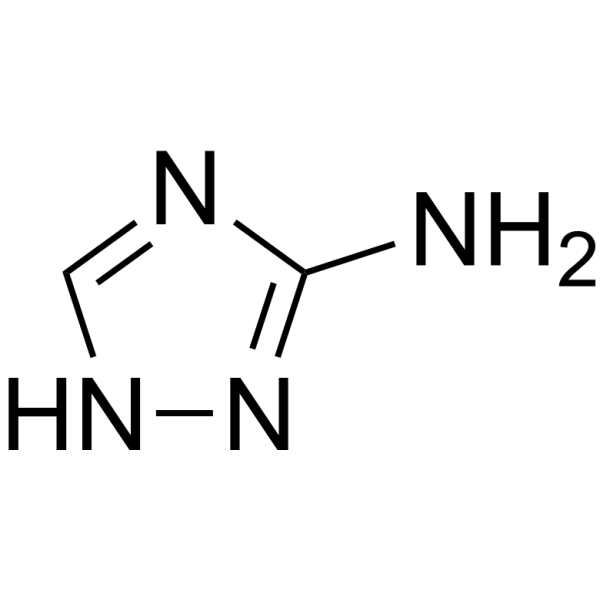
1H-1,2,4-Triazol-3-amine consists of a triazole ring system and an amino group attached to carbon atom 3. The compound has potential applications in various fields such as medicinal chemistry, agrochemicals and material science. In medicinal chemistry, 1H-1,2,4-Triazol-3-amine is used as a starting material for the synthesis of pharmaceutical compounds such as antifungal agents, anticancer agents, and enzyme inhibitors associated with cardiovascular disease. In agrochemicals, it can be used as a raw material for the synthesis of herbicides, fungicides and insecticides. Furthermore, 1H-1,2,4-Triazol-3-amine is used as a ligand in coordination chemistry and as a precursor for the production of new functional materials such as polymers and metal-organic frameworks.
|
-
-
- HY-107869
-
|
|
Fluorescent Dye
|
Cancer
|
|
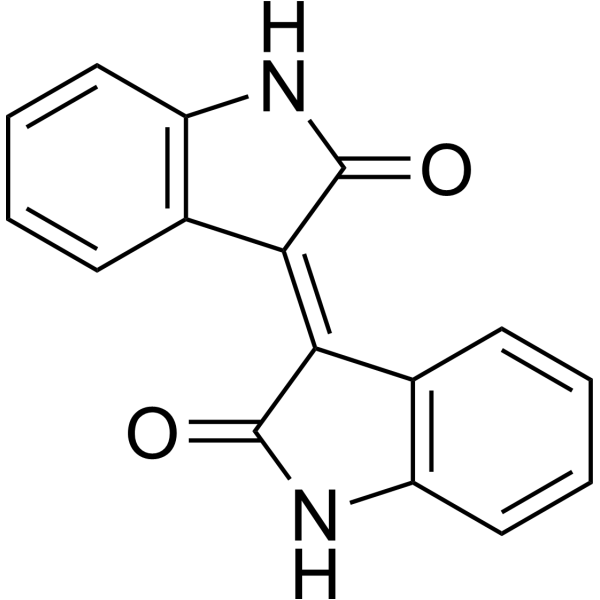
Isoindigo acts as the acceptor unit in donor-acceptor (D-A) conjugated polymers and belongs to the indigo dye family. Isoindigo contains two lactam rings and exhibits strong electron-withdrawing properties. Isoindigo can be used in dyeing and pigment preparation. Isoindigo shows high mobility and excellent environmental stability in field-effect transistors (FETs). Isoindigo possesses the activity to inhibit tumor cell proliferation and has certain anti-tumor activity .
|
-
-
- HY-W013021
-
|
|
Ligands for E3 Ligase
|
Others
|
|
Norbornene is a cycloolefin and building block for synthesis of porous organic polymeric materials via metathesis, addition, and CANAL polymerization. Norbornene can also be used as an E3 ligase ligand for the synthesis of PROTAC, such as PROTAC HyTTD Degrader-1 (HY-181895) .
|
-
-
- HY-W090309
-
|
|
Biochemical Assay Reagents
|
Others
|
|
Monosodium 2-sulfoterephthalate is an oxygen-containing organic linker and coordination ligand. Under hydrothermal conditions, Monosodium 2-sulfoterephthalate binds to Cr 3+ ions via deprotonated carboxyl groups to form the MIL-101 (Cr)-SO3H metal-organic framework. Monosodium 2-sulfoterephthalate also adopts monodentate and hexadentate linkage modes with Er III ions, respectively, thereby forming monomeric and polymeric Er III compounds .
|
-
-
- HY-W089777
-
|
GPTMS
|
Biochemical Assay Reagents
|
Others
|
|
3-Glycidyloxypropyltrimethoxysilane (GPTMS) is a silicon source for the preparation of inorganic-organic hybrid polymers. 3-Glycidyloxypropyltrimethoxysilane can be used to prepare hard coatings of organic polymers, such as contact lens materials in the optical industry, as well as related materials in the fields of electronics, thin films, sensors, nanoimprinting, waveguides, and biology .
|
-
-
- HY-15929
-
TBHBA
1 Publications Verification
2,4,6-Tribromo-3-hydroxybenzoic acid
|
Biochemical Assay Reagents
|
Others
|
|
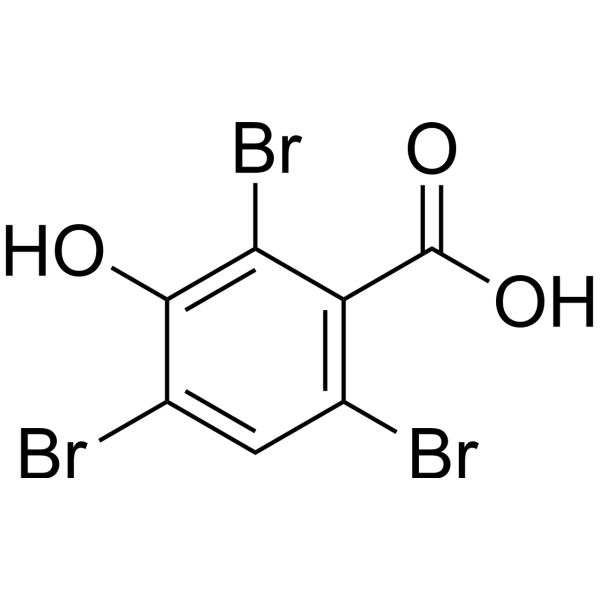
TBHBA (2,4,6-Tribromo-3-hydroxybenzoic acid) is a chemical colorimetric agent and nanomaterial surface modifier. TBHBA can react with some oxidants (such as H2O2) to generate high-absorbance quinoneimine dyes, which enhance the sensitivity of HDL cholesterol enzymatic determination. TBHBA can be used as a bromine-containing coupling agent to modify the surface of silica nanoparticles through esterification reaction. Thereby, organic flame retardant groups are introduced to improve the thermal stability and flame retardant properties of nanocomposites. TBHBA can be used in clinical biochemical testing (such as serum lipoprotein analysis) and the preparation of flame-retardant polymer nanocomposites .
|
-
-
- HY-W018574
-
|
|
Biochemical Assay Reagents
|
Others
|
|
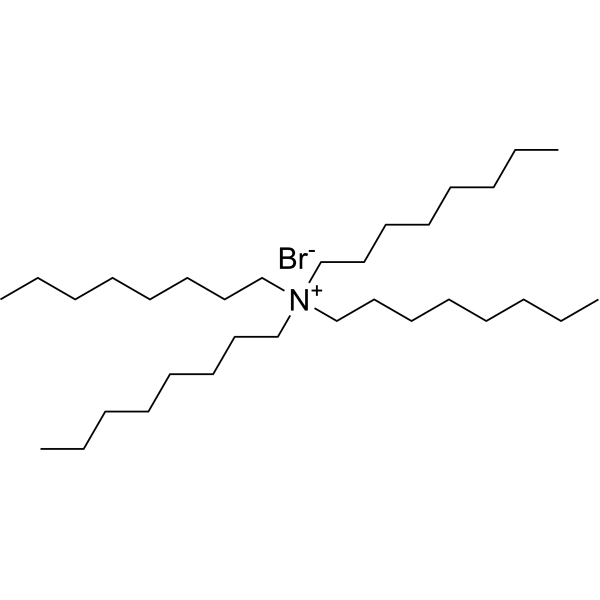
Tetraoctylammonium bromide (TOAB) is a quaternary ammonium salt consisting of a positively charged tetraoctylammonium cation and a negatively charged bromide anion. This compound is commonly used as a phase transfer catalyst in organic chemical reactions, facilitating the transfer of reactants between immiscible phases. It is also used as a surfactant and dispersant in various industrial applications, for example in the production of coatings, adhesives and polymers. Additionally, Tetraoctylammonium bromide has been investigated for potential applications in energy storage devices and as an antimicrobial agent.
|
-
-
- HY-W250309
-
|
|
Biochemical Assay Reagents
|
Others
|
|
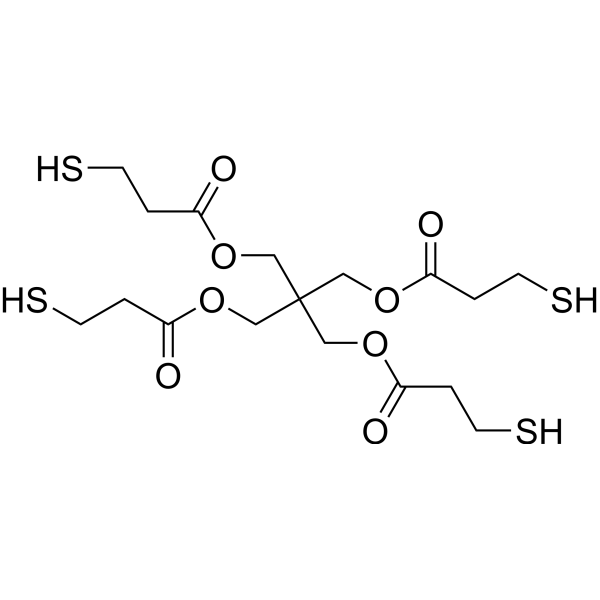
Pentaerythritol tetra(3-mercaptopropionate)It is a class of organic compounds containing both pentaerythritol and mercaptopropionate groups. It is commonly used as a stabilizer and crosslinking agent in various chemical and industrial applications. Pentaerythritol tetra(3-mercaptopropionate)Has a variety of properties that make it suitable for these applications, including the ability to increase the mechanical strength, thermal stability and weatherability of polymers and coatings. Additionally, it can be used as a feedstock for the production of other specialty chemicals and materials.
|
-
-
- HY-W068700
-
|
|
Biochemical Assay Reagents
|
Others
|
|
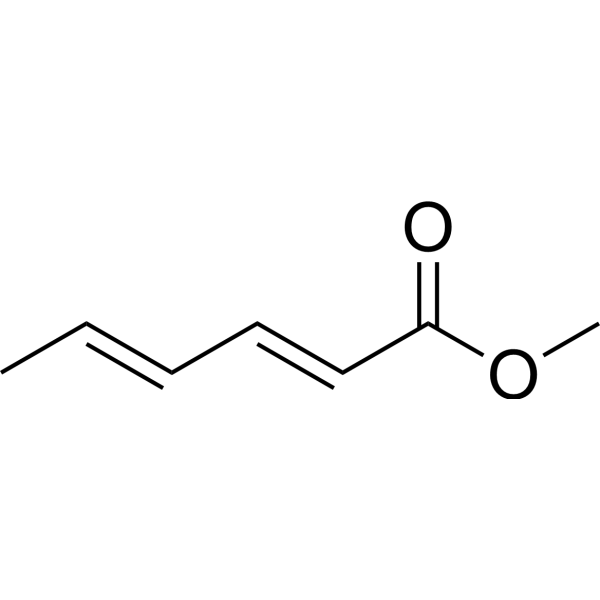
Methyl sorbate, which is an ester formed by the condensation of methanol and hexa-2,4-dienoic acid, is commonly used as a flavoring agent and fragrance in the food and cosmetic industries due to its fruity, floral, and taste, and in addition , it has also been investigated for its potential use as a starting material in the synthesis of various organic compounds, including pharmaceuticals, agrochemicals, and polymers.
|
-
-
- HY-W087905
-
|
|
Biochemical Assay Reagents
|
Others
|
|
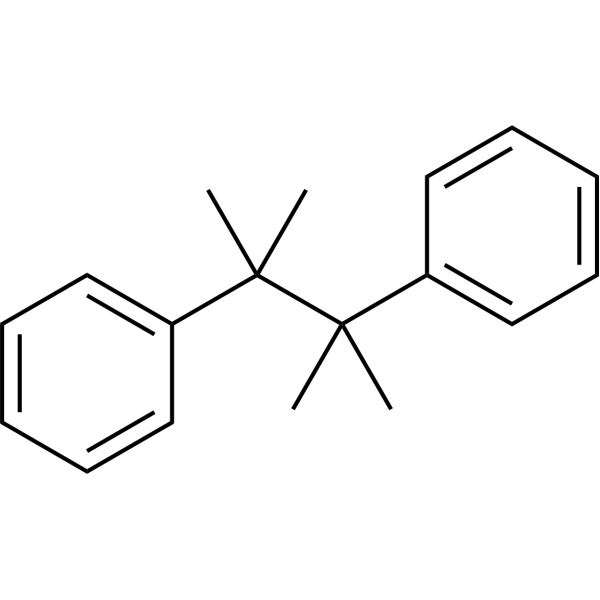
2,3-Dimethyl-2,3-diphenylbutane is a minor product formed during the thermal decomposition of dicumyl peroxide (DCP) in cumene, generated through radical coupling reactions. As an initiator capable of producing free radicals, 2,3-dimethyl-2,3-diphenylbutane promotes cross-linking or decomposition processes via initiating free radical reactions in fields such as polymer polymerization (e.g., modification of polyphenylene oxide processing), organic synthesis (e.g., DCP decomposition reactions), and coal processing (e.g., oxidation stabilization of coal tar pitch), thereby enhancing material properties or reaction efficiency .
|
-
-
- HY-W105359
-
|
ω-Decen-1-ol
|
Environmental Pollutants
Biochemical Assay Reagents
|
Others
|
|
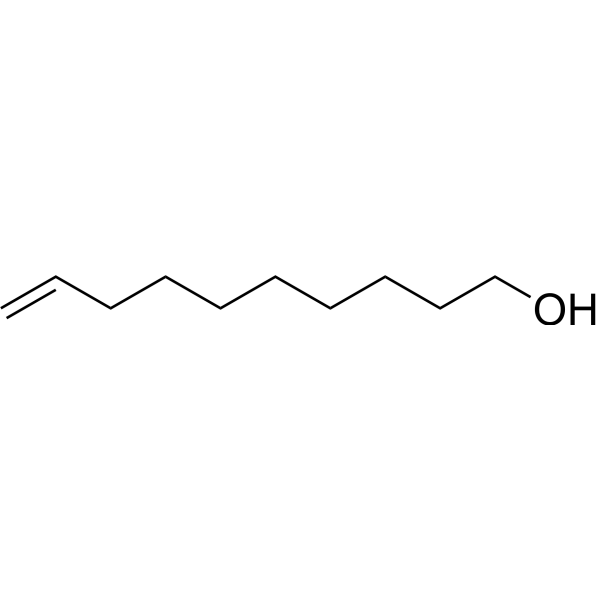
9-Decen-1-ol has a fatty odour. This compound is used in the flavor and fragrance industry for its pleasant smell, which is often described as sweet, floral and fruity. It can also be used as an intermediate in the synthesis of various organic compounds, including medicine, agricultural chemicals and polymer materials. Its unique chemical properties make it an important ingredient in many commercial products, including soaps, detergents and cosmetics.
|
-
-
- HY-W015553
-
|
2-Ethenylnaphthalene; 2-Vinylnaphthalene
|
Biochemical Assay Reagents
|
Others
|
|
2-Vinylnaphthalene (2-Ethenylnaphthalene; 2-Vinylnaphthalene) is an organic polymer. 2-Vinylnaphthalene is a kind of biological materials or organic compounds that are widely used in life science research .
|
-
-
- HY-116242
-
-
-
- HY-109534
-
|
Fluorinated polymer; Fluoropolymer; PTFE; Polytetrafluoroethylene
|
Biochemical Assay Reagents
|
Others
|
|
Poly(tetrafluoroethylene) (Fluorinated polymer; Fluoropolymer; PTFE) is a biochemical reagent that can be used as a biological material or organic compound for life science related research .
|
-
-
- HY-Y0455
-
|
2-Amino-6-picoline
|
Biochemical Assay Reagents
|
Others
|
|
6-Methyl-2-pyridinamine (2-Amino-6-picoline) is a metal coordination ligand. 6-Methyl-2-pyridinamine is promising for research of is promising for research of metal-organic frameworks (MOFs) and functional coordination polymers .
|
-
-
- HY-W101255
-
|
MTEACl
|
Biochemical Assay Reagents
|
Others
|
|
Triethylmethylammonium chloride is a quaternary ammonium salt belonging to the class of alkylammonium salts. This compound is widely used as a phase transfer catalyst in organic synthesis to facilitate the transfer of reactants between immiscible phases. In addition, it can be used as an electrolyte in electrochemical devices, a surfactant in emulsion polymerization, and a corrosion inhibitor. Its unique chemical properties make it an important ingredient in a variety of industrial applications, including pharmaceuticals, agrochemicals, and materials science.
|
-
-
- HY-137292
-
|
|
Biochemical Assay Reagents
|
Others
|
|
PTB7-Th is a classic organic photovoltaic (OPV) cell donor polymer that can be added as a dielectric to increase the short-circuit current and fill factor of polymer solar cells, improving the photovoltaic efficiency of the device .
|
-
-
- HY-W243303B
-
|
|
Environmental Pollutants
Biochemical Assay Reagents
|
Others
|
|
Poly(acrylic acid) (Mv 3000000) is a polyacrylic acid (an anionic polymer) with a molecular weight of 3000000. Poly(acrylic acid) (Mv 3000000) can be used as a corrosion inhibitor and surface stabilizer. Poly(acrylic acid) (Mv 3000000) is a biomaterial or organic compound that can be used as a life science research related biomaterial or organic compound .
|
-
-
- HY-W243303C
-
|
|
Environmental Pollutants
Biochemical Assay Reagents
|
Others
|
|
Poly(acrylic acid) (Mv 4000000) is a polyacrylic acid (and an anionic polymer) with a molecular weight of 4000000. Poly(acrylic acid) (Mv 4000000) can be used as a corrosion inhibitor and surface stabilizer. Poly(acrylic acid) (Mv 4000000) is a biomaterial or organic compound that can be used in life science research .
|
-
-
- HY-W012412
-
|
|
Biochemical Assay Reagents
|
Others
|
|
Tetrapropylammonium chloride is a compound belonging to the class of quaternary ammonium compounds. It is a salt with cationic properties and is used in various industrial and biomedical applications. Tetrapropylammonium chloride is commonly used as a phase transfer catalyst to facilitate the movement of reactants between immiscible phases in organic synthesis reactions. It is also used as a surfactant in the formulation of personal care products, detergents, textiles and pharmaceuticals. Additionally, it is used in the production of certain types of polymers and resins.
|
-
-
- HY-W051391
-
|
Me3TACN
|
Biochemical Assay Reagents
|
Others
|
|
1,4,7-Trimethyl-1,4,7-triazonane, also known as TMT or trimethylenetris(aziridine), is a cyclic organic compound. TMT is commonly used as a crosslinking agent and a precursor for polymer and resin synthesis. In addition, it is used as a stabilizer in the production of polyurethane foam and as a curing agent for epoxy resins. Due to its high reactivity and stability, TMT is considered to be a versatile and efficient reagent in various applications.
|
-
-
- HY-151747
-
|
|
ADC Linker
|
Others
|
|
Chemical phosphorylation amidite is a click chemical class ADC linker. Click chemistry has good biological orthogonality characteristics: biocompatible, fast and highly specific in the biological environment, and has great application potential in the binding between nucleic acids, lipids, proteins and other molecules .
|
-
-
- HY-114856
-
|
|
Biochemical Assay Reagents
|
Others
|
|
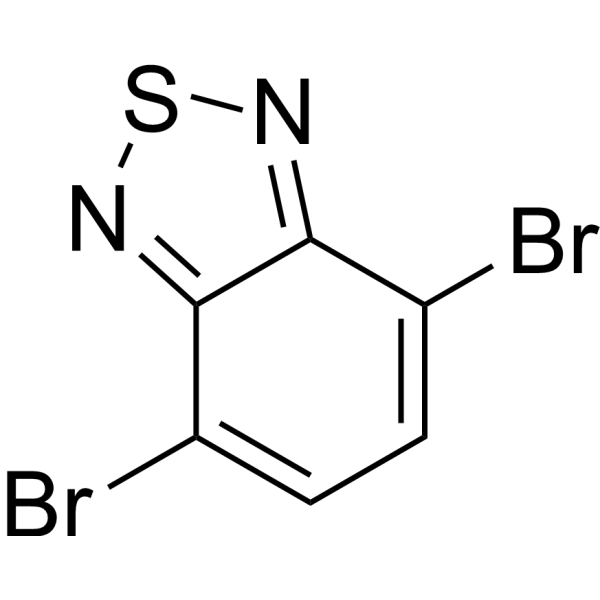
DTBT is a six-membered heterocyclic ring that is commonly used in the preparation of organic electronic devices, such as P-type organic semiconductors (OFETs) and P-type organic photodiodes (OLEDs). DTBT has good performance in electron transmission and photoelectric conversion. DTBT polymerizes to form donor-acceptor polymers, which are used to prepare solar cells .
|
-
-
- HY-W034801
-
|
Cupric Acetylacetonate
|
Biochemical Assay Reagents
|
Others
|
|
Copper(II) acetylacetonate (Cupric Acetylacetonate) is the homoleptic acetylacetonate complex of copper(II). Copper(II) acetylacetonate is used as a catalyst in various organic reactions, including oxidation, cross-coupling, and polymerization reactions. Copper(II) acetylacetonate is also a precursor for making metal-organic frameworks (MOF) and nanomaterials .
|
-
-
- HY-W009400
-
|
|
Drug Intermediate
|
Others
|
|
(2-Dodecen-1-yl)succinic anhydride is an organic compound commonly used in certain polymerization reactions. It is used in the manufacture of products such as plastics and resins, and is widely used in certain industrial fields, such as coatings, inks and textile manufacturing. In addition, the compound is also used as a raw material for pharmaceutical intermediates and surfactants.
|
-
-
- HY-W105516
-
|
Phenylbenzyldimethylammonium chloride
|
Biochemical Assay Reagents
|
Others
|
|
N-Benzyl-N,N-dimethylbenzeneminium chloride is a quaternary ammonium compound belonging to the class of alkylammonium salts. This compound is widely used as a phase transfer catalyst in organic synthesis to facilitate the transfer of reactants between immiscible phases. In addition, it is used as an emulsifier, surfactant or disinfectant in various industrial applications. Its unique chemical properties make it an important ingredient in the production of pharmaceuticals, agrochemicals and polymer materials.
|
-
-
- HY-23497
-
|
|
Others
|
Others
|
|
Poly(4-vinylphenol) is a polymer cross-linking agent that can be used to prepare non-toxic films. Poly(4-vinylphenol) is a sensitizer of titania for visible light photocatalysis. Poly(4-vinylphenol) also can be used as a water resistive wood adhesive, as a gate dielectric insulator in organic field effect transistors, and as a responsive surface coating .
|
-
-
- HY-151749
-
|
|
ADC Linker
|
Others
|
|
N3-D-Lys(Fmoc)-OH is a click chemistry reagent containing an azide group. Click chemistry is a powerful chemical reaction with excellent bioorthogonality features: biocompatible, rapid and highly specific in biological environments . N3-D-Lys(Fmoc)-OH is a click chemistry reagent, it contains an Azide group and can undergo copper-catalyzed azide-alkyne cycloaddition reaction (CuAAc) with molecules containing Alkyne groups. It can also undergo strain-promoted alkyne-azide cycloaddition (SPAAC) reactions with molecules containing DBCO or BCN groups.
|
-
-
- HY-151736
-
|
|
ADC Linker
|
Others
|
|
N3-L-Dap(Boc)-OH is a click chemistry reagent containing an azide group. Click chemistry is a powerful chemical reaction with excellent bioorthogonality features: biocompatible, rapid and highly specific in biological environments . N3-L-Dap(Boc)-OH is a click chemistry reagent, it contains an Azide group and can undergo copper-catalyzed azide-alkyne cycloaddition reaction (CuAAc) with molecules containing Alkyne groups. It can also undergo strain-promoted alkyne-azide cycloaddition (SPAAC) reactions with molecules containing DBCO or BCN groups.
|
-
-
- HY-W095635
-
|
|
Biochemical Assay Reagents
|
Others
|
|
Tetramethylammonium fluoride tetrahydrate (TMAF) is a quaternary ammonium salt. TMAF is commonly used as a weak base and a source of fluoride ions in various organic reactions, including nucleophilic substitution, functional group deprotection, and ring-opening polymerization. Unlike other fluoride sources, TMAF is compatible with many functional groups, making it a versatile tool in synthetic chemistry. Functional reagents, In addition, TMAF has been used as a fluorinating agent in medicinal chemistry, for the preparation of radiotracers and protein modification in biochemistry, and the tetrahydrate form of TMAF is more stable and easier to handle than the anhydrous form.
|
-
-
- HY-151744
-
|
|
ADC Linker
|
Others
|
|
N3-TFBA-O2Oc is a click chemistry reagent containing an azide group and an aryl group. Aryl azides are well-known precursors of nitrenes and have been introduced by Fleet et al. as versatile photoaffinity labeling agents to probe biological receptors. This type of compounds has been used as photo-cross linker (λmax=258 nm) in estrogen receptor studies and for direct surface coating of carbon and organic based polymers . N3-TFBA-O2Oc is a click chemistry reagent, it contains an Azide group and can undergo copper-catalyzed azide-alkyne cycloaddition reaction (CuAAc) with molecules containing Alkyne groups. It can also undergo strain-promoted alkyne-azide cycloaddition (SPAAC) reactions with molecules containing DBCO or BCN groups.
|
-
-
- HY-W099750
-
|
Methyl Valerylacetate
|
Biochemical Assay Reagents
|
Others
|
|
Methyl 3-oxoheptanoate is the methyl ester of the organic compound 3-oxoheptanoate. It has a fruity smell and taste. Methyl 3-oxoheptanoate is widely used as a flavoring agent and fragrance in the food and fragrance industry for its pleasant aroma. It is also used as an intermediate in the synthesis of other organic compounds such as pharmaceuticals, agrochemicals, and polymers.
|
-
-
- HY-W127344
-
|
|
Biochemical Assay Reagents
|
Others
|
|
Oleoyl chloride A pungent-smelling liquid commonly used as a reagent in organic synthesis, especially for the production of a variety of organic compounds, including pharmaceuticals and agrochemicals. In addition, it can also be used as a cross-linking agent or surfactant in polymer chemistry. Its unique chemical properties make it an important ingredient in a variety of industrial processes, including petrochemical refining and materials science.
|
-
-
- HY-W102837
-
|
|
Biochemical Assay Reagents
|
Others
|
|
2,3-Dihydroxy-6,7-Difluoroquinoxaline (Compound 2) is an intermediate in organic synthesis. 2,3-Dihydroxy-6,7-Difluoroquinoxaline can be used in research on polymer solar cells .
|
-
-
- HY-W087964
-
|
|
Biochemical Assay Reagents
|
Others
|
|
Dodecanedioyl dichloride, Dodecanedioyl dichloride is commonly used in organic synthesis as a general building block for the preparation of various polymers and plastics, including nylon 12 and polyester resins, it can be used to introduce acid chloride groups into other organic molecules, which can then be further reaction to form more complex compounds, moreover, it has been used in medicinal chemistry as a starting material for the synthesis of various drugs and drug candidates.
|
-
-
- HY-W391641
-
|
|
Biochemical Assay Reagents
Endogenous Metabolite
|
|
|
F8BT is a polymer material with excellent photoelectric properties. F8BT is widely used in organic light-emitting diodes (OLEDs) and organic solar cells (PLEDs), and can effectively improve the luminous efficiency and energy conversion efficiency of the devices. The structure of F8BT makes it perform well in photoelectric conversion and electron transport, making it an important object of modern electronic material research.
|
-
-
- HY-W189421
-
|
DPA
|
Biochemical Assay Reagents
|
Others
|
|
Diphenic anhydride (DPA) is a versatile reagent that can be used as a catalyst in many organic synthetic processes, such as polymer synthesis .
|
-
-
- HY-W414447
-
|
DB1
|
Biochemical Assay Reagents
|
Others
|
|
Disperse blue 1 is an organic dye. Disperse blue 1 can be used in staining experiments in biology to stain cells and tissues .
|
-
-
- HY-W127447
-
|
Maleic acid sodium
|
Biochemical Assay Reagents
|
Others
|
|
Maleate trihydrate sodiumIt is an organic compound belonging to the salt class. It is formed from the neutralization reaction between maleic acid and sodium hydroxide and has a slightly bitter taste. Maleate trihydrate sodiumIt has a variety of applications in industrial settings, especially as an intermediate in the synthesis of various chemicals and polymers. Additionally, it is used in the food and beverage industry as a buffer, flavor enhancer and preservative.
|
-
-
- HY-177324
-
|
|
Bacterial
|
Infection
Neurological Disease
Cancer
|
|
Antibacterial agent 290 (Compound YY), a sulfonamide derivative, is an antibacterial agent. Antibacterial agent 290 has antiproliferative activity against a variety of tumor cells. Antibacterial agent 290 significantly activates the E3 Ligase Parkin auto-ubiquitinvlation with an EC50 of 0.4 μM. Antibacterial agent 290 can used for synthesis of building blocks for various supramolecular structures such as metal-organic skeletons and coordination polymers. Antibacterial agent 290 can be used for cancers, neurology disorders and infections research .
|
-
-
- HY-W391671
-
|
|
Endogenous Metabolite
Biochemical Assay Reagents
|
Others
|
|
Poly[bis(4-phenyl)(2,4,6-trimethylphenyl)amine] is a poly(triarylamine) that is an organic p-type semiconductor with hole mobilities ranging from 10 3 to 10 2 cm 2/V/s, which significantly improves carrier mobility. This stable, glassy polymer has an ionization potential suitable for thick film diodes. Committed to providing green alternatives that meet one or more of the 12 principles of green chemistry, this material falls into the enabling category of green alternatives, in line with the principle of "energy efficient design". In addition, while hole transport organic materials like these ensure optimal energy level alignment with the absorber layer for efficient charge collection, they can be susceptible to degradation under ambient conditions.
|
-
-
- HY-W027592R
-
|
|
Biochemical Assay Reagents
Reference Standards
|
Others
|
|
1H-1,2,4-Triazol-3-amine (Standard) is the analytical standard of 1H-1,2,4-Triazol-3-amine. This product is intended for research and analytical applications. 1H-1,2,4-Triazol-3-amine consists of a triazole ring system and an amino group attached to carbon atom 3. The compound has potential applications in various fields such as medicinal chemistry, agrochemicals and material science. In medicinal chemistry, 1H-1,2,4-Triazol-3-amine is used as a starting material for the synthesis of pharmaceutical compounds such as antifungal agents, anticancer agents, and enzyme inhibitors associated with cardiovascular disease. In agrochemicals, it can be used as a raw material for the synthesis of herbicides, fungicides and insecticides. Furthermore, 1H-1,2,4-Triazol-3-amine is used as a ligand in coordination chemistry and as a precursor for the production of new functional materials such as polymers and metal-organic frameworks.
|
-
-
- HY-76217
-
|
2,5-Diformylfuran
|
Drug Derivative
|
Others
|
|
2,5-Furandicarboxaldehyde (2,5-Diformylfuran), a furan derivative, is a volatile organic compound. 2,5-Furandicarboxaldehyde the aerobic oxidation product of 5-Hydroxymethylfurfural (HY-Y0051), and can be used in organic synthesis and functional polymer manufacture, such as fluorescent material, surfactants, and vitrimer .
|
-
-
- HY-W019888
-
|
Ferrofloc
|
Environmental Pollutants
|
Others
|
|
Iron (II) chloride (Ferrofloc) is an active radical polymerization initiator, which is a transition metal chloride composed of Fe 2+ and Cl − ions. The ion association constant logKFeCl2 of Iron (II) chloride is −0.89. In acidic aqueous solutions, Iron (II) chloride forms solvated Fe 2++2Cl − ions as well as FeCl ++Cl − ion pairs. Without the addition of aluminum compounds, Iron (II) chloride drives the living radical polymerization of methyl methacrylate by generating transient radical growing species through homolytic reversible cleavage of the carbon-halogen end groups of organic halide initiators .
|
-
-
- HY-W724293
-
|
|
Isotope-Labeled Compounds
Biochemical Assay Reagents
|
Others
|
|
Tetrapropylammonium-d28 chloride is the deuterium labeled Tetrapropylammonium chloride (HY-W012412). Tetrapropylammonium chloride is a compound belonging to the class of quaternary ammonium compounds. It is a salt with cationic properties and is used in various industrial and biomedical applications. Tetrapropylammonium chloride is commonly used as a phase transfer catalyst to facilitate the movement of reactants between immiscible phases in organic synthesis reactions. It is also used as a surfactant in the formulation of personal care products, detergents, textiles and pharmaceuticals. Additionally, it is used in the production of certain types of polymers and resins.
|
-
-
- HY-W009400R
-
|
|
Others
Reference Standards
|
Others
|
|
(2-Dodecen-1-yl)succinic anhydride (Standard) is the analytical standard of (2-Dodecen-1-yl)succinic anhydride (HY-W009400). This product is intended for research and analytical applications. (2-Dodecen-1-yl)succinic anhydride is an organic compound commonly used in certain polymerization reactions. It is used in the manufacture of products such as plastics and resins, and is widely used in certain industrial fields, such as coatings, inks and textile manufacturing. In addition, the compound is also used as a raw material for pharmaceutical intermediates and surfactants.
|
-
-
- HY-107869R
-
|
|
Reference Standards
Fluorescent Dye
|
Cancer
|
|
Isoindigo (Standard) is the analytical standard of Isoindigo (HY-107869). This product is intended for research and analytical applications. Isoindigo acts as the acceptor unit in donor-acceptor (D-A) conjugated polymers and belongs to the indigo dye family. Isoindigo contains two lactam rings and exhibits strong electron-withdrawing properties. Isoindigo can be used in dyeing and pigment preparation. Isoindigo shows high mobility and excellent environmental stability in field-effect transistors (FETs). Isoindigo possesses the activity to inhibit tumor cell proliferation and has certain anti-tumor activity .
|
-
| Cat. No. |
Product Name |
Type |
-
- HY-Y0338
-
|
|
Biochemical Assay Reagents
|
|
Ethylene glycol is an organic compound that is often used as an antifreeze agent and coolant. Ethylene glycol lowers the freezing point by forming hydrogen bonds with water molecules, exerting antifreeze activity. Ethylene glycol is also used as a raw material in the synthesis of polymers such as polyester fibers and polyurethanes .
|
-
- HY-B2221C
-
|
Carboxymethyl cellulose CM-32; CM-32
|
Biochemical Assay Reagents
|
|
CM Cellulose CM-32 (Carboxymethyl cellulose) is a cellulose derivative. CM Cellulose CM-32 has a wide range of applications in the biomedical field, including tissue engineering, wound dressing, absorbent nonwovens, fabrication of 3D-scaffolds for biocompatible implants, artificial organs or mimics of extracellular polymeric matrix and diagnosis of various diseases. CM Cellulose CM-32 can decrease osteoclasts formation. CM Cellulose CM-32 can be used as a biological material or organic compound for life science related research .
|
-
- HY-W027592
-
|
|
Biochemical Assay Reagents
|
|
1H-1,2,4-Triazol-3-amine consists of a triazole ring system and an amino group attached to carbon atom 3. The compound has potential applications in various fields such as medicinal chemistry, agrochemicals and material science. In medicinal chemistry, 1H-1,2,4-Triazol-3-amine is used as a starting material for the synthesis of pharmaceutical compounds such as antifungal agents, anticancer agents, and enzyme inhibitors associated with cardiovascular disease. In agrochemicals, it can be used as a raw material for the synthesis of herbicides, fungicides and insecticides. Furthermore, 1H-1,2,4-Triazol-3-amine is used as a ligand in coordination chemistry and as a precursor for the production of new functional materials such as polymers and metal-organic frameworks.
|
-
- HY-W089777
-
|
GPTMS
|
Biochemical Assay Reagents
|
|
3-Glycidyloxypropyltrimethoxysilane (GPTMS) is a silicon source for the preparation of inorganic-organic hybrid polymers. 3-Glycidyloxypropyltrimethoxysilane can be used to prepare hard coatings of organic polymers, such as contact lens materials in the optical industry, as well as related materials in the fields of electronics, thin films, sensors, nanoimprinting, waveguides, and biology .
|
-
- HY-15929
-
TBHBA
1 Publications Verification
2,4,6-Tribromo-3-hydroxybenzoic acid
|
Biochemical Assay Reagents
|
|
TBHBA (2,4,6-Tribromo-3-hydroxybenzoic acid) is a chemical colorimetric agent and nanomaterial surface modifier. TBHBA can react with some oxidants (such as H2O2) to generate high-absorbance quinoneimine dyes, which enhance the sensitivity of HDL cholesterol enzymatic determination. TBHBA can be used as a bromine-containing coupling agent to modify the surface of silica nanoparticles through esterification reaction. Thereby, organic flame retardant groups are introduced to improve the thermal stability and flame retardant properties of nanocomposites. TBHBA can be used in clinical biochemical testing (such as serum lipoprotein analysis) and the preparation of flame-retardant polymer nanocomposites .
|
-
- HY-W018574
-
|
|
Biochemical Assay Reagents
|
|
Tetraoctylammonium bromide (TOAB) is a quaternary ammonium salt consisting of a positively charged tetraoctylammonium cation and a negatively charged bromide anion. This compound is commonly used as a phase transfer catalyst in organic chemical reactions, facilitating the transfer of reactants between immiscible phases. It is also used as a surfactant and dispersant in various industrial applications, for example in the production of coatings, adhesives and polymers. Additionally, Tetraoctylammonium bromide has been investigated for potential applications in energy storage devices and as an antimicrobial agent.
|
-
- HY-W250309
-
|
|
Biochemical Assay Reagents
|
|
Pentaerythritol tetra(3-mercaptopropionate)It is a class of organic compounds containing both pentaerythritol and mercaptopropionate groups. It is commonly used as a stabilizer and crosslinking agent in various chemical and industrial applications. Pentaerythritol tetra(3-mercaptopropionate)Has a variety of properties that make it suitable for these applications, including the ability to increase the mechanical strength, thermal stability and weatherability of polymers and coatings. Additionally, it can be used as a feedstock for the production of other specialty chemicals and materials.
|
-
- HY-W068700
-
|
|
Biochemical Assay Reagents
|
|
Methyl sorbate, which is an ester formed by the condensation of methanol and hexa-2,4-dienoic acid, is commonly used as a flavoring agent and fragrance in the food and cosmetic industries due to its fruity, floral, and taste, and in addition , it has also been investigated for its potential use as a starting material in the synthesis of various organic compounds, including pharmaceuticals, agrochemicals, and polymers.
|
-
- HY-W105359
-
|
ω-Decen-1-ol
|
Biochemical Assay Reagents
|
|
9-Decen-1-ol has a fatty odour. This compound is used in the flavor and fragrance industry for its pleasant smell, which is often described as sweet, floral and fruity. It can also be used as an intermediate in the synthesis of various organic compounds, including medicine, agricultural chemicals and polymer materials. Its unique chemical properties make it an important ingredient in many commercial products, including soaps, detergents and cosmetics.
|
-
- HY-W015553
-
|
2-Ethenylnaphthalene; 2-Vinylnaphthalene
|
Biochemical Assay Reagents
|
|
2-Vinylnaphthalene (2-Ethenylnaphthalene; 2-Vinylnaphthalene) is an organic polymer. 2-Vinylnaphthalene is a kind of biological materials or organic compounds that are widely used in life science research .
|
-
- HY-109534
-
|
Fluorinated polymer; Fluoropolymer; PTFE; Polytetrafluoroethylene
|
Biochemical Assay Reagents
|
|
Poly(tetrafluoroethylene) (Fluorinated polymer; Fluoropolymer; PTFE) is a biochemical reagent that can be used as a biological material or organic compound for life science related research .
|
-
- HY-W101255
-
|
MTEACl
|
Biochemical Assay Reagents
|
|
Triethylmethylammonium chloride is a quaternary ammonium salt belonging to the class of alkylammonium salts. This compound is widely used as a phase transfer catalyst in organic synthesis to facilitate the transfer of reactants between immiscible phases. In addition, it can be used as an electrolyte in electrochemical devices, a surfactant in emulsion polymerization, and a corrosion inhibitor. Its unique chemical properties make it an important ingredient in a variety of industrial applications, including pharmaceuticals, agrochemicals, and materials science.
|
-
- HY-W243303B
-
|
|
Biochemical Assay Reagents
|
|
Poly(acrylic acid) (Mv 3000000) is a polyacrylic acid (an anionic polymer) with a molecular weight of 3000000. Poly(acrylic acid) (Mv 3000000) can be used as a corrosion inhibitor and surface stabilizer. Poly(acrylic acid) (Mv 3000000) is a biomaterial or organic compound that can be used as a life science research related biomaterial or organic compound .
|
-
- HY-W243303C
-
|
|
Biochemical Assay Reagents
|
|
Poly(acrylic acid) (Mv 4000000) is a polyacrylic acid (and an anionic polymer) with a molecular weight of 4000000. Poly(acrylic acid) (Mv 4000000) can be used as a corrosion inhibitor and surface stabilizer. Poly(acrylic acid) (Mv 4000000) is a biomaterial or organic compound that can be used in life science research .
|
-
- HY-W012412
-
|
|
Biochemical Assay Reagents
|
|
Tetrapropylammonium chloride is a compound belonging to the class of quaternary ammonium compounds. It is a salt with cationic properties and is used in various industrial and biomedical applications. Tetrapropylammonium chloride is commonly used as a phase transfer catalyst to facilitate the movement of reactants between immiscible phases in organic synthesis reactions. It is also used as a surfactant in the formulation of personal care products, detergents, textiles and pharmaceuticals. Additionally, it is used in the production of certain types of polymers and resins.
|
-
- HY-W051391
-
|
Me3TACN
|
Biochemical Assay Reagents
|
|
1,4,7-Trimethyl-1,4,7-triazonane, also known as TMT or trimethylenetris(aziridine), is a cyclic organic compound. TMT is commonly used as a crosslinking agent and a precursor for polymer and resin synthesis. In addition, it is used as a stabilizer in the production of polyurethane foam and as a curing agent for epoxy resins. Due to its high reactivity and stability, TMT is considered to be a versatile and efficient reagent in various applications.
|
-
- HY-W009400
-
|
|
Biochemical Assay Reagents
|
|
(2-Dodecen-1-yl)succinic anhydride is an organic compound commonly used in certain polymerization reactions. It is used in the manufacture of products such as plastics and resins, and is widely used in certain industrial fields, such as coatings, inks and textile manufacturing. In addition, the compound is also used as a raw material for pharmaceutical intermediates and surfactants.
|
-
- HY-W105516
-
|
Phenylbenzyldimethylammonium chloride
|
Biochemical Assay Reagents
|
|
N-Benzyl-N,N-dimethylbenzeneminium chloride is a quaternary ammonium compound belonging to the class of alkylammonium salts. This compound is widely used as a phase transfer catalyst in organic synthesis to facilitate the transfer of reactants between immiscible phases. In addition, it is used as an emulsifier, surfactant or disinfectant in various industrial applications. Its unique chemical properties make it an important ingredient in the production of pharmaceuticals, agrochemicals and polymer materials.
|
-
- HY-W095635
-
|
|
Biochemical Assay Reagents
|
|
Tetramethylammonium fluoride tetrahydrate (TMAF) is a quaternary ammonium salt. TMAF is commonly used as a weak base and a source of fluoride ions in various organic reactions, including nucleophilic substitution, functional group deprotection, and ring-opening polymerization. Unlike other fluoride sources, TMAF is compatible with many functional groups, making it a versatile tool in synthetic chemistry. Functional reagents, In addition, TMAF has been used as a fluorinating agent in medicinal chemistry, for the preparation of radiotracers and protein modification in biochemistry, and the tetrahydrate form of TMAF is more stable and easier to handle than the anhydrous form.
|
-
- HY-W099750
-
|
Methyl Valerylacetate
|
Biochemical Assay Reagents
|
|
Methyl 3-oxoheptanoate is the methyl ester of the organic compound 3-oxoheptanoate. It has a fruity smell and taste. Methyl 3-oxoheptanoate is widely used as a flavoring agent and fragrance in the food and fragrance industry for its pleasant aroma. It is also used as an intermediate in the synthesis of other organic compounds such as pharmaceuticals, agrochemicals, and polymers.
|
-
- HY-W127344
-
|
|
Biochemical Assay Reagents
|
|
Oleoyl chloride A pungent-smelling liquid commonly used as a reagent in organic synthesis, especially for the production of a variety of organic compounds, including pharmaceuticals and agrochemicals. In addition, it can also be used as a cross-linking agent or surfactant in polymer chemistry. Its unique chemical properties make it an important ingredient in a variety of industrial processes, including petrochemical refining and materials science.
|
-
- HY-W087964
-
|
|
Biochemical Assay Reagents
|
|
Dodecanedioyl dichloride, Dodecanedioyl dichloride is commonly used in organic synthesis as a general building block for the preparation of various polymers and plastics, including nylon 12 and polyester resins, it can be used to introduce acid chloride groups into other organic molecules, which can then be further reaction to form more complex compounds, moreover, it has been used in medicinal chemistry as a starting material for the synthesis of various drugs and drug candidates.
|
-
- HY-W189421
-
|
DPA
|
Biochemical Assay Reagents
|
|
Diphenic anhydride (DPA) is a versatile reagent that can be used as a catalyst in many organic synthetic processes, such as polymer synthesis .
|
-
- HY-W127447
-
|
Maleic acid sodium
|
Biochemical Assay Reagents
|
|
Maleate trihydrate sodiumIt is an organic compound belonging to the salt class. It is formed from the neutralization reaction between maleic acid and sodium hydroxide and has a slightly bitter taste. Maleate trihydrate sodiumIt has a variety of applications in industrial settings, especially as an intermediate in the synthesis of various chemicals and polymers. Additionally, it is used in the food and beverage industry as a buffer, flavor enhancer and preservative.
|
-
- HY-W027592R
-
|
|
Biochemical Assay Reagents
|
|
1H-1,2,4-Triazol-3-amine (Standard) is the analytical standard of 1H-1,2,4-Triazol-3-amine. This product is intended for research and analytical applications. 1H-1,2,4-Triazol-3-amine consists of a triazole ring system and an amino group attached to carbon atom 3. The compound has potential applications in various fields such as medicinal chemistry, agrochemicals and material science. In medicinal chemistry, 1H-1,2,4-Triazol-3-amine is used as a starting material for the synthesis of pharmaceutical compounds such as antifungal agents, anticancer agents, and enzyme inhibitors associated with cardiovascular disease. In agrochemicals, it can be used as a raw material for the synthesis of herbicides, fungicides and insecticides. Furthermore, 1H-1,2,4-Triazol-3-amine is used as a ligand in coordination chemistry and as a precursor for the production of new functional materials such as polymers and metal-organic frameworks.
|
-
- HY-W009400R
-
|
|
Biochemical Assay Reagents
|
|
(2-Dodecen-1-yl)succinic anhydride (Standard) is the analytical standard of (2-Dodecen-1-yl)succinic anhydride (HY-W009400). This product is intended for research and analytical applications. (2-Dodecen-1-yl)succinic anhydride is an organic compound commonly used in certain polymerization reactions. It is used in the manufacture of products such as plastics and resins, and is widely used in certain industrial fields, such as coatings, inks and textile manufacturing. In addition, the compound is also used as a raw material for pharmaceutical intermediates and surfactants.
|
| Cat. No. |
Product Name |
Category |
Target |
Chemical Structure |
-
- HY-W013021
-
-
-
- HY-23497
-
-
-
- HY-76217
-
|
2,5-Diformylfuran
|
Structural Classification
Natural Products
Animals
Source Classification
|
Drug Derivative
|
|
2,5-Furandicarboxaldehyde (2,5-Diformylfuran), a furan derivative, is a volatile organic compound. 2,5-Furandicarboxaldehyde the aerobic oxidation product of 5-Hydroxymethylfurfural (HY-Y0051), and can be used in organic synthesis and functional polymer manufacture, such as fluorescent material, surfactants, and vitrimer .
|
-
| Cat. No. |
Product Name |
Chemical Structure |
-
- HY-W724293
-
|
|
|
Tetrapropylammonium-d28 chloride is the deuterium labeled Tetrapropylammonium chloride (HY-W012412). Tetrapropylammonium chloride is a compound belonging to the class of quaternary ammonium compounds. It is a salt with cationic properties and is used in various industrial and biomedical applications. Tetrapropylammonium chloride is commonly used as a phase transfer catalyst to facilitate the movement of reactants between immiscible phases in organic synthesis reactions. It is also used as a surfactant in the formulation of personal care products, detergents, textiles and pharmaceuticals. Additionally, it is used in the production of certain types of polymers and resins.
|
-
| Cat. No. |
Product Name |
|
Classification |
-
- HY-151749
-
|
|
|
Azide
|
|
N3-D-Lys(Fmoc)-OH is a click chemistry reagent containing an azide group. Click chemistry is a powerful chemical reaction with excellent bioorthogonality features: biocompatible, rapid and highly specific in biological environments . N3-D-Lys(Fmoc)-OH is a click chemistry reagent, it contains an Azide group and can undergo copper-catalyzed azide-alkyne cycloaddition reaction (CuAAc) with molecules containing Alkyne groups. It can also undergo strain-promoted alkyne-azide cycloaddition (SPAAC) reactions with molecules containing DBCO or BCN groups.
|
-
- HY-151736
-
|
|
|
Azide
|
|
N3-L-Dap(Boc)-OH is a click chemistry reagent containing an azide group. Click chemistry is a powerful chemical reaction with excellent bioorthogonality features: biocompatible, rapid and highly specific in biological environments . N3-L-Dap(Boc)-OH is a click chemistry reagent, it contains an Azide group and can undergo copper-catalyzed azide-alkyne cycloaddition reaction (CuAAc) with molecules containing Alkyne groups. It can also undergo strain-promoted alkyne-azide cycloaddition (SPAAC) reactions with molecules containing DBCO or BCN groups.
|
-
- HY-151744
-
|
|
|
Azide
Labeling and Fluorescence Imaging
|
|
N3-TFBA-O2Oc is a click chemistry reagent containing an azide group and an aryl group. Aryl azides are well-known precursors of nitrenes and have been introduced by Fleet et al. as versatile photoaffinity labeling agents to probe biological receptors. This type of compounds has been used as photo-cross linker (λmax=258 nm) in estrogen receptor studies and for direct surface coating of carbon and organic based polymers . N3-TFBA-O2Oc is a click chemistry reagent, it contains an Azide group and can undergo copper-catalyzed azide-alkyne cycloaddition reaction (CuAAc) with molecules containing Alkyne groups. It can also undergo strain-promoted alkyne-azide cycloaddition (SPAAC) reactions with molecules containing DBCO or BCN groups.
|
Your information is safe with us. * Required Fields.
Inquiry Information
- Product Name:
- Cat. No.:
- Quantity:
- MCE Japan Authorized Agent:

