1. Search Result
Search Result
Results for "

p-ERK

" in MedChemExpress (MCE) Product Catalog:

191

Inhibitors & Agonists

1

Screening Libraries

1

Fluorescent Dye

1

Biochemical Assay Reagents

4

Peptides

2

Inhibitory Antibodies

16

Natural
Products

6

Isotope-Labeled Compounds

7

Antibodies

4

Click Chemistry

3

Oligonucleotides

1

GMP Molecules

Targets Recommended:
Cat. No. Product Name Target Research Areas Chemical Structure
  • HY-10254
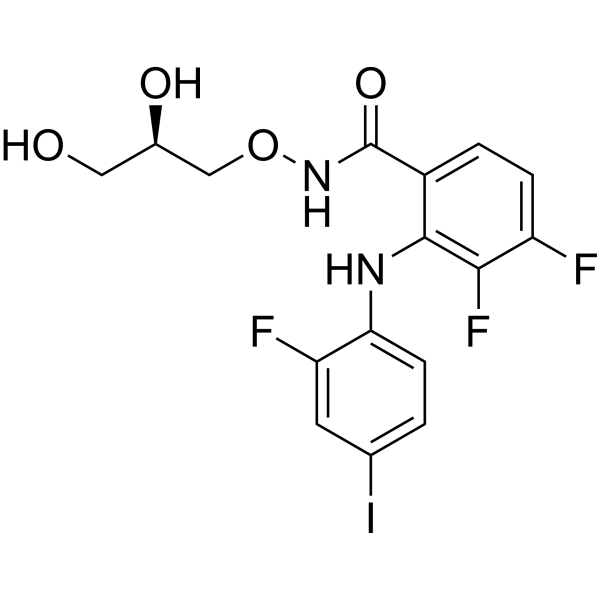
    Mirdametinib
    Maximum Cited Publications
    155 Publications Verification

    PD0325901; PD325901

    MEK Autophagy Apoptosis Cancer
    Mirdametinib (PD0325901) is an orally active, selective and non-ATP-competitive MEK inhibitor with an IC50 of 0.33 nM. Mirdametinib exhibits a Ki app of 1 nM against activated MEK1 and MEK2. Mirdametinib suppresses the expression of p-ERK1/2 and induces apoptosis. Mirdametinib has anti-cancer activity for a broad spectrum of human tumor xenografts .
    Mirdametinib
  • HY-18072
    GSK2606414
    120+ Cited Publications

    PERK Autophagy Apoptosis Cancer
    GSK2606414 is a cell-permeable and orally available protein kinase R-like endoplasmic reticulum (ER) kinase (PERK) inhibitor with an IC50 of 0.4 nM.
    GSK2606414
  • HY-12495
    ISRIB (trans-isomer)
    45+ Cited Publications

    PERK Autophagy Apoptosis Neurological Disease
    ISRIB (trans-isomer) is a potent inhibitor of PERK with an IC50 of 5 nM. ISRIB potently reverses the effects of eIF2α phosphorylation (IC50=5 nM).
    ISRIB (trans-isomer)
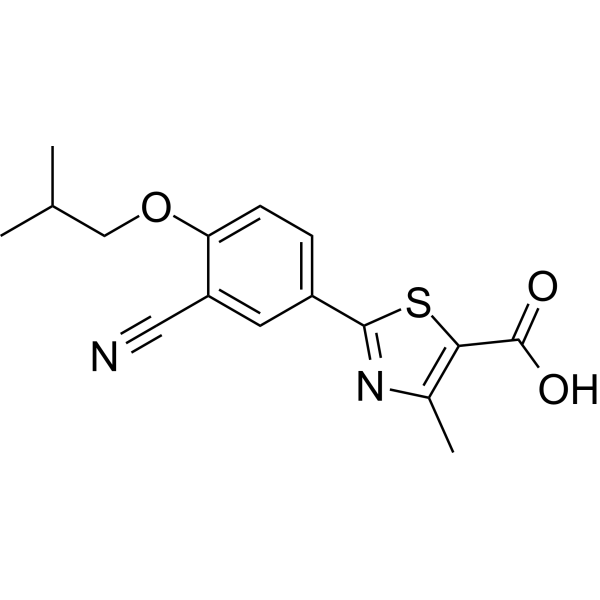
  • HY-14268
    Febuxostat
    10+ Cited Publications

    TEI 6720; TMX 67

    Xanthine Oxidase Cardiovascular Disease Metabolic Disease Cancer
    Febuxostat (TEI 6720) is a potent, selective and non-purine xanthine oxidase (XO) inhibitor with a Ki value of 0.6 nM. Febuxostat has the potential for the research of hyperuricemia and gout .
    Febuxostat
  • HY-13820
    GSK2656157
    60+ Cited Publications

    PERK Autophagy Apoptosis Cancer
    GSK2656157 is a selective and ATP-competitive inhibitor of protein kinase R (PKR)-like endoplasmic reticulum kinase (PERK) with an IC50 of 0.9 nM.
    GSK2656157
  • HY-12661A
    AMG PERK 44
    5+ Cited Publications

    PERK Autophagy Cancer
    AMG PERK 44 is an orally active and highly selective PERK inhibitor with an IC50 of 6 nM. AMG PERK 44 has 1000-fold and 160-fold selectivity over GCN2 (IC50=7300 nM) and B-Raf (IC50 >1000 nM), respectively. AMG PERK 44 induces autophagy .
    AMG PERK 44
  • HY-119240
    CCT020312
    35+ Cited Publications

    PERK Autophagy Neurological Disease Cancer
    CCT020312 is a selective EIF2AK3/PERK activator. CCT020312 elicits EIF2A phosphorylation in cells.
    CCT020312
  • HY-148273

    ASP-3082; KRAS G12D inhibitor 17

    PROTACs Ras ERK Akt Cancer
    Setidegrasib (KRAS G12D inhibitor 17, ASP3082) is a PROTAC KRAS degrader (DC50: 37 nM). Setidegrasib induces the degradation of G12D-mutation KRAS protein. Setidegrasib suppresses p-ERK, p-AKT, p-S6 levels in AsPC-1 cells. Setidegrasib exhibits anti-tumor activity in various cancer xenograft models in mice. Setidegrasib can be used for the study of KRAS(G12D)-mutated solid tumors. (Blue: VHL ligase ligand (HY-168699); Black: linker (HY-168698); Pink: G12D ligand (HY-168700)) .
    Setidegrasib
  • HY-14463
    Onalespib
    10+ Cited Publications

    AT13387

    HSP Cancer
    Onalespib (AT13387) is a potent and cross the blood-brain barrier heat-shock-protein-90 (Hsp90) inhibitor. Onalespib inhibits the proliferation, survival and migration. Onalespib decreases the expression of EGFR, p-EGFR, AKT, P-AKT, ERK1/2, P-ERK1/2, S6, P-S6 protein. Onalespib shows antitumor activity. Onalespib has the potential for the research of non-small cell lung cancer (NSCLC) .
    Onalespib
  • HY-100403
    Ro 67-7476
    20+ Cited Publications

    mGluR Cancer
    Ro 67-7476 is a potent positive allosteric modulator of mGluR1 and potentiates glutamate-induced calcium release in HEK293 cells expressing rat mGluR1a with an EC50 of 60.1 nM . Ro 67-7476 is a potent P-ERK1/2 agonist and activates ERK1/2 phosphorylation in the absence of exogenously added glutamate (EC50=163.3 nM) .
    Ro 67-7476
  • HY-N0777
    Isorhamnetin-3-O-glucoside
    3 Publications Verification

    Others PERK ERK Akt PI3K Lipase Metabolic Disease
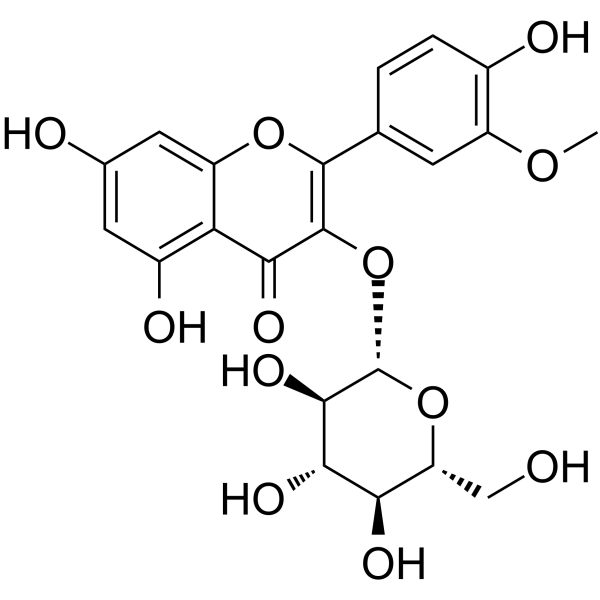
    Isorhamnetin-3-O-glucoside is an orally active natural compound. Isorhamnetin 3-O-glucoside increases P-ERK, ERK, P-Akt (Ser473), P-PI3K, and PDX-1. Isorhamnetin 3-O-glucoside downregulates C/EBPα and inhibits lipase. Isorhamnetin 3-O-glucoside reduces lipids and inhibits obesity .
    Isorhamnetin-3-O-glucoside
  • HY-145015

    HM43239

    FLT3 Apoptosis Cancer
    Tuspetinib (HM43239) is an orally active and selective FLT3 inhibitor with IC50s of 1.1 nM, 1.8 nM and 1.0 nM for FLT3 WT, FLT3 internal tandem duplication (ITD) and FLT3 D835Y kinases, respectively. Tuspetinib inhibits the kinase activity of FLT3 as a reversible type I inhibitor and modulates p-STAT5, p-ERK, SYK, JAK1/2, and TAK1. Tuspetinib inhibits the proliferation and induces the apoptosis of leukemic cells .
    Tuspetinib
  • HY-B0168A
    Milnacipran hydrochloride
    2 Publications Verification

    Serotonin Transporter PERK Neurological Disease
    Milnacipran hydrochloride is an orally active Serotonin (HY-B1473A) and Norepinephrine (HY-13715) reuptake inhibitor. Milnacipran hydrochloride inhibits monoamine transporters, especially the norepinephrine transporter and the serotonin transporter (Ki values of 31 and 8.5 nM, respectively). Milnacipran hydrochloride inhibits pERK1/2 activation. Milnacipran hydrochloride has antidepressant, anxiolytic and analgesic properties. Milnacipran hydrochloride inhibits biting behavior in mice. Milnacipran hydrochloride can be used in the study of major depressive disorder, anxiety disorders, and neuropathic pain (e.g., fibromyalgia) .
    Milnacipran hydrochloride
  • HY-N0745

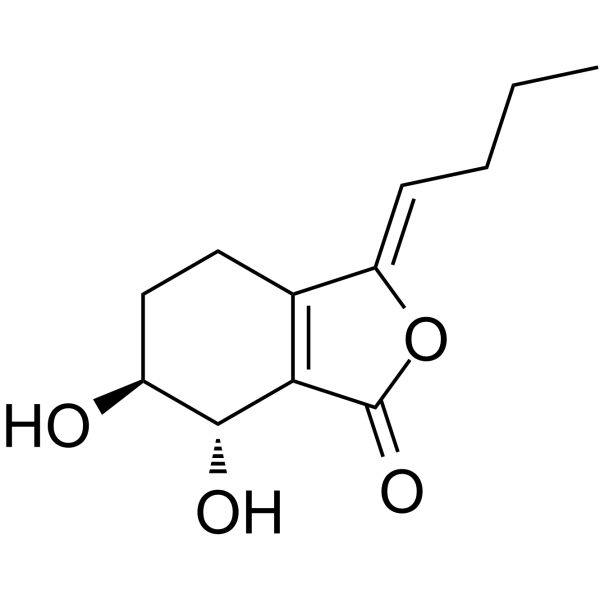
    Caspase ERK Keap1-Nrf2 Heme Oxygenase (HO) Apoptosis Neurological Disease Inflammation/Immunology
    Senkyunolide I is an orally active, blood-brain barrier-permeable metabolite of Z-ligustilide (HY-N0401A) . Senkyunolide I is isolated from Ligusticum chuanxiong. Senkyunolide I upregulates p-Erk1/2 and Nrf2/HO-1, and inhibits Caspase 3. Senkyunolide I alleviates Apoptosis. Senkyunolide I increases the pain threshold in mice and reduces acetic acid-induced writhing responses in mice. Senkyunolide I improves neurological deficits, reduces infarct volume and alleviates cerebral edema in rats with focal cerebral ischemia-reperfusion injury. Senkyunolide I protects renal function and structural integrity in a mouse model of renal ischemia-reperfusion injury. Senkyunolide I is applicable to research related to focal cerebral ischemia-reperfusion injury, migraine, and renal ischemia-reperfusion injury .
    Senkyunolide I
  • HY-153343
    Veludacigib
    3 Publications Verification

    BAY 2965501

    DGK Cancer
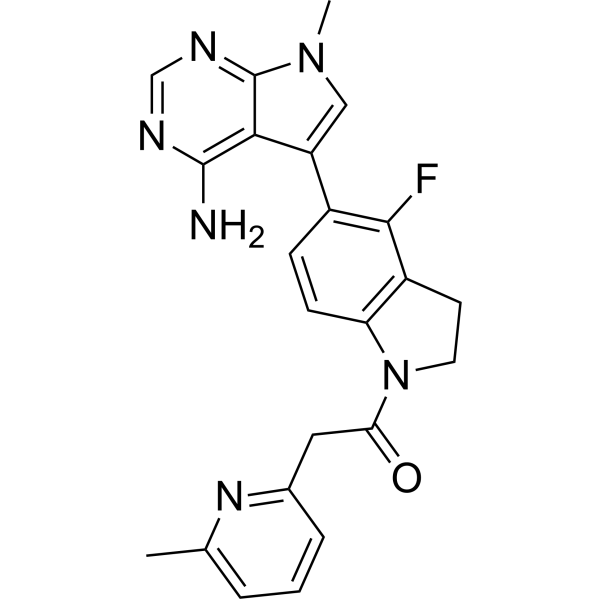
    BAY 2965501 is a potent and selective diacylglycerol kinase zeta (DGKζ) inhibitor. BAY 2965501 induces pERK activation. BAY 2965501 can be used for the research of cancer .
    Veludacigib
  • HY-N2450
    Sulforaphene
    1 Publications Verification

    Apoptosis EGFR ERK NF-κB Microtubule/Tubulin Cancer
    Sulforaphene, isolated from radish seeds, exhibits an ED50 against velvetleaf seedlings approximately 2 x 10 -4 M. Sulforaphene promotes cancer cells apoptosis and inhibits migration via inhibiting EGFR, p-ERK1/2, NF‐κB and other signals .
    Sulforaphene
  • HY-176786

    PROTACs Ras Apoptosis PERK p38 MAPK Caspase TNF Receptor Cancer
    MCB-36 is a VHL-recruiting pan-KRAS PROTAC degrader without affecting KRAS transcription. MCB-36 exhibits minimal effects on HRAS and NRAS protein levels. MCB-36 binds to the GDP-loaded state of G12D, G12C, G12V, and wild-type KRAS with high affinities Kd ≈ 1 pM). MCB-36 decreases p-ERK levels, leading to cell apoptosis. MCB-36 effectively suppress KRAS G12C inhibitor-resistant cancer cells and remodel the tumor immune microenvironment. MCB-36 can be used for the study of colorectal cancer and lung cancer (Pink: Target protein ligand; Blue: E3 ligand (HY-112078); Black: Linker (HY-W091879)) .
    MCB-36
  • HY-137207
    MK-28
    5+ Cited Publications

    PERK Neurological Disease
    MK-28 is a potent and selective PERK activator. MK-28 exhibits remarkable pharmacokinetic properties and high BBB penetration in mice .
    MK-28
  • HY-N0687
    Vindoline
    1 Publications Verification

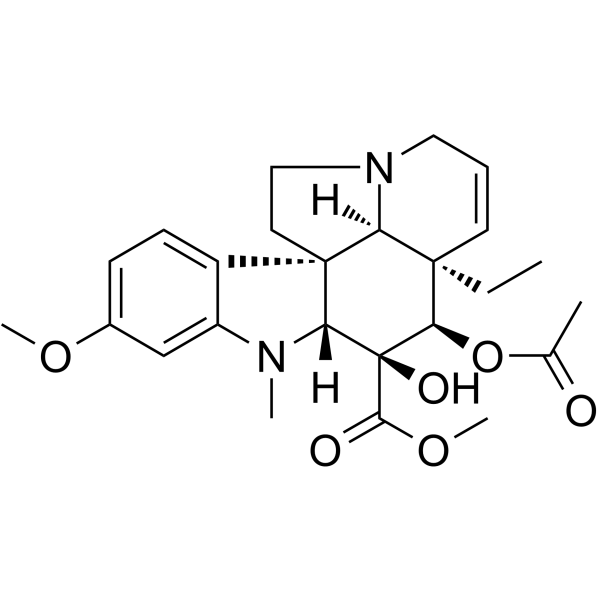
    Microtubule/Tubulin Apoptosis NF-κB PERK Metabolic Disease Inflammation/Immunology Endocrinology
    Vindoline is an orally active vinca alkaloid. Vindoline can be extracted from the leaves of Catharanthus roseus. Vindoline has a weak inhibitory effect on the self-assembly of tubulin. Vindoline alleviates Apoptosis, inhibits p-p65 and p-ERK. Vindoline improves diabetes, bone loss, osteoarthritis, and kidney damage .
    Vindoline
  • HY-N6857

    AP-1 NF-κB p38 MAPK ERK JNK Neurological Disease Metabolic Disease Inflammation/Immunology Cancer
    Armepavine, found in Nelumbo nucifera, is an orally active NF-κB inhibitor. Armepavine attenuates expression of p-p65, α-SMA, p-JNK1/2, p-ERK1/2, p-p38α stimulated by TNF-α and LPS. Armepavine suppresses NF-κB nuclear translocation, IκBα phosphorylation, and collagen deposition. Armepavine can be used for the research of hepatic fibrosis and leukemia .
    Armepavine
  • HY-114189
    GW284543
    1 Publications Verification

    UNC10225170

    MEK Cancer
    GW284543 (UNC10225170) is a selective MEK5 inhibitor. GW284543 reduces pERK5, and decreases endogenous MYC protein .
    GW284543
  • HY-153740

    ARRY-558

    SHP2 Cancer
    PF-07284892 (ARRY-558) is a potent and orally active SHP2 inhibitor with an IC50 value of 21 nM. PF-07284892 decreases the expression of pERK .
    PF-07284892
  • HY-156625
    Nedometinib
    1 Publications Verification

    NFX-179

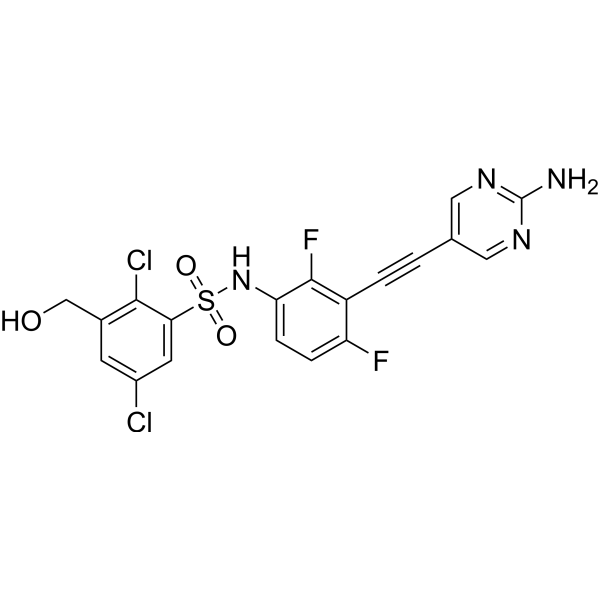
    MEK PERK p38 MAPK Cancer
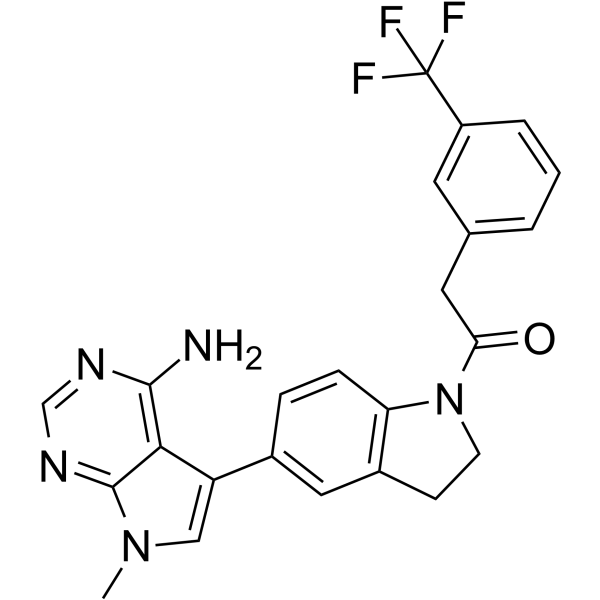
    Nedometinib (NFX-179) is a specific MEK1 inhibitor with an IC50 of 135 nM. Nedometinib inhibits p-ERK, MAPK. Nedometinib exerts anticancer activity against squamous cell carcinoma. Nedometinib can be used for research in dermatosis, neurofibromatosis .
    Nedometinib
  • HY-13984
    NT-1
    1 Publications Verification

    EGFR mutant-IN-3

    EGFR ERK Apoptosis Drug Derivative Cancer
    NT-1 (EGFR mutant-IN-3) is a potent mutant EGFR inhibitor and an analog of Osimertinib (HY-15772). This mutant EGFR inhibitor suppresses FGFR WT with an IC50 of 0.4 nM. NT-1 also inhibits EGFR L858R, EGFR Exon 19 deletion and EGFR T790M. NT-1 exerts deeper inhibition on p-EGFR and p-ERK, and induces tumor cell apoptosis. NT-1 can be used in colorectal cancer research .
    NT-1
  • HY-157231A

    PERK Cancer
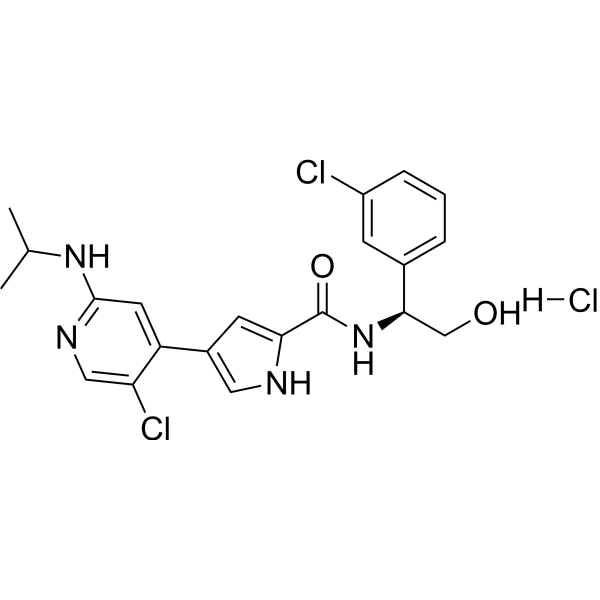
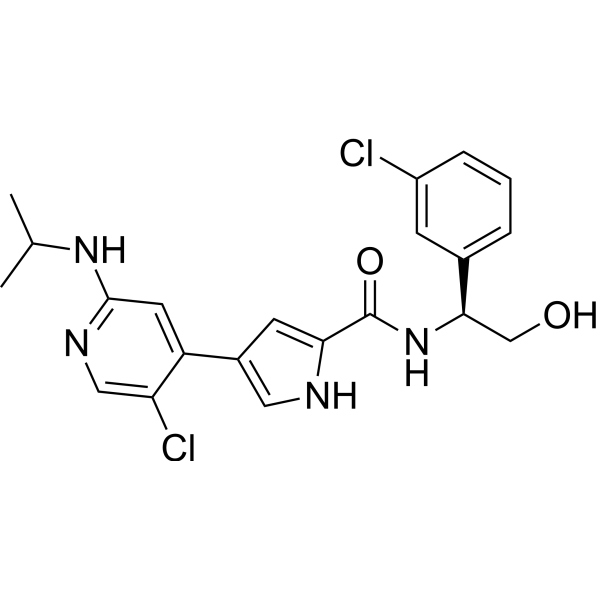
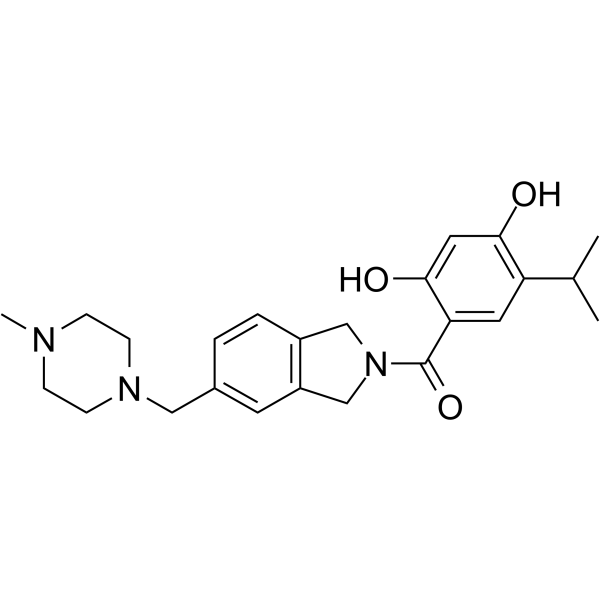
    HC-5404-Fu is an orally active PERK inhibitor with an IC50 of 0.001 μM against human PERK. HC-5404-Fu blocks PERK activation induced by VEGFR-TKI and disrupts the adaptive stress response triggered by VEGFR-TKI. HC-5404-Fu enhances anti-angiogenic effects by inhibiting newly formed and mature tumor blood vessels in renal cell carcinoma models. HC-5404-Fu can be used in research related to renal cell carcinoma .
    HC-5404-Fu
  • HY-163985

    PROTACs FGFR Apoptosis Cancer
    PROTAC FGFR2 degrader 1 (compound N5) is a PROTAC that effectively targets FGFR2 with DC50 of 6.46 nM, the FGFR2 IC50 is 0.08 nM. PROTAC FGFR2 degrader 1 has anti-proliferative activity and highly selective, induces G0/G1 arrest of KATOIII and SNU16 cell cycle and inhibits apoptosis by reducing the activation of p-ERK and p-PLCγ, the downstream proteins of FGFR2. PROTAC FGFR2 degrader 1 inhibits gastric cancer cells remained above 50% at a concentration of 0.17 nM. PROTAC FGFR2 degrader 1 potently inhibits the growth of SNU16 xenograft tumors in mouse model (Structure Note: Pink, FGFR2 activator: HY-18708; Blue, E3 ligase ligand: HY--10984; Black, linker: HY-163989; E3 ligase ligand + linker:HY-163986) .
    PROTAC FGFR2 degrader 1
  • HY-14268R

    TEI 6720 (Standard); TMX 67 (Standard)

    Reference Standards Xanthine Oxidase Cardiovascular Disease Metabolic Disease
    Febuxostat (Standard) is the analytical standard of Febuxostat. This product is intended for research and analytical applications. Febuxostat (TEI 6720) is a potent, selective and non-purine xanthine oxidase (XO) inhibitor with a Ki value of 0.6 nM. Febuxostat has the potential for the research of hyperuricemia and gout .
    Febuxostat (Standard)
  • HY-135220
    PERK-IN-2
    1 Publications Verification

    PERK Cancer
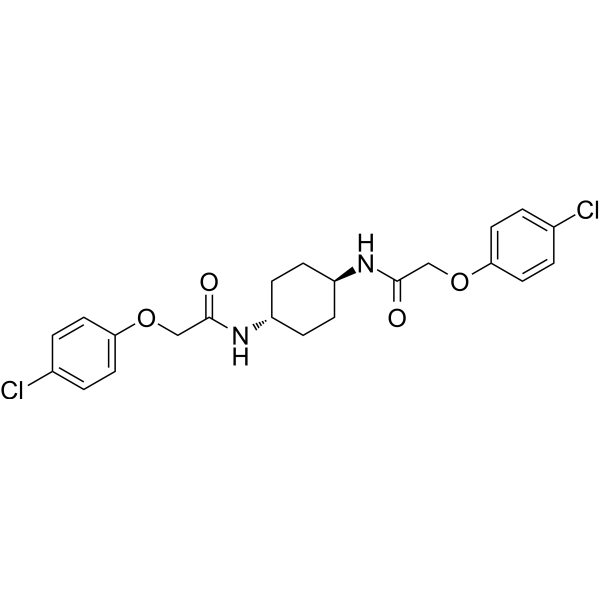
    PERK-IN-2 is a potent PERK inhibitor with an IC50 of 0.2 nM .
    PERK-IN-2
  • HY-137813

    PERK Neurological Disease Metabolic Disease Cancer
    PERK-IN-4 is a potent and selective PERK (protein kinase R (PKR)-like endoplasmic reticulum kinase) inhibitor with an IC 50 of 0.3 nM. PERK is activated in response to a variety of endoplasmic reticulum stresses implicated in numerous disease states .
    PERK-IN-4
  • HY-153832

    RAR/RXR NO Synthase Cancer
    MSU-42011 is an orally active retinoid X receptor (RXR) agonist. MSU-42011 inhibits the iNOS activity and reduces the expression of p-ERK protein. MSU-42011 has immunomodulatory and antitumor activity .
    MSU-42011
  • HY-P3136

    TRV120055

    Angiotensin Receptor ERK Cardiovascular Disease
    TRV055 (TRV120055) is a G protein-biased agonist of angiotensin II type 1 receptors (AT1Rs). TRV120055 induces fibroblast proliferation, overexpression of collagen I and α-SMA, and stress fibre formation in human cardiac fibroblasts. TRV055 activates AT1 receptor/Gαq-mediated signaling pathways, upregulates TGF-β1 and p-ERK1/2. TRV055 induces collagen secretion in adult rat myofibroblasts at a level comparable to Ang II. TRV055 can be used to study the role of G protein-biased signaling of AT1Rs in regulating fibrotic responses [1]
    TRV055
  • HY-158196

    PERK Apoptosis Cancer
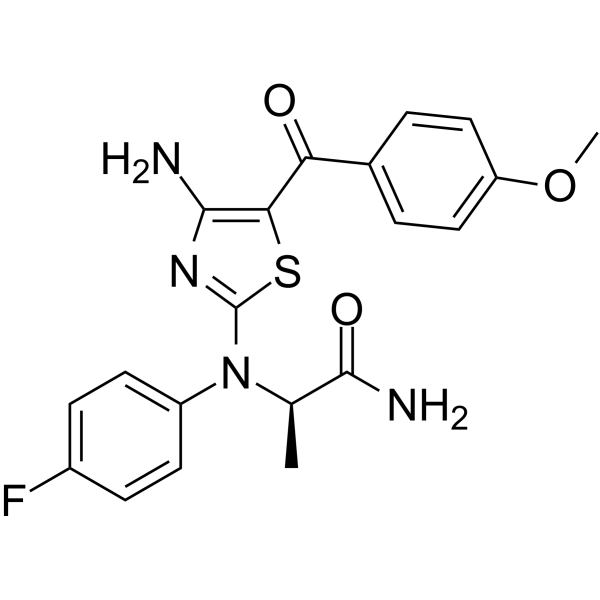
    PERK/eIF2α activator 1 (compound V8) is a flavonoid with an anti-tumor activity. PERK/eIF2α activator 1 induces apoptosis and activates the PERK-eIF2α-ATF4 pathway. PERK/eIF2α activator 1 inhibits HepG2 cell proliferation with an IC50 value of 23 μM .
    PERK/eIF2α activator 1
  • HY-117720

    PKC Apoptosis Cancer
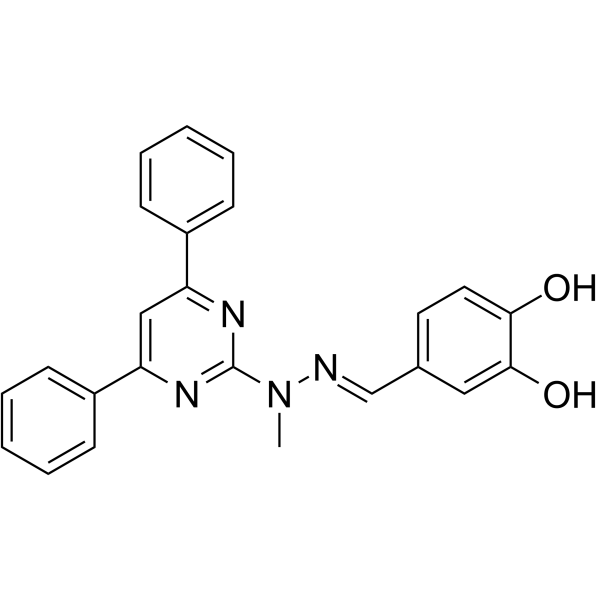
    OSU-2S is a potent PKCδ activator. OSU-2S inhibits cell proliferation and migration. OSU-2S decreases the expression of p-ERK1/2, increases the expression of PKCδ (38 kDa) when combined with Sorafenib (HY-10201). OSU-2S induces Apoptosis. OSU-2S slao is a non-immunosuppressive analogue of FTY720. OSU-2S shows anticancer activity .
    OSU-2S
  • HY-P3136A

    TRV120055 hydrochloride

    Angiotensin Receptor Cardiovascular Disease
    TRV055 (TRV120055) hydrochloride is a G protein-biased agonist of angiotensin II type 1 receptors (AT1Rs). TRV055 hydrochloride induces fibroblast proliferation, overexpression of collagen I and α-SMA, and stress fibre formation in human cardiac fibroblasts. RV055 hydrochloride activates AT1 receptor/Gαq-mediated signaling pathways, upregulates TGF-β1 and p-ERK1/2. RV055 hydrochloride induces collagen secretion in adult rat myofibroblasts at a level comparable to Ang II. RV055 hydrochloride can be used to study the role of G protein-biased signaling of AT1Rs in regulating fibrotic responses [1]
    TRV055 hydrochloride
  • HY-B0168
    Milnacipran
    2 Publications Verification

    Serotonin Transporter PERK Neurological Disease
    Milnacipran is an orally active Serotonin (HY-B1473A) and Norepinephrine (HY-13715) reuptake inhibitor. Milnacipran inhibits monoamine transporters, especially the norepinephrine transporter and the serotonin transporter (Ki values of 31 and 8.5 nM, respectively). Milnacipran inhibits pERK1/2 activation. Milnacipran has antidepressant, anxiolytic and analgesic properties. Milnacipran inhibits biting behavior in mice. Milnacipran can be used in the study of major depressive disorder, anxiety disorders, and neuropathic pain (e.g., fibromyalgia) .
    Milnacipran
  • HY-145835

    PERK Cancer
    PERK-IN-5 is a highly potent, selectively and orally bioavailable PERK inhibitor (IC50s of 2 and 9 nM for PERK and p-eIF2α, respectively). PERK-IN-5 can significantly inhibit tumor growth in the 786-O renal cell carcinoma xenograft tumor model .
    PERK-IN-5
  • HY-142283AS

    AZD-9291-d5 mesylate; Mereletinib-d5 mesylate

    EGFR Cancer
    Dosimertinib-d5 (mesylate) is a potent and orally active EGFR inhibitor. Dosimertinib-d5 (mesylate) decreases the expression of p-EGFR and p-ERK protein levels. Dosimertinib-d5 (mesylate) shows antiproliferative and anti-tumor activity. Dosimertinib-d5 (mesylate) has the potential for the research of non-small-cell lung cancer (NSCLC) .
    Dosimertinib-d5 mesylate
  • HY-162445

    Ras PERK Cancer
    KRASG12D-IN-3 is an orally active KRAS G12D inhibitor. KRASG12D-IN-3 inhibits the growth of gastric cancer and pancreatic cancer cells. KRASG12D-IN-3 inhibits the activity of p-ERK in gastric cancer cells. KRASG12D-IN-3 can be used for the research of gastric cancer and pancreatic cancer .
    KRASG12D-IN-3
  • HY-P991664

    Src Akt ERK TAM Receptor c-Met/HGFR MMP HIF/HIF Prolyl-Hydroxylase VEGFR Cancer
    AG01 is a monoclonal antibody against progranulin (GP88). AG01 inhibits triple-negative breast cancer (TNBC) cell proliferation and migration, reduces the expression of phosphorylated protein kinases p-Src, p-AKT, and p-ERK, and reduces the expression of oncogenic proteins such as Axl, c-MET, HIF-1α, and VEGF. AG01 inhibits tumor growth and Ki67 expression in a TNBC xenograft mouse model. AG01 can be used in the research of TNBC and other cancers .
    AG01
  • HY-113916

    AT13387 lactate

    HSP Cancer
    Onalespib lactate is a potent and cross the blood-brain barrier heat-shock-protein-90 (Hsp90) inhibitor with an Kd value of 0.71 nM. Onalespib lactate inhibits the proliferation, survival and migration. Onalespib lactate decreases the expression of EGFR, p-EGFR, AKT, P-AKT, ERK1/2, P-ERK1/2, S6, P-S6 protein. Onalespib lactate shows antitumor activity. Onalespib lactate has the potential for the research of non-small cell lung cancer (NSCLC) .
    Onalespib lactate
  • HY-115527

    SHP2 Cancer
    SHP244 is a conformational inhibitor targeting the "latch allosteric site" (site 2) of the SHP2 protein with an IC50 value for SHP2 WT of 60 μM. SHP244 has no significant effect on the level of p-ERK alone. SHP244 combined with RMC-4550 (HY-116009) ("tunnel site" site 1 inhibitor) can reduce p-ERK and inhibit the rebound of p-ERK, thereby reducing drug resistance. SHP244 can be used to study drug resistance in FGFR-driven cancers .
    SHP244
  • HY-142283

    Isotope-Labeled Compounds EGFR Cancer
    Dosimertinib-d3-d3 is a potent and orally active EGFR inhibitor. Dosimertinib-d3-d3 decreases the expression of p-EGFR and p-ERK protein levels. Dosimertinib-d3-d3 shows antiproliferative and anti-tumor activity. Dosimertinib-d3-d3 has the potential for the research of non-small-cell lung cancer (NSCLC) .
    Dosimertinib
  • HY-146544

    Ras Cancer
    KRAS inhibitor-14 (compound 3-22) is a potent KRAS G12C inhibitor with an IC50 of 0.249 µM. KRAS inhibitor-14 shows p-ERK inhibition activities with IC50s of 1.12, >33.3 µM in MIA PaCA-2, A549 cells, respectively. KRAS inhibitor-14 has the potential for the research of pancreatic, colorectal, and lung cancers .
    KRAS inhibitor-14
  • HY-168482

    NF-κB p38 MAPK Cancer
    NF-κB/MAPK-IN-2 (compound 14) is a potent NF-κB and MAPK Inhibitor. NF-κB/MAPK-IN-2 decreases the protein expression of p-p65, p-IκB, p-p38, p-JNK, and p-ERK. NF-κB/MAPK-IN-2 reduces the LPS-induced release of TNF-α and IL-6. NF-κB/MAPK-IN-2 inhibits nuclear translocation of p65 and c-Fos. NF-κB/MAPK-IN-2 has the potential for the research of sepsis .
    NF-κB/MAPK-IN-2
  • HY-178176

    PROTACs Cannabinoid Receptor Akt ERK Bcl-2 Family Apoptosis Cancer
    PROTAC CB1R Degrader-1 is a potent and selective CB1R PROTAC degrader that exploits the ubiquitin-proteasome system (UPS) achieving a DC50 of 3.37 μM in MCF-7 cells and showing no impact on CB2R. PROTAC CB1R Degrader-1 reduces CB1R-associated downstream signaling (p-AKT, p-ERK, BCL2, and MCM5), thereby inhibiting breast cancer cell proliferation and inducing apoptosis. PROTAC CB1R Degrader-1 can be used for breast cancer research. (Blue: CRBN ligand (HY-41547); Black: linker (HY-178198); Pink: CB1R ligand (HY-134497)) .
    PROTAC CB1R Degrader-1
  • HY-173119

    ERK Autophagy Apoptosis p62 mTOR Reactive Oxygen Species (ROS) Ferroptosis Cancer
    SKLB-D18 is an orally active ERK1/2/ERK5 inhibitor, with an IC50 of 38.69 nM and a Kd of 126.9 nM against human ERK1, an IC50 of 40.12 nM and a Kd of 209.8 nM against ERK2, and an IC50 of 59.72 nM and a Kd of 468.2 nM against ERK5. SKLB-D18 inhibits cancer cell proliferation, induces G0/G1 cell cycle arrest and apoptosis. SKLB-D18 reduces the levels of p-ERK5, p-RSKp90, p-c-Myc and c-Myc, and upregulates the level of p-ERK1/2, thereby inhibiting the ERK1/2/5 pathway in cells. SKLB-D18 increases LC3B-II accumulation, and decreases the levels of p62, p-mTOR and p-p70S6K. SKLB-D18 elevates the levels of ROS, lipid peroxidation and free ferrous ions, reduces the levels of NCOA4 and GPX4, and induces ferritin autophagy-dependent ferroptosis in cancer cells. SKLB-D18 exhibits antitumor activity in a triple-negative breast cancer xenograft mouse model. SKLB-D18 can be used in research related to triple-negative breast cancer .
    SKLB-D18
  • HY-N3480

    (+)-Isogospherol; Isogospherol

    Others Inflammation/Immunology
    Isogosferol ((+)-Isogospherol; Isogospherol) is a potent anti-inflammatory agent. Isogosferol decreases LPS (HY-D1056)-stimulated NO and IL-1β expression. Isogosferol decreases the LPS (HY-D1056)-stimulated expression of iNOS, COX-2, NF-κB, and pERK1/2 .
    Isogosferol
  • HY-153160

    PERK Cancer
    PERK-IN-6 (Compound 5) is a PERK inhibitor with an IC50 of 2.5 nM .
    PERK-IN-6
  • HY-146543

    Ras Cancer
    KRAS inhibitor-13 (compound 5-6) is a potent KRAS G12C inhibitor with an IC50 of 0.883 µM. KRAS inhibitor-13 shows p-ERK inhibition activities with IC50s of 5.9, >100 µM in MIA PaCA-2, A549 cells, respectively. KRAS inhibitor-13 has the potential for the research of pancreatic, colorectal, and lung cancers .
    KRAS inhibitor-13
  • HY-146533

    Ras Cancer
    KRAS inhibitor-12 (compound 6-1) is a potent KRAS G12C inhibitor with an IC50 of 0.537 µM. KRAS inhibitor-12 shows p-ERK inhibition activities with IC50s of 1.3, 3.7 µM in MIA PaCA-2, A549 cells, respectively. KRAS inhibitor-12 has the potential for the research of pancreatic, colorectal, and lung cancers .
    KRAS inhibitor-12

Inquiry Online

Your information is safe with us. * Required Fields.

Salutation


Country or Region *

Applicant Name *


Organization Name *

Department *


Email Address *


Product Name *

Cat. No.


Requested quantity *

Phone Number *


Remarks

Inquiry Online

Inquiry Information

Product Name:
Cat. No.:
Quantity:
MCE Japan Authorized Agent:

