
1. Search Result
Search Result
Results for "

prostatic diseases

" in MedChemExpress (MCE) Product Catalog:

76

Inhibitors & Agonists

1

Screening Libraries

2

Biochemical Assay Reagents

7

Peptides

15

Natural
Products

5

Isotope-Labeled Compounds

3

Oligonucleotides

Cat. No. Product Name Target Research Areas Chemical Structure
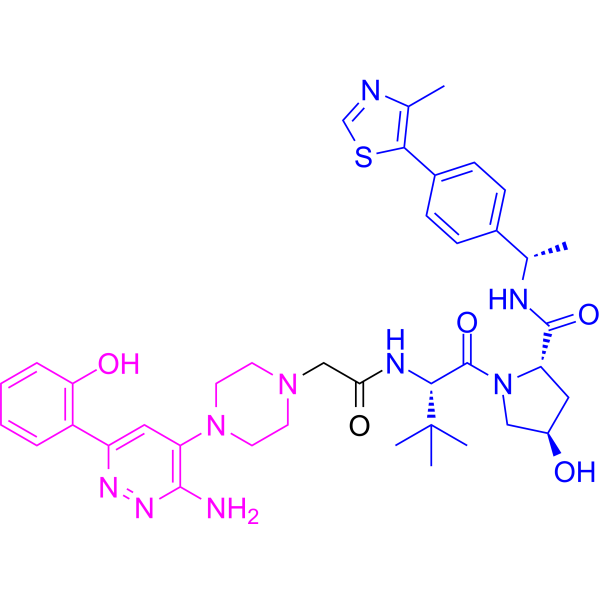
  • HY-145388
    AU-15330
    10+ Cited Publications

    PROTACs SWI/SNF Complex Cancer
    AU-15330 is a proteolysis-targeting chimera (PROTAC) degrader of the SWI/SNF ATPase subunits, SMARCA2 and SMARCA4. AU-15330 induces potent inhibition of tumour growth in xenograft models of prostate cancer and synergizes with the AR antagonist enzalutamide. AU-15330 induces disease remission in castration-resistant prostate cancer (CRPC) models without toxicity .
    AU-15330
  • HY-17503
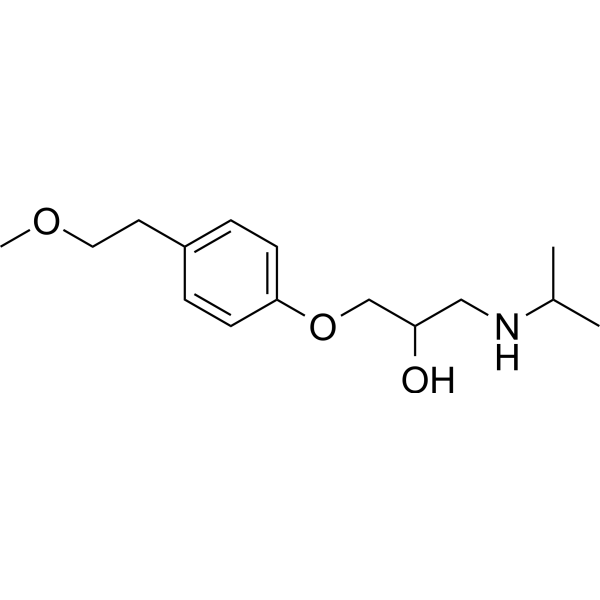
    Metoprolol
    10+ Cited Publications

    Adrenergic Receptor Apoptosis Infection Cardiovascular Disease Endocrinology Cancer
    Metoprolol is an orally active, selective β1-adrenoceptor antagonist. Metoprolol shows anti-inflammation, antitumor and anti-angiogenic properties .
    Metoprolol
  • HY-N0288
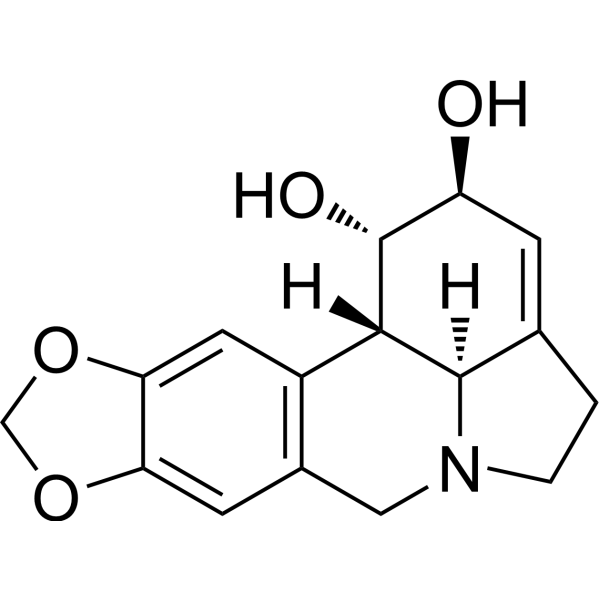
    Lycorine
    Maximum Cited Publications
    22 Publications Verification

    Fatty Acid Synthase (FASN) Virus Protease Bacterial Apoptosis Inflammation/Immunology Cancer
    Lycorine is a natural alkaloid extracted from the Amaryllidaceae plant. Lycorine is a potent and orally active SCAP inhibitor with a Kd value 15.24 nM. Lycorine downregulates the SCAP protein level without changing its transcription . Lycorine is also a melanoma vasculogenic inhibitor . Lycorine can be used for the study of prostate cancer and metabolic diseases .
    Lycorine
  • HY-16474

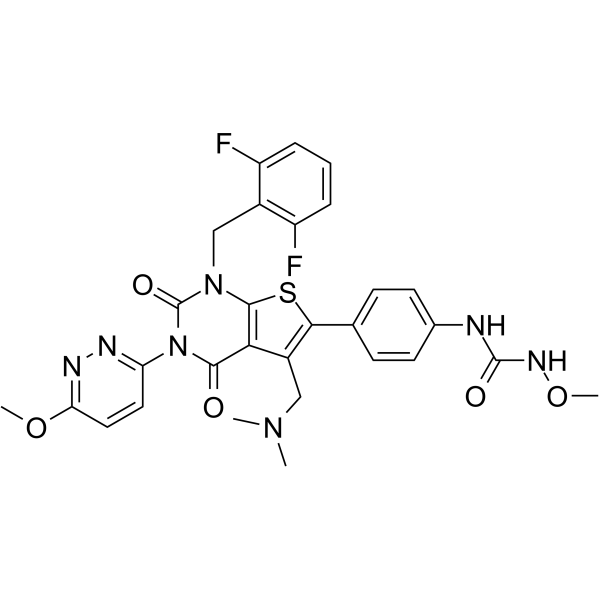
    TAK-385

    GnRH Receptor Endocrinology Cancer
    Relugolix (TAK-385)?is a potent, orally active, nonpeptidic gonadotropin-releasing hormone (GnRH) antagonist. Relugolix possesses high affinity and potent antagonistic activity for human receptor (binding IC50=0.33 nM) and monkey receptor (IC50=0.32 nM) compared with TAK-013 (HY-100209) . Relugolix is used for the study of sex-hormone-dependent diseases, such as including endometriosis, uterine fibroids and prostate cancer et al .
    Relugolix
  • HY-W017540
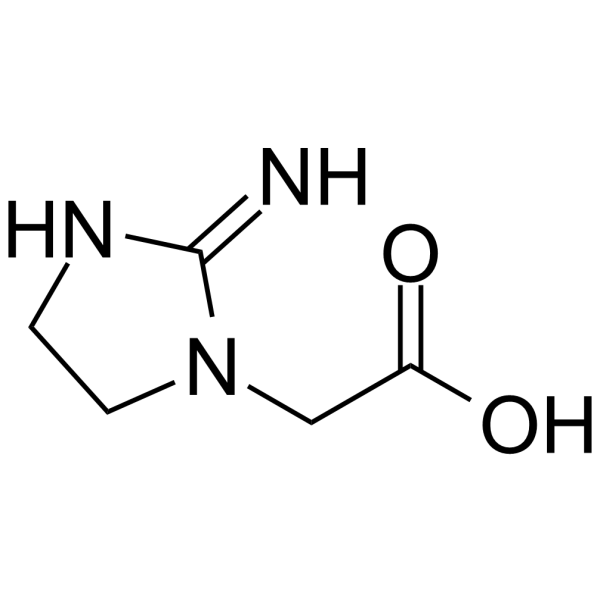
    Cyclocreatine
    1 Publications Verification

    ATP Synthase Cardiovascular Disease Neurological Disease Metabolic Disease Cancer
    Cyclocreatine, a creatine analogue, acts as a brain-penetrant and potent bioenergetic protective agent by providing high levels of ATP. Cyclocreatine can be phosphorylated and dephosphorylated by creatine kinases. Cyclocreatine suppresses creatine metabolism ameliorating the cognitive, autistic and epileptic phenotype in a mouse model of creatine transporter defciency. Cyclocreatine protects against ischemic injury and enhances cardiac recovery during early reperfusion in dogs and rats. Cyclocreatine decreases plaque-adjacent neuronal dystrophy in TREM2-deficient mice with amyloid-β pathology. Cyclocreatine is proming for research of ischemic heart disease, cardiovascular diseases, Alzheimer’s disease and other neurodegenerative diseases associated with microglial dysfunction, prostate cancer .
    Cyclocreatine
  • HY-113289
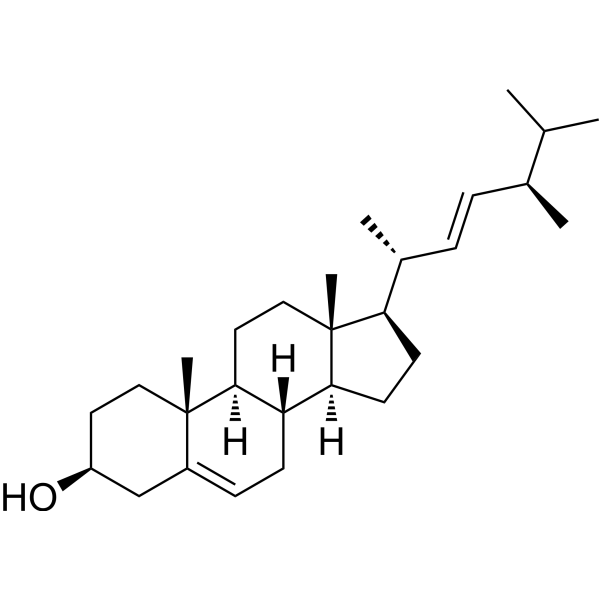
    Brassicasterol
    1 Publications Verification

    Akt Androgen Receptor Bacterial Drug Metabolite HSV Infection Cardiovascular Disease Neurological Disease Cancer
    Brassicasterol is a metabolite of Ergosterol and has cardiovascular protective effects. Brassicasterol exerts anticancer effects in prostate cancer through dual targeting of AKT and androgen receptor signaling pathways. Brassicasterol inhibits HSV-1 (IC50=1.2 μM) and Mycobacterium tuberculosis. Brassicasterol also inhibits sterol δ 24-reductase, slowing the progression of atherosclerosis. Brassicasterol is also a cerebrospinal fluid biomarker for Alzheimer's disease .
    Brassicasterol
  • HY-17503B
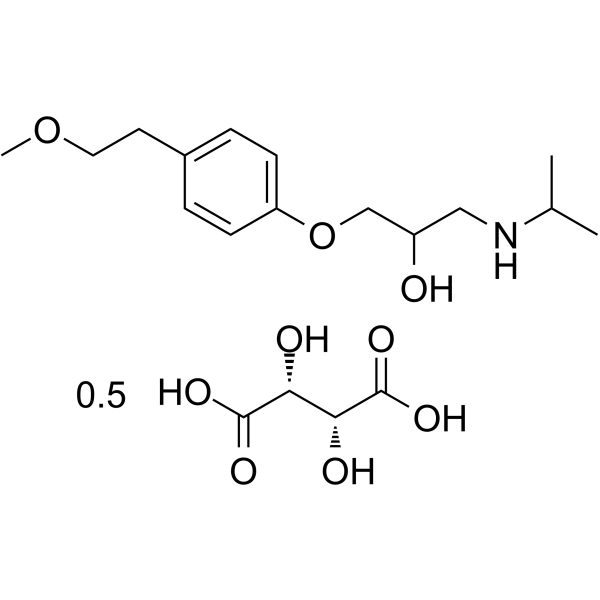
    Metoprolol tartrate
    10+ Cited Publications

    Adrenergic Receptor Apoptosis Infection Cardiovascular Disease Endocrinology Cancer
    Metoprolol tartrate is an orally active, selective β1-adrenoceptor antagonist. Metoprolol tartrate shows anti-inflammation, antitumor and anti-angiogenic properties .
    Metoprolol tartrate
  • HY-N2908

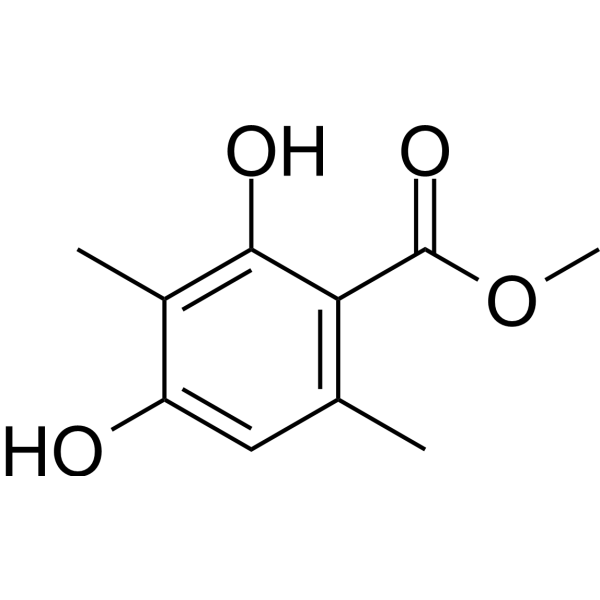
    Methyl atrarate

    Environmental Pollutants NF-κB Androgen Receptor p38 MAPK NO Synthase Inflammation/Immunology Cancer
    Atraric acid (Methyl atrarate) is a specific androgen receptor (AR) antagonist with anti-inflammatory and anticancer effects. Atraric acid represses the expression of the endogenous prostate specific antigen gene in both LNCaP and C4-2 cells. Atraric acid can also inhibit the synthesis of NO and cytokine, and suppress the MAPK-NFκB signaling pathway. Atraric acid can be used to research prostate diseases and inflammatory diseases .
    Atraric acid
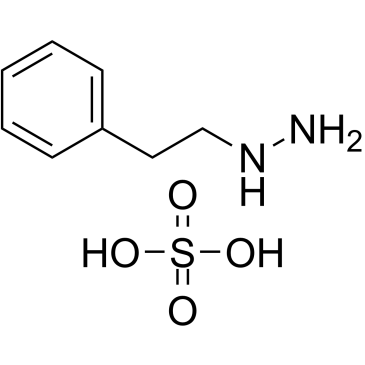
  • HY-B1018A
    Phenelzine sulfate
    5+ Cited Publications

    Monoamine Oxidase GABA Receptor Histone Demethylase Cardiovascular Disease Neurological Disease Metabolic Disease Inflammation/Immunology Cancer
    Phenelzine sulfate, an antidepressant agent, is an irreversible and orally active monoamine oxidase (MAO-A and MAO-B) inhibitor. Phenelzine sulfate inhibits GABA transaminase and primary amine oxidase (PrAO), and sequester reactive aldehydes. Phenelzine sulfate also inhibits LSD1 (Ki: 5.6 μM) and suppresses oxidative stress and lipogenesis. Phenelzine sulfate elevates neurotransmitters (serotonin, norepinephrine, dopamine). Phenelzine sulfate is studied in neurological, metabolic and cancer diseases for depression and anxiety disorders, stroke, spinal cord injury, traumatic brain injury, multiple sclerosis, Parkinson’s disease, Alzheimer’s disease, inflammatory pain, obesity and prostate cancer .
    Phenelzine sulfate
  • HY-110112
    BTT-3033
    1 Publications Verification

    Integrin Apoptosis Cardiovascular Disease Inflammation/Immunology Cancer
    BTT-3033 is an orally active conformation-selective inhibitor of α2β1 (EC50: 130 nM) by binding to the α2I domain. BTT-3033 inhibits platelet binding to collagen I and cell proliferation, and induces cell apoptosis. BTT-3033 can be used in the research of prostate cancer, inflammation and cardiovascular disease .
    BTT-3033
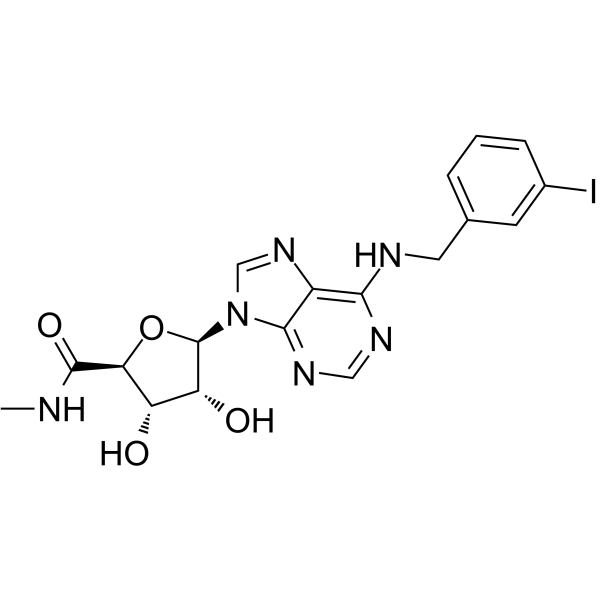
  • HY-13591
    Piclidenoson
    5+ Cited Publications

    IB-MECA; CF-101

    Adenosine Receptor Apoptosis Inflammation/Immunology Cancer
    Piclidenoson (IB-MECA) is a first-in-class, orally active and selective A3 adenosine receptor (A3AR) agonist. Piclidenoson exhibits antiproliferative effect and induces apoptosis in different cancer cell types like melanoma, leukemia. Piclidenoson can be used for the research of autoimmune inflammatory diseases and COVID-19 .
    Piclidenoson
  • HY-17503A
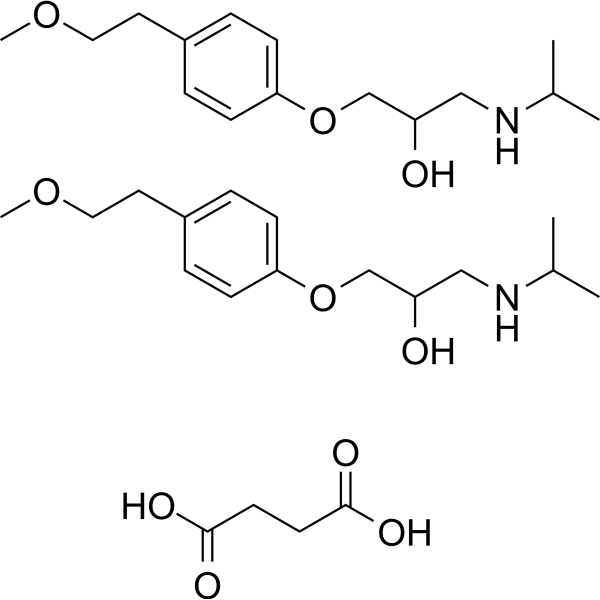
    Metoprolol succinate
    10+ Cited Publications

    Adrenergic Receptor Apoptosis Cardiovascular Disease Endocrinology Cancer
    Metoprolol succinate is an orally active, selective β1-adrenoceptor antagonist. Metoprolol succinate shows anti-inflammation, antitumor and anti-angiogenic properties .
    Metoprolol succinate
  • HY-B0900
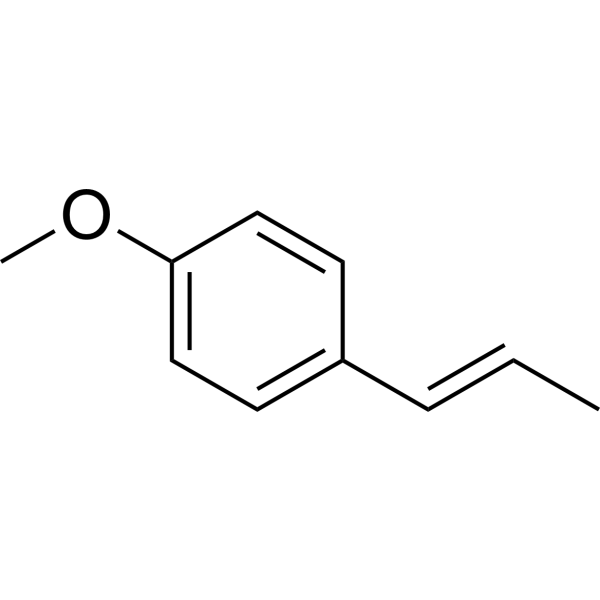
    Anethole
    2 Publications Verification

    Anise camphor; p-Propenylanisole; Isoestragole

    Environmental Pollutants Apoptosis NF-κB Fungal Bacterial MMP Infection Neurological Disease Inflammation/Immunology Cancer
    Anethole is a type of orally active aromatic compound that is widely found in nature and used as a flavoring agent. Anethole possesses anticancer, anti-inflammatory, antioxidant, antibacterial, antifungal, anesthetic, estrogenic, central nervous system depressant, hypnotic, insecticidal, and gastroprotective effects. Anethole can be used in the study of oxidative stress-related skin diseases and prostate cancer .
    Anethole
  • HY-B1095
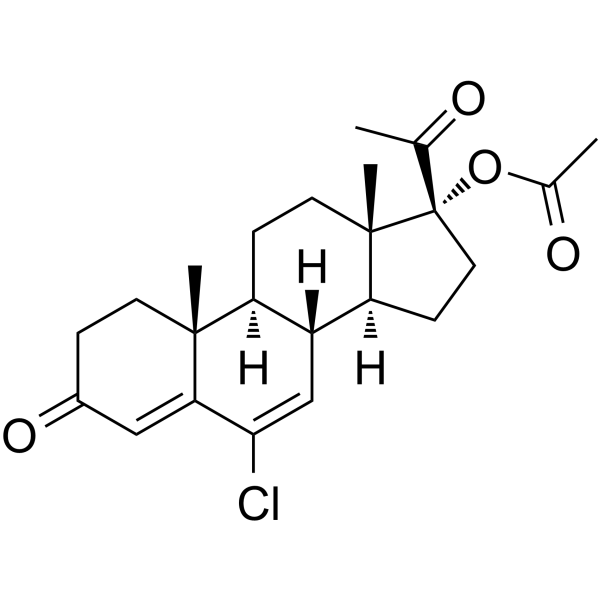
    Chlormadinone acetate
    1 Publications Verification

    Progesterone Receptor Androgen Receptor Glucocorticoid Receptor GABA Receptor Neurological Disease Metabolic Disease
    Chlormadinone acetate is a progestogen with potent progestogenic activity and antiandrogenic effects. Chlormadinone acetate acts on glucocorticoid receptor, progesterone receptor, androgen receptor, and GABAA receptor. Chlormadinone acetate induces endometrial proliferation in estrogen-pretreated rabbits, inhibits testosterone-stimulated growth of the prostate and seminal vesicles in castrated rats, and reduces the thymus and adrenal weights in juvenile rats. Chlormadinone acetate is applicable to research related to diseases such as depression and reproductive metabolic disorders .
    Chlormadinone acetate
  • HY-N0762
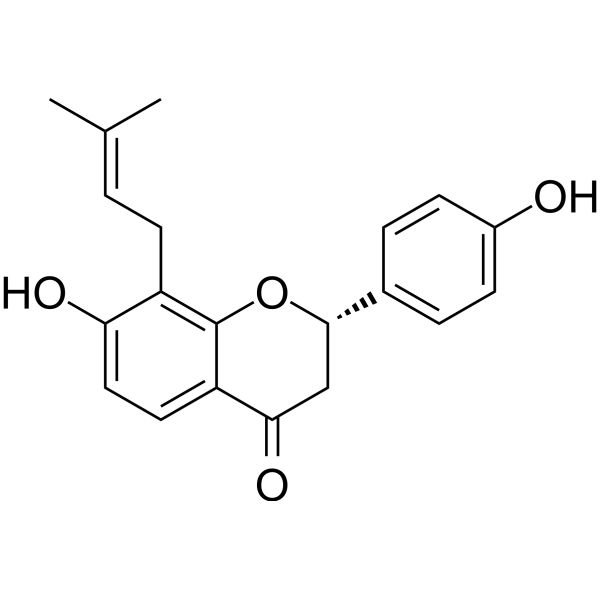
    Isobavachin
    5 Publications Verification

    Cytochrome P450 UGT p38 MAPK NF-κB NO Synthase COX Fc Receptor (FcR) RANKL/RANK Keap1-Nrf2 Reactive Oxygen Species (ROS) Apoptosis Autophagy Neurological Disease Metabolic Disease Inflammation/Immunology Cancer
    Isobavachin is an orally active, blood-brain barrier-penetrating prenylated flavonoid present in Psoralea corylifolia. Isobavachin inhibits human CYP2B6, CYP2C9, CYP2C19, UGT1A1, UGT1A9, and UGT2B7. Isobavachin suppresses MAPK activation, NF-κB nuclear translocation, overexpression of iNOS/COX-2, FcεRI-mediated signaling pathways, and RANKL-induced osteoclastogenesis. Isobavachin induces autophagy, cytotoxicity, neuronal differentiation, and NRF2 activation; it alleviates oxidative damage, inflammatory responses, apoptosis, iron accumulation, mitochondrial biogenesis, and mast cell degranulation. Isobavachin is applicable to research related to liver injury, inflammatory diseases, osteoporosis, liver cancer, prostate cancer, glioma, periodontitis-induced bone loss, and Alzheimer's disease .
    Isobavachin
  • HY-Y1887

    Environmental Pollutants Biochemical Assay Reagents Insecticide Cardiovascular Disease Infection Inflammation/Immunology
    Cottonseed oil is an edible oil extracted from the seeds of cotton (Gossypium hirsutum). Its fatty acid composition includes 26-35% saturated fatty acids, 42-52% polyunsaturated fatty acids, and 18-24% monounsaturated fatty acids. Cottonseed oil is regarded as an Insecticide, as it is used to protect the trunks of apple trees from damage by the apple clearwing moth. Cottonseed oil possesses anti-inflammatory and cardioprotective properties. It also has extensive applications in many fields such as biofuels, animal husbandry, cosmetics, agriculture, and chemical industry .
    Cottonseed oil
  • HY-N0863

    NSC-698790; Smilax saponin B

    Bcl-2 Family Apoptosis Akt c-Myc ERK p38 MAPK JNK FOXO Cancer
    Methyl protodioscin (NSC-698790; Smilax saponin B) is a multi-target, selective, steroidal diglycoside inhibitor with antitumor activity that induces cell cycle arrest. The mechanism of action of Methyl protodioscin is complex, involving the induction of G2/M cell cycle arrest, regulation of the Bcl-2/Bax apoptotic pathway, inhibition of the Akt1/c-Myc axis and MAPK/ERK signaling, while simultaneously downregulating ADAM15 and inducing FOXO1 to reduce cholesterol synthesis. It also inhibits the JNK/c-Jun pathway, reducing the production of inflammatory factors (IL-6, TNF-α). Methyl protodioscin exhibits significant antitumor (inhibiting proliferation, migration, invasion, and inducing apoptosis), anti-inflammatory, and anti-restenosis activities. Methyl protodioscin can be used in research on lung cancer, prostate cancer, pancreatic cancer, and other tumors, as well as inflammatory diseases such as airway inflammation and enteritis .
    Methyl protodioscin
  • HY-N0819
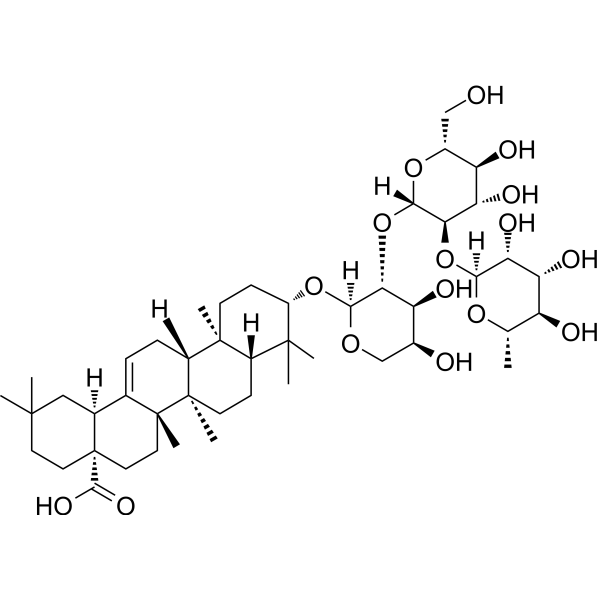
    Raddeanin A
    1 Publications Verification

    Apoptosis PI3K Akt ERK mTOR Wnt β-catenin Wee1 JNK VEGFR CDK Neurological Disease Inflammation/Immunology Cancer
    Raddeanin A is an oleanane-type triterpenoid saponin with oral activity. Raddeanin A inhibits SRC, mTOR, JNK, VEGFR2, NLRP3 inflammasome, Wnt/β-catenin, Wee1, PI3K/AKT signaling pathway, MAPK/ERK signaling pathway, AR-FL, AR-Vs, and downregulates the expression of p-PI3K and p-AKT. Raddeanin A inhibits osteoclast formation, bone resorption, osteolysis, cancer cell invasion, migration, proliferation, angiogenesis and epithelial-mesenchymal transition, while induces apoptosis, cell cycle arrest, ROS production, immunogenic cell death and dendritic cell maturation. Raddeanin A improves blood-retinal barrier function, alleviates inflammation, regulates the tumor microenvironment, and enhances the activity of anti-PD-1 antibody. Raddeanin A is applicable to the research of breast cancer-associated osteolysis, human osteosarcoma, colorectal cancer, glioblastoma, Alzheimer's disease, cholangiocarcinoma, melanoma, non-small cell lung cancer, castration-resistant prostate cancer and multiple myeloma .
    Raddeanin A
  • HY-176763

    Sec61 Cancer
    KZR-261 is a Sec61 translocase inhibitor. KZR-261 binds directly to the Sec61 channel, thereby inhibiting the biosynthesis of certain Sec61 substrate proteins, including oncogenic factors. KZR-261 activates the endoplasmic reticulum stress response. KZR-261 exhibits broad in vitro anticancer activity. KZR-261 shows antitumor efficacy in mouse models of cancer. KZR-261 can be used for the research of multiple myeloma, colorectal cancer, small cell lung cancer, pancreatic cancer, prostate cancer, non-Hodgkin's lymphoma, and mantle cell lymphoma .
    KZR-261
  • HY-122605

    CBA

    TRP Channel Cardiovascular Disease Cancer
    TRPM4-IN-1 (CBA) is a potent and selective inhibitor of the cation channel TRPM4, with an IC50 of 1.5 μM. TRPM4-IN-1 can be used for the research of cardiac diseases and prostate cancer .
    TRPM4-IN-1
  • HY-W587488

    3′-AMP

    Nucleoside Antimetabolite/Analog Cyclic GMP-AMP Synthase Cancer
    Adenosine 3’-monophosphate (3’-AMP) is a nucleotide. Adenosine 3’-monophosphate is a cyclic AMP production agonist. Adenosine 3’-monophosphate increases cyclic AMP levels concentration-dependently in NG108-15 cells. Adenosine 3’-monophosphate can be used in the determination of acid phosphatase activity of human serum, which is estabilished as a laboratory procedure in the diagnosis of prostate cancer, metastatic mammary cancer and Gaucher’s disease. Adenosine 3’-monophosphate inhibits human aortic and coronary vascular smooth muscle cell proliferation via A2B receptors .
    Adenosine 3′-monophosphate
  • HY-110154

    Histone Demethylase Cancer
    NSC636819 is a competitive and selective inhibitor of KDM4A/KDM4B. KDM4A/KDM4B are potential progression factors for prostate cancer. NSC636819 has the potential for the research of cancer diseases, especially prostate cancer .
    NSC636819
  • HY-115062

    Phospholipase NADPH Oxidase p38 MAPK Akt NF-κB AP-1 Reactive Oxygen Species (ROS) Cardiovascular Disease Inflammation/Immunology Cancer
    MJ-33 lithium salt is a competitive phospholipase A2 (PLA2) inhibitor with an IC50 of 0.3 μM. MJ-33 lithium salt inhibits NOX2 activation and reduces ROS production by blocking the PLA2 activity of Prdx6. MJ-33 lithium salt effectively inhibits the activity of acidic PLA2 (pH 4.0) and reduces the degradation of alveolar surfactant phosphatidylcholine (PC), but exerts no effect on alkaline PLA2 (pH 8.5). MJ-33 lithium salt significantly alleviates lung oxidative injury induced by ischemia-reperfusion (I/R). MJ-33 lithium salt significantly inhibits the invasion, migration and adhesion abilities of prostate cancer cells by suppressing the MAPK, AKT, NF-κB and AP-1 signaling pathways. MJ-33 lithium salt can be used for the research of ROS-related diseases and prostate cancer .
    MJ33 lithium salt
  • HY-B0657
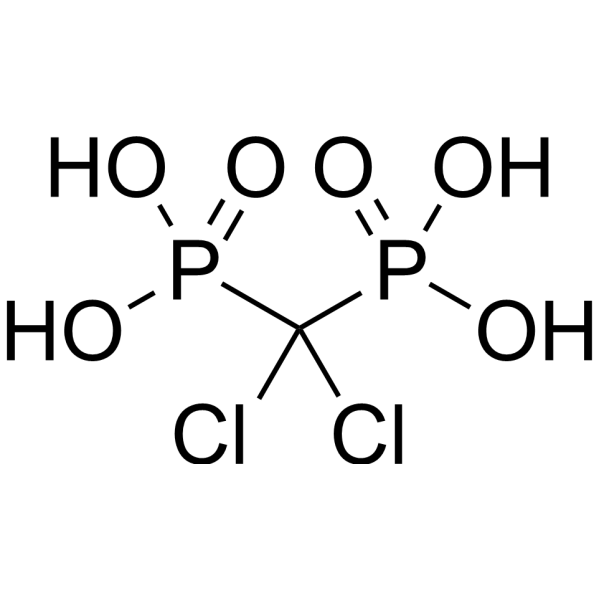
    Clodronic acid
    4 Publications Verification

    Clodronate

    Apoptosis Metabolic Disease Cancer
    Clodronic acid (Clodronate) is an orally active bisphosphonate. Clodronic acid inhibits osteoclast-mediated bone resorption. Clodronic acid reduces skeletal event risk in malignant bone disease, impairs malignant osteolysis, blocks bone matrix growth-factor release, induces apoptosis in osteoclasts and macrophages. Clodronic acid is effective in the maintenance or improvement of bone mineral density. Clodronic acid can be used for the research of multiple myeloma and postmenopausal osteoporosis .
    Clodronic acid
  • HY-152241

    Histone Acetyltransferase Cancer
    DS-9300 is a potent, orally active, selective EP300/CBP HAT inhibitor with an IC50 value of 28 nM. DS-9300 has anticancer activity and can be used in prostate cancer disease research .
    DS-9300
  • HY-N0288R

    Fatty Acid Synthase (FASN) Virus Protease Bacterial Apoptosis Reference Standards Inflammation/Immunology Cancer
    Lycorine (Standard) is the analytical standard of Lycorine. This product is intended for research and analytical applications. Lycorine is a natural alkaloid extracted from the Amaryllidaceae plant. Lycorine is a potent and orally active SCAP inhibitor with a Kd value 15.24 nM. Lycorine downregulates the SCAP protein level without changing its transcription . Lycorine is also a melanoma vasculogenic inhibitor . Lycorine can be used for the study of prostate cancer and metabolic diseases .
    Lycorine (Standard)
  • HY-P1793

    Opioid Receptor Biochemical Assay Reagents Neurological Disease Inflammation/Immunology Cancer
    α-Casein (90-95) is a partial agonist of opioid receptors and a copper ion ligand, with opioid activity. α-Casein (90-95) inhibits the secretion of β-hexosaminidase by rat peritoneal mast cells (PMC) with IC50= 0.1 μM. α-Casein (90-95) inhibits the proliferation of prostate cancer cells LNCaP, DU145, and PC3 with IC50 of 0.94 nM, 137 nM, and 6.92 nM, respectively. α-Casein (90-95) activates Gi-like proteins through a membrane-assisted, receptor-independent pathway, or reversibly binds to opioid receptors, inducing intracellular calcium release and conformational changes, and exerts the activity of promoting mast cell secretion and inhibiting tumor cell proliferation. α-Casein (90-95) can be used in the study of the mechanisms of allergic diseases and prostate cancer .
    α-Casein (90-95)
  • HY-157486

    Epigenetic Reader Domain Cancer
    KMI169 is a potent and selective inhibitor targeting lysine methyl-transferase (KMT9) (IC50 = 0.05 μM, Kd = 0.025 μM). KMI169 functions as a bi-substrate inhibitor targeting the cofactor S-5’-adenosyl-L-methionine (SAM) and substrate binding pockets of KMT9. KMI169 can downregulate target genes involved in cell cycle regulation and impair proliferation of tumor cells by inhibiting KMT9. KMI169 is a valuable tool to probe cellular KMT9 functions and can be research for combating diseases including prostate, lung, colon, and invasive bladder cancer .
    KMI169
  • HY-144669

    Aldehyde Dehydrogenase (ALDH) Cancer
    ALDH1A3-IN-2 (Compound 15) is a potent inhibitor of ALDH1A3 with an IC50 of 1.29 μM. Aldehyde dehydrogenases (ALDHs) are overexpressed in various tumor types including prostate cancer. ALDH1A3-IN-2 has the potential for the research of cancer diseases .
    ALDH1A3-IN-2
  • HY-156530

    Cytochrome P450 Endocrinology
    CYP11A1-IN-1 (compound 30) is an inhibitor of CYP11A1, with IC50 value of 201-2000 nM. CYP11A1-IN-1 can be used for research in steroid receptor, particularly androgen receptor, dependent diseases and conditions, such as prostate cancer .
    CYP11A1-IN-1
  • HY-N2911

    VEGFR Ferroptosis PI3K Akt mTOR Cannabinoid Receptor p38 MAPK Neurological Disease
    Auriculasin is an anticancer agent that inhibits VEGFR2, PI3K/AKT/mTOR, MAPK. Auriculasin can inhibit cell proliferation, induce cell apoptosis, and inhibit angiogenesis, and promotes mitochondrial oxidative stress and ferroptosis. Auriculasin is also active at the cannabinoid receptor CB1 with an IC50 of 8.92 μM. Auriculasin can be used in cancer research, especially related diseases such as prostate cancer and non-small cell lung cancer, as well as research on the development of anti-angiogenic drugs .
    Auriculasin
  • HY-17503AR

    Reference Standards Adrenergic Receptor Apoptosis Cardiovascular Disease Endocrinology Cancer
    Metoprolol (succinate) (Standard) is the analytical standard of Metoprolol (succinate). This product is intended for research and analytical applications. Metoprolol succinate is an orally active, selective β1-adrenoceptor antagonist. Metoprolol succinate shows anti-inflammation, antitumor and anti-angiogenic properties .
    Metoprolol succinate (Standard)
  • HY-17503R

    Reference Standards Adrenergic Receptor Apoptosis Infection Cardiovascular Disease Endocrinology Cancer
    Metoprolol (Standard) is the analytical standard of Metoprolol. This product is intended for research and analytical applications. Metoprolol is an orally active, selective β1-adrenoceptor antagonist. Metoprolol shows anti-inflammation, antitumor and anti-angiogenic properties .
    Metoprolol (Standard)
  • HY-N3741

    Didrovaltratum

    Calcium Channel Reactive Oxygen Species (ROS) Autophagy Inflammation/Immunology Cancer
    Didrovaltrate (Didrovaltratum) is an L-type calcium channel blocker, ROS scavenger, autophagy enhancer, and lipid accumulation inhibitor. Didrovaltrate blocks L-type calcium currents in a concentration-dependent manner, shifts the current-voltage curve upward, modulates steady-state inactivation kinetics, and inhibits the nuclear translocation of glucocorticoid receptors. Didrovaltrate reduces ROS levels, downregulates the expression of muscle atrophy-related genes, enhances autophagy via lipophagy, and decreases Oleic acid-induced lipid accumulation. Didrovaltrate exhibits cytotoxic activity against cancer cells. Didrovaltrate can be used in research related to skeletal muscle atrophy, non-alcoholic fatty liver disease, breast cancer, lung cancer, gastric cancer, and prostate cancer .
    Didrovaltrate
  • HY-151230

    Estrogen Receptor/ERR Cancer
    (-)-Erteberel is a selective estrogen receptor beta (ERβ) agonist. (-)-Erteberel can be utilized in the study of diseases mediated by estrogen receptor beta (ERβ), such as prostate cancer .
    (-)-Erteberel
  • HY-N16453

    Proteasome Neurological Disease Cancer
    (+)-Catechin 3-gallate is an orally active polyphenolic compound that acts as a non-selective proteasome inhibitor. (+)-Catechin 3-gallate exerts antitumor effects by inducing apoptosis and suppressing inflammatory cytokines. (+)-Catechin 3-gallate is promising for research of cancers (e.g., breast, prostate) and neurodegenerative diseases (e.g., Alzheimer’s) .
    (+)-Catechin 3-gallate
  • HY-B1018AS

    Isotope-Labeled Compounds Monoamine Oxidase GABA Receptor Histone Demethylase Cardiovascular Disease Neurological Disease Metabolic Disease Inflammation/Immunology Cancer
    Phenelzine-d5 sulfate is the deuterium labeled Phenelzine sulfate (HY-B1018A). Phenelzine sulfate, an antidepressant agent, is an irreversible and orally active monoamine oxidase (MAO-A and MAO-B) inhibitor. Phenelzine sulfate inhibits GABA transaminase and primary amine oxidase (PrAO), and sequester reactive aldehydes. Phenelzine sulfate also inhibits LSD1 (Ki: 5.6 μM) and suppresses oxidative stress and lipogenesis. Phenelzine sulfate elevates neurotransmitters (serotonin, norepinephrine, dopamine). Phenelzine sulfate is studied in neurological, metabolic and cancer diseases for depression and anxiety disorders, stroke, spinal cord injury, traumatic brain injury, multiple sclerosis, Parkinson’s disease, Alzheimer’s disease, inflammatory pain, obesity and prostate cancer .
    Phenelzine-d5 sulfate
  • HY-16474R

    TAK-385 (Standard)

    Reference Standards GnRH Receptor Endocrinology Cancer
    Relugolix (Standard) is the analytical standard of Relugolix. This product is intended for research and analytical applications. Relugolix (TAK-385) is a potent, orally active, nonpeptidic gonadotropin-releasing hormone (GnRH) antagonist. Relugolix possesses high affinity and potent antagonistic activity for human receptor (binding IC50=0.33 nM) and monkey receptor (IC50=0.32 nM) compared with TAK-013 (HY-100209) . Relugolix is used for the study of sex-hormone-dependent diseases, such as including endometriosis, uterine fibroids and prostate cancer et al .
    Relugolix (Standard)
  • HY-W017540R

    Reference Standards ATP Synthase Cardiovascular Disease Neurological Disease Metabolic Disease Cancer
    Cyclocreatine, a creatine analogue, acts as a brain-penetrant and potent bioenergetic protective agent by providing high levels of ATP. Cyclocreatine can be phosphorylated and dephosphorylated by creatine kinases. Cyclocreatine suppresses creatine metabolism ameliorating the cognitive, autistic and epileptic phenotype in a mouse model of creatine transporter defciency. Cyclocreatine protects against ischemic injury and enhances cardiac recovery during early reperfusion in dogs and rats. Cyclocreatine decreases plaque-adjacent neuronal dystrophy in TREM2-deficient mice with amyloid-β pathology. Cyclocreatine is proming for research of ischemic heart disease, cardiovascular diseases, Alzheimer’s disease and other neurodegenerative diseases associated with microglial dysfunction, prostate cancer .
    Cyclocreatine (Standard)
  • HY-B0900R

    Anise camphor (Standard); p-Propenylanisole (Standard); Isoestragole (Standard)

    Apoptosis Fungal Bacterial MMP NF-κB Reference Standards Infection Neurological Disease Inflammation/Immunology Cancer
    Anethole (Standard) is the analytical standard of Anethole. This product is intended for research and analytical applications. Anethole is a type of orally active aromatic compound that is widely found in nature and used as a flavoring agent. Anethole possesses anticancer, anti-inflammatory, antioxidant, antibacterial, antifungal, anesthetic, estrogenic, central nervous system depressant, hypnotic, insecticidal, and gastroprotective effects. Anethole can be used in the study of oxidative stress-related skin diseases and prostate cancer .
    Anethole (Standard)
  • HY-165478

    5 alpha Reductase Endocrinology
    FCE 28260 is an orally active 4-azacyclic 5α-reductase (5αR) inhibitor. FCE 28260 exhibits IC₅₀ values for human 5αR type 1 and 5αR type 2 of 36 and 3.3 nM, respectively, and for human and rat prostates with IC₅₀ values of 16 and 15 nM, respectively. FCE 28260 simultaneously blocks the production of dihydrotestosterone (DHT) in the prostate and peripheral tissues. FCE 28260 can significantly inhibit the induction of prostatic and seminal vesicle hyperplasia by testosterone (T) in rat models, without inhibiting the growth of the prostate in DHT implantation models. FCE 28260 can be used for the studies DHT-dependent diseases such as benign prostatic hyperplasia (BPH) .
    FCE 28260
  • HY-106363

    L 654066

    5 alpha Reductase Others
    MK-0963 is a steroidal 5α-reductase inhibitor. MK-0963 reduces serum dihydrotestosterone (DHT) concentrations in a dose-dependent manner. MK-0963 can be used for the study of dihydrotestosterone-related diseases such as benign prostate hyperplasia (BPH) .
    MK-0963
  • HY-178419

    GnRH Receptor Cancer
    GnRH-R antagonist-3 (Compound 37) is a Gonadotropin releasing hormone receptor (GnRH-R) antagonist with IC50s of 94 and 275 nM for rat and human GnRH-R, respectively. GnRH-R antagonist-3 can be used for hormone dependent diseases such as endometriosis, breast and prostate cancer research .
    GnRH-R antagonist-3
  • HY-174244

    3β-HSD Androgen Receptor Cancer
    3βHSD1-IN-1 (Compound 46) is a 3β-hydroxysteroid dehydrogenase 1 (3βHSD1) inhibitor with an IC50 of 55 nM. 3βHSD1-IN-1 can effectively inhibit androgen receptor activity. 3βHSD1-IN-1 can be used in the research of diseases such as prostate cancer .
    3βHSD1-IN-1
  • HY-P1793A

    Opioid Receptor Biochemical Assay Reagents Neurological Disease Inflammation/Immunology Cancer
    α-Casein (90-95) TFA is a partial agonist of opioid receptors and a copper ion ligand, with opioid activity. α-Casein (90-95) TFA inhibits the secretion of β-hexosaminidase by rat peritoneal mast cells (PMC) with IC50= 0.1 μM. α-Casein (90-95) TFA inhibits the proliferation of prostate cancer cells LNCaP, DU145, and PC3 with IC50 of 0.94 nM, 137 nM, and 6.92 nM, respectively. α-Casein (90-95) TFA activates Gi-like proteins through a membrane-assisted, receptor-independent pathway, or reversibly binds to opioid receptors, inducing intracellular calcium release and conformational changes, and exerts the activity of promoting mast cell secretion and inhibiting tumor cell proliferation. α-Casein (90-95) TFA can be used in the study of the mechanisms of allergic diseases and prostate cancer .
    α-Casein (90-95) TFA
  • HY-136271

    Phospholipase NADPH Oxidase p38 MAPK Akt NF-κB AP-1 Reactive Oxygen Species (ROS) Cardiovascular Disease Inflammation/Immunology Cancer
    MJ-33 is a competitive phospholipase A₂ (PLA₂) inhibitor with an IC50 of 0.3 μM. MJ-33 inhibits the activation of NOX2 by blocking the PLA₂ activity of Prdx6, thereby reducing the production of ROS. MJ-33 effectively inhibits the activity of acidic PLA₂ (pH 4.0), reduces the degradation of pulmonary surfactant phosphatidylcholine (PC), but has no effect on alkaline PLA₂ (pH 8.5). MJ-33 significantly alleviates lung oxidative damage induced by ischemia-reperfusion (I/R). MJ-33 significantly inhibits the invasive, migratory and adhesive abilities of prostate cancer cells by suppressing the MAPK, AKT, NF-κB and AP-1 signaling pathways. MJ-33 can be used to study ROS-related diseases and prostate cancer .
    MJ33
  • HY-16474S

    TAK-385-d6

    Isotope-Labeled Compounds GnRH Receptor Endocrinology Cancer
    Relugolix-d6 is deuterium labeled Relugolix. Relugolix (TAK-385)?is a potent, orally active, nonpeptidic gonadotropin-releasing hormone (GnRH) antagonist. Relugolix possesses high affinity and potent antagonistic activity for human receptor (binding IC50=0.33 nM) and monkey receptor (IC50=0.32 nM) compared with TAK-013 (HY-100209) . Relugolix is used for the study of sex-hormone-dependent diseases, such as including endometriosis, uterine fibroids and prostate cancer et al .
    Relugolix-d6
  • HY-17503BR

    Reference Standards Adrenergic Receptor Apoptosis Infection Cardiovascular Disease Endocrinology Cancer
    Metoprolol (tartrate) (Standard) is the analytical standard of Metoprolol (tartrate). This product is intended for research and analytical applications. Metoprolol tartrate is an orally active, selective β1-adrenoceptor antagonist. Metoprolol tartrate shows anti-inflammation, antitumor and anti-angiogenic properties .
    Metoprolol tartrate (Standard)
  • HY-P11642A

    Enteropeptidase Aminopeptidase Opioid Receptor ERK mTOR Androgen Receptor Inflammation/Immunology
    Sialorphin TFA is a neutral endopeptidase (NEP) and aminopeptidase N (APN) inhibitor that responds to androgen signals. Sialorphin TFA blocks the degradation of endogenous opioid peptides and interacts with μ-, δ-, κ-opioid receptors. Sialorphin TFA regulates the ERK/mTOR signaling pathway by inducing cell cycle arrest, enhancing ERK1/2 activity, and reducing the phosphorylation levels of mTOR, 4E-BP1, p70S6K; accordingly, Sialorphin TFA exhibits antiproliferative activity against colorectal cancer, glioma and prostate cancer cells without cytotoxicity. In addition, Sialorphin TFA also produces antinociceptive responses, regulates sexual behavior, relaxes corpus cavernosum smooth muscle, and alleviates experimental colitis. Sialorphin TFA is also a copper (II) ion-binding ligand. Sialorphin TFA has been used in mechanistic studies related to cancer, pain management and inflammatory bowel disease .
    Sialorphin TFA
  • HY-N2908R

    Methyl atrarate (Standard)

    Reference Standards Androgen Receptor NO Synthase p38 MAPK NF-κB Inflammation/Immunology Cancer
    Atraric acid (Standard) is the analytical standard of Atraric acid. This product is intended for research and analytical applications. Atraric acid (Methyl atrarate) is a specific androgen receptor (AR) antagonist with anti-inflammatory and anticancer effects. Atraric acid represses the expression of the endogenous prostate specific antigen gene in both LNCaP and C4-2 cells. Atraric acid can also inhibit the synthesis of NO and cytokine, and suppress the MAPK-NFκB signaling pathway. Atraric acid can be used to research prostate diseases and inflammatory diseases[1][2].
    Atraric acid (Standard)

Inquiry Online

Your information is safe with us. * Required Fields.

Salutation


Country or Region *

Applicant Name *


Organization Name *

Department *


Email Address *


Product Name *

Cat. No.


Requested quantity *

Phone Number *


Remarks

Inquiry Online

Inquiry Information

Product Name:
Cat. No.:
Quantity:
MCE Japan Authorized Agent:

