1. Search Result
Search Result
Results for "

rat microsomes

" in MedChemExpress (MCE) Product Catalog:

136

Inhibitors & Agonists

2

Biochemical Assay Reagents

18

Natural
Products

6

Isotope-Labeled Compounds

2

Click Chemistry

Cat. No. Product Name Target Research Areas Chemical Structure
  • HY-10864
    URB-597
    5 Publications Verification

    KDS-4103

    FAAH Autophagy Mitophagy Neurological Disease
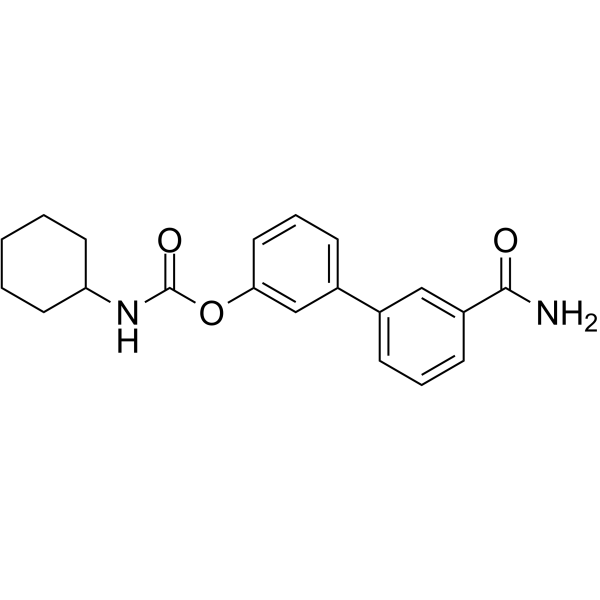
    URB-597 (KDS-4103) is an orally bioavailable and selective FAAH inhibitor. URB-597 inhibits FAAH activity with an IC50s of approximately 5 nM in rat brain membranes, 0.5 nM in intact rat neurons, 3 nM in human liver microsomes. Antidepressant-like effects. Analgesic activity .
    URB-597
  • HY-101016
    17-ODYA
    1 Publications Verification

    Cytochrome P450 Apoptosis Cardiovascular Disease
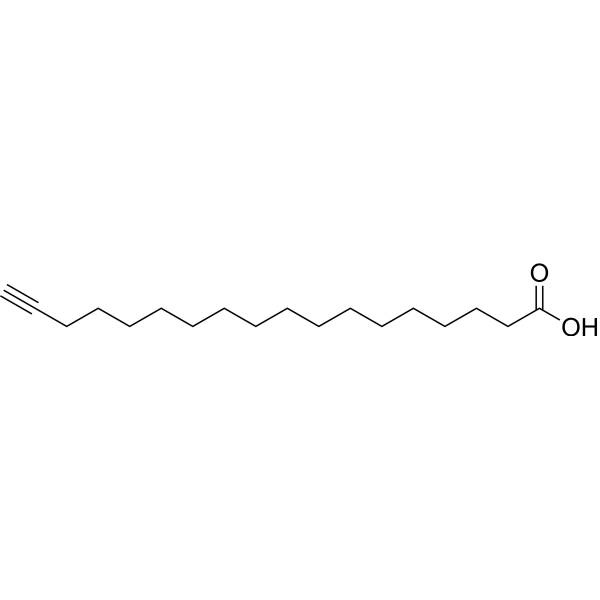
    17-ODYA is a CYP450 ω-hydroxylase inhibitor. 17-ODYA is also a potent inhibitor (IC50<100 nM) of the formation of 20-hydroxyeicosatetraenoic acid (20-HETE), epoxyeicosatrienoic acids and dihydroxyeicosatrienoic acids by rat renal cortical microsomes incubated with arachidonic acid. 17-ODYA completely attenuates the isoproterenol (ISO)-induced apoptosis, and necrosis in cultured cardiomyocytes . 17-ODYA is a click chemistry reagent, it contains an Alkyne group and can undergo copper-catalyzed azide-alkyne cycloaddition (CuAAc) with molecules containing Azide groups.
    17-ODYA
  • HY-150508
    MK-0159
    1 Publications Verification

    CD38 Cardiovascular Disease Metabolic Disease Inflammation/Immunology
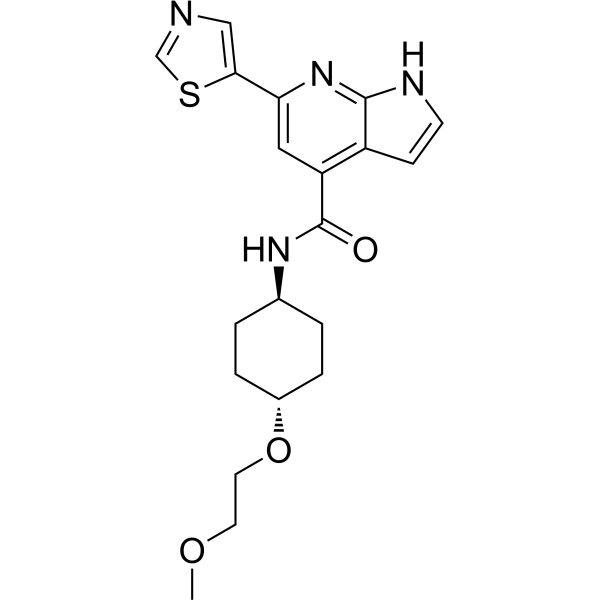
    MK-0159 is an orally active, potent and selective CD38 inhibitor, with IC50 values of 22, 3, and 70 nM for human, mouse and rat CD38, respectively. MK-0159 also shows good microsomal stability for human and rodent liver microsomes. MK-0159 increases NAD + (nicotinamide adenine dinucleotide) and reduces ADPR (adenosine diphosphate ribose) in whole blood and heart .
    MK-0159
  • HY-B1311
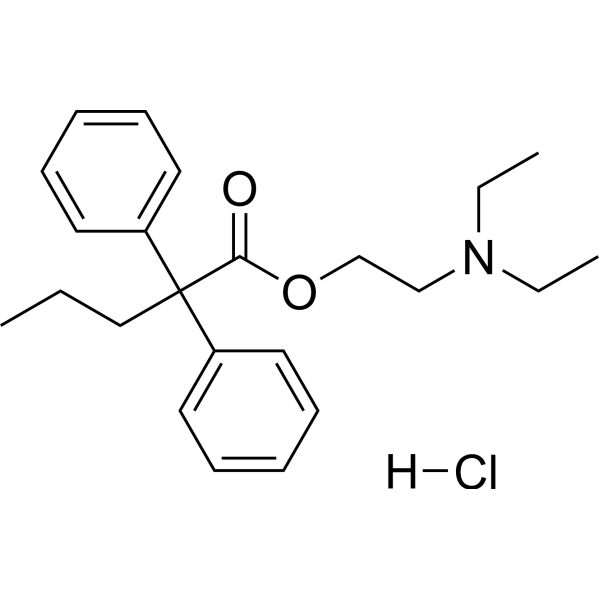
    Proadifen hydrochloride
    1 Publications Verification

    SKF-525A; U-5446; RP-5171

    Cytochrome P450 Monoamine Oxidase Bcl-2 Family Survivin PARP Neurological Disease Inflammation/Immunology Cancer
    Proadifen (SKF-525A) hydrochloride is a non-competitive Cytochrome P450 inhibitor with an IC50 value of 19 μM. Proadifen hydrochloride reduces monoamine oxidase A (MAO-A) activity and reverses the antidepressantlike behavioral effect of Imipramine (HY-B1490A) and Desipramine (HY-B1272A) in rats. Proadifen hydrochloride also reduces N, N-dimethyltryptamine (DMT) metabolism in liver microsomes and inhibits N-demethylationand Acridone (HY-W007771) formation. Proadifen hydrochloride augments Lipopolysaccharide (LPS) (HY-D1056)-induced fever and exacerbates Prostaglandin E2 (PGE2) (HY-101952) levels in the rat. Proadifen hydrochloride is promising for research of metabolism-related deseases, ovarian carcinoma, inflammation and dopamine neurons-related deseases .
    Proadifen hydrochloride
  • HY-W010981
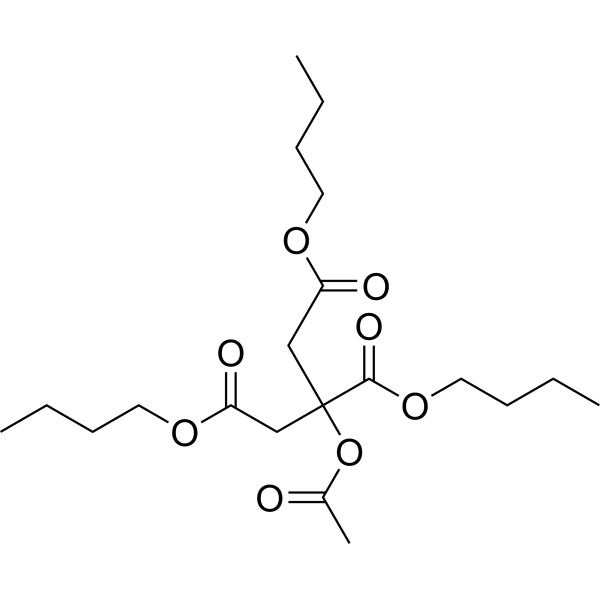
    Acetyl tributyl citrate
    1 Publications Verification

    Tributyl O-acetylcitrate; ATBC

    Environmental Pollutants Biochemical Assay Reagents Others
    Acetyl tributyl citrate (Tributyl O-acetylcitrate) is a pharmaceutical excipient and biodegradable hydrophobic plasticizer. Acetyl tributyl citrate can be used in cosmetics, food packaging, and as a flavoring substance for food .
    Acetyl tributyl citrate
  • HY-124098

    Lidocaine N-oxide

    Drug Metabolite Others
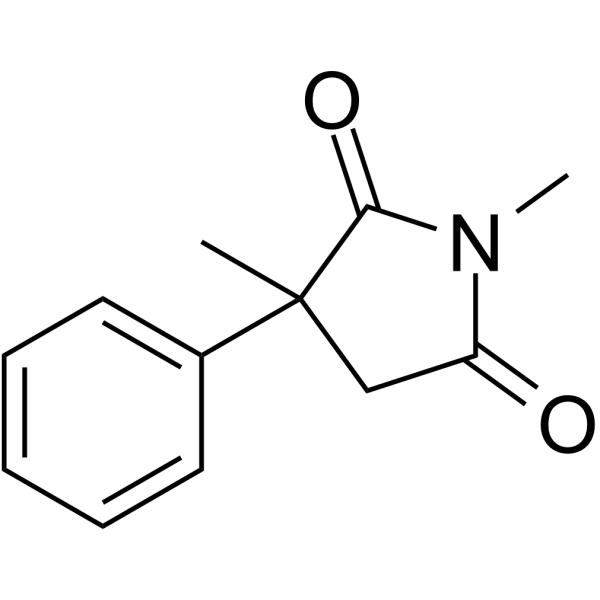
    Lignocaine N-oxide (Lidocaine N-oxide) is a compound derived from the metabolism of lidocaine. Lidocaine can be metabolized to its N-oxide in rat liver microsomes.
    Lignocaine N-oxide
  • HY-153508

    Chloride Channel Others
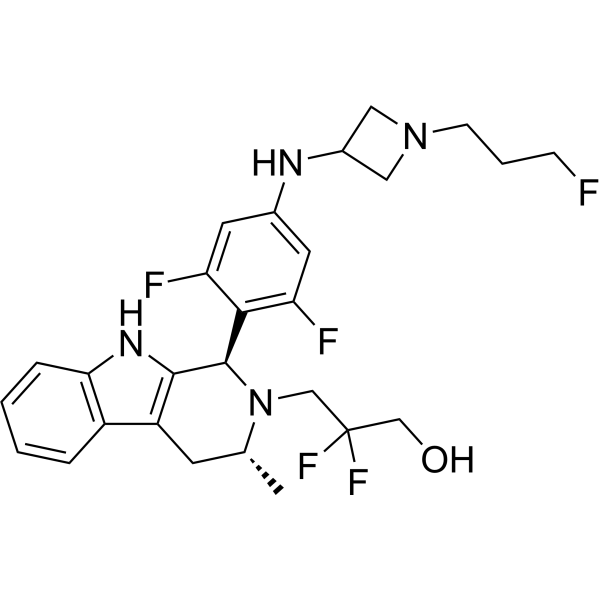
    ANO1-IN-4 (Compound 10bm) is a reversible inhibitor for calcium-activated chloride channel transmembrane protein 16A (TMEM16A, also known as ANO1) with an IC50 of 0.030 µM. ANO1-IN-4 exhibits good metabolic stability in rat liver microsomes. ANO1-IN-4 inhibits spontaneous contraction in mouse isolated ileum .
    ANO1-IN-4
  • HY-N3807
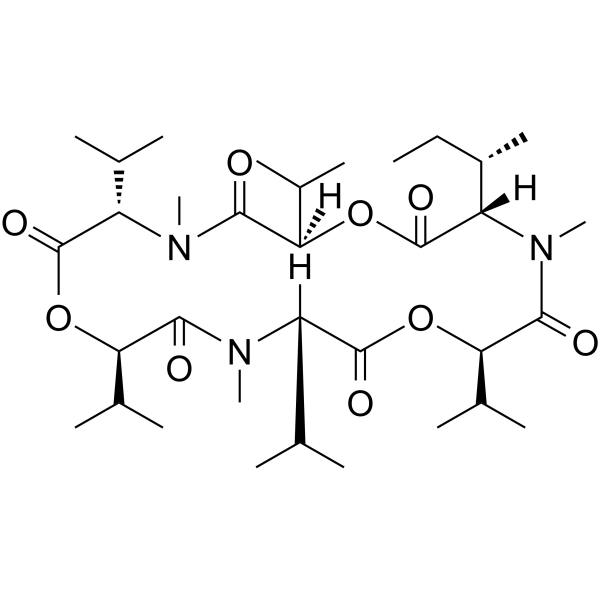
    Enniatin B1
    1 Publications Verification

    Acyltransferase ERK NF-κB Infection Cardiovascular Disease Cancer
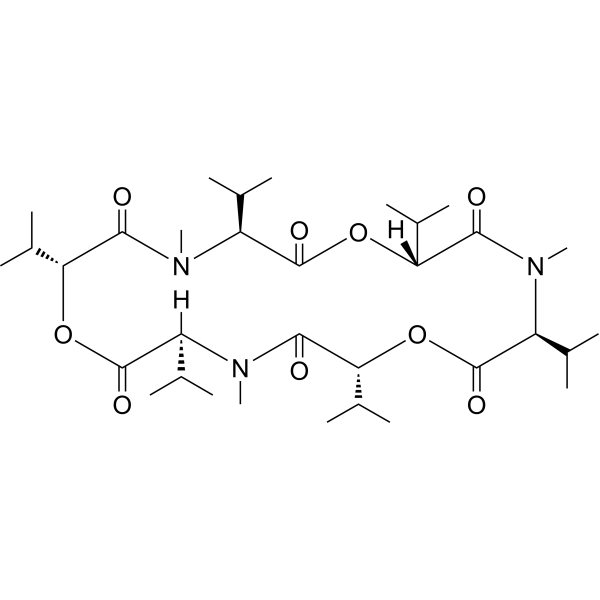
    Enniatin B1 is a Fusarium mycotoxin. Enniatin B1 inhibits acyl-CoA: cholesterol acyltransferase (ACAT) activity with an IC50 of 73 μM in an enzyme assay using rat liver microsomes . Enniatin B1 crosss the blood-brain barrier . Enniatin B1 decreases the activation of ERK (p44/p42). Enniatin B1 inhibits moderately TNF-α-induced NF-κB activation .
    Enniatin B1
  • HY-117290

    Factor Xa Cardiovascular Disease
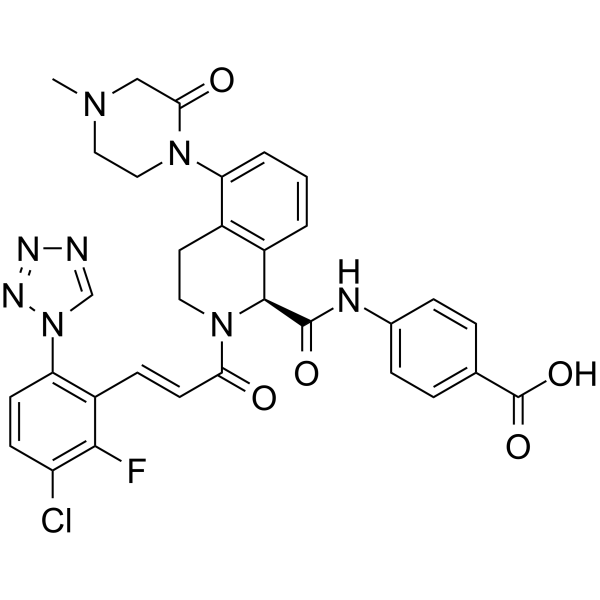
    BMS-962212 is a factor XIa (FXIa) inhibitor with a Ki of 0.7 nM against human FXIa and a Ki of 3 nM against rabbit FXIa. BMS-962212 blocks thrombosis while preserving normal hemostatic function. BMS-962212 is applicable to thrombosis-related research .
    BMS-962212
  • HY-N4031

    Anaplastic lymphoma kinase (ALK) METTL3 Inflammation/Immunology
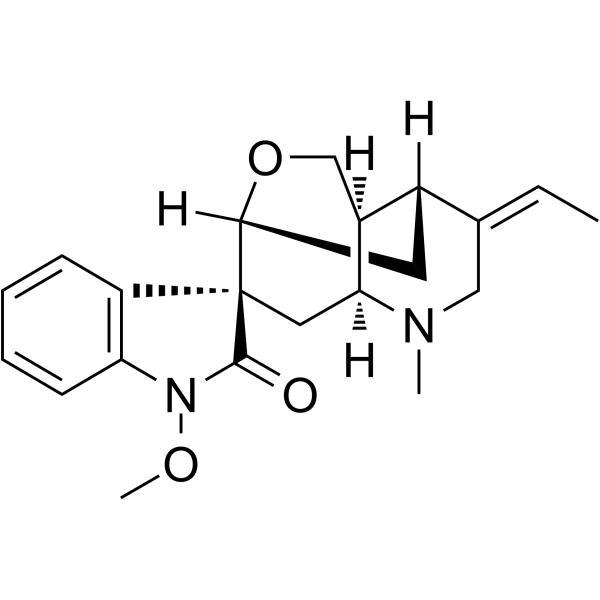
    Humantenine is a highly toxic indole alkaloid from Gelsemium elegans (Gardn. & Champ.) Benth. that binds to RNA m6A modification regulatory proteins (ALKBH5, METTL). Humantenine stably binds via hydrogen bonding and hydrophobic interactions and disrupts the m6A methylation level of target genes, thereby impairing the expression of intestinal epithelial cell tight junction and cytoskeleton-related genes, causing intestinal barrier dysfunction and significant intestinal cytotoxicity. The intraperitoneal injection LD50 values of Humantenine are <1 mg/kg in mice, 1.2 mg/kg in male rats and 1.5 mg/kg in female rats, respectively. Species differences exist in the metabolism of Humantenine in human, porcine, goat and rat liver microsomes, and demethylation, dehydrogenation and oxidation occur in liver microsomes .
    Humantenine
  • HY-N3806

    Acyltransferase ERK Infection Cardiovascular Disease Cancer
    Enniatin B is a Fusarium mycotoxin. Enniatin B inhibits acyl-CoA: cholesterol acyltransferase (ACAT) activity with an IC50 of 113 μM in an enzyme assay using rat liver microsomes . Enniatins B decreases the activation of ERK (p44/p42) .
    Enniatin B
  • HY-152118

    Cytochrome P450 Cancer
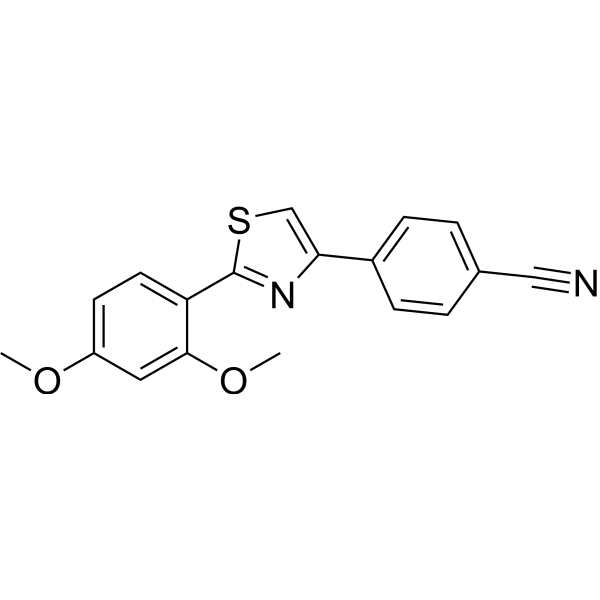
    CYP1B1-IN-4 is a 2,4-diarylthiazole compound with selectively CYP1B1 inhibition (IC50=0.2 nM). CYP1B1-IN-4 has little cytotoxicity and high stability in both human and rat liver microsomes .
    CYP1B1-IN-4
  • HY-N2620

    Cytochrome P450 Infection
    Rutaevin is an antifungal toxin and CYP3A4 inactivator. Rutaevin requires NADPH-dependent bioactivation to generate cis-but-2-ene-1,4-dial, which then covalently modifies and mechanism-based inactivates human CYP3A4 (IC50=4.48 μM, Ki=15.98 μM), and interacts with substances such as glutathione. Rutaevin disrupts the cellular structure of Sirococcus conigenus, accumulates linearly in resistant larch after pathogen exposure, and induces liver toxicity in mice via oral administration. Rutaevin can be applied to research in fields related to larch shoot blight and other associated areas .
    Rutaevin
  • HY-128268

    Parasite Infection
    PFK-IN-1 (compound 1) is a phosphofructokinase (PFK) inhibitor, with IC50 values of 0.41 and 0.23 μM against T.brucei and T.cruzi PFK, respectively, and an ED50 of 15.18 μg/mL for T.brucei. The half-lives of PFK-IN-1 in rat and mouse liver microsomes are 9.7 and 408 minutes, respectively .
    PFK-IN-1
  • HY-N4070

    Others Others
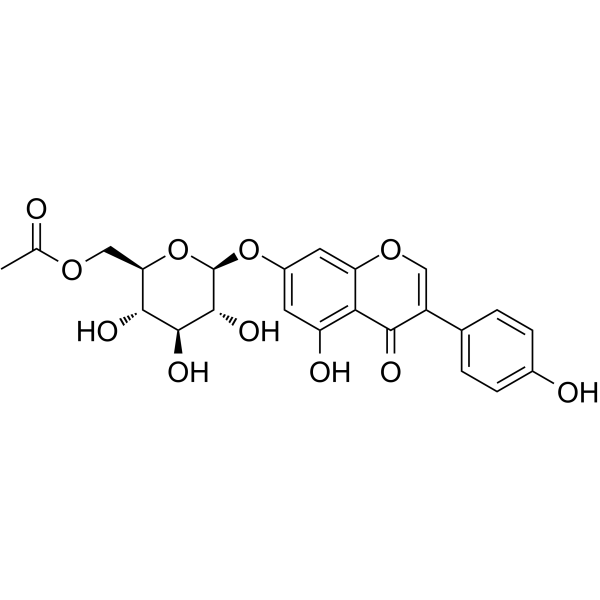
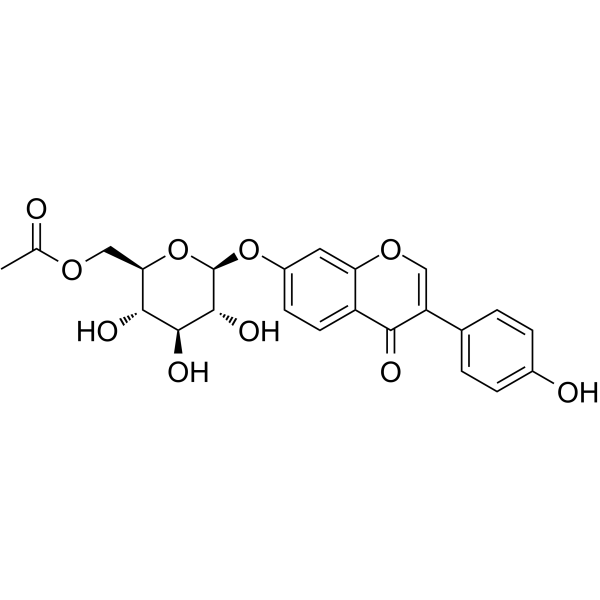
    6"-O-Acetylgenistin is an isoflavone glycoside isolated from soybeans. 6"-O-Acetylgenistin significantly inhibits lipid peroxidation in rat liver microsome with an IC50 of 10.6 μM .
    6
  • HY-N4071

    Others Others
    6"-O-Acetyldaidzin is an isoflavone glycoside isolated from soybeans. 6"-O-Acetyldaidzin significantly inhibits lipid peroxidation in rat liver microsome with an IC50 of 8.2 μM .
    6
  • HY-148208

    Amino Acid Derivatives Metabolic Disease
    S-(p-Nitrobenzyl)glutathione is a competitive glutathionase inhibitor. S-(p-Nitrobenzyl)glutathione is converted to the corresponding cysteine derivatives by rat kidney microsomes. S-(p-Nitrobenzyl)glutathione can be used for the research of metabolic breakdown of glutathione by the glutathionase system .
    S-(p-Nitrobenzyl)glutathione
  • HY-76667

    MDM-2/p53 Biochemical Assay Reagents Drug Intermediate Others
    3-(Boc-amino) propyl bromide is an alkylating reagent used for the N-alkylation of benzopyranotriazolopyrimidine-based MDM2-p53 protein-protein inhibitor 4 to prepare Compound 13 .
    3-(Boc-amino)propyl bromide
  • HY-149777

    Transmembrane Glycoprotein Inflammation/Immunology
    B3GNT2-IN-1 is a β-1,3-N-acetylglucosaminyltransferase 2 (B3GNT2) inhibitor with an IC50 of 0.009 μM. B3GNT2-IN-1 is applicable to research related to rheumatoid arthritis, ankylosing spondylitis and psoriasis .
    B3GNT2-IN-1
  • HY-19400

    DPH-153893

    HIV Protease HIV Cytochrome P450 Infection
    DPC-681 (DPH-153893) is an orally active HIV inhibitor. DPC-681 inhibits HIV protease activity and inhibits wild-type and mutant HIV replication. DPC-681 can be used for the research of HIV infection .
    DPC-681
  • HY-173084

    Phosphatase MDM-2/p53 Cancer
    BRD6257 is an orally active inhibitor for protein phosphatase, Mg2+/Mn2+ dependent 1D PPM1D with an IC50 of 5 nM. BRD6257 activates p53 signaling pathway with an EC50 of 51 nM, increases the p21 expression, inhibits the proliferation of cancer cell MOLM13 (IC50=2.8 μM). BRD6257 exhibits good metabolic stability in human and rat liver microsomes .
    BRD6257
  • HY-170788

    Phosphodiesterase (PDE) Metabolic Disease
    PDE7A-IN-1 is an orally active and selective PDE7A inhibitor with an IC50 of 0.0037 μM against PDE7A. PDE7A-IN-1 shows excellent isozyme selectivity over PDE7B. PDE7A-IN-1 elevates intracellular cAMP levels, suppresses ECR5 enhancer activity and reduces sclerostin expression. PDE7A-IN-1 significantly increases bone mineral density in rats. PDE7A-IN-1 can be used for the study of osteoporosis .
    PDE7A-IN-1
  • HY-151229

    DETC-Me; DDTC-Me; Diethyldithiocarbamic acid methyl ester

    Aldehyde Dehydrogenase (ALDH) Metabolic Disease
    S-Methyl-N,N-diethylthiolcarbamate (DETC-Me; DDTC-Me) is the active metabolite of the aldehyde dehydrogenase inhibitor disulfiram (HY-B0240). It is produced by the methylation of the disulfiram metabolite diethyldithiocarbamate in mouse liver microsomes. S-Methyl-N,N-diethylthiolcarbamate (DETC-Me; DDTC-Me) inhibits rat liver low Km aldehyde dehydrogenase (ALDH) (ID50=15.5 mg/kg). When administered at a dose of 20.6 mg/kg, it decreases mean arterial pressure (MAP) and increases heart rate in rats during ethanol stimulation.
    S-Methyl-N,N-diethylthiolcarbamate
  • HY-148682

    Glycyrrhetic acid 3-O-hydrogen sulfate

    OAT 11β-HSD Drug Metabolite Metabolic Disease Inflammation/Immunology
    18β-Glycyrrhetyl-3-O-sulfate (Glycyrrhetic acid 3-O-(hydrogen sulfate)) is a potent type 2 11β-hydroxysteroid dehydrogenase (11β-HSD2) inhibitor with an IC50 of 0.10 µM using rat kidney microsome. 18β-Glycyrrhetyl-3-O-sulfate is the major metabolite of Glycyrrhetinic acid (GA). 18β-Glycyrrhetyl-3-O-sulfate is the substrate of organic anion transporter (OAT) 1 and OAT3. 18β-Glycyrrhetyl-3-O-sulfate has anti-inflammatory effects and has the potential for pseudohyperaldosteronism research .
    18β-Glycyrrhetyl-3-O-sulfate
  • HY-W003371

    Drug Metabolite Others
    CGP 44 645 is the methanol metabolite of Letrozole (HY-14248) and is a molecular indicator for evaluating its metabolic kinetics in microsomes in vitro. Levels of CGP 44 645 in rat liver microsomes may be sex-specific .
    CGP 44 645
  • HY-W196803

    Propyl Disulfide; DPDS

    Environmental Pollutants Cytochrome P450 Others
    Dipropyl disulfide is oxidized to dipropyl thiosulfinate (DPDSO) by rat microsomes. Both flavincontaining monooxygenases (FMO) and cytochrome P450 enzymes (CYPs) are involved in dipropyl disulfide oxidation. Dipropyl disulfide forms two metabolites: propylglutathione sulfide conjugate and propylthiol .
    Dipropyl disulfide
  • HY-N8331

    Endogenous Metabolite Acyltransferase Metabolic Disease
    Terpendole I is a fungal indole diterpenoid and an ACAT inhibitor (IC50 = 145 µM). Terpendole I can be used in studies related to lipid metabolism .
    Terpendole I
  • HY-105184

    Cytochrome P450 Endocrinology
    YM511 is a highly specific non-steroidal aromatase inhibitor. YM511 inhibits aromatase activities in microsomes from rat ovary and human placenta competitively (IC50s of 0.4 and 0.12 nM, respectively). YM511 slightly inhibits production of other steroid hormones. YM511 has the potential for suppressing estrogen-dependent action research without affecting serum levels of other steroid hormones .
    YM511
  • HY-169402A

    Phosphodiesterase (PDE) NO Synthase Reactive Oxygen Species (ROS) Interleukin Related Inflammation/Immunology
    PDE1-IN-9 (Compound 7a) hydrochloride is a selective inhibitor for phosphodiesterase 1 (PDE1), that inhibits PDE1C with an IC50 of 11 nM. PDE1-IN-9 hydrochloride reduces mRNA expression of IL-1β, IL-6, TNF-α and iNOS, inhibits the production of nitric oxide (NO) and reactive oxygen species (ROS). PDE1-IN-9 hydrochloride exhibits good metabolic stability in rat liver microsomes .
    PDE1-IN-9 hydrochloride
  • HY-129344

    Acyltransferase Metabolic Disease
    CL 277082 is a potent and selective acyl CoA:cholesterol acyltransferase (ACAT) inhibitor in microsomes. CL 277082 inhibits ACAT with IC50 values of 0.14 μM for intestinal mucosal microsomes, 0.74 μM for liver, and 1.18 μM for rat adrenal. CL 277082 is a ACAT-catalyzed cholesterol esterification and cholesterol absorption inhibitor .
    CL 277082
  • HY-N6702

    Acyltransferase Infection Cardiovascular Disease
    Enniatin A is a Fusarium mycotoxin. Enniatin A inhibits acyl-CoA: cholesterol acyltransferase (ACAT) activity with an IC50 of 22 μM in an enzyme assay using rat liver microsomes .
    Enniatin A
  • HY-148207

    Amino Acid Derivatives Metabolic Disease
    S-Benzylglutathione is a competitive glutathionase inhibitor. S-Benzylglutathione is converted to the corresponding cysteine derivatives by rat kidney microsomes. S-Benzylglutathione can be used for the research of metabolic breakdown of glutathione by the glutathionase system .
    S-Benzylglutathione
  • HY-130238

    (±)8-HDoHE; 8-hydroxy Docosahexaenoic acid; (±)8-HDoHE

    Endogenous Metabolite Metabolic Disease
    (±)8-HDHA is an autoxidation product of docosahexaenoic acid (DHA) in vitro. It is also produced from incubations of DHA in rat liver, brain, and intestinal microsomes. (±)8-HDHA is a potential marker of oxidative stress in brain and retina where DHA is an abundant polyunsaturated fatty acid.
    (±)8-HDHA
  • HY-148868A

    Akt CDK Cancer
    Akt1&PKA-IN-2 (Compound R-29) is a AKT1 and PKA inhibitor with selectivity for CDK2, with IC50 values of 0.007 and 0.01 μM, respectively. Akt1&PKA-IN-2 is applicable for cancer research .
    Akt1&PKA-IN-2
  • HY-130288

    (±)13-HDoHE; 13-hydroxy Docosahexaenoic acid; (±)13-HDoHE

    Lipoxygenase Inflammation/Immunology
    (±)13-HDHA is an autoxidation product of docosahexaenoic acid (DHA) in vitro. It is also produced from incubations of DHA in rat liver, brain, and intestinal microsomes. Fresh water hydra is shown to metabolize DHA to 13(R)-HDHA, presumably via the 11R-lipoxygenase activity. (±)13-HDHA is a potential marker of oxidative stress in brain and retina where DHA is an abundant polyunsaturated fatty acid.
    (±)13-HDHA
  • HY-118210

    FAAH Metabolic Disease
    PHOP is a fatty acid amide hydrolase (FAAH) inhibitor used to assess inhibitory activity in a fluorometric assay. PHOP can determine FAAH activity by measuring the amount of 4-pyridin-1-ylbutyric acid released by the enzyme in rat brain microsomes. PHOP demonstrates potential as a FAAH inhibitor and can directly measure FAAH activity by reversed-phase HPLC and fluorescence detection, providing a basis for the development of new inhibitors.
    PHOP
  • HY-107534

    GnRH Receptor Endocrinology
    AG-045572 is a GnRH receptor antagonist with Kis of 6.0 nM and 3.8 nM for human and rat GnRH receptor, respectively. AG-045572 is metabolized by CYP3A and ressuppresses testosterone .
    AG-045572
  • HY-15476

    mGluR HIF/HIF Prolyl-Hydroxylase PDK-1 VEGFR Neurological Disease
    VU 0364439 is a mGlu4 positive allosteric modulator with an EC50 of 19.8 nM. VU 0364439 modulates the GRM4/CBX4/HIF-1α signaling pathway by enhancing GRM4-CBX4 interaction. VU 0364439 can be used for the research of parkinson’s disease .
    VU 0364439
  • HY-N9515

    Apoptosis Reactive Oxygen Species (ROS) Neurological Disease Metabolic Disease
    Diallyl tetrasulfide is an orally active diallyl tetrasulfide. Diallyl tetrasulfide ameliorates cadmium-induced changes in acetylcholinesterase and adenosine triphosphatase activities as well as oxidative stress injury in the brain of rats . Diallyl tetrasulfide inhibits lipid peroxidation in rat liver microsomes . Diallyl tetrasulfide ameliorates cadmium-induced oxidative liver injury in rats . Diallyl tetrasulfide protects cells against cadmium-induced loss of cell viability, reduces apoptosis rate and ROS production. Diallyl tetrasulfide is applicable to research related to cadmium-induced neurotoxicity and cadmium-induced oxidative liver injury .
    Diallyl tetrasulfide
  • HY-172147

    Somatostatin Receptor Neurological Disease
    SSTR4 agonist 5 (Compound 5) is the orally active agonist for somatostatin receptor 4 (SSTR4) with an EC50 of 0.228 nM. SSTR4 agonist 5 exhibits good stability in human/rat liver microsomes. SSTR4 agonist 5 inhibits mechanical hyperalgesia in rat models .
    SSTR4 agonist 5
  • HY-10864R

    KDS-4103 (Standard)

    FAAH Autophagy Mitophagy Reference Standards Neurological Disease
    URB-597 (Standard) is the analytical standard of URB-597. This product is intended for research and analytical applications. URB-597 (KDS-4103) is an orally bioavailable and selective FAAH inhibitor. URB-597 inhibits FAAH activity with an IC50s of approximately 5 nM in rat brain membranes, 0.5 nM in intact rat neurons, 3 nM in human liver microsomes. Antidepressant-like effects. Analgesic activity .
    URB-597 (Standard)
  • HY-146410

    Angiotensin Receptor Others
    AT2R antagonist 1 (compound 21) is a potent and high selective AT2R (angiotensin II AT2 receptor) ligand. AT2R antagonist 1 exhibits a fair AT2R affinity, with a Ki of 29 nM. AT2R antagonist 1 also inhibits common agent-metabolizing CYP enzymes. AT2R antagonist 1 shows high stability in human, rat and mouse liver microsomes .
    AT2R antagonist 1
  • HY-B0822S1

    GABA Receptor Cytochrome P450 Inflammation/Immunology
    Fipronil- 13C6 is the 13C-labeled Fipronil. Fipronil is an insecticide that acts as a selective antagonist of insect GABA receptors (IC50s = 30 nM and 1,600 nM for cockroach and rat receptors, respectively). Fipronil also inhibits desensitizing and non-desensitizing glutamate-induced chloride currents in cockroach neurons (IC50s = 800 nM and 10 nM, respectively). Fipronil induces activity of the cytochrome P450 (CYP) isoforms CYP1A1/2, CYP2B1/2, and CYP3A1/2 in isolated rat liver microsomes.
    Fipronil-13C6
  • HY-15736

    Sodium Channel Neurological Disease
    Sodium Channel inhibitor 1 is a state-dependent voltage-gated NaV1.7 inhibitor with an IC50 of 0.087 μM. Sodium Channel inhibitor 1 can be used for research of pain .
    Sodium Channel inhibitor 1
  • HY-W741611

    NSC 289346

    Drug Metabolite Metabolic Disease
    Dehydro warfarin is a metabolite of (±)-warfarin. It is formed from (±)-warfarin by rat liver microsomes.
    Dehydro Warfarin
  • HY-175078

    19(20)-DHDP; (±)19,20-DiHDoPE

    Endogenous Metabolite Others
    (±)19(20)-DiHDPA is one of the major metabolites produces when docosahexaenoic acid is incubated with NADPH-supplemented rat liver microsomes .
    (±)19(20)-DiHDPA
  • HY-B1311R

    SKF-525A (Standard); U-5446 (Standard); RP-5171 (Standard)

    Reference Standards Cytochrome P450 Monoamine Oxidase Bcl-2 Family Survivin PARP Neurological Disease Inflammation/Immunology Cancer
    Proadifen (hydrochloride) (Standard) is the analytical standard of Proadifen (hydrochloride). This product is intended for research and analytical applications. Proadifen (SKF-525A) hydrochloride is a non-competitive Cytochrome P450 inhibitor with an IC50 value of 19 μM. Proadifen hydrochloride reduces monoamine oxidase A (MAO-A) activity and reverses the antidepressantlike behavioral effect of Imipramine (HY-B1490A) and Desipramine (HY-B1272A) in rats. Proadifen hydrochloride also reduces N, N-dimethyltryptamine (DMT) metabolism in liver microsomes and inhibits N-demethylationand Acridone (HY-W007771) formation. Proadifen hydrochloride augments Lipopolysaccharide (LPS) (HY-D1056)-induced fever and exacerbates Prostaglandin E2 (PGE2) (HY-101952) levels in the rat. Proadifen hydrochloride is promising for research of metabolism-related deseases, ovarian carcinoma, inflammation and dopamine neurons-related deseases [4] .
    Proadifen hydrochloride (Standard)
  • HY-113777

    22-Hydroxy Docosahexaenoic acid; 22-OH DHA

    Cytochrome P450 Metabolic Disease
    22-HDHA (22-Hydroxy Docosahexaenoic acid) is an oxidation product of docosahexaenoic acid. In vitro, it is formed upon incubation of rat liver microsomes with DHA and NADPH and also by the human cytochrome P450 (CYP) isoform CYP4F3B in BTI-TN-5B1-4 microsomes. Serum levels of 22-HDHA increase following dietary DHA supplementation in humans.
    22-HDHA
  • HY-16442

    Phosphatase Metabolic Disease
    S-3483, a Chlorogenic acid (HY-N0055) derivative, is a reversible, linear competitive glucose-6-phosphatase (Glc-6-Pase) system inhibitor. S-3483 inhibits Glc-6-Pase with a Ki 129 nM in rat liver microsomes. S-3483 specifically inhibits Glc-6-P transporter of renal and liver microsomes .
    S-3483
  • HY-125568

    MMP Others
    Pyridoxatin is a free radical scavenger of microbial origin. Pyridoxatin is isolated from a fungus culture identified as Acremonium sp. BX86. Pyridoxatin inhibits lipid peroxidation induced by free radicals in rat liver microsomes free from vitamin E .
    Pyridoxatin

Inquiry Online

Your information is safe with us. * Required Fields.

Salutation


Country or Region *

Applicant Name *


Organization Name *

Department *


Email Address *


Product Name *

Cat. No.


Requested quantity *

Phone Number *


Remarks

Inquiry Online

Inquiry Information

Product Name:
Cat. No.:
Quantity:
MCE Japan Authorized Agent:

