
1. Search Result
Search Result
Results for "

salmonella

" in MedChemExpress (MCE) Product Catalog:

178

Inhibitors & Agonists

1

Fluorescent Dyes

15

Biochemical Assay Reagents

7

Peptides

2

Inhibitory Antibodies

51

Natural
Products

1

Recombinant Proteins

5

Isotope-Labeled Compounds

1

Click Chemistry

5

Oligonucleotides

Cat. No. Product Name Target Research Areas Chemical Structure
  • HY-146244
    Agatolimod
    1 Publications Verification

    ODN 2006; PF-3512676; CpG 7909; ODN 7909

    Toll-like Receptor (TLR) Bacterial NO Synthase Apoptosis Infection Cancer
    Agatolimod ((ODN 2006; PF-3512676; CpG 7909)) is a TLR9 agonist and immunomodulator with an EC50 of 180 nM against human TLR9. Agatolimod activates and upregulates the expression of both TLR9 and TLR6, and mediates downstream signaling pathways via IRAK4, IRF5, IRF7. Agatolimod induces Th1-type innate and adaptive immune responses, activates various immune cells and promotes antigen presentation, regulates antibody levels and immune cell infiltration, upregulates the secretion of multiple cytokines, induces apoptosis and cell cycle arrest, enhances cytotoxicity, and clears intracellular Salmonella. Agatolimod is applicable to research on COVID-19, breast cancer, lung adenocarcinoma, HPV-related tumors, melanoma, and salmonellosis .
    Agatolimod
  • HY-130320

    Glucopyranosyl lipid A

    Toll-like Receptor (TLR) Inflammation/Immunology Cancer
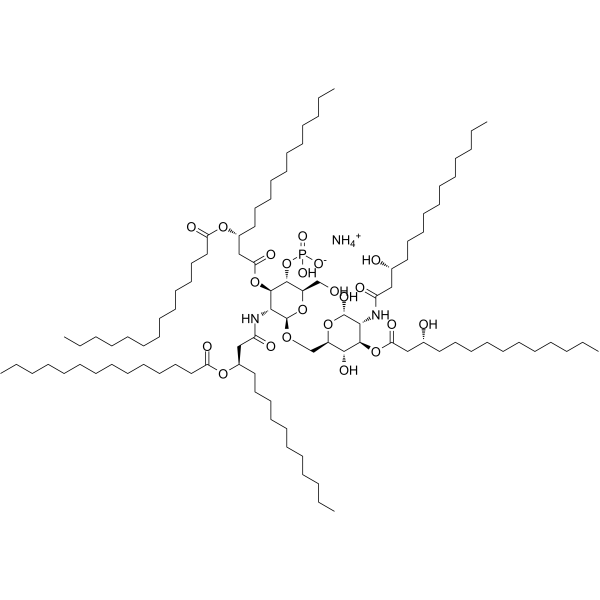
    Monophosphoryl lipid A (Glucopyranosyl lipid A) is a toll-like receptor 4 agonist. Monophosphoryl lipid A is derived from the cell wall of nonpathogenic Salmonella. Monophosphoryl lipid A can be used for the research of immunization and vaccine .
    Monophosphoryl lipid A
  • HY-N1500
    Pulegone
    1 Publications Verification

    TRP Channel Bacterial Fungal NO Synthase COX NF-κB p38 MAPK Keap1-Nrf2 Heme Oxygenase (HO) PERK JNK Calcium Channel Infection Neurological Disease Inflammation/Immunology
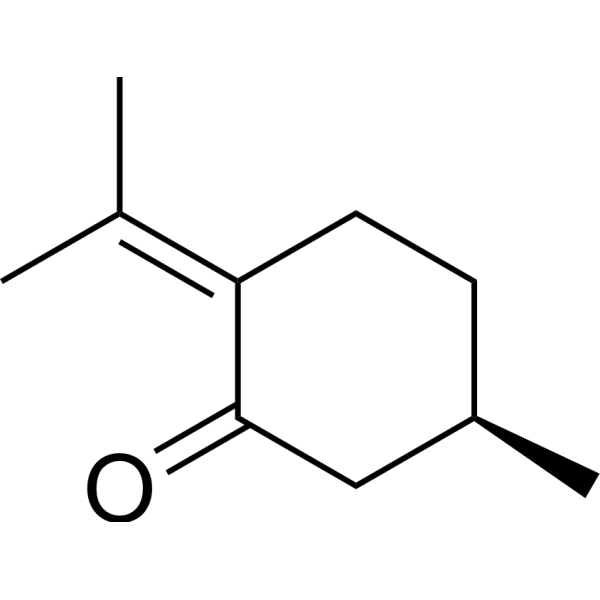
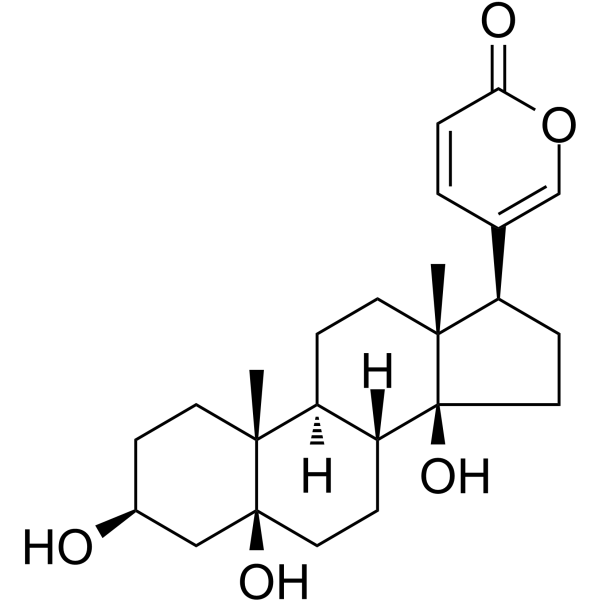
    Pulegone is a monoterpene ketone compound widely present in the essential oils of many plants. Pulegone can also be used as a bird repellent. Pulegone has multiple activities such as anti-inflammatory, antibacterial, antifungal, and anti-hyperalgesic effects. Pulegone is particularly effective against bacteria of the Salmonella species .
    Pulegone
  • HY-128525

    Bacterial Reactive Oxygen Species (ROS) Infection Inflammation/Immunology
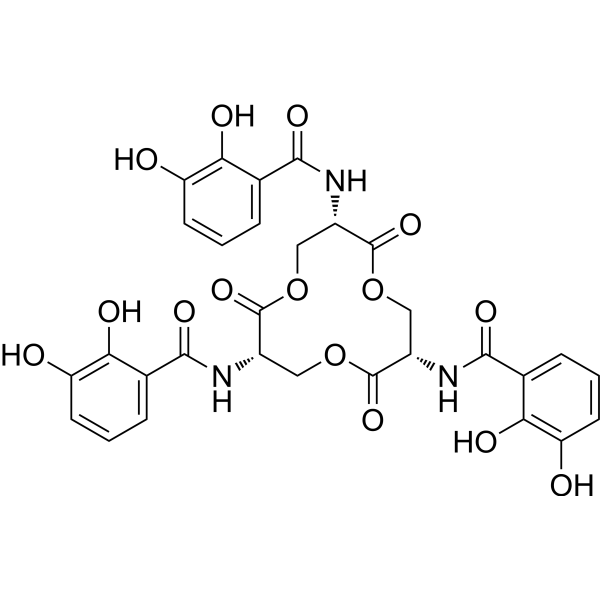
    Enterobactin is a siderophore produced by Gram-negative bacteria and has an extremely high affinity for iron. During the process of Salmonella typhimurium infecting macrophages, Enterobactin can not only help bacteria uptake iron but also reduce the antibacterial activity of macrophages. In addition, Enterobactin is also involved in the oxidative stress response of Escherichia coli. Enterobactin can be hydrolyzed by Fes in the cell and exert antioxidant effects by scavenging free radicals .
    Enterobactin
  • HY-17390A
    Loxapine succinate
    1 Publications Verification

    5-HT Receptor Dopamine Receptor Infection Neurological Disease
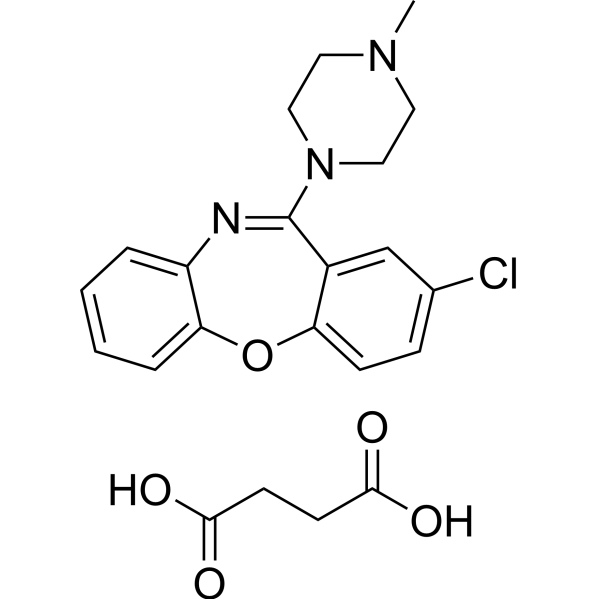
    Loxapine succinate is an orally active dopamine inhibitor, 5-HT receptor antagonist and also a dibenzoxazepine anti-psychotic agent. Loxapine can also suppresses bacterial efflux pump activity and inhibit intracellular multiple-antibiotic-resistant Salmonella enterica serovar Typhimurium in macrophages .
    Loxapine succinate
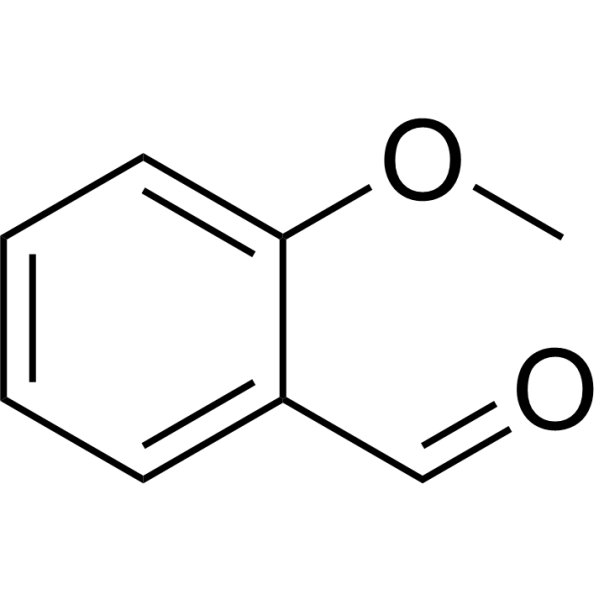
  • HY-77995

    o-Anisaldehyde

    Bacterial Fungal Infection
    2-Methoxybenzaldehyde (o-Anisaldehyde) is a bacterial/fungal inhibitor with a BA50 value of 0.19 for Salmonella. 2-Methoxybenzaldehyde can be used for the study of bacterial and fungal infectious diseases .
    2-Methoxybenzaldehyde
  • HY-B0455

    SC47111A hydrochloride; NY-198 hydrochloride

    Antibiotic Bacterial Topoisomerase Reactive Oxygen Species (ROS) Apoptosis Infection Endocrinology Cancer
    Lomefloxacin hydrochloride (NY-198 hydrochloride) is an orally active difluoroquinolone antibiotic. Lomefloxacin hydrochloride prevents DNA supercoiling and replication by inhibiting bacterial topoisomerase II. Lomefloxacin hydrochloride induces ROS production and Apoptosis. Lomefloxacin hydrochloride has broad-spectrum bactericidal activity against Gram-positive and Gram-negative bacteria. Lomefloxacin hydrochloride has anticancer effects against melanoma. Lomefloxacin hydrochloride can be used in the study of systemic bacterial infections (such as Salmonella typhimurium infections), skin and melanoma .
    Lomefloxacin hydrochloride
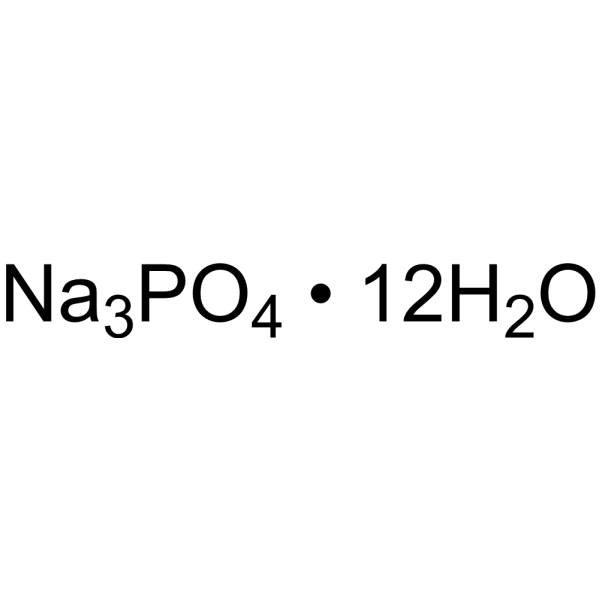
  • HY-W088066

    Bacterial Infection
    Trisodium phosphate dodecahydrate is an Antibacterial agent. Trisodium phosphate dodecahydrate reduces the counts of Escherichia coli O157:H7 and Salmonella typhimurium attached to the surfaces of beef fat and fascia. Trisodium phosphate dodecahydrate modulates the growth parameters of Listeria monocytogenes in vitro: low concentrations shorten the lag phase and increase the maximum growth rate, while high concentrations prolong the lag phase and decrease the maximum growth rate. Trisodium phosphate dodecahydrate is used in poultry processing .
    Trisodium phosphate (dodecahydrate)
  • HY-B1148
    Furaltadone hydrochloride
    1 Publications Verification

    Altafur hydrochloride

    Bacterial Infection Inflammation/Immunology
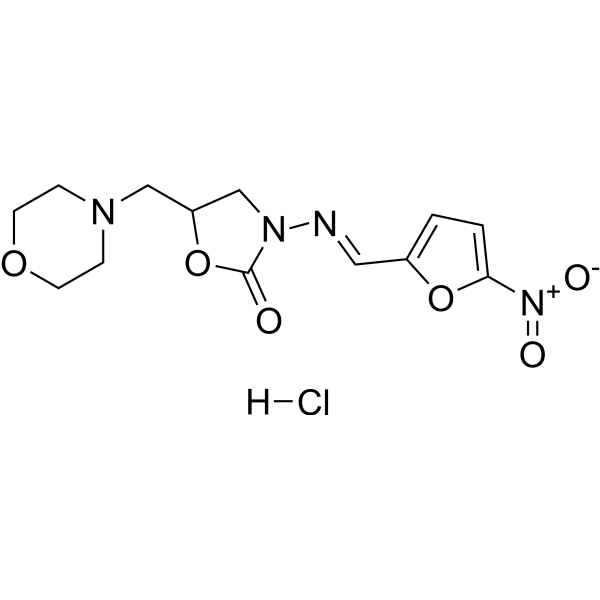
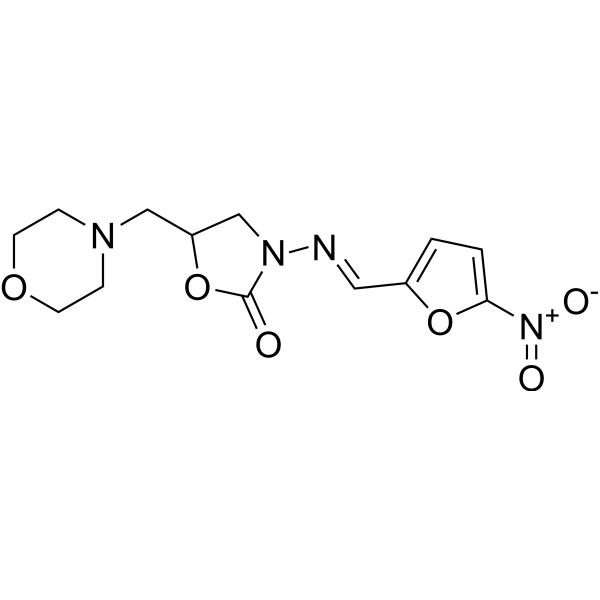
    Furaltadone hydrochloride is an orally active antibacterial agent that can be used for the study of intestinal Salmonella infections. Furaltadone has in vitro inhibitory effects on Staphylococcus. In addition, Furaltadone shows inhibitory effects on allergic reactions .
    Furaltadone hydrochloride
  • HY-P990220
    Anti-Mouse IL-18 Antibody (YIGIF74-1G7)
    1 Publications Verification

    Interleukin Related Infection Inflammation/Immunology Cancer
    Anti-Mouse IL-18 Antibody (YIGIF74-1G7) is a rat-derived IgG2a κ type antibody inhibitor, targeting to mouse IL-18. Anti-Mouse IL-18 Antibody (YIGIF74-1G7) can neutralize IL-18. Anti-Mouse IL-18 Antibody (YIGIF74-1G7) can be used for the researches of cancer, infection, inflammation and immunology, such as hepatocellular carcinoma and eosinophilic esophagitis .
    Anti-Mouse IL-18 Antibody (YIGIF74-1G7)
  • HY-W540978

    Biochemical Assay Reagents Others
    3-Azido-7-hydroxycoumarin is a click chemistry reagent containing an azido group. Under Cu (II) catalysis, it undergoes azide-alkyne cycloaddition (CuAAC) click reaction with 3-butyn-1-ol and emits a fluorescent signal .
    3-Azido-7-hydroxycoumarin
  • HY-N4104
    Agaric acid
    1 Publications Verification

    Agaricinic Acid

    Mitochondrial Metabolism Bacterial Calcium Channel Infection Metabolic Disease
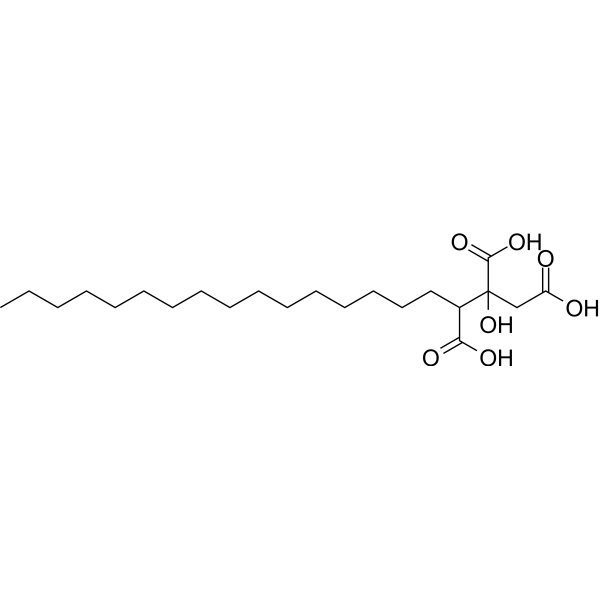
    Agaric acid (Agaricinic Acid) is an orally active inhibitor of adenine nucleotide translocase found in specific fungi. Agaric acid can inhibit the biofilm formation of various bacteria such as Salmonella. Agaric acid can also induce mitochondrial permeability transition, prompting mitochondria to release Ca 2+, disrupting the transmembrane potential, and causing mitochondrial swelling. In addition, Agaric acid can also inhibit citrate transport in liver mitochondria and participate in the inhibition of fatty acid synthesis, affecting multiple metabolic processes .
    Agaric acid
  • HY-P3302

    Bacterial Infection
    Sialylglycopeptide is an orally active glycopeptide found in egg yolk. Sialylglycopeptide inhibits the binding of Salmonella enteritidis and Escherichia coli to intestinal cells, and protects mice from Salmonella infection. Sialylglycopeptide can be used in the research of Salmonella infection .
    Sialylglycopeptide
  • HY-D1056C5

    LPS, from salmonella enterica (Serotype minnesota Re 595 (Re mutant))

    Toll-like Receptor (TLR) Bacterial Inflammation/Immunology
    Lipopolysaccharides (LPS), from S. enterica (Salmonella enterica) serotype minnesota Re 595 (Re mutant) is prepared from Salmonella enterica strain Re 595 (Re mutant). The structure in the LPS of strain Re 595 was shown to induce secretion and aggregation in human platelets .
    It is recommended to prepare a solution with concentration ≥2 mg/mL. Vortex thoroughly for more than 10 minutes. Due to the adsorption characteristics of LPS, silanized container or low adsorption centrifuge tubes should be used for aliquoting and storage, and mix thoroughly before use.
    Lipopolysaccharides, from S. enterica serotype minnesota Re 595 (Re mutant)
  • HY-126569

    Antibiotic Bacterial Infection
    Efrotomycin is an orally active antibiotic. Efrotomycin can be isolated from the Streptomyces Lactamdurans. Efrotomycin has insignificant effect on Salmonella typhimurium quantity, duration, shedding rate, and antimicrobial susceptibility in infected pigs .
    Efrotomycin
  • HY-129434A
    4aα,7α,7aα-Nepetalactone
    1 Publications Verification

    Bacterial Infection
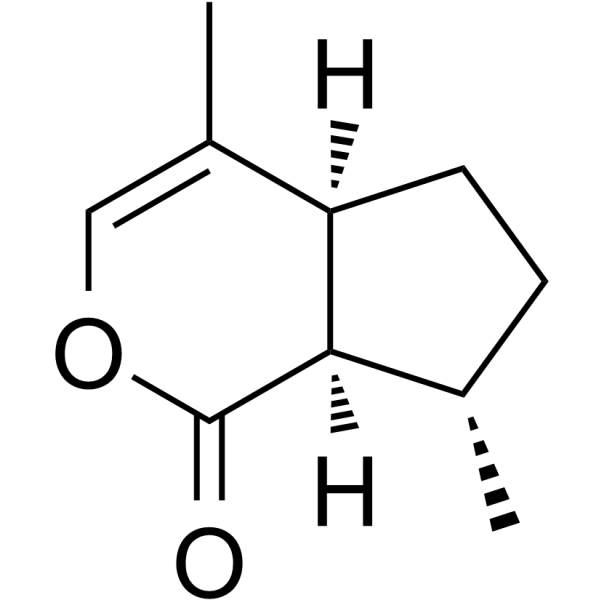
    4aα,7α,7aα-Nepetalactone exhibits antibacterial activity, and inhibits Escherichia coli, Pseudomonas aeruginosa, Staphylococcus aureus, Salmonella typhi and Enterococcus faecalis.
    4aα,7α,7aα-Nepetalactone
  • HY-B1703
    Nifursol
    1 Publications Verification

    Antibiotic Bacterial Parasite Infection
    Nifursol is an orally active veterinary antibiotic. Nifursol inhibits Histomonas meleagridis. Nifursol prevents histomoniasis in turkeys. Nifursol is widely used in studies of Escherichia coli gastroenteritis in Salmonella-infected poultry and aquatic animals .
    Nifursol
  • HY-B0455A

    SC47111A; NY-198

    Bacterial Antibiotic Topoisomerase Reactive Oxygen Species (ROS) Apoptosis Infection
    Lomefloxacin (SC47111A) is an orally active difluoroquinolone antibiotic. Lomefloxacin prevents DNA supercoiling and replication by inhibiting bacterial topoisomerase II. Lomefloxacin induces ROS production and Apoptosis. Lomefloxacin has broad-spectrum bactericidal activity against Gram-positive and Gram-negative bacteria. Lomefloxacin has anticancer effects against melanoma. Lomefloxacin can be used in the study of systemic bacterial infections (such as Salmonella typhimurium infections), skin and melanoma .
    Lomefloxacin
  • HY-D1056B4

    LPS, from bacterial (salmonella typhosa)

    Toll-like Receptor (TLR) Inflammation/Immunology
    Lipopolysaccharides, from Salmonella typhosa are lipopolysaccharide endotoxins and TLR-4 activators derived from Salmonella typhosa, classified as S-type LPS, which can activate pathogen-associated molecular patterns (PAMP) of the immune system and induce cellular secretion of migrasomes. Lipopolysaccharides, from Salmonella typhosa exhibit a typical three-part structure: O-antigen, core oligosaccharide, and lipid A. Lipopolysaccharides, from Salmonella typhosa can serve as vaccine adjuvants and demonstrate adjuvant activity targeting B cells in immune responses in vivo .
    It is recommended to prepare a solution with concentration ≥2 mg/mL. Vortex thoroughly for more than 10 minutes. Due to the adsorption characteristics of LPS, silanized container or low adsorption centrifuge tubes should be used for aliquoting and storage, and mix thoroughly before use.
    Lipopolysaccharides, from Salmonella typhosa
  • HY-119543

    Amino Acid Derivatives Others
    O-Succinyl-L-homoserine is a homoserine derivative. O-Succinyl-L-homoserine is an intermediate in the biosynthesis of methionine in Escherichia coli and Salmonella typhimurium .
    O-Succinyl-L-homoserine
  • HY-10531

    Caspase Infection Cancer
    ARRY-380 analog (Compound PCM-0095494) is an ARRY-380 (HY-16069) analog. ARRY-380 analog activates caspases 3 and caspases 8. ARRY-380 analog inhibits Salmonella replication in cells .
    ARRY-380 analog
  • HY-D1056C3

    LPS, from salmonella enterica (Serotype typhimurium)

    Toll-like Receptor (TLR) Inflammation/Immunology
    Lipopolysaccharides, from S. enterica (Salmonella enterica) serotype typhimurium are lipopolysaccharide endotoxins and TLR4 activators derived from serotype typhimurium of Salmonella enterica, and are classified as S-type LPS. Lipopolysaccharides, from S. enterica exhibit a typical three-part structure: O-antigen, core oligosaccharide, and lipid A. Lipopolysaccharides, from S. enterica serotype typhimurium can modulate the fate of bacteria in dendritic cells (DC), determining the uptake, degradation, and activation of immune functions by DC cells against the bacteria .
    It is recommended to prepare a solution with concentration ≥2 mg/mL. Vortex thoroughly for more than 10 minutes. Due to the adsorption characteristics of LPS, silanized container or low adsorption centrifuge tubes should be used for aliquoting and storage, and mix thoroughly before use.
    Lipopolysaccharides, from S. enterica serotype typhimurium
  • HY-D1056C1

    LPS, from salmonella enterica (Serotype enteritidis)

    Toll-like Receptor (TLR) Inflammation/Immunology
    Lipopolysaccharides, from S. enterica (Salmonella enterica) serotype enteritidis are lipopolysaccharide endotoxins and TLR-4 activators derived from the enteritidis serotype of S. enterica, classified as S-type LPS, which can activate pathogen-associated molecular patterns (PAMP) of the immune system and induce cellular secretion of migrasomes. Lipopolysaccharides, from S. enterica serotype enteritidis exhibit a typical three-part structure: O-antigen, core oligosaccharide, and lipid A. Lipopolysaccharides, from S. enterica serotype enteritidis can induce systemic inflammatory responses, increasing levels of TNF-α, IFN-γ, IL-6, IL-10, and nitrate in plasma .
    It is recommended to prepare a solution with concentration ≥2 mg/mL. Vortex thoroughly for more than 10 minutes. Due to the adsorption characteristics of LPS, silanized container or low adsorption centrifuge tubes should be used for aliquoting and storage, and mix thoroughly before use.
    Lipopolysaccharides, from S. enterica serotype enteritidis
  • HY-161752

    Bacterial Infection
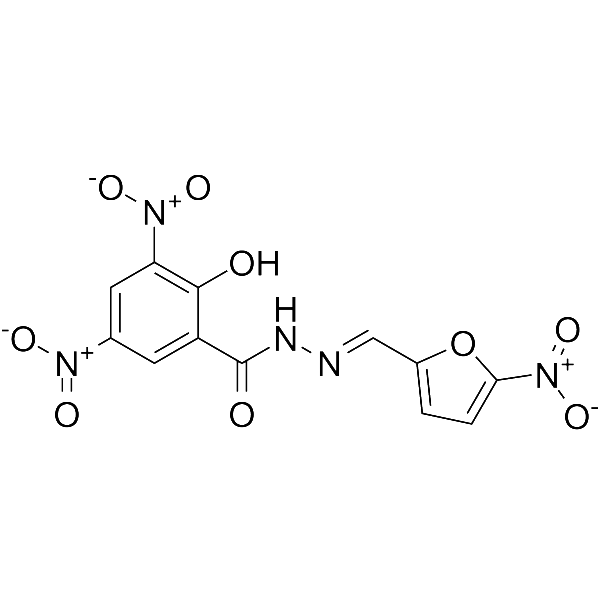
    Antibacterial agent 224 is a potent and selective synthetic hydrazone inhibitor against the Salmonella PhoP/PhoQ system .
    Antibacterial agent 224
  • HY-N6583
    Licoflavonol
    2 Publications Verification

    Bacterial Infection
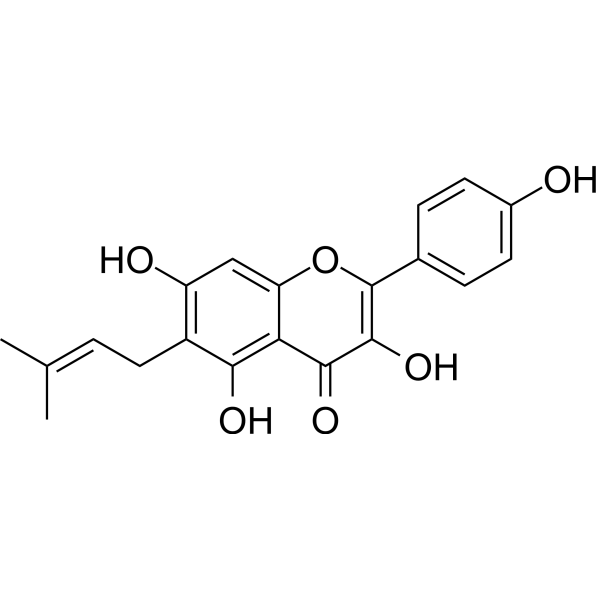
    Licoflavonol, a minor flavone from the roots of Glycyrrhiza uralensis, is an inhibitor of the Salmonella type III secretion system (T3SS) .
    Licoflavonol
  • HY-W275553

    DNA Alkylator/Crosslinker Infection
    4-Decanol is an antimutagenic compound, that can be isolated from mustard leaves. 4-Decanol inhibits mutagenic activities of Aflatoxin B1 (HY-N6615) and MNNG (HY-128612) in Salmonella typhimurium TA100 .
    4-Decanol
  • HY-W854341

    Antibiotic Bacterial Infection
    Chitotriose is a chitooligosaccharide that can be isolated from crab shell chitosan. Chitotriose has antibacterial effect against salmonella .
    Chitotriose
  • HY-P990289

    Transmembrane Glycoprotein Infection
    Anti-Mouse CD172a Antibody (P84) is a rat-derived anti-mouse CD172a IgG1 κ type antibody inhibitor. Anti-Mouse CD172a Antibody (P84) blocks CD47-SIRPα interaction and thereby augments cell phagocytosis. Anti-Mouse CD172a Antibody (P84) can be used for the researches of infection and immunology, such as salmonella typhimurium infection .
    Anti-Mouse CD172a Antibody (P84)
  • HY-B1852

    Bacterial Fungal Infection
    Sulfometuron-methyl is a herbicide and also a powerful inhibitor of the enzyme acetolactate synthase (ALS). It exhibits antibacterial and antifungal activities, capable of inhibiting the activity of Salmonella. typhimurium ALS II and Escherichia. coli ALS III .
    Sulfometuron-methyl
  • HY-155230

    Bacterial Infection
    T3SS-IN-2 (Compound 2h) is a type three secretion system (T3SS) inhibitor. T3SS-IN-2 can be used for bacterial infection research .
    T3SS-IN-2
  • HY-157368

    Biochemical Assay Reagents Infection
    Bismuth Sulfite Agar is a selective solid medium that can be used for the isolation, determination and culture of Salmonella .
    Bismuth Sulfite Agar
  • HY-154171

    Nucleoside Antimetabolite/Analog Others
    Deoxyribosyl dihydropyrimido[4,5-c][1,2]oxazin-7-one (Compound dP) exhibits mutagenicity for Escherichia coli and Salmonella typhimurium, that induces the conversion between GC and AT through replication error. eoxyribosyl dihydropyrimido[4,5-c][1,2]oxazin-7-one is stable in Escherichia coli, and can be detected at wavelength >300 nM .
    Deoxyribosyl dihydropyrimido[4,5-c][1,2]oxazin-7-one
  • HY-W150695

    N-(Naphthalen-1-yl)acetamide

    Bacterial Infection
    1-Acetamidonaphthalene (N-(Naphthalen-1-yl)acetamide) is a degradation product of Digitoxigenin (HY-B2151). 1-Acetamidonaphthalene is weakly mutagenic to Salmonella typhimurium TA98 with metabolic activation. 1-Acetamidonaphthalene can be used for the research of bacterial infection .
    1-Acetamidonaphthalene
  • HY-157380

    SS Agar

    Biochemical Assay Reagents Others
    Salmonella-Shigella Agar (SS Agar) is a solid medium that can be used for the isolation, detection and culture of Salmonella and Shigella.
    Salmonella-Shigella Agar
  • HY-B1568A

    Ambodryl hydrochloride

    Histamine Receptor Bacterial Infection Inflammation/Immunology
    Bromodiphenhydramine hydrochloride is a potent antihistamine with antimicrobial property. Bromodiphenhydramine hydrochloride inhibits a large number of Gram negative and Gram positive bacteria. Bromodiphenhydramine hydrochloride can be used for cutaneous allergies research .
    Bromodiphenhydramine hydrochloride
  • HY-17390AR

    Reference Standards 5-HT Receptor Dopamine Receptor Infection Neurological Disease
    Loxapine (succinate) (Standard) is the analytical standard of Loxapine (succinate). This product is intended for research and analytical applications. Loxapine succinate is an orally active dopamine inhibitor, 5-HT receptor antagonist and also a dibenzoxazepine anti-psychotic agent. Loxapine can also suppresses bacterial efflux pump activity and inhibit intracellular multiple-antibiotic-resistant Salmonella enterica serovar Typhimurium in macrophages .
    Loxapine succinate (Standard)
  • HY-D0200

    Adipodihydrazide

    Bacterial Drug Intermediate Biochemical Assay Reagents Infection
    Adipic acid dihydrazide (Adipodihydrazide) is an antibacterial agent and crosslinking agent. Adipic acid dihydrazide can be used for the preparation of hydrogels. Adipic acid dihydrazide exhibits antibacterial activity against both Gram-positive and Gram-negative bacteria, such as Enterobacter aerogenes (MIC: 0.081 mg/mL) and Salmonella enterica (MIC: 0.99 mg/mL). Adipic acid dihydrazide is also an important intermediate that can be utilized in the synthesis of other active compounds .
    Adipic acid dihydrazide
  • HY-121345

    Drug Metabolite Neurological Disease Cancer
    Homobaldrinal is a decomposition product of Valepotriate (HY-N0718). Homobaldrinal exhibits genotoxic activity in the Salmonella/microsome test .
    Homobaldrinal
  • HY-157369

    Biochemical Assay Reagents Others
    Salmonella Arizona Agar is a special medium for Salmonella Arizona. The composition of 1 litre medium is 88.5 g Salmonella Arizona Agar .
    Salmonella Arizona Agar
  • HY-126461

    Bacterial Fungal Infection
    Salazinic acid has antibacterial activity against bacteria and fungi. Salazinic acid does not show antibacterial activity against Listeria monocytogenes, Pseudomonas aeruginosa, Yersinia enterocolitica, and Enterococcus faecalis, but it does have antibacterial activity against Pseudomonas aeruginosa and Salmonella typhimurium .
    Salazinic acid
  • HY-W154117

    Drug Metabolite Others
    2,2-Dichloro-1,1-ethanediol is a metabolite of the insecticides Dichlorvos (HY-B1312) and Trichlorphon, is mutagenic in the Salmonella/microsome test.
    2,2-Dichloro-1,1-ethanediol
  • HY-P11547

    Bacterial Infection
    Plantaricin F is an antibacterial peptide. Plantaricin F strongly inhibits several gram-negative bacteria including the foodbome pathogens Salmonella enteritidis and Pseudomonas aeruginosa. Plantaricin F inhibits several Lactobacillus, Pediococcus and Leuconostoc species .
    Plantaricin F
  • HY-115393A

    Bacterial Infection
    N-Heptanoyl-L-homoserine lactone is a member of N-acyl-homoserine lactone family. N-acyl-homoserine lactones (AHL) can regulate gene expression in gram-negative bacteria, such as Echerichia and Salmonella, and are involved in quorum sensing, cell to cell communication among bacteria.
    N-Heptanoyl-L-homoserine lactone
  • HY-W040271

    Bacterial Antibiotic Infection
    N-3-Hydroxydecanoyl-DL-Homoserine lactone is a bacterial quorum-sensing molecule. N-3-Hydroxydecanoyl-DL-Homoserine lactone activates the transcription factor SdiA (EC50 = 0.6 µM), which detects N-acyl homoserine lactones (AHLs), and exerts its effect in Salmonella enterica (S. enterica) 1 2.
    N-3-Hydroxydecanoyl-DL-homoserine lactone
  • HY-W004296

    Environmental Pollutants Bacterial Infection
    1-Heptadecanol is a long-chain primary alcohol and antibacterial agent. 1-Heptadecanol can be isolated from Solena amplexicaulis. 1-Heptadecanol exhibits antibacterial activity against Salmonella gallinarum with a minimum inhibitory concentration (MIC) of 15.08 μg/mL. 1-Heptadecanol can be used in the research of dandruff caused by Malassezia furfur .
    1-Heptadecanol
  • HY-B1568

    Ambodryl

    Histamine Receptor Bacterial Infection Inflammation/Immunology
    Bromodiphenhydramine (Ambodryl) is a potent antihistamine with antimicrobial property. Bromodiphenhydramine inhibits a large number of Gram negative and Gram positive bacteria. Bromodiphenhydramine can be used for cutaneous allergies research .
    Bromodiphenhydramine
  • HY-P10160

    chCATH-2

    Bacterial Infection
    Cathelicidin-2 chicken is antimicrobial peptide. Cathelicidin-2 chicken shows potent bactericidal and fungicidal activity against chicken-specific salmonella isolates .
    Cathelicidin-2 (chicken)
  • HY-130320B

    Glucopyranosyl lipid A Triethylamine

    Toll-like Receptor (TLR) Inflammation/Immunology
    Monophosphoryl lipid A (Triethylamine) is a toll-like receptor 4 agonist. Monophosphoryl lipid A (Triethylamine) is derived from the cell wall of nonpathogenic Salmonella. Monophosphoryl lipid A (Triethylamine) can be used for the research of immunization and vaccine .
    Monophosphoryl lipid A Triethylamine
  • HY-130320A

    Glucopyranosyl lipid A free acid

    Toll-like Receptor (TLR) Inflammation/Immunology
    Monophosphoryl lipid A (free acid) is a toll-like receptor 4 agonist. Monophosphoryl lipid A (free acid) is derived from the cell wall of nonpathogenic Salmonella. Monophosphoryl lipid A (free acid) can be used for the research of immunization and vaccine .
    Monophosphoryl lipid A free acid
  • HY-158425

    Bacterial Infection
    Antimicrobial agent-31 (compound 4a) is a potent antimicrobial agent. Antimicrobial agent-31 inhibits Salmonella enterica serovar Typhimurium and E.coli with MIC values of 19.24, 11.31 µg/mL, respectively .
    Antimicrobial agent-31

Inquiry Online

Your information is safe with us. * Required Fields.

Salutation


Country or Region *

Applicant Name *


Organization Name *

Department *


Email Address *


Product Name *

Cat. No.


Requested quantity *

Phone Number *


Remarks

Inquiry Online

Inquiry Information

Product Name:
Cat. No.:
Quantity:
MCE Japan Authorized Agent:

