166 Results for "

sweeteners

" in MedChemExpress (MCE) Product Catalog:
Products (166)

166 Results for "sweeteners" in MCE Product Catalog:

6
6 Publications Verification
Cat. No.: HY-N4100
CAS No.: 4192-90-9
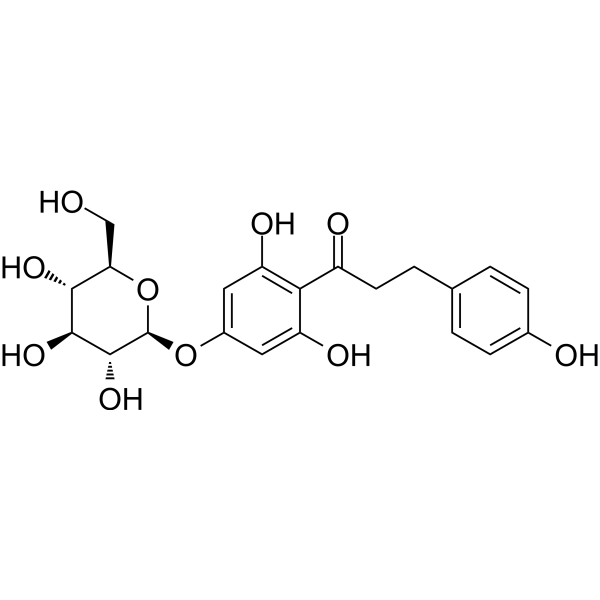
Trilobatin, a natural sweetener derived from Lithocarpus polystachyus Rehd , Trilobatin is an HIV-1 entry inhibitor targeting the HIV-1 Gp41 envelope . Neuroprotective effects . Trilobatin is also a SGLT1/2 inhibitor that selectively induces the proliferation of human hepatoblastoma cells .
loading...
    loading...
5
5 Cited Publications
Cat. No.: HY-N0119
CAS No.: 18916-17-1
Synonyms: Naringin DC
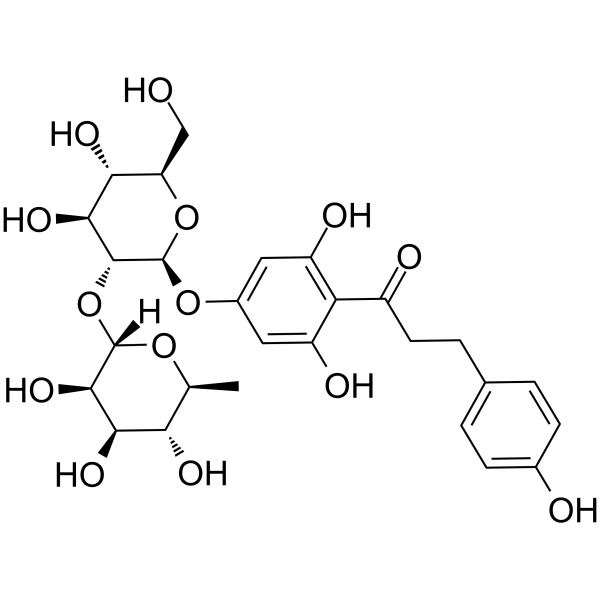
Naringin Dihydrochalcone is an artificial sweetener derived from naringin. Naringin is a major flavanone glycoside obtained from tomatoes, grapefruits, and many other citrus fruits. Naringin exhibits biological properties such as antioxidant, anti-inflammatory, and antiapoptotic activities. Naringin suppresses NF-κB signaling pathway.
loading...
    loading...
4
4 Cited Publications
Cat. No.: HY-N0669
CAS No.: 57817-89-7
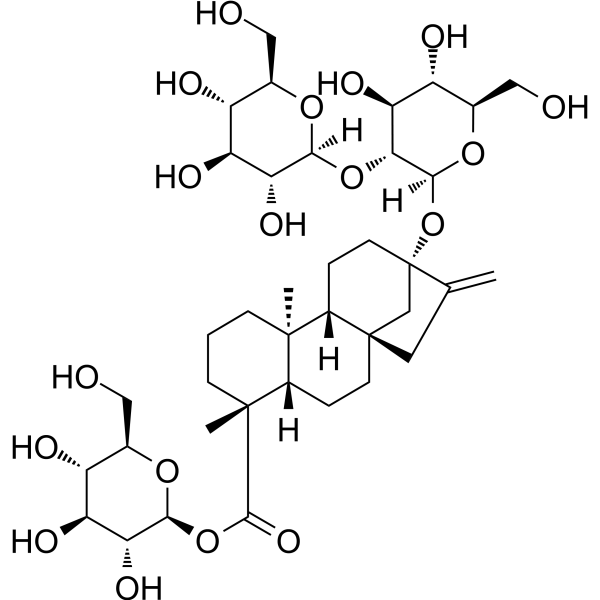
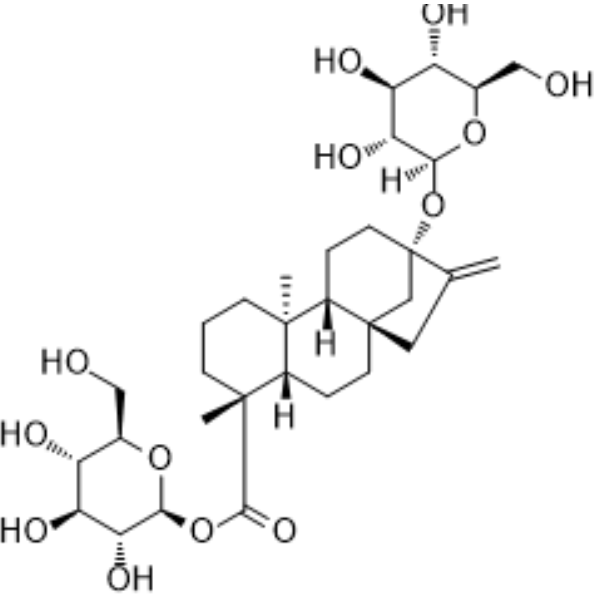
Stevioside is an orally active sweetener that can be isolated from Stevia rebaudiana, with antihypertensive, antihyperglycemic, antioxidant, anti-inflammatory and anti-tumor activities .
loading...
    loading...
4
4 Cited Publications
Cat. No.: HY-N0154
CAS No.: 20702-77-6
Synonyms: Neohesperidin DC; NHDC
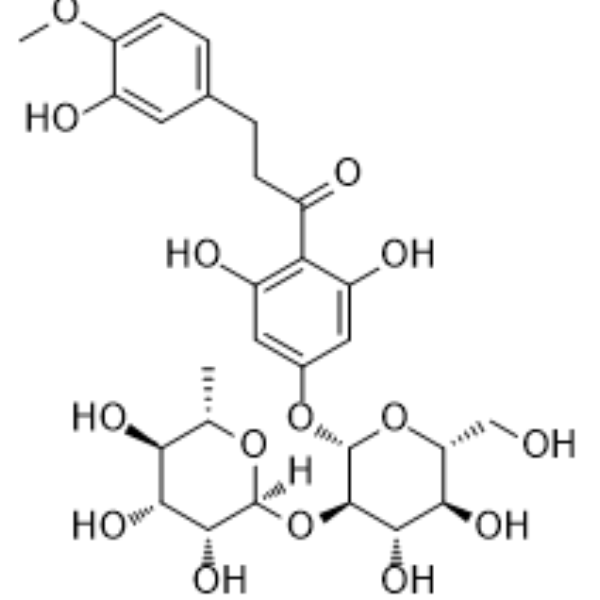
Neohesperidin dihydrochalcone is a synthetic glycoside chalcone, is added to various foods and beverages as a low caloric artificial sweetener.
loading...
    loading...
3
3 Cited Publications
Cat. No.: HY-N0614
CAS No.: 56038-13-2
Synonyms: E955; Trichlorosucrose
Target:  

Endogenous Metabolite

Research Areas:  

Cancer

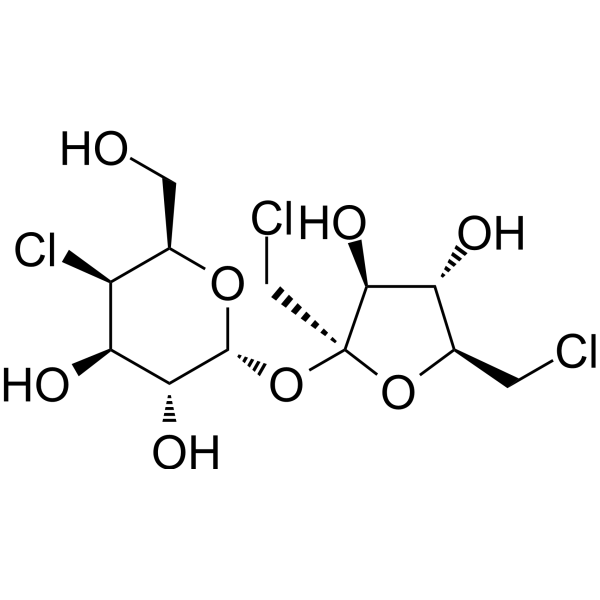
Sucralose (E955; Trichlorosucrose) is a non-nutritive artificial sweetener and sugar substitute. Sucralose can activate a conserved neural fasting response and thereby exerts an appetite-stimulating effect in rodents .
loading...
    loading...
2
2 Cited Publications
Cat. No.: HY-B0400
CAS No.: 50-70-4
Synonyms: Sorbitol; D-Glucitol
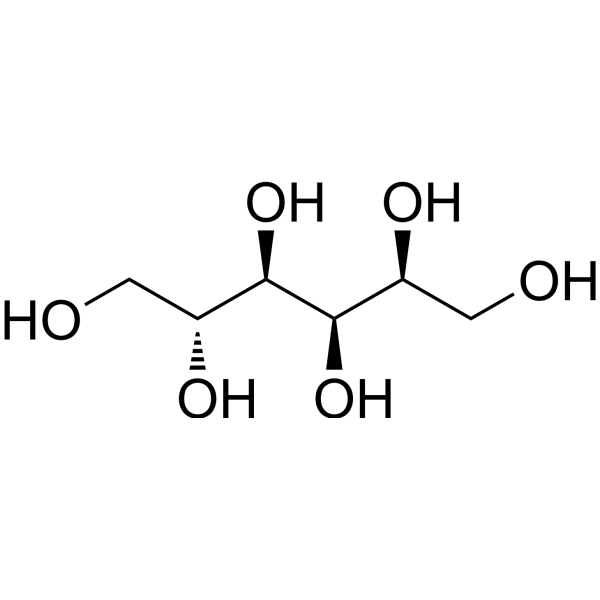
D-Sorbitol (Sorbitol) is a six-carbon sugar alcohol and can used as a sugar substitute. D-Sorbitol can be used as a stabilizing excipient and/or isotonicity agent, sweetener, humectant, thickener and dietary supplement .
loading...
    loading...
2
2 Cited Publications
Cat. No.: HY-B0361
CAS No.: 22839-47-0
Synonyms: SC-18862
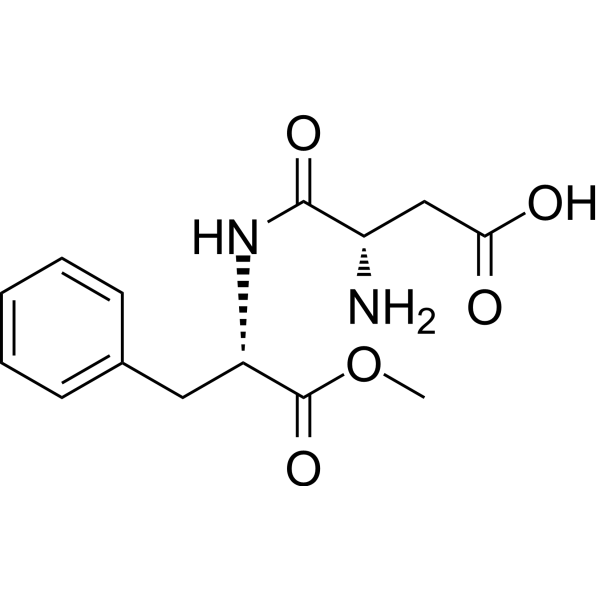
Aspartame (SC-18862) is a methyl ester of a dipeptide. Aspartame can be used as a synthetic nonnutritive sweetener .
loading...
    loading...
2
2 Cited Publications
Cat. No.: HY-N2084
CAS No.: 30950-27-7
Synonyms: DL-Perillartine
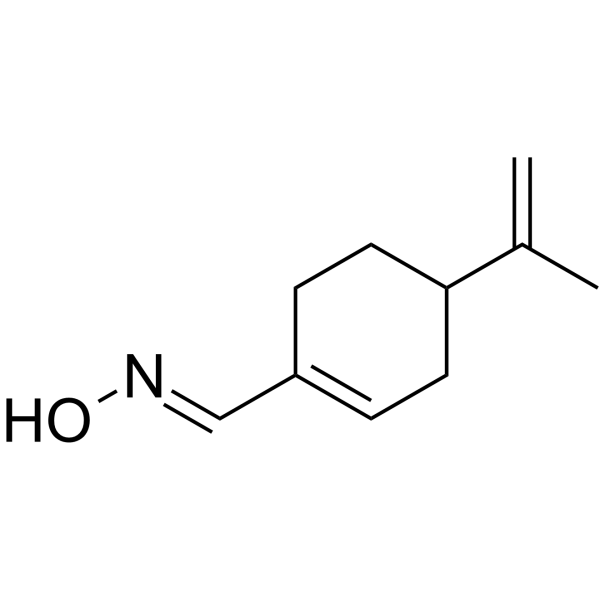
Perillartine is a sweetener, which activates the taste receptor type 1 member 2 (Tas1r2) subunit in a species-dependent manner.
loading...
    loading...
2
2 Cited Publications
Cat. No.: HY-N0668
CAS No.: 64849-39-4
Rubusoside is a diterpene glycoside that is also a sweetener and solubilizer with anti-angiogenic, anti-cancer, anti-obesity, anti-allergic and anti-asthmatic effects. Rubusoside attenuates airway hyperresponsiveness and reduces inflammatory cells in bronchoalveolar lavage fluid (BALF), reducing OVA (HY-W250978)-induced airway inflammation. Rubusoside also prevents palmitic acid-induced lipotoxicity in pancreatic INS-1 cells, reduces the transport of human glucose transporters GLUT-1 and fructose GLUT-5, and inhibits NF-κB and α-amylase (α-amylase) .
loading...
    loading...
1
1 Cited Publications
Cat. No.: HY-N6833
CAS No.: 1220616-44-3
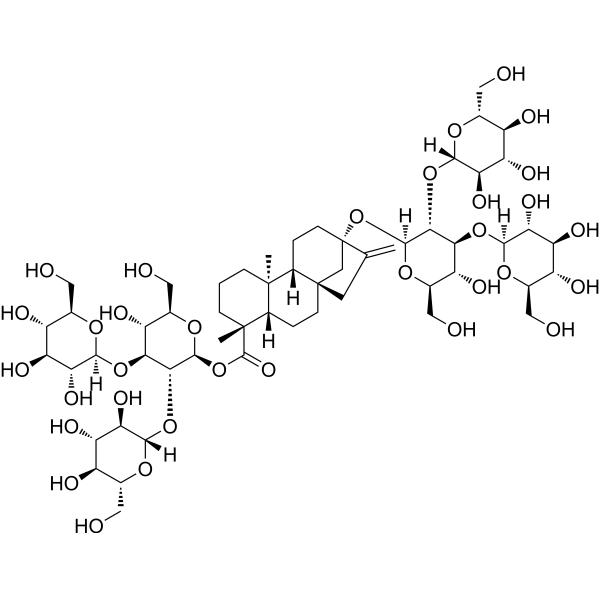
Rebaudioside M, a glycoside of the ent-kaurene diterpenoid aglycone, is a non-calorie sweetener isolated from Stevia rebaudiana. Rebaudioside M has antidiabetics, antihypertension, anti-inflammatory, antioxidant, anticaries and anticancer benefits. Rebaudioside M is more than 350 times sweeter than sucrose. Rebaudioside M can be used in food and beverage .
loading...
    loading...
1
1 Cited Publications
Cat. No.: HY-N0501
CAS No.: 126105-11-1
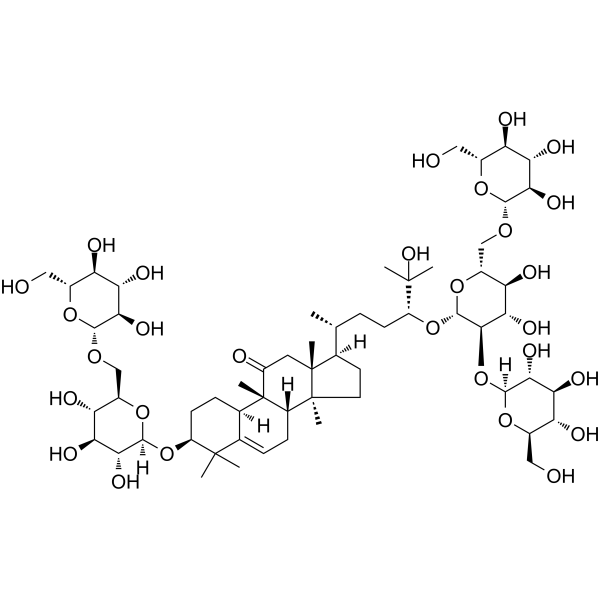
11-oxo-mogroside V is a natural sweetener that exhibits strong antioxidant activity. It exhibits significant inhibitory effects on reactive oxygen species (O2 -, H2O2 and *OH) with EC50 of 4.79, 16.52, and 146.17 μg/mL, respectively.
loading...
    loading...
1
1 Cited Publications
Cat. No.: HY-113133
CAS No.: 2140-29-6
Purity:  99.76%
Category:  

Microorganisms

Target:  

Glycosidase

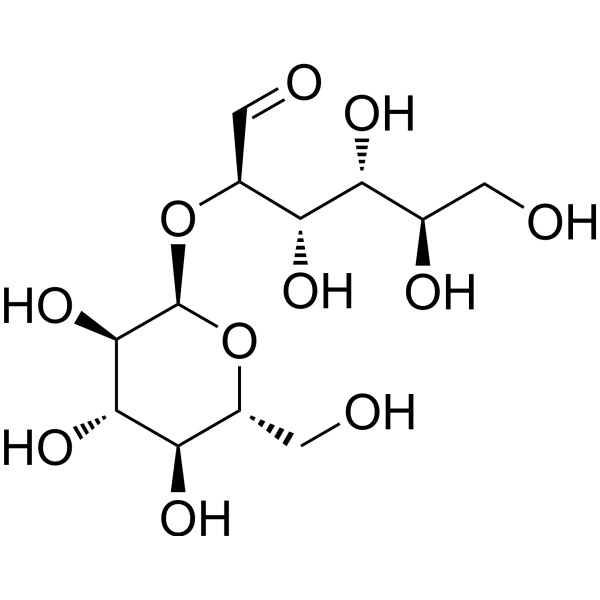
Kojibiose, an orally active prebiotic disaccharide, can specifically inhibit the activity of α-glucosidase I. kojibiose is a proliferation factor for Bifidobacterium, lactic acid bacteria, and eubacteria. kojibiose is a low-calorie sweetener capable of increasing the absorption of iron. Kojibiose exhibits antitoxic activity. Kojibiose reduces hepatic expression of inflammatory markers in vivo .
loading...
    loading...
1
1 Cited Publications
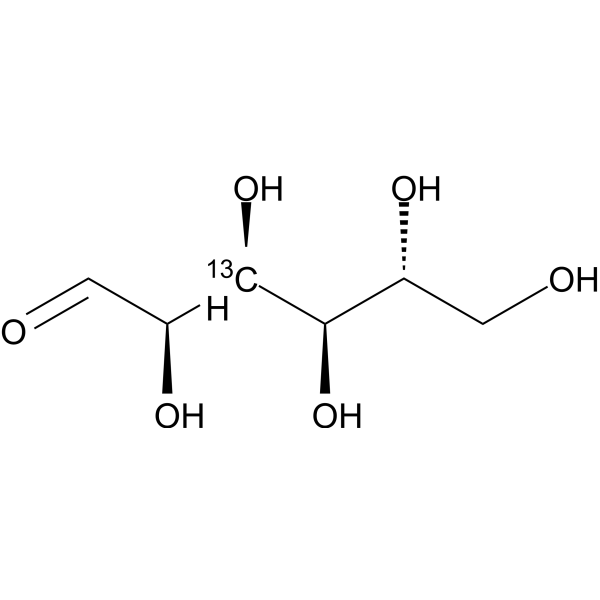
Cat. No.: HY-B0389S10
CAS No.: 101615-88-7
Synonyms: Glucose-13C; D-(+)-Glucose-13C; Dextrose-13C
D-Glucose- 13C is the 13C labeled D-Glucose. D-Glucose (Glucose), a monosaccharide, is an important carbohydrate in biology. D-Glucose is a carbohydrate sweetener and critical components of the general metabolism, and serve as critical signaling molecules in relation to both cellular metabolic status and biotic and abiotic stress response .
loading...
    loading...
1
1 Cited Publications
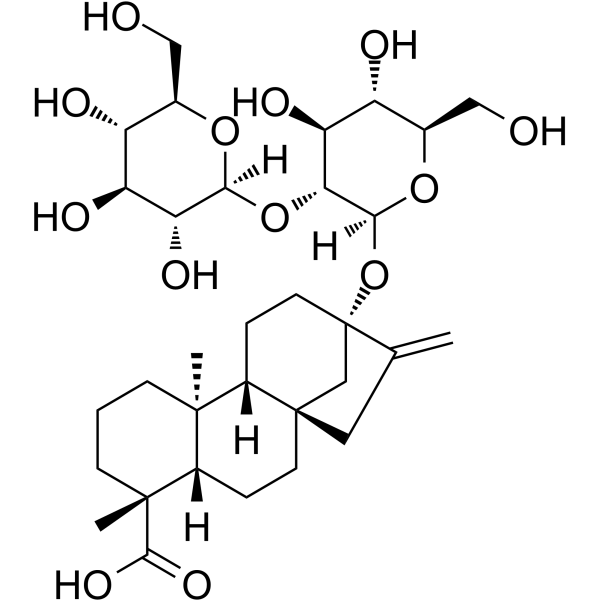
Cat. No.: HY-N2547
CAS No.: 41093-60-1
Steviolbioside is a sweetener and also an important pharmaceutical intermediate. Steviolbioside can inhibit the proliferation of various tumor cells. Steviolbioside has an MIC of 3.8 µg/mL for Mycobacterium tuberculosis. Steviolbioside also has antidiabetic activity. Steviolbioside can be used in the research of tuberculosis, diabetes and tumors such as breast cancer .
loading...
    loading...
1
1 Cited Publications
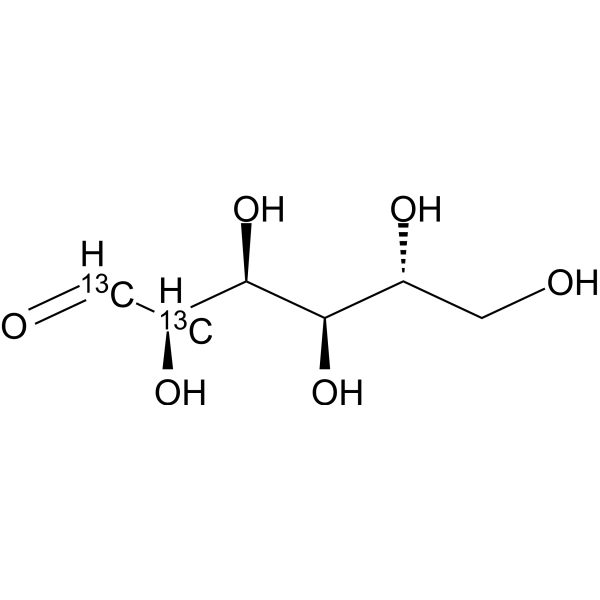
Cat. No.: HY-B0389S15
CAS No.: 138079-87-5
Synonyms: Glucose-13C2-4; D-(+)-Glucose-13C2-4; Dextrose-13C2-4
D-Glucose- 13C2-4 is the 13C labeled D-Glucose. D-Glucose (Glucose), a monosaccharide, is an important carbohydrate in biology. D-Glucose is a carbohydrate sweetener and critical components of the general metabolism, and serve as critical signaling molecules in relation to both cellular metabolic status and biotic and abiotic stress response .
loading...
    loading...
1
1 Cited Publications
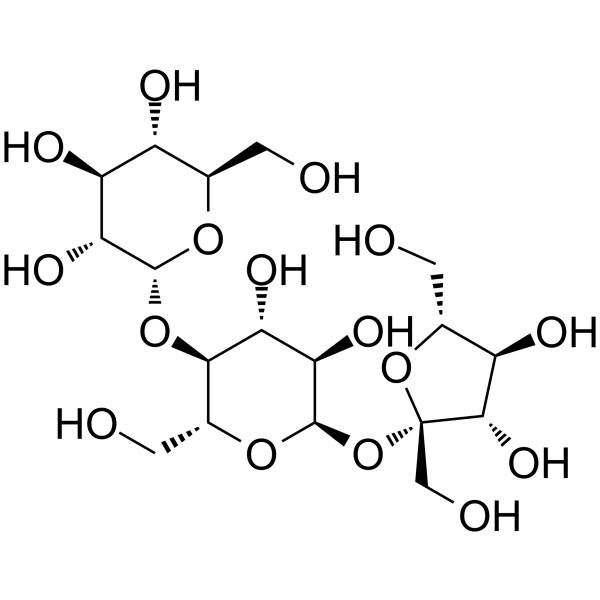
Cat. No.: HY-139338
CAS No.: 13101-54-7
Purity:  ≥99.0%
Erlose is a trisaccharide sucrose derivative and low-calorie sweetener synthesized from glucose and sucrose via an α-glucosidase-mediated transglycosylation reaction. Erlose is often used as a marker to identify whether honey is adulterated with artificial sucrose. Erlose has approximately half the sweetness of sucrose but a similar taste, and it effectively inhibits crystal formation and browning reactions during food heat treatment .
loading...
    loading...
1
1 Cited Publications
Cat. No.: HY-N0468
CAS No.: 63279-13-0
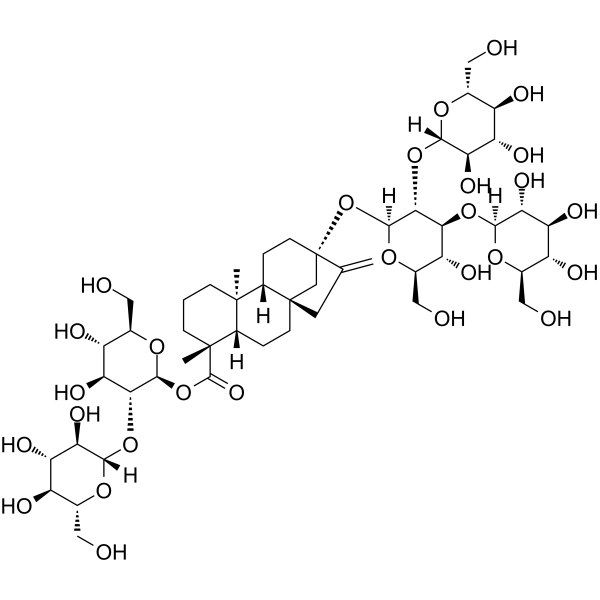
Rebaudioside D is an orally active sweetener that targets and activates FXR, modulates Acetyl-CoA Carboxylase, and inhibits 3-hydroxy-3-methylglutaryl-CoA reductase. Rebaudioside D regulates bile acid homeostasis and lipid metabolism, reduces the synthesis rates of fatty acids and cholesterol, and exerts multiple effects including anti-adipogenesis, hepatoprotection, anti-steatosis, gut microbiota modulation, enhancement of secondary bile acid metabolism, anti-endotoxin activity, regulation of bile acid transport, and inhibition of bile acid efflux. Rebaudioside D also reduces body weight gain, visceral fat accumulation, hepatic triglyceride and cholesterol accumulation, hepatic lipid peroxidation, and decreases the circulating level of lipopolysaccharide-binding protein. Rebaudioside D additionally enhances the secondary bile acid metabolic pathway of intestinal bacteria, upregulates the gene expression of ileal organic solute transporter α, and downregulates the gene expression of hepatic bile salt export pump. Rebaudioside D does not affect glucose homeostasis, alter total caloric intake or fecal energy excretion, induce weight gain, exacerbate obesity, promote hepatic steatosis, impair brown adipose tissue function, nor change skeletal muscle metabolism-related proteins. Rebaudioside D can be used in diet-induced obesity and obesity-related research .
loading...
    loading...
Cat. No.: HY-Y0272
CAS No.: 81-07-2
Category:  

Microorganisms

Target:  

Bacterial

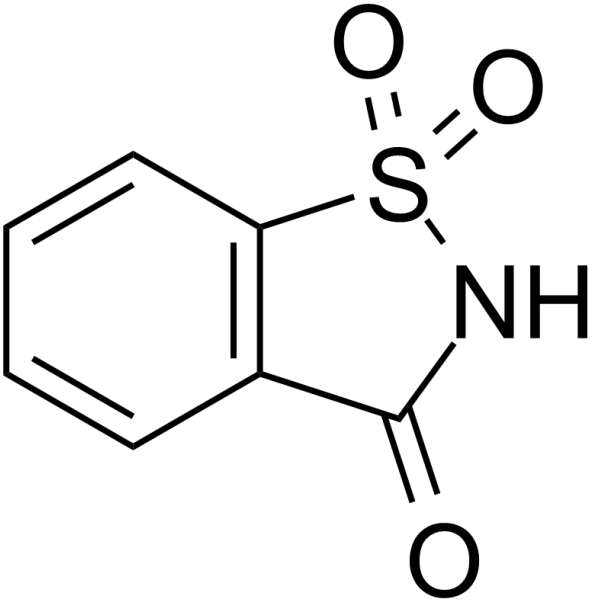
Saccharin is an orally active, non-caloric artificial sweeteners (NAS). Saccharin has bacteriostatic and microbiome-modulating properties .
loading...
    loading...
Cat. No.: HY-W011053
CAS No.: 165450-17-9
Research Areas:  

Metabolic Disease

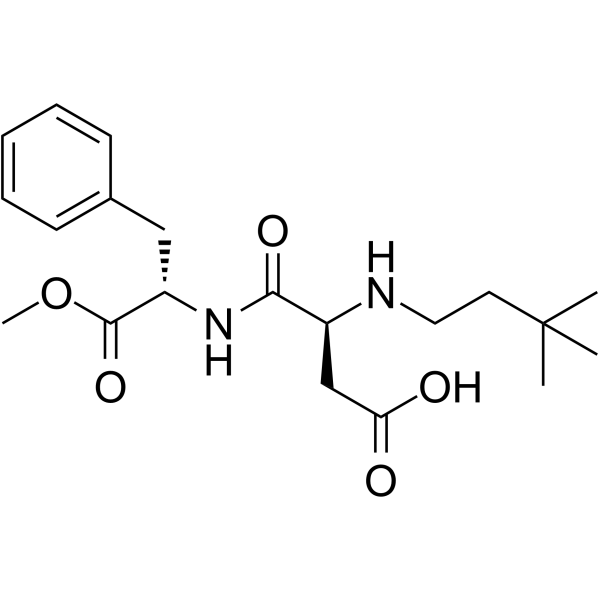
Neotame is a derivative of Aspartame (HY-B0361) and is a flavor enhancer and low-caloric, non-nutritive, high-intensity artificial sweetener that is 7000-13,000 times sweeter than sugar. Neotame causes intestinal epithelial cell death at high concentrations. Neotame induces Apoptosis of Caco-2 cells .
loading...
    loading...
Cat. No.: HY-D0195
CAS No.: 55589-62-3
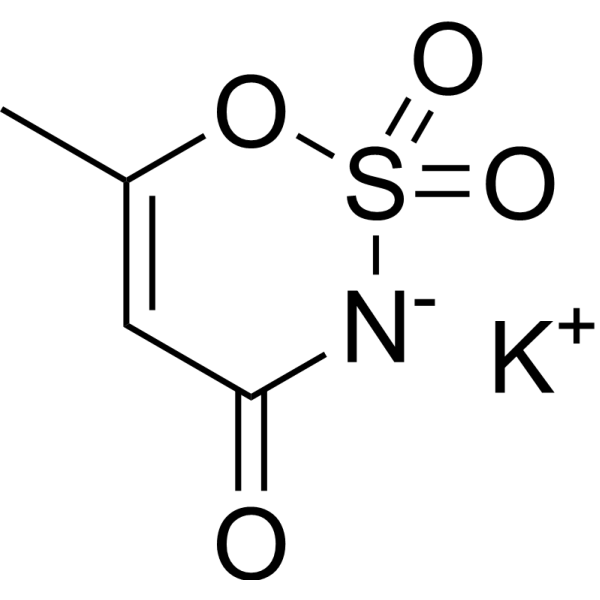
Acesulfame potassium is a synthetic sweetener. Long-term use of Acesulfame potassium can affect cognitive function, possibly by altering the neurometabolic functions in mice. Acesulfame potassium can suppress autophagic degradation of PD-L1 in RIL-175 and SK-Hep1 cells through the ERK1/2-mTORC1-ULK1 pathway, which may be related to immune evasion in cancer cells. Acesulfame potassium can be used in research on neurological diseases, metabolic disorders, cancer, and immune evasion .
loading...
    loading...

