1. Search Result
Search Result
Results for "

tPA

" in MedChemExpress (MCE) Product Catalog:

89

Inhibitors & Agonists

5

Fluorescent Dye

8

Peptides

33

Natural
Products

5

Recombinant Proteins

2

Isotope-Labeled Compounds

3

Antibodies

3

Oligonucleotides

Cat. No. Product Name Target Research Areas Chemical Structure
  • HY-18739
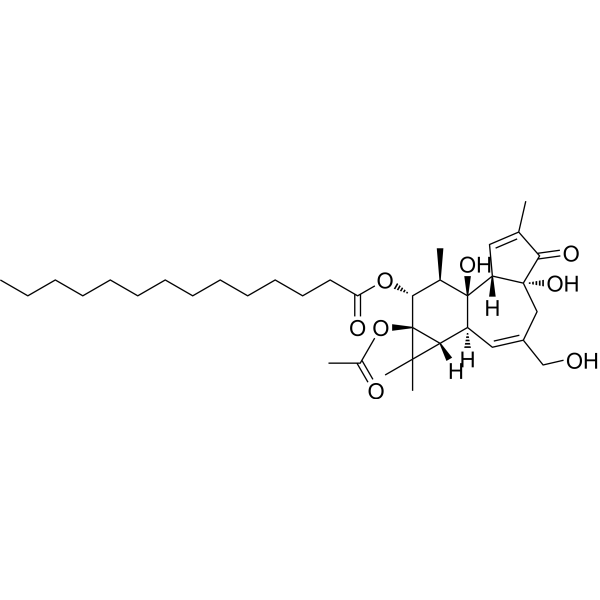
    Phorbol 12-myristate 13-acetate
    Maximum Cited Publications
    726 Publications Verification

    PMA; tPA; Phorbol myristate acetate

    PKC SphK NF-κB Neurological Disease Inflammation/Immunology Cancer
    Phorbol 12-myristate 13-acetate (PMA; TPA; Phorbol myristate acetate), a phorbol ester, is a dual SphK and protein kinase C (PKC) activator . Phorbol 12-myristate 13-acetate is a NF-κB activator. Phorbol 12-myristate 13-acetate induces differentiation in THP-1 cells (Validated by MedChemExpress (MCE)) .
    Phorbol 12-myristate 13-acetate
  • HY-P2333
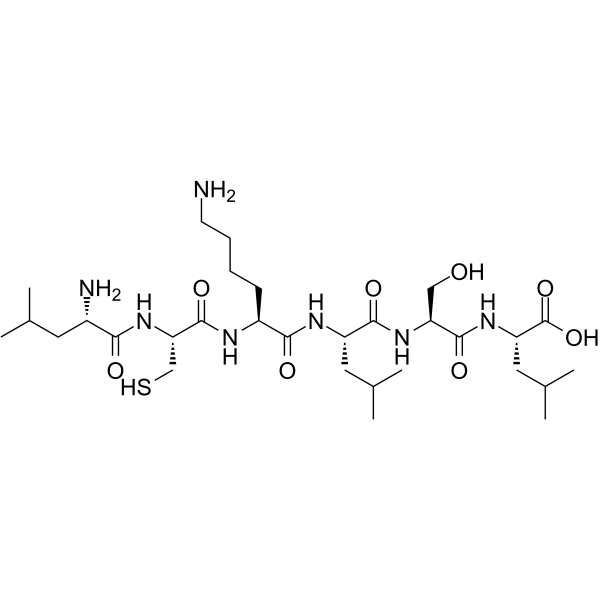
    LCKLSL
    5+ Cited Publications

    Annexin A Cardiovascular Disease
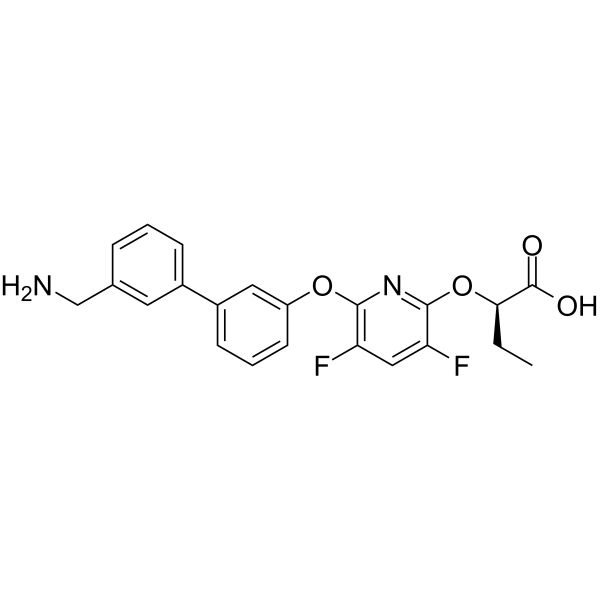
    LCKLSL is a N-terminal hexapeptide and a competitive annexin A2 (AnxA2) inhibitor. LCKLSL potently inhibits the binding of tissue plasminogen activator (tPA) to AnxA2. LCKLSL also inhibits the generation of plasmin and has anti-angiogenic roles .
    LCKLSL
  • HY-B0111
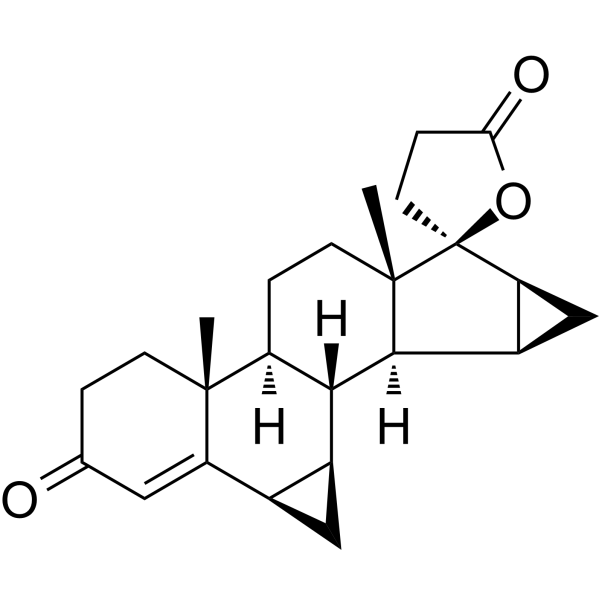
    Drospirenone
    1 Publications Verification

    Dihydrospirorenone

    Progesterone Receptor Androgen Receptor Endocrinology Cancer
    Drospirenone (Dihydrospirorenone) is an orally active fourth-generation progestin that interacts with the progesterone receptor (PR) and androgen receptor (AR). Drospirenone significantly decreases both plasminogen activator inhibitor-1 (PAI-1) and tissue plasminogen activator (tPA) via the AR. Drospirenone can produce DNA damage in bone marrow cells of female mice. .
    Drospirenone
  • HY-111056
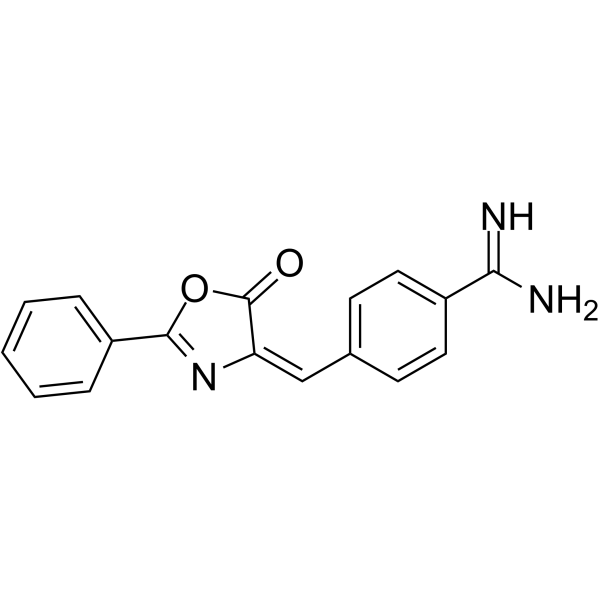
    UK122 TFA
    1 Publications Verification

    Ser/Thr Protease Cancer
    UK122 is a potent and selective urokinase-type plasminogen activator (uPA) inhibitor with an IC50 of 0.2 μM. UK122 shows no or little inhibition of tissue-type PA (tPA), plasmin, thrombin, and trypsin (all IC50>100 μM). UK122, 4-oxazolidinone analogue, is an anticancer agent and inhibits cancer cell migration and invasion .
    UK122 TFA
  • HY-13772
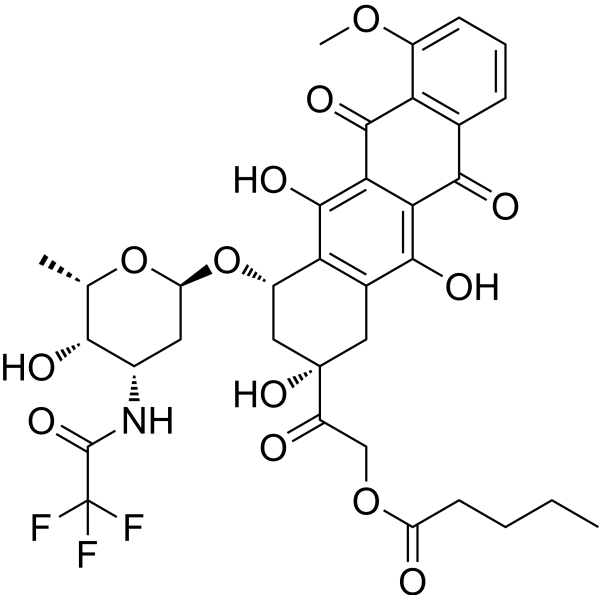
    Valrubicin
    2 Publications Verification

    AD-32

    PKC Antibiotic Inflammation/Immunology Cancer
    Valrubicin is a chemotherapy agent, inhibits TPA- and PDBu-induced PKC activation with IC50s of 0.85 and 1.25 μM, respectively, and has antitumor and antiinflammatory activity.
    Valrubicin
  • HY-I0508
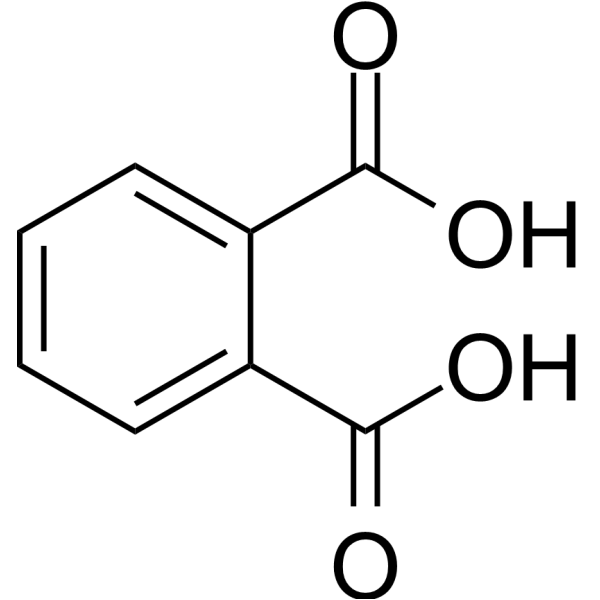
    Phthalic acid
    2 Publications Verification

    Biochemical Assay Reagents Reactive Oxygen Species (ROS) Estrogen Receptor/ERR Endocrinology
    Phthalic acid is the final common metabolite of phthalic acid esters (PAEs). Phthalic acid can be used for the synthesis of synthetic agents, such as isophthalic acid (IPA), and terephthalic acid (TPA). Phthalic acid has applications in the preparation of phthalate ester plasticizers. Phthalic acid exhibits mutagenic effect and causes genetic damage in mammalian germ cells .
    Phthalic acid
  • HY-100897

    Thrombin Cardiovascular Disease
    Sulodexide is a mixture of glycosaminoglycans available in soft capsule form for oral administration. It is composed of low molecular weight heparin (80%) and dermatan sulfate (20%). Sulodexide exhibits antithrombotic activity through interaction with antithrombin III (AT III) and heparin cofactor II (HC II), and inhibition of thrombin formation. Sulodexide exhibits profibrinolytic activity through release of tissue plasminogen activator (tPA). Sulodexide exhibits endothelial protective and anti-inflammatory effect, ameliorates chronic venous disease . Sulodexide is a glycosaminoglycan mixture available in soft gelatin capsule form for oral administration.
    Sulodexide
  • HY-18739R

    PMA (Standard); tPA (Standard); Phorbol myristate acetate (Standard)

    PKC SphK NF-κB Reference Standards Inflammation/Immunology
    Phorbol 12-myristate 13-acetate (PMA; TPA; Phorbol myristate acetate) (Standard) is the analytical standard of Phorbol 12-myristate 13-acetate. This product is intended for research and analytical applications.
    Phorbol 12-myristate 13-acetate (Standard)
  • HY-107260

    Lucidenic acid D2

    NO Synthase COX Infection Inflammation/Immunology Cancer
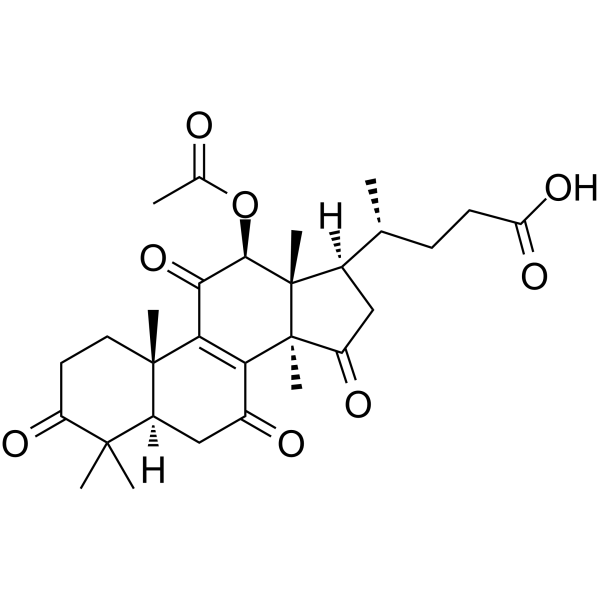
    Lucidenic acid D is a highly oxidized triterpenoid with anti-inflammatory and antiviral activities. Lucidenic acid D attenuates lipopolysaccharide-induced release of proinflammatory cytokines and nitric oxide, reduces the expression of inducible nitric oxide synthase (iNOS) and cyclooxygenase-2 (COX-2), and inhibits skin inflammation. Lucidenic acid D suppresses 12-O-tetradecanoylphorbol-13-acetate (TPA)-induced expression of Epstein-Barr virus (EBV) early antigen and maintains the viability of Raji cells. Lucidenic acid D can be used in studies of cancer chemoprevention .
    Lucidenic acid D
  • HY-N0886
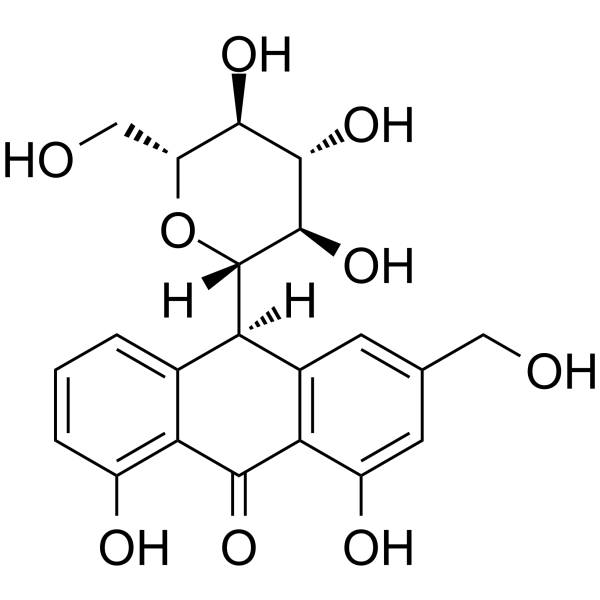
    Aloin B
    3 Publications Verification

    Isobarbaloin

    SARS-CoV Virus Protease Infection Endocrinology Cancer
    Aloin B (Isobarbaloin) is an orally active SARS-CoV-2 papain-like protease (PLpro) inhibitor with an IC50 of 16.08 μM (hydrolytic activity) and 17.51 μM (deubiquitinase activity). Aloin B is metabolized by rat intestinal flora into aloe-emodin-9-anthrone to exert laxative effects. Aloin B inhibits TPA (HY-18739)-induced ear edema, putrescine elevation, and tumor promotion in mouse skin. Aloin B can be used in research related to anti-inflammation, tumor promotion inhibition, coronavirus disease 2019 (COVID-19) and constipation .
    Aloin B
  • HY-P2333A
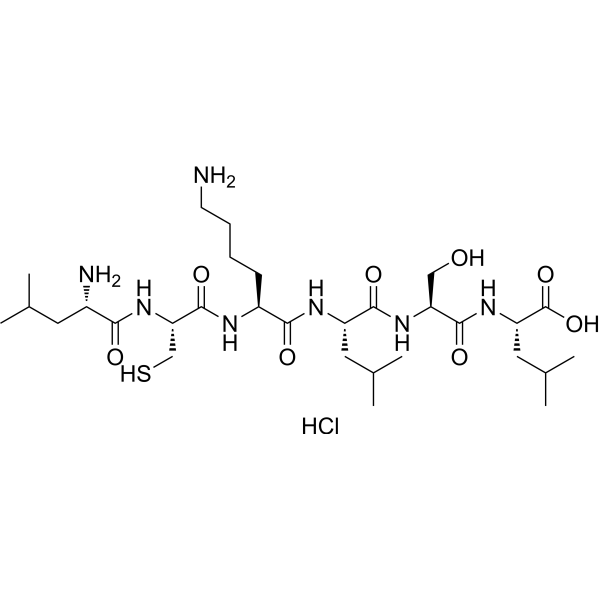
    LCKLSL hydrochloride
    5+ Cited Publications

    Annexin A Cardiovascular Disease
    LCKLSL hydrochloride is a N-terminal hexapeptide and a competitive annexin A2 (AnxA2) inhibitor. LCKLSL hydrochloride potently inhibits the binding of tissue plasminogen activator (tPA) to AnxA2. LCKLSL hydrochloride also inhibits the generation of plasmin and has anti-angiogenic roles .
    LCKLSL hydrochloride
  • HY-173591

    Formyl Peptide Receptor (FPR) Apoptosis Cardiovascular Disease Neurological Disease Inflammation/Immunology
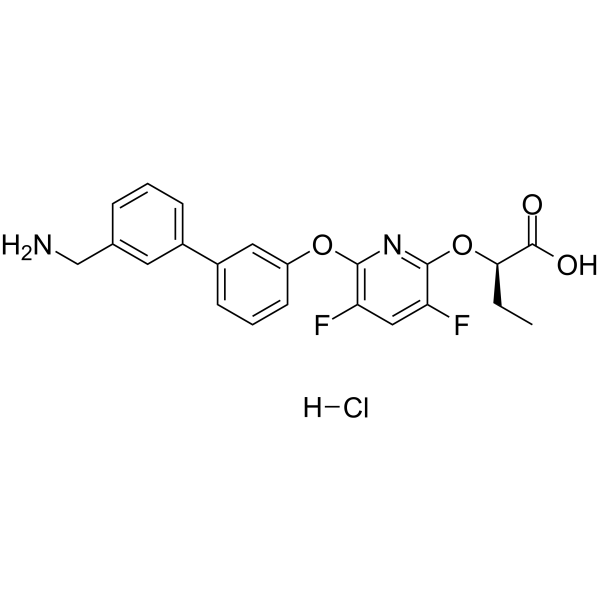
    T0080 is a central nervous system-penetrant FPR1 inhibitor. By functionally blocking the FPR1 signaling pathway, T0080 effectively reduces neutrophil infiltration into ischemic brain tissue and maintains the integrity of the blood-brain barrier. T0080 alleviates tPA-associated hemorrhagic transformation, inhibits demyelination responses and the expression of NOX2. T0080 also possesses anti-apoptotic (apoptosis) and anti-inflammatory properties, thereby protecting myelin and reducing neurological deficits. T0080 is widely used in studies related to ischemic stroke complicated by hemorrhagic transformation after tPA thrombolysis, as well as multiple sclerosis .
    T0080
  • HY-B1231

    RP-2831 hydrochloride

    Adrenergic Receptor Cardiovascular Disease Neurological Disease Inflammation/Immunology Cancer
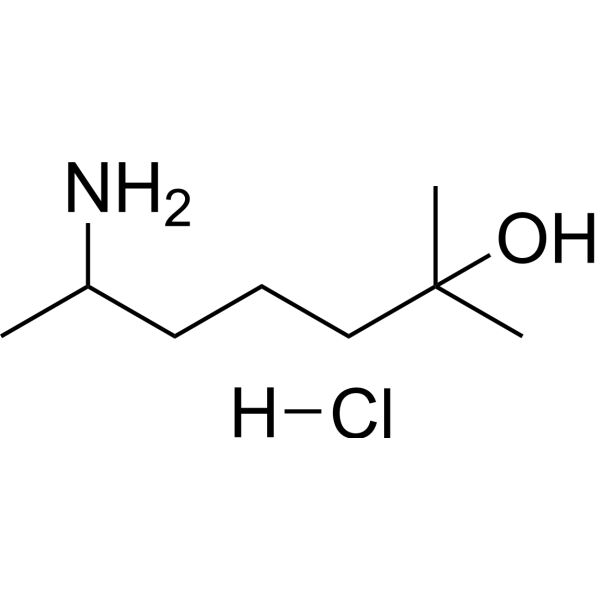
    Heptaminol (RP-2831) hydrochloride is a vasoconstrictor used in the study of hypotension, especially orthostatic hypotension. Heptaminol is also a skin cancer proliferation inhibitor that inhibits immune inflammation induced by the tumor promoting factor 12-O-tetradecanoylphorbol-13-acetate (TPA) in an NO-dependent manner. Heptaminol also acts as a sympathomimetic amine, exerting indirect sympathetic effects. Heptaminol is also an antagonist of catecholamine release and uptake and can increase intracellular free calcium levels .
    Heptaminol hydrochloride
  • HY-19505

    GABA Receptor Neurological Disease
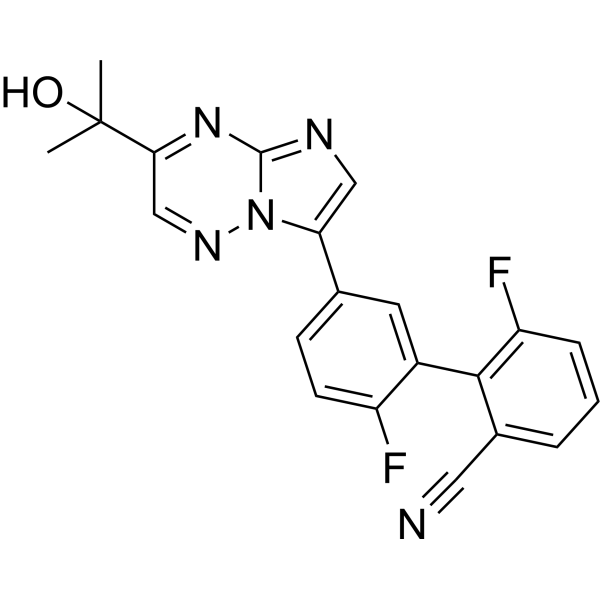
    TPA-023B is a high-affinity and orally active GABAA receptor α2/α3 subtype (Kis of 0.73 nM/2 nM) partial agonist and a α1 subtype (Ki of 1.8 nM) antagonist. TPA-023B has non-sedating anxiolytic-like properties .
    TPA-023B
  • HY-101640

    GABA Receptor Neurological Disease
    TPA 023 is a GABAA α2/α3 subtype-selective agonist, with Ki of 0.19-0.41 nM.
    TPA 023
  • HY-108845

    TNK-tPA

    Ser/Thr Protease Cardiovascular Disease
    Tenecteplase (TNK-tPA) is a modified tissue plasminogen activator. Tenecteplase is a recombinant human tissue plasminogen activator (rt-PA) that has been bioengineered to produce mutations in three gene loci. Tenecteplase (TNK-tPA) can be used in the study of acute ischemic stroke .
    Tenecteplase
  • HY-100983

    PKC Cancer
    Protein kinase inhibitor H-7 dihydrochloride is a potent PKC (protein kinase C) inhibitor. At 100 μM, Protein kinase inhibitor H-7 dihydrochloride completely inhibits both TPA (skin tumour promoter, 12-O-tetradecanoylphorbol-13-acetate) and phospholipase C-induced ODC (ornithine decarboxylase) .
    Protein kinase inhibitor H-7 dihydrochloride
  • HY-N0891

    Tubeimoside-B

    EGFR TGF-β Receptor RIG-I-like receptor (RLR) SARS-CoV Infection Neurological Disease Cancer
    Tubeimoside II is an orally active triterpenoid saponin and antiviral agent that binds to PACT/PRKRA with Kd values of 5.37 μM and 133.1 μM, respectively. Tubeimoside II inhibits oxidase-dependent EGFR activation and reduces TGF-β1-induced oxidative stress. Tubeimoside II activates the RIG-I signaling pathway and increases IFN-β secretion. Tubeimoside II suppresses TPA-induced ear edema, mouse sarcoma 180 growth, and TPA-induced skin tumor formation. Tubeimoside II exerts broad-spectrum antiviral activity against SARS-CoV-2, HCoV-OC43, and IAV-H1N1/FM1. Tubeimoside II can be used in research related to retinoblastoma, respiratory viral infections, skin tumors, and sarcoma 180 .
    Tubeimoside II
  • HY-100897A

    Thrombin Cardiovascular Disease
    Sulodexide solution is a mixture of glycosaminoglycans that can be administered by injection. It is composed of low molecular weight heparin (80%) and dermatan sulfate (20%). Sulodexide exhibits antithrombotic activity through interaction with antithrombin III (AT III) and heparin cofactor II (HC II), and inhibition of thrombin formation. Sulodexide exhibits profibrinolytic activity through release of tissue plasminogen activator (tPA). Sulodexide exhibits endothelial protective and anti-inflammatory effect, ameliorates chronic venous disease.
    Sulodexide solution
  • HY-14759

    PAZ-417

    PAI-1 Amyloid-β Neurological Disease
    Aleplastinin (PAZ-417) is an orally active, blood-brain barrier permeable, selective SERPINE1 (PAI-1) inhibitor (IC50=655 nM). Aleplastinin activates the tissue type plasminogen activator (tPA)/fibrinolysis cascade by inhibiting PAI-1, thereby promoting the degradation of amyloid-β (Aβ) oligomers and monomers. Aleplastinin can significantly reduce plasma and brain Aβ levels, improve memory impairment, and reverse cognitive impairment. Aleplastinin can be used for research on Alzheimer's disease .
    Aleplasinin
  • HY-N7691

    Karounidiol dibenzoate

    EBV Infection Cancer
    3,29-O-Dibenzoyloxykarounidiol (Karounidiol dibenzoate) is a triterpene benzoate isolated from the fruit of Momordica grosvenori. 3,29-O-Dibenzoyloxykarounidiol has potent inhibitory effects on Epstein-Barr virus early antigen (EBV-EA) induced by tumor promoter 12-O-tetradecanoylphorbol-13-acetate (TPA) .
    3,29-O-Dibenzoyloxykarounidiol
  • HY-N2082
    Isorhamnetin 3-O-galactoside
    1 Publications Verification

    Cacticin

    Thrombin COX ERK JNK Factor Xa Cardiovascular Disease Inflammation/Immunology
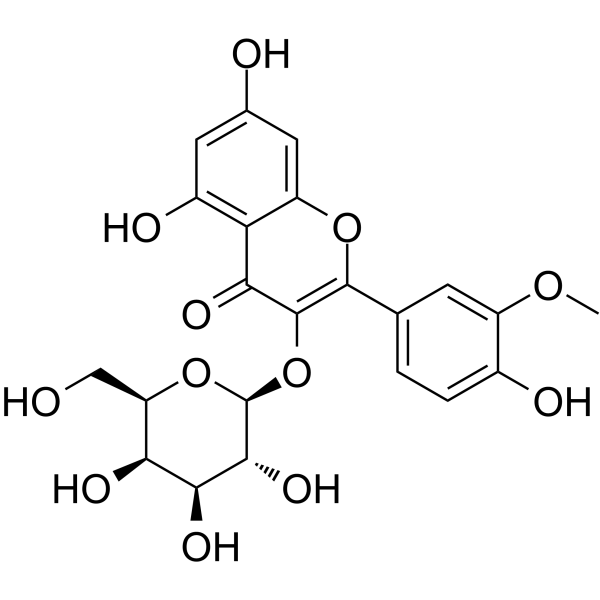
    Isorhamnetin 3-O-galactoside (Cacticin) is a flavonoid glycoside that can be isolated from Oenanthe javanica, with antithrombotic and profibrinolytic activities. Isorhamnetin 3-O-galactoside inhibits the activities of thrombin and factor Xa (FXa) and reduces thrombin-catalyzed fibrin polymerization maximum rate. Isorhamnetin 3-O-galactoside suppresses TNF-α-induced PAI-1 secretion, decreases the PAI-1/tissue-type plasminogen activator (t-PA) ratio, and inhibits FXa production and FVa/FXa-mediated thrombin generation. Isorhamnetin 3-O-galactoside exerts protective effects against Carbon tetrachloride (CCl4) (HY-Y0298)-induced hepatic injury in mice. Isorhamnetin 3-O-galactoside can be used for the study of liver injury-related diseases and thrombotic vascular diseases .
    Isorhamnetin 3-O-galactoside
  • HY-120516

    PAI-1 Cardiovascular Disease
    CDE-096 is a potent inhibitor of PAI-1. CDE-096 prevents PAI-1 from inactivating tPA and uPA with similar potency (IC50=30 and 25 nM, respectively) and is active against glycosylated PAI-1, as well as PAI-1 derived from several species (IC50=19, 22 and 18 nM for murine, rat, and Porcine PAI-1, respectively) .
    CDE-096
  • HY-114330A

    PAI-1 Ser/Thr Protease Inflammation/Immunology
    ZK824859 hydrochloride is an oral available and selective urokinase plasminogen activator (uPA) inhibitor with IC50s of 79 nM, 1580 nM and 1330 nM for human uPA, tPA, and plasmin, respectively .
    ZK824859 hydrochloride
  • HY-N7041

    EBV HSV Infection
    11-Oxomogroside IIa (11-oxomogroside II A1) is a cucurbitane glycoside extracted from the fruits of Siraitia grosVenorii. 11-Oxomogroside IIa has inhibitory effects against the Epstein-Barr virus early antigen (EBV-EA) activation induced by 12-O-tetradecanoylphorbol-13-acetate (TPA), shows weak inhibitory effects on activation of (+/-)-(E)-methyl-2-[(E)-hydroxyimino]-5-nitro-6-methoxy-3-hexemide (NOR 1), a nitric oxide (NO) donor .
    11-Oxomogroside IIa
  • HY-137837

    Biochemical Assay Reagents Others
    D-Ile-Pro-Arg p-nitroanilide dihydrochloride is a chromogenic peptide substrate of tissue plasminogen activator (tPA) .
    D-Ile-Pro-Arg p-nitroanilide dihydrochloride
  • HY-N4024

    Others Inflammation/Immunology
    Hyptadienic acid is a triterpene acid that can be isolated from the leaves of Perilla frutescens. Hyptadienic acid inhibits 12-O-tetradecanoylphorbol-13-acetate (TPA)-induced inflammation in mice with an ID50 value of 0.13 mg/ear. Hyptadienic acid can be used for the research of inflammation .
    Hyptadienic acid
  • HY-160070

    HIV Cancer
    Phorbol-12,13-didecanoate is an anti-viral TPA compound and a tumor promoter. It can cause changes in actin-containing structures [1] .
    Phorbol-12,13-didecanoate
  • HY-126361A
    ZK824190 hydrochloride
    1 Publications Verification

    Ser/Thr Protease PAI-1 Inflammation/Immunology
    ZK824190 hydrochloride is an orally available and selective urokinase plasminogen activator (uPA) inhibitor as a potential treatment for multiple sclerosis. IC50s of 237, 1600 and 1850 nM for uPA, tPA, and Plasmin, respectively .
    ZK824190 hydrochloride
  • HY-126361

    Ser/Thr Protease PAI-1 Inflammation/Immunology
    ZK824190 is an orally available and selective urokinase plasminogen activator (uPA) inhibitor as a potential treatment for multiple sclerosis. IC50s of 237, 1600 and 1850 nM for uPA, tPA, and Plasmin, respectively .
    ZK824190
  • HY-N11009

    EBV Infection
    11-Oxomogroside II A1 (compound 7) is an oxidized cucurbitin. It can be isolated from the ethanol extract of Rohanberry fruit. 11-Oxomogroside II A1 inhibits the activation of Epstein-Barr virus (EBV) early antigen (EBV-EA) induced by 12-O-tetradecanoylphorbol-13-acetate (TPA). 11-Oxomogroside II A1 also weakly inhibits the activation of (±)-(E)-methyl-2-[(E)-hydroxyimino]-5-nitro-6-methoxy-3-hexemide (NOR 1), a nitric oxide (NO) donor .
    11-Oxomogroside II A1
  • HY-W033831

    Rh2(tPA)4

    Endogenous Metabolite Biochemical Assay Reagents
    Rhodium(II) triphenylacetate dimer (Rh2(TPA)4) is an important catalyst with high C–H activation reaction activity. Rhodium(II) triphenylacetate dimer is widely used in organic synthesis to achieve the construction of complex molecules. Rhodium(II) triphenylacetate dimer can also be used to catalyze the synthesis of certain biologically active molecules and improve the preparation efficiency of compounds. Rhodium(II) triphenylacetate dimer exhibits excellent selectivity and reaction rate in catalytic reactions.
    Rhodium(II) triphenylacetate dimer
  • HY-N11020

    EBV Infection Inflammation/Immunology
    Cabenoside D (compound 8) is a triterpenoid glycoside, which can be isolated from the methanol extract of lichen root. Cabenoside D shows anti-inflammatory activity and inhibits inflammation induced by 12-O-tetracylacyl hormone-13-acetate (TPA) in mice. Cabenoside D also inhibits TPA-induced Epstein-Barr virus (EBV) early antigen (EBV-EA) activation .
    Cabenoside D
  • HY-114150

    PAI-1 Others
    D-Val-Leu-Arg-pNA is a glandular kininoreleasing enzyme substrate that also acts as a substrate for tissue-type plasminogen activator (t-PA) with no apparent affinity for fibrin .
    D-Val-Leu-Arg-pNA
  • HY-W364575

    Drug Derivative Cancer
    Methyl-4-oxoretinoate is a derivative of Retinoic acid (HY-14649). Methyl-4-oxoretinoate inhibits TPA (HY-18739)-induced ornithine decarboxylase (ODC) activity, and carcinogen-induced papillomas in mouse skin .
    Methyl-4-oxoretinoate
  • HY-178227

    Wnt β-catenin CDK Neurological Disease Metabolic Disease Inflammation/Immunology Cancer
    KY19334 is a CXXC5-DVL inhibitor. KY19334 can activate the Wnt/β-catenin pathway by inhibiting CXXC5-Dvl interaction. KY19334 can inhibit cancer cells proliferation, migration, invasion and transformation by inhibiting CDK1. KY19334 can accelerate wound healing and exert regenerative effects. KY19334 can be used for the researches of cancer, inflammation, metabolic and neurological disease, such as cutaneous squamous cell carcinoma and diabetes .
    KY19334
  • HY-106029

    α-tPA

    PKC SphK NF-κB Cancer
    4α-TPA is an inactive form of TPA, and is used as a negative control for TPA-activated events .
    4α-TPA
  • HY-161436

    Small Interfering RNA (siRNA) Others
    TPA-dT is a thymidine analog with a tris[(2-pyridyl)methyl]amine (TPA) group. TPA-dT can be used to modify siRNAs. The TPA-modified siRNAs remain functionally inactive and is incapable of silencing gene expression until the TPA moiety is removed upon exposure to Cu(I) .
    TPA-dT
  • HY-114809

    Reactive Oxygen Species (ROS) NADPH Oxidase Inflammation/Immunology Cancer
    AL-1 is a potent O2 - generation inhibitor (IC50 = 7.6 μM) through the inhibition of leukocytic NADPH oxidase. AL-1 inhibits 12-O-Tetradecanoylphorbol-13-acetate (TPA)-induced H2O2 production. AL-1 reduces tumor incidence in ICR mouse skin. AL-1 can be used for research on oxidative stress-related diseases including cancer .
    AL-1
  • HY-111056A
    UK122 hydrochloride
    1 Publications Verification

    Ser/Thr Protease Cancer
    UK122 hydrochloride is a potent and selective urokinase-type plasminogen activator (uPA) inhibitor with an IC50 of 0.2 μM. UK122 hydrochloride shows no or little inhibition of tissue-type PA (tPA), plasmin, thrombin, and trypsin (all IC50s > 100 μM). UK122 hydrochloride, a 4-oxazolidinone analogue, is an anticancer agent and inhibits cancer cell migration and invasion .
    UK122 hydrochloride
  • HY-114330

    PAI-1 Ser/Thr Protease Inflammation/Immunology
    ZK824859 is an oral available and selective urokinase plasminogen activator (uPA) inhibitor with IC50s of 79 nM, 1580 nM and 1330 nM for human uPA, tPA, and plasmin, respectively .
    ZK824859
  • HY-105383

    Thrombin Cardiovascular Disease
    L 373890 is a selective pyridinone acetamide thrombin inhibitor with a Ki of 0.5 nM. L 373890 shows highly selectivity for thrombin over trypsin (Ki of 570 nM), serine proteases plasmin, tPA, activated protein C, plasma kallikrein and chymotrypsin. L 373890 can be used for thrombosis research .
    L 373890
  • HY-P11413

    Ser/Thr Protease Cardiovascular Disease
    PAI-1 is a plasminogen activator inhibitor. PAI-1 is a member of the Ser Protease inhibitor superfamily with antiprotease activity. PAI-1 is the main physiological inhibitor of tissue-type (tPA) and urokinase-type (uPA) plasminogen activators (PAs) .
    PAI-1
  • HY-163176

    STAT Inflammation/Immunology
    WB518 is a potent STAT3 inhibitor. WB518 effectively inhibits STAT3 activation and Keratin 17 expression. WB518 effectively alleviates imiquimod (HY-B0180) and TPA (HY-18739)-induced animal psoriasis by inhibiting STAT3 phosphorylation and Keratin 17 .
    WB518
  • HY-I0508S

    Isotope-Labeled Compounds Biochemical Assay Reagents Reactive Oxygen Species (ROS) Estrogen Receptor/ERR Endocrinology
    Phthalic acid-d4 is the deuterium labeled Phthalic acid. Phthalic acid is the final common metabolite of phthalic acid esters (PAEs). Phthalic acid can be used for the synthesis of synthetic agents, such as isophthalic acid (IPA), and terephthalic acid (TPA). Phthalic acid has applications in the preparation of phthalate ester plasticizers. Phthalic acid exhibits mutagenic effect and causes genetic damage in mammalian germ cells .
    Phthalic acid-d4
  • HY-N7040

    HSV Infection
    11-Deoxymogroside IIE is a cucurbitane glycoside, isolated from Siraitia grosvenorii fruits. 11-Deoxymogroside IIE has inhibitory effect against Epstein Barr virus (EBV-EA) activation induced by TPA, shows weak inhibitory effect on (+/-)-(E)-methyl1-2-[E-hydroxyimino]-5-nitro-6-methoxy-3-hexemide (NOR1), a NO donor .
    11-Deoxymogroside IIE
  • HY-P11417

    DNA/RNA Synthesis Cancer
    Epidermal mitosis inhibiting pentapeptide is a five-peptide that acts as a physiological inhibitor of epidermal cell proliferation. This pentapeptide can significantly reduce the DNA synthesis rate and mitotic rate of epidermal keratinocytes. Epidermal mitosis inhibiting pentapeptide moderately enhances the occurrence of skin tumors in skin cancer models, but also shows a higher tendency to promote the regression of already formed tumors. Epidermal mitosis inhibiting pentapeptide can be hydrolyzed by angiotensin-converting enzyme (ACE). Epidermal mitosis inhibiting pentapeptide can be used in cancer process research .
    Epidermal mitosis inhibiting pentapeptide
  • HY-P5981

    Biochemical Assay Reagents Others
    Chromozym t-PA can be used for determination of t-PA (tissue plasminogen activator) concentration
    Chromozym t-PA
  • HY-157779

    Reactive Oxygen Species (ROS) Metabolic Disease
    TPA-NAC is a nonfluorogenic prodrug by introducing N-acetyl-L-cysteine (NAC) into a conjugated acceptor skeleton. TPA-NAC is capable of fluorogenic selective labeling of HSA .
    TPA-NAC
  • HY-163286

    Fluorescent Dye Ferroptosis Others
    BODIQPy-TPA is a lipophilic probes, which induces ferroptosis in B16 and HepG2 cells upon light irradiation through lipid peroxidation. BODIQPy-TPA reveals a maximum absorption wavelength of 488 nm and a maximum emission wavelength above 640 nm .
    BODIQPy-TPA

Inquiry Online

Your information is safe with us. * Required Fields.

Salutation


Country or Region *

Applicant Name *


Organization Name *

Department *


Email Address *


Product Name *

Cat. No.


Requested quantity *

Phone Number *


Remarks

Inquiry Online

Inquiry Information

Product Name:
Cat. No.:
Quantity:
MCE Japan Authorized Agent:

