



1. Search Result
Search Result
Results for "

triglyceride synthesis

" in MedChemExpress (MCE) Product Catalog:

27

Inhibitors & Agonists

1

Screening Libraries

6

Natural
Products

1

Isotope-Labeled Compounds

4

Oligonucleotides

Cat. No. Product Name Target Research Areas Chemical Structure
  • HY-129098
    DMHCA
    1 Publications Verification

    LXR Metabolic Disease
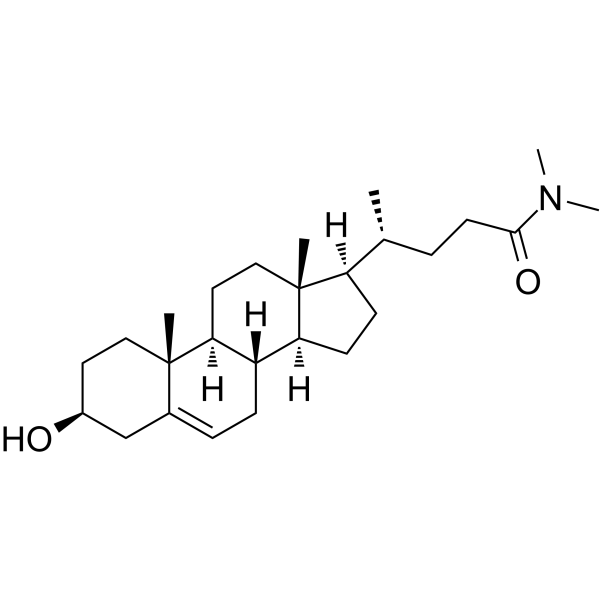
    DMHCA, a potent and selective LXR agonist, specifically activates the cholesterol efflux arm of the LXR pathway without stimulating triglyceride synthesis. DMHCA has anti-inflammatory effects?and can be used for the research of cholesterol homeostasis diabetes .
    DMHCA
  • HY-B2004

    Environmental Pollutants Fungal Mitochondrial Metabolism Infection
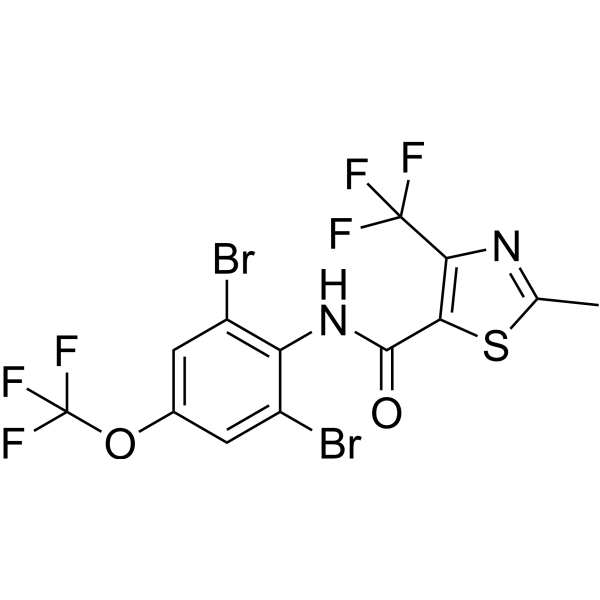
    Thifluzamide is a fungicide that inhibits fungal respiration by blocking the ubiquinone-binding site in mitochondrial complex II. Thifluzamide exhibits significant activity against Basidiomycota pathogens (such as Rhizoctonia cerealis, Ustilago and Puccinia genera) and is commonly used in studies on wheat sharp eyespot. Thifluzamide displays a dual mechanism in regulating lipid metabolism: it reduces fatty acid synthase activity to inhibit endogenous fatty acid synthesis, and increases carnitine palmitoyltransferase-I activity to accelerate fatty acid β-oxidation, thereby reducing total cholesterol and triglyceride levels in the liver. Thifluzamide also induces hepatotoxicity in zebrafish models and carries a risk of developmental toxicity. Thifluzamide inhibition of Rhizoctonia cerealis may result in low to moderate levels of drug resistance, leading to the generation of stable drug-resistant mutants .
    Thifluzamide
  • HY-N0468
    Rebaudioside D
    1 Publications Verification

    FXR Acetyl-CoA Carboxylase Metabolic Disease
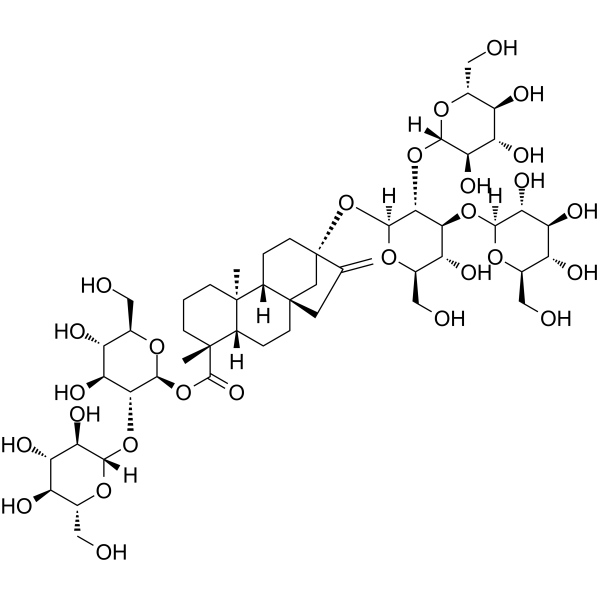
    Rebaudioside D is an orally active sweetener that targets and activates FXR, modulates Acetyl-CoA Carboxylase, and inhibits 3-hydroxy-3-methylglutaryl-CoA reductase. Rebaudioside D regulates bile acid homeostasis and lipid metabolism, reduces the synthesis rates of fatty acids and cholesterol, and exerts multiple effects including anti-adipogenesis, hepatoprotection, anti-steatosis, gut microbiota modulation, enhancement of secondary bile acid metabolism, anti-endotoxin activity, regulation of bile acid transport, and inhibition of bile acid efflux. Rebaudioside D also reduces body weight gain, visceral fat accumulation, hepatic triglyceride and cholesterol accumulation, hepatic lipid peroxidation, and decreases the circulating level of lipopolysaccharide-binding protein. Rebaudioside D additionally enhances the secondary bile acid metabolic pathway of intestinal bacteria, upregulates the gene expression of ileal organic solute transporter α, and downregulates the gene expression of hepatic bile salt export pump. Rebaudioside D does not affect glucose homeostasis, alter total caloric intake or fecal energy excretion, induce weight gain, exacerbate obesity, promote hepatic steatosis, impair brown adipose tissue function, nor change skeletal muscle metabolism-related proteins. Rebaudioside D can be used in diet-induced obesity and obesity-related research .
    Rebaudioside D
  • HY-W015600

    Orthocetamol

    Ferroptosis Glutathione Peroxidase Reactive Oxygen Species (ROS) LDLR Cardiovascular Disease Inflammation/Immunology
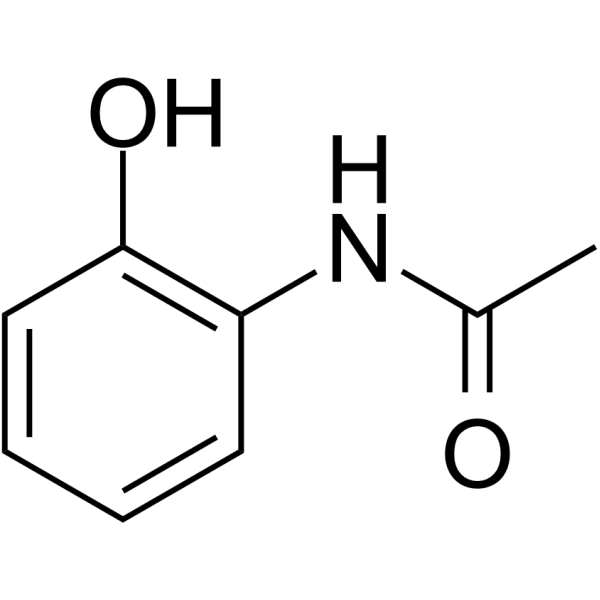
    2-Acetamidophenol (Orthocetamol) is a regulator that targets ferroptosis and glutathione metabolic pathways, is the ortho-regioisomer of Paracetamol (HY-66005). 2-Acetamidophenol has anti-atherosclerotic activity, and inhibiting total cholesterol (TC) and triglyceride (TG) in a zebrafish hyperlipidemia model with IC50s for 30 μM and 40 μM, respectively. 2-Acetamidophenol upregulates the expression of glutathione synthesis-related genes (such as GCLC, GCLM, GSS) and iron ion transport genes (such as FPN1, FTH), reduces the accumulation of intracellular reactive oxygen species (ROS) and ferrous ions (Fe 2+), and enhances the activity of glutathione peroxidase GPX4, thereby inhibiting macrophage phagocytosis of oxidized low-density lipoprotein (ox-LDL) and foam cell formation .
    2-Acetamidophenol
  • HY-N0686
    Pseudoprotodioscin
    1 Publications Verification

    Fatty Acid Synthase (FASN) MicroRNA Metabolic Disease
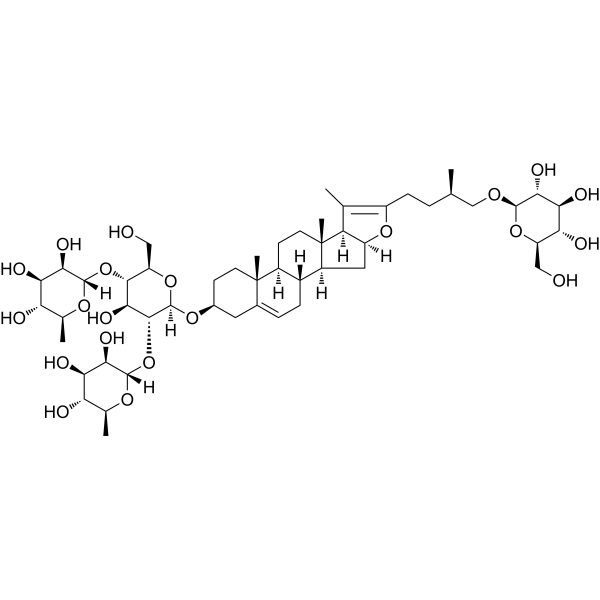
    Pseudoprotodioscin, a furostanoside, inhibits SREBP1/2 and microRNA 33a/b levels and reduces the gene expression regarding the synthesis of cholesterol and triglycerides .
    Pseudoprotodioscin
  • HY-12425
    DGAT1-IN-1
    2 Publications Verification

    Acyltransferase Metabolic Disease
    DGAT1-IN-1 is a diacylglycerol O-acyltransferase 1 (DGAT1) inhibitor with a human IC50 of <10 nM and a mouse IC50 of <50 nM. DGAT1-IN-1 is applicable to the research of obesity-related diseases, type 2 diabetes and diabetes-related diseases .
    DGAT1-IN-1
  • HY-153491

    ISIS 678354; IONIS-APOCIII-LRx; AKCEA-APOCIII-LRx

    Apolipoprotein Cardiovascular Disease
    Olezarsen (ISIS 678354;IONIS-APOCIII-LRx) is a GalNAc-modified antisense oligonucleotide. Olezarsen binds to APOC3 mRNA and induces its degradation via ribonuclease H1-mediated sense strand cleavage, thereby reducing hepatic apolipoprotein C-III (apoC-III) synthesis. Olezarsen reduces plasma triglyceride, apolipoprotein B and non-high-density lipoprotein cholesterol levels. Olezarsen is applicable to research related to familial chylomicronemia syndrome, hypertriglyceridemia and atherosclerotic cardiovascular disease .
    Olezarsen
  • HY-156259

    Acyltransferase Inflammation/Immunology
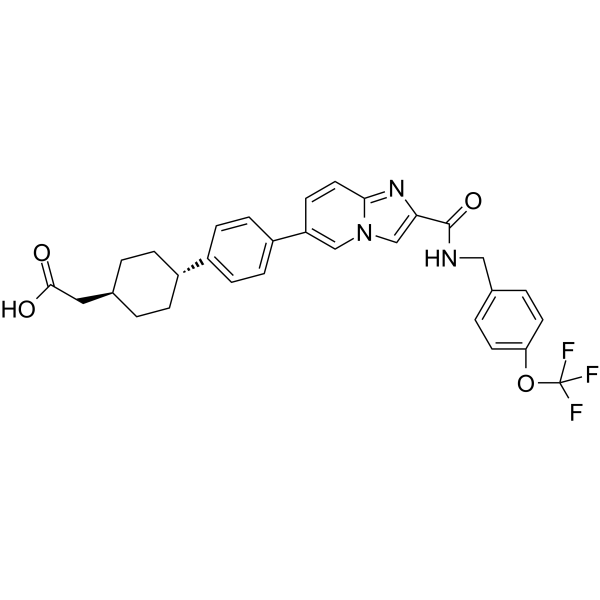
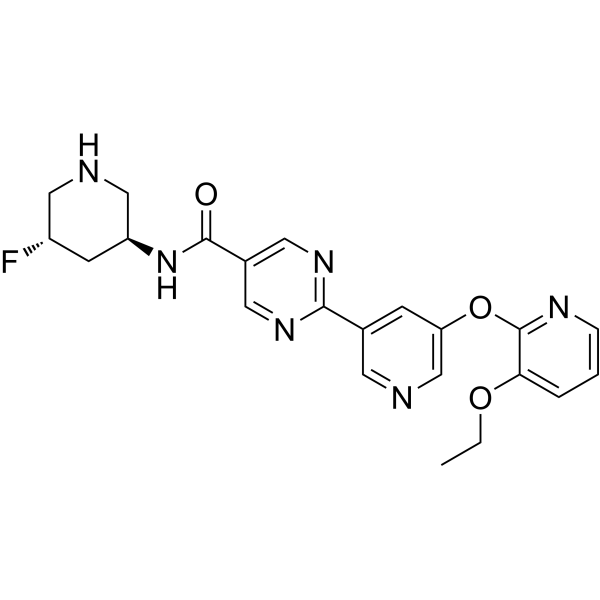
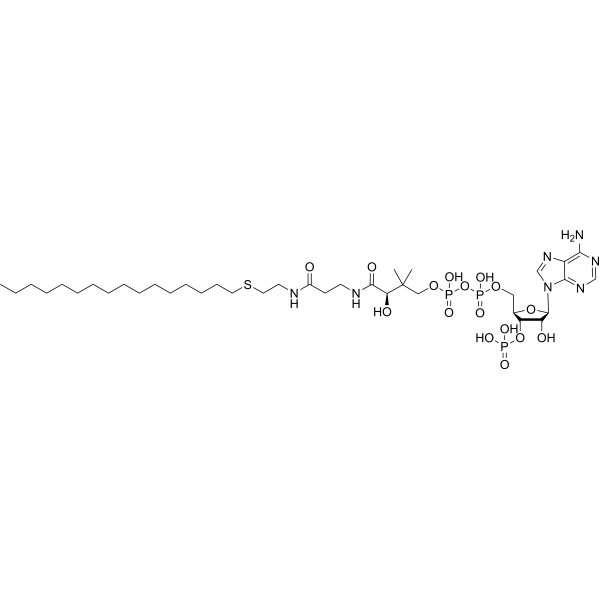
    PF-07202954 is an orally active, highly selective DGAT2 inhibitor with an IC50 of 10 nM against human DGAT2 and an IC50 of 17 nM against rat DGAT2. PF-07202954 reduces triglyceride synthesis, decreases hepatic triglyceride content and plasma triglyceride levels, inhibits de novo lipogenesis, and suppresses the hepatic SREBP signaling pathway as well as the expression of SREBP target genes. PF-07202954 is applicable to research related to non-alcoholic steatohepatitis .
    PF-07202954
  • HY-153491A

    ISIS 678354 sodium; IONIS-APOCIII-LRx sodium; AKCEA-APOCIII-LRx sodium

    Apolipoprotein Cardiovascular Disease
    Olezarsen (ISIS 678354;IONIS-APOCIII-LRx) sodium is a GalNAc-modified antisense oligonucleotide. Olezarsen sodium binds to APOC3 mRNA and induces its degradation via ribonuclease H1-mediated sense strand cleavage, thereby reducing hepatic apolipoprotein C-III (apoC-III) synthesis. Olezarsen sodium reduces plasma triglyceride, apolipoprotein B and non-high-density lipoprotein cholesterol levels. Olezarsen sodium is applicable to research related to familial chylomicronemia syndrome, hypertriglyceridemia and atherosclerotic cardiovascular disease .
    Olezarsen sodium
  • HY-110381

    Acyltransferase Metabolic Disease
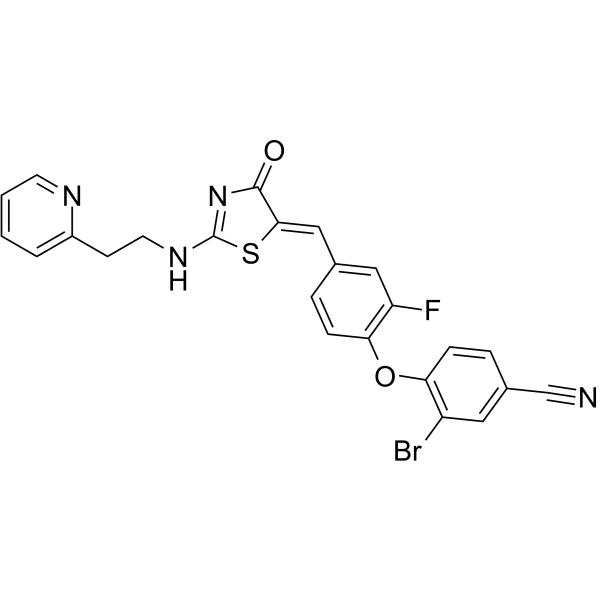
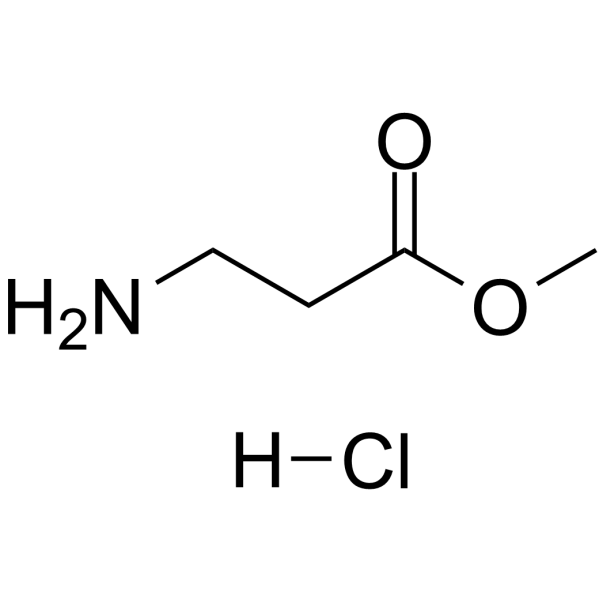
    JNJ-DGAT2-A is a selective diacylglycerol acyltransferase 2 (DGAT2) inhibitor with an IC50 value of 0.14 μM in human DGAT2-expressing Sf9 insect cell membranes. JNJ-DGAT2-A can be used for the research of triglyceride (TG) synthesis .
    JNJ-DGAT2-A
  • HY-N14035

    FABP PPAR Metabolic Disease
    Garcinia cambogia extract is an orally active anti-obesity agent . Garcinia cambogia extract upregulates the gene expression of aP2, SREBP1c, PPARγ2 and C/EBPα. Garcinia cambogia extract reduces the rate of body weight gain, visceral fat accumulation, lipid levels in blood and liver, as well as plasma insulin and leptin levels . Garcinia cambogia extract ameliorates high-fat diet-induced obesity .
    Garcinia cambogia extract
  • HY-153497A

    IONIS ANGPT-L3Rx sodium; ISIS 703802 sodium

    ANGPTL Metabolic Disease
    Vupanorsen (sodium) is an N-acetyl galactosamine-conjugated antisense oligonucleotide that inhibits Angiopoietin-like 3 (ANGPTL3) protein synthesis. Vupanorsen (sodium) lowers triglycerides and atherogenic lipoproteins.
    Vupanorsen sodium
  • HY-W015600R

    Orthocetamol (Standard)

    Reference Standards Ferroptosis Glutathione Peroxidase Reactive Oxygen Species (ROS) LDLR Cardiovascular Disease Inflammation/Immunology
    2-Acetamidophenol (Standard) is the analytical standard of 2-Acetamidophenol. This product is intended for research and analytical applications. 2-Acetamidophenol (Orthocetamol) is a regulator that targets ferroptosis and glutathione metabolic pathways, is the ortho-regioisomer of Paracetamol (HY-66005). 2-Acetamidophenol has anti-atherosclerotic activity, and inhibiting total cholesterol (TC) and triglyceride (TG) in a zebrafish hyperlipidemia model with IC50s for 30 μM and 40 μM, respectively. 2-Acetamidophenol upregulates the expression of glutathione synthesis-related genes (such as GCLC, GCLM, GSS) and iron ion transport genes (such as FPN1, FTH), reduces the accumulation of intracellular reactive oxygen species (ROS) and ferrous ions (Fe 2+), and enhances the activity of glutathione peroxidase GPX4, thereby inhibiting macrophage phagocytosis of oxidized low-density lipoprotein (ox-LDL) and foam cell formation .
    2-Acetamidophenol (Standard)
  • HY-W015600S

    Orthocetamol-d3

    Isotope-Labeled Compounds Ferroptosis Glutathione Peroxidase Reactive Oxygen Species (ROS) LDLR Cardiovascular Disease Inflammation/Immunology
    2-Acetamidophenol-d3 (Orthocetamol-d3) is the deuterium labeled 2-Acetamidophenol (HY-W015600). 2-Acetamidophenol (Orthocetamol) is a regulator that targets ferroptosis and glutathione metabolic pathways, is the ortho-regioisomer of Paracetamol (HY-66005). 2-Acetamidophenol has anti-atherosclerotic activity, and inhibiting total cholesterol (TC) and triglyceride (TG) in a zebrafish hyperlipidemia model with IC50s for 30 μM and 40 μM, respectively. 2-Acetamidophenol upregulates the expression of glutathione synthesis-related genes (such as GCLC, GCLM, GSS) and iron ion transport genes (such as FPN1, FTH), reduces the accumulation of intracellular reactive oxygen species (ROS) and ferrous ions (Fe2+), and enhances the activity of glutathione peroxidase GPX4, thereby inhibiting macrophage phagocytosis of oxidized low-density lipoprotein (ox-LDL) and foam cell formation .
    2-Acetamidophenol-d3
  • HY-153497

    IONIS ANGPT-L3Rx; ISIS 703802

    ANGPTL Metabolic Disease
    Vupanorsen is an N-acetyl galactosamine-conjugated antisense oligonucleotide that inhibits Angiopoietin-like 3 (ANGPTL3) protein synthesis. Vupanorsen lowers triglycerides and atherogenic lipoproteins.
    Vupanorsen
  • HY-127055

    Apolipoprotein Metabolic Disease Endocrinology
    Tiadenol is an absorbable hypolipidemic agent. Tiadenol can effectively reduce triglycerides and decrease the level of apolipoprotein E in very low-density lipoproteins in hyperlipoproteinemia. Tiadenol causes hepatomegaly in rats and affects their hepatic lipid levels, cholesterol synthesis and absorption at high doses. Tiadenol can be used in the research of endocrine and metabolic diseases such as hyperlipidemia .
    Tiadenol
  • HY-N0468R

    Reference Standards Acetyl-CoA Carboxylase FXR Metabolic Disease
    Rebaudioside D (Standard) is the analytical standard of Rebaudioside D. This product is intended for research and analytical applications. Rebaudioside D is an orally active sweetener that targets and activates FXR, modulates Acetyl-CoA Carboxylase, and inhibits 3-hydroxy-3-methylglutaryl-CoA reductase. Rebaudioside D regulates bile acid homeostasis and lipid metabolism, reduces the synthesis rates of fatty acids and cholesterol, and exerts multiple effects including anti-adipogenesis, hepatoprotection, anti-steatosis, gut microbiota modulation, enhancement of secondary bile acid metabolism, anti-endotoxin activity, regulation of bile acid transport, and inhibition of bile acid efflux. Rebaudioside D also reduces body weight gain, visceral fat accumulation, hepatic triglyceride and cholesterol accumulation, hepatic lipid peroxidation, and decreases the circulating level of lipopolysaccharide-binding protein. Rebaudioside D additionally enhances the secondary bile acid metabolic pathway of intestinal bacteria, upregulates the gene expression of ileal organic solute transporter α, and downregulates the gene expression of hepatic bile salt export pump. Rebaudioside D does not affect glucose homeostasis, alter total caloric intake or fecal energy excretion, induce weight gain, exacerbate obesity, promote hepatic steatosis, impair brown adipose tissue function, nor change skeletal muscle metabolism-related proteins. Rebaudioside D can be used in diet-induced obesity and obesity-related research .
    Rebaudioside D (Standard)
  • HY-N9535

    Others Metabolic Disease
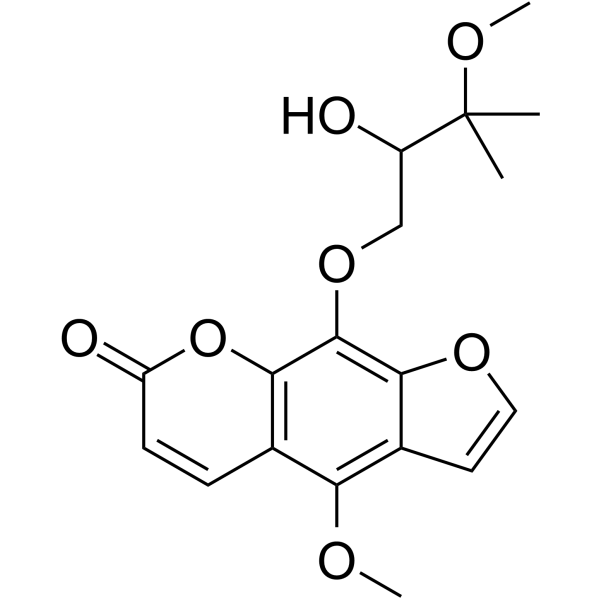
    tert-OMe-byakangelicin is a coumarin that can enhances the adrenaline-induced lipolytic effect and inhibits insulin-stimulated triglyceride synthesis from glucose in fat cells .
    tert-OMe-byakangelicin
  • HY-N0686R

    Reference Standards Fatty Acid Synthase (FASN) MicroRNA Metabolic Disease
    Pseudoprotodioscin (Standard) is the analytical standard of Pseudoprotodioscin. This product is intended for research and analytical applications. Pseudoprotodioscin, a furostanoside, inhibits SREBP1/2 and microRNA 33a/b levels and reduces the gene expression regarding the synthesis of cholesterol and triglycerides .
    Pseudoprotodioscin (Standard)
  • HY-163452

    Farnesyl Transferase Metabolic Disease
    Squalene synthase-IN-2 (comppund isomer A-(1S, 3R)-14i) is an orally active squalene synthase inhibitor with IC50 values of 3.4, 99 nM for squalene synthase and cholesterol synthesis, respectively. Squalene synthase-IN-2 reduces plasma cholesterol and triglyceride .
    Squalene synthase-IN-2
  • HY-B2004R

    Reference Standards Fungal Mitochondrial Metabolism Infection
    Thifluzamide (Standard) is the analytical standard of Thifluzamide. This product is intended for research and analytical applications. Thifluzamide is a fungicide that inhibits fungal respiration by blocking the ubiquinone-binding site in mitochondrial complex II. Thifluzamide exhibits significant activity against Basidiomycota pathogens (such as Rhizoctonia cerealis, Ustilago and Puccinia genera) and is commonly used in studies on wheat sharp eyespot. Thifluzamide displays a dual mechanism in regulating lipid metabolism: it reduces fatty acid synthase activity to inhibit endogenous fatty acid synthesis, and increases carnitine palmitoyltransferase-I activity to accelerate fatty acid β-oxidation, thereby reducing total cholesterol and triglyceride levels in the liver. Thifluzamide also induces hepatotoxicity in zebrafish models and carries a risk of developmental toxicity. Thifluzamide inhibition of Rhizoctonia cerealis may result in low to moderate levels of drug resistance, leading to the generation of stable drug-resistant mutants .
    Thifluzamide (Standard)
  • HY-E70936A

    Biochemical Assay Reagents Metabolic Disease
    Glycerokinase, Bacillus stearothermophilus (EC 2.7.1.30) is a phosphotransferase enzyme involved in triglycerides and glycerophospholipids synthesis. Glycerokinase catalyzes tge MgATP-dependent phosphorylation of glycerol to produce sn-glycerol-3-phosphate and is the rate limiting enzyme in the utilization of glycerol.
    Glycerokinase, Bacillus stearothermophilus
  • HY-E70936B

    Biochemical Assay Reagents Metabolic Disease
    Glycerokinase, Cellulomonas sp. (EC 2.7.1.30) is a phosphotransferase enzyme involved in triglycerides and glycerophospholipids synthesis. Glycerokinase catalyzes tge MgATP-dependent phosphorylation of glycerol to produce sn-glycerol-3-phosphate and is the rate limiting enzyme in the utilization of glycerol.
    Glycerokinase, Cellulomonas sp.
  • HY-E70936C

    Biochemical Assay Reagents Metabolic Disease
    Glycerokinase, Escherichia coli (EC 2.7.1.30) is a phosphotransferase enzyme involved in triglycerides and glycerophospholipids synthesis. Glycerokinase catalyzes tge MgATP-dependent phosphorylation of glycerol to produce sn-glycerol-3-phosphate and is the rate limiting enzyme in the utilization of glycerol.
    Glycerokinase, Escherichia coli
  • HY-E70936

    Endogenous Metabolite Metabolic Disease
    Glycerokinase, Streptomyces canus (EC 2.7.1.30) is a phosphotransferase enzyme involved in triglycerides and glycerophospholipids synthesis. Glycerol kinase catalyzes tge MgATP-dependent phosphorylation of glycerol to produce sn-glycerol-3-phosphate and is the rate limiting enzyme in the utilization of glycerol.
    Glycerokinase, Streptomyces canus
  • HY-153507

    Acyltransferase Metabolic Disease
    DGAT1-IN-4 is a potent, orally active, and selective DGAT1 inhibitor with an IC50 of 17 nM. DGAT1-IN-4 exhibits >588-fold selectivity over DGAT2. DGAT1-IN-4 suppresses intracellular triglyceride synthesis in mouse myoblast cells. DGAT1-IN-4 suppresses body weight gain in diet-induced obese dogs. DGAT1-IN-4 can be used for the research of obesity .
    DGAT1-IN-4
  • HY-130064

    P-OM3

    Endogenous Metabolite Cardiovascular Disease Metabolic Disease
    Omega-3 acid ethyl esters (P-OM3) is a omega-3 polyunsaturated fatty acid. Omega-3 acid ethyl esters can be used for the researches of severe hypertriglyceridemia and cardiovascular diseases .
    Omega-3 acid ethyl esters

Inquiry Online

Your information is safe with us. * Required Fields.

Salutation


Country or Region *

Applicant Name *


Organization Name *

Department *


Email Address *


Product Name *

Cat. No.


Requested quantity *

Phone Number *


Remarks

Inquiry Online

Inquiry Information

Product Name:
Cat. No.:
Quantity:
MCE Japan Authorized Agent:

