




Search Result
Results for "
vasculature
" in MedChemExpress (MCE) Product Catalog:
16
Biochemical Assay Reagents
| Cat. No. |
Nombre del producto |
Target |
Áreas de investigación |
Chemical Structure |
-
- HY-13016
-
Cabozantinib
Maximum Cited Publications
57 Publications Verification
XL184; BMS-907351
|
VEGFR
c-Met/HGFR
c-Kit
TAM Receptor
FLT3
Apoptosis
|
Cancer
|
|
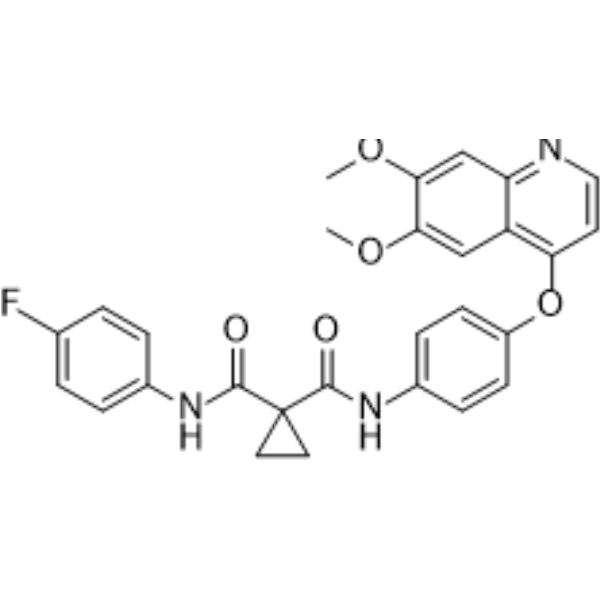
Cabozantinib is a potent and orally active inhibitor of VEGFR2 and MET, with IC50 values of 0.035, and 1.3 nM, respectively. Cabozantinib displays strong inhibition of KIT, RET, AXL, TIE2, and FLT3 (IC50=4.6, 5.2, 7, 14.3, and 11.3 nM, respectively). Cabozantinib shows antiangiogenic activity. Cabozantinib disrupts tumor vasculature and promotes tumor and endothelial cell apoptosis .
|
-
-
- HY-D0799
-
|
|
Fluorescent Dye
|
Others
|
|
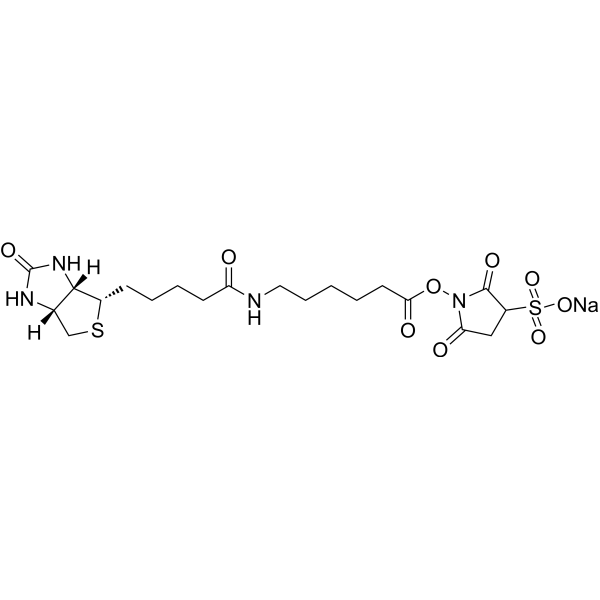
Sulfo-NHS-LC-Biotin sodium is an amine-reactive ester derivative of biotin and cannot pass the intact blood-retinal barrier. It can be used to assess vascular permeability of the brain and retinal vasculature.
|
-
-
- HY-W013215
-
|
cis-7,10,13,16-Docosatetraenoic acid
|
Endogenous Metabolite
|
Metabolic Disease
Inflammation/Immunology
|
|
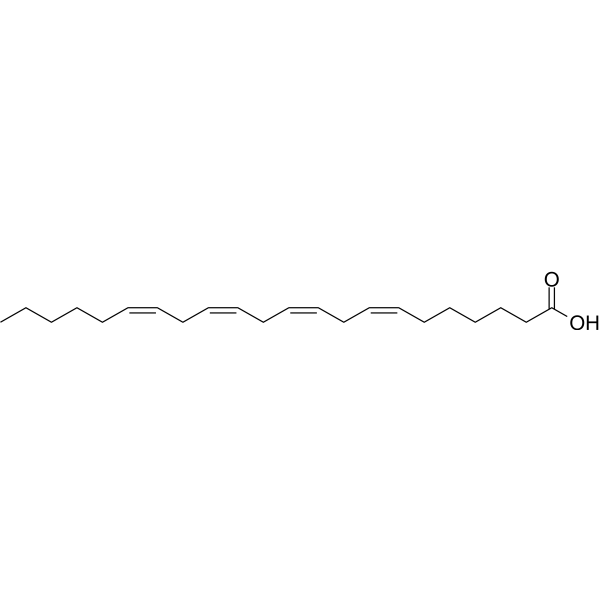
Adrenic Acid (cis-7,10,13,16-Docosatetraenoic acid) is a naturally polyunsaturated fatty acid in the adrenal gland, brain, kidney, and vasculature. Adrenic Acid can regulate the vascular tone in arteries of the adrenal cortex. Adrenic Acid also is an inflammation enhancer in non-alcoholic fatty liver disease .
|
-
-
- HY-P991097
-
|
PM-8002; BNT-327
|
VEGFR
PD-1/PD-L1
|
Cancer
|
|
Pumitamig (PM-8002, BNT-327) is a bispecific antibody targeting PD-L1 and VEGF-A, with immune activation and anti-angiogenic activities. By binding to PD-L1, Pumitamig restores the function of effector T cells, while neutralizing VEGF-A in the tumor microenvironment to reverse its inhibition on the infiltration and activation of immune cells and normalize tumor blood vessels. Pumitamig can also be combined with various ADCs targeting TROP2, B7H3, HER2, HER3 for the research of advanced/metastatic solid tumors, including non-small cell lung cancer, ovarian cancer, triple-negative breast cancer, cervical cancer, etc. Pumitamig also exhibits potential efficacy in "cold" tumors with low PD-L1 expression that are insensitive to immunotherapy .
|
-
-
- HY-124756
-
SBI-425
3 Publications Verification
|
Phosphatase
|
Cardiovascular Disease
|
|
SBI-425 is an orally active and potent TNAP (tissue-nonspecific alkaline phosphatase) inhibitor (IC50=16 nM). SBI-425 inhibits TNAP in the vasculature, improving cardiovascular parameters and survival .
|
-
-
- HY-B0424
-
|
BAY-E-5009
|
Calcium Channel
Apoptosis
|
Cardiovascular Disease
Neurological Disease
Cancer
|
|
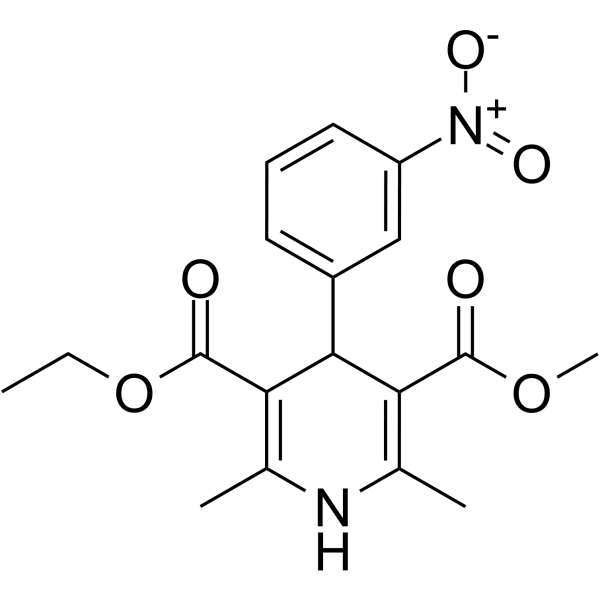
Nitrendipine (BAY-E-5009) is an orally active analog of Nifedipine (HY-B0284) and dihydropyridine calcium channel blocker. Nitrendipine induces Apoptosis. Nitrendipine has antihypertensive effects. Nitrendipine blocks alcohol and Morphine withdrawal symptoms. Nitrendipine reduces right ventricular hypertrophy and pulmonary vascular changes induced by intermittent hypoxia. Nitrendipine has anticancer effects on neuroblastoma .
|
-
-
- HY-B0435
-
-
-
- HY-158082
-
|
Tetramethyl rhodamine isothiocyanate glucan, MW 4000
|
Fluorescent Dye
|
Others
|
|
TRITC-dextran MW 4000 (Tetramethyl rhodamine isothiocyanate glucan, MW 4000) is a fluorescent dye, with the molecular weight of 4 kD. TRITC-dextran MW 4000 exhibits an excitation wavelength of 555 nm. TRITC-dextran MW 4000 is vessel penetrate, which could label blood plasma to visualize the vasculature. TRITC-dextran MW 4000 is utilized in drug delivery for the stability of TRITC over a wide pH range (i.e. pH 2–11) and resistance to photo-bleaching .
|
-
-
- HY-103211
-
L748337
1 Publications Verification
|
Adrenergic Receptor
|
Cardiovascular Disease
Metabolic Disease
Cancer
|
|
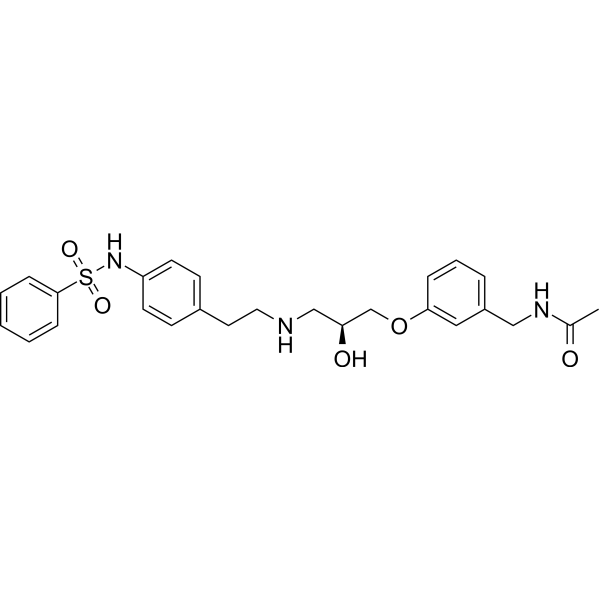
L748337 is a potent β3-adrenergic receptor antagonist and displays selectivity over β1 and β2 receptors. The Ki values of L748337 for β3-, β2- and β1-adrenoceptors are 4.0 nM, 204 nM and 390 nM, respectively . L748337 couples predominantly to Gi to activate MAPK signaling and increases phosphorylation of Erk1/2 with pEC50 value of 11.6 . L748337 can be used for the research of cancer, nonalcoholic fatty liver disease (NAFLD), and cardiovascular related diseases .
|
-
-
- HY-158082A
-
|
Tetramethyl rhodamine isothiocyanate glucan, MW 20000
|
Fluorescent Dye
|
Others
|
|
TRITC-dextran, MW 20000 (Tetramethyl rhodamine isothiocyanate glucan, MW 20000) is a fluorescent dye, with the molecular weight of 20 kD. TRITC-dextran MW 20000 exhibits an excitation wavelength of 555 nm. TRITC-dextran MW 20000 is vessel penetrate, which could label blood plasma to visualize the vasculature. TRITC-dextran MW 20000 is utilized in drug delivery for the stability of TRITC over a wide pH range (i.e. pH 2–11) and resistance to photo-bleaching .
|
-
-
- HY-167851
-
|
|
CXCR
|
Neurological Disease
Cancer
|
|
CCX662 is a selective CXCR7 inhibitor with human IC50 values of 9 nM (buffer) and 18 nM (100% human serum), and rat IC50 of 14 nM (100% rat serum). CCX662 blocks CXCL12 binding to CXCR7, inhibits CXCR4-directed trans-endothelial migration of CXCR4 +/CXCR7 + cells. CCX662 can be used for the research of glioblastoma multiforme .
|
-
-
- HY-B0813
-
|
UT-15C
|
Prostaglandin Receptor
|
Endocrinology
|
|
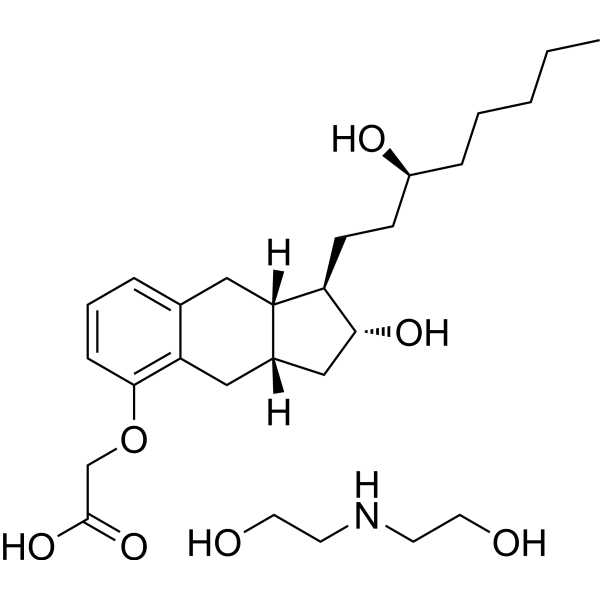
Treprostinil (UT-15C) diethanolamine is a potent EP2, DP1 and IP agonist with Ki values of 3.6, 4.4, 32.1, 212, 826, 2505 and 4680 nM for EP2, DP1, IP, EP1, EP4, EP3 and FP, respectively. Treprostinil (UT-15C) diethanolamine increases upregulation of cAMP toward maintaining homeostasis within the vasculature. Treprostinil (UT-15C) diethanolamine can result in vasodilatation of human pulmonary arteries .
|
-
-
- HY-P10709A
-
|
|
Biochemical Assay Reagents
|
Cardiovascular Disease
Cancer
|
|
CREKA peptide acetate is a short peptide sequence, belonging to self-assembling peptides (SAPs), which can self-assemble into functional nanostructures, typically nanofibers, under physiological conditions. CREKA peptide acetate can be used to target tumor cells and tumor vasculature, exhibiting antitumor activity .
|
-
-
- HY-13016R
-
|
XL184 (Standard); BMS-907351 (Standard)
|
Reference Standards
VEGFR
c-Met/HGFR
c-Kit
TAM Receptor
FLT3
Apoptosis
|
Cancer
|
|
Cabozantinib (Standard) is the analytical standard of Cabozantinib. This product is intended for research and analytical applications. Cabozantinib is a potent and orally active inhibitor of VEGFR2 and MET, with IC50 values of 0.035, and 1.3 nM, respectively. Cabozantinib displays strong inhibition of KIT, RET, AXL, TIE2, and FLT3 (IC50=4.6, 5.2, 7, 14.3, and 11.3 nM, respectively). Cabozantinib shows antiangiogenic activity. Cabozantinib disrupts tumor vasculature and promotes tumor and endothelial cell apoptosis .
|
-
-
- HY-158218
-
|
Gelatin Methacryloyl, 30% methacrylation, Red Fluorescent
|
Biochemical Assay Reagents
|
Others
|
Red Fluorescent Gelatin Methacryloyl (Red Fluorescent GelMA) is methacryloyl gelatin (GelMA) with red fluorescence, which is obtained by "grafting" fluorescent molecules on GelMA. Red Fluorescent Gelatin Methacryloyl acts as a scaffold and can be used to engineer tissue analogs from the vasculature to cartilage and bone, allowing cells to proliferate and spread . GelMA, 30% methacrylation, Red Fluorescent needs to self-assemble into fibrous hydrogel under the action of photoinitiator LAP (HY-44076), and target bioactive adhesion sites, play an inherent supporting role for tissue cells and biodegradable activity. Application: cell culture, biological 3D printing, tissue engineering, etc.
|
-
-
- HY-119442
-
|
|
Leukotriene Receptor
|
Cardiovascular Disease
|
|
Quininib is a cysteinyl leukotriene 1 and 2 receptor antagonist with IC50s of 1.2 and 52 μM for CysLT1R and CysLT2R, respectively. Quininib is a potent inhibitor of developmental angiogenesis in the zebrafish eye. Quininib can be used for the research of ocular neovascular pathologies and may complement current anti-VEGF biological agents .
|
-
-
- HY-161248
-
|
|
Microtubule/Tubulin
|
Cancer
|
|
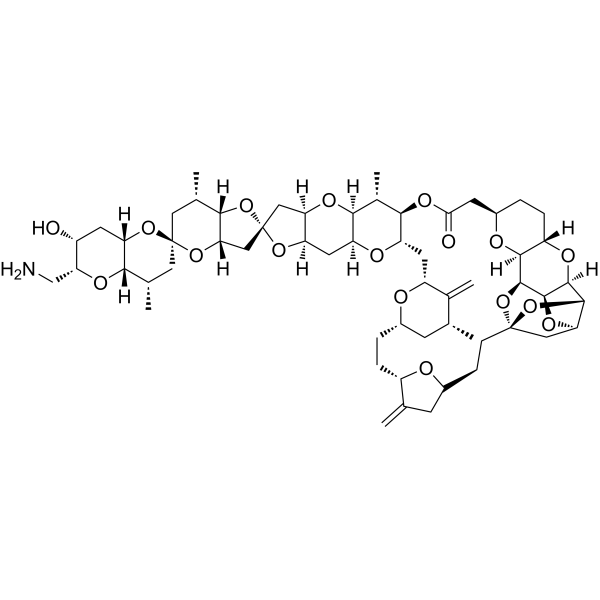
E7130 is a microtubule inhibitor, which ameliorates the tumor microenvironment through suppression of cancer-associated fibroblasts (CAF) and promotion of tumor vasculature remodeling .
|
-
-
- HY-158217A
-
|
Gelatin Methacryloyl, 60% methacrylation, Green Fluorescent
|
Biochemical Assay Reagents
|
Others
|
Green Fluorescent Gelatin Methacryloyl (Green Fluorescent GelMA) is methacryloyl gelatin (GelMA) with green fluorescence, which is obtained by "grafting" fluorescent molecules on GelMA. Green Fluorescent Gelatin Methacryloyl acts as a scaffold and can be used to engineer tissue analogs from the vasculature to cartilage and bone, allowing cells to proliferate and spread . GelMA, 60% methacrylation, Green Fluorescent needs to self-assemble into fibrous hydrogel under the action of photoinitiator LAP (HY-44076), and target bioactive adhesion sites, play an inherent supporting role for tissue cells and biodegradable activity. Application: cell culture, biological 3D printing, tissue engineering, etc.
|
-
-
- HY-158217
-
|
Gelatin Methacryloyl, 30% methacrylation, Green Fluorescent
|
Biochemical Assay Reagents
|
Others
|
Green Fluorescent Gelatin Methacryloyl (Green Fluorescent GelMA) is methacryloyl gelatin (GelMA) with green fluorescence, which is obtained by "grafting" fluorescent molecules on GelMA. Green Fluorescent Gelatin Methacryloyl acts as a scaffold and can be used to engineer tissue analogs from the vasculature to cartilage and bone, allowing cells to proliferate and spread . GelMA, 30% methacrylation, Green Fluorescent needs to self-assemble into fibrous hydrogel under the action of photoinitiator LAP (HY-44076), and target bioactive adhesion sites, play an inherent supporting role for tissue cells and biodegradable activity. Application: cell culture, biological 3D printing, tissue engineering, etc.
|
-
-
- HY-D0799A
-
|
|
Fluorescent Dye
|
Others
|
|
Sulfo-NHS-LC-Biotin is an amine-reactive ester derivative of biotin and cannot pass the intact blood-retinal barrier. It can be used to assess vascular permeability of the brain and retinal vasculature.
|
-
-
- HY-P4115
-
|
|
FABP
|
Cancer
|
|
CooP is a linear glioblastoma-targeting nonapeptide. CooP binds to the mammary-derived growth inhibitor/fatty acid binding protein 3 (FABP3) in the glioblastoma cells and its associated vasculature. CooP is used for the targeted delivery of chemotherapy and different nanoparticles .
|
-
-
- HY-B0424R
-
|
BAY-E-5009 (Standard)
|
Reference Standards
Calcium Channel
Apoptosis
|
Cardiovascular Disease
Neurological Disease
Cancer
|
|
Nitrendipine (Standard) is the analytical standard of Nitrendipine (HY-B0424). This product is intended for research and analytical applications. Nitrendipine (BAY-E-5009) is an orally active analog of Nifedipine (HY-B0284) and dihydropyridine calcium channel blocker. Nitrendipine induces Apoptosis. Nitrendipine has antihypertensive effects. Nitrendipine blocks alcohol and Morphine withdrawal symptoms. Nitrendipine reduces right ventricular hypertrophy and pulmonary vascular changes induced by intermittent hypoxia. Nitrendipine has anticancer effects on neuroblastoma .
|
-
-
- HY-13016A
-
|
XL184 hydrochloride; BMS-907351 hydrochloride
|
VEGFR
c-Met/HGFR
c-Kit
TAM Receptor
FLT3
Apoptosis
|
Cancer
|
|
Cabozantinib hydrochloride is a potent and orally active inhibitor of VEGFR2 and MET, with IC50 values of 0.035 and 1.3 nM, respectively. Cabozantinib hydrochloride displays strong inhibition of KIT, RET, AXL, TIE2, and FLT3 (IC50=4.6, 5.2, 7, 14.3, and 11.3 nM, respectively). Cabozantinib hydrochloride shows antiangiogenic activity. Cabozantinib hydrochloride disrupts tumor vasculature and promotes tumor and endothelial cell apoptosis .
|
-
-
- HY-175323
-
|
|
Integrin
PD-1/PD-L1
|
Cancer
|
|
NOTA-IMB-RGD is a dual molecular probe targeting integrin αvβ3 and programmed death ligand-1 (PD-L1). NOTA-IMB-RGD blocks the PD-1/PD-L1 signaling pathway and integrin αvβ3-overexpressing tumor vasculature. NOTA-IMB-RGD is promising for research of solid tumors co-expressing PD-L1 and αvβ3 (e.g., glioma, breast cancer) .
|
-
-
- HY-158218A
-
|
Gelatin Methacryloyl, 60% methacrylation, red fluorescent
|
Biochemical Assay Reagents
|
Others
|
Red Fluorescent Gelatin Methacryloyl (Red Fluorescent GelMA) is methacryloyl gelatin (GelMA) with red fluorescence, which is obtained by "grafting" fluorescent molecules on GelMA. Red Fluorescent Gelatin Methacryloyl acts as a scaffold and can be used to engineer tissue analogs from the vasculature to cartilage and bone, allowing cells to proliferate and spread . GelMA, 60% methacrylation, Red Fluorescent needs to self-assemble into fibrous hydrogel under the action of photoinitiator LAP (HY-44076), and target bioactive adhesion sites, play an inherent supporting role for tissue cells and biodegradable activity. Application: cell culture, biological 3D printing, tissue engineering, etc.
|
-
-
- HY-158218B
-
|
Gelatin Methacryloyl, 90% methacrylation, red fluorescent
|
Biochemical Assay Reagents
|
Others
|
Red Fluorescent Gelatin Methacryloyl (Red Fluorescent GelMA) is methacryloyl gelatin (GelMA) with red fluorescence, which is obtained by "grafting" fluorescent molecules on GelMA. Red Fluorescent Gelatin Methacryloyl acts as a scaffold and can be used to engineer tissue analogs from the vasculature to cartilage and bone, allowing cells to proliferate and spread . GelMA, 90% methacrylation, Red Fluorescent needs to self-assemble into fibrous hydrogel under the action of photoinitiator LAP (HY-44076), and target bioactive adhesion sites, play an inherent supporting role for tissue cells and biodegradable activity. Application: cell culture, biological 3D printing, tissue engineering, etc.
|
-
-
- HY-NP071
-
|
LEL
|
Biochemical Assay Reagents
|
Others
|
|
Lycopersicon esculentum (Tomato) Lectin (LEL) specifically recognizes and binds to sugar structures, that combines with fluorescein for fluorescent labeling and imaging of cells and tissues. Lycopersicon esculentum (Tomato) Lectin is used to visualizes the vasculature within transplanted tissues by labeling with fluorescein .
|
-
-
- HY-172497
-
|
|
Liposome
|
Cancer
|
|
DSPE-PEG2000-CREKA is a PEG compound which composed of DSPE and a fibrin-targeting peptide (CREKA). CREKA peptide can be used to target tumor cells and tumor vasculature, exhibiting antitumor activity. DSPE-PEG2000-CREKA can be used for drug delivery .
|
-
-
- HY-P991330
-
|
|
CD73
|
Cancer
|
|
BMS-986179 is a human monoclonal antibody (mAb) targeting NT5E/CD73. BMS-986179 inhibits CD73 enzymatic activity in tumor vasculature and tumor cells. BMS-986179 can be used in advanced solid tumors research .
|
-
-
- HY-116135
-
|
|
Apoptosis
Reactive Oxygen Species (ROS)
|
Cancer
|
R24 is a type of flavonoid derivative. R24 exhibits strong anti-angiogenic and anti-proliferative effects. R24 induces cell apoptosis and promotes the production of reactive oxygen species (ROS). R24 can be used for the study of cancers such as lung cancer and colorectal cancer .
|
-
-
- HY-P991384
-
|
|
Tie
|
Cancer
|
|
DX-2240 is a human monoclonal antibody (mAb) targeting TIE1. DX-2240 inhibits tumor growth and sensitizes tumor vasculature to anti-angiogenic agents (VEGF pathway inhibitors) .
|
-
-
- HY-P10770
-
|
|
Peptide-Drug Conjugates (PDCs)
E-Selectin
|
Cardiovascular Disease
Cancer
|
|
P-ESBP-DOX is a HPMA copolymer-drug conjugate, which is consistituted of the E-selectin binding peptide and the Doxorubicin (HY-15142). P-ESBP-DOX exhibits cytotoxicity against TNFα-activated human vascular endothelial cells IVECs with an IC50 of 0.28 μM. P-ESBP-DOX can be used in research about tumor vasculature .
|
-
-
- HY-118689
-
|
|
Potassium Channel
|
Cardiovascular Disease
Neurological Disease
Inflammation/Immunology
|
|
RA-2 is a negative-gating modulator of KCa2/3 channels with an IC50 of 17 nM. RA-2 inhibits bradykinin-induced endothelium-derived hyperpolarization (EDH)-type relaxation in U46619-precontracted rings. RA-2 can help to define the physiologic and pathomechanistic roles of KCa2/3 in the vasculature, central nervous system, and during inflammation .
|
-
-
- HY-147712
-
|
|
PKC
|
Inflammation/Immunology
|
|
PKC-IN-4 (compound 7l) is a potent and orally active aPKC inhibitor with an IC50 of 0.52 µM. PKC-IN-4 inhibits TNF-α induced NF-κB activity in vitro. PKC-IN-4 blocks VEGF- and TNFα-induced permeability across the retinal vasculature .
|
-
-
- HY-P10705
-
|
|
Biochemical Assay Reagents
|
Cancer
|
|
KGFRWR is a short peptide sequence, belonging to self-assembling peptides (SAPs), which can self-assemble into functional nanostructures, typically nanofibers, under physiological conditions. KGFRWR can be used to target tumor cells and tumor vasculature, exhibiting antitumor activity .
|
-
-
- HY-172496
-
|
|
Liposome
|
Cancer
|
|
DSPE-PEG1000-CREKA is a PEG compound which composed of DSPE and a fibrin-targeting peptide (CREKA). CREKA peptide can be used to target tumor cells and tumor vasculature, exhibiting antitumor activity. DSPE-PEG1000-CREKA can be used for drug delivery .
|
-
-
- HY-172498
-
|
|
Liposome
|
Cancer
|
|
DSPE-PEG5000-CREKA is a PEG compound which composed of DSPE and a fibrin-targeting peptide (CREKA). CREKA peptide can be used to target tumor cells and tumor vasculature, exhibiting antitumor activity. DSPE-PEG5000-CREKA can be used for drug delivery .
|
-
-
- HY-172497A
-
|
|
Liposome
|
Cancer
|
|
DSPE-PEG3400-CREKA is a PEG compound which composed of DSPE and a fibrin-targeting peptide (CREKA). CREKA peptide can be used to target tumor cells and tumor vasculature, exhibiting antitumor activity. DSPE-PEG3400-CREKA can be used for drug delivery .
|
-
-
- HY-B0813R
-
|
UT-15C (Standard)
|
Reference Standards
Prostaglandin Receptor
|
Endocrinology
|
|
Geniposide (Standard) is the analytical standard of Geniposide. This product is intended for research and analytical applications. Geniposide is an iridoid glucoside extracted from Gardenia jasminoidesEllis fruits; exhibits a varity of biological activities such as anti-diabetic, antioxidative, antiproliferative and neuroprotective activities.
|
-
-
- HY-E70803
-
|
|
PDGFR
|
Cancer
|
|
PDGF-BB/PDGFRβ signaling plays an important role during vascularization by mediating pericyte recruitment to the vasculature, promoting the integrity and function of vessels. Biotin-PDGFRβ Recombinant Human Active Protein Kinase is a recombinant PDGFRβ protein that can be used to study PDGFRβ-related functions, and is biotinylated .
|
-
-
- HY-144786
-
|
|
Microtubule/Tubulin
Apoptosis
|
Cancer
|
|
Tubulin polymerization-IN-4 is a potent tubulin polymerization inhibitor with IC50 value of 4.6 μM. Tubulin polymerization-IN-4 can disrupt tubulin polymerization and vasculature, arrest the cell cycle at the G2/M phase, induce apoptosis, and suppress clonogenesis and migration in HeLa cells. Tubulin polymerization-IN-4 can be used for researching cervical cancer .
|
-
-
- HY-158219A
-
|
GelMA, 60% methacrylation, blue fluorescent
|
Biochemical Assay Reagents
|
Others
|
Gelatin Methacryloyl (GelMA), 60% methacrylation, blue fluorescent is methacrylated gelatin (GelMA) with blue fluorescence, which is obtained by "grafting" fluorescent molecules on GelMA. Gelatin Methacryloyl, 60% methacrylation, blue fluorescent has a scaffolding effect and can be used to design tissue analogs from vasculature to cartilage and bone, allowing cell proliferation and spreading. Gelatin Methacryloyl, 30% methacrylation, blue fluorescent needs to be self-assembled into fibrous hydrogels under the action of the photoinitiator LAP (HY-44076), and target bioactive adhesion sites, exert inherent support for tissue cells and biodegradation activity. Application direction: cell culture, biological 3D printing, tissue engineering, etc.
|
-
-
- HY-158219
-
|
GelMA, 30% methacrylation, blue fluorescent
|
Biochemical Assay Reagents
|
Others
|
Gelatin Methacryloyl (GelMA), 30% methacrylation, blue fluorescent is methacrylated gelatin (GelMA) with blue fluorescence, which is obtained by "grafting" fluorescent molecules on GelMA. Gelatin Methacryloyl, 30% methacrylation, blue fluorescent has a scaffolding effect and can be used to design tissue analogs from vasculature to cartilage and bone, allowing cell proliferation and spreading. Gelatin Methacryloyl, 30% methacrylation, blue fluorescent needs to be self-assembled into fibrous hydrogels under the action of the photoinitiator LAP (HY-44076), and target bioactive adhesion sites, exert inherent support for tissue cells and biodegradation activity. Application direction: cell culture, biological 3D printing, tissue engineering, etc.
|
-
-
- HY-158219B
-
|
GelMA, 90% methacrylation, blue fluorescent
|
Biochemical Assay Reagents
|
Others
|
Gelatin Methacryloyl (GelMA), 90% methacrylation, blue fluorescent is methacrylated gelatin (GelMA) with blue fluorescence, which is obtained by "grafting" fluorescent molecules on GelMA. Gelatin Methacryloyl, 90% methacrylation, blue fluorescent has a scaffolding effect and can be used to design tissue analogs from vasculature to cartilage and bone, allowing cell proliferation and spreading. Gelatin Methacryloyl, 30% methacrylation, blue fluorescent needs to be self-assembled into fibrous hydrogels under the action of the photoinitiator LAP (HY-44076), and target bioactive adhesion sites, exert inherent support for tissue cells and biodegradation activity. Application direction: cell culture, biological 3D printing, tissue engineering, etc.
|
-
-
- HY-118991
-
|
|
Adenosine Receptor
|
Cardiovascular Disease
|
|
KT-1 is a vasodilator. KT 1 can decrease aortic pressure, renal blood flow, left ventricular enddiastolic pressure and resistances of total peripheral, vertebral, coronary and renal vasculatures and increase aortic blood flow, vertebral blood flow, coronary blood flow, peak positive left ventricular dP/dt and heart rate in anesthetized open-chest dogs. KT-1 can be used for the research of cardiovascular disease .
|
-
-
- HY-158217B
-
|
Gelatin Methacryloyl, 90% methacrylation, Green Fluorescent
|
Biochemical Assay Reagents
|
Others
|
Green Fluorescent Gelatin Methacryloyl (Green Fluorescent GelMA) is methacryloyl gelatin (GelMA) with green fluorescence, which is obtained by "grafting" fluorescent molecules on GelMA. Green Fluorescent Gelatin Methacryloyl acts as a scaffold and can be used to engineer tissue analogs from the vasculature to cartilage and bone, allowing cells to proliferate and spread . GelMA, 90% methacrylation, Green Fluorescent needs to self-assemble into fibrous hydrogel under the action of photoinitiator LAP (HY-44076), and target bioactive adhesion sites, play an inherent supporting role for tissue cells and biodegradable activity. Application: cell culture, biological 3D printing, tissue engineering, etc.
|
-
-
- HY-W040167
-
|
|
LPL Receptor
|
Cardiovascular Disease
|
|
VPC 23153 is a S1P4 receptor agonist and vasoconstrictor. VPC 23153 activates the S1P4 receptor, thereby triggering vasoconstriction. VPC 23153 induces pulmonary artery contraction. VPC 23153 can be used in studies related to pulmonary arterial hypertension .
|
-
-
- HY-P11781
-
|
|
Drug Derivative
|
Cancer
|
|
HW12 is a random peptide containing an N-terminal cysteine and is not an EGFR ligand. HW12 can serve as a control for GE11 (HY-P10128)-conjugated mixed micelles targeting EGFR. HW12 is applicable to pancreatic cancer-related research .
|
-
| Cat. No. |
Nombre del producto |
Type |
-
- HY-158082A
-
|
Tetramethyl rhodamine isothiocyanate glucan, MW 20000
|
Fluorescent Dyes
|
|
TRITC-dextran, MW 20000 (Tetramethyl rhodamine isothiocyanate glucan, MW 20000) is a fluorescent dye, with the molecular weight of 20 kD. TRITC-dextran MW 20000 exhibits an excitation wavelength of 555 nm. TRITC-dextran MW 20000 is vessel penetrate, which could label blood plasma to visualize the vasculature. TRITC-dextran MW 20000 is utilized in drug delivery for the stability of TRITC over a wide pH range (i.e. pH 2–11) and resistance to photo-bleaching .
|
-
- HY-D0799A
-
|
|
Fluorescent Dyes
|
|
Sulfo-NHS-LC-Biotin is an amine-reactive ester derivative of biotin and cannot pass the intact blood-retinal barrier. It can be used to assess vascular permeability of the brain and retinal vasculature.
|
| Cat. No. |
Nombre del producto |
Type |
-
- HY-158082
-
|
Tetramethyl rhodamine isothiocyanate glucan, MW 4000
|
Biochemical Assay Reagents
|
|
TRITC-dextran MW 4000 (Tetramethyl rhodamine isothiocyanate glucan, MW 4000) is a fluorescent dye, with the molecular weight of 4 kD. TRITC-dextran MW 4000 exhibits an excitation wavelength of 555 nm. TRITC-dextran MW 4000 is vessel penetrate, which could label blood plasma to visualize the vasculature. TRITC-dextran MW 4000 is utilized in drug delivery for the stability of TRITC over a wide pH range (i.e. pH 2–11) and resistance to photo-bleaching .
|
-
- HY-158082A
-
|
Tetramethyl rhodamine isothiocyanate glucan, MW 20000
|
Biochemical Assay Reagents
|
|
TRITC-dextran, MW 20000 (Tetramethyl rhodamine isothiocyanate glucan, MW 20000) is a fluorescent dye, with the molecular weight of 20 kD. TRITC-dextran MW 20000 exhibits an excitation wavelength of 555 nm. TRITC-dextran MW 20000 is vessel penetrate, which could label blood plasma to visualize the vasculature. TRITC-dextran MW 20000 is utilized in drug delivery for the stability of TRITC over a wide pH range (i.e. pH 2–11) and resistance to photo-bleaching .
|
-
- HY-158218
-
|
Gelatin Methacryloyl, 30% methacrylation, Red Fluorescent
|
Biochemical Assay Reagents
|
Red Fluorescent Gelatin Methacryloyl (Red Fluorescent GelMA) is methacryloyl gelatin (GelMA) with red fluorescence, which is obtained by "grafting" fluorescent molecules on GelMA. Red Fluorescent Gelatin Methacryloyl acts as a scaffold and can be used to engineer tissue analogs from the vasculature to cartilage and bone, allowing cells to proliferate and spread . GelMA, 30% methacrylation, Red Fluorescent needs to self-assemble into fibrous hydrogel under the action of photoinitiator LAP (HY-44076), and target bioactive adhesion sites, play an inherent supporting role for tissue cells and biodegradable activity. Application: cell culture, biological 3D printing, tissue engineering, etc.
|
-
- HY-158217A
-
|
Gelatin Methacryloyl, 60% methacrylation, Green Fluorescent
|
Biochemical Assay Reagents
|
Green Fluorescent Gelatin Methacryloyl (Green Fluorescent GelMA) is methacryloyl gelatin (GelMA) with green fluorescence, which is obtained by "grafting" fluorescent molecules on GelMA. Green Fluorescent Gelatin Methacryloyl acts as a scaffold and can be used to engineer tissue analogs from the vasculature to cartilage and bone, allowing cells to proliferate and spread . GelMA, 60% methacrylation, Green Fluorescent needs to self-assemble into fibrous hydrogel under the action of photoinitiator LAP (HY-44076), and target bioactive adhesion sites, play an inherent supporting role for tissue cells and biodegradable activity. Application: cell culture, biological 3D printing, tissue engineering, etc.
|
-
- HY-158217
-
|
Gelatin Methacryloyl, 30% methacrylation, Green Fluorescent
|
Biochemical Assay Reagents
|
Green Fluorescent Gelatin Methacryloyl (Green Fluorescent GelMA) is methacryloyl gelatin (GelMA) with green fluorescence, which is obtained by "grafting" fluorescent molecules on GelMA. Green Fluorescent Gelatin Methacryloyl acts as a scaffold and can be used to engineer tissue analogs from the vasculature to cartilage and bone, allowing cells to proliferate and spread . GelMA, 30% methacrylation, Green Fluorescent needs to self-assemble into fibrous hydrogel under the action of photoinitiator LAP (HY-44076), and target bioactive adhesion sites, play an inherent supporting role for tissue cells and biodegradable activity. Application: cell culture, biological 3D printing, tissue engineering, etc.
|
-
- HY-158218A
-
|
Gelatin Methacryloyl, 60% methacrylation, red fluorescent
|
Biochemical Assay Reagents
|
Red Fluorescent Gelatin Methacryloyl (Red Fluorescent GelMA) is methacryloyl gelatin (GelMA) with red fluorescence, which is obtained by "grafting" fluorescent molecules on GelMA. Red Fluorescent Gelatin Methacryloyl acts as a scaffold and can be used to engineer tissue analogs from the vasculature to cartilage and bone, allowing cells to proliferate and spread . GelMA, 60% methacrylation, Red Fluorescent needs to self-assemble into fibrous hydrogel under the action of photoinitiator LAP (HY-44076), and target bioactive adhesion sites, play an inherent supporting role for tissue cells and biodegradable activity. Application: cell culture, biological 3D printing, tissue engineering, etc.
|
-
- HY-158218B
-
|
Gelatin Methacryloyl, 90% methacrylation, red fluorescent
|
Biochemical Assay Reagents
|
Red Fluorescent Gelatin Methacryloyl (Red Fluorescent GelMA) is methacryloyl gelatin (GelMA) with red fluorescence, which is obtained by "grafting" fluorescent molecules on GelMA. Red Fluorescent Gelatin Methacryloyl acts as a scaffold and can be used to engineer tissue analogs from the vasculature to cartilage and bone, allowing cells to proliferate and spread . GelMA, 90% methacrylation, Red Fluorescent needs to self-assemble into fibrous hydrogel under the action of photoinitiator LAP (HY-44076), and target bioactive adhesion sites, play an inherent supporting role for tissue cells and biodegradable activity. Application: cell culture, biological 3D printing, tissue engineering, etc.
|
-
- HY-NP071
-
|
LEL
|
Biochemical Assay Reagents
|
|
Lycopersicon esculentum (Tomato) Lectin (LEL) specifically recognizes and binds to sugar structures, that combines with fluorescein for fluorescent labeling and imaging of cells and tissues. Lycopersicon esculentum (Tomato) Lectin is used to visualizes the vasculature within transplanted tissues by labeling with fluorescein .
|
-
- HY-172497
-
|
|
Biochemical Assay Reagents
|
|
DSPE-PEG2000-CREKA is a PEG compound which composed of DSPE and a fibrin-targeting peptide (CREKA). CREKA peptide can be used to target tumor cells and tumor vasculature, exhibiting antitumor activity. DSPE-PEG2000-CREKA can be used for drug delivery .
|
-
- HY-172496
-
|
|
Biochemical Assay Reagents
|
|
DSPE-PEG1000-CREKA is a PEG compound which composed of DSPE and a fibrin-targeting peptide (CREKA). CREKA peptide can be used to target tumor cells and tumor vasculature, exhibiting antitumor activity. DSPE-PEG1000-CREKA can be used for drug delivery .
|
-
- HY-172498
-
|
|
Biochemical Assay Reagents
|
|
DSPE-PEG5000-CREKA is a PEG compound which composed of DSPE and a fibrin-targeting peptide (CREKA). CREKA peptide can be used to target tumor cells and tumor vasculature, exhibiting antitumor activity. DSPE-PEG5000-CREKA can be used for drug delivery .
|
-
- HY-172497A
-
|
|
Biochemical Assay Reagents
|
|
DSPE-PEG3400-CREKA is a PEG compound which composed of DSPE and a fibrin-targeting peptide (CREKA). CREKA peptide can be used to target tumor cells and tumor vasculature, exhibiting antitumor activity. DSPE-PEG3400-CREKA can be used for drug delivery .
|
-
- HY-158219A
-
|
GelMA, 60% methacrylation, blue fluorescent
|
Biochemical Assay Reagents
|
Gelatin Methacryloyl (GelMA), 60% methacrylation, blue fluorescent is methacrylated gelatin (GelMA) with blue fluorescence, which is obtained by "grafting" fluorescent molecules on GelMA. Gelatin Methacryloyl, 60% methacrylation, blue fluorescent has a scaffolding effect and can be used to design tissue analogs from vasculature to cartilage and bone, allowing cell proliferation and spreading. Gelatin Methacryloyl, 30% methacrylation, blue fluorescent needs to be self-assembled into fibrous hydrogels under the action of the photoinitiator LAP (HY-44076), and target bioactive adhesion sites, exert inherent support for tissue cells and biodegradation activity. Application direction: cell culture, biological 3D printing, tissue engineering, etc.
|
-
- HY-158219
-
|
GelMA, 30% methacrylation, blue fluorescent
|
Biochemical Assay Reagents
|
Gelatin Methacryloyl (GelMA), 30% methacrylation, blue fluorescent is methacrylated gelatin (GelMA) with blue fluorescence, which is obtained by "grafting" fluorescent molecules on GelMA. Gelatin Methacryloyl, 30% methacrylation, blue fluorescent has a scaffolding effect and can be used to design tissue analogs from vasculature to cartilage and bone, allowing cell proliferation and spreading. Gelatin Methacryloyl, 30% methacrylation, blue fluorescent needs to be self-assembled into fibrous hydrogels under the action of the photoinitiator LAP (HY-44076), and target bioactive adhesion sites, exert inherent support for tissue cells and biodegradation activity. Application direction: cell culture, biological 3D printing, tissue engineering, etc.
|
-
- HY-158219B
-
|
GelMA, 90% methacrylation, blue fluorescent
|
Biochemical Assay Reagents
|
Gelatin Methacryloyl (GelMA), 90% methacrylation, blue fluorescent is methacrylated gelatin (GelMA) with blue fluorescence, which is obtained by "grafting" fluorescent molecules on GelMA. Gelatin Methacryloyl, 90% methacrylation, blue fluorescent has a scaffolding effect and can be used to design tissue analogs from vasculature to cartilage and bone, allowing cell proliferation and spreading. Gelatin Methacryloyl, 30% methacrylation, blue fluorescent needs to be self-assembled into fibrous hydrogels under the action of the photoinitiator LAP (HY-44076), and target bioactive adhesion sites, exert inherent support for tissue cells and biodegradation activity. Application direction: cell culture, biological 3D printing, tissue engineering, etc.
|
-
- HY-158217B
-
|
Gelatin Methacryloyl, 90% methacrylation, Green Fluorescent
|
Biochemical Assay Reagents
|
Green Fluorescent Gelatin Methacryloyl (Green Fluorescent GelMA) is methacryloyl gelatin (GelMA) with green fluorescence, which is obtained by "grafting" fluorescent molecules on GelMA. Green Fluorescent Gelatin Methacryloyl acts as a scaffold and can be used to engineer tissue analogs from the vasculature to cartilage and bone, allowing cells to proliferate and spread . GelMA, 90% methacrylation, Green Fluorescent needs to self-assemble into fibrous hydrogel under the action of photoinitiator LAP (HY-44076), and target bioactive adhesion sites, play an inherent supporting role for tissue cells and biodegradable activity. Application: cell culture, biological 3D printing, tissue engineering, etc.
|
| Cat. No. |
Nombre del producto |
Target |
Research Area |
-
- HY-P10709A
-
|
|
Biochemical Assay Reagents
|
Cardiovascular Disease
Cancer
|
|
CREKA peptide acetate is a short peptide sequence, belonging to self-assembling peptides (SAPs), which can self-assemble into functional nanostructures, typically nanofibers, under physiological conditions. CREKA peptide acetate can be used to target tumor cells and tumor vasculature, exhibiting antitumor activity .
|
-
- HY-P4115
-
|
|
FABP
|
Cancer
|
|
CooP is a linear glioblastoma-targeting nonapeptide. CooP binds to the mammary-derived growth inhibitor/fatty acid binding protein 3 (FABP3) in the glioblastoma cells and its associated vasculature. CooP is used for the targeted delivery of chemotherapy and different nanoparticles .
|
-
- HY-175323
-
|
|
Integrin
PD-1/PD-L1
|
Cancer
|
|
NOTA-IMB-RGD is a dual molecular probe targeting integrin αvβ3 and programmed death ligand-1 (PD-L1). NOTA-IMB-RGD blocks the PD-1/PD-L1 signaling pathway and integrin αvβ3-overexpressing tumor vasculature. NOTA-IMB-RGD is promising for research of solid tumors co-expressing PD-L1 and αvβ3 (e.g., glioma, breast cancer) .
|
-
- HY-P10770
-
|
|
Peptide-Drug Conjugates (PDCs)
E-Selectin
|
Cardiovascular Disease
Cancer
|
|
P-ESBP-DOX is a HPMA copolymer-drug conjugate, which is consistituted of the E-selectin binding peptide and the Doxorubicin (HY-15142). P-ESBP-DOX exhibits cytotoxicity against TNFα-activated human vascular endothelial cells IVECs with an IC50 of 0.28 μM. P-ESBP-DOX can be used in research about tumor vasculature .
|
-
- HY-P10705
-
|
|
Biochemical Assay Reagents
|
Cancer
|
|
KGFRWR is a short peptide sequence, belonging to self-assembling peptides (SAPs), which can self-assemble into functional nanostructures, typically nanofibers, under physiological conditions. KGFRWR can be used to target tumor cells and tumor vasculature, exhibiting antitumor activity .
|
-
- HY-P11578A
-
|
|
Peptides
|
Metabolic Disease
|
|
CKGGRAKDC (linear) TFA is an adipose tissue homing peptide. CKGGRAKDC (linear) TFA binds to vasculature-enriched prohibitin in adipose tissue to enable selective tissue targeting. CKGGRAKDC (linear) TFA can be used to selective delivery of cargos to adipose tissues .
|
-
- HY-P11578
-
|
|
Peptides
|
Metabolic Disease
|
|
CKGGRAKDC (linear) is an adipose tissue homing peptide. CKGGRAKDC (linear) binds to vasculature-enriched prohibitin in adipose tissue to enable selective tissue targeting. CKGGRAKDC (linear) can be used to selective delivery of cargos to adipose tissues .
|
-
- HY-P11781
-
|
|
Drug Derivative
|
Cancer
|
|
HW12 is a random peptide containing an N-terminal cysteine and is not an EGFR ligand. HW12 can serve as a control for GE11 (HY-P10128)-conjugated mixed micelles targeting EGFR. HW12 is applicable to pancreatic cancer-related research .
|
| Cat. No. |
Nombre del producto |
Target |
Research Area |
Image |
-
- HY-P991097
-
|
PM-8002; BNT-327
|
VEGFR
PD-1/PD-L1
|
Cancer
|
|
Pumitamig (PM-8002, BNT-327) is a bispecific antibody targeting PD-L1 and VEGF-A, with immune activation and anti-angiogenic activities. By binding to PD-L1, Pumitamig restores the function of effector T cells, while neutralizing VEGF-A in the tumor microenvironment to reverse its inhibition on the infiltration and activation of immune cells and normalize tumor blood vessels. Pumitamig can also be combined with various ADCs targeting TROP2, B7H3, HER2, HER3 for the research of advanced/metastatic solid tumors, including non-small cell lung cancer, ovarian cancer, triple-negative breast cancer, cervical cancer, etc. Pumitamig also exhibits potential efficacy in "cold" tumors with low PD-L1 expression that are insensitive to immunotherapy .
|
-
(5)
-
- HY-P99279
-
|
Anti-Human Phosphatidylserine Recombinant Antibody; PGN-401; CH3G4
|
Inhibitory Antibodies
|
Cancer
|
|
Bavituximab (Anti-Human Phosphatidylserine Recombinant Antibody) is a phosphatidylserine (PS)-targeting monoclonal antibody, suppresses tumor growth by targeting tumor vasculature and reactivating antitumor immunity. Bavituximab plus Paclitaxel (HY-B0015) and Carboplatin (HY-17393), have enhanced inhibition on non-small-cell lung cancer .
|
-
(5)
-
- HY-P991330
-
|
|
CD73
|
Cancer
|
|
BMS-986179 is a human monoclonal antibody (mAb) targeting NT5E/CD73. BMS-986179 inhibits CD73 enzymatic activity in tumor vasculature and tumor cells. BMS-986179 can be used in advanced solid tumors research .
|
-
(5)
-
- HY-P991384
-
|
|
Tie
|
Cancer
|
|
DX-2240 is a human monoclonal antibody (mAb) targeting TIE1. DX-2240 inhibits tumor growth and sensitizes tumor vasculature to anti-angiogenic agents (VEGF pathway inhibitors) .
|
-
(5)
| Cat. No. |
Nombre del producto |
Category |
Target |
Chemical Structure |
-
- HY-W013215
-
|
cis-7,10,13,16-Docosatetraenoic acid
|
Classification of Application Fields
Ketones, Aldehydes, Acids
Endogenous metabolite
Inflammation/Immunology
Disease Research Fields
Source Classification
|
Endogenous Metabolite
|
|
Adrenic Acid (cis-7,10,13,16-Docosatetraenoic acid) is a naturally polyunsaturated fatty acid in the adrenal gland, brain, kidney, and vasculature. Adrenic Acid can regulate the vascular tone in arteries of the adrenal cortex. Adrenic Acid also is an inflammation enhancer in non-alcoholic fatty liver disease .
|
-
| Cat. No. |
Nombre del producto |
|
Classification |
-
- HY-172497
-
|
|
|
Pegylated Lipids
|
|
DSPE-PEG2000-CREKA is a PEG compound which composed of DSPE and a fibrin-targeting peptide (CREKA). CREKA peptide can be used to target tumor cells and tumor vasculature, exhibiting antitumor activity. DSPE-PEG2000-CREKA can be used for drug delivery .
|
-
- HY-172496
-
|
|
|
Pegylated Lipids
|
|
DSPE-PEG1000-CREKA is a PEG compound which composed of DSPE and a fibrin-targeting peptide (CREKA). CREKA peptide can be used to target tumor cells and tumor vasculature, exhibiting antitumor activity. DSPE-PEG1000-CREKA can be used for drug delivery .
|
-
- HY-172498
-
|
|
|
Pegylated Lipids
|
|
DSPE-PEG5000-CREKA is a PEG compound which composed of DSPE and a fibrin-targeting peptide (CREKA). CREKA peptide can be used to target tumor cells and tumor vasculature, exhibiting antitumor activity. DSPE-PEG5000-CREKA can be used for drug delivery .
|
-
- HY-172497A
-
|
|
|
Pegylated Lipids
|
|
DSPE-PEG3400-CREKA is a PEG compound which composed of DSPE and a fibrin-targeting peptide (CREKA). CREKA peptide can be used to target tumor cells and tumor vasculature, exhibiting antitumor activity. DSPE-PEG3400-CREKA can be used for drug delivery .
|
Your information is safe with us. * Required Fields.
Inquiry Information
- Nombre del producto:
- Cat. No.:
- Cantidad:
- MCE Japan Authorized Agent:

