Search Result
Results for "
wound model
" in MedChemExpress (MCE) Product Catalog:
1
Biochemical Assay Reagents
| Cat. No. |
Product Name |
Target |
Research Areas |
Chemical Structure |
-
- HY-N0265
-
-
-
- HY-N6871
-
|
|
Bacterial
IKK
Ferroptosis
|
Infection
Metabolic Disease
Inflammation/Immunology
Cancer
|
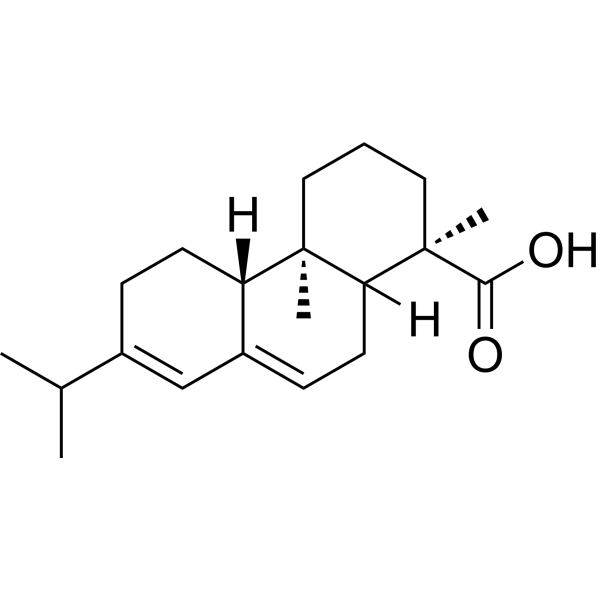
Abietic acid, an orally active diterpene isolated from Colophony, displays significant anti-proliferative, anti-inflammatory, anti-obesity effect, bacteriostatic, cell cycle arresting and pro-apoptotic activities. Abietic acid inhibits lipoxygenase activity for allergy. Abietic acid enhances cell migration and tube formation in HUVECs. Abietic acid induces significant angiogenic potential, which is associated with upregulation of extracellular signal-regulated kinase (ERK) and p38 expression. Abietic acid attenuates sepsis-induced lung injury by inhibiting nuclear factor kappa-light-chain-enhancer of activated B cells (NF-κB) pathway to inhibit M1 macrophage polarization. Abietic acid exhibits a positive effect against liver injury by attenuating inflammation and ferroptosis. Abietic acid shows accelerated wound closure in a mouse model of cutaneous wounds. Abietic acid significantly reduces the proliferation and growth of NSCLC cells by IKKβ inhibition.Additionally, Abietic acid ameliorates psoriasis-like inflammation and modulates gut microbiota in mice. Abietic acid is promising for research in non-small-cell lung cancer (NSCLC), liver injury-related deseases and psoriasis .
|
-
-
- HY-W041988
-
|
|
Bacterial
|
Infection
|
|
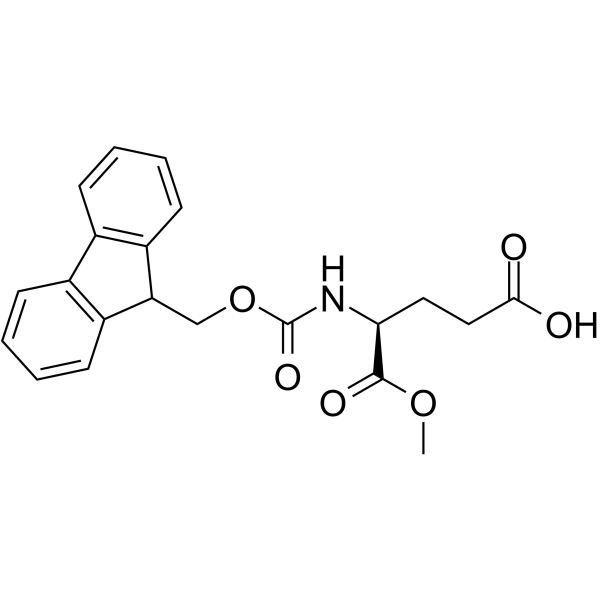
Fmoc-Glu-OMe is a glutamic acid derivative. Fmoc-Glu-OMe exhibits significant antibacterial activity and excellent gelation properties in silver nitrate (AgNO3) solution. Fmoc-Glu-OMe promotes wound healing in rat models and eliminates bacteria in MRSA-infected rat wound models. Fmoc-Glu-OMe can be used in studies related to wound infections and MRSA-infected wounds .
|
-
-
- HY-N2907
-
|
|
Wnt
Ras
Endogenous Metabolite
Bacterial
Fungal
PD-1/PD-L1
Tim3
Akt
AP-1
STAT
|
Infection
Neurological Disease
Inflammation/Immunology
Cancer
|
|
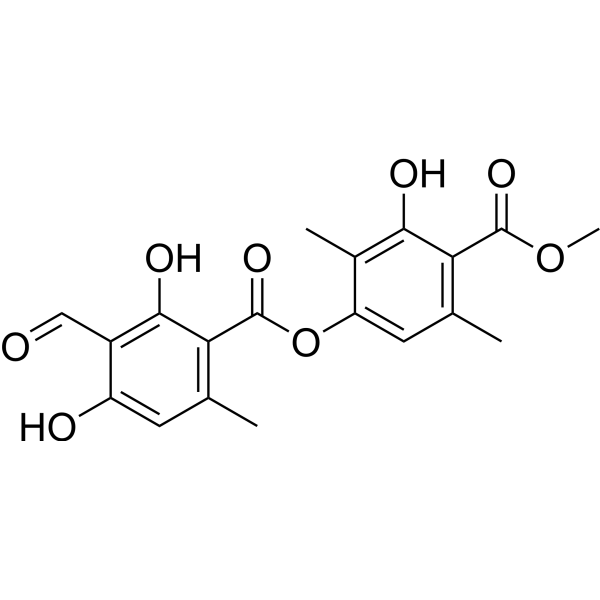
Atranorin is a secondary metabolite of lichens and AKT inhibitor. Atranorin possesses multiple activities such as antibacterial, anti-inflammatory, antioxidant, anti-glycation, analgesic, and anti-tumor effects. Atranorin has IC50 values for scavenging DPPH and ABTS free radicals of 117 μM and less than 10 μM, respectively. Additionally, Atranorin also exhibits effects in promoting wound healing. Atranorin can be used in the research of various diseases, including myelodysplastic syndromes, tumors, and inflammatory conditions .
|
-
-
- HY-B1076
-
|
HMS; 6α-Methyl-11β-hydroxyprogesterone
|
VEGFR
CCR
STAT
|
Neurological Disease
|
|
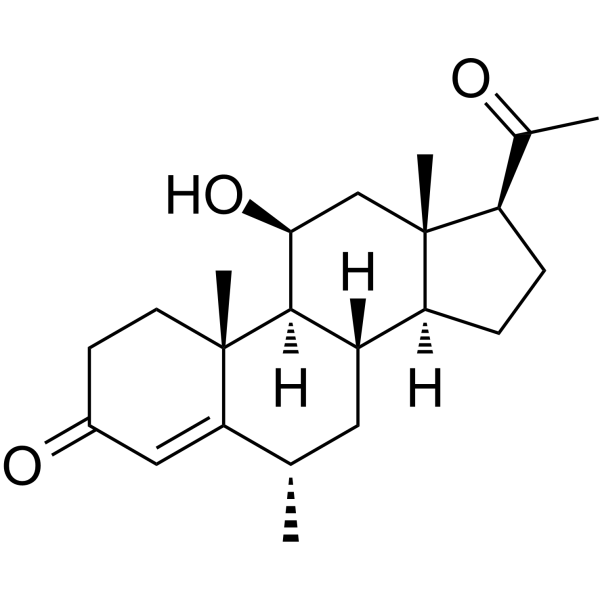
Medrysone (HMS; 6α-Methyl-11β-hydroxyprogesterone) is a STAT6 modulator and M2 macrophage polarization inducer. Medrysone enhances IL-4-triggered STAT6 activation, upregulates the expression of M2 markers, and promotes the secretion of VEGF and CCL2. Medrysone also enhances the pro-migratory activity of M2-like macrophages toward endothelial cells. By regulating macrophage polarization and related repair pathways, Medrysone significantly promotes corneal wound repair in a rat mechanical injury model. Medrysone can be used for research related to corneal injury .
|
-
-
- HY-41404
-
|
2H-1,3-benzodioxole-5-carboxylic acid
|
Cytochrome P450
Interleukin Related
EGFR
IGF-1R
|
Infection
Others
Cancer
|
|
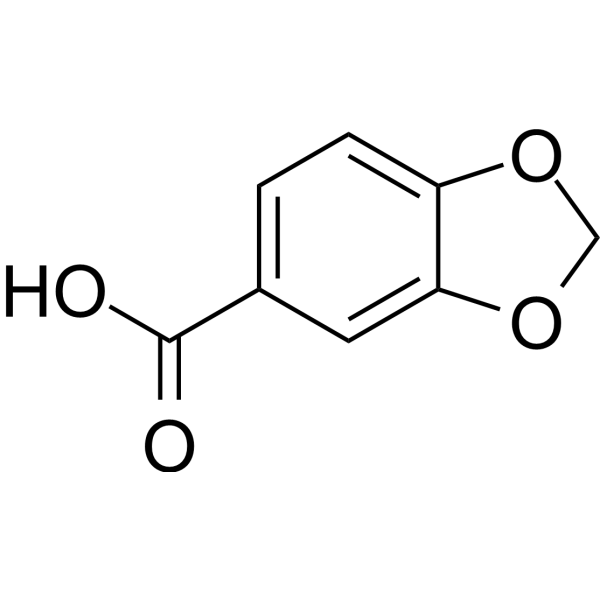
Piperonylic acid is a natural molecule bearing a methylenedioxy function that closely mimics the structure of trans-cinnamic acid. Piperonylic Acid is a selective, mechanism-based inactivator of the trans-cinnamate 4-Hydroxylase. Piperonylic acid has anticancer, antioxidant and antibacterial activities .
|
-
-
- HY-N1198
-
-
-
- HY-W008956
-
-
-
- HY-175649
-
|
|
Large Tumor Suppressor (LATS)
YAP
|
Cancer
|
|
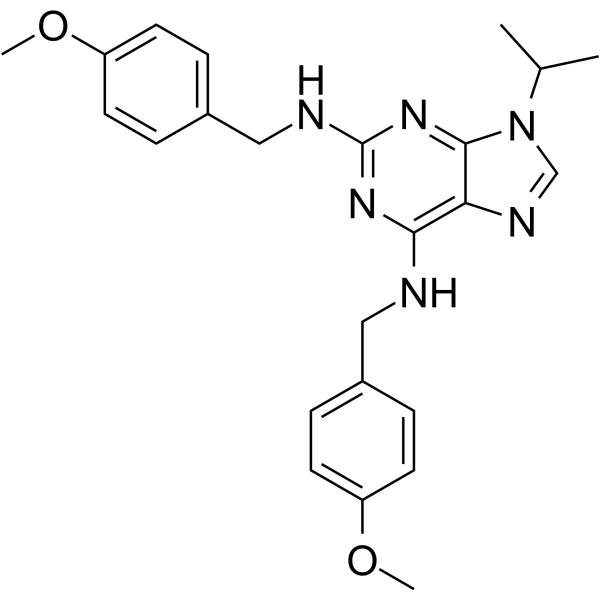
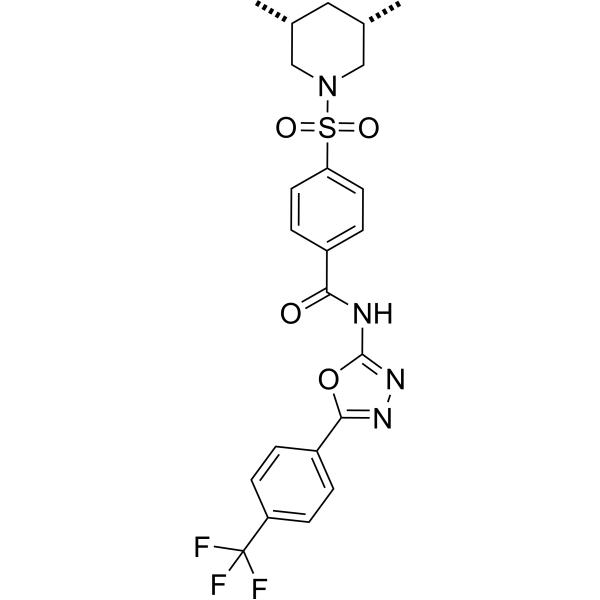
LATS1/2-IN-1 is a potent and selective LATS1 and LATS2 inhibitor. LATS1/2-IN-1 exhibits potent inhibitory activity against LATS1 and LATS2 with IC50 values of 4.4 nM and 5.5 nM as determined via r 33P functional assay. LATS1/2-IN-1 displays cellular IC50 values of 136 nM for LATS1 and 36.0 nM for LATS2 as determined via NanoBRET assay. LATS1/2-IN-1 reduces phosphorylation of YAP1 in mouse liver. LATS1/2-IN-1 demonstrates wound healing activity in HT-1080 scratch assay and in vivo SKH1 mouse punch biopsy model. LATS1/2-IN-1 can be used for the study of regenerative medicine indications such as wound healing .
|
-
-
- HY-116282P
-
|
|
Bacterial
|
Infection
Inflammation/Immunology
|
|
Dextran sulfate, high sulfate (MW 5000) is a type of dextran sulfate with a high degree of sulfation. Dextran sulfate sodium can be used to induce ulcerative colitis models, and the greater the total number of sulfur atoms, the stronger the induced toxic effect. Dextran sulfate has certain antibacterial activity, and can form the ionic cross-linking core of nanoparticles together with chitosan, serving as a highly efficient dressing material to accelerate wound healing .
|
-
-
- HY-P5545
-
|
|
Bacterial
|
Infection
|
|
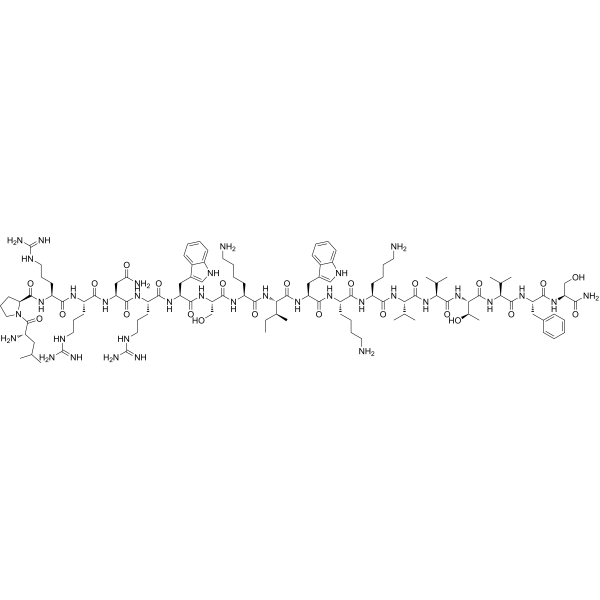
Lynronne-1 is an antimicrobial peptide. Lynronne-1 is active against Gram-positive bacterials, including MDR strains (MIC: 8-32 μg/mL for methicillin-resistant MRSA strains). Lynronne-1 reduces the bacterial load in MRSA infected wound murine model. Lynronne-1 is also effective against P. aeruginosa infection .
|
-
-
- HY-146811
-
|
|
Bacterial
|
Inflammation/Immunology
|
|
HSGN-94 is a potent antimicrobial agent with lipoteichoic acid (LTA) biosynthesis inhibition. HSGN-94 inhibits drug-resistant Gram-positive bacteria with MIC values of 0.25-2 μg/mL. HSGN-94 inhibits biofilm formation of MRSA and Vancomycin-resistant Enterococci. HSGN-94 also inhibits pro-inflammatory cytokines, exhibits in vivo efficacy in an MRSA murine wound infection model .
|
-
-
- HY-176234
-
-
-
- HY-149837
-
|
|
Fluorescent Dye
|
Inflammation/Immunology
|
|
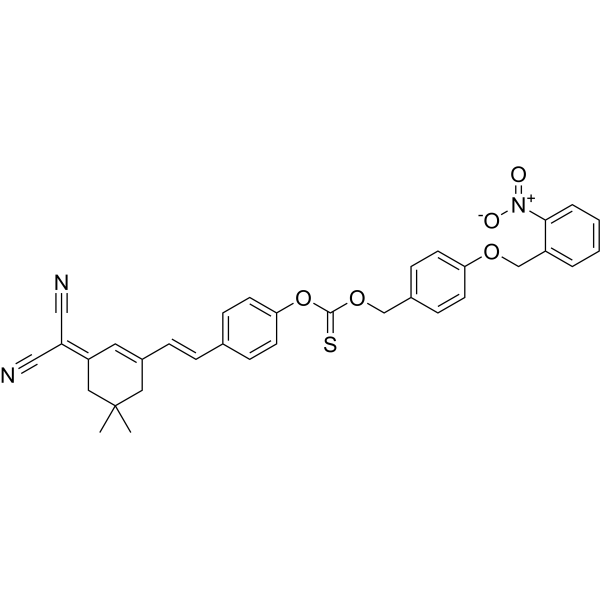
PRO-F is a photoactivable H2S donor with ROS scavenging ability. PRO-F can be activated by light to produce fluorescent signal, for real-time tracking of released H2S. PRO-F activation doesn’t consume endogenous substances. deliver H2S in an intracellular environment to protect cells from excessive reactive oxygen species (ROS) induced damage. PRO-F shows enhancement on chronic wound healing, researched in diabetic models as well .
|
-
-
- HY-P11004
-
|
|
Bacterial
Antibiotic
|
Infection
|
|
A3-APO is an antimicrobial peptide. A3-APO has a significant antimicrobial activity by a dual mode of action with both membrane disintegration and intracellular target inhibition. A3-APO can deactivate bacterial toxins and increase the expression of anti-inflammatory cytokines (such as IL-4 and IL-10), without antimicrobial resistance. A3-APO accelerates burn wounds healing in mice infection model of Acinetobacter baumannii and Staphylococcus aureus .
|
-
-
- HY-175254
-
|
|
Bacterial
|
Infection
|
|
Antibiofilm agent-17 is a dual-action biofilm inhibitor against Pseudomonas aeruginosa (IC50 = 0.33 μM). Antibiofilm agent-17 inhibits biofilm growth by reducing quorum sensing-mediated virulence production and iron ion acquisition. Antibiofilm agent-17 exhibits synergistic antimicrobial effects in a mouse wound infection model. Antibiofilm agent-17 can be used in research on combating Pseudomonas aeruginosa infections .
|
-
-
- HY-162818
-
|
|
Bacterial
Reactive Oxygen Species (ROS)
|
Infection
|
|
Antibacterial agent 237 (compound Ru-8) is a bacteriostatic agent for Staphylococcus aureus, with MIC of 0.78-1.56 μg/mL. Antibacterial agent 237 destroys bacterial cell membranes, changes their permeability, and induces bacteria to produce Reactive Oxygen Species, leading to bacterial death without causing drug resistance. Antibacterial agent 237 has low hemolytic toxicity to rabbit red blood cells and Raw 264.7 cells, and has significant antibacterial effects against Staphylococcus aureus in mouse skin wound infection models and Bacillus major larvae infection models .
|
-
-
- HY-173270
-
|
|
Bacterial
|
Infection
|
|
Antibacterial synergist 3 is a dual-acting inhibitor of biofilm (IC50 of PAO1: 0.40 μM and IC50 of PA14: 1.45 μM). Antibacterial synergist 3 reduces virulence production by inhibiting the quorum sensing (QS) system and induces iron deficiency in P. aeruginosa PAO1. Antibacterial synergist 3 enhances the efficacy of Tobramycin (HY-B0441) and Ciprofloxacin (HY-B0356) in a mouse wound infection model. Antibacterial synergist 3 can be used for the research of P. aeruginosa infections .
|
-
-
- HY-163984
-
|
|
Bacterial
|
Infection
|
|
Antibacterial agent 240 (compound 62-7c) is an antibacterial agent that can target multidrug-resistant (MDR) MRSA strains. Antibacterial agent 240 showed high biosafety and potent anti-infection activity in mouse pneumonia and mouse wound models of MRSA infection .
|
-
-
- HY-160061
-
|
|
Biochemical Assay Reagents
|
Cancer
|
|
P12FR2 aptamer sodium is a 2'-fluoropyrimidine-modified RNA aptamer targeting human PAUF with an estimated apparent KD of 77 nM. P12FR2 aptamer sodium inhibits PAUF-induced migration of PANC-1 (human pancreatic cancer cells) in wound healing assays and suppresses tumor growth in a mouse CFPAC-1 pancreatic cancer model .
|
-
-
- HY-174985
-
|
|
Bacterial
|
Infection
|
|
Anti-MRSA agent 32 (Compound 26) is an orally active and selective SaClpP (Staphylococcus aureus ClpP protease) activator with an EC50 value of 0.98 μM. Anti-MRSA agent 32 activates SaClpP to abnormally degrade bacterial proteins, inhibiting the proliferation of Staphylococcus aureus. Anti-MRSA agent 32 promotes wound healing in a murine skin infection model. Anti-MRSA agent 32 is promising for research of infectious diseases such as methicillin-resistant Staphylococcus aureus (MRSA) infections .
|
-
-
- HY-41404R
-
|
2H-1,3-benzodioxole-5-carboxylic acid (Standard)
|
Cytochrome P450
Interleukin Related
EGFR
IGF-1R
Reference Standards
|
Infection
Others
Cancer
|
|
Piperonylic acid (Standard) is the analytical standard of Piperonylic acid. This product is intended for research and analytical applications. Piperonylic acid is a natural molecule bearing a methylenedioxy function that closely mimics the structure of trans-cinnamic acid. Piperonylic Acid is a selective, mechanism-based inactivator of the trans-cinnamate 4-Hydroxylase. Piperonylic acid has anticancer, antioxidant and antibacterial activities .
|
-
-
- HY-B1076R
-
|
HMS (Standard); 6α-Methyl-11β-hydroxyprogesterone (Standard)
|
Reference Standards
STAT
VEGFR
CCR
|
Inflammation/Immunology
|
|
Medrysone (Standard) is the analytical standard of Medrysone. This product is intended for research and analytical applications. Medrysone (HMS; 6α-Methyl-11β-hydroxyprogesterone) is a STAT6 modulator and M2 macrophage polarization inducer. Medrysone enhances IL-4-triggered STAT6 activation, upregulates the expression of M2 markers, and promotes the secretion of VEGF and CCL2. Medrysone also enhances the pro-migratory activity of M2-like macrophages toward endothelial cells. By regulating macrophage polarization and related repair pathways, Medrysone significantly promotes corneal wound repair in a rat mechanical injury model. Medrysone can be used for research related to corneal injury .
|
-
-
- HY-168204
-
|
|
Bacterial
Fungal
|
Infection
|
|
3-Acetyl-28-N–(3–guanidinobutoxy)-oleanolic acid (compound J1) is a potent antimicrobial agent. 3-Acetyl-28-N–(3–guanidinobutoxy)-oleanolic acid shows anti-gram-positive bacteria and fungi activity. 3-Acetyl-28-N–(3–guanidinobutoxy)-oleanolic acid can be used as antibiotic adjuvants. 3-Acetyl-28-N–(3–guanidinobutoxy)-oleanolic disrupts the bacterial cell membrane, inserts into the DNA, and binds to DNA gyrase. 3-Acetyl-28-N–(3–guanidinobutoxy)-oleanolic reduces microbial count in a mouse MRSA skin infection model and accelerates wound healing .
|
-
-
- HY-181126
-
|
|
HDAC
|
Neurological Disease
Metabolic Disease
Inflammation/Immunology
|
|
G194-0712 is a selective histone deacetylase 5 (HDAC5) activator with an EC50 of 7.96 μM and a Kd of 2.53 μM. G194-0712 restores ACTN4-K417 deacetylation and nuclear import, and increases CSTA expression. G194-0712 accelerates wound closure in chronic wound models, reducing wound area and epithelial gap. G194-0712 can be used for the research of chronic skin wounds, such as diabetic wounds, ischemic wounds, radiation injury wounds .
|
-
-
- HY-P11616
-
|
|
Bacterial
TNF Receptor
|
Infection
|
|
WK2 is an antibacterial agent. WK2 reduces serum TNF-α production induced by Bacterial infection. WK2 reduces wound size and promotes tissue repair in a skin wound infection model. WK2 exerts anti-inflammatory effects in a pneumonia model. WK2 can be used for research on infectious diseases such as pneumonia caused by bacterial infection .
|
-
-
- HY-P11592
-
|
|
Bacterial
|
Infection
|
|
KIKIKPWWWPKIKIK-NH2 is a β-turn antimicrobial peptide. KIKIKPWWWPKIKIK-NH2 can inhibit bacterial biofilm formation and bind to lipopolysaccharid. KIKIKPWWWPKIKIK-NH2 shows wound-healing ability in mice bacteria-infected full-thickness wound models. KIKIKPWWWPKIKIK-NH2 can be used for the research of bacterial infection .
|
-
-
- HY-182027
-
|
|
Bacterial
Reactive Oxygen Species (ROS)
Lactate Dehydrogenase
DNA/RNA Synthesis
|
Infection
|
Antibacterial agent 330 is an antibacterial agent. Antibacterial agent 330 triggers ROS accumulation, forms DNA supramolecular complex by intercalation to block DNA replication and inhibits LDH to disturb metabolism, and further prompts bacterial cell rupture to induce the leakage of intracellular content, ultimately causing bacterial death. Antibacterial agent 330 displays antibacterial activity and promotes wound healing in both G. Mellonella larval and murine wound infection models. Antibacterial agent 330 can be used for the research of bacterial infections .
|
-
-
- HY-P11582
-
|
|
Bacterial
|
Infection
|
|
CyLip-20 is a cyclic lipopeptide antimicrobial peptide that targets Gram-positive and Gram-negative bacteria. CyLip-20 exhibits low hemolytic activity and mild in vivo toxicity. CyLip-20 disrupts the integrity of bacterial outer membrane, inner membrane and cytoplasmic membrane by binding to bacterial lipopolysaccharide (LPS), triggering membrane permeabilization, depolarization and leakage of intracellular contents, and inhibits bacterial biofilm formation. In animal models, CyLip-20 reduces the bacterial load in skin wounds of mice infected with MRSA, promotes wound healing, decreases the levels of inflammatory cytokines and reduces inflammatory cell infiltration. CyLip-20 can be used in research related to MRSA skin wound infections .
|
-
-
- HY-P11607
-
|
|
Bacterial
|
Infection
|
|
CyLip-10 is a microbial-derived cyclic-lipid antimicrobial peptide. CyLip-10 has broad-spectrum antimicrobial efficacy, low hemolytic activity, and excellent stability. CyLip-10 can disrupt membrane integrity, inhibit biofilm formation and induce membrane permeabilization and bacterial cell death. CyLip-10 reduces bacterial load, promotes wound healing, and alleviates inflammatory responses in a mouse Methicillin (HY-121544)-resistant Staphylococcus aureus skin wound infection model. CyLip-10 can be used for the bacterial infection .
|
-
-
- HY-182056
-
|
|
Bacterial
|
Infection
|
|
Antibacterial agent 331 is an antibacterial agent with anti-biofilm activity. Antibacterial agent 331 exhibits activity against a variety of Gram-positive and Gram-negative bacteria. Antibacterial agent 331 eliminates MRSE 62 and promotes the repair of infected wounds in mouse models. Antibacterial agent 331 can be used for research on infections .
|
-
-
- HY-W415753
-
|
VUFB-15754
|
Drug Derivative
|
Neurological Disease
Inflammation/Immunology
|
|
Alaptide, a spirocyclic synthetic dipeptide and a derivative of melanocyte-stimulating hormone release-inhibiting factor (MIF), is a transdermal permeation modifier. Alaptide loaded on nanofibrous membranes accelerates the healing of skin incisions, particularly the healing of skin burns.
Alaptide is a nootropic agent, that influences the dopaminergic system and increases homovanillic acid level in the striatum of rat models. Alaptide can be used for wound healing with large damaged areas and neurological diseases research .
|
-
-
- HY-P11615
-
|
|
Bacterial
|
Infection
|
|
FuK is a WK2-analog antimicrobial peptide modified with fluorinated unnatural amino acids. FuK has an LD50 of 72.34 mg/kg in mice, shows no hemolytic activity, with high stability against trypsin, chymotrypsin, and saline environments. FuK exerts bactericidal effects by enhancing the permeability of bacterial outer membranes, inducing depolarization of cytoplasmic membranes, and disrupting membrane potential balance against bacterias such as Staphylococcus aureus, Escherichia coli, Klebsiella pneumoniae, and MRSA. FuK exhibits synergistic antimicrobial activity with polymyxin B (HY-149179), vancomycin (HY-B0671), and ciprofloxacin (HY-B0356), and also inhibits Ciprofloxacin-induced bacterial drug resistance. FuK has in vivo safety, effectively reduces bacterial load and inflammatory cell infiltration in a mouse MRSA model, and promotes collagen fiber formation in skin wounds .
|
-
-
- HY-183361
-
|
|
Bacterial
Elastase
|
Infection
|
|
Antibiofilm agent-22 is an FpvA receptor-targeting antibacterial agent. Antibiofilm agent-22 chelates iron, disrupts las, pqs, and rhl pathways, reduces elastase, pyocyanin, and rhamnolipid production, and induces bacterial iron starvation. Antibiofilm agent-22 can be used for the research of Pseudomonas aeruginosa infection .
|
-
| Cat. No. |
Product Name |
Type |
-
- HY-116282P
-
|
|
Biochemical Assay Reagents
|
|
Dextran sulfate, high sulfate (MW 5000) is a type of dextran sulfate with a high degree of sulfation. Dextran sulfate sodium can be used to induce ulcerative colitis models, and the greater the total number of sulfur atoms, the stronger the induced toxic effect. Dextran sulfate has certain antibacterial activity, and can form the ionic cross-linking core of nanoparticles together with chitosan, serving as a highly efficient dressing material to accelerate wound healing .
|
| Cat. No. |
Product Name |
Target |
Research Area |
-
- HY-W041988
-
|
|
Bacterial
|
Infection
|
|
Fmoc-Glu-OMe is a glutamic acid derivative. Fmoc-Glu-OMe exhibits significant antibacterial activity and excellent gelation properties in silver nitrate (AgNO3) solution. Fmoc-Glu-OMe promotes wound healing in rat models and eliminates bacteria in MRSA-infected rat wound models. Fmoc-Glu-OMe can be used in studies related to wound infections and MRSA-infected wounds .
|
-
- HY-P5545
-
|
|
Bacterial
|
Infection
|
|
Lynronne-1 is an antimicrobial peptide. Lynronne-1 is active against Gram-positive bacterials, including MDR strains (MIC: 8-32 μg/mL for methicillin-resistant MRSA strains). Lynronne-1 reduces the bacterial load in MRSA infected wound murine model. Lynronne-1 is also effective against P. aeruginosa infection .
|
-
- HY-P11004
-
|
|
Bacterial
Antibiotic
|
Infection
|
|
A3-APO is an antimicrobial peptide. A3-APO has a significant antimicrobial activity by a dual mode of action with both membrane disintegration and intracellular target inhibition. A3-APO can deactivate bacterial toxins and increase the expression of anti-inflammatory cytokines (such as IL-4 and IL-10), without antimicrobial resistance. A3-APO accelerates burn wounds healing in mice infection model of Acinetobacter baumannii and Staphylococcus aureus .
|
-
- HY-P11616
-
|
|
Bacterial
TNF Receptor
|
Infection
|
|
WK2 is an antibacterial agent. WK2 reduces serum TNF-α production induced by Bacterial infection. WK2 reduces wound size and promotes tissue repair in a skin wound infection model. WK2 exerts anti-inflammatory effects in a pneumonia model. WK2 can be used for research on infectious diseases such as pneumonia caused by bacterial infection .
|
-
- HY-P11592
-
|
|
Bacterial
|
Infection
|
|
KIKIKPWWWPKIKIK-NH2 is a β-turn antimicrobial peptide. KIKIKPWWWPKIKIK-NH2 can inhibit bacterial biofilm formation and bind to lipopolysaccharid. KIKIKPWWWPKIKIK-NH2 shows wound-healing ability in mice bacteria-infected full-thickness wound models. KIKIKPWWWPKIKIK-NH2 can be used for the research of bacterial infection .
|
-
- HY-P11582
-
|
|
Bacterial
|
Infection
|
|
CyLip-20 is a cyclic lipopeptide antimicrobial peptide that targets Gram-positive and Gram-negative bacteria. CyLip-20 exhibits low hemolytic activity and mild in vivo toxicity. CyLip-20 disrupts the integrity of bacterial outer membrane, inner membrane and cytoplasmic membrane by binding to bacterial lipopolysaccharide (LPS), triggering membrane permeabilization, depolarization and leakage of intracellular contents, and inhibits bacterial biofilm formation. In animal models, CyLip-20 reduces the bacterial load in skin wounds of mice infected with MRSA, promotes wound healing, decreases the levels of inflammatory cytokines and reduces inflammatory cell infiltration. CyLip-20 can be used in research related to MRSA skin wound infections .
|
-
- HY-P11607
-
|
|
Bacterial
|
Infection
|
|
CyLip-10 is a microbial-derived cyclic-lipid antimicrobial peptide. CyLip-10 has broad-spectrum antimicrobial efficacy, low hemolytic activity, and excellent stability. CyLip-10 can disrupt membrane integrity, inhibit biofilm formation and induce membrane permeabilization and bacterial cell death. CyLip-10 reduces bacterial load, promotes wound healing, and alleviates inflammatory responses in a mouse Methicillin (HY-121544)-resistant Staphylococcus aureus skin wound infection model. CyLip-10 can be used for the bacterial infection .
|
-
- HY-P11615
-
|
|
Bacterial
|
Infection
|
|
FuK is a WK2-analog antimicrobial peptide modified with fluorinated unnatural amino acids. FuK has an LD50 of 72.34 mg/kg in mice, shows no hemolytic activity, with high stability against trypsin, chymotrypsin, and saline environments. FuK exerts bactericidal effects by enhancing the permeability of bacterial outer membranes, inducing depolarization of cytoplasmic membranes, and disrupting membrane potential balance against bacterias such as Staphylococcus aureus, Escherichia coli, Klebsiella pneumoniae, and MRSA. FuK exhibits synergistic antimicrobial activity with polymyxin B (HY-149179), vancomycin (HY-B0671), and ciprofloxacin (HY-B0356), and also inhibits Ciprofloxacin-induced bacterial drug resistance. FuK has in vivo safety, effectively reduces bacterial load and inflammatory cell infiltration in a mouse MRSA model, and promotes collagen fiber formation in skin wounds .
|
| Cat. No. |
Product Name |
Category |
Target |
Chemical Structure |
-
- HY-N0265
-
-
-
- HY-N6871
-
|
|
Infection
Colophony
Classification of Application Fields
Pinaceae
Ketones, Aldehydes, Acids
Metabolic Disease
Plants
Inflammation/Immunology
Disease Research Fields
|
Bacterial
IKK
Ferroptosis
|
Abietic acid, an orally active diterpene isolated from Colophony, displays significant anti-proliferative, anti-inflammatory, anti-obesity effect, bacteriostatic, cell cycle arresting and pro-apoptotic activities. Abietic acid inhibits lipoxygenase activity for allergy. Abietic acid enhances cell migration and tube formation in HUVECs. Abietic acid induces significant angiogenic potential, which is associated with upregulation of extracellular signal-regulated kinase (ERK) and p38 expression. Abietic acid attenuates sepsis-induced lung injury by inhibiting nuclear factor kappa-light-chain-enhancer of activated B cells (NF-κB) pathway to inhibit M1 macrophage polarization. Abietic acid exhibits a positive effect against liver injury by attenuating inflammation and ferroptosis. Abietic acid shows accelerated wound closure in a mouse model of cutaneous wounds. Abietic acid significantly reduces the proliferation and growth of NSCLC cells by IKKβ inhibition.Additionally, Abietic acid ameliorates psoriasis-like inflammation and modulates gut microbiota in mice. Abietic acid is promising for research in non-small-cell lung cancer (NSCLC), liver injury-related deseases and psoriasis .
|
-
-
- HY-N2907
-
|
|
other families
Classification of Application Fields
Phenols
Polyphenols
Plants
Endogenous metabolite
Disease Research Fields
Source Classification
Cancer
|
Wnt
Ras
Endogenous Metabolite
Bacterial
Fungal
PD-1/PD-L1
Tim3
Akt
AP-1
STAT
|
|
Atranorin is a secondary metabolite of lichens and AKT inhibitor. Atranorin possesses multiple activities such as antibacterial, anti-inflammatory, antioxidant, anti-glycation, analgesic, and anti-tumor effects. Atranorin has IC50 values for scavenging DPPH and ABTS free radicals of 117 μM and less than 10 μM, respectively. Additionally, Atranorin also exhibits effects in promoting wound healing. Atranorin can be used in the research of various diseases, including myelodysplastic syndromes, tumors, and inflammatory conditions .
|
-
-
- HY-41404
-
-
-
- HY-N1198
-
-
-
- HY-41404R
-
-
| Cat. No. |
Product Name |
|
Classification |
-
- HY-160061
-
|
|
|
Aptamers
|
|
P12FR2 aptamer sodium is a 2'-fluoropyrimidine-modified RNA aptamer targeting human PAUF with an estimated apparent KD of 77 nM. P12FR2 aptamer sodium inhibits PAUF-induced migration of PANC-1 (human pancreatic cancer cells) in wound healing assays and suppresses tumor growth in a mouse CFPAC-1 pancreatic cancer model .
|
Your information is safe with us. * Required Fields.
Inquiry Information
- Product Name:
- Cat. No.:
- Quantity:
- MCE Japan Authorized Agent:

