1. Search Result
Search Result
Results for "

zinc chloride

" in MedChemExpress (MCE) Product Catalog:

288

Inhibitors & Agonists

16

Fluorescent Dyes

20

Biochemical Assay Reagents

7

Peptides

3

Inhibitory Antibodies

23

Natural
Products

75

Recombinant Proteins

18

Isotope-Labeled Compounds

87

Antibodies

1

Click Chemistry

7

Oligonucleotides

1

GMP Molecules

Cat. No. Product Name Target Research Areas Chemical Structure
  • HY-101193
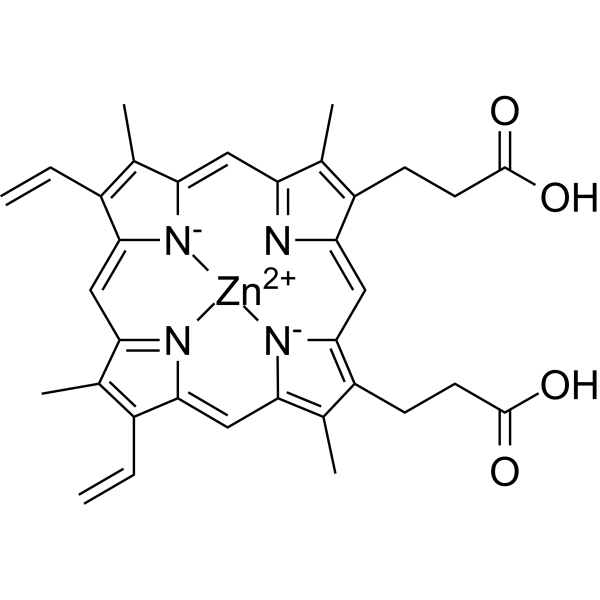
    Zinc Protoporphyrin
    Maximum Cited Publications
    67 Publications Verification

    Zn(II)-protoporphyrin IX; ZnPP; zinc Protoporphyrin-9

    Reactive Oxygen Species (ROS) Endogenous Metabolite Apoptosis Cardiovascular Disease Metabolic Disease Cancer
    Zinc Protoporphyrin (Zn(II)-protoporphyrin IX) is an orally active and competitive heme oxygenase-1 (HO-1) inhibitor. Zinc Protoporphyrin regulates expression of HO-1 at the transcriptional level. The effect of Zinc Protoporphyrin on HO-1 expression is controversial.  It was shown to induce HO-1 expression in some cells, but suppress it in others. Zinc Protoporphyrin is used as a screening marker of iron deficiency in vivo. Zinc Protoporphyrin has anti-cancer activity .
    Zinc Protoporphyrin
  • HY-Q45780
    ZINC00640089
    5+ Cited Publications

    Akt Cancer
    ZINC00640089 is a specific Lipocalin-2 (LCN2) inhibitor. ZINC00640089 inhibits cell proliferation, cell viability and reduces AKT phosphorylation levels in SUM149 cells. ZINC00640089 has good potential for research in inflammatory breast cancer (IBC) .
    ZINC00640089
  • HY-W751238

    DMMB

    Fluorescent Dye Others
    Dimethyl methylene blue zinc chloride double salt (DMMB) is a cationic dye. Dimethyl methylene blue zinc chloride double salt competitively binds to the active site of the PANI-Benz-Ag nanocomposite with endotoxin, releasing DMMB and increasing the fluorescence intensity. Dimethyl methylene blue zinc chloride double salt can be used as a fluorescent probe for the detection of bacteria (such as E. Coli) endotoxin . Dimethyl methylene blue zinc chloride double salt can be used for the quantification of sulfated glycosaminoglycans .
    Dimethyl methylene blue zinc chloride double salt
  • HY-W145499
    Zinc Gluconate
    1 Publications Verification

    PPAR NF-κB Toll-like Receptor (TLR) Inflammation/Immunology Cancer
    Zinc Gluconate is a zinc supplement in the form of a gluconate salt, which plays a role in various physiological processes such as immune function, wound healing, and olfaction. Zinc Gluconate has a LD50 of 39.6 mg/kg in mice (Tail vein injection). Zinc Gluconate can be used in the research of inflammation, zinc deficiency, colds, cancer, and nutritional supplements .
    Zinc Gluconate
  • HY-B0572
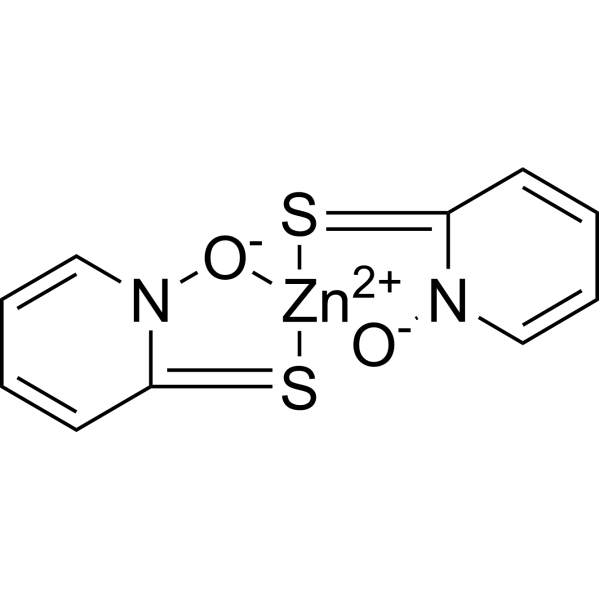
    Zinc Pyrithione
    10+ Cited Publications

    Environmental Pollutants Bacterial Cuproptosis Proton Pump Fungal Infection Metabolic Disease
    Zinc Pyrithione is an antifungal and antibacterial agent disrupting membrane transport by blocking the proton pump . Zinc Pyrithione is also a copper ionophore that delivers copper into cells and is a useful tool for studying cuproptosis .
    Zinc Pyrithione
  • HY-N3025
    Zinc sulfate heptahydrate
    1 Publications Verification

    Environmental Pollutants Biochemical Assay Reagents Metabolic Disease
    Zinc sulfate heptahydrate is a hydrate that is the heptahydrate form of zinc sulfate. Zinc sulfate heptahydrate is a dietary supplement used for zinc deficiency and to prevent the condition in those at high risk .
    Zinc sulfate heptahydrate
  • HY-B0278
    Bacitracin Zinc
    1 Publications Verification

    zinc bacitracin

    Environmental Pollutants Antibiotic Bacterial Infection
    Bacitracin Zinc is a complex formed by the binding of Bacitracin (HY-107193) with zinc ions. Bacitracin Zinc is an orally active polypeptide antibiotic with bactericidal properties. Bacitracin Zinc can cause DNA and deoxyribose damage, as well as improve the gut microbiota of broiler and beef cattle .
    Bacitracin Zinc
  • HY-134570
    ZINC40099027
    3 Publications Verification

    FAK Metabolic Disease Inflammation/Immunology
    ZINC40099027 is a selective FAK activator. ZINC40099027 promotes FAK phosphorylation, without activating its paralogs Pyk2 and Src. ZINC40099027 promotes the wound closure of human intestinal epithelial monolayers and the healing of mouse ulcers by activating FAK. ZINC40099027 can be used for diseases related to gastrointestinal mucosal injury research .
    ZINC40099027
  • HY-19204

    ZnPc

    Ligands for Target Protein for PROTAC Reactive Oxygen Species (ROS) Apoptosis Caspase Cancer
    Zinc phthalocyanine (ZnPc) is commonly applied in industry (catalysts, photoconductors) and biomedical (photodynamic therapy, PDT). Zinc phthalocyanine can be used to photooxidise cyclohexane and is promising for research of solar-cell applications .
    Zinc phthalocyanine
  • HY-148364
    ZINC00784494
    2 Publications Verification

    Lipocalin Family Akt Cancer
    ZINC00784494 is a specific Lipocalin-2 (LCN2) inhibitor. ZINC00784494 inhibits cell proliferation, cell viability and reduces AKT phosphorylation levels in SUM149 cells. ZINC00784494 has good potential for research in inflammatory breast cancer (IBC) .
    ZINC00784494
  • HY-B1299A
    Cephalosporin C zinc salt
    1 Publications Verification

    Bacterial Orthopoxvirus Antibiotic Infection Inflammation/Immunology
    Cephalosporin C zinc salt is a potent inhibitor of SAMHD1 with an IC50 of 1.1 μM . Cephalosporin C zinc salt also has moderate anti-orthopoxvirus activity .
    Cephalosporin C zinc salt
  • HY-122639
    ZINC05007751
    3 Publications Verification

    NEKs Cancer
    ZINC05007751 is a potent NIMA-related kinase NEK6 inhibitor with an IC50 of 3.4 μM. ZINC05007751 shows antiproliferative activity against a panel of human cancer cell lines, and displays a synergistic effect with Cisplatin and Paclitaxel in a BRCA2 mutated ovarian cancer cell line. ZINC05007751 is very selective against NEK1 and NEK6 with no significant activity was observed against NEK2, NEK7, and NEK9 .
    ZINC05007751
  • HY-W116336D

    Biochemical Assay Reagents Fungal Bacterial Infection Cancer
    Zinc oxide, <100 nm particle size is a nitrate reductase modulator and growth promoter with plant stress resistance activity and oral toxicity. Zinc oxide, <100 nm particle size acts as a nutrient source for maize plants. By enhancing nitrate reductase activity and reducing free proline levels, it significantly improves plant height, root length and dry matter weight of maize, and its growth-promoting effect is comparable to that of traditional zinc sulfate fertilizer. Zinc oxide, <100 nm particle size induces anemia-related and persistent tissue inflammatory damage, leading to obvious histopathological adverse reactions in the stomach, pancreas, eyes and prostate of rats. Zinc oxide, <100 nm particle size acts as a non-toxic antibacterial agent and selective cytotoxin against multiple bacteria, fungi and spores .
    Zinc oxide, <100 nm particle size
  • HY-B0729
    Polaprezinc
    1 Publications Verification

    zinc L-carnosine

    Biochemical Assay Reagents Inflammation/Immunology Cancer
    Polaprezinc is an orally bioavailable chelate composed of zinc and L-carnosine, with potential gastroprotective, anti-oxidant, anti-ulcer and anti-inflammatory activities.
    Polaprezinc
  • HY-W127776

    Ethylenediaminetetraacetic acid zinc disodium tetrahydrate

    Biochemical Assay Reagents Others
    Zn(II)-EDTA (Ethylenediaminetetraacetic acid zinc) disodium tetrahydrate is a coordinating agent. Zn(II)-EDTA disodium tetrahydrate coordinates with Zn 2+ to modify its solvated structure, provides pre-synthesized EDTA-Zn complexes that release Zn 2+ to repair zinc anode defects under interfacial electric field, adsorbs onto zinc anode surface to block oxygen and water molecules, inhibits corrosion and hydrogen evolution reactions, promotes uniform Zn 2+ deposition, suppresses zinc dendrite formation, and modulates the hydrogen bonding network within the electrolyte. Zn(II)-EDTA disodium tetrahydrate acts as an electrolyte additive to enhance reversibility and stability of zinc anodes in aqueous zinc-ion batteries .
    Zn(Ⅱ)-EDTA disodium tetrahydrate
  • HY-B1817

    Environmental Pollutants Apoptosis Biochemical Assay Reagents HSP Cardiovascular Disease Inflammation/Immunology Cancer
    Zinc acetate acts as an immune response modulator. Zinc acetate enhances the expression of HSP-70 mRNA. Zinc acetate restores the proliferation and cytokine production capacities of splenocytes. Zinc acetate reduces the Apoptosis level of splenocytes in endotoxemic mice. Zinc acetate increases plasma zinc levels and improves survival rates in mice with LPS-induced lethal endotoxemia. Zinc acetate induces rapid death of prostate cancer cell lines in vitro. Zinc acetate inhibits the growth of prostate cancer xenografts in SCID mice. Zinc acetate can be used in endotoxemia research .
    Zinc acetate
  • HY-B0914A
    10-Undecenoic acid zinc salt
    2 Publications Verification

    zinc undecylenate

    Fungal Bacterial Amyloid-β Reactive Oxygen Species (ROS) Proteasome Infection Neurological Disease Endocrinology Cancer
    10-Undecenoic acid zinc salt (Undecylenic acid zinc salt) is an antifungal agent. 10-Undecenoic acid zinc salt inhibits oligomerization, scavenges ROS and inhibits μ-calpain activity. 10-Undecenoic acid zinc salt has neuroprotective effects. 10-Undecenoic acid zinc salt has anticancer effects on a variety of tumors. 10-Undecenoic acid zinc salt inhibits C. albicans biofilm formation and MRSA infection. 10-Undecenoic acid zinc salt inhibits quorum sensing signals of Bacillus subtilis and Pseudomonas aeruginosa .
    10-Undecenoic acid zinc salt
  • HY-B1820
    Zinc sulphate
    1 Publications Verification

    Environmental Pollutants Biochemical Assay Reagents Glutathione Reductase (GR) Tyrosinase Metabolic Disease Inflammation/Immunology
    Zinc sulphate is an orally active inhibitor of tyrosinase and glutathione reductase. Zinc sulphate enhances the activity of dopachrome tautomerase. Zinc sulphate delays anagen-related eumelanin production, induces hair hypopigmentation in mice, and accelerates wound healing. Zinc sulphate can be used in research related to benign gastric ulcers. Zinc sulphate can be used in research related to rheumatoid arthritis .
    Zinc sulphate
  • HY-118069
    (R)-ZINC-3573
    1 Publications Verification

    Mas-related G-protein-coupled Receptor (MRGPR) Infection
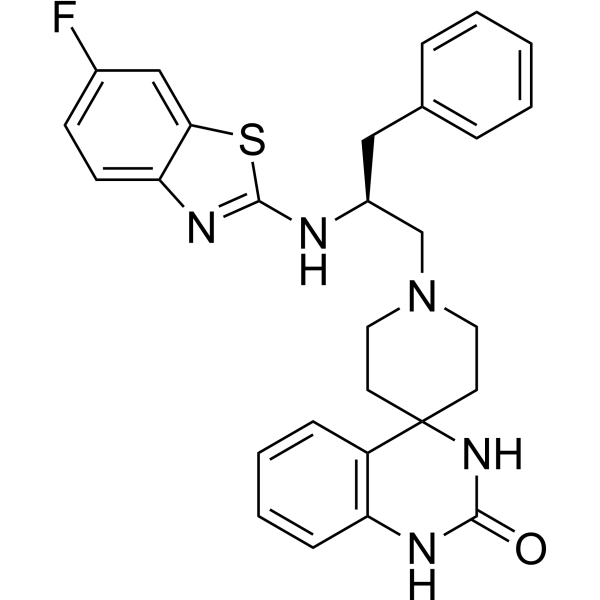
    (R)-ZINC-3573 is a selective Mas-related G protein-coupled receptor X2 (MRGPRX2) agonist with an EC50 value of 740 nM. (R)-ZINC-3573 can be used as a MRGPRX2 probe for the research of pain and itch .
    (R)-ZINC-3573
  • HY-B1817A

    zinc(II) acetate, 99.99% trace metals basis

    CDK Heme Oxygenase (HO) Apoptosis Others
    Zinc (Zinc (II)) acetate, 99.99% trace metals basis is a heme oxygenase 1 (HO-1) activator and apoptosis inducer with cytotoxic and anticancer activities. Zinc acetate, 99.99% trace metals basis enhances HO-1 expression, alters the microRNA profile, and increases the level of caspase-cleaved cytokeratin 18. Zinc acetate, 99.99% trace metals basis also regulates the expression of Cdk2/cyclin E and interferes with cell cycle progression. Zinc acetate, 99.99% trace metals basis effectively inhibits cancer cell proliferation and induces their rapid death, with no significant cytotoxicity to non-tumor tissues. Zinc acetate, 99.99% trace metals basis has been widely used in studies related to hepatocellular carcinoma, prostate cancer, and other conditions .
    Zinc acetate, 99.99% trace metals basis
  • HY-D0942

    Euchrysine 3RX

    Parasite Fluorescent Dye DNA Stain Others
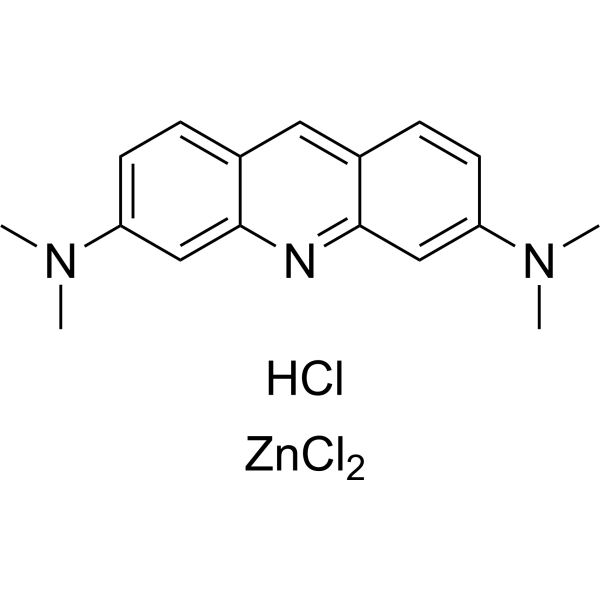
    Acridine Orange (Euchrysine 3RX) zinc chloride salt is a cell-penetrable nucleic acid-selective fluorescent dye. Acridine Orange zinc chloride salt produces orange fluorescence when it binds to ssDNA or RNA, and green fluorescence when it binds to dsDNA (Ex: 488 nM; Em: green fluorescence at 530 nm, orange fluorescence at 640 nm) .
    Acridine Orange zinc chloride salt
  • HY-D0950A

    DNA Stain Others
    Methyl Green zinc chloride is a potent fluorescent dye. Methyl Green zinc chloride is a DNA stains of cells and electrophoretic gels. Methyl Green zinc chloride can be used as direct measuring of viability by both microscopy and flow cytometry, with peaks at 633 and 677 nm .
    Methyl Green zinc chloride
  • HY-150687

    ERK Metabolic Disease
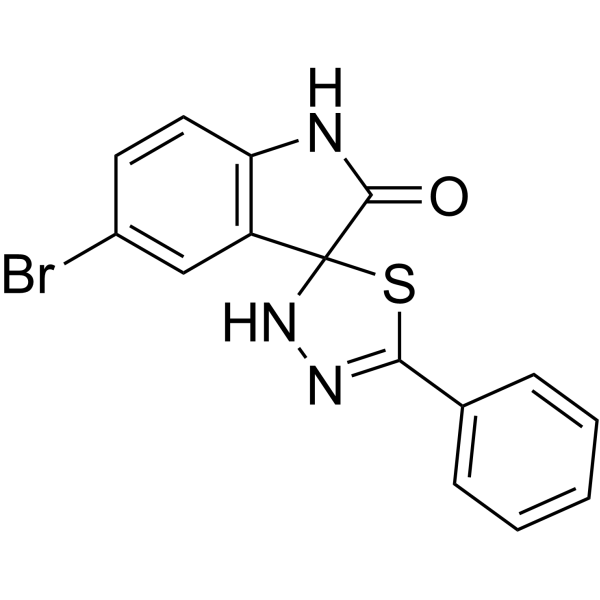
    ZINC12409120 is a high selective ERK inhibitor. ZINC12409120 acts on disrupting FGF23:α-Klotho interaction to inhibit ERK activity with an IC50 of 5.0 μM .
    ZINC12409120
  • HY-D1491A

    Fluorescent Dye Others
    Fast Red Violet LB Zinc chloride is a stain that stains tartrate-resistant acid phosphatase (TRAP) and Fast Red Violet LB Zinc chloride can be used to stain alkaline phosphatase (ALP) activity .
    Fast Red Violet LB Zinc chloride
  • HY-N2580
    Zinc Phytate
    1 Publications Verification

    Endogenous Metabolite Amyloid-β Autophagy Cardiovascular Disease Neurological Disease Metabolic Disease Cancer
    Zinc Phytate (myo-Inositol; hexakis dihydrogen phosphate; Inositol hexaphosphate) is an orally active compound. Zinc Phytate can be derived from the seeds of legumes. Zinc Phytate is a [PO4] 3- storage depot and precursor for other inositol phosphates and pyrophosphates. Zinc Phytate attenuates oligomers and upregulates autophagy protein. Zinc Phytate can be used in cardiovascular disease, metabolic disease, nervous system disease and cancer research .
    Zinc Phytate
  • HY-B0658A

    zinc(II) acetate dihydrate, ACS, 98%

    Biochemical Assay Reagents Others
    Zinc acetate dihydrate, ACS, 98% (Zinc (II) acetate dihydrate, ACS, 98%) acts as a metal chelator and an intestinal metallothionein inducer. Zinc acetate dihydrate, ACS, 98% induces intestinal metallothionein synthesis and shortens the course of the common cold. Zinc acetate dihydrate, ACS, 98% is applicable to the research of copper metabolism disorder-related diseases, the common cold and Wilson's disease, as well as protein experiments .
    Zinc acetate dihydrate, ACS, 98%
  • HY-102078
    ZINC69391
    1 Publications Verification

    Ras Apoptosis Cancer
    ZINC69391, a specific Rac1 inhibitor, interferes with Rac1-GEF interaction by masking Trp56 residue on Rac1 surface. ZINC69391 interferes with the interaction of Rac1 with Dock180 and reduces Rac1-GTP levels. ZINC69391 induces apoptosis, and shows antiproliferative and antimetastatic effects .
    ZINC69391
  • HY-156907

    Mas-related G-protein-coupled Receptor (MRGPR) Inflammation/Immunology
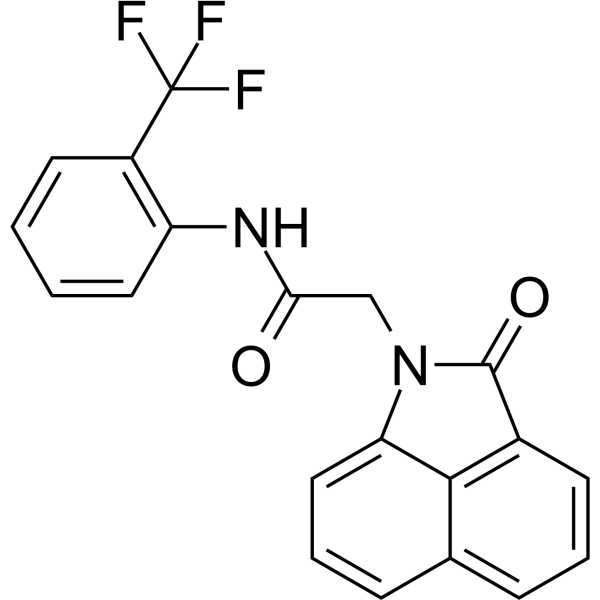
    ZINC49534341 is a MRGPRX2 antagonist, with a Ki of 32 nM .
    ZINC49534341
  • HY-119630

    zinc propylenebis(dithiocarbamate)

    Environmental Pollutants Bacterial Infection
    Propineb (Zinc propylenebis) is a compound widely used in fruit and vegetables cultures, due to its large spectrum of activity against fungal plant diseases .
    Propineb
  • HY-135909
    TH1217
    1 Publications Verification

    zinc1775962367

    SARS-CoV Infection Cancer
    TH1217 (ZINC1775962367) is a potent and selective dCTPase pyrophosphatase 1 (dCTPase) inhibitor, with an IC50 of 47 nM. TH1217 enhances the cytotoxic effect of cytidine analogues in leukemia cells. TH1217 also could modulate SARS-Cov-2 interactors, so it shows activity of against COVID-19 .
    TH1217
  • HY-W414898

    Biochemical Assay Reagents Others
    Zinc dihydrogen phosphate can be used as an analytical reagent and preservative. Zinc dihydrogen phosphate is a kind of biological materials or organic compounds that are widely used in life science research .
    Zinc dihydrogen phosphate
  • HY-101244

    ROCK Cancer
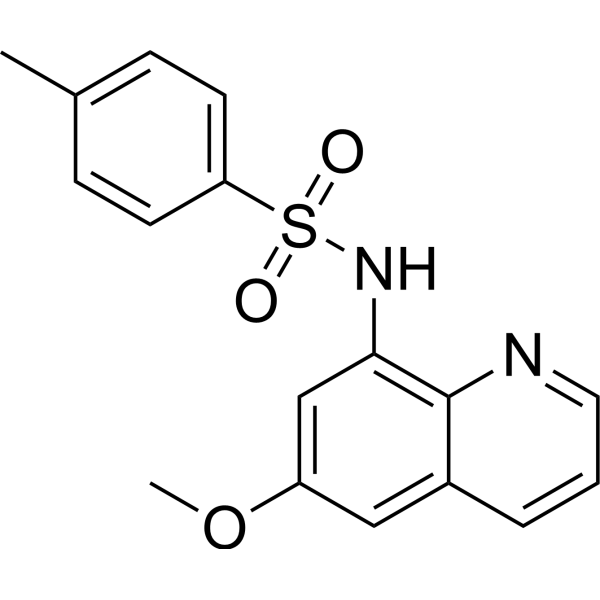
    ZINC00881524 is a ROCK inhibitor.
    ZINC00881524
  • HY-W094709

    Environmental Pollutants Biochemical Assay Reagents Others
    Zinc sulfate monohydrate is a biochemical reagent.
    Zinc sulfate monohydrate
  • HY-145915A

    Ras Cancer
    (E/Z)-ZINC09659342 is an inhibitor of Lbc-RhoA interaction .
    (E/Z)-ZINC09659342
  • HY-101505

    Ethyl ziram

    Biochemical Assay Reagents Others
    Zinc Diethyldithiocarbamate is a biochemical reagent that can be used as a biological material or organic compound for life science related research.
    Zinc dethyldithiocarbamate
  • HY-112254

    Flavivirus Dengue Virus Virus Protease Infection
    ZINC03129319 is a dengue virus (DENV) NS2B-NS3 protease inhibitor extracted from patent US20150141521A1, has inhibition constants (Ki1) of 92 μM and Ki3 of 20 μM.
    ZINC03129319
  • HY-21170E

    zinc(II) Triflate

    Biochemical Assay Reagents Others
    Zinc trifluoromethanesulfonate (Zinc (II) Triflate) is a Zn 2+ salt commonly used in potentiometric titration to determine the stability constants of Zn 2+-quinoline sulfonamide complexes. Aqueous solutions of Zinc trifluoromethanesulfonate form micellar structures, which result in poor desolvation kinetics of Zn 2+ and induce dendrite growth on zinc anodes, failing to support long-term cycling of zinc anodes .
    Zinc trifluoromethanesulfonate
  • HY-115682

    Mas-related G-protein-coupled Receptor (MRGPR) Others
    (S)-ZINC-3573 is an inactive enantiomer of ZINC-3573. (R)-ZINC-3573 is a selective MRGPRX2 agonist. (S)-ZINC-3573 and (R)-ZINC3573 are effective and internally controlled probe-pairs for investigating the biology of primate-exclusive receptor .
    (S)-ZINC-3573
  • HY-N0157A
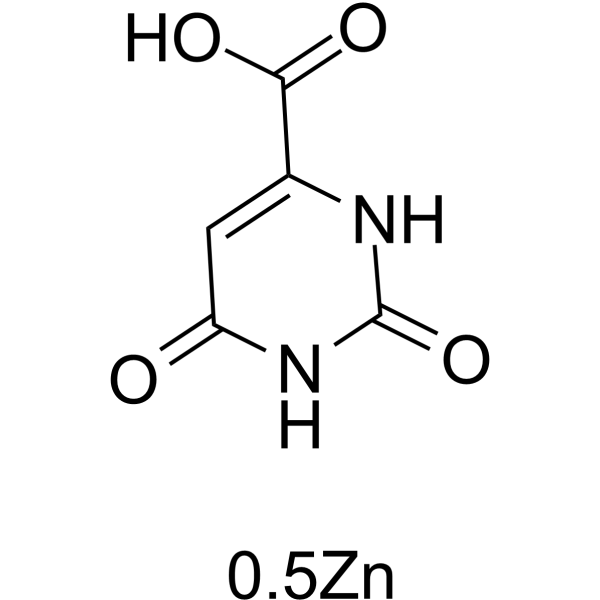
    Orotic acid zinc
    3 Publications Verification

    6-Carboxyuracil zinc; Vitamin B13 zinc

    Nucleoside Antimetabolite/Analog Endogenous Metabolite Metabolic Disease
    Orotic acid (zinc), a precursor in biosynthesis of pyrimidine nucleotides and RNA, is released from the mitochondrial dihydroorotate dehydrogenase (DHODH) for conversion to UMP by the cytoplasmic UMP synthase enzyme. Orotic acid (zinc) is a marker for measurement in routine newborn screening for urea cycle disorders. Orotic acid (zinc) can induce hepatic steatosis and hepatomegaly in rats .
    Orotic acid zinc
  • HY-B1818

    Environmental Pollutants Biochemical Assay Reagents Others
    Zinc monocarbonate is a biological molecule.
    Zinc carbonate
  • HY-Q51222
    ZINC110492
    1 Publications Verification

    Biochemical Assay Reagents Cancer
    ZINC110492 is a selective ligand of CS-ΔEx4 (a splicing isoform of citrate synthase (CS)). ZINC110492 does not bind to CS full-length (CS-FL). ZINC110492 inhibits colorectal cancer (CRC) cell growth in cells overexpressing CS-ΔEx4 with an IC50 of 7.840 µM. ZINC110492 significantly decreases both citrate and 2-hydroxyglutarate (2-HG) levels in the CS-ΔEx4-overexpressing SW1116 cells .
    ZINC110492
  • HY-101193R

    Zn(II)-protoporphyrin IX (Standard); ZnPP (Standard); zinc Protoporphyrin-9 (Standard)

    Reference Standards Reactive Oxygen Species (ROS) Endogenous Metabolite Apoptosis Cardiovascular Disease Metabolic Disease Cancer
    Zinc Protoporphyrin (Standard) is the analytical standard of Zinc Protoporphyrin. This product is intended for research and analytical applications. Zinc Protoporphyrin (Zn(II)-protoporphyrin IX) is an orally active and competitive heme oxygenase-1 (HO-1) inhibitor and markedly attenuates the protective effects of Phloroglucinol (PG) against H2O2 . Zinc Protoporphyrin is used as a screening marker of iron deficiency in individual pregnant women and children, but also to assess population iron status in combination with haemoglobin concentration . Zinc Protoporphyrin has anti-cancer activity .
    Zinc Protoporphyrin (Standard)
  • HY-109560

    Zn-DTPA trisodium

    Biochemical Assay Reagents Others
    Pentetate zinc trisodium (Zn-DTPA trisodium) forms stable chelates with metal ions by exchanging zinc for a metal of greater binding capacity .
    Pentetate zinc trisodium
  • HY-W116336B

    Biochemical Assay Reagents Fungal Bacterial Infection Cancer
    Zinc oxide, 99.99% metals basis is a versatile wide-bandgap semiconductor with superior comprehensive properties. Zinc oxide, 99.99% metals basis serves as raw material for Schottky diodes, functional nanostructures, sensors, energy harvesters and photocatalysts for hydrogen production. Zinc oxide, 99.99% metals basis acts as a non-toxic antibacterial agent and selective cytotoxin against multiple bacteria, fungi and spores. Zinc oxide, 99.99% metals basis induces cancer cell death. Zinc oxide, 99.99% metals basis is applicable to drug delivery, biosensing, bioimaging and researches on cancer, microbial infections and skin diseases .
    Zinc oxide, 99.99% metals basis
  • HY-W193844

    zinc13684400

    GPR65 Inflammation/Immunology
    MLS001006105 (ZINC13684400) is a GPR65 allosteric agonist. MLS001006105 displays GPR65 allosteric agonist activity at pH 8.40 but not at lower pH .
    MLS001006105
  • HY-W110776

    Bis(8-quinolinolato)zinc(II) hydrate; zinc 8-hydroxyquinolinate

    Biochemical Assay Reagents Others
    Zinc oxinate (Zinc 8-hydroxyquinolinate) is a metal chelator that stabilizes zinc complexes by forming pentacoordinate or hexacoordinate adducts. Zinc oxinate is promising for research of zinc quantification .
    Zinc oxinate
  • HY-W099569

    zinc octadecanoate

    Biochemical Assay Reagents Fungal Bacterial Parasite Infection
    Zinc stearate is a metal stearate that acts as a preservative, bactericide, fungicide, and larvicide. Zinc stearate inhibits larval reproduction in animal feces. Zinc stearate exhibits extremely low systemic toxicity. Zinc stearate is a common component of pharmaceutical excipients, lubricants, mold release agents, polymer stabilizers, and coating matting agents .
    Zinc stearate
  • HY-103061

    Cytochrome P450 Cardiovascular Disease
    Dehydro-ZINC39395747 is a derivative of ZINC39395747. ZINC39395747 is a potent cytochrome b5 reductase 3 (CYB5R3) inhibitor with an IC50 of 9.14 μM and a Kd of 1.11 μM. ZINC39395747 can increase NO bioavailability in vascular cells .
    Dehydro-ZINC39395747
  • HY-U00095
    Hepsulfam
    2 Publications Verification

    NCI 329680; zinc01574758

    DNA Alkylator/Crosslinker Cancer
    Hepsulfam (NCI 329680; ZINC01574758) is a anticancer agent that shows excellent antileukemic activity with an median IC50 of 0.91 μg/mL in a panel of different tumors.
    Hepsulfam
  • HY-108774

    Rosuvastatin zinc

    HMG-CoA Reductase (HMGCR) Cardiovascular Disease Metabolic Disease
    Rosuvastatin zinc salt (Rosuvastatin zinc) is a zinc-containing form of Rosuvastatin (HY-17504A). Rosuvastatin is a HMG-CoA reductase inhibitor and can be used for atherosclerosis research .
    Rosuvastatin zinc salt

Inquiry Online

Your information is safe with us. * Required Fields.

Salutation


Country or Region *

Applicant Name *


Organization Name *

Department *


Email Address *


Product Name *

Cat. No.


Requested quantity *

Phone Number *


Remarks

Inquiry Online

Inquiry Information

Product Name:
Cat. No.:
Quantity:
MCE Japan Authorized Agent:

