



Bacterial Inhibitor
-
Essential oils, Melaleuca alternifolia
 0 ImagesCat. No.: HY-N9694CAS No.: 68647-73-4
Essential oils, Melaleuca alternifolia is extracted from the leaves of Melaleuca alternifolia, has bactericidal and anti-inflammatory activies.
-
Benzimidazole (Standard)
 0 Images
Benzimidazole (Standard) is the analytical standard of Benzimidazole. This product is intended for research and analytical applications. Benzimidazole is a biochemical reagent that can be used as a biological material or organic compound for life science related research.
-
Monooctyl phthalate-d4
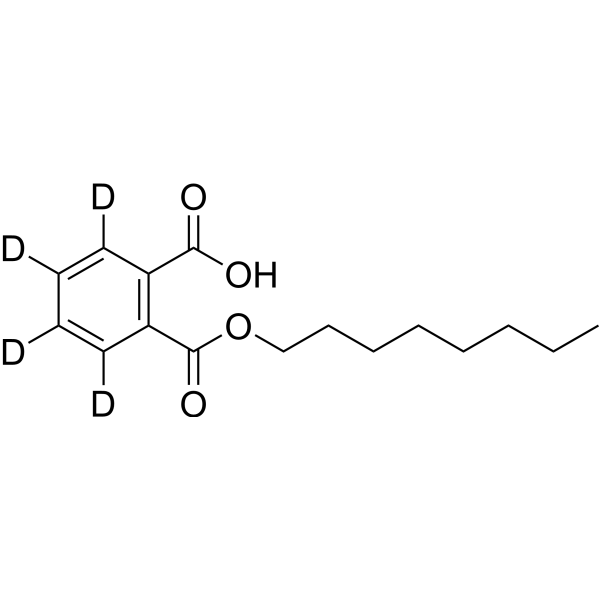 0 ImagesCat. No.: HY-133671SCAS No.: 1398065-74-1Synonyms: Mono-n-octyl phthalate-d4
Monooctyl phthalate-d4 (Mono-n-octyl phthalate-d4) is a deuterium labeled Monooctyl phthalate (HY-133671). Monooctyl phthalate (Mono-n-octyl phthalate) exhibits antimycobacterial activity with a MIC of 20 μg/mL.
-
Matairesinoside
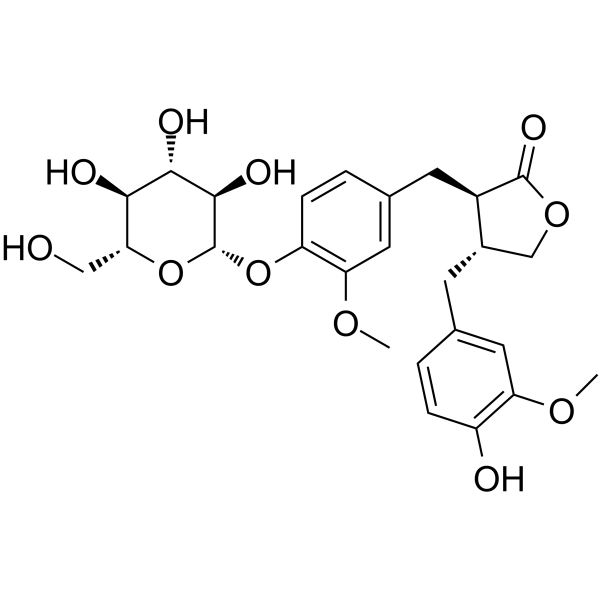 0 Images
Matairesinoside is a lignan with antibacterial and antioxidant activities. Matairesinoside also shows virus-cell fusion inhibitory activity.
-
C16G2 TFA
 0 ImagesCat. No.: HY-P10696APurity: 98.19%
C16G2 TFA is a specific targeted antimicrobial peptide (STAMP) that targets the cariogenic oral pathogen Streptococcus mutans. C16G2 TFA specifically recognizes and disrupts the bacterial cell membrane, causing small molecule leakage and loss of membrane potential, leading to bacterial killing. C16G2 TFA exhibits higher selectivity and efficacy against Streptococcus mutans, unlike broad-spectrum antimicrobial peptides.
-
SAIRGA
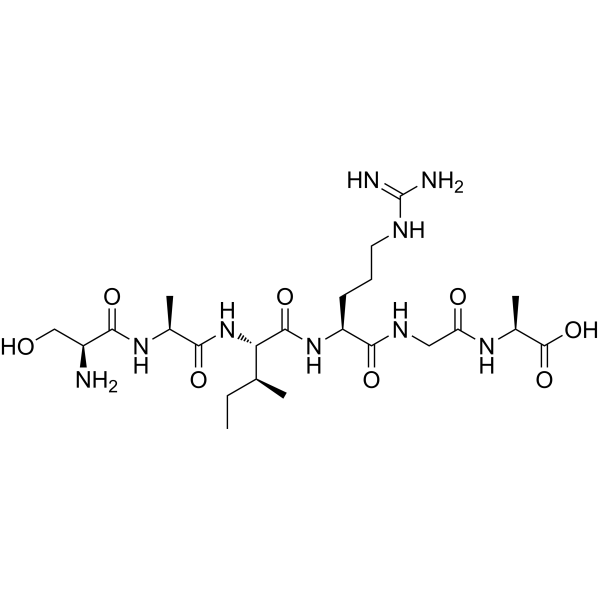 0 ImagesCat. No.: HY-P6012CAS No.: 2059978-63-9
SAIRGA, derived from the phages phi3T, can recognize phAimR in the bacterial cytosol to induce lysogeny.
-
Oxolinic acid (Standard)
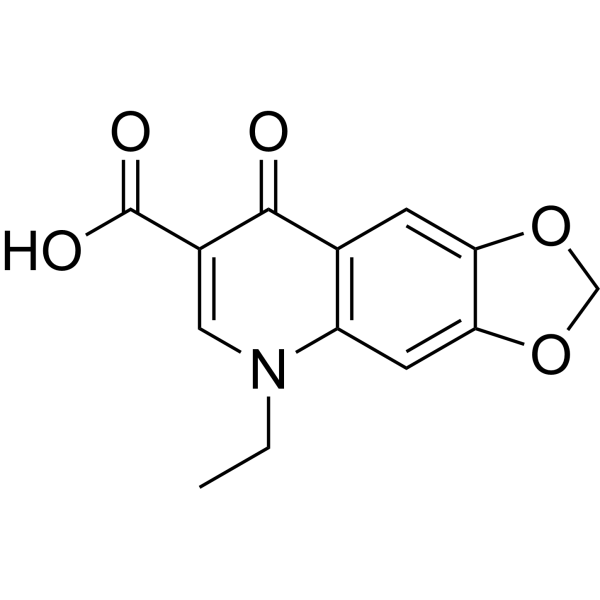 0 ImagesCat. No.: HY-B1002RCAS No.: 14698-29-4
Oxolinic acid (Standard) is the analytical standard of Oxolinic acid. This product is intended for research and analytical applications. Oxolinic acid is an antibiotic against both Gram-negative and Gram-positive bacteria. Oxolinic acid can be used for the research of acute and chronic urinary tract infections. Oxolinic acid is a DNA/RNA synthesis inhibitor. Oxolinic acid acts a dopamine uptake inhibitor and stimulants locomotor effect in mice.
-
Zinc oxide, 99.99% metals basis
 0 Images
Zinc oxide, 99.99% metals basis is a versatile wide-bandgap semiconductor with superior comprehensive properties. Zinc oxide, 99.99% metals basis serves as raw material for Schottky diodes, functional nanostructures, sensors, energy harvesters and photocatalysts for hydrogen production. Zinc oxide, 99.99% metals basis acts as a non-toxic antibacterial agent and selective cytotoxin against multiple bacteria, fungi and spores. Zinc oxide, 99.99% metals basis induces cancer cell death. Zinc oxide, 99.99% metals basis is applicable to drug delivery, biosensing, bioimaging and researches on cancer, microbial infections and skin diseases.
-
Anthrarobin
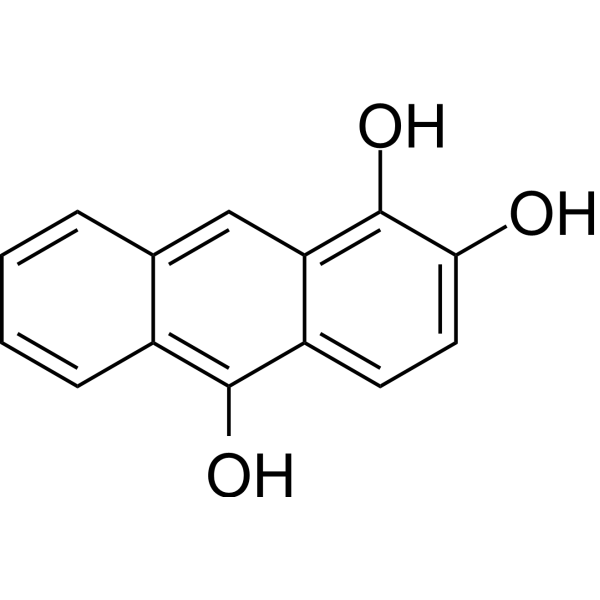 0 Images
Anthrarobin is an antipsoriatic agent with antibacterial and oxidative potential.
-
p-Anisic acid (Standard)
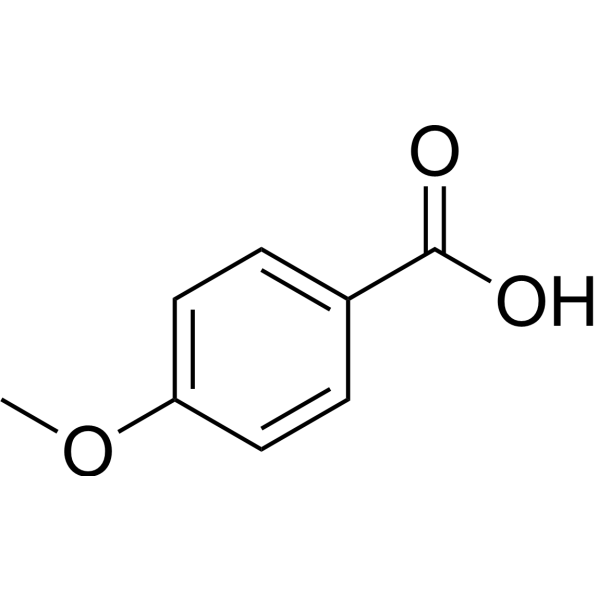 0 ImagesSynonyms: 4-Methoxybenzoic acid (Standard); Draconic acid (Standard)
p-Anisic acid (Standard) is the analytical standard of p-Anisic acid. This product is intended for research and analytical applications. p-Anisic acid (4-Methoxybenzoic acid) is one of the isomers of anisic acid, with anti-bacterial and antiseptic properties.
-
Cefaclor-d5
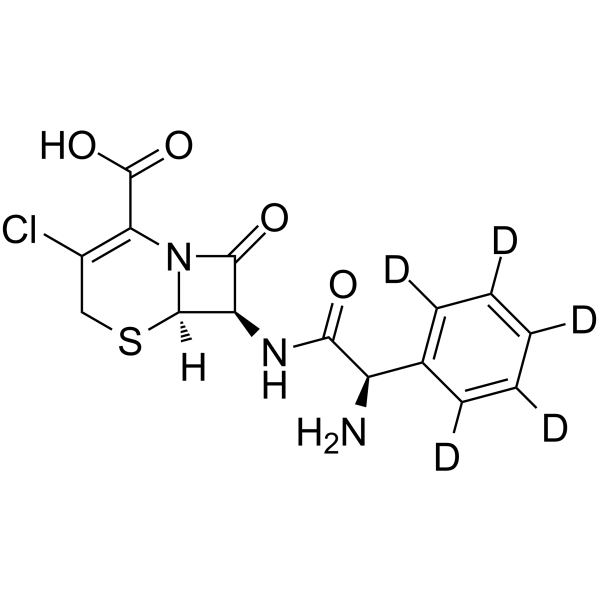 0 ImagesCat. No.: HY-B0198SCAS No.: 1426173-90-1
Cefaclor-d5 is the deuterium labeled Cefaclor. Cefaclor is an effective antibiotic agent, and specifically binds to penicillin-binding protein 3 (PBP 3).
-
MSU-43557
 0 Images
MSU-43557 is a Mycobacterium abscessus MmpL3 (MAB_4508) inhibitor and bactericidal agent. MSU-43557 inhibits MmpL3 function, disrupts trehalose monomycolate synthesis, and reduces biofilm-associated Mycobacterium abscessus viability. MSU-43557 exerts bactericidal activity against intracellular Mycobacterium abscessus. MSU-43557 shows low eukaryotic cytotoxicity and low Mycobacterium abscessus resistance frequency. MSU-43557 can be used for the research of mycobacterium abscessus infection.
-
D2A21
 0 ImagesCat. No.: HY-P11211CAS No.: 172263-89-7
D2A21, a cecropin peptide, demonstrates a minimum cidal concentration of 21.69 μg/mL against Chlamydia trachomatis.
-
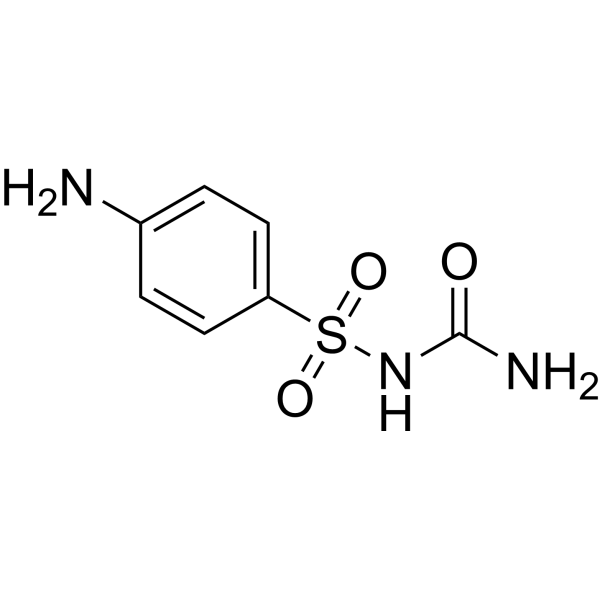
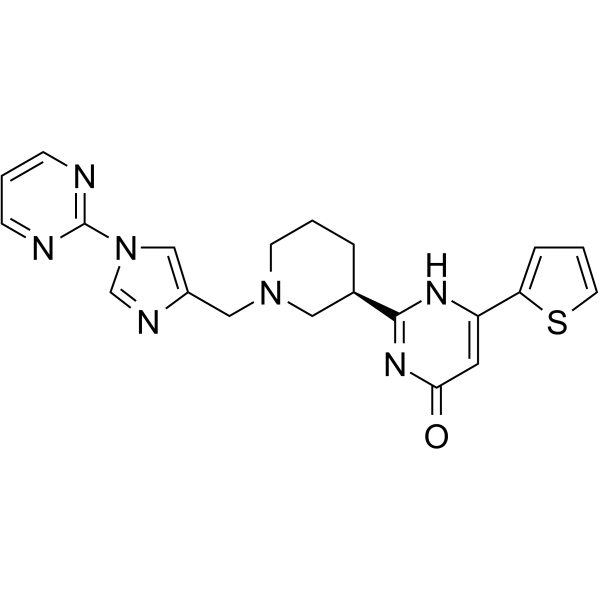
Tongkat Ali Extract
 0 ImagesCat. No.: HY-N13215
Tongkat Ali Extract is the extract of Tongkat Ali, a testosterone modulator. Tongkat Ali Extract activates CYP17 enzyme to enhance conversion of pregnenolone and progesterone to dehydroepiandrosterone, androstenedione, and testosterone. Tongkat Ali Extract demonstrates antimalarial, antimicrobial, anticancer, and antidiabetic activity. Tongkat Ali Extract can be used for the research of diabetic and male infertility.
-
Lenampicillin hydrochloride
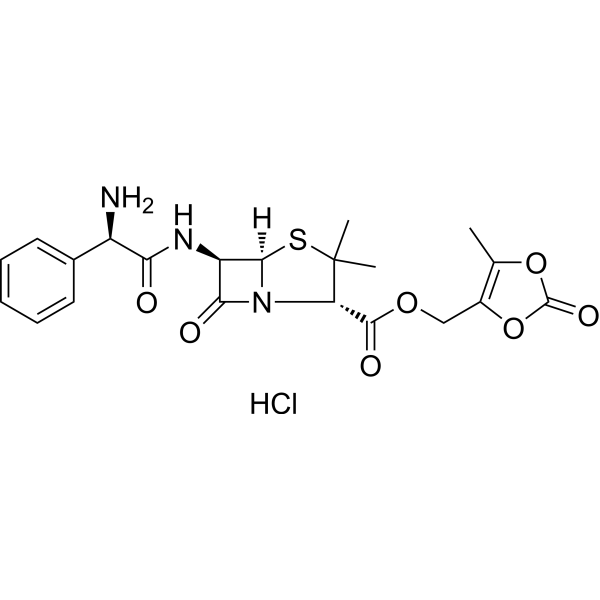 0 ImagesSynonyms: KBT 1585 hydrochloride
Lenampicillin hydrochloride (KBT 1585 hydrochloride) is an orally active proagent of Ampicillin and is an effective beta-lactam antibacterial agent that inhibits bacterial penicillin-binding proteins (transpeptidase). Lenampicillin hydrochloride has improved absorption and decreased side effects compares to Ampicillin and is applied in the investigation of the suppurative skin and soft tissue infection .
-
Polybia-MP1
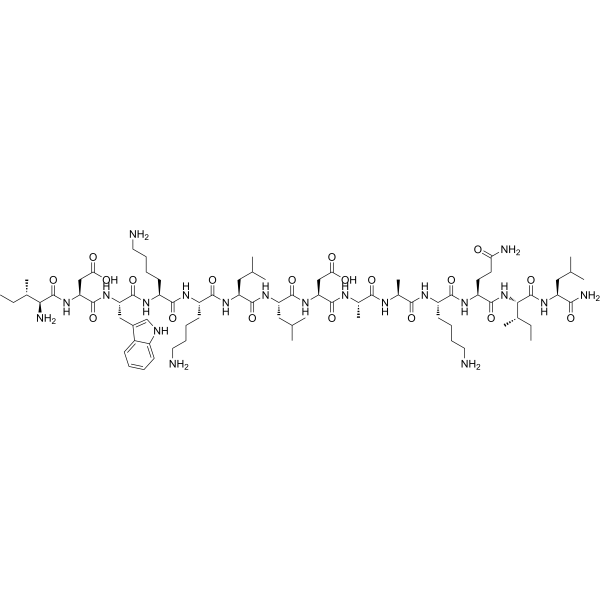 0 Images
Polybia-MP1 is an antimicrobial peptide with antibacterial, antifungal and anticancer activities. Polybia-MP1 selectively targets cancer cells by interacting with PS and PE in the outer leaflet of cell membranes, and induces necrosis via pore formation. Polybia-MP1 exhibits antibacterial activity against Pseudomonas aeruginosa. Polybia-MP1 can be used in research related to bacterial infections, fungal infections and cancers.
-
Cephalexin-d5
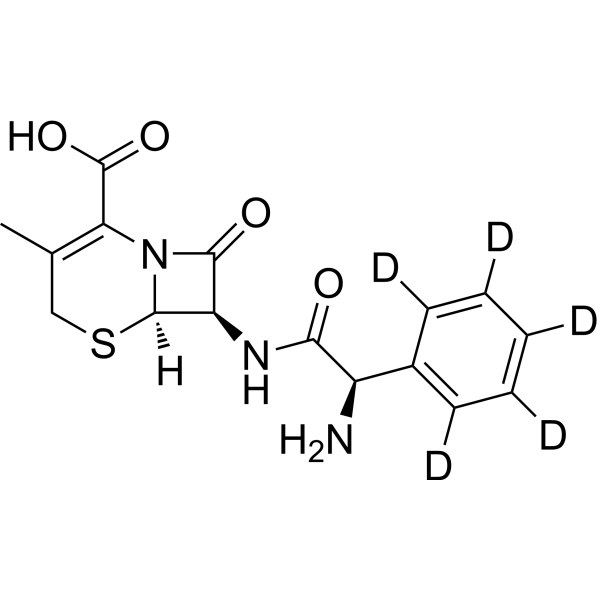 0 ImagesSynonyms: Cefalexin-d5; Cephacillin-d5
Cephalexin-d5 is deuterium labeled Cephalexin. Cephalexin (Cefalexin; Cephacillin) is a potent, orally active and the first-generation?cephalosporin antibiotic. Cephalexin kills?gram-positive?and some?gram-negative bacteria?by disrupting the growth of the bacterial cell wall. Cephalexin monohydrate is used for the research of?pneumonia,?strep throat, and bacterial endocarditis, et al.



