



SARS-CoV
SARS coronavirus
SARS-CoV is the coronavirus (CoV) that causes severe acute respiratory syndrome (SARS). CoVs are enveloped viruses with a positive-sense, single-stranded RNA and can cause health-threatening outbreaks by targeting human respiratory system, including not only SARS, but also Middle East respiratory syndrome (MERS) and SARS-CoV-2 (the cause of COVID-19).
CoVs have four main structural proteins: spike(S), membrane (M), envelope (E), and nucleocapsid (N) proteins. An S protein mediates the CoV entry into host cells by attaching to a cellular receptor (ACE2 for SARS-CoV and SARS-CoV-2, DPP4 for MERS-CoV), followed by fusion between virus and host cell membranes. Genome replication and subgenomic RNA transcription after entry carry on with the participation of many nonstructural proteins such as Mpro (main protease or 3CLpro), PLpro (papain-like protease) and RdRp (RNA-dependent RNA polymerase). Then the structural proteins are translated, assembled into mature virions, and released via vesicles by exocytosis. It is worth mentioning that a protease called TMPRSS2 (transmembrane protease, serine 2) play important roles throughout the whole life of CoVs (such as attachment, assembling and release) by cleaving S protein. All the proteins and subcellular structures participated in the life cycle of CoVs are promising targets for treatment of disease caused by CoVs.
All Product Categories
-
SARS-CoV Related Products (1184)
Related Products (1184)

-
Recombinant Proteins (195)
-
Tetrasodium pyrophosphate
 0 ImagesTetrasodium pyrophosphate is a water-soluble inorganic salt commonly used as a buffering agent, emulsifier, and sequestrant. Tetrasodium pyrophosphate is an antimicrobial agent that can reduce microbial colonization. Tetrasodium pyrophosphate blocks IPP translocation, enhances astaxanthin, phenol, flavonoid, and H2O2 levels, activates PAL and DPPH scavenging activity. Tetrasodium pyrophosphate can be used for the research of alleviating symptoms post COVID-19.
-
Tipranavir
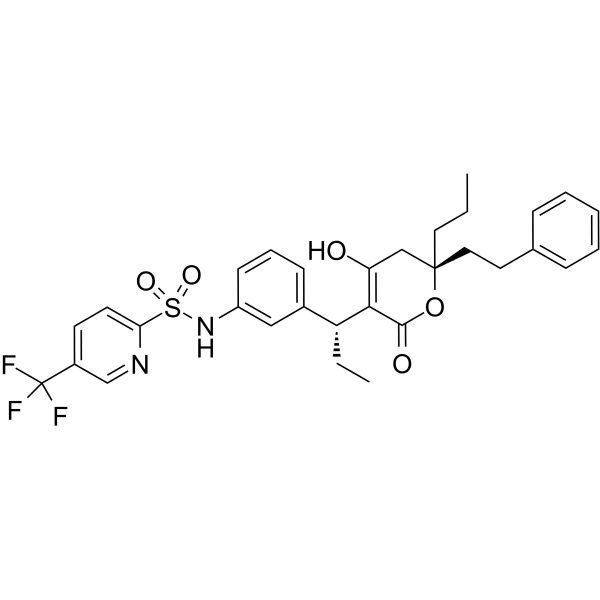 0 ImagesSynonyms: PNU-140690
-
N6,N6-Dimethyladenosine
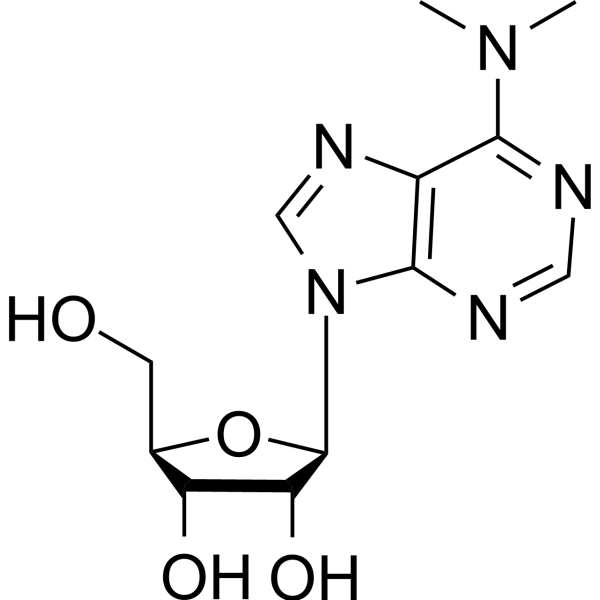 0 ImagesN6,N6-Dimethyladenosine, a modified ribonucleoside, is an endogenous A3 adenosine receptor ligand. N6,N6-Dimethyladenosine is an AKT inhibitor with antitumor effects. N6, N6-Dimethyladenosine targets SARS-CoV-2 entry protein ADAM17. N6, N6-Dimethyladenosine robustly inhibits AKT signaling in a variety of non-small cell lung cancer cell lines.
-
Chloroquine dihydrochloride
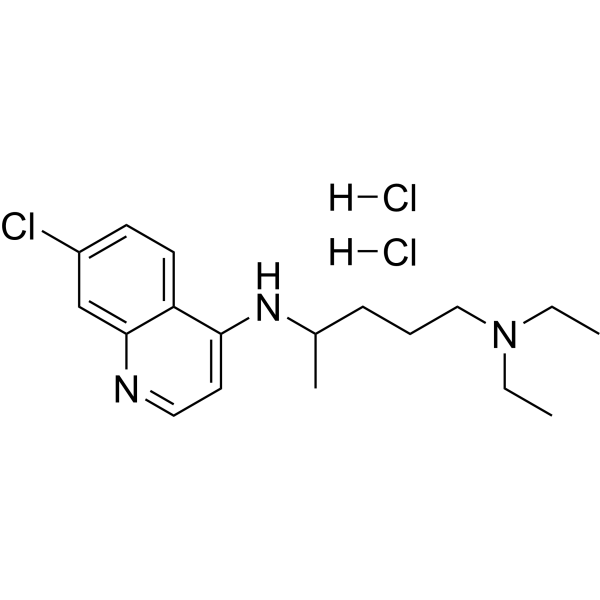 0 ImagesChloroquine dihydrochloride is an antimalarial and anti-inflammatory agent widely used to treat malaria and rheumatoid arthritis. Chloroquine dihydrochloride is an autophagy and toll-like receptors (TLRs) inhibitor. Chloroquine dihydrochloride is highly effective in the control of SARS-CoV-2 (COVID-19) infection in vitro (EC50=1.13 μM).
-
Galidesivir
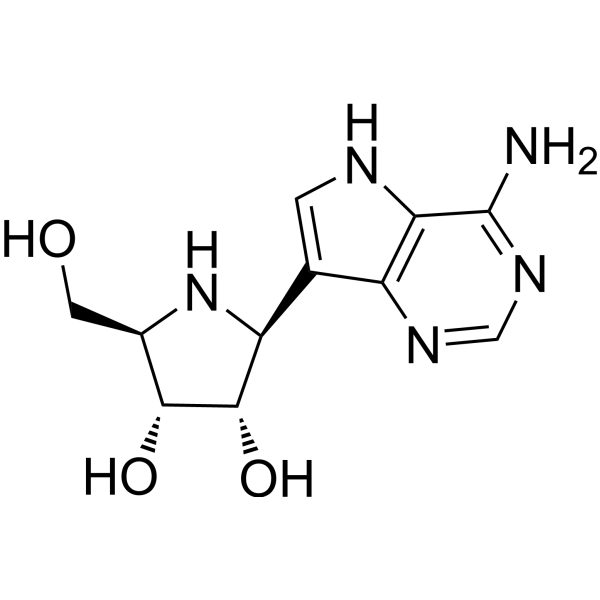 0 ImagesSynonyms: BCX4430; Immucillin-AGalidesivir (BCX4430), an adenosine analog and a direct-acting antiviral agent, disrupts viral RNA-dependent RNA polymerase (RdRp) activity. Galidesivir is active in vitro against many RNA viral pathogens, including the filoviruses and emerging infectious agents such as MERS-CoV, SARS-CoV, and SARS-CoV-2. Galidesivir inhibits some negative-sense RNA viruses with EC50s ranging from ~3 to ~68 μM.
-
Ezurpimtrostat hydrochloride
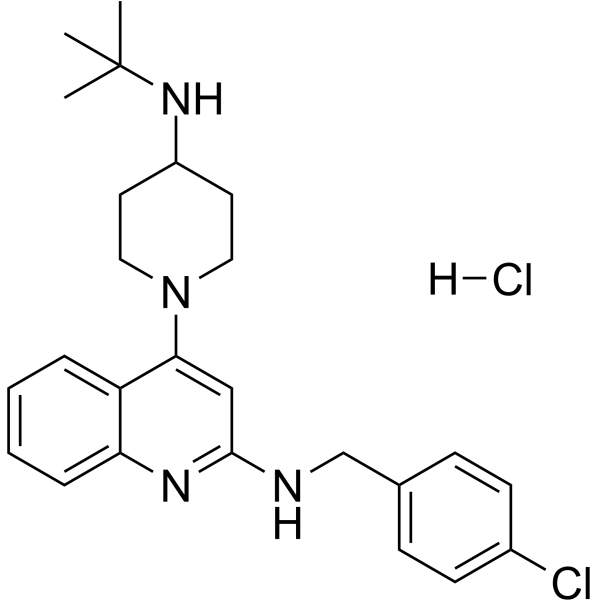 0 ImagesSynonyms: GNS561 hydrochlorideEzurpimtrostat hydrochloride (GNS561 hydrochloride) is an orally active PPT1 inhibitor, autophagy inhibitor, immunomodulator, anti-inflammatory agent, and anticancer agent. Ezurpimtrostat hydrochloride inhibits PPT1, dysregulates lysosomal function, redistributes mTOR, and induces apoptosis. Ezurpimtrostat hydrochloride reduces IFN‑α, CRP, immune complex deposition, and SARS‑CoV‑2 viral load. Ezurpimtrostat hydrochloride can be used for the study of systemic lupus erythematosus, SARS‑CoV‑2, hepatocellular carcinoma, fibrosis, and related disorders.
-
Ketotifen fumarate
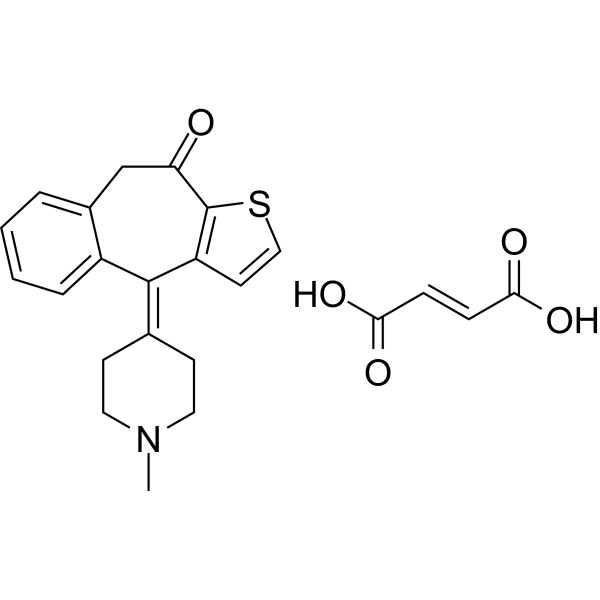 0 ImagesSynonyms: HC 20511 fumarateKetotifen (HC 20-511) fumarate is an orally active second-generation noncompetitive histamine 1 (H1) receptor blocker and mast cell stabilizer. Ketotifen fumarate can block 6-phosphogluconate dehydrogenase (PGD) in vitro. Ketotifen fumarate also has antiviral activity against SARS-CoV-2 and Influenza virus. Ketotifen fumarate can be used to the research of autoimmune encephalomyelitis (EAE) and asthma attack prevention.
-
Danoprevir
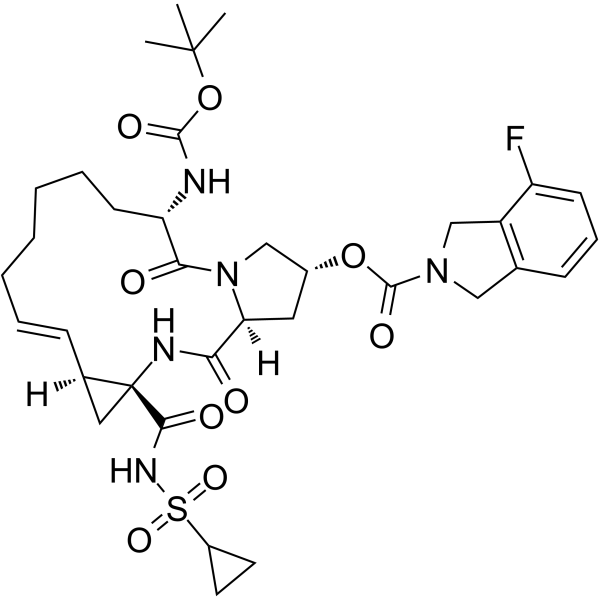 0 ImagesSynonyms: ITMN-191; R7227; RO5190591; RG7227Danoprevir (ITMN-191) is an orally active NS3/4A protease inhibitor for hepatitis C virus (HCV) with an IC50 of 0.29 nM and is selective for NS3/4A over a panel of 53 proteases (IC50 higher than 10 μM). Danoprevir (ITMN-191) inhibits HCV genotypes 1a, 1b, 4, 5, and 6 (IC50s=0.2-0.4 nM) as well as 2b and 3a (IC50s=1.6, 3.5 nM). Danoprevir is also a SARS-CoV 3CLpro inhibitor with an IC50 of 0.05 μM.
-
Azelastine hydrochloride
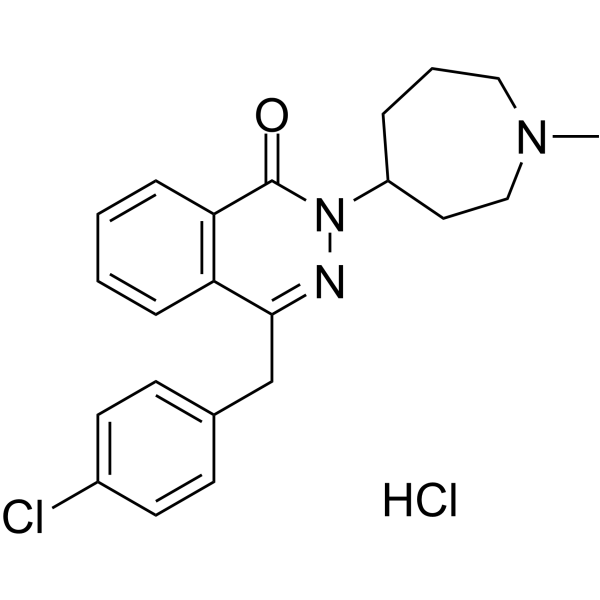 0 ImagesAzelastine hydrochloridem, an antihistamine, is a potent and selective histamine 1 (H1) antagonist. Azelastine hydrochloride can be used for the research of allergic rhinitis, asthma, diabetic hyperlipidemic and SARS-CoV-2.
-
Mefloquine
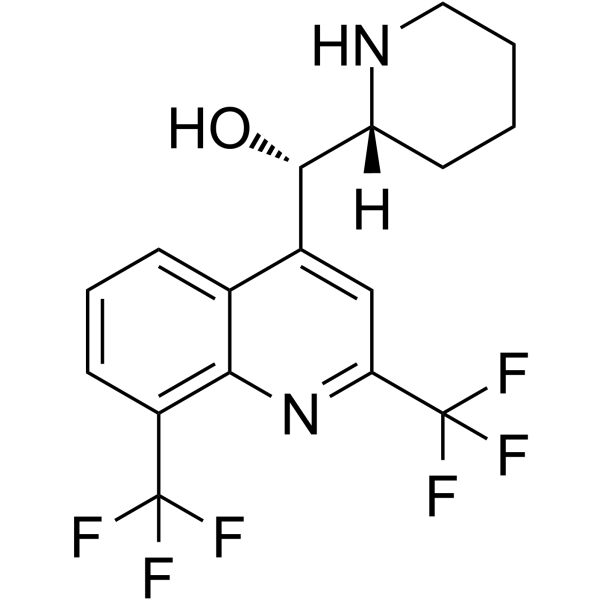 0 ImagesSynonyms: MefloquinMefloquine (Mefloquin), an orally active and potent quinoline antimalarial agent, is an anti-SARS-CoV-2 entry inhibitor. Mefloquine is also a K+ channel (KvQT1/minK) antagonist with an IC50 of ~1 μM. Mefloquine can be used for malaria, systemic lupus erythematosus and cancer research.
-
Umifenovir hydrochloride
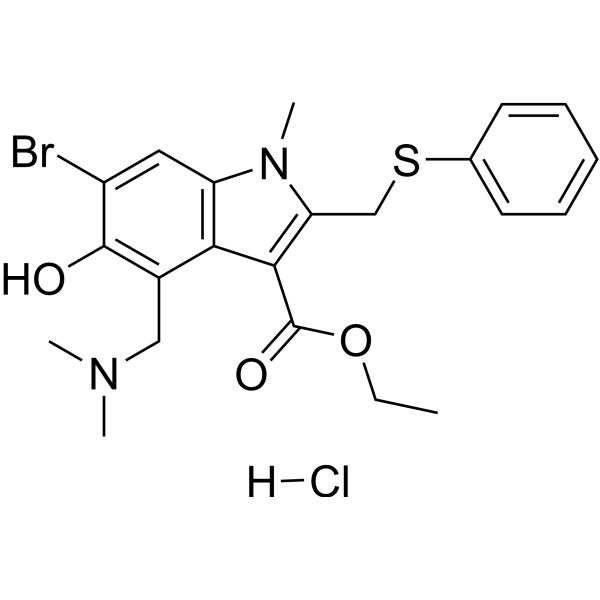 0 ImagesUmifenovir hydrochloride is a potent, orally active broad-spectrum antiviral with activity against a number of enveloped and non-enveloped viruses. Umifenovir hydrochloride is used as an anti-influenza virus agent. Umifenovir hydrochloride could effectively inhibit the fusion of virus with host cells. Umifenovir hydrochloride is an efficient inhibitor of SARS-CoV-2 in vitro. Anti-inflammatory activity.
-
Benfotiamine
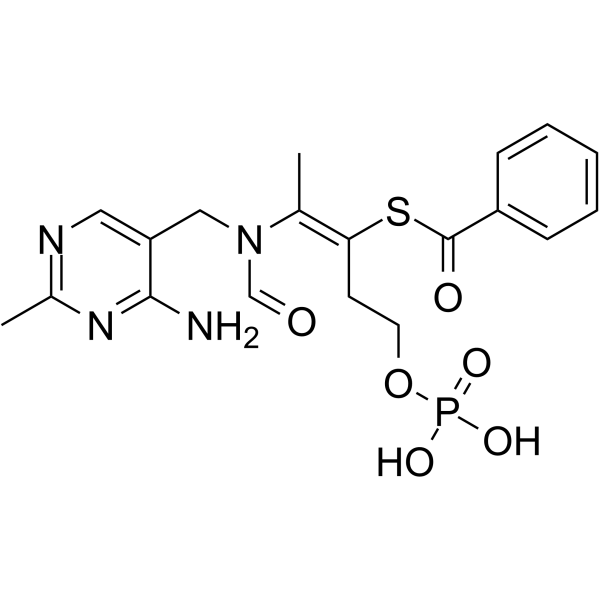 0 ImagesSynonyms: S-Benzoylthiamine O-monophosphateBenfotiamine (S-Benzoylthiamine O-monophosphate) is a vitamin B1 derivative that exhihibits potent antioxidative and anti-inflammatory activity. Benfotiamine can be used for the research of various secondary diabetic complications. Benfotiamine also can be used in infectious diseases such as HIV and COVID-19.
-
TFMU-ADPr diammonium
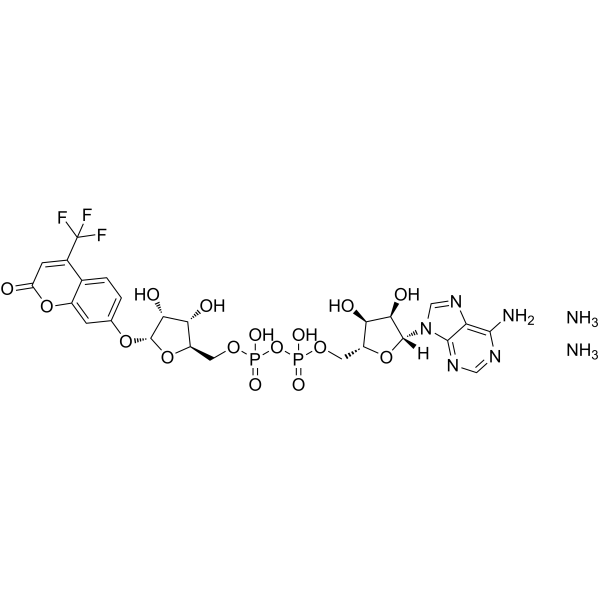 0 ImagesCat. No.: HY-146248BPurity: 98.78%TFMU-ADPr diammonium is a selective reporter substrate of SARS-CoV-2 Macro1 (IC50=0.59 μM), with an excitation wavelength (λEx) of 385 nm, and an emission wavelength (λEm) of 502 nm (or 495 nm). TFMU-ADPr diammonium can also undergo enzymatic hydrolysis with Poly(ADP-ribose) Glycohydrolase (PARG) sourced from human, Tetrahymena thermophila and ADP-ribosylhydrolase 3 from human to release fluorophores, thereby directly reporting total poly (ADP-ribose) hydrolase activity. TFMU-ADPr diammonium binds to the ADPr-binding site of SARS-CoV-2 Macro1, and its TFMU moiety inserts into the narrow hydrophobic groove of this protein. TFMU-ADPr diammonium can thus be used to evaluate small-molecule inhibitors targeting PAR hydrolases under in vitro conditions, to investigate the regulatory mechanisms of ADP-ribosyl catabolic enzymes, or to detect PAR hydrolase activity in whole-cell lysate assays. TFMU-ADPr diammonium is also applicable to COVID-19-related research.
-
Chebulagic acid
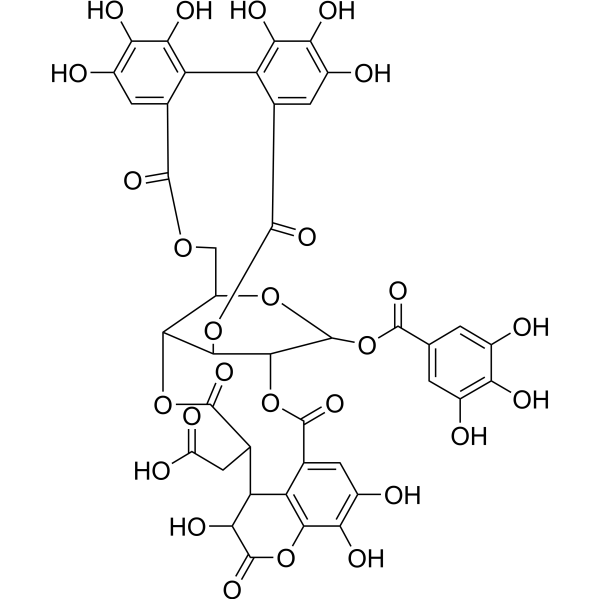 0 ImagesChebulagic acid is a COX-LOX dual inhibitor isolated from the fruits of Terminalia chebula Retz, on angiogenesis. Chebulagic acid is a M2 serine to asparagine 31 mutation (S31N) inhibitor and influenza antiviral. Chebulagic acid also against SARS-CoV-2 viral replication with an EC50 of 9.76 μM.
-
Chymostatin
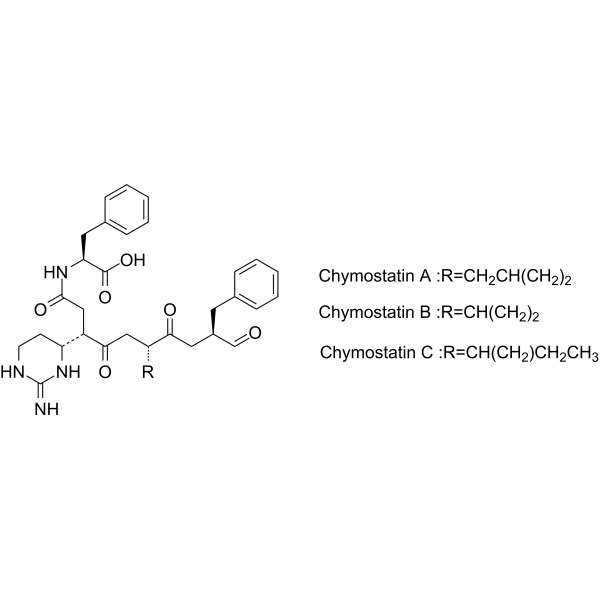 0 ImagesChymostatin is a SARS-CoV-2 Mpro inhibitor. Chymostatin up-regulates endocan and inhibits NF-κBp65 activity. Chymostatin reduces proinflammatory cytokines (IL-1β and IL-6) and HMGB1. Chymostatin shows protective effects against Paraquat-induced acute lung injury. Chymostatin exhibits anticancer activity against lung cancer.
-
JG26
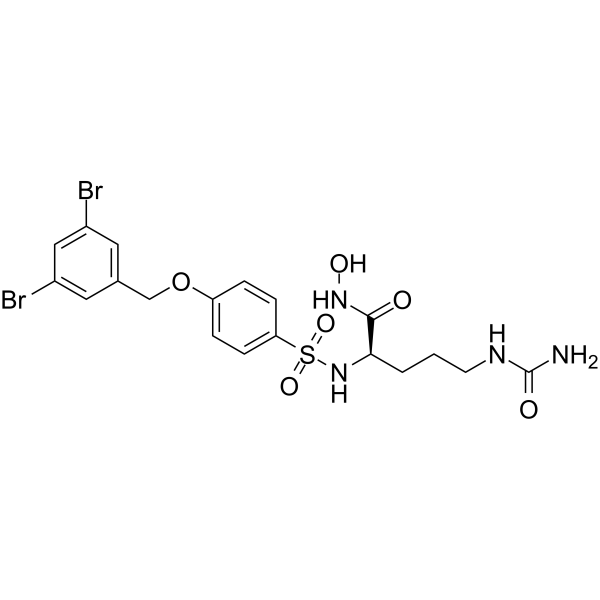 0 ImagesJG26 is an ADAM inhibitor with IC50 values of 12 nM, 1.9 nM, and 150 nM for ADAM8, ADAM17, and ADAM10, respectively. JG26 inhibits MMP-12 with an IC50 value of 9.4 nM. JG26 inhibits AngII (HY-13948)-induced EGFR transactivation and ERK activation. JG26 increases the expression of ACE2, inhibits the cleavage of CD23, reduces the infection of SARS-CoV-2. JG26 inhibits colorectal cancer metastasis. JG26 can be used for research on Hodgkin lymphoma and vascular diseases.
-
Aviptadil acetate
 0 ImagesSynonyms: Vasoactive Intestinal Peptide acetate salt (human, rat, mouse, rabbit, canine, porcine)Aviptadil acetate is an analog vasoactive intestinal polypeptide (VIP) with potent vasodilatory effects. Aviptadil acetate induces pulmonary vasodilation and inhibits vascular SMCs proliferation, platelet aggregation. Aviptadil acetate can be used for the research of pulmonary fibrosis, pulmonary arterial hypertension (PAH) and SARS-CoV-2 caused respiratory failure, et al.
-
LP-935509
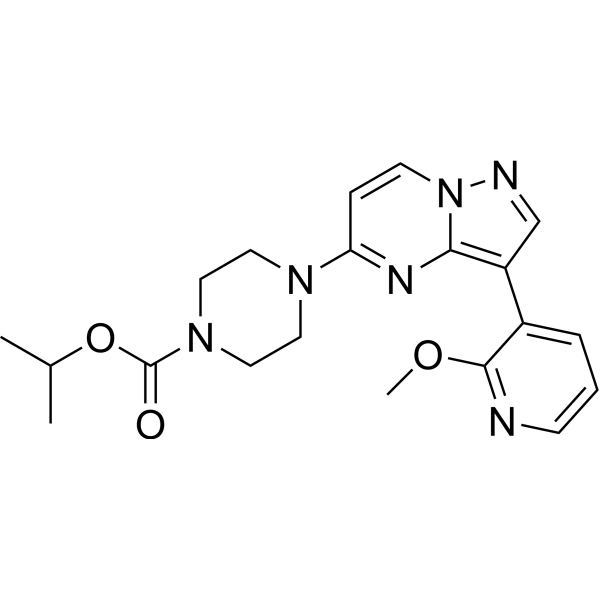 0 ImagesLP-935509 is an orally active, potent, selective, ATP-competitive and brain-penetrant inhibitor of adaptor protein-2 associated kinase 1 (AAK1) with an IC50 of 3.3 nM and a Ki of 0.9 nM, respectively. LP-935509 is also a potent inhibitor of BIKE (IC50=14 nM) and a modest inhibitor of GAK (IC50=320 nM). LP-935509 shows antinociceptive activity. LP-935509 can be used for neuropathic pain and SARS-CoV-2 research.
-
Z-FA-FMK
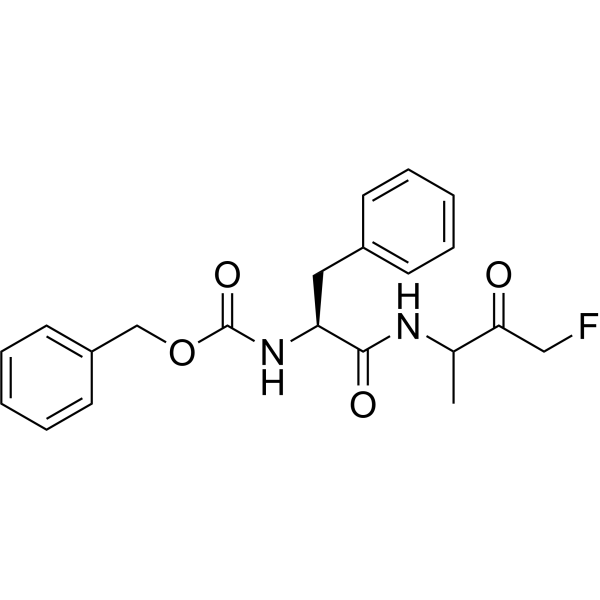 0 ImagesSynonyms: (1S)-Z-FA-FMKZ-FA-FMK ((1S)-Z-FA-FMK) is a potent Cathepsin B and L inhibitor. Z-FA-FMK blocks the induction of DEVDase activity, DNA fragmentation, and externalization of phosphatidylserine by selective synthetic retinoid-related molecules (RRMs). Z-FA-FMK inhibits apoptosis. Z-FA-FMK inhibits caspase activity and selectively inhibits recombinant effector caspases 2, -3, -6, and -7. Z-FA-FMK is a viral inhibitor. Z-FA-FMK inhibits reovirus replication in a susceptible host.




