



Fluorescent Dye
Fluorescence is a phenomenon of photoluminescence in luminescence. When an atom is irradiated by light, some electrons around the nucleus jump from their original orbitals to higher energy orbitals under the influence of light energy, i.e., from the ground state to the first or second excited single-line state, etc. Due to the instability of the first or second excited singlet state, the electron returns from the excited singlet state to the ground state accompanied by released energy, resulting in fluorescence.
Fluorescent dyes can be covalently bound or physically adsorbed in the structure of the substance. The fluorescence properties allow for the characterization, localization and quantitative analysis of the labeled object. Fluorescent dyes have shown great potential for the detection of proteins, nucleic acids, cells, and immunoassays, attributed to the advantages in non-radioactive contamination, simple experimental operation and easy observation.
Fluorescent dyes have penetrated many fields such as pharmacology, physiology, environmental science, and information science, as well as functional studies of proteins and drug screening.
All Product Categories
-
Fluorescent Dye Related Products (4831)
Related Products (4831)

-
Antibodies (4)
-
Calcein-AM
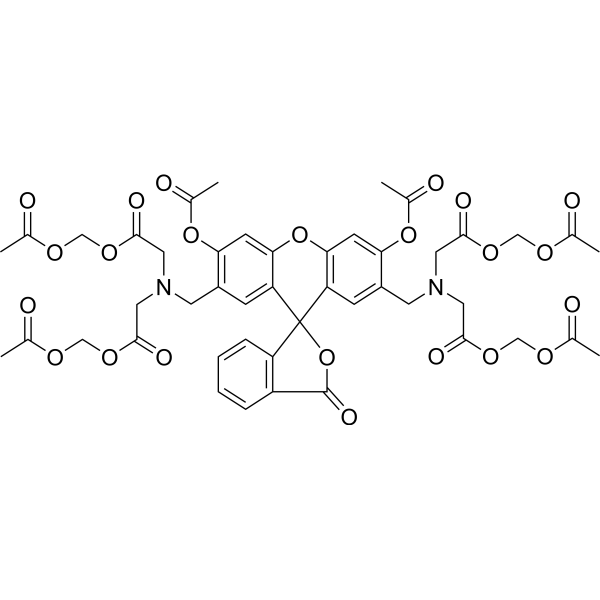 0 ImagesSynonyms: Calcein acetoxymethyl esterCalcein AM, has cell membrane permeability and can easily enter the cell. Calcein AM has no fluorescence and is hydrolyzed by endogenous esterase in the cell to produce polar molecule Calcein (Calcein), which has strong negative charge and cannot permeate the cell membrane. Calcein can emit strong green fluorescence, so it is often used with Propidium Iodide for cell viability/virulence detection, excitation/emission wavelength: 494/515 nm.
-
LysoTracker Red
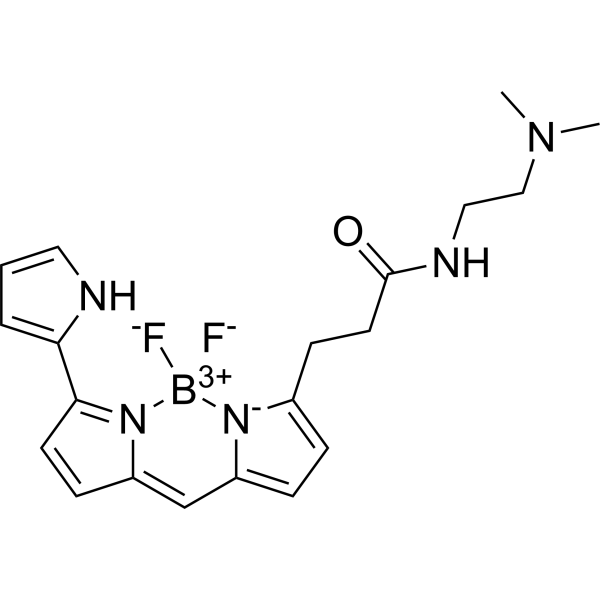 0 ImagesCat. No.: HY-D1300CAS No.: 231946-72-8Synonyms: LysoTracker Red DND-99LysoTracker Red is a Red fluorescently labeled lysosomal probe with a maximum excitation/emission wavelength of 577/590 nm. The structure is composed of a fluorescein group and linked weak bases, which can freely cross the cell membrane and gather on spherical organelles. It is suitable for observing the internal biosynthesis and related pathogenesis of lysosomes.
-
MQAE
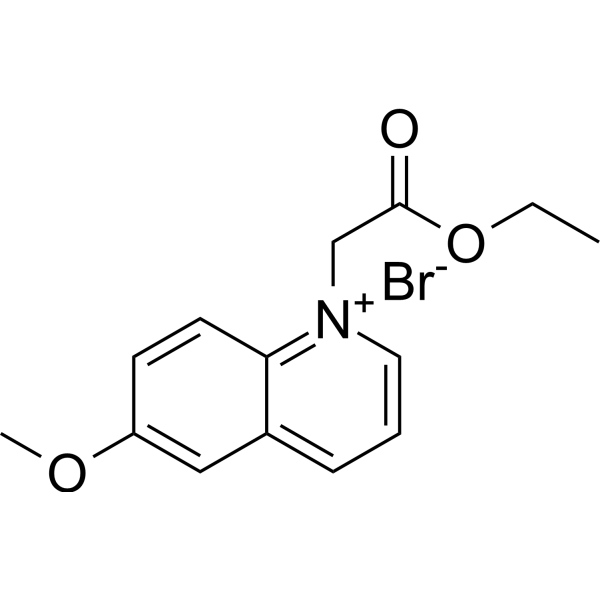 0 ImagesMQAE is a chloride ion (Cl-) fluorescent probe that can be used to measure chloride concentrations. The fluorescence intensity of MQAE decreases proportionally as Cl- ions increase. MQAE has high cell permeability and is suitable for fluorescence detection such as confocal microscopy and flow cytometry (Ex/Em=350/460 nm).
-
Monochlorobimane
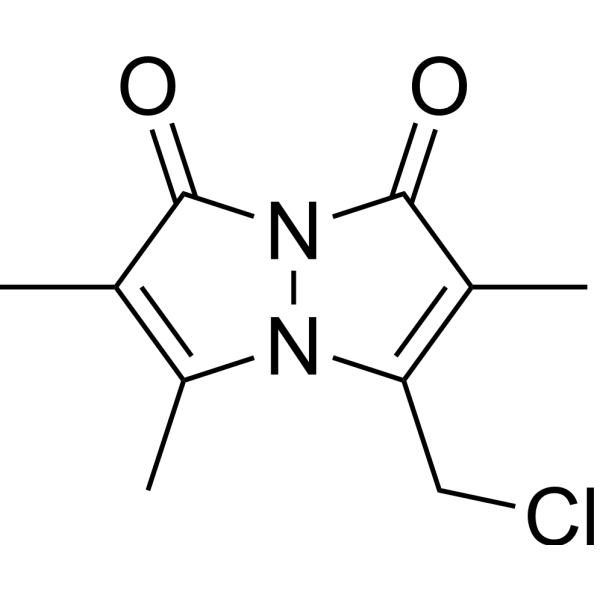 0 ImagesSynonyms: Chlorobimane,mBBrMonochlorobimane (Chlorobimane) is a fluorescent dye (λex=380 nm, λem=470 nm) to measure glutathione (GSH) in cellular assays.
-
Calcein
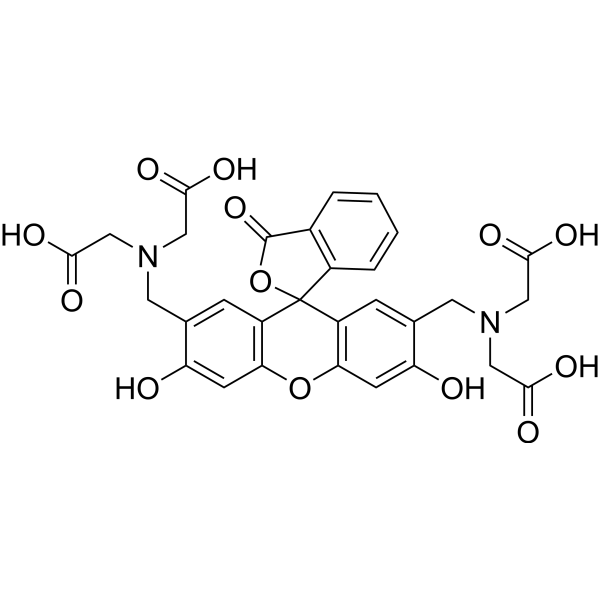 0 ImagesCalcein is a fluorescent dye and self-quenching probe, used as an indicator of lipid vesicle leakage, and also as a complexometric indicator for titration of calcium ions with EDTA, and for fluorometric determination of calcium. Calcein cannot directly cross the intact cell membrane of a living cell, unlike Calcein-AM (HY-D0041) which is cell-permeable. Calcein can also be used as a model drug for evaluating efficiency and bioavailability of drug delivery systems.
-
CY3
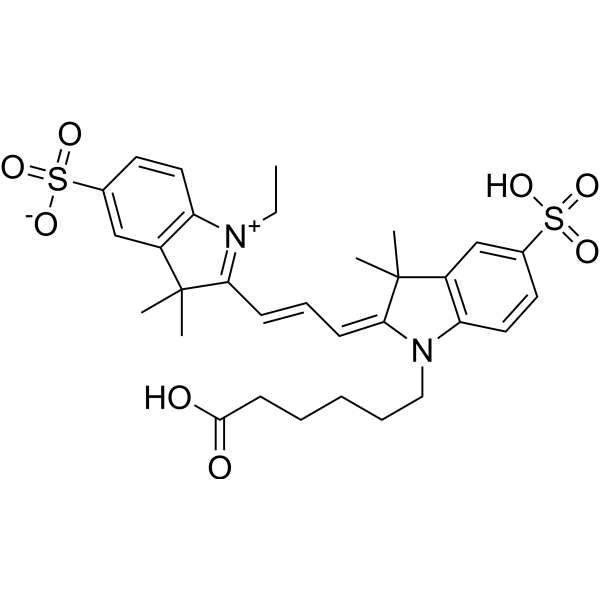 0 ImagesSynonyms: Sulfo-Cyanine3Cy3 (Sulfo-Cyanine3) is an orange-fluorescent label for protein and nucleic acid (λex=554, λem=568).
-
Rhodamine B
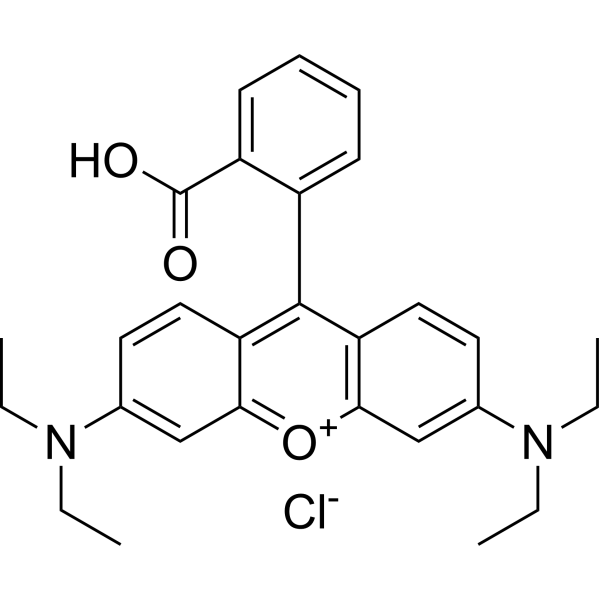 0 ImagesSynonyms: Basic Violet 10; Brilliant Pink B; Rhodamine O; TetraethylrhodamineRhodamine B is a staining fluorescent dye, commonly used for dyeing textiles, paper, soap, leather, and agents.
-
X-GAL
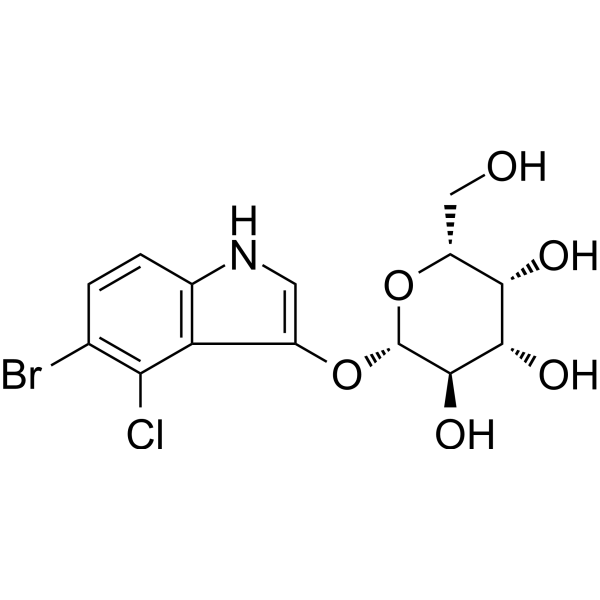 0 ImagesX-GAL (BCIG) is a widely used chromogenic β-galactosidase substrate. X-GAL is a colorless compound until cleaved by β-galactosidase, at which point X-GAL turns to an insoluble and detectable blue compound, making X-GAL particularly useful in techniques such as blue-white screening for cloning in bacteria. X-GAL can also be used for detection of β-galactosidase activity.
-
4-MUNANA
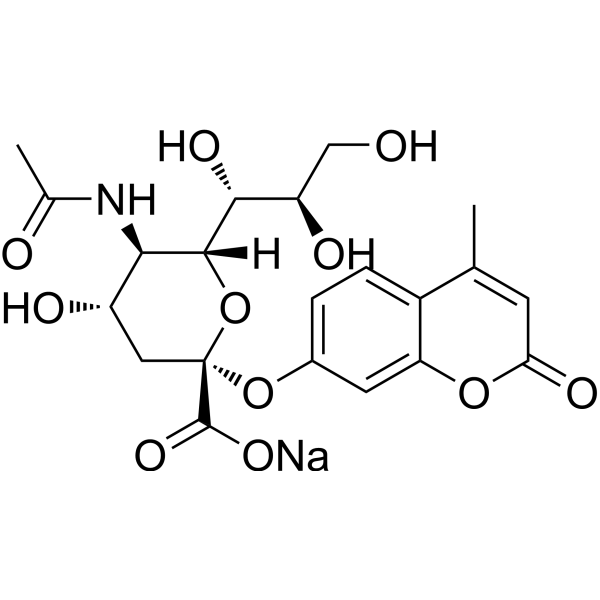 0 Images4-MUNANA is a substrate of influenza virus neuraminidase (NA) with high selectivity and irreversible reaction. In the enzymatic reaction, 4-MUNANA is hydrolyzed by NA to generate fluorescent 4-methylumbelliferone (4-MU). By detecting the fluorescence intensity of 4-MU, quantitative analysis of NA activity can be achieved. 4-MUNANA can be used in influenza-related research, such as screening NA inhibitors, developing new anti-influenza drugs, and studying the infection mechanism of influenza viruses.
-
Crystal Violet
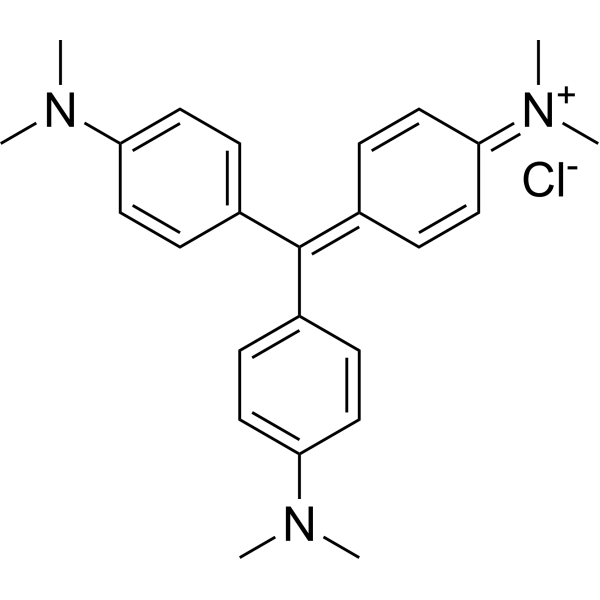 0 ImagesCrystal Violet, also known as Gentian violet, methyl violet 10B, is a triphenyl-methane, an alkaline dye that binds to DNA in the nucleus of a cell, staining it a deep purple. It is often used for Gram staining to classify bacteria, or for cell or histological staining[1].
-
PKH 67
 0 ImagesCat. No.: HY-D1421CAS No.: 257277-27-3PKH67 is a fluorescent cell binding dye with green fluorescence. PKH67 can stain the cell membrane and the Ex/Em is 490/502 nm. PKH67 is often used in combination with the non-specific red fluorescent dye PKH26 (Ex/Em=551/567 nm) to label cells, detect cell proliferation in vitro, and trace cells in vitro and in vivo.
-
ABTS diammonium salt
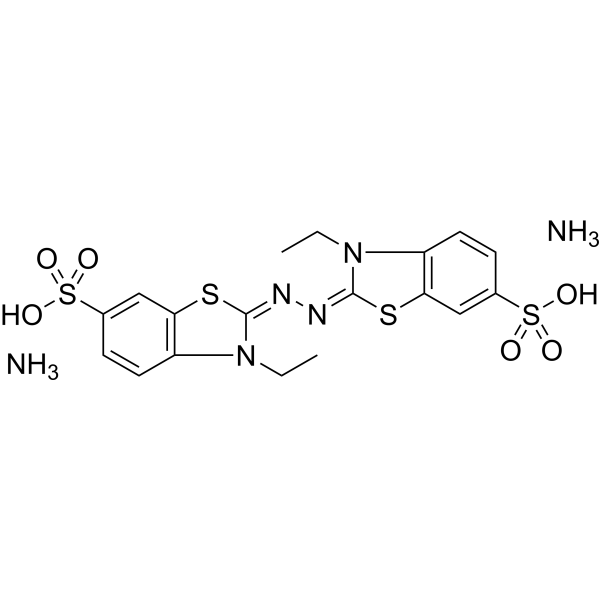 0 ImagesSynonyms: AzBTS-(NH4)2ABTS diammonium salt (AzBTS-(NH4)2) is a substrate for horseradish peroxidase (HRP) conjugate. ABTS diammonium salt can be used to evaluate antioxidant capacity.
-
Hydroxyphenyl Fluorescein
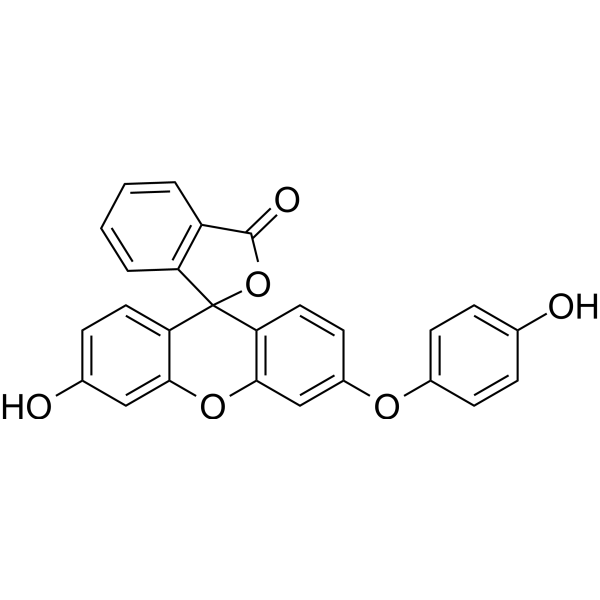 0 ImagesSynonyms: HPF; 3'-p-(Hydroxyphenyl) fluoresceinHydroxyphenyl Fluorescein (HPF) is a stable ROS fluorescent probe dye. Hydroxyphenyl Fluorescein has stronger specificity and stability than H2DCFDA (HY-D0940). Hydroxyphenyl Fluorescein can produce strong green fluorescence through hydroxyl radical reaction with intracellular peroxynitroso. Hydroxyphenyl Fluorescein can be applied for fluorescence microscopy, high-throughput imager, luciferase microplate reader or flow cytometry. Ex/Em=490/515 nm.
-
1,3-Diphenylisobenzofuran
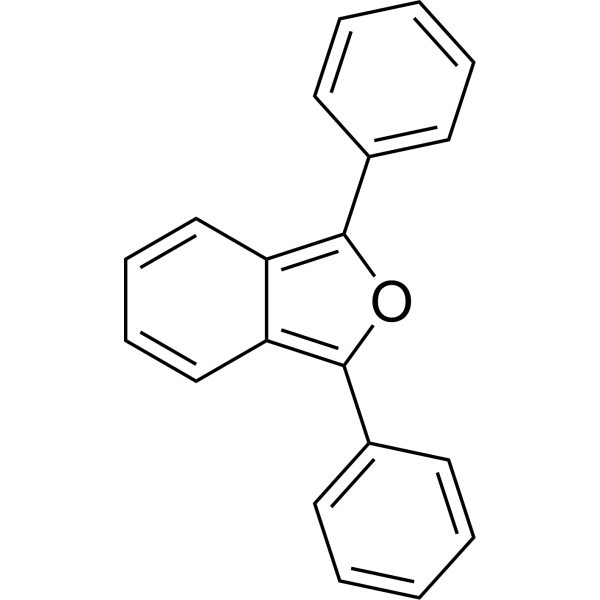 0 ImagesSynonyms: DPBF1,3-Diphenylisobenzofuran (DPBF) has been developed as a selective probe for the detection and quantitative determination of hydrogen peroxide in samples containing different reactive nitrogen and oxygen species (RNOS). DPBF is a fluorescent probe which, for almost 20 years, was believed to react in a highly specific manner toward some reactive oxygen species such as singlet oxygen and hydroxy, alkyloxy or alkylperoxy radicals.
-
ATP-Red 1
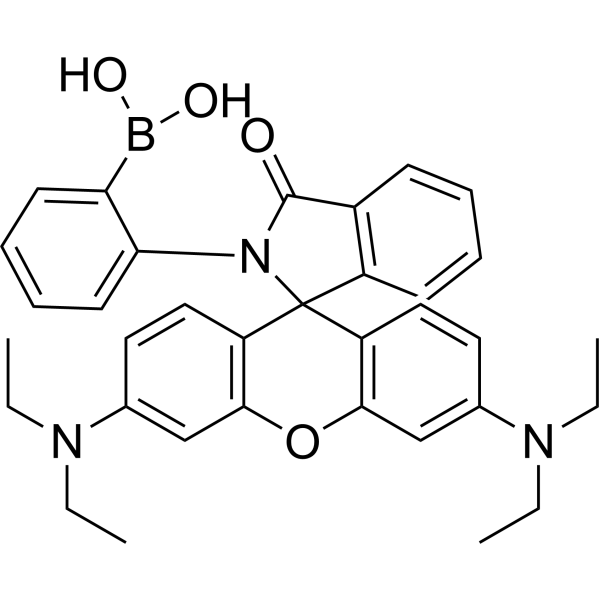 0 ImagesATP-Red 1 is a multisite-binding switchable fluorescent probe, and can selectively and rapidly responds to intracellular concentrations of ATP in living cells (Ex/Em = 510/590 nm).
-
Nitro blue tetrazolium chloride
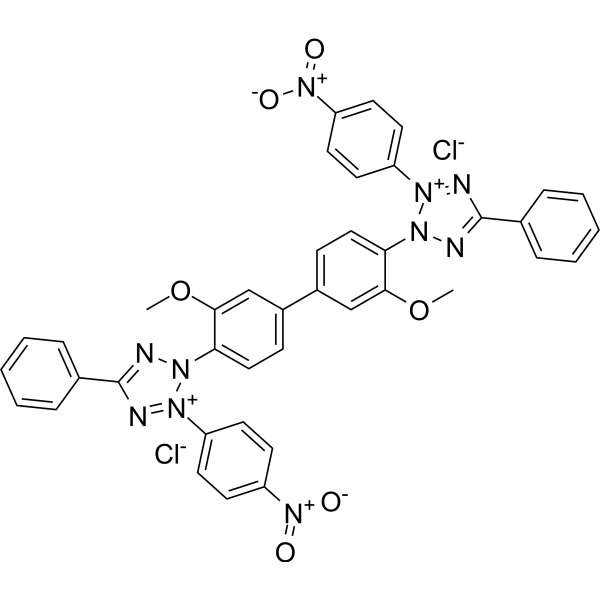 0 ImagesNitro blue tetrazolium chloride (NBT) is a substrate for dehydrogenases; is used with the alkaline phosphatase substrate 5-Bromo-4-Chloro-3-Indolyl Phosphate (BCIP) in western blotting and immunohistological staining procedures.
-
BODIPY 558/568 C12
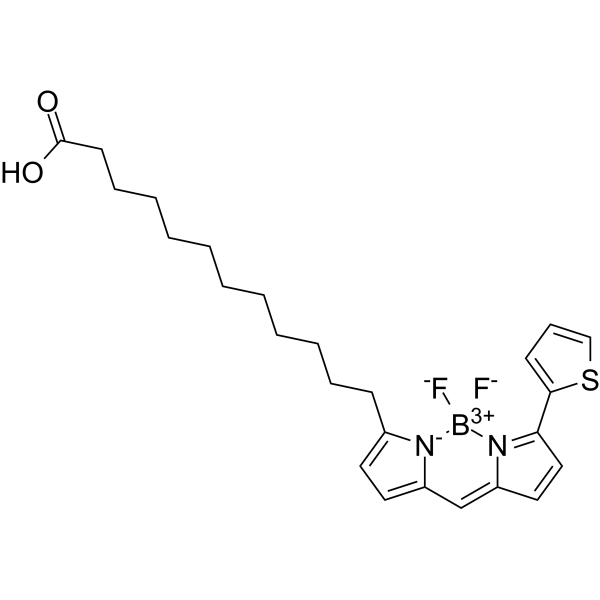 0 ImagesBODIPY 558/568 C12 is a BODIPY dye. BODIPY dye is a small molecule dye with strong ultraviolet absorption ability, its fluorescence peak is relatively sharp, and the quantum yield is high. They are relatively insensitive to the polarity and pH of the environment and are relatively stable under different physiological conditions. Due to its structural asymmetry, BODIPY derives a variety of structural products. BODIPY lipid droplet dyes can well pass through the cell membrane into the cell, and localize the neutral lipids in the cell to specifically stain the lipid droplets, which can be used for labeling of live cells and fixed cells. Maximum excitation/emission wavelength: 558/568 nm.
-
N-Phenylnaphthalen-1-amine
 0 ImagesN-Phenyl-1-naphthylamine is a dye that fluoresces strongly when bound to the inner phospholipid bilayer of Gram-negative bacteria. N-Phenyl-1-naphthylamine can be used to measure outer membrane permeability. N-Phenylnaphthalen-1-amine is a fluorescence probe for odorant-binding proteins (OBP) with a dissociation constant of 1.67 μM. N-Phenylnaphthalen-1-amine exhibits an excitation wavelength of 337 nM and an emission wavelength of 407 nM.
-
Green CMFDA
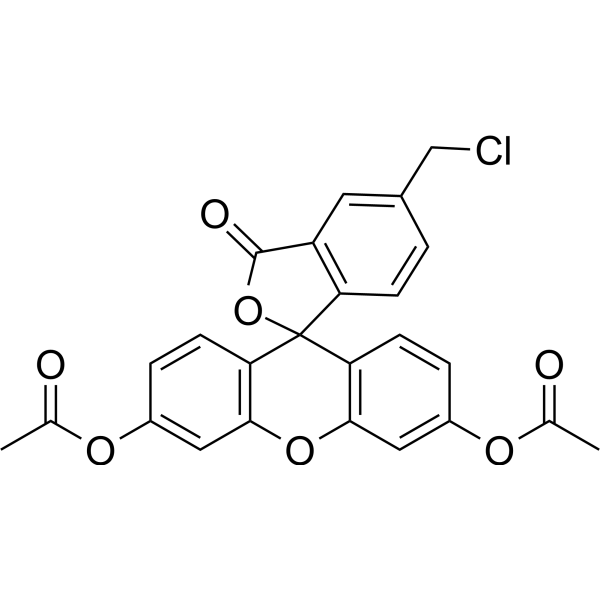 0 ImagesSynonyms: CMFDAGreen CMFDA is a cell-permeable fluorescent probe with Em of 514 nm and Ex of 485 nm and can be used as a cell tracer. Green CMFDA can be cleaved by non-specific esterases common in living cells, producing a fluorescent compound, fluorescein, visible using a fluorescent microscope.
-
TRITC-dextran, MW 70000
 0 ImagesCat. No.: HY-158082CSynonyms: Tetramethyl rhodamine isothiocyanate glucan, MW 70000TRITC-dextran MW 70000 (Tetramethyl rhodamine isothiocyanate glucan, MW 70000) is a fluorescent dye with a molecular weight of 70 kD. The excitation wavelength of TRITC-dextran MW 70000 is 555 nm, and its emission wavelength is 570 nm. TRITC-dextran MW 70000 is used for drug delivery because TRITC maintains stability over a wide pH range (i.e., pH 2-11) and exhibits photobleaching resistance.




