



EMD 66684
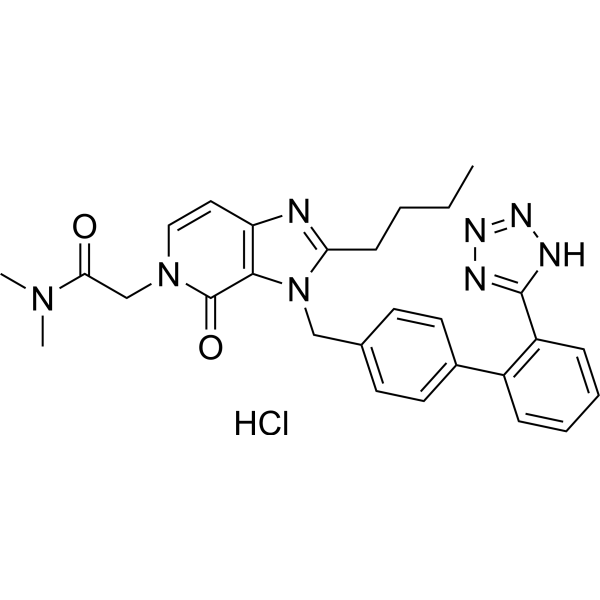
EMD 66684 is an antagonist of Angiotensin II Type 1 (AT1) receptor. EMD 66684 shows potent binding affinities for the AT1 subtype Ang II receptor with an IC50 value of 0.7 nM. EMD 66684 also serves as an antiischemic cytoprotectant -.
For research use only. We do not sell to patients.
- CAS No.: 1216884-39-7
- Formula: C28H31ClN8O2
- Molecular Weight:547.05
-
Storage:
Please store the product under the recommended conditions in the Certificate of Analysis.

To place orders, for customer services and technical support, please contact: MedChemExpress USA
Tel: 609-228-6898 E-mail: [email protected] [email protected]


-
 Biological Activity
-
Chemical Information
- Protocols
- Purity & Documentation
- References
-
 Help & FAQs


-
HY-17512
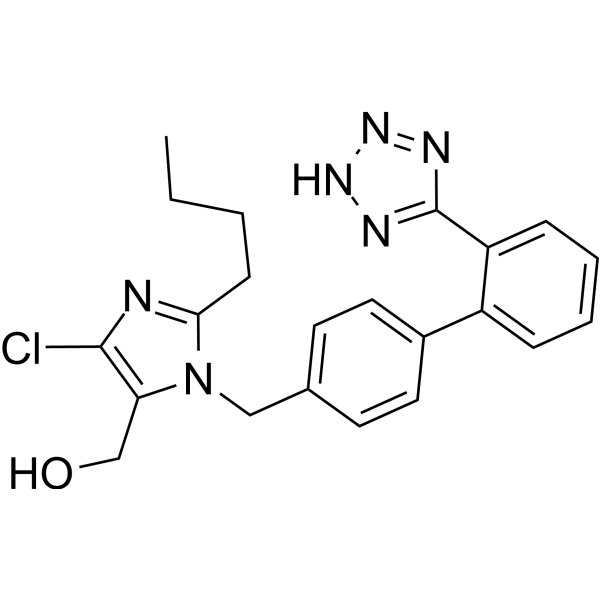
LosartanAngiotensin II Receptor Antagonist -
HY-17004
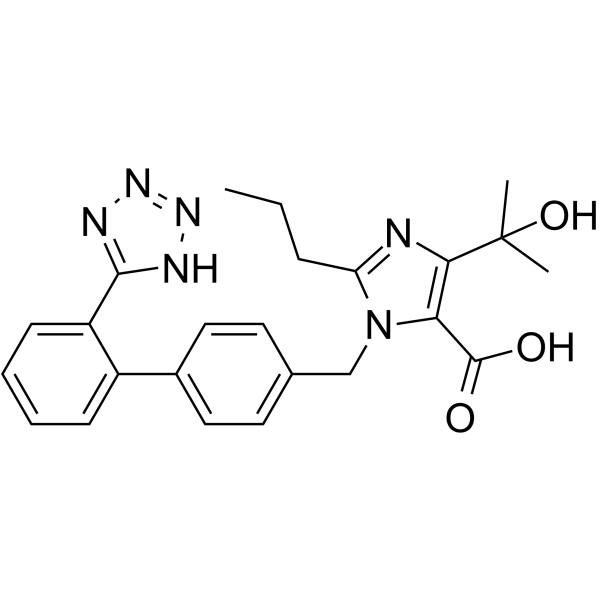
OlmesartanAT1R Antagonist -
HY-15778
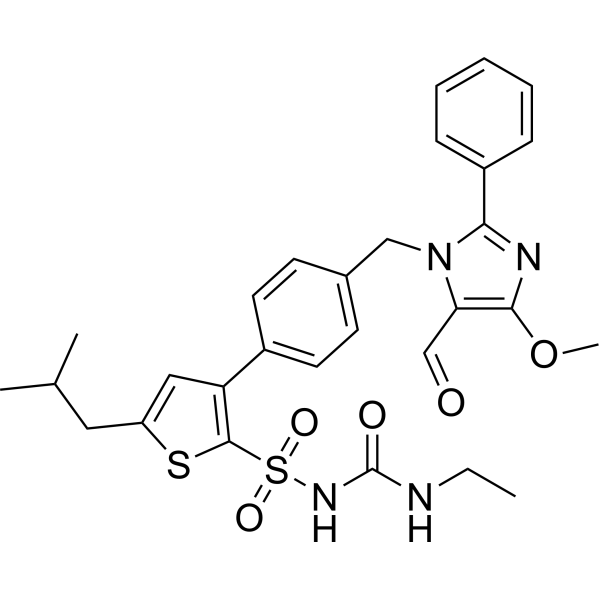
AVE 0991Ang-(1-7) Receptor Agonist -
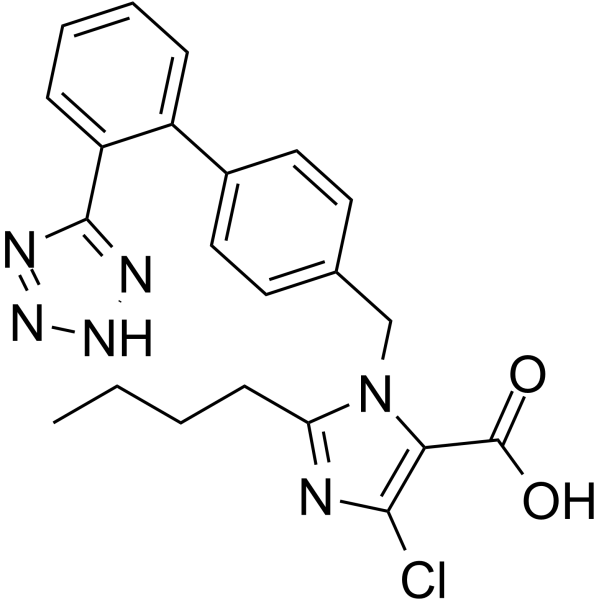
HY-12765
Losartan Carboxylic AcidAT1 Antagonist -
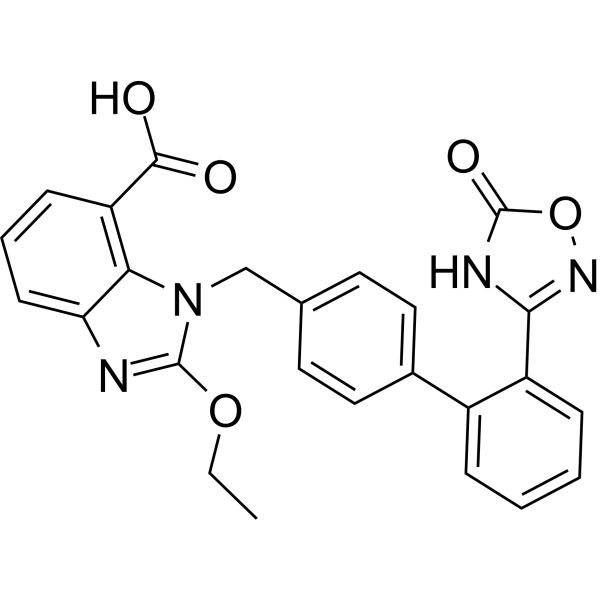
HY-14914
AzilsartanAT1 Antagonist -
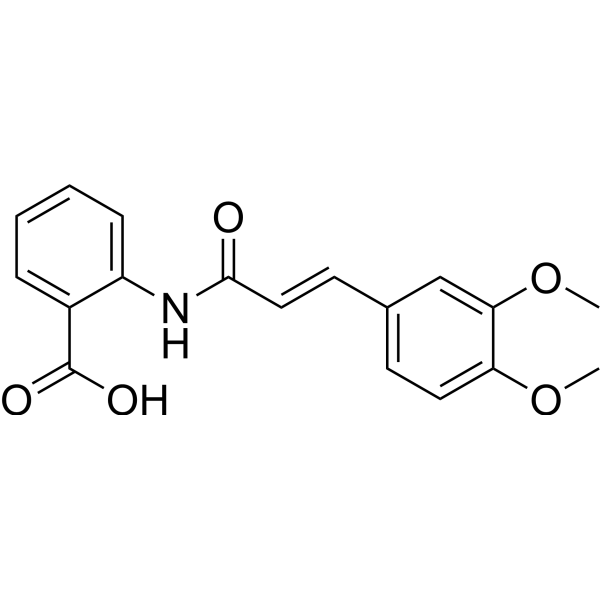
HY-B0195
TranilastAnti-allergic Agent -
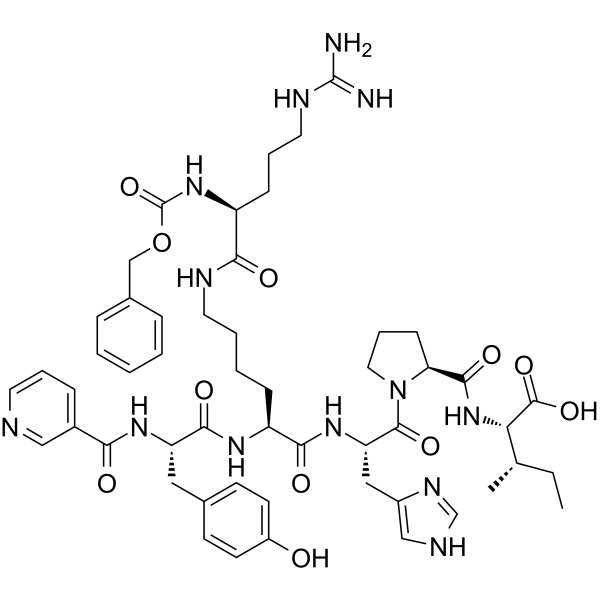
HY-12405
CGP-42112AT2 Agonist -
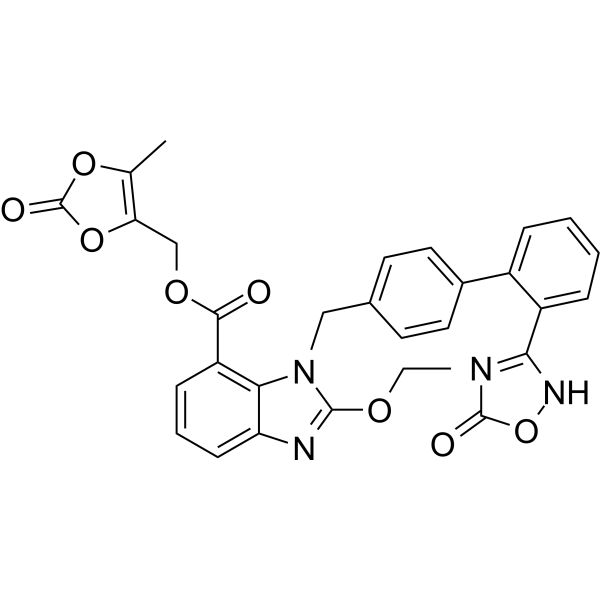
HY-14736
Azilsartan medoxomilAngiotensin Receptor Antagonist -
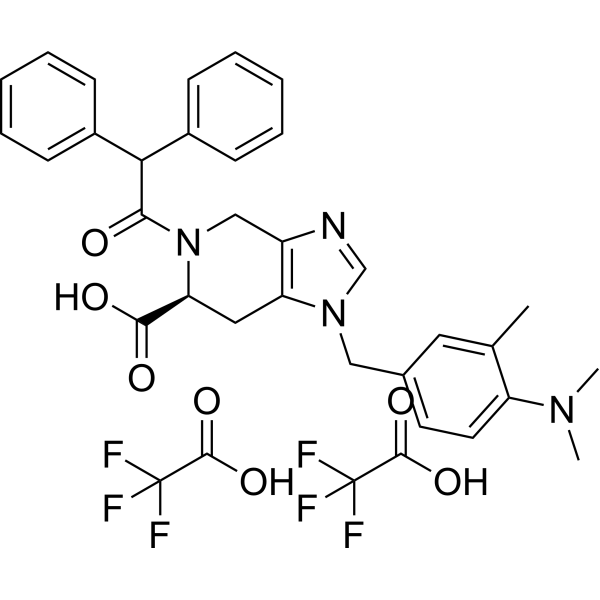
HY-10259A
PD 123319 ditrifluoroacetateAT2 Receptor Antagonist -
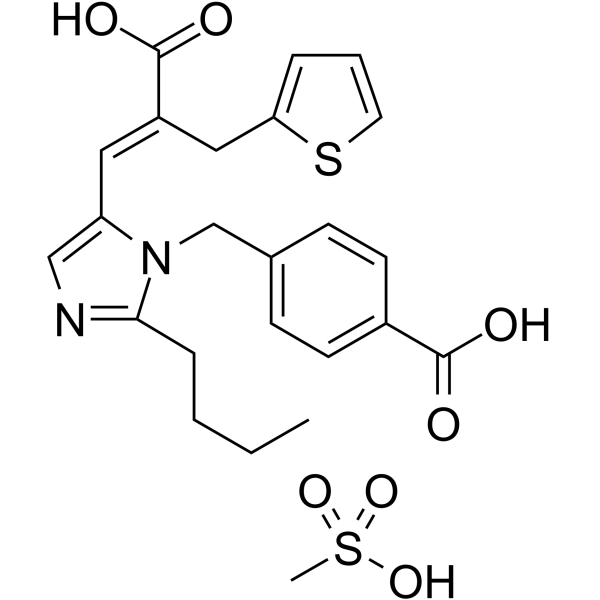
HY-15834A
Eprosartan mesylateAngiotensin II Receptor Antagonist -
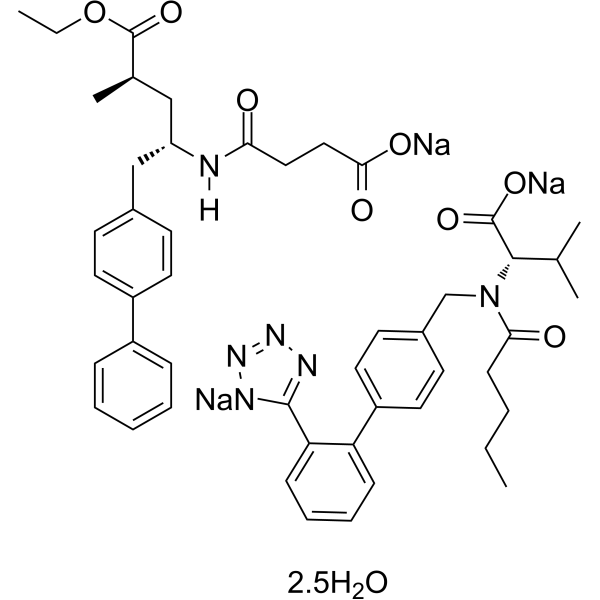
HY-18204A
Sacubitril/ValsartanARN Inhibitor -
HY-17458
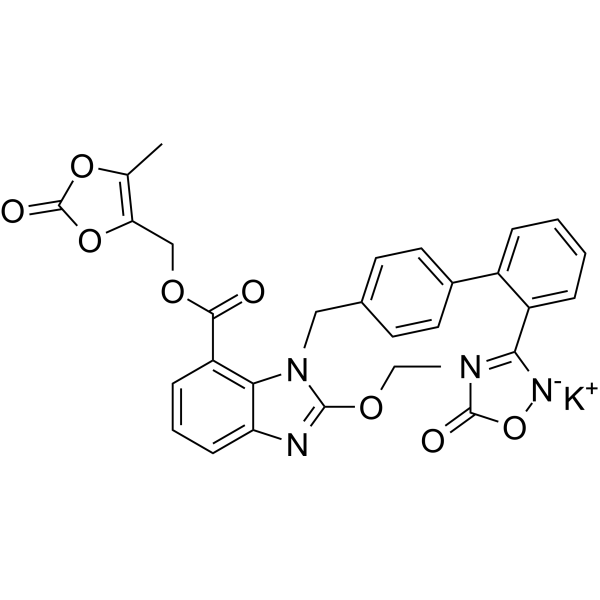
Azilsartan (medoxomil monopotassium)Angiotensin Receptor Antagonist
All Angiotensin Receptor Isoforms
More

Biological Activity
Description
IC50 & Target
|
Angiotensin II Type 1 0.7 nM (IC50) |
In Vitro
Ang II is known to activate at least two receptor subtypes, namely, AT1 and AT2 receptors[1].
EMD 66684 (0.1 μM) decreases Ang II (0.1 mM)-induced in basal and NS-induced NPY overflow, attenuates the NS-induced stimulation of both NE and NPY release[1].
EMD 66684 (0.01 nM-1 μM; 0, 30, 60 min) exhibits a time-dependent inhibition against Ang II in DMR (dynamic mass redistribution) responses, with IC50s of 181.97 nM (0 min), 0.22 nM (30 min), 0.17 nM (60 min), respectively[2].
EMD 66684 exhibits binding affinities for the AT1 subtype Ang II receptor with an IC50 value of 0.7 nM in rat adrenal cortical membranes, and inhibits Ang II-Induced contraction in rabbit aortic rings with an IC50 value of 0.2 nM[3].
MedChemExpress (MCE) has not independently confirmed the accuracy of these methods. They are for reference only. Further protocols information, click here.
-
Cell Line:Hep G2 cells (liver hepatocellular carcinoma cell line)
-
Concentration:1 nM
-
Incubation Time:1 hour
-
Result:Completely blocked the Ang II responses Ang II-induced response.
In Vivo
EMD 66684 (0.1 μM; 45 min) decreases the NS-induced overflow of NE and NPY from preparations from SHRs at 10-12 weeks old[4].
MedChemExpress (MCE) has not independently confirmed the accuracy of these methods. They are for reference only.
-
Animal Model:Conscious furosemide-treated SHR (Spontaneous Hypertension Rat)[3]
-
Dosage:0.1, 0.3, 1 mg/kg
-
Administration:Intravenous injection; once; as potassium salts to conscious furosemide-treated SHR
-
Result:Showed a long lasting fall in blood pressure, resulted mean arterial pressure (MAP) decreased in a dose-dependent manner.


Chemical Information
-
CAS No. 1216884-39-7
-
Molecular Weight 547.05
-
Formula C28H31ClN8O2
-
SMILES
O=C1C2=C(C=CN1CC(N(C)C)=O)N=C(CCCC)N2CC3=CC=C(C4=C(C5=NN=NN5)C=CC=C4)C=C3.Cl
-
Shipping
Room temperature in continental US; may vary elsewhere.
-
Storage
Please store the product under the recommended conditions in the Certificate of Analysis.

Protocols
-
Cell Cytotoxicity Assay
Cytotoxicity assays are usually based on the assessment of cell membrane damage, which can also be indirectly detected by measuring cell viability. Detection methods include MTT assay, CKK-8 assay, LDH assay and ATP assay, etc.


Purity & Documentation
References
[1]. Westfall TC, et al. Interactions of neuropeptide y, catecholamines, and angiotensin at the vascular neuroeffector junction. Adv Pharmacol. 2013;68:115-39. [Content Brief]
[2]. Qu L, et al. Systematic characterization of AT1 receptor antagonists with label-free dynamic mass redistribution assays. J Pharmacol Toxicol Methods. 2020 Mar-Apr;102:106682. [Content Brief]
[3]. Mederski WW, et al. Non-peptide angiotensin II receptor antagonists: synthesis and biological activity of a series of novel 4,5-dihydro-4-oxo-3H-imidazo[4,5-c]pyridine derivatives. J Med Chem. 1994 May 27;37(11):1632-45. [Content Brief]
[4]. Byku M, et al. Nerve stimulation induced overflow of neuropeptide Y and modulation by angiotensin II in spontaneously hypertensive rats. Am J Physiol Heart Circ Physiol. 2008 Nov;295(5):H2188-97. [Content Brief]
[5]. Avkran M, et al. Treatment of ischemia with an angiotensin II antagonist: UK, GB2337701. 1999-12-01.

Calculators
Concentration (start) × Volume (start) = Concentration (final) × Volume (final)


EMD 66684 Related Classifications
HY-103247 Related Classifications
 Powered by Bioz