



mPEG5000-amine

Based on 1 Customer Validation
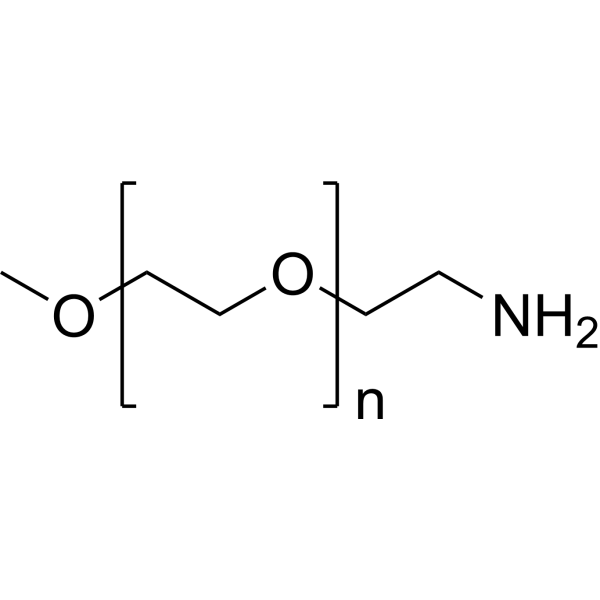
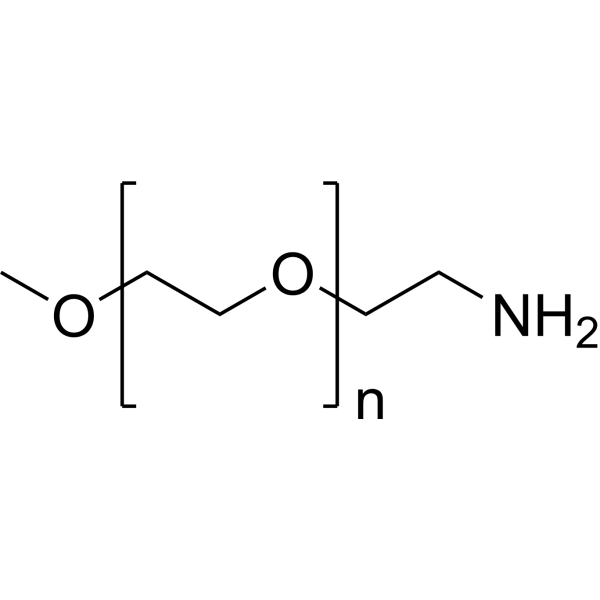
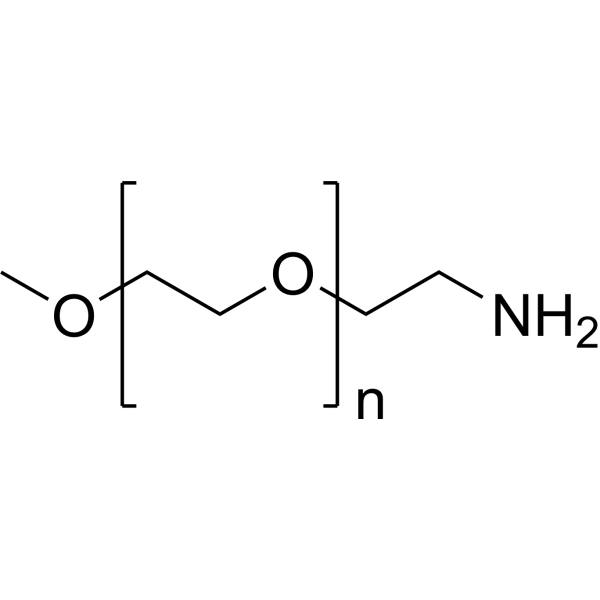
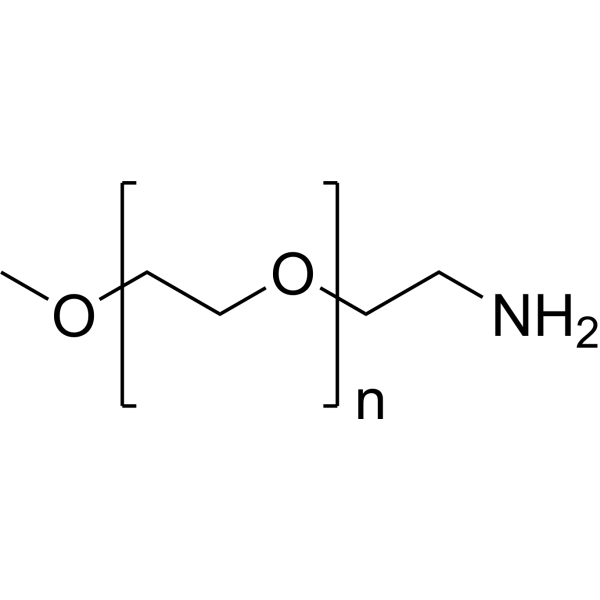
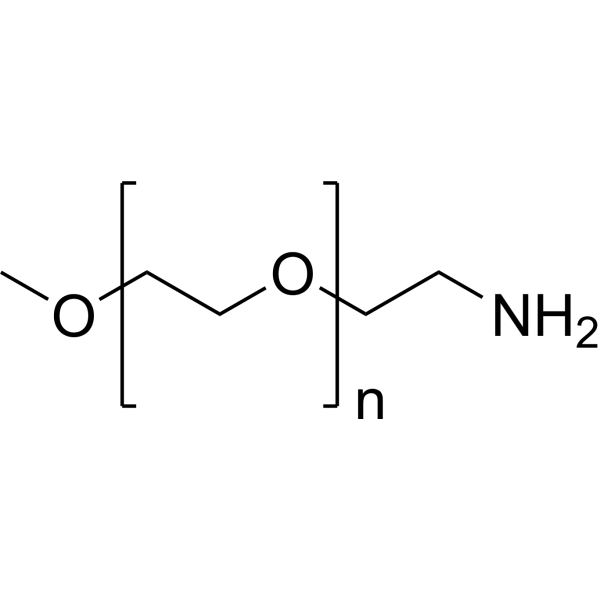
mPEG5000-amine (mPEG5000-NH2) is a class of functionalized polymers composed of a methoxy-terminated polyethylene glycol backbone and a terminal primary amine group. mPEG5000-amine serves as an important intermediate for constructing functionalized nanocarriers, modifying proteins or polypeptides, and developing novel drug delivery systems.
For research use only. We do not sell to patients.
- Purity : 99.79%
- CAS No.: 80506-64-5
- Formula: (C2H4O)nC3H9NO
- Molecular Weight:5000 (Average)
-
Storage:
4°C, sealed storage, away from moisture and light
* In solvent : -80°C, 6 months; -20°C, 1 month (sealed storage, away from moisture and light)

To place orders, for customer services and technical support, please contact: MedChemExpress USA
Tel: 609-228-6898 E-mail: [email protected] [email protected]


-
 Biological Activity
-
Chemical Information
- Purity & Documentation
- References
-
 Help & FAQs


-
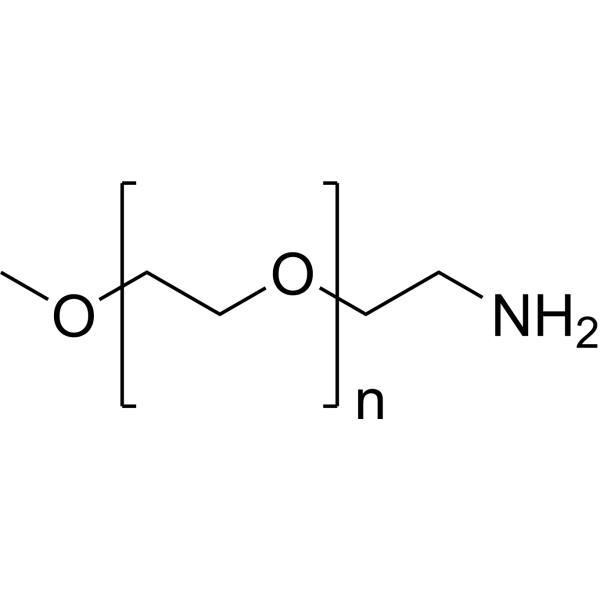
HY-140676
mPEG2000-aminePEG Derivative -
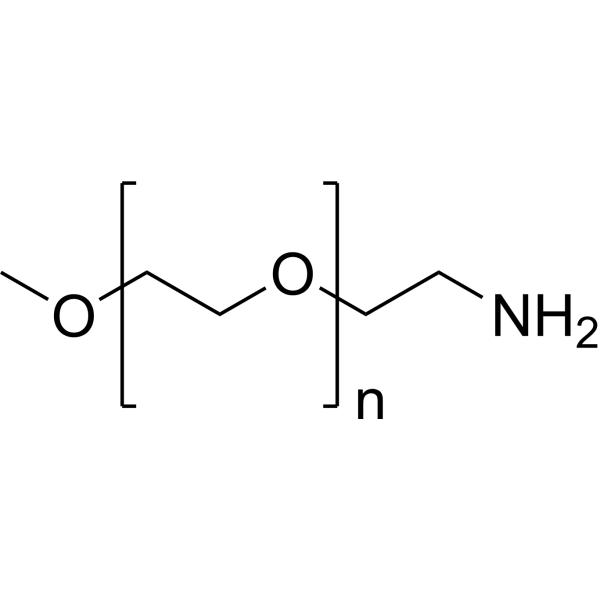
HY-140679
mPEG20000-aminePEG Derivative -
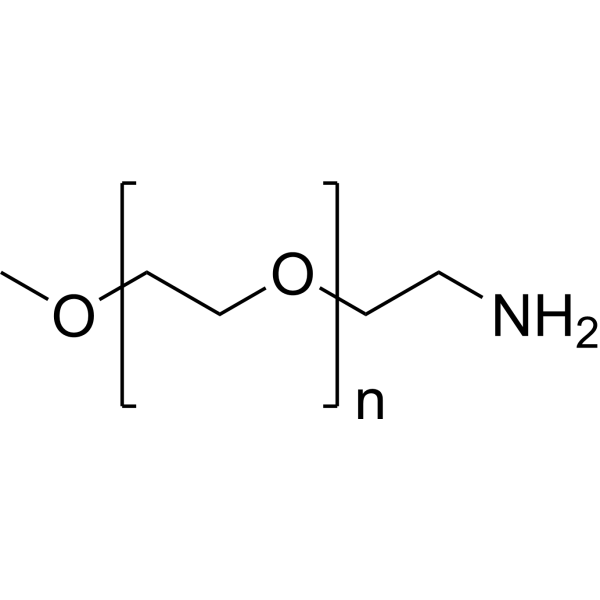
HY-140675
mPEG1000-aminePEG Derivative -
HY-140678
mPEG10000-aminePEG Derivative -
HY-155882
mPEG750-aminePEG Derivative -
HY-155881
mPEG550-aminePEG Derivative -
HY-155880
mPEG350-aminePEG Amine -
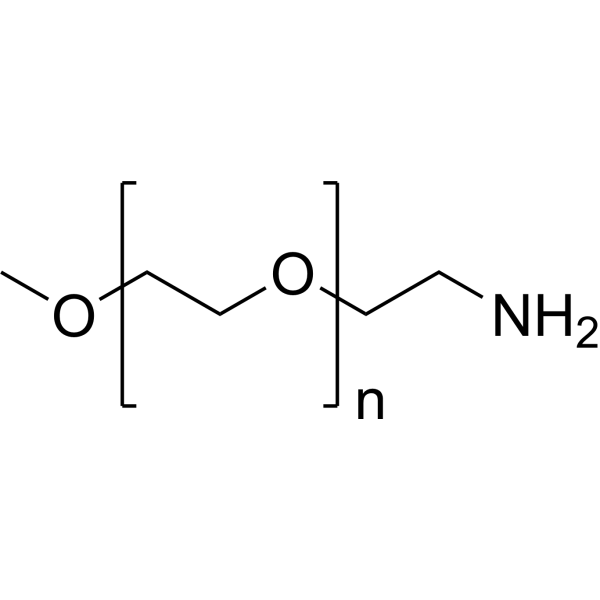
HY-155883
mPEG3400-amineMicellar Delivery -
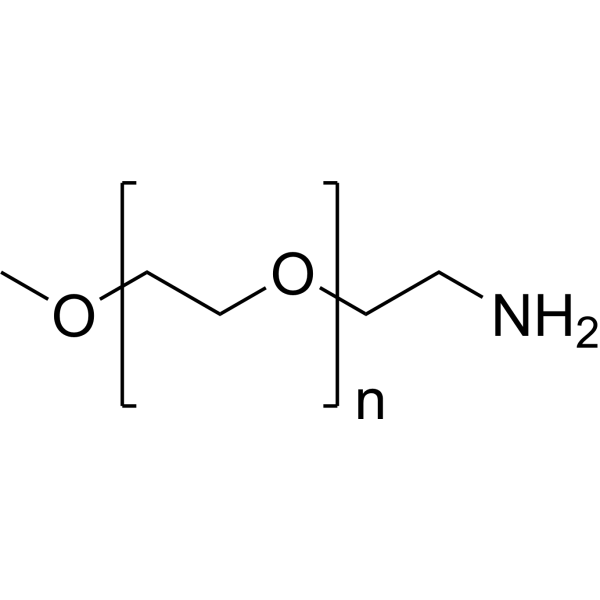
HY-155884
mPEG4000-amineFolic Acid Micellar Delivery -
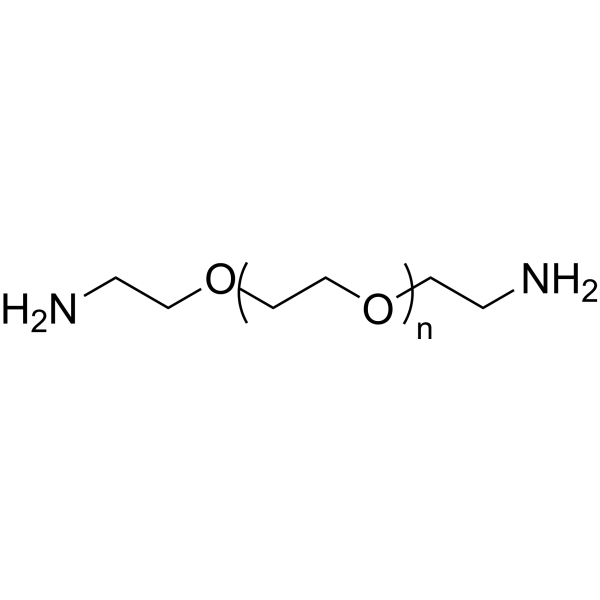
HY-W591632
PEG1000-bis-aminePEG Derivative -
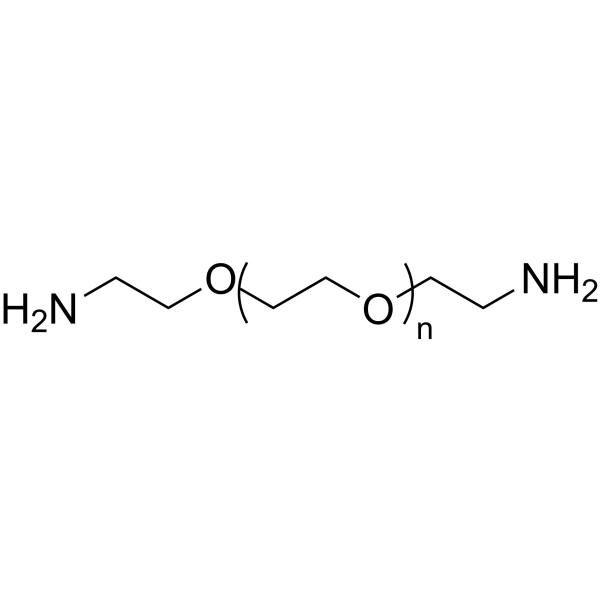
HY-W115607
PEG4000-bis-amineLinker -
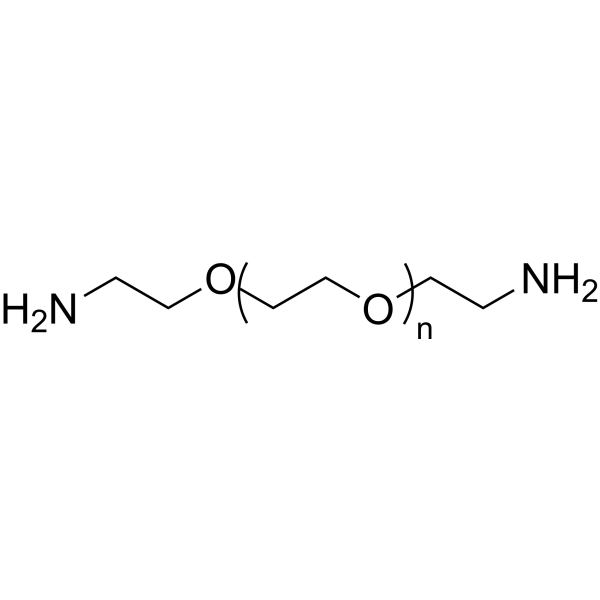
HY-140646
PEG2000-bis-aminePEG Derivative


Biological Activity
Description
IC50 & Target
|
PEGs |
In Vitro
mPEG-amines of different molecular weights are suitable for different research scenarios. For example, low molecular weight (e.g., MW 350-2000 Da) is often used for small molecule coupling or surface modification, while high molecular weight (e.g., MW 5000-20000 Da) is more suitable for prolonging in vivo circulation time or constructing steric hindrance layers.
MedChemExpress (MCE) has not independently confirmed the accuracy of these methods. They are for reference only. .


Chemical Information
-
CAS No. 80506-64-5
-
Appearance Solid
-
Molecular Weight 5000 (Average)
-
Formula (C2H4O)nC3H9NO
-
Color White to off-white
-
SMILES
COCCOCCN.[n]
-
Synonyms
mPEG5000-NH2
-
Shipping
Room temperature in continental US; may vary elsewhere.
-
Storage
4°C, sealed storage, away from moisture and light
* In solvent : -80°C, 6 months; -20°C, 1 month (sealed storage, away from moisture and light)


Purity & Documentation
-
Data Sheet (265 KB)
-
SDS (393 KB)
- English - EN (393 KB)
- Français - FR (393 KB)
- Deutsch - DE (393 KB)
- Norwegian - NO (393 KB)
- Español - ES (393 KB)
- Swedish - SV (393 KB)
- Italian - IT (393 KB)
- Korean - KR (393 KB)
- Portuguese - PT (393 KB)
-
Handling Instructions (2659 KB)
References
[1]. Patrick MJ, et al. Enhanced aqueous solubility of long wavelength voltage-sensitive dyes by covalent attachment of polyethylene glycol. Org Biomol Chem. 2007 Oct 21;5(20):3347-53. [Content Brief]
[2]. Suzuki K, et al. Spatial confinement of active microtubule networks induces large-scale rotational cytoplasmic flow. Proc Natl Acad Sci U S A. 2017 Mar 14;114(11):2922-2927. [Content Brief]

Calculators
Concentration (start) × Volume (start) = Concentration (final) × Volume (final)


mPEG5000-amine Related Classifications
HY-140677 Related Classifications
 Powered by Bioz